What is anisotropic conductive film (ACF)?Anisotropic Conductive Film (ACF) serves as an adhesive for securing and electrically connecting electronic components, like integrated circuits (ICs), to circuit boards.
Originally introduced in 1977, ACF is now a staple in nearly all digital devices that employ flat panel displays—think smartphones, tablets, and high-definition TVs.

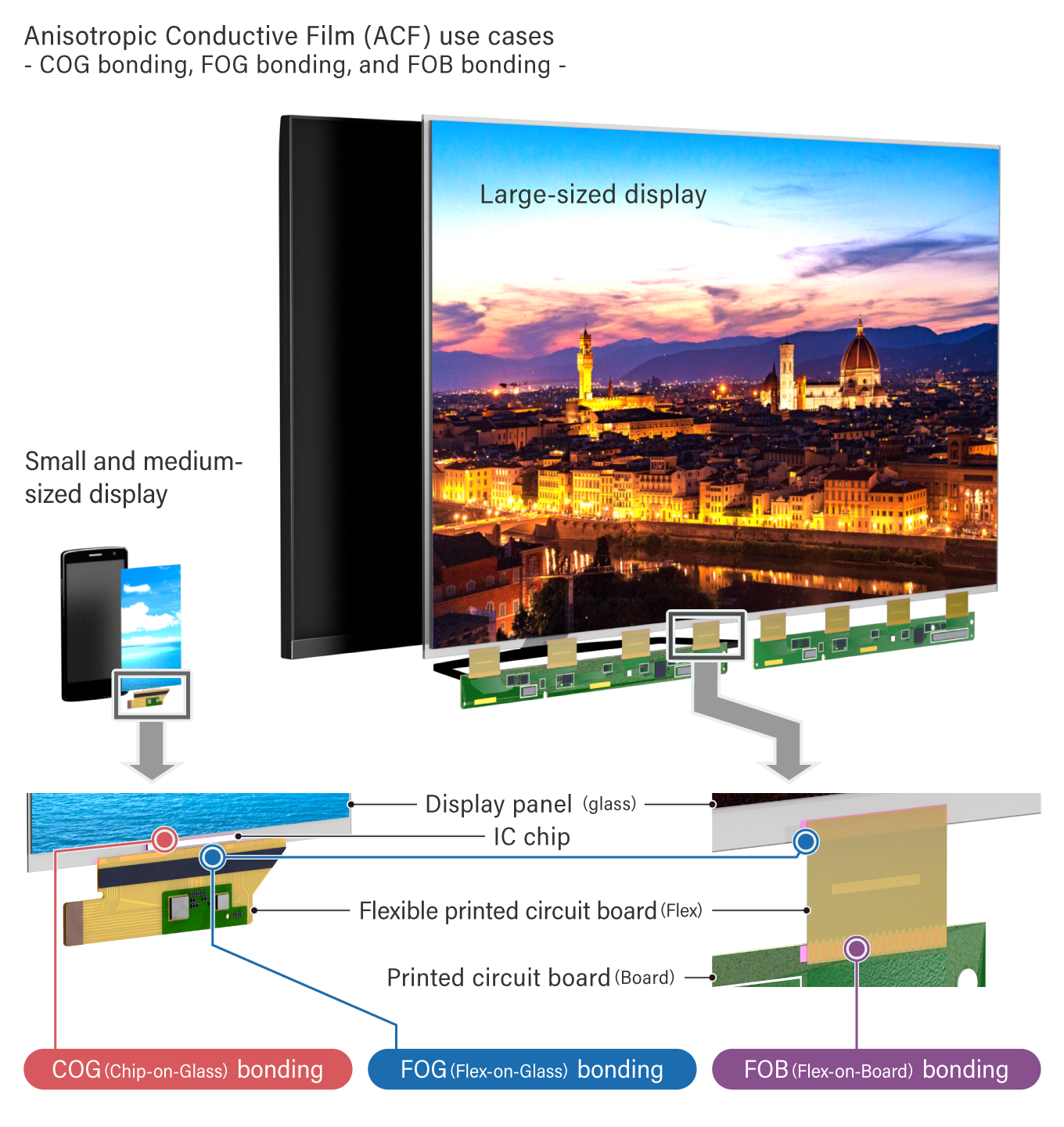
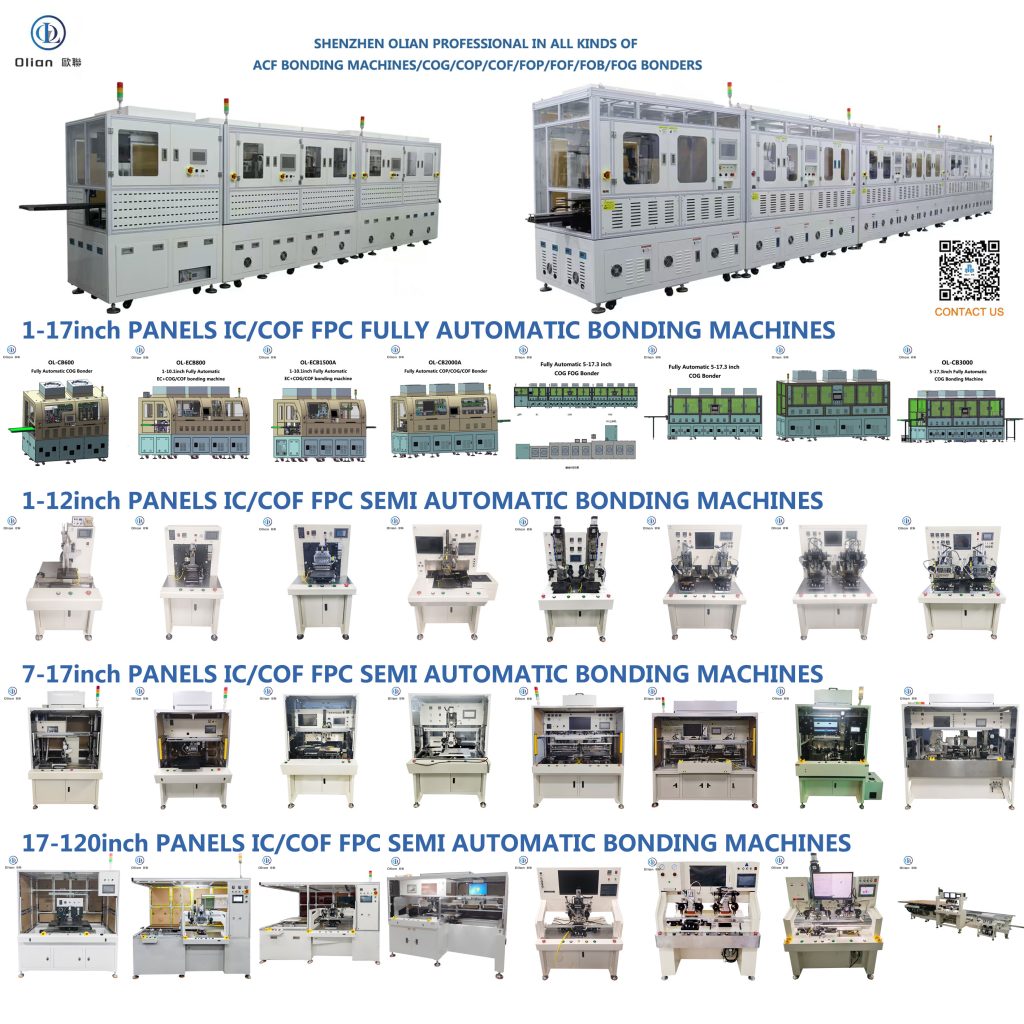
ACFs are typically used to connect the display panel to the flexible substrate that transmits signals to the panel or to the IC. Common applications of ACF include: COG (Chip-on-Glass), which connects the IC and glass substrate FOG (Flex-on-Glass), which connects the flexible substrate and glass substrate FOB (Flex-on-Board), which connects the flexible substrate and rigid substrate Other applications of ACF extend to smart cards, camera modules for CCDs (charge-coupled devices), and CMOSs (complementary metal oxide semiconductors). Shenzhen olian design and manufactur all the COG,COF,COP,FOG,FOB,FOP,FOF,TFOG,TFOF ACF bonding machines.
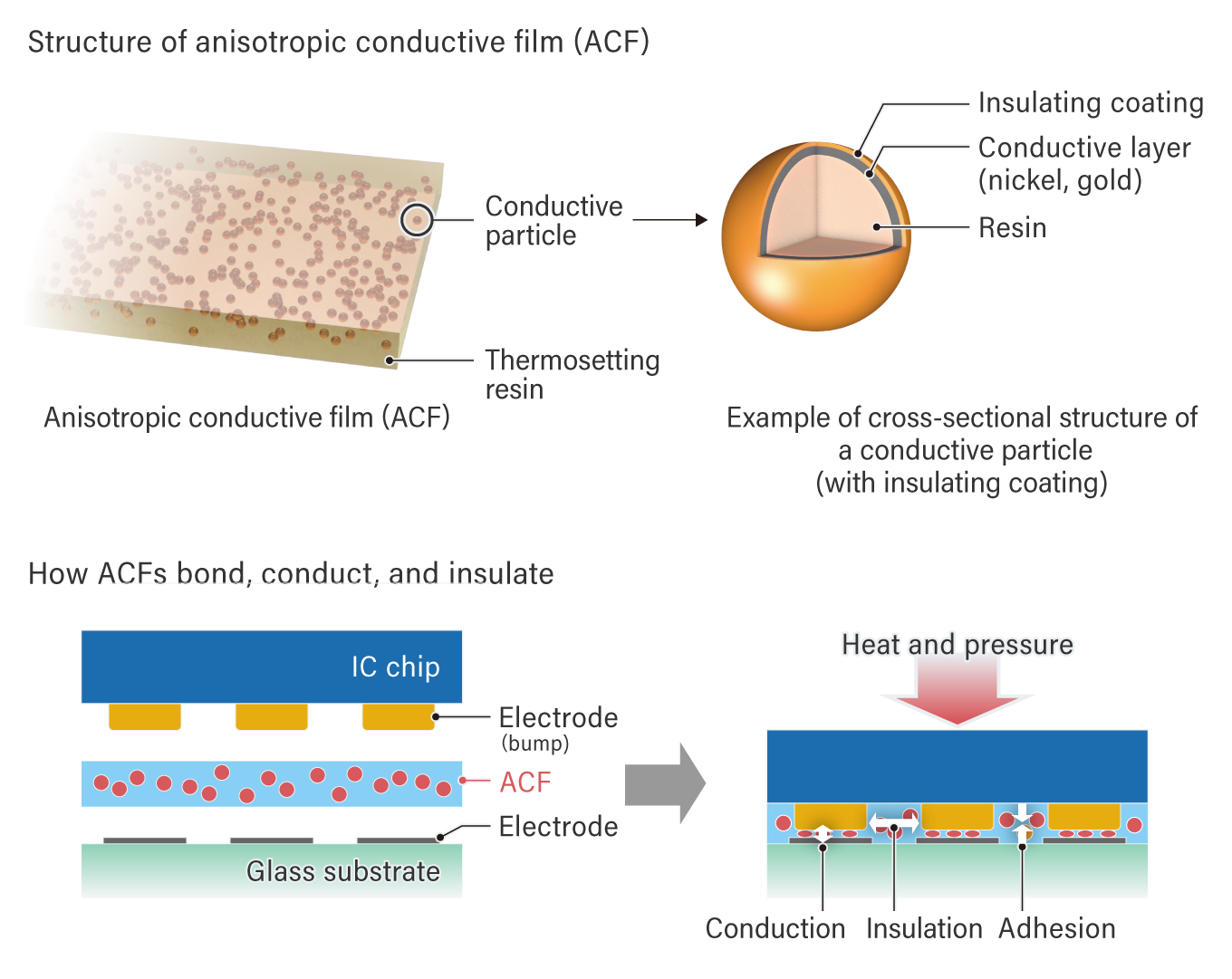
Anisotropic Conductive Film serves three primary functions simultaneously: adhesion, electrical conduction, and insulation. This unique capability allows manufacturers to connect a large number of pads at once.
Unlike traditional soldering, ACF enables fine pitch connections. The film is composed of conductive particles dispersed in a thermoset resin. A typical particle features a polymer core coated with nickel or gold, covered by an insulating layer.
When heat and pressure are applied, the opposing pads capture these particles. This process breaks the insulating coating to establish a vertical electrical connection. Particles trapped between pads remain insulated, preventing short circuits.
Key Technical Specifications:
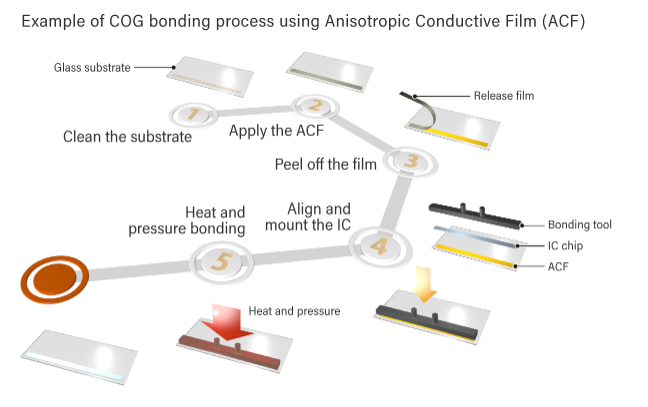
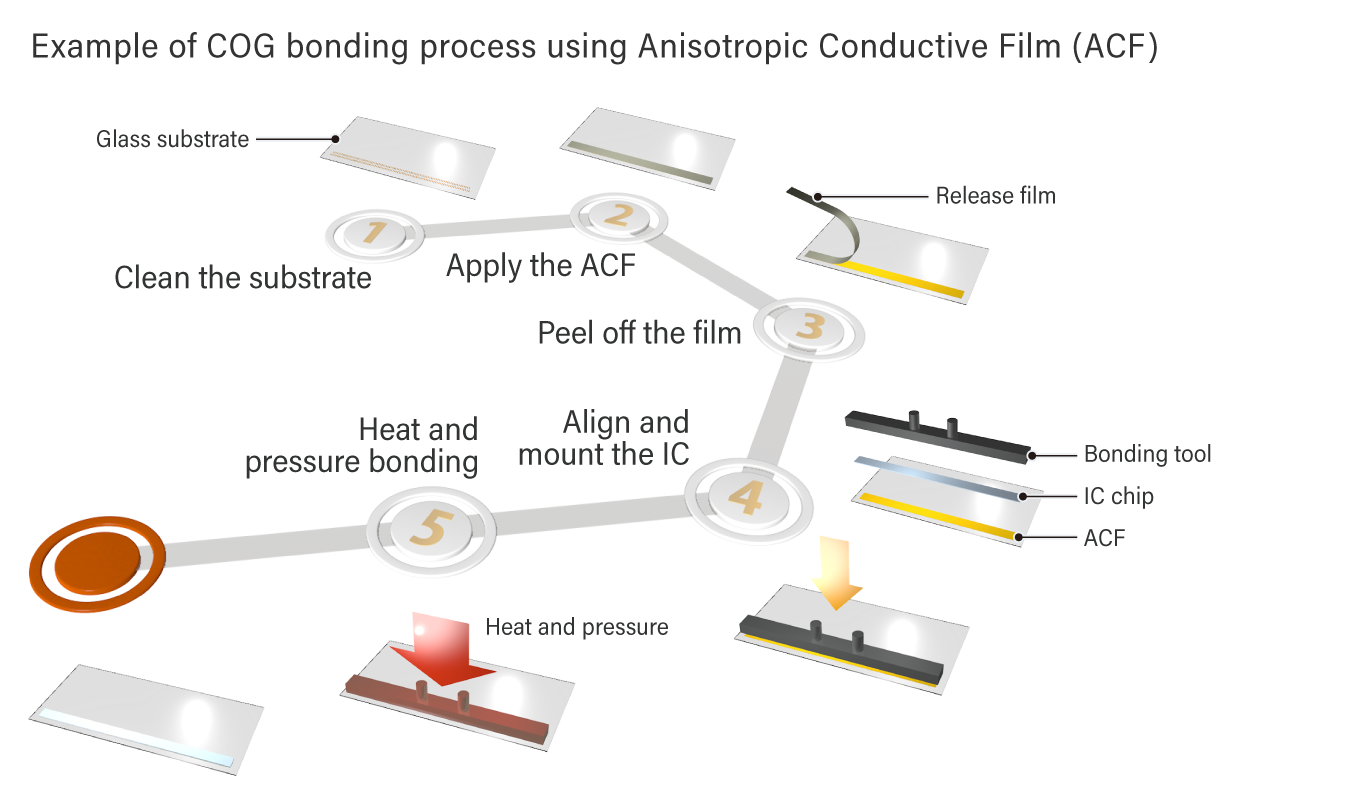
The bonding process is precise and efficient. Shenzhen Olian recommends following these steps for optimal results:
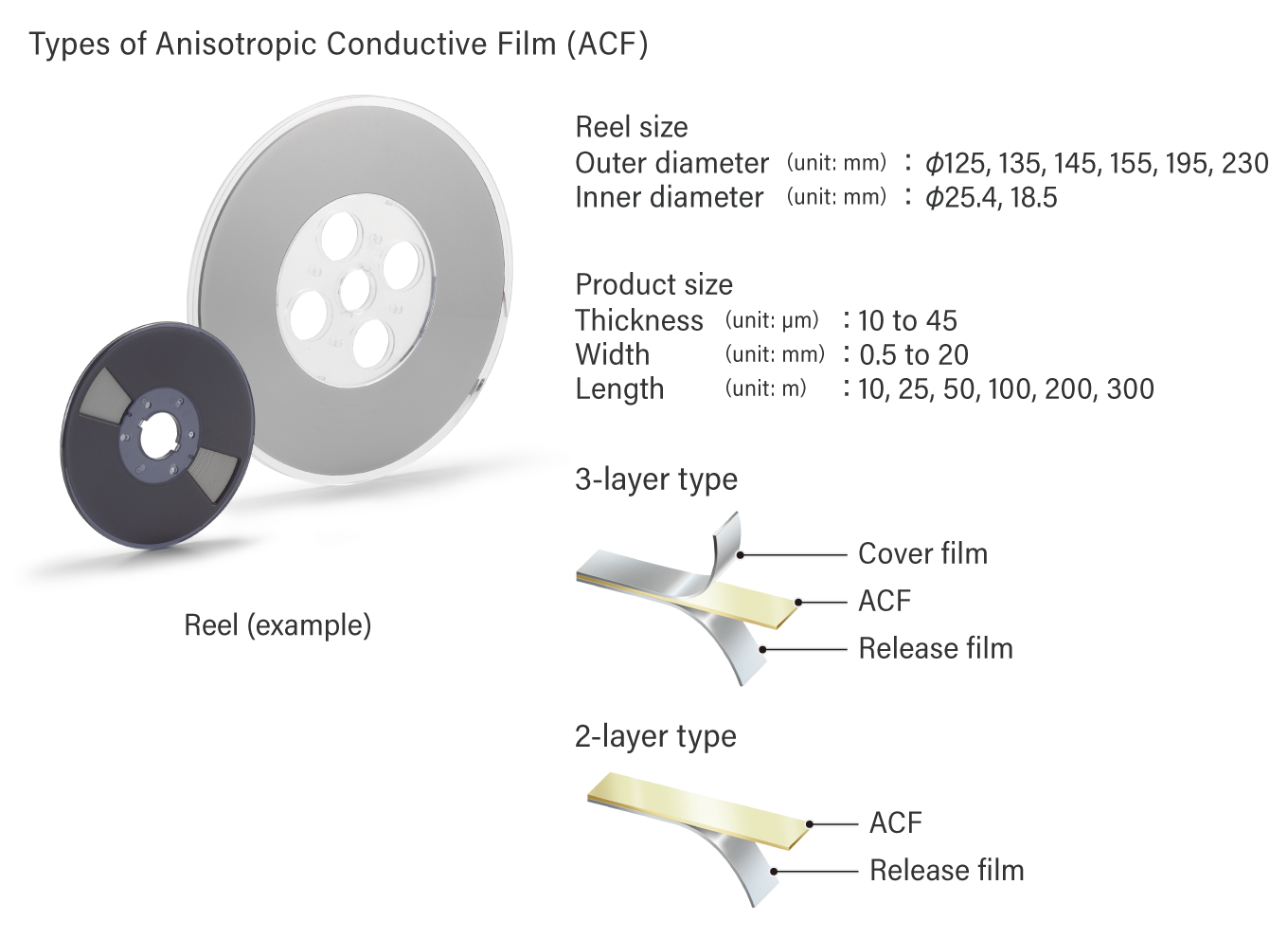
ACFs are sold in reels, as shown in the photo below. They come in a wide range of film thicknesses. From 10 to 45μm, widths from 0.5 to 20mm, and lengths from 10 to 300m.
The figure below illustrates two types of ACFs: a three-layer type, where ACF is sandwiched between a protective film and a release film.
And a two-layer type where only the release film is used. Each type offers different benefits. The three-layer type reduces the risk of dust contamination, while the two-layer type eliminates the need to remove the protective film during bonding.
As technology advances each year, circuit boards are becoming increasingly fine pitch, the area of connecting pads is shrinking, and the spacing between them is narrowing.
While reflow soldering and connector components are traditionally used for bonding electronic components such as ICs to circuit boards, ACFs provide a solution to these trends.
However, a disadvantage of ACF is that it is challenging to bond components of different shapes simultaneously, which is common in reflow soldering.
Also, since ACF is an adhesive, it cannot be freely removed and reattached like mechanical connectors.
Why Choose ACF?
Benefits of ACF
Dexerials has been continually enhancing ACF since its introduction in 1977. Initially, the conductive particles used were carbon fiber and solder particles. However, in 1988, Dexerials developed particles plated with nickel and gold.
By the 1990s, Dexerials had successfully developed a technology to coat the surface with insulating material.
As digital devices have evolved towards higher definition, Dexerials has adapted to the trend of fine pitch connections by reducing the particle size from 5μm to 2.8μm.
In 2014, Dexerials developed a technology to uniformly align conductive particles in thermosetting resin.
And in 2016, began marketing the product as “particle-arrayed Anisotropic Conductive Film” (ArrayFIX). This product contributes to the miniaturization, slimming design of digital devices, and higher resolution displays.
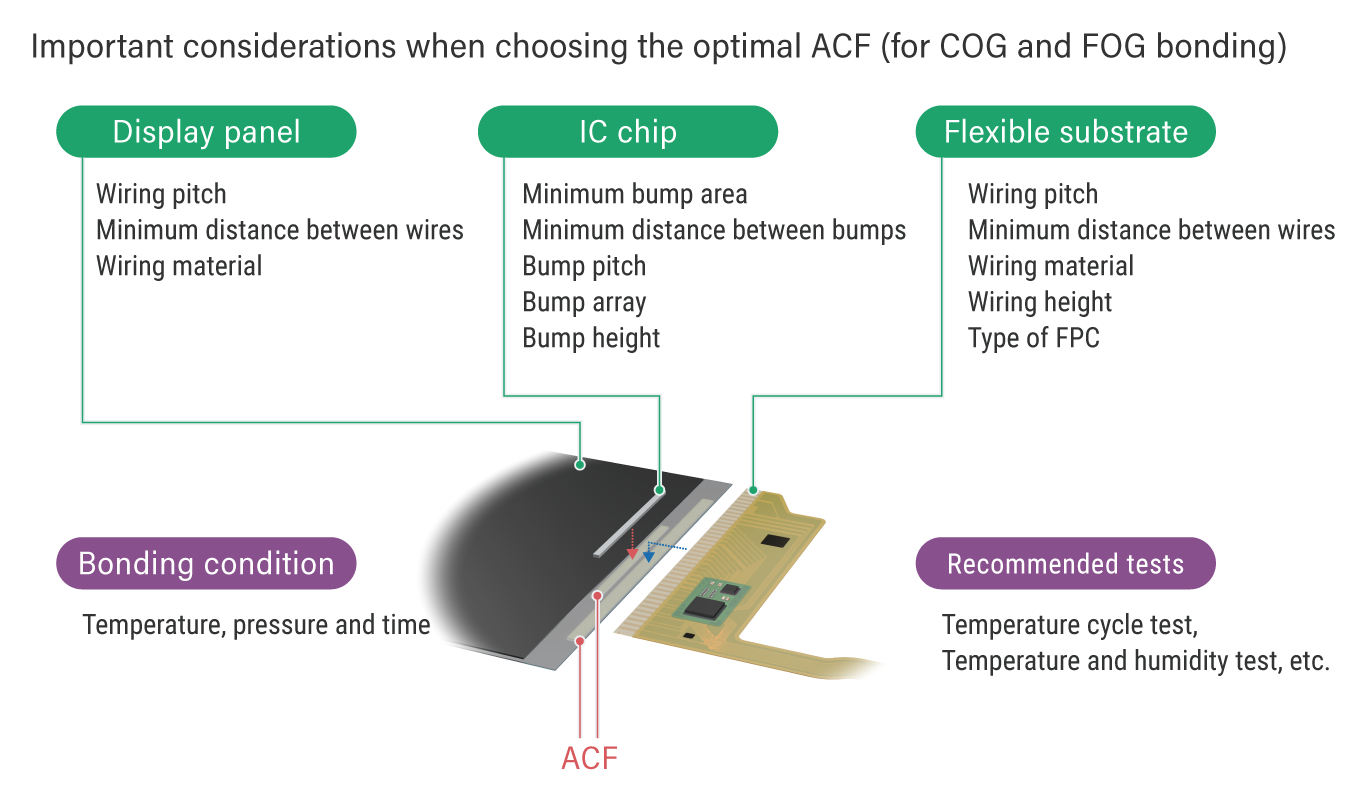
When selecting the best ACF, several factors should be considered, including the type of adherend, connection area, distance between pads, height of pads, and heat resistance.
ACF is composed of either epoxy resin or acrylic resin that cures with heat. we recommends acrylic ACF for applications where Flexible Printed Circuits (FPCs) and substrates (PCBs or glass substrates) are to be bonded, and where the design is intended to be reworked after the main bonding. (Please note that Dexerials does not recommend reworking itself. Dexerials advises that rework should only be done after reliability evaluations have been conducted to ensure that there are no issues.) Dexerials does not recommend ACF with epoxy resin if there is a possibility that the customer will rework. The primary reason is that it often damages the substrate to be reworked. This is because cured epoxy resin does not dissolve in solvents, and the process involves scraping off the residue.
Reworking after bonding typically involves heating the bonding area with a heat gun, hot iron, hot plate, etc., and then peeling off the FPC. Afterward, the cured resin residue between the pads on the board should be carefully removed using a solvent such as Methyl Ethyl Ketone (MEK) or N-Methyl-2-pyrrolidone (NMP) and a cotton swab. However, Dexerials does not recommend reusing FPCs because FPCs often curl during the peeling process and cleaning the resin residue between the pads on the FPC side is challenging.
With over 40 years of leadership in ACF technology, Dexerials can provide services including the initial setup, proposing an appropriate ACF, and post-connection analysis and evaluation. If you have any questions about ACF application, please feel free to contact us.
Shenzhen Olian Automatic Equipment Co., Ltd ,established in 2012, is a national high-tech enterprise specializing in the research and development, sales, production, and service of automation equipment for FPD flat panel displays and new flexible screen displays. The company holds multiple invention patents, utility model patents, and software copyrights. At present, the company has a professional R&D team of more than 100 workers, as well as a professional team for production management, quality management, and after-sales service.
Olian’s products include LCM module factories and full process equipment (COG COF COP ,FOG FOB FOF FOP FOC TFOG TFOF bonding, AOI, dispensing, backlighting, soldering), achieving manufacturing of integrated display and touch products. The company’s series of products are widely used in display fields such as mobile phones, electronic tags, tablets, smart wearables, automotive displays, televisions, computers, etc., and provide overall solutions for smart factories.
Product Tags:
Anisotropic Conductive Film, ACF, Electronic Adhesive, Conductive Adhesive, Thermoset Resin, Epoxy Resin, Acrylic Resin, Conductive Particles, Nickel and Gold Plated Particles, Insulating Coating, Particle-Arrayed Anisotropic Conductive Film, ArrayFIX, Fine Pitch Connection, Fine Pitch Bonding, Low-Temperature Bonding, Pb-free Bonding, Lead-free Bonding, Vertical Electrical Connection, Electrical Insulation, Short Circuit Prevention, Release Liner, Release Film, Protective Film, Three-layer ACF, Two-layer ACF, Chip-on-Glass, COG, Flex-on-Glass, FOG, Flex-on-Board, FOB, IC Bonding, Integrated Circuit Connection, Display Panel Bonding, Flexible Substrate Connection, Circuit Board Connection, FPC Bonding, Flexible Printed Circuit, PCB Bonding, Glass Substrate Bonding, Rigid Substrate Connection, Smart Card Manufacturing, Camera Module Assembly, CCD Module Bonding, CMOS Module Bonding, ACF Bonding Process, Surface Cleaning, Heat and Pressure Application, Pad Alignment, Batch Connection, Reworking, Resin Residue Removal, Methyl Ethyl Ketone, MEK, N-Methyl-2-pyrrolidone, NMP, Dexerials, Dexerials Corporation, Sony Chemicals, Shenzhen Olian, ACF History, ACF Innovation, 1977 ACF Introduction, 2.8μm Particle Size, 5μm Particle Size, 10 to 45μm Film Thickness, 0.5 to 20mm Film Width, 10 to 300m Roll Length, 110°C to 180°C Bonding Temperature, Miniaturization, Slimming Design, Higher Resolution Displays, Reliability Evaluation
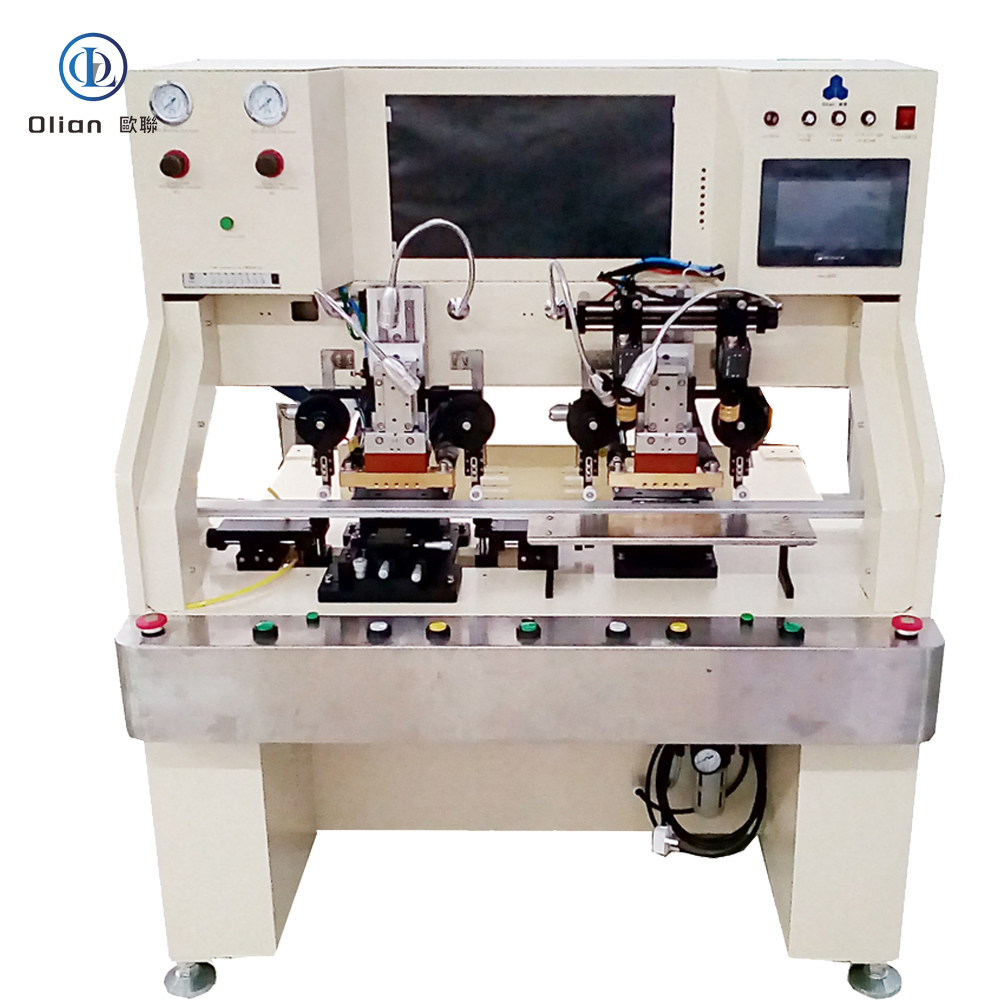
OL-FP85T Dual-Station Manual Pulse Bonder
High-Precision FOG and Flip-Chip Bonding Solution for 85-Inch Displays
COF bonder,COF bonding machine, ACF bonding machine, ACF bonder, FOB bonder, FOG bonder, COF Binding machine, panel repairing machine, TV Repairing machine, panel bonding machine,Repair TV machine,OL-FP85T, dual-station pulse bonder, manual FOG bonder, 85-inch display bonding machine, flip-chip bonder, FPC bonding equipment, COF bonding system, thermocompression bonding machine, large-format display assembler, LCD panel bonding, OLED module equipment, Olian Automaic, display manufacturing solution, manual thermocompression bonder, high-precision alignment bonder, flat panel display bonder, pulse heating bonder, display module assembly, glass-to-film bonding, COF to glass bonding, industrial display equipment, automated alignment bonder, display production line, OLB bonding machine, FOB bonding system, precision display assembler, China display equipment manufacturer, reliable pulse bonder, cleanroom-compatible bonder, high-yield display bonding.
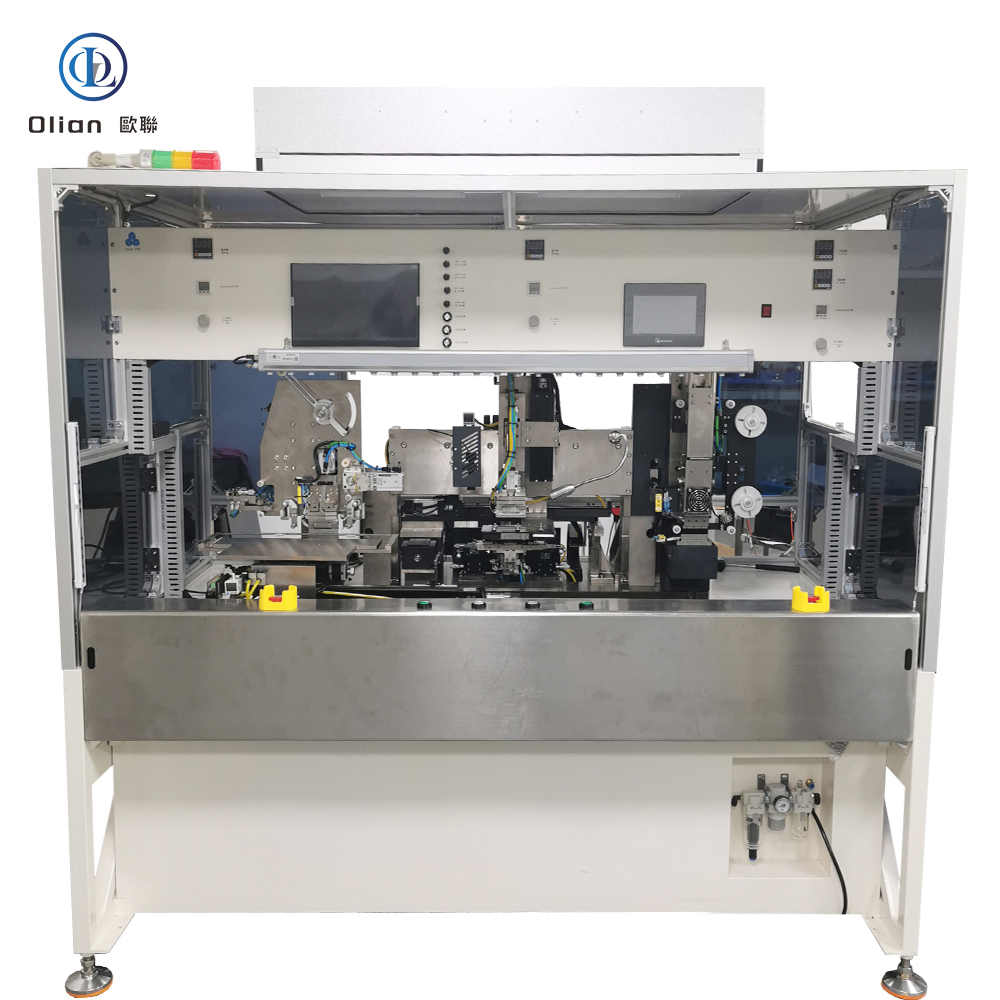
OL-CRW017-4 – 17-Inch COF-to-FPC Automatic Bonding Machine (Quad-Camera, A+P+M)
High-Speed Precision Bonder for Multi-Segment Flexible Circuit Assembly
The OL-CRW017-4 by Olian Automatic Equipment Co., Ltd. is a high-performance automatic bonding machine engineered for precise thermal compression of COF (Chip-on-Film) to FPC (Flexible Printed Circuit) modules up to 17 inches. Featuring four high-resolution cameras and full A+P+M (Alignment + Pre-press + Main-press) functionality, it delivers consistent, high-yield bonding for demanding display and electronics manufacturing.
This system is ideal for mass production of driver boards, touch modules, and automotive displays where multi-point COF-to-FPC connections require micron-level accuracy and process repeatability.
Equipped with four independent cameras, the OL-CRW017-4 enables simultaneous alignment at multiple bonding zones. Each camera provides real-time video feed with adjustable magnification and coaxial LED lighting—ensuring clear visibility of alignment marks even on dark or reflective surfaces.
Operators perform initial rough placement manually. Fine alignment is then verified visually via monitors. Once alignment is confirmed as “OK,” the operator initiates the cycle using a dual-hand start mechanism—a critical safety feature that prevents accidental activation during setup.
The machine executes a complete three-stage bonding sequence:
Temperature is adjustable from room temperature to 400°C, with press head surface uniformity held within ±5°C. Bonding time ranges from 0.1 to 99.9 seconds. Force output is precisely regulated to suit delicate flex materials—minimizing risk of damage.
Standard press heads are made of high-wear tungsten steel. Custom dimensions are available for specialized applications.
The OL-CRW017-4 uses a manual loading/unloading approach for maximum flexibility. Operators place the FPC on the worktable and secure it via vacuum. They then position the COF(s) and align them visually. After bonding, they remove the finished module and repeat.
All operations occur from a single front position—enhancing ergonomics and reducing cycle time. The platform includes dense vacuum channels to hold thin FPCs flat during bonding.
The machine includes essential manual controls:
A three-color signal tower (red/yellow/green) provides instant status feedback: ready, running, or fault. These physical controls ensure reliability in industrial environments—even without complex software interfaces.
Olian provides one Chinese-language operation manual. On-site training lasts one day and covers:
Training duration can be adjusted by mutual agreement.
The machine carries a 12-month warranty under normal operating conditions. Consumable parts and damage from misuse or force majeure are excluded. During the warranty period, if remote troubleshooting fails, an engineer will arrive on-site within 72 hours. Lifetime technical support is available beyond the warranty term.
COG bonding machine, COP Bonding machine, COF bonding Machine, COG bonder, ACF bonder, ACF bonding Machine, IC COF pre bonding and main bonding machine, 17 inch COF to FPC bonding machine, OL-CRW017-4 Olian, quad-camera FOG Bonding machine, automatic COF-FPC bonder with A+P+M, 400°C hot press bonding equipment, ±5°C uniformity COF hot press machine, four-camera alignment FPC bonder, high-precision COF to flexible PCB machine, Olian OL-CRW017-4 technical specs, semi-automatic COF bonding system for 17 inch panel, China-made COF-FPC bonding machine for export, dual-hand safety start FOG machine, reliable COF rework equipment , servo-controlled FPC bonding platform, industrial COF assembly machine with vacuum stage, Shenzhen Olian automatic bonder with EMO stop, COF to FPC bonder for automotive display, FPC driver board bonding equipment, multi-zone COF bonding machine with manual loading, touch module COF bonding system.
In the rapidly evolving world of electronics and display manufacturing, precision bonding technologies play a crucial role in creating high-quality, reliable, and innovative products. Whether you are producing smartphone screens, wearable devices, large TV panels, or advanced OLED displays, our company offers a comprehensive range of bonding machines and solutions to meet your specific needs. Below is an introduction to our product offerings, covering various bonding technologies and applications.
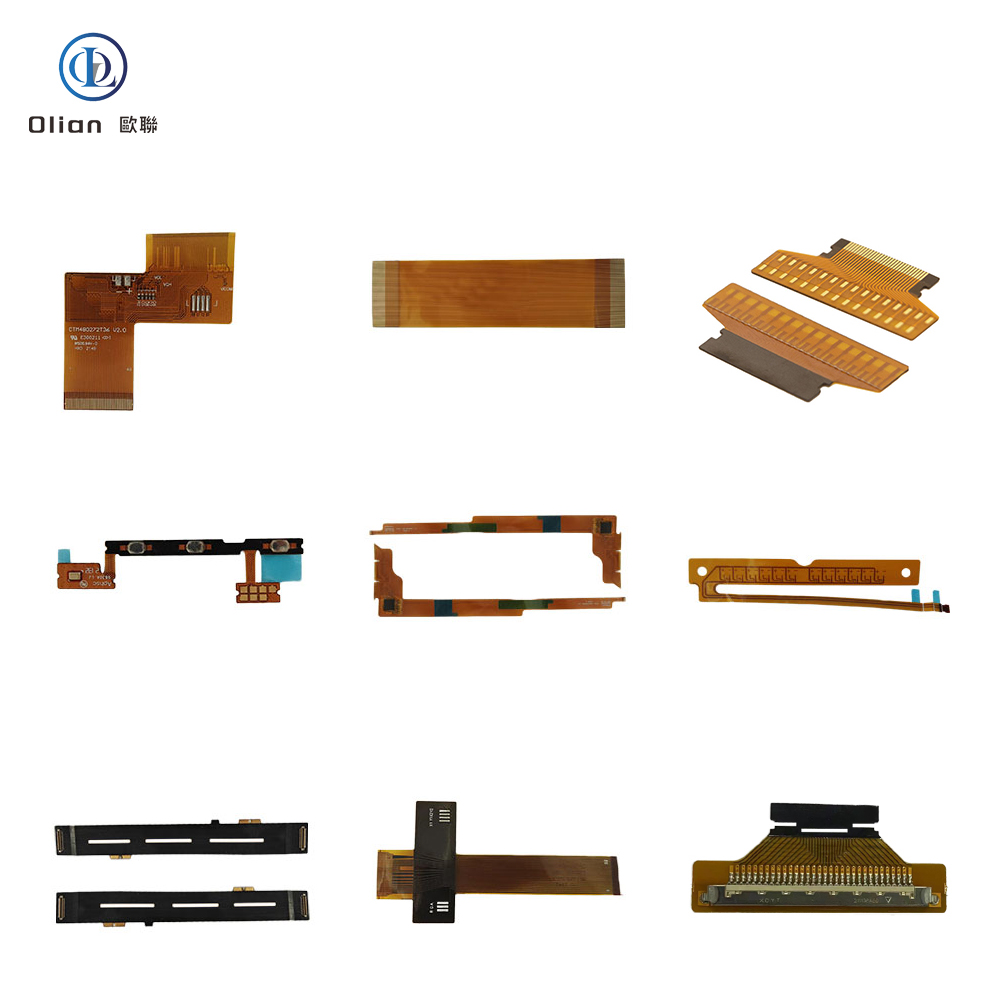
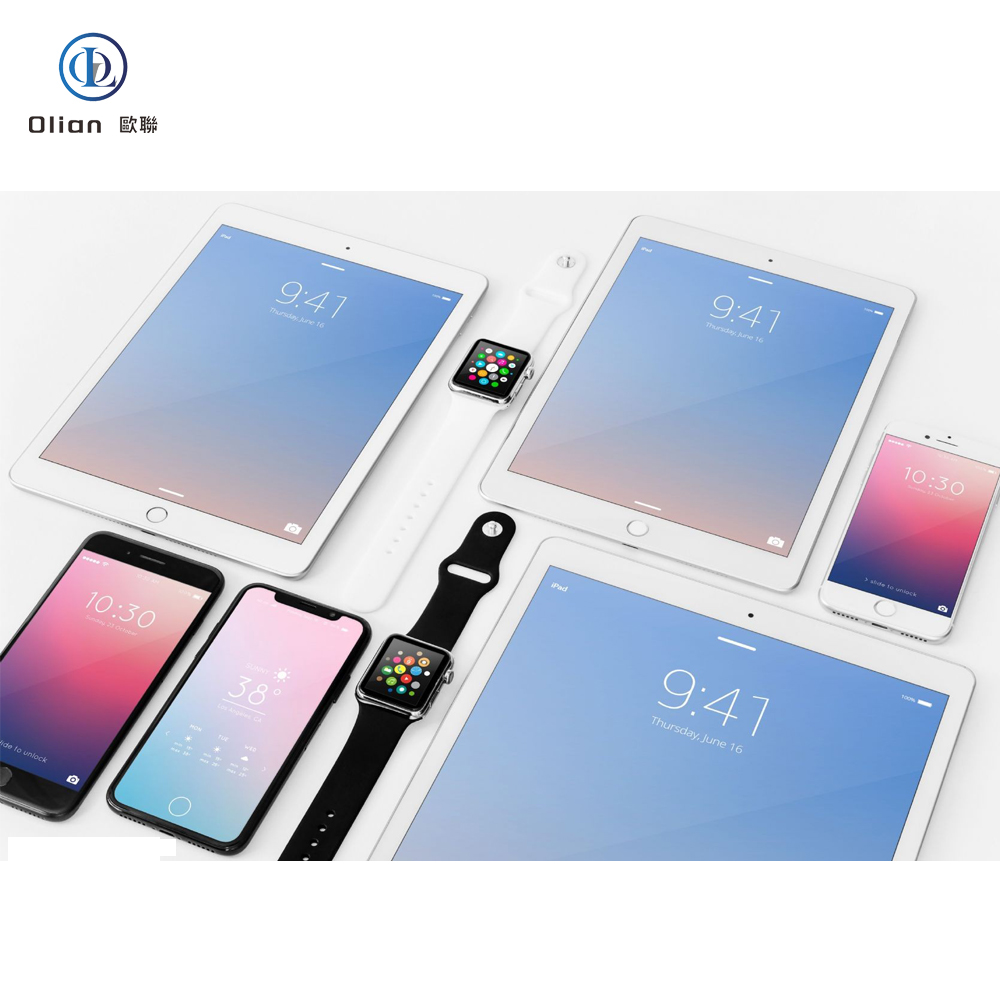
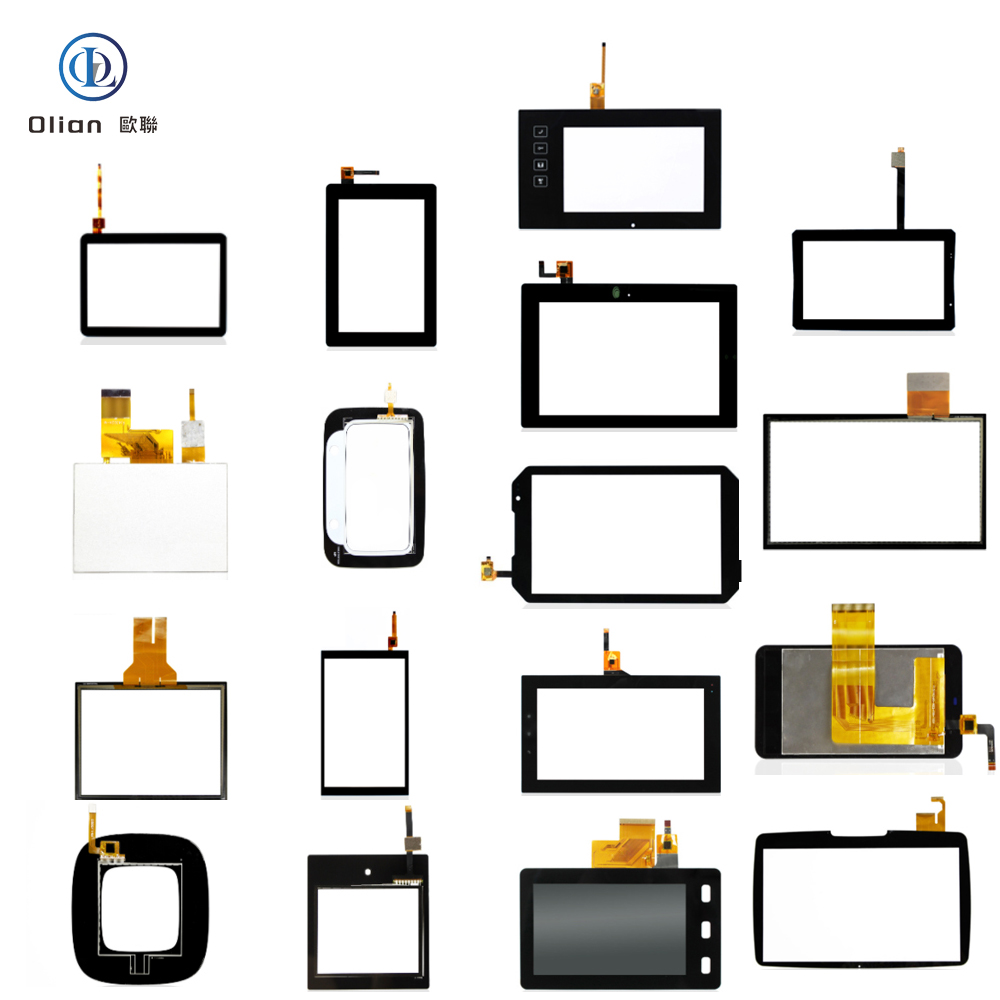
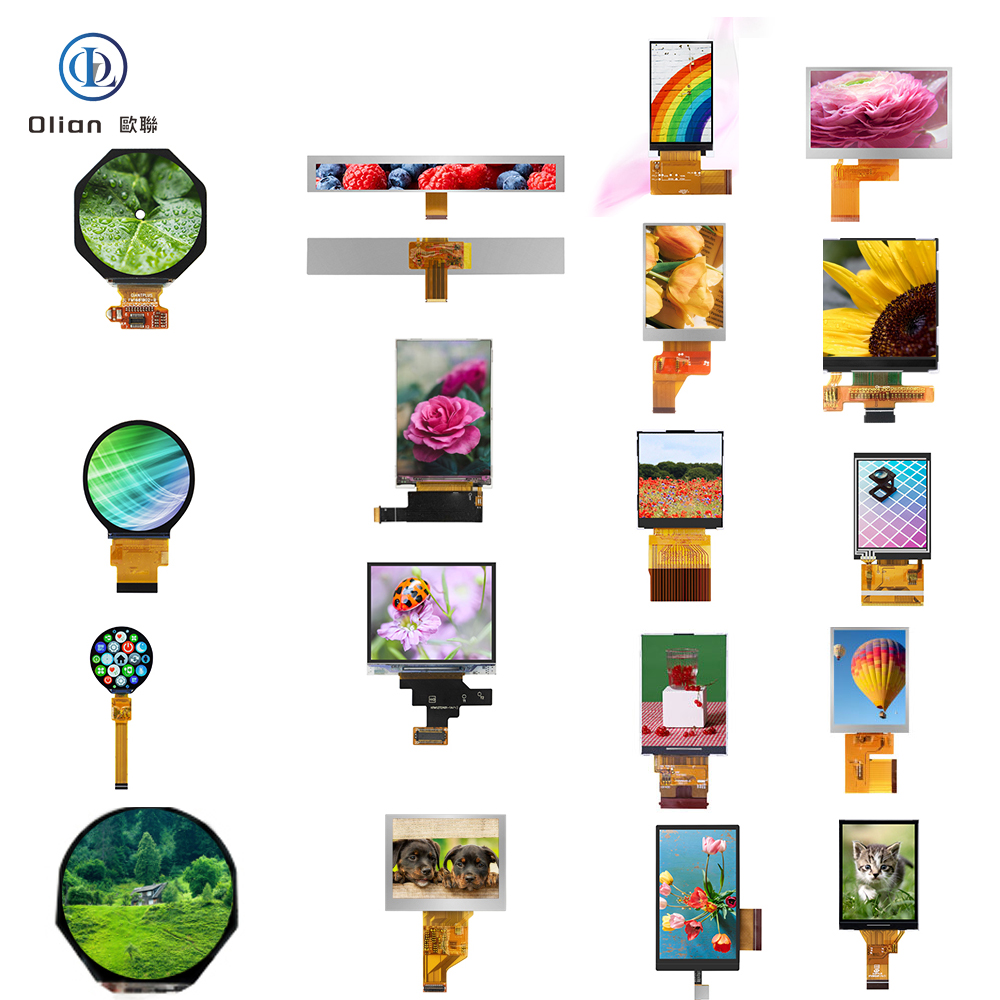
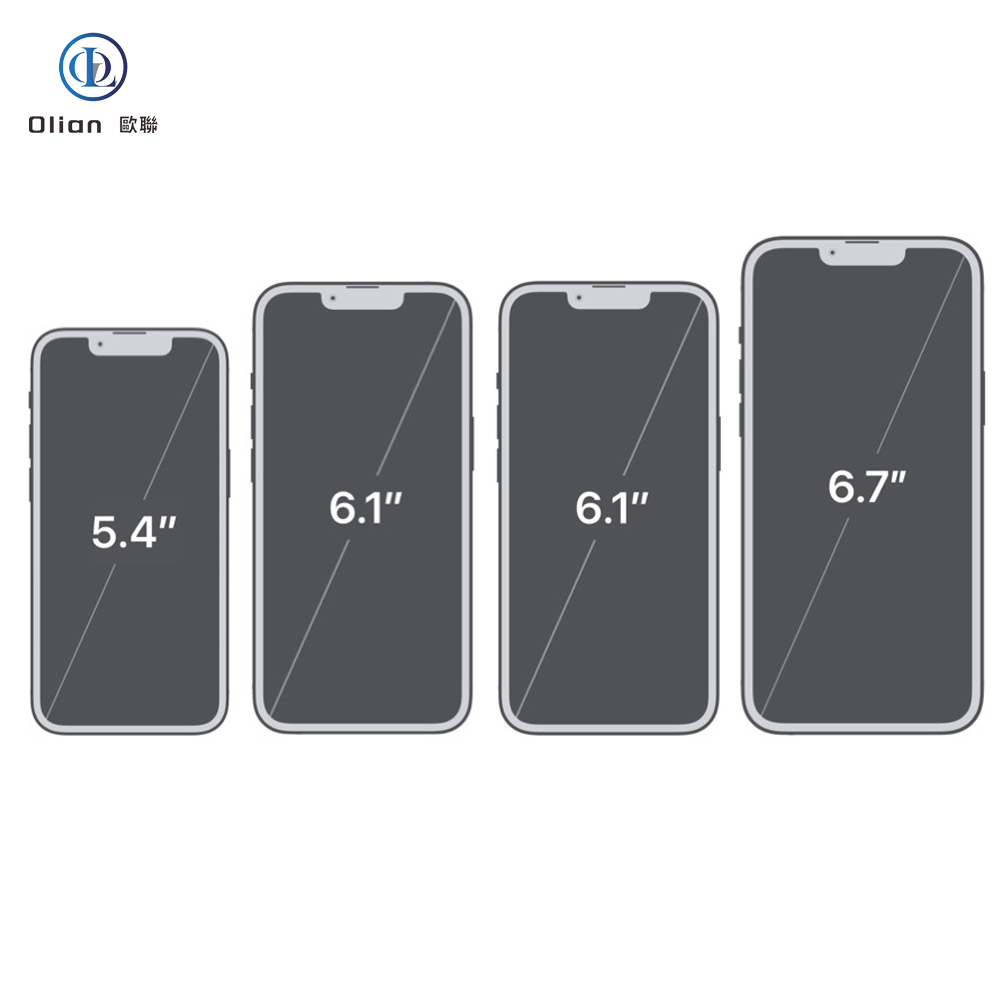
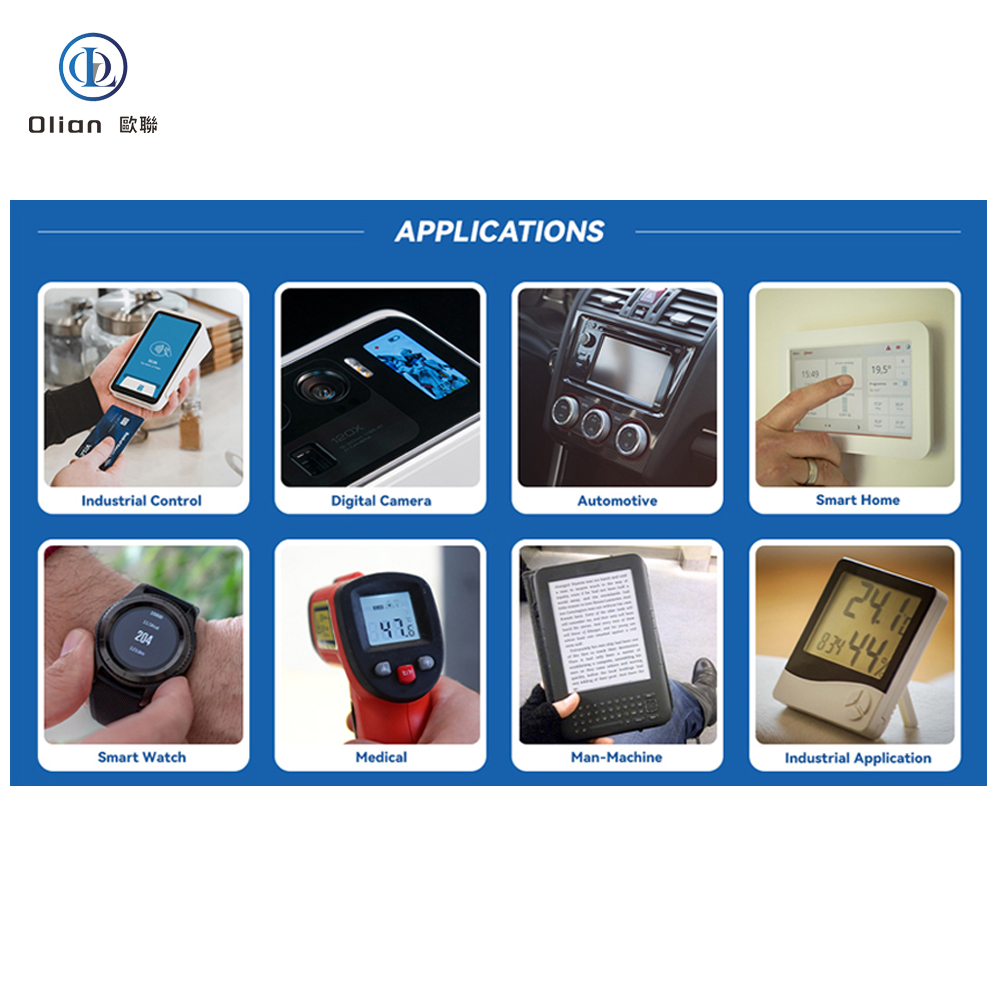
COG (Chip on Glass) technology is a widely used method for mounting LCD driver chips directly onto the glass substrate of a display panel
. This technique is known for its simplicity, cost-effectiveness, and reliability. Our COG bonding machines are designed to provide high precision and efficiency, making them ideal for applications such as smartphone screens, LCD panels, and other display devices
. We offer both pre-bonding and main-bonding machines, ensuring accurate alignment and strong connections.
COF (Chip on Film) technology represents a significant advancement in display manufacturing. It involves mounting integrated circuits (ICs) onto flexible printed circuits (FPCs), which can then be bent and folded to fit compact spaces
. Our COF bonding machines support high-speed production and offer precise temperature and pressure control, ensuring reliable connections for applications such as flexible screens, smartwatches, and other wearable devices
. We provide both COF pre-bonding and main-bonding machines, tailored to meet the demands of modern display manufacturing
.
COP (Chip on Plastic) technology is another innovative approach, where ICs are mounted directly onto plastic substrates. This method is particularly useful for creating lightweight and flexible displays
. Our COP bonding machines are designed to handle the unique challenges of plastic substrates, offering high precision and reliability. These machines are ideal for applications such as flexible OLED displays and wearable devices
.
FOG (FPC on Glass) bonding involves attaching flexible printed circuits to glass substrates. This technique is commonly used in applications requiring flexibility and compact design, such as touch screens and wearable devices
. Our FOG bonding machines feature advanced alignment systems and precise temperature control, ensuring high-quality connections. We offer both hot press and automated bonding solutions for FOG applications
.
FOB (FPC on PCB) bonding machines are designed for attaching flexible printed circuits to printed circuit boards. These machines are essential for creating compact and reliable electronic assemblies, commonly used in smartphones, tablets, and other consumer electronics
. Our FOB bonding machines provide high precision and flexibility, supporting both manual and automated production processes
.
FOF (FPC on FPC) bonding involves connecting flexible printed circuits to each other. This technique is ideal for applications requiring extreme flexibility and compactness, such as wearable devices and flexible displays
. Our FOF bonding machines offer high precision and reliability, ensuring strong and durable connections.
ACF (Anisotropic Conductive Film) bonding is a versatile technique used in various bonding processes, including COG, COF, and FOG
. Our ACF bonding machines are designed to provide precise temperature, pressure, and alignment control, ensuring reliable and high-quality connections. We offer a range of ACF bonding solutions, including pre-bonding and main-bonding machines
.
TAB (Tape Automated Bonding) is a technique used for bonding integrated circuits to substrates using tape carriers. Our TAB bonding machines are designed for high-speed production and offer precise alignment and bonding capabilities
. These machines are ideal for applications requiring high-density interconnections and compact designs
.
FPC (Flexible Printed Circuit) bonding machines are essential for creating flexible and lightweight electronic assemblies. Our FPC bonding machines offer high precision and reliability, supporting various bonding processes and applications
. These machines are ideal for applications such as wearable devices, flexible displays, and other consumer electronics
.
In addition to the above technologies, we also offer specialized bonding machines for various applications, including:
Our bonding machines are designed with the latest innovations in mind, ensuring high precision, reliability, and efficiency. Key features of our machines include:
Whether you are producing smartphone screens, wearable devices, large TV panels, or advanced OLED displays, our comprehensive range of bonding machines is designed to meet your specific needs. With advanced features such as high precision, versatility, and automation, our machines are ideal for ensuring high-quality connections and efficient production processes. Contact us today to find the perfect bonding machine for your application.