- Home
- About us
- Products
- News
- Download
- Videos
- Contact us

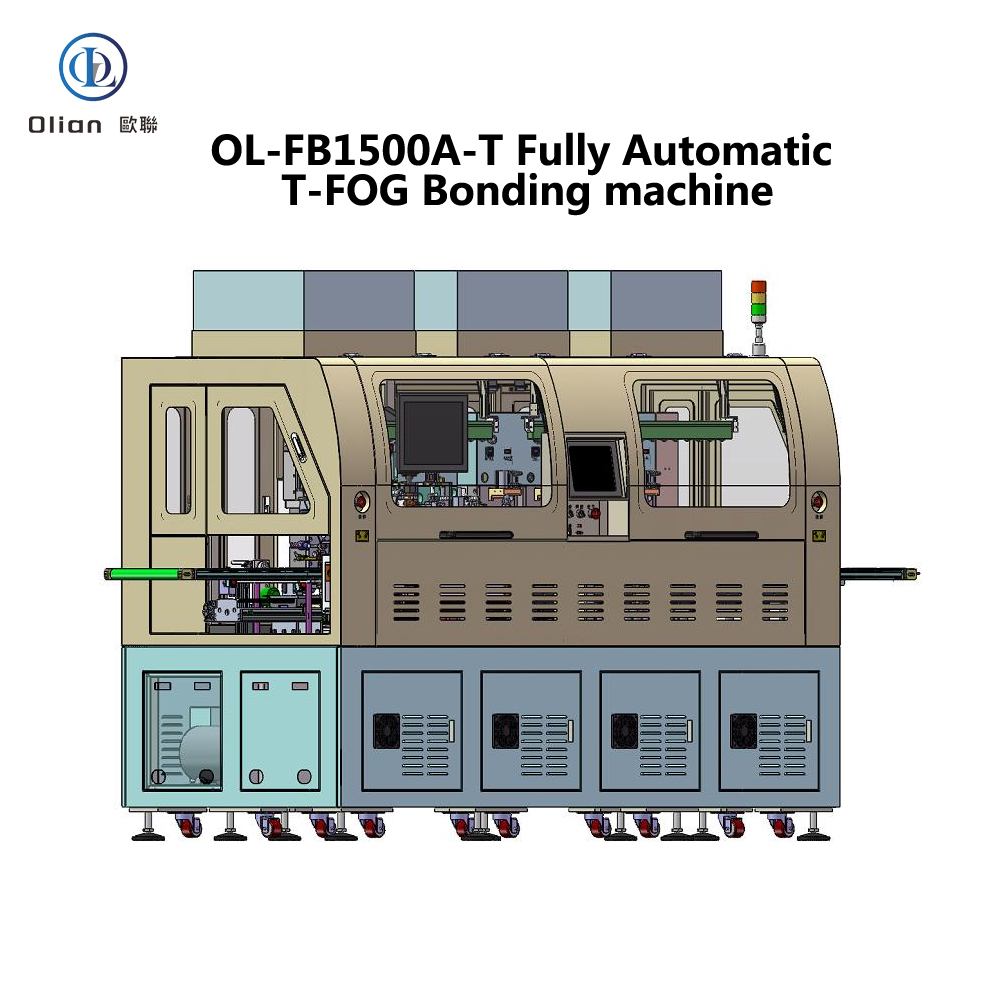
FOG = Flex On Glass
FOB = Flex On Board (rigid PCB)
FOF = Flex On Flex (two flexible circuits)
TFOG = Tape (or Tab) Flex On Glass
TFOF = Tape Flex On Flex
In short, a “fully automatic FOG/FOB/FOF/TFOG/TFOF bonder” is one unified platform that can assemble any combination of flexible printed circuits (FPC), rigid PCBs, glass substrates, polyimide tapes, copper flex heaters, even ultra-thin stainless-steel stiffeners—by using Anisotropic Conductive Film (ACF) and a servo-controlled pulse-heat or constant-heat bonding head.
One machine, five processes, zero manual intervention after loader.
Legacy semi-automatic cells need an operator every 8–12 seconds to place covers, align gold-fingers, close the vacuum tray and press “start”.
A fully automatic bonder integrates:
• 3-axis or 4-axis linear-motor stages with 0.5 µm encoder feedback
• Dual-gantry pick-and-place for 2-second substrate swap
• Up-looking and down-looking 5-MP vision pairs + coaxial lighting for fiducial, pin-mark and edge alignment
• ACF cut-feed-tack module that indexes the tape in 10 µm steps。removes 5 µm of backing liner and pre-tacks in one motion
• Pulse-heat power supply (typ. 2 kW, 400 kHz) that can ramp the thermode from 25 °C to 400 °C in 180 ms and cool to 80 °C in 120 ms
• Force-controlled Z-axis (0.01 MPa resolution) with real-time piezo sensor to prevent “over-squeeze” of 25 µm pitch ACF
• In-line four-wire Kelvin tester that measures contact resistance (mΩ) and isolation (GΩ) before the panel is released
• SMEMA-compatible conveyor so the machine drops straight into an SMT line
Result: UPH jumps from 250 pcs/h (manual) to 750–900 pcs/h (fully automatic) while holding ±1 µm alignment and ±0.5 °C temperature repeatability—numbers that are impossible for human hands.
Step 1 – Loader: robot arm picks the incoming tray (glass, PCB or flex) and places it on the pre-heating stage (60–80 °C).
Step 2 – ACF application: the feeder advances the anisotropic conductive film by the exact length of the bond area (±0.1 mm); a ceramic cutter slices at 45° to avoid stringers; vision confirms no air bubbles; a silicone roller tacks the ACF at 0.2 MPa and 90 °C.
Step 3 – Pre-alignment: the lower camera maps the substrate fiducials; the upper camera maps the flex tail gold-fingers; software calculates X, Y, θ offset and warpage compensation.
Step 4 – Final placement: the gantry places the flex or second substrate onto the ACF with 50 µm gap remaining.
Step 5 – Bonding: the pulse-heat thermode descends at 5 mm/s; when force reaches set-point (e.g. 1.0 MPa) the power supply delivers a programmed profile—typically 1.5 s at 190 °C for 25 µm ACF, followed by a −3 °C/ms ramp to 80 °C under maintained pressure to freeze the conductive particles.
Step 6 – Quick cool & release: embedded TEC cold-plate drops the bond line to 50 °C in 2 s; the head lifts; the stage shuttles to the unloader.
Step 7 – Electrical test: Kelvin probes contact test pads; if resistance > 100 mΩ or isolation < 1 GΩ, the panel is routed to the rework conveyor; good parts stack in JEDEC trays or go directly to the next SMT machine.
Pulse-heat power supply: uses high-frequency IGBT switching to deliver 1 kA within 2 ms; closed-loop PID watches both thermocouple and IR sensor to prevent overshoot.
Thermode materials: molybdenum or titanium alloy, plasma-coated with anti-flux to stop ACF bleed; interchangeable cartridges allow 50 µm to 5 mm bond widths.
Vision algorithm: sub-pixel edge detection + golden-template comparison; handles low-contrast glass edges, laser-cut flex outlines, even mirror-finished ITO.
Force decoupling: flexure-based Z-stage isolates lateral forces, so when the thermode touches a 0.3 mm glass edge the system still reports true vertical load.
Clean-room package: ISO Class 5 mini-environment with ionizer bars and ESD-safe coating; reduces particle defects from 300 ppm to <30 ppm on Gen-6 glass.
Every bond creates a digital twin: temperature graph, force curve, ACF lot number, operator ID, humidity, particle count. CSV files feed automatically into MES (Manufacturing Execution System) for full 21 CFR Part 11 traceability. When a smartphone OEM sees a field failure, engineers can trace back to the exact bond head, thermode serial number and ACF roll within minutes—something impossible in manual lines.
• Smartphone OLED driver flex (FOG) – 25 µm pitch, 1 200 pins, 3-sided bonding
• Automotive curved cluster (TFOG) – 12.3-inch glass, −40 °C to 95 °C thermal shock spec
• Tablet touch sensor (FOF) – 10 µm ACF, ITO-to-metal-mesh, 120 Hz report rate
• Industrial wearables (FOB) – 4-layer rigid-flex, 0.4 mm total thickness, IP68 waterproof
• Medical disposable catheter (FOF) – 8 µm polyimide, biocompatible ACF, lot tracking for FDA
Panel size: modern platforms cover 1-inch smart-watchring up to 100-inch TV mother-glass; check max bond length (single-side vs shuttle).
Pin pitch: entry-level heads handle 80 µm; high-end models with 5 µm alignment stage achieve 20 µm pitch on COF (Chip On Flex).
Temperature range: standard 25–400 °C; for Cu-to-Cu micro-bumps order the 500 °C option.
Force range: 5–500 N programmable; for stainless-steel flex heaters you may need 1 000 N high-force head.
Cycle time: specify “dry cycle” vs “production cycle” (with vision + test); some vendors quote 3 s dry but real throughput is 8 s.
UPH claim: ask for guaranteed number with ≤100 ppm defect rate, not best-case lab data.
Daily: wipe thermode with lint-free cloth + ethanol; inspect ACF cutter under microscope; run 5-point force calibration.
Weekly: replace silicone cushion (compression set >0.1 mm); check camera calibration plate; back-up parameter database.
Monthly: grease linear rails with PFPE vacuum grease; run full temperature uniformity map (≤3 °C across 300 mm).
Yearly: send pulse-heat power supply for calibration; rebuild vacuum generator; update cyber-security patch on IPC.
• 10 µm pitch roadmap: vendors are testing 40 000-pixel COF for 8K micro-LED; next-generation bonders will use 200 nm resolution encoders and active warpage compensation with piezo actuators.
• Hybrid thermodes: combine laser pre-heat + contact thermode to bond silver-nano-ink on temperature-sensitive PET.
• AI process window: machine-learning model watches 50 sensor streams in real time, predicts void risk 200 ms before it happens and auto-corrects force or temperature.
• Sustainability: lead-free, halogen-free ACF pastes; low-temp curing (120 °C) to cut energy 35 %; recyclable carrier film.
• Modular micro-factories: tabletop “bonder cells” (600 mm wide) that plug together like LEGO for rapid reconfiguration between FOG, FOB and FOF in the same shift.
A fully automatic FOG FOB FOF TFOG TFOF bonder is no longer a niche machine hidden in display giants—it is the productivity engine that lets start-ups build wearables in Shenzhen, suppliers launch curved OLED clusters, and medical companies print disposable ECG patches.
By unifying ACF application, micron alignment, pulse-heat bonding and in-line electrical test inside one closed-loop platform, the latest generation delivers three things every production manager dreams of: higher throughput (750+ UPH), lower defect rate (<50 ppm) and complete digital traceability.
If your roadmap includes narrower pitches, thinner glass or flexible hybrid electronics, investing early in a fully automatic FOG/FOB/FOF/TFOG/TFOF bonder is the safest way to guarantee yield, scalability and speed-to-market for the next decade.
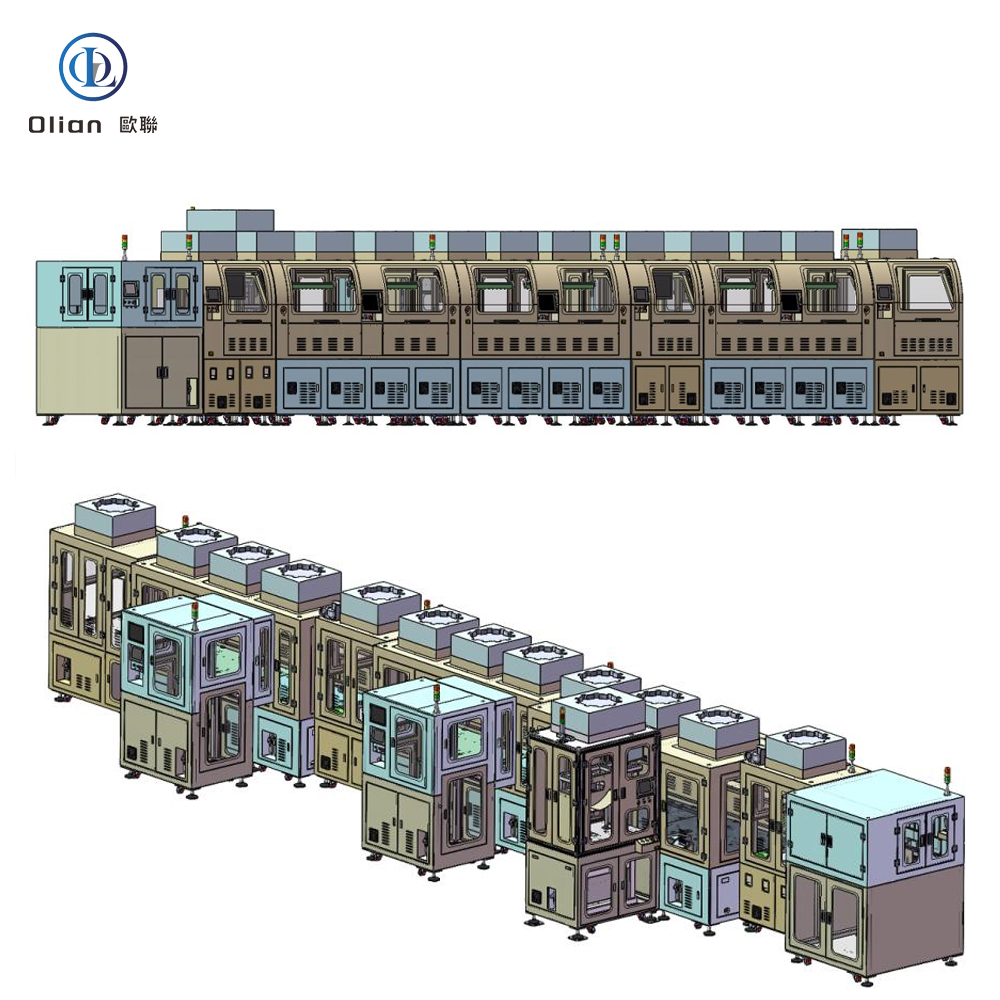
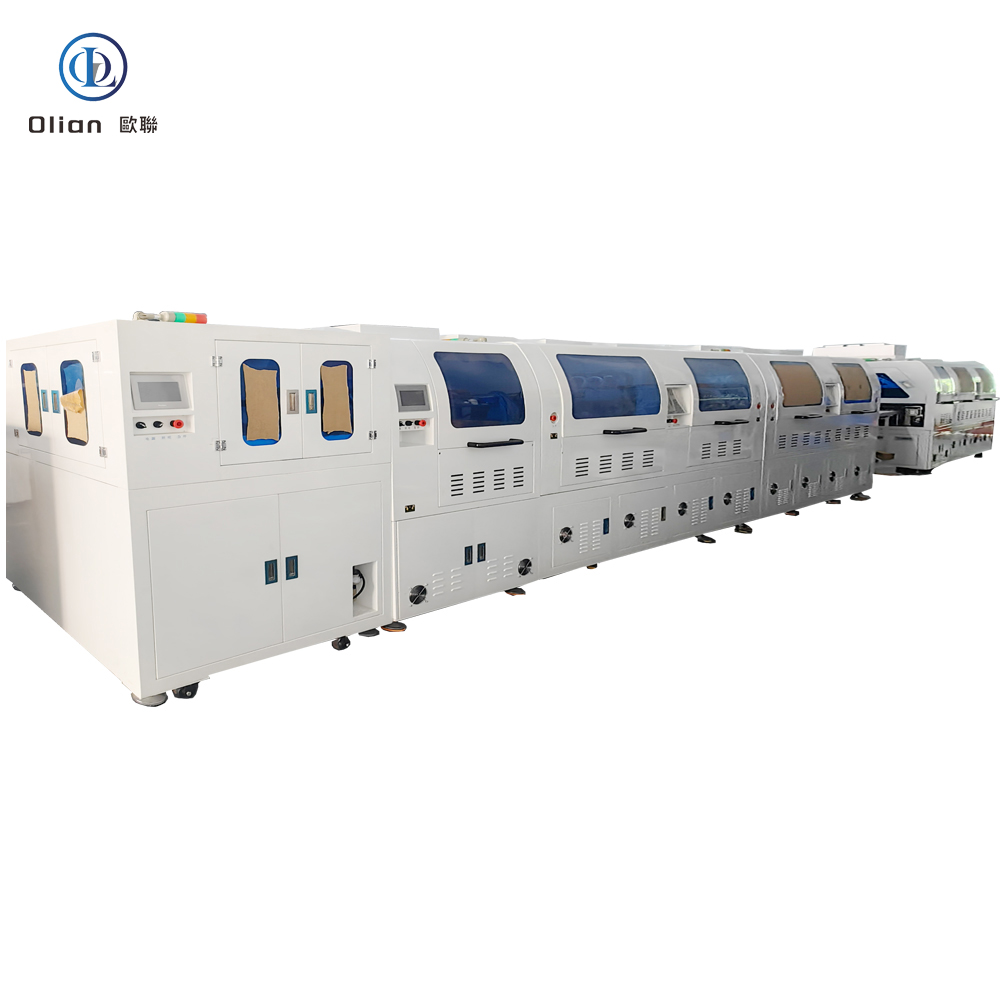
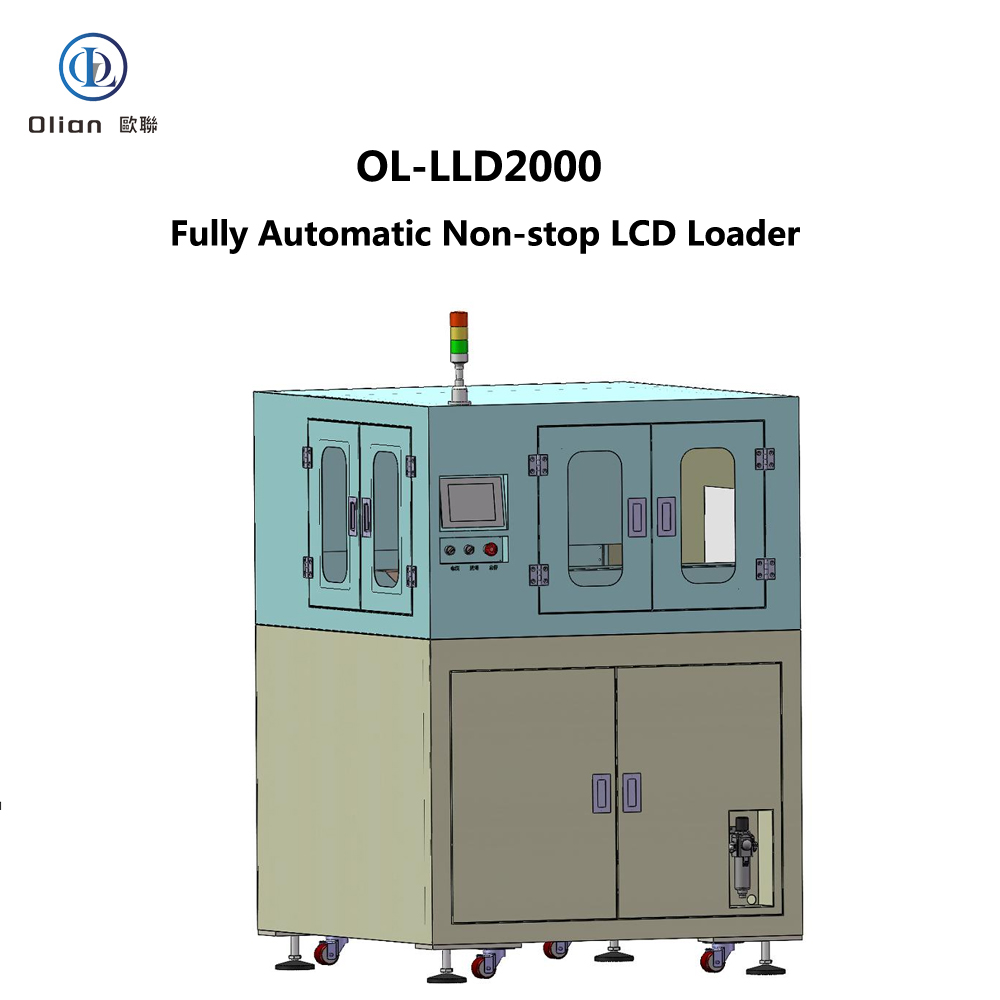
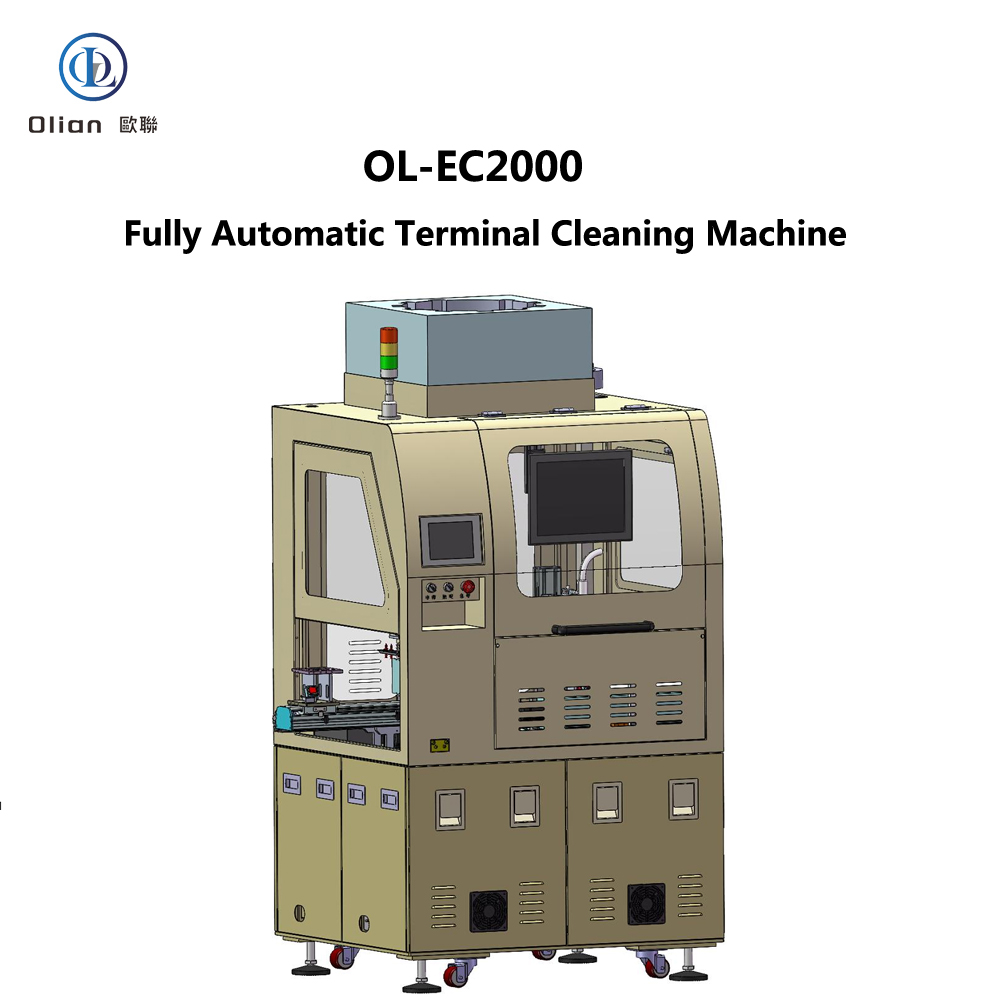
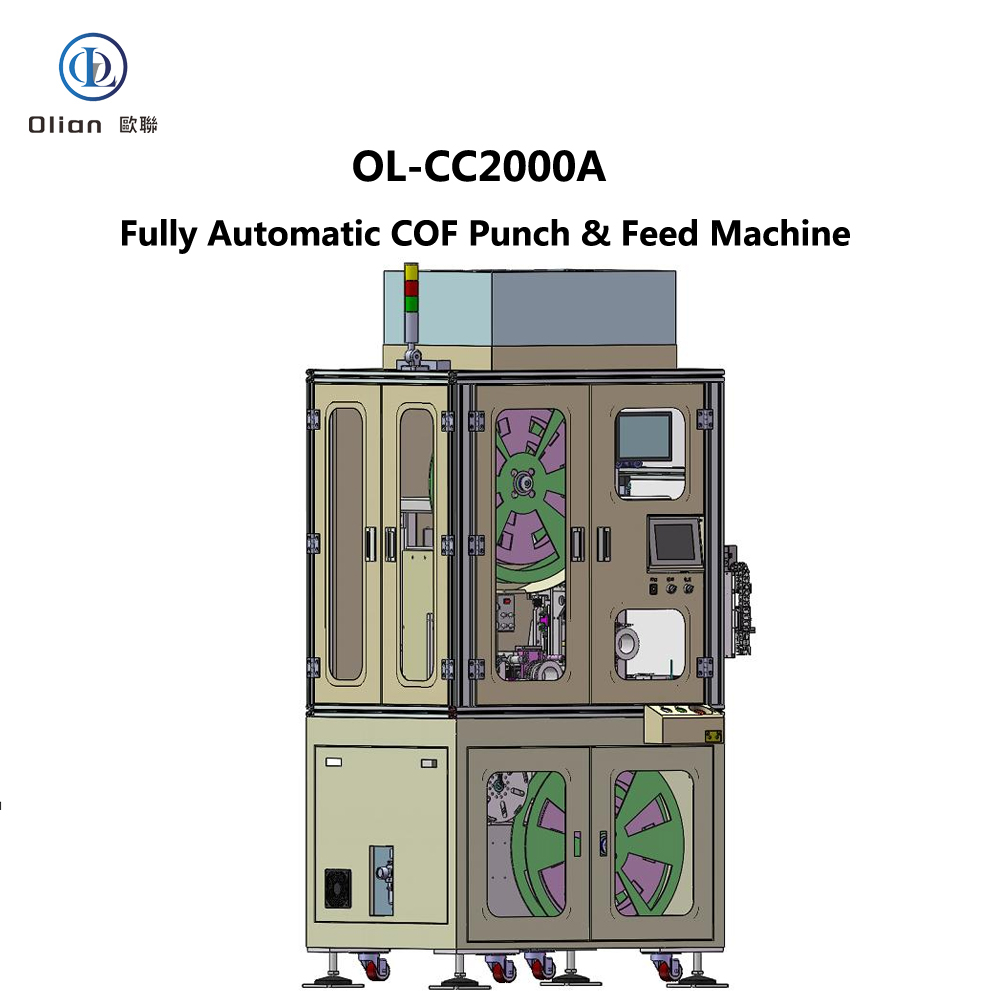
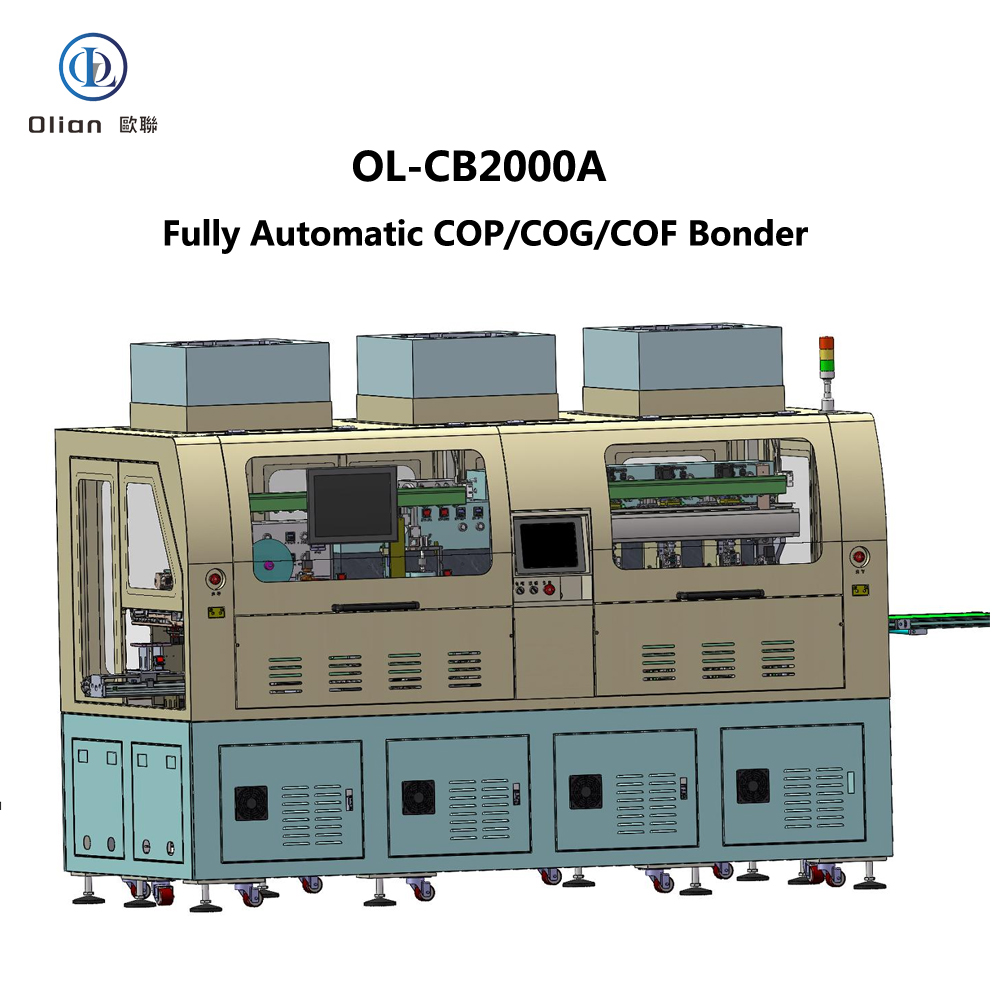
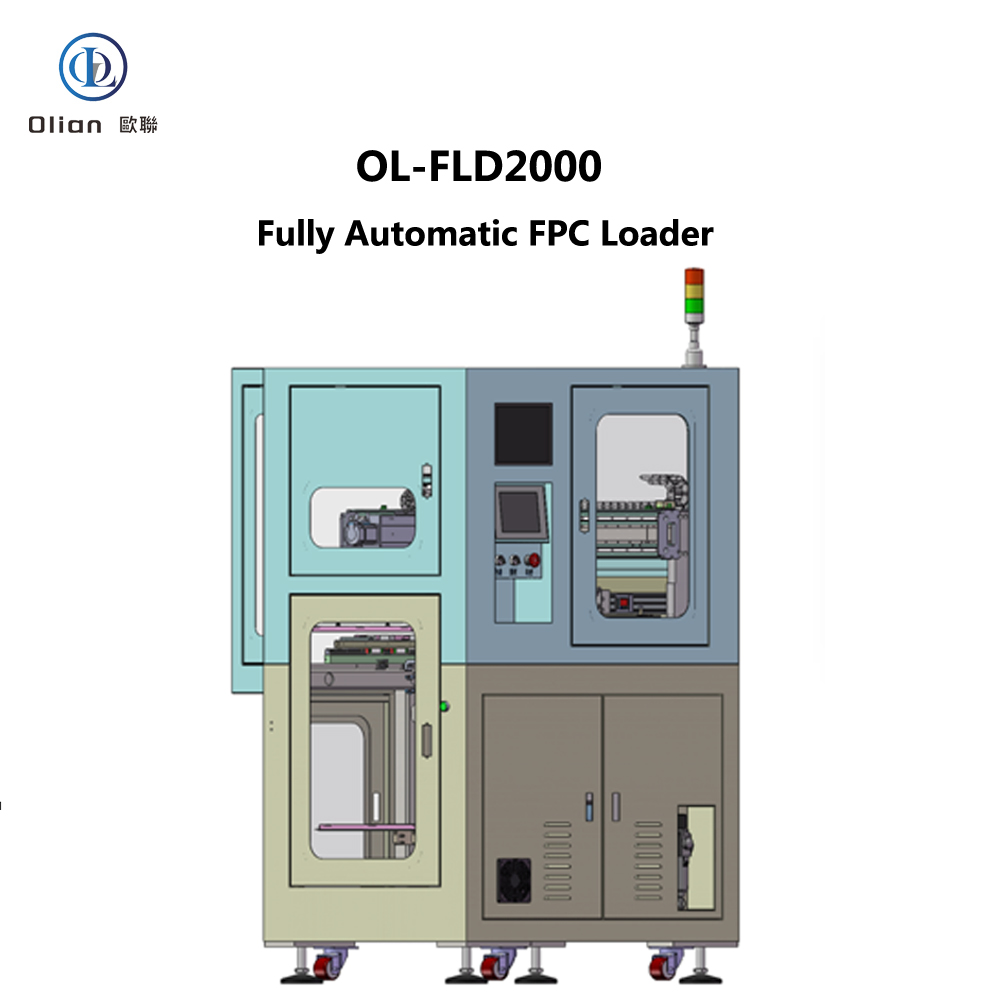
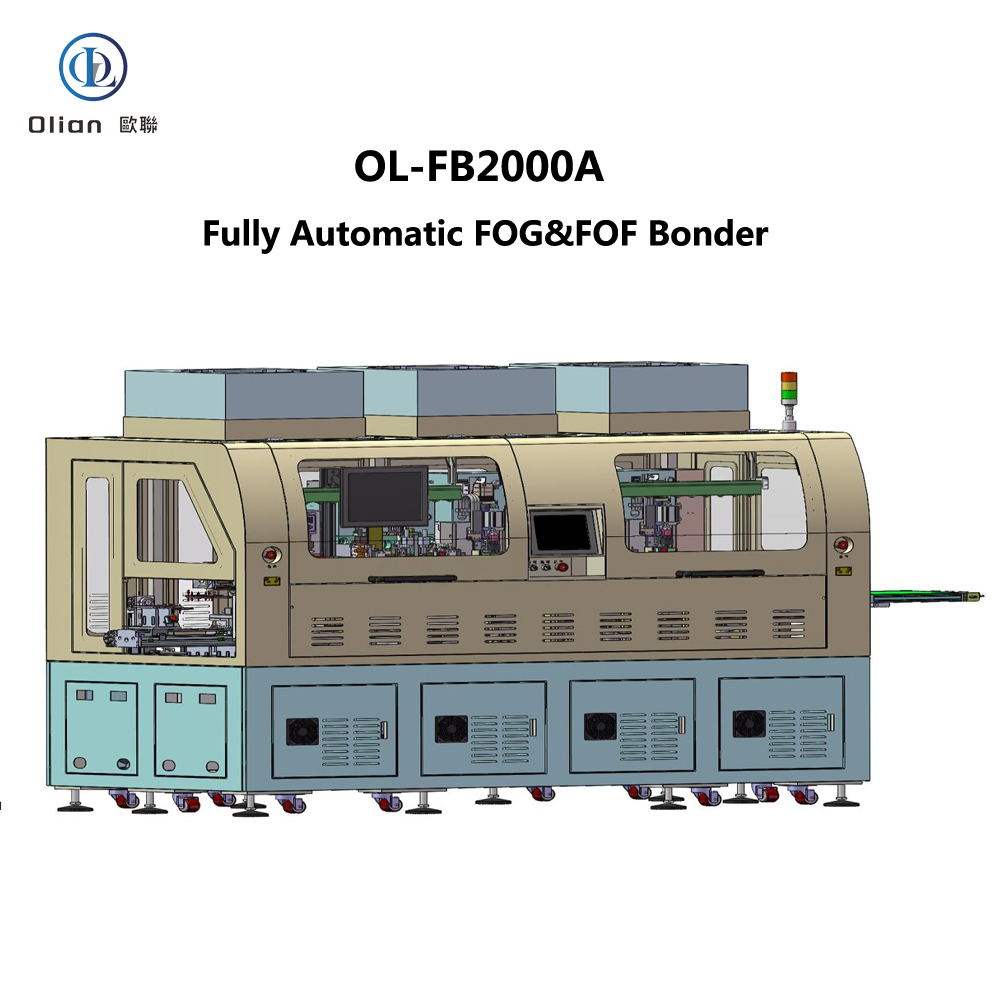
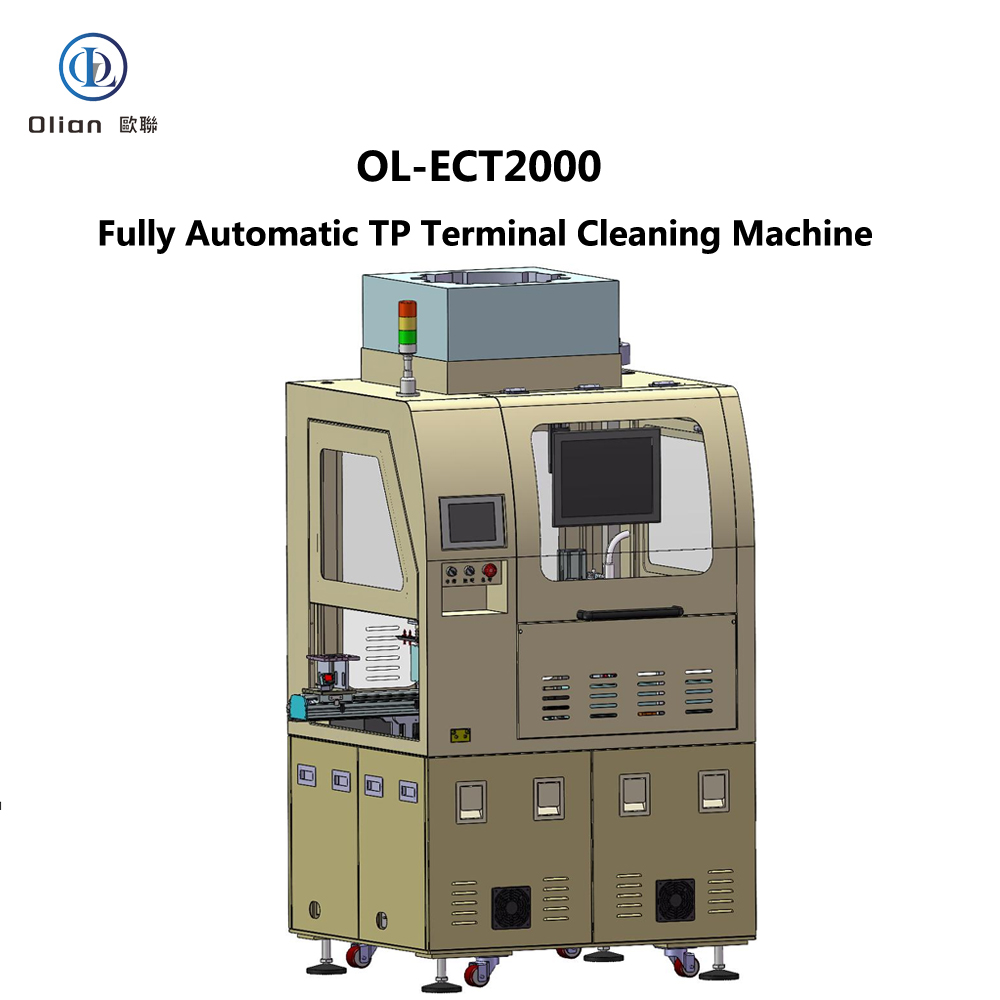
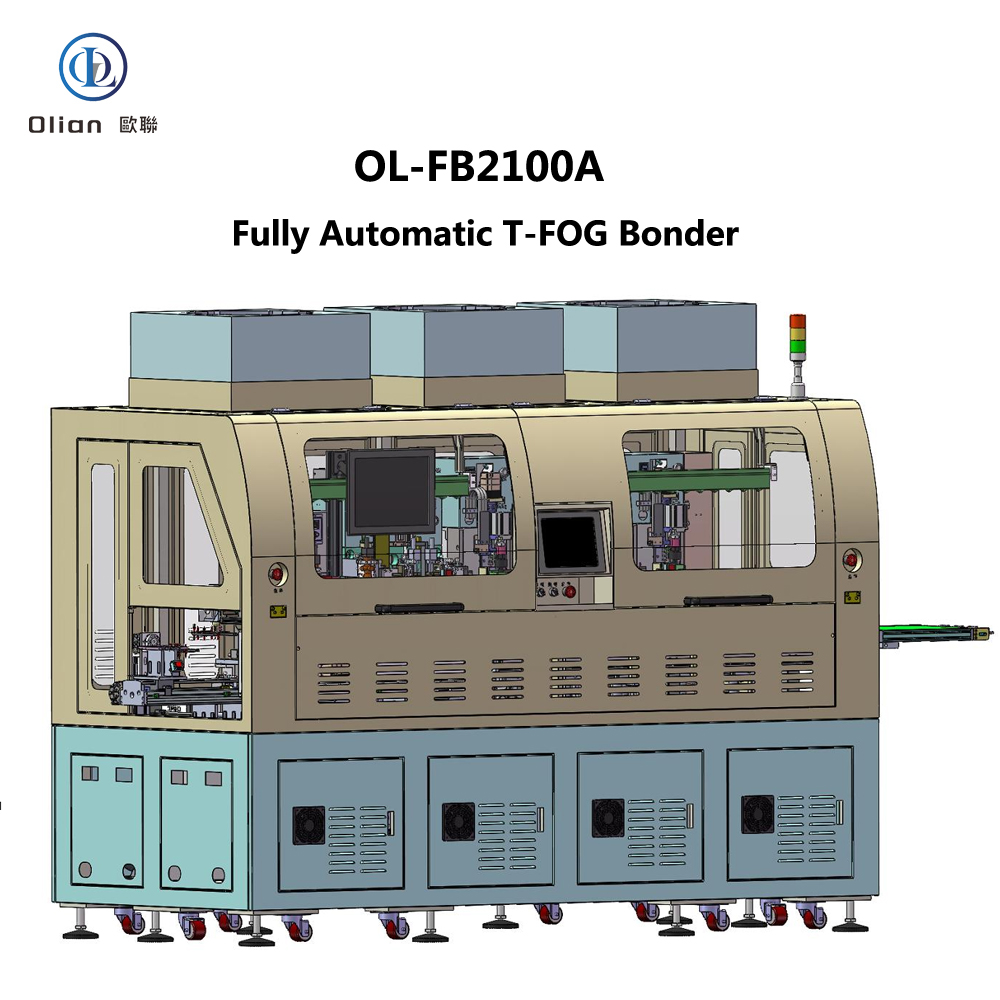
In the competitive landscape of display manufacturing, the transition from manual to fully automatic bonding lines is no longer optional—it’s essential. Shenzhen Olian Automatic Equipment Co., Ltd. (OLIAN) presents its flagship 0.7-7 inch Fully Automatic Bonding Line, engineered to meet the rigorous demands of modern LCM (Liquid Crystal Module) and touch panel production. Designed for “One Glass” and semi-flexible products, this line delivers unparalleled speed, precision, and yield.
OLIAN’s automatic bonding line is built for high-volume production without compromising on flexibility.
Contamination is the enemy of yield. Unlike standard machines, OLIAN integrates cleanroom-level technology directly into the workstation.
At the heart of the OLIAN bonding line is a commitment to precision and product safety.
This isn’t just a machine; it’s a complete ecosystem for display assembly. The OLIAN line integrates the following critical workstations:
OLIAN’s line is built for Industry 4.0. Every machine in the lineup—from the Automatic TFOG Bonder to the Final Attachment Machine—comes with MES communication protocols and reserved gateways. This allows for seamless data flow, real-time monitoring of yield rates—guaranteed >99.5%, and predictive maintenance.
If you are seeking a turnkey solution for 0.7-7 inch displays, OLIAN offers the complete package: Speed (3.5s TT), Cleanliness (Class 5), and Intelligence (MES Ready). With thousands of units deployed globally and partnerships with industry giants, OLIAN is the trusted partner for your high-tech manufacturing needs.
Ready to upgrade your production line? Contact OLIAN now to request a demo or download the full technical specifications for the 0.7-7 inch Fully Automatic Bonding Line.
Wechat/whatsapp: wa.me/8618025364779
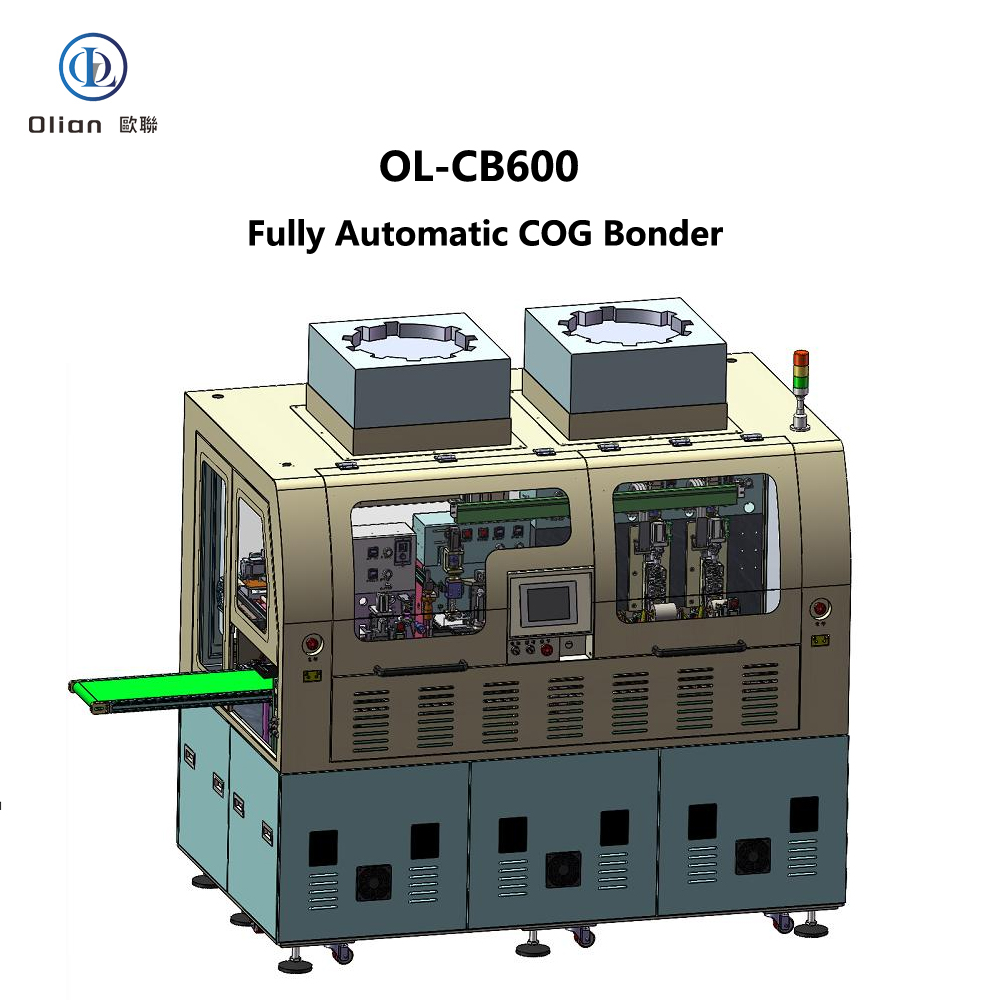
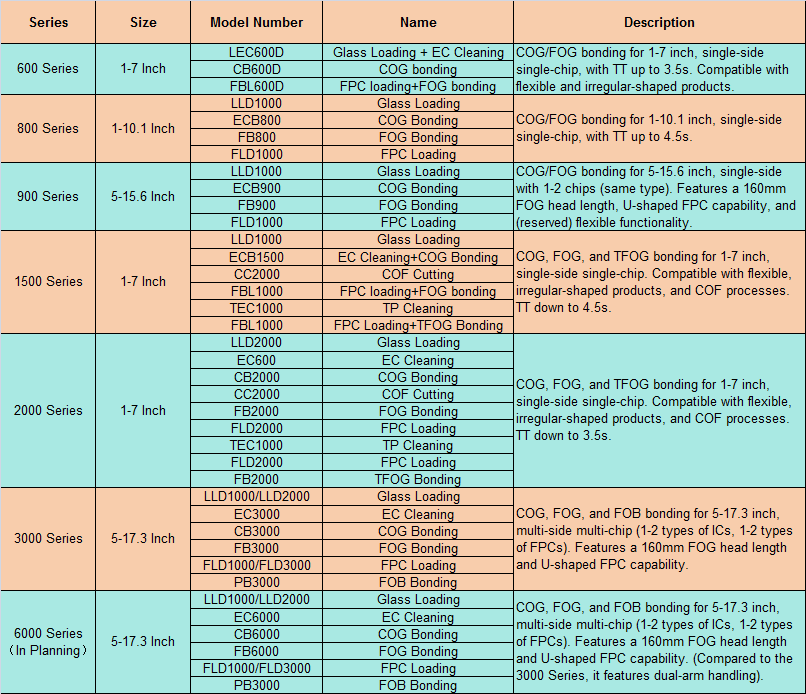
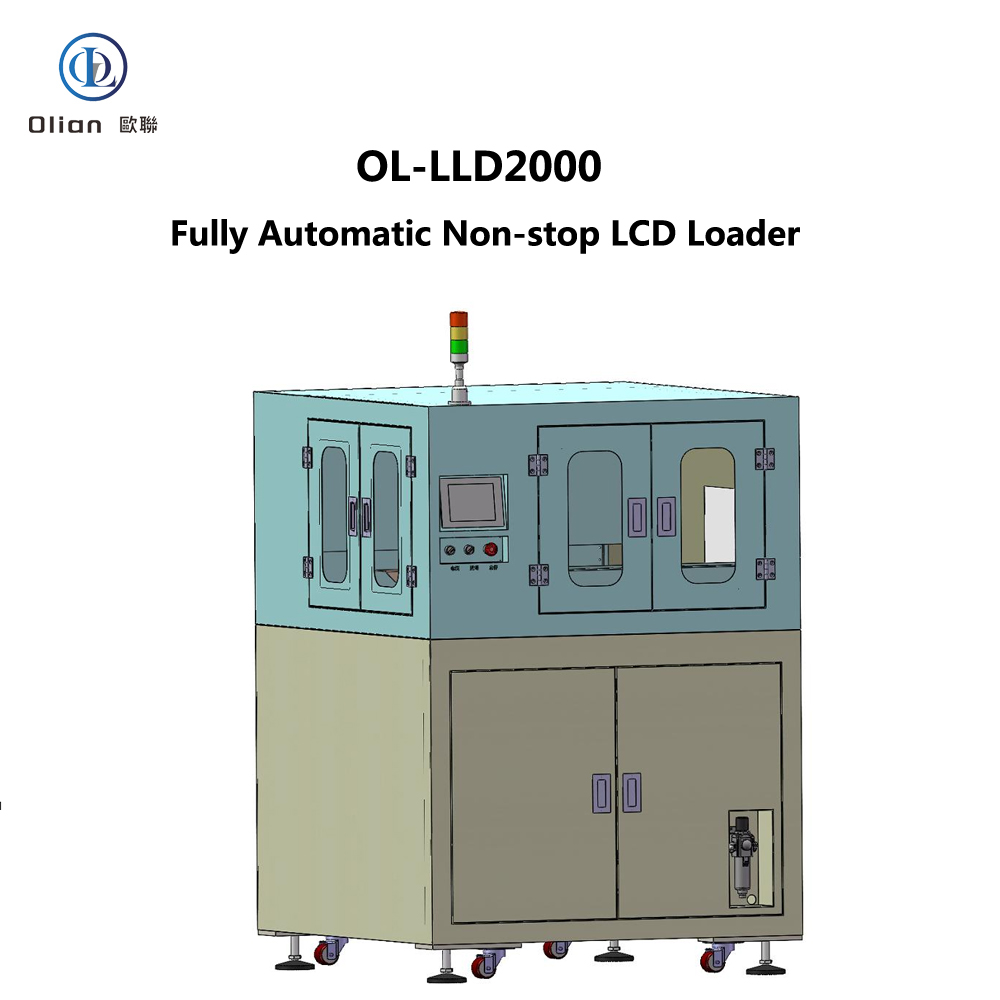
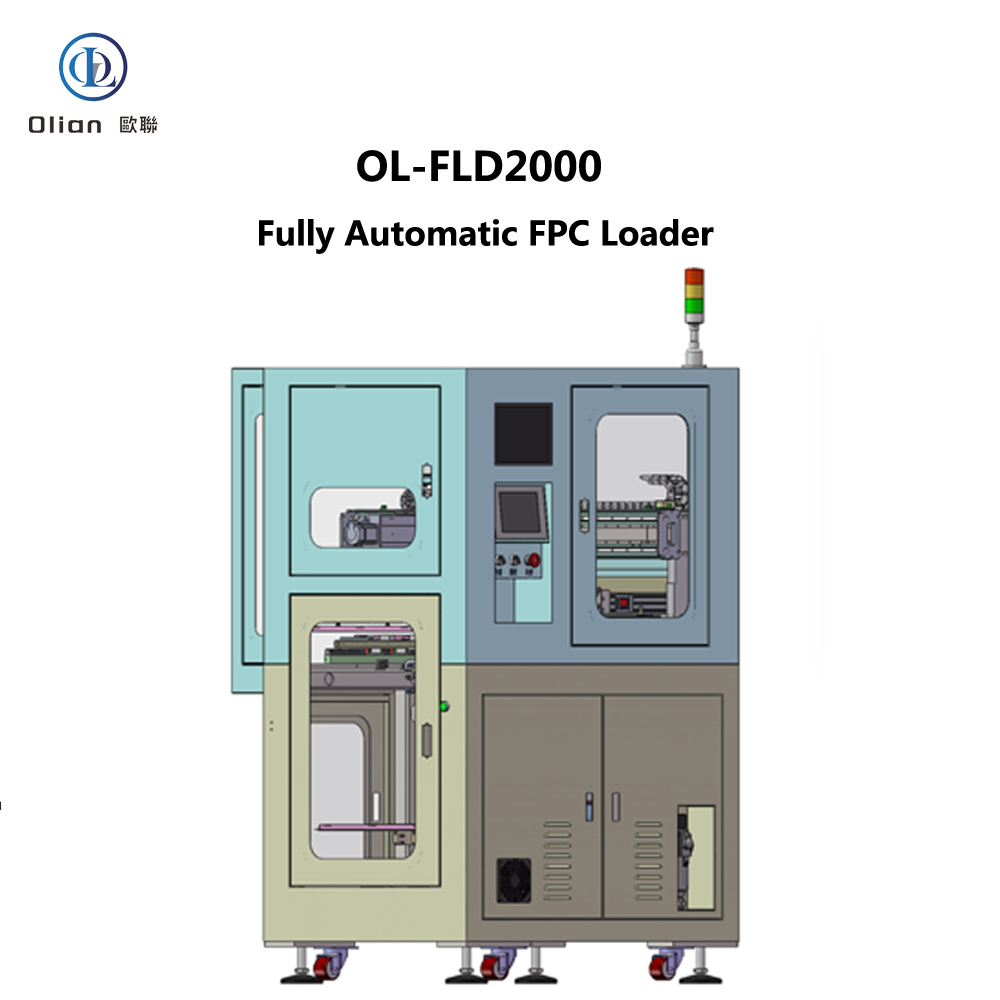
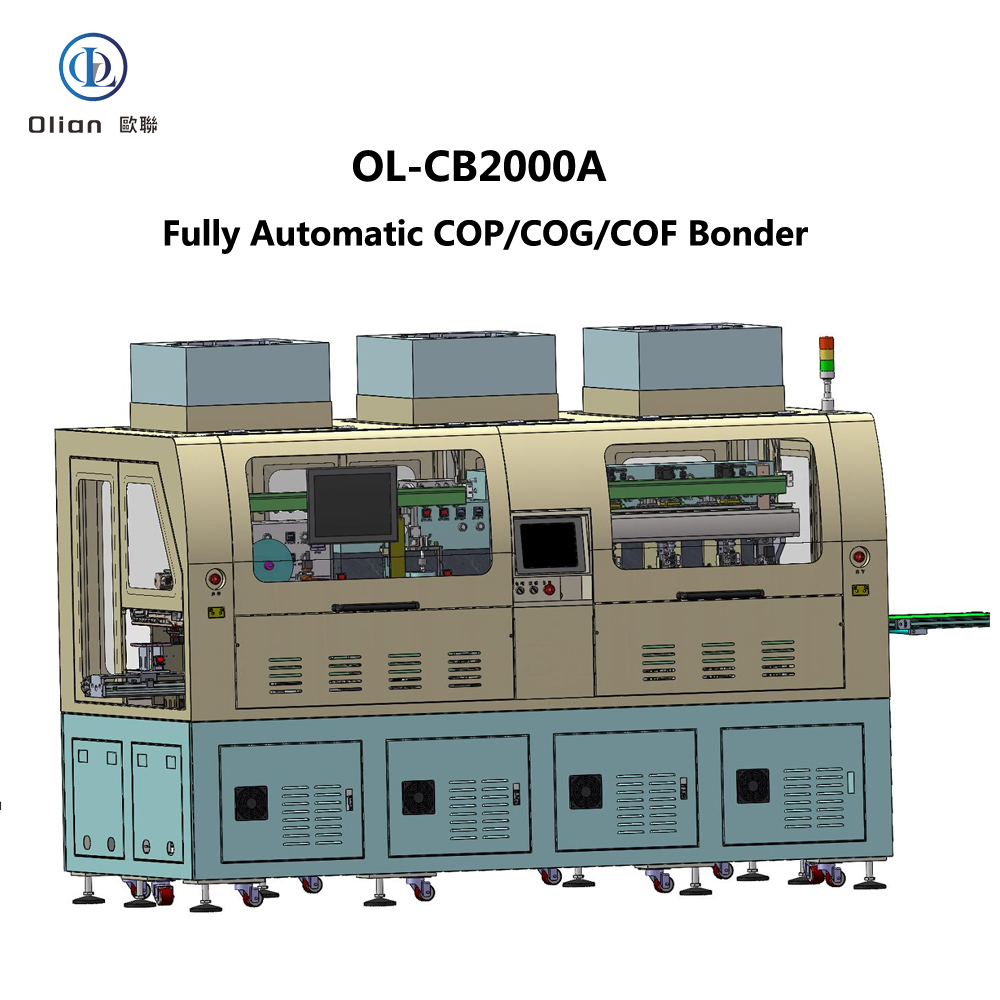
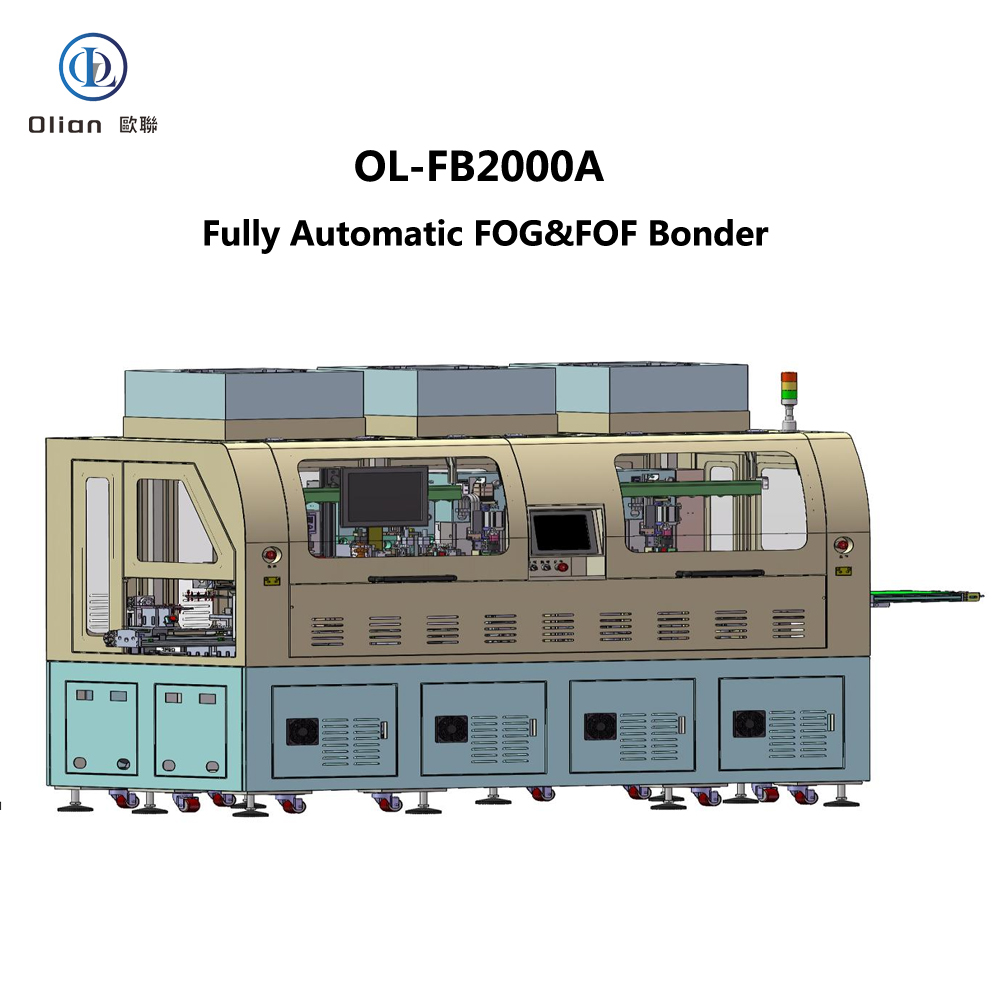
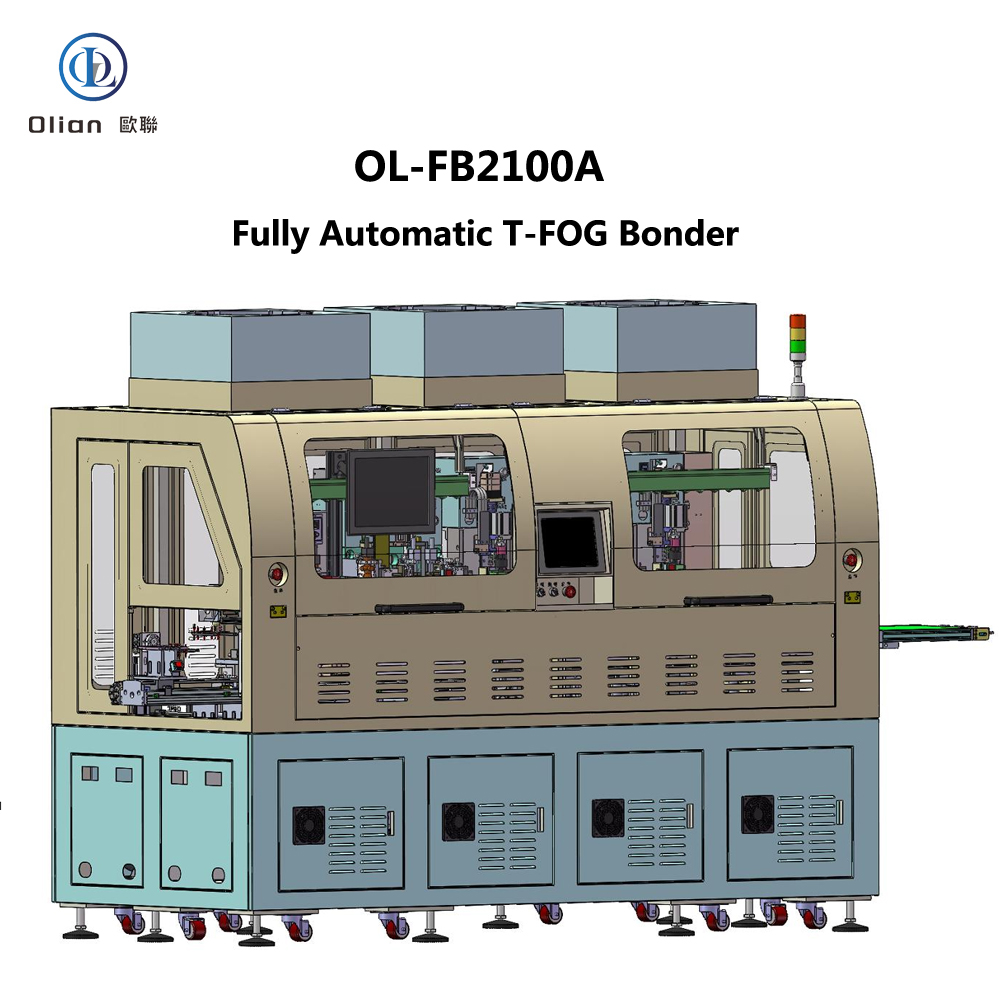
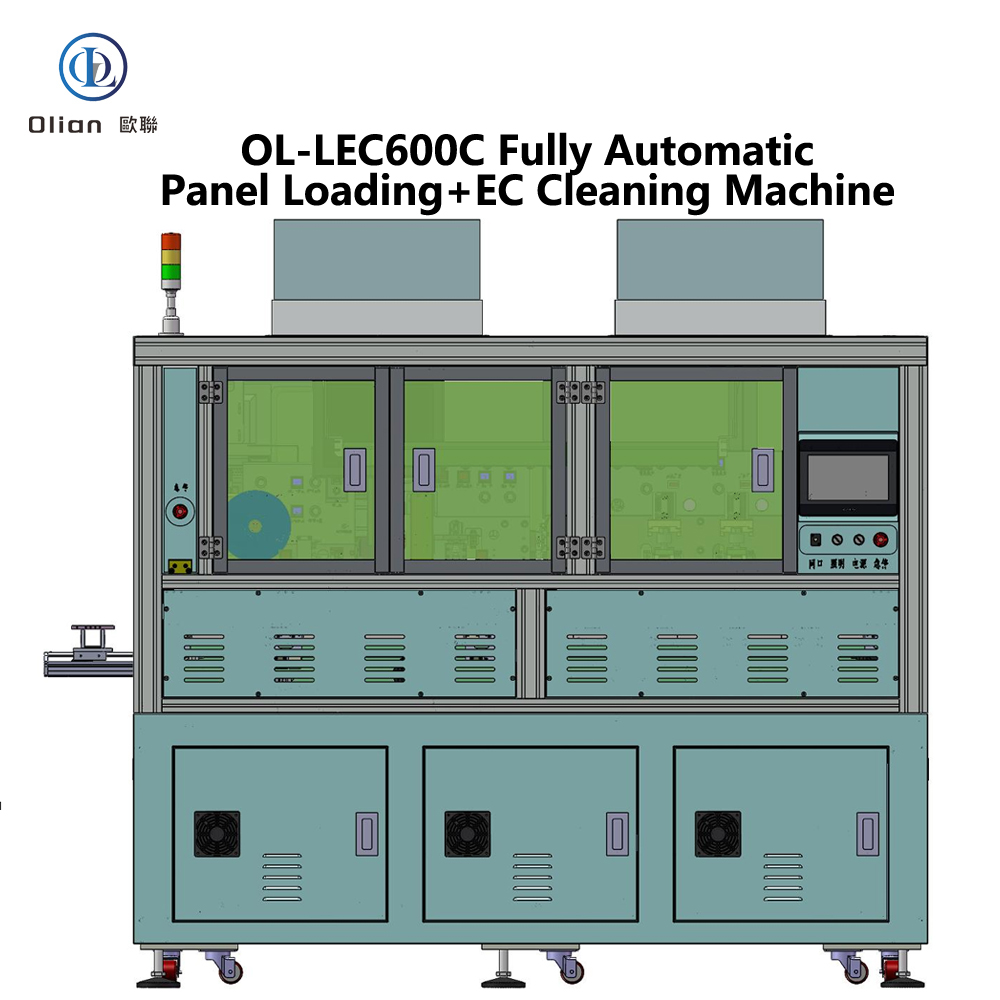
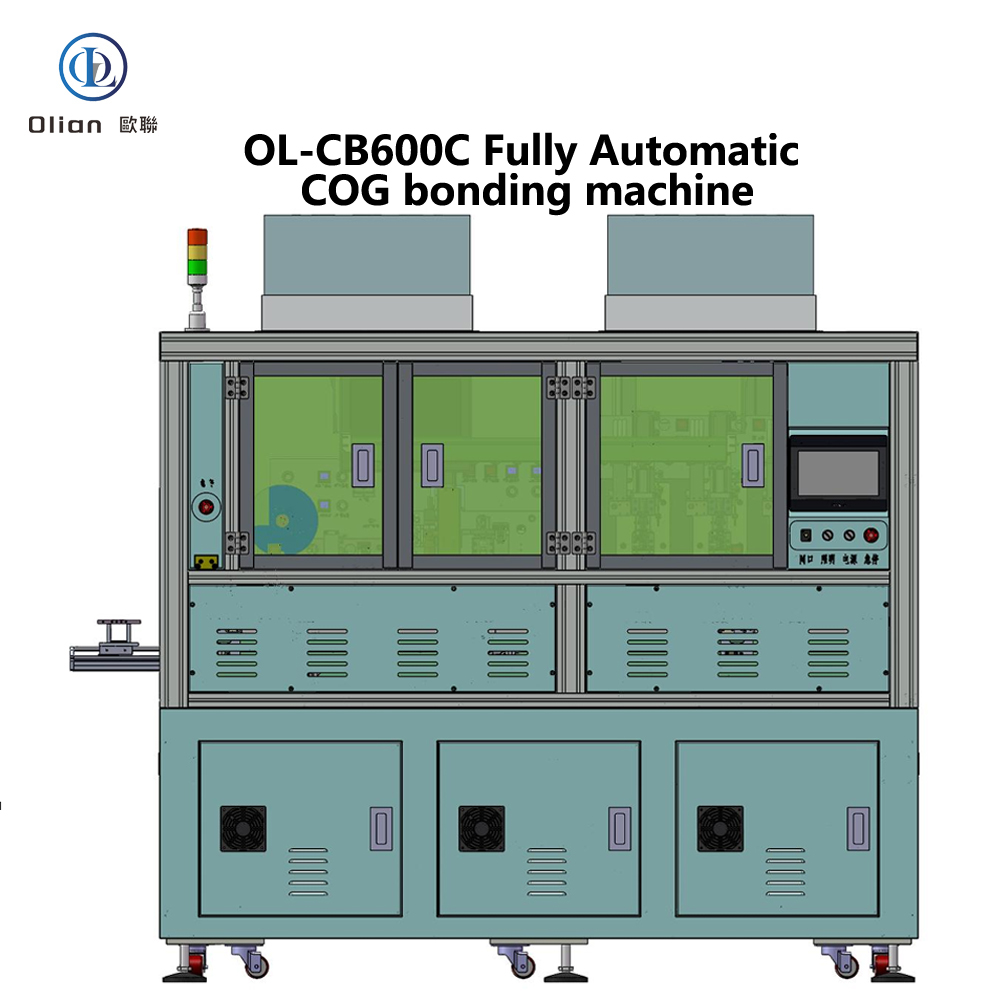
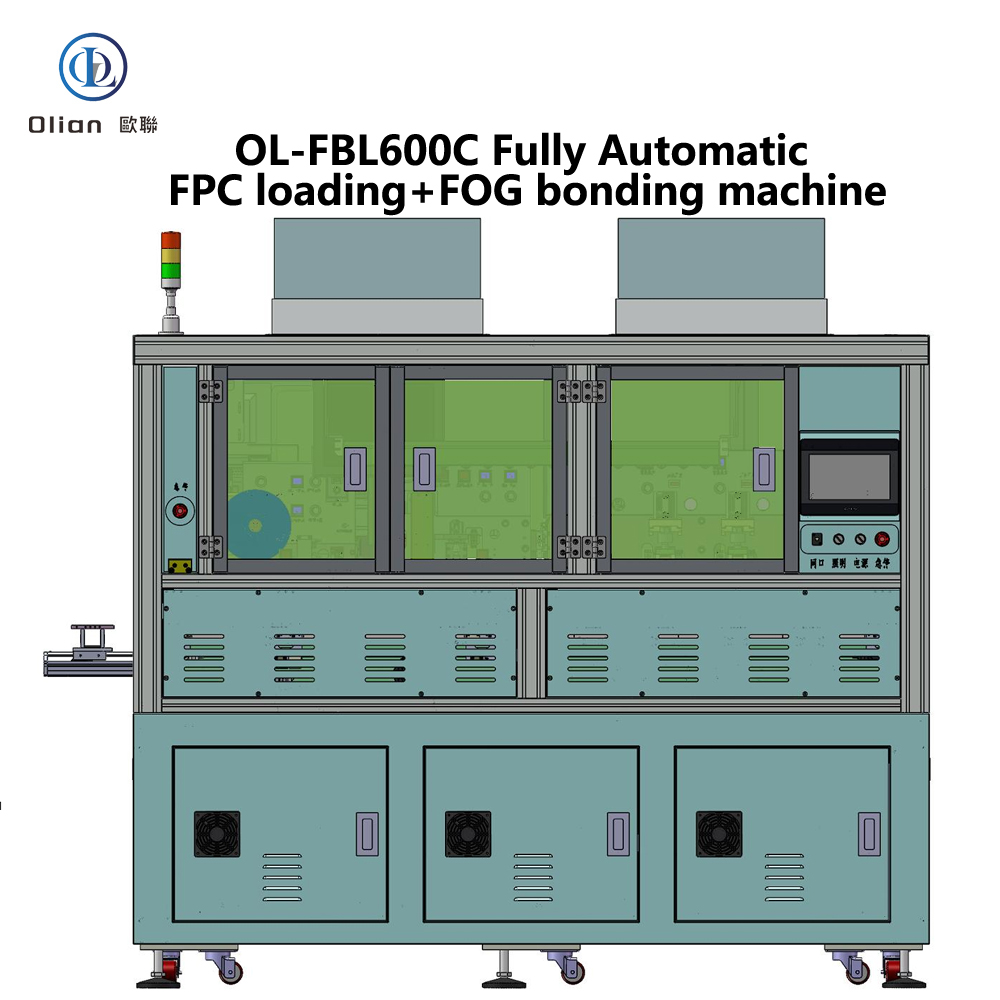
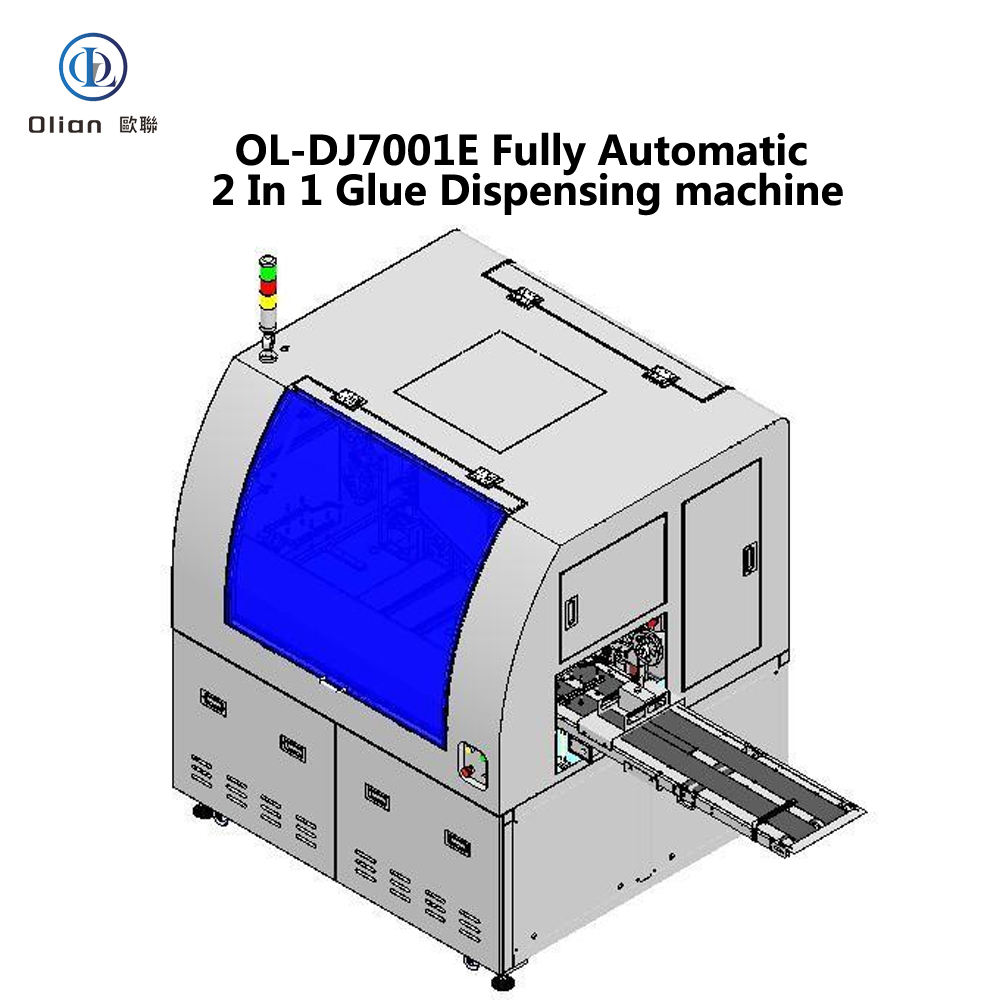
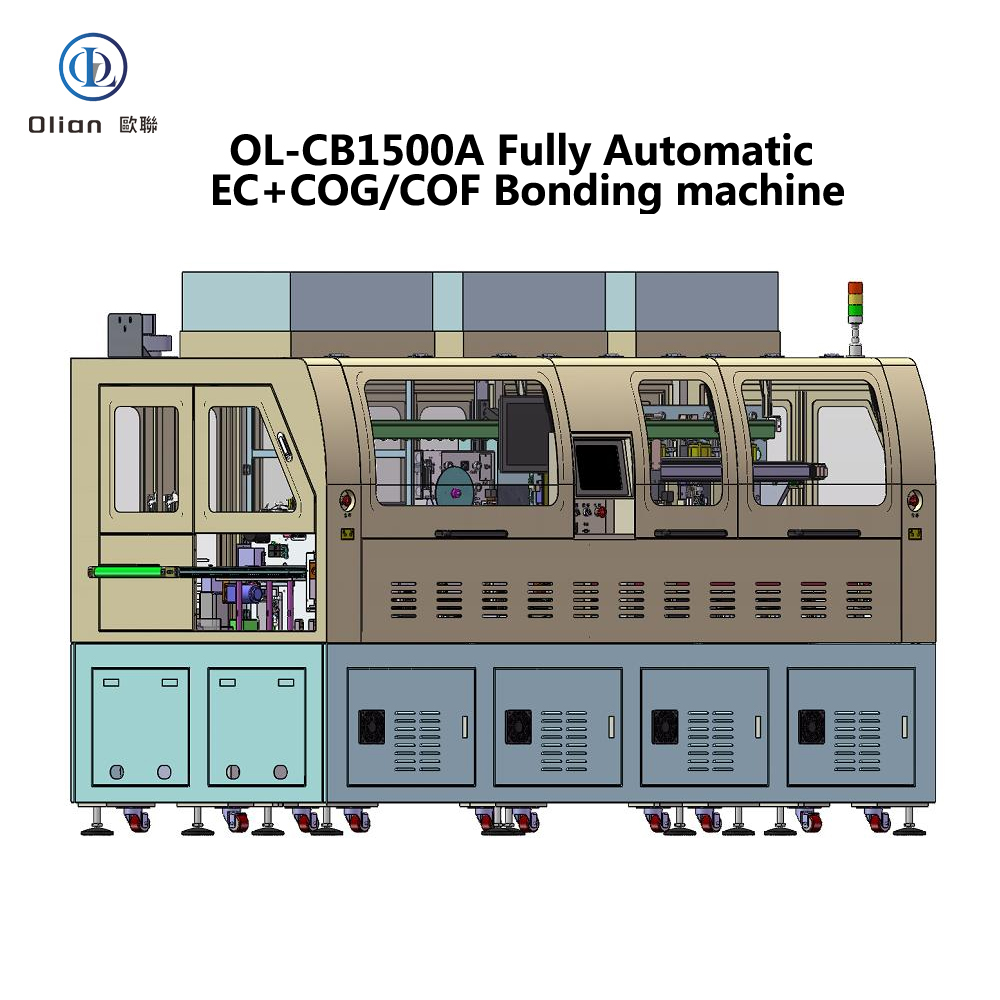
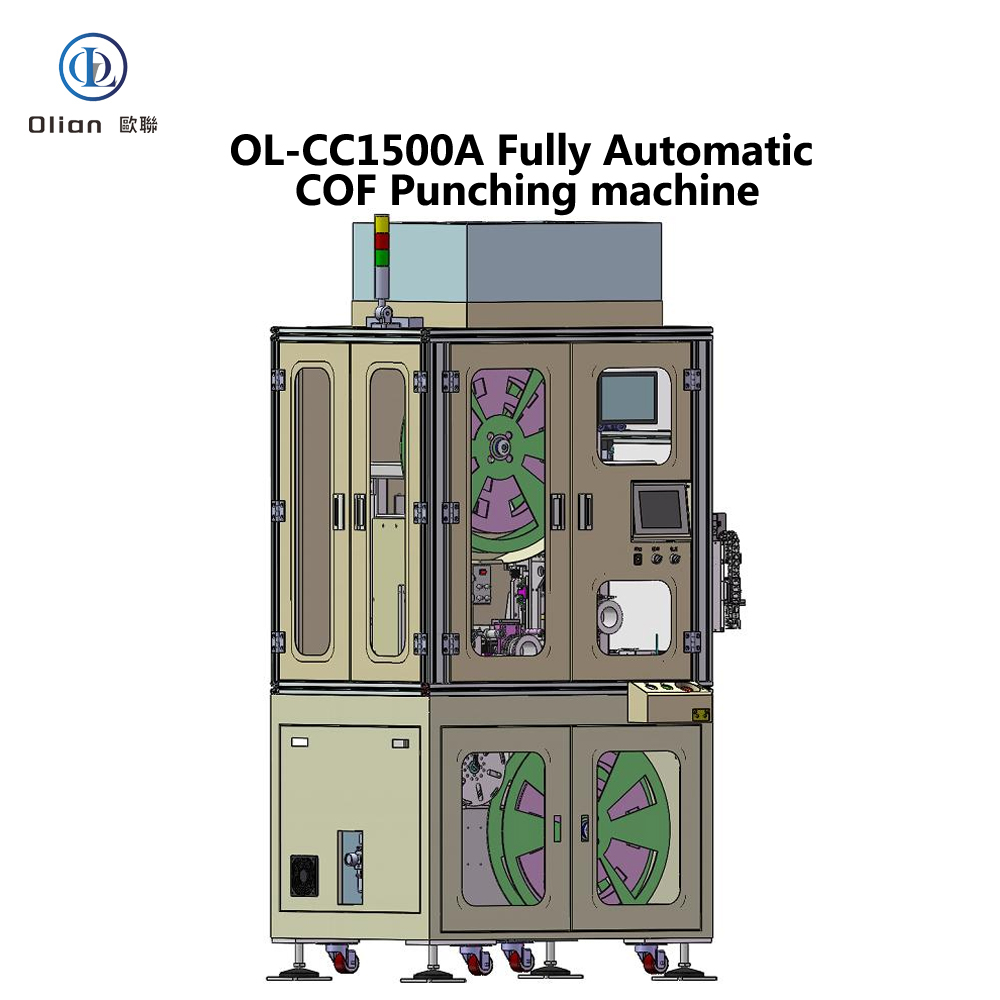
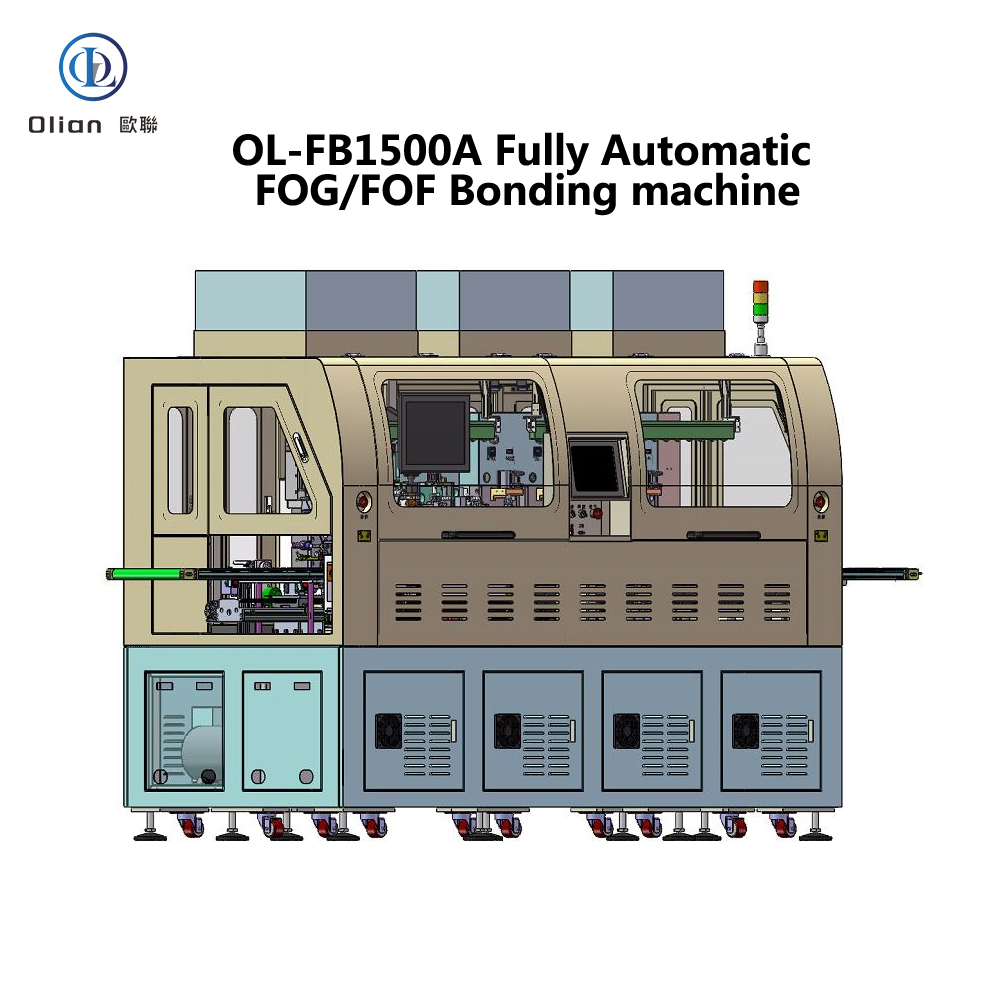
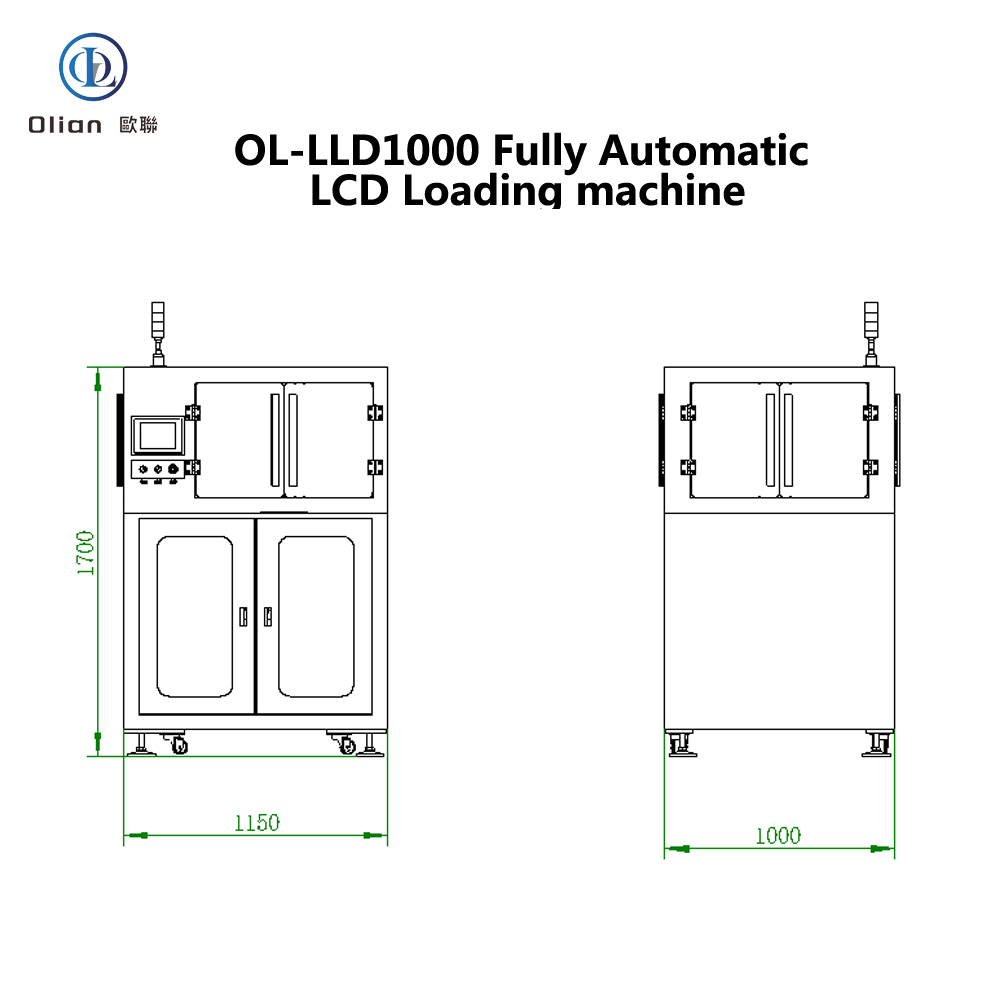
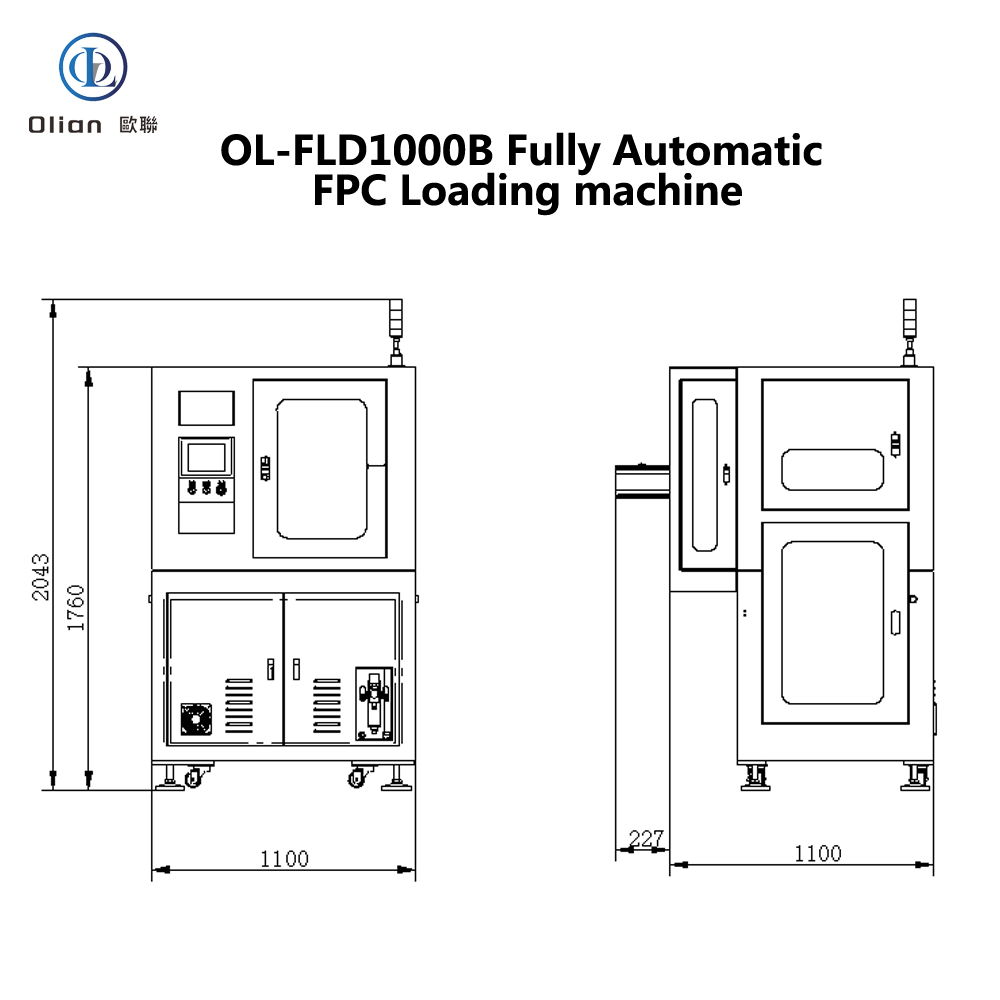
In the competitive landscape of display and electronics manufacturing, precision, speed, and flexibility are critical. OLIAN ( bonding-machine.com) stands as a leading provider of automatic bonding solutions. Catering to a wide range of applications from small wearable devices to large automotive displays, OLIAN’s product lineup—from the 600 Series to the advanced 6000 Series—ensures high efficiency and reliability on the production floor.
For manufacturers requiring robust solutions for standard display sizes, the 600 Series and 800 Series offer an excellent balance of performance and value.
As product complexity increases, the 900 Series and 1500 Series provide enhanced capabilities for larger formats and integrated processes.
For the most demanding production environments, OLIAN presents the 2000 Series and 3000 Series, representing the pinnacle of their technology.
Now available, the 6000 Series enhances the capabilities of the 3000 Series by introducing dual-station handling. This next-generation line effectively doubles the throughput for high-volume manufacturing of large displays, ensuring OLIAN remains at the forefront of automation technology.
Whether you are assembling small wearable screens or large automotive displays, the OLIAN range of bonding machines offers a tailored solution. From the speed-optimized 600 Series to the highly flexible 2000 Series and the high-throughput 6000 Series, these machines are built to ensure precision, efficiency, and reliability in your 2026 production line and beyond.
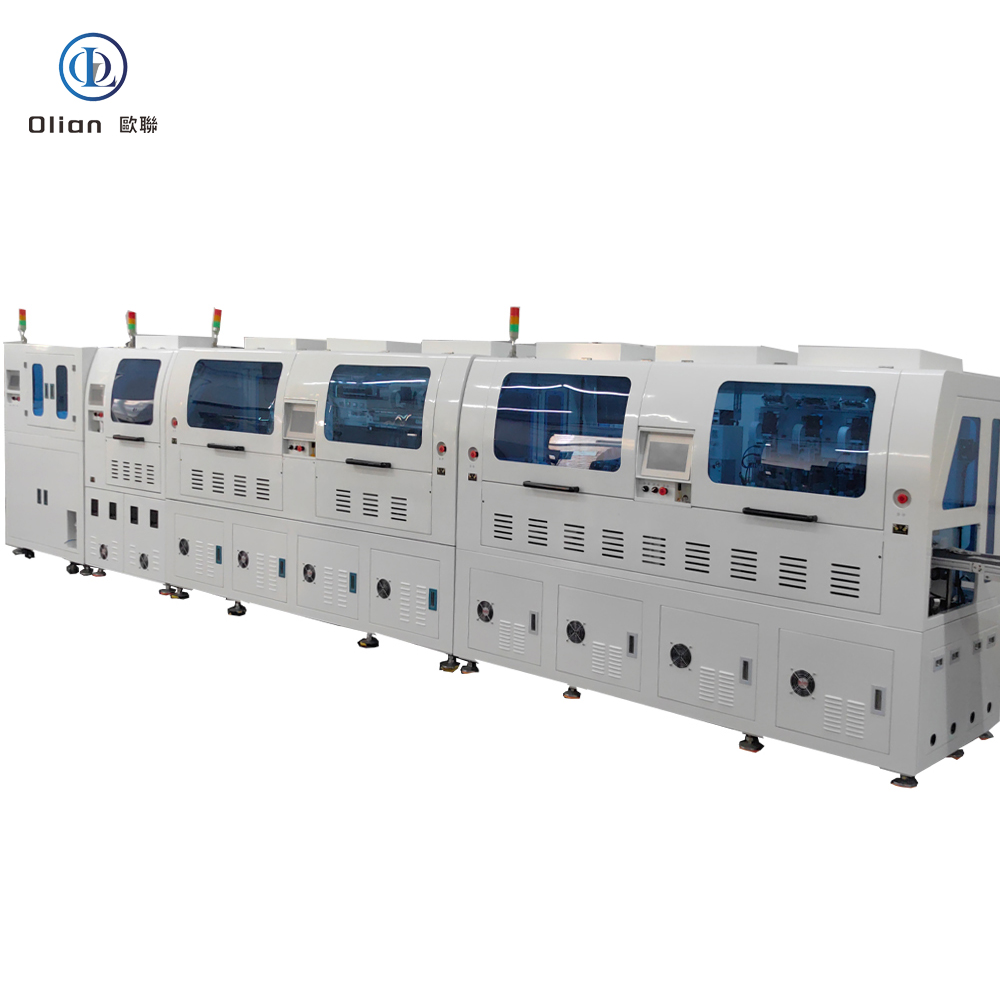
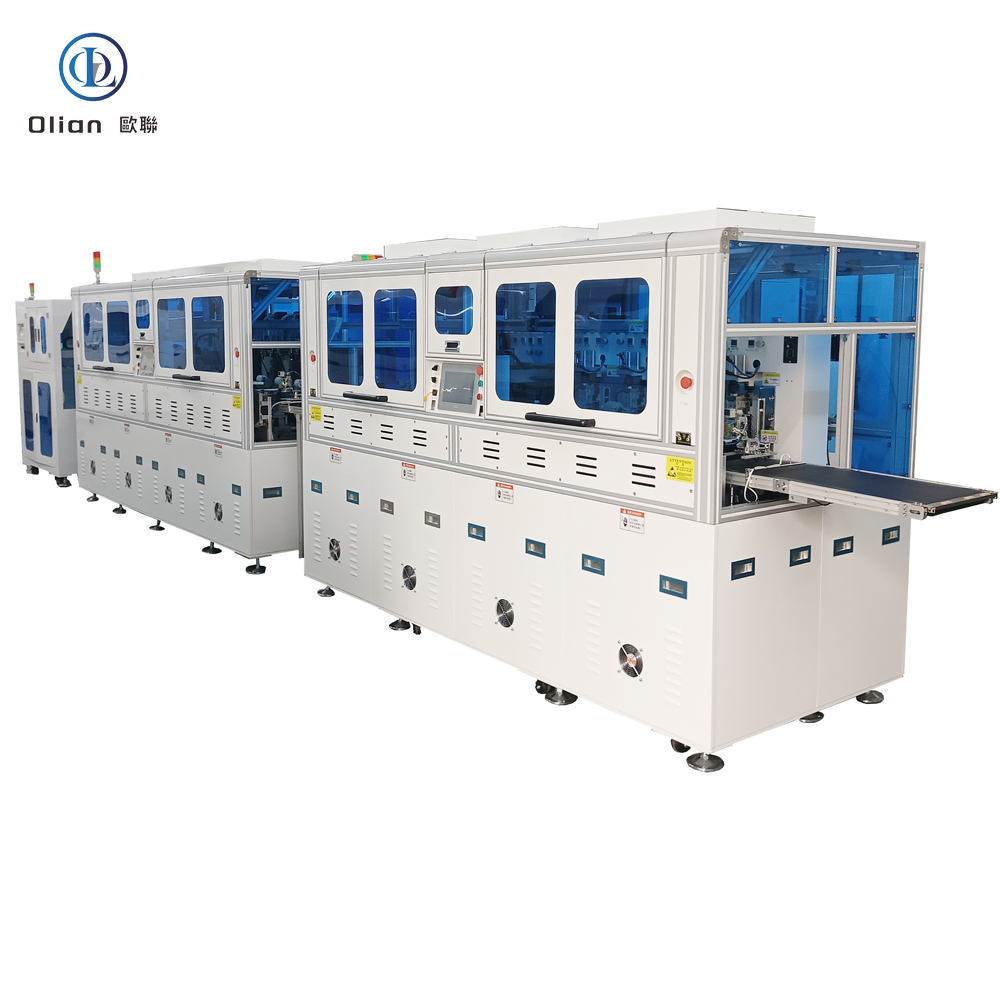
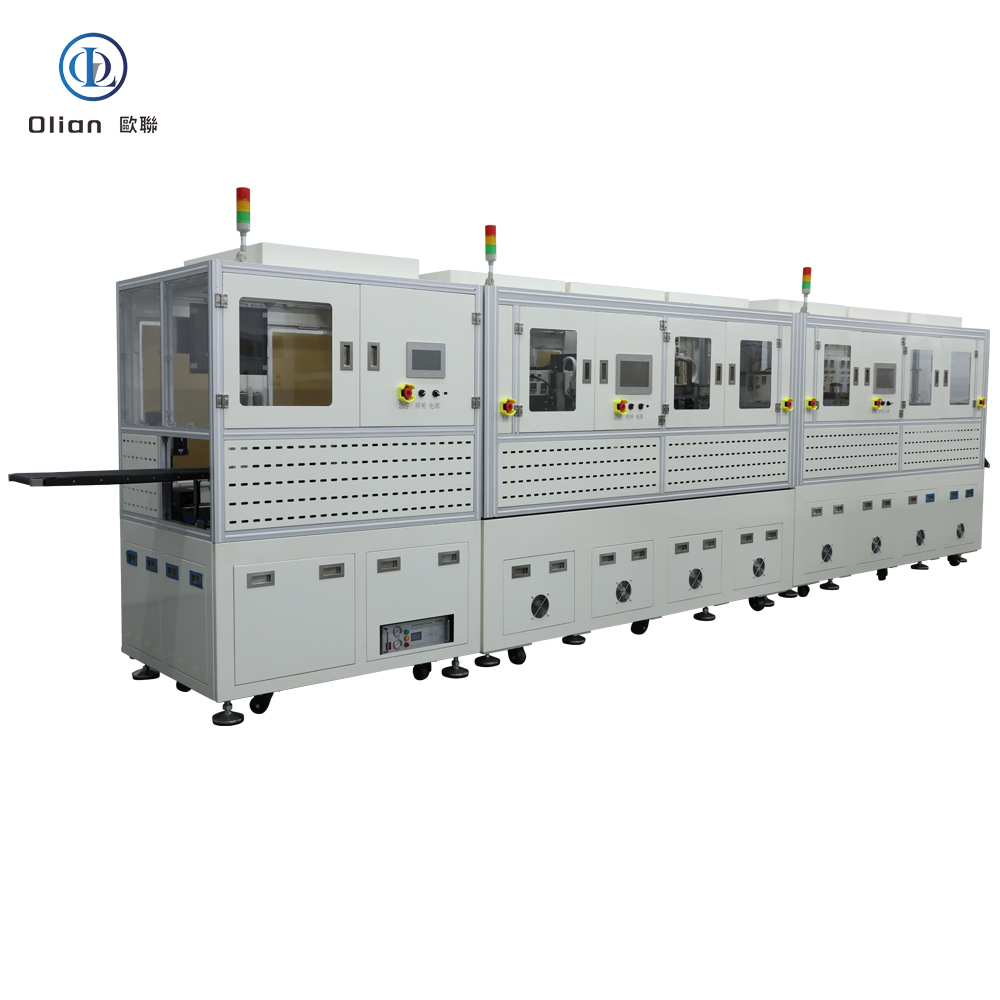
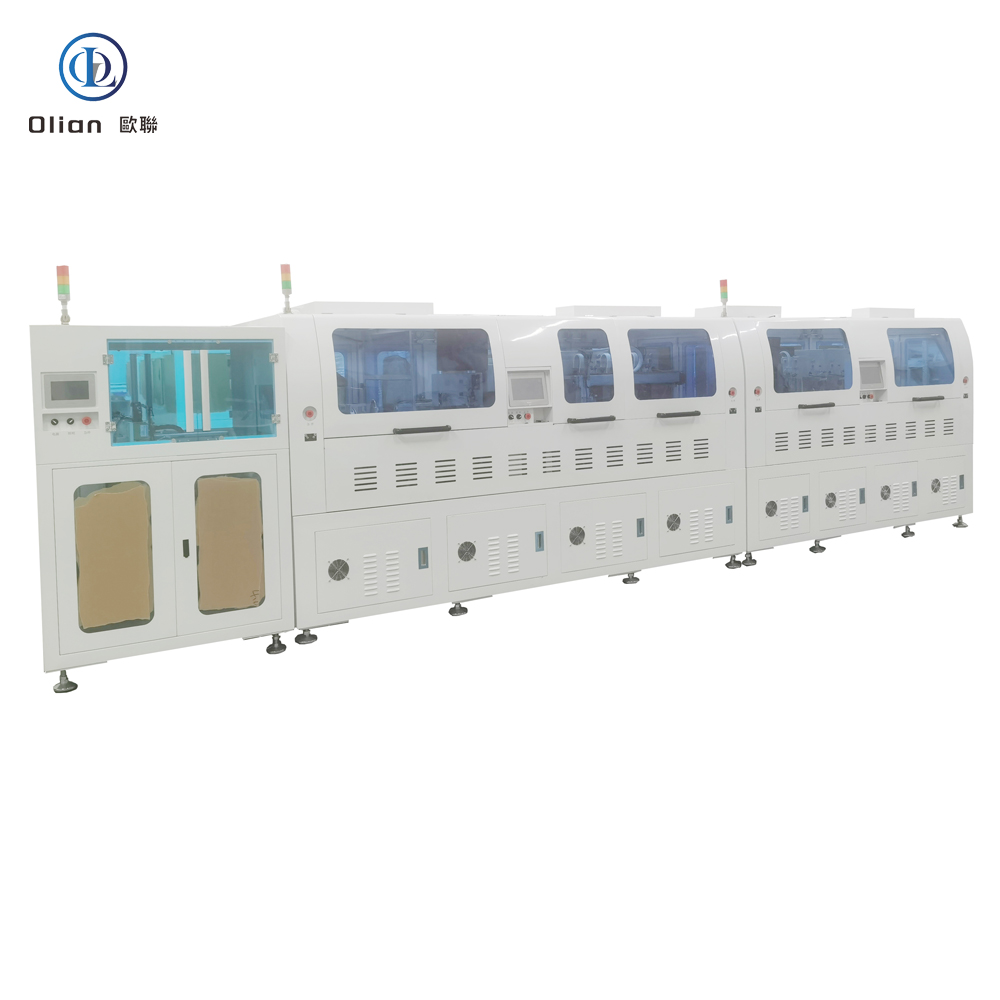
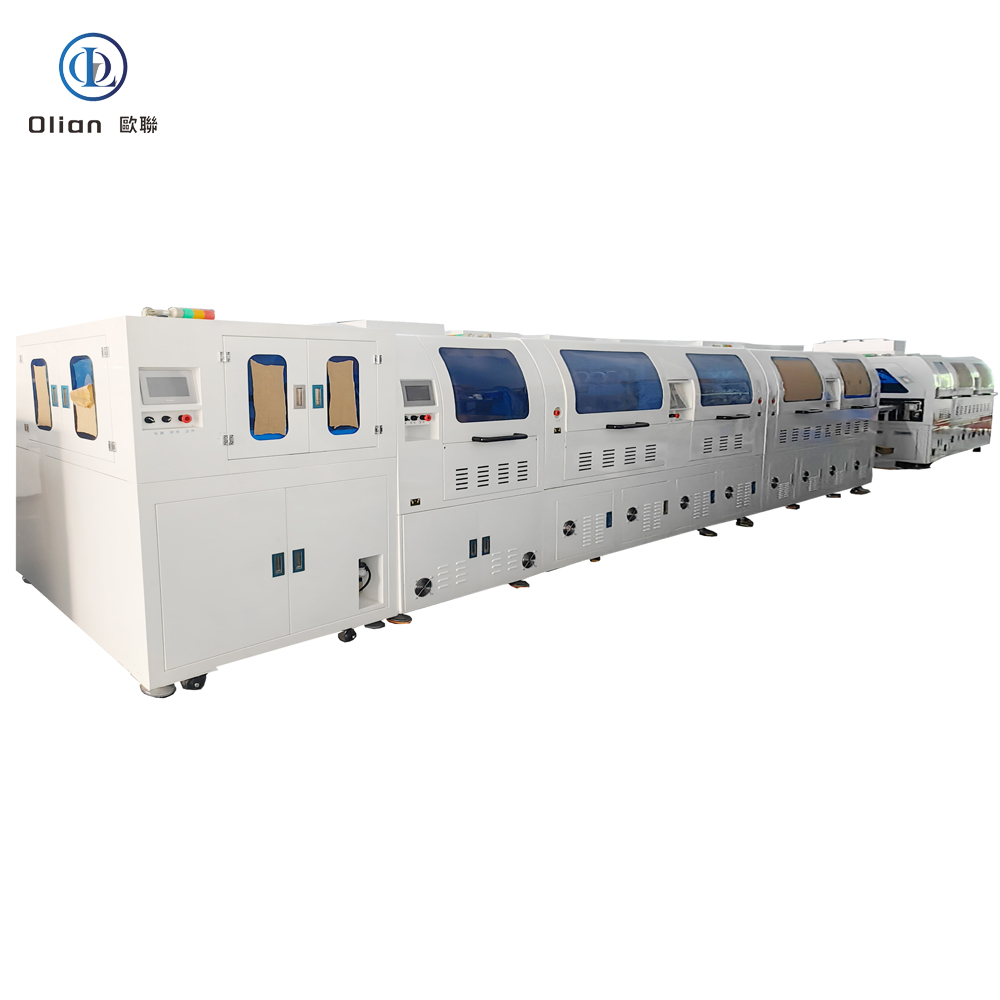
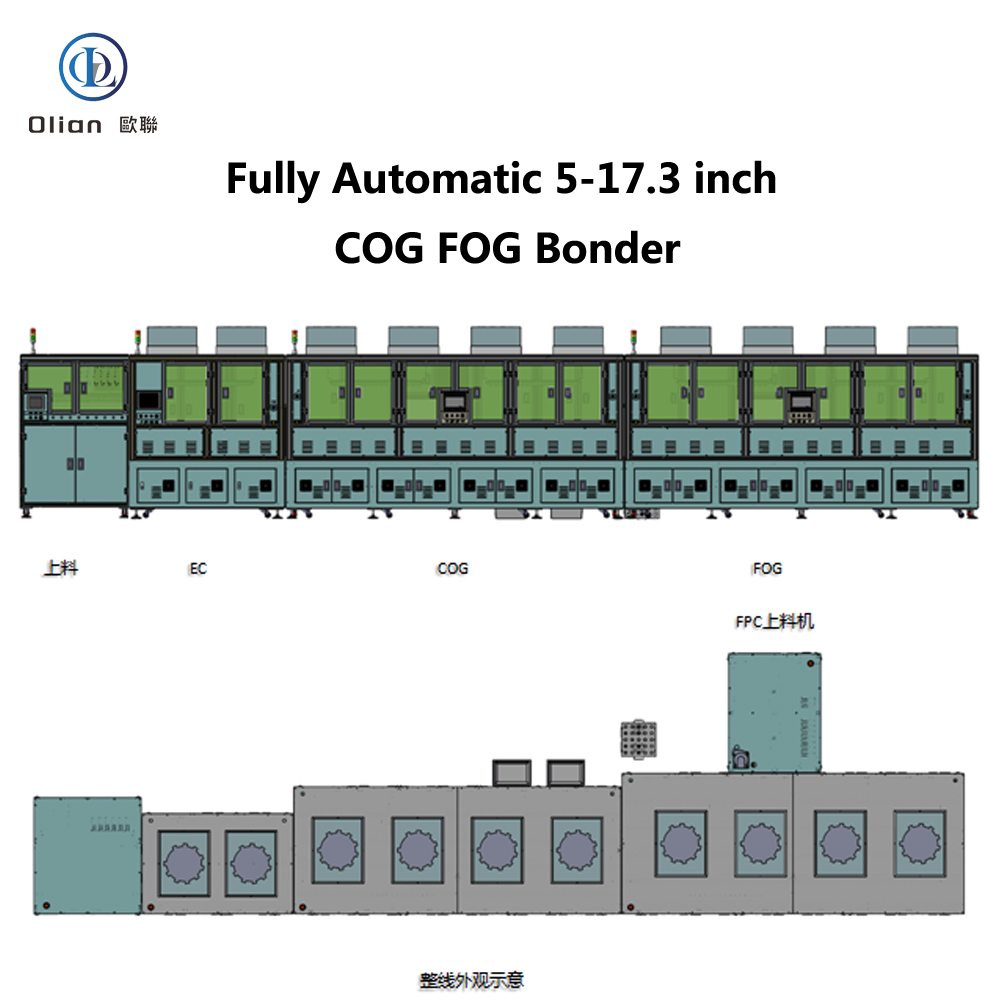
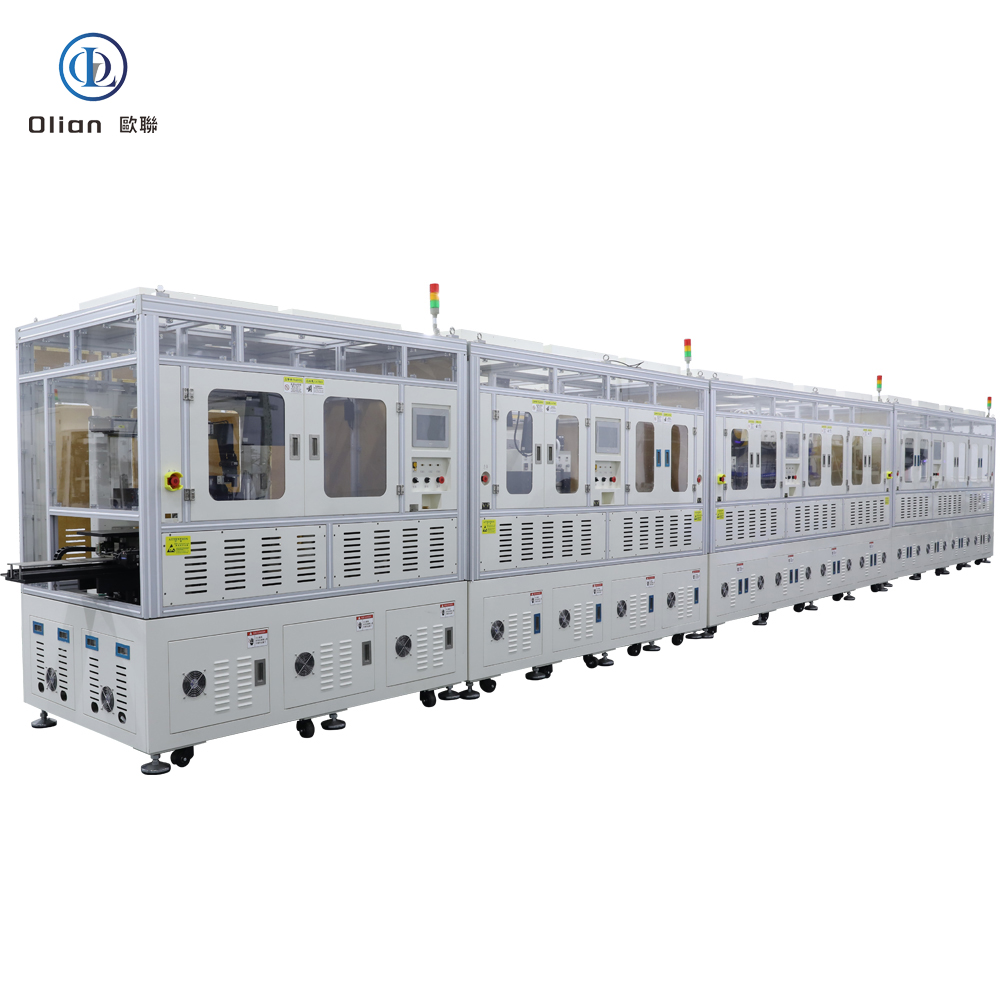
COF COG Bonding Machines.
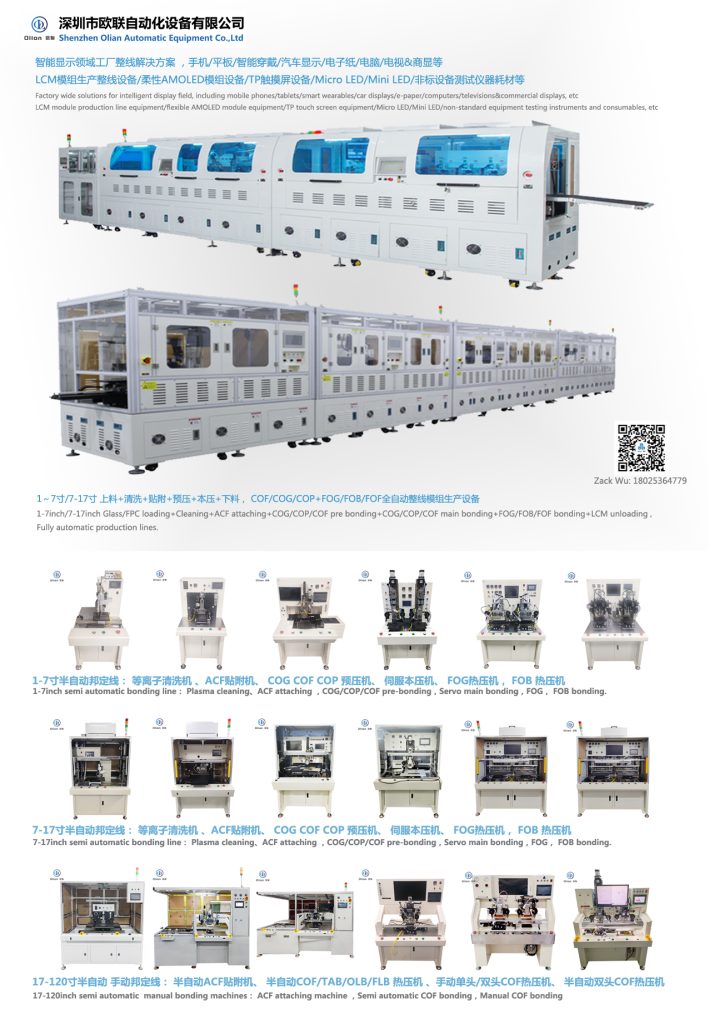
In the fast-paced world of display manufacturing, precision is everything. Whether you are producing cutting-edge smartphones, automotive displays, or high-resolution televisions, the method you use to connect driver ICs to your display panel defines the quality, durability, and aesthetics of the final product.
At Bonding Machine, we specialize in the core technology that makes modern screens possible: COF (Chip on Film) and COG (Chip on Glass) bonding machines.
If you are looking to upgrade your production line or understand the nuances of display packaging, this guide will walk you through everything you need to know.
Before diving into the machinery, it is essential to understand the two primary packaging technologies used in the LCD and OLED industries.
1. COG (Chip on Glass)
COG technology involves mounting the driver IC directly onto the glass substrate of the display. Using Anisotropic Conductive Film (ACF), the chip is aligned and thermally bonded to the Indium Tin Oxide (ITO) electrodes on the glass.
2. COF (Chip on Film)
COF is a more advanced packaging method where the driver IC is mounted on a flexible printed circuit (FPC) or film, which is then bonded to the display panel.
The bonding machine is the heart of the assembly line. It is a sophisticated piece of equipment that integrates mechanics, optics, and electronics to ensure a perfect connection. A high-quality machine from Bonding Machine typically performs the following critical steps:
Choosing between a COF and a COG bonding machine depends largely on your product design and budget. Here is a quick comparison to help you decide:
| Feature | COG Bonding Machine | COF Bonding Machine |
|---|---|---|
| Substrate | Glass (Rigid) | Flexible Film / FPC |
| Bezel Size | Standard narrow bezel | Ultra-narrow / Zero bezel |
| Cost Efficiency | High (Lower material cost) | Moderate (Higher film cost) |
| Flexibility | Rigid connection | Allows bending/folding |
| Primary Use | Laptops, TVs, Standard LCDs | Flagship Phones, Flexible OLEDs |
In the competitive landscape of semiconductor packaging, equipment reliability is non-negotiable. At Bonding Machine, we provide solutions designed for high yield and operational stability.
As display technology evolves toward foldable screens and invisible bezels, the demand for advanced COF and COG bonding machines continues to grow. Investing in the right bonding equipment is not just about automation; it is about ensuring the visual perfection that today’s consumers demand.
Are you ready to optimize your display manufacturing process? Explore our range of high-precision bonding solutions at Bonding-Machine.com and take the next step in production excellence.
Looking for specific technical specifications or a custom quote? Contact our engineering team today.
Wechat/whatsapp:wa.me/8618025364779
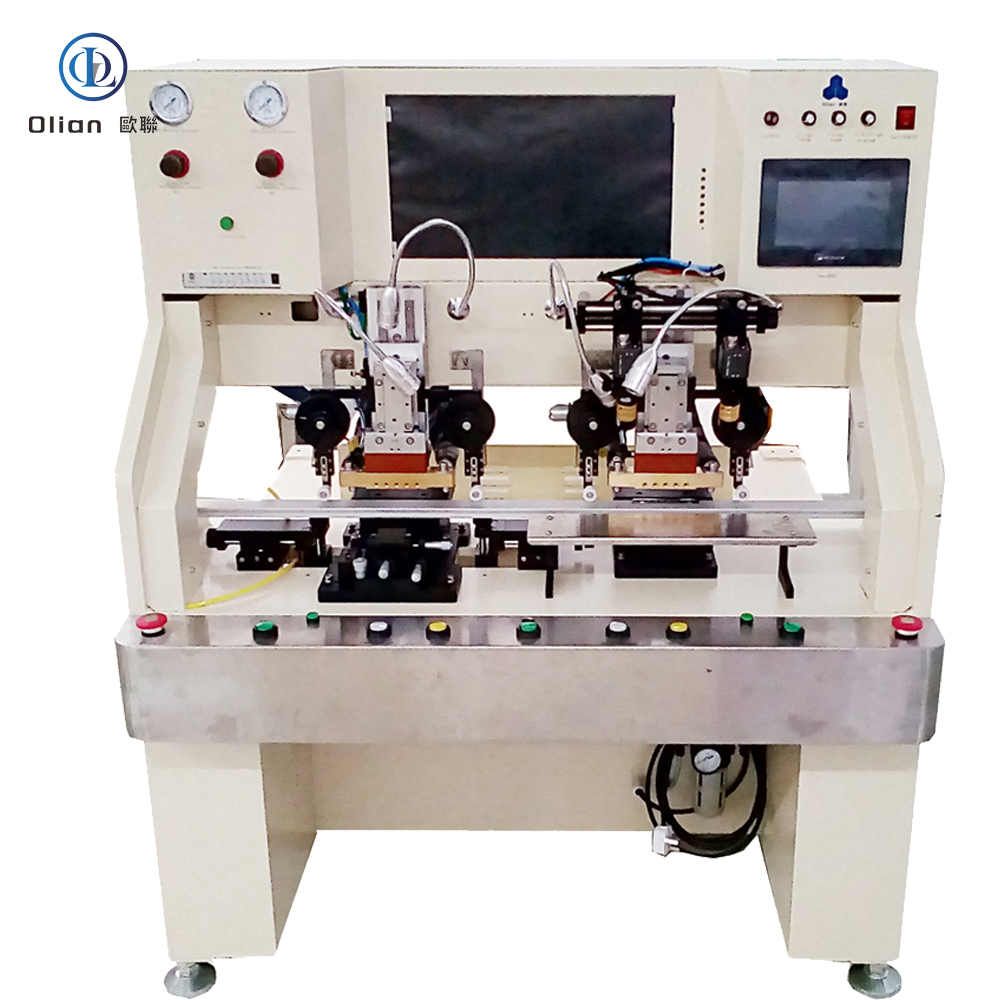
FPC Bonding Machine for TV Screen Repairing .
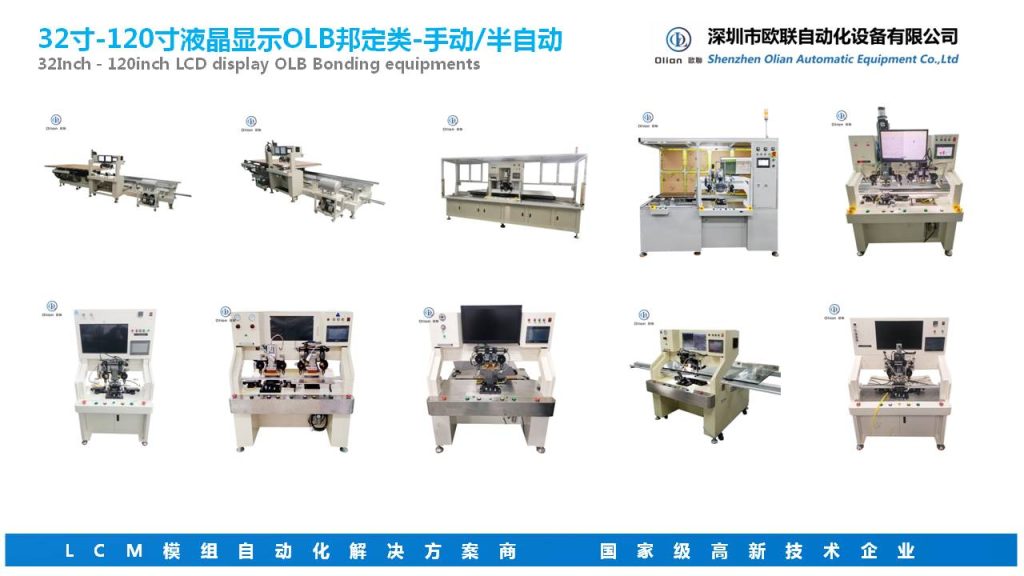
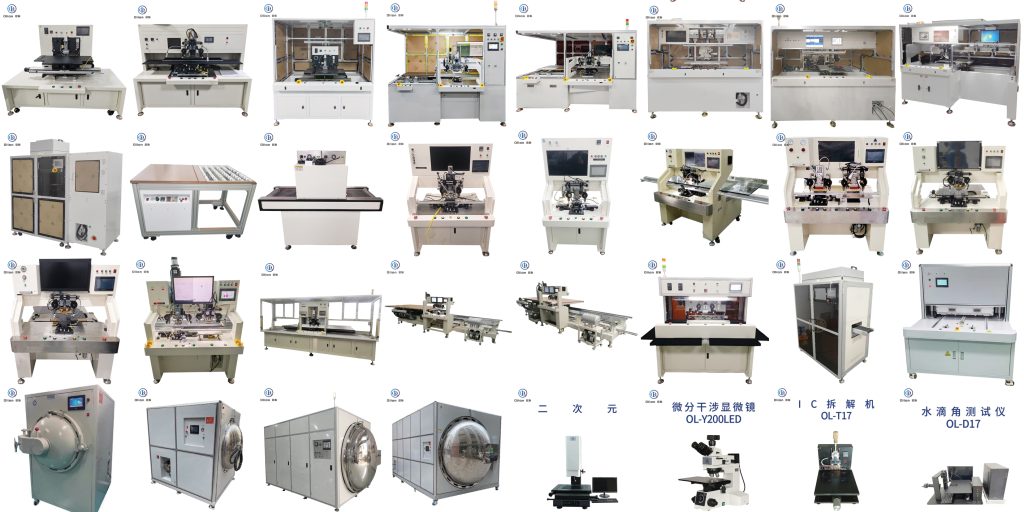
In the fast-growing TV repair industry, an FPC bonding machine for TV screen repairing is essential equipment for restoring LCD, LED, and OLED panels. Whether addressing vertical/horizontal lines, no display issues, or damaged flex cables, these precision machines deliver reliable, factory-like bonds that extend screen life and reduce replacement costs.
We provide high-quality FPC bonding machines designed specifically for professional TV screen repairing. Our equipment supports repair technicians and workshops handling everything from 32-inch to 100-inch panels with accuracy, speed, and durability.
An FPC bonding machine (Flexible Printed Circuit bonding machine) uses pulse heat or constant temperature technology combined with ACF (Anisotropic Conductive Film) to attach flexible cables (FPC/COF/TAB) to the glass panel or PCB. This process restores electrical connections in TV screens where flex cables have detached, oxidized, or been damaged.
Key benefits for TV screen repairing:
–Precise alignment (±1–5 µm) for high-resolution 4K/8K panels.
–Stable temperature and pressure control to avoid damaging delicate glass or COF.
–Support for large panels up to 100 inches.
–Reduced repair time and higher success rates compared to manual methods.
–Compatibility with LCD, LED, OLED, and mini-LED technologies.
TV manufacturers and repair centers worldwide use FPC bonding machines to fix common panel issues:
–Line problems — Vertical or horizontal lines caused by broken FPC connections.
–COF/TAB detachment — Re-bonding Chip-on-Film or Tape Automated Bonding components.
–Flex cable replacement — Installing new FPC ribbons on open-cell panels.
–Large-format displays — Repairing commercial TVs, digital signage, and hotel displays.
Our machines handle FPC, COF, COG, FOG, and TAB bonding, making them versatile for comprehensive TV panel repair workflows.
When choosing an FPC bonding machine for TV screen repairing, look for these professional-grade specifications:
–Pulse Heat or constant temperature Technology — Rapid heating and cooling cycles for strong, clean bonds.
–Vision Alignment System — CCD cameras and servo motors for micron-level precision.
–Programmable Profiles — Save multiple temperature, pressure, and time settings for different TV models.
–Wide Panel Support — Adjustable platforms for small to ultra-large screens.
–User-Friendly Interface — Touchscreen controls and easy operation for technicians.
–Robust Construction — Built for daily high-volume repair shop use.
Shenzhen olian offers models tailored for TV repair professionals, combining reliability with competitive pricing and excellent after-sales support.
As a specialized manufacturer, Shenzhen Olian Automatic Equipment Co., Ltd. (Bonding-Machine.com) focuses on display bonding technology. Our FPC bonding machines serve mobile phones, tablets, laptops, automotive displays, and especially television screen repairing.
–Proven performance in real-world TV repair environments.
–Comprehensive technical support and training.
–Custom solutions for specific repair needs.
–Global shipping and reliable spare parts availability.
Investing in a professional FPC bonding machine from shenzhen olian helps your business offer faster, more affordable TV repairs while maintaining high quality standards.
Explore our full range of FPC bonding machines and related equipment today at Bonding-Machine.com. Whether you need a single-head model for a small workshop or advanced solutions for high-volume operations, we have the right machine for your TV screen repairing needs.
Contact us for expert recommendations, quotations, or demos. Restore more TV panels efficiently and grow your repair business with precision bonding technology.
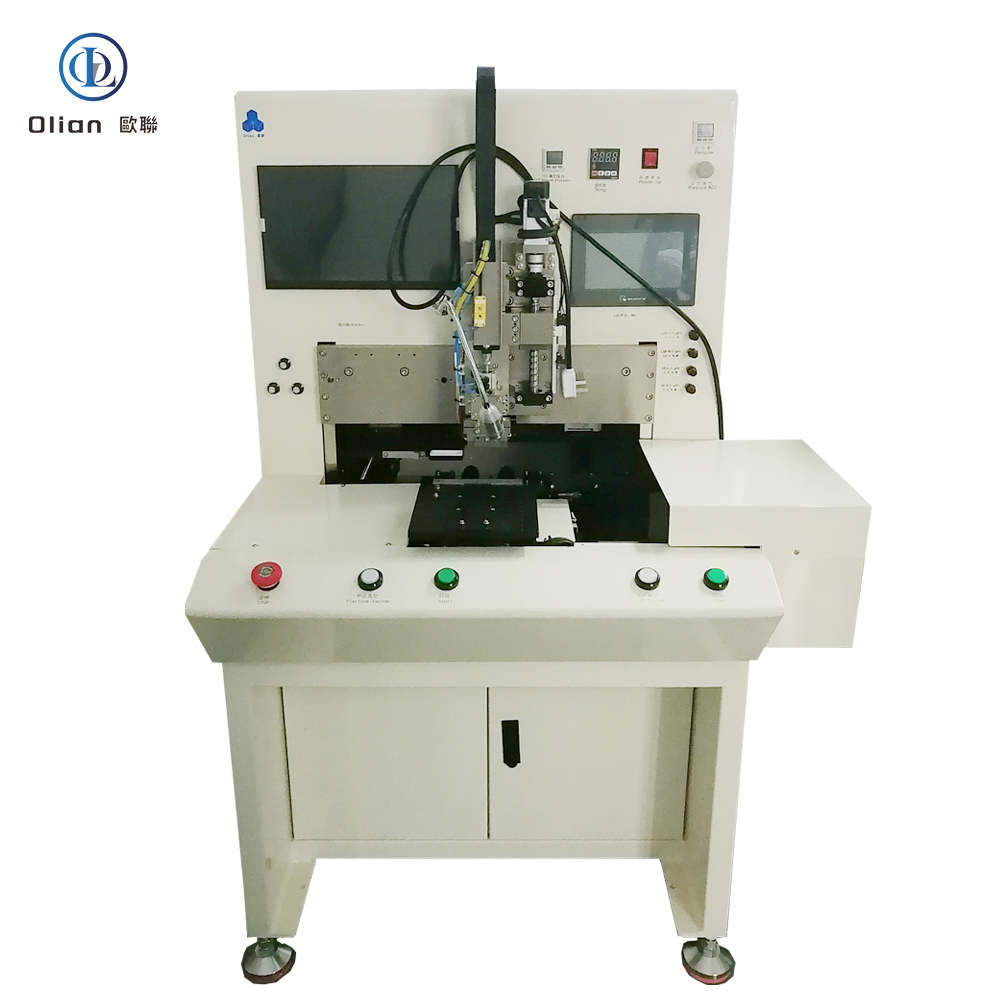
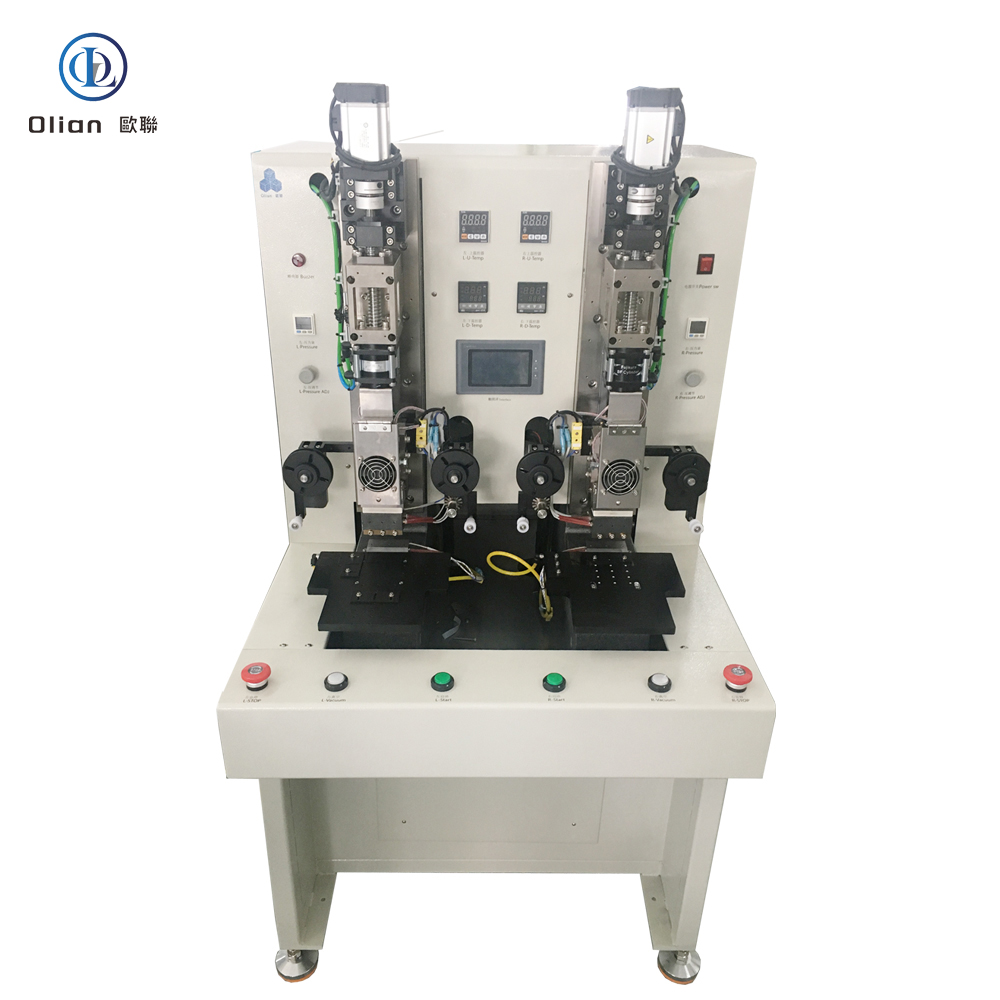
Introduction
In the era of foldable smartphones, rollable tablets, and wearable devices, flexible AMOLED (Active Matrix Organic Light-Emitting Diode) displays have become the cornerstone of innovative product design. Unlike traditional rigid panels, flexible AMOLED screens are built on polyimide (PI) (COP Chip on PI)substrates and require ultra-precise bonding processes to connect delicate components such as COF (Chip on Film), FPC (Flexible Printed Circuit), driver ICs, and polarizers while maintaining bendability and long-term reliability.
At bonding-machine.com, we engineer high-precision AMOLED flexible screen bonding equipment that delivers exceptional alignment accuracy, stable thermal control, and high throughput for mass production of curved and foldable OLED modules.
Flexible AMOLED displays demand specialized bonding technology due to their unique structure:
Ultra-thin and bendable polyimide substrate
Thin-film encapsulation (TFE) layers that must remain intact during bonding
Sensitive organic emissive materials requiring low-stress, high-accuracy processes
Multiple bonding types: ACF bonding, COF bonding, FOG (FPC on Glass), COP (Chip on PI), and FOP
Any misalignment, excessive pressure, or temperature fluctuation can cause line defects, touch failures, black spots, or reduced bending performance. Our bonding machines are optimized specifically for these challenges.
Sub-Micron Alignment Precision — Advanced CCD vision systems and high-resolution servo motors achieve alignment accuracy of ±3μm or better, essential for high-PPI flexible AMOLED panels.
Flexible Substrate Handling — Specialized platforms and gentle vacuum systems designed for thin PI films and curved/foldable panels without causing wrinkles or delamination.
Precise Temperature & Pressure Control — Pulse heat or constant temperature bonding heads with real-time monitoring ensure uniform ACF curing while protecting heat-sensitive OLED layers.
Modular & Dual-Head Design — Supports simultaneous or sequential bonding of COF, FPC, and driver ICs. Configurable for different screen sizes (from small wearables to large foldable panels).
Plasma Cleaning & ACF Pre-Bonding Integration — Optional inline plasma cleaning and automatic ACF application to improve bonding strength and yield.
Low-Stress Bonding Technology — Optimized pressing profiles minimize mechanical stress on flexible substrates, preserving excellent bending radius (as low as 3-5mm in final products).
High Throughput & Automation — Fully or semi-automatic models with robotic handling options for seamless integration into existing OLED production lines.
Data Traceability & Industry 4.0 Ready — Real-time parameter logging, defect detection, and MES system compatibility.
Our AMOLED flexible screen bonding equipment is widely used in the manufacturing of:
Foldable smartphones and tablets
Curved OLED displays for premium mobiles and automotive
Flexible wearables and smartwatches
Rollable or extendable display prototypes
High-end medical and industrial flexible panels
Technical Advantages Over Traditional Bonding Equipment
Traditional rigid LCD bonding machines often fail when handling flexible AMOLED due to substrate deformation or insufficient precision. Our dedicated flexible bonding solutions address these pain points with:
Customizable bonding heads for irregular or curved shapes
Advanced force feedback systems
Anti-static and cleanroom-compatible design
Superior yield rates for ultra-thin and high-resolution panels
Specialized Expertise in display bonding technology for both LCD and advanced OLED/AMOLED lines.
Proven Reliability — Equipment trusted by display module manufacturers worldwide.
Customization Capability — Tailor-made solutions for specific panel sizes, bonding processes, and production capacity.
Comprehensive Support — Installation, training, maintenance, and spare parts supply.
Competitive Performance at optimized cost of ownership.
AMOLED flexible screen bonding machine, flexible OLED bonding equipment, foldable display bonding machine, COF bonding for AMOLED, flexible AMOLED lamination machine, PI substrate bonding. ACF bonding machine OLED, FOG bonding flexible display, high precision flexible screen bonder,Mobile Phone Display Manufacturing,FOG/FOB Bonding Machines,TV/LCD Bonding Equipment,
AMOLED flexible screen COF bonding machine,foldable OLED display bonding.
In the rapidly evolving world of display technology, from ultra-thin 4K televisions to flexible OLED smartphones, Chip-on-Film (COF) technology has become the gold standard. However, for repair centers and manufacturers, achieving a perfect bond is a high-stakes challenge. A single micron of misalignment can result in a dead pixel line or a scrapped panel.
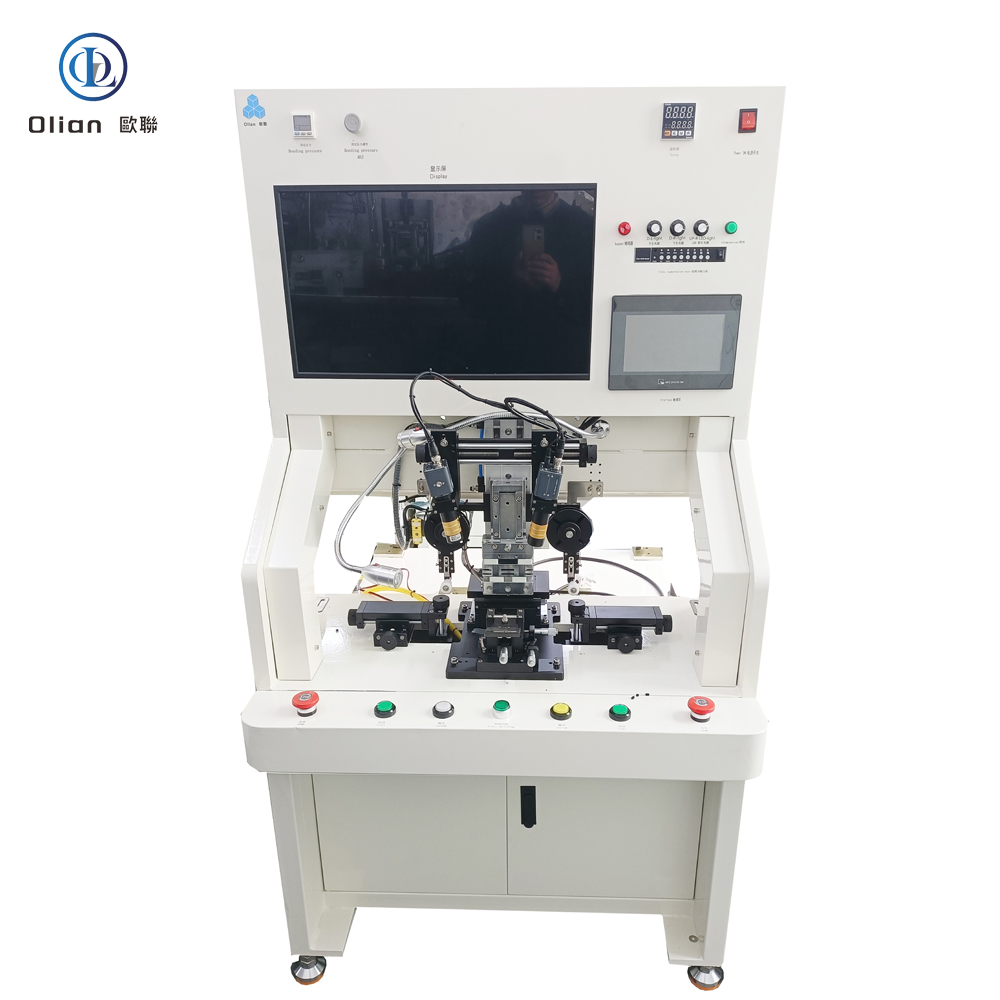
In this guide, we will explore the mechanics of a COF bonding machine, how to optimize your production yield, and what to look for when investing in new equipment.
COF (Chip-on-Film) is an advanced packaging technology where the drive IC is directly mounted on a flexible circuit (film). Unlike traditional COG (Chip-on-Glass), COF allows for narrower bezels and foldable designs.
The COF bonding machine uses a process called Anisotropic Conductive Film (ACF) bonding. By applying specific heat and pressure, the conductive particles within the ACF create an electrical connection between the IC and the panel electrodes while maintaining insulation between adjacent traces.
Why do so many technicians struggle with COF bonding? It usually comes down to three variables:
If you are experiencing high failure rates, check these three common “pain points”:
When browsing bonding-machine.com, prioritize these technical features to ensure a high Return on Investment (ROI):
The demand for high-quality display repair is skyrocketing. Investing in a professional-grade COF bonding machine is not just about buying a tool—it’s about guaranteeing the precision that your customers demand.
At Bonding-Machine.com, we specialize in providing industrial-grade ACF, COF, and COG bonding solutions designed for 24/7 reliability.
COF bonding machine working videos:
85inch TV COF bonding machine:
How to use single head TV Panel LCD panel acf cof tab fpc bonding machine
Shenzhen Olian (founded 2012) specializes in R&D and manufacturing of automation equipments for FPD and next-gen flexible screens—exactly the tech shaping your industry.
With 70+ R&D engineers, 4,000m² of precision CNC facilities and a full suite of patents, we deliver integrated solutions for LCM modules, touch displays, and smart factories. Our clients—like BOE, CSOT, HKC, Huawei, BYD, Foxconn,Luxshare…more than 2000 customers—trust us for quality, innovation, and efficiency.
We’re already serving partners across 20+ regions and 5 continents. I’d love to explore how we can support your goals.
Zack Wu
Shenzhen Olian
Wechat/whatsapp:
wa.me/8618025364779
olian@szolian.com
bonding-machine.com
Automated Display Assembly Line,One-Glass flexible displays modules Solution: Fully Automated Display Module Production Line for AM/PM/TFT/STN
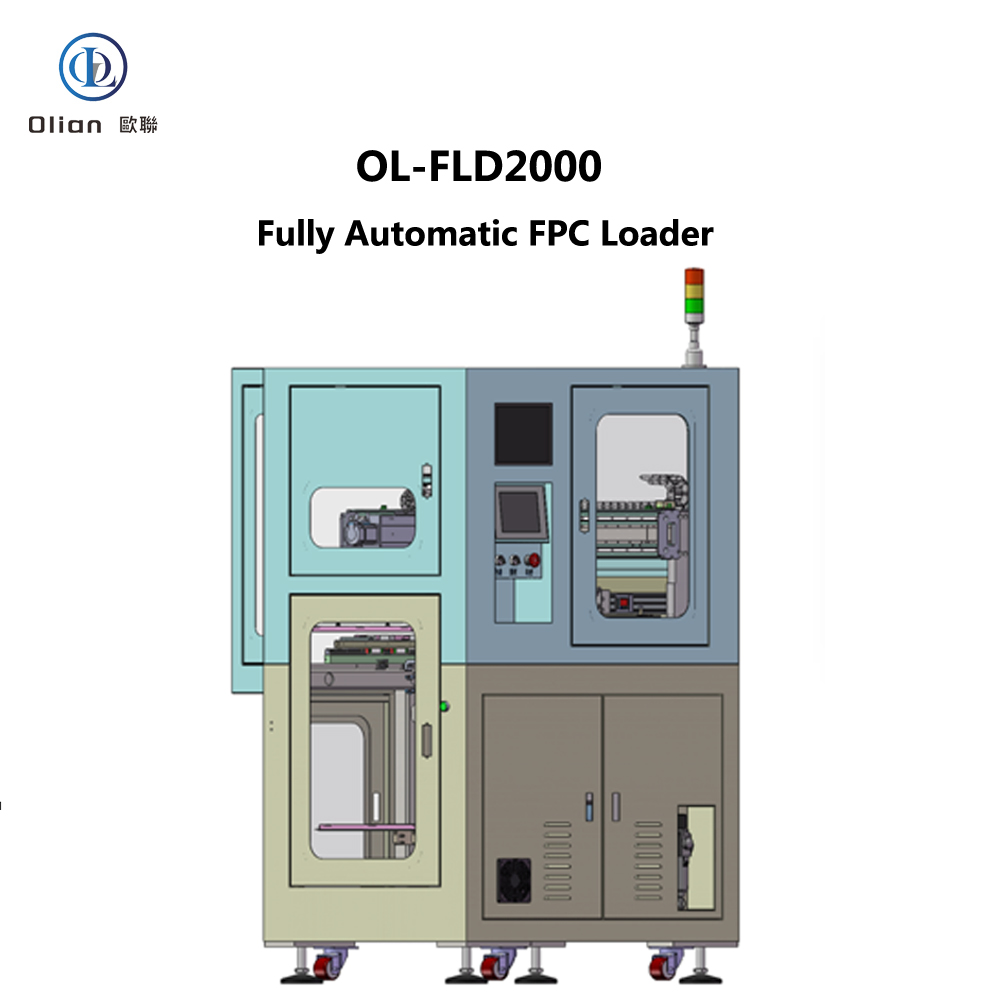
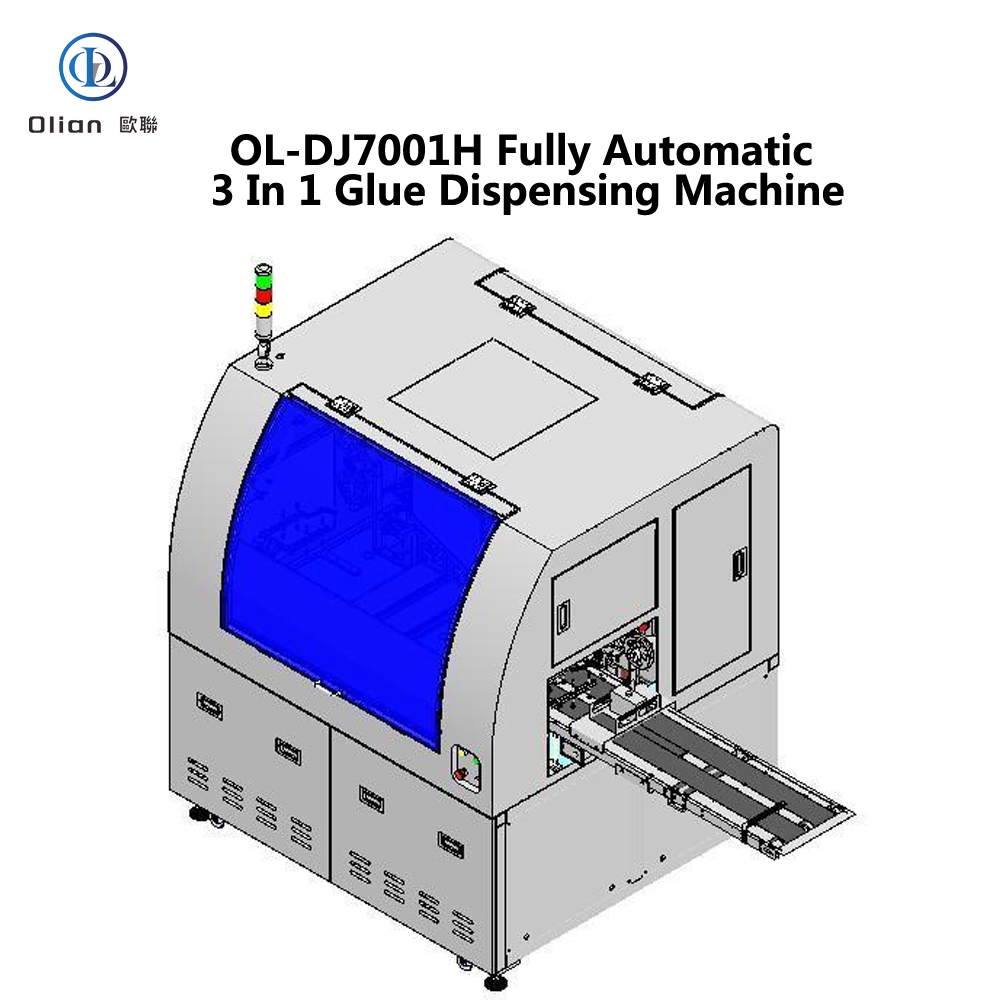
Discover our cutting-edge, fully automated binding line technology. Engineered for 0.7″ to 7″ displays, this line features nanometer-level precision, static elimination, and 99.5%+ yield rates.
In the competitive landscape of display manufacturing, efficiency, yield, and precision are non-negotiable. We present a state-of-the-art Fully Automated Binding Line, specifically engineered to handle the complexities of modern display assembly. This integrated solution is designed to be fully compatible with One Glass Solution (OGS) and semi-flexible products, setting a new benchmark for the industry.
This production line covers the entire spectrum of display module assembly—from initial cleaning to final inspection—ensuring seamless integration and maximum throughput.
Our automated line is a turnkey solution capable of handling a wide range of product types, including AMOLED, PMOLED, TFT, and STN displays. With a production rhythm of ≤3.5 seconds for products ranging from 0.7 inches to 7 inches, this line is optimized for high-volume manufacturing.
The system is designed to handle diverse geometries, including square, round, polygonal, and irregular shapes, making it the most versatile choice for manufacturers dealing with custom display designs.
A flawless display starts with a pristine surface. Our Fully Automatic Grinding & Cleaning Machine utilizes advanced CCD panoramic cameras for glass loading and correction. The system features independent Z-axis control for grinding heads with deceleration mechanisms (pneumatic cylinder + servo motor) to ensure uniform pressure.
Complementing this, the Online Plasma Cleaner uses a “flame-type” cleaning method (PLASMA-BAR & USC-BAR) to achieve a water contact angle of ≤15°, ensuring optimal surface energy for adhesion without static damage.
The heart of the line lies in its bonding capabilities. We offer specialized machines for COG (Chip on Glass), COF (Chip on Film), FOG (Film on Glass), and TFOG/TFOF applications, all featuring ±0.1mm ACF (Anisotropic Conductive Film) placement accuracy.
Quality is not inspected in; it is built in. The line incorporates a Fully Automatic Particle AOI (Automated Optical Inspection) system that detects defects such as particles, misalignment, cracks, and scratches with a 99% detection rate and a false alarm rate of less than 2%.
Additionally, the Three-in-One Gluing Machine and Front & Back Gluing Machine utilize premium EFD喷射阀 (EFD Jet Valves) with independent proportional valve control for pressure. This ensures precise application of UV glue, TUFFY glue, and silver paste, followed by long-life LED curing (20,000+ hours).
To meet the strictest environmental standards, critical stations (Sticker, Plasma, COG/FOG, AOI, Gluing) maintain an internal particle cleanliness level of Class 100 (Dynamic). This is achieved through FFU installations and ionizers that trigger automatic alarms if static levels exceed thresholds.
Smart Factory Ready:
Every machine in the line supports MES communication protocols with reserved gateways. This allows for seamless data integration, real-time monitoring of production parameters (temperature, pressure, time), and full traceability of production logs and defect images.
Tags:Automated Display Assembly Line, COG Bonding Machine, FOG Bonding Equipment, LCD Module Production, Fully Automatic Binding Line, One Glass Solution (OGS), Display Module Tester, Plasma Cleaning Machine, Precision Gluing System, Smart Factory MES Integration.
Shenzhen Olian OL-1500 Series Fully automatic COF FOF TFOF bonding Dispensing production line :
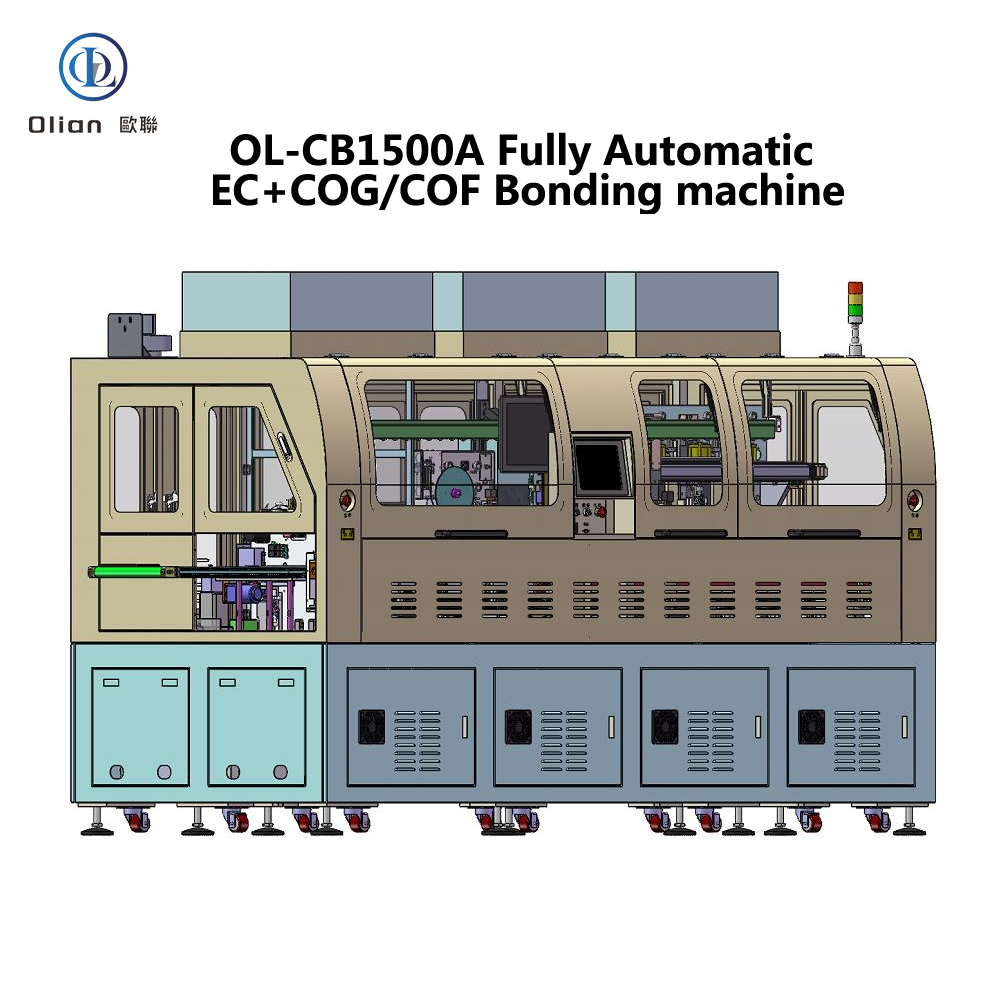
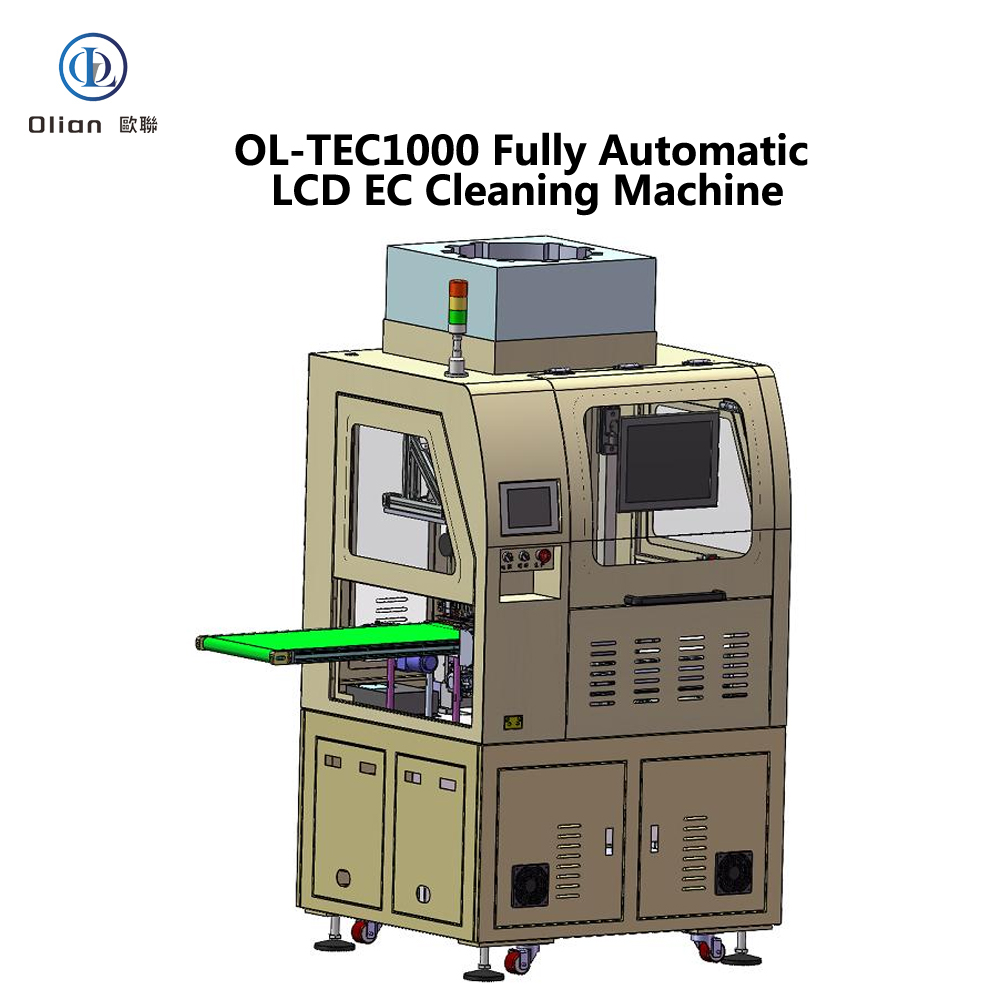
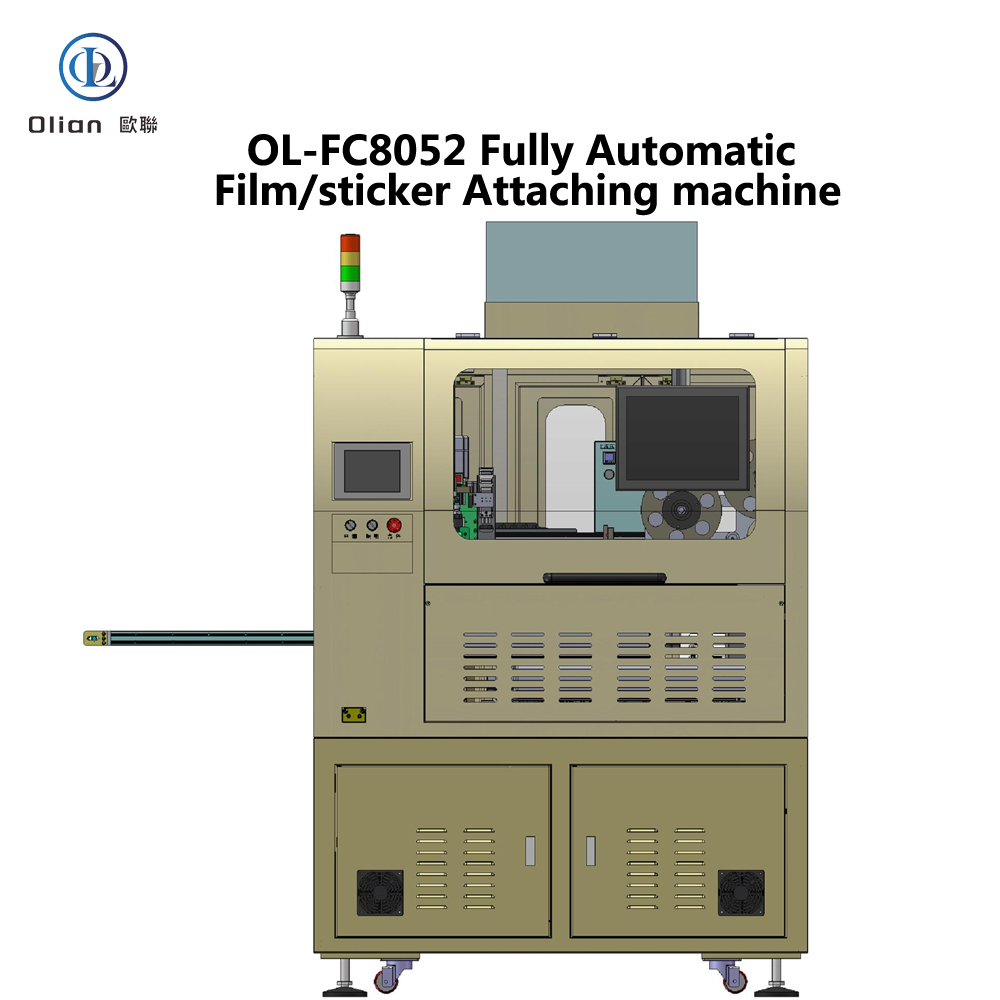
COF, which stands for Chip On Flex or Chip On Film, is a kind of IC packaging technology. It fixes integrated circuits (IC) on flexible printed circuit boards (FPC) and connects the chip with the flexible substrate circuit through thermocompression, so as to realize the interconnection between the chip and the circuit.
The COF bonding process is the process of connecting the display driver IC chip to the soft film carrier through the COF technology. It mainly uses the flip – chip eutectic method to bond the gold bumps on the display driver IC with the inner leads on the flexible substrate. This process can realize the electrical connection and mechanical fixation between the chip and the substrate, and is a key process in the manufacturing of LCD/OLED display modules.
COF bonding machine is a special equipment used to complete the COF bonding process. It can accurately position and bond the COF and the panel or PCB to ensure the quality and reliability of the connection. The machine usually has a variety of functions, such as ACF (Anisotropic Conductive Film) feeding, cutting, pasting, and precise alignment and pressure – bonding. It can be divided into semi – automatic and fully automatic types according to the degree of automation. The fully automatic COF bonding machine can realize the automatic feeding, positioning, bonding and other operations of COF and panel, which can greatly improve the production efficiency and product quality.
ACF, whose full name is Anisotropic Conductive Film, is a kind of adhesive film with special electrical conductivity. It is composed of conductive particles evenly distributed in the adhesive matrix. The characteristic of ACF is that it has obvious differences in the electrical conductivity in the Z – axis direction and the insulation resistance in the XY plane. When the Z – axis conductivity resistance value and the XY plane insulation resistance value exceed a certain ratio, it can be called good conductive anisotropy. In the COF bonding process, ACF plays a vital role. It can not only connect the electrodes of the IC chip and the substrate to achieve electrical conduction, but also avoid the short circuit between adjacent electrodes.
● Feeding: First, the COF and the panel or PCB that need to be bonded are automatically fed into the working area of the bonding machine.
● Positioning: The machine uses high – precision visual positioning systems, such as CCD cameras, to accurately locate the position of the COF and the panel to ensure that they are aligned.
● ACF Feeding and Cutting: The ACF material is fed into the machine, and according to the required length, it is cut by the cutting device.
● ACF Sticking: The cut ACF is accurately pasted on the corresponding position of the COF or the panel.
● Preliminary Pressing: After the ACF is pasted, a preliminary pressing is carried out to make the COF and the panel preliminarily bonded and ensure that the ACF is evenly distributed between them.
● Main Pressing: Under the action of a certain temperature and pressure, the main pressing is carried out. During this process, the ACF is dissolved and solidified, and the conductive particles in it are compressed to form a conductive path, so as to realize the electrical connection between the COF and the panel.
● Inspection: After the bonding is completed, the machine will carry out an inspection to check whether the bonding position is accurate, whether the electrical connection is good, and so on.
● Cleanliness: During the bonding process, it is necessary to ensure the cleanliness of the working environment and the surface of the materials to avoid the influence of impurities and dust on the bonding quality.
● Temperature and Pressure Control: The temperature and pressure during the bonding process need to be strictly controlled according to the process requirements. Improper temperature and pressure may lead to poor bonding or damage to the materials.
● Alignment Accuracy: The alignment accuracy between the COF and the panel is very important, and any deviation may lead to electrical connection failure. Therefore, the visual positioning system needs to be regularly calibrated and maintained.
● Material Storage: COF and ACF materials need to be stored under specific conditions, such as temperature, humidity, etc., to ensure their performance is not affected.
While Olian Automatic provides a comprehensive range of equipment, their solutions for COF bonding typically fall into the following categories, often integrated into production lines:
These are the core machines used for the actual bonding process.
○ Technology: They utilize advanced PLC + HMI (Programmable Logic Controller + Human Machine Interface) control systems for stability. The machines are equipped with high-precision servo motors and CCD visual alignment systems to achieve high accuracy.
○ Precision: Their equipment is designed to achieve high alignment accuracy (often within ±3μm to ±10μm range depending on the model and application), which is critical for high-resolution displays.
○ Control: They employ sophisticated temperature and pressure control algorithms to ensure consistent bonding quality. The bonding heads are typically made of high-quality materials like tungsten steel or SUS440C to ensure thermal uniformity.
Since ACF is essential for COF bonding, Olian also manufactures equipment dedicated to the precise application of ACF onto panels or FPCs.
○ Function: These machines handle the unwinding, tension control, cutting, and precise placement of the ACF tape.
○ Integration: They are often integrated as upstream modules in a COF bonding production line.
For higher efficiency, Olian Automatic provides integrated solutions that connect multiple processes.
○ Process Integration: A typical line might include: Panel Loading → Plasma Cleaning → ACF Attachment → COF Pre-bonding → COF Main Bonding → Post-Bonding Curing (if required) → AOI (Automated Optical Inspection) → Unloading.
○ Automation: These lines utilize robotic arms or conveyor systems to transfer products between stations, minimizing human intervention and maximizing throughput.
● High Precision: Utilizing finite element analysis (FEA) for thermal and mechanical design, their machines ensure high parallelism and temperature uniformity during the bonding process, which is vital for preventing stress damage to the delicate glass panels.
● Stability and Reliability: With years of experience in FPD technology, Oulian’s equipment is known for its stable performance in mass production environments.
● Customization: As a manufacturer of non-standard automation equipment, they can customize machines and production lines based on specific customer requirements, such as different panel sizes (from small mobile phone screens to large monitors) and specific process flows.
● Intellectual Property: The company holds multiple patents and software copyrights related to automation control, alignment algorithms, and mechanical structure design, ensuring their technology remains competitive.
Shenzhen Olian Automatic Equipment Co., Ltd. provides a robust portfolio of equipment for the COF bonding process. From standalone precision bonding heads to fully automated production lines.their solutions are designed to meet the demanding requirements of the modern display manufacturing industry, emphasizing precision, stability, and automation.
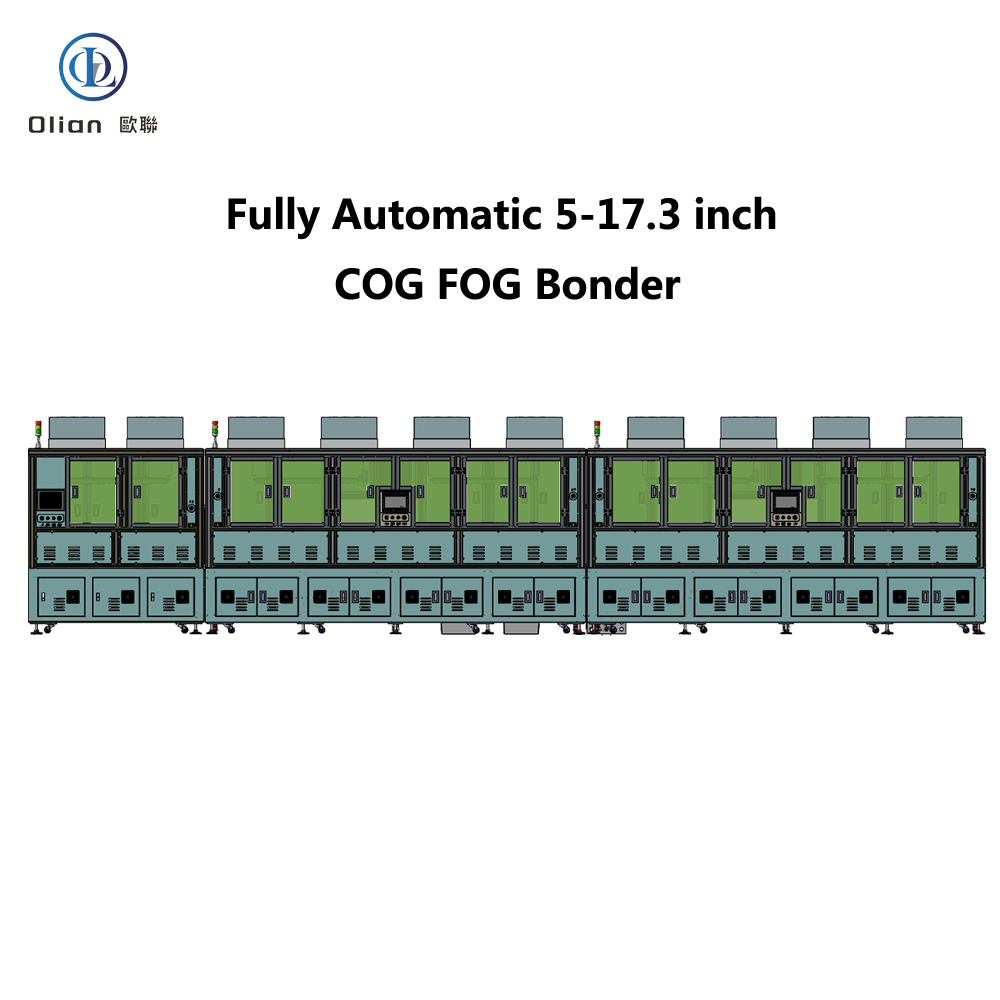
Automotive Display Bonding Line
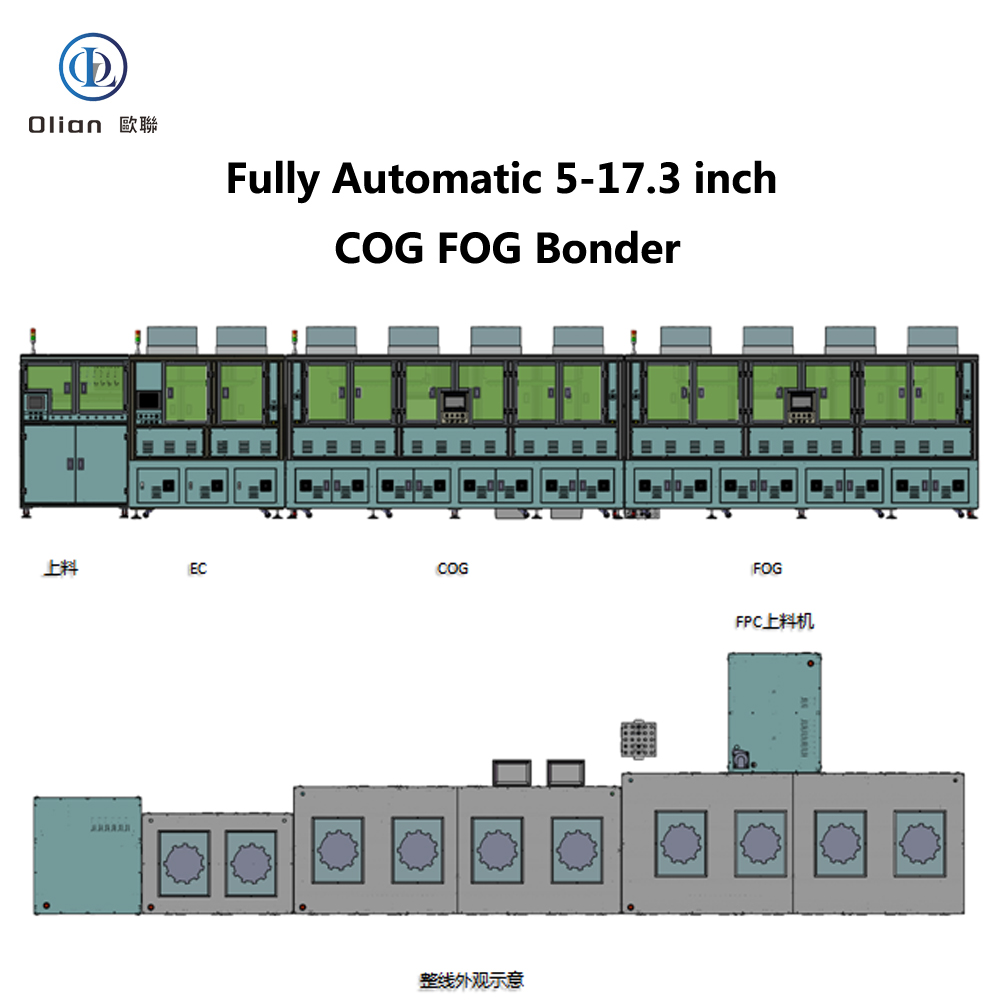
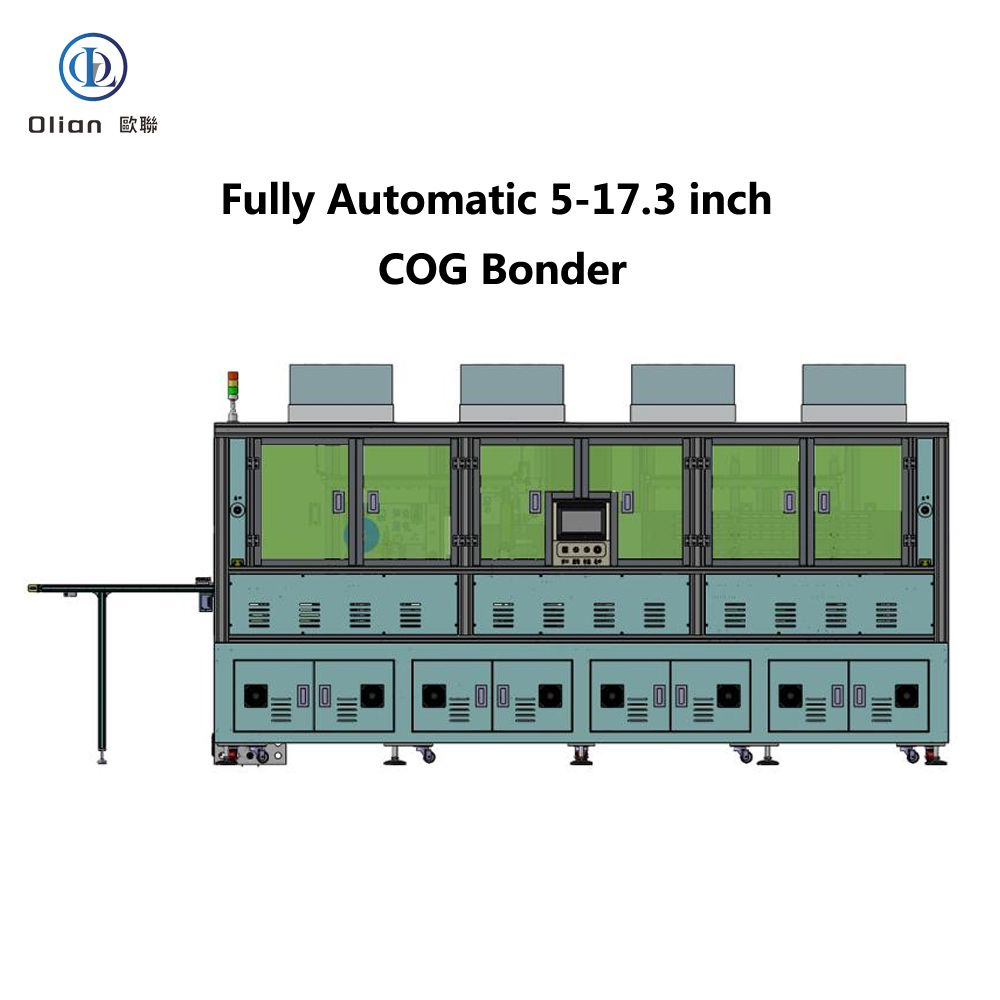
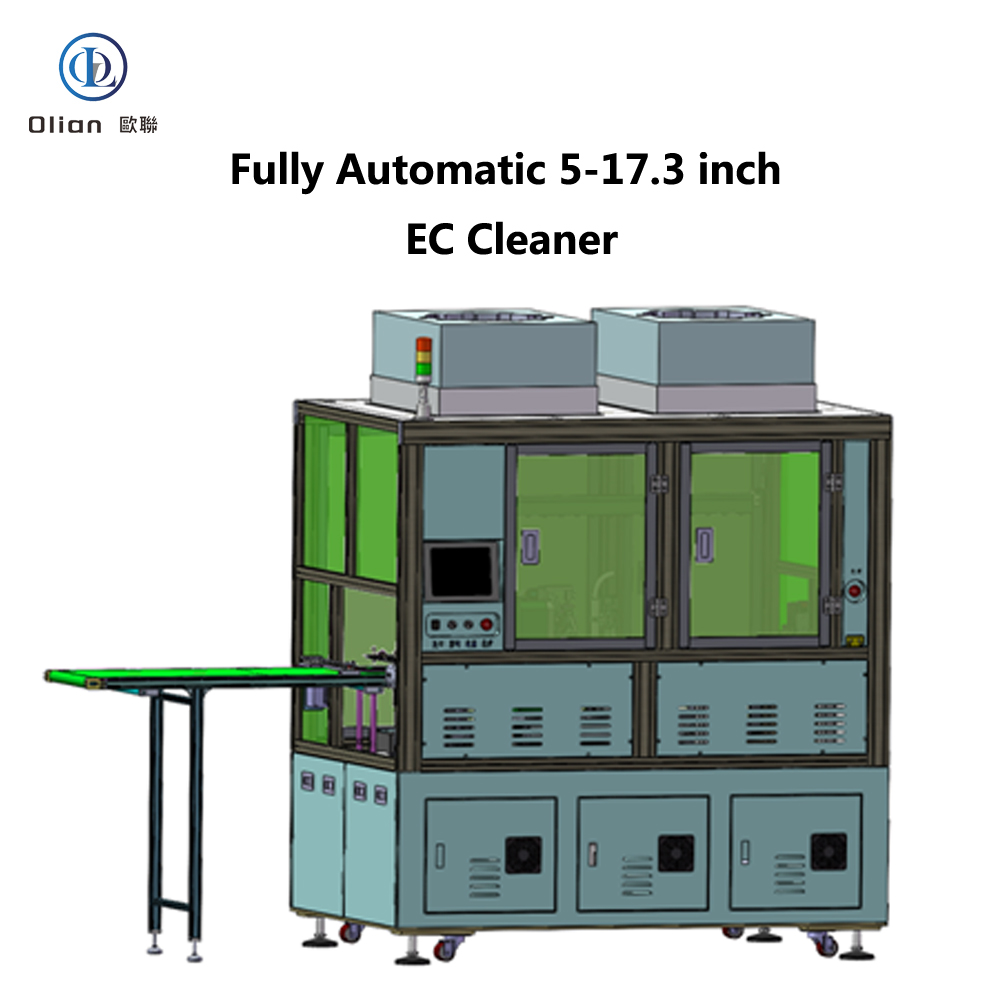
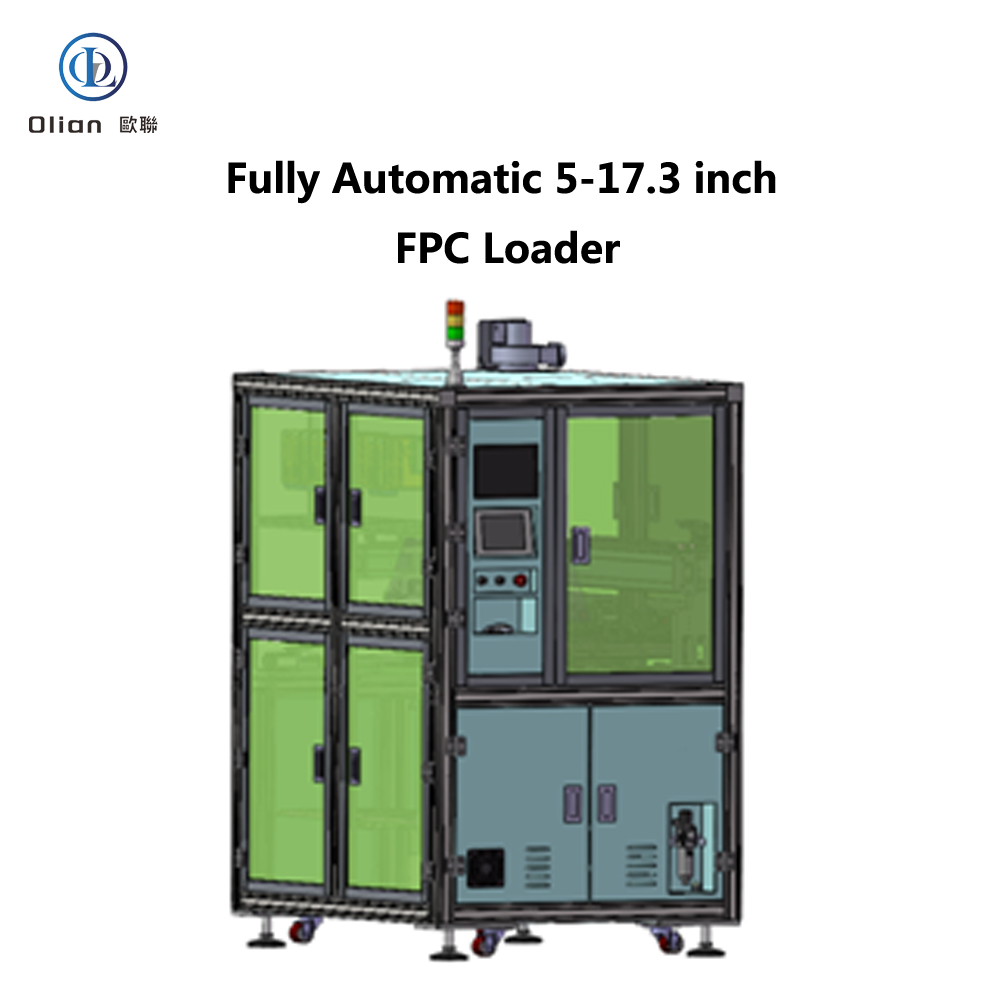
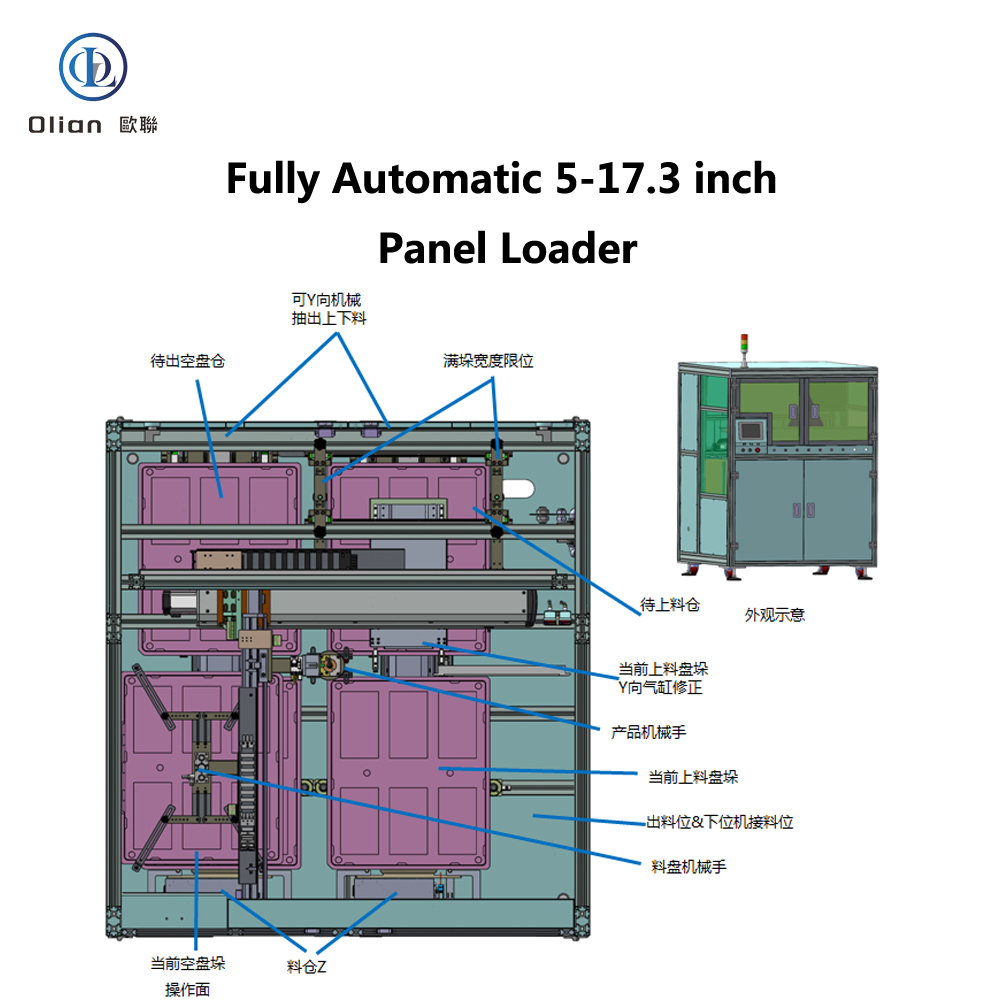
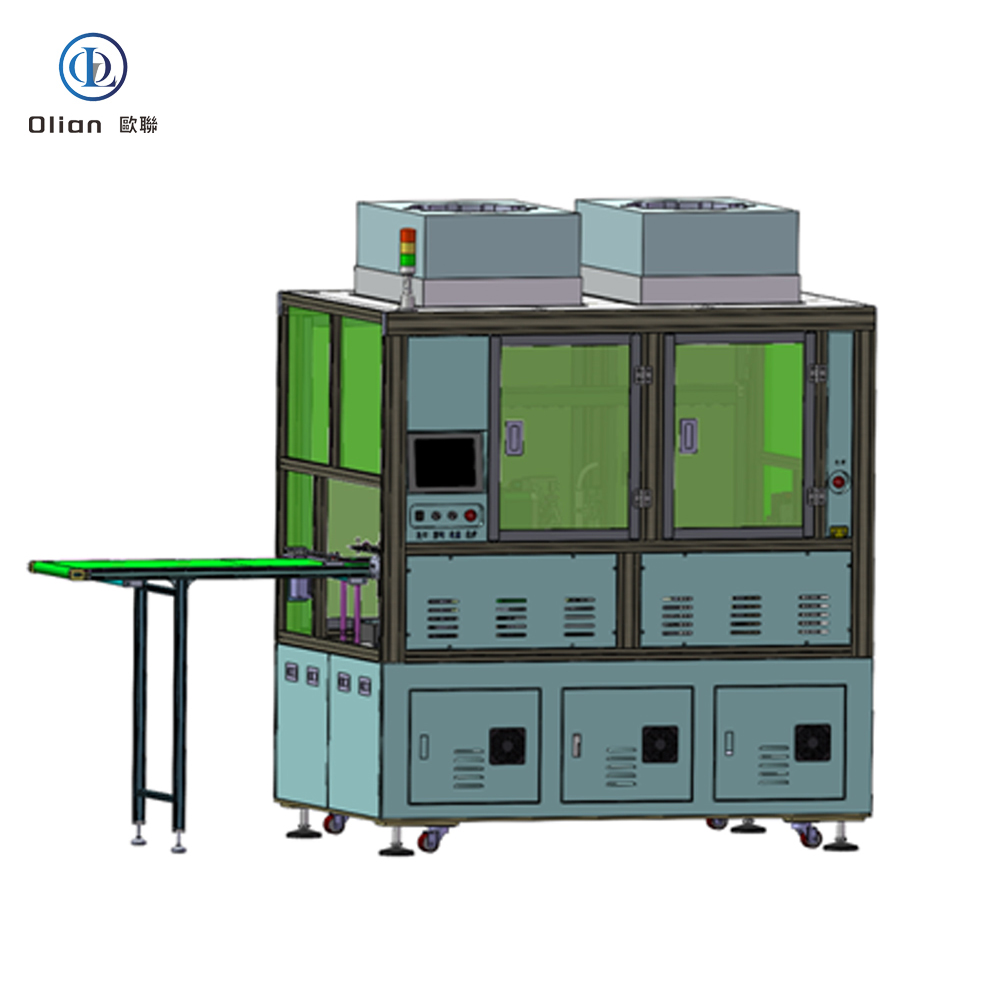
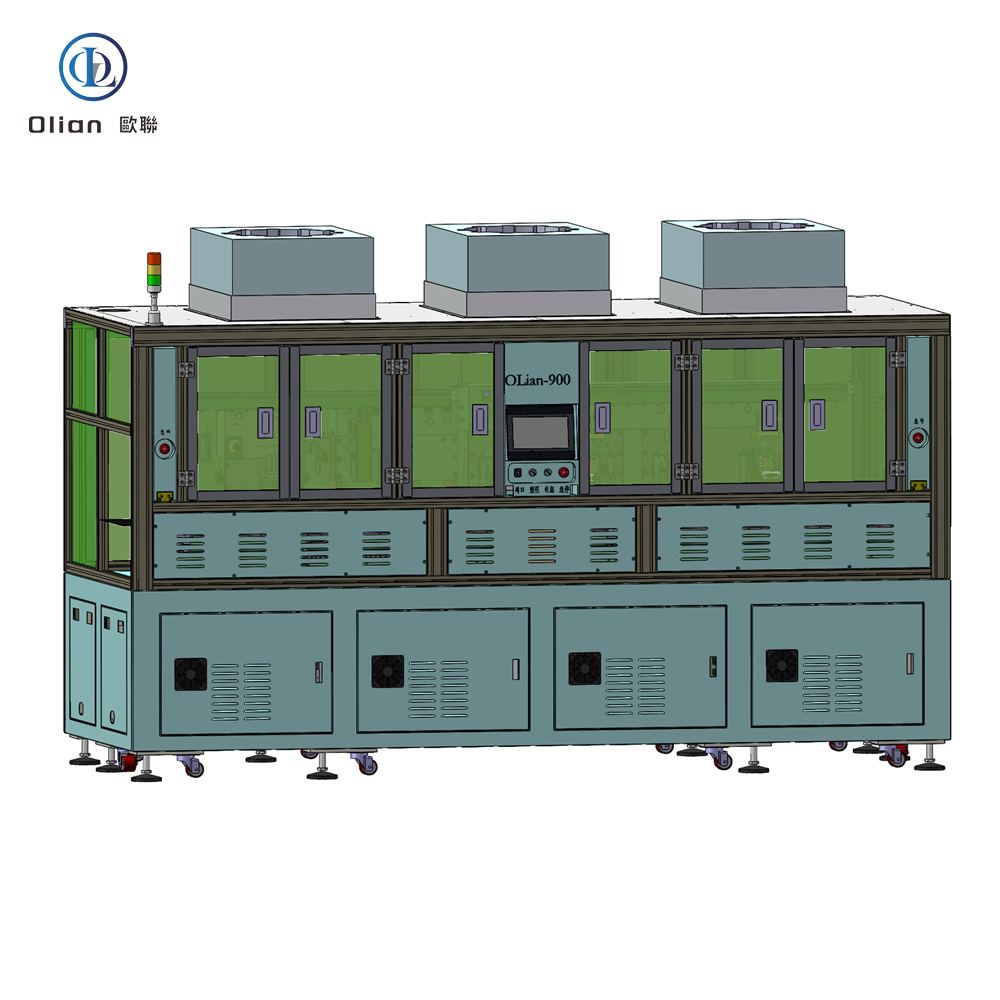
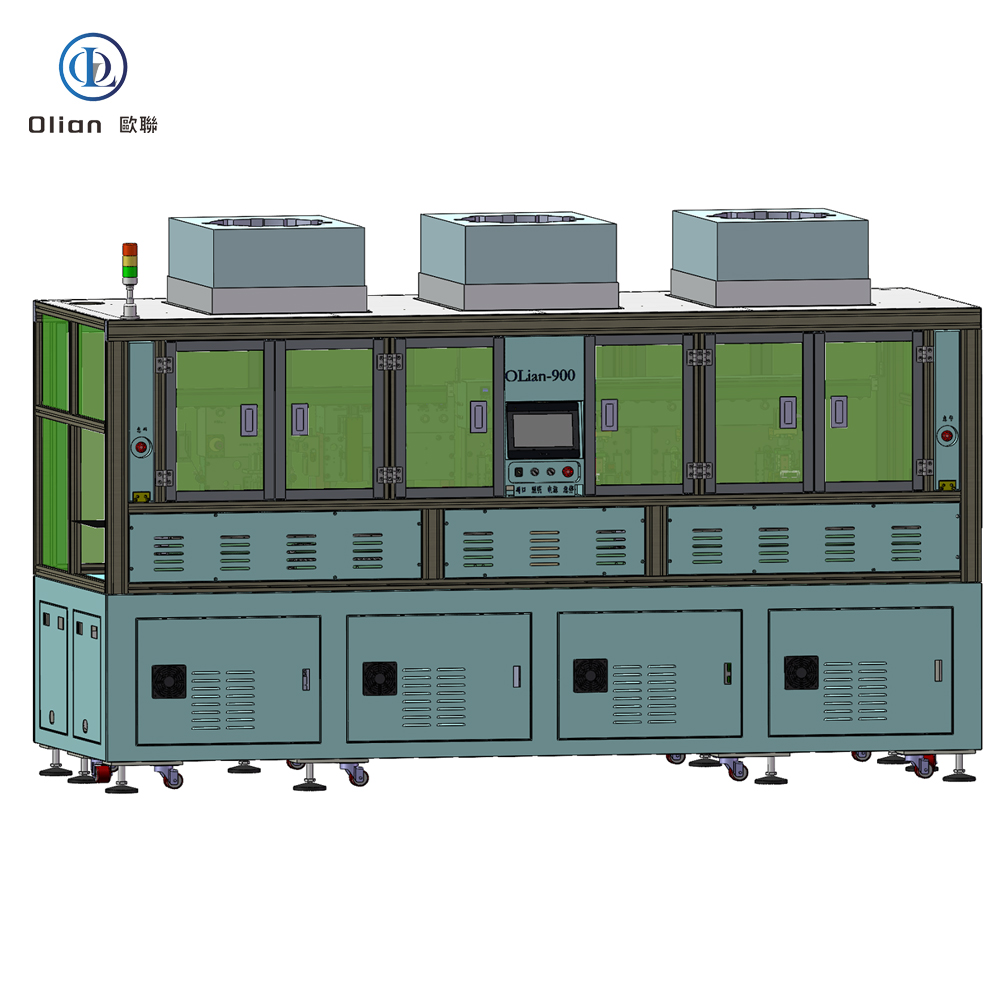
The Automotive Display Bonding Line is a critical and highly specialized segment within the broader automotive display manufacturing process. It refers to the dedicated production stage where key optical and mechanical components of a display—such as the cover glass, touch sensor, display panel (LCD/OLED), and backlight unit—are precisely laminated and bonded together using advanced materials and techniques. This process is essential for ensuring optical clarity, mechanical durability, environmental resistance, and long-term reliability in the harsh operating conditions typical of automotive environments.
As modern vehicles integrate larger, curved, and multi-display consoles, the bonding process has evolved from simple adhesive application to a high-precision, cleanroom-controlled operation involving automated alignment, vacuum lamination, and advanced optically clear adhesives (OCAs) or liquid optical bonding (LOCA). The bonding line plays a pivotal role in determining the final display’s performance, including sunlight readability, touch sensitivity, resistance to delamination, and overall lifespan.
Unlike consumer electronics, automotive displays must endure extreme temperatures (-40°C to +85°C), prolonged UV exposure, high humidity, mechanical vibration, and frequent thermal cycling. The bonding process directly impacts:
● Optical Performance: Minimizing reflections and air gaps to enhance contrast and visibility.
● Mechanical Integrity: Preventing delamination, cracking, or warping over time.
● Touch Sensitivity: Ensuring consistent response by eliminating air pockets between layers.
● Environmental Sealing: Protecting internal components from moisture, dust, and chemical ingress.
● Durability: Meeting automotive-grade reliability standards such as AEC-Q100 and ISO 16750.
The bonding line typically integrates the following components:
● Cover Glass or Lens: Often chemically strengthened (e.g., Gorilla Glass) with anti-reflective (AR), anti-fingerprint (AF), or haptic coatings.
● Touch Sensor Layer: Usually a capacitive touch film (PET or glass-based) with fine conductive patterns.
● Display Panel: LCD or OLED panel with driver ICs and flexible printed circuits (FPCs).
● Optical Clear Adhesive (OCA): A transparent, pressure-sensitive film or liquid adhesive with high refractive index matching.
● Backlight Unit (for LCDs): Includes LED array, light guide plate, and diffusers.
● Bezel and Frame: Provides structural support and alignment during bonding.
A state-of-the-art bonding line consists of the following sequential stages:
● Cleaning and Drying: All substrates are ultrasonically cleaned and dried in a class 100–1000 cleanroom to remove dust, oils, and particulates.
● Plasma Treatment: Surface activation using plasma improves wettability and adhesion, especially for LOCA processes.
● Alignment Mark Detection: Machine vision systems identify alignment markers on each layer for sub-micron precision.
● Layers are temporarily joined under controlled pressure and temperature to ensure initial adhesion without full curing.
● Automated alignment systems (using CCD cameras and servo motors) achieve alignment accuracy within ±5 µm.
● Film OCA Bonding:
○ Pre-cut OCA films are placed between layers.
○ Vacuum laminators apply uniform pressure in a vacuum chamber to eliminate bubbles.
○ Heat may be applied to activate the adhesive.
○ Advantages: Clean, consistent, and suitable for high-volume production.
● Liquid Optical Bonding (LOCA):
○ A liquid adhesive is dispensed around the perimeter of the display.
○ Capillary action draws the adhesive into the gap.
○ UV curing or thermal curing follows under controlled conditions.
○ Advantages: Better for curved or non-uniform gaps; improves impact resistance.
● Thermal Curing: For heat-activated OCAs, displays are passed through convection or IR ovens.
● UV Curing: UV lamps expose the adhesive to initiate polymerization (common in LOCA).
● Curing profiles are precisely controlled to ensure complete cross-linking without damaging sensitive components.
● Debubbling: Additional vacuum or pressure cycles remove any residual micro-bubbles.
● Trimming and Edge Sealing: Excess OCA or cured LOCA is trimmed; edge sealants may be applied to prevent moisture ingress.
● Cleaning and Inspection: Final cleaning with isopropyl alcohol or plasma; visual and automated inspection follows.
● Optical Inspection: Automated vision systems check for bubbles, delamination, dust, and alignment errors.
● Peel Strength Testing: Sample units undergo adhesion tests to verify bond integrity.
● Thermal Shock Testing: Bonded units are cycled between extreme temperatures to detect early failure.
● Humidity Resistance Testing: Units are exposed to high humidity (e.g., 85°C/85% RH) for 1,000+ hours.
The automotive display bonding line is highly automated to ensure consistency and yield:
● Robotic Handling: SCARA or Cartesian robots transfer delicate assemblies without contamination.
● Machine Vision Guidance: Real-time alignment correction ensures micron-level accuracy.
● Environmental Control: Temperature, humidity, and particulate levels are tightly regulated in cleanroom environments (ISO Class 5–6).
● Data Logging and Traceability: Every bonding cycle is recorded (pressure, temperature, time, adhesive type) for quality traceability and process optimization.
Challenges:
● Bonding curved or free-form displays requires custom tooling and flexible adhesives.
● Minimizing voids and bubbles in large-format displays (e.g., 15+ inch screens).
● Managing thermal expansion mismatches between glass, plastic, and metal components.
● Achieving fast cycle times without compromising bond quality.
Innovations:
● Smart Adhesives: Temperature- or light-responsive OCAs with self-healing properties.
● Roll-to-Roll (R2R) Bonding: For flexible OLED displays, enabling continuous processing.
● AI-Powered Defect Prediction: Machine learning models analyze bonding parameters to predict failures.
● Hybrid Bonding: Combining OCA and LOCA for optimal performance in complex geometries.
The bonded displays produced on this line are used in:
● Digital instrument clusters
● Central infotainment systems (CID)
● Head-up displays (HUD)
● Rear-seat entertainment
● Mirror-replacement displays (e.g., digital side mirrors)
● Advanced driver assistance systems (ADAS) interfaces
● Mini/Micro-LED Integration: Requires new bonding techniques due to higher thermal loads.
● Augmented Reality (AR) HUDs: Demand ultra-high optical clarity and distortion-free bonding.
● Sustainable Adhesives: Development of recyclable or bio-based OCAs.
● In-Mold Electronics (IME): Bonding displays directly into 3D-shaped surfaces.
The Automotive Display Bonding Line is a cornerstone of modern automotive display manufacturing, combining precision engineering, advanced materials science, and smart automation to deliver displays that are not only visually stunning but also rugged and reliable. As vehicles evolve into mobile digital platforms, the bonding process will continue to innovate, enabling larger, more durable, and more interactive displays that enhance both safety and user experience. Investing in advanced bonding technology is essential for manufacturers aiming to meet the growing demands of the next-generation automotive market.