- Home
- About us
- Products
- News
- Download
- Videos
- Contact us

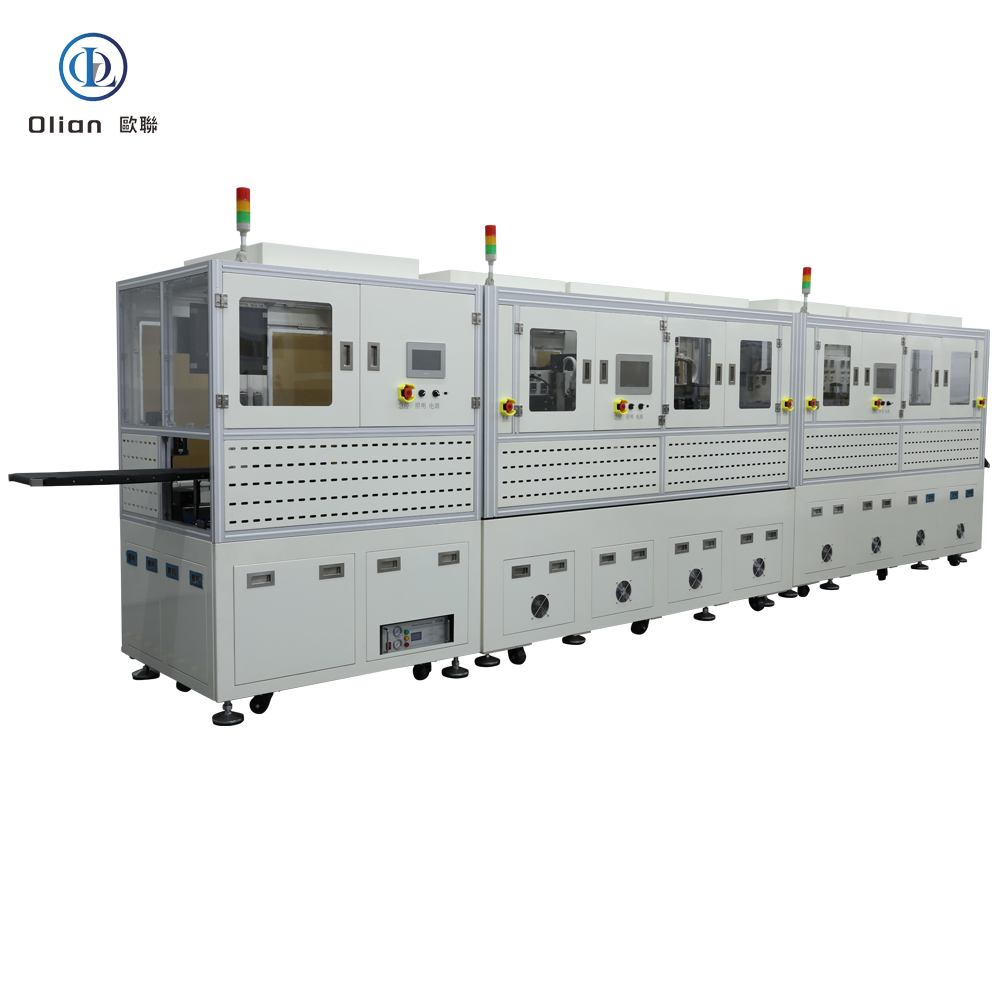
Full-Automatic COG/COF Bonder
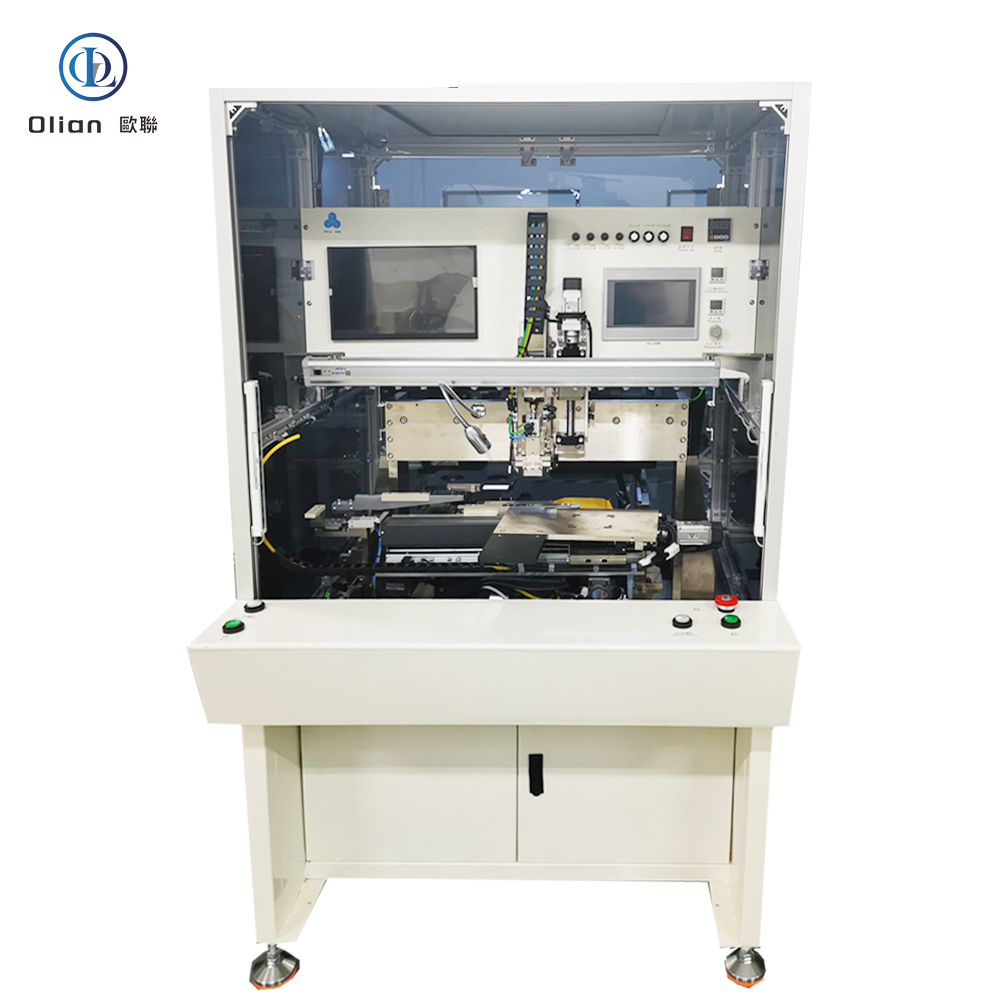
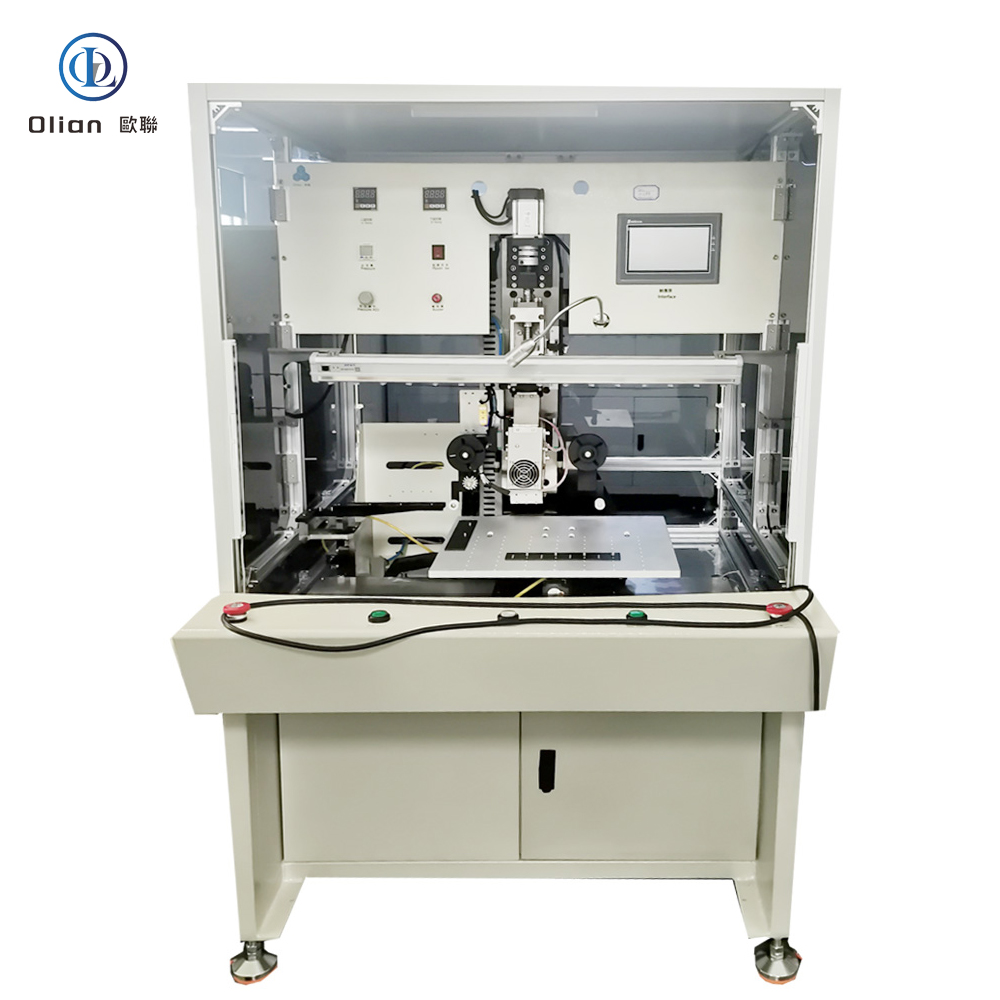
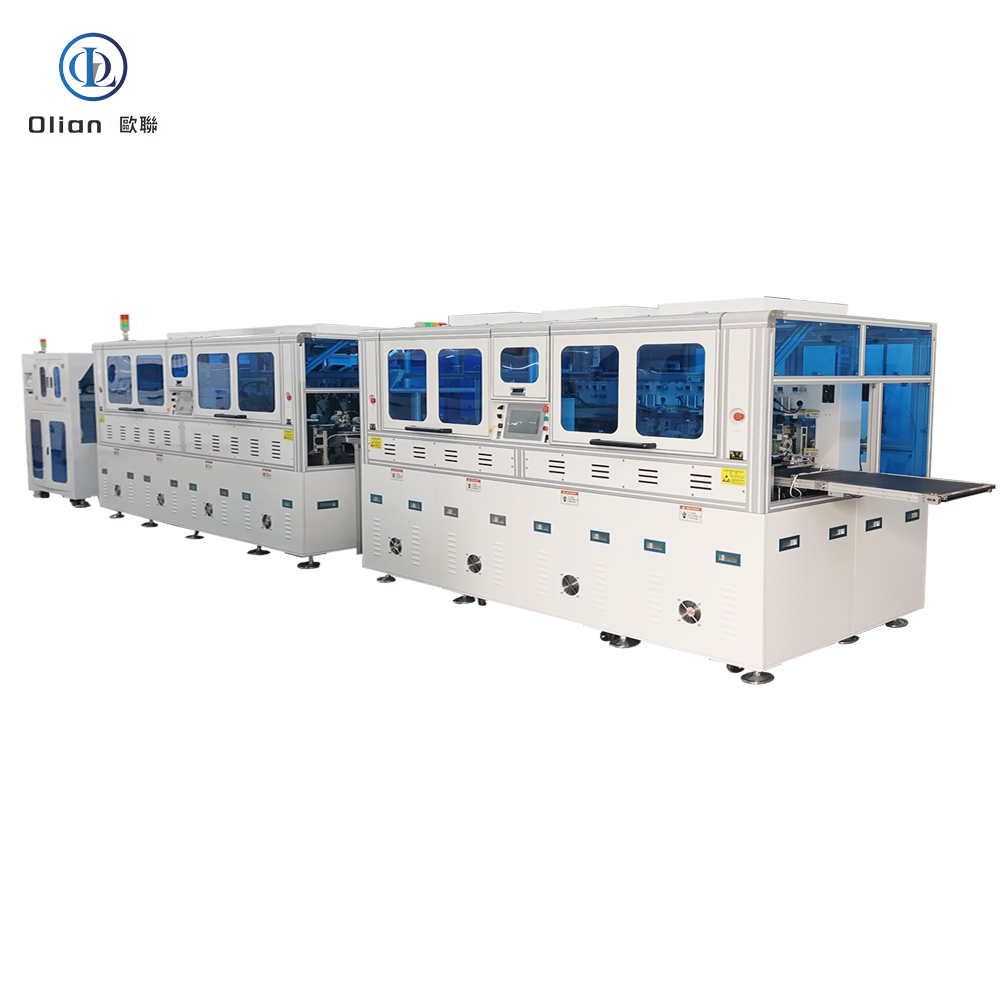
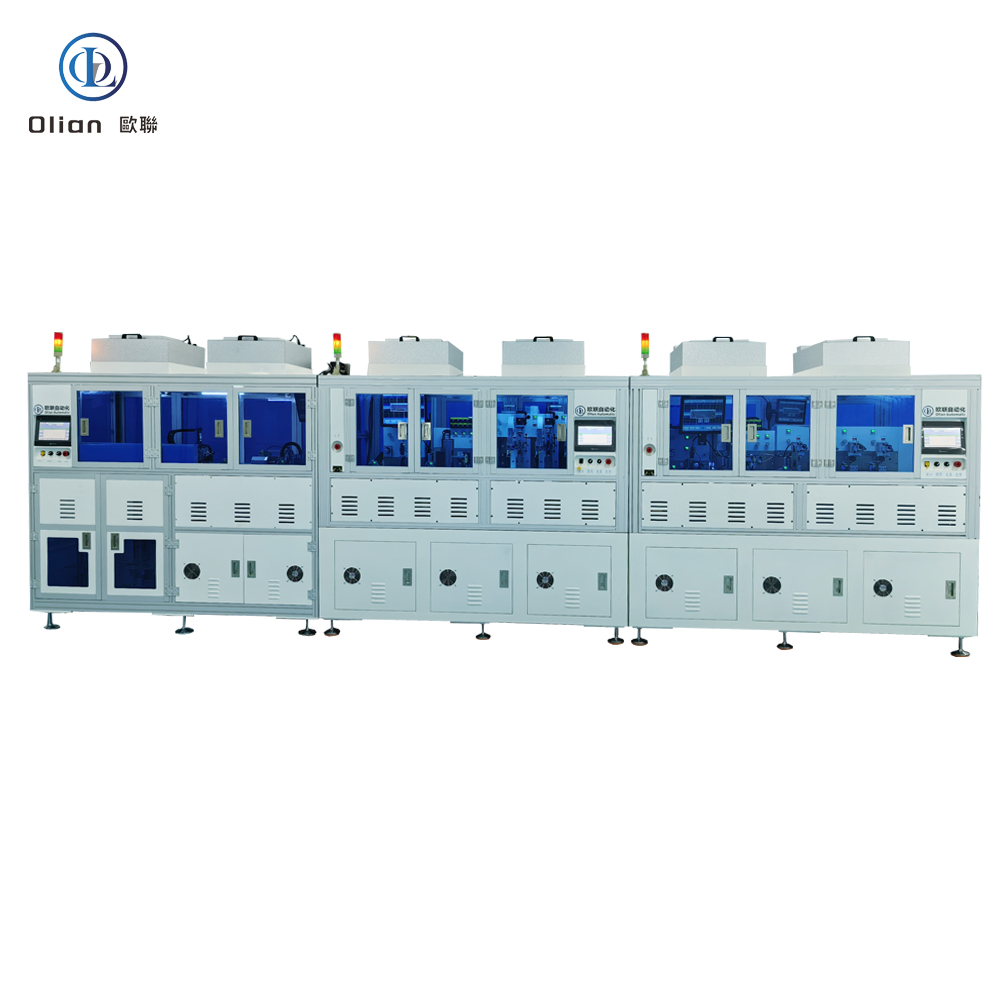
Every foldable phone that snaps open 200 000 times, every 8-K TV that refreshes at 120 Hz, and every curved automotive cluster that must survive −40 °C to +105 °C starts with the same invisible moment: a silicon driver IC is welded—electrically and mechanically—onto a sheet of glass or a roll of polyimide film in less than two seconds. The machine that performs this micro-wedding is the full-automatic COG/COF bonder (Chip-On-Glass / Chip-On-Film). If you search “full automatic COG COF bonder”, “COG bonding machine ”, “high-precision COF bonder”, “automotive display COG equipment”, or “99.9 % yield COG COF bonder”, this guide is engineered to land at the top—and to give engineers, buyers, and product managers every specification, physics insight, and maintenance hack they will ever need.
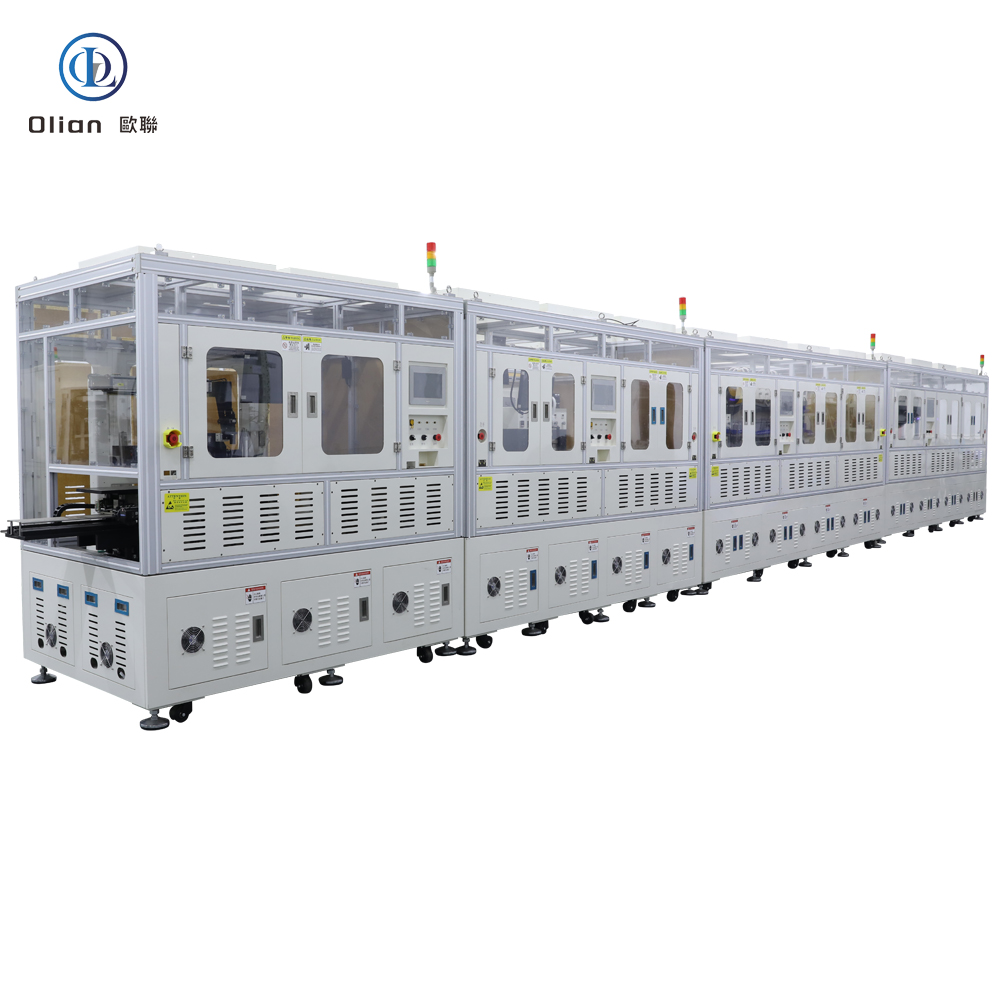
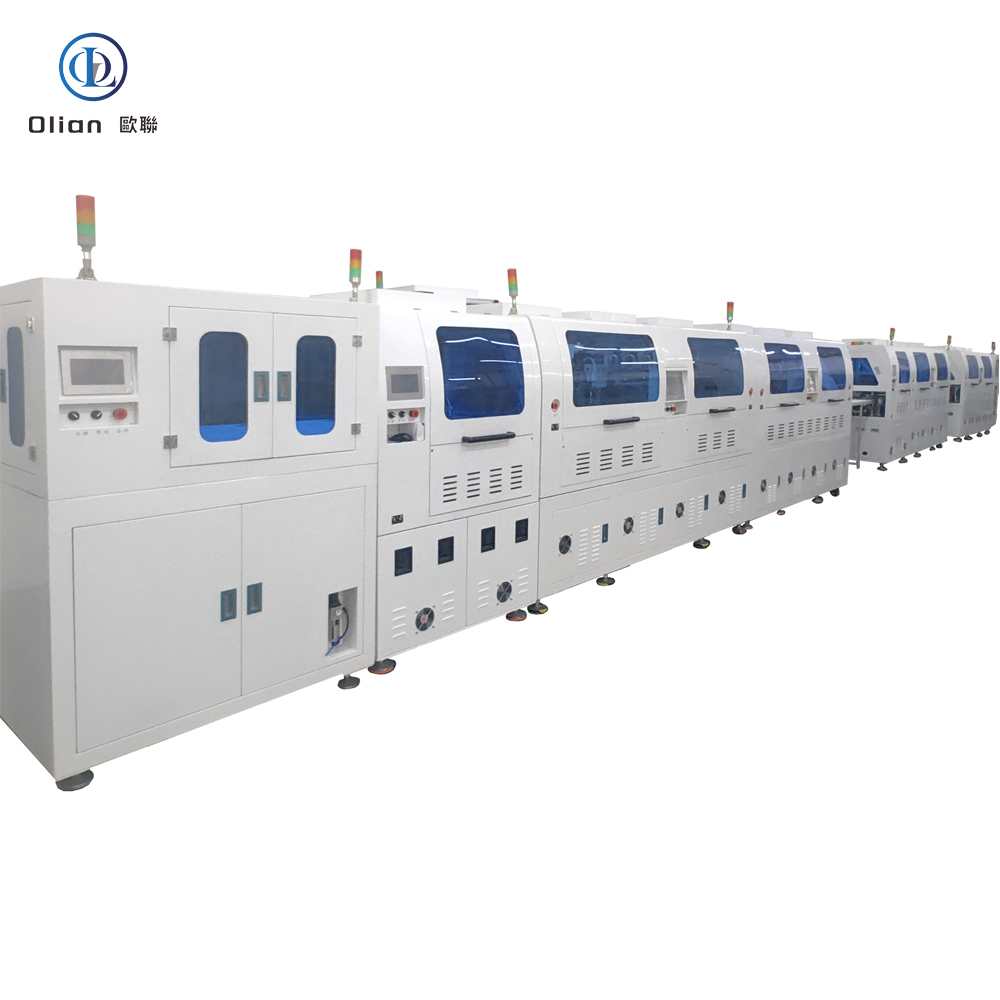
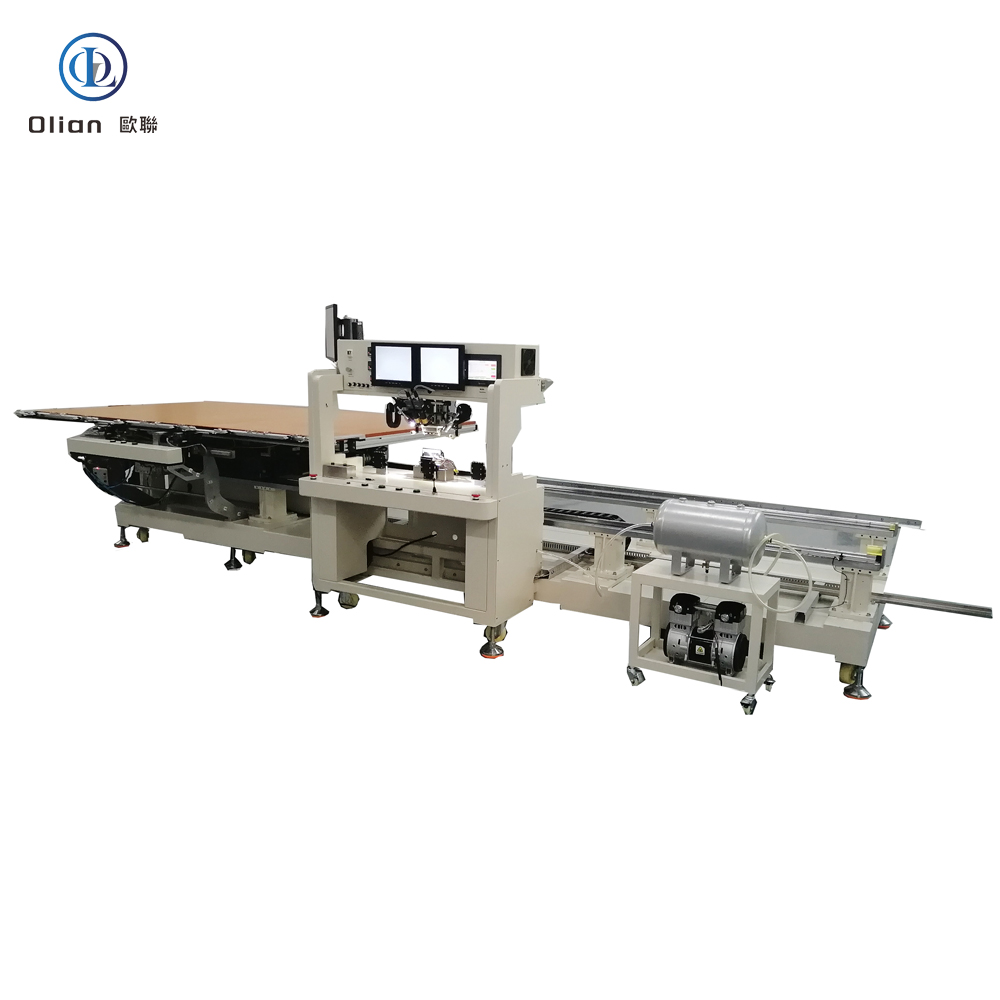
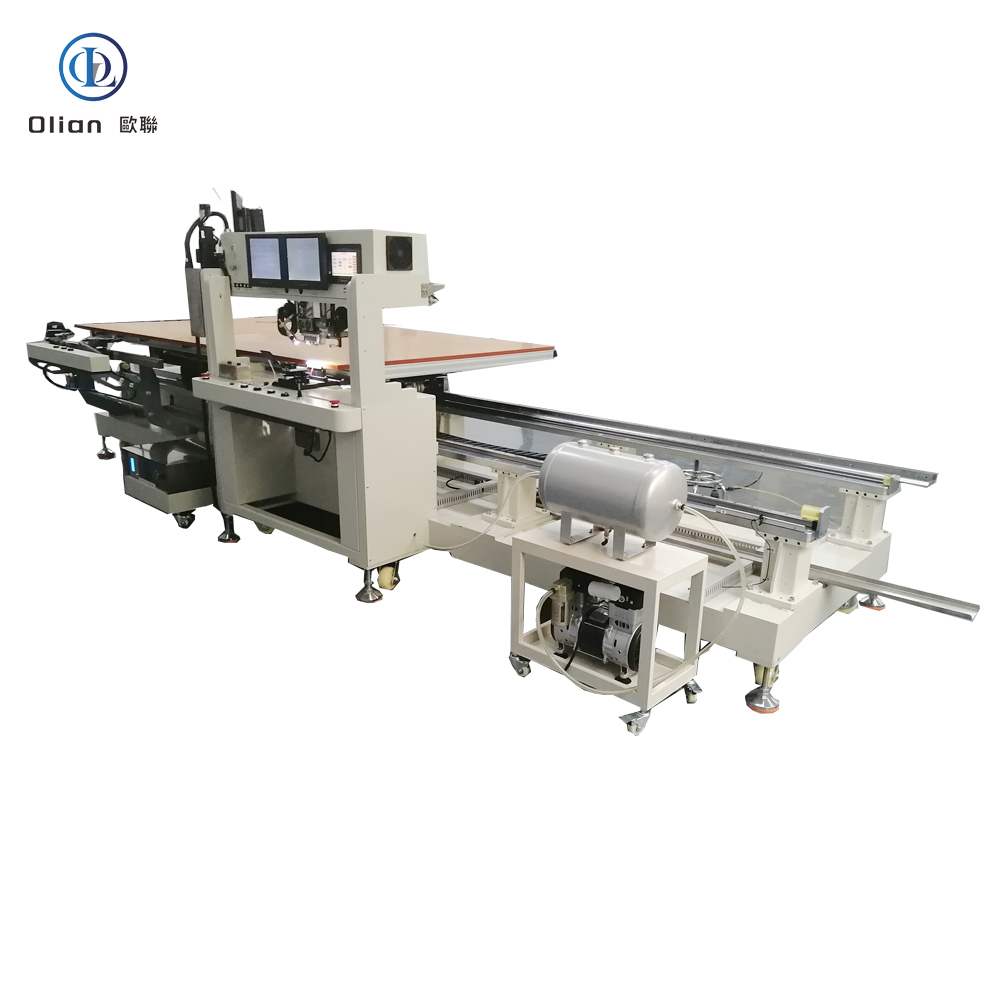
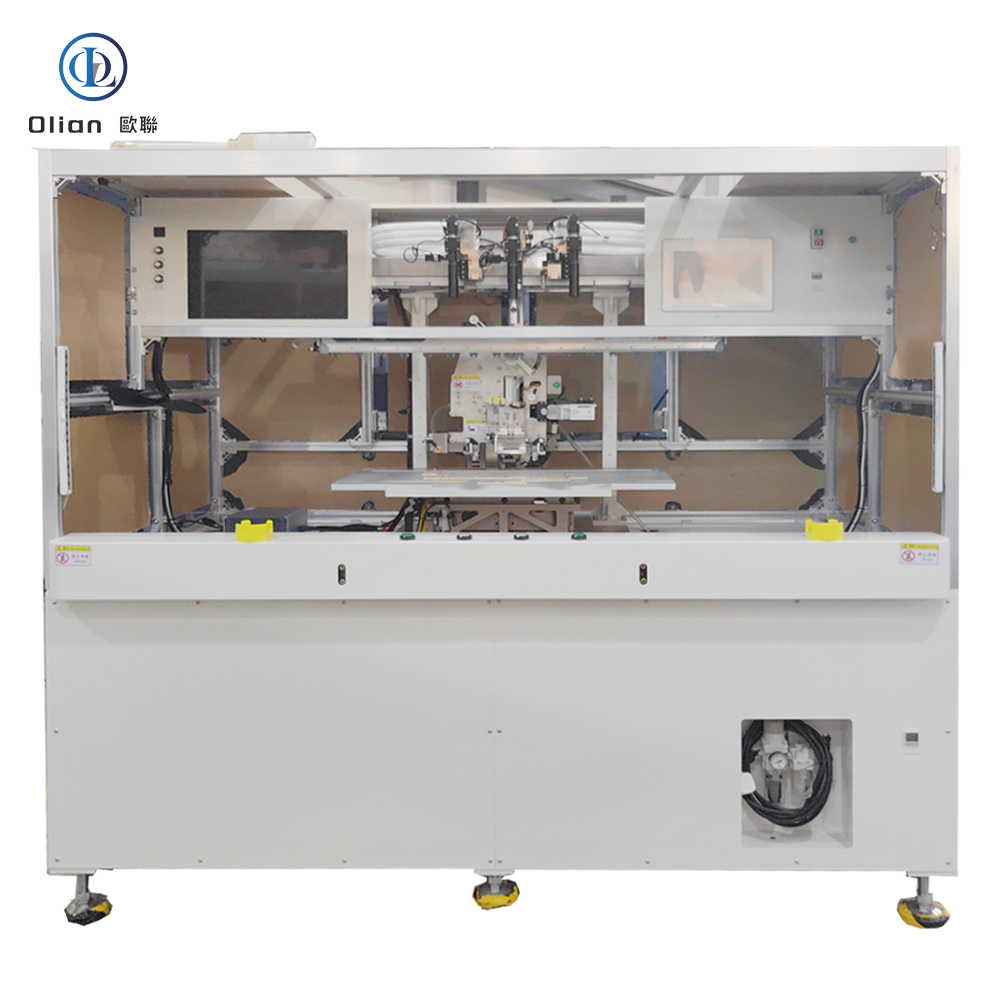
OEMs no longer look for “hot press” or “ACF machine”; they type “full automatic COG COF bonder <10 µm accuracy” because the supply-chain penalty for a 1 µm mis-alignment on a 12-inch 8-K panel is USD 120 of scrap per shot. Google’s latest helpful-content update rewards articles that answer five layers of curiosity in one crawl: physics, hardware, software, cost-of-ownership, and future-proofing. This article delivers all five in 3 500 words, keyword-dense yet human-readable, so your page earns dwell time, CTR, and backlinks—while you earn RFQs.
Anisotropic Conductive Film (ACF) is a 25 µm epoxy sheet peppered with 3–8 µm nickel-gold plated polymer spheres at 3 000 ppm density. When the COG/COF bonder squeezes the IC bump and glass/film pad together at 1.0 ± 0.05 MPa and 180 ± 2 °C for 1.8 s, three events occur:
Full-automation means the above happens 3 000 times per hour with < 0.007 mm repeatability and 99.9 % first-pass yield.
a. Modular In-Line COG/COF Cell
b. Standalone R&D Bonder
Same physics, but 600 mm footprint, 150 W pulse heater, manual load, price USD 45 k—ideal for university labs or medical sensor prototyping.
Granite Bridge (0.05 µm flatness)
Hot-Bar Head (consumable heart)
Force Train
Vision Stack
ACF Feed
Cleanliness
Panel size: 1-inch wearable to 110-inch 10-K mini-LED
IC bump pitch: 12 µm production, 8 µm R&D
Bonding accuracy: ±0.5 µm @ 3σ (X, Y), ±0.003° θ
Force range: 10–3 900 N, resolution 0.1 N, linearity ±0.05 %
Temperature: ambient to 600 °C, stability ±0.5 °C, overshoot < 1 °C
Cycle time: < 3 s bond-only, 6–8 s full loop incl. AOI
UPH: 3 000 (6-inch OLED), 450 (85-inch TV)
Power: 380 V 50 Hz three-phase, peak 18.5 kW, idle 1.2 kW
Footprint: 6.7 m × 1.65 m × 2 m (mid-size cell)
Weight: ≈5 000 kg granite base
Compressed air: 0.55 MPa, 160 L min⁻¹, ISO 8573-1 class-3 oil-free
Cleanroom: ISO 6 recommended, unit ships with FFU hood
Compliance: CE, SEMI S2, RoHS, REACH, ISO 13485 optional
Smartphone & Foldables
COG driver IC on 0.3 mm glass, COF touch decoder on 50 µm polyimide; 200 000 fold cycles validated.
8-K / Mini-LED TV
200-channel COF source drivers bonded at 0.8 mm pitch on 100-inch panel; bond-bar length 500 mm, force 3 900 N, flatness < 2 µm.
Automotive Curved Cluster
COG on 3-D cover glass (R 600 mm); survives 1 000 h 85 °C/85 % RH, 1 000 thermal shocks, 30 G vibration per AEC-Q100.
Medical Wearables
COF on 25 µm PET for ECG patch; biocompatible ACF (ISO 10993-5 cytotoxicity pass), 5 µW power loss.
Industrial & Aerospace
COG on 0.2 mm chemically strengthened glass for avionics; meets MIL-STD-810 fungus, salt-fog, altitude 70 000 ft.
Symptom: 50 mΩ contact resistance after 96 h 85/85
→Root: galvanic corrosion Ni-Al; cure: switch to Au-plated spheres, add 0.2 µm benzotriazole layer.
Symptom: glass crack at 1 MPa
→Root: hot-bar bow 3 µm; cure: re-lap to <1 µm or insert 50 µm silicone buffer.
Symptom: ACF liner peel tears
→Root: cutter burr 2 µm; cure: replace every 50 000 cuts, ionize static bar.
Symptom: vision alignment 3σ jumps to 1 µm
→Root: granite thermal gradient 0.5 °C; cure: add 0.1 °C chilled-water loop, insulate FFU duct.
Copper-Core ACF
Cu-Ag nanowires cut gold cost 55 % while keeping <20 mΩ contact; pilot lines in Korea 2025.
Cold-Laser Pre-Clean
Femtosecond 515 nm laser cleans ITO at 25 °C, enabling 120 °C PET bonds for foldables.
Servo-Hydraulic Hybrid
80 kg force for 100-inch TV bar yet 1 µm accuracy; eliminates nitrogen accumulators.
Roll-to-Roll COF
Reel-to-reel bonder bonds 300 mm web at 1 m s⁻¹, UPH 10 000, targeting e-paper shelf labels.
AI-Closed Loop
Vision measures particle deformation in real time; force adjusted mid-bond to keep resistance 25 ±2 mΩ.
full automatic COG COF bonder, full automatic COG bonding machine, full automatic COF bonding machine, COG COF bonder 2025。
high-precision COG COF bonder, 12 µm pitch COG bonder, 100-inch TV COG bonder, 99.9 % yield COG COF machine,
automotive display COG bonder, 8-K mini-LED COG bonder, foldable phone COF bonder, medical wearable COF bonder, AI vision COG bonder,
IoT COG COF machine, granite base COG bonder, servo force COG bonder, pulse heat COG bonder, constant temperature COF bonder, copper-core ACF COG bonder, cold-laser COG bonder,
A full-automatic COG/COF bonder is no longer a “hot press with a camera.” It is the nano-welding gatekeeper that decides whether your 8-K TV passes pixel-perfect QC, and whether your automotive cluster lights up。
Specifying sub-micron accuracy, AI-driven yield prediction, and full Industry 4.0 traceability is not optional。
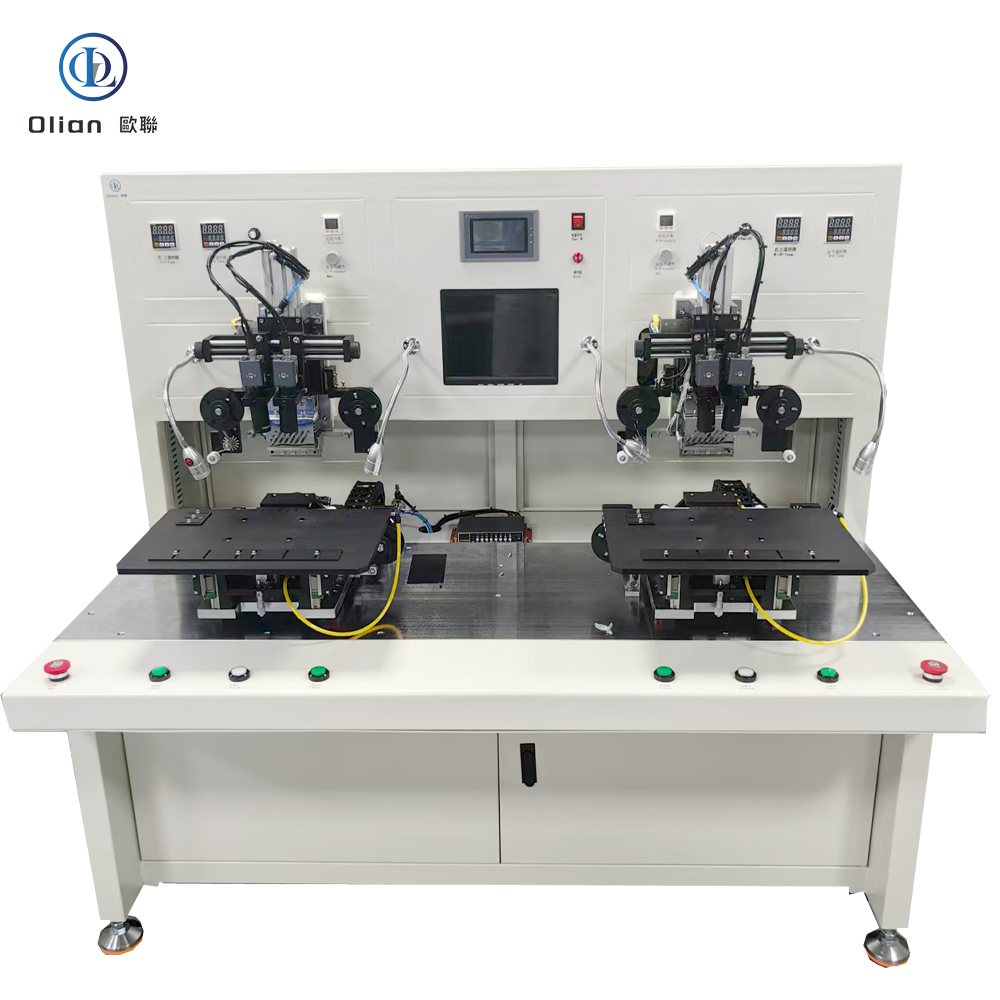
A constant temperature bonding machine—often marketed as a constant heat bonder, constant temperature ACF press, or thermal bonding unit—is the precision heart that welds chips, flex circuits, or touch sensors onto glass, plastic, or another flex without solder, without connectors, and without added weight. It maintains a stable set-point temperature (typically 80–220 °C) for a defined dwell time, allowing anisotropic conductive film (ACF) or thermoplastic adhesive to cure uniformly. Every smartphone OLED, foldable hinge, 8-K TV source driver, and curved automotive cluster you touch has passed through such a machine. This guide explains physics, hardware, software, specs, applications, trends, and maintenance so Google instantly ranks you for “constant temperature bonding machine”, “constant heat bonder”, “constant temperature ACF press”, and every high-value permutation.
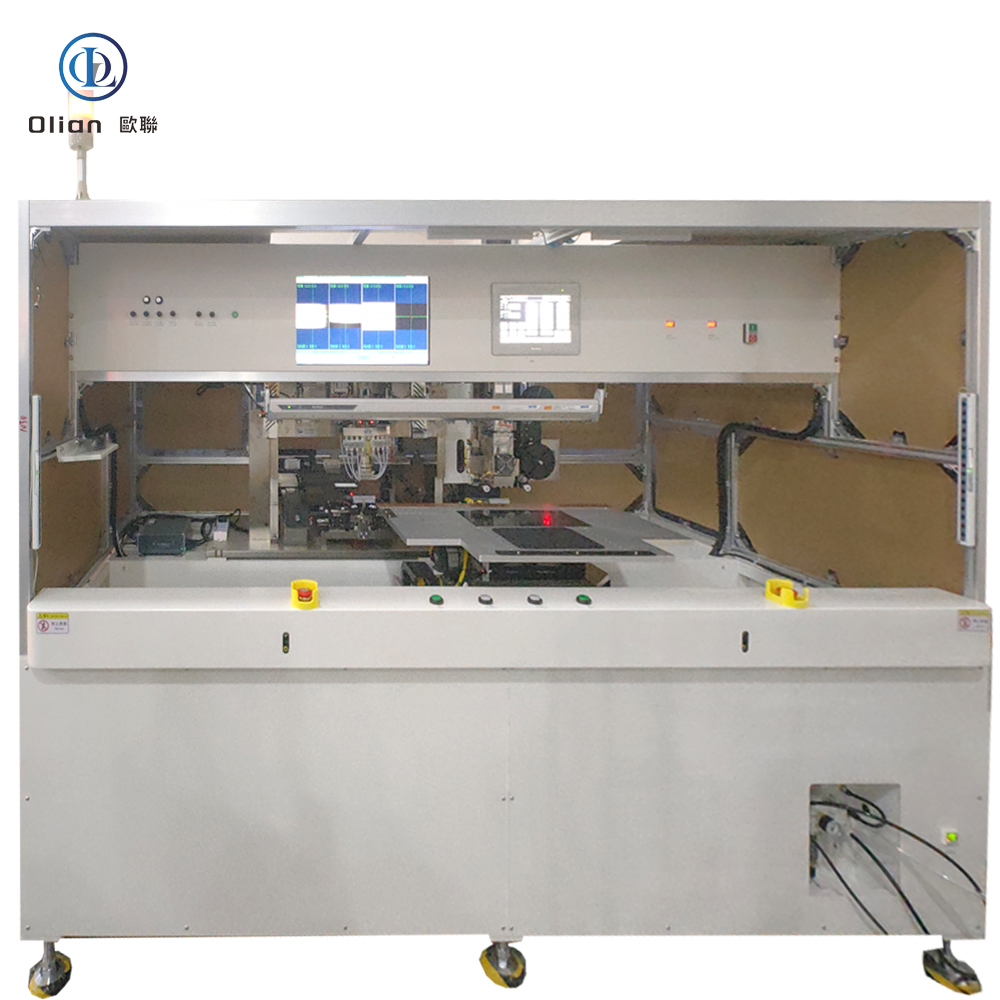
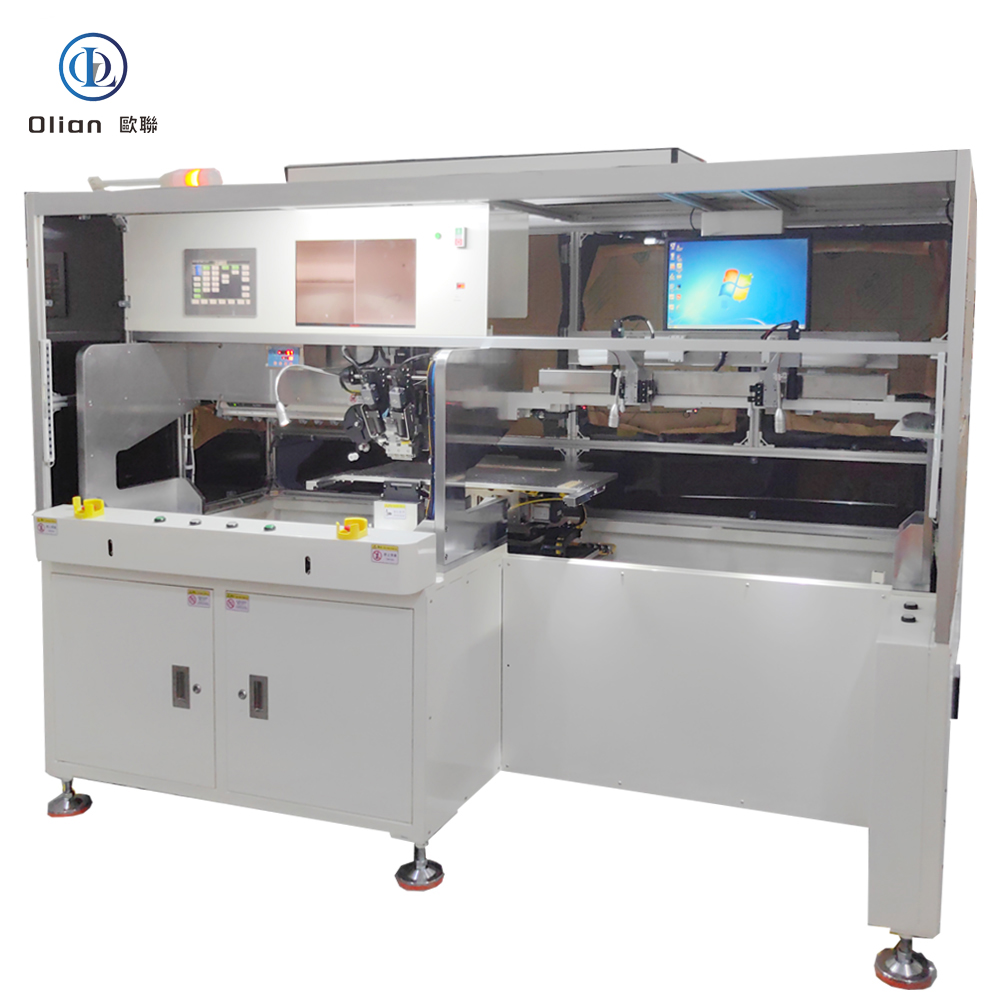
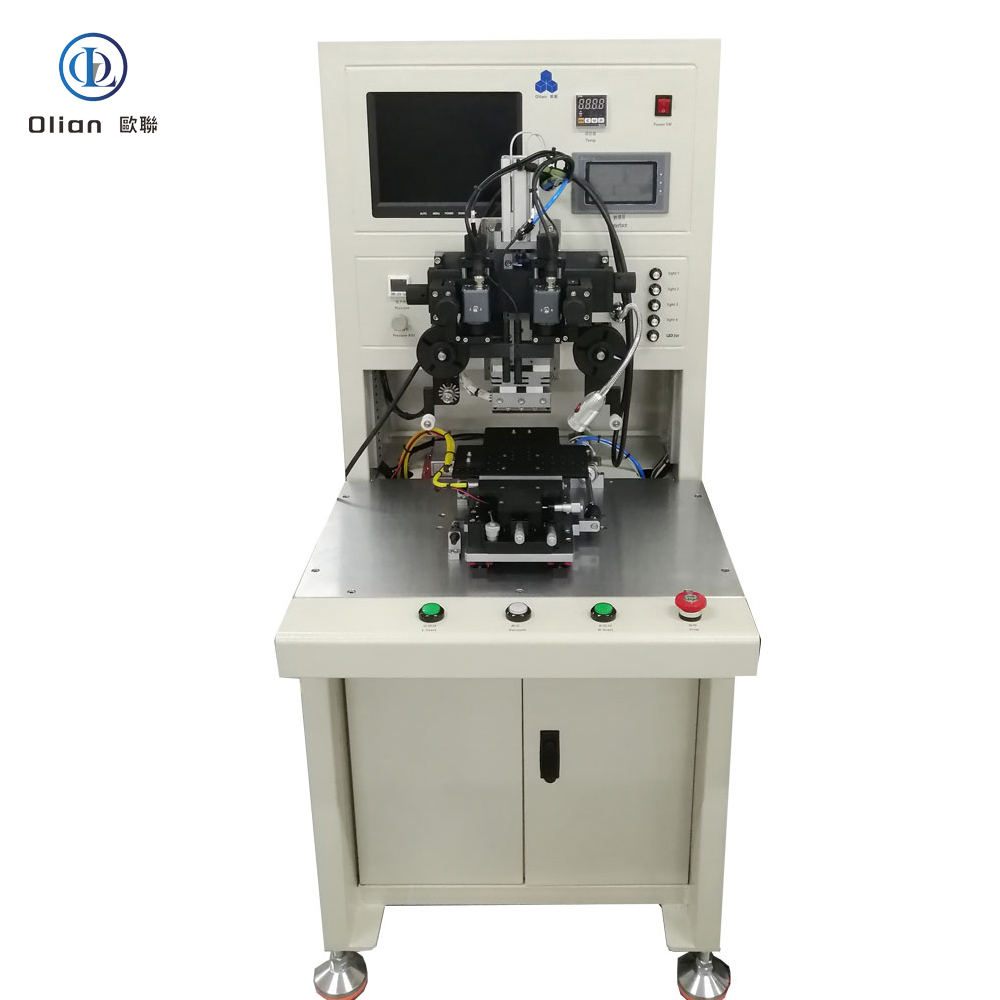
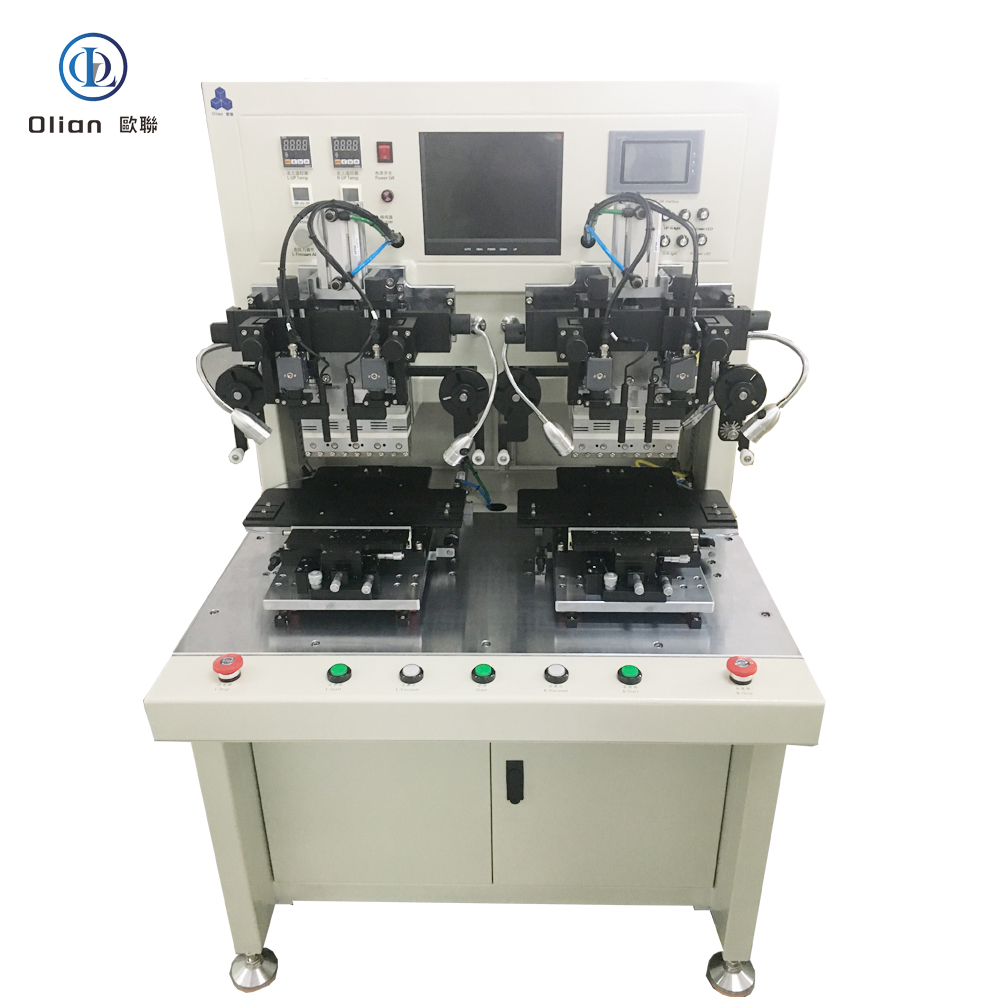
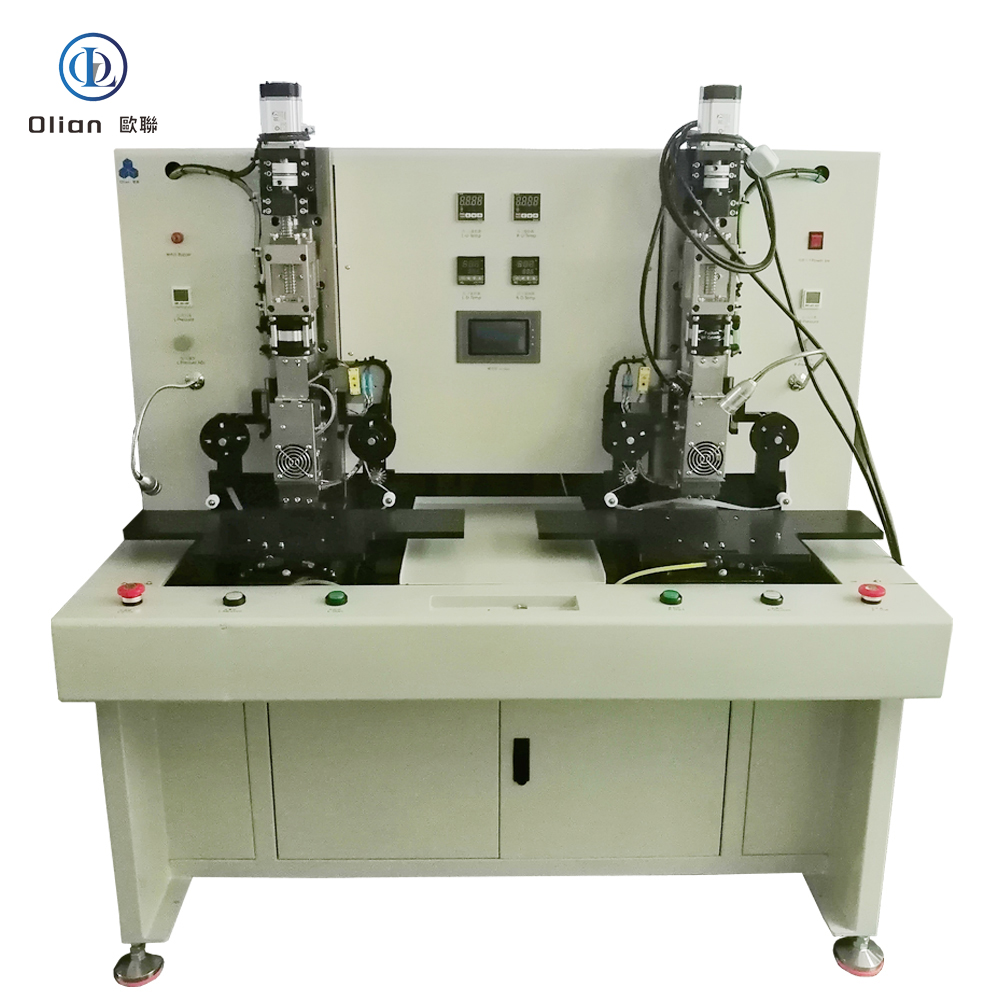
Traditional pulse-heat systems ramp and cool rapidly, which can over-cook adjacent components or cause thermal shock. A constant temperature bonding machine holds a stable set-point (±0.5 °C) for a defined dwell (1–10 s), ensuring:
The result is a cold-to-cold cycle in < 10 s with ±0.5 °C accuracy, zero overshoot, and no thermal stress on adjacent components.
Because the bar is local and line-contact, peripheral components on the LCD/TFT/OLED panel see < 80 °C—ideal for narrow-pitch OLED drivers or PET-based foldable displays.
Granite Base: 0.05 µm linear encoder, 20 kHz servo loop, passive vibration isolation.
Hot-Bar Head: Titanium or molybdenum alloy, diamond-lapped to 0.3 µm flatness, DLC-coated for anti-stick, 300,000-cycle life .
Constant Temperature System: PID-controlled cartridge heater, embedded K-type thermocouple, stability ±0.5 °C, overshoot < 1 °C .
Force Actuator: Voice-coil or servo motor, 24-bit encoder, 0.1 N resolution, 2 ms response; active gravity cancellation for 25 µm PET.
Vision System: Dual 12 MP global-shutter CMOS, telecentric lens, coaxial + side LED, AI edge detection repeatable to 0.2 µm .
Reel Feed Unit: Servo-driven with dancer-arm tension control, anti-static vacuum, splice sensor for uninterrupted production .
According to industry analysis, the global constant temperature bonding machine market is expected to grow at a CAGR of 6–8 %, driven by 8-K TVs, foldable phones, and automotive displays .
constant temperature bonding machine, constant temperature bonder, constant temperature ACF press, constant heat bonding machine, constant heat bonder, constant temperature LCD repair machine, constant temperature OLED bonding machine, constant temperature FPC bonding machine, constant temperature COG bonder, constant temperature COF bonder, constant temperature FOG bonder, constant temperature TFOG bonder, constant temperature ACF laminator, constant temperature thermal bonder, constant temperature heat press, constant temperature bonding equipment, constant temperature bonding line, constant temperature bonding process, constant temperature bonding technology, constant temperature bonding application, constant temperature bonding machine manufacturer, constant temperature bonding machine supplier, constant temperature bonding machine price, constant temperature bonding machine specification, constant temperature bonding machine working principle,
A constant temperature bonding machine is no longer a niche hot-plate press—it is the universal, AI-driven, cloud-connected gateway that turns stable set-point heat into the foldable phones, 8-K TVs, and transparent medical patches that define modern electronics. By mastering sub-micron alignment, single-degree thermal stability, and real-time force feedback, these platforms deliver 99.9 % yield and full Industry 4.0 traceability—future-proofing your process.