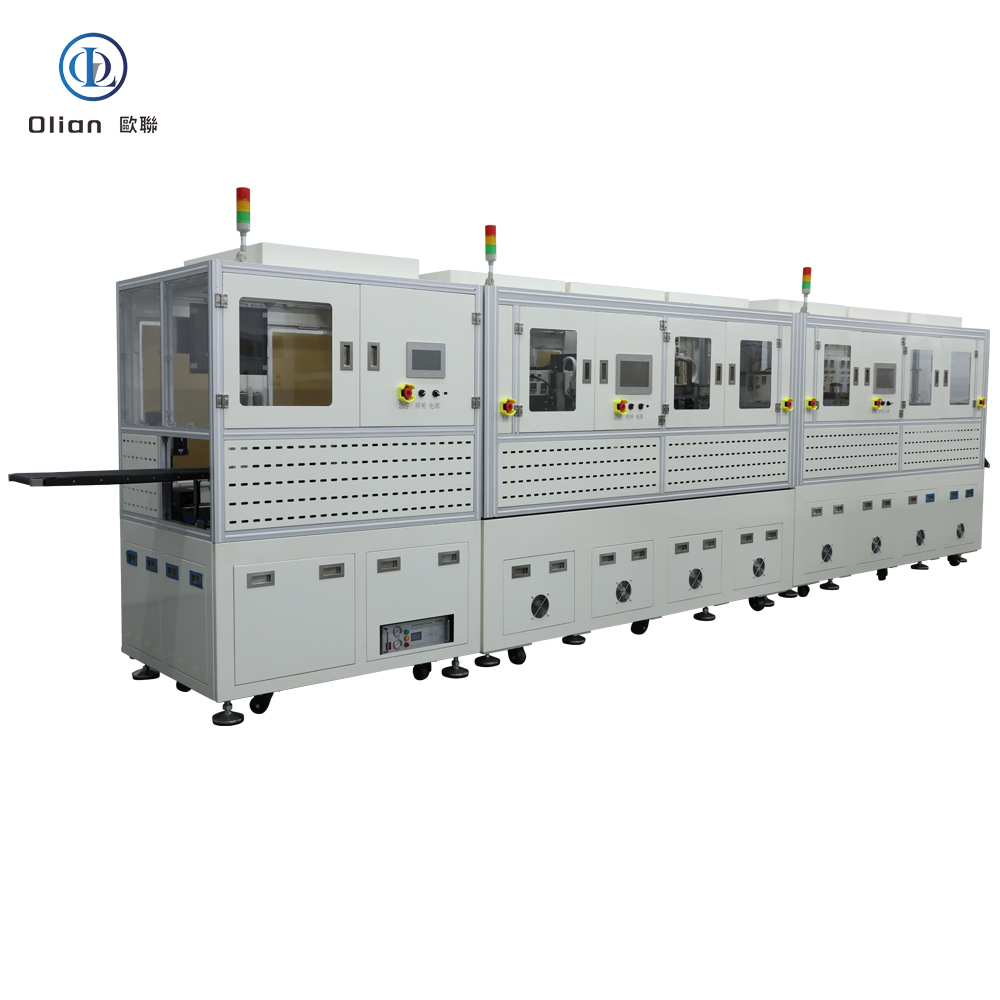
ACF Applicator: Precision Bonding Solution for Advanced LCM and Display Manufacturing
In the rapidly evolving world of display technology, precision, reliability, and efficiency are paramount. As devices become thinner, more flexible, and increasingly complex—from smartphones and wearables to automotive displays and e-paper modules—the for high-accuracy bonding processes has never been greater. At the heart of this precision lies the ACF Applicator, a critical piece of equipment in modern LCM (Liquid Crystal Module) and touch panel manufacturing.
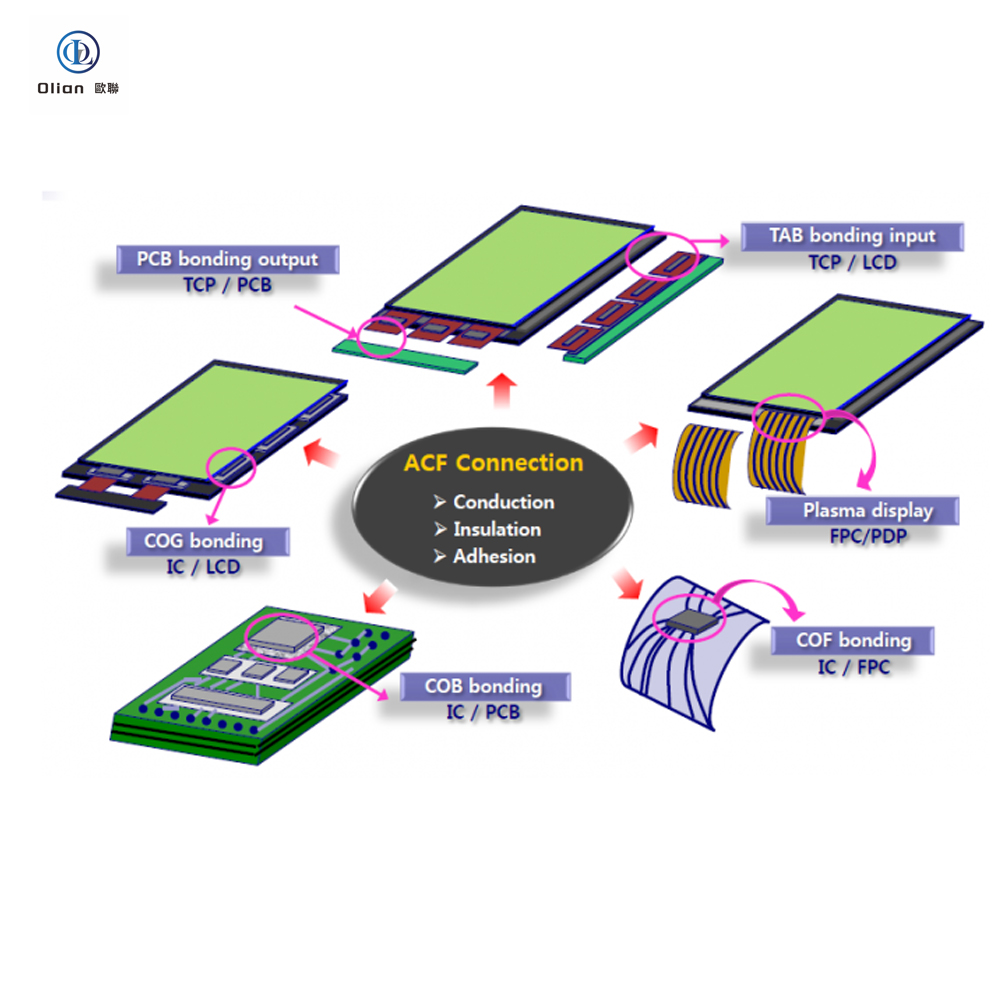
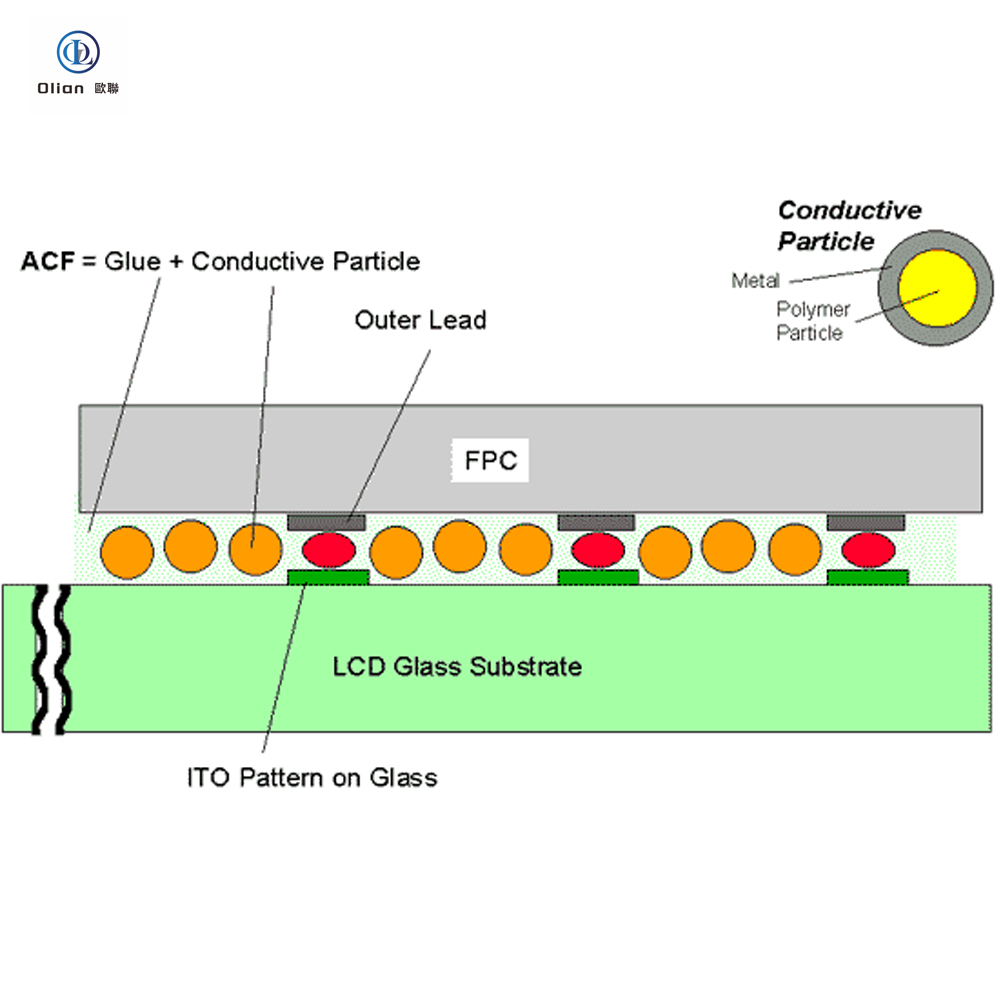
An ACF Applicator (Anisotropic Conductive Film Applicator) is a specialized machine designed to accurately dispense, align, and bond Anisotropic Conductive Film (ACF) onto flexible printed circuits (FPCs), glass substrates, or film-based displays. ACF is a smart adhesive material containing conductive particles that enable electrical connections in one direction (Z-axis) while insulating in others (X-Y axes), making it ideal for COG (Chip-on-Glass), COP (Chip-on-Film), and FOG (Film-on-Glass) packaging processes.
The ACF Applicator ensures:
● Ultra-precise film placement with micron-level accuracy
● Consistent pressure and temperature control during bonding
● Minimal material waste through optimized dispensing
● High throughput in automated production lines
With the rise of foldable screens, wearable devices, and large-format automotive displays, traditional soldering methods are no longer sufficient. The ACF Applicator enables:
–Fine-pitch interconnects for high-resolution displays
–Reliable electrical connections on flexible and curved surfaces
–Improved yield and reliability by reducing defects such as open circuits or shorting
–Scalability for mass production in smart factories
It is a core component in turnkey LCM module lines, especially for wearable COG/COP solutions, automotive display bonding (15–120 inch), and electronic paper modules, where mechanical stress and thermal stability are critical.
1. Vision Alignment System Equipped with high-resolution cameras and AI-assisted image processing, ensuring sub-micron alignment accuracy between ICs, FPCs, and substrates.
2. Multi-Zone Pressure & Temperature Control Enables uniform bonding across large or irregular surfaces, critical for G+G, F+G, and OCA lamination processes.
3. Automated ACF Feeding & Splicing Reduces downtime and material waste, supporting continuous production.
4. Integration with Factory Automation (FA) Compatible with MES systems, robotic handling, and inline AOI (Automated Optical Inspection), making it ideal for smart manufacturing environments.
5. Low-Defect Design Features dust-free chambers, ESD protection, and real-time process monitoring to maintain high yield rates.
Consumer Electronics: Smartwatches, foldable phones, tablets
Automotive: Digital dashboards, center consoles, AR-HUDs
Medical Devices: Portable monitors, diagnostic equipment
Industrial & IoT: HMI displays, control panels
Whether it’s a 7-inch wearable module or a 100-inch TV display, the ACF Applicator plays a vital role in ensuring durable, high-conductivity interconnections.
Not all ACF applicators are created equal. When selecting a solution, look for:
Proven experience in COG/COP/FOG bonding
Customization capability for multi-chip, multi-side bonding
Strong R&D and after-sales support
Compliance with international standards ( ISO)
Olian Automatic, a trusted name in display manufacturing equipment, offers advanced ACF Applicator solutions tailored for high-volume, high-reliability production environments. With deep expertise in bonding, dispensing, lamination, and inspection, we deliver turnkey lines that integrate seamlessly into your smart factory ecosystem.
The ACF Applicator is more than just a bonding machine—it’s a gateway to next-generation display manufacturing. As the industry moves toward thinner, more flexible, and higher-density displays, precision equipment like the ACF Applicator will continue to drive innovation, improve yields, and reduce costs.
Invest in the right technology today to stay ahead in the competitive world of display and touch solutions.
Explore our full range of ACF Applicators and LCM module turnkey lines at [bonding-machine.com]. Contact us for a customized solution. Wechat/whatsapp:+8618025364779. Zack Wu
Keywords (Naturally Integrated): ACF Applicator, Anisotropic Conductive Film, COG Bonding, COP Packaging, FOG Bonding, LCM Module, Display Manufacturing, Touch Panel Equipment, Chip-on-Glass, Chip-on-Film, Fine-Pitch Bonding, Automated Optical Inspection (AOI), Factory Automation, Wearable Displays, Automotive Display, OCA Lamination, Precision Bonding, Smart Manufacturing, Olian Automatic.
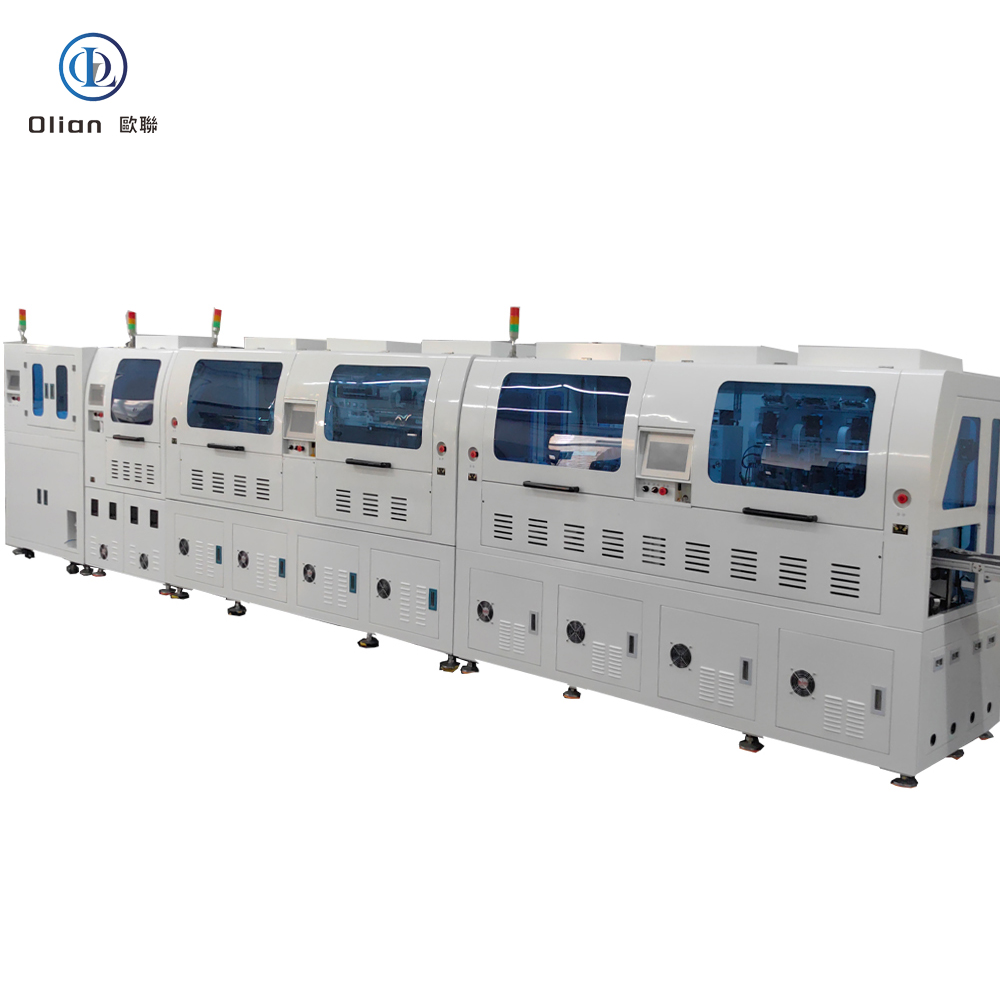
LCM & Touch Module Manufacturing Solutions.
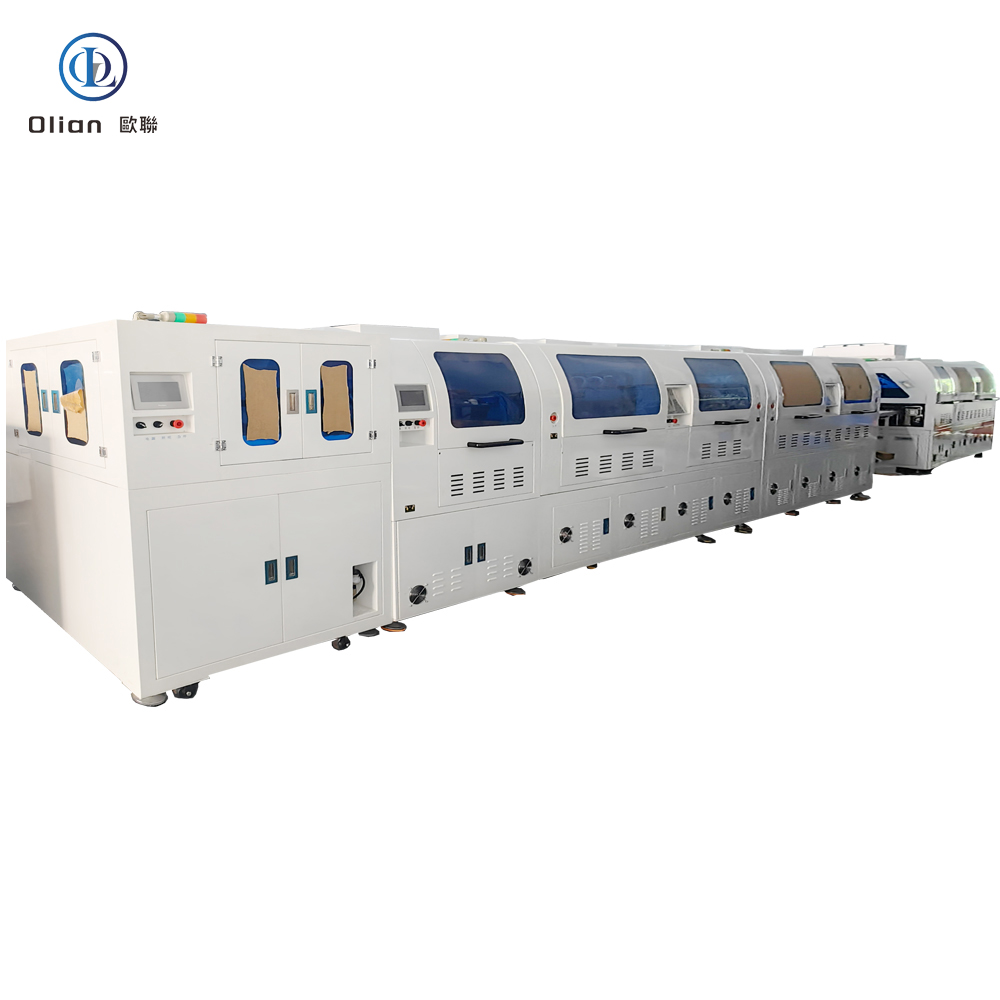
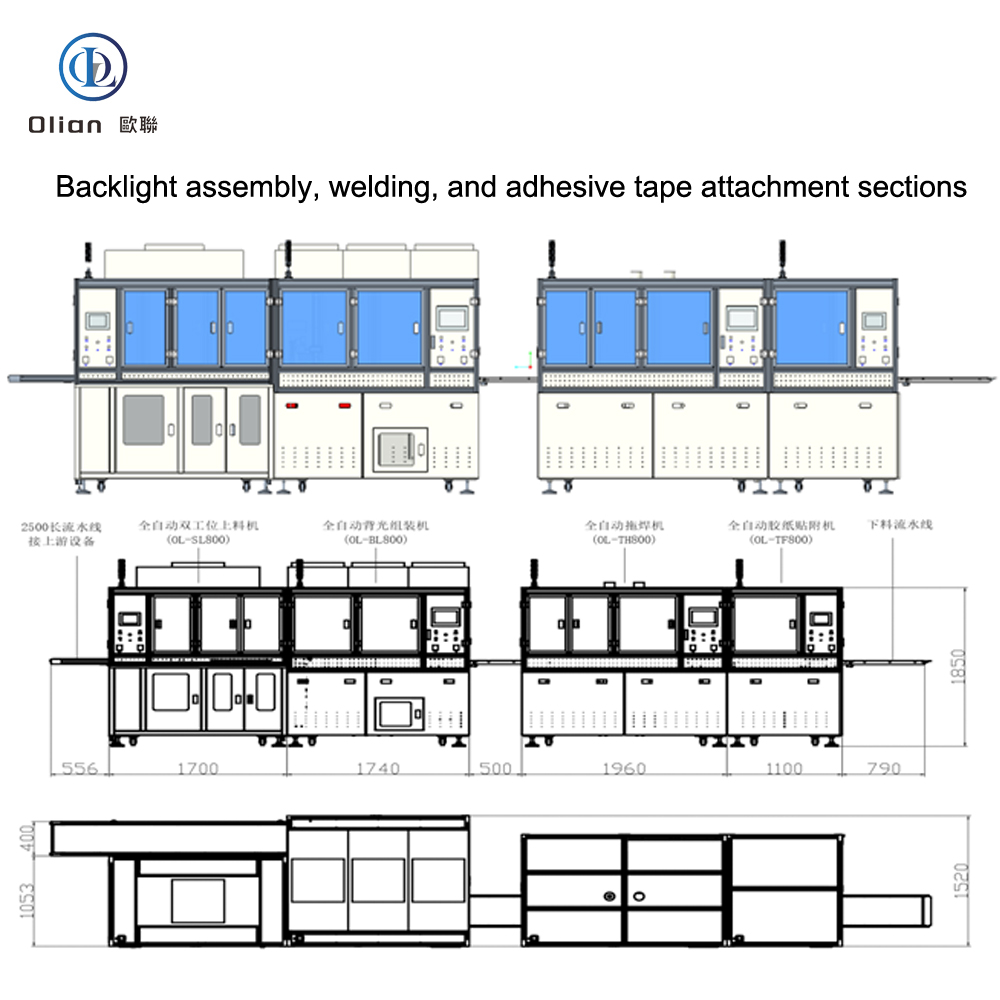
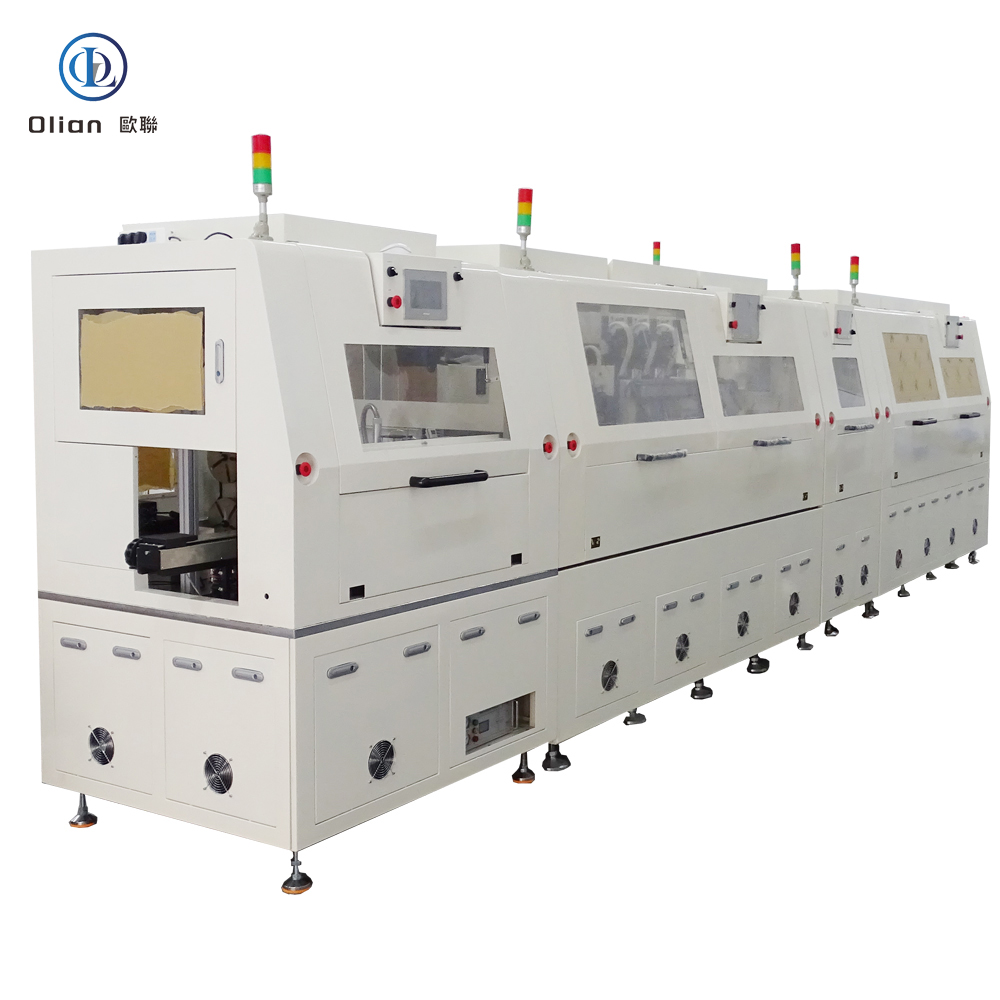
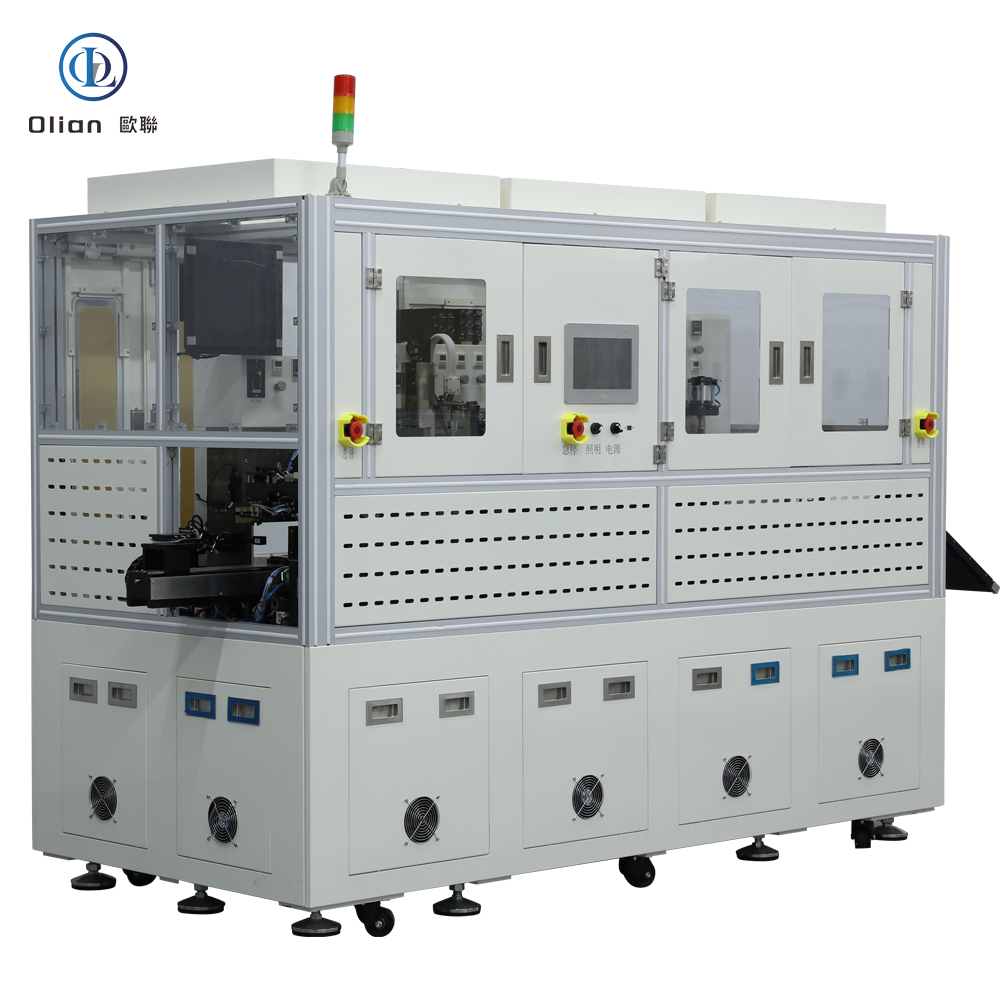
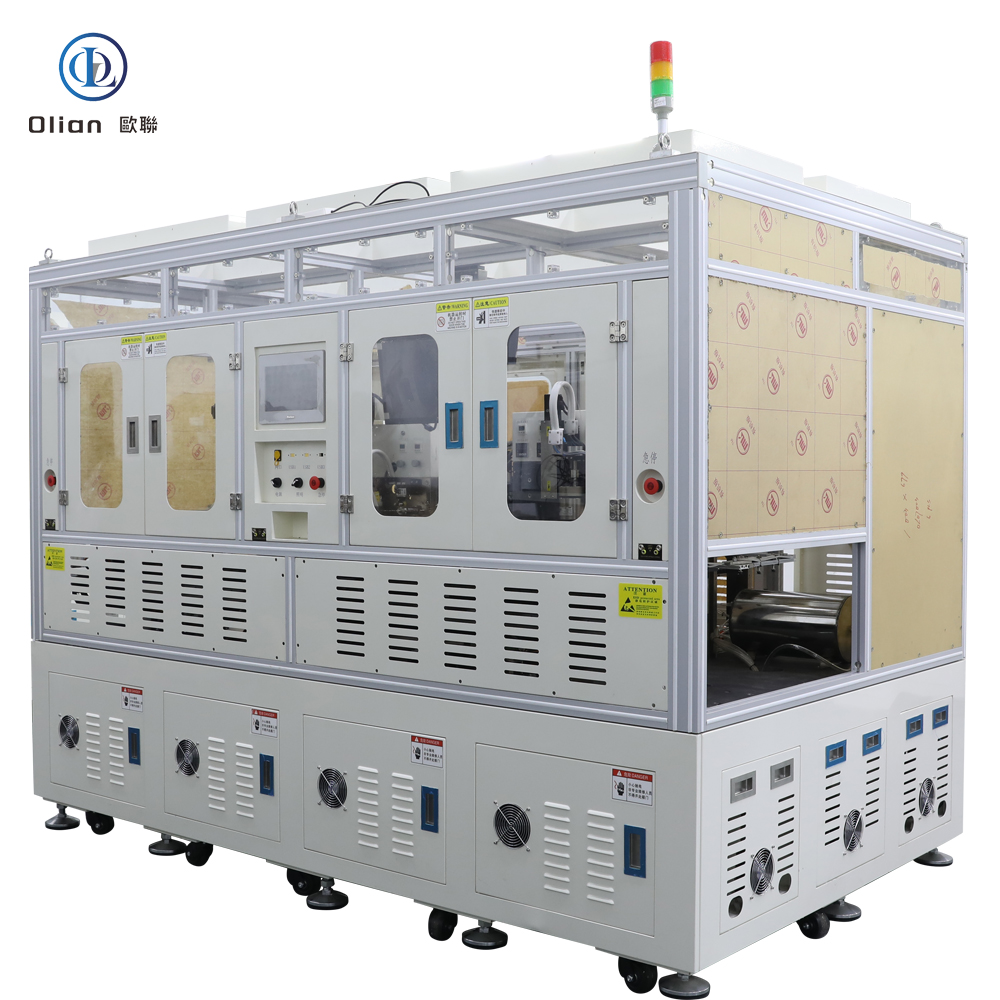
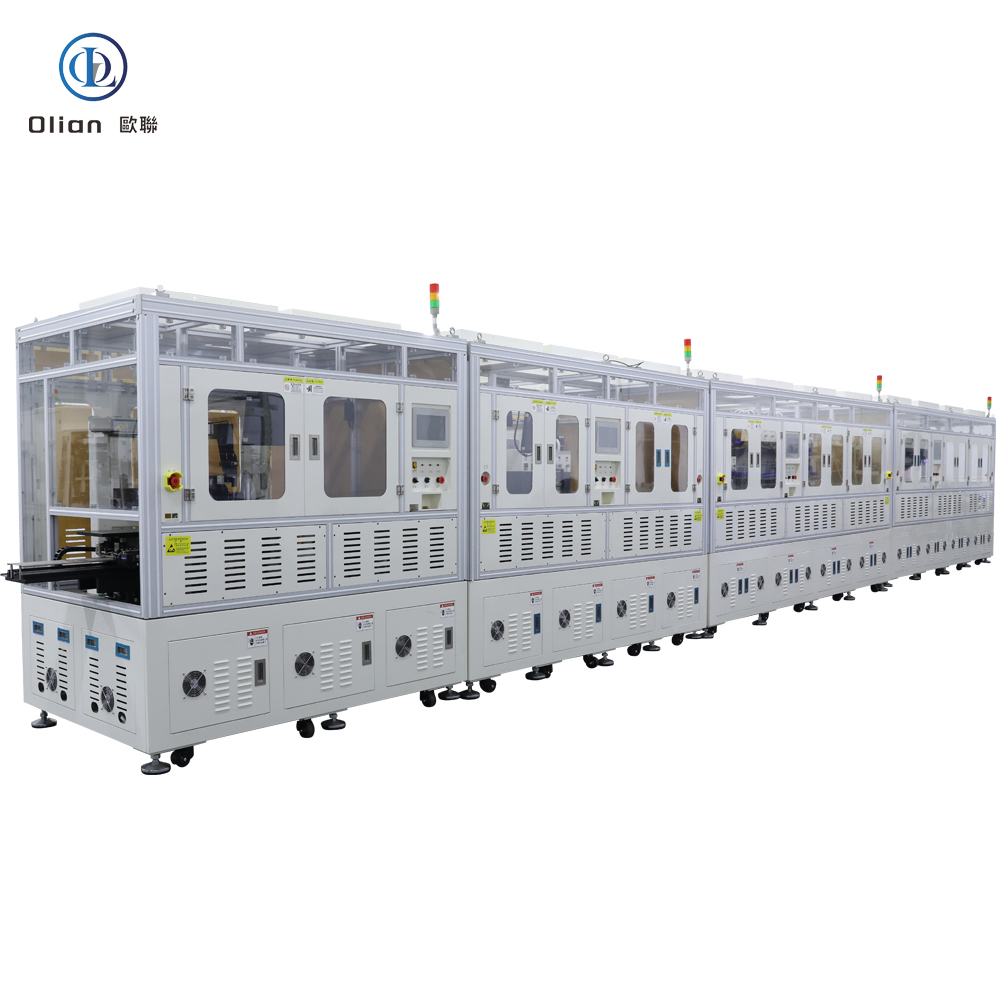
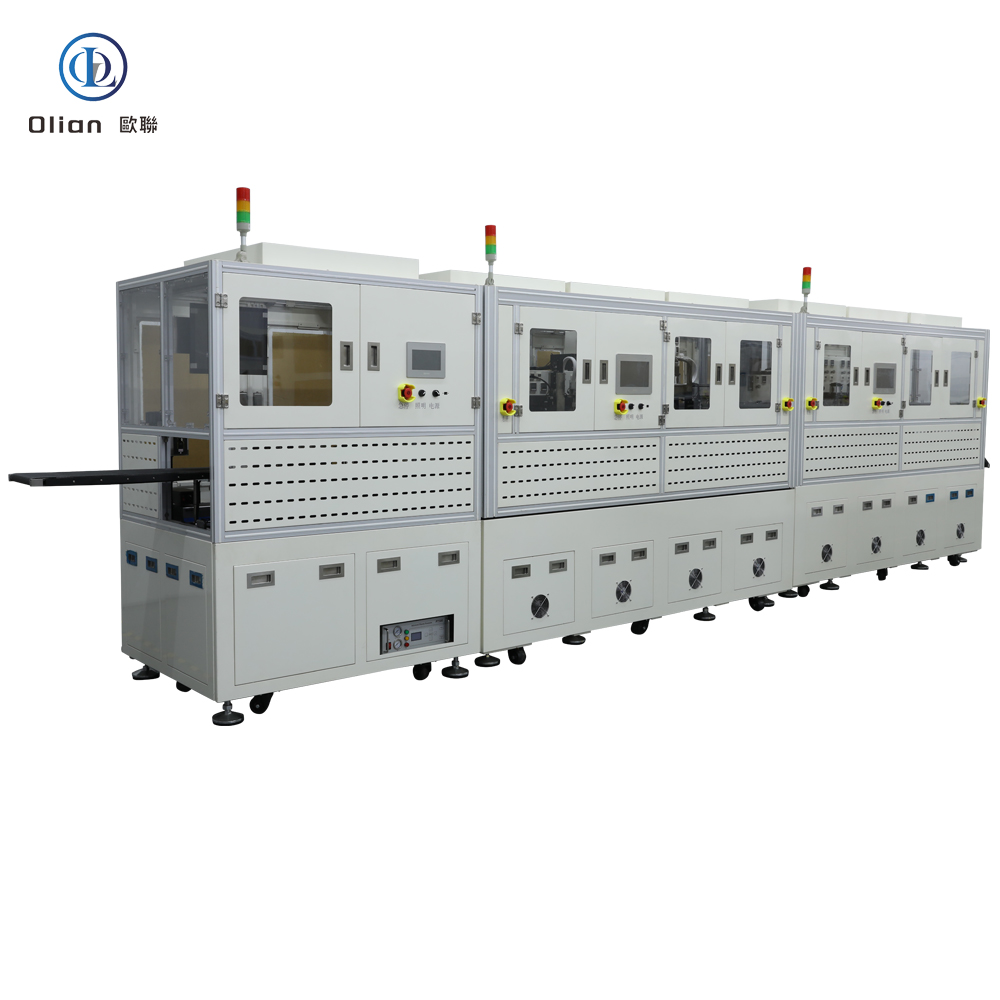
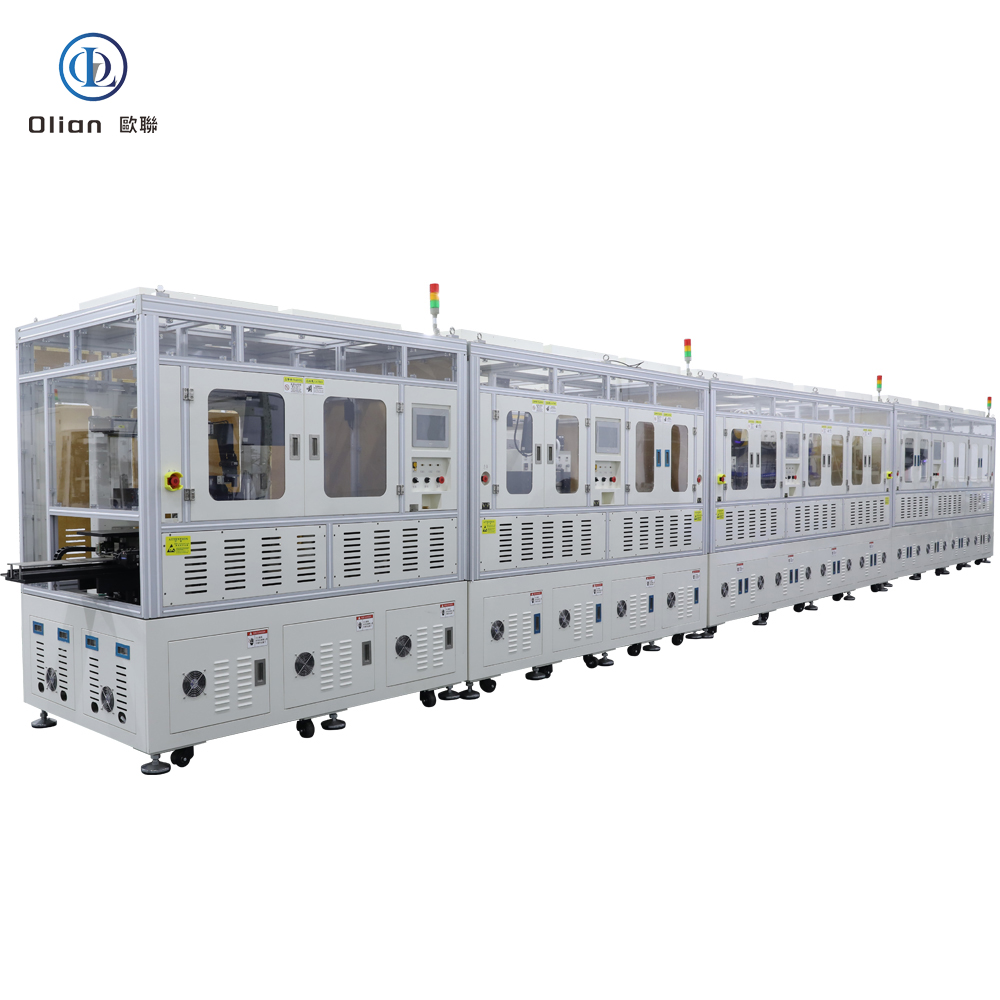
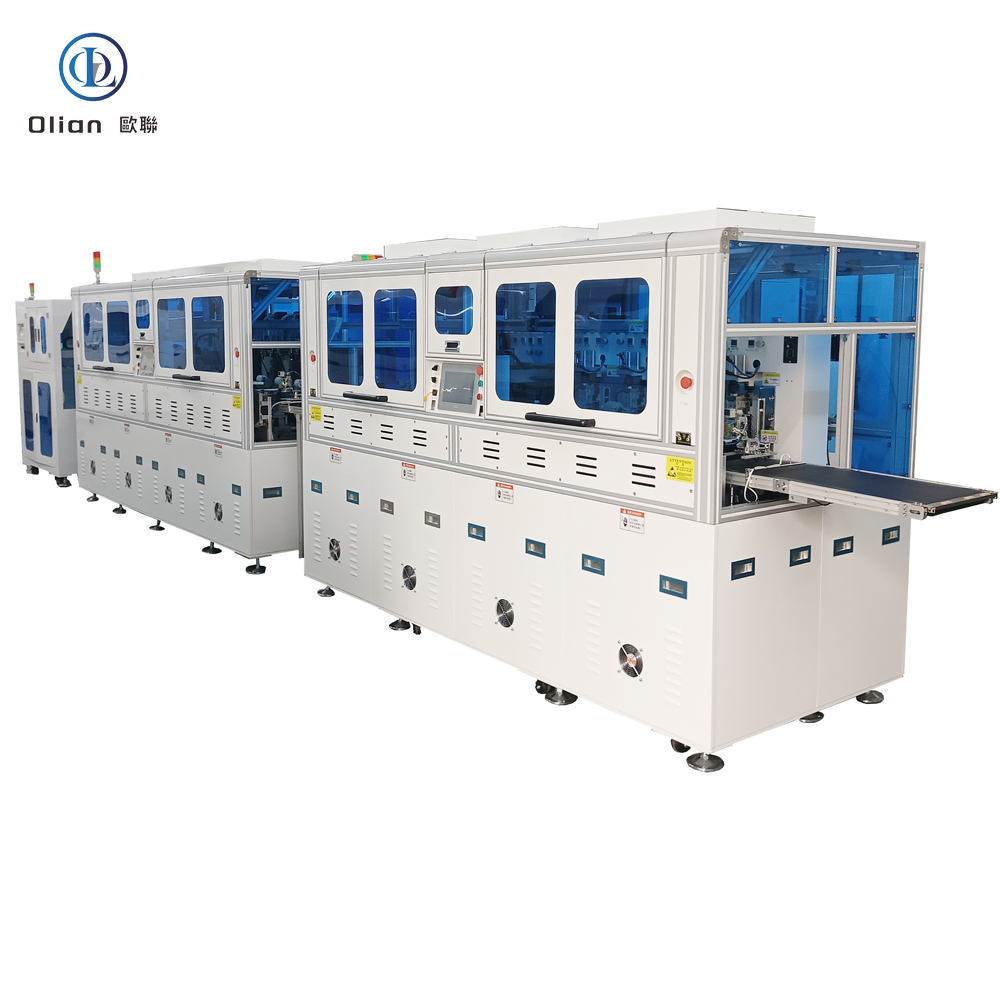
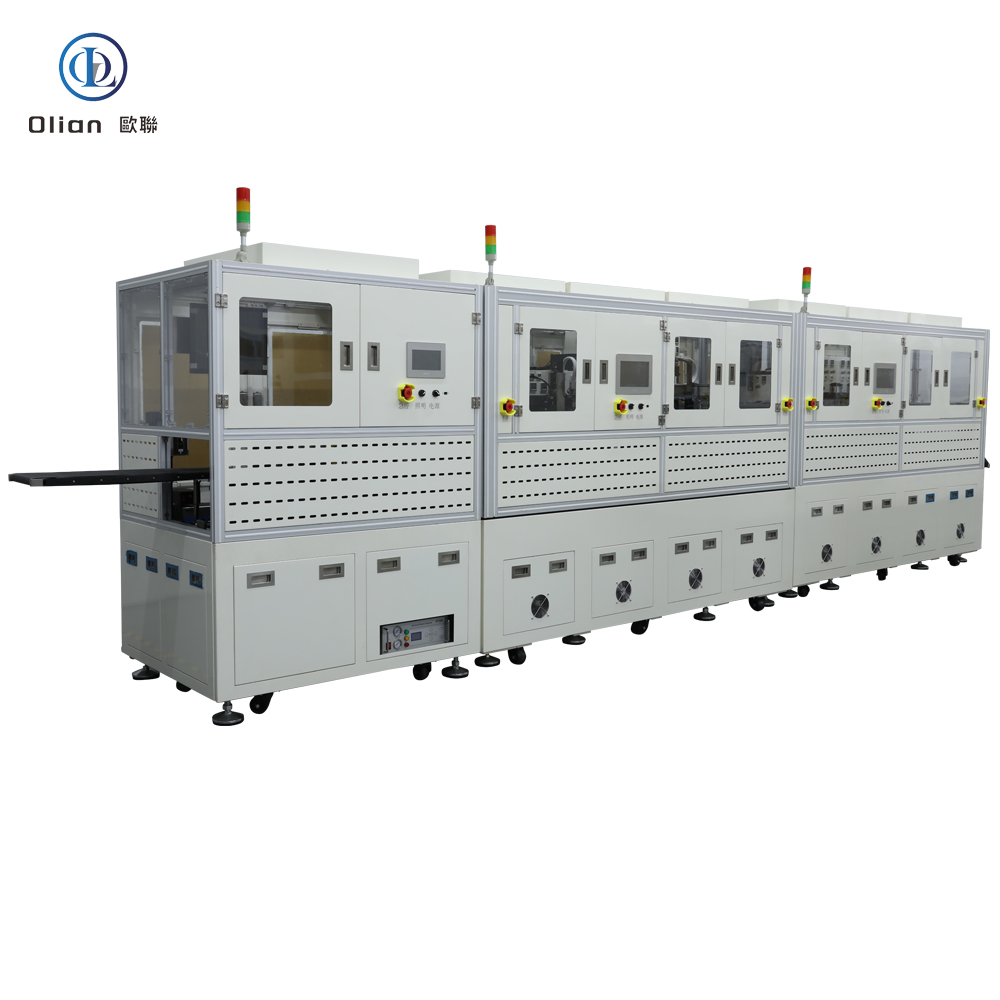
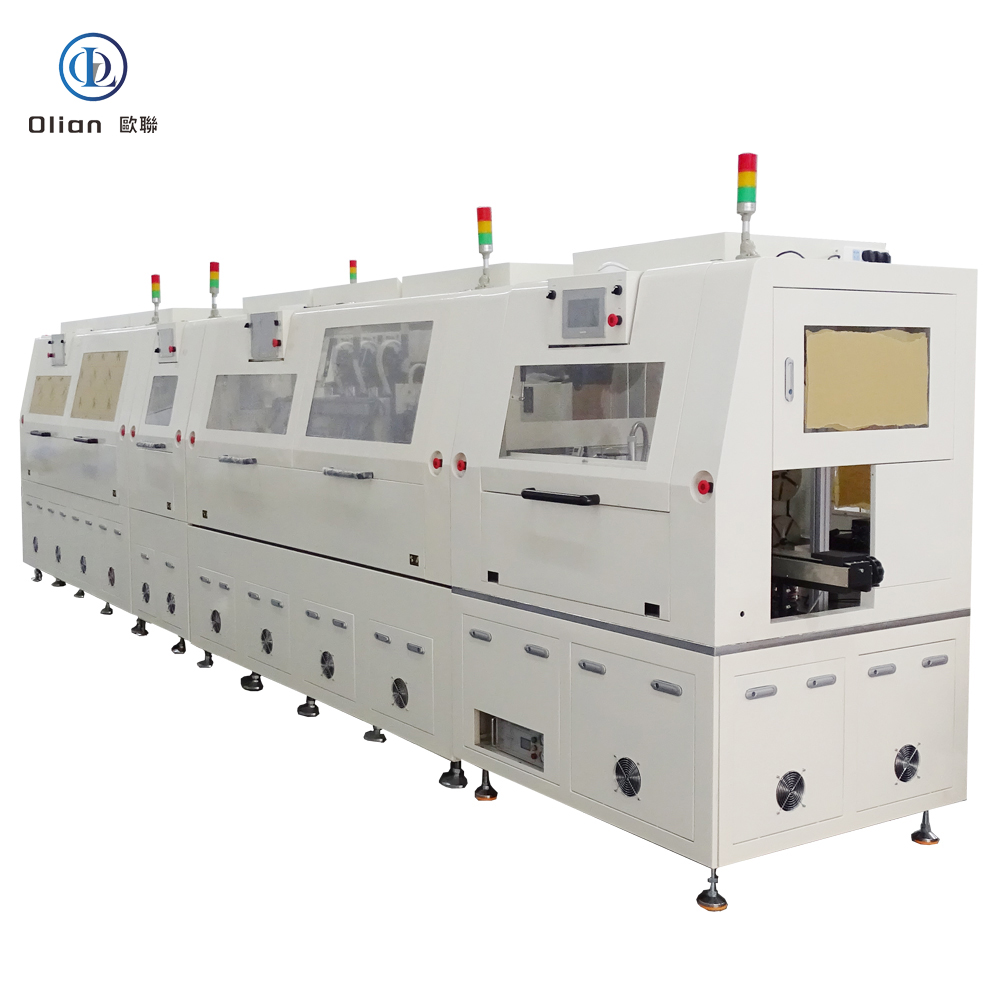
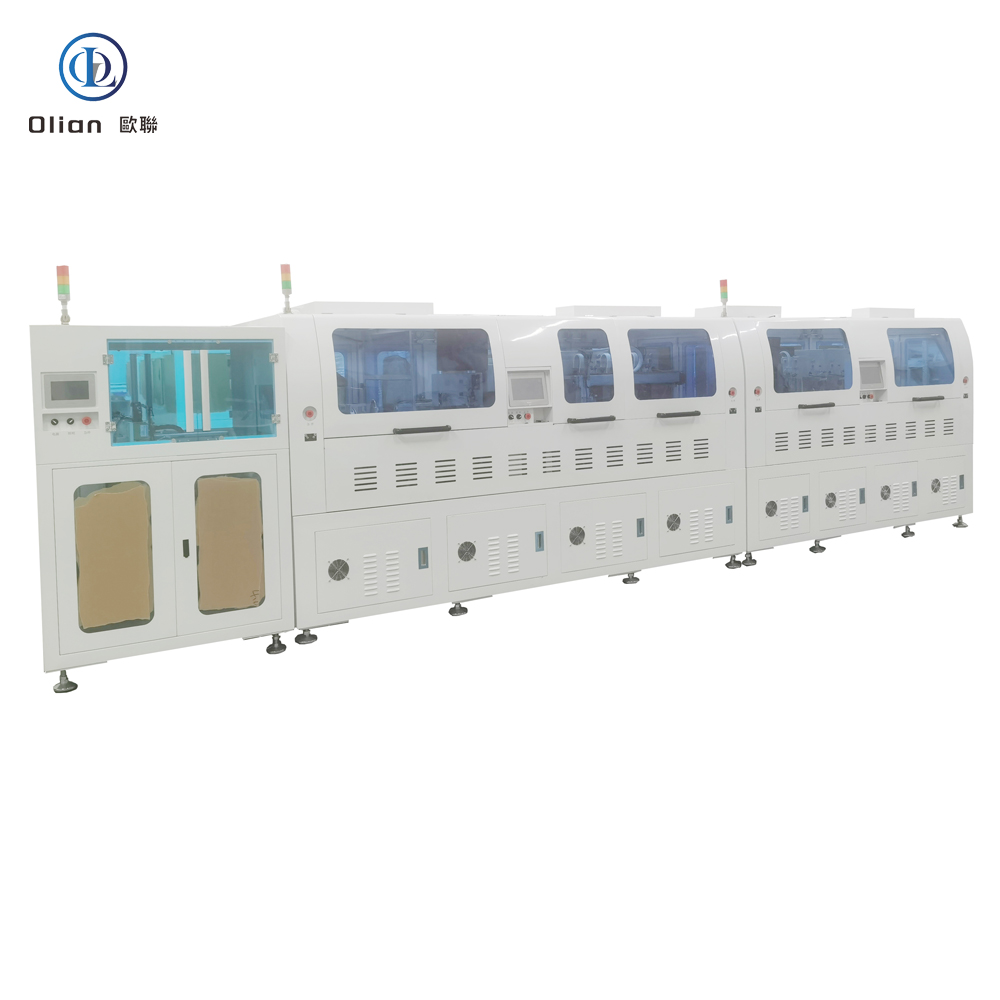
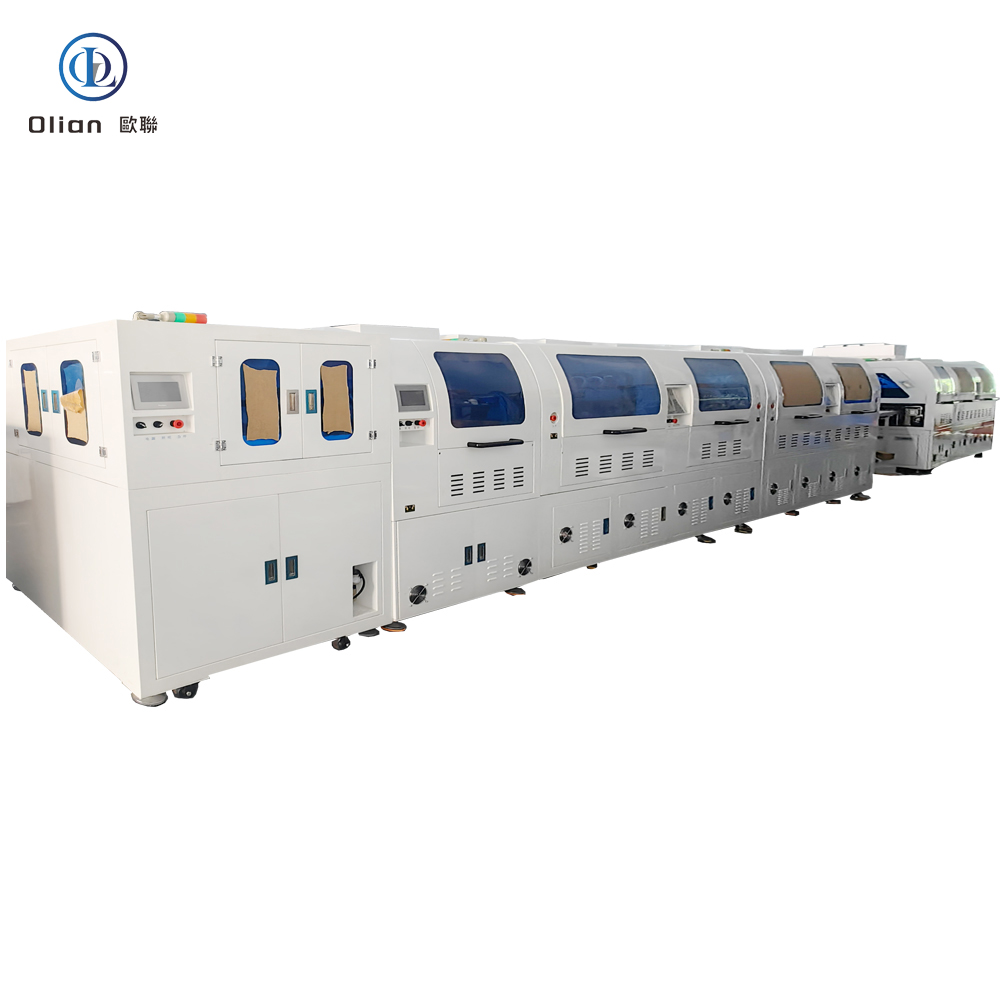
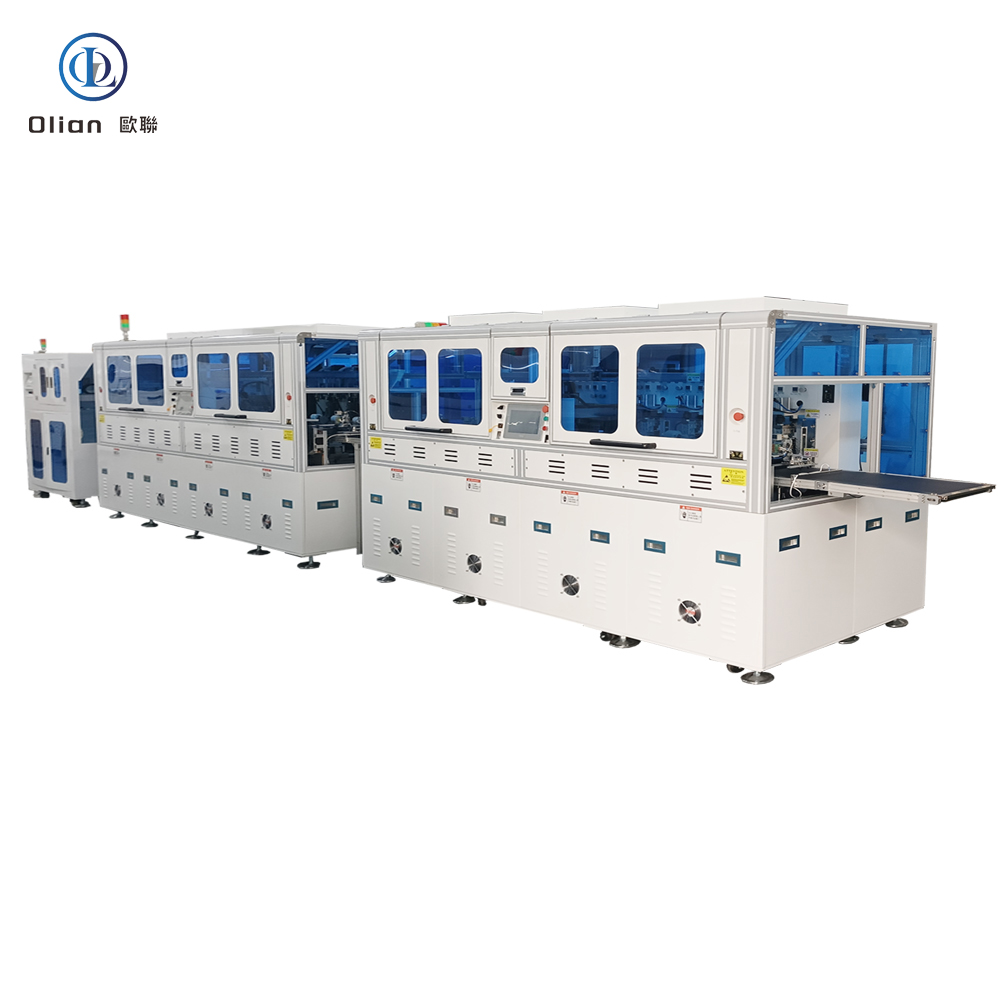

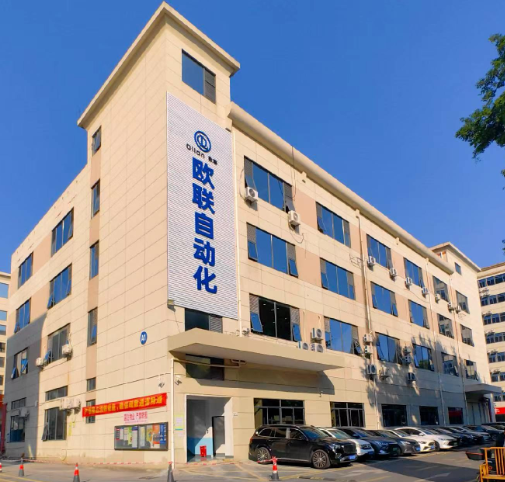
Shenzhen Olian Automatic Equipment Co.,ltd .We are a leading high-tech enterprise dedicated to the research, development, and manufacturing of LCM (Liquid Crystal Module) and Touch Panel assembly equipment. Located in Shenzhen, the innovation capital of China, we provide comprehensive turnkey solutions that transform raw glass and flexible circuits into high-precision, ready-to-use display products.
Our mission is to empower the global display industry through intelligent automation, ensuring high yield rates and efficient production for our clients.
We offer a complete suite of automated equipment designed to handle every critical stage of the LCM and Touch manufacturing process. Our “One-Stop” solution ensures seamless integration from incoming material to final packaging.
This is the core of display functionality. We utilize advanced ACF (Anisotropic Conductive Film) Applicators and Hot Press machines to precisely attach driver ICs and Flexible Printed Circuits (FPC) to the glass substrate.
ACF Handling: Our dedicated ACF application systems feature high-precision micro-adjustment and step-motor-driven feeding mechanisms. This ensures accurate ACF length control (1-100mm) and minimal waste, which is critical for COG (Chip-on-Glass) and COF (Chip-on-Film) processes.
Hot Press Technology: Our bonding machines utilize PID temperature control and precision pressure regulation (0.1-4.0Mpa). Whether it is the main IC bonding or FPC alignment, our equipment guarantees stable electrical connections and prevents defects like line deficiencies.
To create “Display & Touch in one” (Integrated) products, we specialize in high-precision lamination technologies.
Process: We handle the full spectrum of lamination, including OCA (Optically Clear Adhesive) rigid-to-rigid lamination and UV Water Gel lamination processes.
Capability: Our lamination machines feature auto-dispensing, vacuum state pressing, and optical alignment systems. This ensures bubble-free, high-clarity bonding between cover glass (Cover Lens), touch sensors, and LCD panels, meeting the demands of modern smartphones, tablets, and automotive displays.
To protect delicate circuitry and enhance structural integrity, we utilize state-of-the-art dispensing technology.
Function: Our precision dispensers apply sealants (Silicon gule), reinforcement adhesives, and protective coatings.
Control: Utilizing servo-controlled dispensing arms and programmable logic controllers (PLC), we strictly manage the dispensing path, volume, and evenness of the glue. This prevents corrosion of ITO lines and strengthens the bond between the FPC and the LCD, ensuring long-term product reliability.
For modules requiring backlighting, our automated assembly lines ensure perfect optical alignment.
Assembly: This involves the precise stacking of optical films, frame assembly, and the application of hot-melt adhesives.
Packaging: We provide automated solutions for the final stages of production, including protective film application and automated boxing, ensuring the product is protected for shipment.
Quality is our DNA. We integrate AOI systems at critical junctures (post-bonding and post-lamination) to guarantee zero-defect delivery.
Detection: Our vision systems perform rigorous functional and cosmetic testing. They identify microscopic defects such as particles, scratches, bubbles, and Mura defects that are invisible to the naked eye, ensuring only flawless products proceed to the next stage.
Our robust and versatile equipment series is engineered to meet the manufacturing demands of diverse display markets. We support the production of:
Consumer Electronics: Smartphones, Tablets, Laptops, and Televisions.
Automotive Displays: Instrument clusters and infotainment systems.
IoT & Wearables: Smartwatches and AR/VR devices.
Commercial & Industrial: Electronic shelf labels, medical displays, and large-format signage.
We go beyond selling individual machines. We are a pioneer in providing Smart Factory Holistic Solutions.
Integration: Our equipment is fully compatible with MES (Manufacturing Execution Systems) and CIM (Computer-Integrated Manufacturing), enabling digital traceability and data-driven decision making.
Automation: We support AGV (Automated Guided Vehicle) logistics integration and fully automated production lines, reducing human intervention and maximizing production line “uptime” (OEE).
R&D Focus: Drawing on deep expertise in ACF application and precision pressing, we continuously innovate to support the latest trends in flexible OLED packaging and under-screen fingerprint technology.
Join us in shaping the future of display manufacturing. With our “Advanced, Practical, Efficient, and User-Friendly” design philosophy, we are committed to helping our global partners reduce labor costs, improve yield rates, and accelerate their time to market.
Welcome you to be our parnter in your country to shaping the future of display manufacturing.
Wechat/whatsapp:+86 18025364779
Zack wu
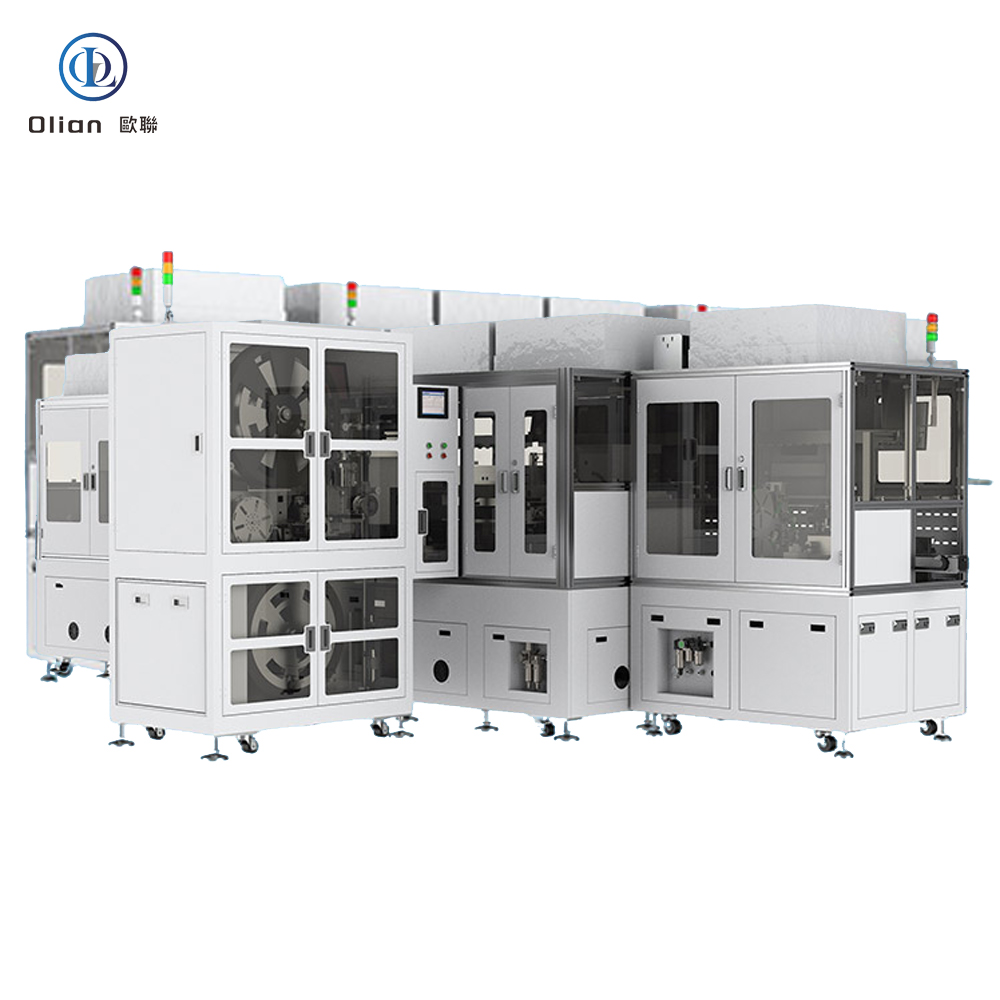
Complete Smartphone LCD Production Line: From Module Assembly to Final Testing.
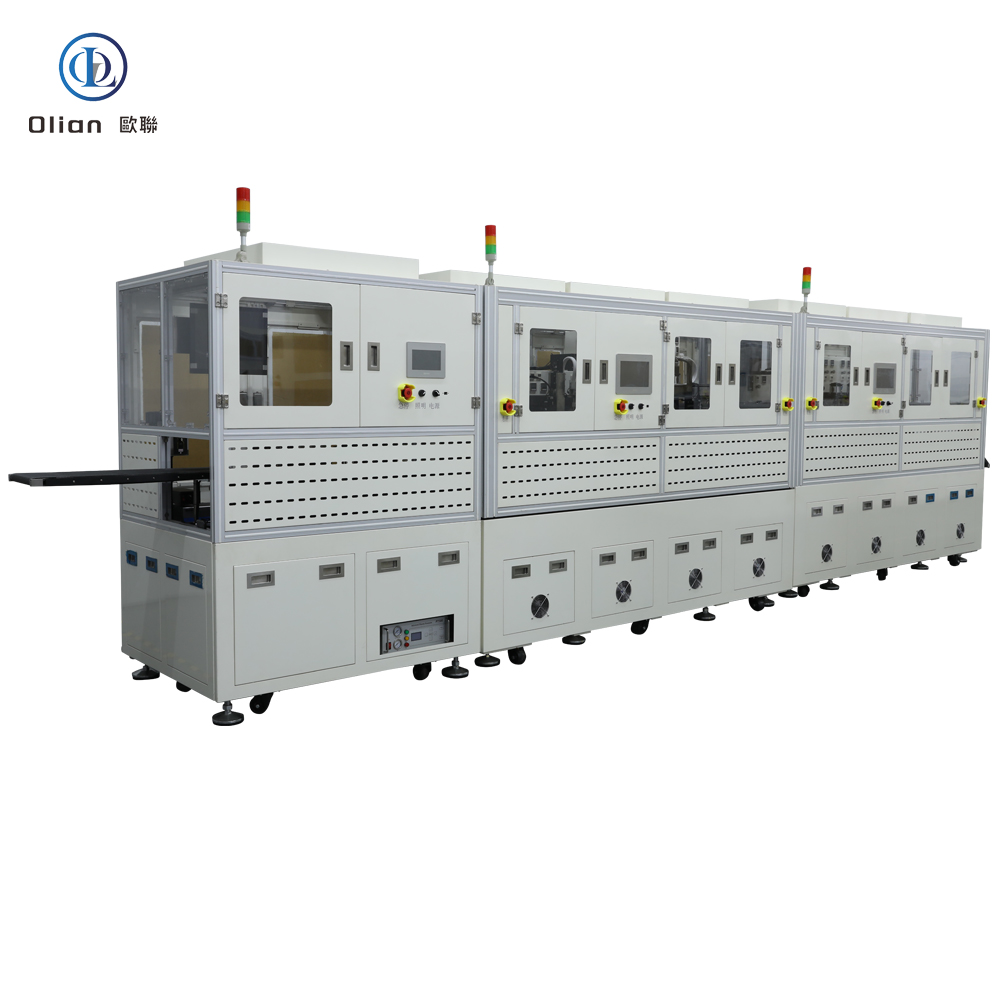
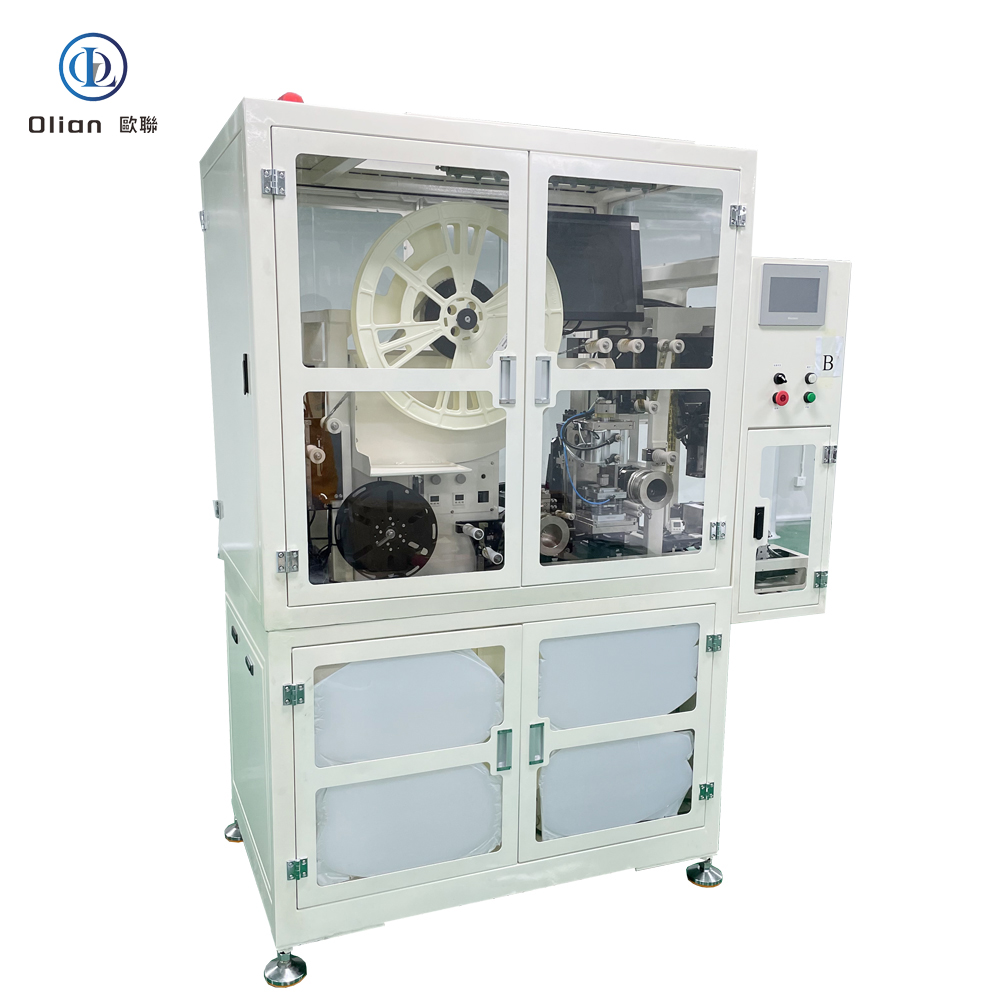
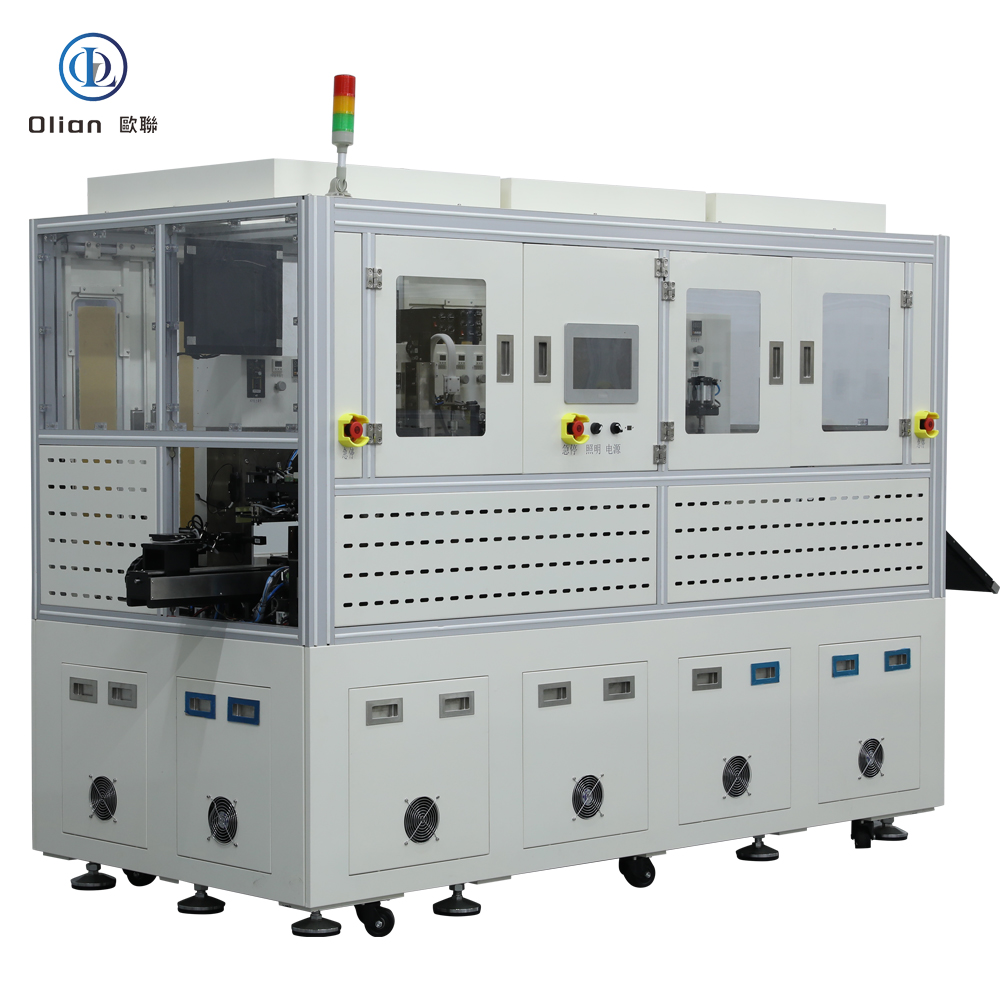
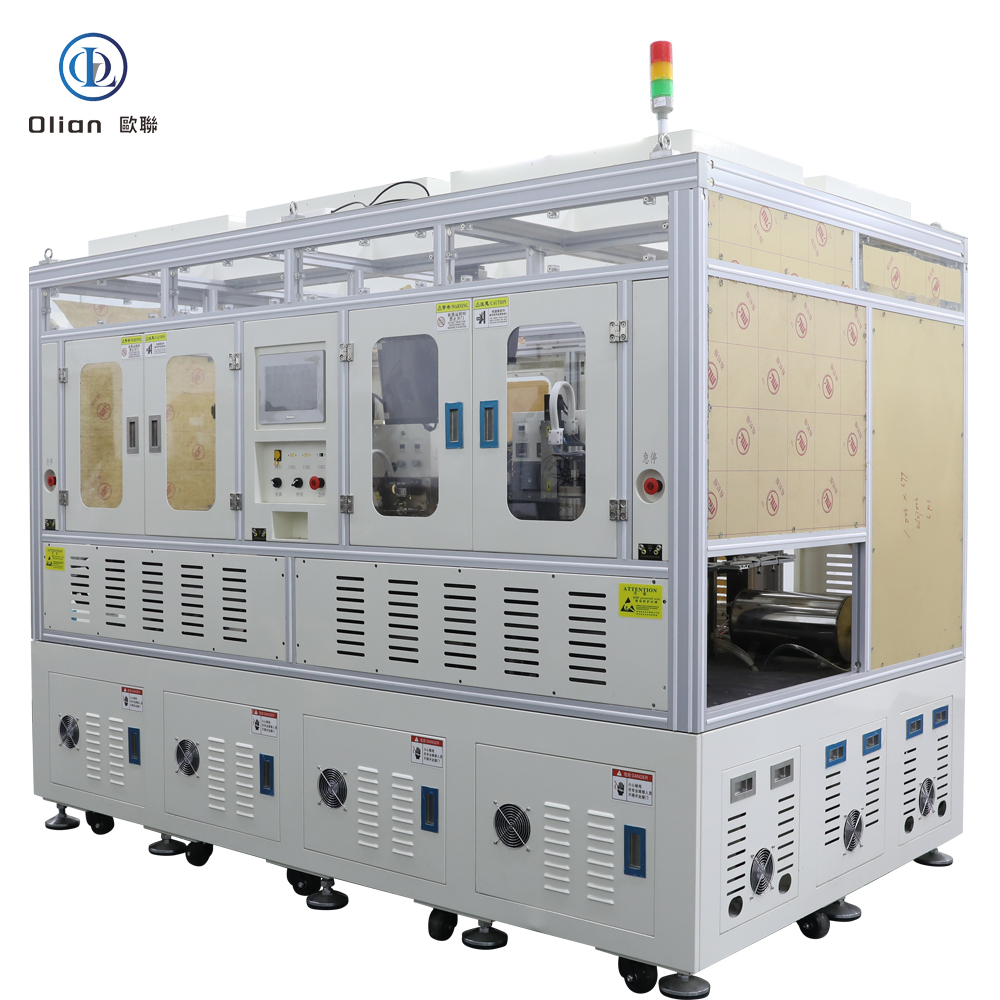
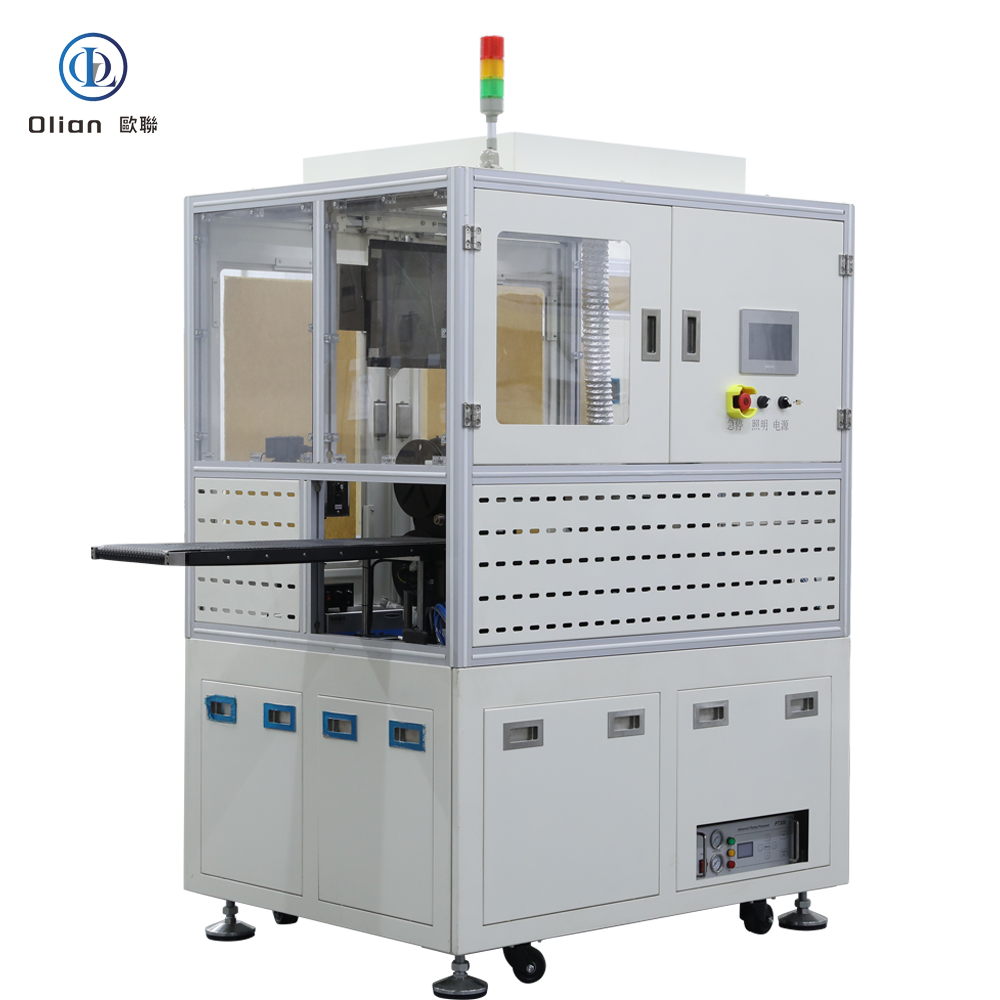
In the highly competitive electronics market, establishing a high-efficiency, high-yield Smartphone LCD Production Line is the key to success for manufacturers. As smartphones evolve towards full-screen designs, higher resolutions, and flexible displays, the assembly process has become increasingly complex.
Shenzhen Olian Automatic Equipment Co., Ltd., a national high-tech enterprise based in Shenzhen, China, offers a comprehensive suite of automation solutions designed to cover the entire process of smartphone display module manufacturing.
From the initial ACF attachment to the final backlight assembling, our equipment is engineered to meet the stringent requirements of modern smartphone production.
A standard production line for smartphone LCDs typically consists of three major stages: Front-End Bonding,dispensing,AOI Testing.Backlight Assembly,
This stage establishes the critical electrical connection between the display panel and the driver IC/FPC.
Once the electrical connections are secure, the display must be integrated into the final module structure.
No smartphone LCD line is complete without rigorous testing.
Located in the Bao’an District of Shenzhen, the “World’s Factory” for electronics, Shenzhen Olian Automatic Equipment Co., Ltd. provides unique advantages for global buyers:
Our production lines are suitable for manufacturing a wide range of mobile display products:
Whether you are producing traditional transmissive LCDs or cutting-edge flexible OLEDs.
our equipment is designed to handle the delicate nature of these substrates while maintaining high yields.
Ready to build your next-generation Smartphone LCD Production Line?
Contact Shenzhen Olian Automatic Equipment Co., Ltd. today to request a factory audit or a detailed quotation for your specific requirements.
Smartphone LCD Production Line, LCD Module Assembly Line, COG Bonding Machine, FOG Bonding Machine, ACF Attachment Machine, FPC Cutting Machine, IR Oven for LCD, Shenzhen Equipment Manufacturer, Turnkey Solution, Display Module Equipment, OL-CB1000,OL-FB1000,OL-QX1000,OL-CC1000, bonding-machine.com.
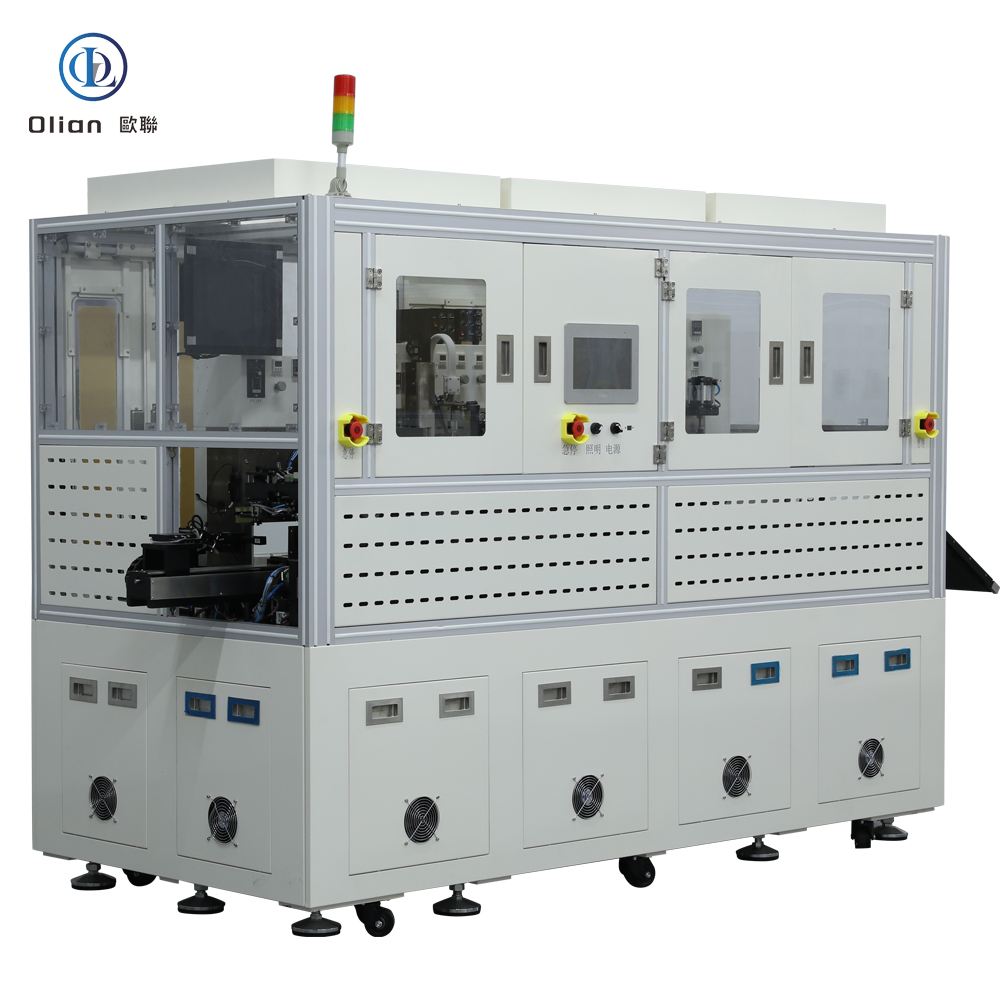
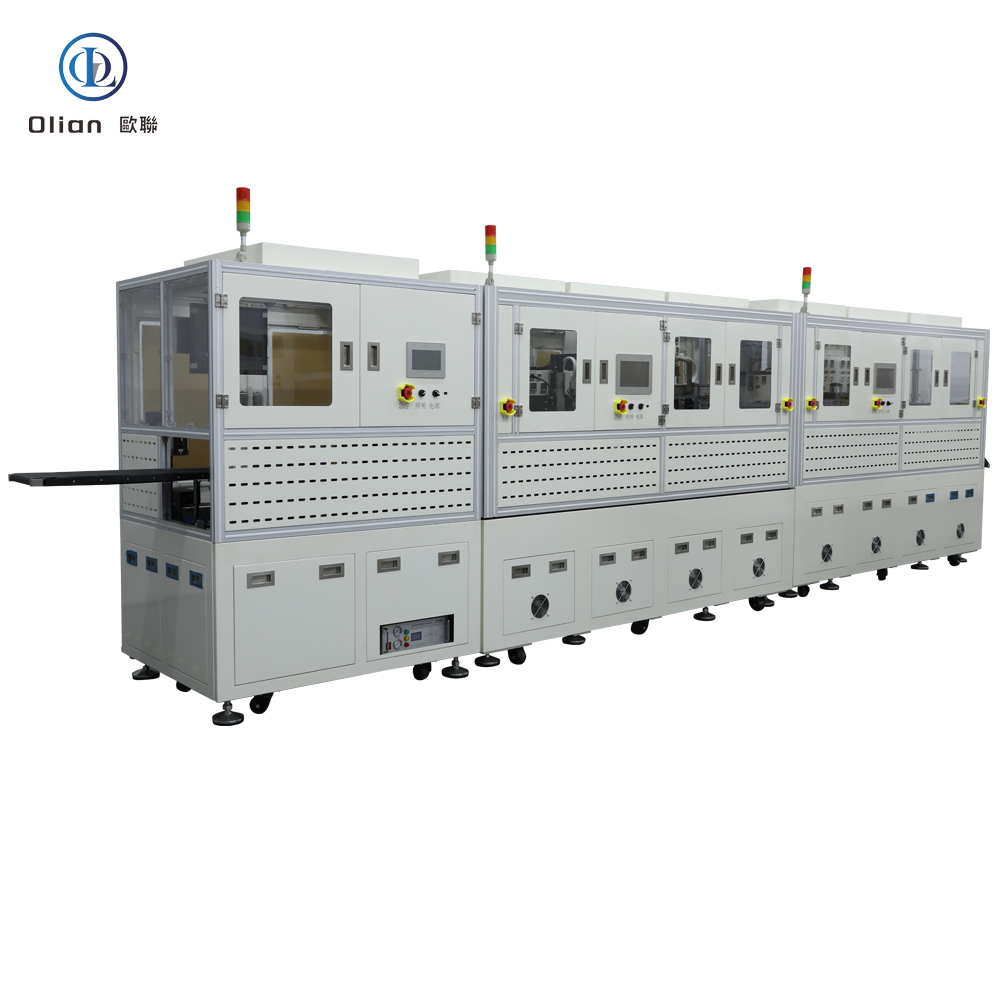
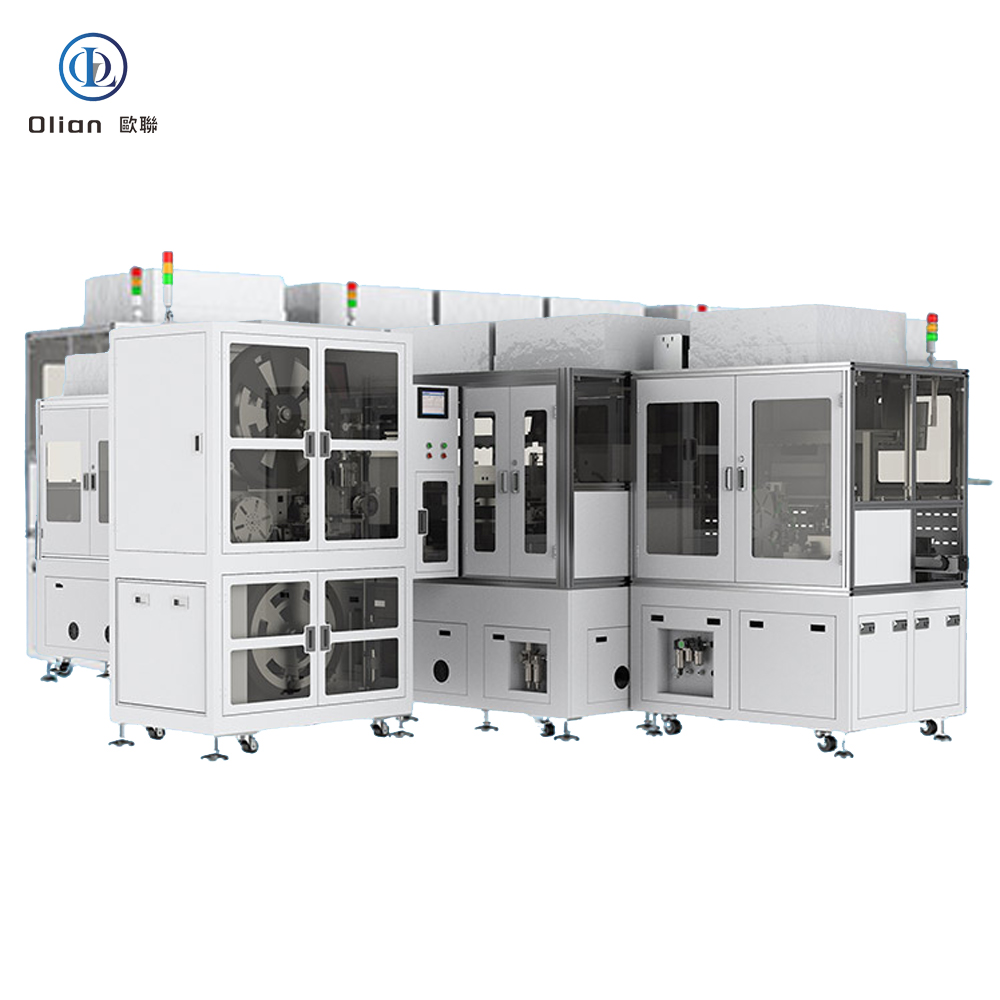
Advanced FOF Bonding Machine: Precision Equipment for Flexible Display Manufacturing.
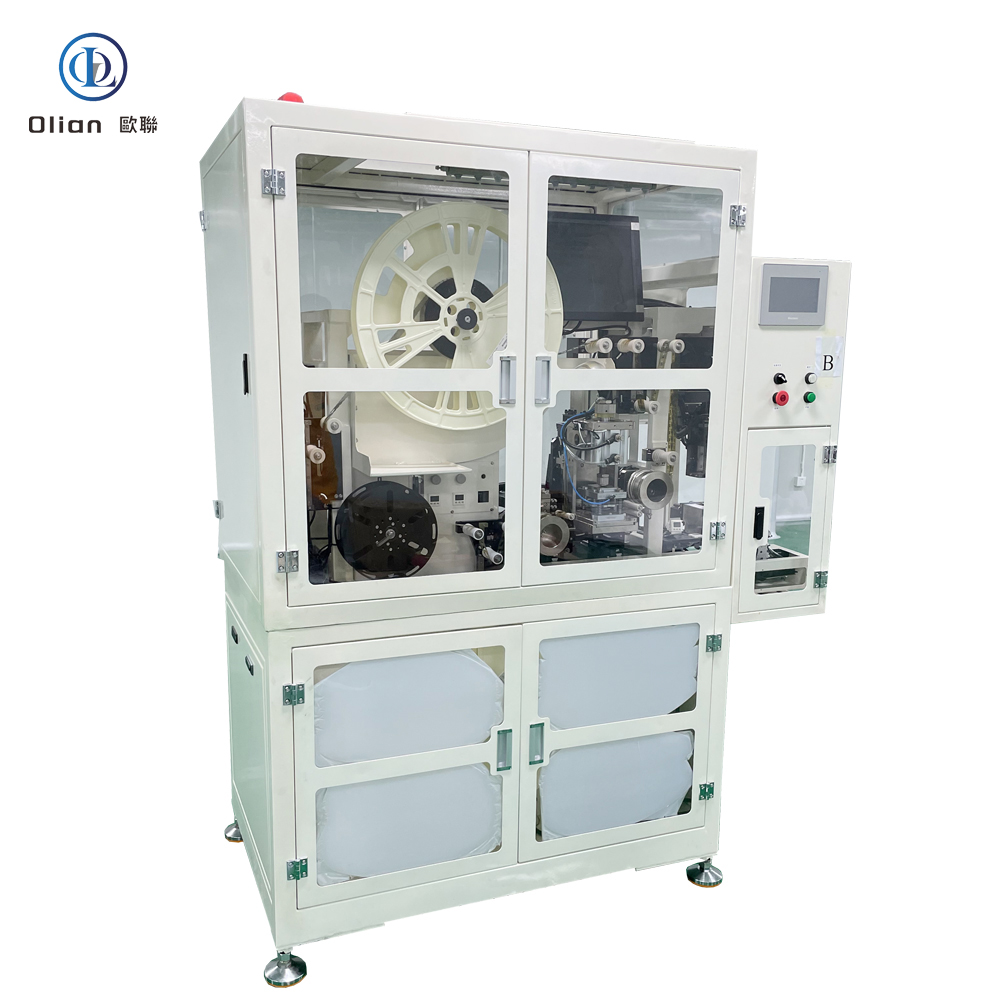
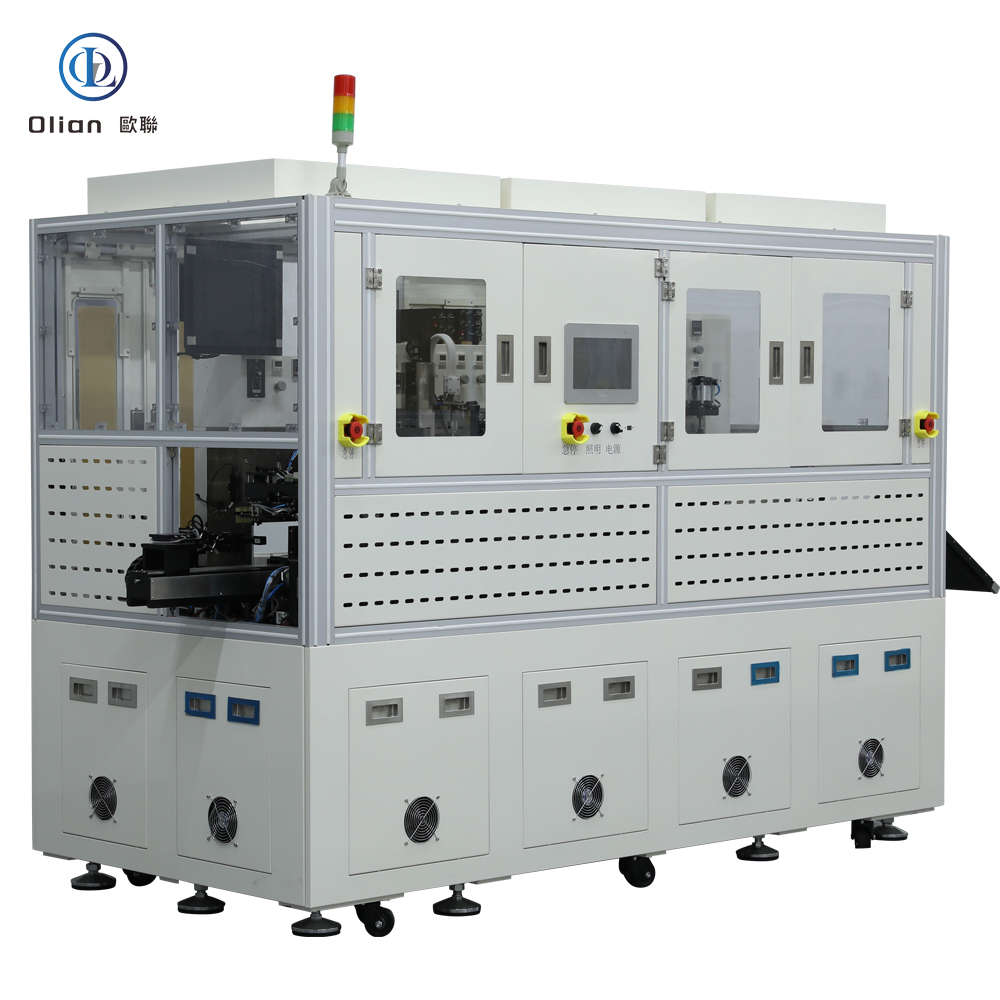
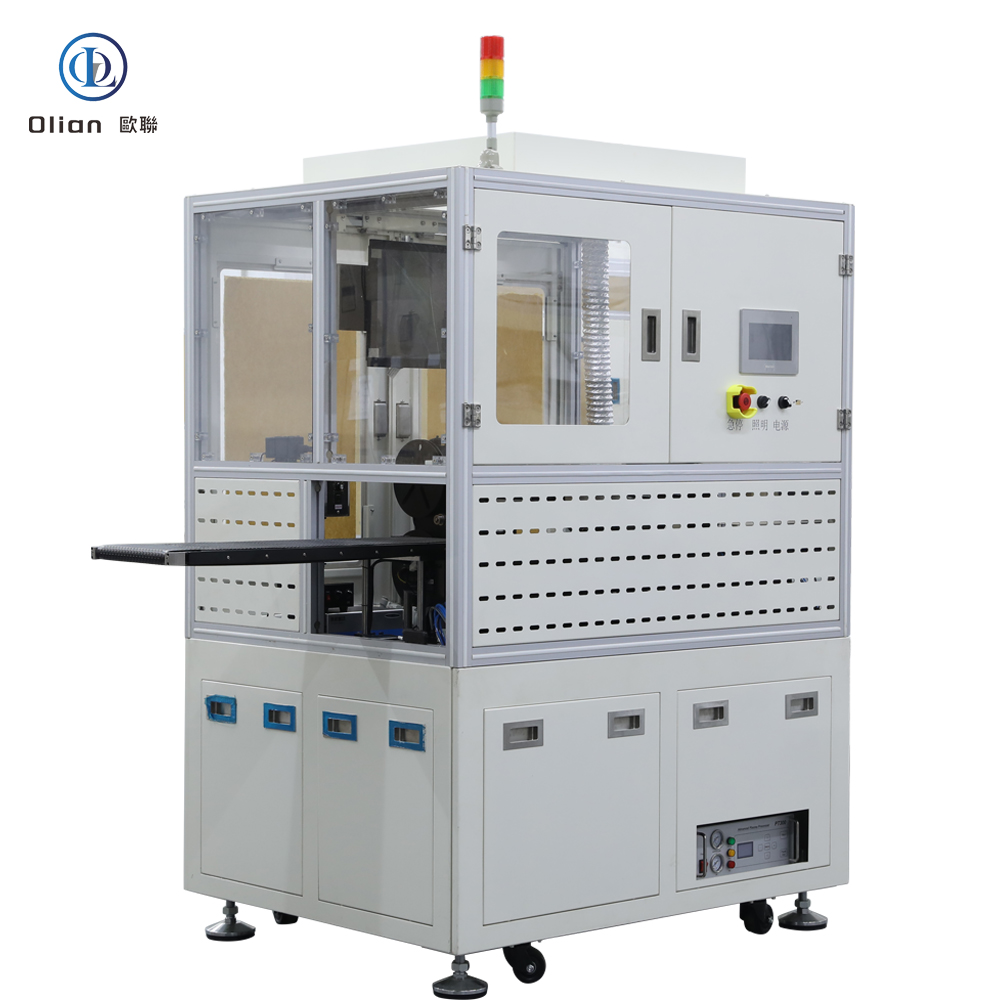
In the rapidly evolving world of touch panel technology, the demand for lightweight, thin, and cost-effective solutions has led to the widespread adoption of Film on Film (FOF) or FPC on FPC, or FPC on Film structures. To meet the stringent requirements of modern production lines, Shenzhen Olian Automatic Equipment Co., Ltd. presents its state-of-the-art Automatic FOF Bonding Machine.
This equipment is specifically engineered to handle the delicate process of bonding Flexible Printed Circuits (FPC) onto PET films, providing a robust solution for mass-producing film-structured touch screens.
An FOF (Film on Film),(FPC on FPC), or (FPC on Film) Bonding Machine is a specialized piece of automation equipment used in the touch screen manufacturing process. Unlike traditional glass-based bonding (such as FOG – Film on Glass), FOF technology involves bonding conductive layers and circuits entirely on flexible plastic films (PET).
Our machines are designed to overcome the unique challenges of handling flexible materials, which are prone to warping, curling, and static adhesion. The process typically involves three critical stages:
Drawing from our extensive experience in LCD module (LCM) and touch panel equipment, our FOF Bonding Machines incorporate several key technological breakthroughs:
Bonding film-to-film presents a unique challenge because the ITO pins on double-layer films are often recessed. Standard flat pressure can lead to uneven adhesion.
Precision is paramount in display manufacturing. Our machines feature advanced machine vision systems that scan fiducial marks on both the FPC and the film.
Heat is the catalyst for the ACF to cure and form a conductive bridge.
The following table outlines the standard specifications for our flagship FOF/COG bonding systems, which are widely adopted in the Shenzhen and Guangdong manufacturing hubs.
| Feature | Specification | Details |
|---|---|---|
| Manufacturer | Shenzhen Olian Automatic Equipment Co., Ltd. | High-Tech Enterprise in Bao’an |
| Model Type | OL-1000 Series | Suitable for R&D and mass production |
| Applicable Size | 1 inch to 7 inches | Customizable for larger formats |
| Production Capacity | 600 – 800 pcs/h | High efficiency, non-bottleneck design |
| FOF Bonding Accuracy | ± 15μm | High-precision linear guide rails |
| Temperature Range | 0 ~ 399℃ | Digital PID temperature control |
| Power Supply | AC 220V ±10%, 50Hz | Standard industrial voltage |
| Key Components | Imported Pneumatics | THK linear slides, Imported heating blocks |
Established in 2012 and headquartered in the Bao’an District of Shenzhen, Shenzhen Olian Automatic Equipment Co., Ltd. is a National High-Tech Enterprise. We are a core partner for engineers looking for reliable “bonding machine” solutions in the Greater Bay Area.
Our Competitive Edge:
Our FOF Bonding Machines are ideal for manufacturing:
While Film structures may present challenges regarding optical clarity compared to glass, they offer a significant cost advantage. Our machines are designed to maximize the yield and reliability of these cost-effective solutions.
Ready to optimize your production line?
Contact Shenzhen Olian Automatic Equipment Co., Ltd. today to discuss your specific FOF bonding requirements and discover how our engineering expertise can help you achieve higher yields.
FOF Bonding Machine, Film on Film Bonding, Automatic Touch Screen Machine, ACF Attachment Manufacturer, LCD Module Equipment, Precision Hot Press, ±15μm Bonding, Flexible Display Manufacturing.
Welcome you visti us if you come Shenzhen China.
Wechat/whatsapp:+86 18025364779
E-mail:olian@szolian.com,2307972393@qq.com
Zack Wu

COF Bonding Machines Precision Engineering for Modern Display Manufacturing.
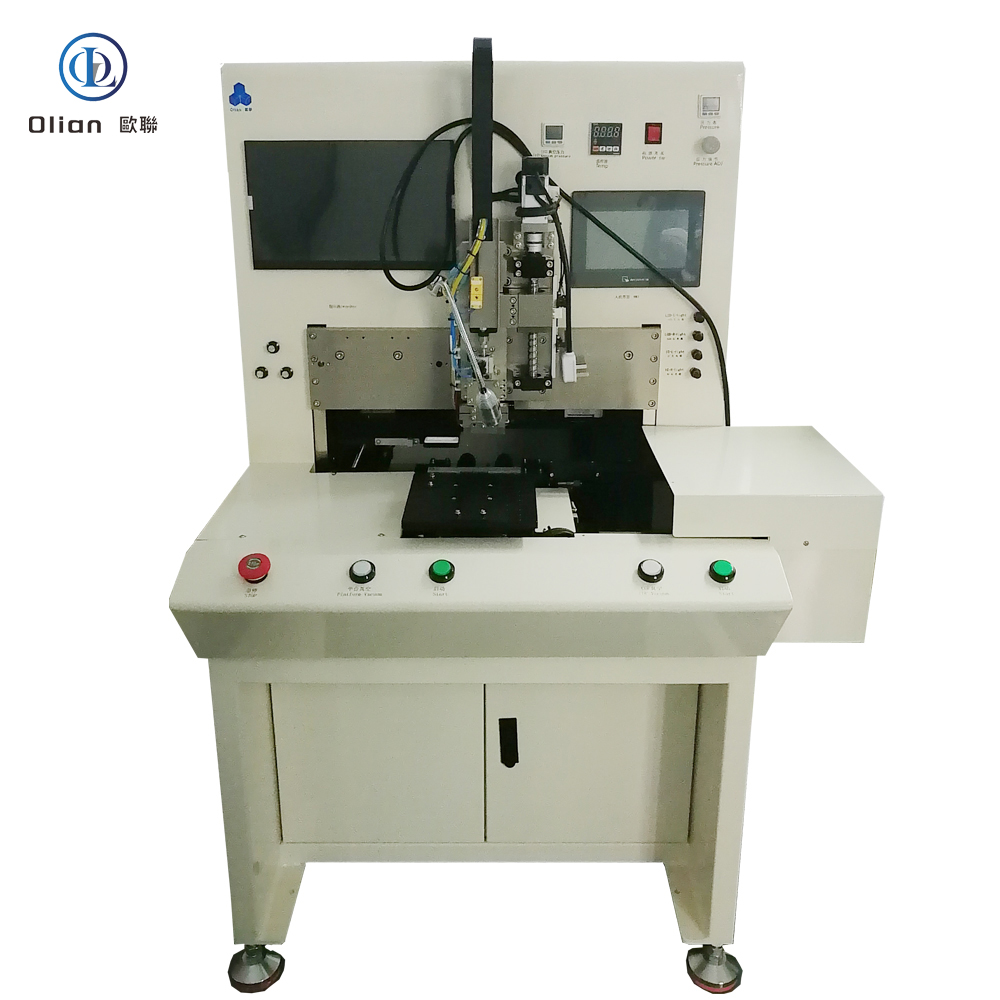
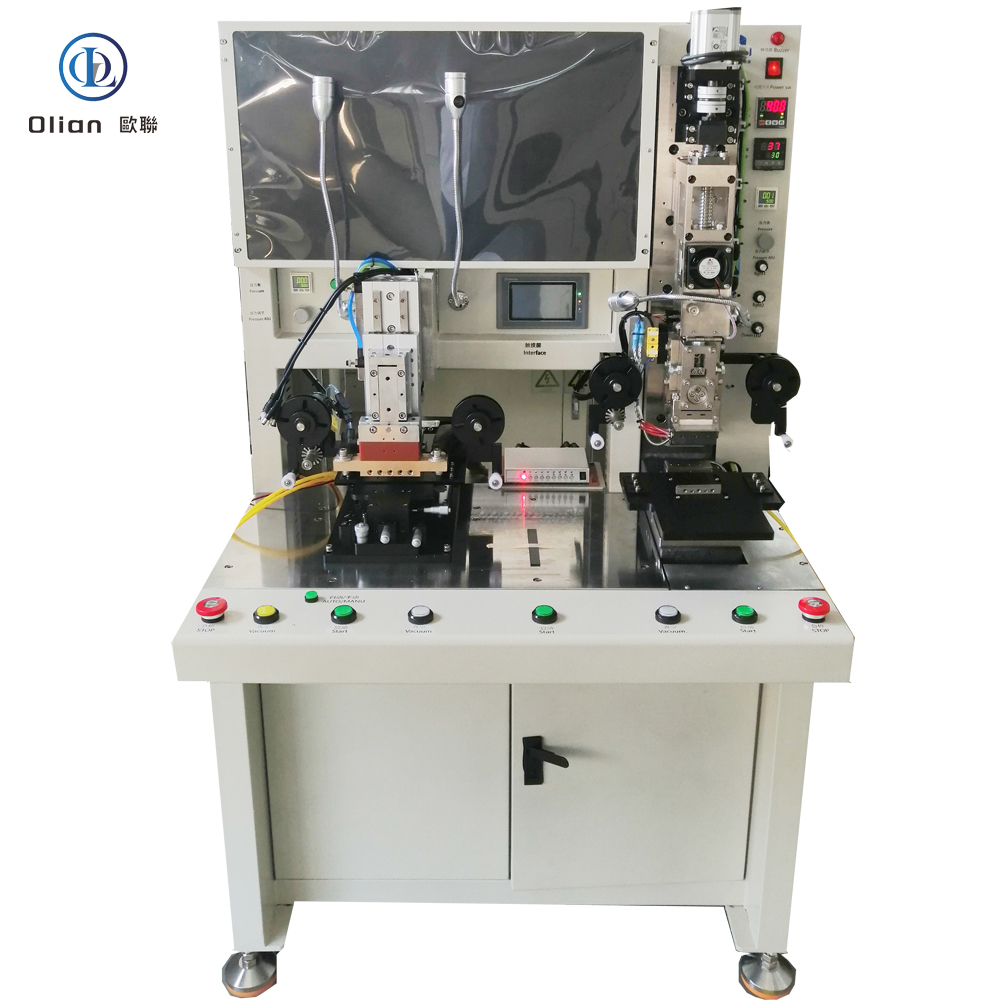
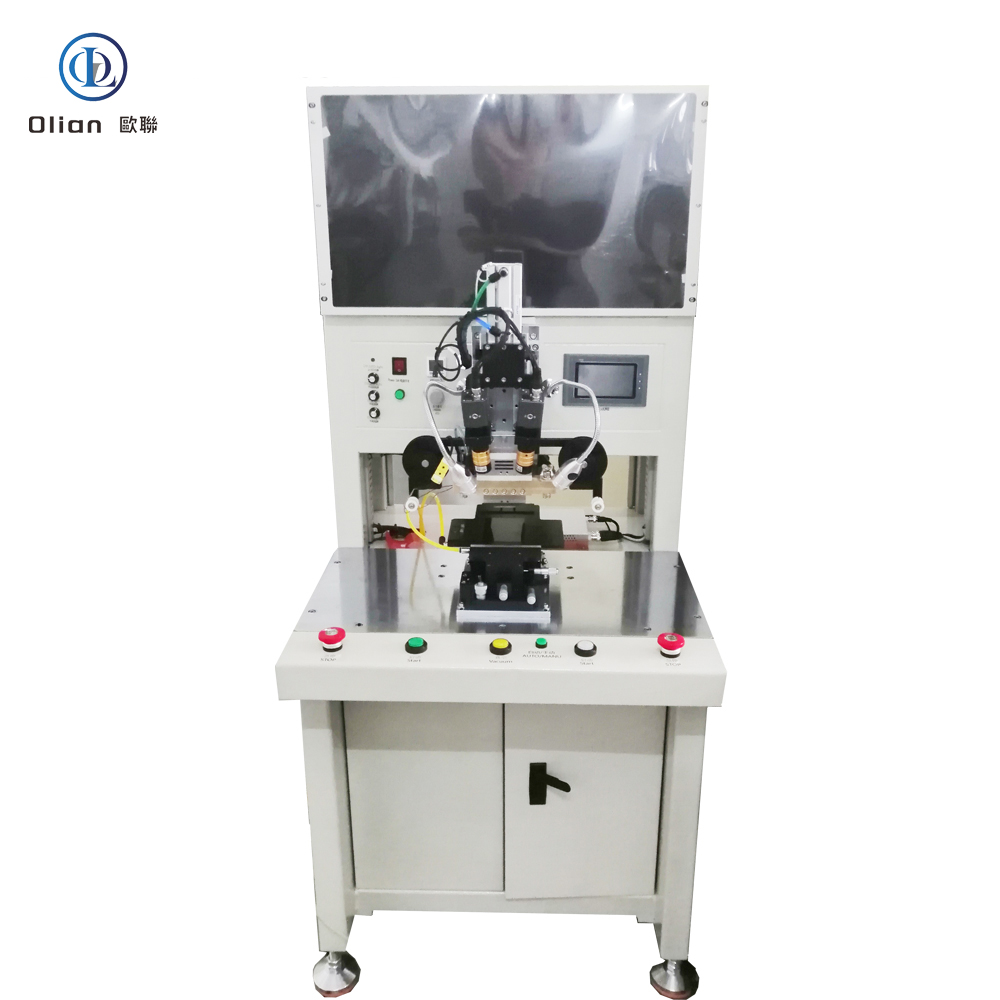
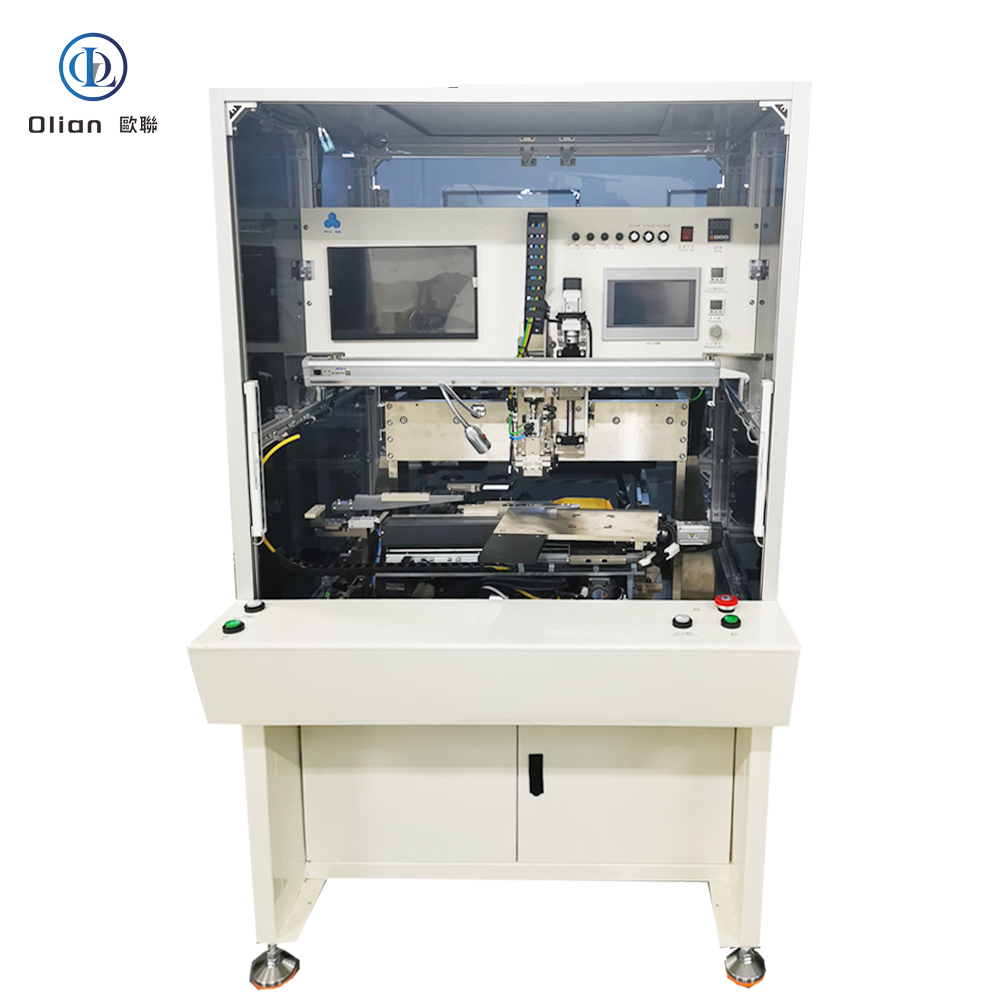
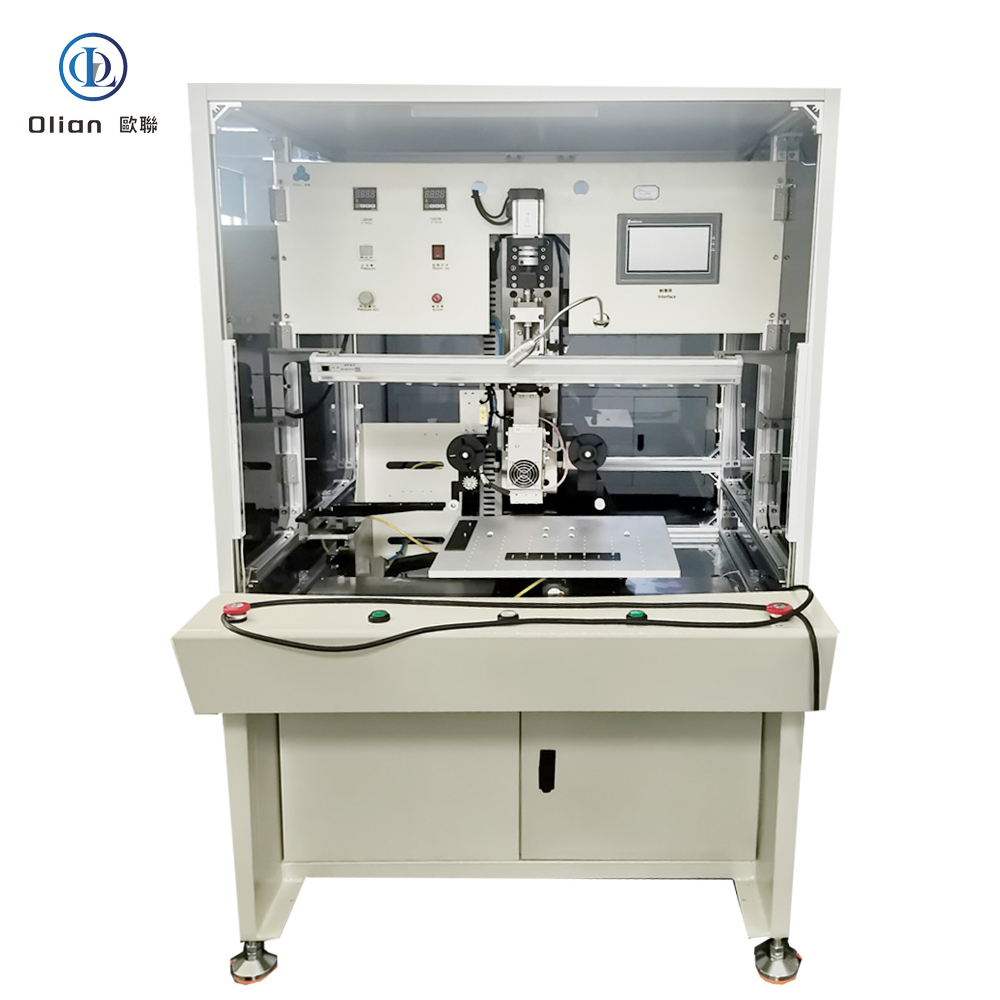
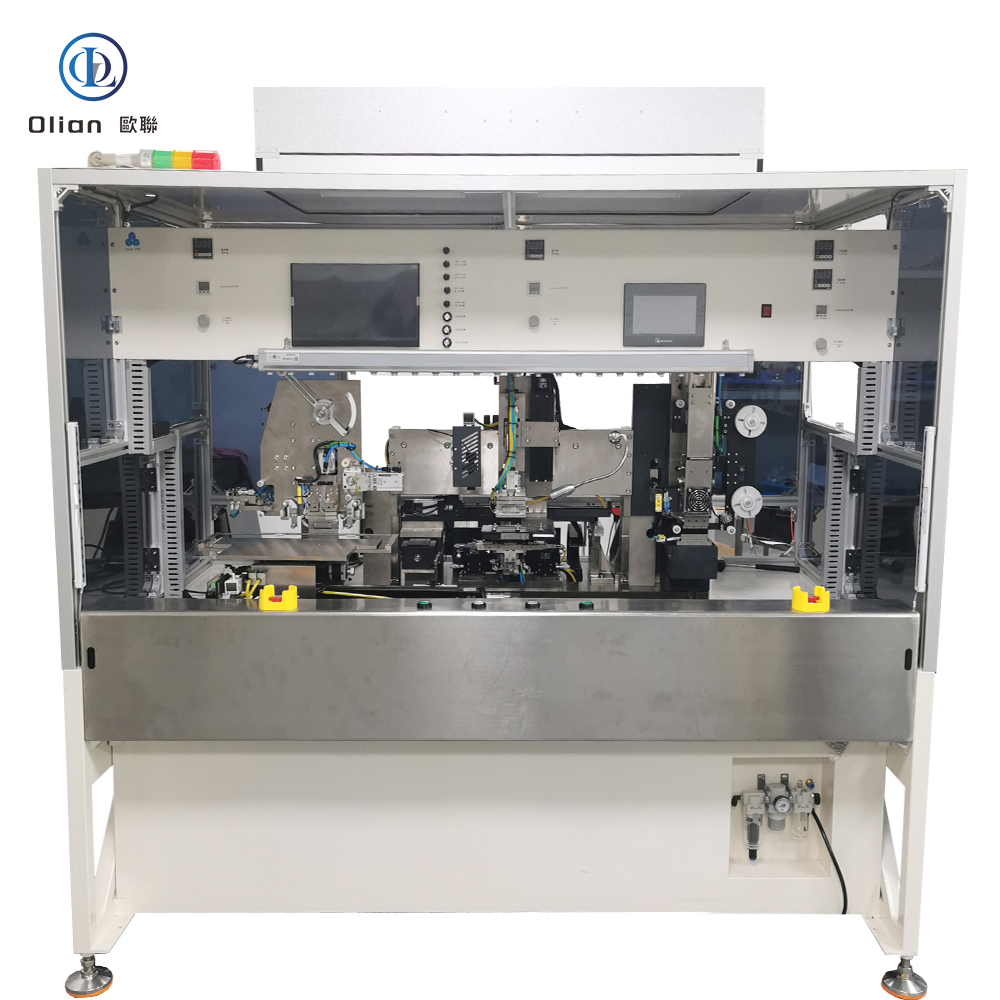
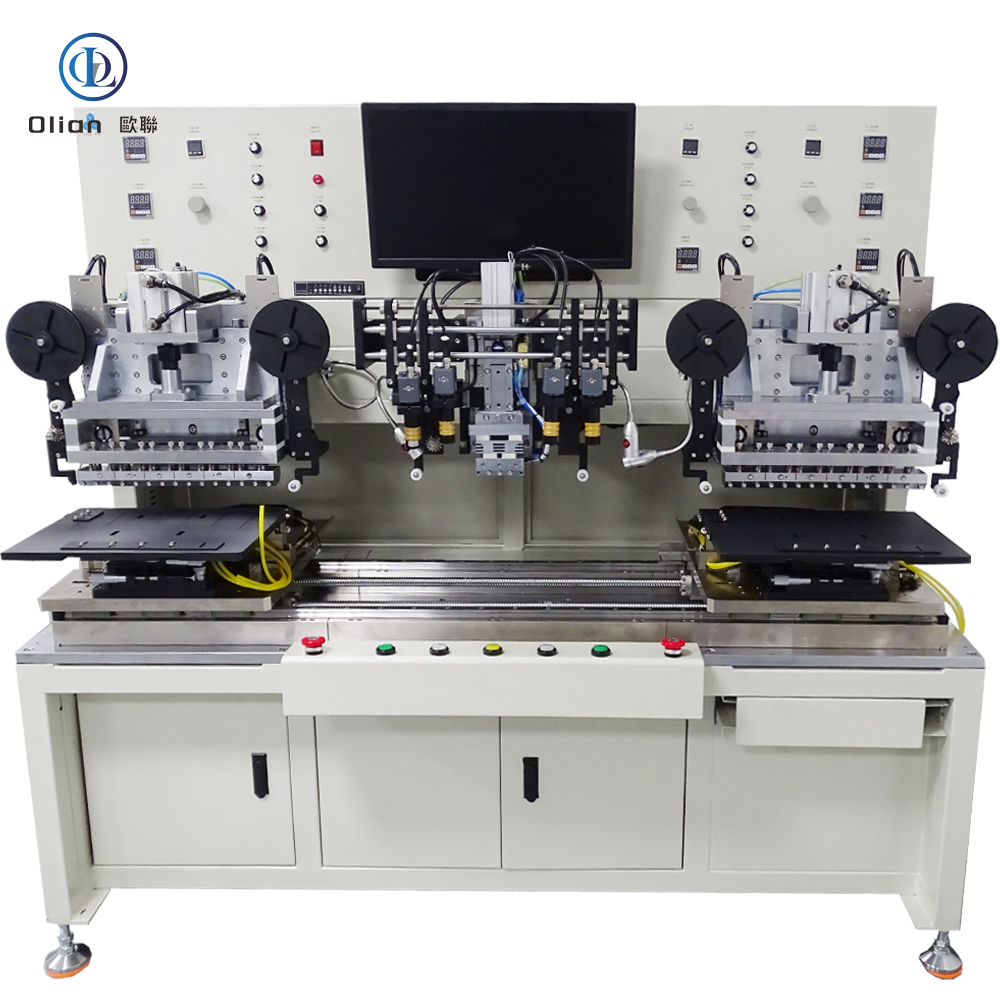
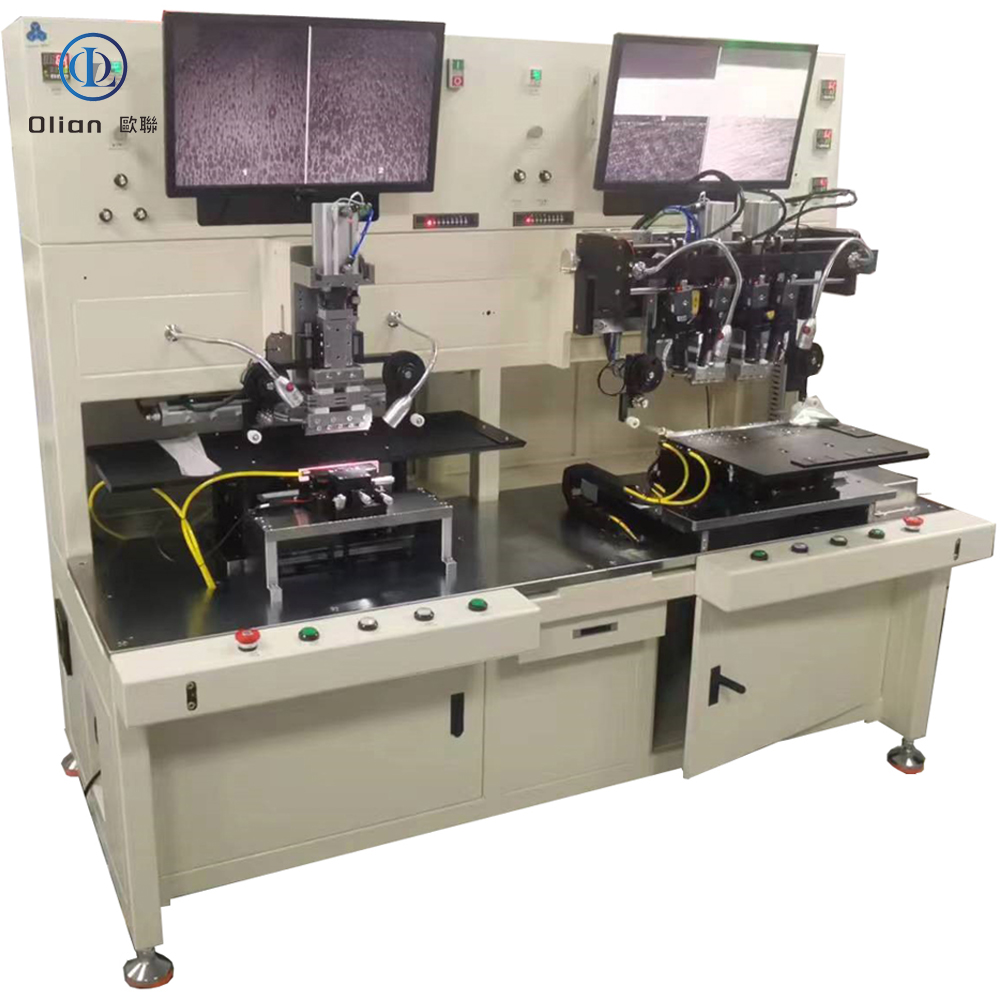
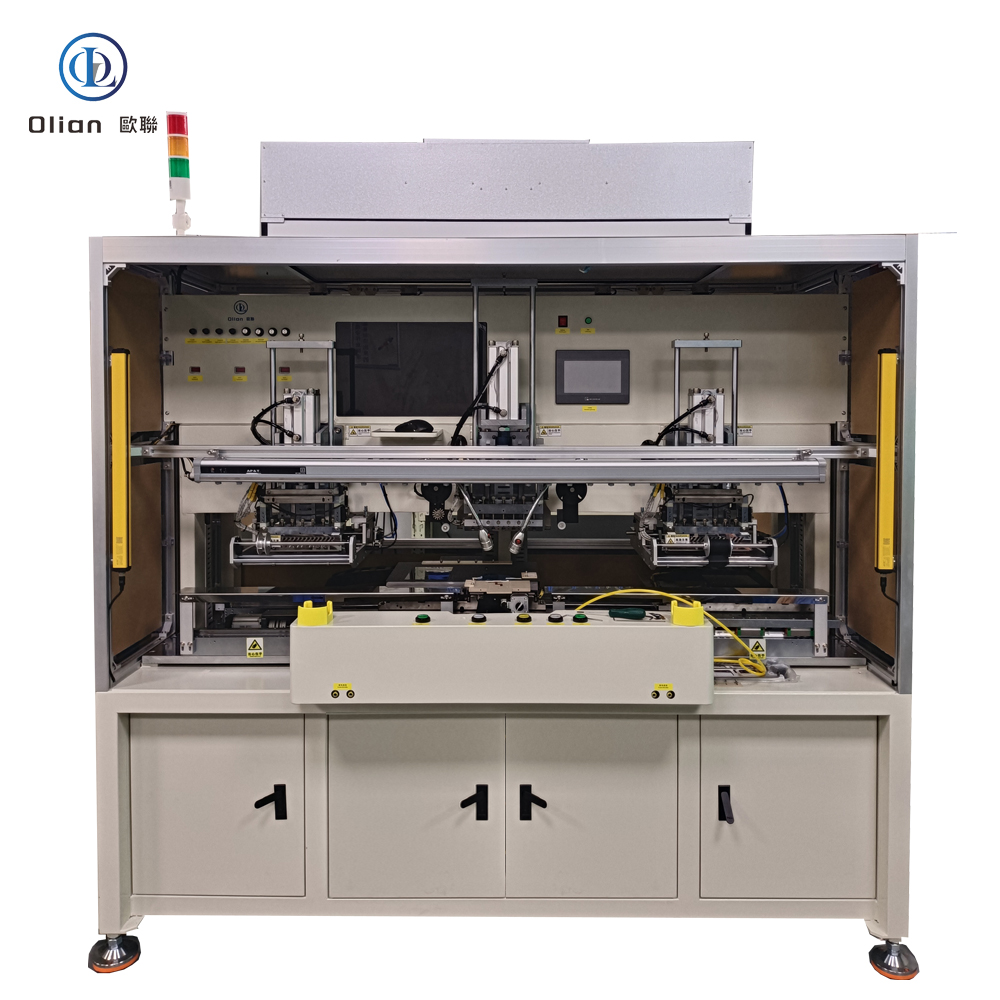
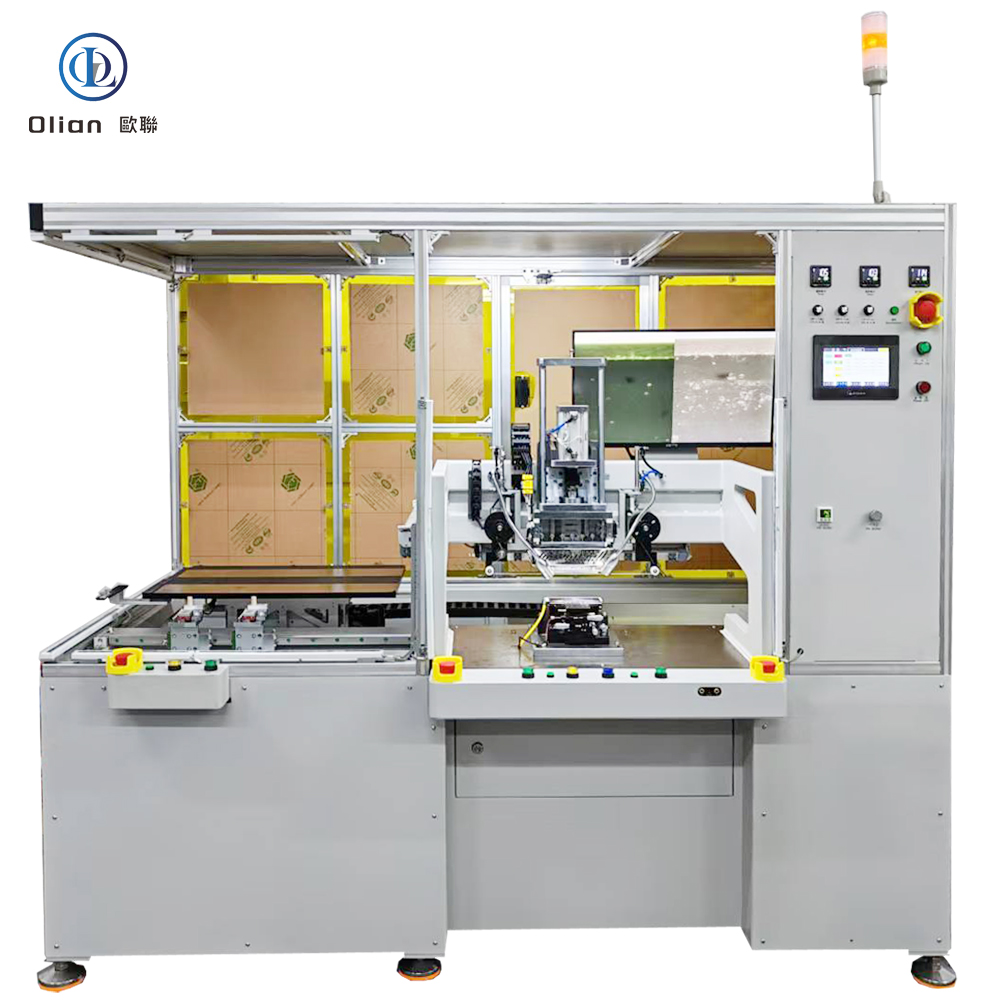
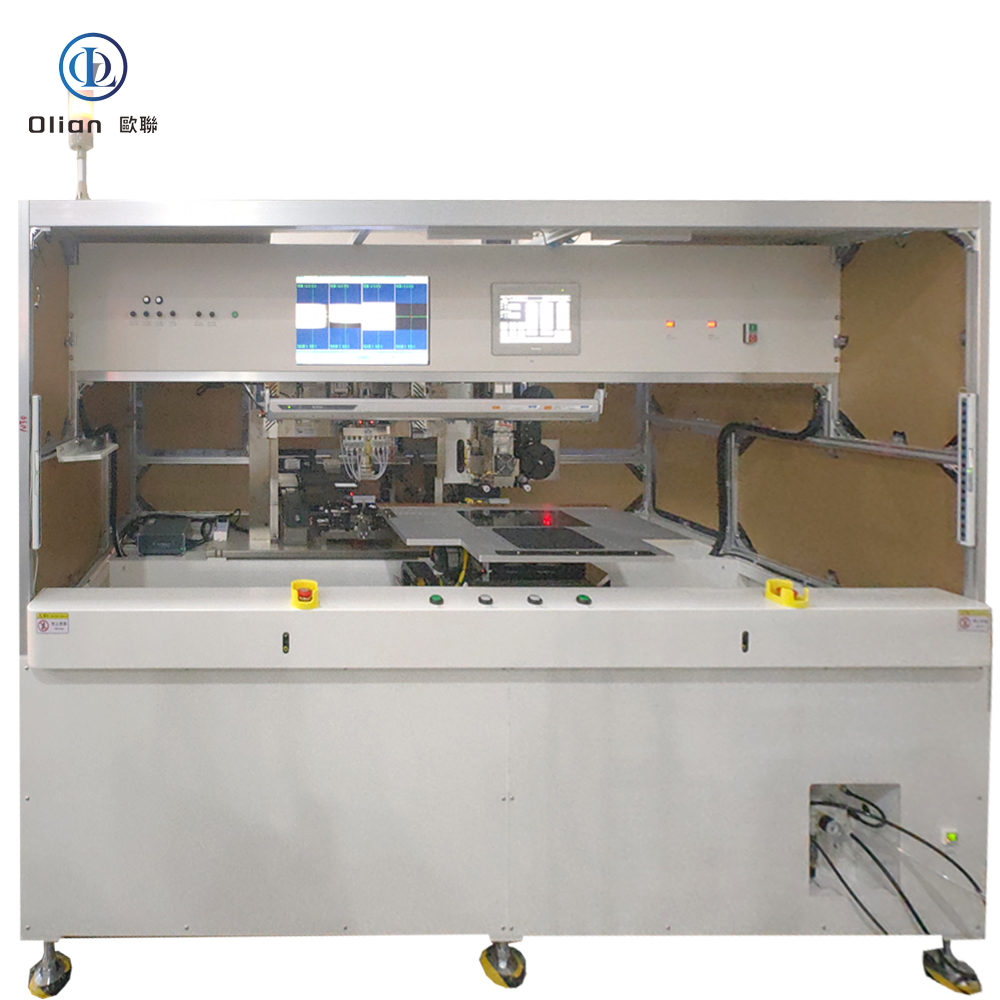
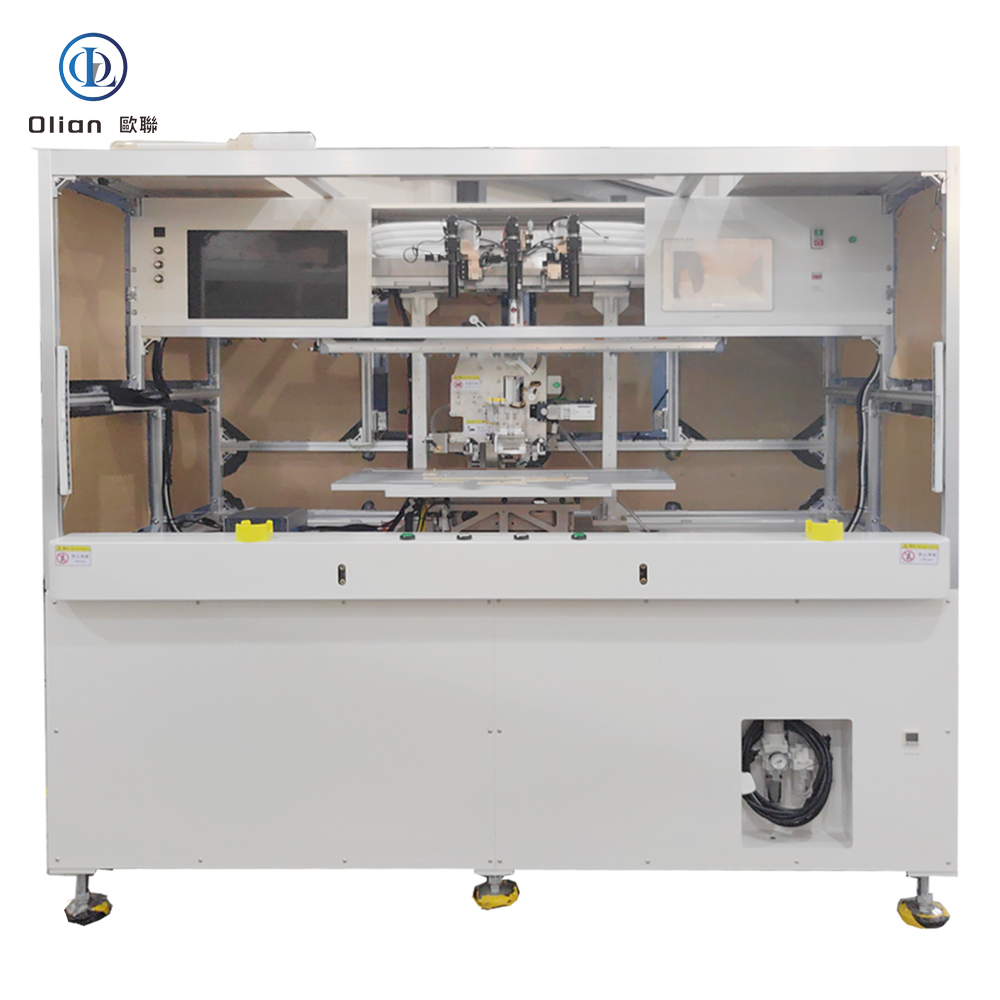
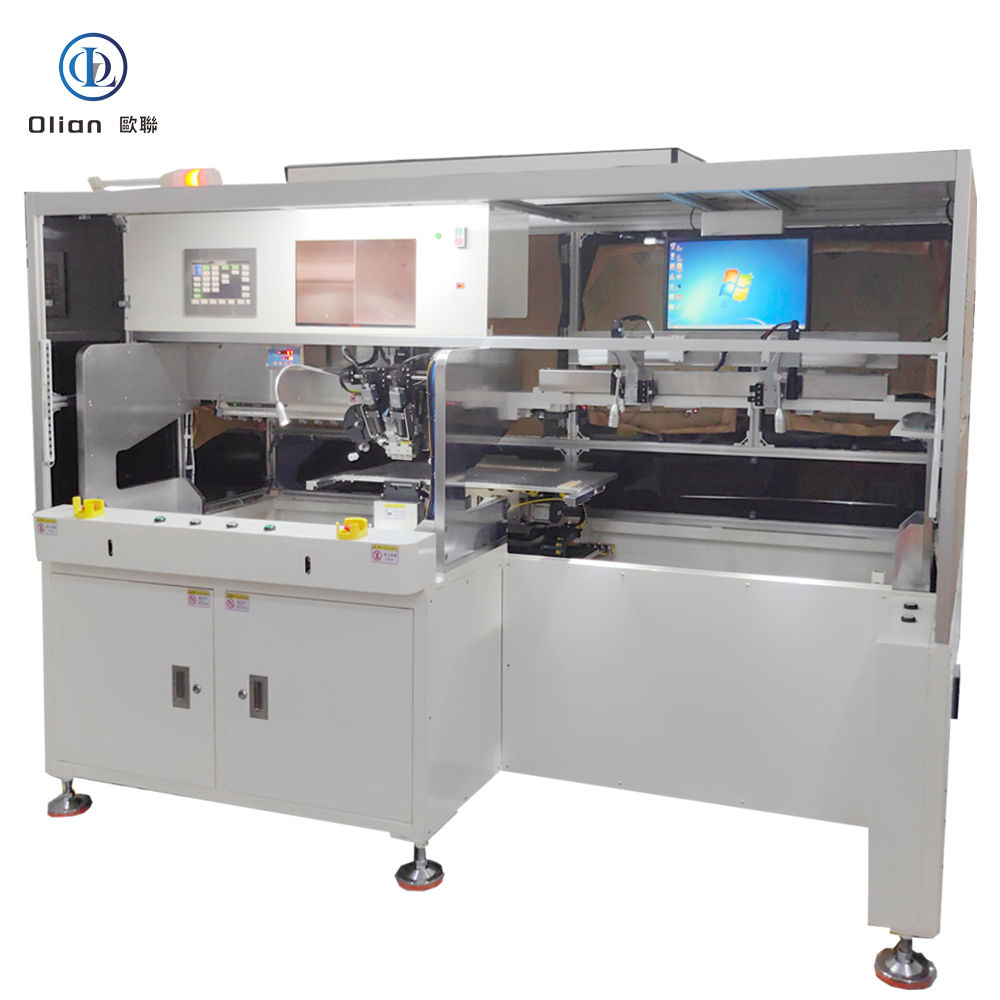
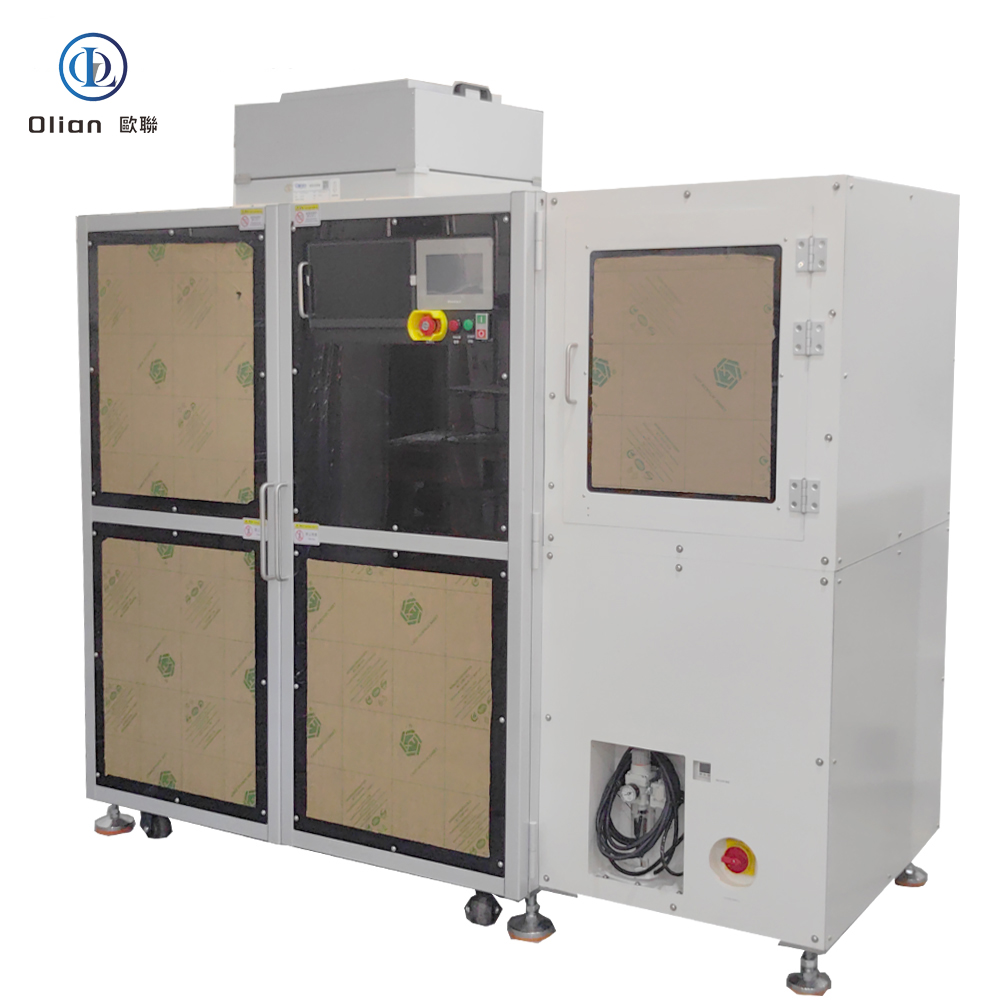
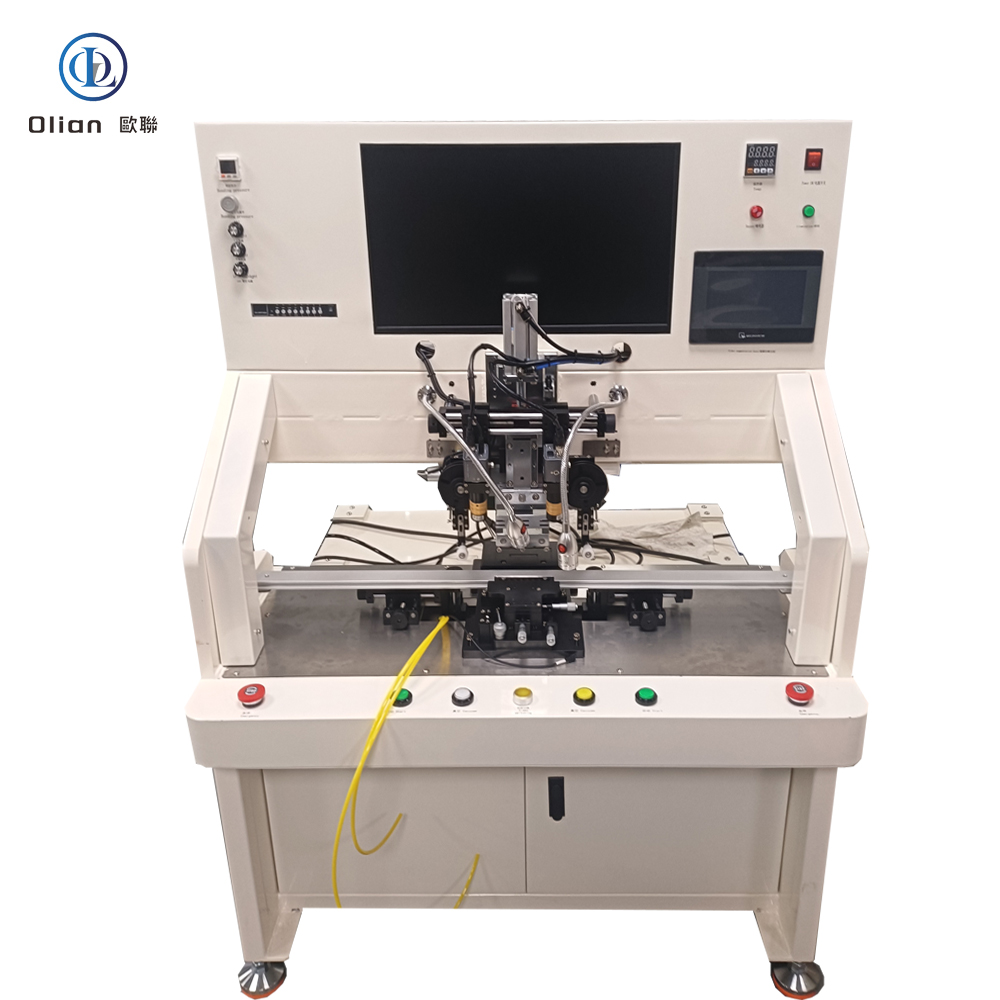
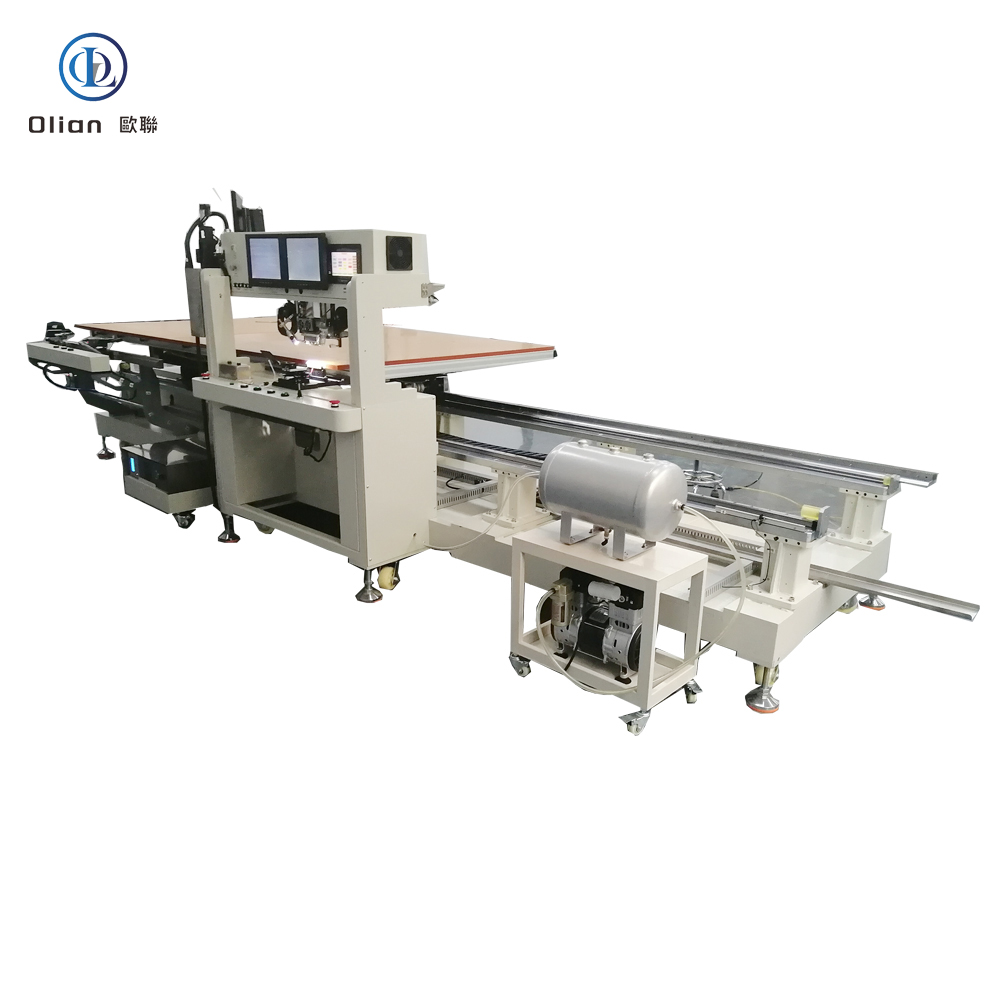
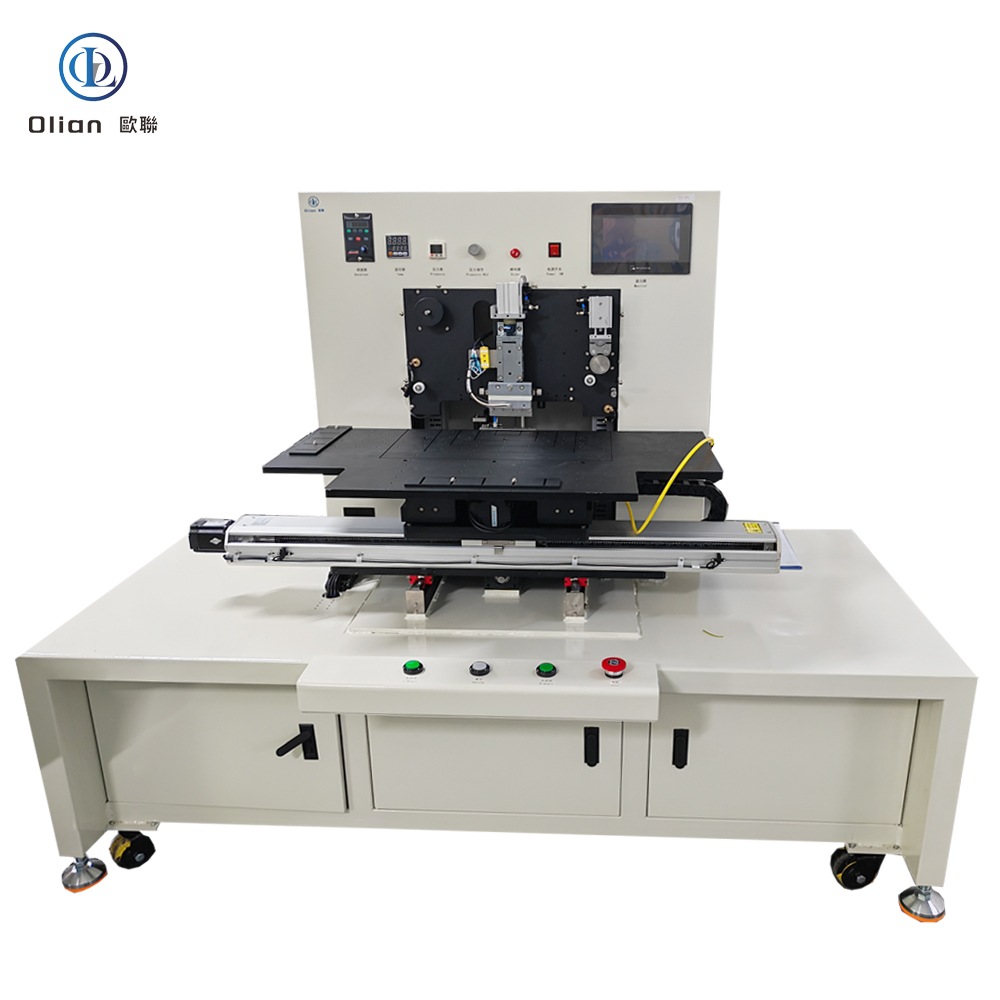
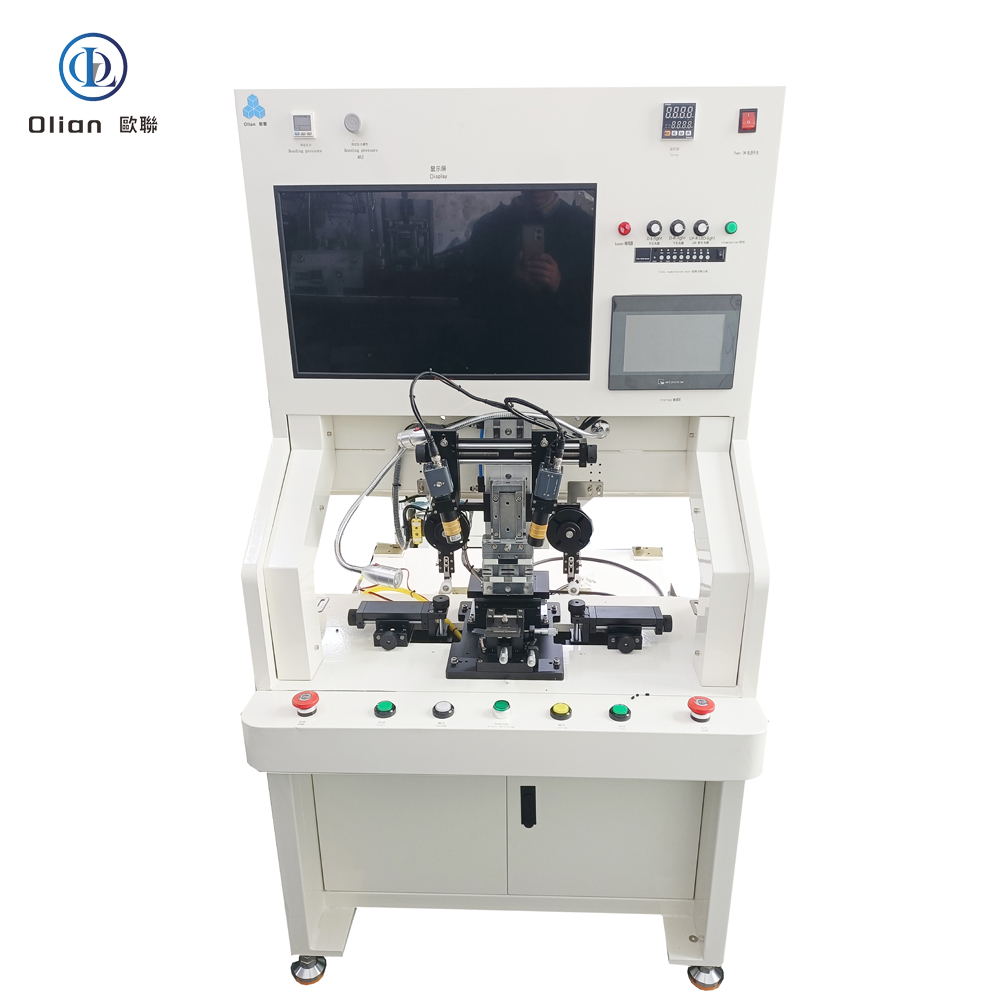
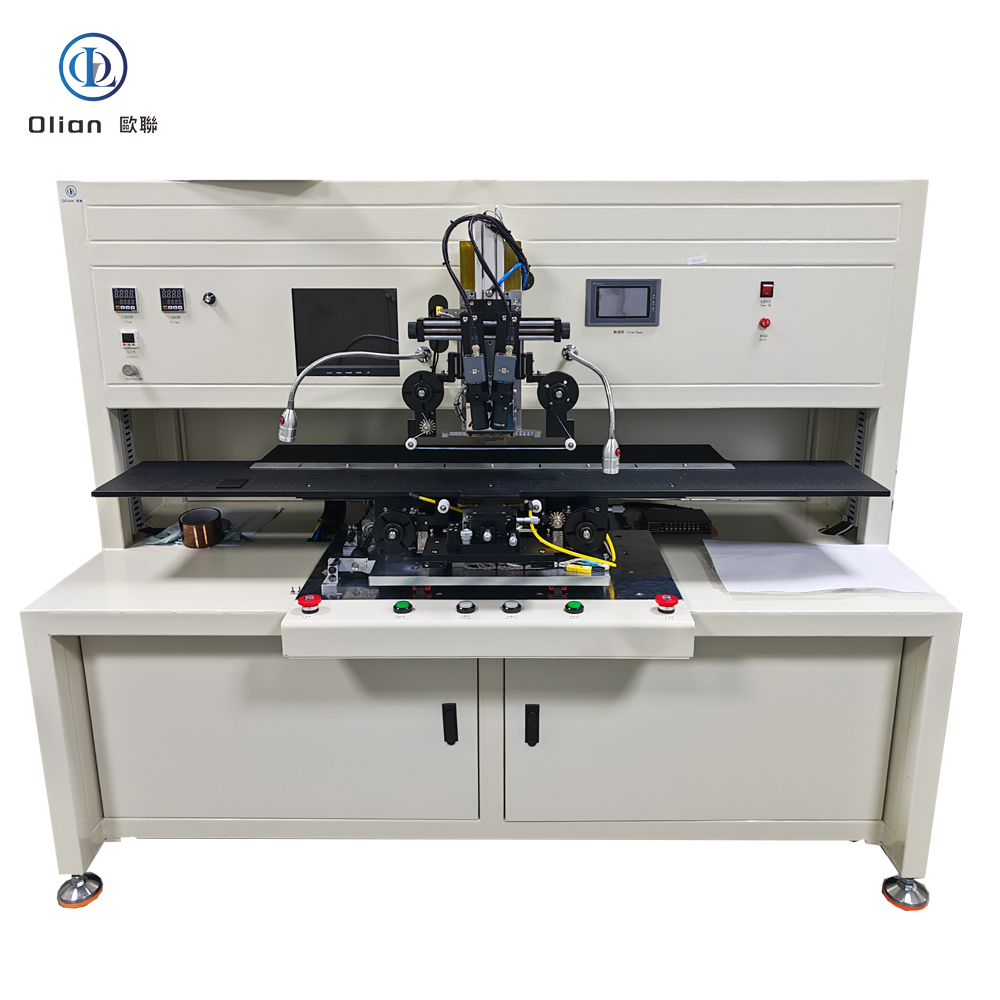
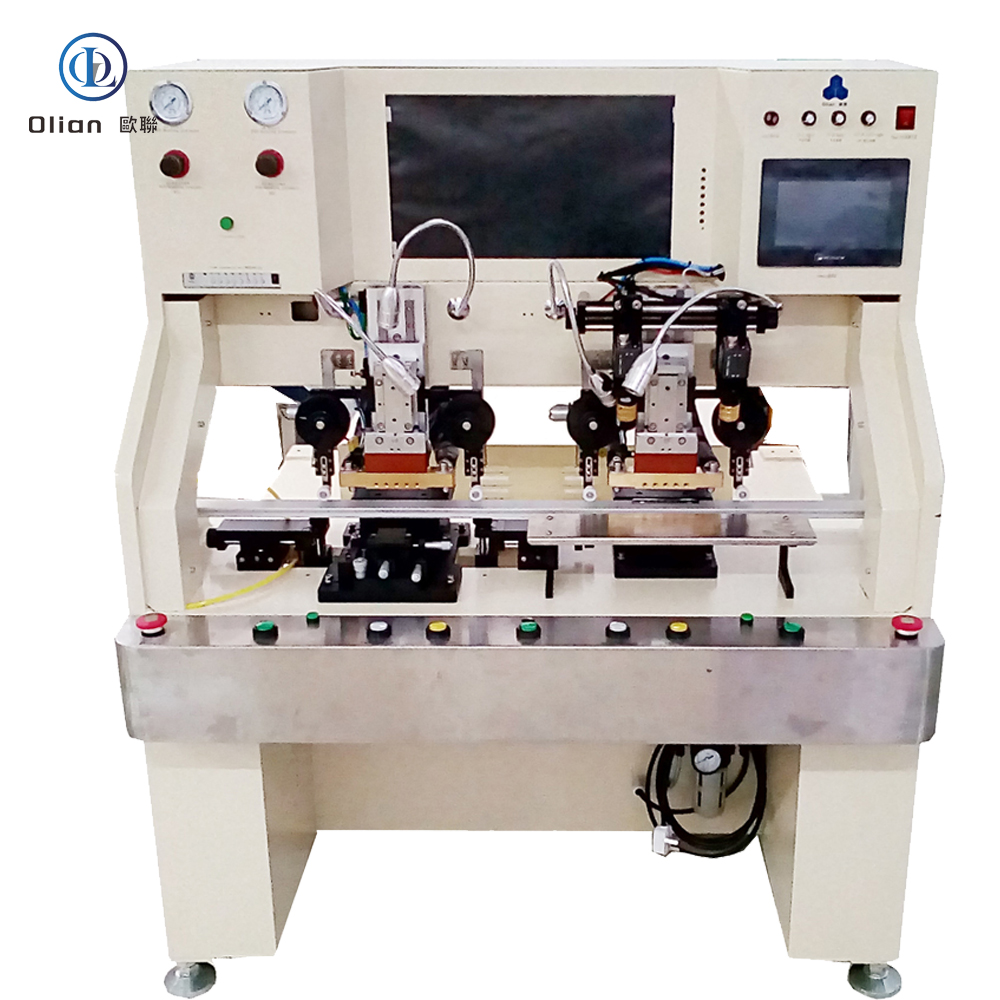
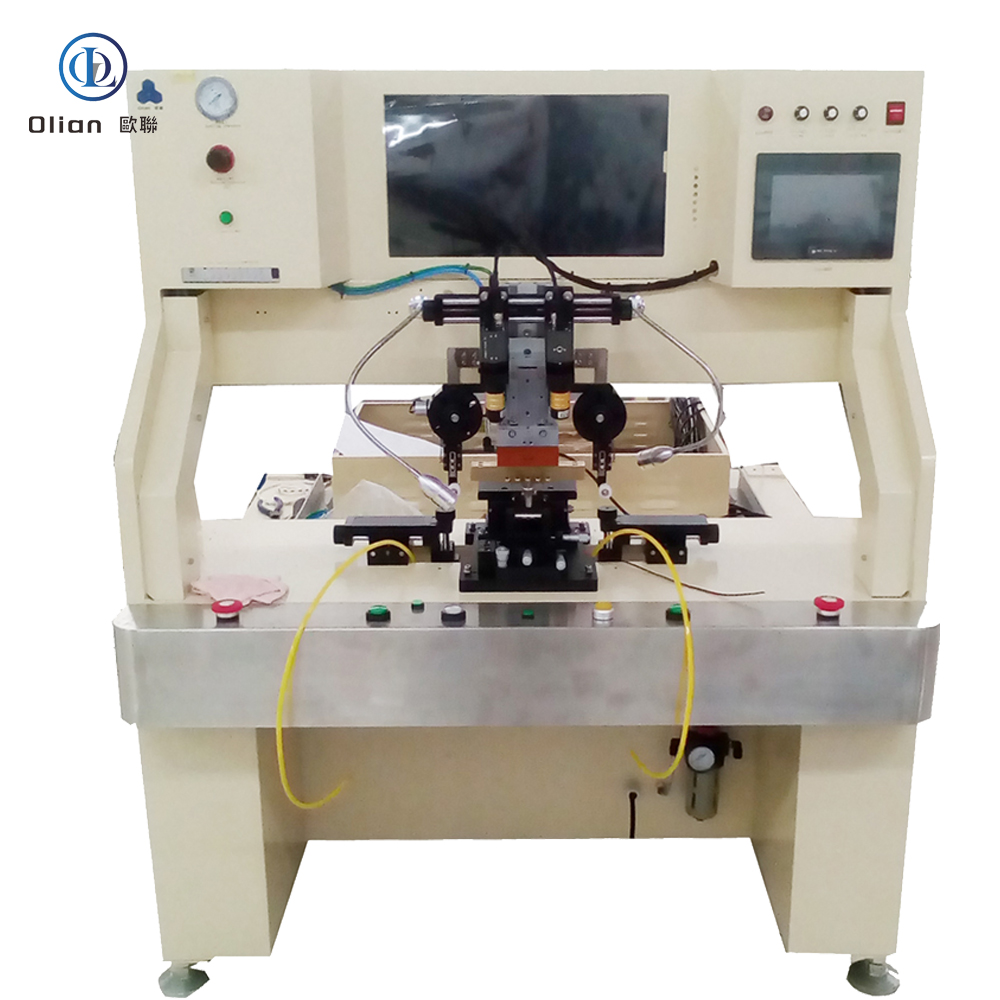
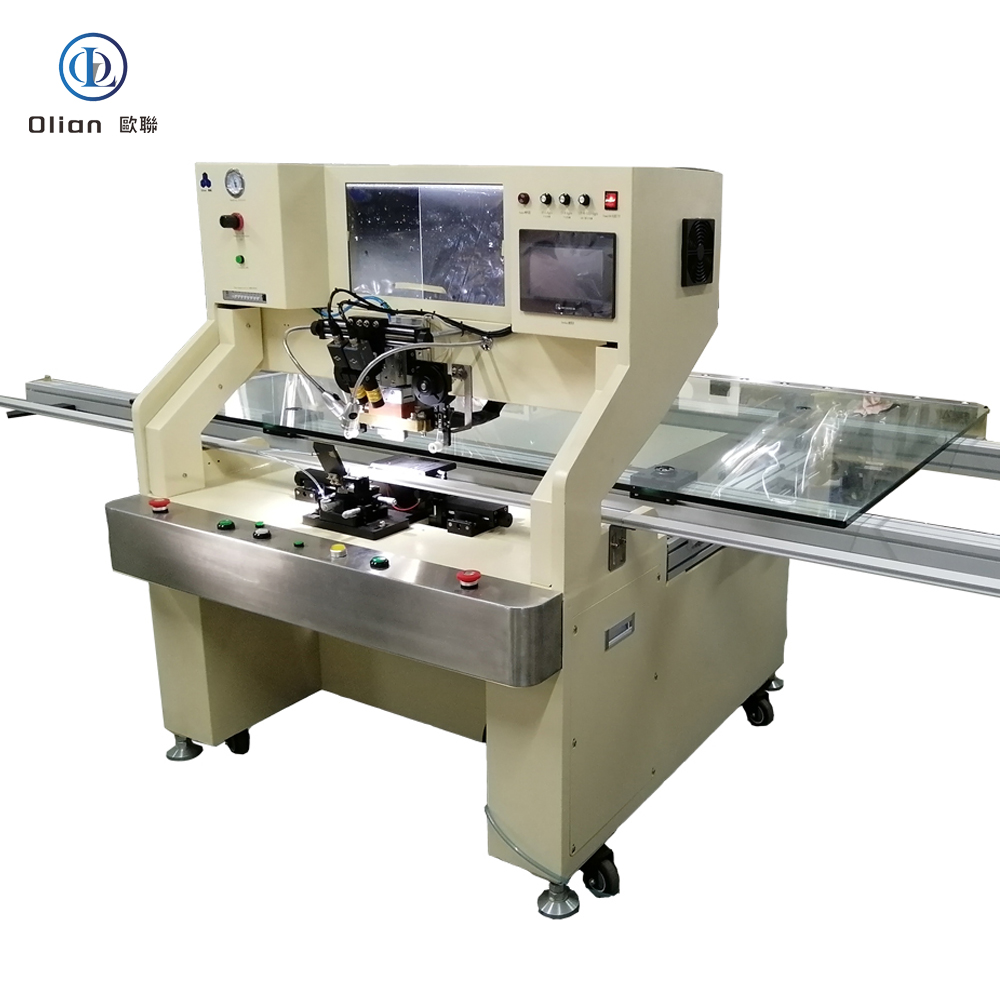
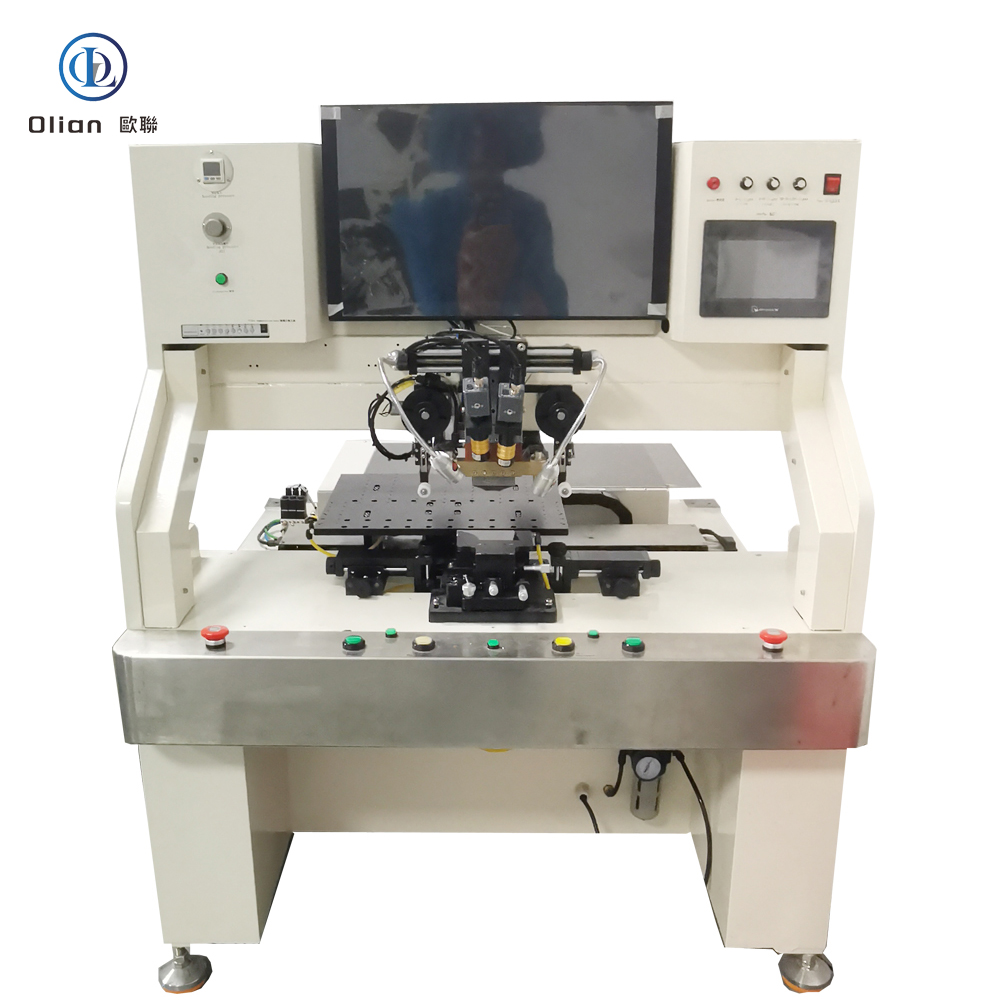
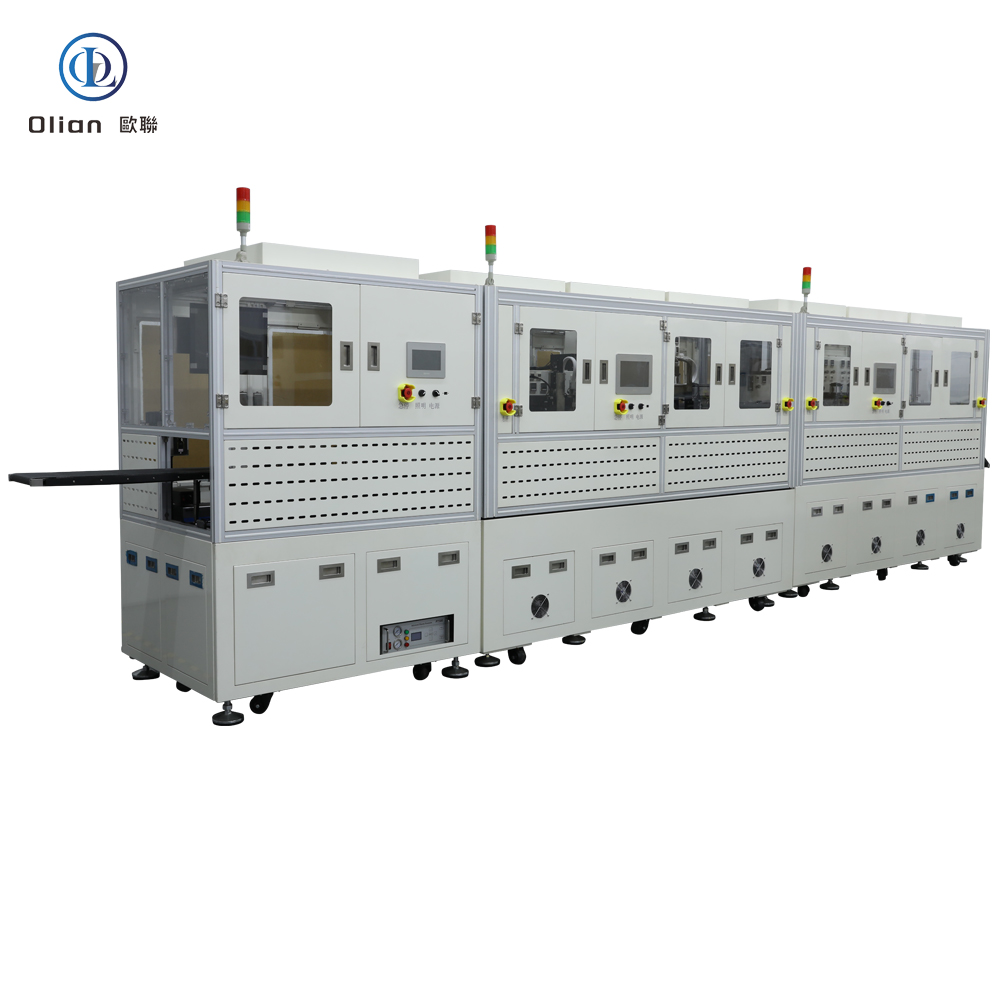
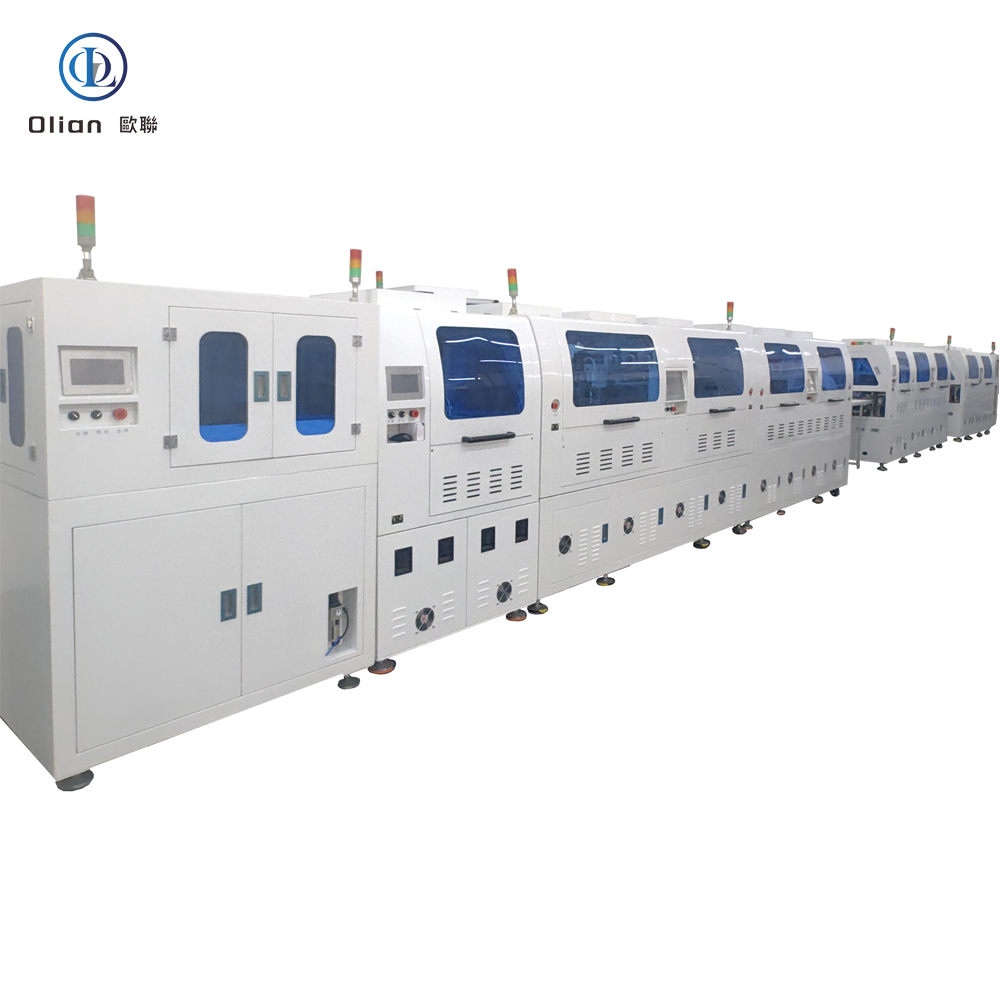
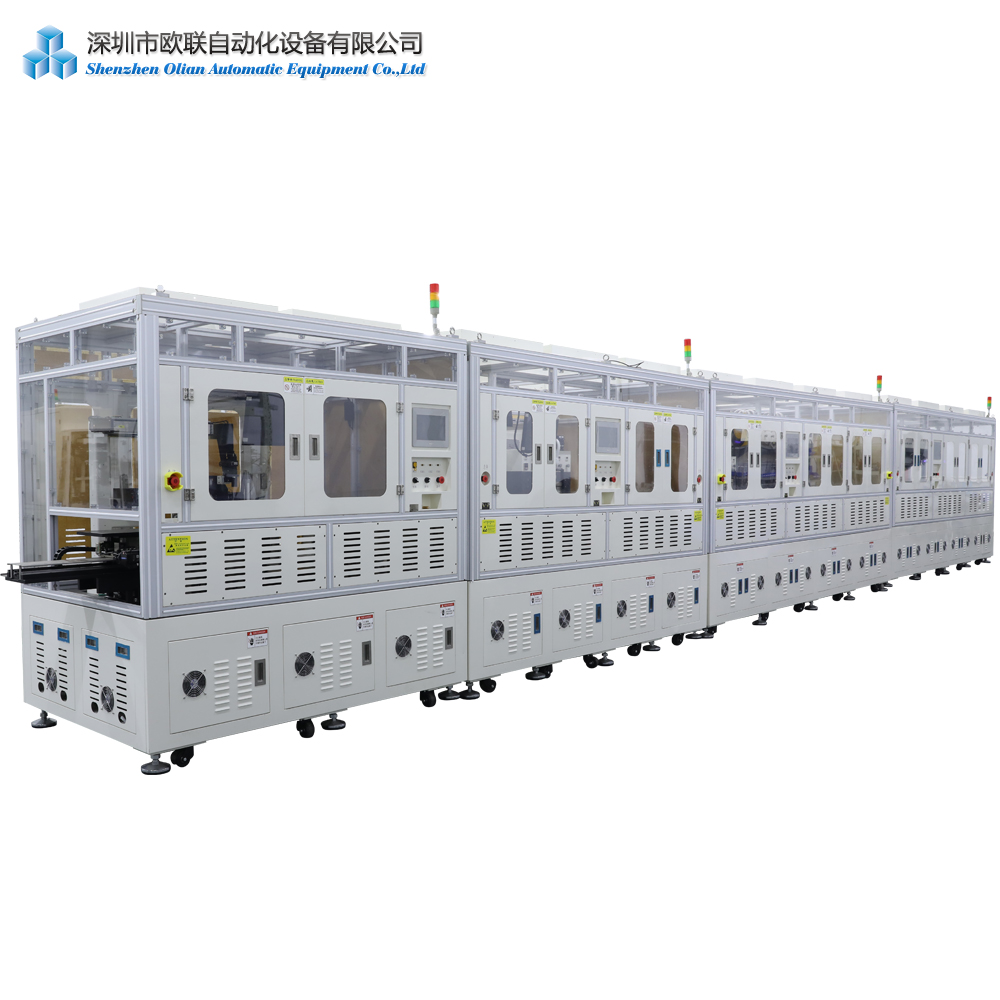
In the rapidly evolving world of display technology, the COF bonding machine (Chip-on-Film bonding equipment) stands as a cornerstone for high-precision assembly in OLED, LCD, and emerging flexible display production. This comprehensive guide explores the working principles, industrial applications, maintenance best practices, and future trends of COF bonding machines, empowering manufacturers to optimize yield, reliability, and innovation.
COF bonding machines enable the integration of driver ICs onto flexible film substrates (COF), which are then bonded to display panels (e.g., glass or plastic substrates). The process relies on three core technologies:
A heated bonding tip applies precise temperature (typically 350–450°C) and pressure (0.2–0.8 MPa) to create electrical and mechanical connections between the IC bumps (e.g., gold or solder) and the panel’s electrodes. Advanced machines use pulse-heating technology with ±0.1°C temperature uniformity to prevent thermal damage to sensitive components.
High-resolution CCD cameras and AI-powered image processing enable sub-micron alignment accuracy (±0.05 mm). This ensures perfect registration between the COF’s IC pads and the display’s electrode patterns, critical for high-resolution screens.
Modern COF bonders feature dual-stage worktables, allowing simultaneous pre-bonding (alignment) and main bonding (compression). This parallel processing boosts throughput to 600–1,200 units per hour, meeting mass-production demands.
For curved or foldable OLED panels, COF bonding machines handle flexible PCBs (FPCs) with minimal warpage. Adaptive pressure control (0.2–0.8 MPa) and anti-static designs prevent damage to delicate organic materials.
In harsh environments (85°C/85% humidity), COF bonding ensures long-term reliability. Features like ACF (Anisotropic Conductive Film) auto-cutting improve moisture resistance, extending module lifespan to over 10,000 hours.
High-density Mini LED arrays require precise bonding of 128+ driver ICs. Modular bonding heads enable multi-zone simultaneous processing, reducing cycle times by 30%.
Ultra-narrow bezel designs demand COF bonding with <0.1 mm pitch accuracy. Machines with nano-positioning stages (e.g., piezoelectric actuators) achieve this, enabling “borderless” displays.
Proactive maintenance prevents costly downtime. Key strategies include:
Misalignment greater than 0.1 mm is often caused by vision system calibration drift and can be corrected by recalibrating using PV310 alignment tools. A high void rate exceeding 5% typically results from non-uniform tip temperature, which can be addressed by replacing the tungsten-carbide heater and optimizing finite element method (FEM) parameters. ACF film jams are usually due to vacuum suction failure and can be prevented by cleaning or replacing vacuum nozzles on a regular basis.
It is recommended to clean CCD lenses and laser sensors daily to prevent dust-induced errors. Pressure sensors should be calibrated monthly within the 0.2–0.8 MPa range to ensure linearity error remains below 1%. Additionally, inspecting bonding tip wear and replacing it if surface roughness exceeds 0.5 µm should be performed quarterly.
The next generation of COF bonding machines will integrate:
Thermal imaging sensors combined with machine learning models, such as BERT, analyze vibration spectra to predict bonding defects up to 24 hours in advance, reducing scrap rates by 40%.
AI algorithms, including reinforcement learning, automatically tune temperature and pressure curves based on real-time yield data, cutting setup time by 30%.
As AR/VR displays demand pixel pitches under 10 µm, COF bonders will adopt laser-assisted alignment and atomic-force microscopy (AFM) feedback for nanometer-scale precision.
Mastering COF bonding machine technology is no longer optional—it’s a competitive necessity. By understanding core principles, implementing rigorous maintenance, and embracing AI-driven innovation, manufacturers can achieve:
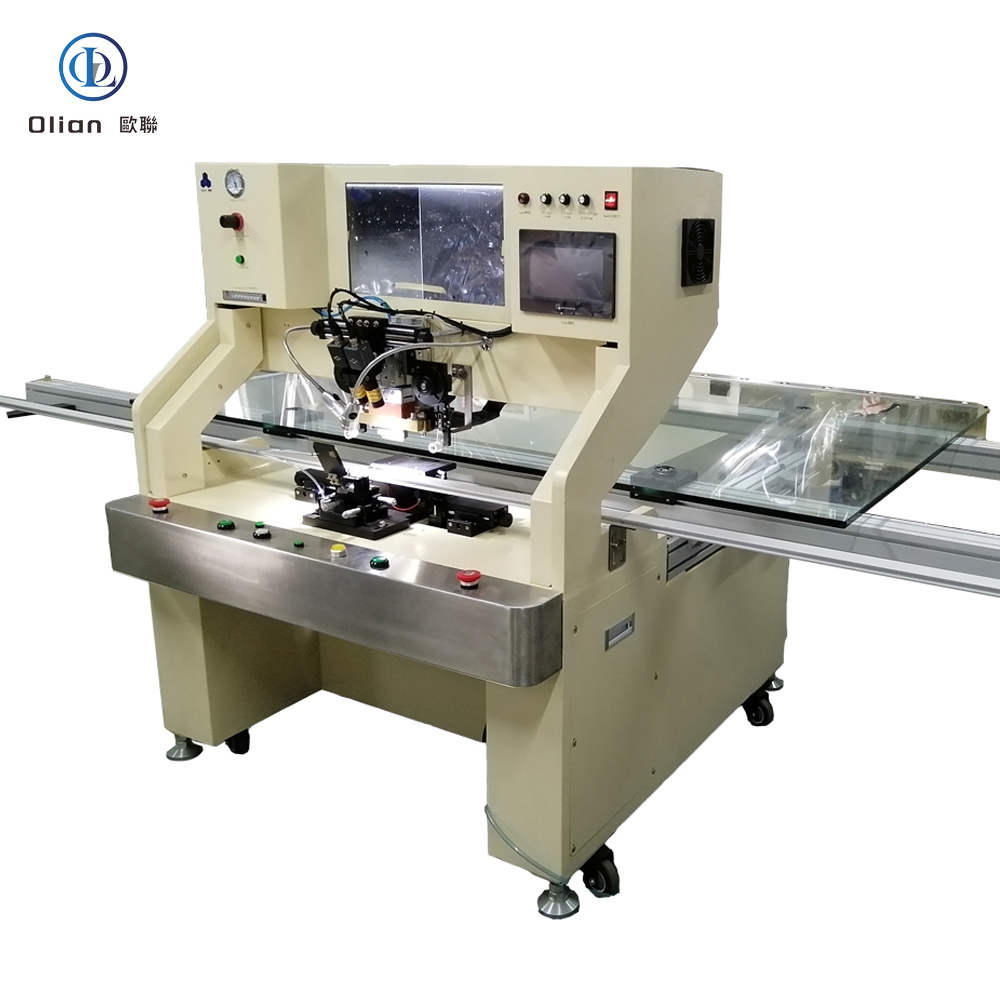
OL-FPD85 Single-Station FOG FOB COF Pulse Bonder Precision Manual FOG Bonding for 85-Inch Displays.
The OL-FPD85 Single-Station Dual-Sided Alignment Pulse Bonder, manufactured by Shenzhen Olian Automatic Equipment Co., Ltd., is a manual flat-panel display (FPD) bonding solution engineered for pre-bonding flexible printed circuits (FPC/COF) or film-on-board (FOB) applications. Designed for 85-inch platforms, this equipment supports display sizes from 10 inches (200×110 mm) to 85 inches (1890×1060 mm) with thicknesses of 0.1–1 mm.
This bonder is ideal for manufacturers requiring precision alignment for large-format displays. Its manual flexibility and automated pressing ensure high-quality bonds for FPC/COF applications.
OL-FPD85, FOG bonder, 85-inch display equipment, manual pulse bonder, FPC bonding machine, thermocompression bonding, Shenzhen Olian equipment, Single-Station machine, FOGbonder, FOB bonder, COF Bonder, Pulse Bonder
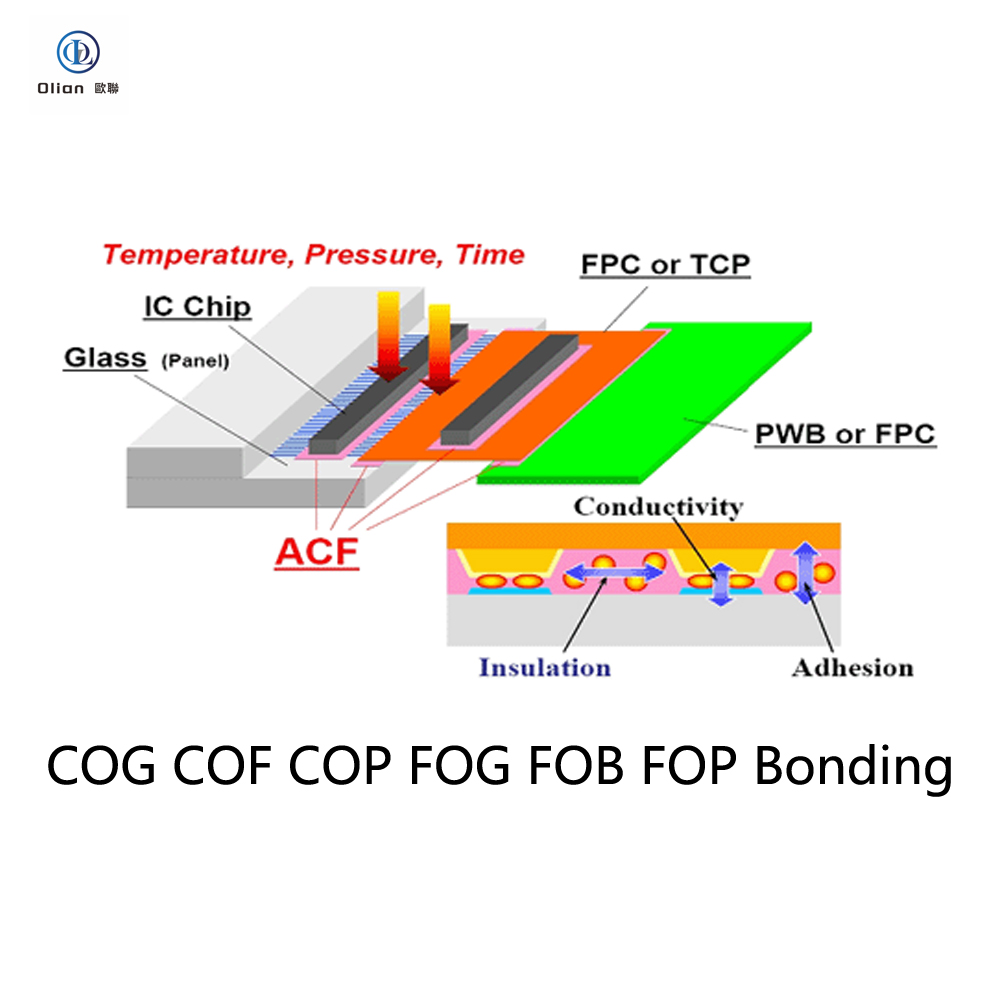
ACF bonding Keywords Categorization and Explanation:
FOB Bonder: A machine used for bonding FOB (Flexible On Board) components.
COG Bonder: Used for bonding COG (Chip On Glass) components.
COF Bonder: Used for bonding COF (Chip On Film) components.
COP Bonder: Used for bonding COP (Chip On Plastic) components.
FOG Bonder: Used for bonding FOG (Flexible On Glass) components.
FOF Bonder: Used for bonding FOF (Flexible On Flexible) components.
FPC Bonder: Used for bonding FPC (Flexible Printed Circuit) components.
TAB Bonder: Used for bonding TAB (Tape Automated Bonding) components.
OLB Bonder: Used for bonding OLB (Outer Lead Bonding) components.
IC Bonder: Used for bonding IC (Integrated Circuit) components.
Glass Bonder: Used for bonding glass components.
LCD Panel Bonder: Used for bonding LCD (Liquid Crystal Display) panels.
LED Panel Bonder: Used for bonding LED (Light Emitting Diode) panels.
Mini LED Bonder: Used for bonding mini LED components.
Micro LED Bonder: Used for bonding micro LED components.
Zebra Paper Bonder: Used for bonding zebra paper components.
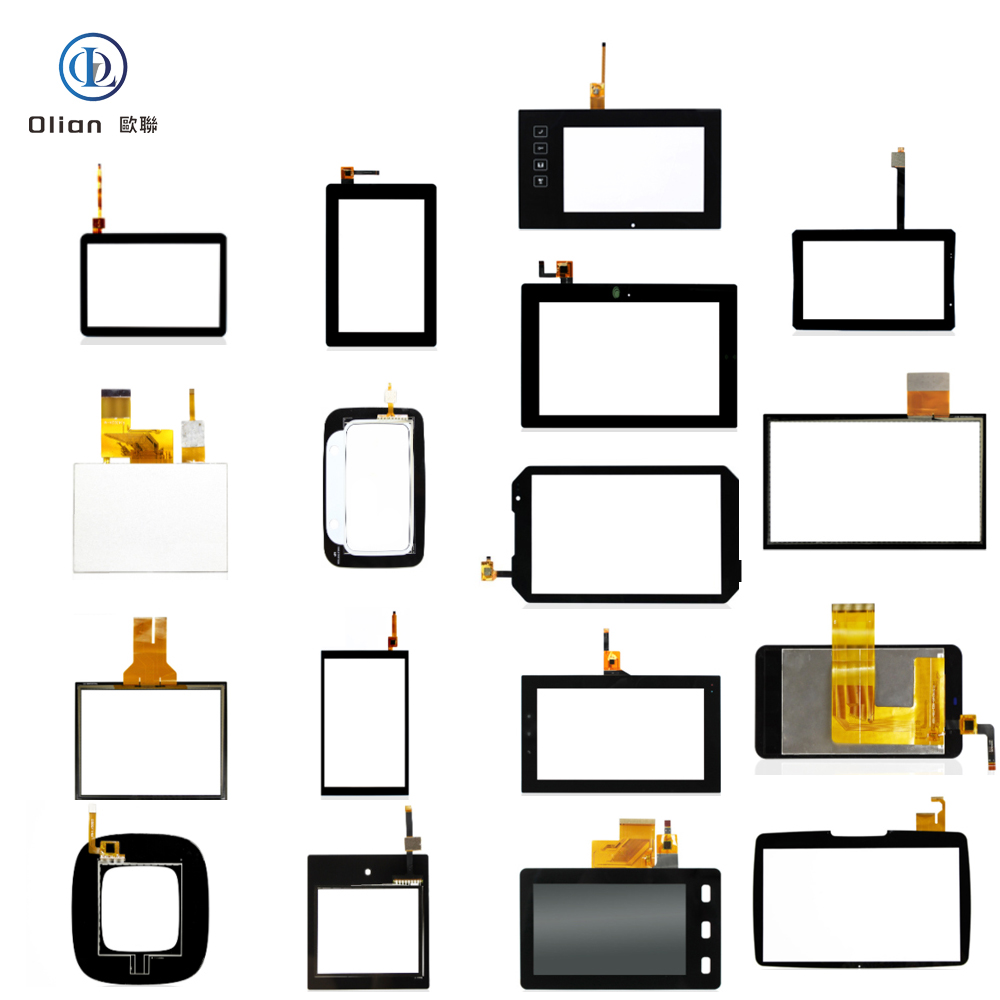
Touch Panel FPC Bonder: Used for bonding FPC components in touch panels.
Mobilephone Bonding Machine: Used for bonding components in mobile phones.
Smart Watch LCD Bonder: Used for bonding LCD components in smart watches.
Wearable Equipment Bonder: Used for bonding components in wearable devices.
TV Panel Bonder: Used for bonding components in TV panels.
LCD Module Bonder: Used for bonding LCD modules.
Flat Panel Display Bonder: Used for bonding flat panel displays.
ACF (Anisotropic Conductive Film): A film used in bonding processes to connect different layers.
COG (Chip On Glass): A process where chips are directly mounted on glass substrates.
COF (Chip On Film): A process where chips are mounted on flexible substrates.
COP (Chip On Plastic): A process where chips are mounted on plastic substrates.
FOG (Flexible On Glass): A process where flexible circuits are mounted on glass substrates.
FOB (Flexible On Board): A process where flexible circuits are mounted on boards.
FOF (Flexible On Flexible): A process where flexible circuits are mounted on other flexible circuits.
TAB (Tape Automated Bonding): A process where tape is used to bond components.
OLB (Outer Lead Bonding): A process where the outer leads of components are bonded.
IC (Integrated Circuit): A small chip that contains a complex electronic circuit.
FPC (Flexible Printed Circuit): A flexible circuit board used in various electronic devices.
Zebra Paper: A type of conductive paper used in bonding processes.
LCD Repair Machine: Used for repairing LCD screens.
LED Repair Machine: Used for repairing LED screens.
OLED Repair Machine: Used for repairing OLED screens.
Amoled Repair Machine: Used for repairing Amoled screens.
Mini LED Repair Machine: Used for repairing mini LED screens.
Micro LED Repair Machine: Used for repairing micro LED screens.
TFT Glass Repair Machine: Used for repairing TFT (Thin Film Transistor) glass screens.
LCD Panel Repair Machine: Used for repairing LCD panels.
LED Panel Repair Machine: Used for repairing LED panels.
OLED Panel Repair Machine: Used for repairing OLED panels.
Amoled Panel Repair Machine: Used for repairing Amoled panels.
Flex Cable Repair Machine: Used for repairing flex cables.
IC Remover: A tool used to remove ICs from circuits.
IC Remove Machine: A machine used to remove ICs from circuits.
Differential Interference Microscope: A microscope used to inspect bonding processes.
Metallurgical Microscope: A microscope used to inspect metal surfaces.
Industrial Tool Microscope: A microscope used for industrial inspections.
Large Size Upright Microscope: A large microscope used for detailed inspections.
Second Hand Differential Interference Microscope: A used microscope for inspecting bonding processes.
Whole Line Solution for Intelligent Wearable Products: A comprehensive solution for producing intelligent wearable products.
Whole Line Solution for Intelligent Watches: A comprehensive solution for producing intelligent watches.
Mobile Product Line Solutions: Solutions for producing mobile products.
PAD Display Product Line Solutions: Solutions for producing PAD displays.
Tablet Product Line Solutions: Solutions for producing tablet displays.
Notebook Product Line Solutions: Solutions for producing notebook displays.
Industrial Control Display Product Line Solutions: Solutions for producing industrial control displays.
High-Level Flexible Screen Glue Field Production Solutions: Solutions for producing high-level flexible screens.
Intelligent Locomotive, Notebook Product Line Solutions: Solutions for producing intelligent locomotives and notebooks.
Display Product Line Solution: A comprehensive solution for producing displays.
Commercial Display Screen – Flexible Bonding Production Line Solution: A solution for producing commercial display screens.
Electronic Paper Line Solutions: Solutions for producing electronic paper.
Electronic Paper Laminating, Bonding, Dispensing Field Line Solutions: Solutions for producing electronic paper laminating, bonding, and dispensing.
Backlight Leading, Laminated Film, Shading, Wrapping Line Equipment Solutions: Solutions for producing backlight leading, laminated film, shading, and wrapping.
Fingerprint Module Under the Screen Bond Spot Glue and AOI Intelligent Detection Field Solutions: Solutions for producing fingerprint modules under the screen.
Automatic OCA, OCR Fit Field Production Solutions: Solutions for producing automatic OCA (Optically Clear Adhesive) and OCR (Optical Character Recognition) fits.
FPC Covering Film, EMI Automatic Laminating, FPC Exposure Special Equipment Field Solutions: Solutions for producing FPC covering film, EMI (Electromagnetic Interference) automatic laminating, and FPC exposure.
3C Product Inspection Packaging Production Line Solution: Solutions for producing 3C product inspection and packaging.
Bonding Machine Head: A part of the bonding machine used for bonding.
Bonding Machine Press Head: A part of the bonding machine used for pressing.
Bonding Machine Spare Parts: Various spare parts for bonding machines.
Bonding Machine Parts: Various parts for bonding machines.
ACF Tape: A tape used in bonding processes.
ACF Bonding Tape: A tape used in bonding processes.
ACF Glue: A glue used in bonding processes.
ACF Adhesive: An adhesive used in bonding processes.
ACF Bonding Machine Head: A part of the ACF bonding machine.
ACF Bonding Machine Price: The cost of an ACF bonding machine.
ACF Bonding Machine Manufacturer: A company that manufactures ACF bonding machines.
ACF Bonding Machine Manual: A manual for operating an ACF bonding machine.
ACF Bonding Machine PDF: A PDF document related to ACF bonding machines.
ACF Bonding Machine Spare Parts: Spare parts for ACF bonding machines.
ACF Bonding Machine Working: The working principle of an ACF bonding machine.
ACF Bonding Machine Cost: The cost of an ACF bonding machine.
Accessoire ACF Bonding Machine: Accessories for ACF bonding machines.
Low Cost ACF Bonding Machine: An affordable ACF bonding machine.
ACF Bonding Machine Demon for Replacing IC: A demonstration of using an ACF bonding machine for replacing ICs.
ACF Pulse Heat Bonding Machine: A machine that uses pulse heat for bonding.
How to Make ACF Bonding Machine: Instructions for making an ACF bonding machine.
Homemade ACF Bonding Machine: A self-made ACF bonding machine.
ACF Bonding Machine eBay: ACF bonding machines available on eBay.
ACF Bonding Machine for Mobile: An ACF bonding machine for mobile devices.
ACF Bonding Machine Head Price: The cost of an ACF bonding machine head.
ACF Bonding Machine Manual: A manual for operating an ACF bonding machine.
ACF Bonding Machine New: A new ACF bonding machine.
ACF Bonding Machine Homemade: A self-made ACF bonding machine.
ACF Bonding Machine Working: The working principle of an ACF bonding machine.
ACF Bonding Machine Cost: The cost of an ACF bonding machine.
Accessoire ACF Bonding Machine: Accessories for ACF bonding machines.
Low Cost ACF Bonding Machine: An affordable ACF bonding machine.
ACF Bonding Machine Demon for Replacing IC: A demonstration of using an ACF bonding machine for replacing ICs.
ACF Pulse Heat Bonding Machine: A machine that uses pulse heat for bonding.
How to Make ACF Bonding Machine: Instructions for making an ACF bonding machine.
Homemade ACF Bonding Machine: A self-made ACF bonding machine.
ACF Bonding Machine eBay: ACF bonding machines available on eBay.
ACF Bonding Machine for Mobile: An ACF bonding machine for mobile devices.
ACF Bonding Machine Head Price: The cost of an ACF bonding machine head.
ACF Bonding Machine Manual: A manual for operating an ACF bonding machine.
ACF Bonding Machine New: A new ACF bonding machine.
ACF Bonding Machine Homemade: A self-made ACF bonding machine.
ACF Bonding Machine Working: The working principle of an ACF bonding machine.
ACF Bonding Machine Cost: The cost of an ACF bonding machine.
Accessoire ACF Bonding Machine: Accessories for ACF bonding machines.
Low Cost ACF Bonding Machine: An affordable ACF bonding machine.
ACF Bonding Machine Demon for Replacing IC: A demonstration of using an ACF bonding machine for replacing ICs.
ACF Pulse Heat Bonding Machine: A machine that uses pulse heat for bonding.
How to Make ACF Bonding Machine: Instructions for making an ACF bonding machine.
Homemade ACF Bonding Machine: A self-made ACF bonding machine.
ACF Bonding Machine eBay: ACF bonding machines available on eBay.
ACF Bonding Machine for Mobile: An ACF bonding machine for mobile devices.
ACF Bonding Machine Head Price: The cost of an ACF bonding machine head.
ACF Bonding Machine Manual: A manual for operating an ACF bonding machine.
ACF Bonding Machine New: A new ACF bonding machine.
ACF Bonding Machine Homemade: A self-made ACF bonding machine.
ACF Bonding Machine Working: The working principle of an ACF bonding machine.
ACF Bonding Machine Cost: The cost of an ACF bonding machine.
Accessoire ACF Bonding Machine: Accessories for ACF bonding machines.
Low Cost ACF Bonding Machine: An affordable ACF bonding machine.
ACF Bonding Machine Demon for Replacing IC: A demonstration of using an ACF bonding machine for replacing ICs.
ACF Pulse Heat Bonding Machine: A machine that uses pulse heat for bonding.
How to Make ACF Bonding Machine: Instructions for making an ACF bonding machine.
Homemade ACF Bonding Machine: A self-made ACF bonding machine.
ACF Bonding Machine eBay: ACF bonding machines available on eBay.
ACF Bonding Machine for Mobile: An ACF bonding machine for mobile devices.
ACF Bonding Machine Head Price: The cost of an ACF bonding machine head.
ACF Bonding Machine Manual: A manual for operating an ACF bonding machine.
ACF Bonding Machine New: A new ACF bonding machine.
ACF Bonding Machine Homemade: A self-made ACF bonding machine.
ACF Bonding Machine Working: The working principle of an ACF bonding machine.
ACF Bonding Machine Cost: The cost of an ACF bonding machine.
Accessoire ACF Bonding Machine: Accessories for ACF bonding machines.
Low Cost ACF Bonding Machine: An affordable ACF bonding machine.
ACF Bonding Machine Demon for Replacing IC: A demonstration of using an ACF bonding machine for replacing ICs.
ACF Pulse Heat Bonding Machine: A machine that uses pulse heat for bonding.
How to Make ACF Bonding Machine: Instructions for making an ACF bonding machine.
Homemade ACF Bonding Machine: A self-made ACF bonding machine.
ACF Bonding Machine eBay: ACF bonding machines available on eBay.
ACF Bonding Machine for Mobile: An ACF bonding machine for mobile devices.
ACF Bonding Machine Head Price: The cost of an ACF bonding machine head.
ACF Bonding Machine Manual: A manual for operating an ACF bonding machine.
ACF Bonding Machine New: A new ACF bonding machine.
ACF Bonding Machine Homemade: A self-made ACF bonding machine.
ACF Bonding Machine Working: The working principle of an ACF bonding machine.
ACF Bonding Machine Cost: The cost of an ACF bonding machine.
Accessoire ACF Bonding Machine: Accessories for ACF bonding machines.
Low Cost ACF Bonding Machine: An affordable ACF bonding machine.
ACF Bonding Machine Demon for Replacing IC: A demonstration of using an ACF bonding machine for replacing ICs.
ACF Pulse Heat Bonding Machine: A machine that uses pulse heat for bonding.
How to Make ACF Bonding Machine: Instructions for making an ACF bonding machine.
Homemade ACF Bonding Machine: A self-made ACF bonding machine.
ACF Bonding Machine eBay: ACF bonding machines available on eBay.
ACF Bonding Machine for Mobile: An ACF bonding machine for mobile devices.
ACF Bonding Machine Head Price: The cost of an ACF bonding machine head.
ACF Bonding Machine Manual: A manual for operating an ACF bonding machine.
ACF Bonding Machine New: A new ACF bonding machine.
ACF Bonding Machine Homemade: A self-made ACF bonding machine.
ACF Bonding Machine Working: The working principle of an ACF bonding machine.
ACF Bonding Machine Cost: The cost of an ACF bonding machine.
Accessoire ACF Bonding Machine: Accessories for ACF bonding machines.
Low Cost ACF Bonding Machine: An affordable ACF bonding machine.
ACF Bonding Machine Demon for Replacing IC: A demonstration of using an ACF bonding machine for replacing ICs.
ACF Pulse Heat Bonding Machine: A machine that uses pulse heat for bonding.
How to Make ACF Bonding Machine: Instructions for making an ACF bonding machine.
Homemade ACF Bonding Machine: A self-made ACF bonding machine.
ACF Bonding Machine eBay: ACF bonding machines available on eBay.
ACF Bonding Machine for Mobile: An ACF bonding machine for mobile devices.
ACF Bonding Machine Head Price: The cost of an ACF bonding machine head.
ACF Bonding Machine Manual: A manual for operating an ACF bonding machine.
ACF Bonding Machine New: A new ACF bonding machine.
ACF Bonding Machine Homemade: A self-made ACF bonding machine.
ACF Bonding Machine Working: The working principle of an ACF bonding machine.
ACF Bonding Machine Cost: The cost of an ACF bonding machine.
Accessoire ACF Bonding Machine: Accessories for ACF bonding machines.
Low Cost ACF Bonding Machine: An affordable ACF bonding machine.
ACF Bonding Machine Demon for Replacing IC: A demonstration of using an ACF bonding machine for replacing ICs.
ACF Pulse Heat Bonding Machine: A machine that uses pulse heat for bonding.
How to Make ACF Bonding Machine: Instructions for making an ACF bonding machine.
Homemade ACF Bonding Machine: A self-made ACF bonding machine.
ACF Bonding Machine eBay: ACF bonding machines available on eBay.
ACF Bonding Machine for Mobile: An ACF bonding machine for mobile devices.
ACF Bonding Machine Head Price: The cost of an ACF bonding machine head.
ACF Bonding Machine Manual: A manual for operating an ACF bonding machine.
ACF Bonding Machine New: A new ACF bonding machine.
ACF Bonding Machine Homemade: A self-made ACF bonding machine.
ACF Bonding Machine Working: The working principle of an ACF bonding machine.
ACF Bonding Machine Cost: The cost of an ACF bonding machine.
Accessoire ACF Bonding Machine: Accessories for ACF bonding machines.
Low Cost ACF Bonding Machine: An affordable ACF bonding machine.
ACF Bonding Machine Demon for Replacing IC: A demonstration of using an ACF bonding machine for replacing ICs.
ACF Pulse Heat Bonding Machine: A machine that uses pulse heat for bonding.
How to Make ACF Bonding Machine: Instructions for making an ACF bonding machine.
Homemade ACF Bonding Machine: A self-made ACF bonding machine.
ACF Bonding Machine eBay: ACF bonding machines available on eBay.
ACF Bonding Machine for Mobile: An ACF bonding machine for mobile devices.
ACF Bonding Machine Head Price: The cost of an ACF bonding machine head.
ACF Bonding Machine Manual: A manual for operating an ACF bonding machine.
ACF Bonding Machine New: A new ACF bonding machine.
ACF Bonding Machine Homemade: A self-made ACF bonding machine.
ACF Bonding Machine Working: The working principle of an ACF bonding machine.
ACF Bonding Machine Cost: The cost of an ACF bonding machine.
Accessoire ACF Bonding Machine: Accessories for ACF bonding machines.
Low Cost ACF Bonding Machine: An affordable ACF bonding machine.
ACF Bonding Machine Demon for Replacing IC: A demonstration of using an ACF bonding machine for replacing ICs.
ACF Pulse Heat Bonding Machine: A machine that uses pulse heat for bonding.
How to Make ACF Bonding Machine: Instructions for making an ACF bonding machine.
Homemade ACF Bonding Machine: A self-made ACF bonding machine.
ACF Bonding Machine eBay: ACF bonding machines available on eBay.
ACF Bonding Machine for Mobile: An ACF bonding machine for mobile devices.
ACF Bonding Machine Head Price: The cost of an ACF bonding machine head.
ACF Bonding Machine Manual: A manual for operating an ACF bonding machine.
ACF Bonding Machine New: A new ACF bonding machine.
ACF Bonding Machine Homemade: A self-made ACF bonding machine.
ACF Bonding Machine Working: The working principle of an ACF bonding machine.
ACF Bonding Machine Cost: The cost of an ACF bonding machine.
Accessoire ACF Bonding Machine: Accessories for ACF bonding machines.
Low Cost ACF Bonding Machine: An affordable ACF bonding machine.
ACF Bonding Machine Demon for Replacing IC: A demonstration of using an ACF bonding machine for replacing ICs.
ACF Pulse Heat Bonding Machine: A machine that uses pulse heat for bonding.
How to Make ACF Bonding Machine: Instructions for making an ACF bonding machine.
Homemade ACF Bonding Machine: A self-made ACF bonding machine.
ACF Bonding Machine eBay: ACF bonding machines available on eBay.
ACF Bonding Machine for Mobile: An ACF bonding machine for mobile devices.
ACF Bonding Machine Head Price: The cost of an ACF bonding machine head.
ACF Bonding Machine Manual: A manual for operating an ACF bonding machine.
ACF Bonding Machine New: A new ACF bonding machine.
ACF Bonding Machine Homemade: A self-made ACF bonding machine.
ACF Bonding Machine Working: The working principle of an ACF bonding machine.
ACF Bonding Machine Cost: The cost of an ACF bonding machine.
Accessoire ACF Bonding Machine: Accessories for ACF bonding machines.
Low Cost ACF Bonding Machine: An affordable ACF bonding machine.
ACF Bonding Machine Demon for Replacing IC: A demonstration of using an ACF bonding machine for replacing ICs.
ACF Pulse Heat Bonding Machine: A machine that uses pulse heat for bonding.
How to Make ACF Bonding Machine: Instructions for making an ACF bonding machine.
Homemade ACF Bonding Machine: A self-made ACF bonding machine.
ACF Bonding Machine eBay: ACF bonding machines available on eBay.
ACF Bonding Machine for Mobile: An ACF bonding machine for mobile devices.
ACF Bonding Machine Head Price: The cost of an ACF bonding machine head.
ACF Bonding Machine Manual: A manual for operating an ACF bonding machine.
ACF Bonding Machine New: A new ACF bonding machine.
ACF Bonding Machine Homemade: A self-made ACF bonding machine.
ACF Bonding Machine Working: The working principle of an ACF bonding machine.
ACF Bonding Machine Cost: The cost of an ACF bonding machine.
Accessoire ACF Bonding Machine: Accessories for ACF bonding machines.
Low Cost ACF Bonding Machine: An affordable ACF bonding machine.
ACF Bonding Machine Demon for Replacing IC: A demonstration of using an ACF bonding machine for
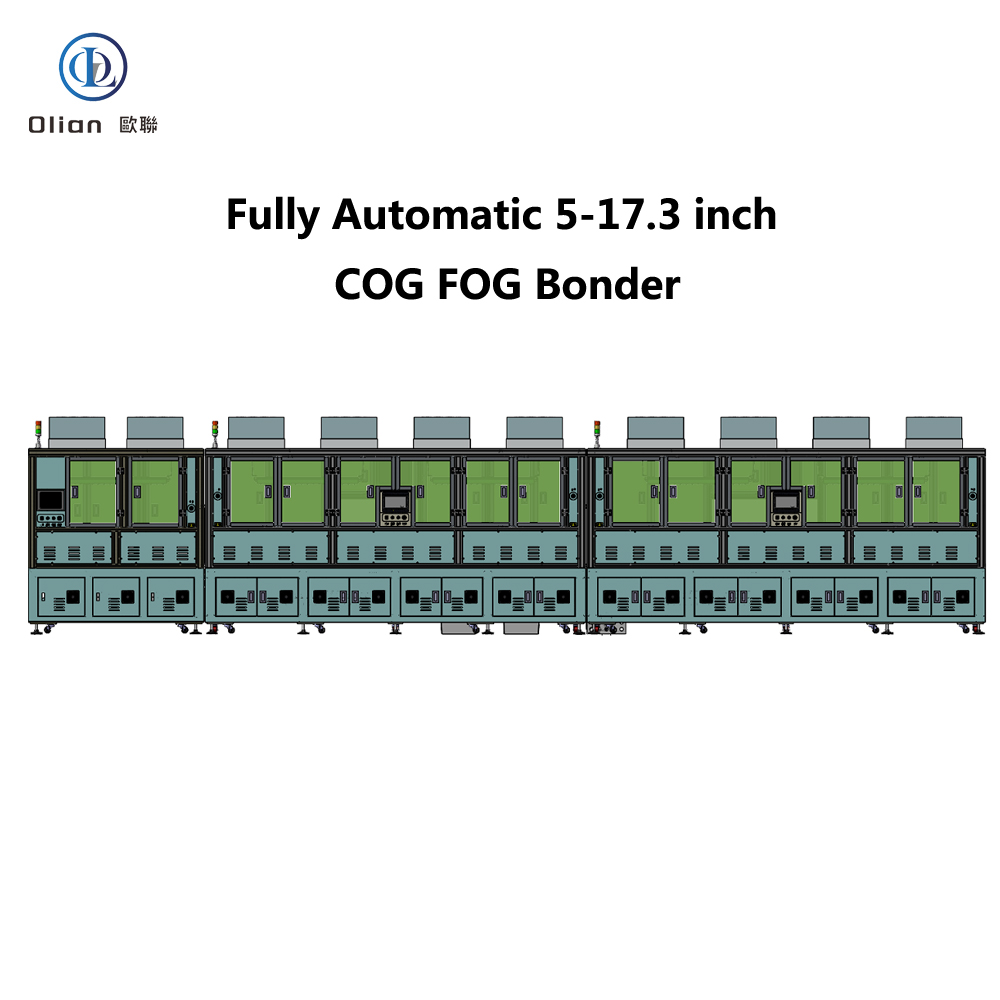
5-17.3″ Mid-Size Display Module Automation Solution: LOAD/EC/COG/FOG/FPC Feeding System
This document presents a comprehensive automation solution for the production of mid-size display modules (5-17.3 inches), focusing on the integration of various equipment for high-precision and high-efficiency manufacturing. The solution includes panel loading, terminal cleaning, COG (Chip on Glass) and FOG (FPC on Glass) bonding, as well as FPC (Flexible Printed Circuit) feeding. Each component is designed to work seamlessly with others to ensure smooth production flow and superior product quality.
This automation solution for mid-size display modules offers a comprehensive approach to efficient and precise manufacturing. By integrating advanced technologies and equipment, it ensures high yield, superior quality, and cost-effectiveness, making it ideal for modern display production environments.
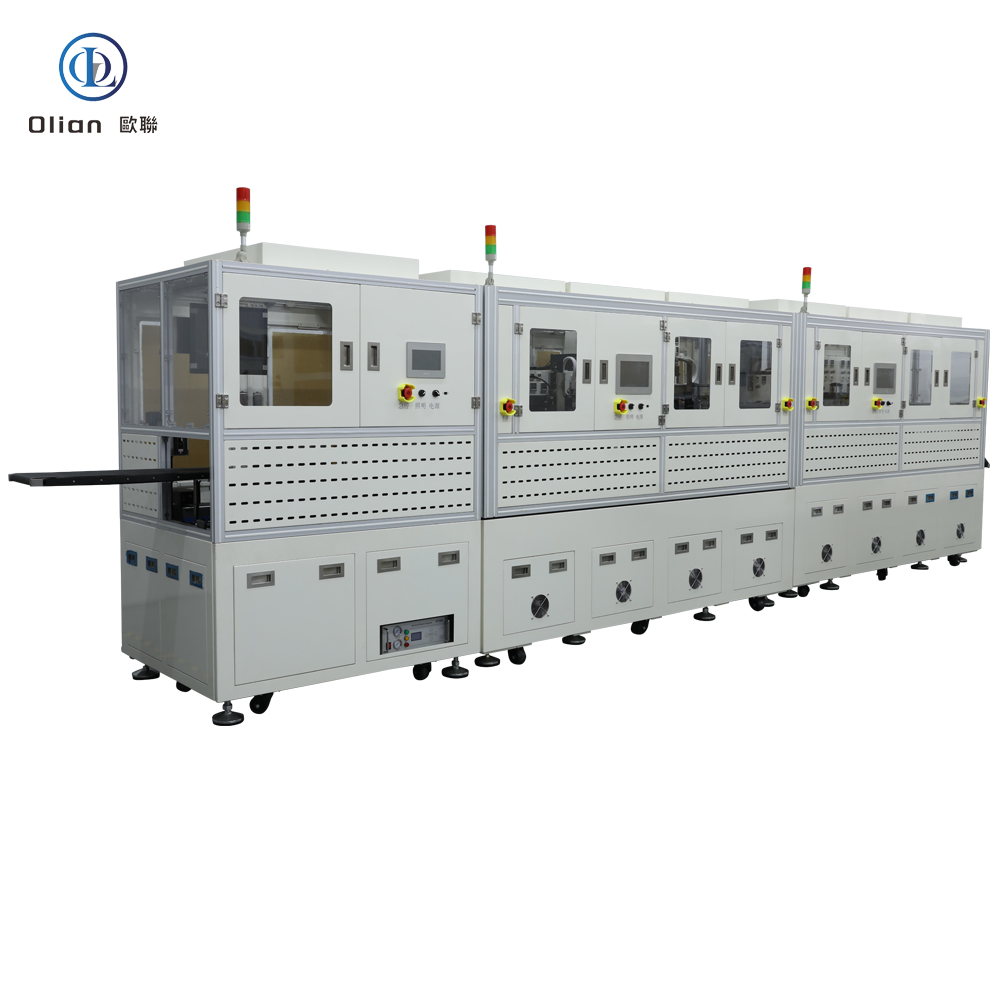
TFT displays manufacturing glass cutting laminating bonding dispensing assembling testing packing processes detailed introduction to each process and equipment situation:
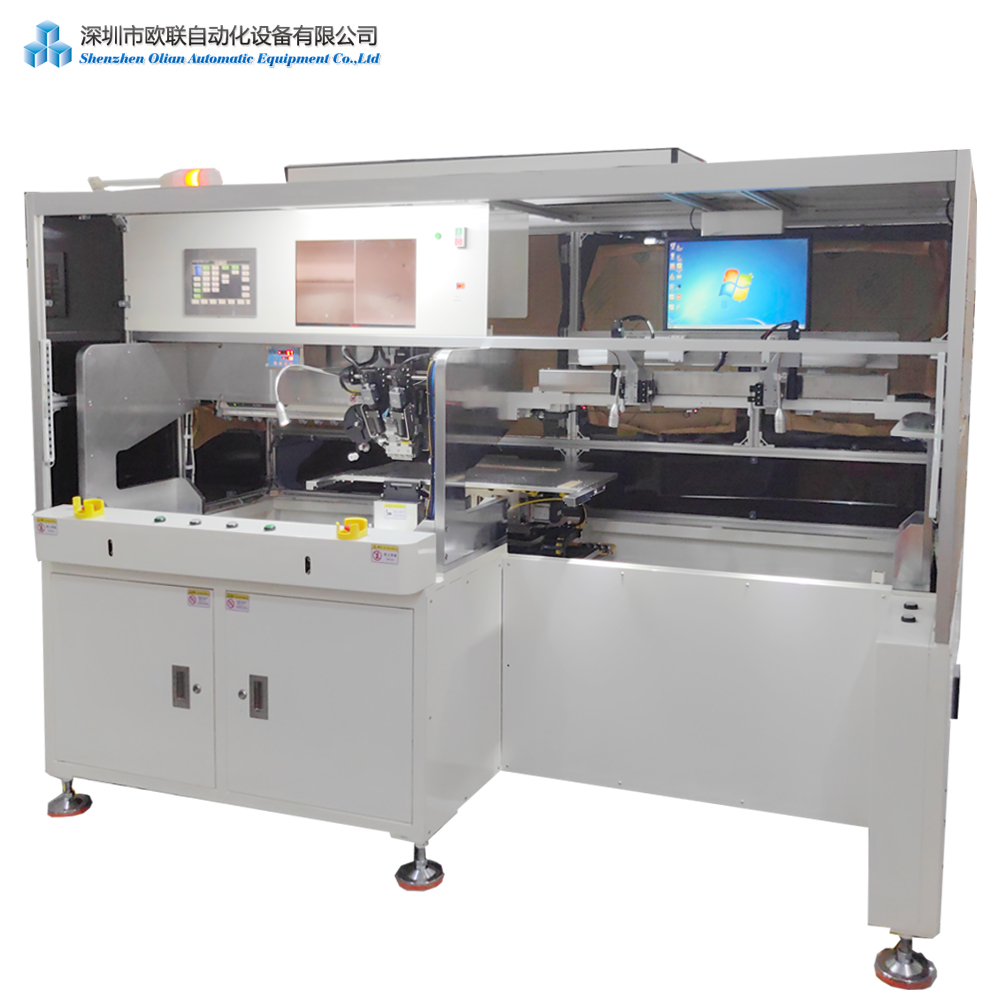

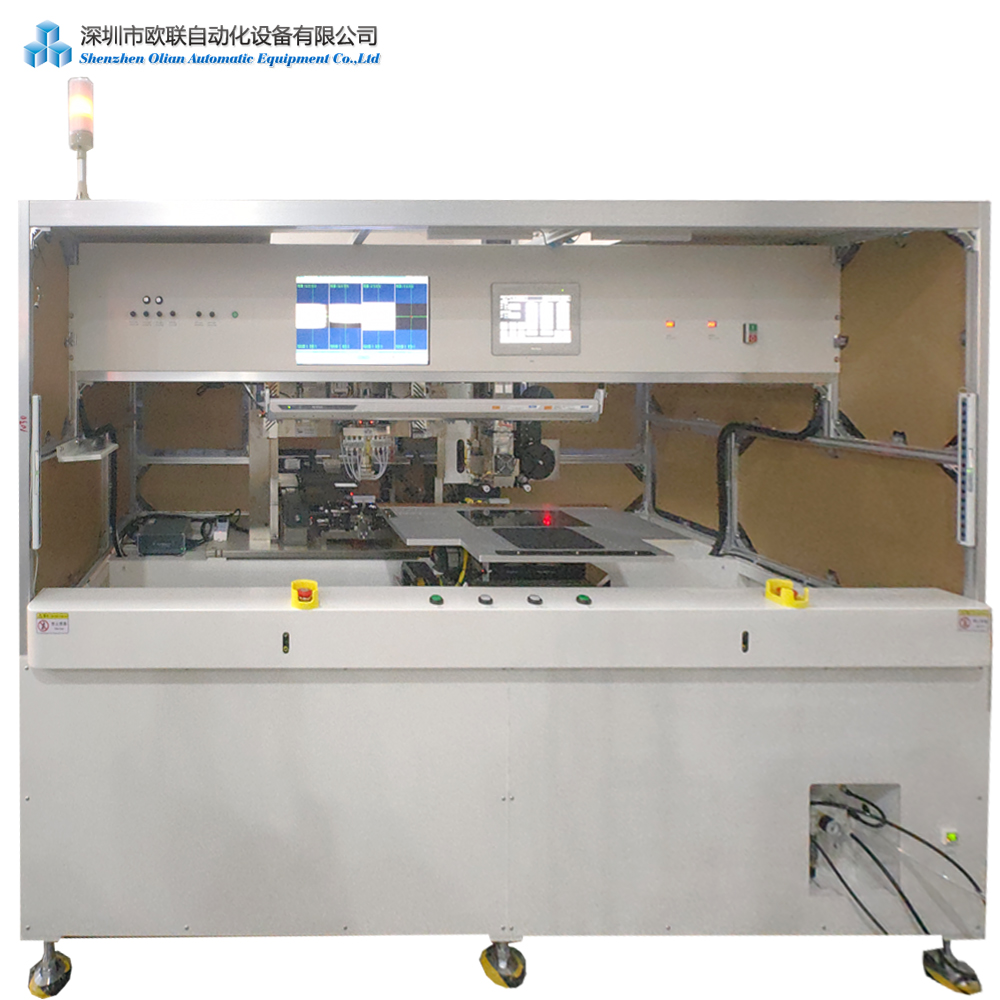
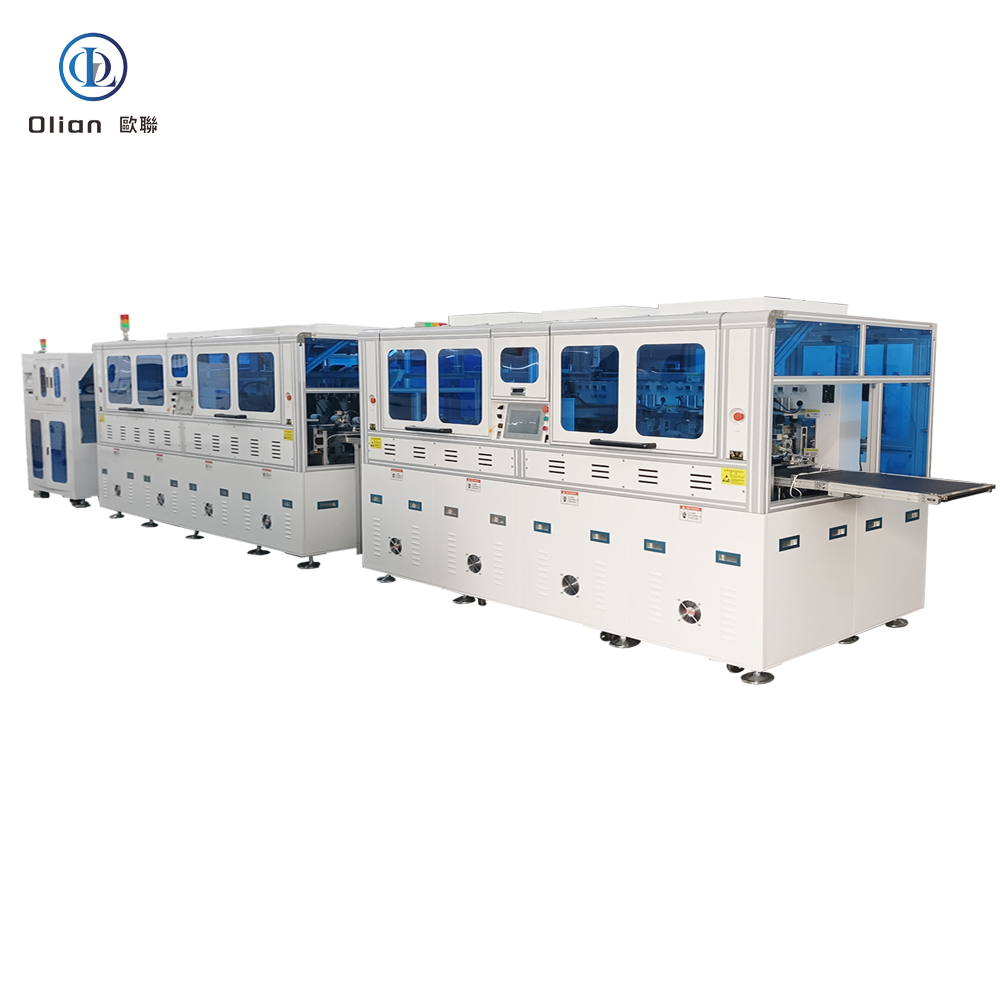
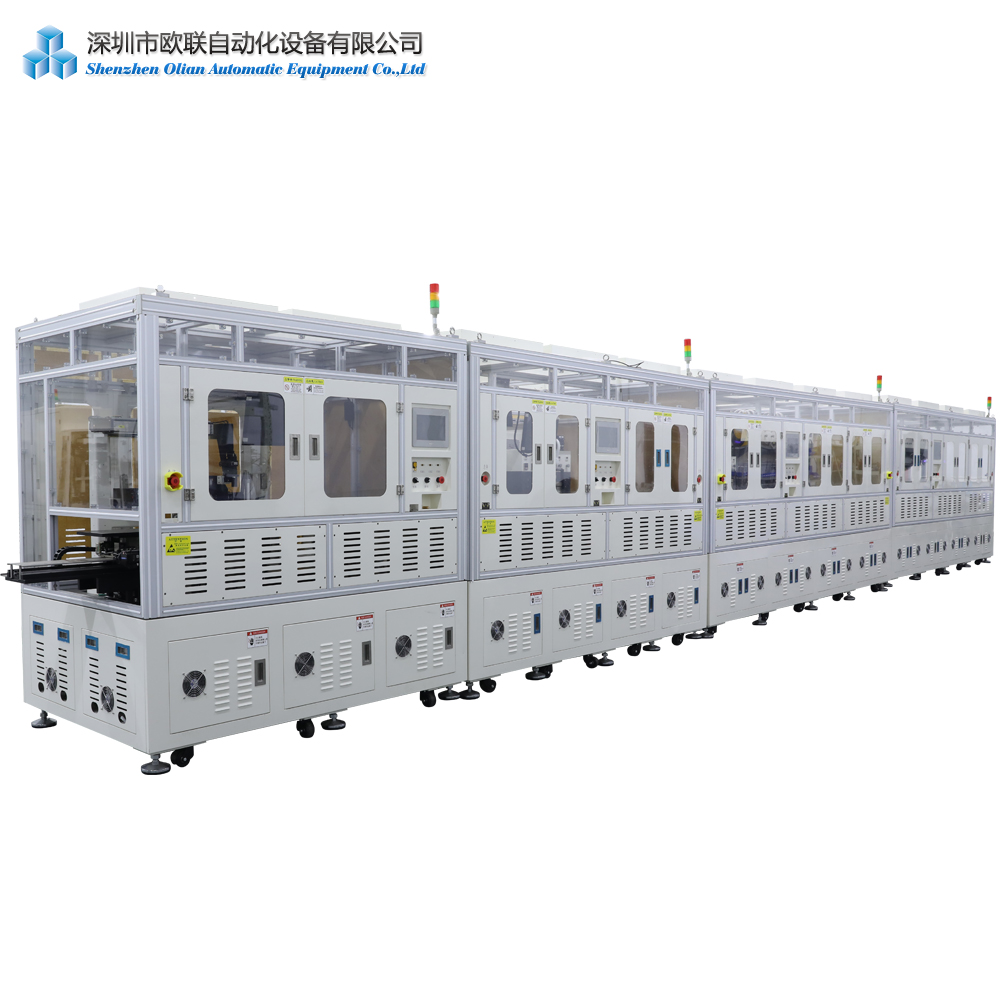
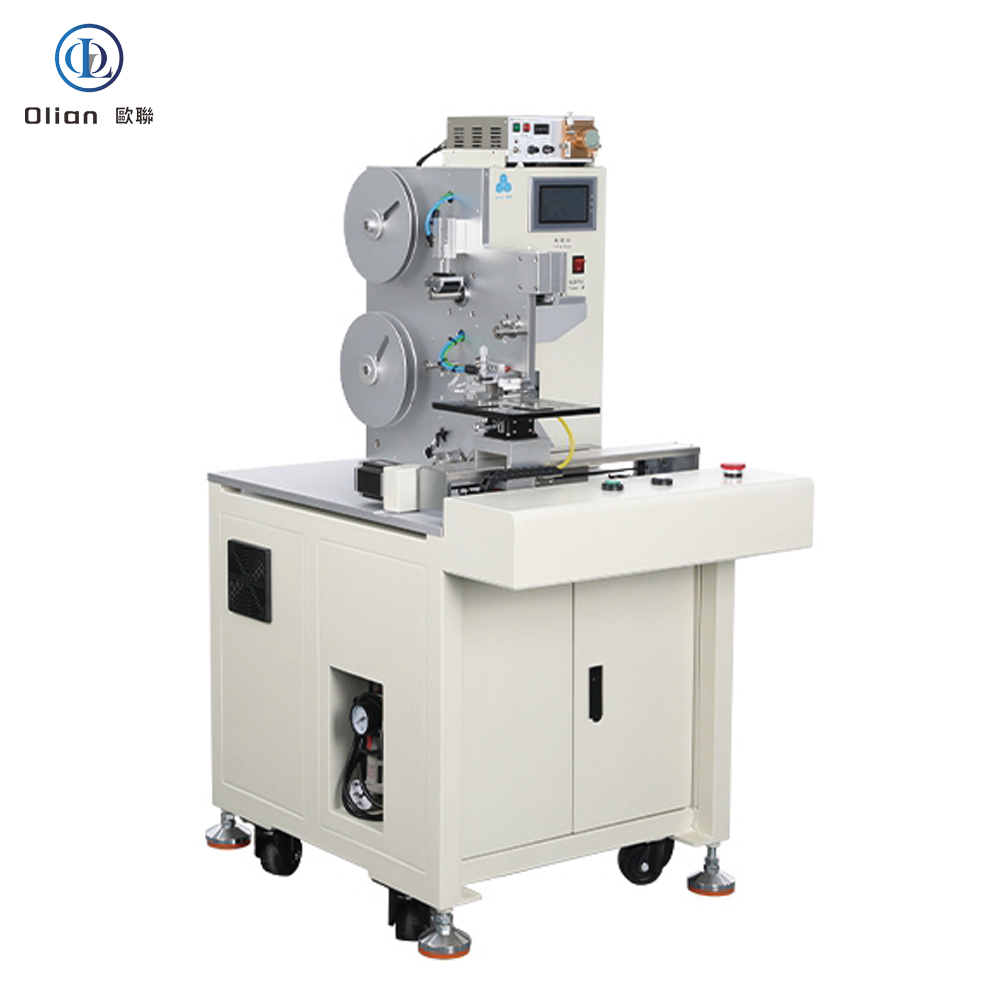
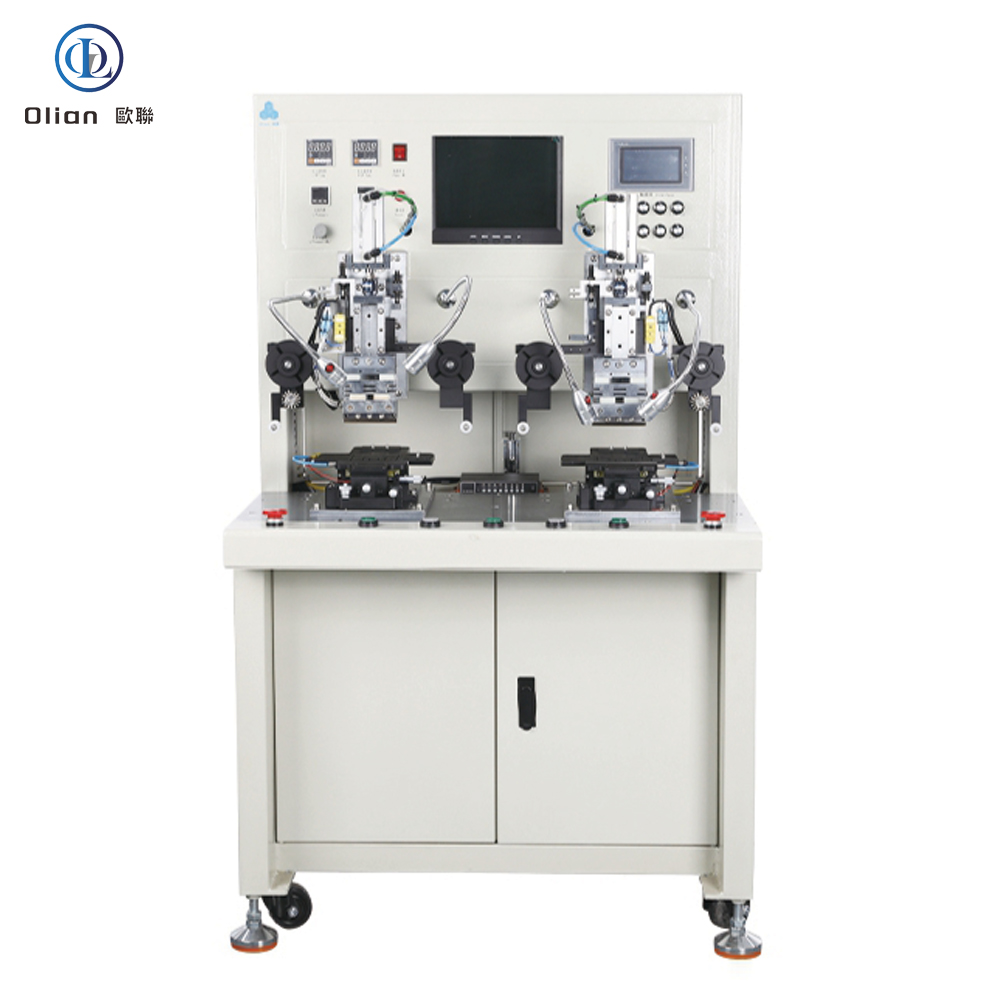
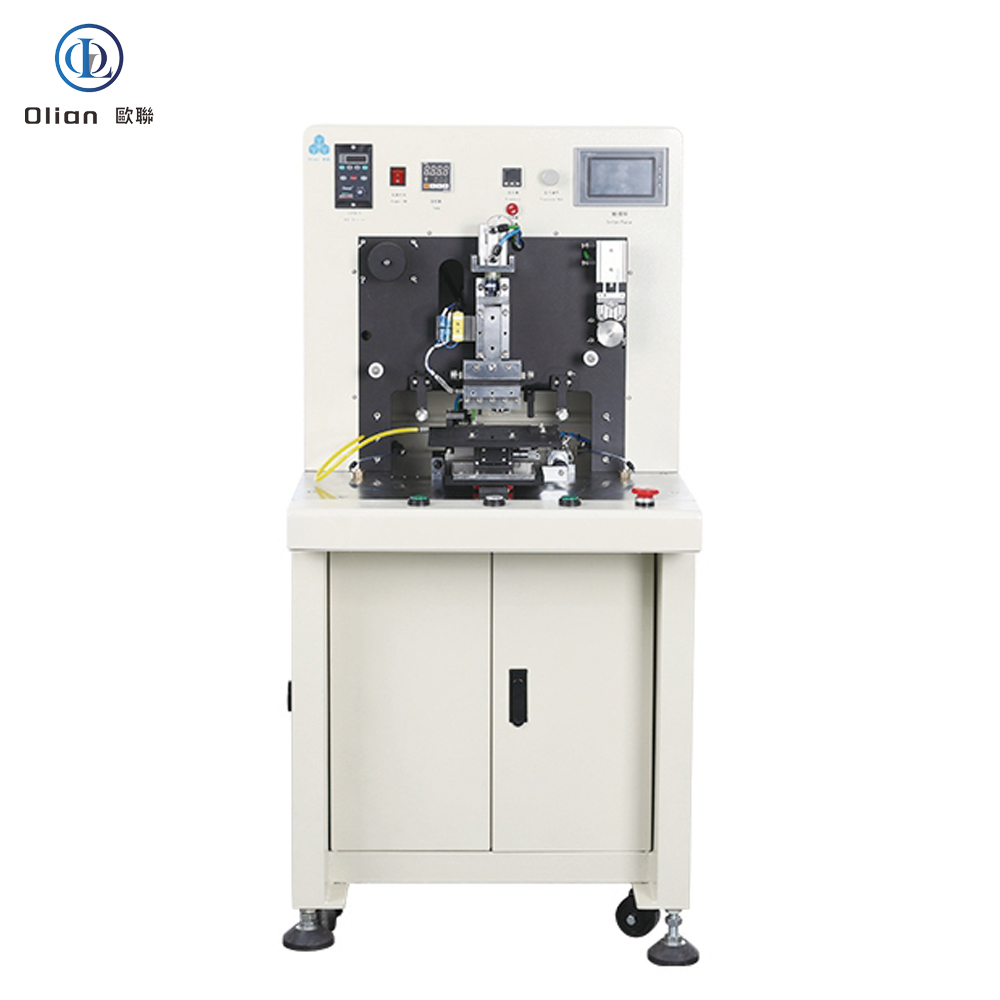
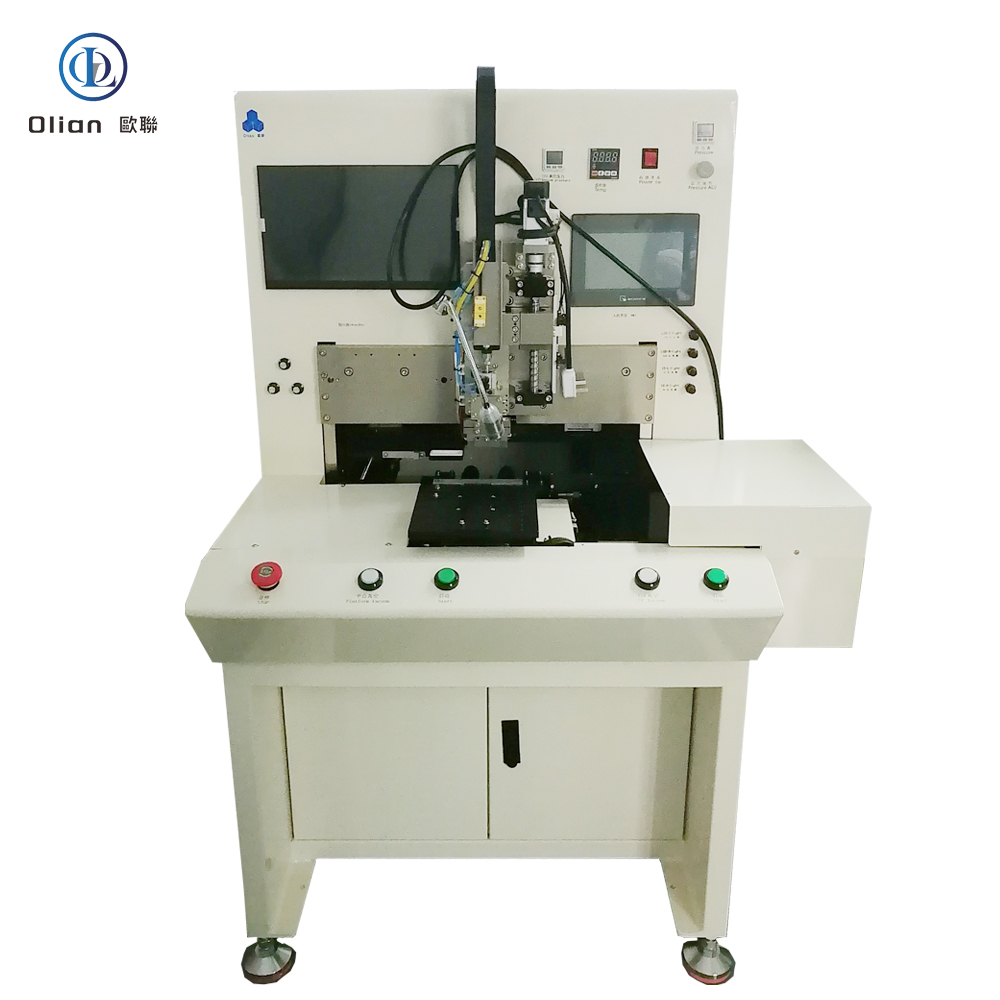
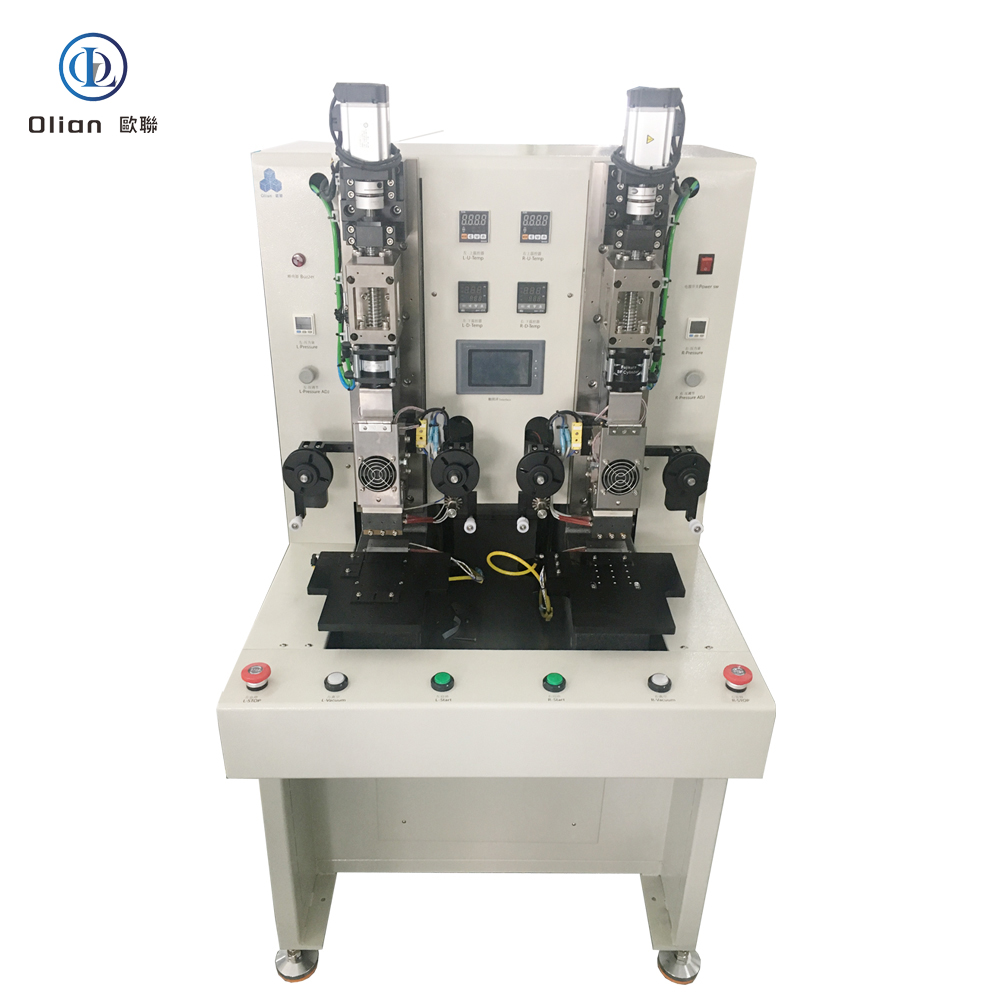
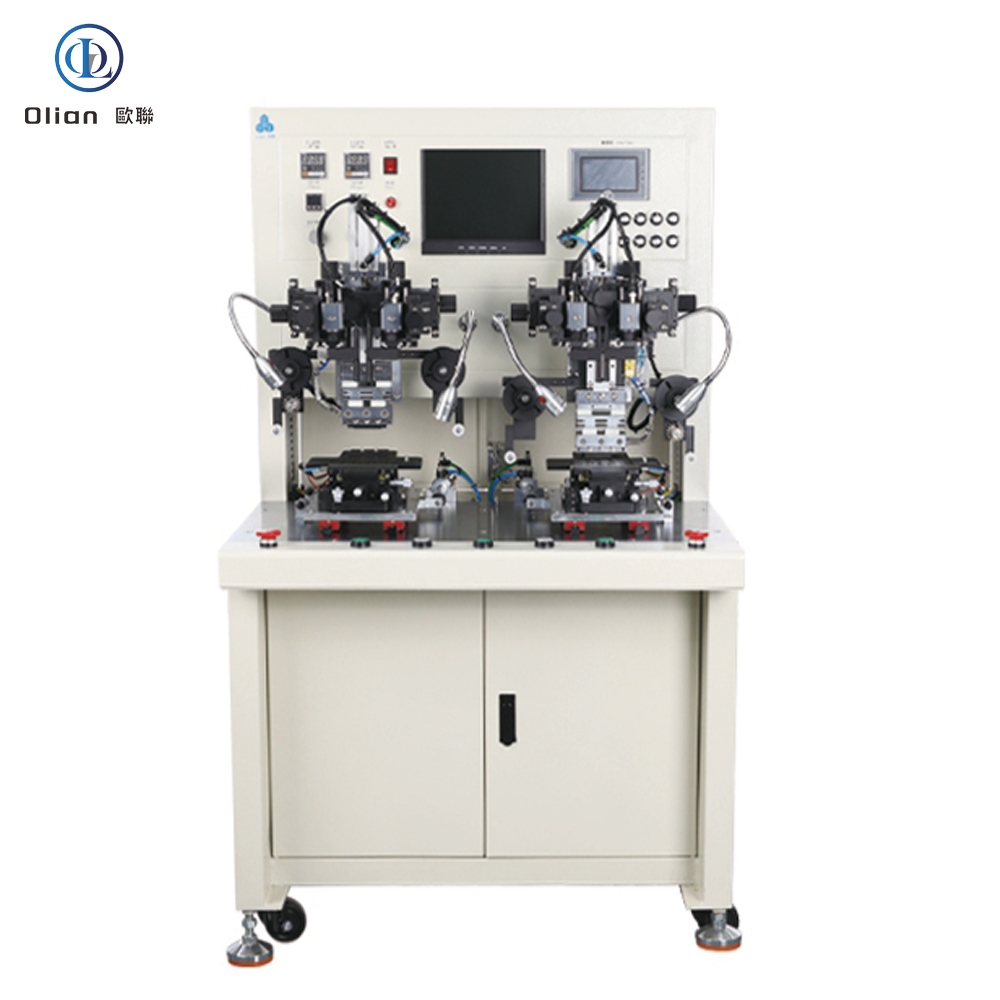
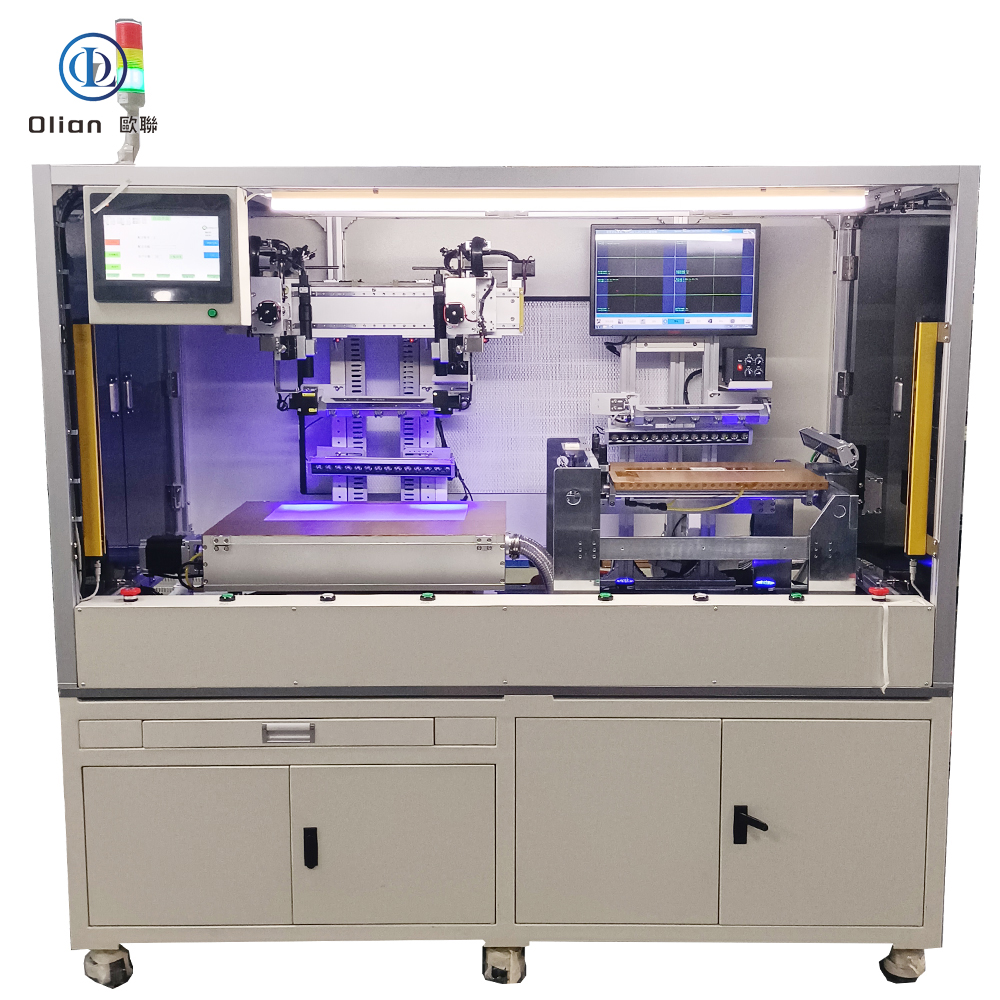
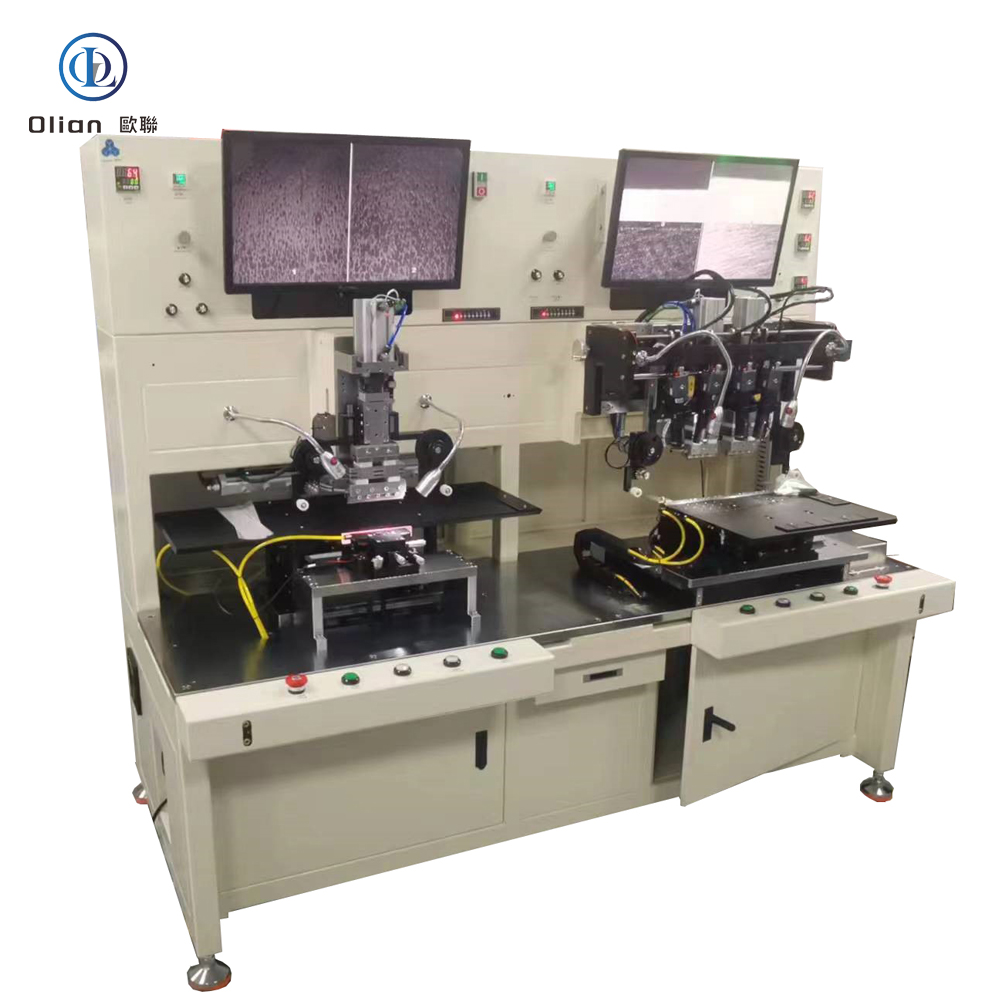
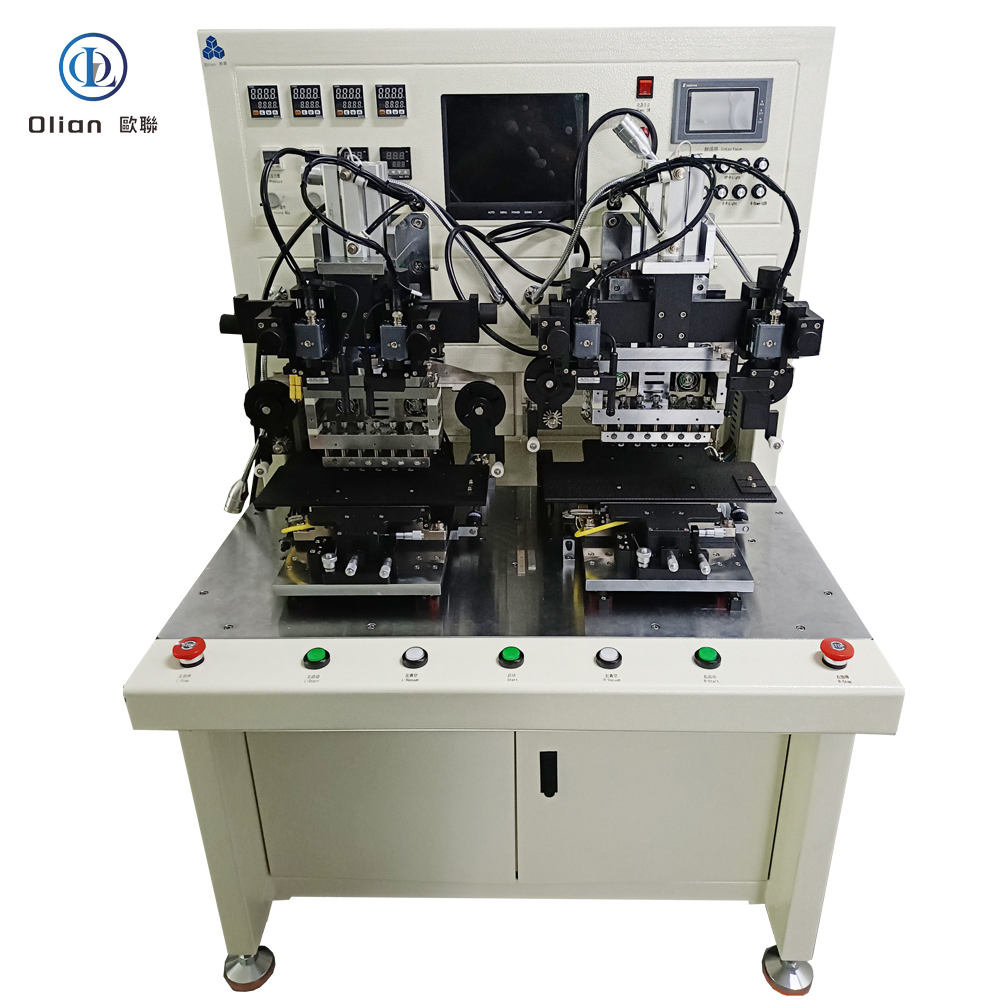
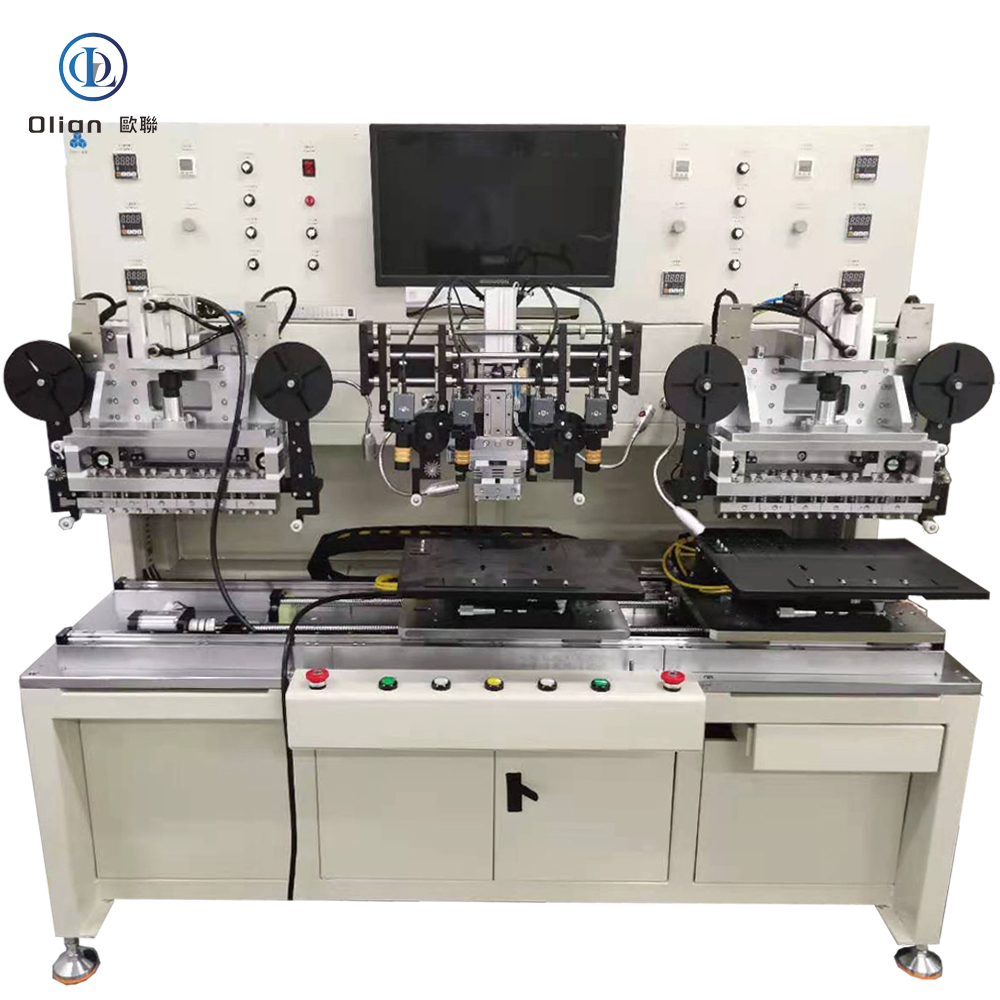
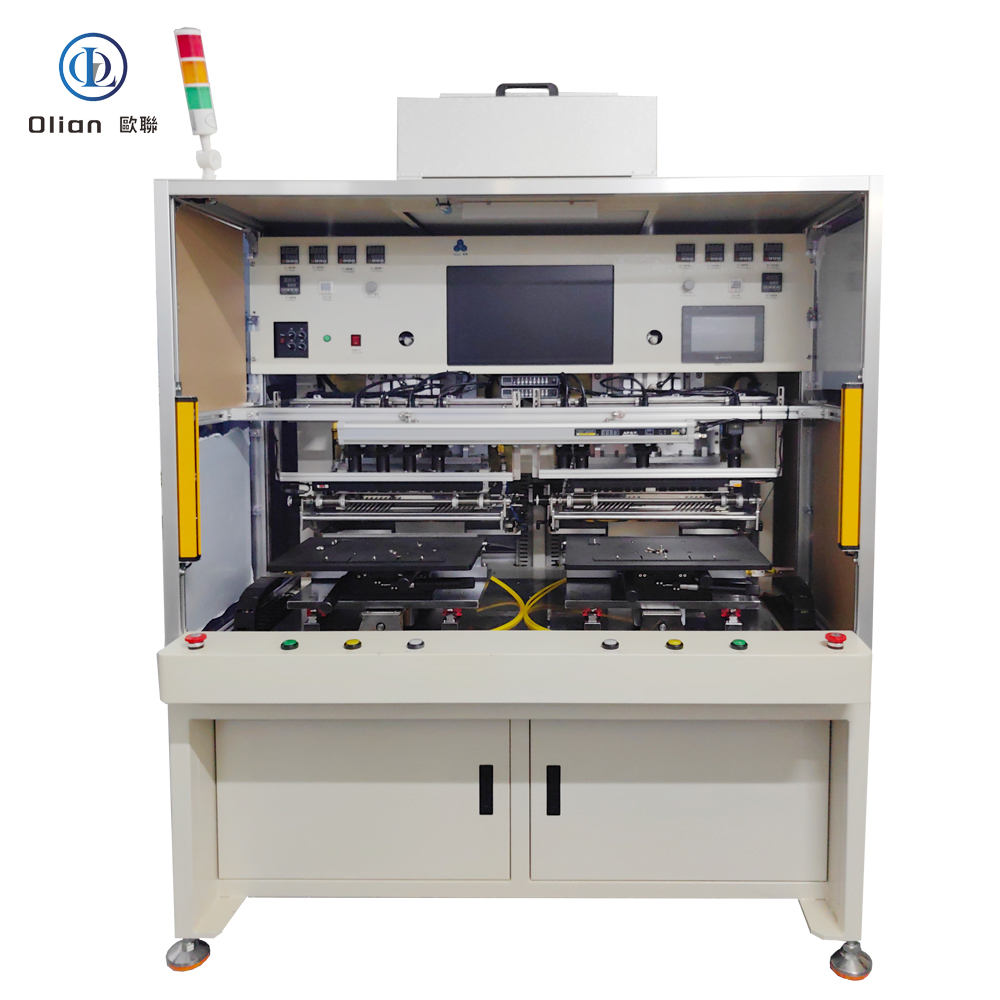
Glass loading is the process of placing the cut glass substrates into designated fixtures or carriers to prepare them for subsequent processes such as electronic cleaning and bonding. It ensures the glass substrates are properly positioned and secured for further processing.
The glass loading machine is designed to handle glass substrates with care. It has a precise positioning system to place the glass substrates into the fixtures accurately. The machine may also feature automated arms or conveyors to transport the glass substrates efficiently while minimizing manual handling and potential damage.
Electronic cleaning is used to remove contaminants such as dust, organic residues, and ions from the surface of the glass substrates or polarizing plates. This helps improve the bonding quality and reliability in subsequent processes, preventing issues like poor adhesion or electrical shorts.
The electronic cleaning machine typically uses a combination of ultrasonic waves, deionized water, and chemical cleaning agents to thoroughly clean the glass substrates or polarizing plates. It has a closed cleaning chamber to prevent re – contamination and a drying system to quickly dry the cleaned substrates after cleaning.
The driver IC is directly bonded to the glass substrate of the TFT – LCD panel. This process is characterized by high precision and small bonding area, offering advantages such as fast production speed and good electrical performance.
Equipment – COG Bonding Machine: The COG bonding machine uses a high – precision alignment system to accurately position the driver IC relative to the glass substrate. Its heating and pressing mechanism ensures a stable connection between the driver IC and the glass substrate. The machine also has a vision system for precise alignment and a temperature – and – pressure control system to ensure bonding quality.
The driver IC is first bonded to a flexible film and then connected to the TFT – LCD panel. It offers better flexibility and reliability, suitable for lightweight and thin display devices.
Equipment – FOG Bonding Machine: The FOG bonding machine is designed to handle flexible films and perform high – precision bonding. It has a complex structure and advanced to technology ensure reliable connections between the driver IC and the panel. Its alignment system accurately positions the flexible film and driver IC on the panel.
After the bonding process, automated optical inspection is used to detect defects in the bonding quality, such as misalignment, missing bonds, and insufficient bonding. This helps to promptly identify and correct bonding issues, improving production yield.
Equipment – Bonding AOI Machine: The bonding AOI machine uses high – resolution cameras and advanced image processing software to capture images of the bonding area and compare them with the standard template. It can accurately detect various bonding defects and has a fast inspection speed, capable of meeting the high – speed production requirements of the production line.
Adhesive is applied to the bonding area to enhance bonding the strength and reliability between the driver IC and the panel. The glue dispenser must ensure precise glue – dispensing quantity and uniform glue – dispensing.
Equipment – Glue Dispensing Machine: The glue dispensing machine has a high – precision dispensing system that can accurately control the glue – dispensing quantity and pattern. Its dispensing nozzle can move precisely to dispense adhesive on the designated bonding area. The machine can also adjust the glue – dispensing parameters according to different adhesives and bonding requirements.
This process applies an under – layer adhesive to the bonding area to further enhance the bonding strength and reliability. It also helps to prevent moisture and impurities from invading the bonding area, improving the product’s stability and reliability.
Equipment – ULD Machine: The ULD machine is similar to the glue dispensing machine in structure but specializes in applying under – layer adhesives. It can accurately dispense under – layer adhesives on the bonding area and has a heating and curing system to rapidly cure the adhesive, improving production efficiency.
Display Screen Production lines,
Display Screen Production lines,In the dynamic world of electronics manufacturing, Shenzhen Olian offers a comprehensive range of solutions designed to meet the high-precision requirements of modern display and electronic component production. From flexible screen glue field production to intelligent locomotive and notebook product lines, our solutions are tailored to enhance efficiency, reliability, and quality.
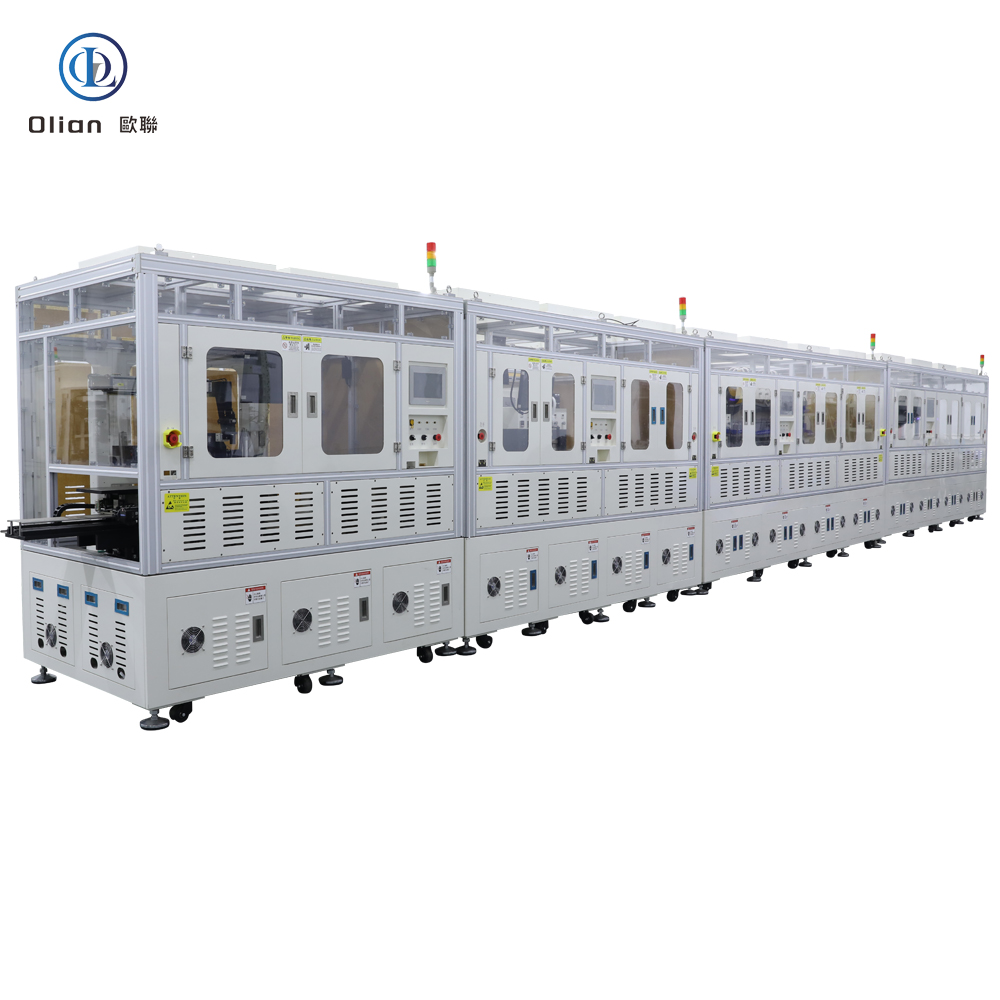
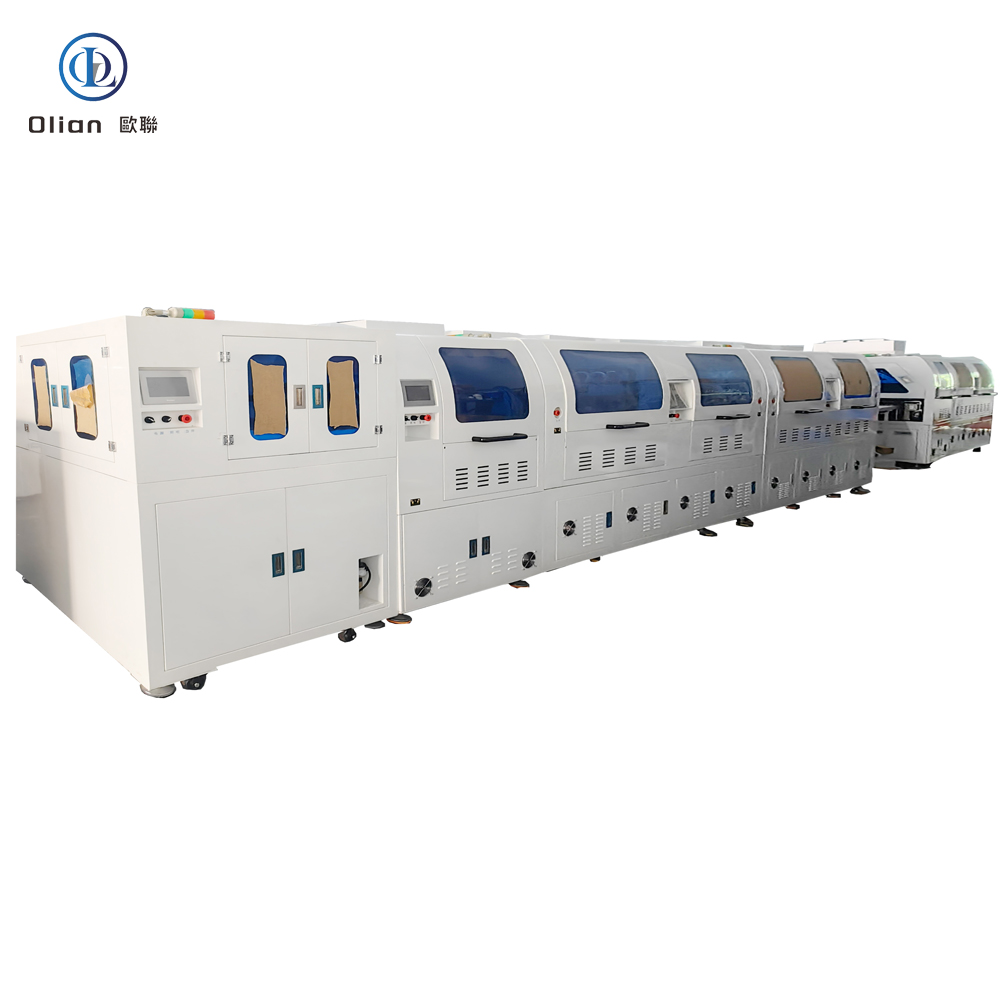
Our high-level flexible screen glue field production solutions are designed for the precise application of adhesives in the production of flexible OLED displays. These solutions support a combination of COG/FOG, COF/FOF, and COP/FOP processes, ensuring high-quality connections and efficient production
For the manufacturing of intelligent locomotive and notebook products, Shenzhen Olian provides advanced production line solutions. These solutions are designed to handle the specific requirements of these products, ensuring high precision and reliability in every step of the manufacturing process
Our display product line solutions cover a wide range of processes, including bonding, laminating, and dispensing. These solutions are suitable for various display technologies such as LCD, OLED, Mini LED, and Micro LED. They are designed to ensure high-quality connections and efficient production, making them ideal for manufacturers of smartphone screens, wearable devices, large TV panels, and advanced OLED displays
For commercial display screens, Shenzhen Olian offers flexible bonding production line solutions. These solutions are designed to handle the specific requirements of large-format displays, ensuring high precision and reliability. They are suitable for a variety of applications, including advertising displays, public information displays, and industrial control systems
Our electronic paper line solutions include laminating, bonding, and dispensing field line solutions. These solutions are designed to meet the high-precision requirements of E-paper displays, ensuring high-quality connections and efficient production. They are suitable for a variety of applications, including e-readers, smart labels, and public information displays
Shenzhen Olian provides comprehensive solutions for backlight leading, laminated film, shading, and wrapping line equipment. These solutions are designed to ensure high precision and reliability in the production of displays, making them ideal for manufacturers of smartphone screens, large TV panels, and other advanced displays
Our fingerprint module under the screen bond spot glue and AOI intelligent detection field solutions are designed to ensure high precision and reliability in the production of fingerprint modules. These solutions support high-precision bonding and intelligent detection, making them ideal for manufacturers of smartphone screens and other advanced displays
For the production of optical clear adhesive (OCA) and optical clear resin (OCR) fits, Shenzhen Olian offers automatic production solutions. These solutions are designed to ensure high precision and reliability, making them ideal for manufacturers of smartphone screens, wearable devices, and other advanced displays
Our FPC covering film, EMI automatic laminating, and FPC exposure special equipment field solutions are designed to meet the high-precision requirements of flexible printed circuit (FPC) production. These solutions ensure high-quality connections and efficient production, making them ideal for manufacturers of smartphone screens, wearable devices, and other advanced displays
Finally, Shenzhen Olian provides comprehensive solutions for 3C product inspection and packaging production lines. These solutions are designed to ensure high precision and reliability in the inspection and packaging of 3C products, making them ideal for manufacturers of smartphones, tablets, and other electronic devices
By choosing Shenzhen Olian, you benefit from:
In conclusion, Shenzhen Olian’s Display Screen Production lines, comprehensive solutions for high-level flexible screen glue field production and beyond offer a reliable and efficient approach to modern display and electronic component manufacturing. Whether you are producing smartphone screens, wearable devices, large TV panels, or advanced OLED displays, Shenzhen Olian’s solutions can help you achieve high-quality, efficient, and reliable production processes.