• +86 18025364779
  • 2307972393@qq.com

Tag Archive strengthened glass

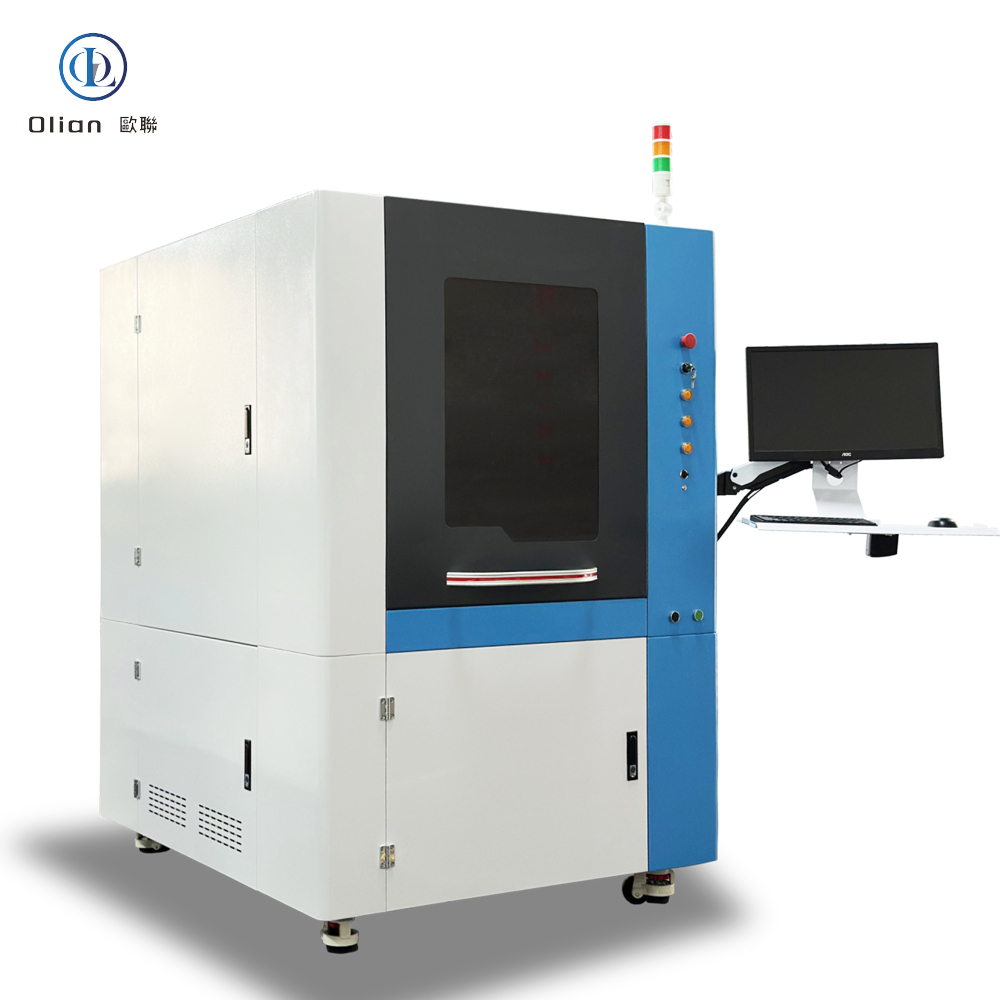
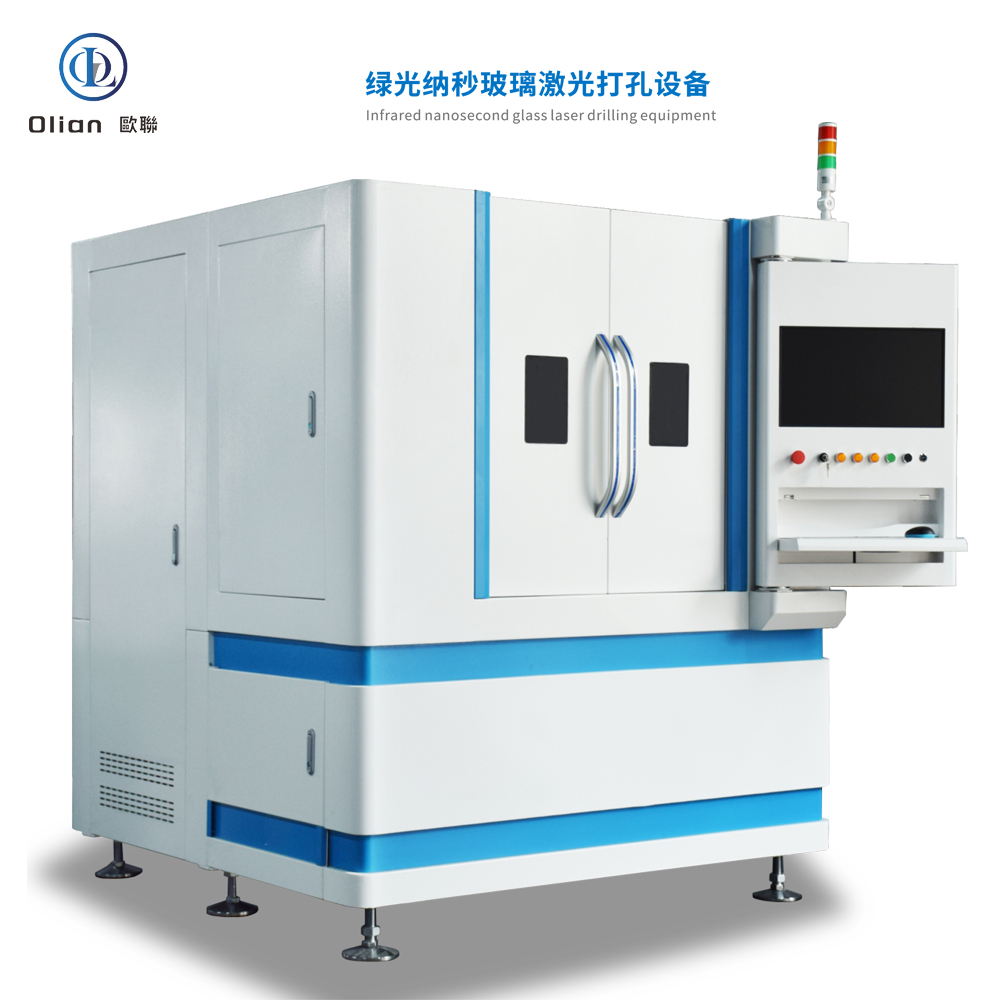
Green-Light Nanosecond Glass Laser Drilling Machine

Green-Light Nanosecond Glass Laser Drilling Machine

Green-Light Nanosecond Glass Laser Drilling Machine,

Process Application

  • Drilling, slotting, film removal and frosting of all hard-brittle sheets
  • Ordinary glass, optical glass, quartz, sapphire, strengthened glass, optical filters, mirrors
  • Shaped holes and inner cut-outs produced in a single pass

Green-Light Nanosecond Glass Laser Drilling Machine Main Parameters

  • Laser type: Green-light nanosecond
  • Model: OL-GND-6090
  • Platform size: 600 mm × 900 mm (customisable)
  • Max. thickness: 20 mm
  • Drilling speed: 0 – 5 000 mm/s
  • Edge chipping: < 0.1 mm

Processing Advantages

  • Table size tailored to product, small-footprint or large-panel versions available
  • Any outline drilled in one step, no template or mask
  • Smooth, flat hole walls, breakout below 0.1 mm
  • Instant product change-over through software; operator simply loads new file
  • Dry process: no consumables, coolant or abrasive, zero surface scratches
  • Low running cost, high yield, no waste liquids or sludge

Single-Platform Laser Processing Equipment

Single-Platform Laser Processing Equipment

Process Application


Engineered for cutting and drilling every kind of brittle, hard sheet: common glass, optical glass, quartz, sapphire, strengthened glass, optical filters, ceramics, etc.

Single-Platform Laser Processing Equipment Main Specifications:

Cutting Configuration – Infrared Picosecond
Model series: OL-IPC4050-S,

Table size: 400 mm × 500 mm (custom sizes available).
Thickness range: 0.03 – 8 mm.
Cutting speed: 0 – 1 000 mm/s.
Edge chipping: ≤ 10 µm.

Drilling Configuration – Green Nanosecond.
Model series: OL-GND4050-S.
Table size: 400 mm × 500 mm (custom sizes available).
Thickness range: 0.03 – 2 mm.
Drilling speed: 0 – 5 000 mm/s.
Edge chipping: ≤ 100 µm.

Processing Advantages
The machine merges modular architecture with high-density integration, re-engineers the conventional optical path and support structure, and enables on-the-fly switching between cutting and drilling on the same platform. An adaptive process controller guarantees micron-level precision across multiple materials.
1