- Home
- About us
- Products
- News
- Download
- Videos
- Contact us

Automotive Display Bonding Line
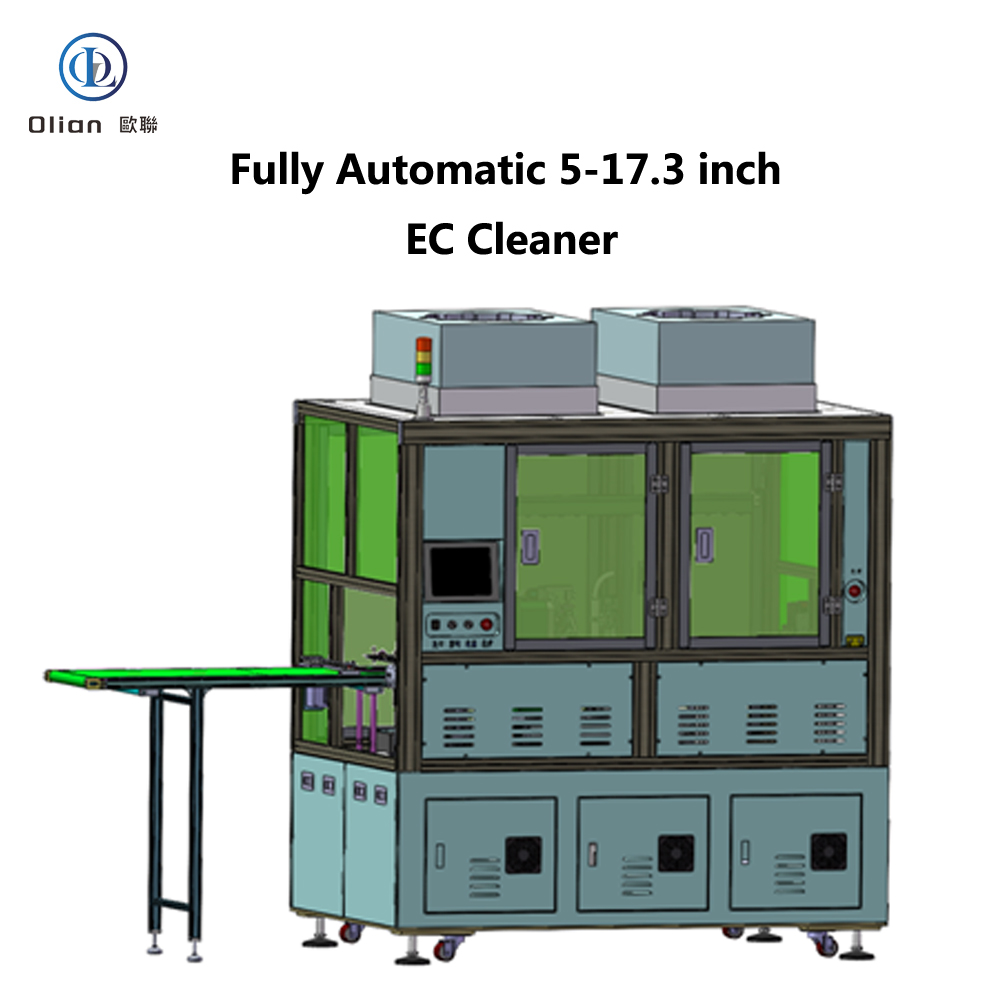
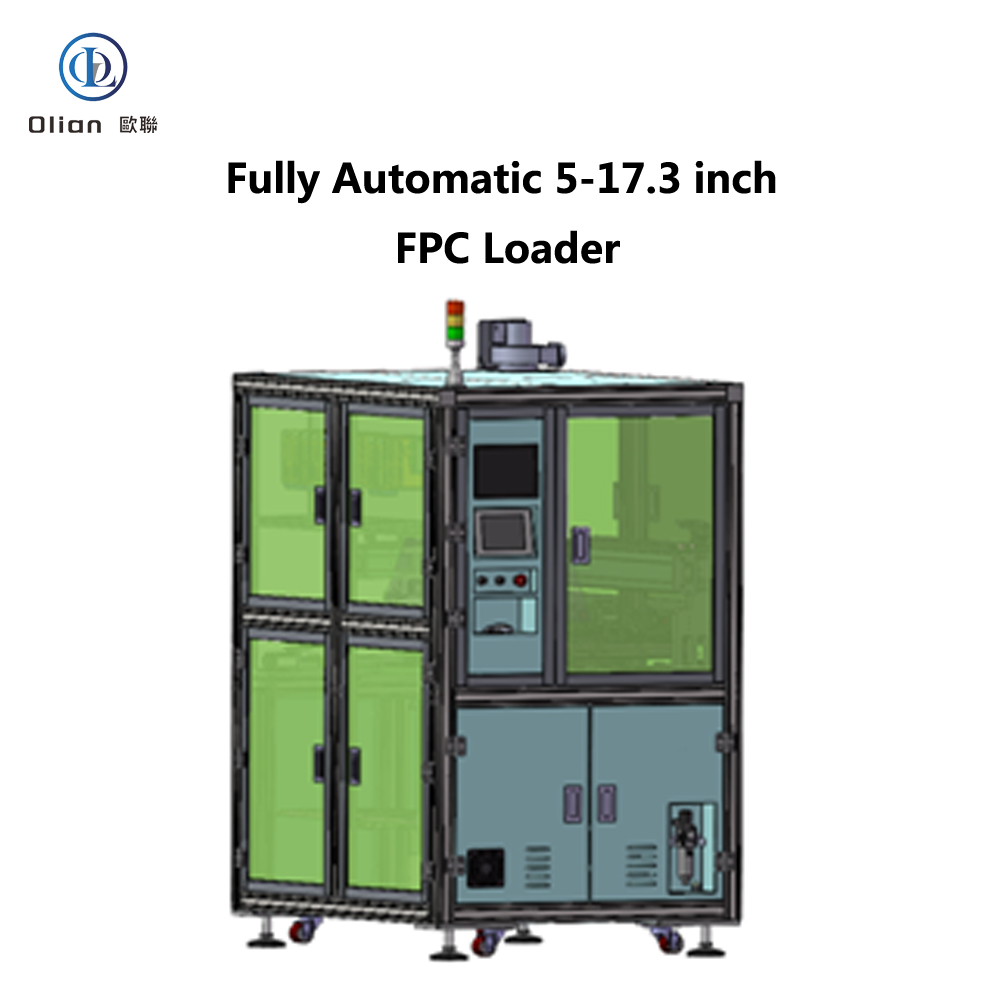
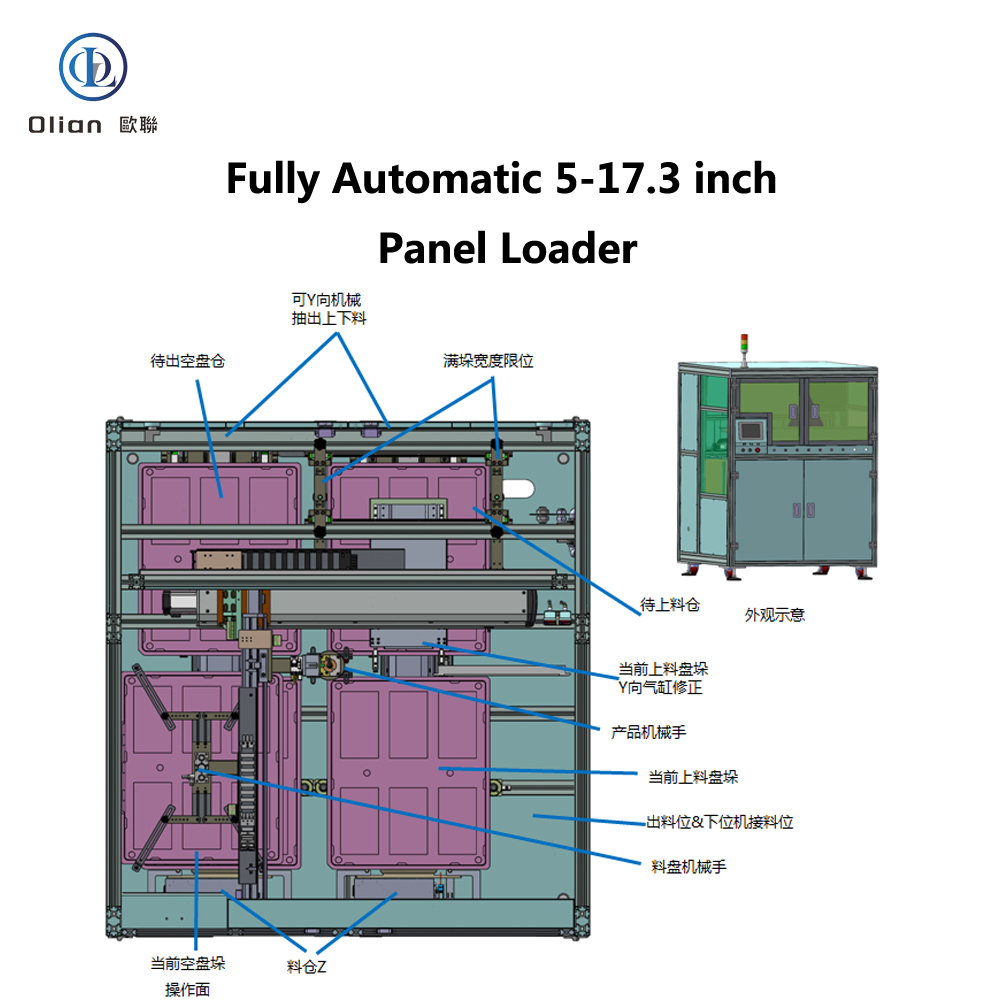
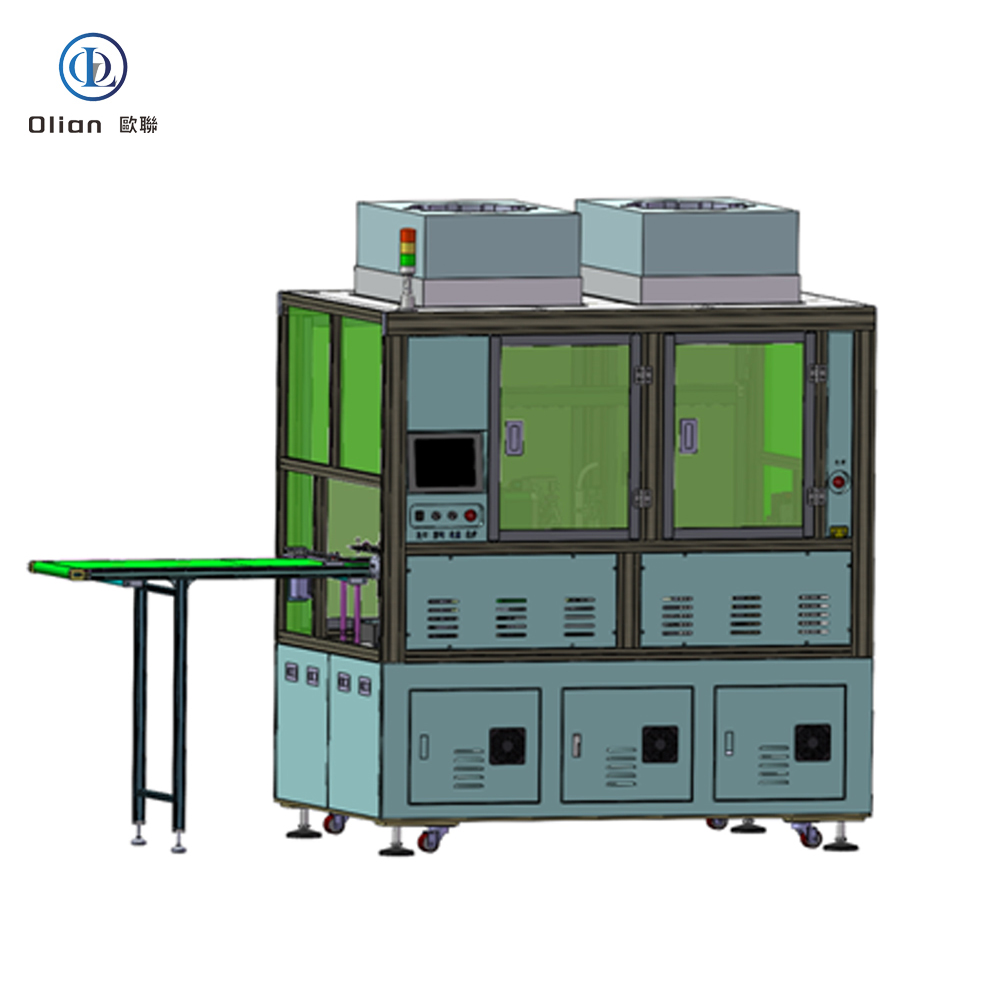
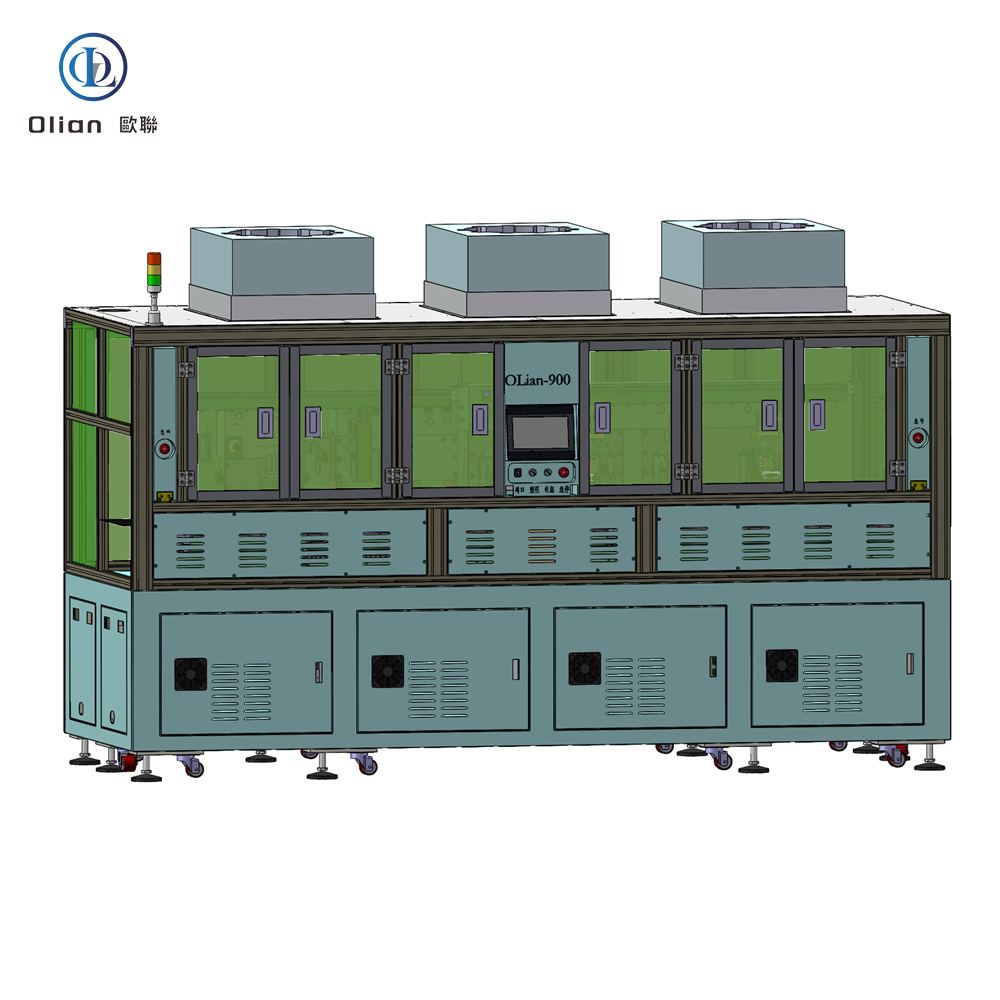
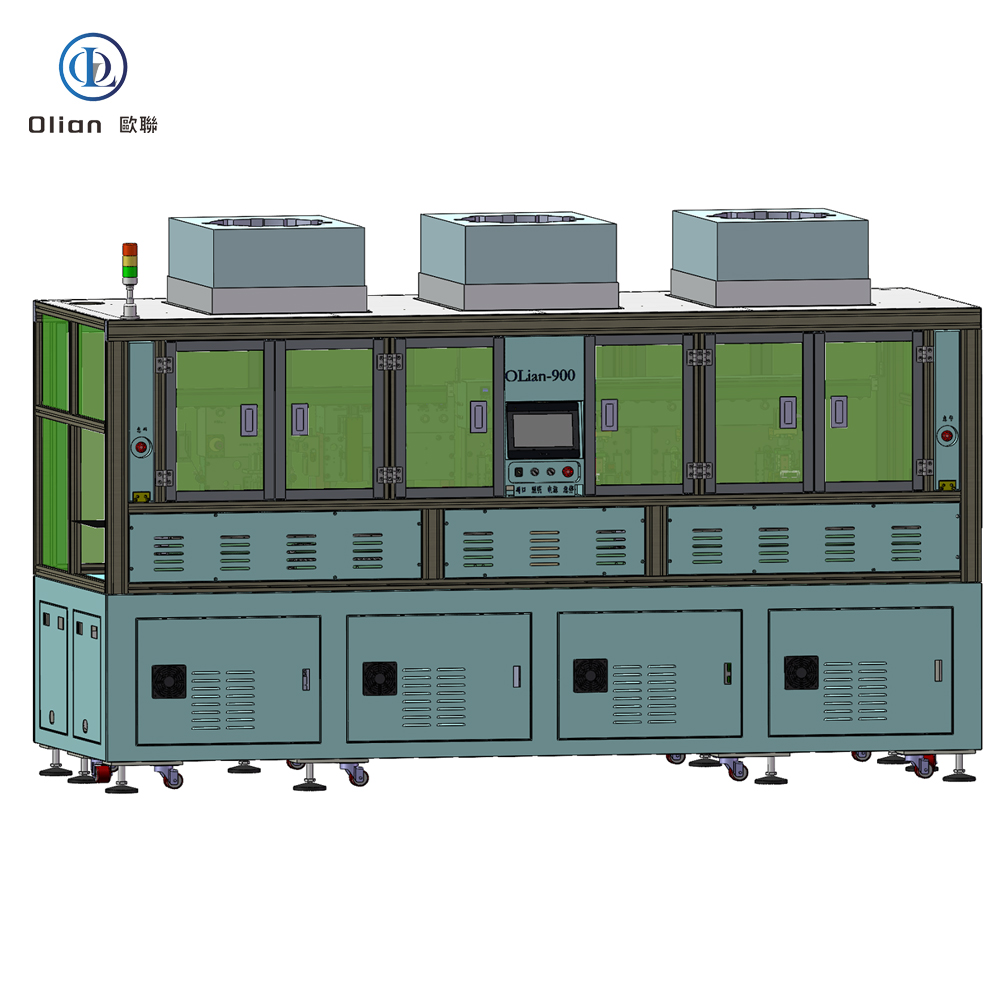
The Automotive Display Bonding Line is a critical and highly specialized segment within the broader automotive display manufacturing process. It refers to the dedicated production stage where key optical and mechanical components of a display—such as the cover glass, touch sensor, display panel (LCD/OLED), and backlight unit—are precisely laminated and bonded together using advanced materials and techniques. This process is essential for ensuring optical clarity, mechanical durability, environmental resistance, and long-term reliability in the harsh operating conditions typical of automotive environments.
As modern vehicles integrate larger, curved, and multi-display consoles, the bonding process has evolved from simple adhesive application to a high-precision, cleanroom-controlled operation involving automated alignment, vacuum lamination, and advanced optically clear adhesives (OCAs) or liquid optical bonding (LOCA). The bonding line plays a pivotal role in determining the final display’s performance, including sunlight readability, touch sensitivity, resistance to delamination, and overall lifespan.
Unlike consumer electronics, automotive displays must endure extreme temperatures (-40°C to +85°C), prolonged UV exposure, high humidity, mechanical vibration, and frequent thermal cycling. The bonding process directly impacts:
● Optical Performance: Minimizing reflections and air gaps to enhance contrast and visibility.
● Mechanical Integrity: Preventing delamination, cracking, or warping over time.
● Touch Sensitivity: Ensuring consistent response by eliminating air pockets between layers.
● Environmental Sealing: Protecting internal components from moisture, dust, and chemical ingress.
● Durability: Meeting automotive-grade reliability standards such as AEC-Q100 and ISO 16750.
The bonding line typically integrates the following components:
● Cover Glass or Lens: Often chemically strengthened (e.g., Gorilla Glass) with anti-reflective (AR), anti-fingerprint (AF), or haptic coatings.
● Touch Sensor Layer: Usually a capacitive touch film (PET or glass-based) with fine conductive patterns.
● Display Panel: LCD or OLED panel with driver ICs and flexible printed circuits (FPCs).
● Optical Clear Adhesive (OCA): A transparent, pressure-sensitive film or liquid adhesive with high refractive index matching.
● Backlight Unit (for LCDs): Includes LED array, light guide plate, and diffusers.
● Bezel and Frame: Provides structural support and alignment during bonding.
A state-of-the-art bonding line consists of the following sequential stages:
● Cleaning and Drying: All substrates are ultrasonically cleaned and dried in a class 100–1000 cleanroom to remove dust, oils, and particulates.
● Plasma Treatment: Surface activation using plasma improves wettability and adhesion, especially for LOCA processes.
● Alignment Mark Detection: Machine vision systems identify alignment markers on each layer for sub-micron precision.
● Layers are temporarily joined under controlled pressure and temperature to ensure initial adhesion without full curing.
● Automated alignment systems (using CCD cameras and servo motors) achieve alignment accuracy within ±5 µm.
● Film OCA Bonding:
○ Pre-cut OCA films are placed between layers.
○ Vacuum laminators apply uniform pressure in a vacuum chamber to eliminate bubbles.
○ Heat may be applied to activate the adhesive.
○ Advantages: Clean, consistent, and suitable for high-volume production.
● Liquid Optical Bonding (LOCA):
○ A liquid adhesive is dispensed around the perimeter of the display.
○ Capillary action draws the adhesive into the gap.
○ UV curing or thermal curing follows under controlled conditions.
○ Advantages: Better for curved or non-uniform gaps; improves impact resistance.
● Thermal Curing: For heat-activated OCAs, displays are passed through convection or IR ovens.
● UV Curing: UV lamps expose the adhesive to initiate polymerization (common in LOCA).
● Curing profiles are precisely controlled to ensure complete cross-linking without damaging sensitive components.
● Debubbling: Additional vacuum or pressure cycles remove any residual micro-bubbles.
● Trimming and Edge Sealing: Excess OCA or cured LOCA is trimmed; edge sealants may be applied to prevent moisture ingress.
● Cleaning and Inspection: Final cleaning with isopropyl alcohol or plasma; visual and automated inspection follows.
● Optical Inspection: Automated vision systems check for bubbles, delamination, dust, and alignment errors.
● Peel Strength Testing: Sample units undergo adhesion tests to verify bond integrity.
● Thermal Shock Testing: Bonded units are cycled between extreme temperatures to detect early failure.
● Humidity Resistance Testing: Units are exposed to high humidity (e.g., 85°C/85% RH) for 1,000+ hours.
The automotive display bonding line is highly automated to ensure consistency and yield:
● Robotic Handling: SCARA or Cartesian robots transfer delicate assemblies without contamination.
● Machine Vision Guidance: Real-time alignment correction ensures micron-level accuracy.
● Environmental Control: Temperature, humidity, and particulate levels are tightly regulated in cleanroom environments (ISO Class 5–6).
● Data Logging and Traceability: Every bonding cycle is recorded (pressure, temperature, time, adhesive type) for quality traceability and process optimization.
Challenges:
● Bonding curved or free-form displays requires custom tooling and flexible adhesives.
● Minimizing voids and bubbles in large-format displays (e.g., 15+ inch screens).
● Managing thermal expansion mismatches between glass, plastic, and metal components.
● Achieving fast cycle times without compromising bond quality.
Innovations:
● Smart Adhesives: Temperature- or light-responsive OCAs with self-healing properties.
● Roll-to-Roll (R2R) Bonding: For flexible OLED displays, enabling continuous processing.
● AI-Powered Defect Prediction: Machine learning models analyze bonding parameters to predict failures.
● Hybrid Bonding: Combining OCA and LOCA for optimal performance in complex geometries.
The bonded displays produced on this line are used in:
● Digital instrument clusters
● Central infotainment systems (CID)
● Head-up displays (HUD)
● Rear-seat entertainment
● Mirror-replacement displays (e.g., digital side mirrors)
● Advanced driver assistance systems (ADAS) interfaces
● Mini/Micro-LED Integration: Requires new bonding techniques due to higher thermal loads.
● Augmented Reality (AR) HUDs: Demand ultra-high optical clarity and distortion-free bonding.
● Sustainable Adhesives: Development of recyclable or bio-based OCAs.
● In-Mold Electronics (IME): Bonding displays directly into 3D-shaped surfaces.
The Automotive Display Bonding Line is a cornerstone of modern automotive display manufacturing, combining precision engineering, advanced materials science, and smart automation to deliver displays that are not only visually stunning but also rugged and reliable. As vehicles evolve into mobile digital platforms, the bonding process will continue to innovate, enabling larger, more durable, and more interactive displays that enhance both safety and user experience. Investing in advanced bonding technology is essential for manufacturers aiming to meet the growing demands of the next-generation automotive market.
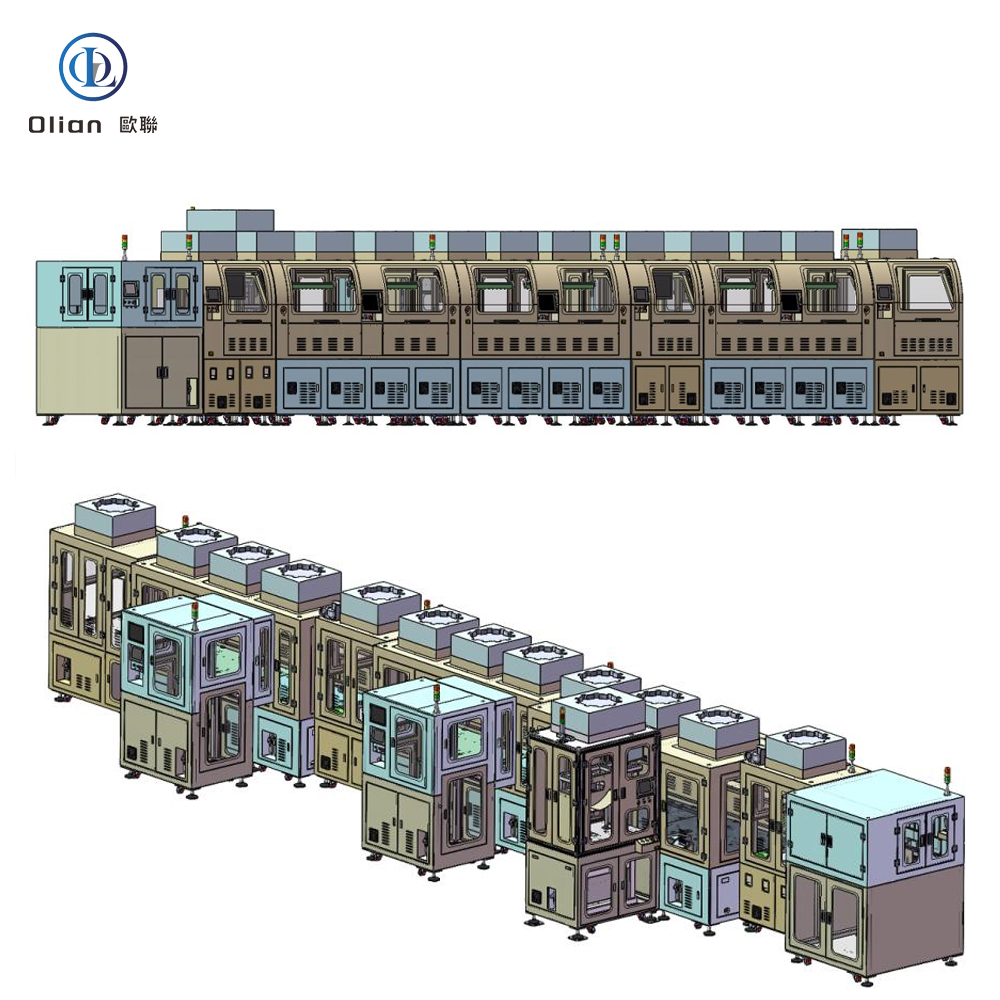
Wearable Device Display Manufacturing Line: Enabling the Future of Compact, Flexible, and High-Performance Wearables
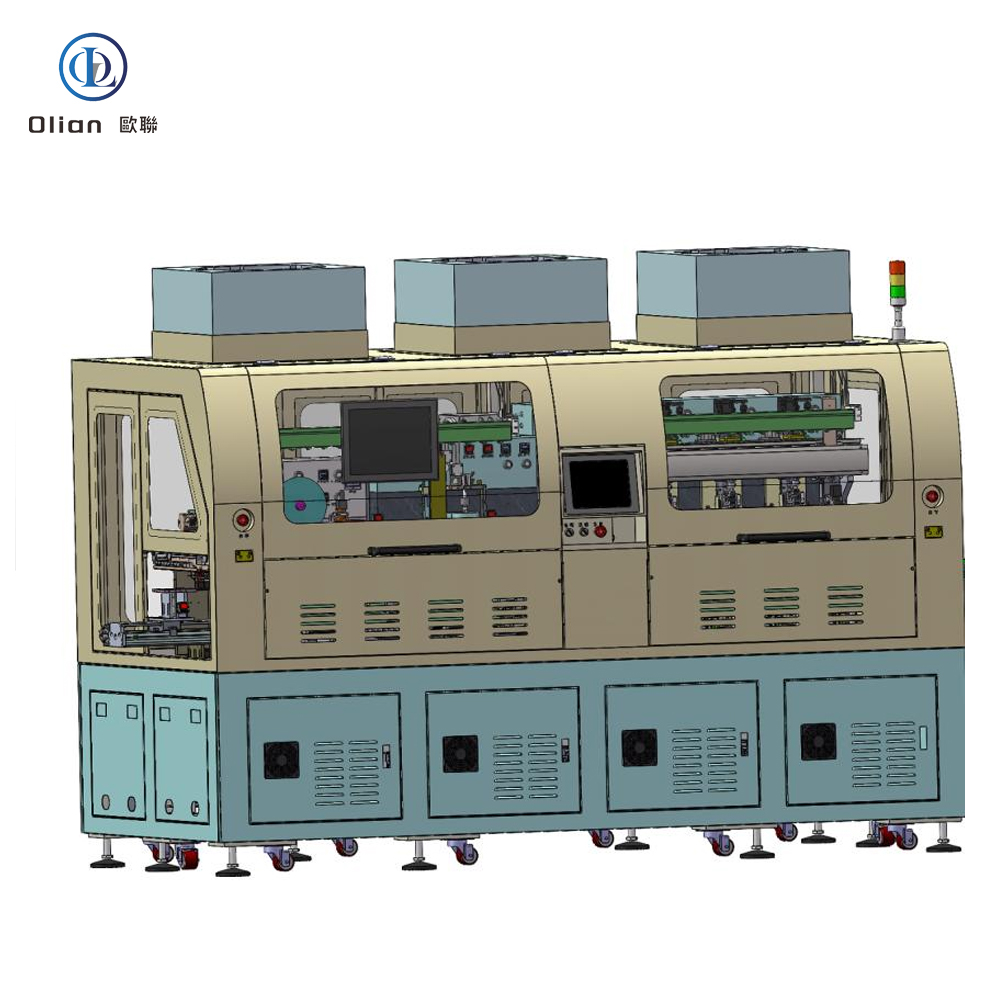
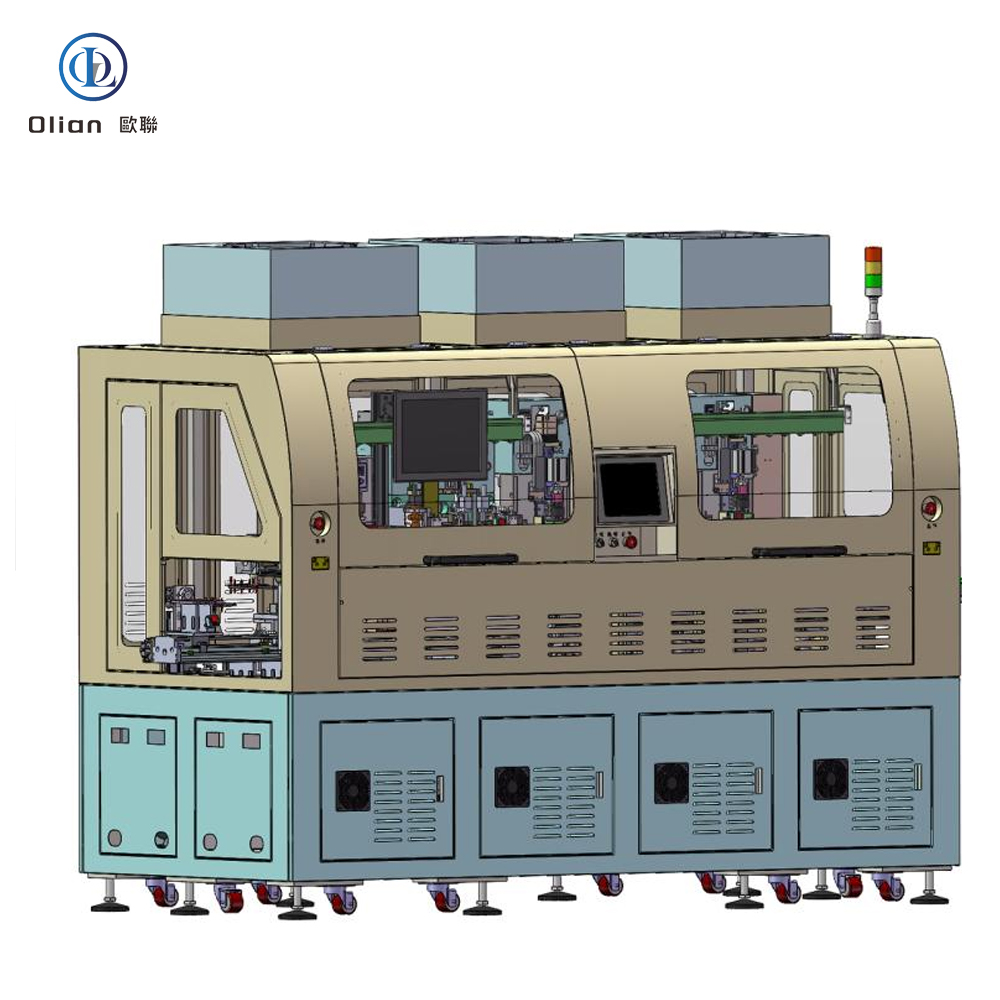
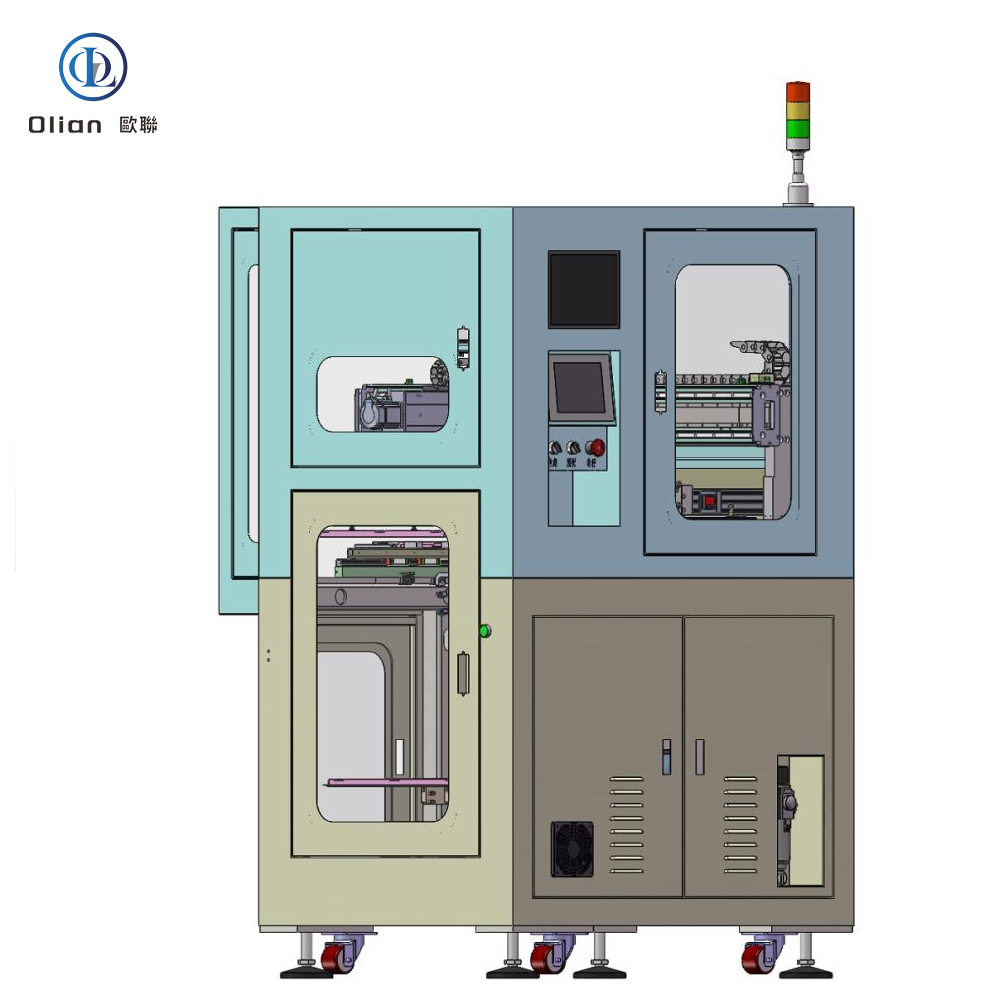
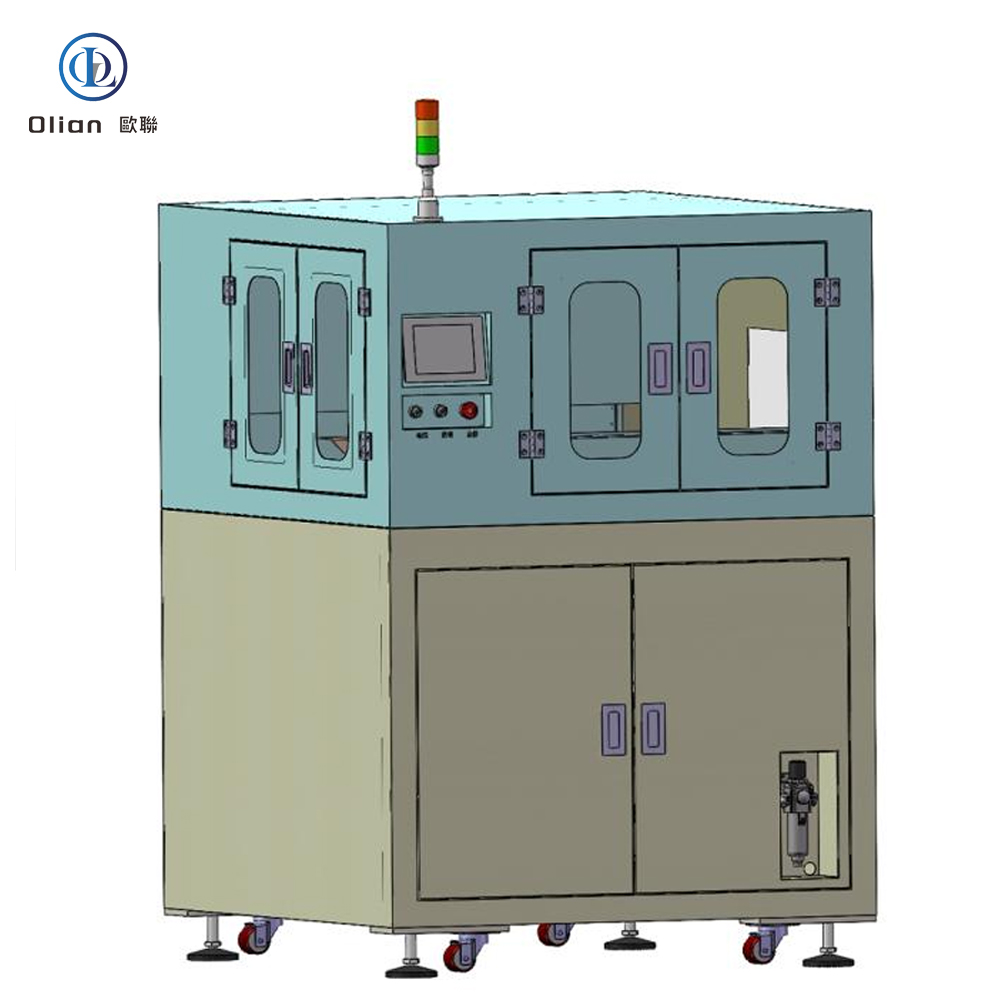
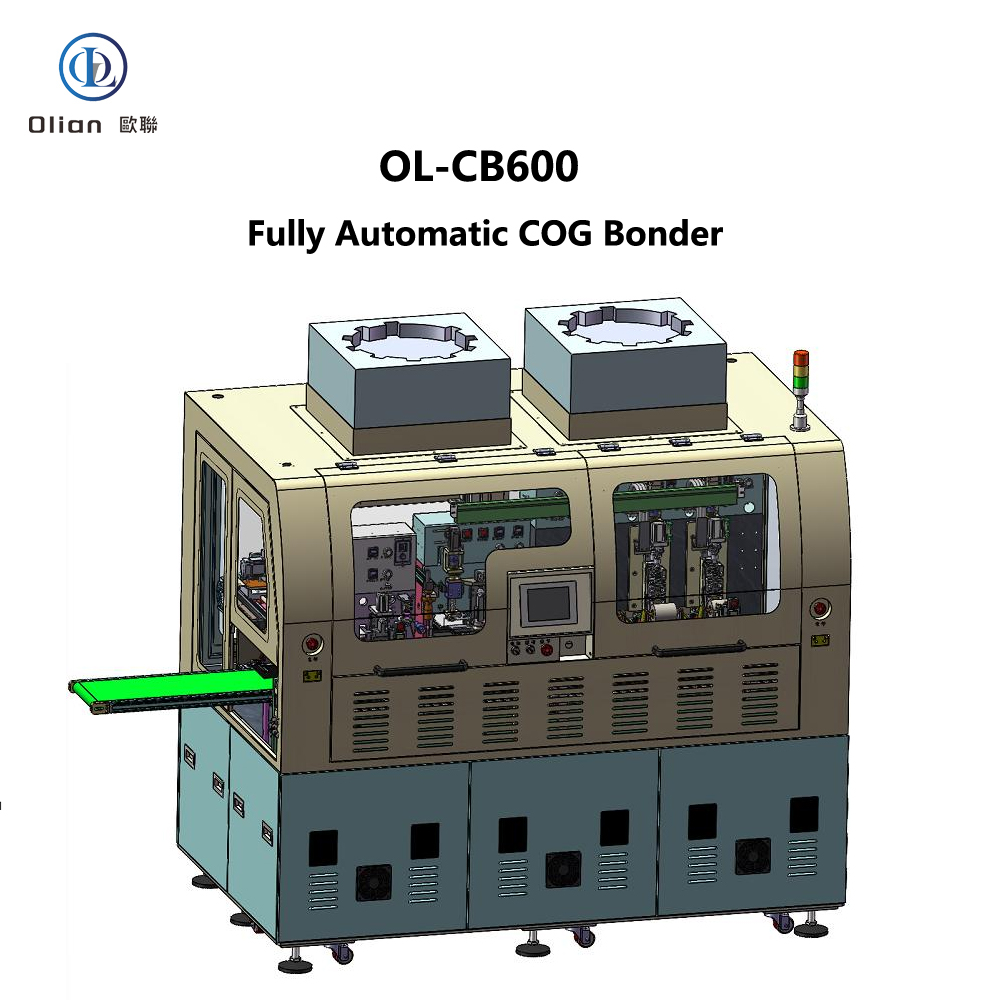
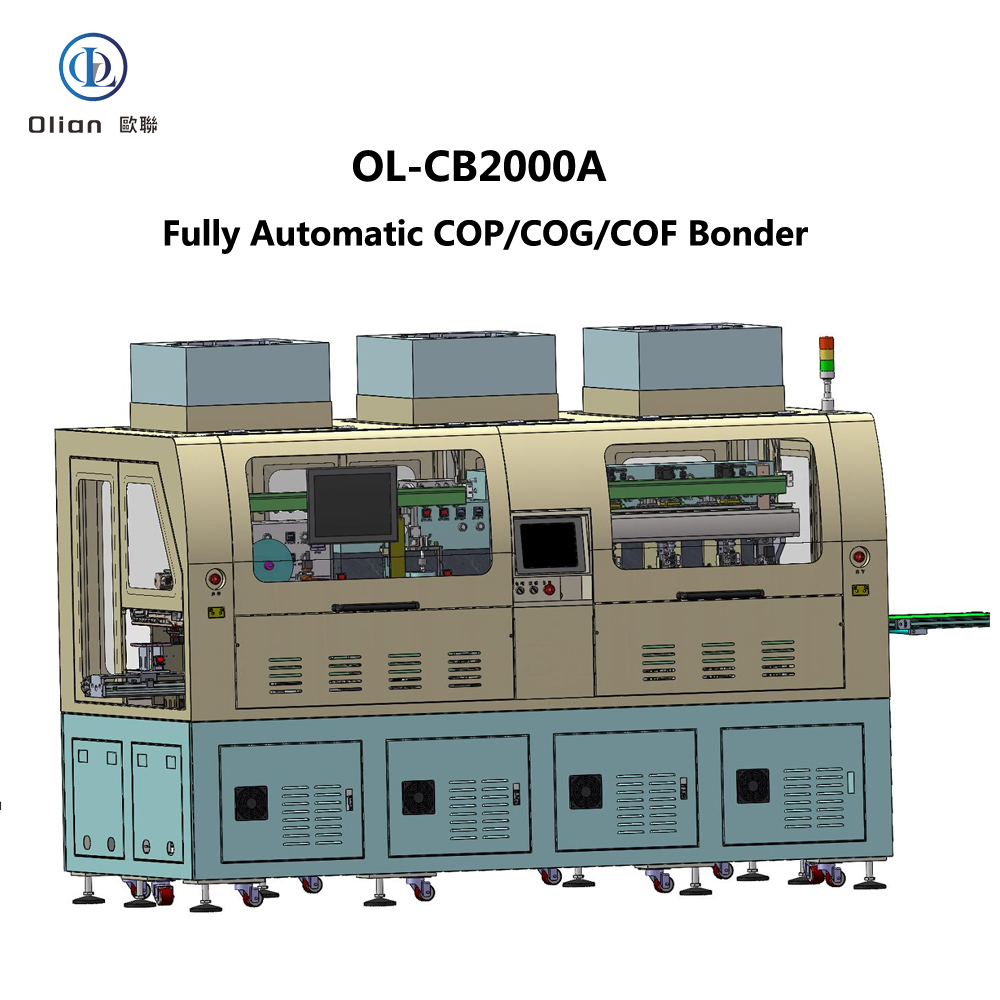
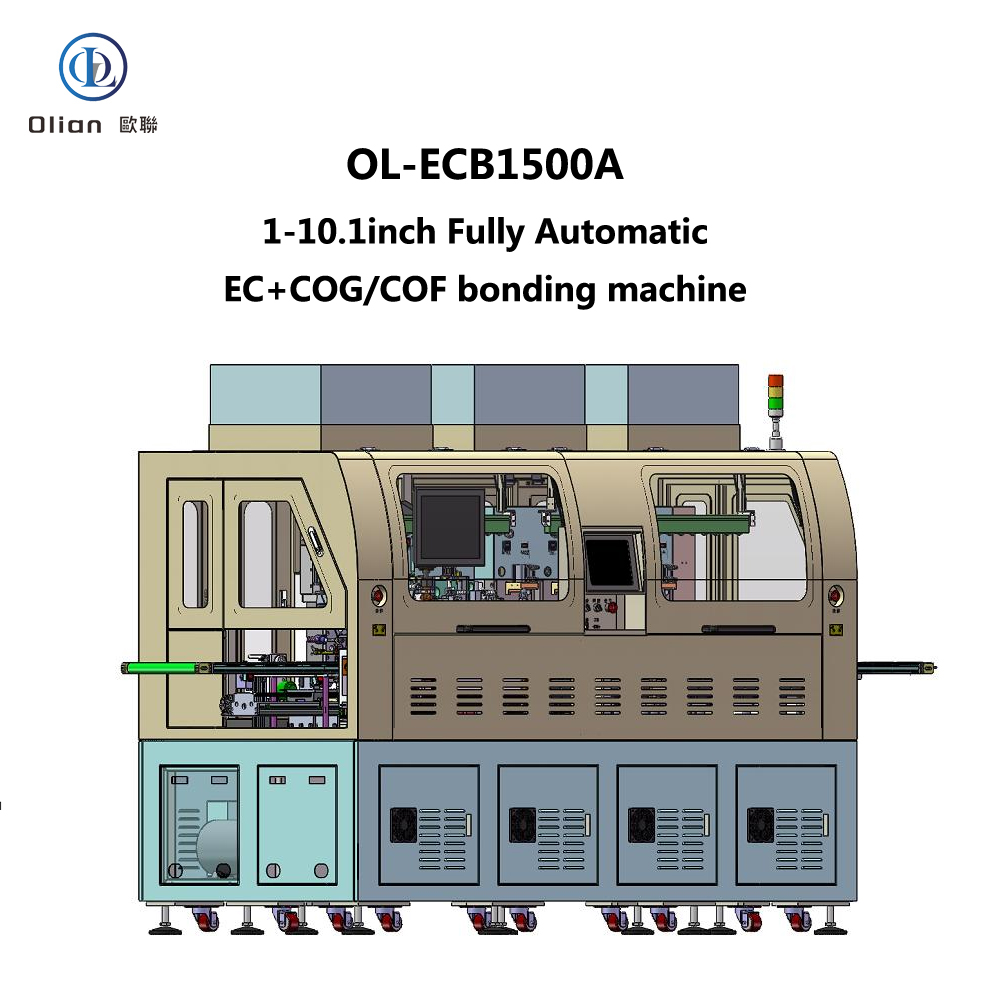
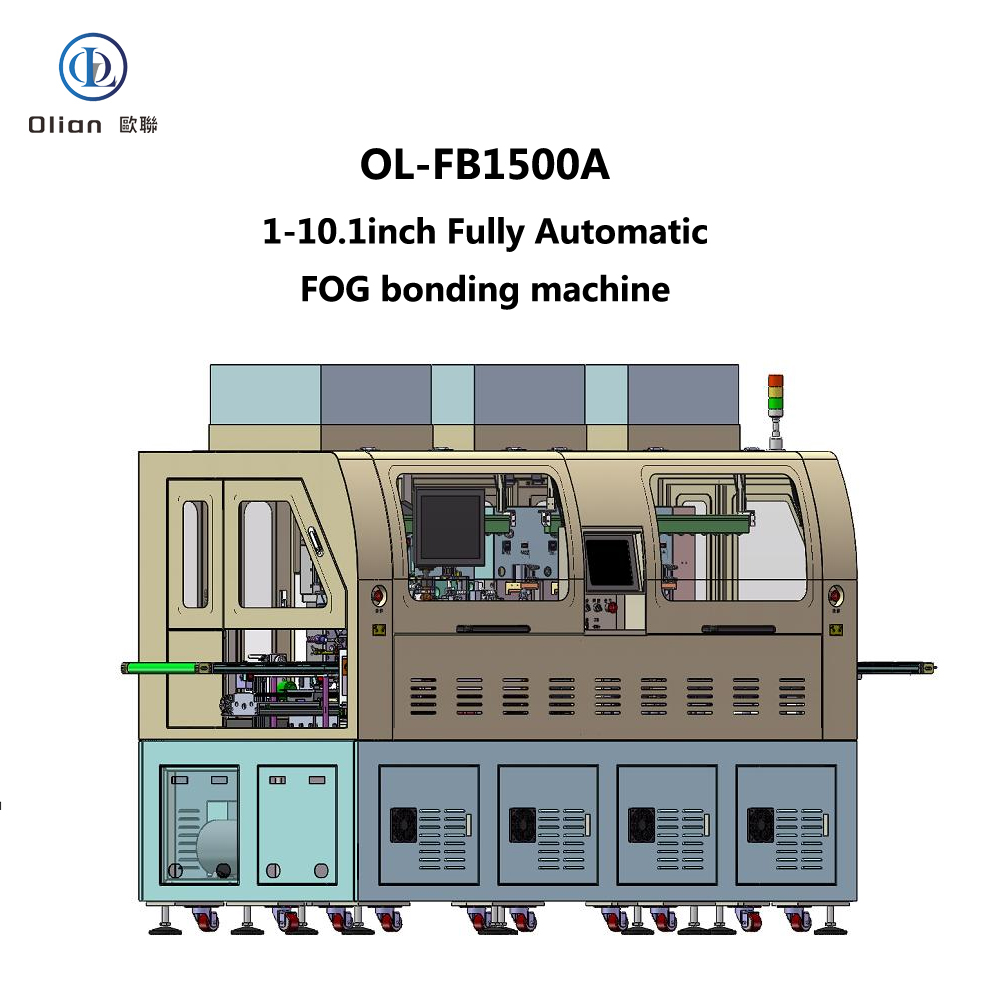
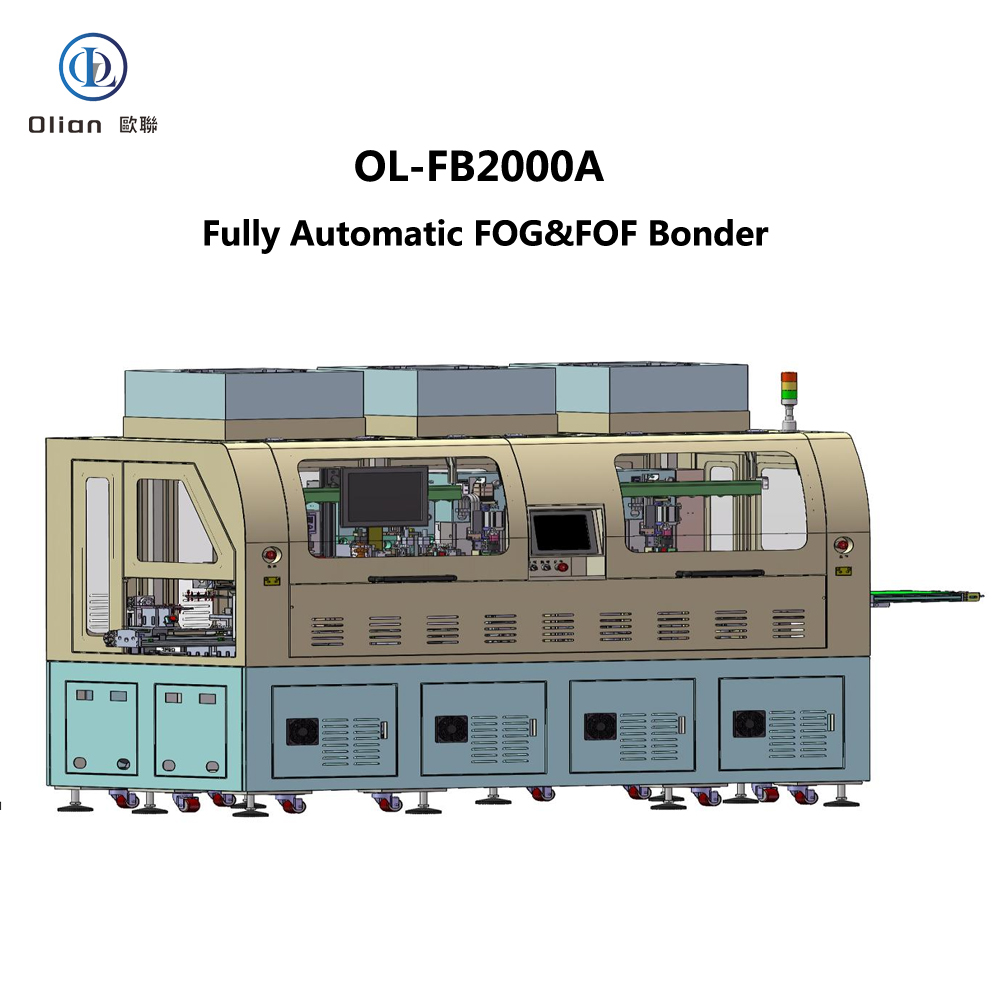
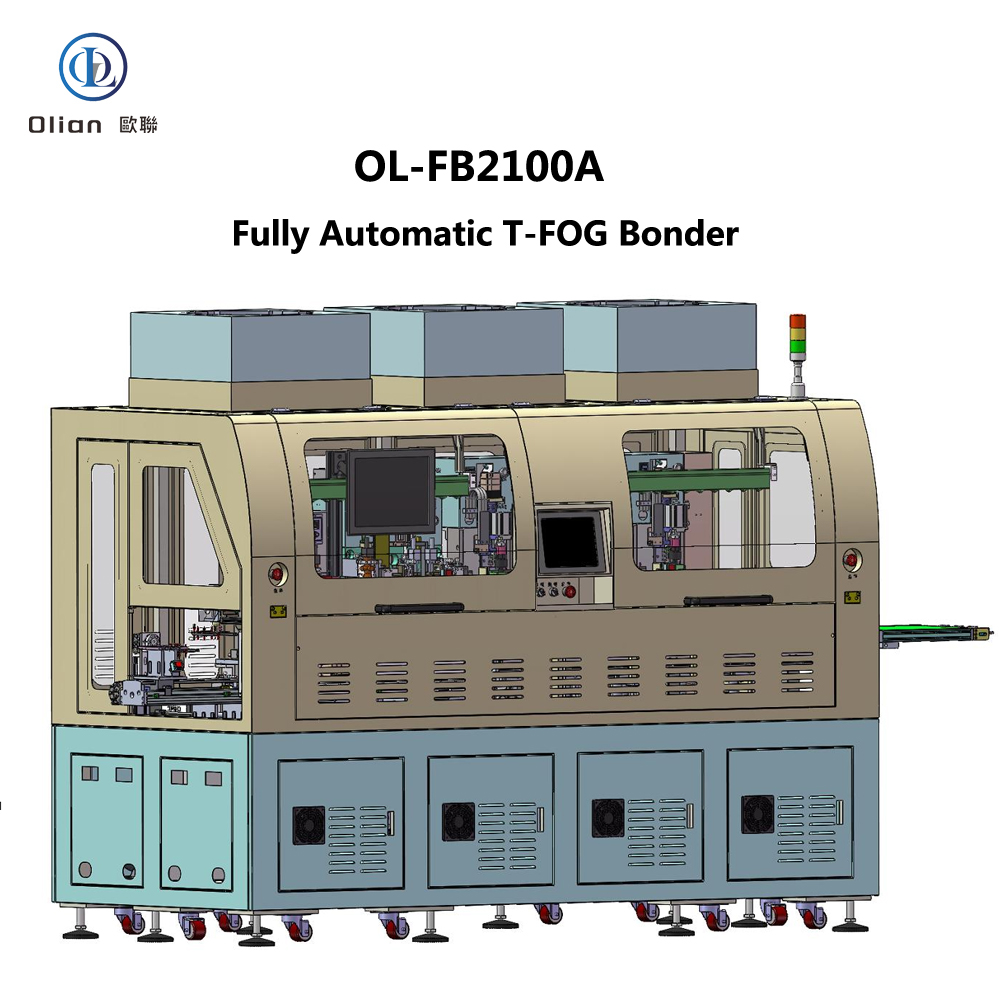
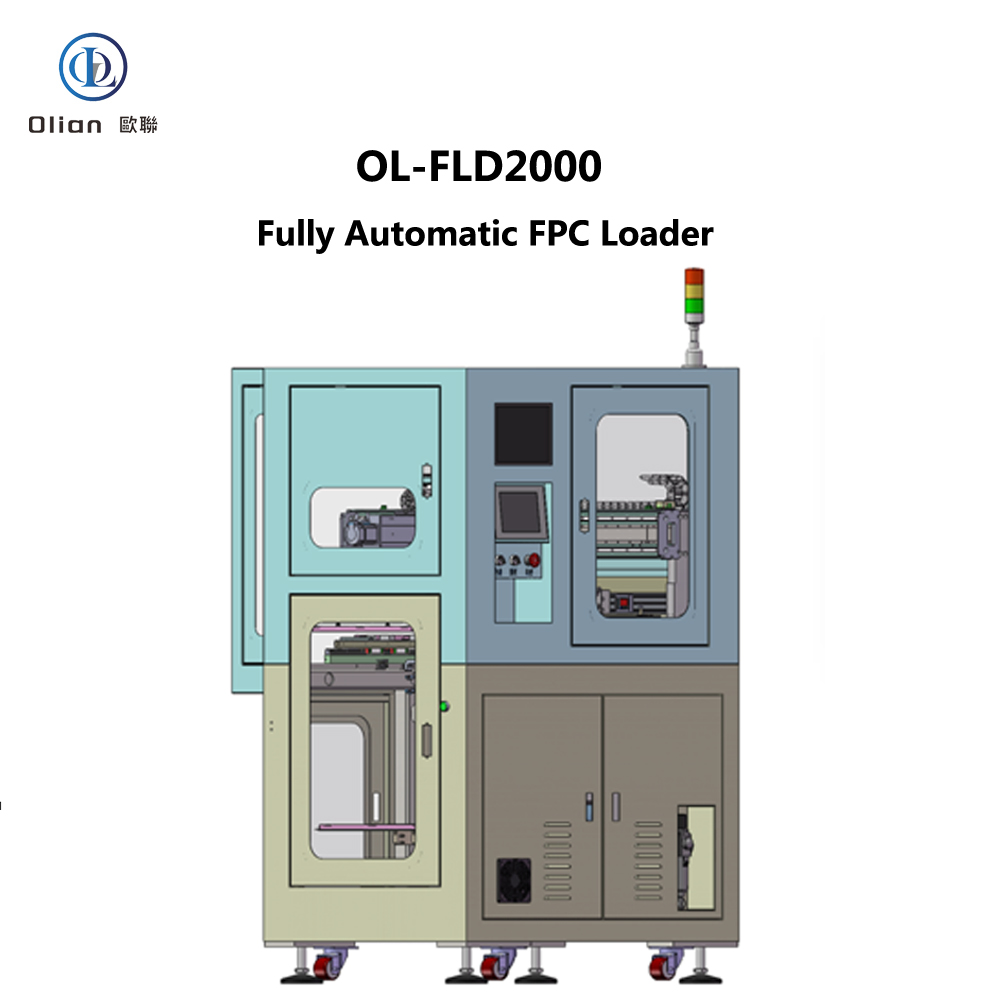
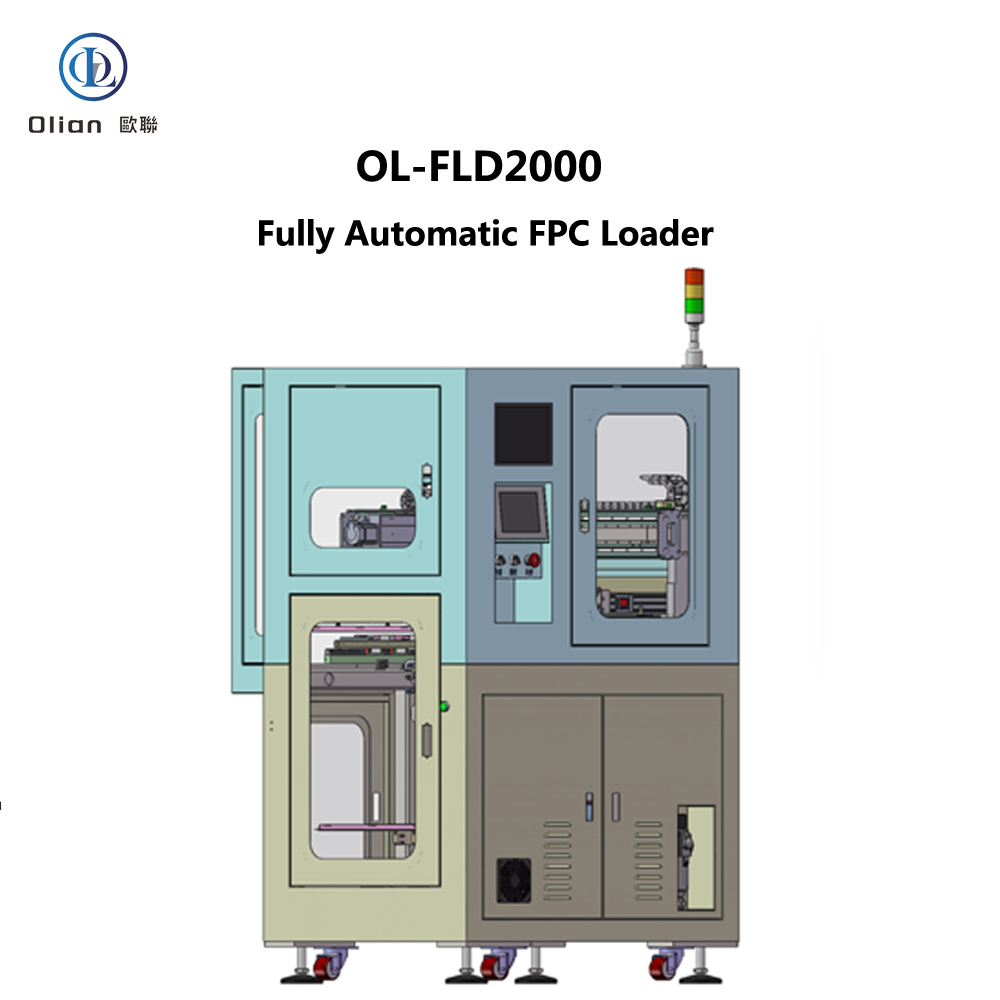
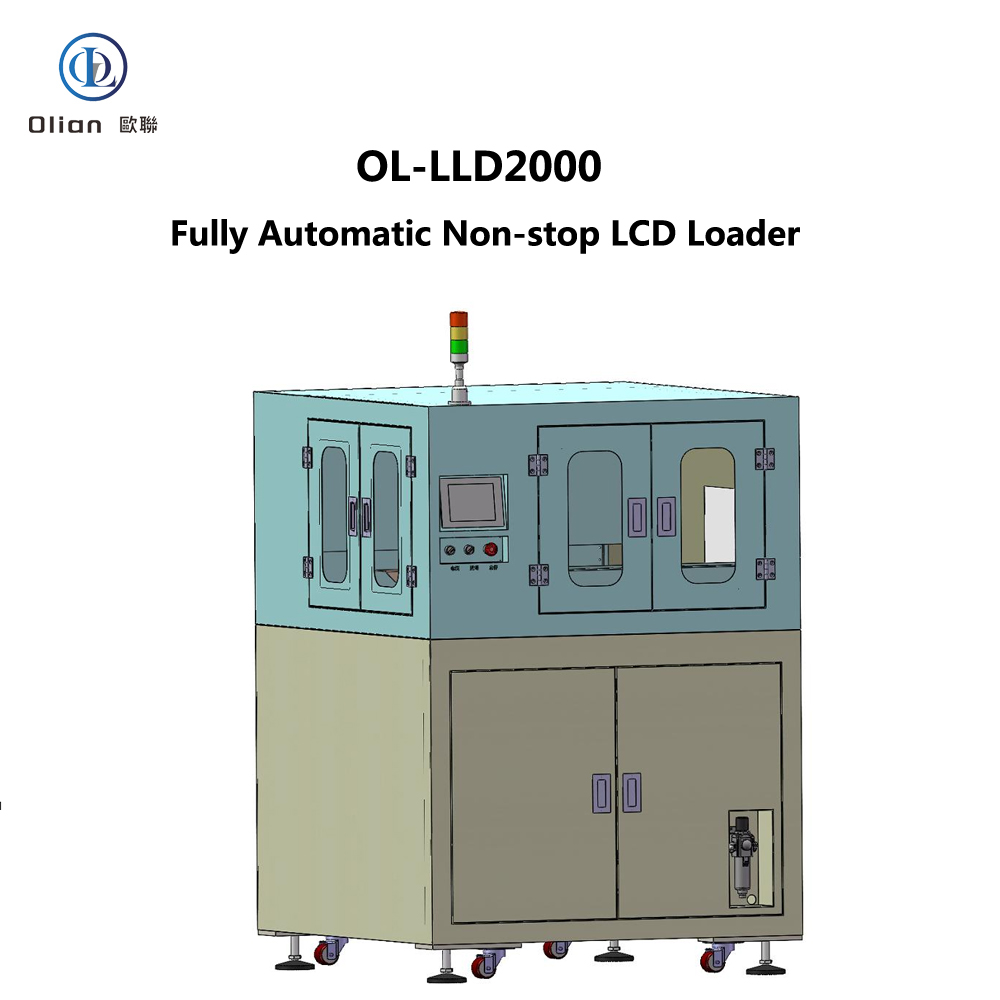
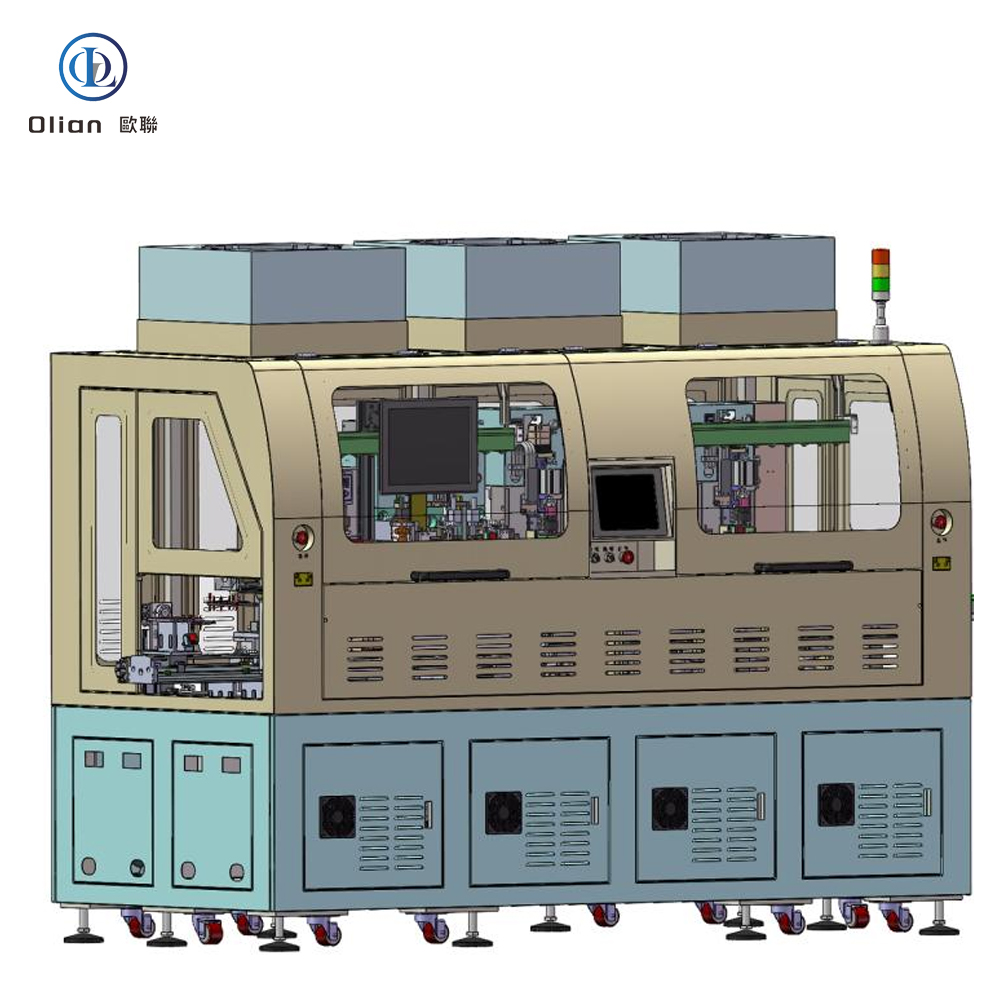
As wearable technology continues to evolve—from smartwatches and fitness trackers to AR glasses and health monitoring patches—the demand for compact, durable, flexible, and energy-efficient displays has surged. At the core of this innovation lies the Wearable Device Display Manufacturing Line, a highly sophisticated, precision-driven production system engineered to meet the unique challenges of small-form-factor, curved, and often flexible displays used in modern wearables.
This advanced manufacturing line integrates cutting-edge automation, micro-assembly technologies, and stringent quality control systems to deliver high-yield, reliable, and aesthetically pleasing displays that seamlessly blend form and function.
Wearable devices require displays that are not only visually clear and responsive but also lightweight, power-efficient, and mechanically robust. Traditional rigid displays are increasingly being replaced by flexible OLED, micro-LED, and even electronic paper (e-Paper) technologies that conform to the human body and withstand constant movement and environmental stress.
The Wearable Device Display Manufacturing Line is specifically designed to handle these advanced display types, supporting both rigid and flexible substrates, ultra-thin components, and miniaturized packaging.
1. Cleanroom-Compatible Automation
○ Operates in Class 100–1000 cleanrooms to prevent particle contamination.
○ Robotic arms with nano-precision handling ensure safe transfer of fragile display panels.
2. Substrate Preparation and Cleaning
○ Advanced cleaning modules (brush, plasma, adhesive roller) remove micro-contaminants.
○ Surface activation improves adhesion for lamination and bonding processes.
3. Flexible Display Lamination
○ High-accuracy alignment systems bond flexible OLED or micro-LED panels to curved or flexible backplanes.
○ UV curing and thermal pressing ensure strong, bubble-free lamination.
4. COG (Chip-on-Glass) and COF (Chip-on-Film) Bonding
○ Driver ICs are bonded directly onto display substrates using anisotropic conductive film (ACF).
○ Thermocompression equipment ensures reliable electrical connections with sub-micron precision.
5. FPC (Flexible Printed Circuit) Integration
○ FPCs connect the display to the main control board, enabling signal and power transmission.
○ Automated bonding ensures consistent quality and durability.
6. Curved and 3D Forming (for Curved Displays)
○ Specialized molds and thermal forming equipment shape rigid or semi-flexible displays into curved forms for smartwatches and AR devices.
○ Stress simulation and real-time monitoring prevent cracking or delamination.
7. Automated Optical Inspection (AOI) and Defect Detection
○ High-resolution CCD and AI-powered vision systems detect pixel defects, misalignments, and bonding flaws.
○ Real-time feedback enables immediate process correction.
8. Aging and Reliability Testing
○ Modules undergo extended power cycling, temperature/humidity stress, and bend testing (for flexible displays).
○ Ensures long-term performance under real-world conditions.
9. Final Assembly and Packaging
○ Integration with touch sensors, cover lenses, and protective films.
○ Anti-static, shock-resistant packaging for downstream assembly.
● High Flexibility: Supports multiple display technologies (OLED, micro-LED, e-Paper) and form factors (round, square, curved, flexible).
● Ultra-Precision Handling: Capable of processing displays as small as 1 inch with micron-level accuracy.
● Low Particle Generation Design: Minimizes contamination in sensitive micro-display assemblies.
● Smart Manufacturing Integration: Fully compatible with SECS/GEM, MES, and IoT platforms for real-time monitoring, traceability, and predictive maintenance.
● Energy and Material Efficiency: Optimized processes reduce waste and power consumption, aligning with sustainable manufacturing goals.
● Scalability: Designed for both high-volume mass production and small-batch customization.
● Smartwatches & Fitness Trackers: High-brightness, always-on displays.
● AR/VR Headsets: Micro-displays with high pixel density and fast response.
● Smart Glasses: Transparent or near-eye displays for navigation and notifications.
● Health Monitoring Patches: Flexible, skin-conformable displays for real-time biometrics.
● Fashion-Tech & Smart Jewelry: Miniaturized, aesthetically integrated displays.
At Olian Automatic, we specialize in designing and delivering turnkey Wearable Device Display Manufacturing Lines that combine precision, reliability, and intelligence. Our solutions are built to support the rapid innovation cycles of the wearable industry, enabling manufacturers to bring next-generation products to market faster, with higher quality and lower total cost of ownership.
From concept to full-scale production, our engineering team works closely with clients to customize workflows, integrate advanced inspection systems, and ensure seamless compatibility with existing production ecosystems.
Welcome to visit us ,Wechat/whatsapp:+86 18025364779,Zack wu
Keywords: Wearable Display, Display Manufacturing Line, Flexible OLED, Micro-LED, COG Bonding, COF Bonding, FPC Integration, AOI, Automated Inspection, Smart Manufacturing, SECS/GEM, MES, Curved Display, Miniaturized Display, Wearable Technology, AR/VR Display, Health Monitoring Display, Precision Assembly, Cleanroom Automation, Flexible Electronics
Tags: Wearable Devices, Display Manufacturing, OLED, Micro-LED, Flexible Display, Smart Factory, Automation, Precision Engineering, IoT, AR/VR, Health Tech, Consumer Electronics, Mini-Display, Advanced Bonding, AOI, SECS/GEM, Sustainable Manufacturing