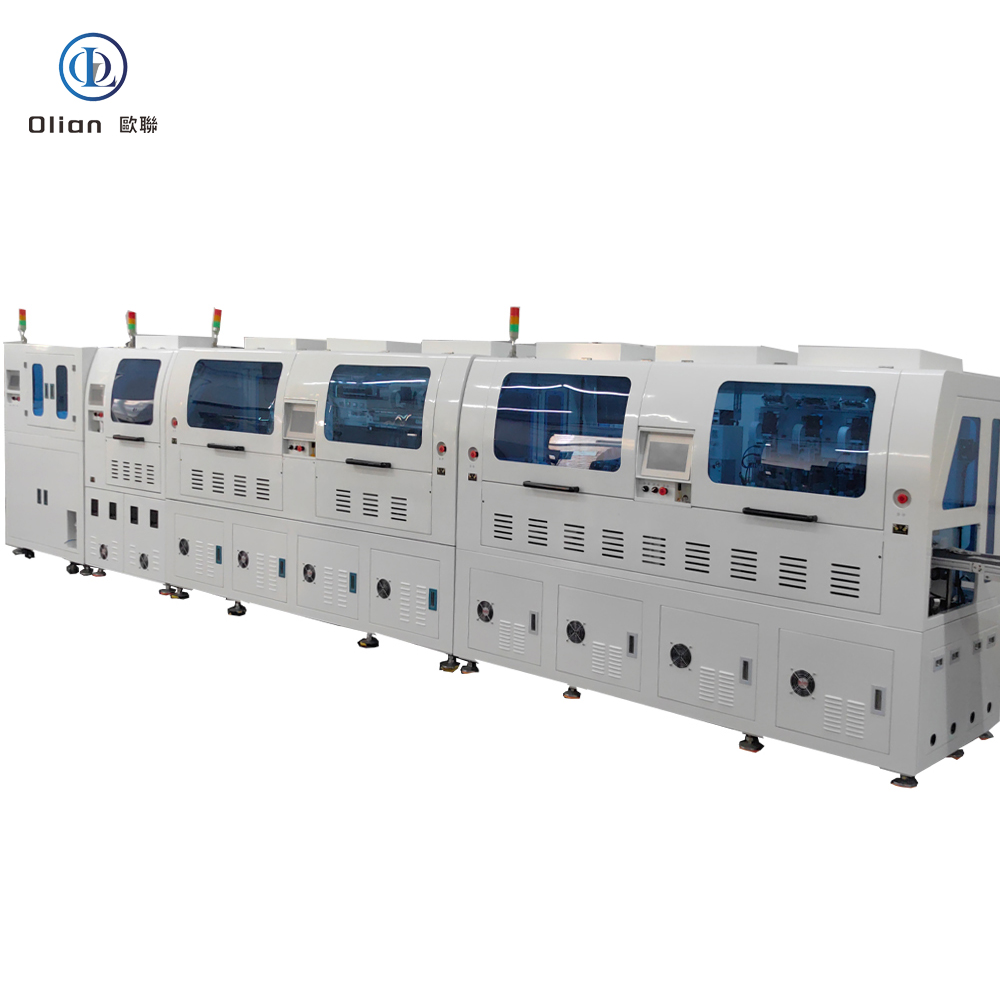
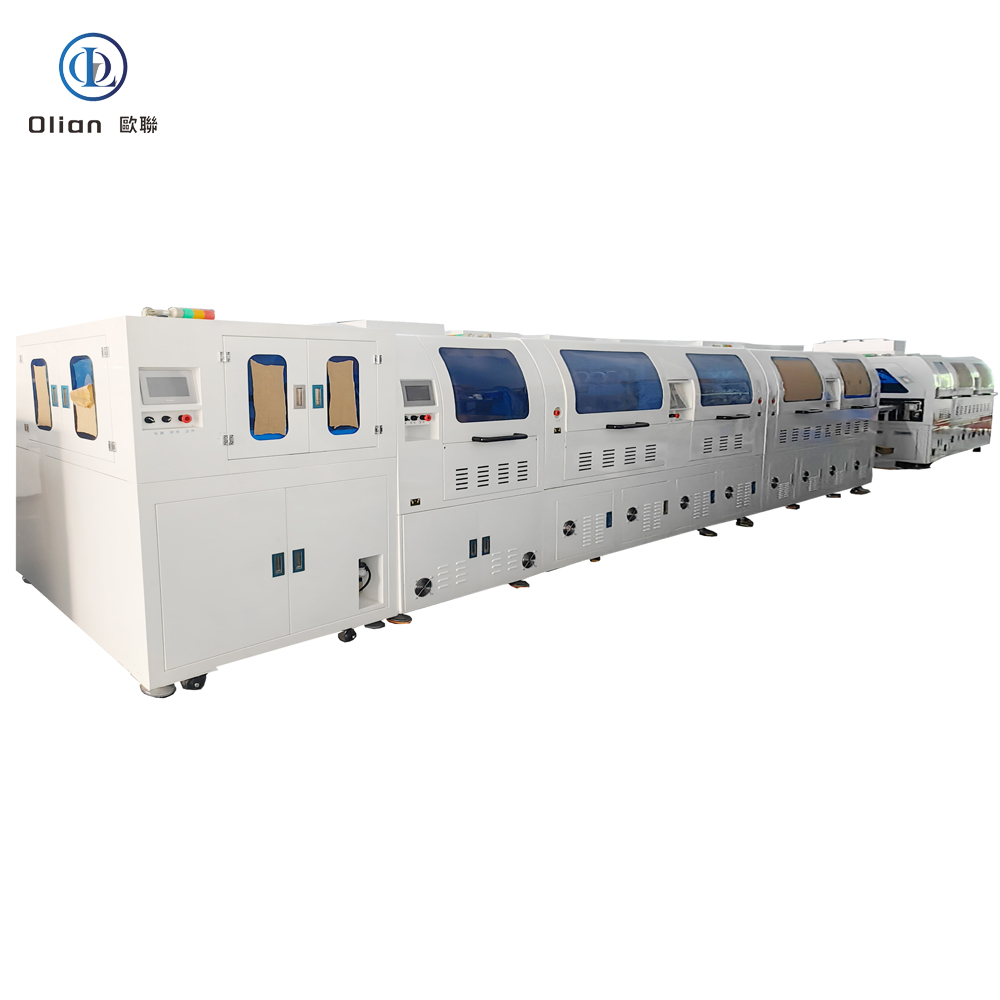
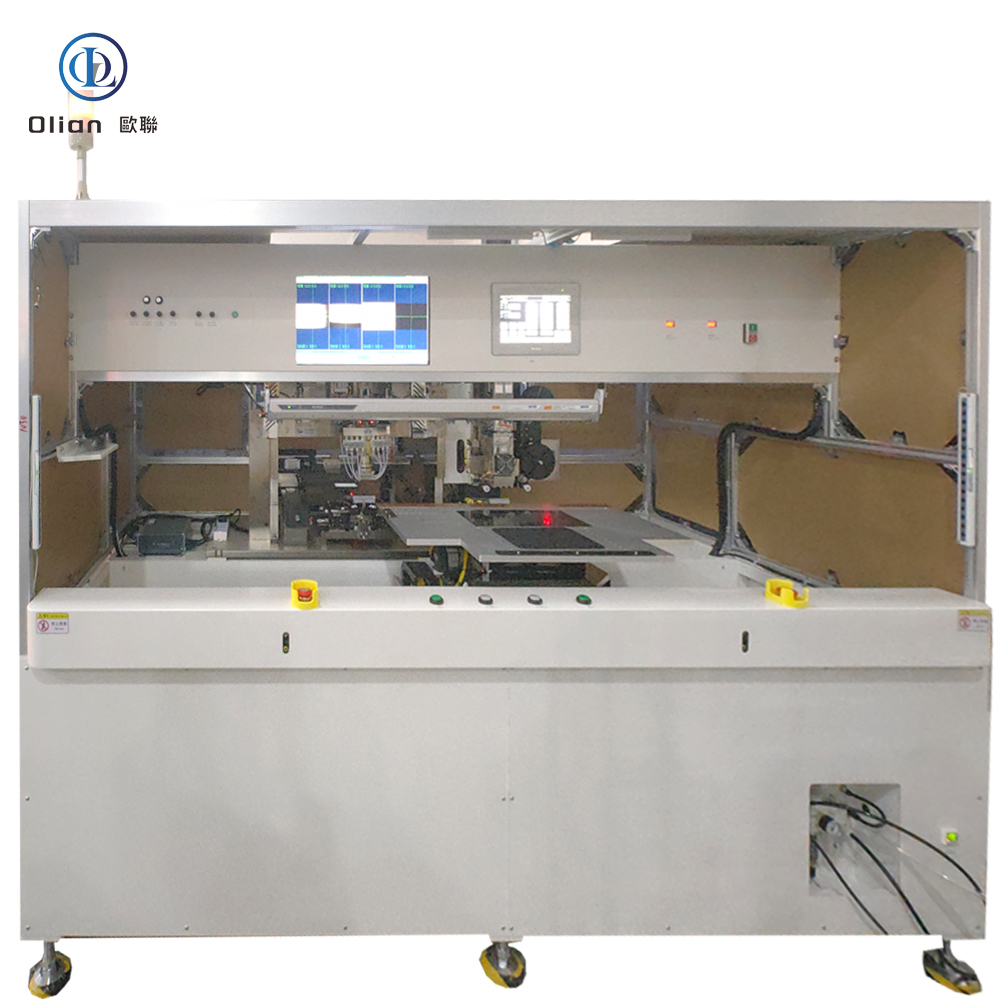
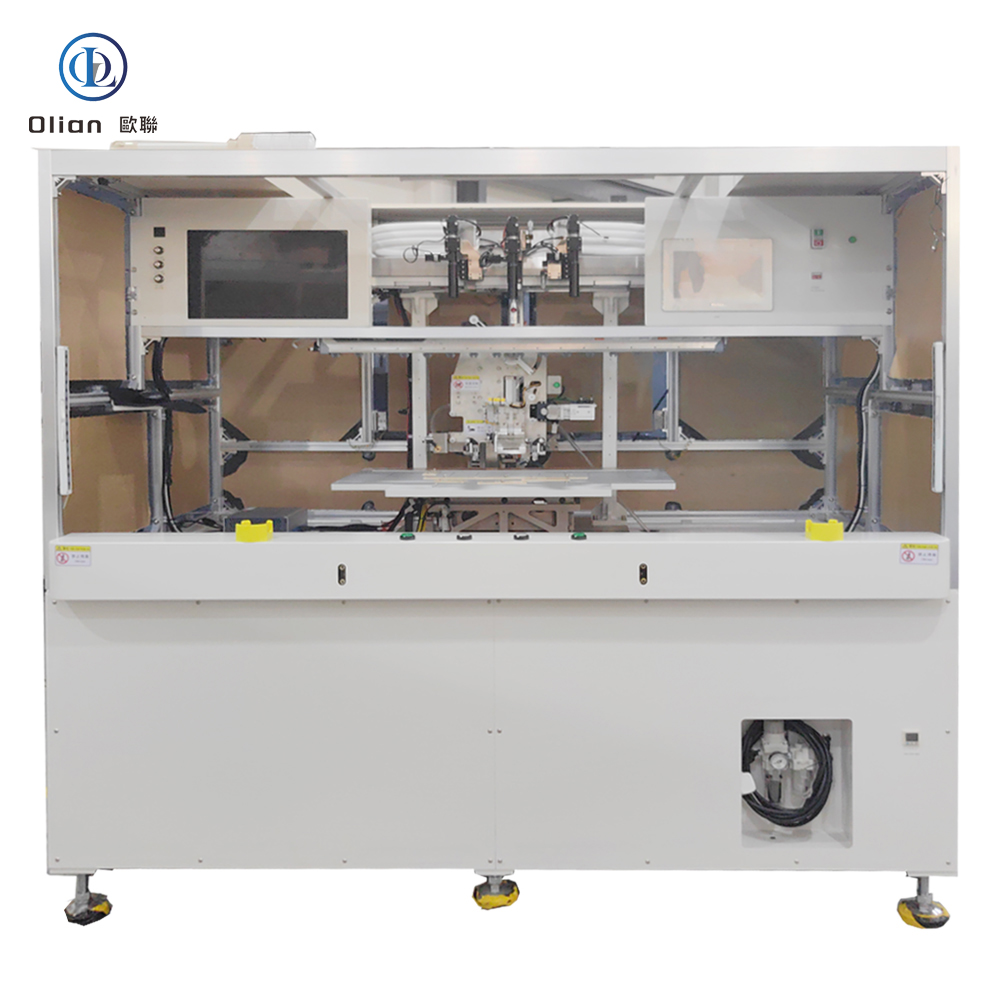
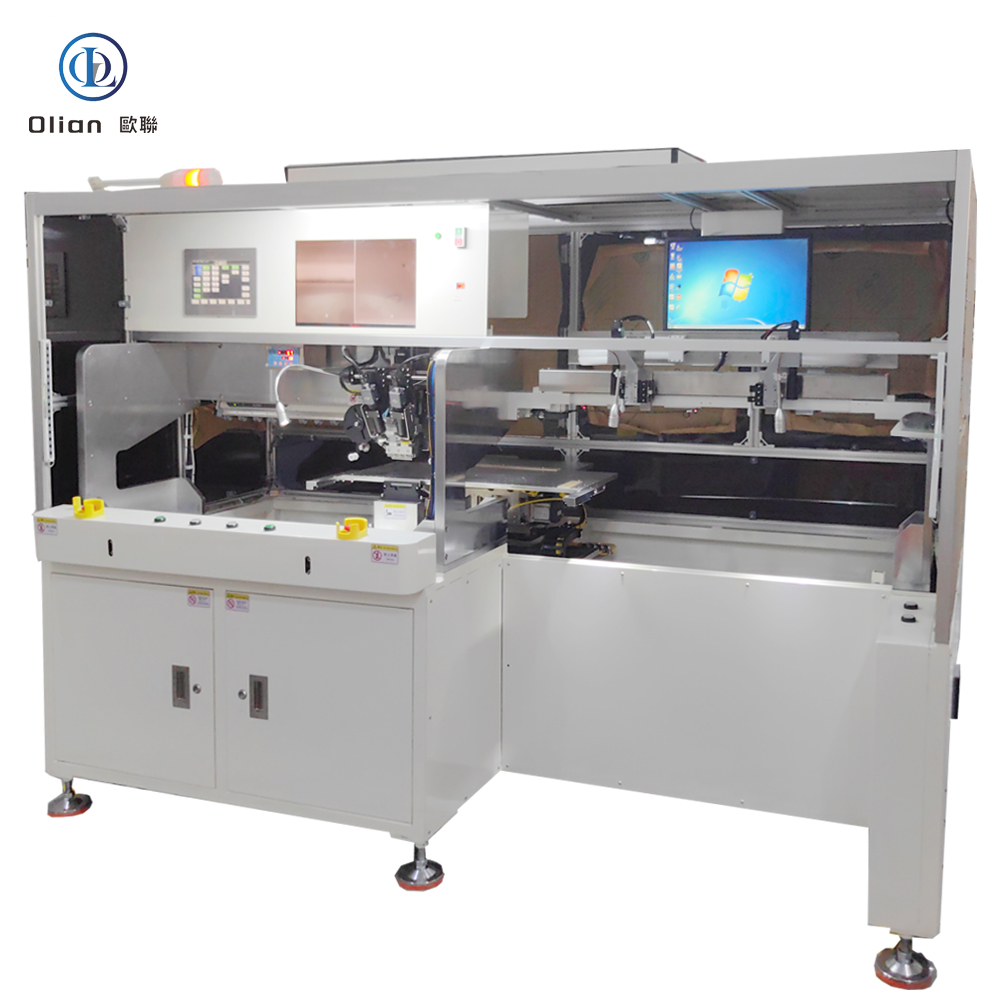
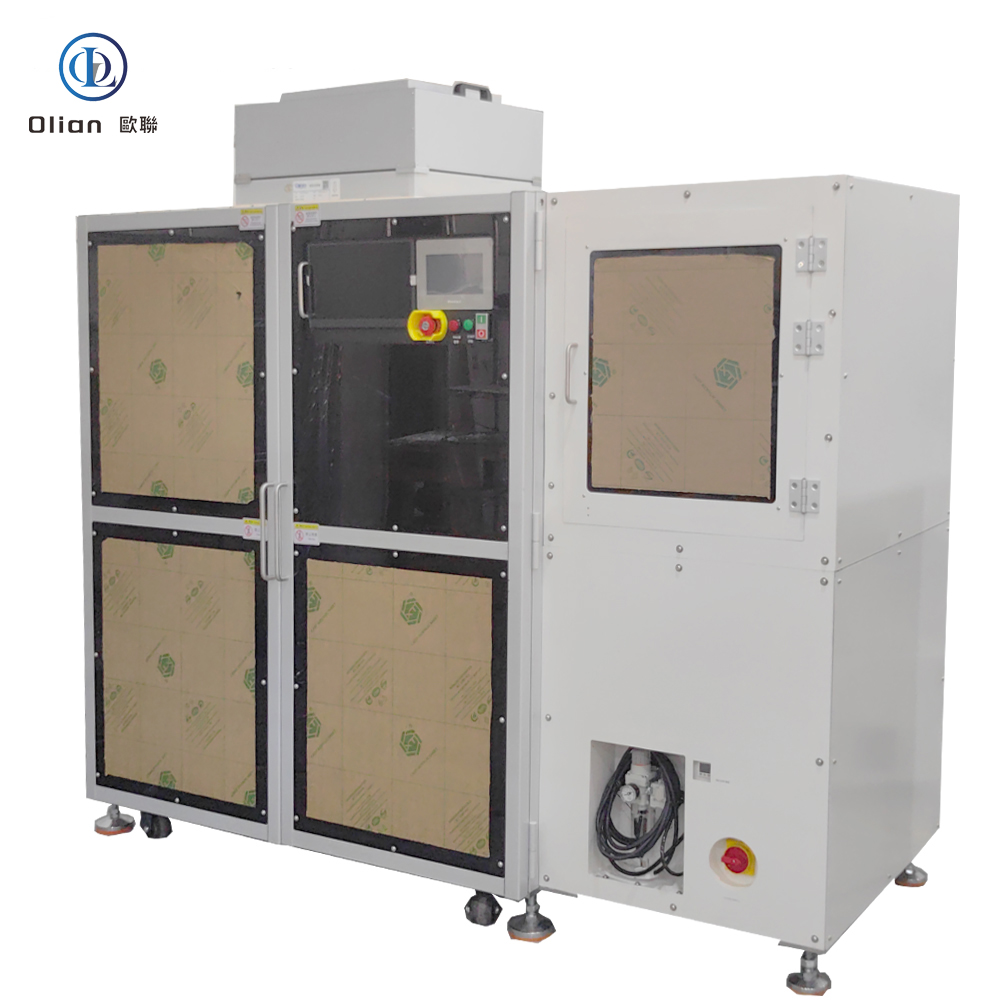
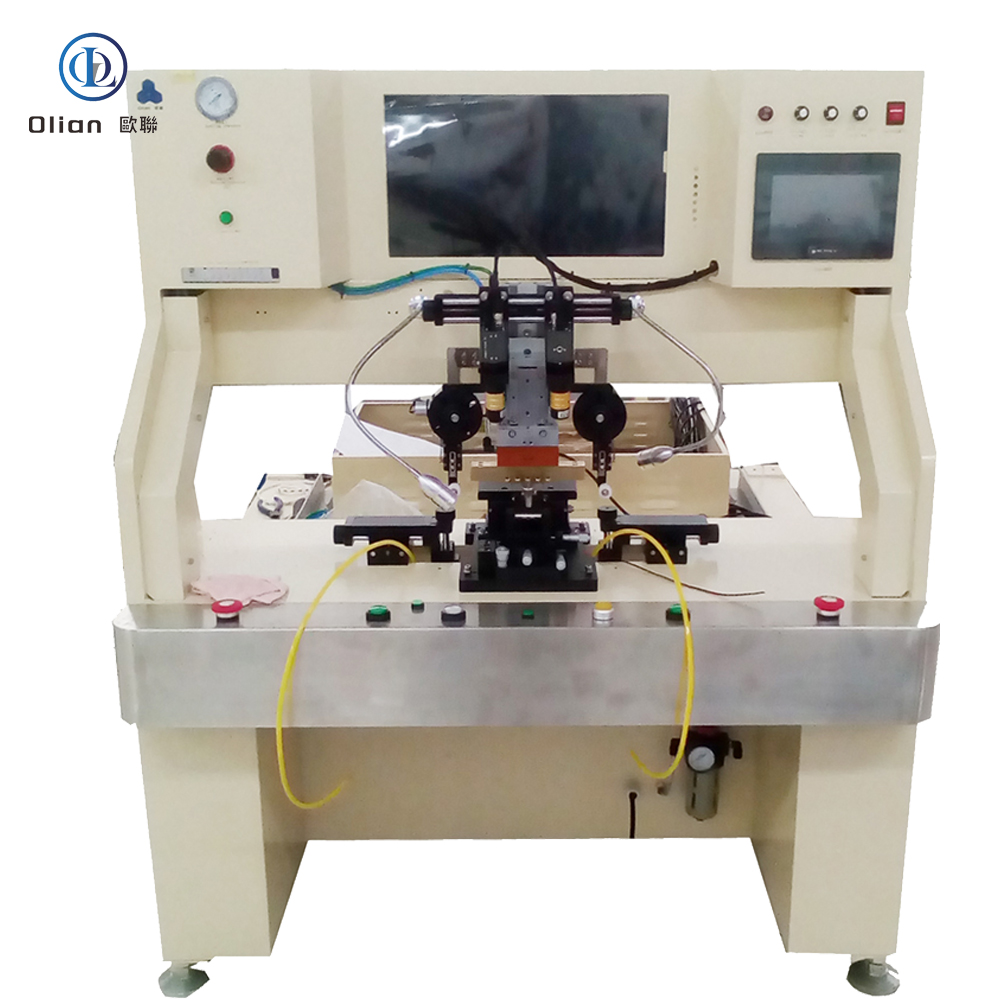
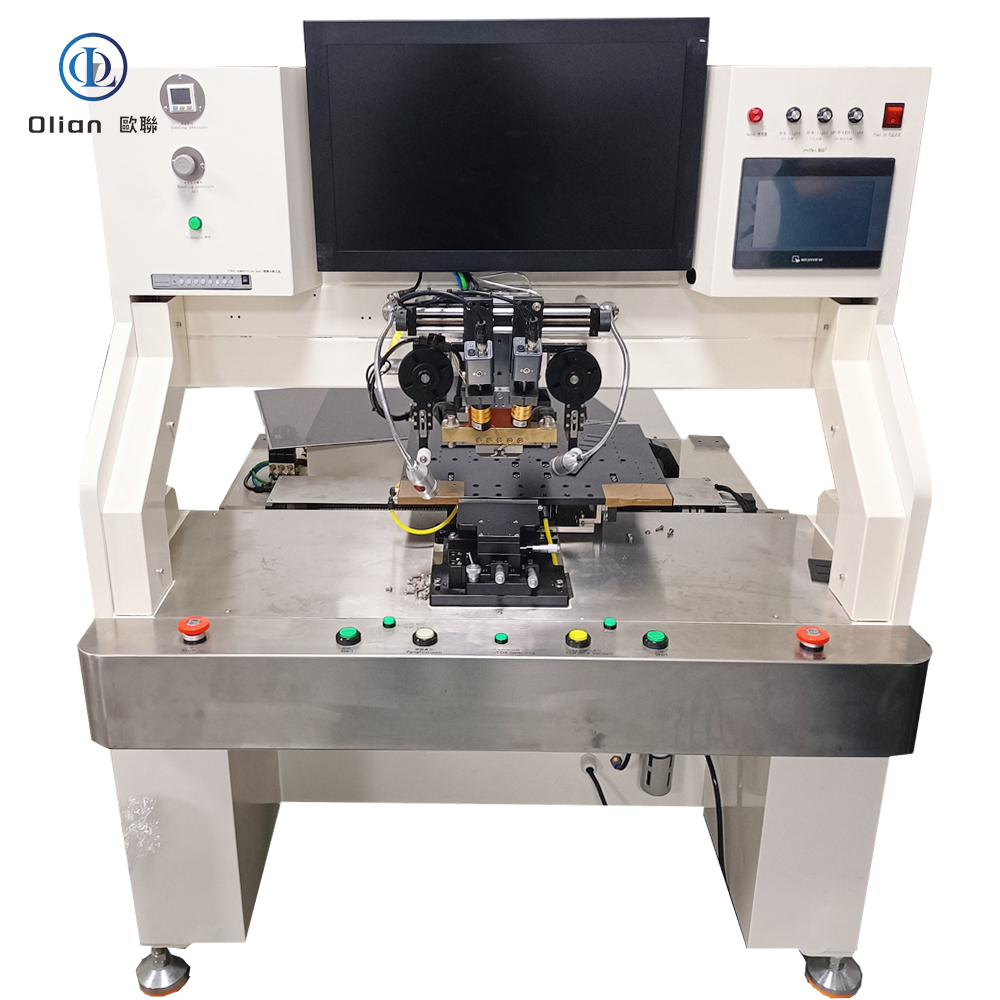
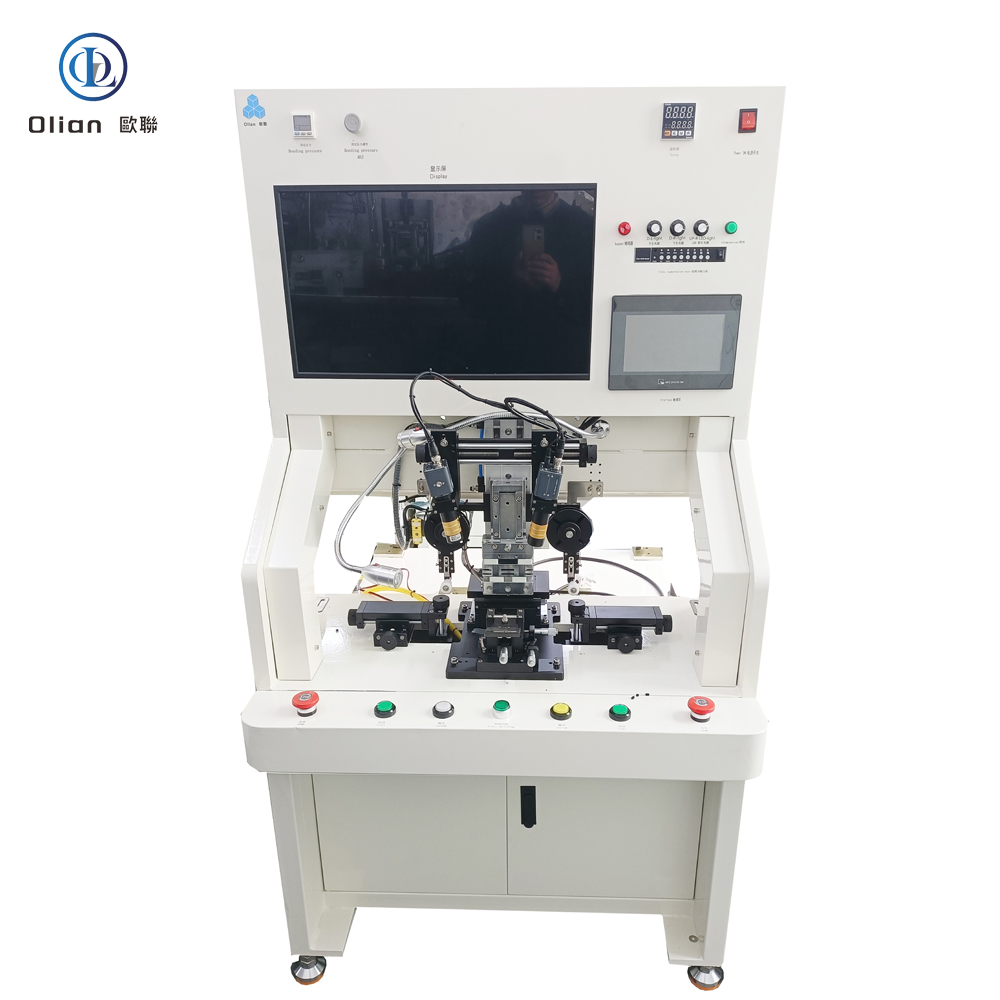
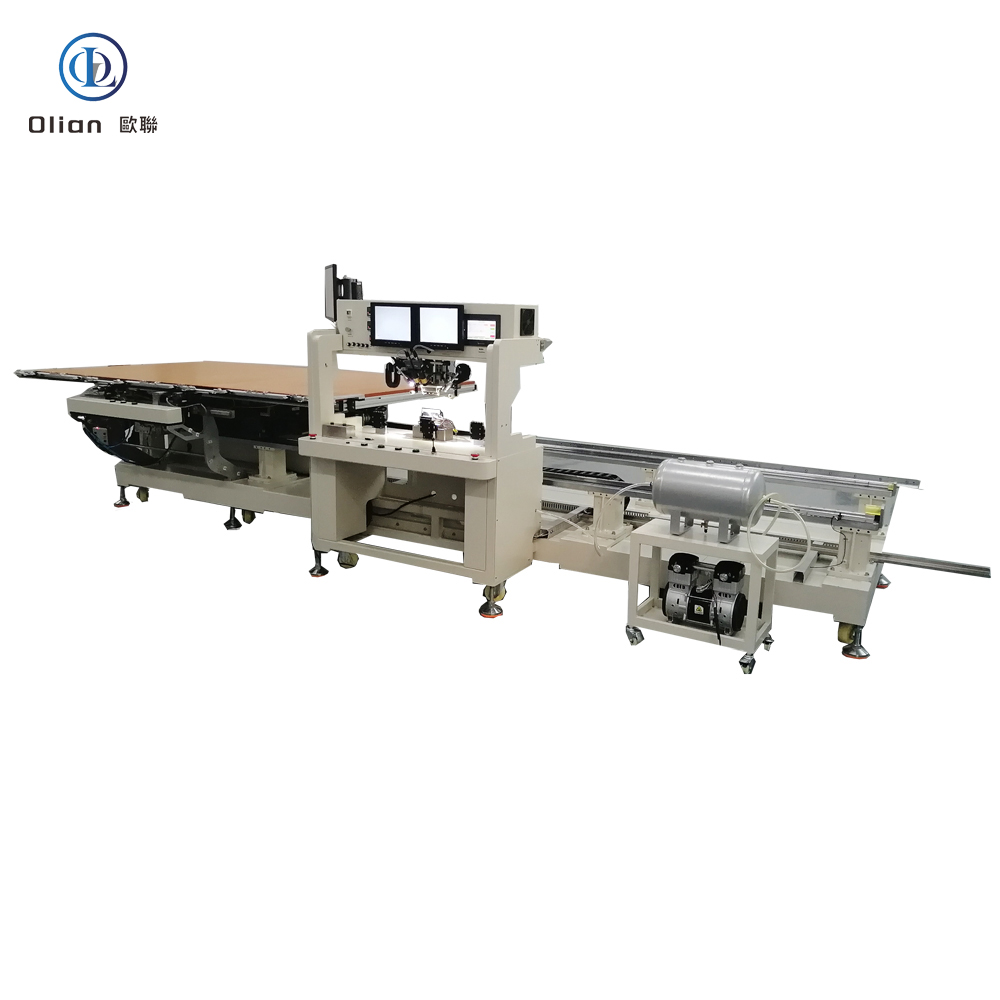
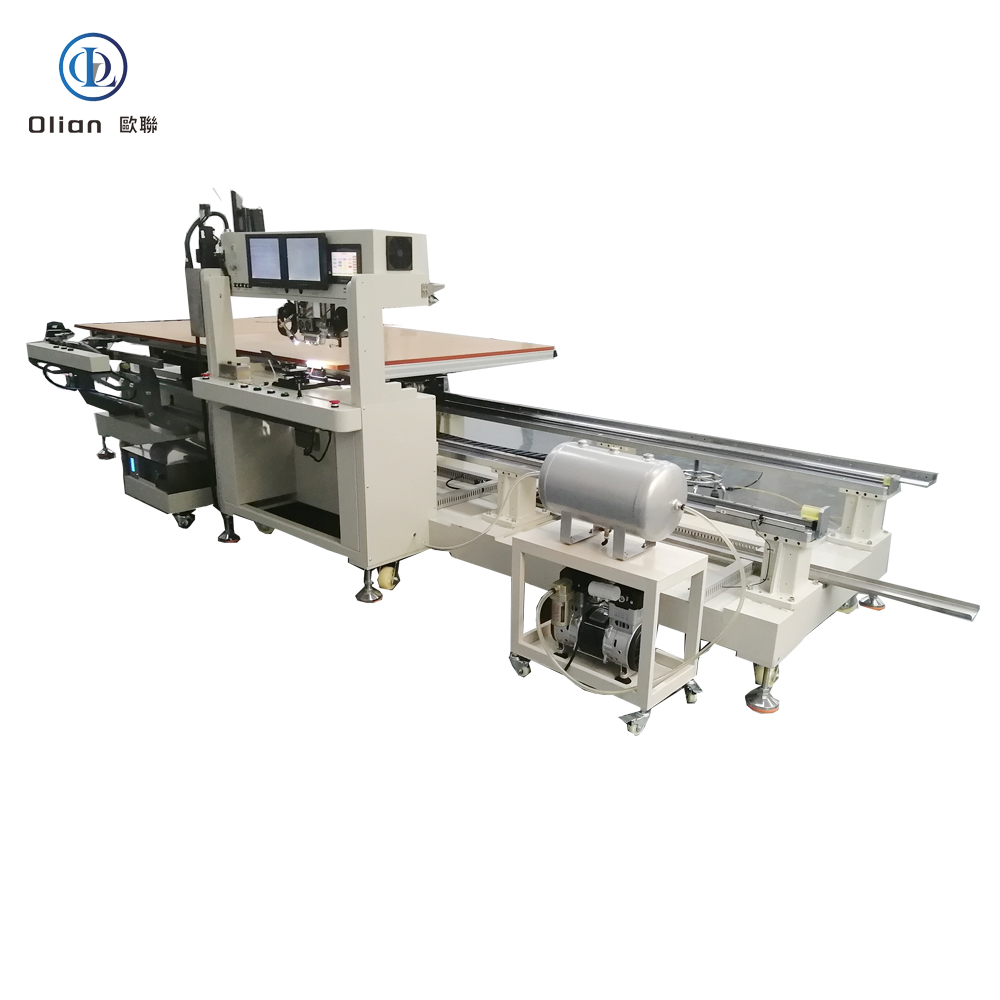
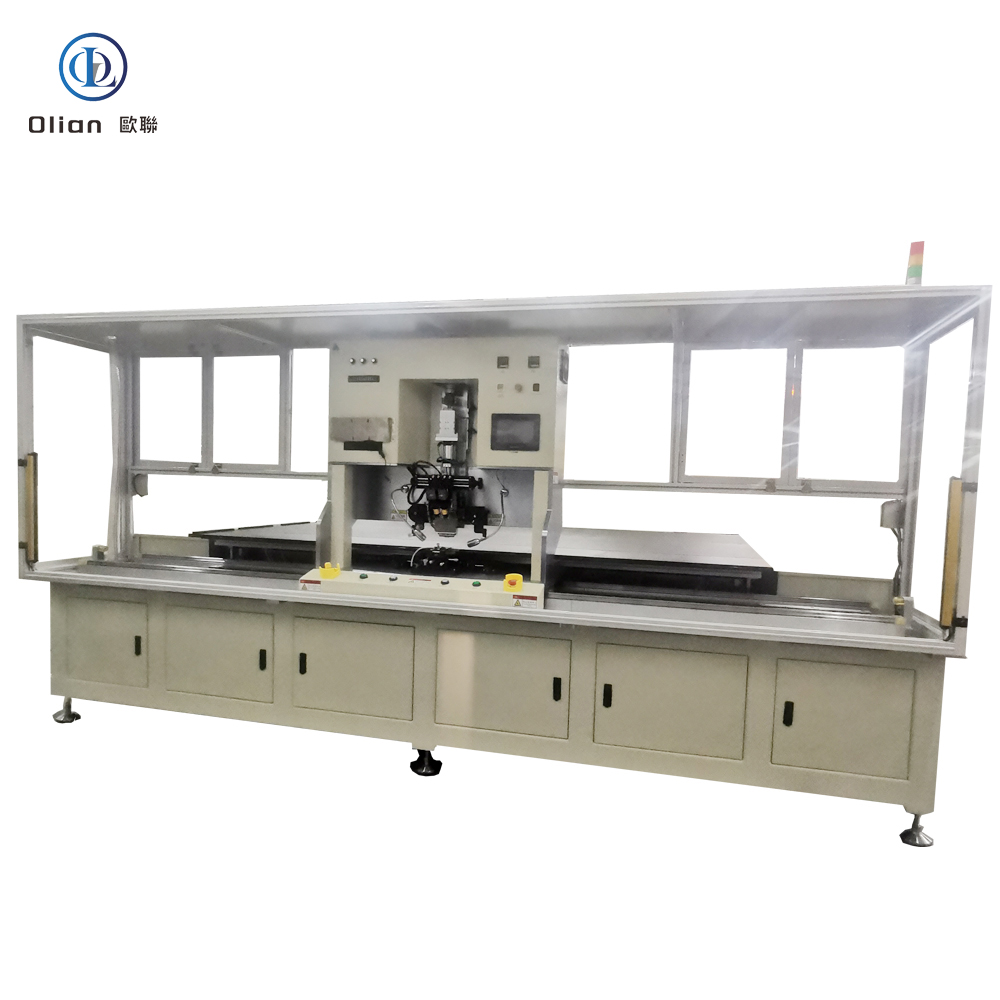
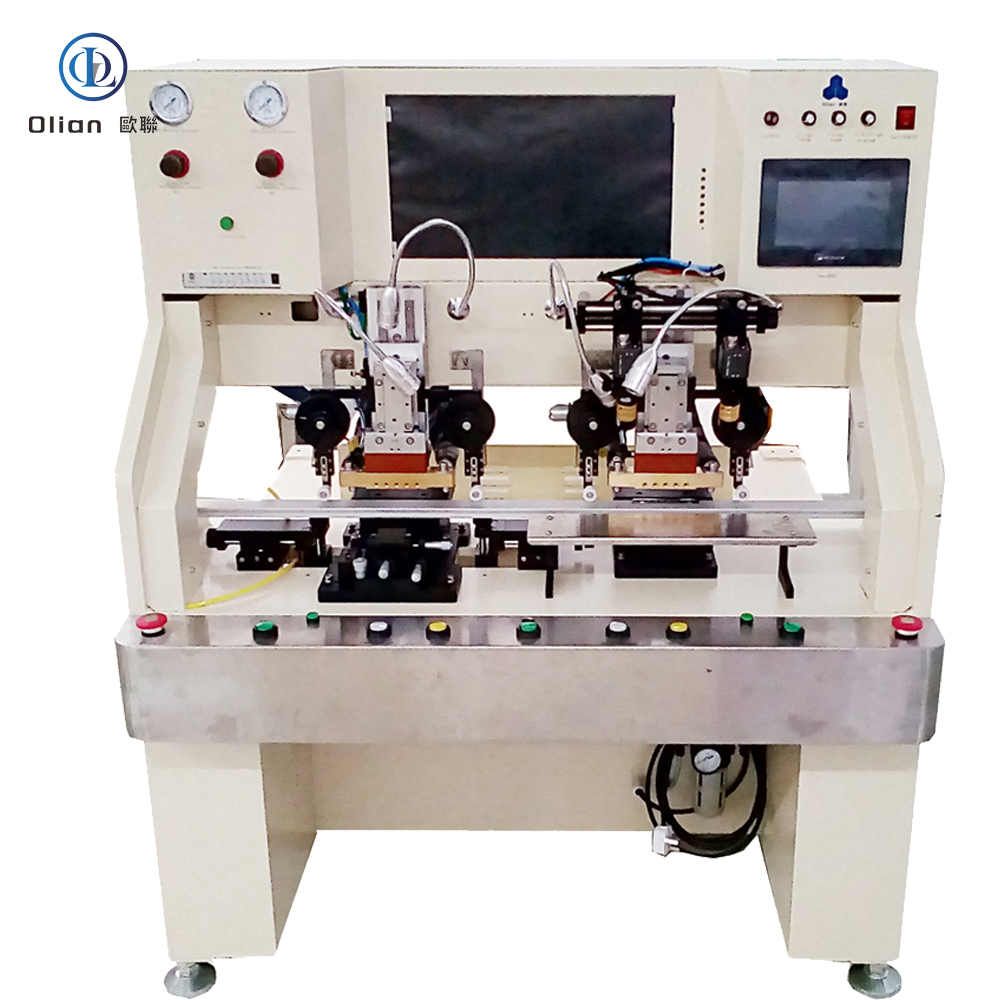
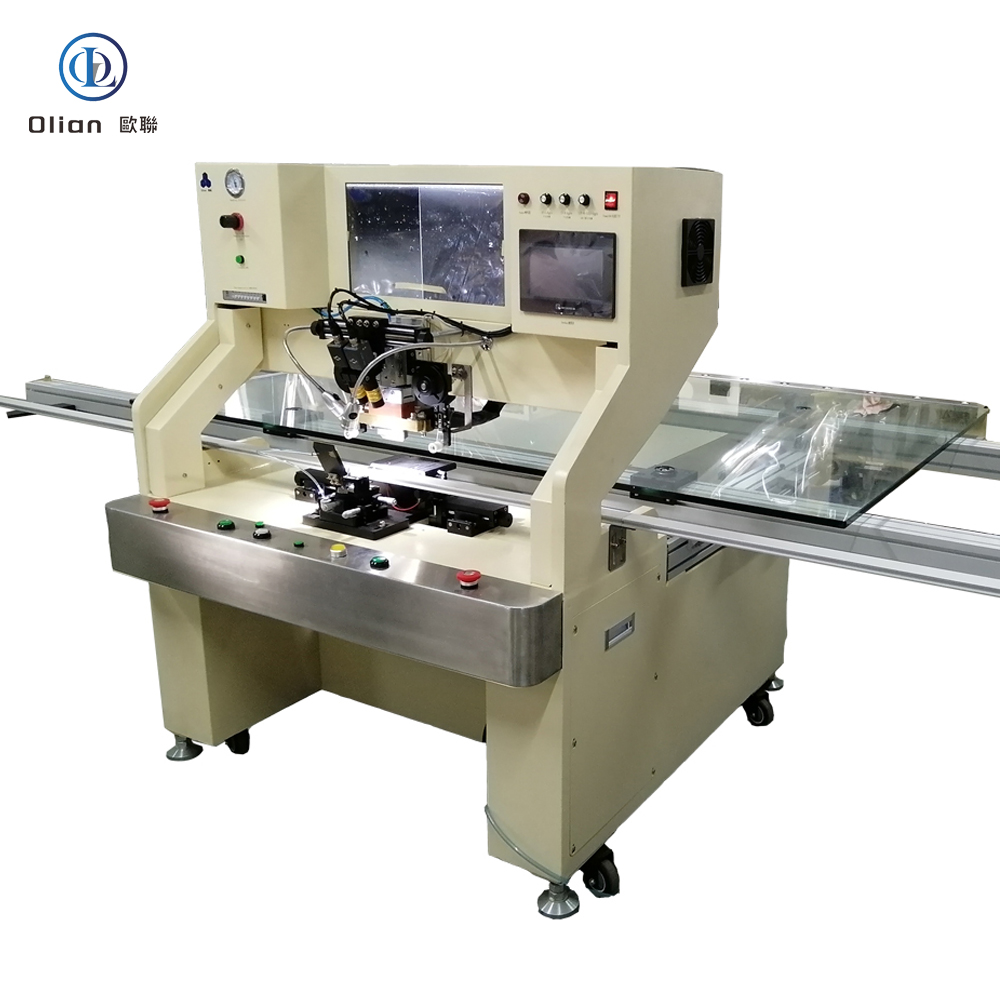
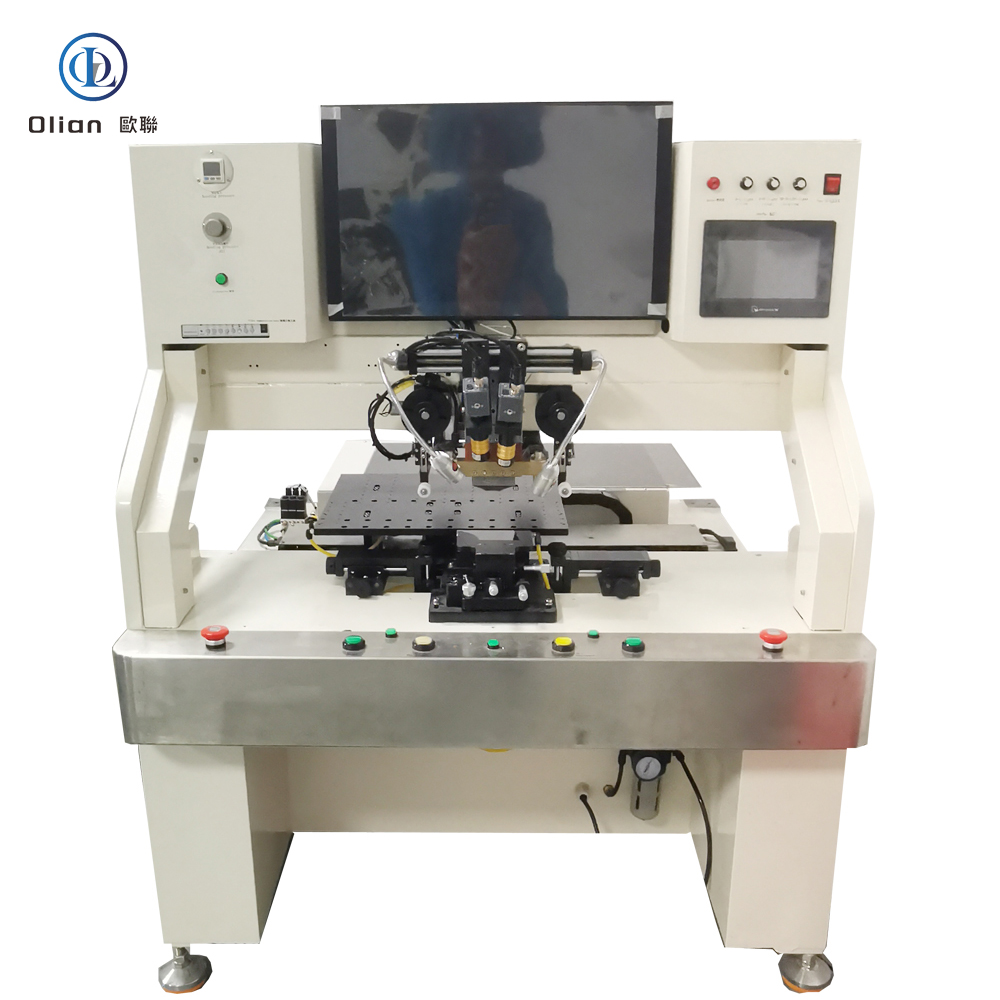
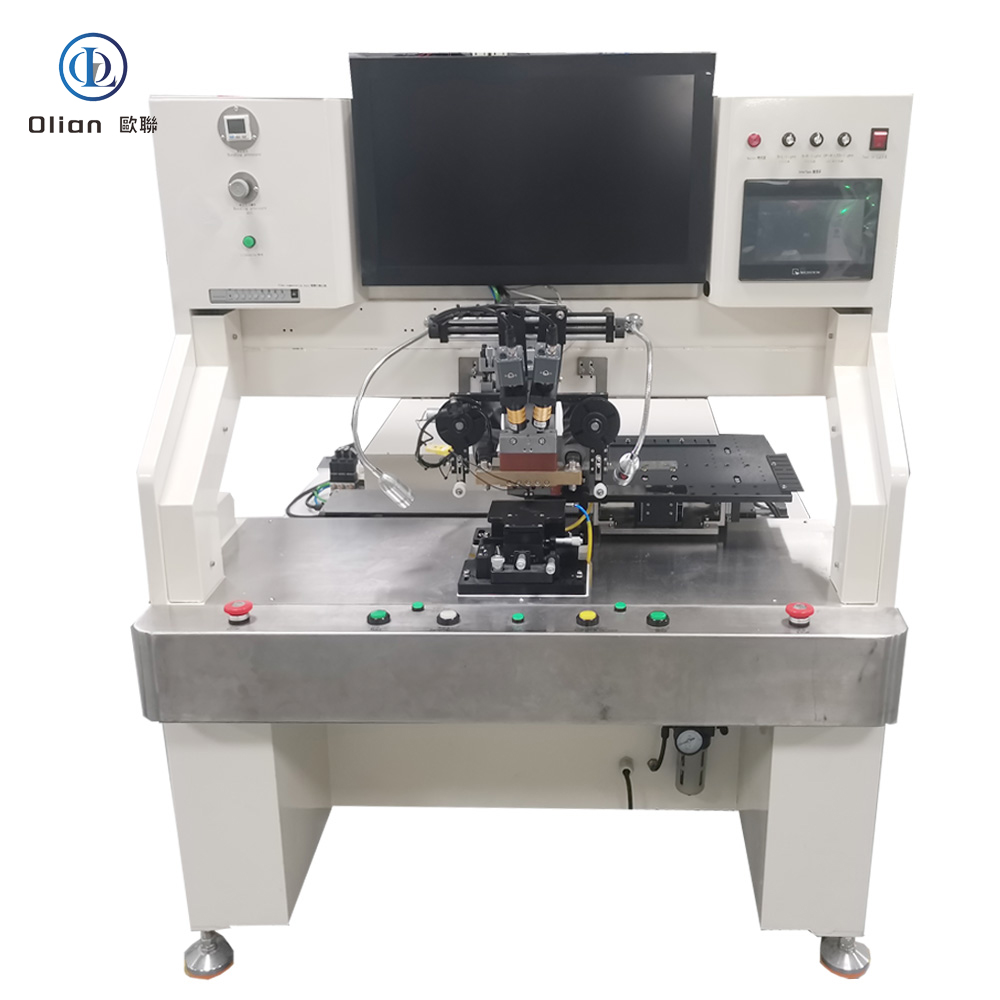
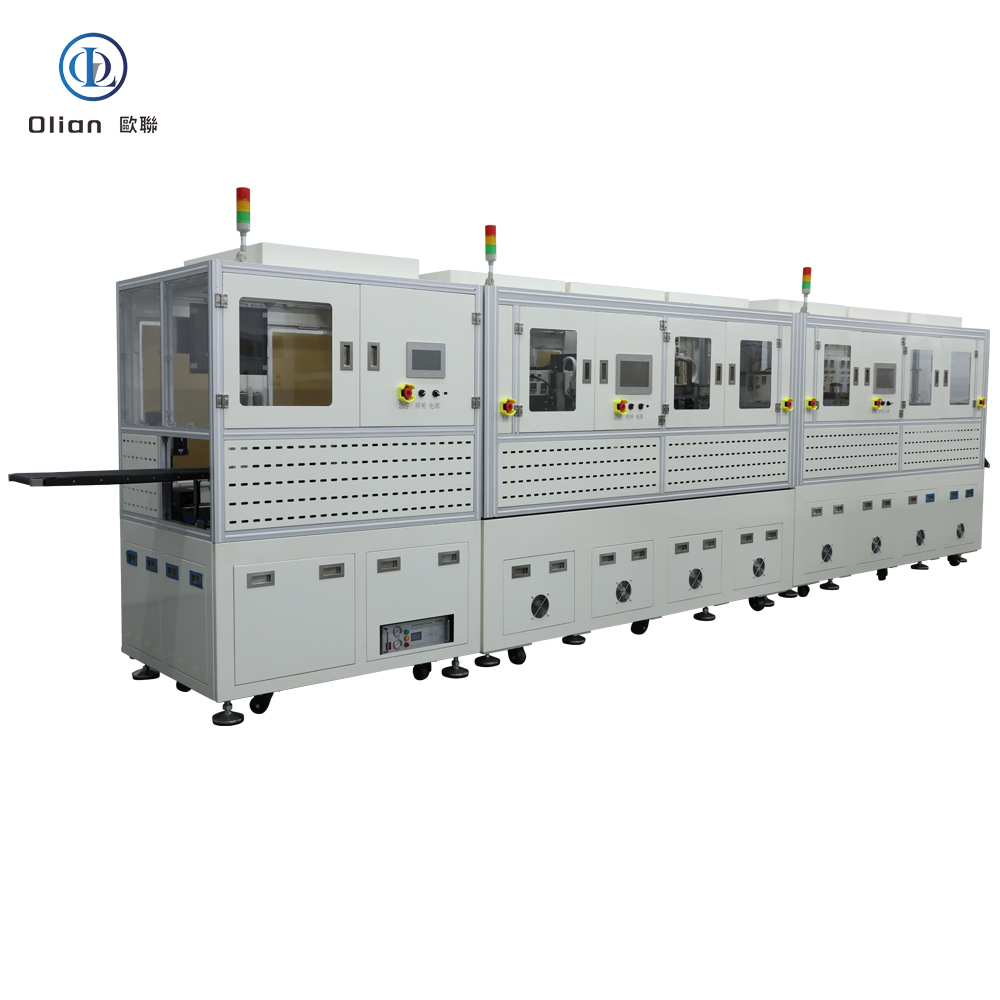
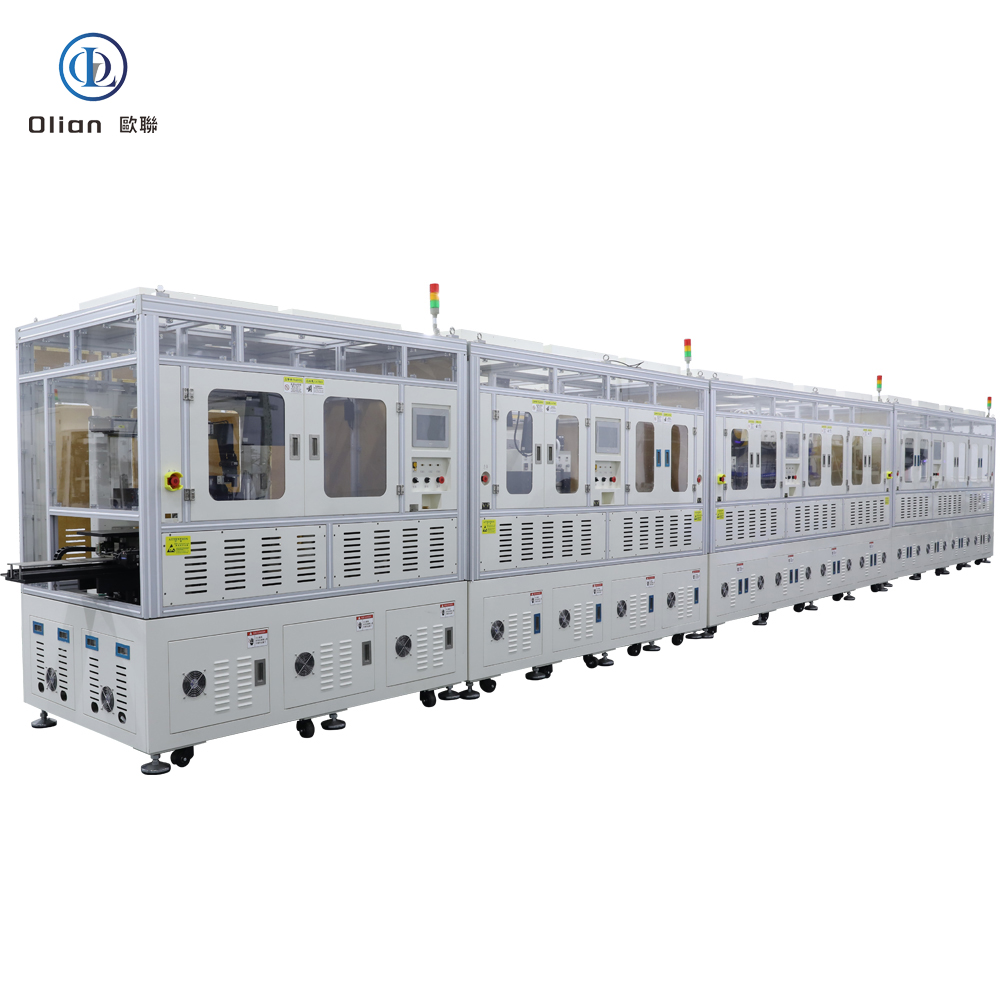
Flexible Display Module Bonding Equipment: Precision Engineering for Next-Gen Wearables and Smart Devices.
Flexible Display Module Bonding Equipment
As the demand for flexible electronics surges across industries—from smartwatches and foldable smartphones to wearable health monitors and AR/VR devices—the manufacturing of flexible display modules has become a cornerstone of modern electronics production. At the heart of this revolution lies the Flexible Display Module Bonding Equipment, a highly advanced, precision-driven system engineered to deliver reliable, high-yield interconnections between delicate flexible displays and their driving circuitry.
This specialized equipment plays a critical role in the assembly of flexible OLED, micro-LED, and e-paper modules, ensuring robust electrical connections while maintaining the mechanical flexibility and durability essential for next-generation devices. Among the key bonding technologies, COP (Chip on Plastic) and FOP (FPC on Plastic) have emerged as pivotal processes, especially for ultra-compact and curved wearable displays, enabling innovative form factors and enhanced integration.
What is Flexible Display Module Bonding?
Module bonding refers to the process of connecting the display panel (typically a flexible substrate) with driver ICs (Integrated Circuits) and Flexible Printed Circuits (FPCs). In flexible displays, this process must accommodate ultra-thin, bendable materials without compromising electrical performance or structural integrity.
The Flexible Display Module Bonding Equipment performs key processes such as Chip-on-Film (COF), Tape Automated Bonding (TAB), and increasingly, COP (Chip on Plastic) and FOP (FPC on Plastic), enabling high-density, fine-pitch interconnections directly onto plastic or flexible substrates—eliminating the need for rigid carriers and enabling true flexibility.
Core Processes and Technologies
1. Chip-on-Plastic (COP) Bonding
● Definition: COP refers to the direct bonding of a bare Integrated Circuit (IC) onto a plastic-based flexible substrate (such as PI—Polyimide), typically at the edge of the display panel.
● Process Flow: ACF is pre-laminated on the bonding area; the bare IC is precisely aligned and placed; Thermocompression bonding forms the connection.
● Advantages: Enables ultra-narrow bezel design, reduces thickness, and maintains high flexibility.
● Applications: Smartwatches, AR glasses, and ultra-thin fitness bands.
2. FPC-on-Plastic (FOP) Bonding
● Definition: FOP involves bonding a Flexible Printed Circuit (FPC) directly onto a plastic substrate of the display module.
● Process Flow: ACF is applied; the FPC tip is aligned and bonded using thermocompression.
● Advantages: Offers enhanced design freedom for 3D shaping and ensures robust mechanical connections resistant to bending fatigue.
● Applications: Foldable phones, curved automotive displays, and wearable medical devices.
3. Chip-on-Film (COF) Bonding
● Mounts driver ICs on a flexible polyimide (PI) film carrier, which is then bonded to the display panel using ACF. Offers excellent flexibility for high-end displays.
4. Fine-Pitch Alignment and Placement
● Equipped with high-resolution vision systems and nano-positioning stages to achieve alignment accuracy within ±3–5μm, essential for COP and FOP processes.
5. Thermocompression Bonding
● Utilizes multi-zone heating heads to ensure uniform temperature distribution and programmable force profiles for different materials.
6. Post-Bonding Inspection and Testing
● Integrated AOI (Automated Optical Inspection) detects misalignment, ACF voids, or IC tilt, ensuring high yield.
Key Features of Advanced COP/FOP Bonding Equipment
● COP & FOP Process Optimization: Dedicated tooling for direct bonding on plastic substrates.
● Ultra-Fine Pitch Capability: Supports pitch down to 20μm.
● Low Thermal Budget: Prevents warping of sensitive plastic substrates.
● 3D Surface Bonding: Adaptive pressure for curved and non-planar surfaces.
● Smart Process Control: Real-time monitoring via MES integration and predictive maintenance.
Why COP and FOP Are Game-Changers
These processes enable True Flexibility and Miniaturization, which are critical for wearables. By bonding directly on plastic, they eliminate rigid carriers, allowing displays to bend and fold seamlessly.
Olian Automatic: Pioneering COP and FOP Bonding Solutions
At Olian Automatic, we are at the forefront of developing next-generation COP and FOP bonding equipment tailored for the future of flexible electronics. Our systems integrate advanced vision alignment, adaptive thermocompression, and intelligent process control to deliver unmatched precision and yield.
We understand that COP and FOP are not just processes—they are enablers of innovation. That’s why our equipment is designed with modularity, scalability, and ease of integration in mind, supporting customers from R&D to mass production.
With deep expertise in ACF handling, ultra-fine pitch bonding, and flexible substrate processing, Olian Automatic empowers manufacturers to push the boundaries of what’s possible in wearable and flexible display technology.
COF Bonding Machines: Enabling High-Resolution Display Manufacturing with Precision and Efficiency
In the rapidly evolving display industry, where consumers demand higher resolution, faster refresh rates, and slimmer form factors, the COF (Chip-on-Film) Bonding Machines has emerged as a pivotal piece of equipment in modern module assembly lines. As a core component of the Module (LCD/OLED) manufacturing process, the COF Bonding Machine enables precise, reliable, and high-throughput interconnection between the display panel and driver ICs via flexible printed circuits (FPCs), playing a critical role in delivering today’s high-performance visual experiences.
What Is a COF Bonding Machines?
A COF Bonding Machines is an automated precision system designed to bond Chip-on-Film (COF) packages—where driver ICs are mounted directly onto thin, flexible polymer substrates—onto the glass display panel. This process, known as COF bonding, is essential for high-resolution displays such as QHD, 4K, and beyond, especially in large-size monitors, TVs, and high-end commercial screens.
The machine integrates advanced technologies including:
● High-accuracy vision alignment systems (CCD/CMOS)
● Thermocompression bonding with precise temperature and pressure control
● ACF (Anisotropic Conductive Film) application and curing
● Real-time misalignment (M/A) inspection and defect detection
It operates primarily in the Module (MOD) stage, following Cell assembly and preceding final aging and packaging.
The Role of COF Bonding in Modern Display Production
With the rise of Oxide backplane technology and Dual Gate driving architectures, leading panel manufacturers are reducing the number of COFs required per panel—such as cutting from 8 to 4 COFs on a 27” QHD monitor—thereby simplifying the bonding process and improving yield. However, each remaining COF bond must be flawless, making the precision and reliability of the COF Bonding Machine more critical than ever.
The COF bonding process typically includes:
1. COF Pre-processing: COF reels are loaded and cut into individual units.
2. ACF Lamination: ACF film is precisely attached to the panel’s bonding area.
3. COF Alignment: The COF is picked up, aligned with sub-micron accuracy to the panel’s gold fingers.
4. Thermocompression Bonding: The COF is pressed onto the panel under heat and pressure, activating the ACF to form conductive pathways.
5. Post-Bond Inspection: Automated vision systems check for misalignment, insufficient adhesion, or short circuits.
Key Advantages of Advanced COF Bonding Machines
● Ultra-High Precision Alignment: Achieves alignment accuracy within ±5μm, essential for fine-pitch ICs in high-PPI displays.
● High Throughput: Modern machines can process up to 1,000+ panels per hour, supporting mass production demands.
● Dual-Side & Multi-COF Capability: Supports complex layouts with multiple COFs on top/bottom or dual-side bonding.
● Low Defect Rate: Integrated AOI and M/A inspection systems detect bonding errors in real time, minimizing downstream failures.
● Process Flexibility: Adaptable to various panel sizes (from 10” to over 75”) and technologies (LCD, OLED, MicroLED).
● Smart Factory Integration: Equipped with SECS/GEM interfaces for seamless connection to MES systems, enabling Industry 4.0 compliance.
Impact of COF Reduction on Bonding Process
As highlighted in recent industry trends, the reduction in COF count—enabled by Oxide + Dual Gate technology—brings significant benefits to the bonding process:
● Simplified Bonding Layout: Fewer COFs reduce complexity in alignment and pressure distribution.
● Reduced Risk of Bonding Defects: Lower COF count decreases the probability of M/A (misalignment) and ACF voids.
● Improved Equipment Uptime: Less frequent tool changes and simpler handling increase overall equipment effectiveness (OEE).
● Lower Material Cost: Reduced COF and PCB usage directly cut BOM costs.
However, this also demands higher precision per bond, as each remaining COF carries more signal load—making the performance of the COF Bonding Machine even more crucial.
Applications Across Industries
● Monitors & TVs: High-resolution desktop and large-format displays benefit from stable, high-yield COF bonding.
● Commercial Displays: Digital signage, kiosks, and interactive whiteboards rely on durable COF interconnections.
● Industrial & Medical Equipment: Requires long-term reliability under varied environmental conditions.
● Automotive Displays: As dashboards adopt larger, curved, or multiple screens, COF bonding ensures signal integrity and space efficiency.
For 27” QHD monitors and above, COF bonding remains the dominant interconnection method, especially where high electron mobility (Oxide TFT) and high refresh rates are required.
At Olian Automation, we are at the forefront of developing intelligent, high-precision COF Bonding Machines tailored for the next generation of display manufacturing. Our machines are designed with:
● Modular architecture for easy integration into existing LCM lines
● AI-enhanced alignment algorithms that adapt to panel variance
● Energy-efficient thermocompression systems that reduce power consumption
● Remote diagnostics and predictive maintenance capabilities
● Full turnkey support, from dispensing and lamination to aging and testing
With deep expertise in bonding, dispensing, and smart factory ecosystems, Olian Automation empowers display manufacturers to achieve higher yield, lower cost, and faster time-to-market.
The Future of COF Bonding Technology
Looking ahead, COF bonding will continue to evolve alongside display innovation:
● Mini/MicroLED: Will demand even finer pitch bonding and higher reliability.
● AI-Driven Process Optimization: Real-time data analytics will enable self-adjusting bonding parameters.
● Sustainable Manufacturing: Focus on recyclable materials and energy-efficient equipment.
As the line between COG, COF, and COP (Chip-on-Plastic) blurs, the COF Bonding Machine will remain a versatile and indispensable tool in the display fab.
Conclusion
The COF Bonding Machines is more than just a piece of equipment—it is a precision engine driving the future of visual technology. As panel designs become more sophisticated and production standards more rigorous, the need for reliable, intelligent, and scalable COF bonding solutions has never been greater.
At Olian Automatic, we are committed to pushing the boundaries of what’s possible in display assembly. Whether you’re scaling up production, transitioning to Oxide-based panels, or developing next-gen automotive displays, our COF Bonding Machines deliver the performance, precision, and partnership you need to succeed.
Contact Olian Automatic today to learn how our COF Bonding Solutions can transform your manufacturing line. wechat/whatsapp:+86 18025364779 zack wu