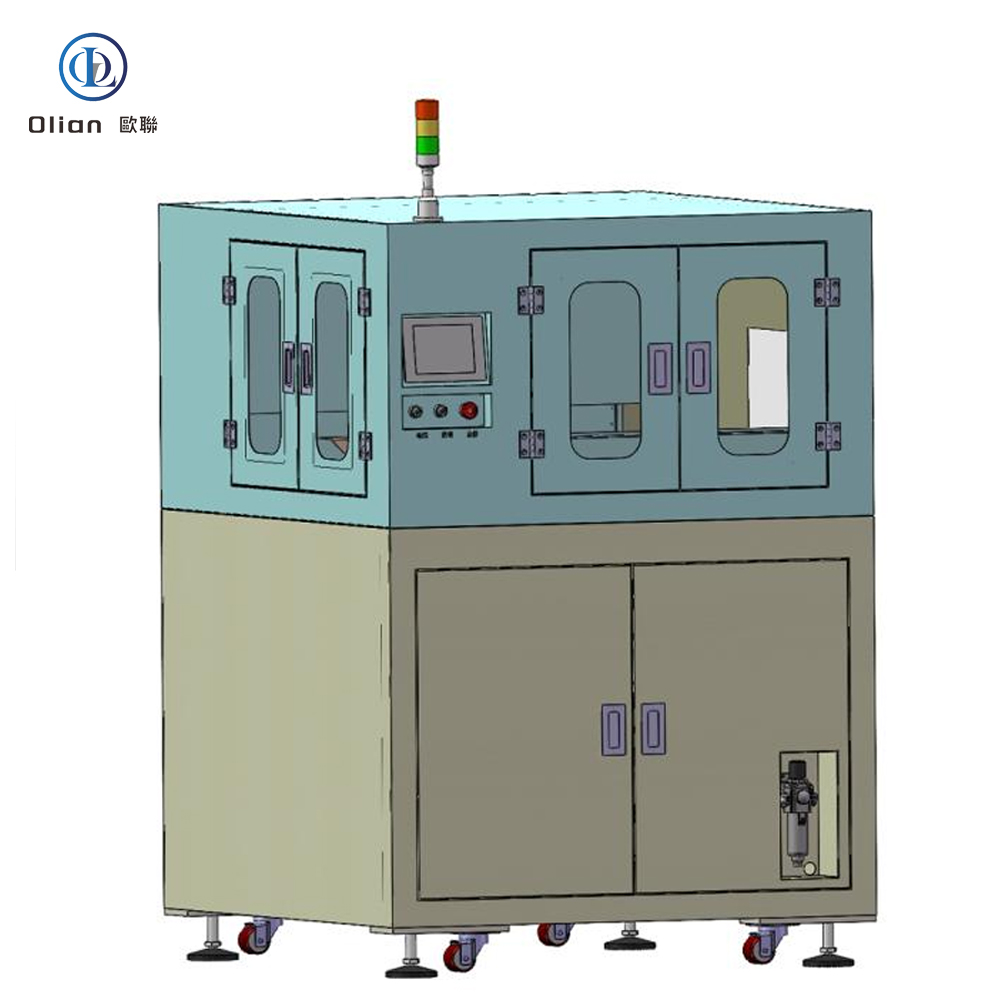
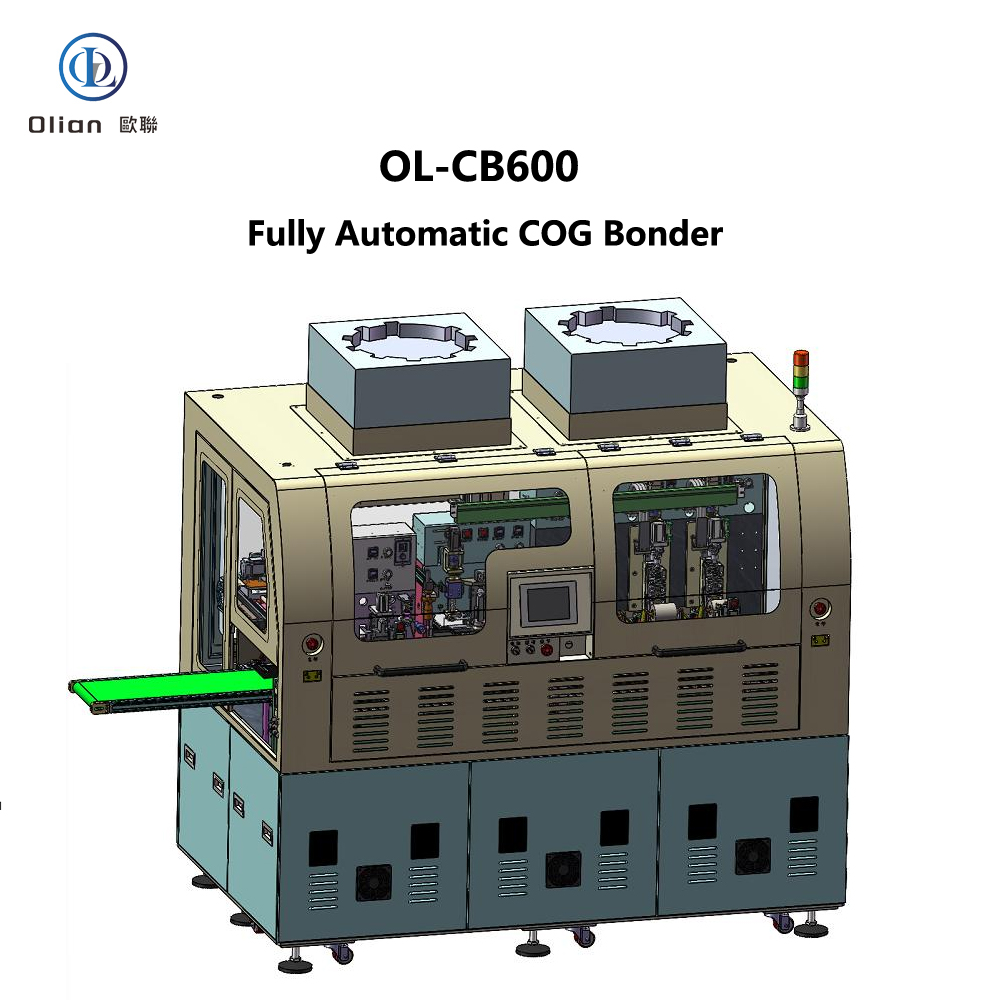
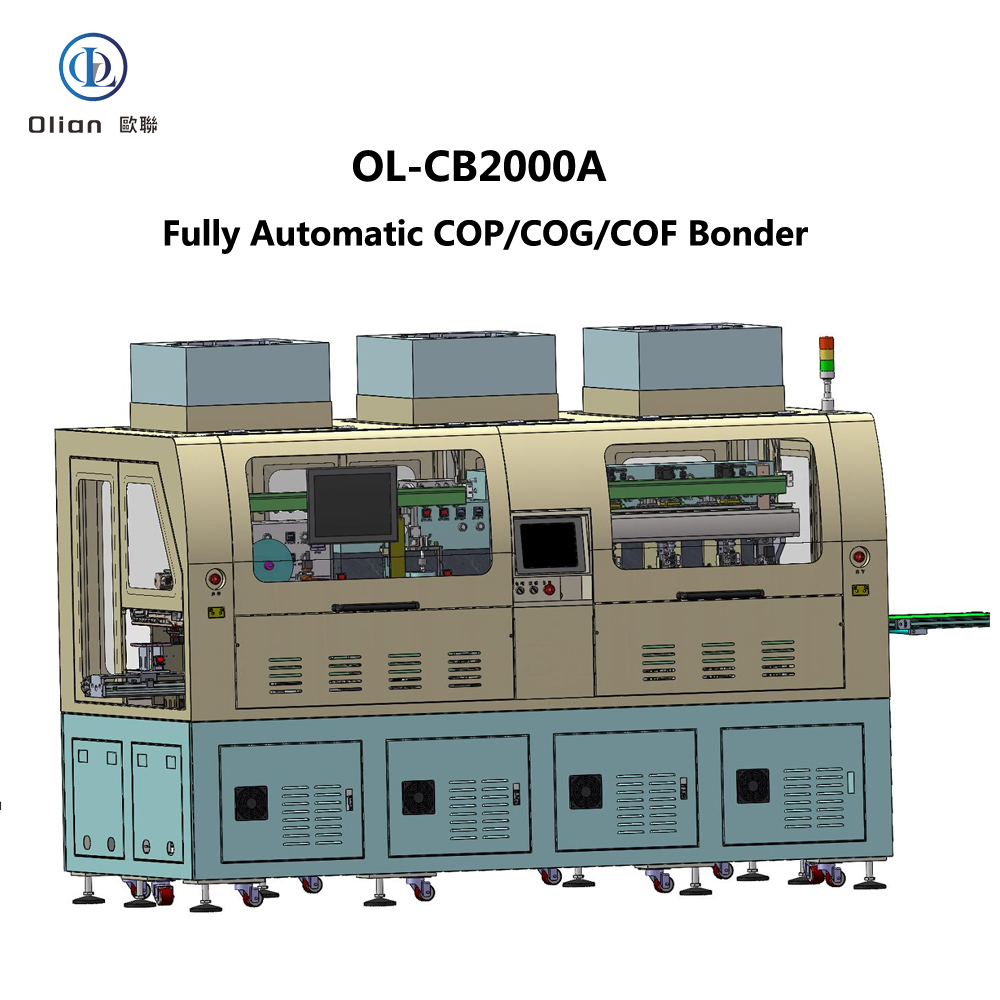
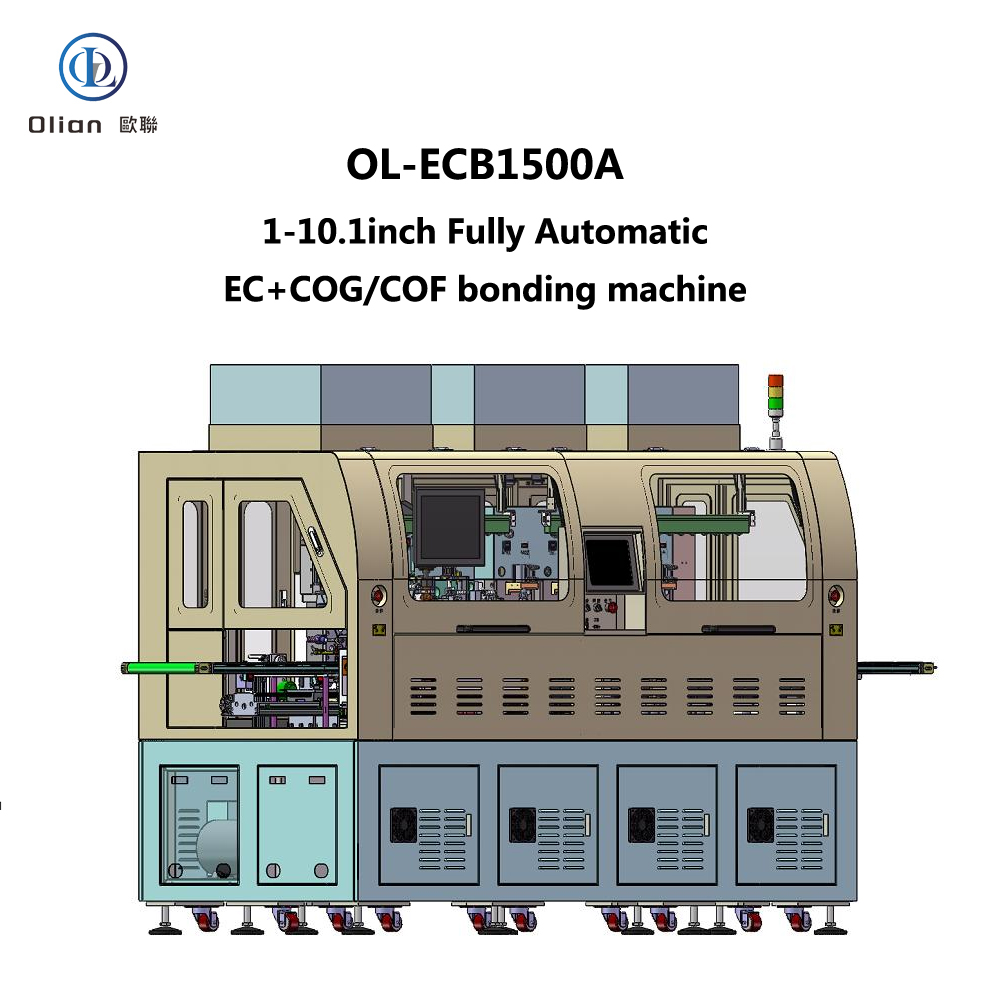
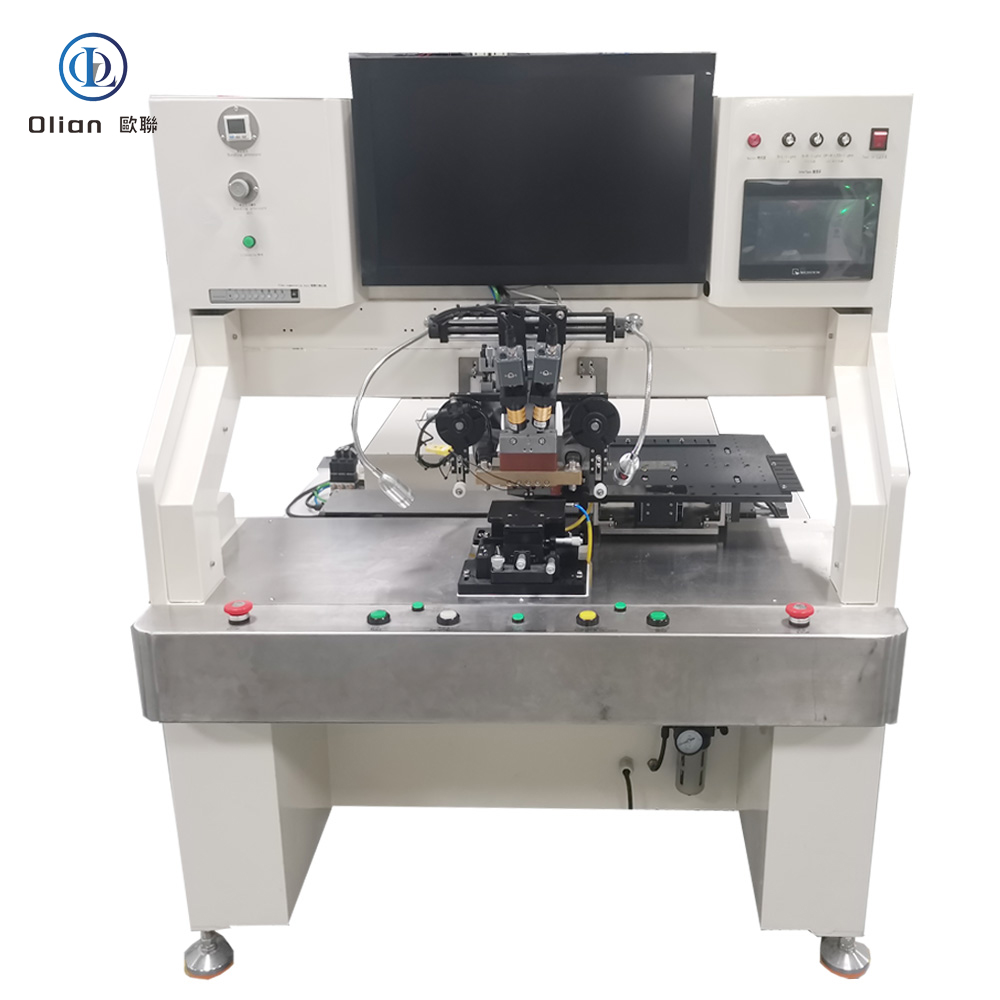
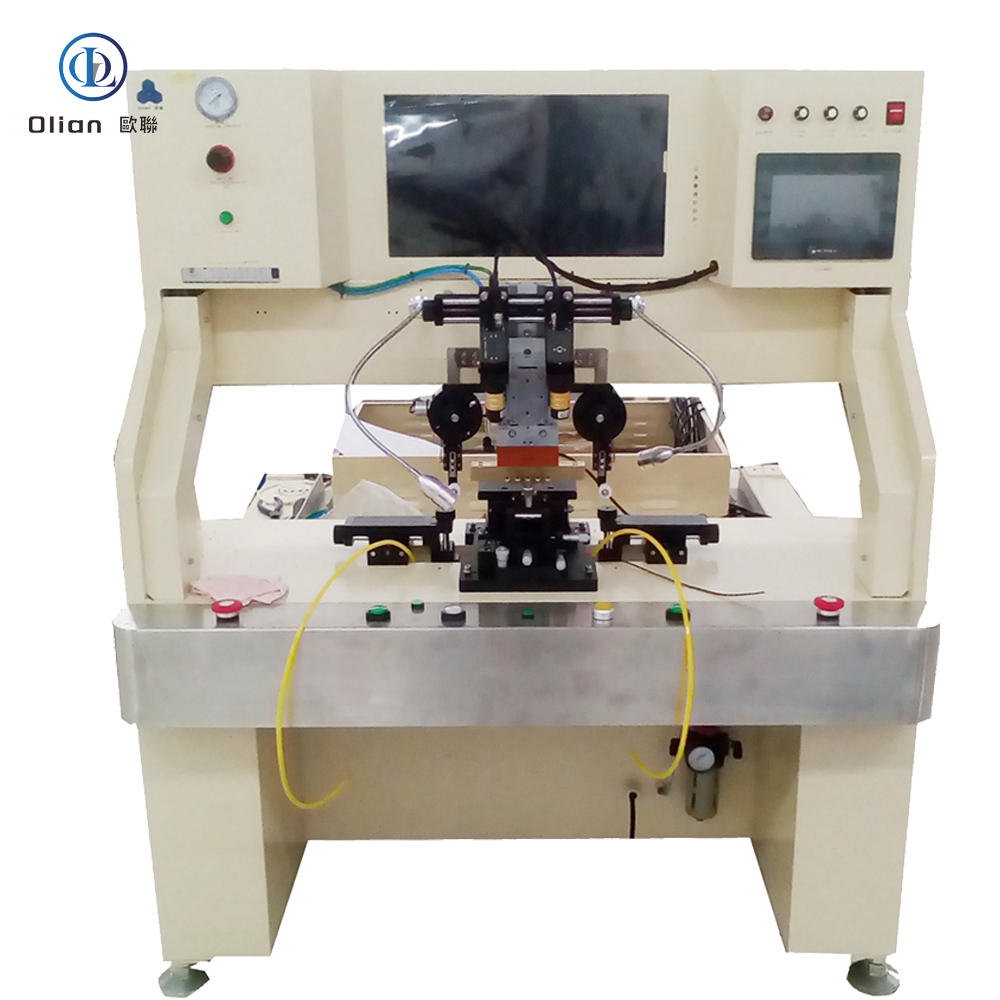
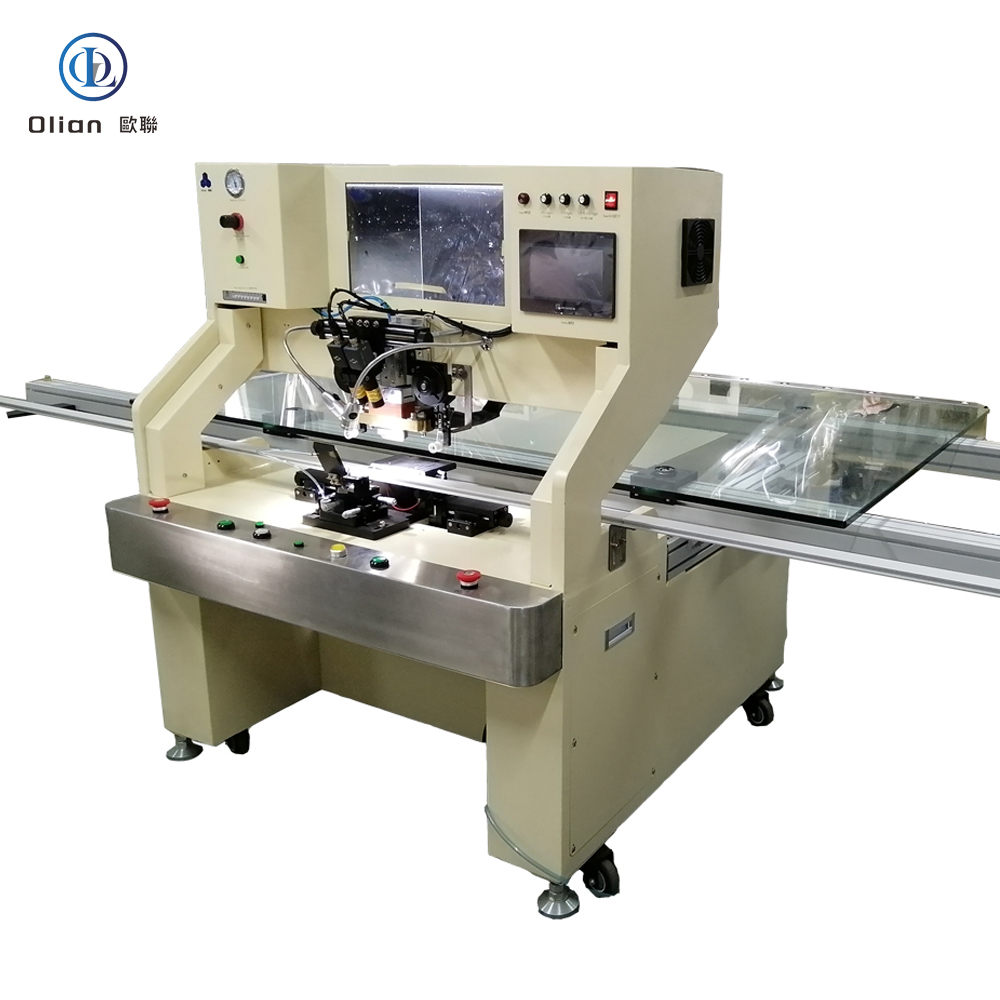
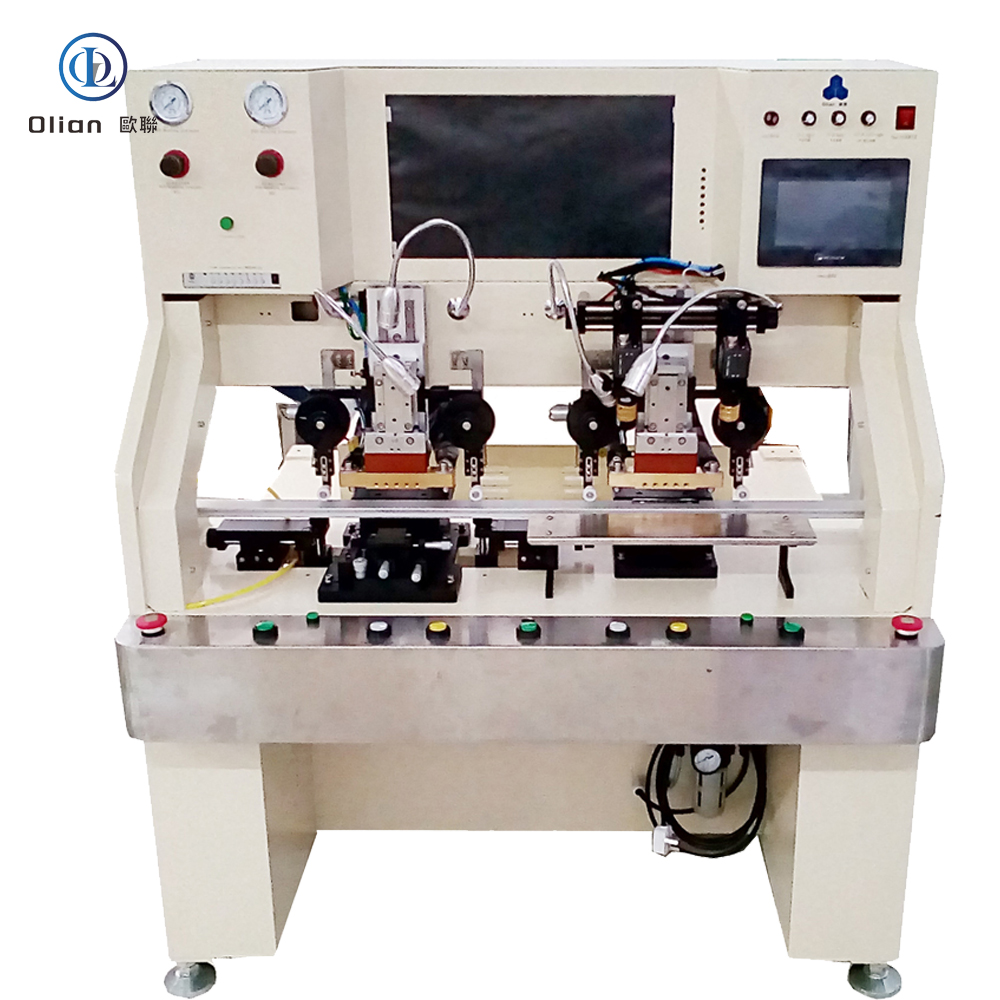
ACF Bonding Machine Manufacturer for LCD Display Production
Discover how ACF bonding machines drive LCD/OLED/MINI LED/Microled/COP… display production — from COG/COF/COP/FOG/FOB/FOP/FOF/OLB bonding processes to choosing the right manufacturer. Explore bonding-machine.com for industry-leading solutions, technical specifications, and expert guidance on anisotropic conductive film bonding equipment.
ACF Bonding Machine Manufacturer for LCD Display Production: The Complete Guide to Choosing the Right Equipment
📌 Quick Navigation
What Is ACF Bonding and Why Does It Matter?
The Critical Role of ACF Bonding Machines in LCD Display Production
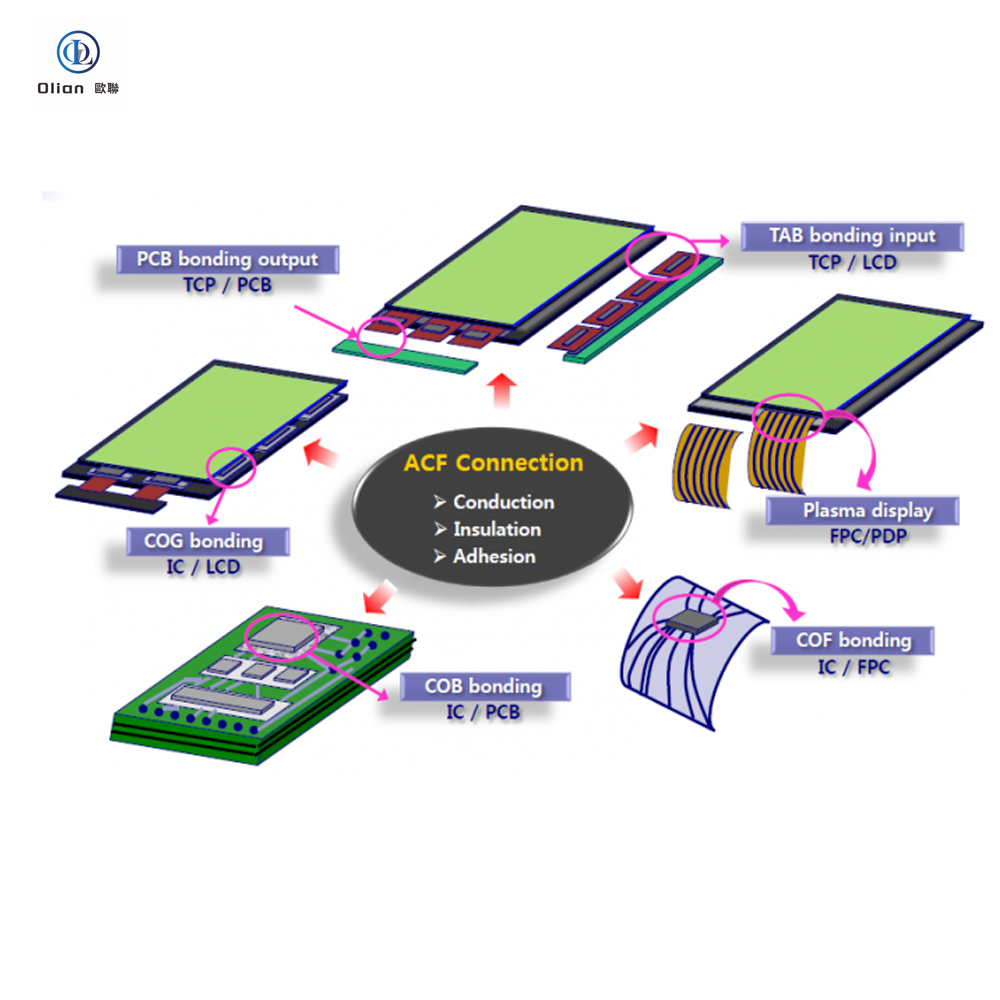
Types of ACF Bonding Processes: COG, COF, FOG Explained
Key Technical Specifications to Evaluate
How to Choose the Right ACF Bonding Machine Manufacturer
bonding-machine.com: Your Trusted ACF Bonding Equipment Partner
Industry Trends & Future Outlook
Frequently Asked Questions (FAQ)
What Is ACF Bonding and Why Does It Matter?
In the world of LCD and OLED display manufacturing, there’s a microscopic process that makes every screen you use possible — ACF bonding.
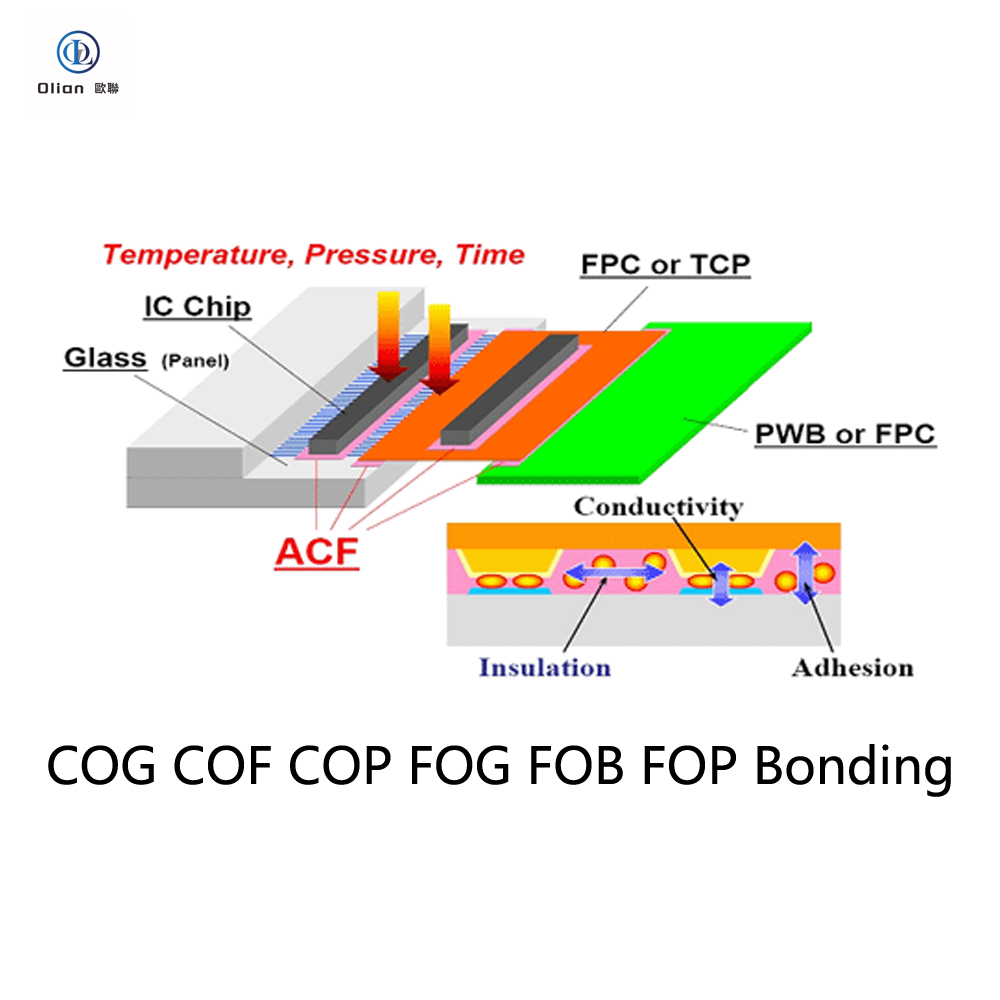
ACF stands for Anisotropic Conductive Film — a specialized adhesive material that conducts electricity vertically (through its thickness) while remaining electrically insulating horizontally (across its surface). Originally developed by Sony Chemical (now Dexerials) in 1977, ACF has become the indispensable “neural synapse” of modern display panels, enabling electrical connections between driver ICs, flexible printed circuits (FPCs), and glass substrates at pitches as fine as 30 micrometers or below.
Think of it this way: within an area roughly the size of a fingernail, hundreds of electrical contacts must be simultaneously connected with micron-level precision — that’s exactly what ACF bonding achieves. Without this technology, the smartphones, tablets, laptops, televisions, automotive displays, and industrial HMI screens we rely on every day simply couldn’t exist.
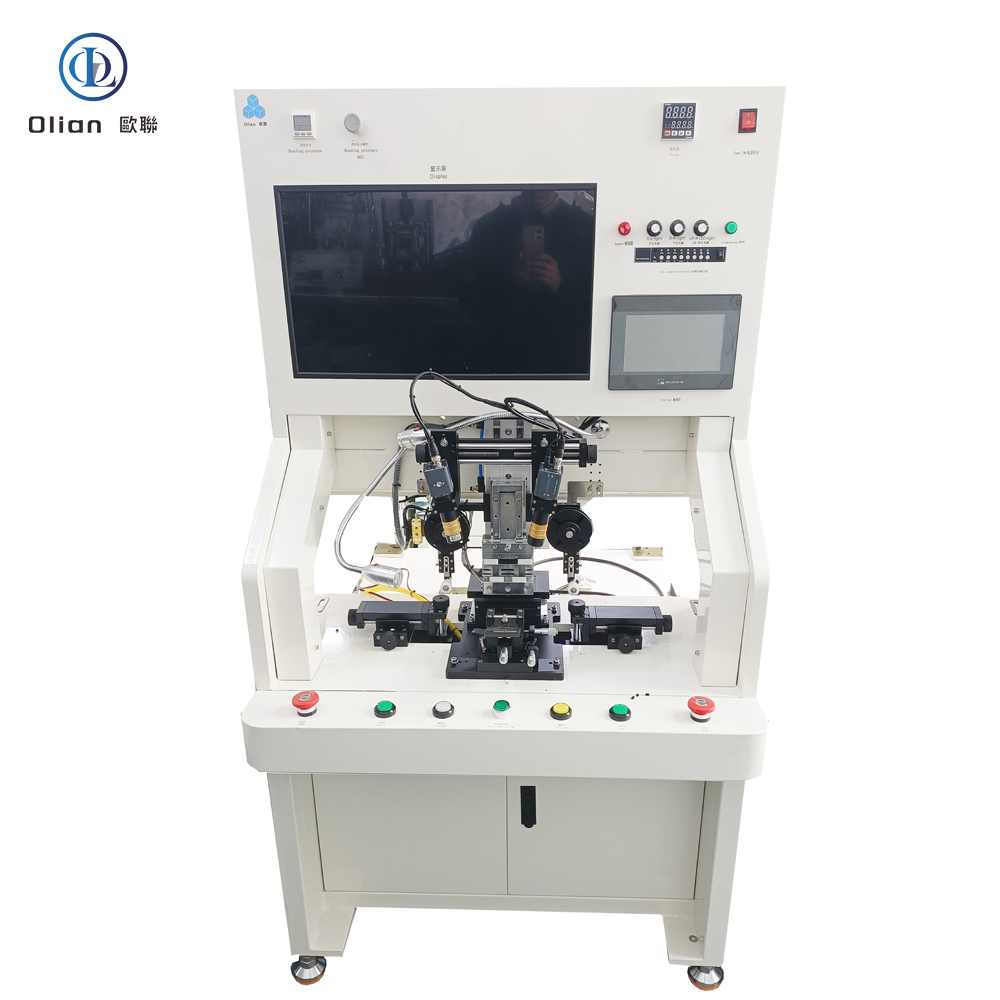
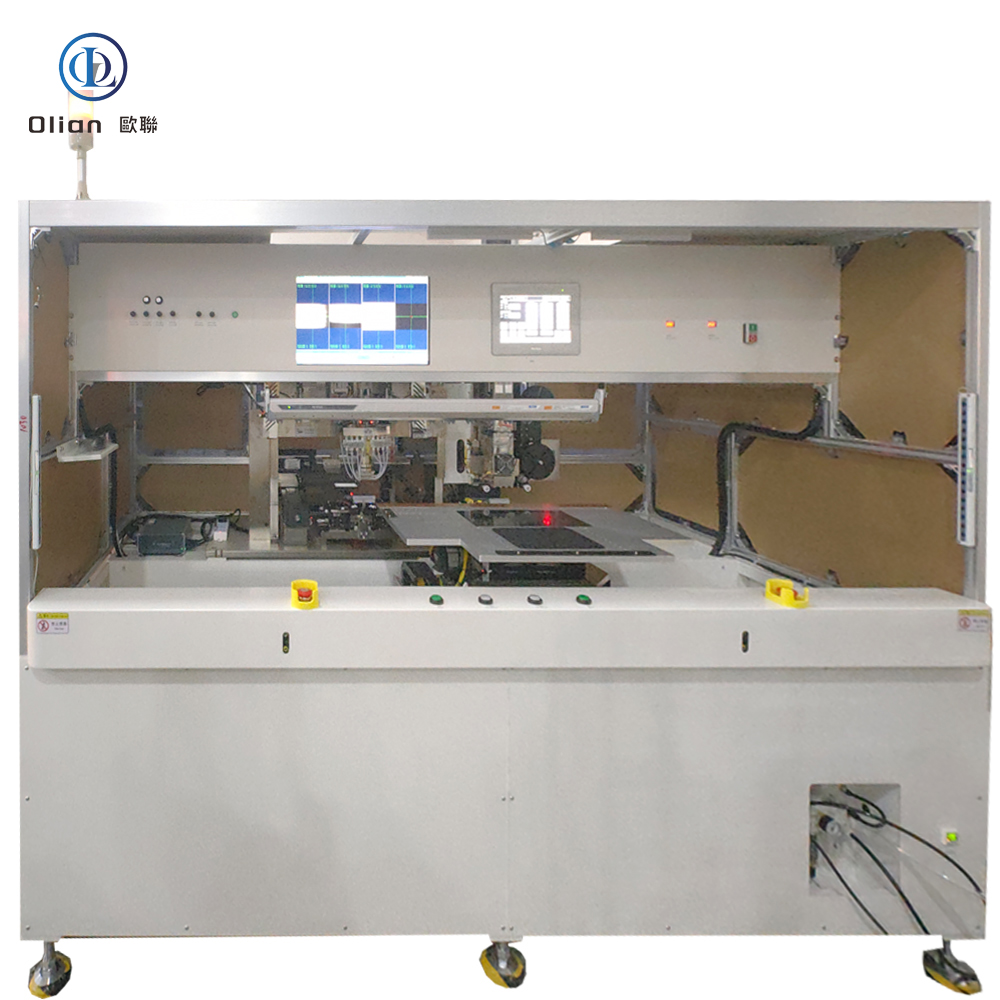
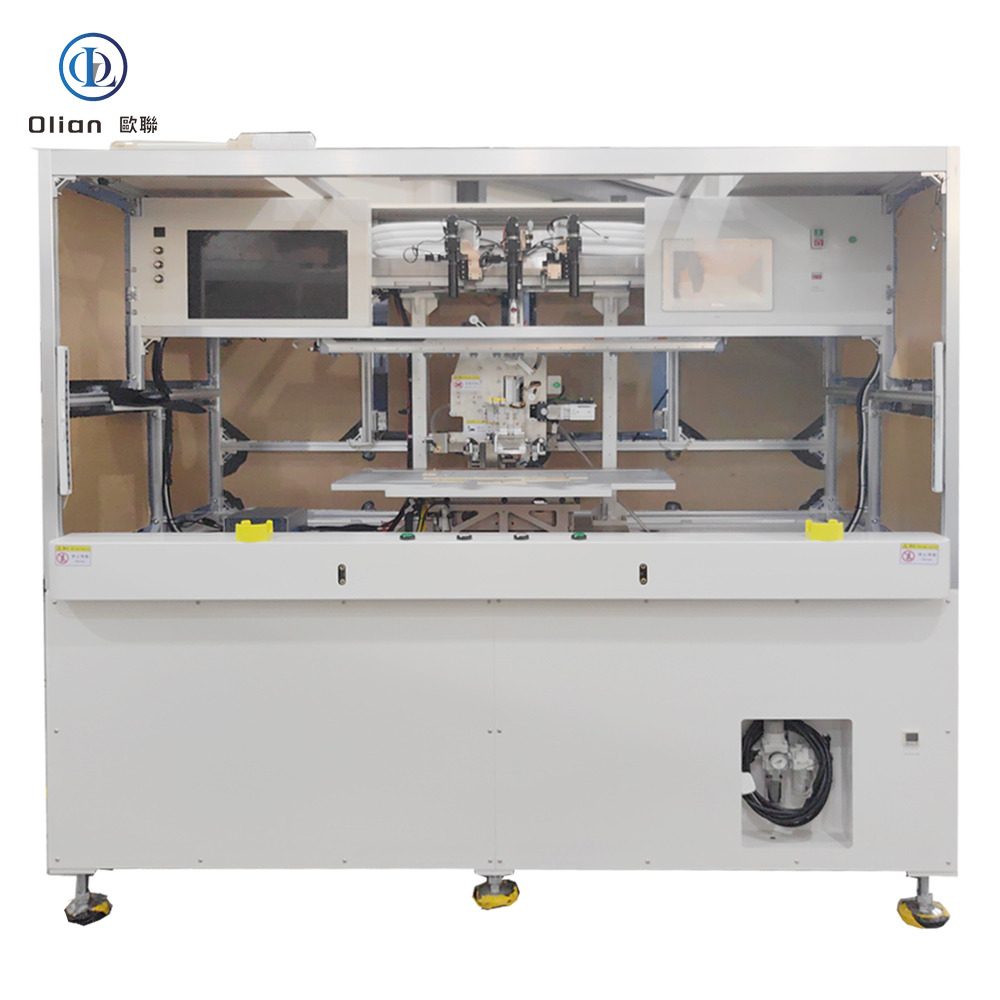
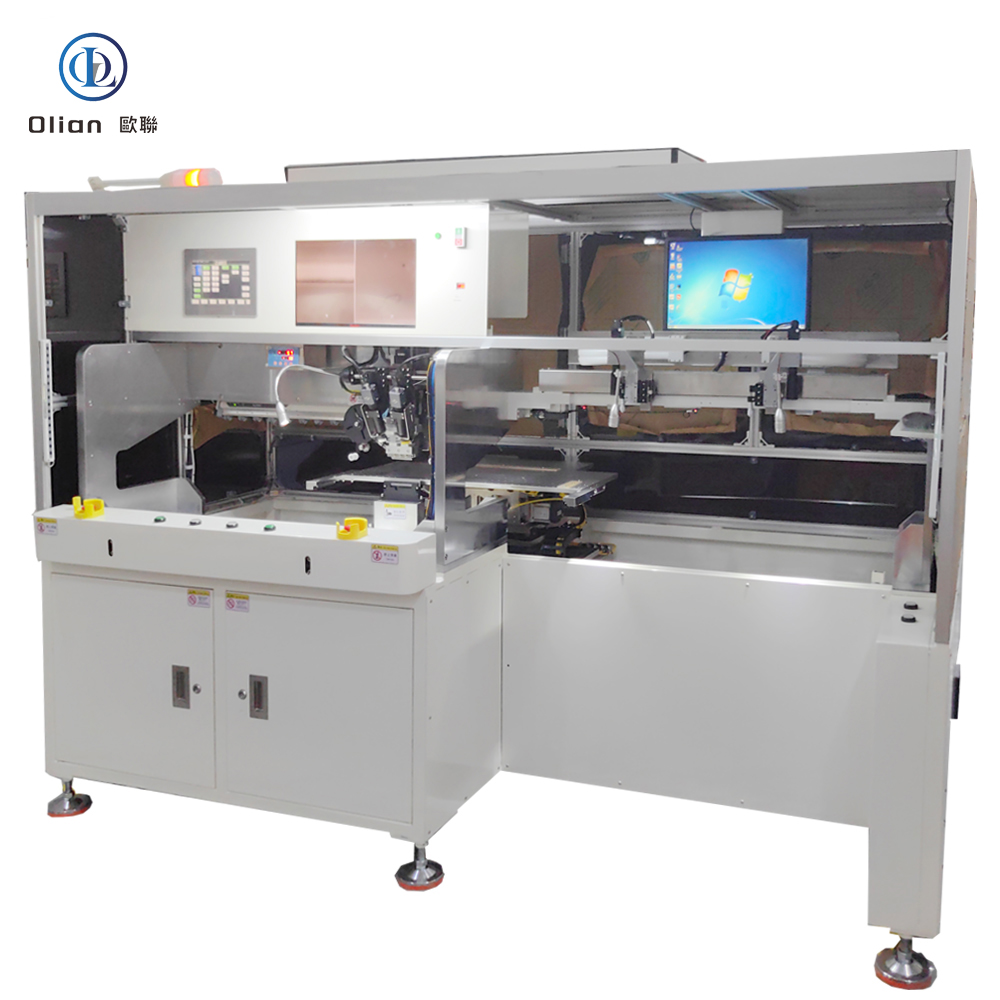
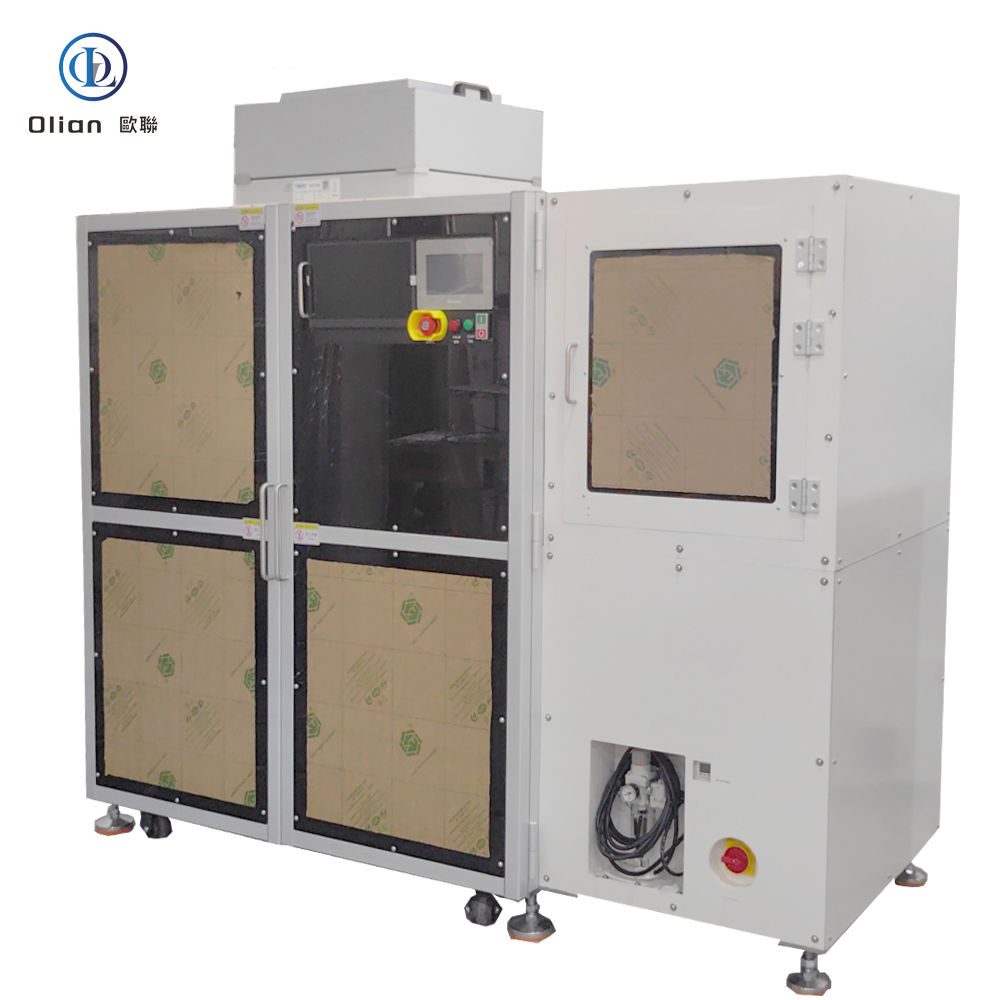
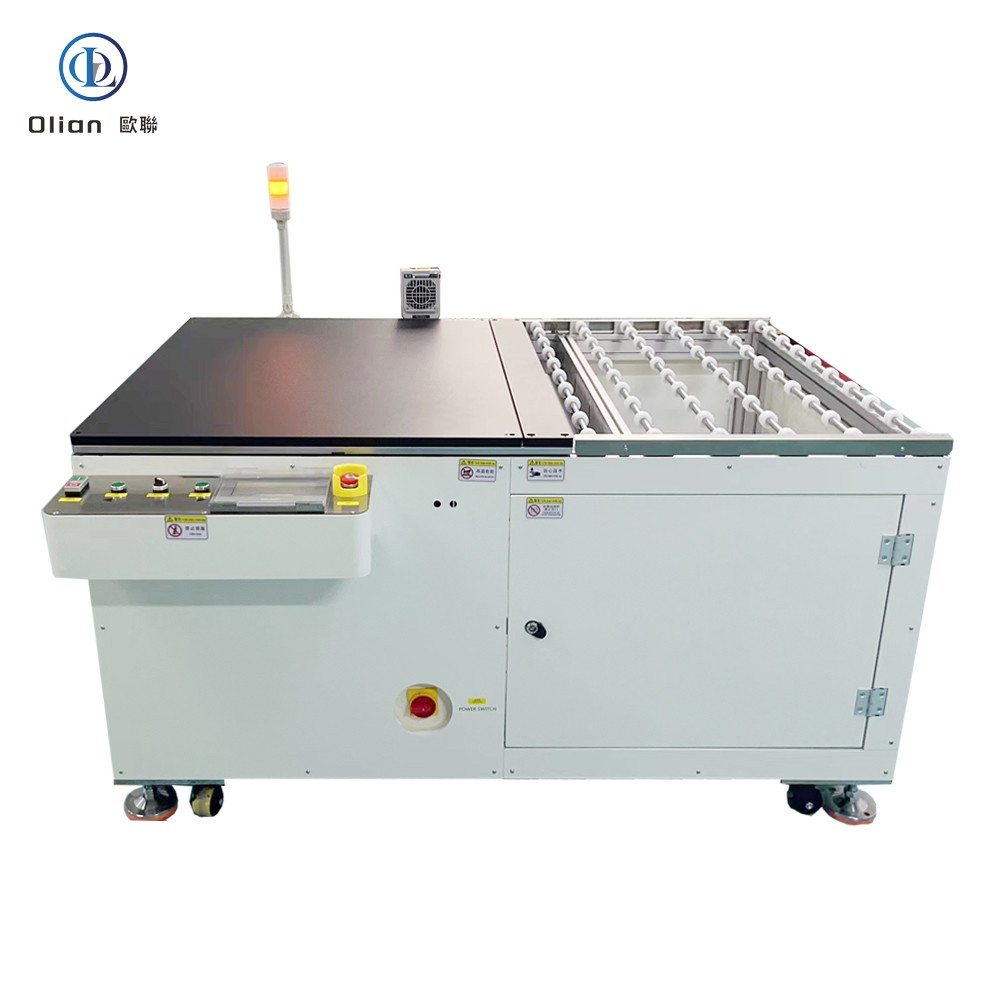
And the machine that makes this process happen? That’s the ACF bonding machine — the precision equipment that applies temperature, pressure, and alignment control to create reliable, repeatable electrical interconnections using ACF material.
The Critical Role of ACF Bonding Machines in LCD Display Production
LCD display production is a multi-stage manufacturing process where the bonding stage is arguably the most precision-demanding step. Here’s where ACF bonding machines fit in the production flow:
LCD Module Assembly Process Flow
Stage
Process
Equipment Category
1
Glass substrate cleaning
Cleaning equipment
2
ACF film lamination (attach ACF to glass)
ACF bonding machine (lamination unit)
3
Driver IC bonding (COG — Chip on Glass)
ACF bonding machine (COG bonder)
4
FPC bonding (FOG — Film/FPC on Glass)
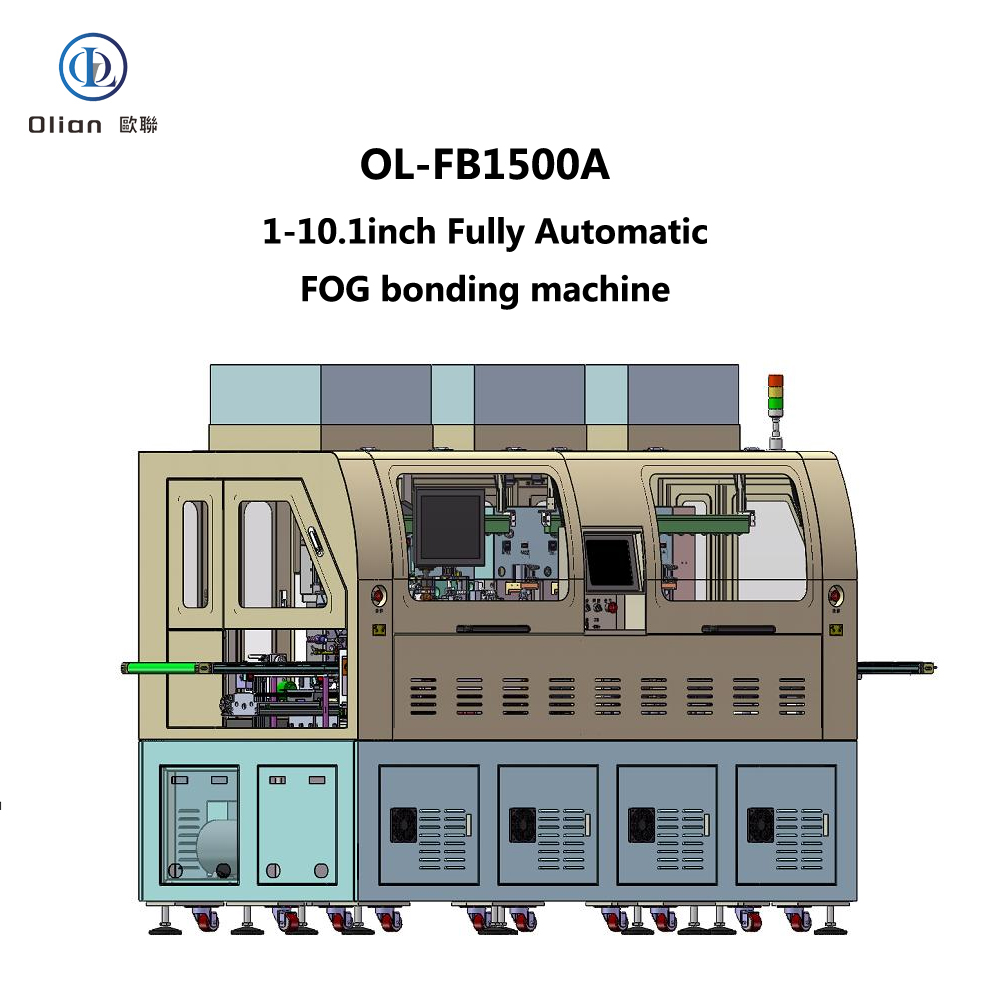
ACF bonding machine (FOG bonder)
5
Protective sealing (silicone dispensing)
Dispensing equipment
6
Light-shielding tape application
Tape attaching equipment
7
Backlight unit (BLU) assembly
BLU assembly equipment
8
Final inspection & testing
Inspection equipment
As the table shows, ACF bonding machines are involved in at least 2–3 critical stages of LCD module assembly. The quality of bonding directly determines:
✅ Display image stability — no flickering, line defects, or dead pixels
✅ Signal transmission reliability — consistent electrical conductivity at every contact point
✅ Product lifespan — resistance to thermal cycling, mechanical stress, and environmental aging
✅ Yield rate — reducing rework and scrap directly improves production economics
A single bonding defect — a misaligned IC, insufficient ACF compression, or a trapped particle short — can render an entire display panel defective. This makes the choice of ACF bonding machine manufacturer a strategic production decision, not merely a procurement task.
Types of ACF Bonding Processes: COG, COF, FOG Explained
Understanding the different bonding configurations is essential when selecting equipment. Here’s a detailed breakdown:
1. COG (Chip on Glass) Bonding
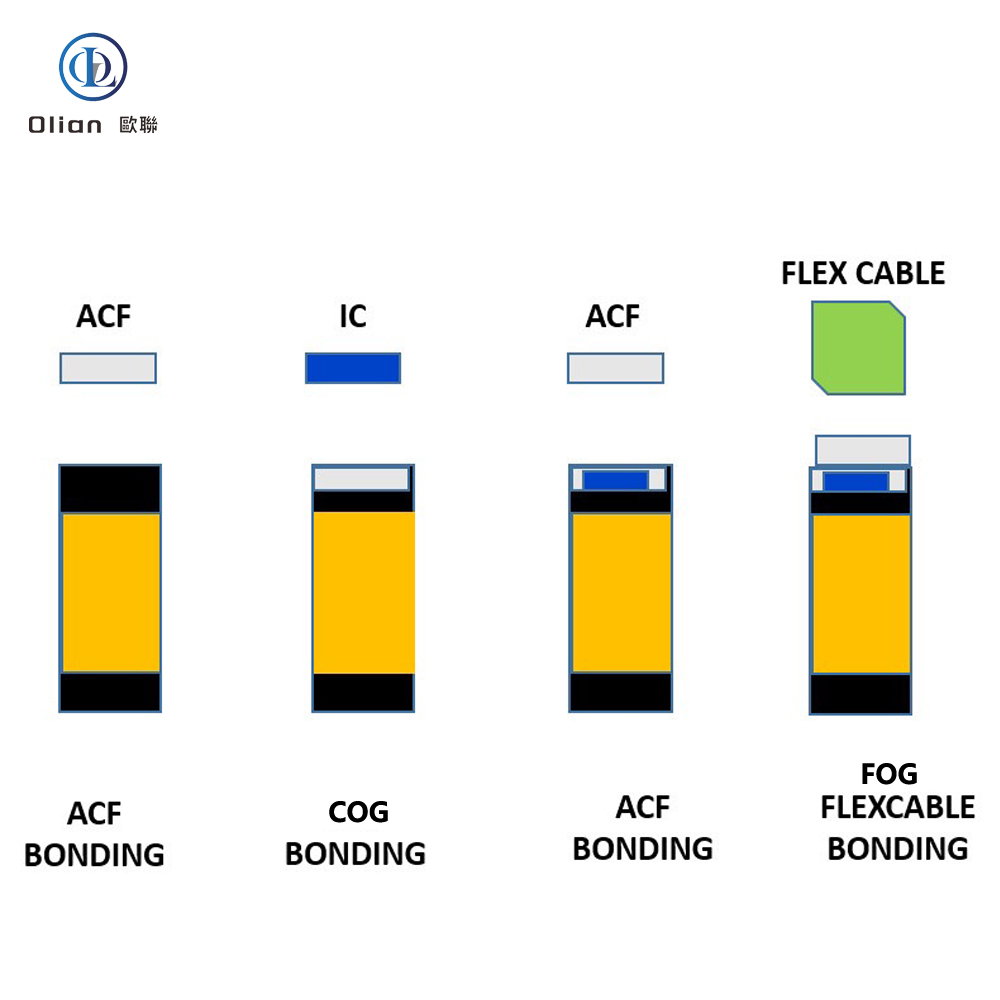
COG bonding attaches a bare driver IC chip directly onto the ITO (Indium Tin Oxide) electrode pads on the LCD glass substrate using ACF as the interconnect medium.
Process Steps:
ACF film is laminated onto the glass bonding area
The driver IC is aligned to the glass electrode pads using a high-precision vision alignment system
Pre-bonding (temporary attach) with low pressure
Main bonding with controlled temperature (typically 180–220°C), pressure (typically 15–30 MPa), and time (typically 8–15 seconds)
ACF resin thermosets, conductive particles are compressed to form vertical electrical pathways
Key Challenges:
Pin pitch down to 30 μm or finer requires sub-micron alignment accuracy
Uneven pressure distribution causes connection reliability issues
Thermal management must prevent glass substrate stress
2. COF (Chip on Film/FPC) Bonding
COF bonding mounts the driver IC onto a flexible printed circuit (FPC) film first, then the COF package is bonded to the glass substrate. This configuration is increasingly preferred for:
High-resolution displays with narrow bezels
Foldable/flexible OLED displays
Displays requiring bendable interconnects
Advantages over COG:
The IC can be bent around the display edge → narrower bezel
Better thermal dissipation through the FPC substrate
Easier repair — the entire COF module can be replaced
3. FOG (FPC on Glass) Bonding
FOG bonding connects the flexible printed circuit board (FPC) to the glass substrate terminal area. This is the signal bridge between the display panel and the external system (motherboard, T-CON board, etc.).
Process Flow (after COG is completed):
Glass terminal area is cleaned
ACF is laminated onto the glass bonding pads
FPC is aligned to the glass pads
Pre-bond → Main bond (thermocompression)
FOG is often the final electrical interconnection step before the LCD module enters final assembly and testing.
Comparison Table: COG vs COF vs FOG
Parameter
COG
COF
FOG
Bonded Component
Bare IC chip
IC-on-FPC package
FPC alone
Bonded To
Glass substrate
Glass substrate
Glass substrate
Bezel Impact
Wider (IC on surface)
Narrower (IC bends around edge)
Minimal (FPC at edge)
Pin Pitch
Finest (down to ~30 μm)
Fine (~40–60 μm)
Moderate (~80–150 μm)
Alignment Accuracy Required
±2–5 μm
±2–5 μm
±15–30 μm
Typical Applications
Standard LCDs, TN/STN
High-res LCD, OLED, foldable
All LCD/OLED modules
Repairability
Difficult (direct on glass)
Moderate (replace COF module)
Moderate
Equipment Needed
COG bonding machine
COF bonding machine
FOG bonding machine
Key Technical Specifications to Evaluate
When comparing ACF bonding machines from different manufacturers, these are the non-negotiable specifications that determine production capability:
🔧 Alignment Accuracy
Grade
Alignment Accuracy
Suitable For
Standard
±15 μm
FOG bonding, moderate-pitch applications
High-Precision
±5 μm
COF bonding, fine-pitch LCD/OLED
Ultra-High-Precision
±2 μm or better
COG bonding, finest pitch ICs
Tip from bonding-machine.com: Always verify alignment accuracy under actual production conditions (not just laboratory specs). Request a live demonstration with your specific product dimensions.
🌡️ Temperature Control
Temperature range: Typically 100–280°C
Temperature uniformity across bonding head: ±2°C or better
Ramp-up speed: Fast heating reduces process time and ACF pre-curing risk
Temperature measurement: Thermocouple embedded in bonding tool vs. infrared sensing
Precision temperature control is critical because ACF’s conductive particles must be compressed at the exact thermosetting temperature — too hot causes ACF degradation, too cold means incomplete curing and unreliable connections.
💪 Pressure Control
Pressure range: 2–5 MPa (adjustable for different ACF types and substrates)
Pressure uniformity: ±5% or better across bonding area
Parallelism of bonding head: Critical for uniform particle compression
Force measurement: Load cell-based real-time monitoring preferred
⏱️ Process Time & throughput
Single bond cycle time: 6–20 seconds (main bond)
UPH (Units Per Hour): Ranges from 300 to 1,200+ depending on machine configuration
Pre-bond + Main-bond sequential time: Total cycle including alignment, pre-bond, main-bond, and cooling
👁️ Vision Alignment System
The vision system is the “eyes” of the bonding machine. Key parameters:
Camera resolution: Minimum 2 megapixels; 5+ MP for ultra-fine pitch
Magnification: Adjustable (typically 2x–10x)
Alignment mark recognition: Support for multiple mark types (cross, circle, L-shape, custom)
💡 A machine that costs 20% more but delivers 3% higher yield can save hundreds of thousands of dollars annually on a high-volume production line.
Shenzhen Olian(bonding-machine.com): Your Trusted ACF Bonding Equipment Partner
At Shenzhen olian (bonding-machine.com), we understand that ACF bonding isn’t just a mechanical process — it’s the heart of display manufacturing. Our commitment goes beyond selling machines; we deliver complete bonding solutions.
What Sets bonding-machine.com Apart
🎯 Comprehensive Product Line
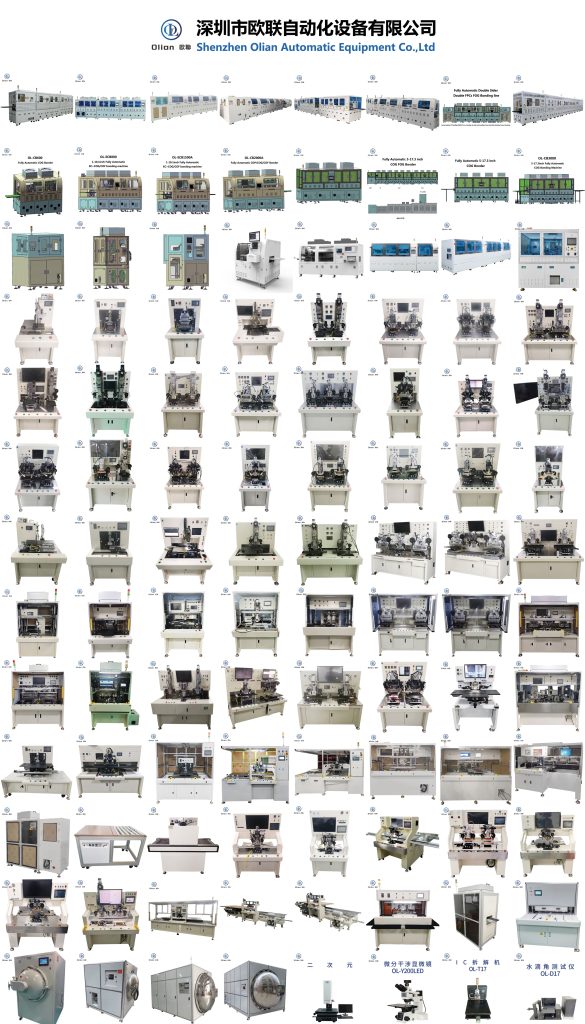
We offer ACF bonding machines covering the full spectrum of display production needs:
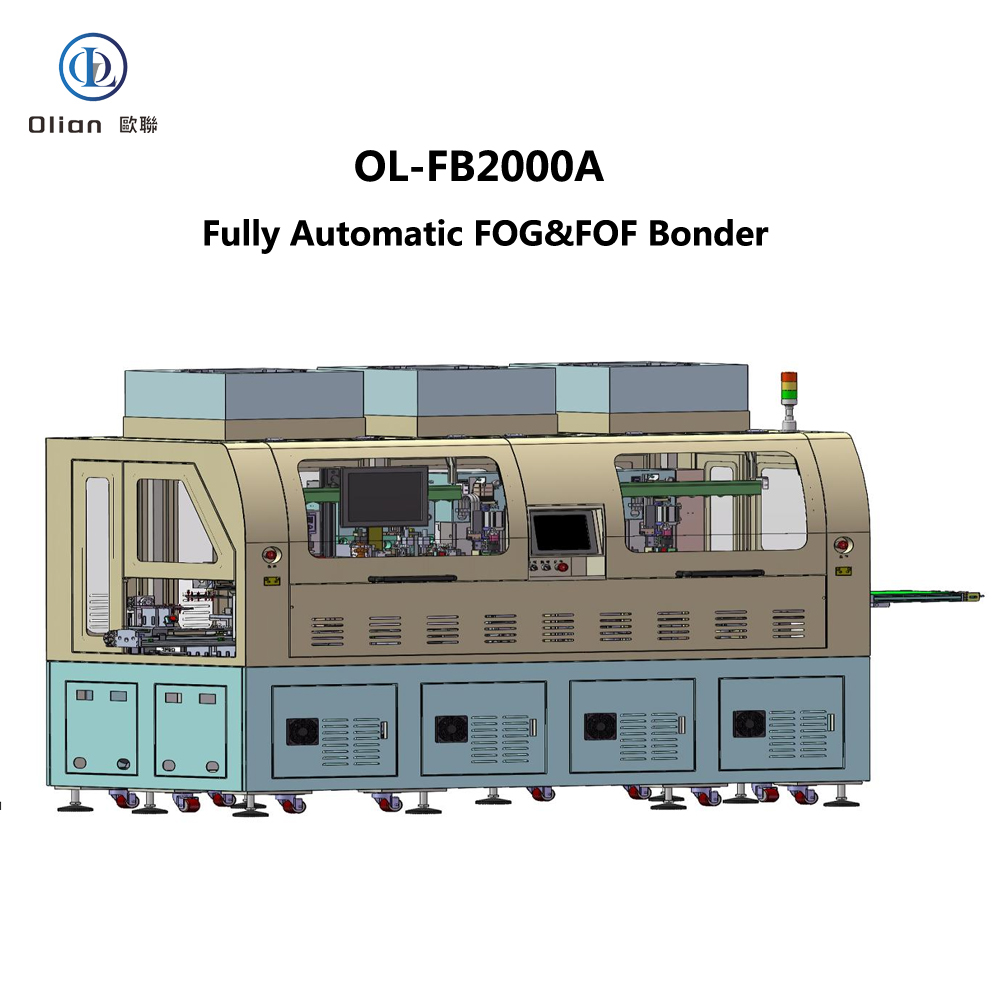
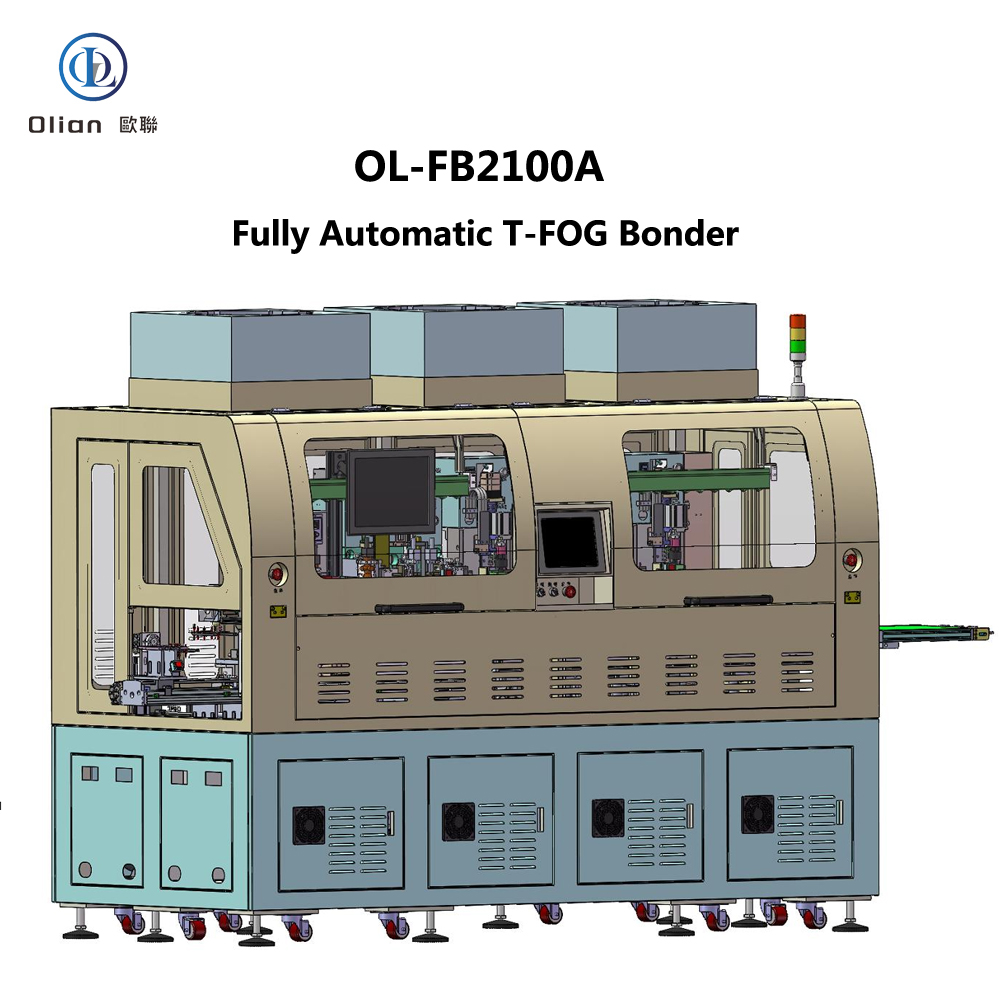
±15 μm alignment, high throughput, multi-FPC bonding capability
ACF-L Series
ACF Lamination
Pre-bond ACF attachment, high accuracy film positioning
Multi Series
Multi-function
COG+FOG or COF+FOG combined, flexible production line configuration
🔬 Deep Process Expertise
We don’t just deliver hardware. Our team of process engineers provides:
ACF bonding recipe development — optimized temperature/pressure/time parameters for specific ACF materials (Dexerials, Resonac, Hitachi Chemicals, and Chinese domestic ACF brands)
New product introduction (NPI) support — from first article bonding through production qualification
Yield improvement consulting — systematic defect analysis and process optimization
🌍 Global Service Network
Fast response: 24/7 remote technical support
On-site service: Engineers available for installation, training, and troubleshooting
Regional offices: Service hubs in key display manufacturing regions
Spare parts: Local inventory for critical components
🏭 Proven Track Record
Our machines are running in production lines at display manufacturers serving:
Smartphone and tablet LCD/OLED panels
Automotive infotainment and instrument cluster displays
Industrial HMI and medical display modules
Television and large-format display panels
Wearable and IoT device displays
Industry Trends & Future Outlook
The ACF bonding equipment industry is evolving rapidly alongside display technology advances. Here are the key trends shaping the future:
1. Finer Pitch, Higher Precision
As display resolutions increase (4K, 8K, and beyond), driver IC pin pitches continue shrinking. The industry is moving from 40 μm pitch toward 20 μm and below, requiring bonding machines with:
Alignment accuracy of ±2 μm or better
Higher-resolution vision systems (8+ MP cameras)
More sophisticated alignment algorithms with AI-assisted pattern recognition
2. Foldable & Flexible Display Bonding
Foldable OLED displays (used in smartphones and emerging foldable laptops) demand:
COF bonding as the primary configuration
Bonding machines capable of handling ultra-thin flexible substrates
Specialized ACF materials with enhanced bend reliability
New process parameters for flexible substrate bonding (lower temperature to protect flexible materials)
3. Mini LED & Micro LED Backlight Bonding
Mini LED and Micro LED displays require mass transfer bonding — connecting thousands of tiny LED chips to the substrate. This creates demand for:
High-speed multi-head bonding machines
Gang bonding (simultaneous bonding of multiple chips)
Specialized ACF or alternative interconnect materials
4. Automation & Smart Manufacturing
Industry 4.0 integration in bonding equipment includes:
MES (Manufacturing Execution System) connectivity — real-time production data upload
SPC (Statistical Process Control) — automatic monitoring of bonding parameters
Predictive maintenance — AI-based analysis of machine health data
Digital twin — virtual machine models for process simulation and optimization
5. Domestic ACF Material Adoption
With China now the world’s largest LCD panel producer, domestic ACF material suppliers are rapidly gaining market share (domestic ACF adoption rate has risen to approximately 25%). Bonding machines must be compatible with:
Both Japanese premium ACF (Dexerials, Resonac) and Chinese domestic alternatives
Different ACF specifications (thickness, particle size, curing temperature)
Flexible recipe management for quick material changeover
Frequently Asked Questions (FAQ)
Q1: What is the difference between ACF bonding and soldering?
A: ACF bonding uses anisotropic conductive film adhesive to create electrical connections through thermocompression, while soldering uses molten metal alloy. ACF bonding offers several advantages for display production:
Lower processing temperature (180–220°C vs. 250+°C for soldering)
No flux residues that could contaminate the display
Simultaneous connection of hundreds of contacts in a single bonding cycle
Suitable for glass substrates that cannot tolerate soldering temperatures
Compatible with fine-pitch connections below 40 μm
Q2: How long does an ACF bonding machine typically last?
A: With proper maintenance, a quality ACF bonding machine has a service life of 8–10 years or more. Key longevity factors include:
Regular calibration (typically monthly)
Bonding head replacement schedule (every 6–12 months depending on usage)
Servo system maintenance
Software updates and alignment system recalibration
Q3: Can one machine handle both COG and FOG bonding?
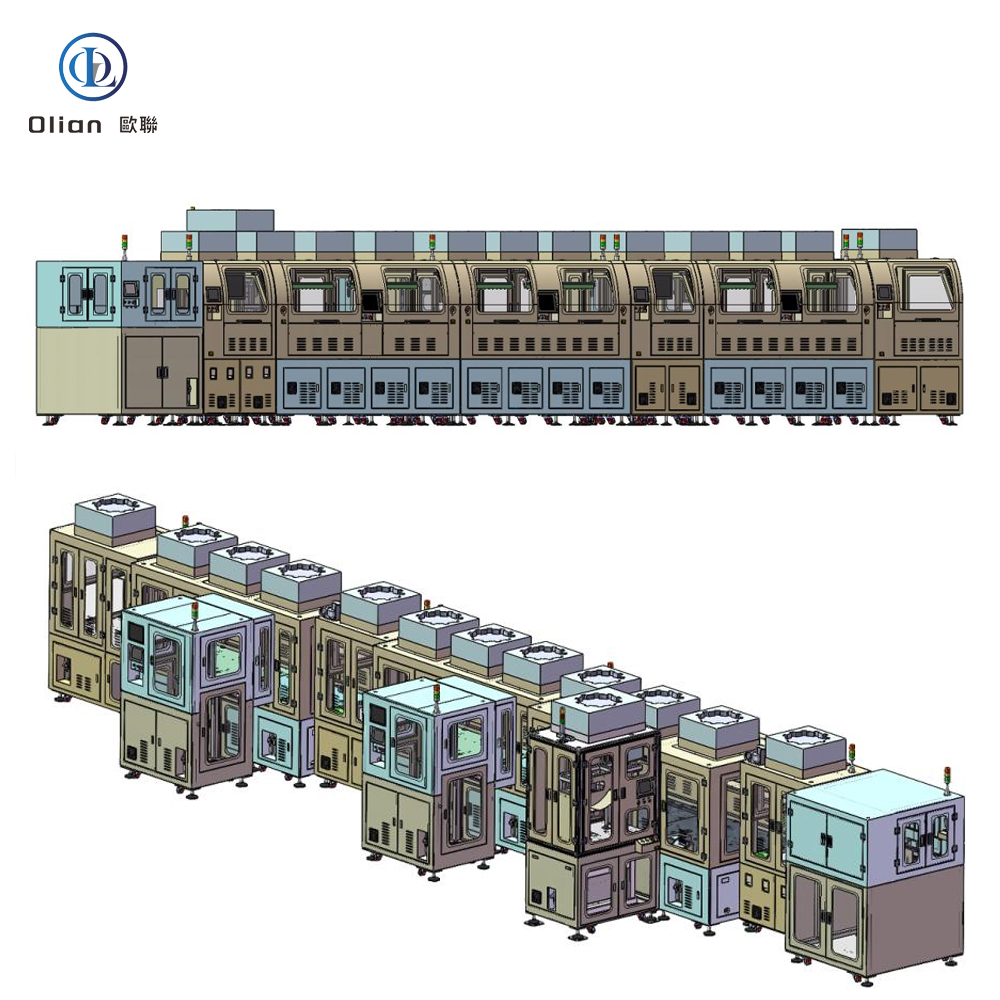
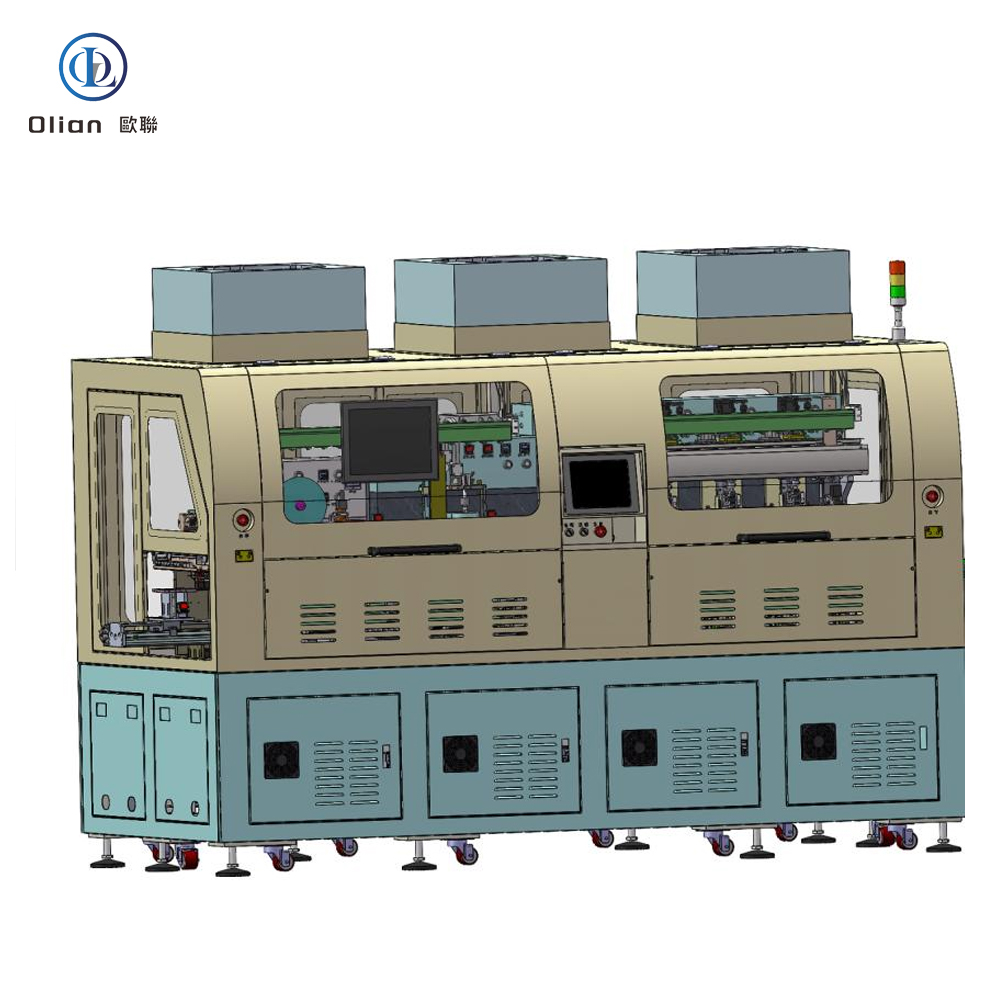
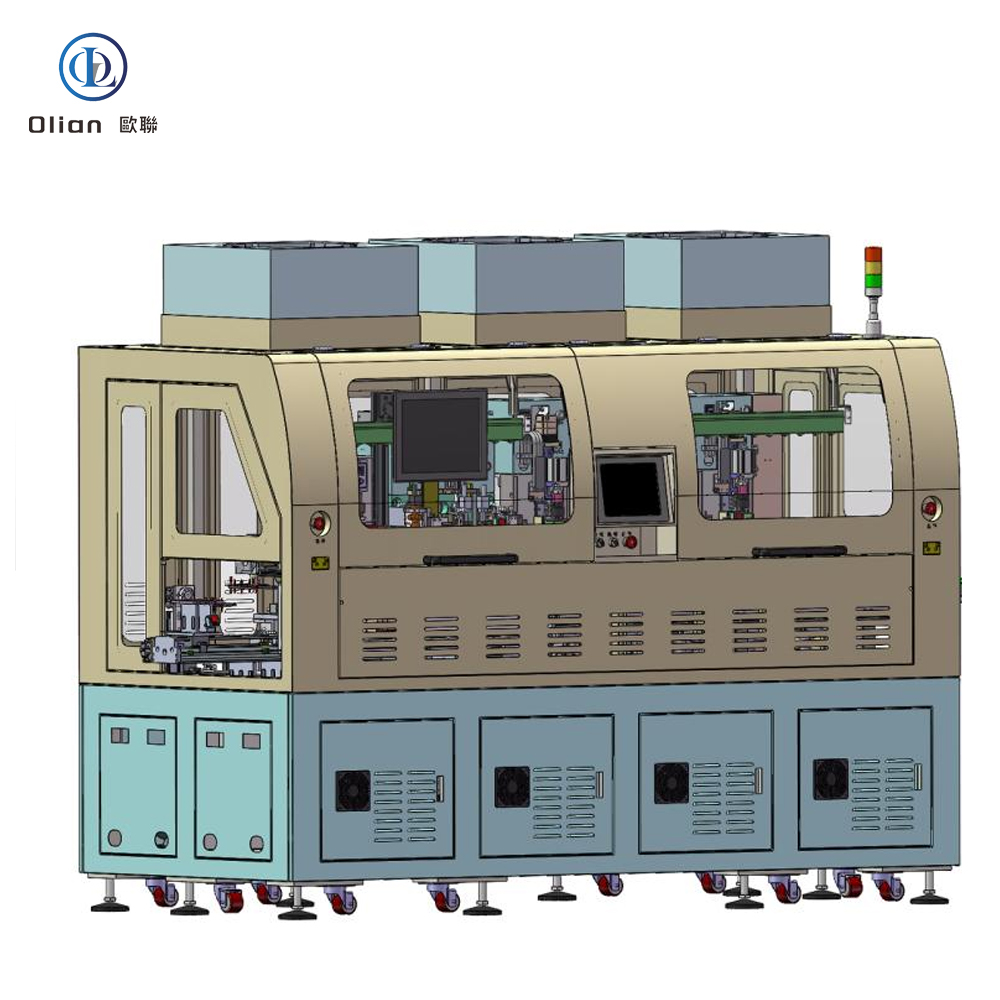
A: Yes. Multi-function bonding machines(full automatic bonding line) can handle both COG and FOG bonding in a single platform, typically through:
Changeable bonding head tooling
Switchable vision system configurations
Adjustable pressure and temperature ranges
This is ideal for factories producing multiple product types with moderate throughput needs.
Q4: What ACF materials are compatible with bonding machines?
A: Modern ACF bonding machines from reputable manufacturers are designed to work with the full range of commercially available ACF films, including:
Dexerials (formerly Sony Chemical) — industry benchmark
Resonac (formerly Hitachi Chemical) — widely used in automotive and industrial displays
Chinese domestic brands — rapidly improving quality, cost-effective alternative
Compatibility depends on ACF thickness (typically 15–40 μm), particle type (nickel, gold-coated, solder), and curing temperature profile. At bonding-machine.com, we test and certify compatibility with major ACF suppliers.
Q5: What is the typical yield rate for ACF bonding?
A: With a properly calibrated machine and optimized process, ACF bonding yield rates typically reach 98–99.5% for standard products. Factors affecting yield include:
ACF material quality and storage conditions
Glass substrate cleanliness
Alignment accuracy and consistency
Pressure and temperature uniformity
Operator skill and process discipline
Our process engineers at bonding-machine.com routinely help customers achieve and maintain >99% yield.
Q6: How do I get a quotation for an ACF bonding machine?
A: Simply contact our team with your production requirements — we’ll provide a detailed quotation including:
Machine configuration recommendation
Process capability assessment for your specific product
Delivery timeline and installation plan
Training and after-sales support package
TCO analysis comparison
Conclusion: The Right Manufacturer Is Your Production Partner
Choosing an ACF bonding machine manufacturer for LCD display production isn’t a transactional purchase — it’s a strategic partnership that directly impacts your product quality, production yield, and competitive position in the display market.
The ideal manufacturer provides not just a machine, but a complete bonding solution: equipment designed for your specific process needs, deep technical expertise in ACF bonding chemistry and physics, responsive after-sales support, and continuous innovation to keep pace with display technology evolution.
At bonding-machine.com, that’s exactly what we deliver — from our comprehensive bonding machine lineup to our process engineering support and global service network.
Wearable Device Display Manufacturing Line: Enabling the Future of Compact, Flexible, and High-Performance Wearables
As wearable technology continues to evolve—from smartwatches and fitness trackers to AR glasses and health monitoring patches—the demand for compact, durable, flexible, and energy-efficient displays has surged. At the core of this innovation lies the Wearable Device Display Manufacturing Line, a highly sophisticated, precision-driven production system engineered to meet the unique challenges of small-form-factor, curved, and often flexible displays used in modern wearables.
This advanced manufacturing line integrates cutting-edge automation, micro-assembly technologies, and stringent quality control systems to deliver high-yield, reliable, and aesthetically pleasing displays that seamlessly blend form and function.
The Evolution of Wearable Displays
Wearable devices require displays that are not only visually clear and responsive but also lightweight, power-efficient, and mechanically robust. Traditional rigid displays are increasingly being replaced by flexible OLED, micro-LED, and even electronic paper (e-Paper) technologies that conform to the human body and withstand constant movement and environmental stress.
The Wearable Device Display Manufacturing Line is specifically designed to handle these advanced display types, supporting both rigid and flexible substrates, ultra-thin components, and miniaturized packaging.
Key Components of the Wearable Display Manufacturing Line
1. Cleanroom-Compatible Automation
○ Operates in Class 100–1000 cleanrooms to prevent particle contamination.
○ Robotic arms with nano-precision handling ensure safe transfer of fragile display panels.
● Smart Manufacturing Integration: Fully compatible with SECS/GEM, MES, and IoT platforms for real-time monitoring, traceability, and predictive maintenance.
● Energy and Material Efficiency: Optimized processes reduce waste and power consumption, aligning with sustainable manufacturing goals.
● Scalability: Designed for both high-volume mass production and small-batch customization.
Olian Automatic: Pioneering the Future of Wearable Display Manufacturing
At Olian Automatic, we specialize in designing and delivering turnkey Wearable Device Display Manufacturing Lines that combine precision, reliability, and intelligence. Our solutions are built to support the rapid innovation cycles of the wearable industry, enabling manufacturers to bring next-generation products to market faster, with higher quality and lower total cost of ownership.
From concept to full-scale production, our engineering team works closely with clients to customize workflows, integrate advanced inspection systems, and ensure seamless compatibility with existing production ecosystems.
Welcome to visit us ,Wechat/whatsapp:+86 18025364779,Zack wu
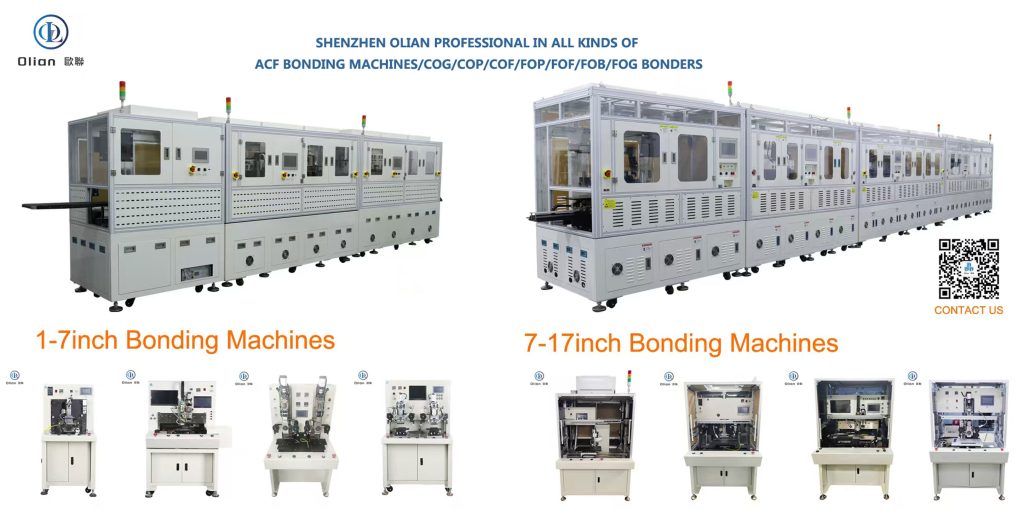
17-120 Inch Semi Automatic Bonding Machines Production Line Solution for TV/Touch Panels/Customized Products
In the rapidly evolving display manufacturing industry, the production of large-sized displays for applications such as TVs, touch panels, and customized products requires a specialized and semi-automated bonding solution. Our 17-120 Inch Semi Automatic Bonding Machines Production Line Solution is designed to meet the demands of producing large-sized Liquid Crystal Modules (LCMs) ranging from 17” to 120”, offering a comprehensive and integrated approach to ensure high efficiency, precision, and adaptability.
High-Purity Cleaning: The process begins with plasma cleaning to remove any contaminants from the substrates. This step is crucial for ensuring a high-quality bond and reducing defects.
ACF (Anisotropic Conductive Film) Attaching
Precision Application: ACF is applied to the substrates with high precision, ensuring a reliable electrical connection between the components.
COG/COF/COP Pre-Bonding
Pre-Bonding Process: The pre-bonding machine automatically peels and cuts 1 or 2 layers of ACF tape and attaches it to the LCD, PCB, FPC, or TAB. This step ensures proper alignment and adhesion before the main bonding process.
COG/COF/COP Main Bonding
Main Bonding Process: The main bonding machine performs the final bonding of ICs, cables, or COF pre-pressed on the LCD glass. This process is critical for ensuring the stability and performance of the display modules.
FOG/FOP/FOF/FOB Bonding
FPC Bonding: The FOG/FOP/FOF/FOB bonding machine bonds flexible printed circuits (FPCs) to the glass or flexible substrates. This step is essential for connecting the display module to the mainboard and other components.
Applications
Our 17-120 Inch Semi Automatic Bonding Machines Production Line Solution is ideal for a wide range of display products, including:
TVs: High-resolution displays for large-screen televisions.
Touch Panels: Interactive displays for public information systems, kiosks, and industrial control panels.
Customized Products: Specialized displays for unique applications such as medical imaging and professional monitoring equipment.
Key Specifications
Product Size Range: 17” to 120”
Main Precision:
ACF Attachment: X/±0.15mm, Y/±0.1mm
COG: X/Y ±5μm
FOG: X/Y ±15μm
Tact Time:
17” to 120” Displays: Whole line TT ≤ 10s
Uptime: ≥98%
Optional Features
Flexible Configuration: The entire line can be configured according to customer process requirements.
Customized Solutions: Other sizes can be customized to meet specific needs.
AOI, CIM, and Dispensing Valve: The line is equipped with optional features such as AOI inspection, CIM (Computer Integrated Manufacturing), and precision dispensing valves.
Market Trends and Future Prospects
The display manufacturing industry is on a remarkable journey of innovation and growth. Technologies like OLED, QLED, and MicroLED are pushing the boundaries of what screens can do, offering better resolution, color accuracy, and energy efficiency. However, challenges such as high costs, durability issues, and supply chain disruptions still need to be addressed. As research and collaboration continue, we can expect even more exciting advancements in the future.
Conclusion
Our 17-120 Inch Semi Automatic Bonding Machines Production Line Solution is designed to meet the future demands of the display industry, offering a versatile, high-precision, and efficient production process. By integrating multiple advanced technologies and ensuring high-quality standards, our solution is ideal for manufacturers looking to produce a wide range of advanced display modules. Choose our solution to stay ahead in the competitive market and deliver top-quality products.