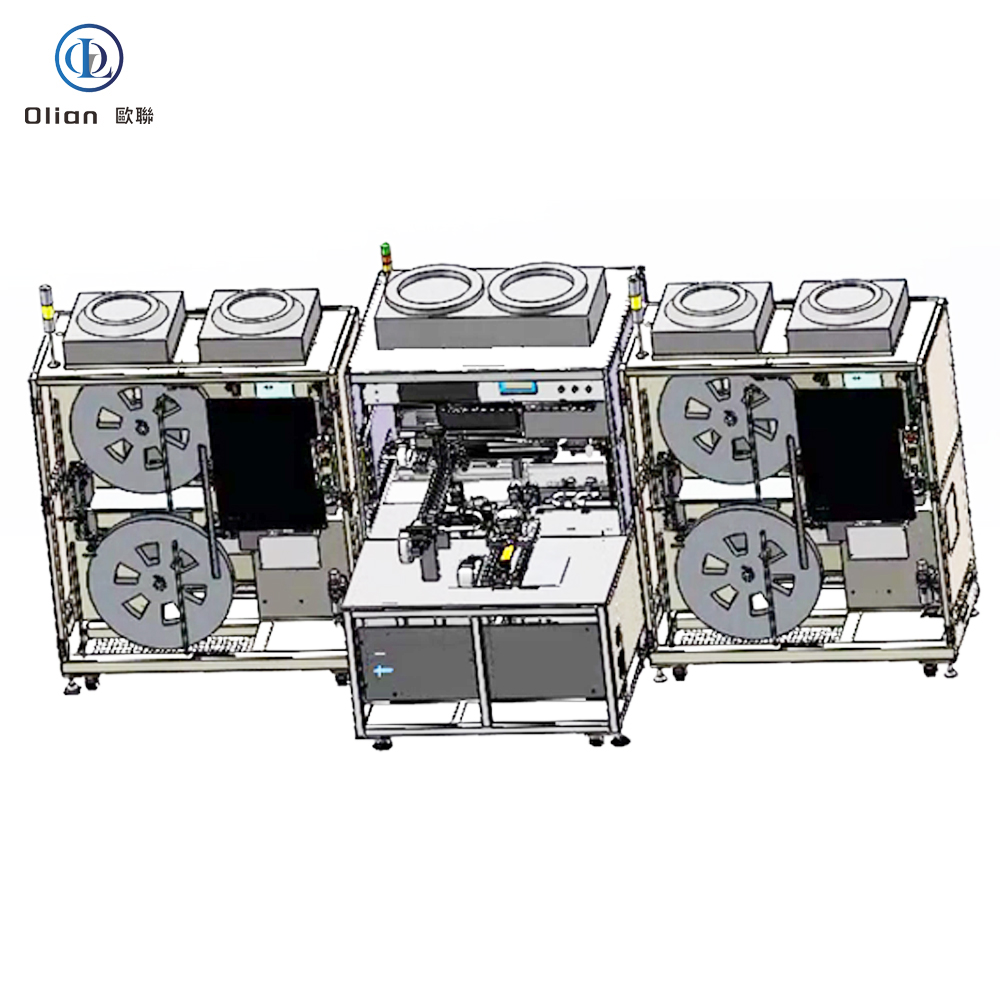
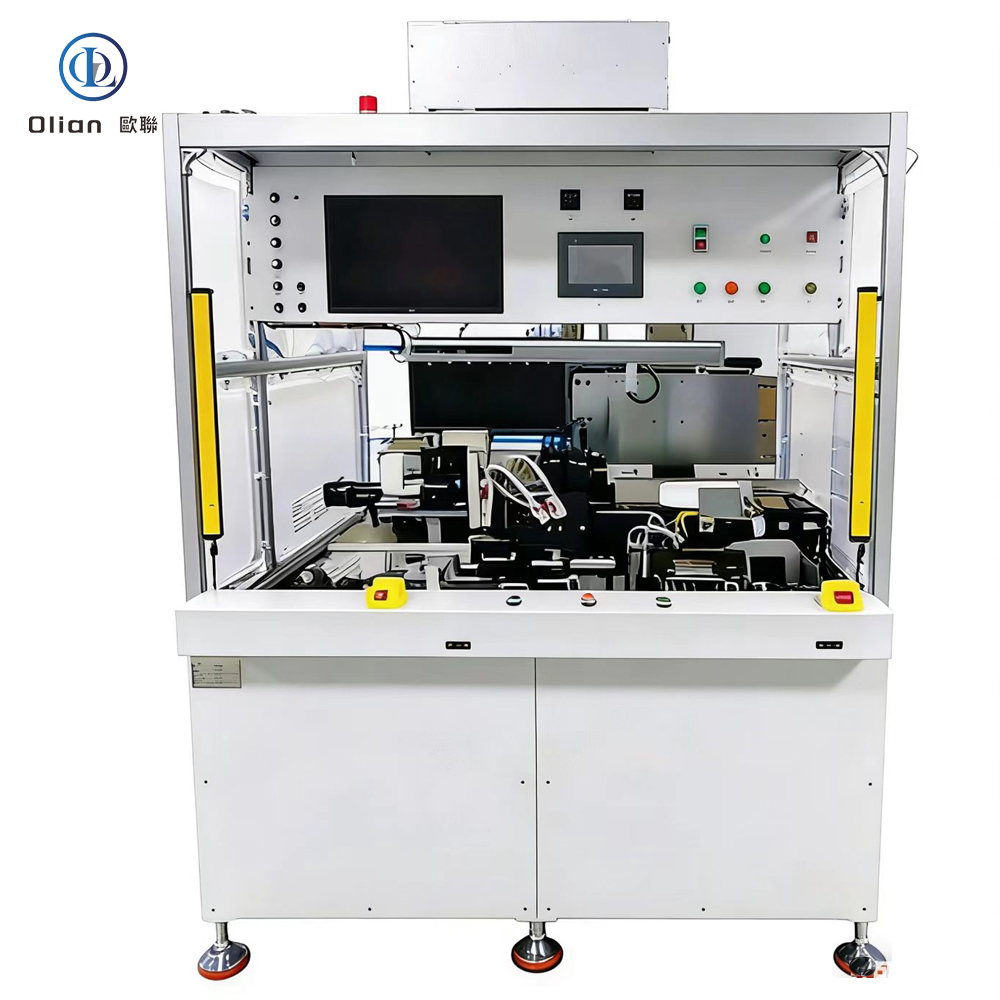
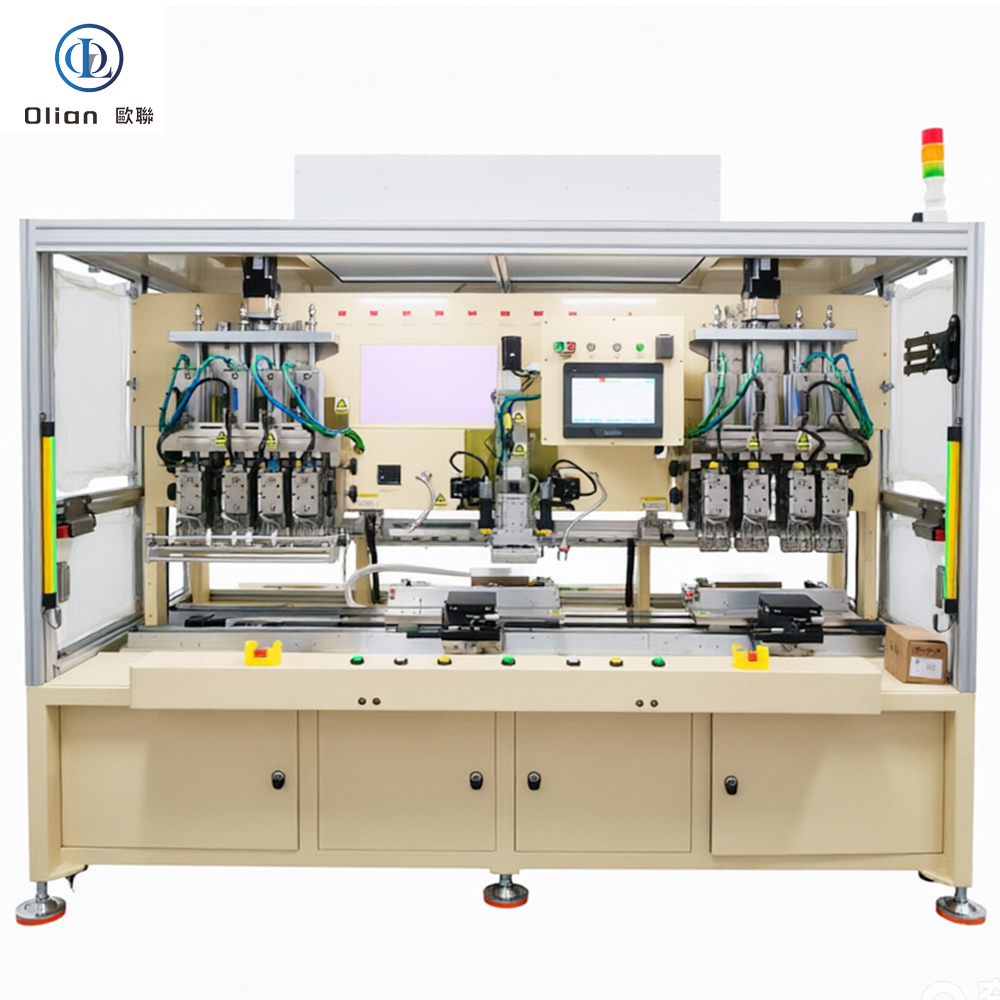
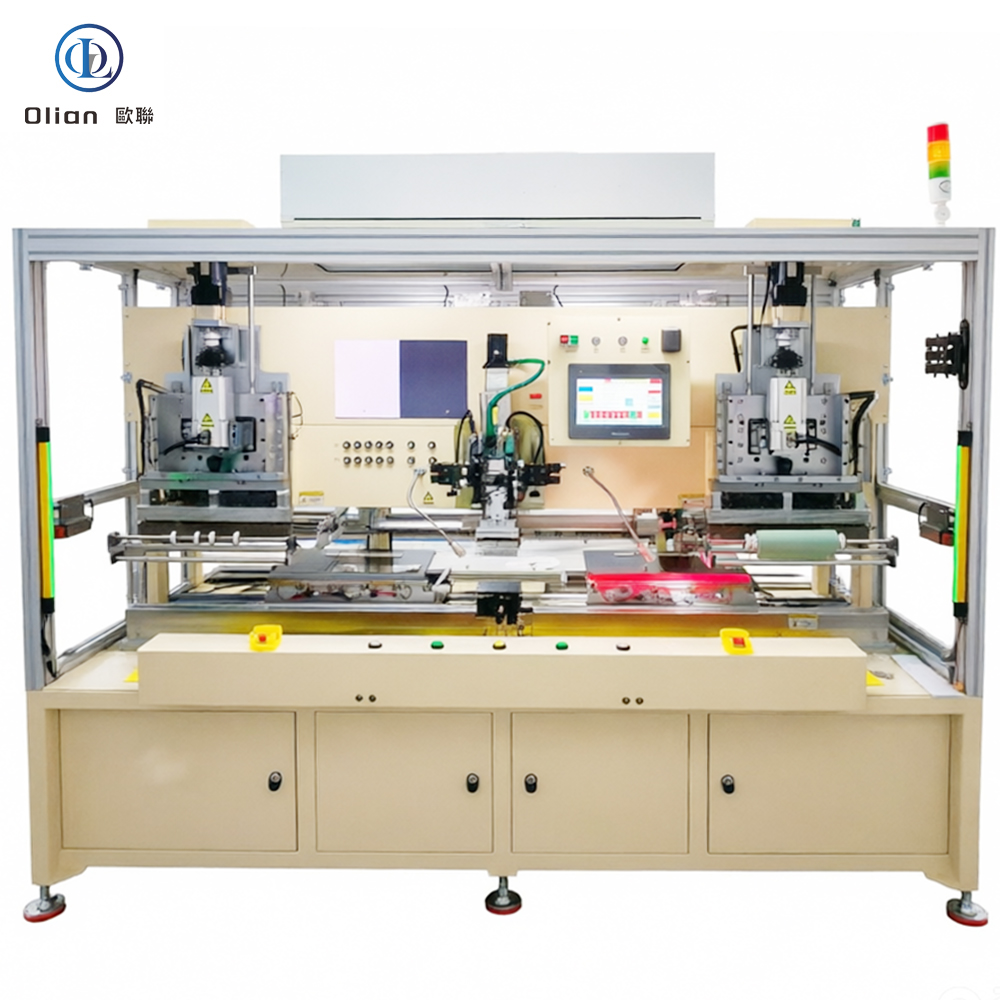
Automatic COF Bonding Machine for Display Panel Production
What Is an Automatic COF Bonding Machine?
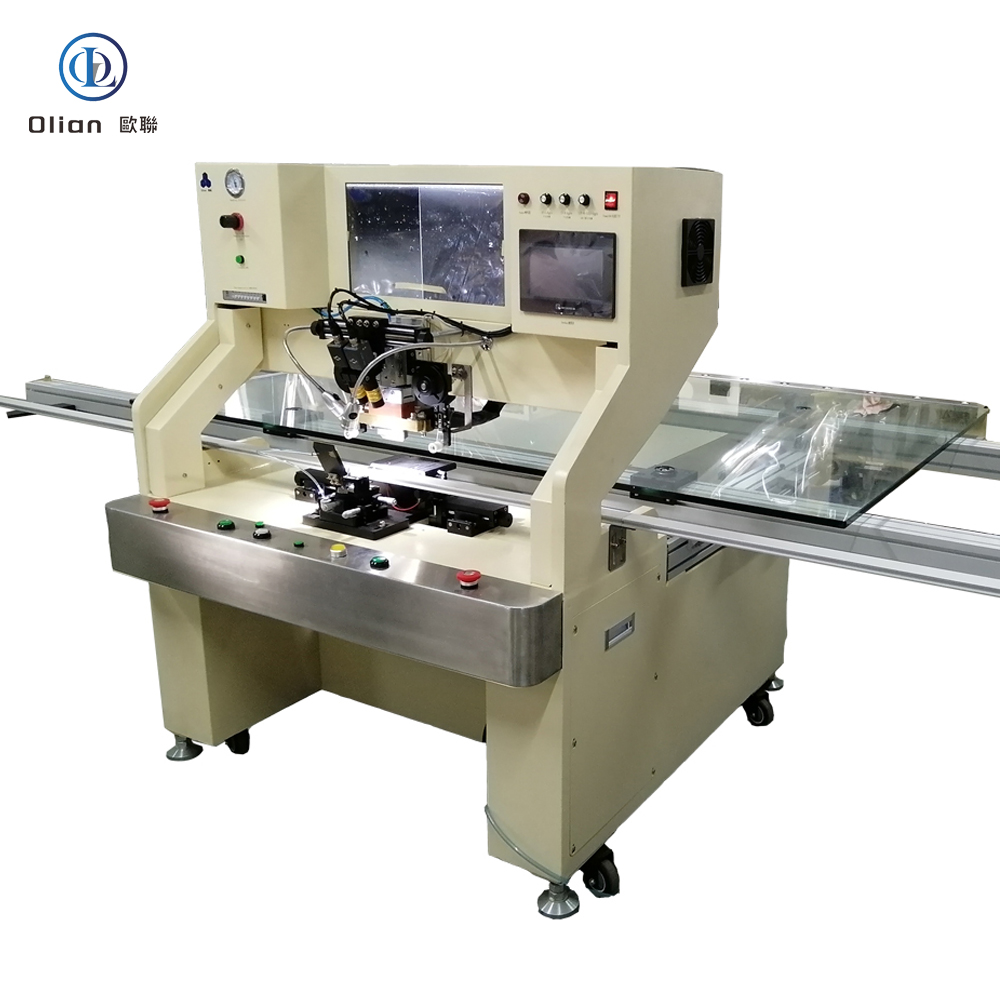
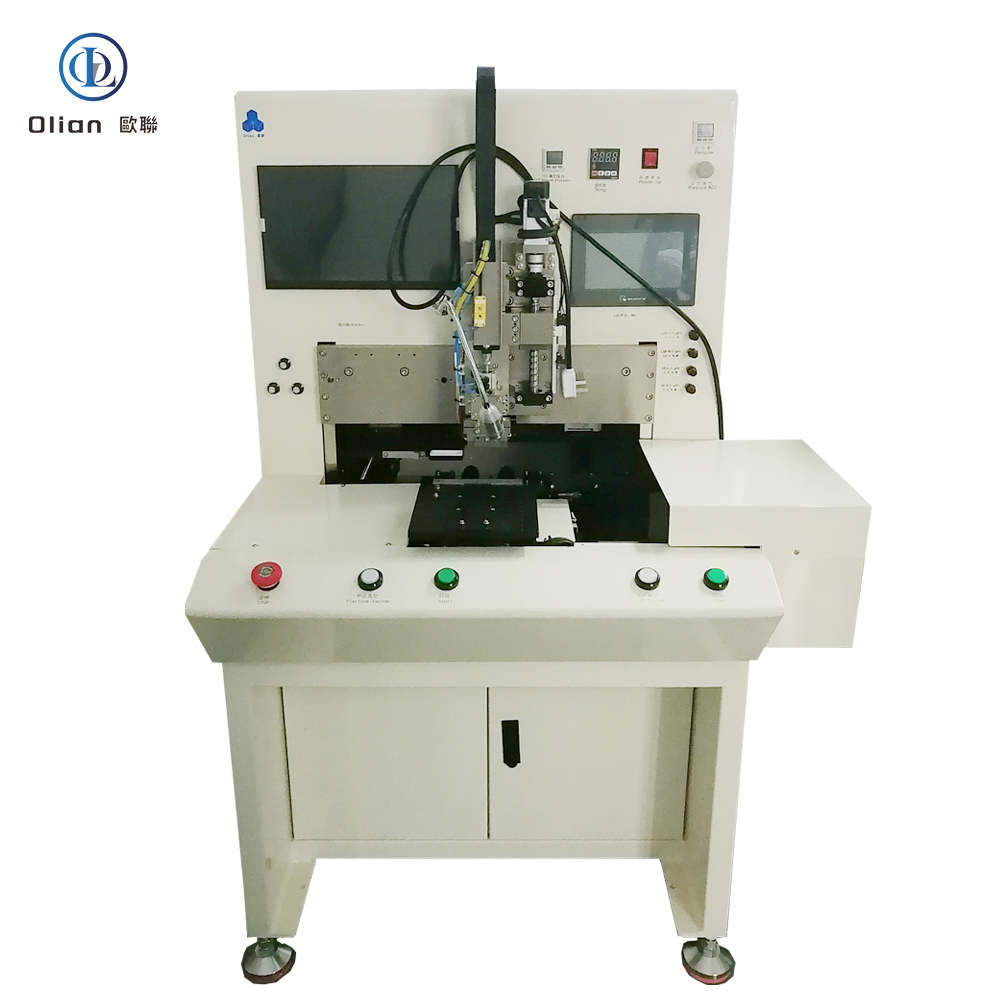
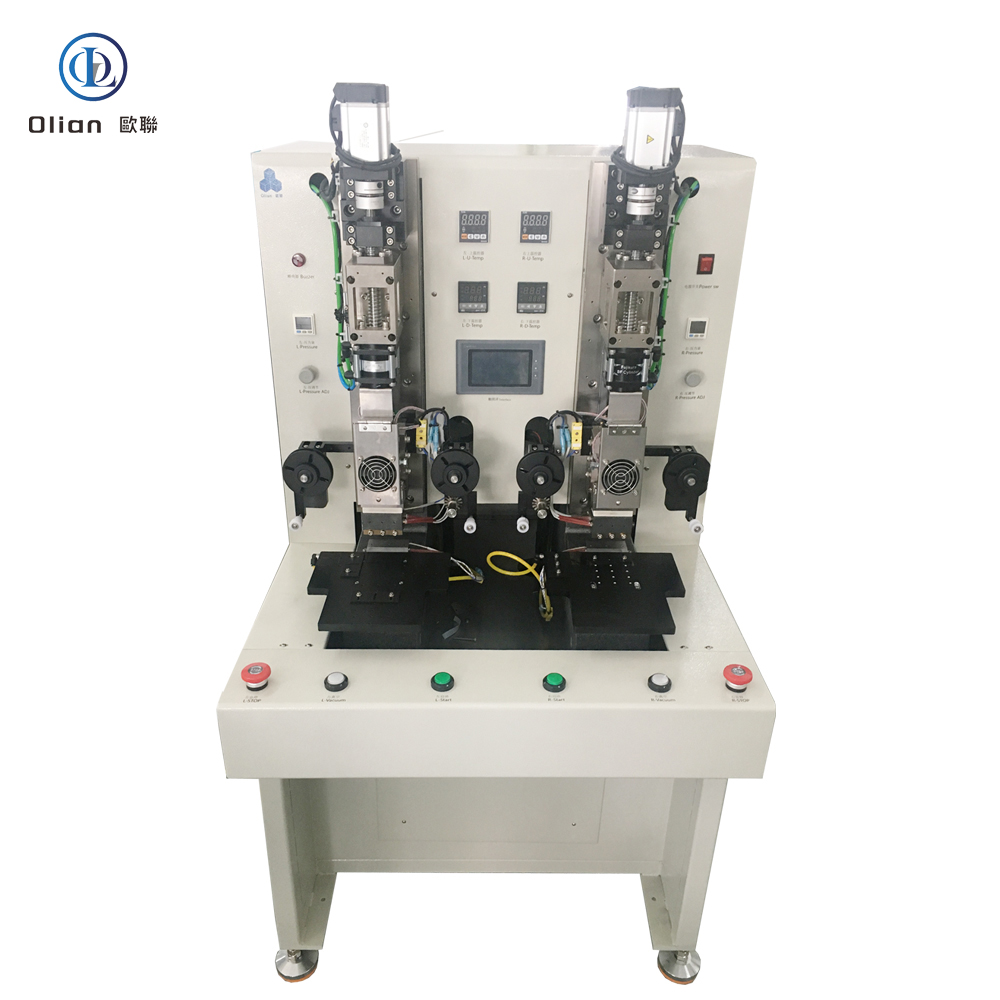
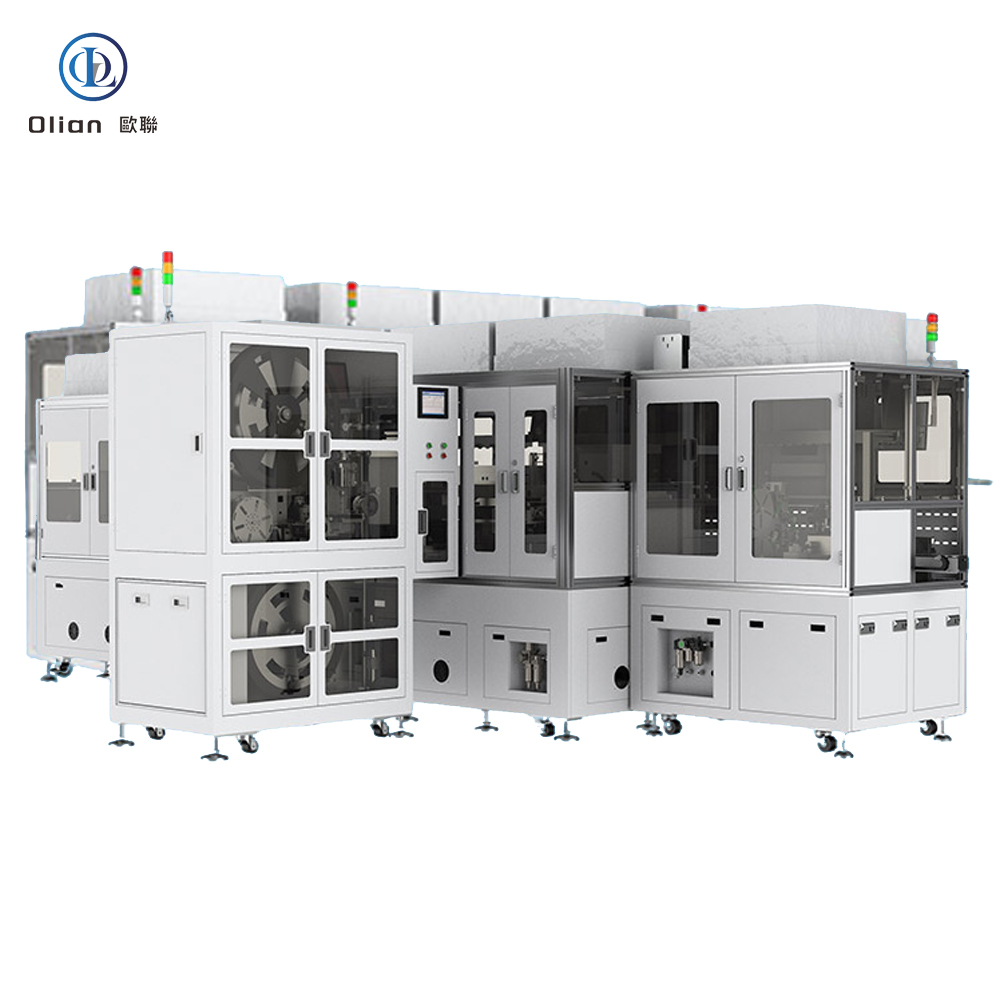
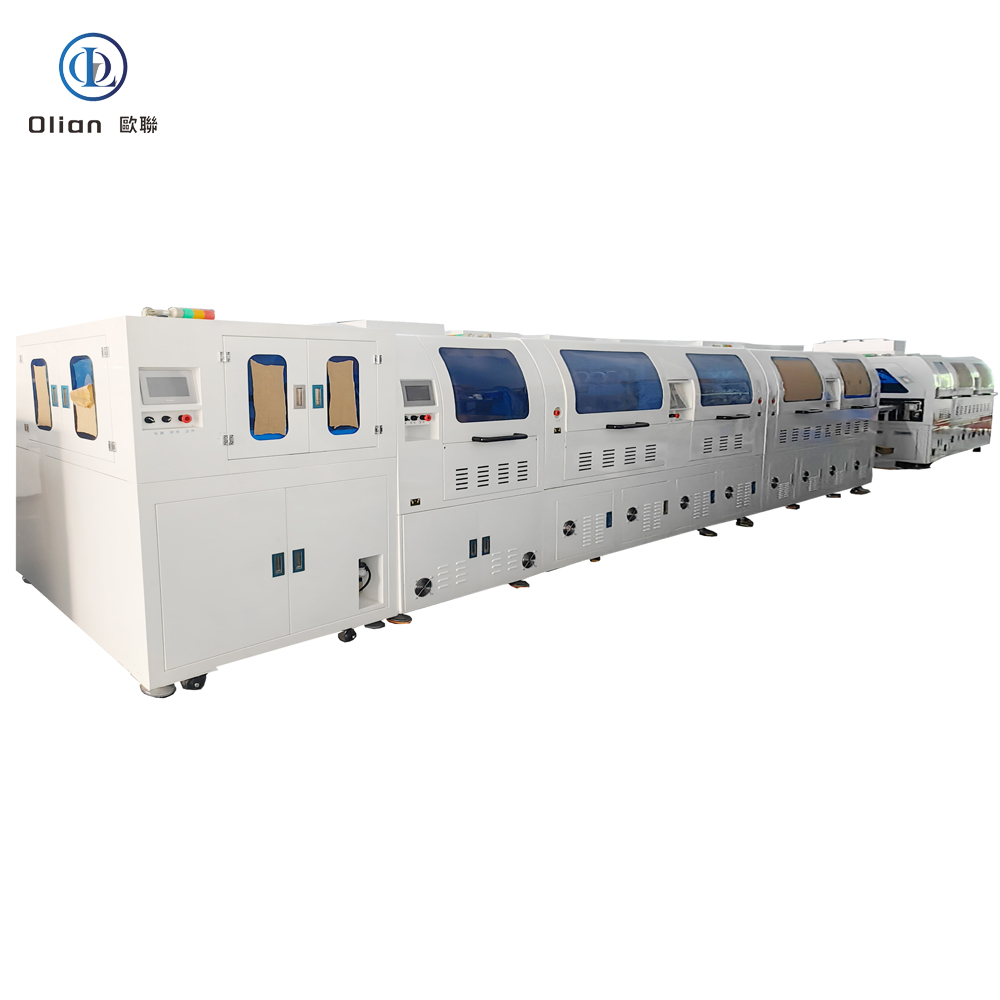
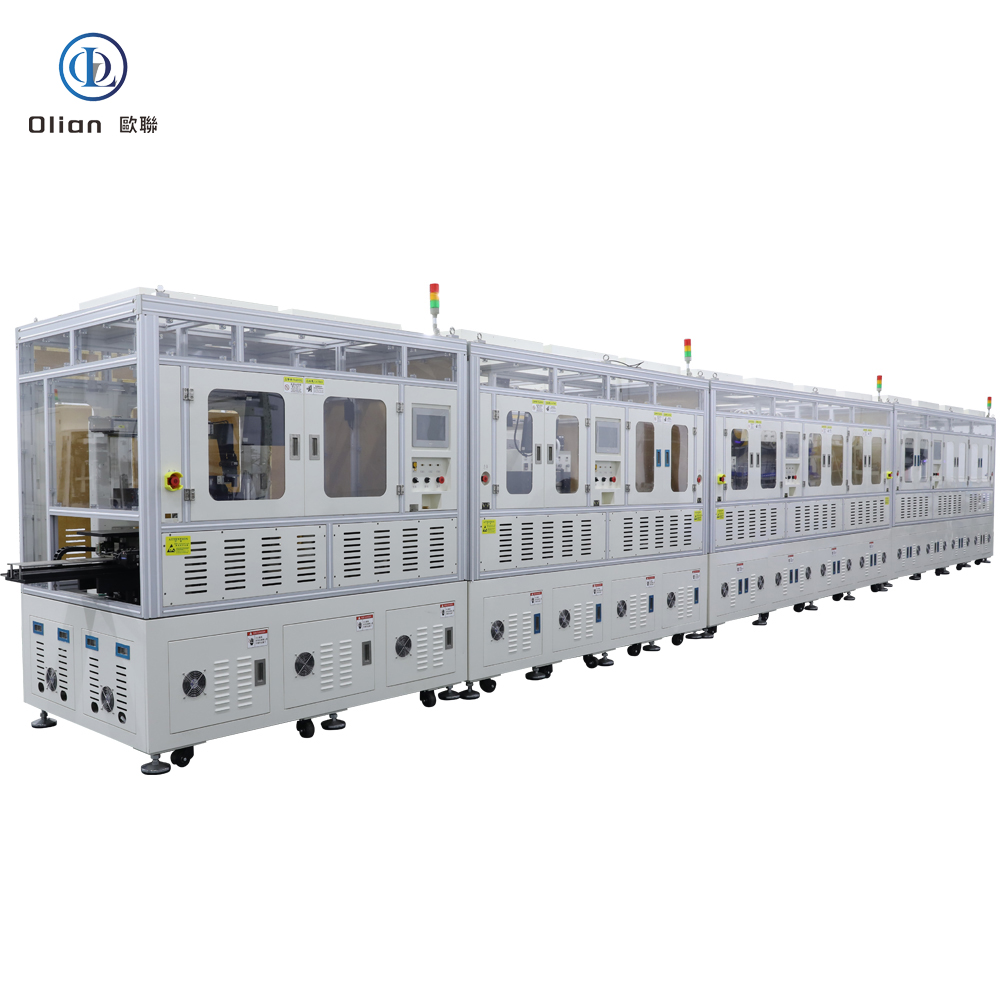
An automatic COF (Chip on Film/chip on FPC) bonding machine is a precision assembly system that mounts driver ICs onto flexible polyimide film substrates OR FPC using Anisotropic Conductive Film (ACF) technology OR gold to gold technology.
Sometimes,bond the COF on the glass or on the PCB,we also call it COF bonding technology. But in fact ,they are differnet processes..
In shenzhen olian, we can do these both technology (Chip on Film/chip on FPC) and (ACF bonding /Gold to Gold Bonding).
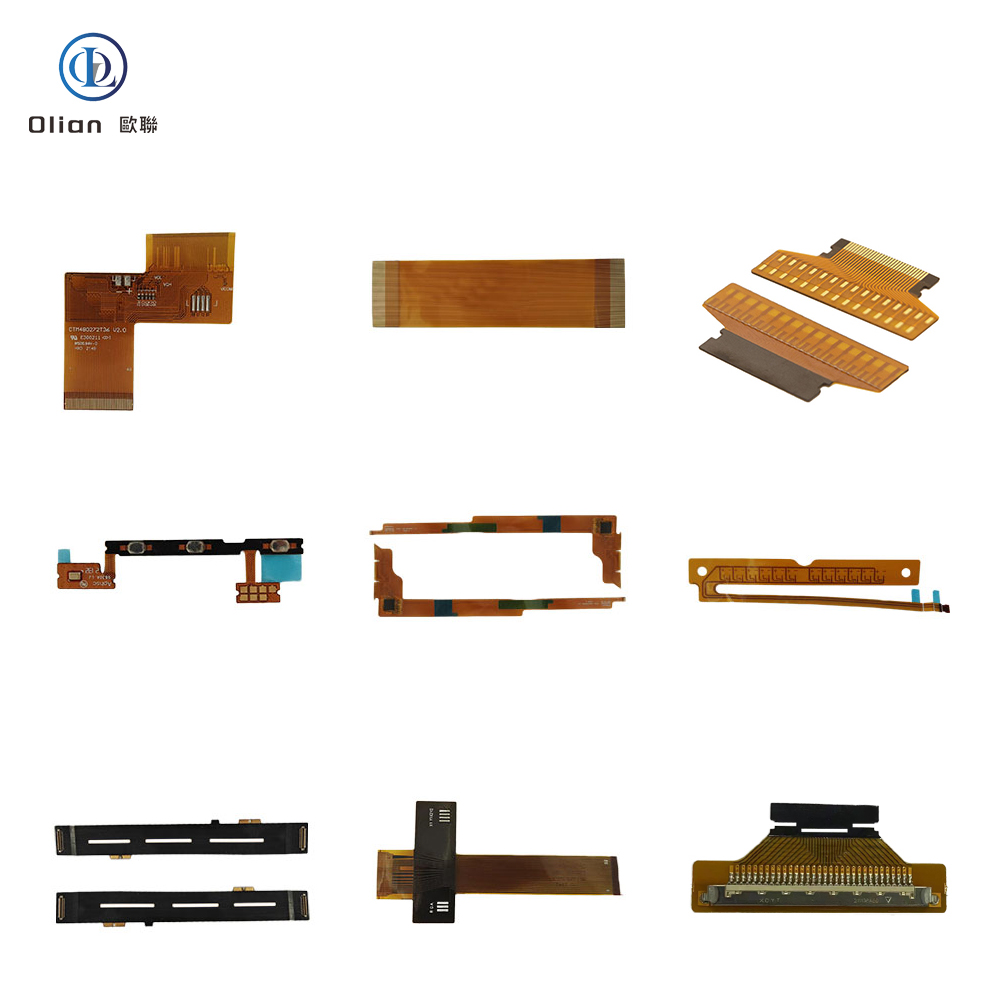
chip on fpc bonding
Unlike manual or semi-automatic systems,
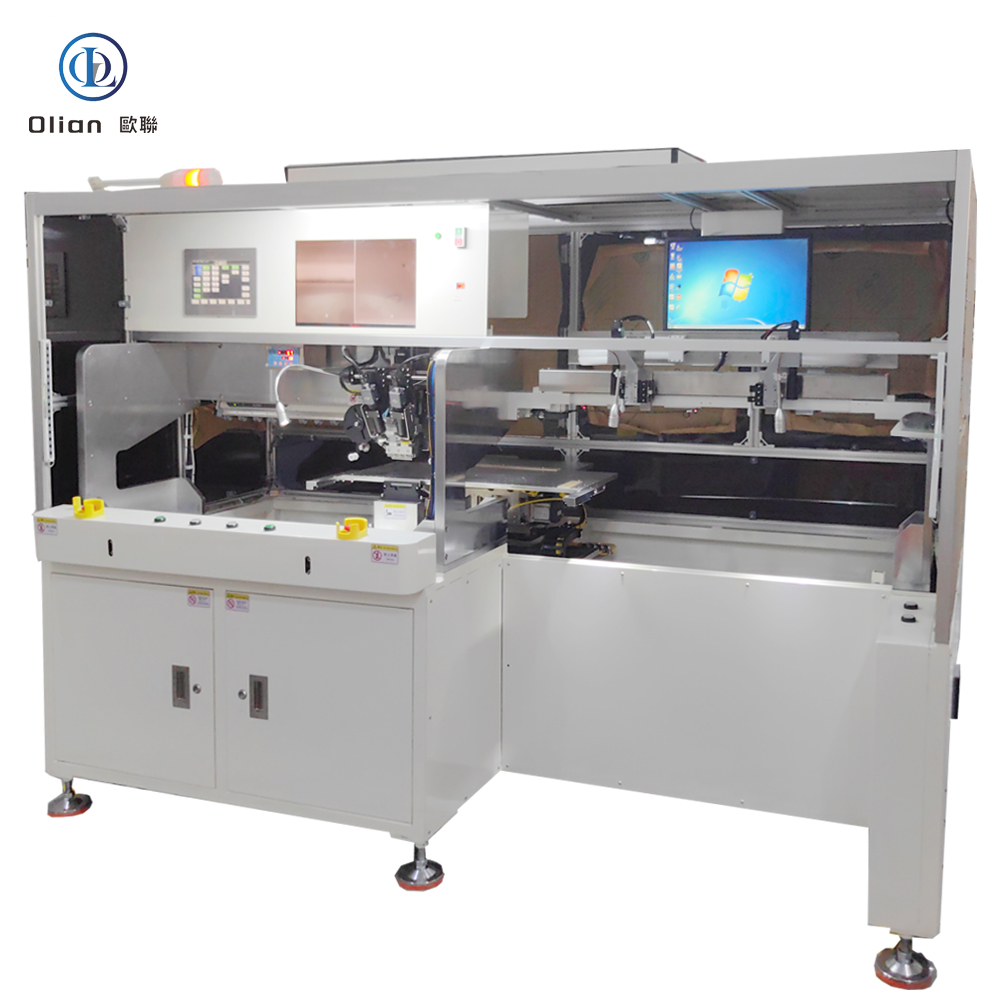
fully automatic COF bonders handle the entire process—from ACF attachment and IC placement to thermocompression bonding—without operator intervention. This makes them essential for high-volume display panel production where consistency, speed, and micron-level accuracy determine manufacturing yield.
COF bonding differs from COG (Chip on Glass) and COB (Chip on Board) in that the chip is mounted on a flexible film carrier rather than directly on glass or a rigid PCB.
This flexibility enables ultra-thin bezels, curved displays, and foldable screen designs that are now standard in smartphones, tablets, automotive dashboards, and premium TVs.
Why Automatic COF Bonding Matters in Modern Display Manufacturing
The global display industry is pushing toward higher resolutions, larger panel sizes, and more complex form factors. As panels evolve from HD to 4K, 8K, and beyond, the pitch between bonding pads shrinks dramatically—often to sub-10 micrometer levels. Manual alignment simply cannot achieve the repeatability required at these scales.
Automatic COF bonding machines solve this by integrating advanced vision systems, servo-driven motion platforms, and closed-loop thermal control.
The result is bonding accuracy within ±5 to ±15 micrometers, temperature stability within ±5°C, and cycle times under 4.5 seconds per bond—parameters that directly impact production capacity and return on investment.
For display panel manufacturers, the shift to automation is not merely about speed. It is about eliminating the variables that cause defects: misalignment, uneven pressure distribution, thermal drift, and human inconsistency.
In an industry where a single bonding defect can scrap an entire panel worth hundreds of dollars, automatic COF bonding is a risk mitigation strategy as much as a production tool.
Key Technical Specifications to Evaluate
When sourcing an automatic COF bonding machine for display panel production, these specifications separate professional-grade equipment from basic alternatives:
Alignment Accuracy
Look for sub-micron precision systems using CCD cameras with pattern recognition algorithms. Industry-leading machines achieve ±3 µm accuracy, which is necessary for 4K and 8K panel production where pad pitches are extremely fine.
Thermal Control System
Pulse heating technology with PID auto-tuning ensures rapid temperature ramp-up (180°C in 2–3 seconds) and stability within ±0.5°C to ±1°C.
The hot press head should use titanium alloy or molybdenum with surface flatness of 0.001 mm to guarantee uniform heat transfer across the bonding zone.
Pressure Control
Closed-loop servo pressure systems with 0.1 N resolution and 2 ms response time allow precise force application.
The pressure range should span from 0.1 N for delicate components up to 50 N or more for larger driver ICs, with active gravity compensation to prevent substrate deformation.
Vision System
High-resolution CCD or CMOS cameras (12 MP or higher) with telecentric lenses, coaxial and side LED illumination, and AI edge detection enable repeatable alignment to 3 µm. Auto-focus and overlay comparison features further reduce operator dependency.
Cycle Time and Throughput
Automatic systems should achieve cycle times under 30 seconds per bond, with production rates of 100+ units per hour for TAB bonding and 2,500+ pieces per day for repair applications. Multi-station configurations can further increase throughput by processing multiple bonds simultaneously.
Software and Connectivity
Modern machines feature intuitive touch-screen HMIs with recipe storage, error logging, and SPC (Statistical Process Control) output. Ethernet, USB, and RS-232 connectivity enable remote monitoring, firmware updates, and MES integration—critical for Industry 4.0 environments.
Applications Across the Display Industry
Automatic COF bonding machines serve diverse segments of the display ecosystem:
Smartphone and Tablet Manufacturing
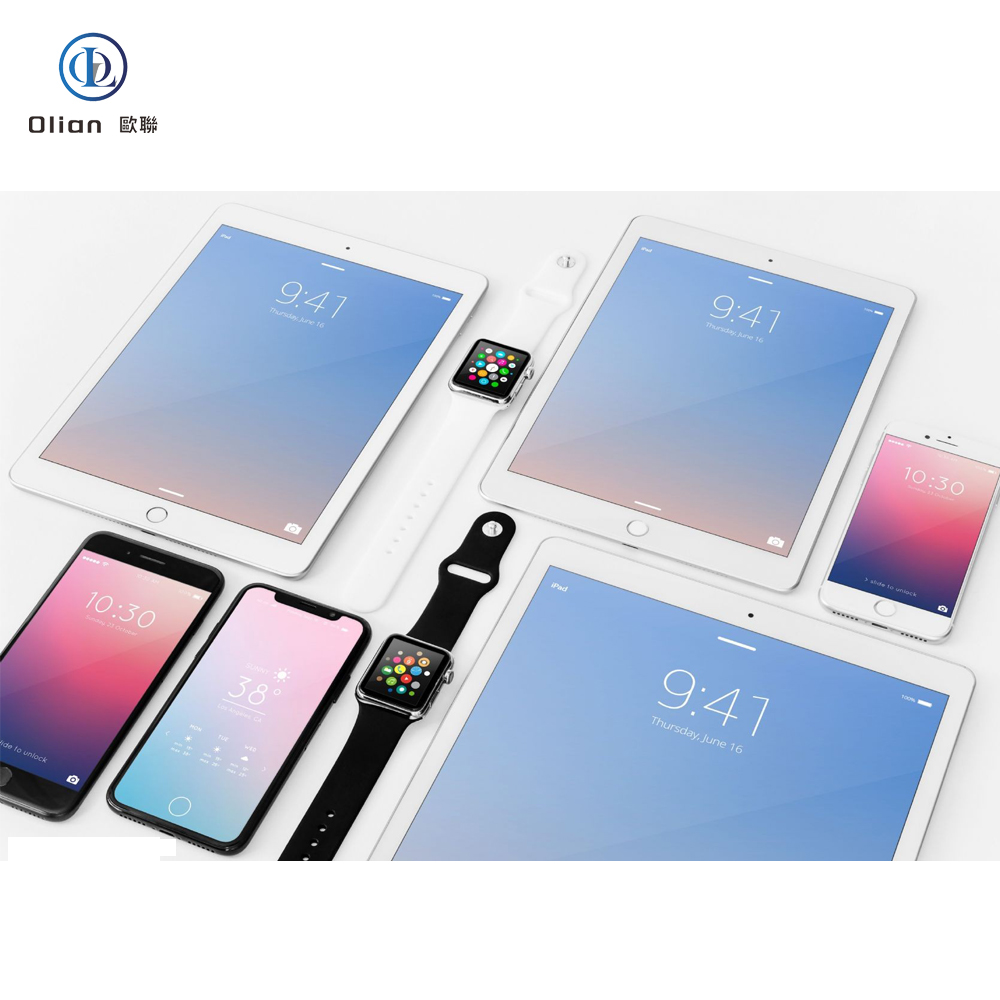
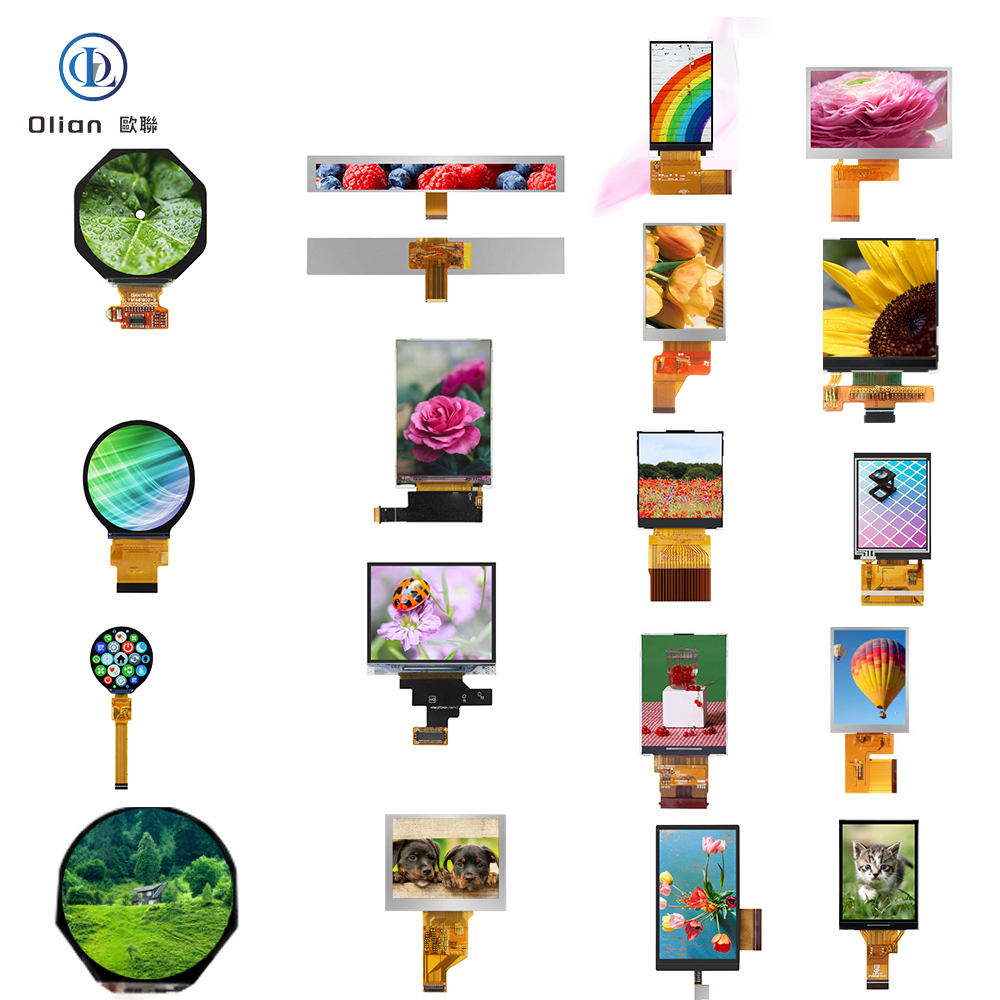
The demand for bezel-less designs and foldable screens makes COF bonding the preferred method for connecting driver ICs to OLED and flexible LCD panels. The flexible film substrate allows the IC to be bent behind the display, maximizing active screen area.
Large-Format TV and Monitor Production
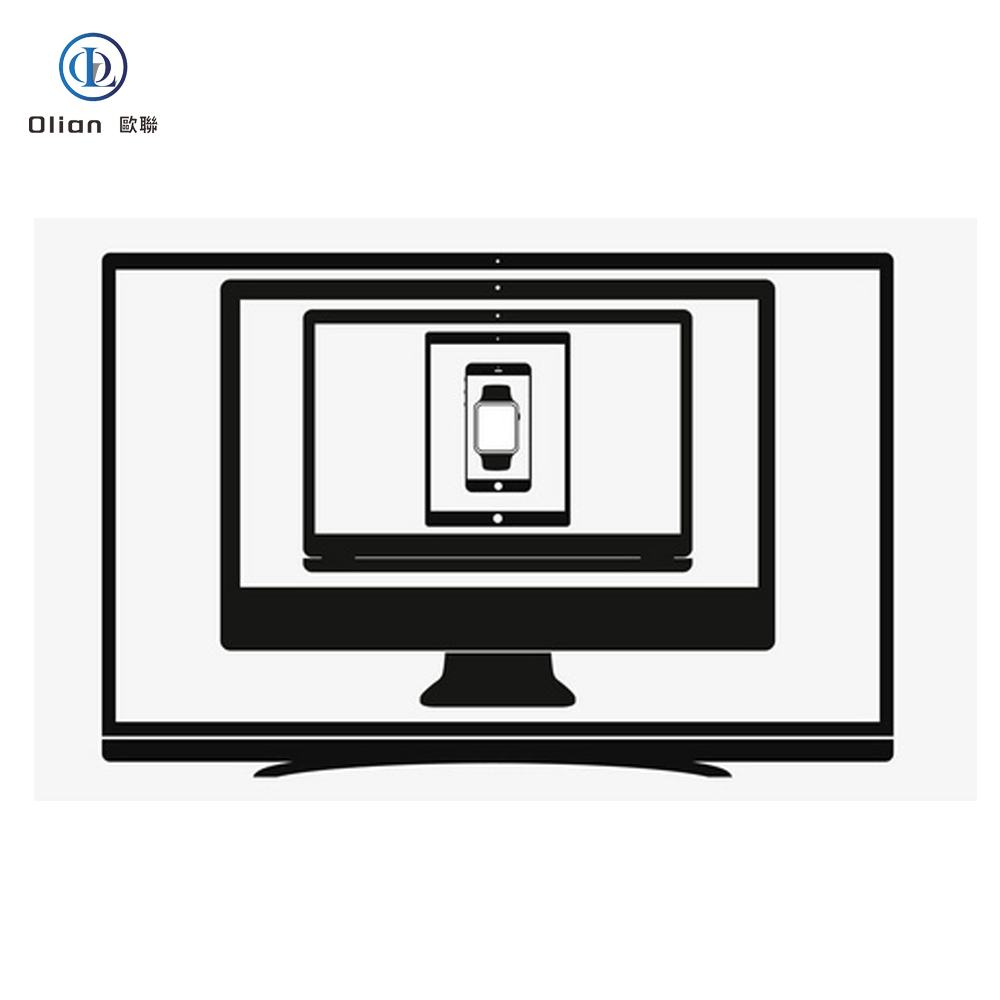
Machines supporting panels from 7 inches up to 100 inches or more handle everything from laptop screens to massive TV open-cell repairs. High-precision bonding ensures uniform image quality across the entire display surface.
Automotive Display Modules
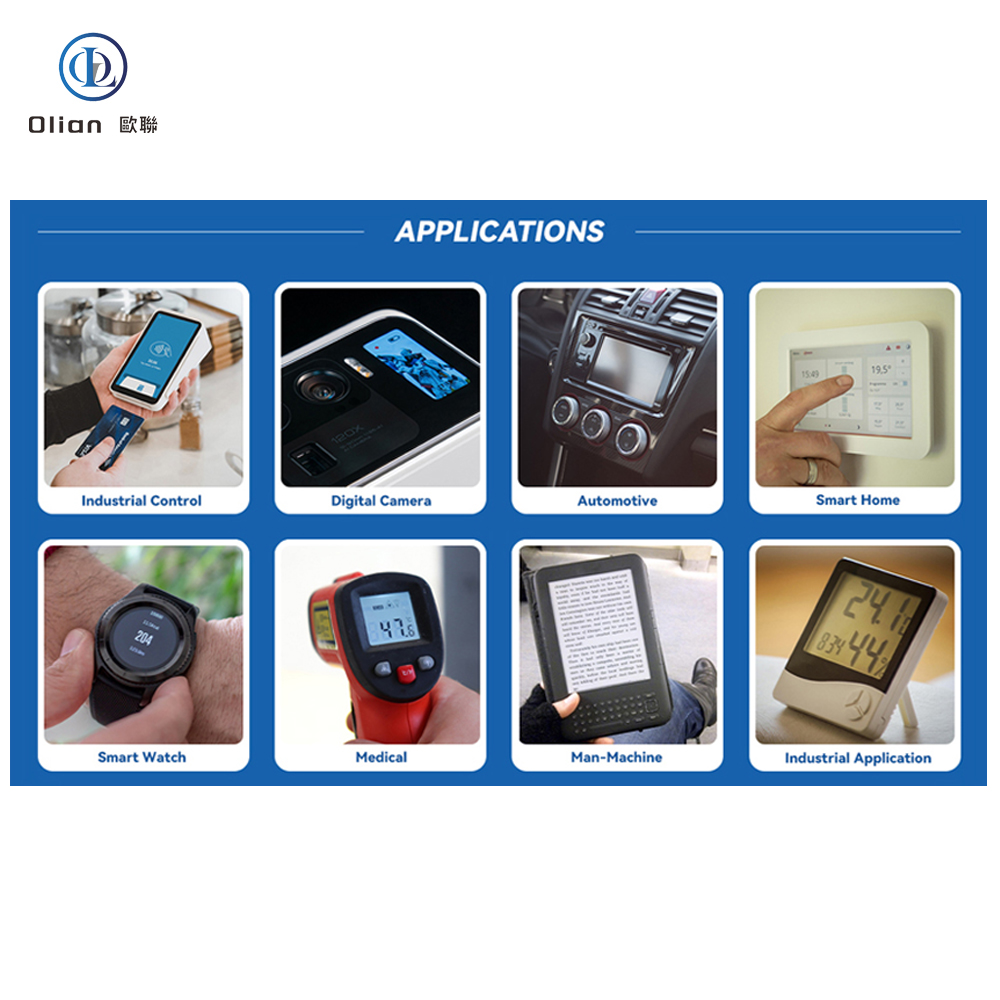
Vehicle displays require extreme reliability under harsh temperature and vibration conditions. Automatic COF bonding delivers the consistent joint quality needed for automotive-grade displays, including curved instrument clusters and center-console screens.
Industrial and Medical Displays
Ruggedized displays for industrial control panels and medical diagnostic equipment benefit from the precision and repeatability of automatic bonding, where failure is not an option.
Repair and Refurbishment Centers
Professional LCD/LED TV repair facilities use automatic COF bonders to fix vertical lines, horizontal bands, black screens, and other common panel defects caused by failed driver IC connections. A single machine can handle panels from 15 inches to 120 inches, making it a versatile investment for repair businesses.
Industry Trends Shaping COF Bonding Technology
Integration with AI and Machine Learning
Next-generation bonding machines incorporate AI-driven predictive maintenance that forecasts heater life up to 200 cycles in advance, scheduling maintenance before quality degradation occurs. Machine learning algorithms also optimize bonding parameters in real time based on feedback from vision systems and thermal sensors.
Support for Advanced Packaging
The rise of heterogeneous integration, wafer-level packaging (WLP), and system-in-package (SiP) solutions is driving demand for COF bonders capable of sub-10 µm pitch bonding. Manufacturers are developing “one-stop” machines that handle multiple materials in a single pass, reducing thermal deformation and improving overall yield.
Sustainability and Energy Efficiency
European and North American markets increasingly prioritize energy-efficient equipment that reduces cycle time and waste. Modern pulse heating systems minimize power consumption by delivering heat only during the bonding phase, with rapid cooling to prevent thermal stress on surrounding components.
Multi-Station and Fully Automatic Production Lines
The industry is moving beyond single-station machines toward fully automated production lines with multi-station processing. These systems perform simultaneous COB and COF operations, robotic substrate handling, and inline AOI (Automated Optical Inspection) to achieve throughput rates suitable for mass production environments.
Choosing the Right Automatic COF Bonding Machine
Selecting equipment for your display panel production line requires balancing technical capability, production volume, and total cost of ownership. Consider these factors:
Panel Size Range: Ensure the machine supports your current and projected panel sizes, from small wearable displays to large-format TV panels.
Bonding Accuracy Requirements: 4K and 8K production demands ±5 µm or better accuracy. HD and lower-resolution applications may tolerate slightly wider tolerances.
Production Volume: High-volume factories need fully automatic lines with robotic handling, while repair centers may prefer compact single-station units with manual platform adjustment.
After-Sales Support: Look for manufacturers offering comprehensive training, spare parts availability, remote diagnostics, and on-site technical support. A one-year warranty is standard, but lifetime technical support adds significant long-term value.
Integration Capability: Confirm compatibility with your existing MES, quality management systems, and cleanroom requirements (ISO 6 recommended for precision bonding).
Conclusion
Automatic COF bonding machines are the backbone of modern display panel production, enabling the precision, speed, and reliability required by today’s high-resolution screens and advanced form factors.
Whether you are scaling up smartphone OLED manufacturing, producing automotive display modules, or operating a professional TV repair center, investing in the right automatic COF bonding equipment directly impacts your yield rates, operational costs, and competitive position.
As the display industry continues its shift toward foldable devices, larger panels, and smarter manufacturing, partnering with an experienced bonding machine manufacturer ensures you stay ahead of technological curves rather than struggling to catch up.
Ready to upgrade your display panel production capabilities? Explore our full range of automatic COF bonding machines at bonding-machine.com and connect with our engineering team for a customized solution tailored to your specific requirements.
Precision bonding starts with the right partner. Shenzhen Olian welcome you .
In the rapidly evolving world of electronics and display manufacturing, precision bonding technologies play a crucial role in creating high-quality, reliable, and innovative products. Whether you are producing smartphone screens, wearable devices, large TV panels, or advanced OLED displays, our company offers a comprehensive range of bonding machines and solutions to meet your specific needs. Below is an introduction to our product offerings, covering various bonding technologies and applications.
Chip on Glass (COG) Bonding Machines
COG (Chip on Glass) technology is a widely used method for mounting LCD driver chips directly onto the glass substrate of a display panel
. This technique is known for its simplicity, cost-effectiveness, and reliability. Our COG bonding machines are designed to provide high precision and efficiency, making them ideal for applications such as smartphone screens, LCD panels, and other display devices
. We offer both pre-bonding and main-bonding machines, ensuring accurate alignment and strong connections.
Chip on Film (COF) Bonding Machines
COF (Chip on Film) technology represents a significant advancement in display manufacturing. It involves mounting integrated circuits (ICs) onto flexible printed circuits (FPCs), which can then be bent and folded to fit compact spaces
. Our COF bonding machines support high-speed production and offer precise temperature and pressure control, ensuring reliable connections for applications such as flexible screens, smartwatches, and other wearable devices
. We provide both COF pre-bonding and main-bonding machines, tailored to meet the demands of modern display manufacturing
.
Chip on Plastic (COP) Bonding Machines
COP (Chip on Plastic) technology is another innovative approach, where ICs are mounted directly onto plastic substrates. This method is particularly useful for creating lightweight and flexible displays
. Our COP bonding machines are designed to handle the unique challenges of plastic substrates, offering high precision and reliability. These machines are ideal for applications such as flexible OLED displays and wearable devices
.
FPC on Glass (FOG) Bonding Machines
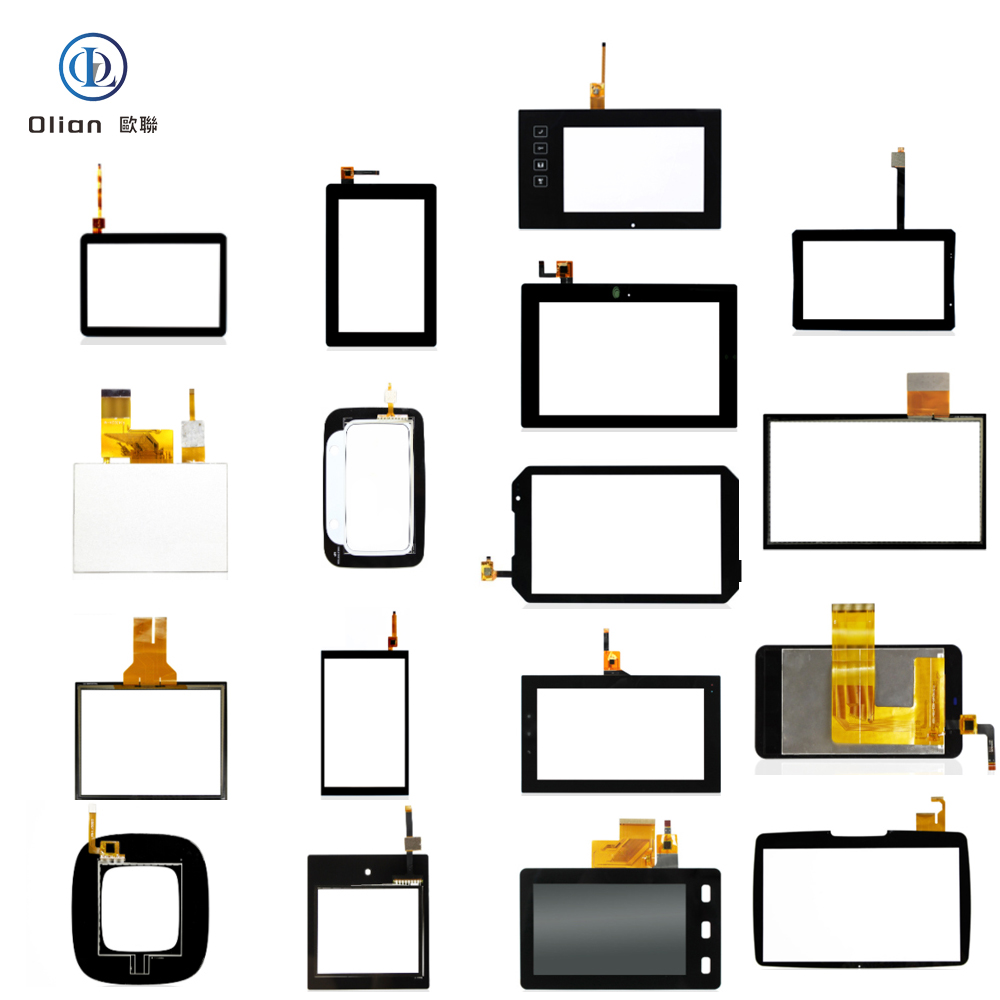
FOG (FPC on Glass) bonding involves attaching flexible printed circuits to glass substrates. This technique is commonly used in applications requiring flexibility and compact design, such as touch screens and wearable devices
. Our FOG bonding machines feature advanced alignment systems and precise temperature control, ensuring high-quality connections. We offer both hot press and automated bonding solutions for FOG applications
.
FPC on PCB (FOB) Bonding Machines
FOB (FPC on PCB) bonding machines are designed for attaching flexible printed circuits to printed circuit boards. These machines are essential for creating compact and reliable electronic assemblies, commonly used in smartphones, tablets, and other consumer electronics
. Our FOB bonding machines provide high precision and flexibility, supporting both manual and automated production processes
.
FPC on FPC (FOF) Bonding Machines
FOF (FPC on FPC) bonding involves connecting flexible printed circuits to each other. This technique is ideal for applications requiring extreme flexibility and compactness, such as wearable devices and flexible displays
. Our FOF bonding machines offer high precision and reliability, ensuring strong and durable connections.
Anisotropic Conductive Film (ACF) Bonding Machines
ACF (Anisotropic Conductive Film) bonding is a versatile technique used in various bonding processes, including COG, COF, and FOG
. Our ACF bonding machines are designed to provide precise temperature, pressure, and alignment control, ensuring reliable and high-quality connections. We offer a range of ACF bonding solutions, including pre-bonding and main-bonding machines
.
Tape Automated Bonding (TAB) Machines
TAB (Tape Automated Bonding) is a technique used for bonding integrated circuits to substrates using tape carriers. Our TAB bonding machines are designed for high-speed production and offer precise alignment and bonding capabilities
. These machines are ideal for applications requiring high-density interconnections and compact designs
.
Flexible Printed Circuit (FPC) Bonding Machines
FPC (Flexible Printed Circuit) bonding machines are essential for creating flexible and lightweight electronic assemblies. Our FPC bonding machines offer high precision and reliability, supporting various bonding processes and applications
. These machines are ideal for applications such as wearable devices, flexible displays, and other consumer electronics
.
Additional Bonding Solutions
In addition to the above technologies, we also offer specialized bonding machines for various applications, including:
Touch Panel FPC Bonding Machines: For bonding flexible circuits to touch panels.
Zebra Paper Bonding Machines: For bonding components to Zebra paper.
Pulse Hot Press Machines: For applications requiring rapid heating and cooling.
OLED Bonding Machines: For bonding OLED displays.
Camera FPC Bonding Machines: For bonding flexible circuits to camera modules.
Why Choose Our Bonding Machines?
Our bonding machines are designed with the latest innovations in mind, ensuring high precision, reliability, and efficiency. Key features of our machines include:
High Precision: Equipped with advanced vision systems and precise temperature control.
Versatility: Support a wide range of bonding processes and applications.
Automation: Available in both semi-automatic and fully automatic configurations.
Customization: Tailored solutions to fit your specific manufacturing processes and requirements.
Conclusion
Whether you are producing smartphone screens, wearable devices, large TV panels, or advanced OLED displays, our comprehensive range of bonding machines is designed to meet your specific needs. With advanced features such as high precision, versatility, and automation, our machines are ideal for ensuring high-quality connections and efficient production processes. Contact us today to find the perfect bonding machine for your application.