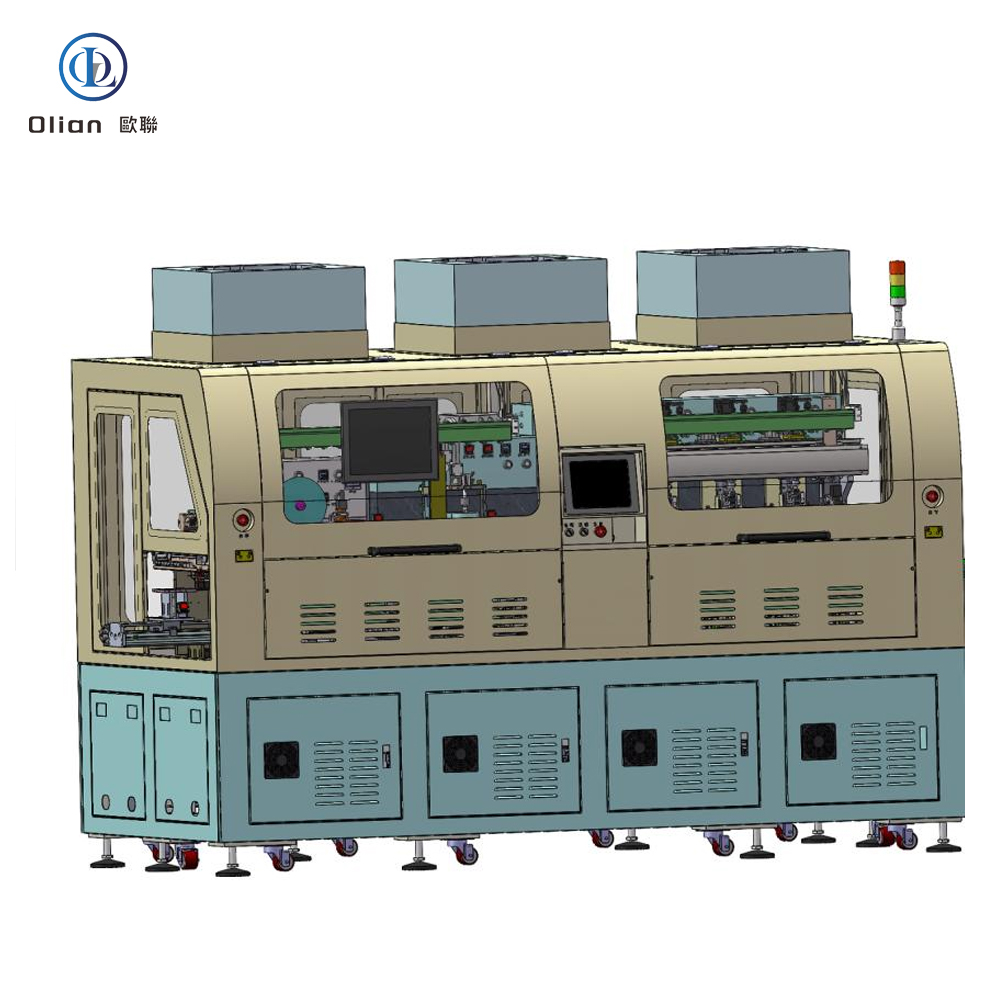
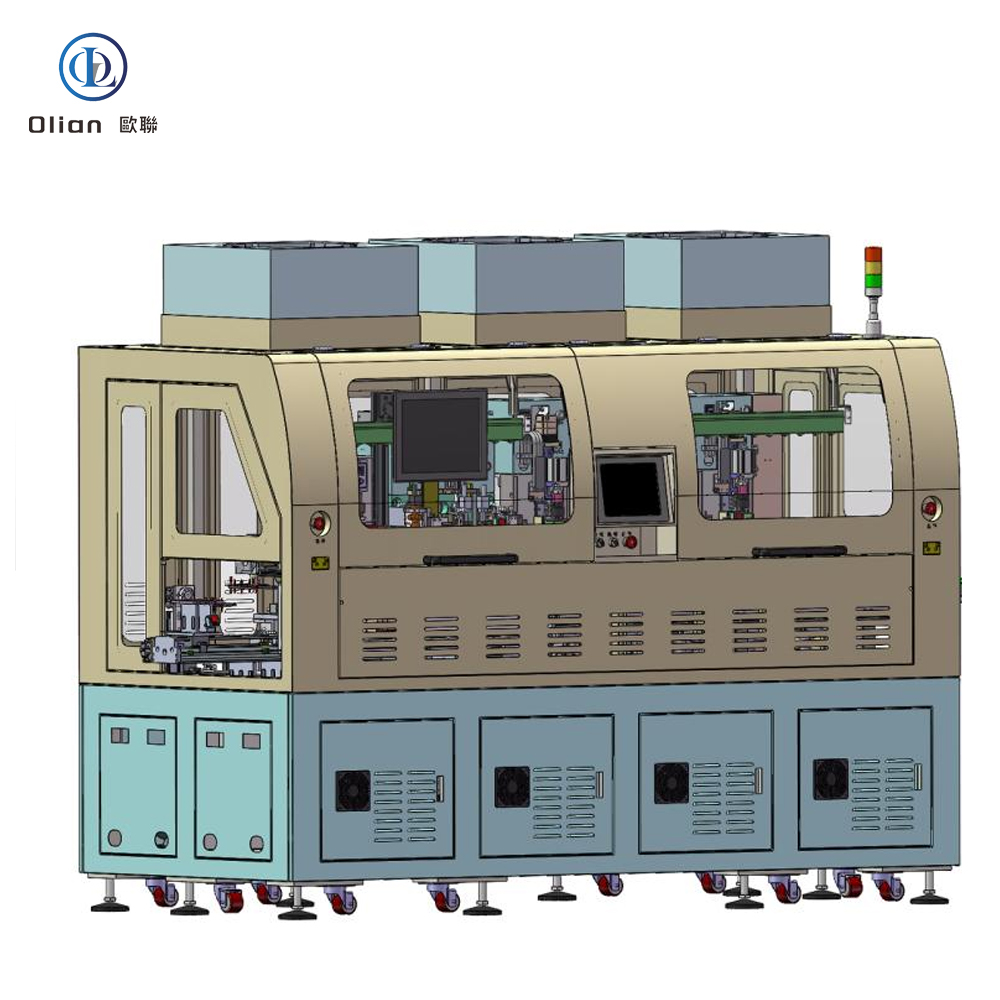
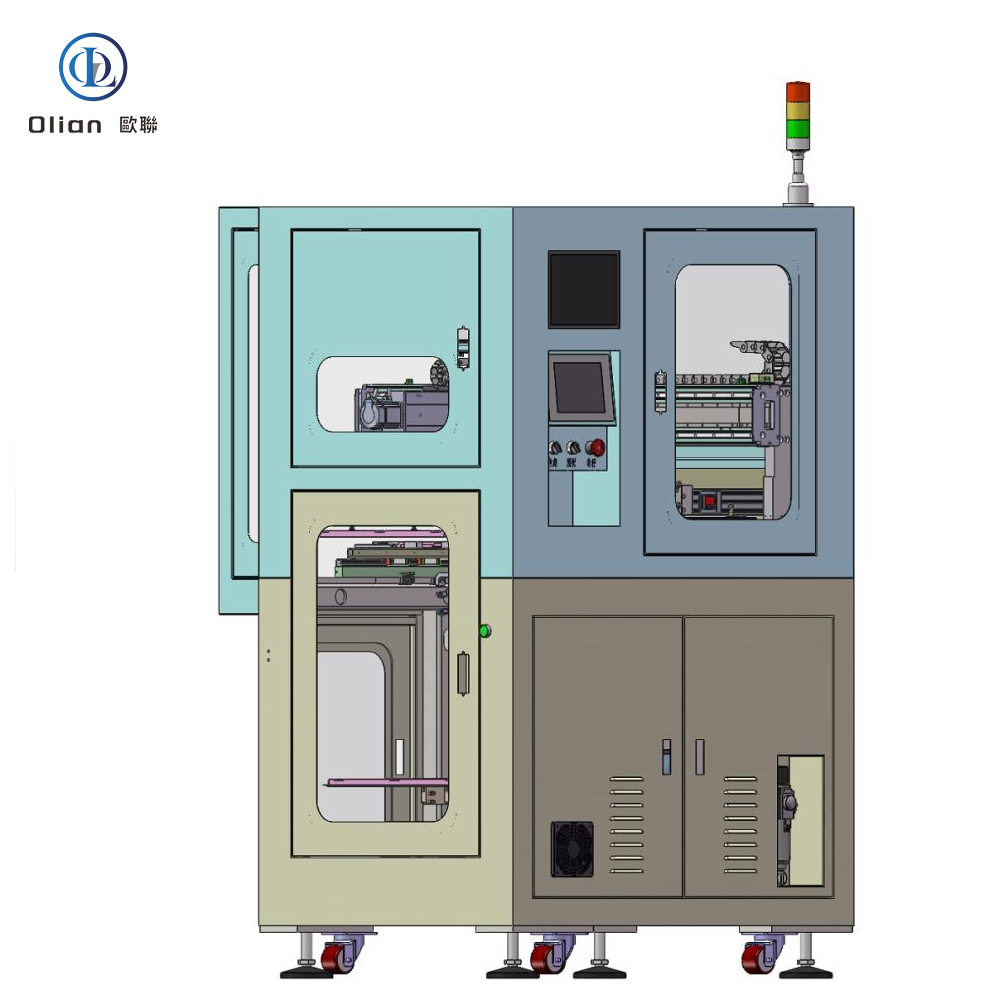
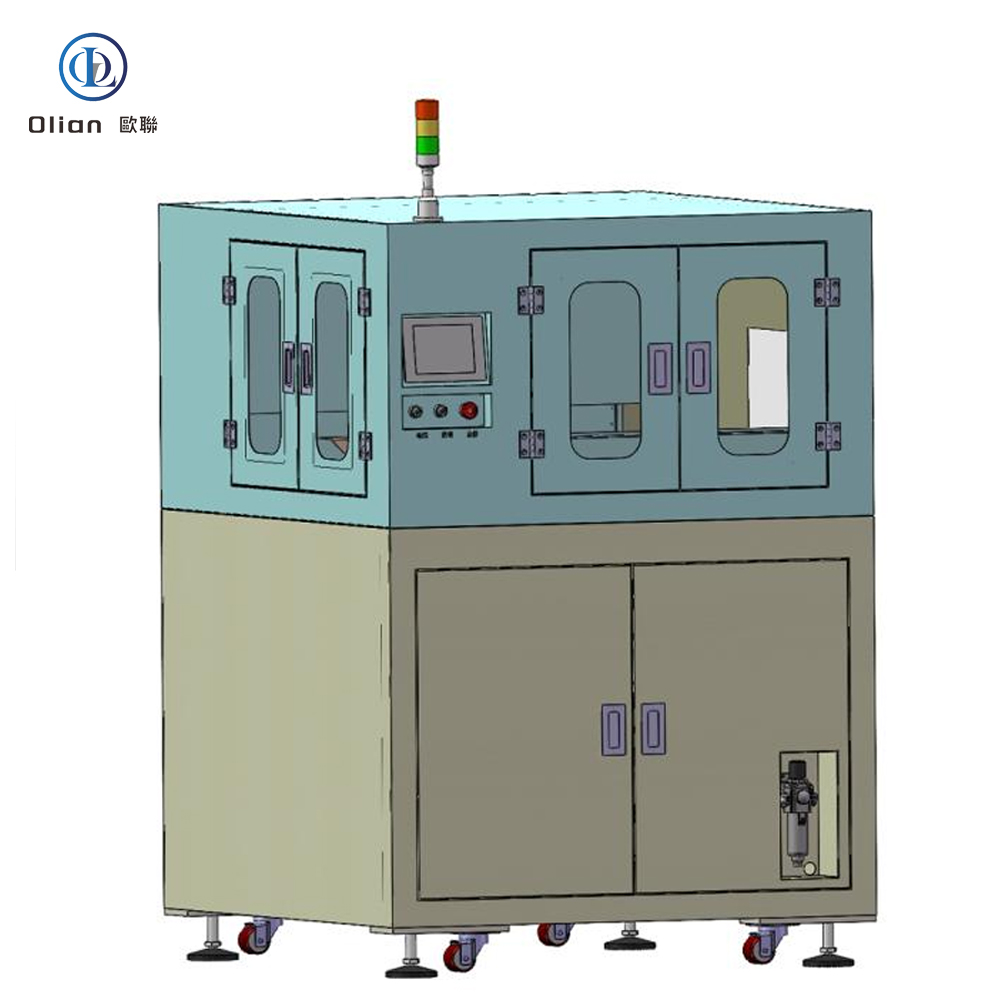
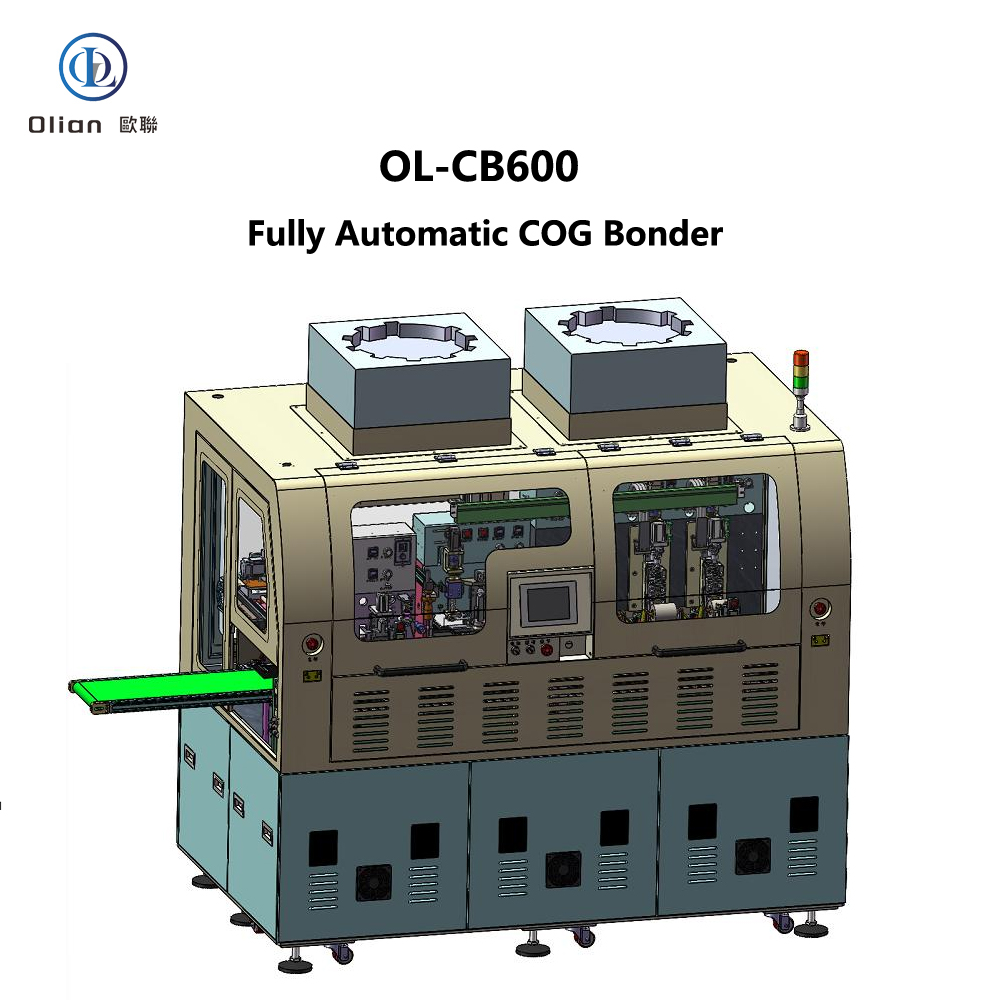
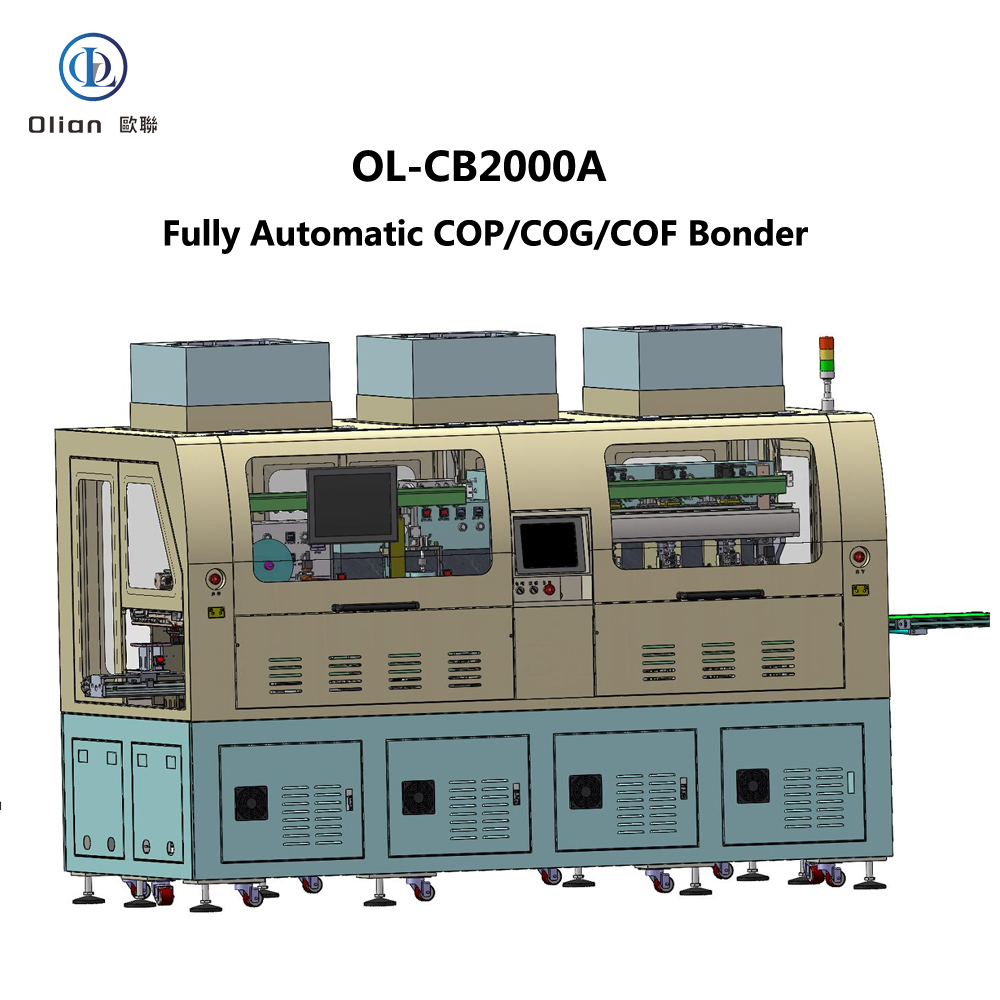
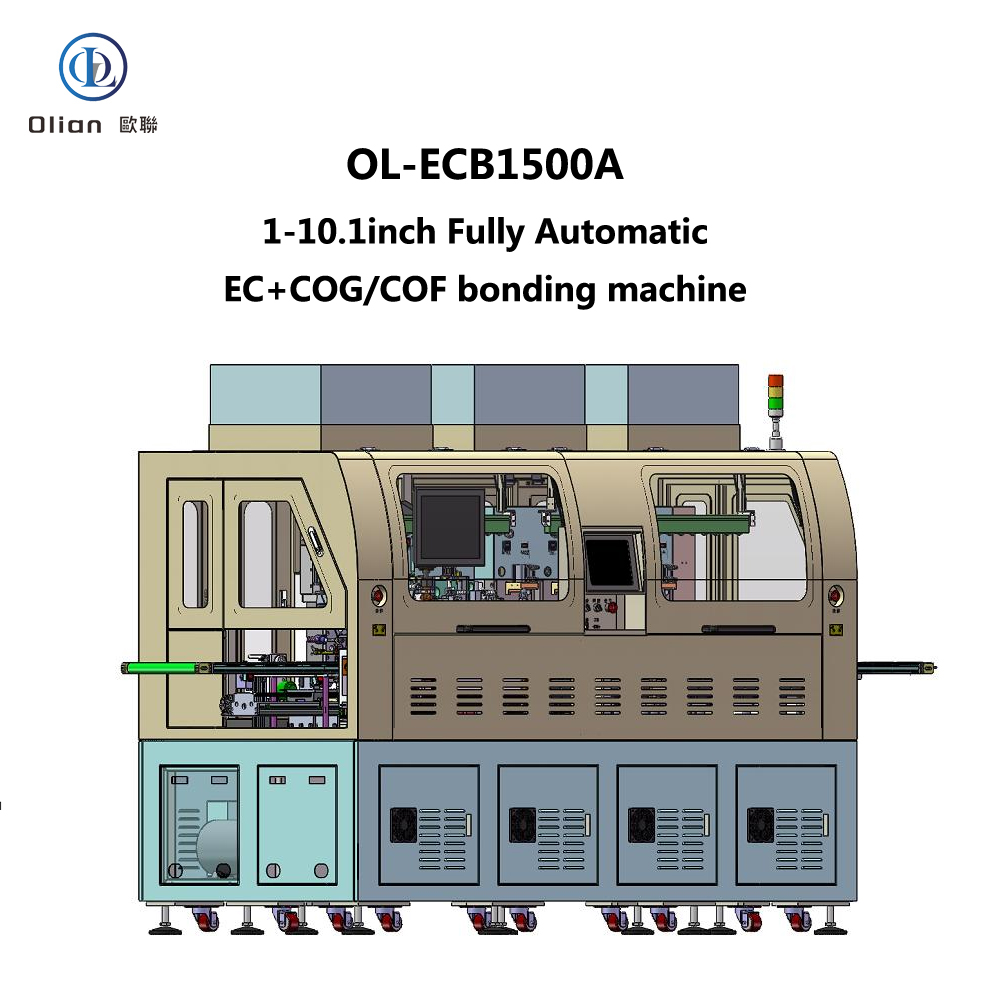
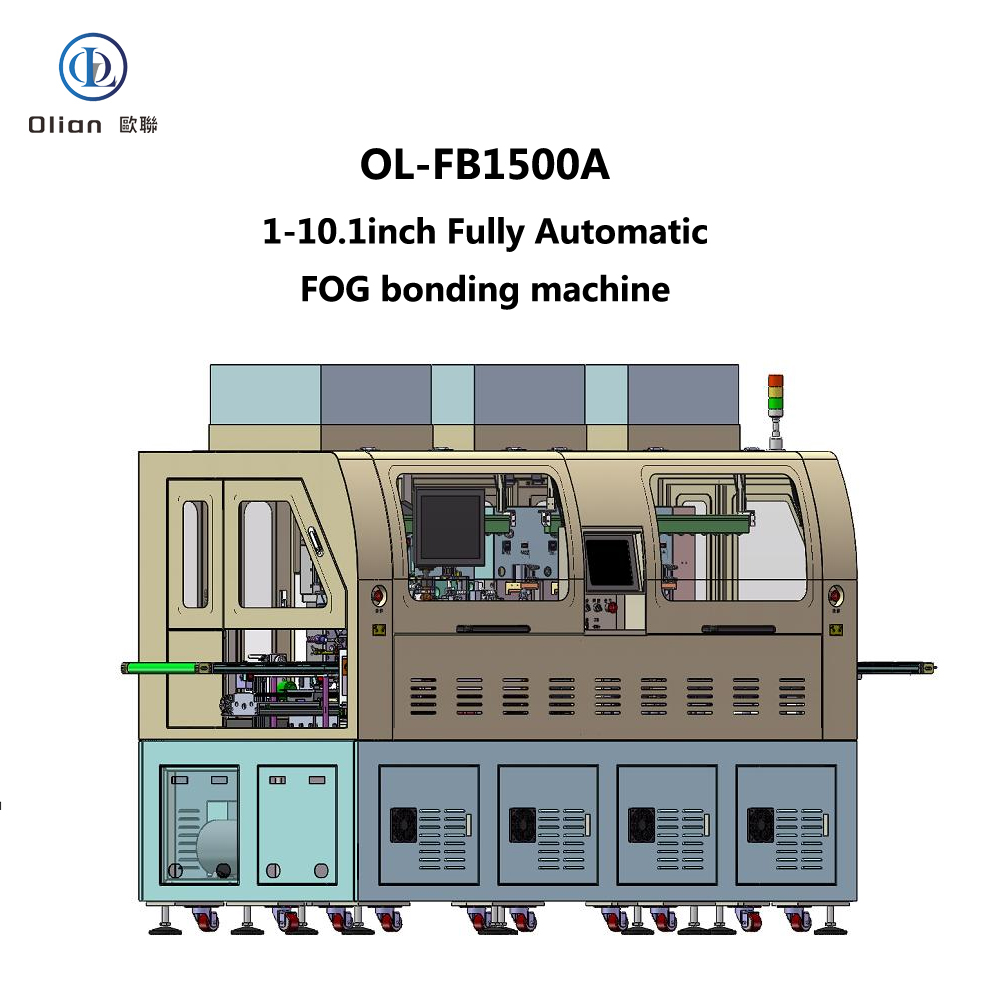
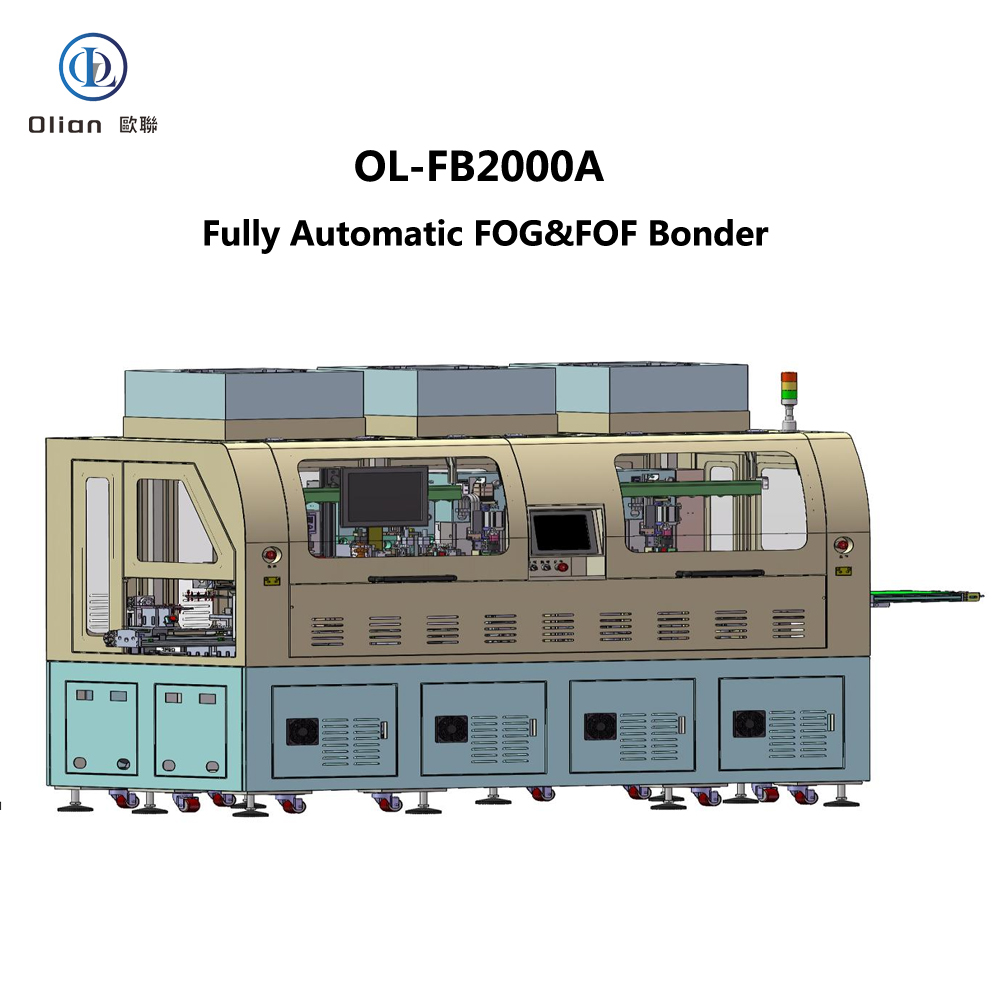
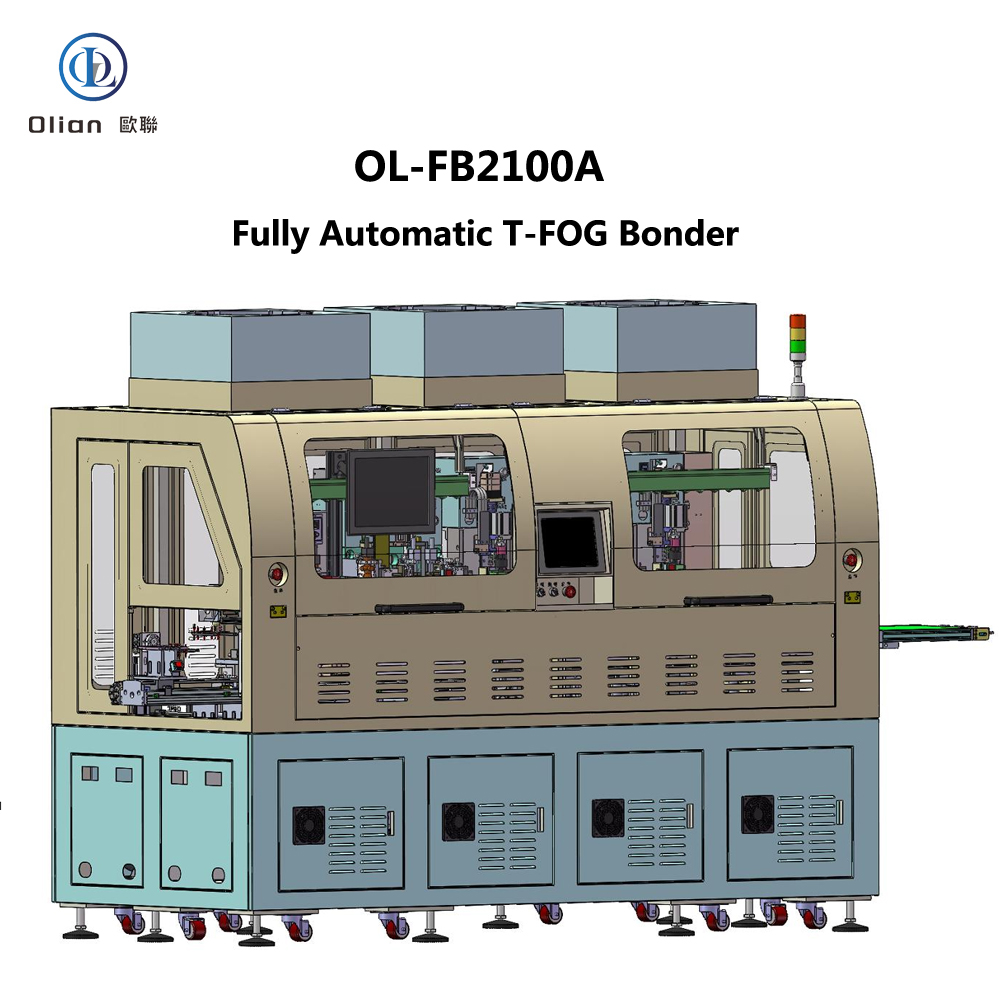
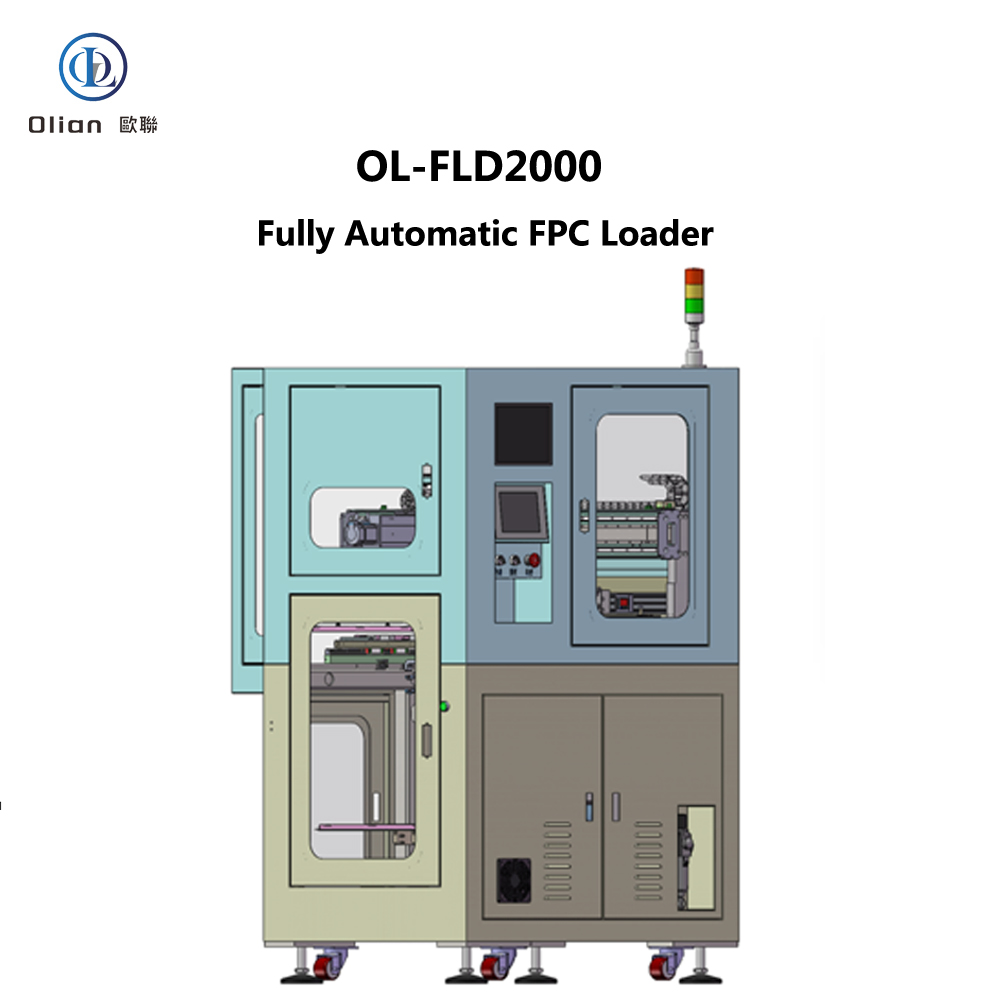
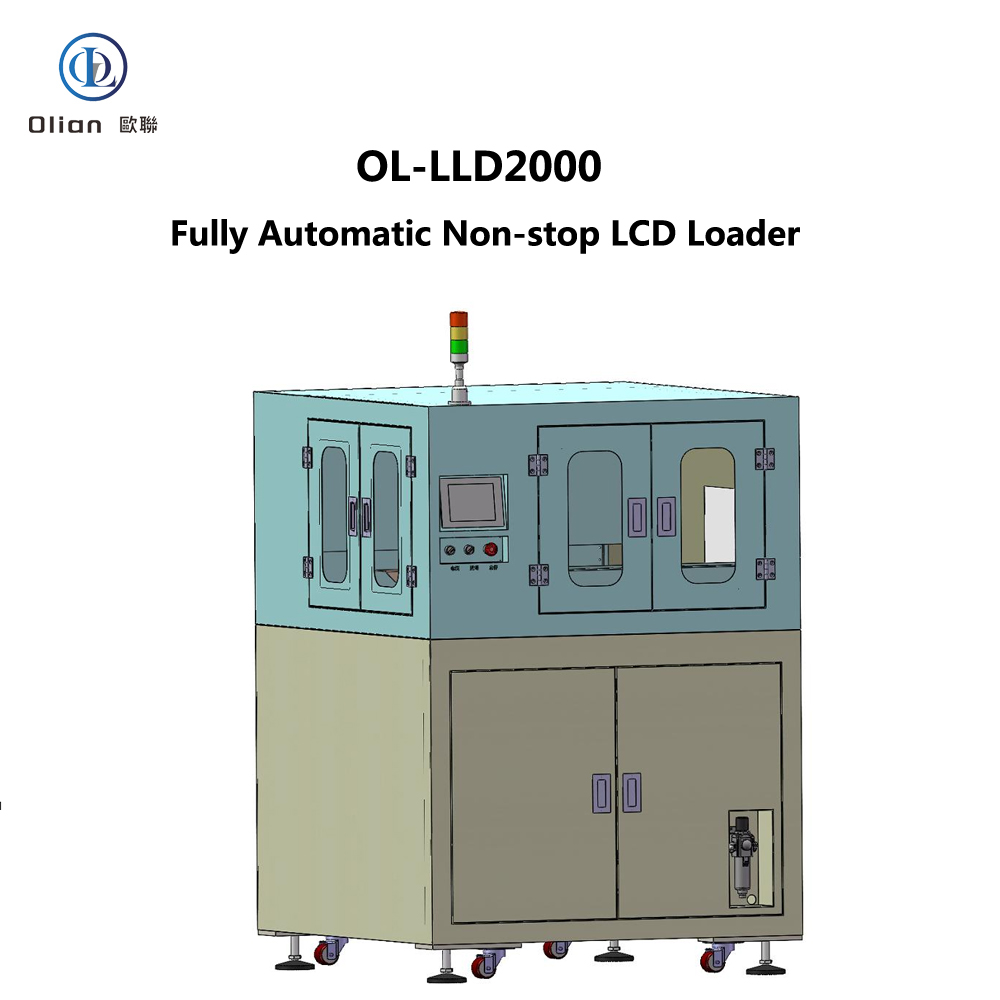
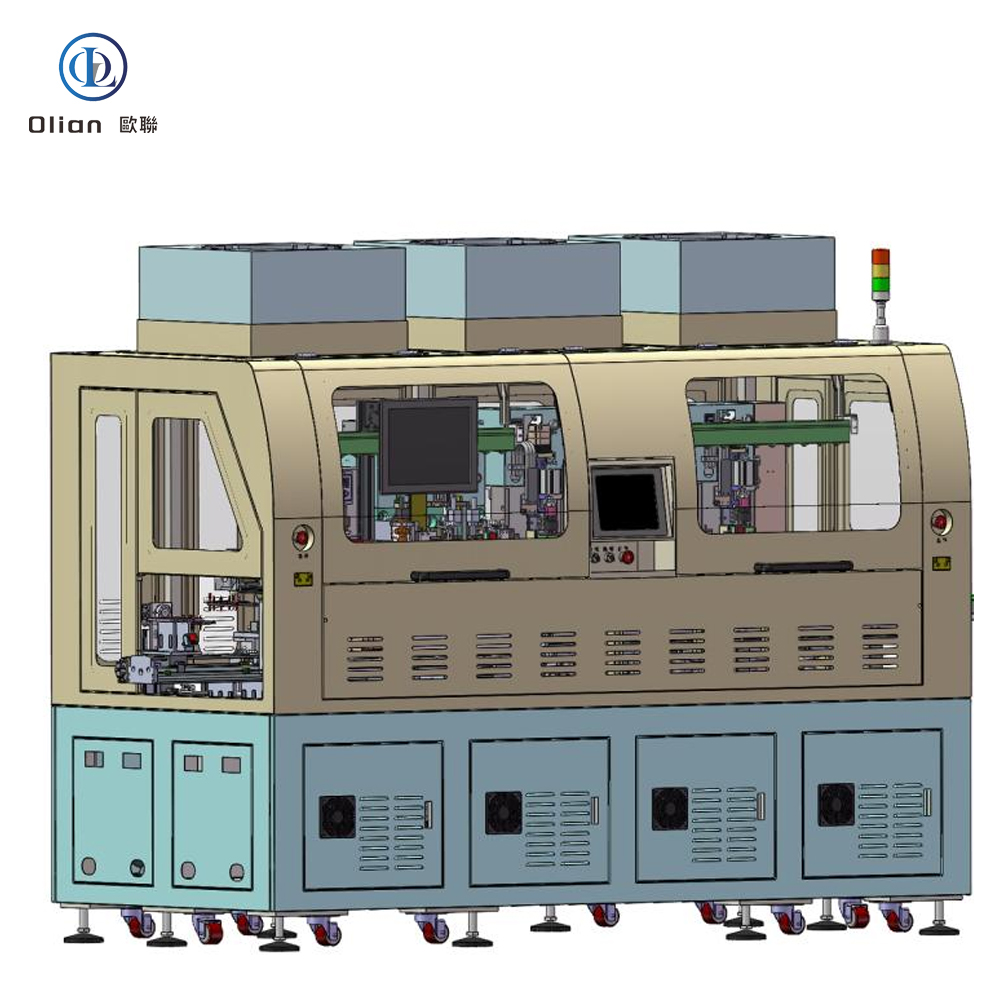
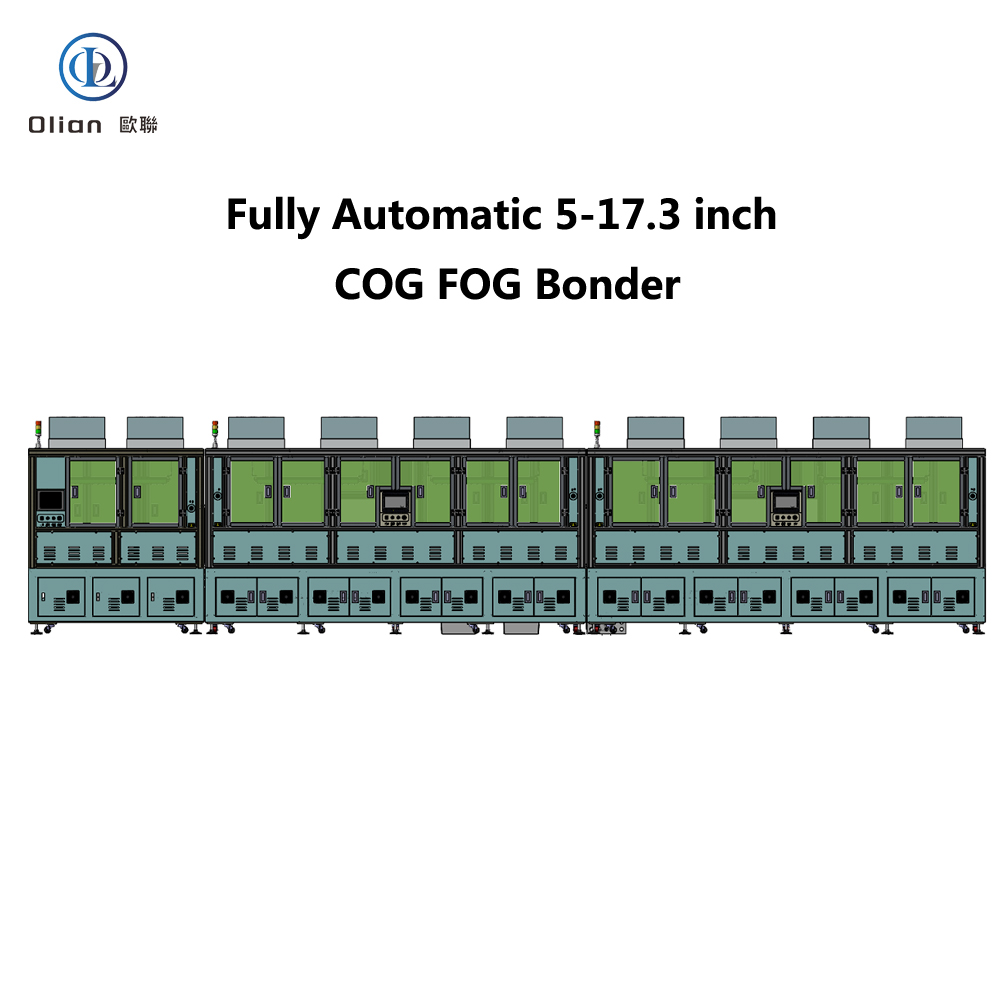
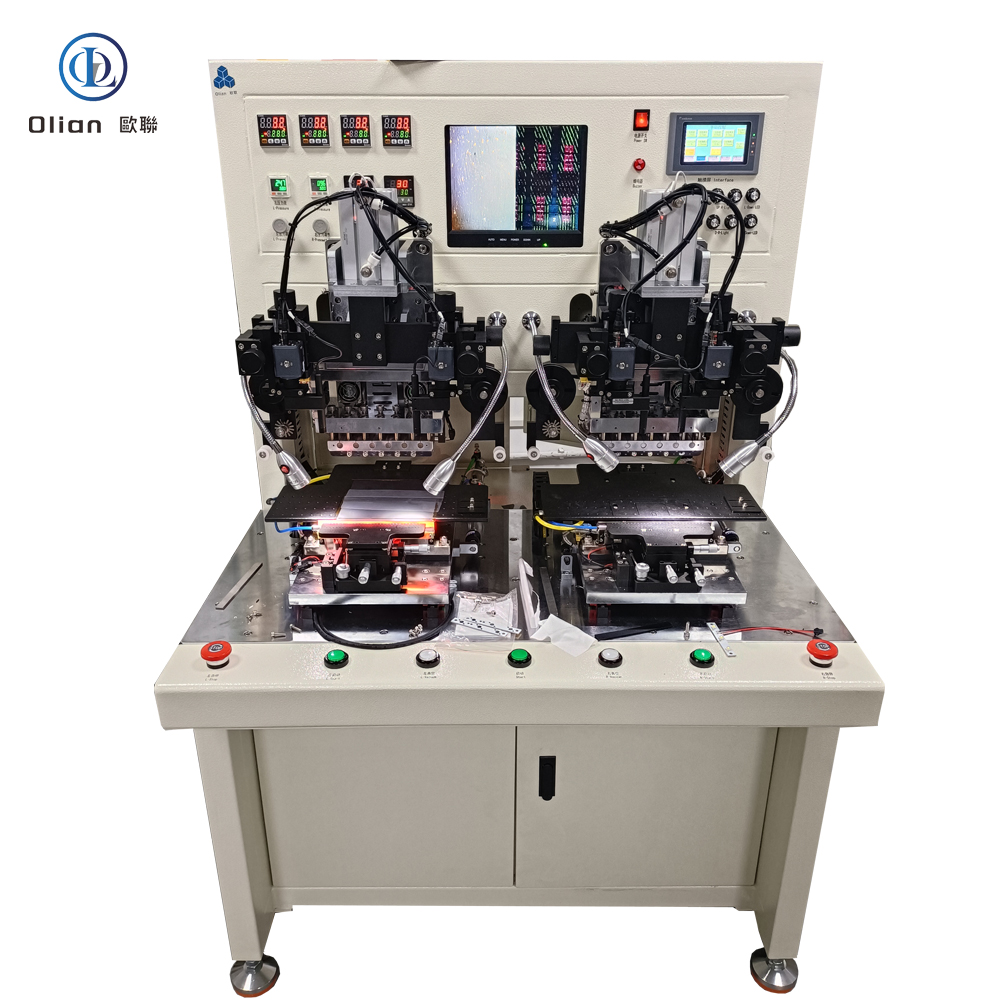
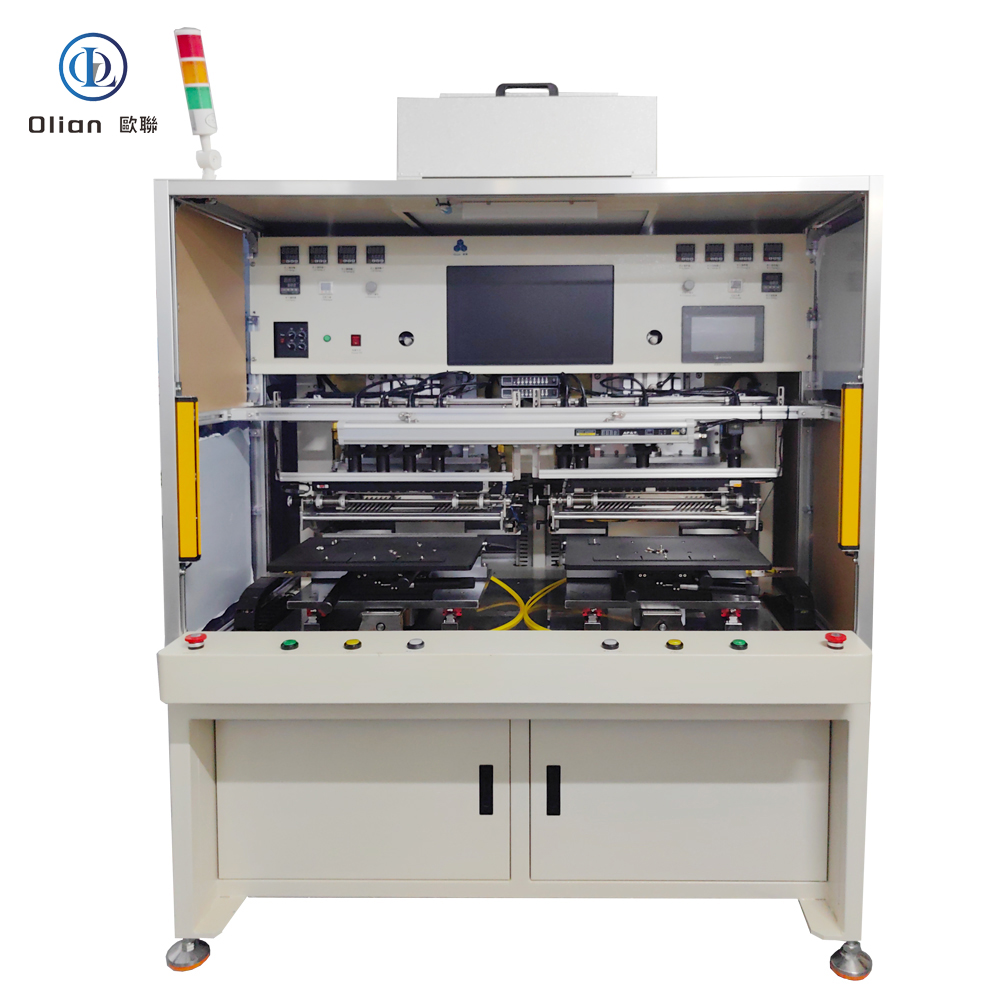
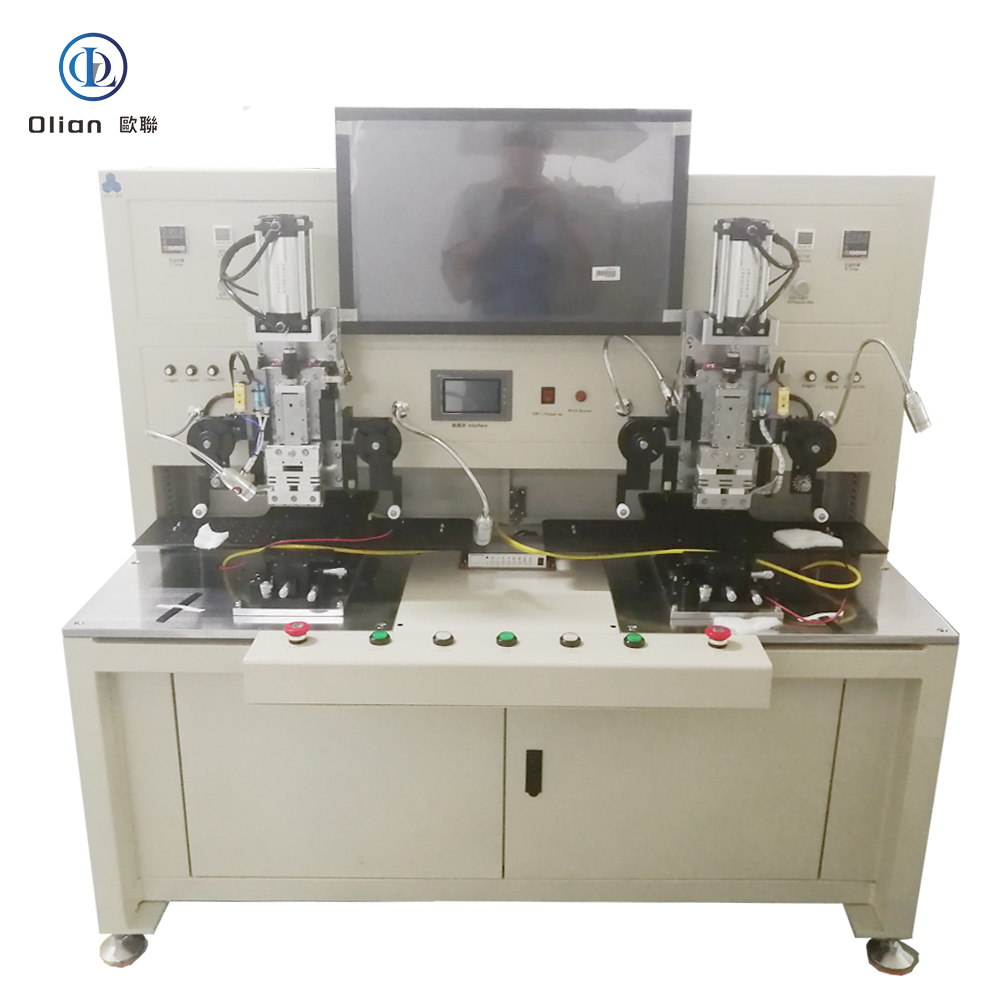
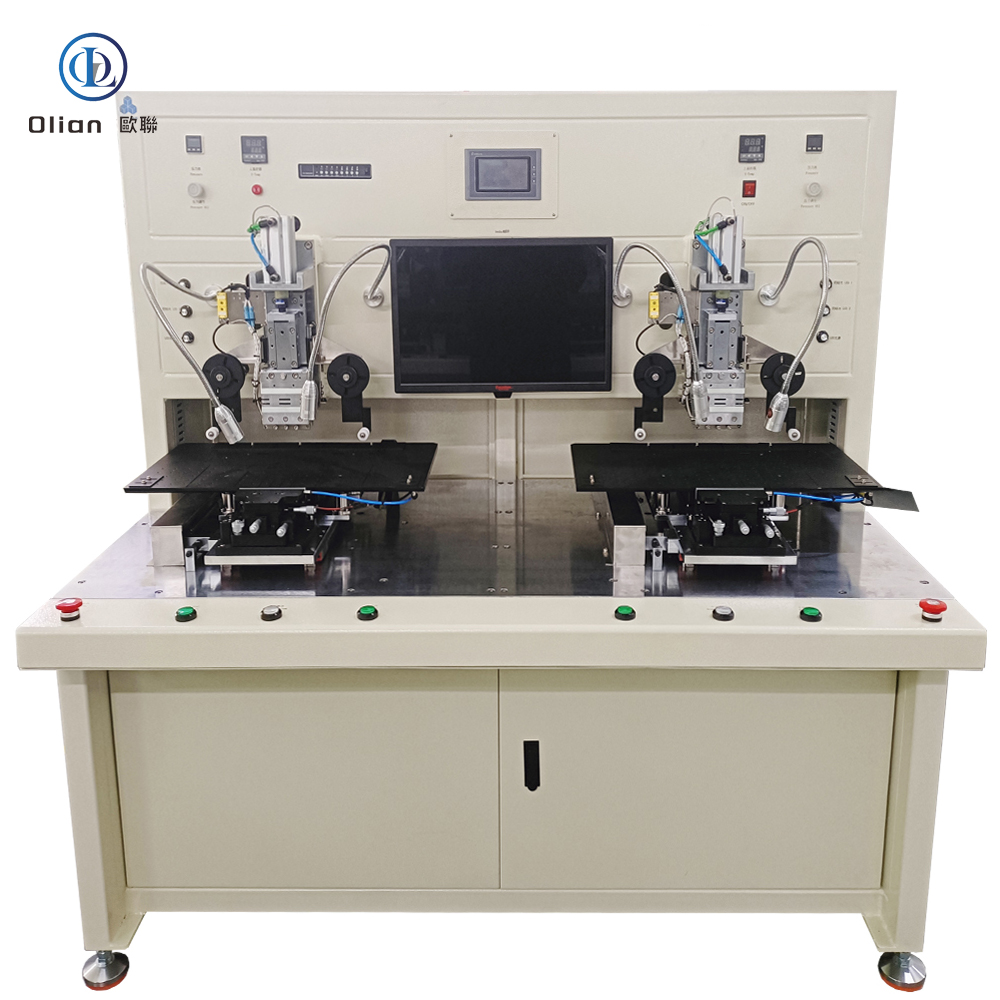
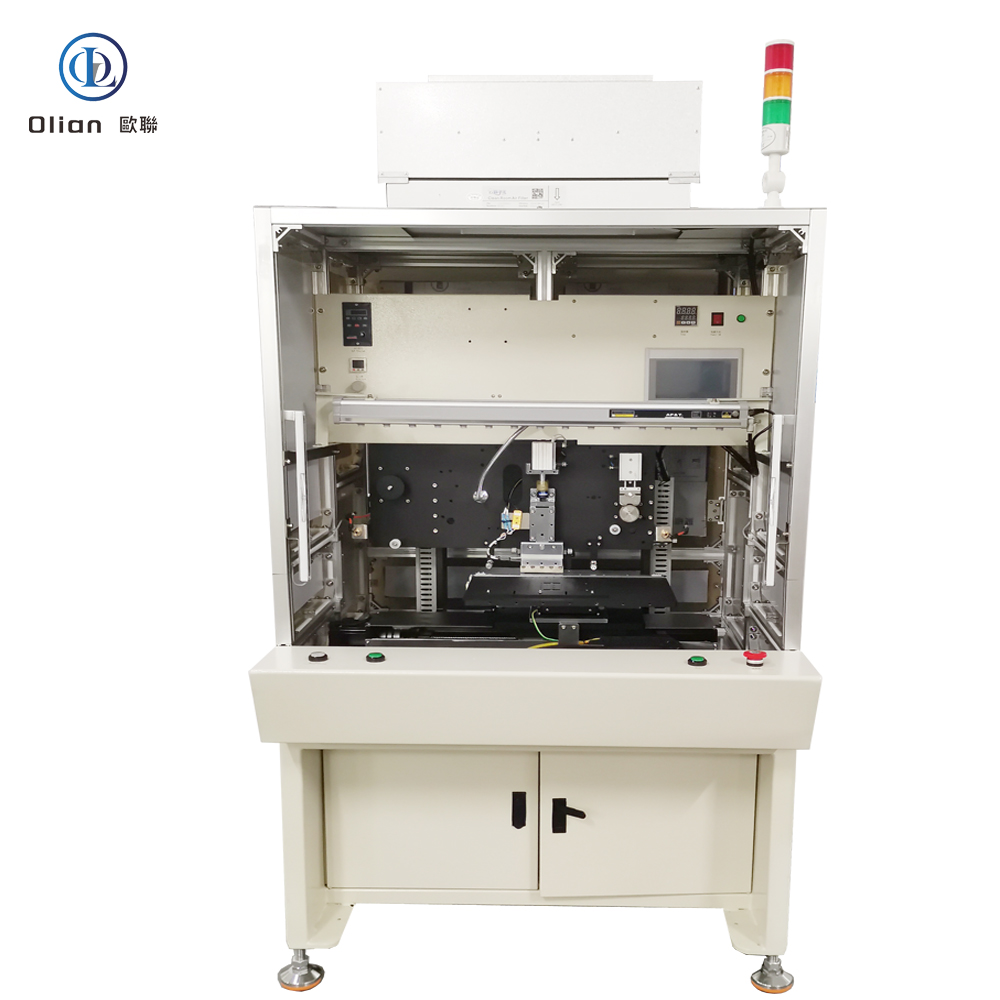
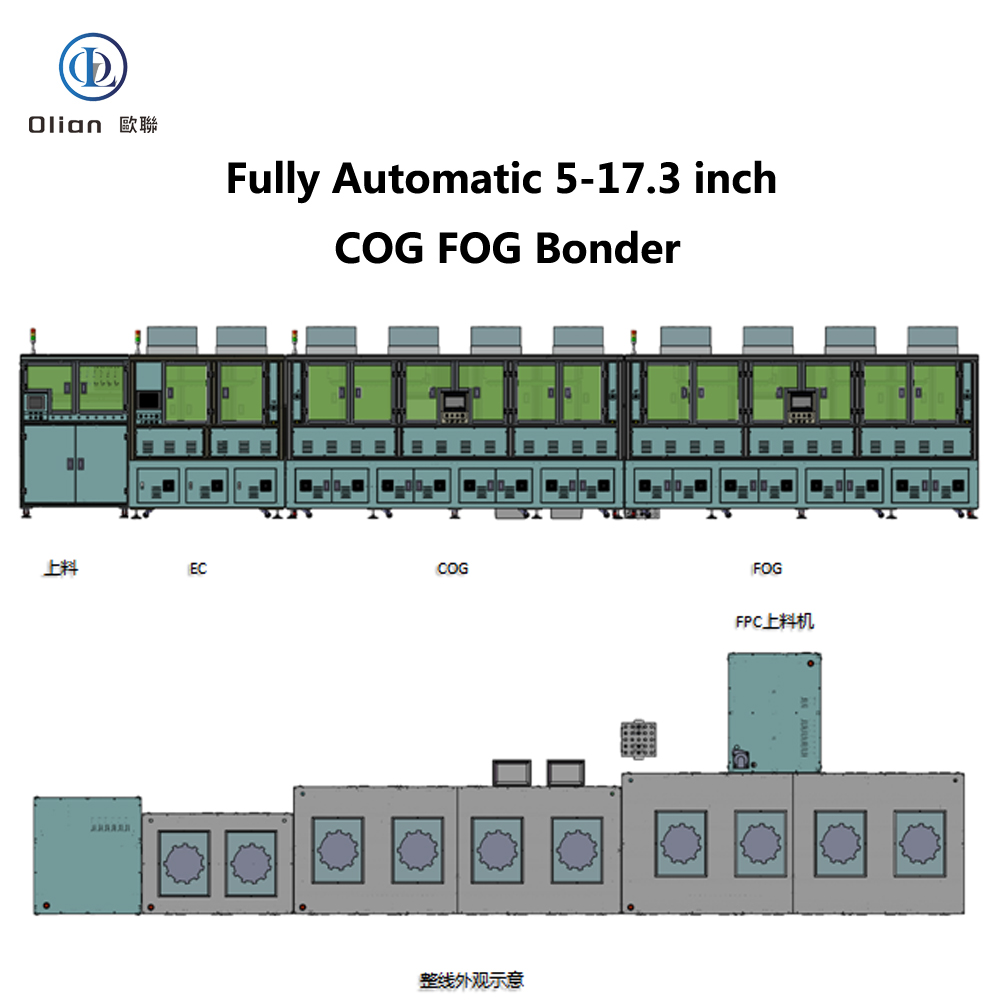
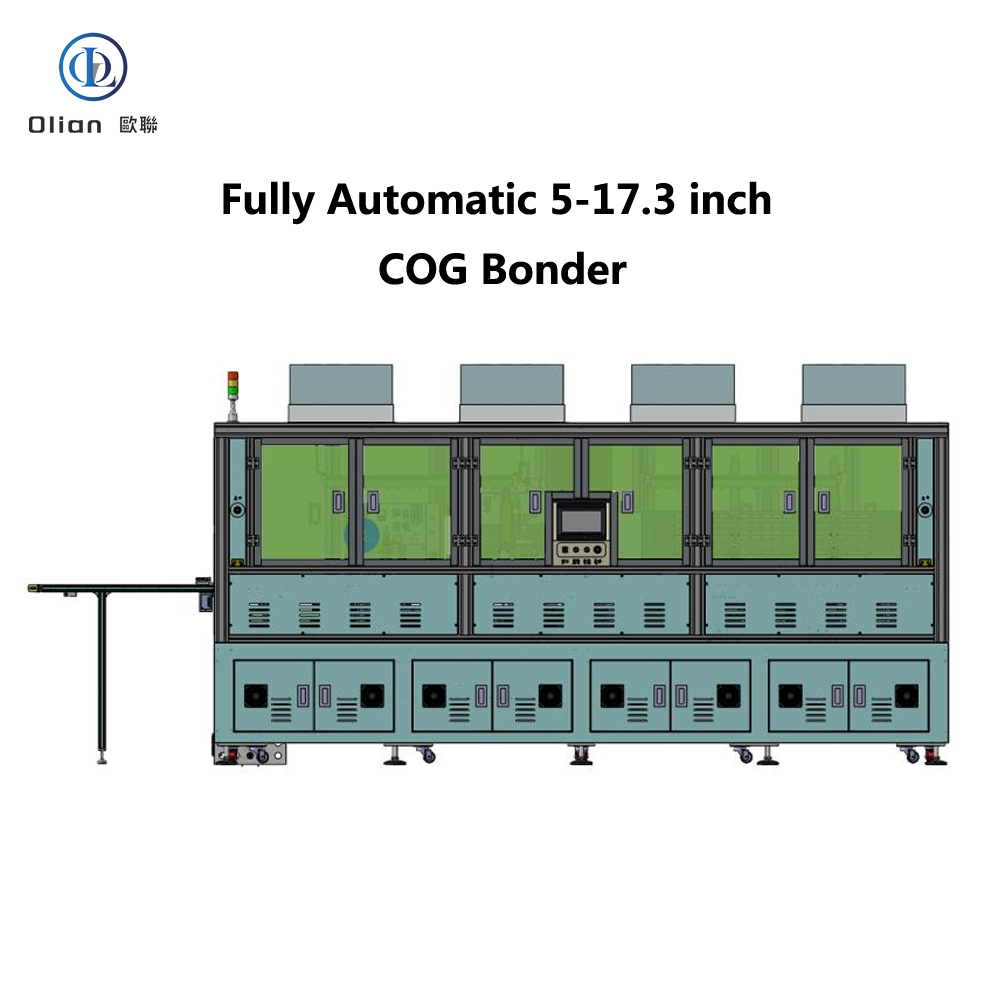
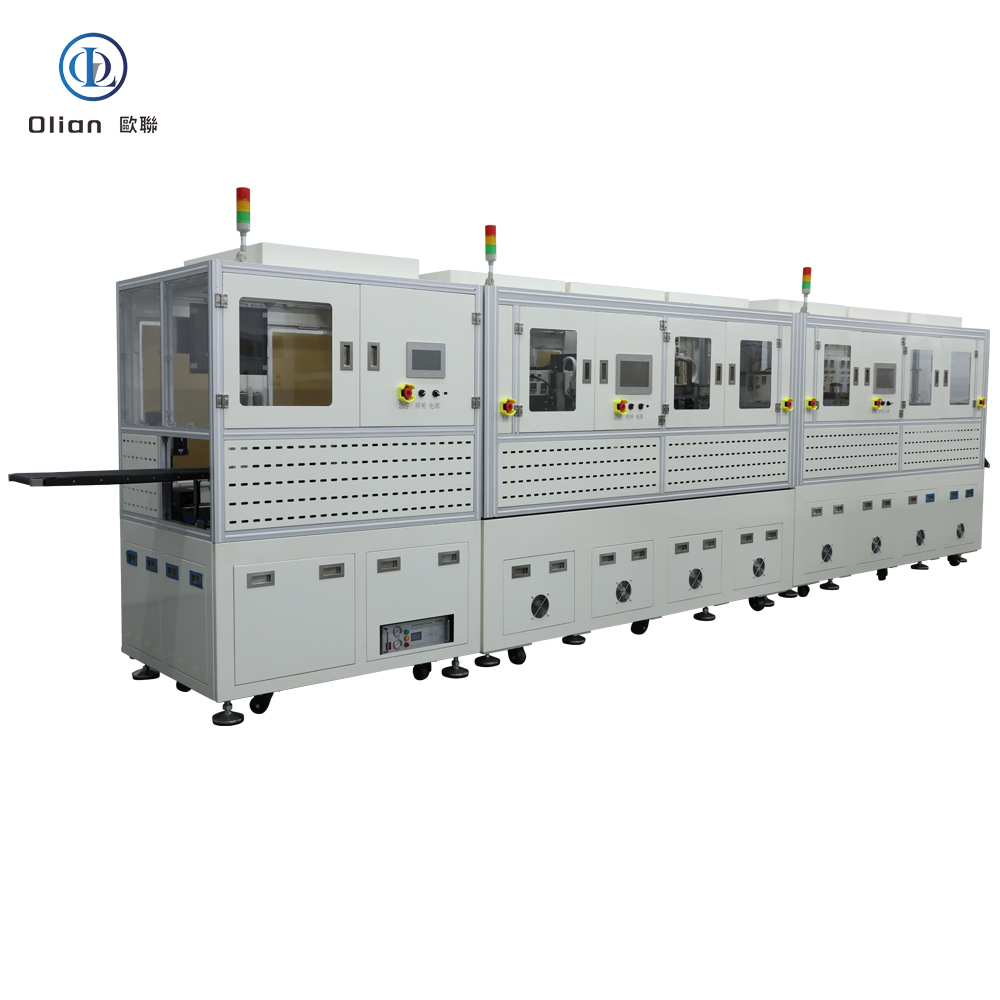
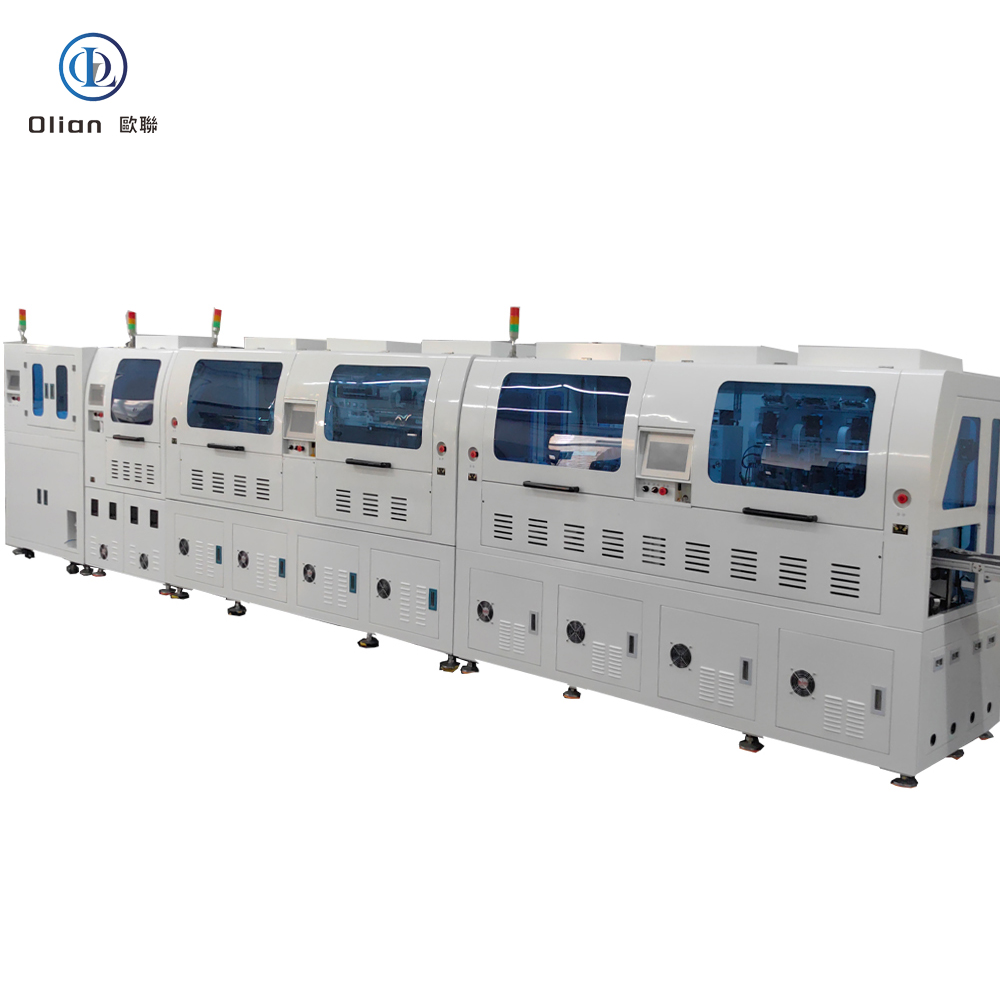
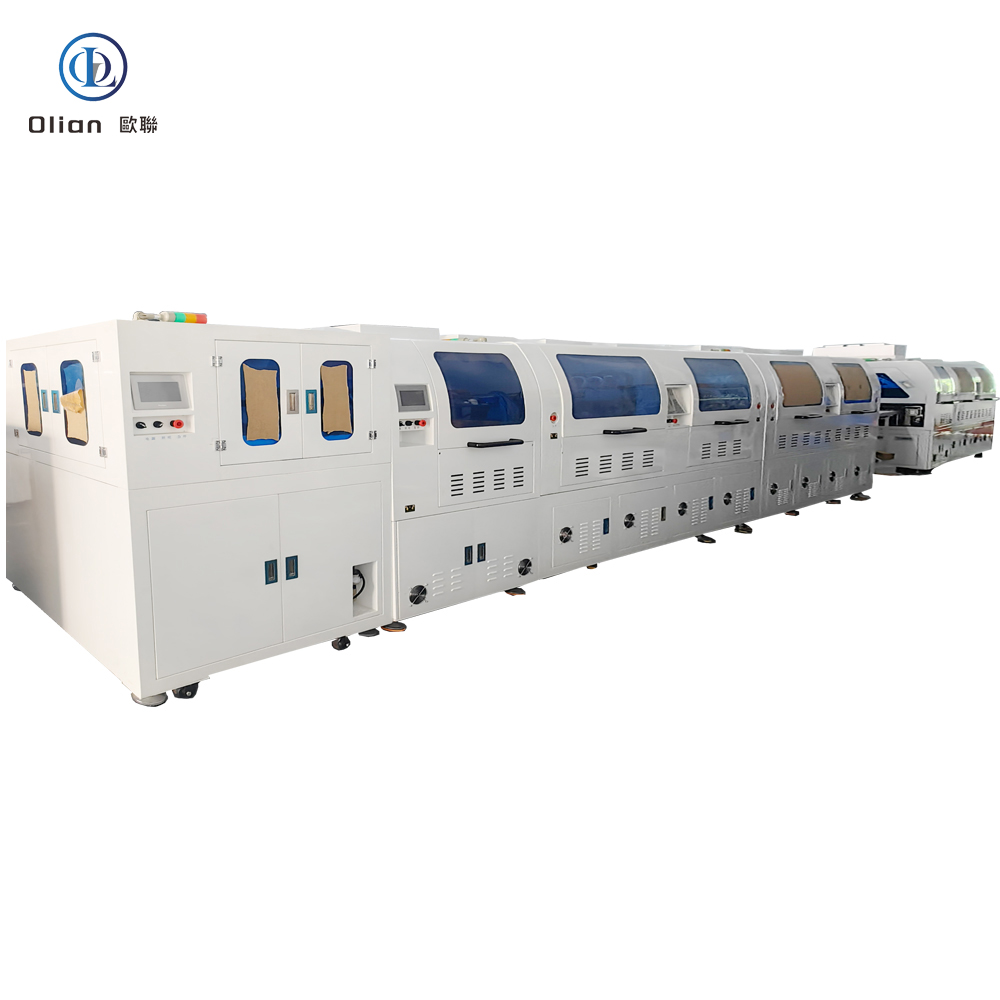
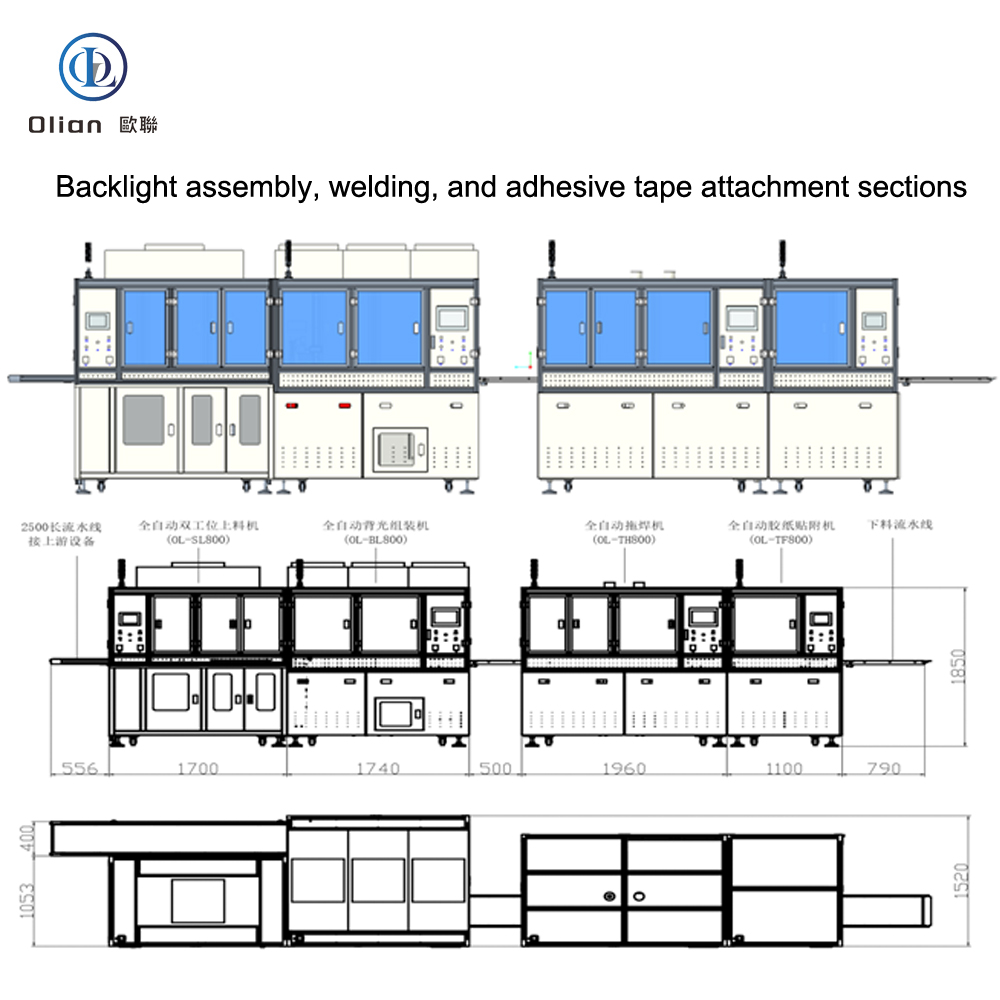
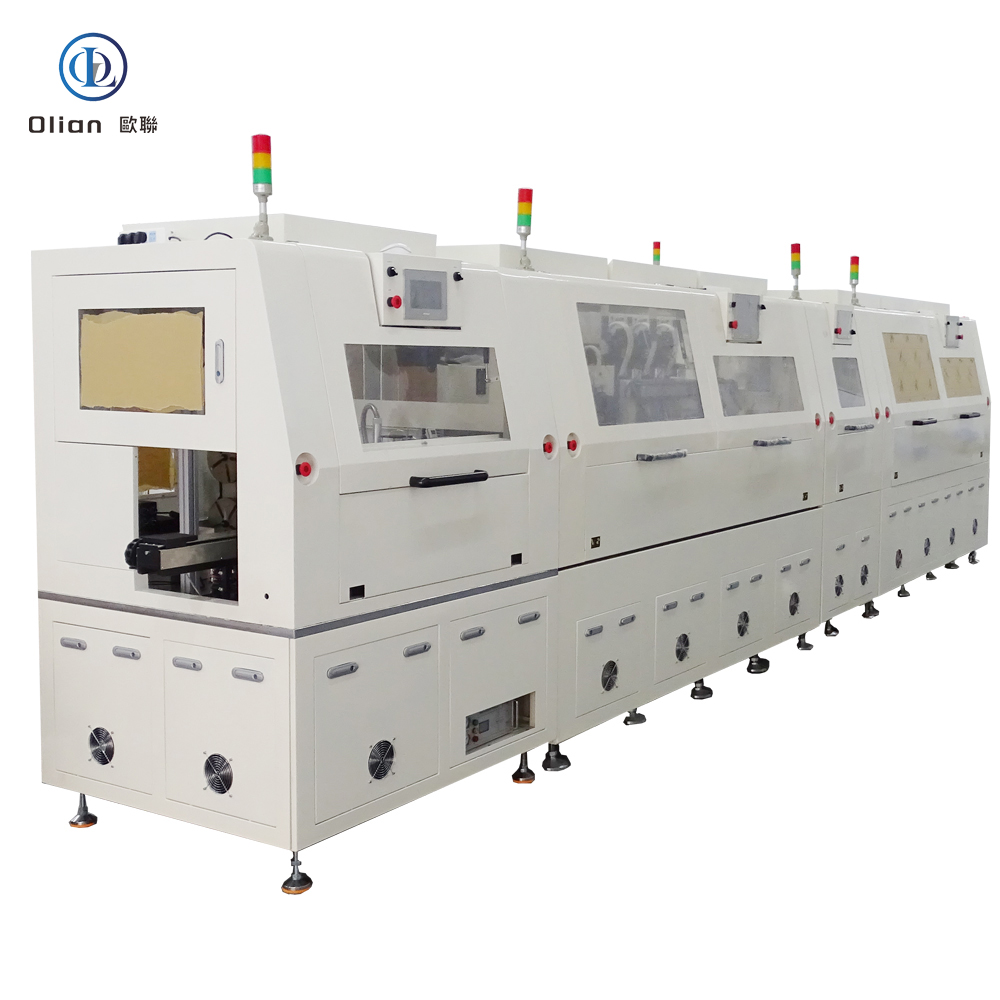
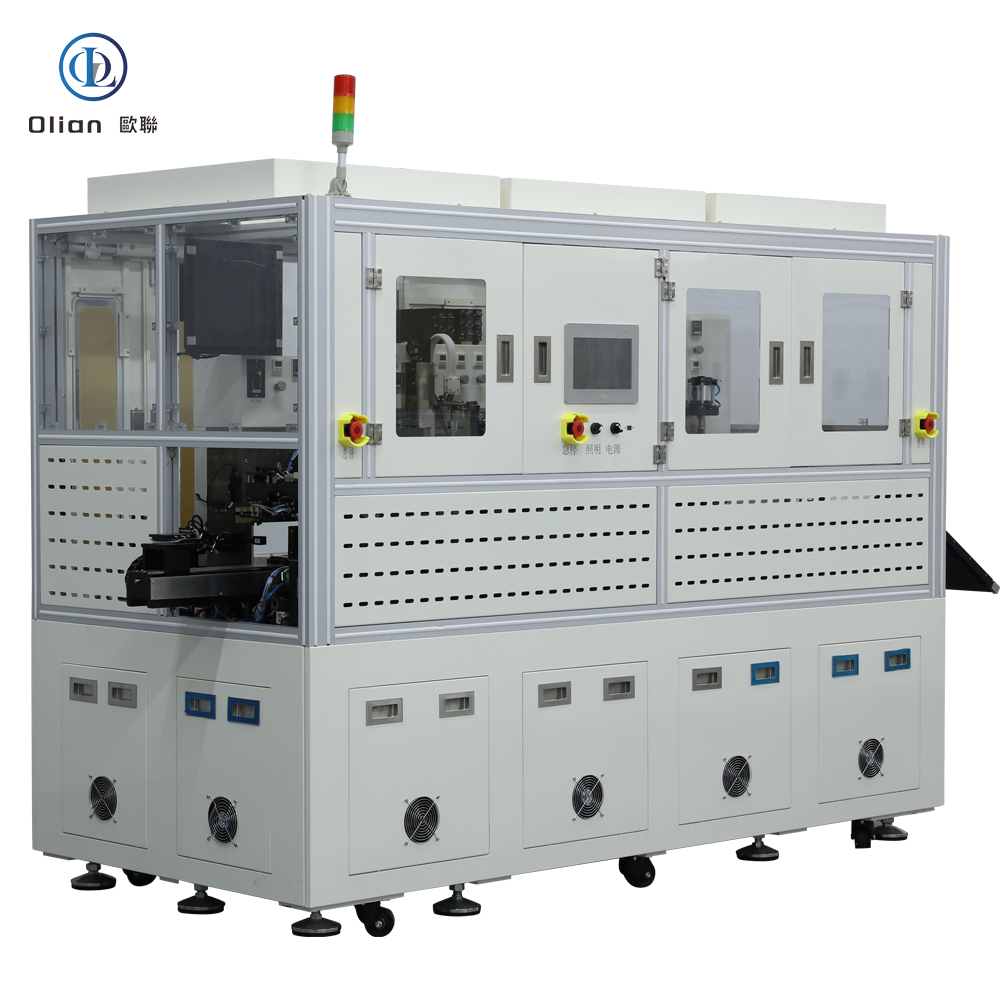
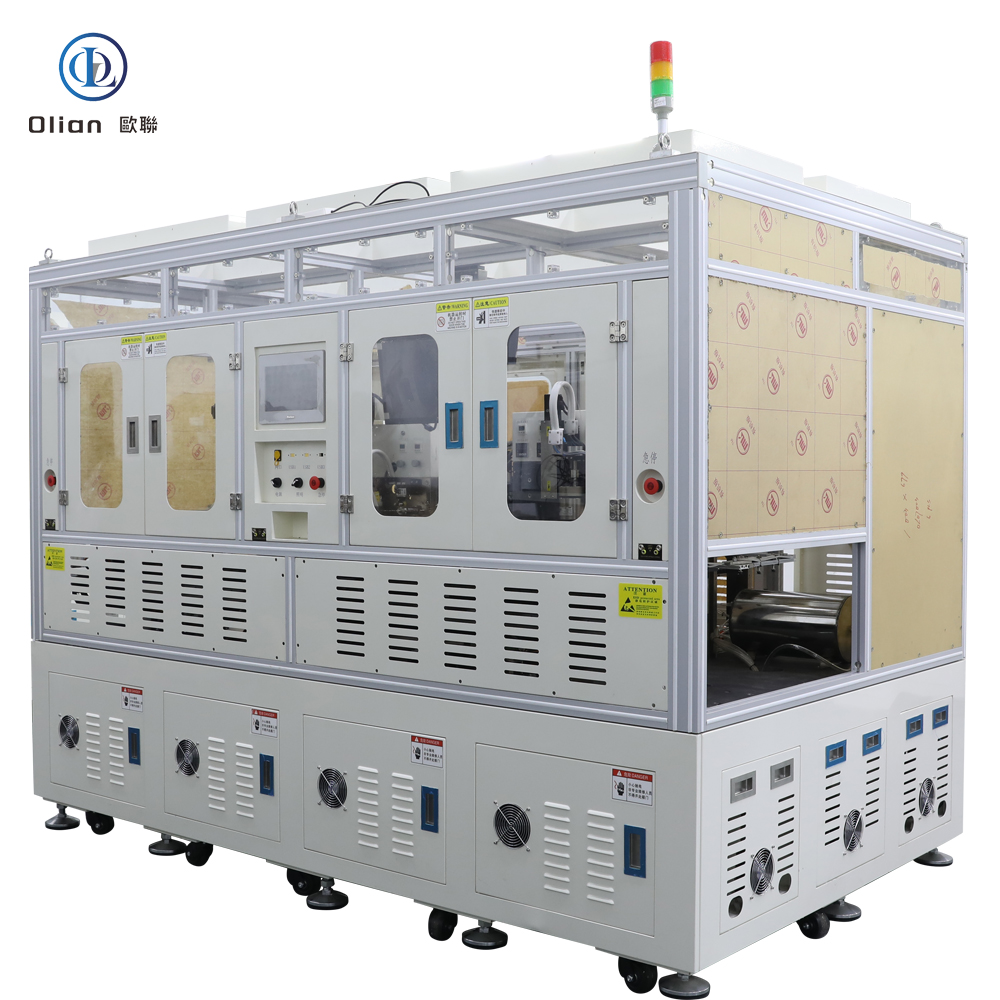
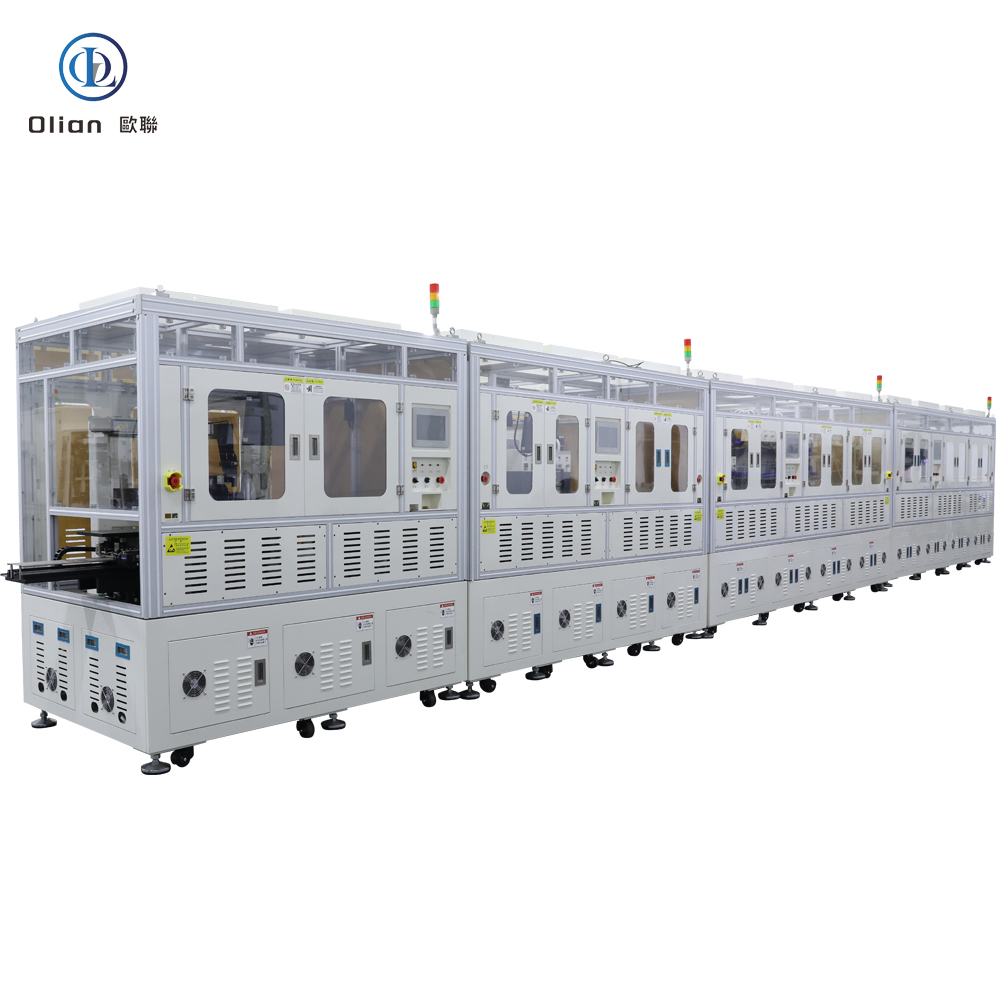
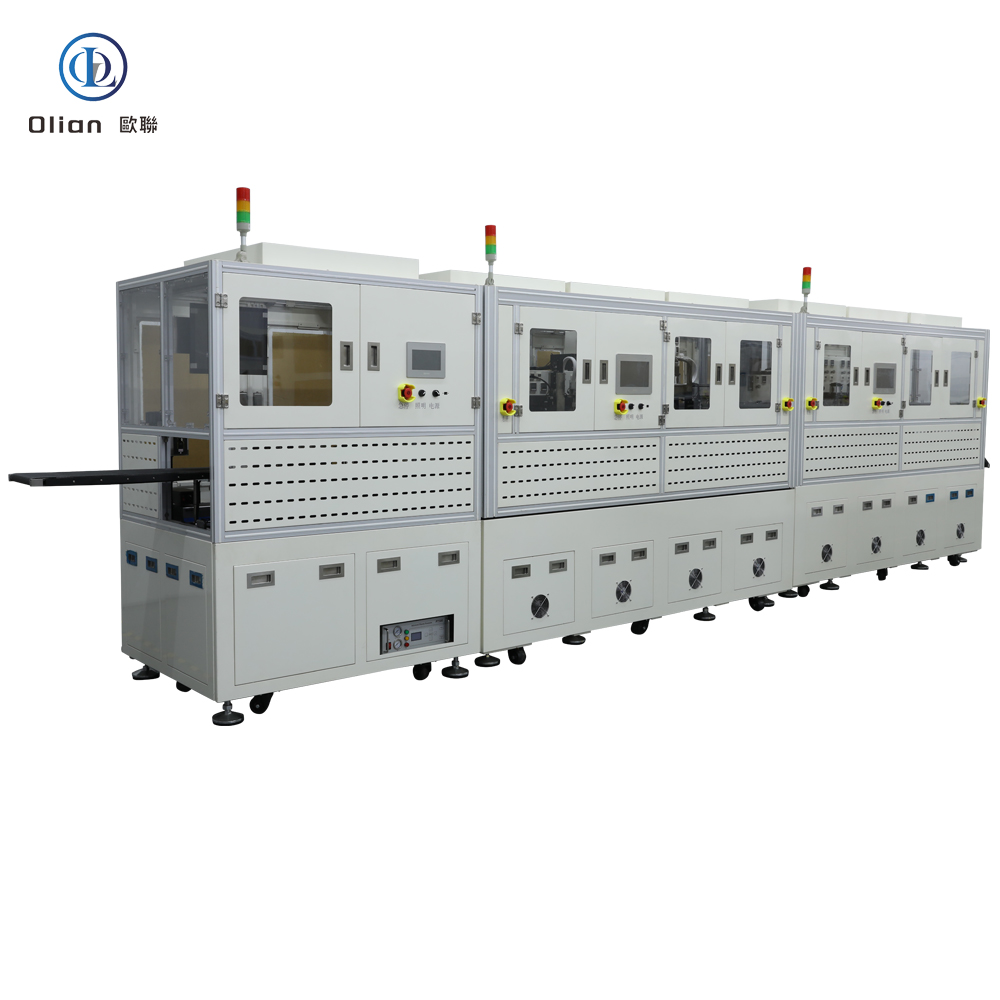
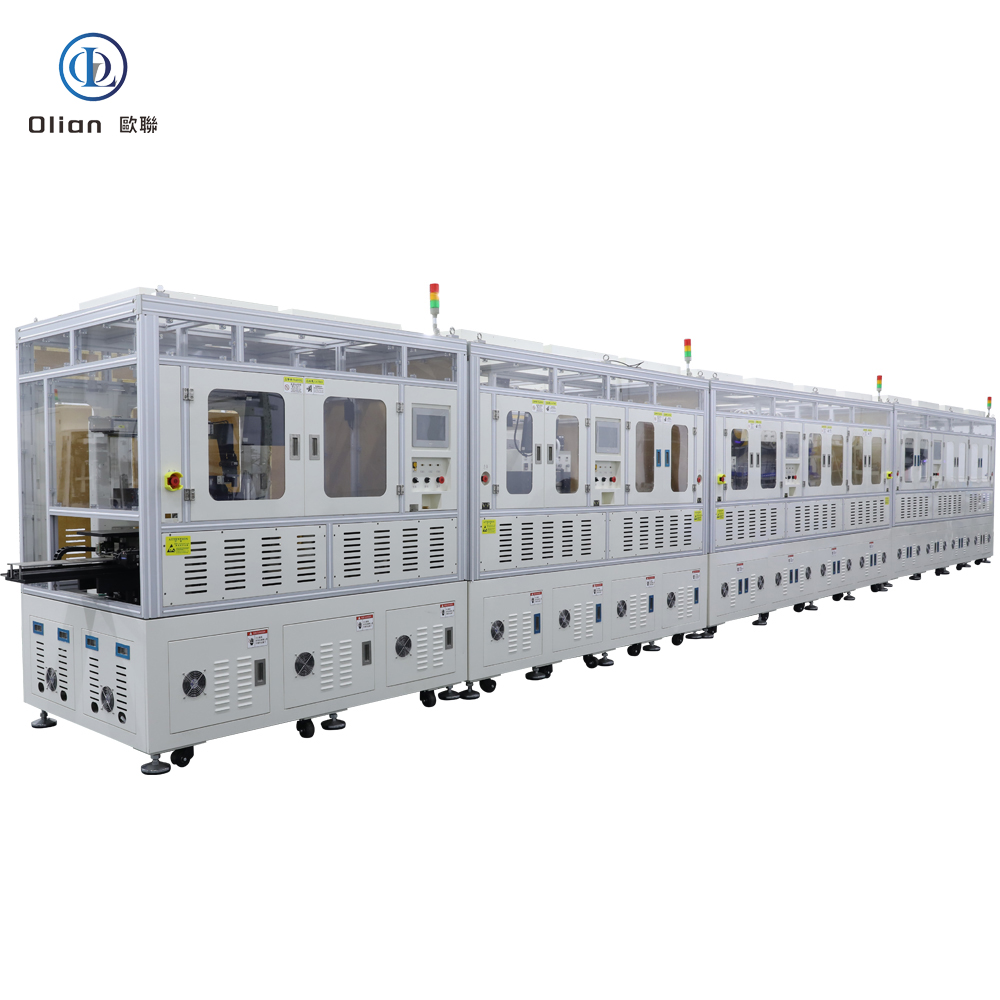
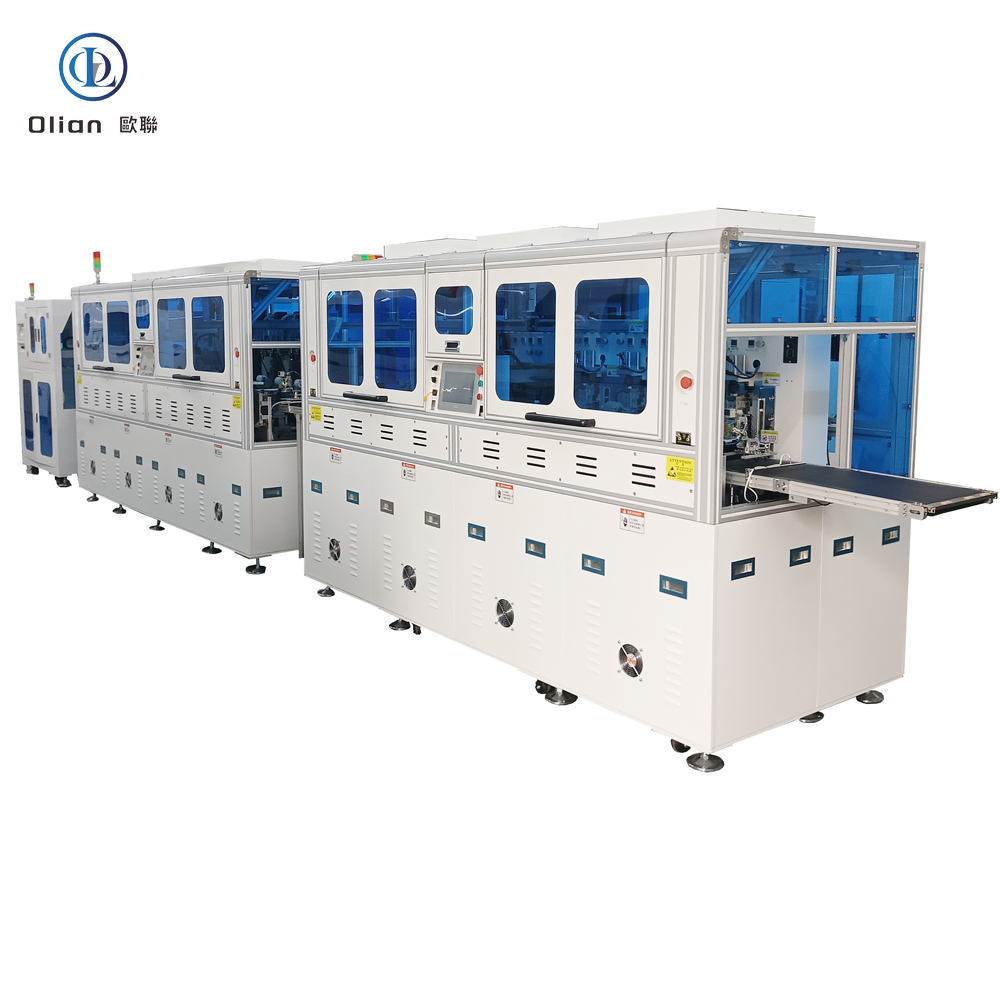
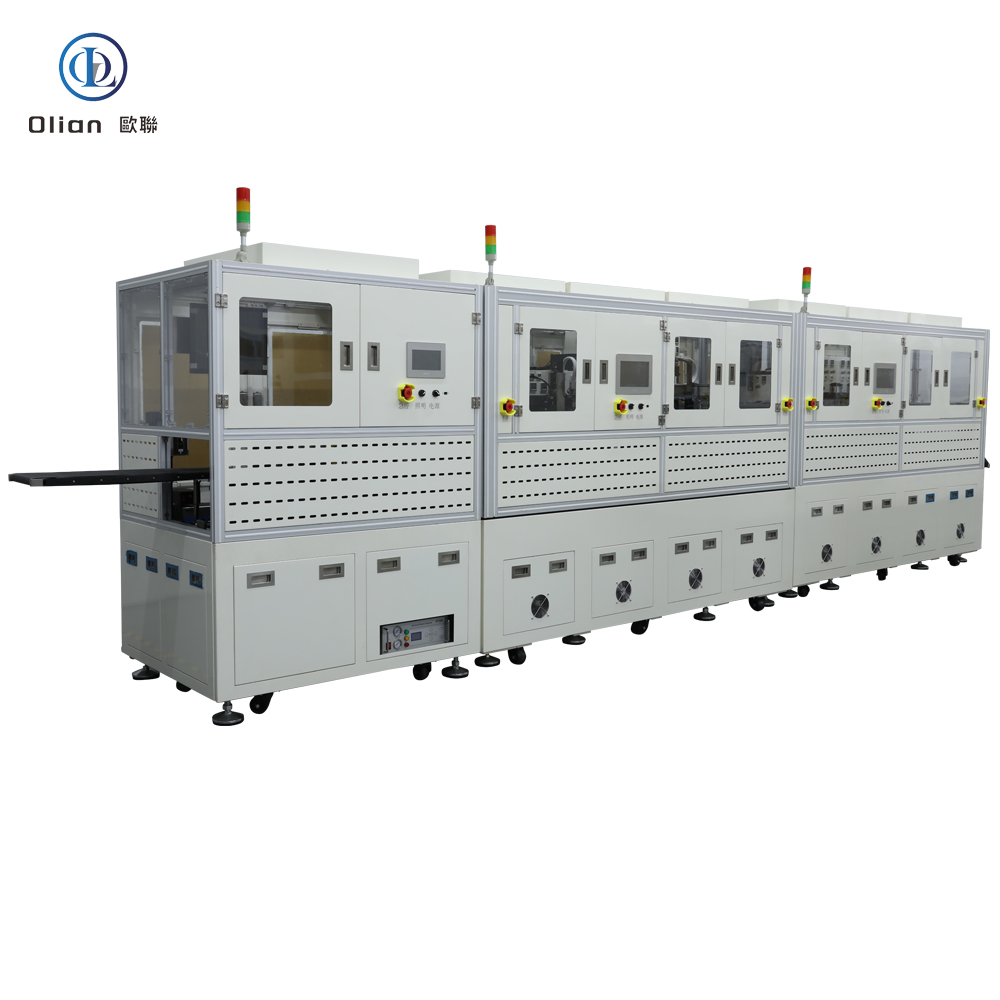
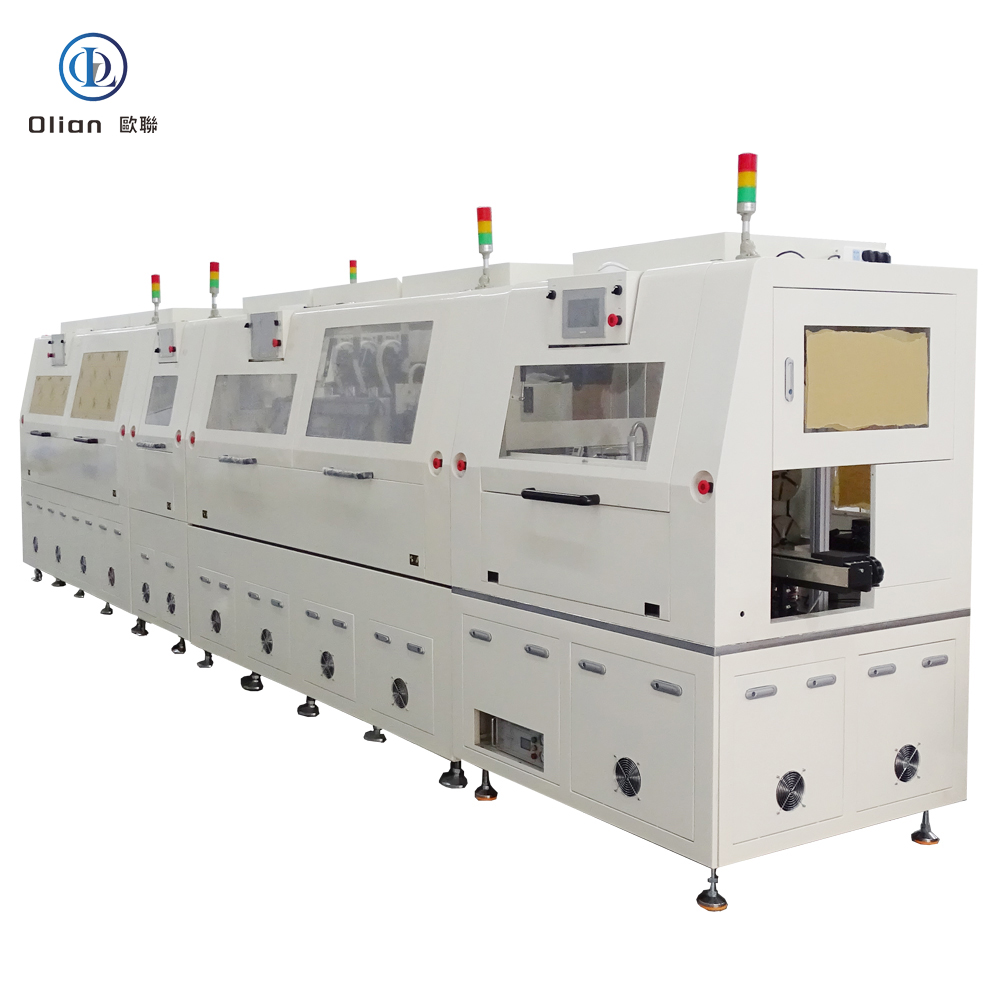
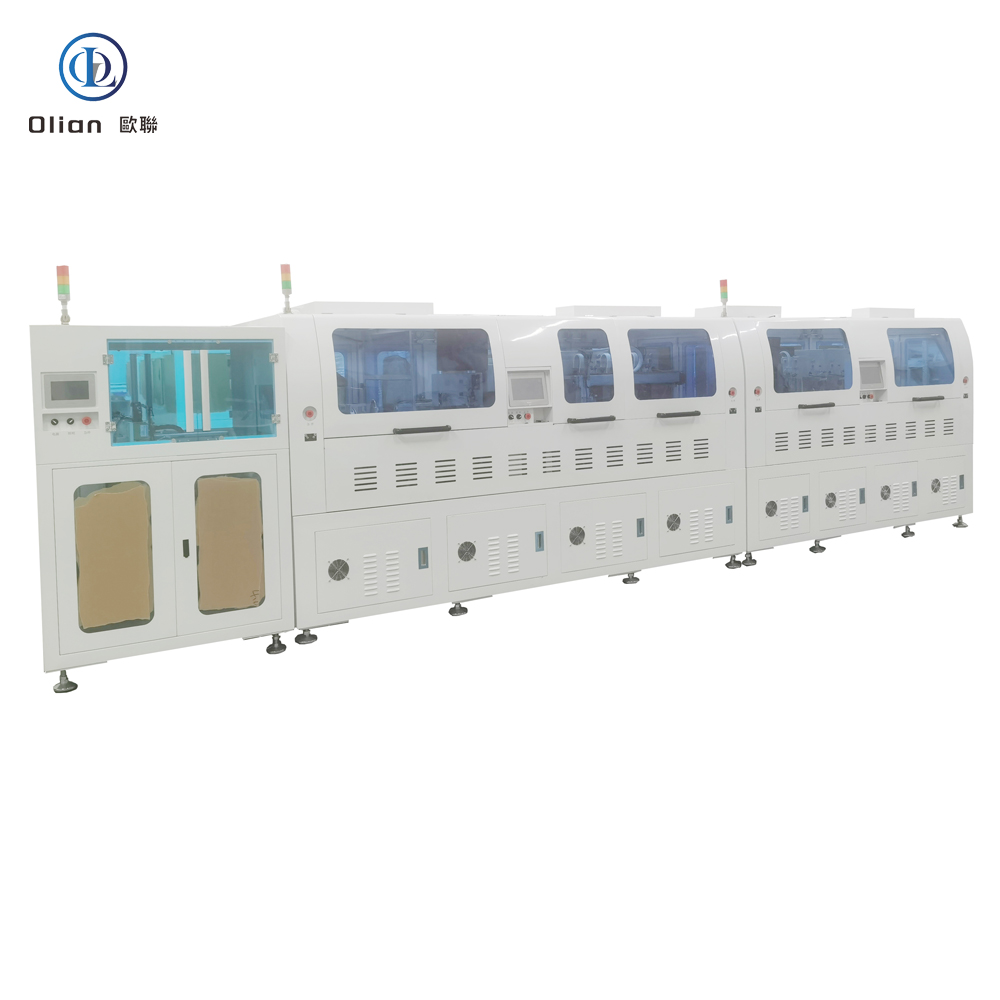
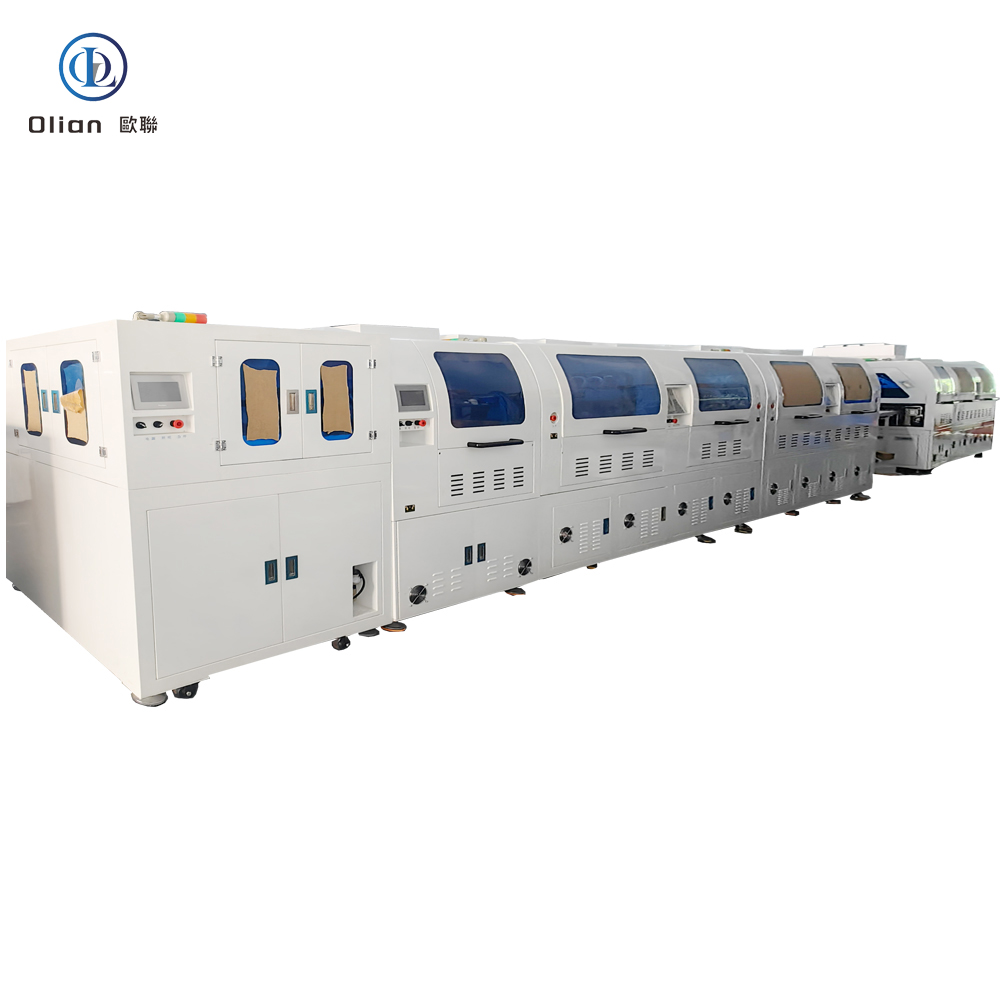
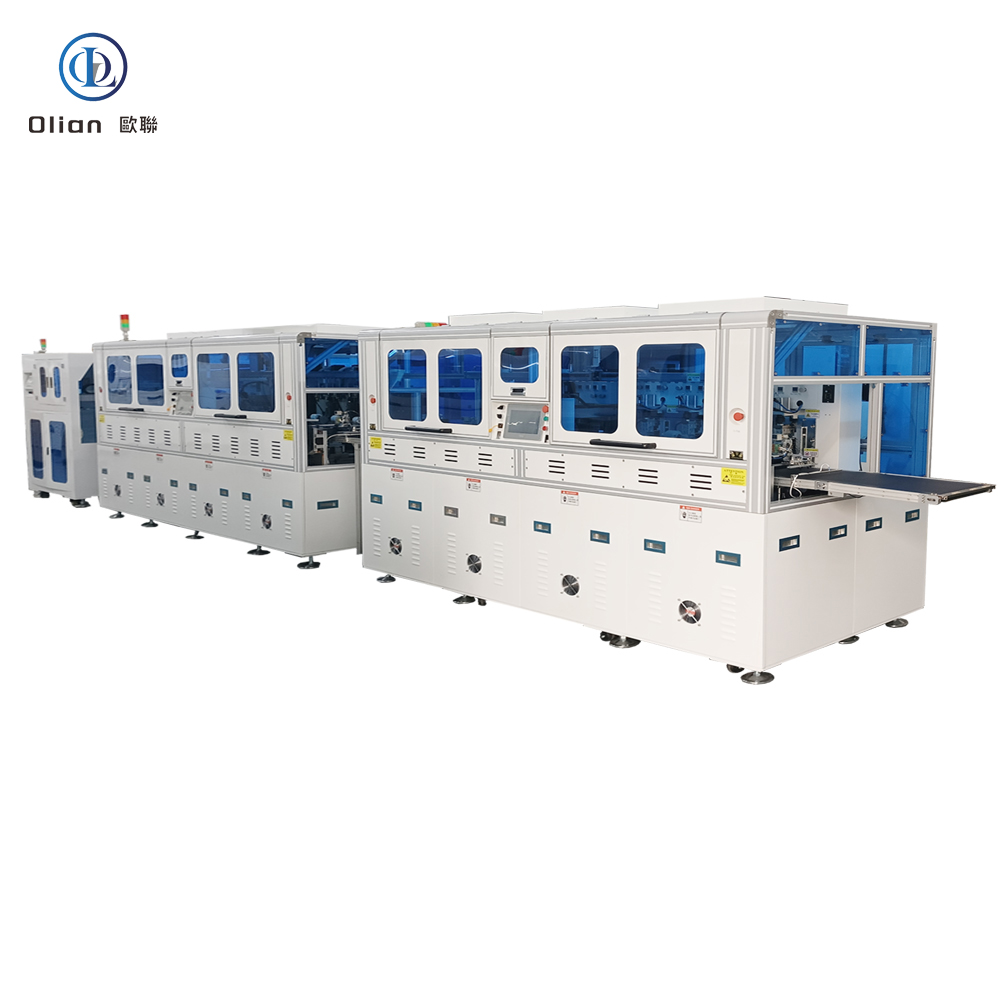
Leading ACF Bonding Machine Manufacturer for LCD Displays
Leading ACF Bonding Machine Manufacturer for LCD Displays
What Is ACF Bonding and Why It Matters for LCD Displays
Anisotropic Conductive Film (ACF) bonding is a key process in assembling and repairing LCD, OLED, and other flat panel displays. It uses a specialized adhesive film containing conductive particles to create reliable electrical connections under controlled heat, pressure, and time—without short-circuiting adjacent traces.
This technology is essential for processes such as:
COG (Chip on Glass)
COF (Chip on Film)
FOG (Film on Glass)
FOB (Film on Board)
TAB/OLB and more
Manufacturers and repair professionals searching for reliable ACF bonding machines for LCD displays need equipment that offers precision alignment, stable temperature control, and high throughput for both production lines and after-sales service.
Why Choose Olian as Your ACF Bonding Machine Manufacturer?
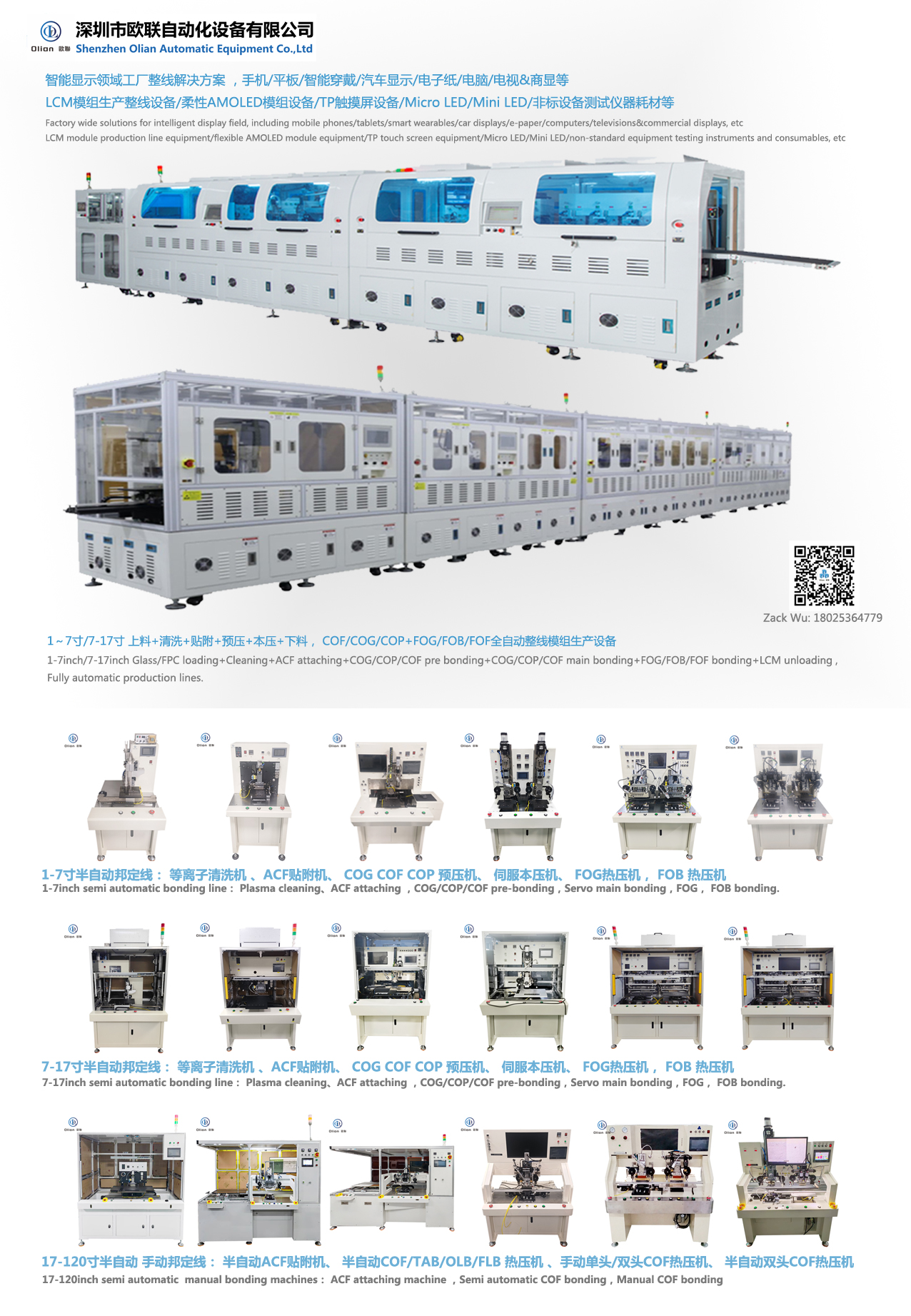
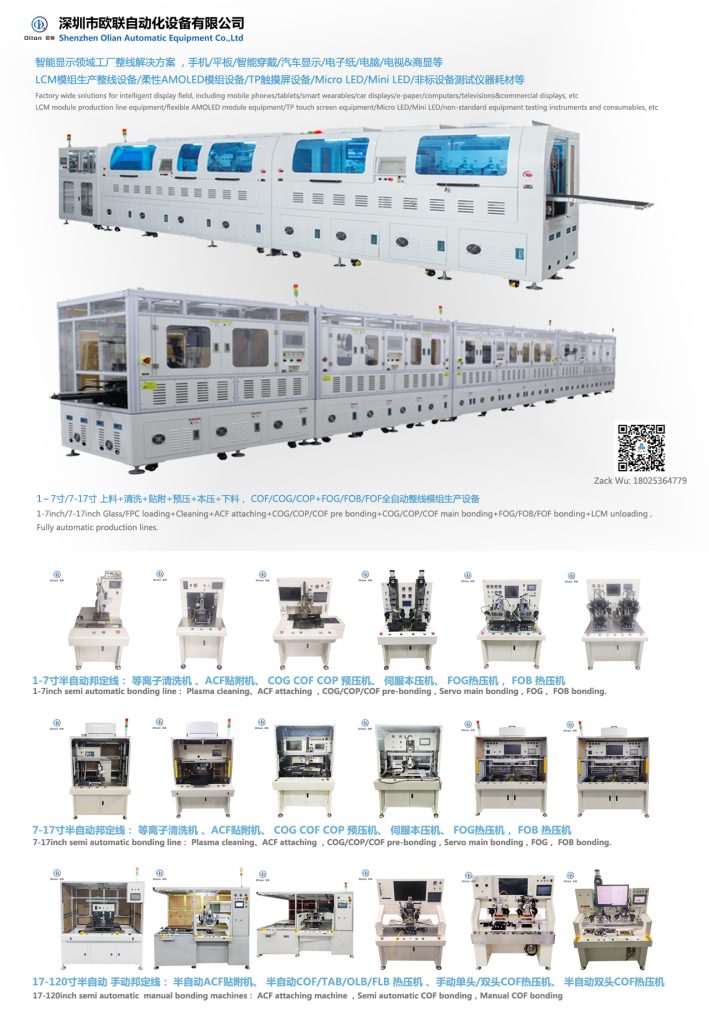
With years of expertise, Olian stands out among global suppliers by offering a comprehensive range of bonding equipment tailored to LCD display production and repair. Their machines support screen sizes from 1 inch wearables to large-format panels (up to 120 inches), making them ideal for mobile phones, tablets, automotive displays, TVs, laptops, and industrial applications.
Precision Servo Control & Pulse Heating
Ensures uniform pressure and temperature for defect-free bonds.
Advanced Alignment Systems
Dual-lens or high-resolution cameras for accurate positioning.
Versatile Models
From compact single-station units (e.g., OL-C012, OL-F003) to fully automatic production lines (e.g., OL-1500, OL-3000 series) for 1-7 inch and 7-17 inch panels.
Supporting Equipment
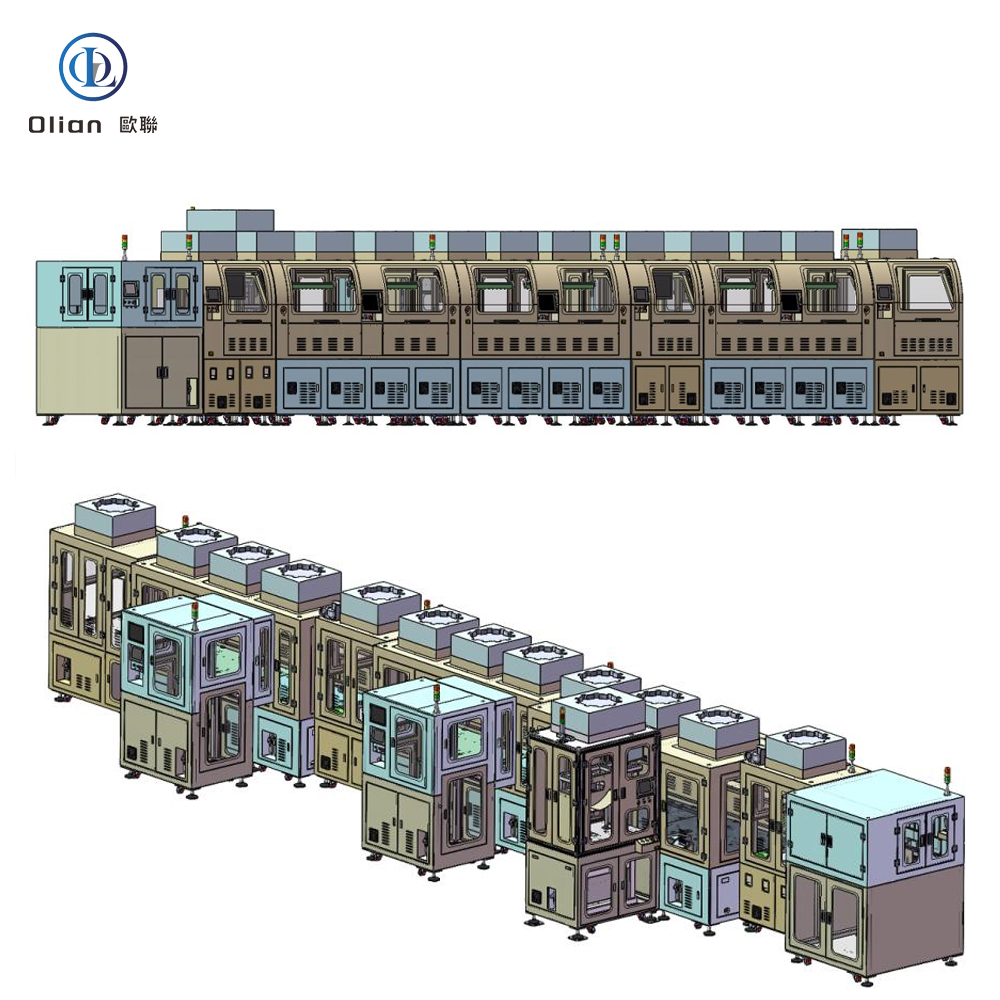
Including ACF attaching machines (OL-A0156, OL-A003), plasma ITO cleaners, COF punching machines, and AOI inspection systems for complete LCM module lines.
Reliability & Efficiency
Designed for high-volume manufacturing with options for multi-station, servo-driven, and pulse-heat configurations.
Olian’s equipment is widely used by leading brands and has supported over 2,600 companies, including partnerships with industry giants like Huawei, BOE, CSOT, Foxconn, TCL, and more.
Applications Across Industries
Whether you operate a display module factory, a professional LCD/LED TV repair center, or an automotive display assembly line, Olian’s ACF bonding solutions for LCD displays deliver consistent results. Their machines handle everything from small smartwatch panels to large TV open-cell repairs, helping reduce defects, improve yield rates, and lower operational costs.
What Buyers Look For: Key Considerations
Professionals searching for “ACF bonding machine manufacturer for LCD displays,” “COF FOG bonding machine,” or “LCD panel repair bonder” often prioritize:
Reliable manufacturers with proven track records
Machines offering pulse heat technology and servo control
Full production line solutions rather than standalone units
Strong after-sales support and customization options
Olian addresses these needs directly through their dedicated platform at bonding-machine.com, where you can explore detailed product specifications, videos, and contact options.
Partner with a Proven Manufacturer Today
As the display industry shifts toward higher resolutions, flexible panels, and smarter integration, having a dependable ACF bonding machine manufacturer becomes a strategic advantage. Olian combines advanced engineering, extensive industry experience, and customer-focused innovation to support your success.
Contact Olian today for tailored recommendations on ACF bonding machines for your LCD display production or repair needs. Visit bonding-machine.com or reach out directly to discuss your requirements with their expert team.
Wearable Device Display Manufacturing Line: Enabling the Future of Compact, Flexible, and High-Performance Wearables
As wearable technology continues to evolve—from smartwatches and fitness trackers to AR glasses and health monitoring patches—the demand for compact, durable, flexible, and energy-efficient displays has surged. At the core of this innovation lies the Wearable Device Display Manufacturing Line, a highly sophisticated, precision-driven production system engineered to meet the unique challenges of small-form-factor, curved, and often flexible displays used in modern wearables.
This advanced manufacturing line integrates cutting-edge automation, micro-assembly technologies, and stringent quality control systems to deliver high-yield, reliable, and aesthetically pleasing displays that seamlessly blend form and function.
The Evolution of Wearable Displays
Wearable devices require displays that are not only visually clear and responsive but also lightweight, power-efficient, and mechanically robust. Traditional rigid displays are increasingly being replaced by flexible OLED, micro-LED, and even electronic paper (e-Paper) technologies that conform to the human body and withstand constant movement and environmental stress.
The Wearable Device Display Manufacturing Line is specifically designed to handle these advanced display types, supporting both rigid and flexible substrates, ultra-thin components, and miniaturized packaging.
Key Components of the Wearable Display Manufacturing Line
1. Cleanroom-Compatible Automation
○ Operates in Class 100–1000 cleanrooms to prevent particle contamination.
○ Robotic arms with nano-precision handling ensure safe transfer of fragile display panels.
● Smart Manufacturing Integration: Fully compatible with SECS/GEM, MES, and IoT platforms for real-time monitoring, traceability, and predictive maintenance.
● Energy and Material Efficiency: Optimized processes reduce waste and power consumption, aligning with sustainable manufacturing goals.
● Scalability: Designed for both high-volume mass production and small-batch customization.
Olian Automatic: Pioneering the Future of Wearable Display Manufacturing
At Olian Automatic, we specialize in designing and delivering turnkey Wearable Device Display Manufacturing Lines that combine precision, reliability, and intelligence. Our solutions are built to support the rapid innovation cycles of the wearable industry, enabling manufacturers to bring next-generation products to market faster, with higher quality and lower total cost of ownership.
From concept to full-scale production, our engineering team works closely with clients to customize workflows, integrate advanced inspection systems, and ensure seamless compatibility with existing production ecosystems.
Welcome to visit us ,Wechat/whatsapp:+86 18025364779,Zack wu
Electronic Paper Module Production Line: Precision Engineering for the Future of Low-Power Displays.
Electronic Paper Module Production Line: Precision Engineering for the Future of Low-Power DisplaysAs the global demand for energy-efficient, eye-friendly, and sustainable display technologies grows, electronic paper (e-Paper) has emerged as a transformative solution—powering devices such as e-readers, smart labels, digital signage, and IoT devices. At the heart of this innovation lies the Electronic Paper Module (EPM) Production Line, a highly specialized, precision-driven manufacturing system that integrates advanced automation, micro-assembly, and inspection technologies to deliver reliable, high-quality e-paper displays at scale.
What Is an Electronic Paper Module?
An Electronic Paper Module (EPM) replicates the appearance of ink on paper by using electrophoretic or other reflective display technologies. Unlike traditional LCD or OLED screens, e-paper consumes power only when changing images, making it ideal for battery-powered and environmentally conscious applications.
The EPM typically consists of:
● Electronic Paper Film (EPD): The core display layer with microcapsules containing charged pigment particles.
● Driver ICs and FPC (Flexible Printed Circuit): Deliver signals and power.
● Protective Front Film and Adhesive Layers: Ensure durability and optical clarity.
Manufacturing these modules requires a cleanroom-compatible, high-precision module production line capable of handling delicate materials and sub-micron alignment.
The Electronic Paper Module Production Line: A Comprehensive Workflow
The EPM production line is a fully automated system designed to ensure high yield, consistency, and reliability. It integrates multiple advanced process modules, including:
1. Panel Cleaning and Pre-treatment
● Automated cleaning removes dust and contaminants using brush, air-knife, and adhesive roller systems.
● Plasma treatment enhances surface adhesion for subsequent lamination processes.
2. TFT Backplane and EPD Alignment
● High-resolution CCD vision systems align the TFT backplane with the electronic paper film with accuracy within ±10μm.
● Active alignment compensates for thermal expansion and material warpage.
3. ACF Lamination and COG/COF Bonding
● Anisotropic Conductive Film (ACF) is precisely dispensed or laminated onto bonding areas.
● COG (Chip-on-Glass) or COF (Chip-on-Film) bonding connects driver ICs to the TFT array using thermocompression.
● Multi-point temperature and pressure control ensure reliable electrical connections without damaging fragile substrates.
4. FPC Attachment and Module Assembly
● FPCs are bonded to the panel periphery for external signal routing.
● Robotic arms handle delicate modules to prevent mechanical stress.
5. Automated Optical Inspection (AOI) and M/A Detection
● High-magnification cameras scan for defects such as particle contamination, alignment errors, open circuits, or short circuits.
● AI-powered image analysis enables real-time feedback and process correction.
6. Aging and Functional Testing
● Modules undergo accelerated aging under controlled temperature and voltage to stabilize performance.
● Electrical testing verifies grayscale response, refresh rate, and power consumption.
7. Packing and Final QC
● Qualified modules are automatically packed in anti-static, humidity-controlled packaging.
● Traceability systems record production data for quality tracking.
Key Features of a Modern EPM Production Line
● Ultra-Clean Environment Compatibility: Designed for Class 100–1000 cleanrooms to prevent particle-induced defects.
● Low Particle Generation: Use of non-contact handling and low-outgassing materials.
● Flexible Configuration: Supports various sizes (from 1.5” e-readers to 25” digital signage) and backplane technologies (a-Si, IGZO, LTPS).
● Smart Manufacturing Integration: Equipped with SECS/GEM, MES, and SCADA systems for real-time monitoring, data analytics, and predictive maintenance.
● Energy Efficiency: Optimized thermal management and low-power consumption design align with e-paper’s green philosophy.
● Retail Smart Labels: Wireless, updateable price tags reducing labor and paper waste.
● Public Information Displays: Bus stops, train stations with sunlight-readable screens.
● Medical Devices: Low-power patient monitors and electronic charts.
● Smart Home & IoT: Battery-operated sensors and control panels.
Olian Automatic: Leading the EPM Manufacturing Revolution
At Olian Automatic, we specialize in designing and delivering turnkey Electronic Paper Module Production Lines that combine precision, reliability, and intelligence. Our solutions are built on decades of expertise in module assembly, bonding technology, and smart factory integration.
Our EPM production systems feature:
● Proprietary alignment and bonding algorithms
● Modular design for rapid reconfiguration
● Integrated AI-based defect detection
● End-to-end process support—from dispensing to aging
● Global service and technical support network
We partner with leading e-paper manufacturers and material suppliers to ensure compatibility with the latest EPD films, ACF materials, and driver ICs.
The Future of EPM Manufacturing
As e-paper technology evolves—enabling color displays, faster refresh rates, and flexible form factors—the production line must keep pace. Emerging trends include:
● Roll-to-Roll (R2R) Processing: For high-speed, low-cost manufacturing of flexible e-paper.
● Hybrid Backplanes: Combining IGZO with organic semiconductors for improved performance.
● Miniaturization and Integration: Smaller modules for wearable and medical devices.
● Sustainable Manufacturing: Reduced chemical usage, recyclable materials, and energy-efficient processes.
The Electronic Paper Module Production Line will continue to be a cornerstone of this evolution, bridging innovation and industrialization.
Conclusion
The Electronic Paper Module Production Line represents the convergence of precision engineering, automation, and sustainable technology. As the world shifts toward low-power, human-centric displays, manufacturers need intelligent, flexible, and future-ready solutions.
With Olian Automatic’s comprehensive portfolio of bonding machines, module lines, and smart factory systems, we are committed to empowering the next generation of e-paper innovation—delivering clarity, efficiency, and value to our customers worldwide.
Olian Automatic – Precision. Intelligence. Innovation. Empowering the Future of Displays.
ACF Applicator: Precision Bonding Solution for Advanced LCM and Display Manufacturing
In the rapidly evolving world of display technology, precision, reliability, and efficiency are paramount. As devices become thinner, more flexible, and increasingly complex—from smartphones and wearables to automotive displays and e-paper modules—the for high-accuracy bonding processes has never been greater. At the heart of this precision lies the ACF Applicator, a critical piece of equipment in modern LCM (Liquid Crystal Module) and touch panel manufacturing.
What Is an ACF Applicator?
An ACF Applicator (Anisotropic Conductive Film Applicator) is a specialized machine designed to accurately dispense, align, and bond Anisotropic Conductive Film (ACF) onto flexible printed circuits (FPCs), glass substrates, or film-based displays. ACF is a smart adhesive material containing conductive particles that enable electrical connections in one direction (Z-axis) while insulating in others (X-Y axes), making it ideal for COG (Chip-on-Glass), COP (Chip-on-Film), and FOG (Film-on-Glass) packaging processes.
The ACF Applicator ensures:
● Ultra-precise film placement with micron-level accuracy
● Consistent pressure and temperature control during bonding
● Minimal material waste through optimized dispensing
● High throughput in automated production lines
Why ACF Applicator Matters in Modern Display Production
With the rise of foldable screens, wearable devices, and large-format automotive displays, traditional soldering methods are no longer sufficient. The ACF Applicator enables:
–Fine-pitch interconnects for high-resolution displays
–Reliable electrical connections on flexible and curved surfaces
–Improved yield and reliability by reducing defects such as open circuits or shorting
–Scalability for mass production in smart factories
It is a core component in turnkey LCM module lines, especially for wearable COG/COP solutions, automotive display bonding (15–120 inch), and electronic paper modules, where mechanical stress and thermal stability are critical.
Key Features of a High-Performance ACF Applicator
1. Vision Alignment System Equipped with high-resolution cameras and AI-assisted image processing, ensuring sub-micron alignment accuracy between ICs, FPCs, and substrates.
2. Multi-Zone Pressure & Temperature Control Enables uniform bonding across large or irregular surfaces, critical for G+G, F+G, and OCA lamination processes.
3. Automated ACF Feeding & Splicing Reduces downtime and material waste, supporting continuous production.
4. Integration with Factory Automation (FA) Compatible with MES systems, robotic handling, and inline AOI (Automated Optical Inspection), making it ideal for smart manufacturing environments.
5. Low-Defect Design Features dust-free chambers, ESD protection, and real-time process monitoring to maintain high yield rates.
Automotive: Digital dashboards, center consoles, AR-HUDs
Medical Devices: Portable monitors, diagnostic equipment
Industrial & IoT: HMI displays, control panels
Whether it’s a 7-inch wearable module or a 100-inch TV display, the ACF Applicator plays a vital role in ensuring durable, high-conductivity interconnections.
Choosing the Right ACF Applicator Partner
Not all ACF applicators are created equal. When selecting a solution, look for:
Proven experience in COG/COP/FOG bonding
Customization capability for multi-chip, multi-side bonding
Strong R&D and after-sales support
Compliance with international standards ( ISO)
Olian Automatic, a trusted name in display manufacturing equipment, offers advanced ACF Applicator solutions tailored for high-volume, high-reliability production environments. With deep expertise in bonding, dispensing, lamination, and inspection, we deliver turnkey lines that integrate seamlessly into your smart factory ecosystem.
Conclusion
The ACF Applicator is more than just a bonding machine—it’s a gateway to next-generation display manufacturing. As the industry moves toward thinner, more flexible, and higher-density displays, precision equipment like the ACF Applicator will continue to drive innovation, improve yields, and reduce costs.
Invest in the right technology today to stay ahead in the competitive world of display and touch solutions.
Explore our full range of ACF Applicators and LCM module turnkey lines at [bonding-machine.com]. Contact us for a customized solution. Wechat/whatsapp:+8618025364779. Zack Wu
Shenzhen Olian Automatic Equipment Co.,ltd .We are a leading high-tech enterprise dedicated to the research, development, and manufacturing of LCM (Liquid Crystal Module) and Touch Panel assembly equipment. Located in Shenzhen, the innovation capital of China, we provide comprehensive turnkey solutions that transform raw glass and flexible circuits into high-precision, ready-to-use display products.
Our mission is to empower the global display industry through intelligent automation, ensuring high yield rates and efficient production for our clients.
️ Core Competencies: Full-Process Engineering
We offer a complete suite of automated equipment designed to handle every critical stage of the LCM and Touch manufacturing process. Our “One-Stop” solution ensures seamless integration from incoming material to final packaging.
1. Precision Bonding & Interconnection
This is the core of display functionality. We utilize advanced ACF (Anisotropic Conductive Film) Applicators and Hot Press machines to precisely attach driver ICs and Flexible Printed Circuits (FPC) to the glass substrate.
ACF Handling: Our dedicated ACF application systems feature high-precision micro-adjustment and step-motor-driven feeding mechanisms. This ensures accurate ACF length control (1-100mm) and minimal waste, which is critical for COG (Chip-on-Glass) and COF (Chip-on-Film) processes.
Hot Press Technology: Our bonding machines utilize PID temperature control and precision pressure regulation (0.1-4.0Mpa). Whether it is the main IC bonding or FPC alignment, our equipment guarantees stable electrical connections and prevents defects like line deficiencies.
2. Touch Panel & Display Integration (Lamination)
To create “Display & Touch in one” (Integrated) products, we specialize in high-precision lamination technologies.
Process: We handle the full spectrum of lamination, including OCA (Optically Clear Adhesive) rigid-to-rigid lamination and UV Water Gel lamination processes.
Capability: Our lamination machines feature auto-dispensing, vacuum state pressing, and optical alignment systems. This ensures bubble-free, high-clarity bonding between cover glass (Cover Lens), touch sensors, and LCD panels, meeting the demands of modern smartphones, tablets, and automotive displays.
3. Precision Dispensing & Encapsulation
To protect delicate circuitry and enhance structural integrity, we utilize state-of-the-art dispensing technology.
Control: Utilizing servo-controlled dispensing arms and programmable logic controllers (PLC), we strictly manage the dispensing path, volume, and evenness of the glue. This prevents corrosion of ITO lines and strengthens the bond between the FPC and the LCD, ensuring long-term product reliability.
Assembly: This involves the precise stacking of optical films, frame assembly, and the application of hot-melt adhesives.
Packaging: We provide automated solutions for the final stages of production, including protective film application and automated boxing, ensuring the product is protected for shipment.
5. Automated Optical Inspection (AOI)
Quality is our DNA. We integrate AOI systems at critical junctures (post-bonding and post-lamination) to guarantee zero-defect delivery.
Detection: Our vision systems perform rigorous functional and cosmetic testing. They identify microscopic defects such as particles, scratches, bubbles, and Mura defects that are invisible to the naked eye, ensuring only flawless products proceed to the next stage.
Wide-Ranging Applications
Our robust and versatile equipment series is engineered to meet the manufacturing demands of diverse display markets. We support the production of:
Consumer Electronics: Smartphones, Tablets, Laptops, and Televisions.
Automotive Displays: Instrument clusters and infotainment systems.
IoT & Wearables: Smartwatches and AR/VR devices.
Commercial & Industrial: Electronic shelf labels, medical displays, and large-format signage.
Smart Factory & Future Vision
We go beyond selling individual machines. We are a pioneer in providing Smart Factory Holistic Solutions.
Integration: Our equipment is fully compatible with MES (Manufacturing Execution Systems) and CIM (Computer-Integrated Manufacturing), enabling digital traceability and data-driven decision making.
Automation: We support AGV (Automated Guided Vehicle) logistics integration and fully automated production lines, reducing human intervention and maximizing production line “uptime” (OEE).
R&D Focus: Drawing on deep expertise in ACF application and precision pressing, we continuously innovate to support the latest trends in flexible OLED packaging and under-screen fingerprint technology.
Join us in shaping the future of display manufacturing. With our “Advanced, Practical, Efficient, and User-Friendly” design philosophy, we are committed to helping our global partners reduce labor costs, improve yield rates, and accelerate their time to market.
Welcome you to be our parnter in your country to shaping the future of display manufacturing.