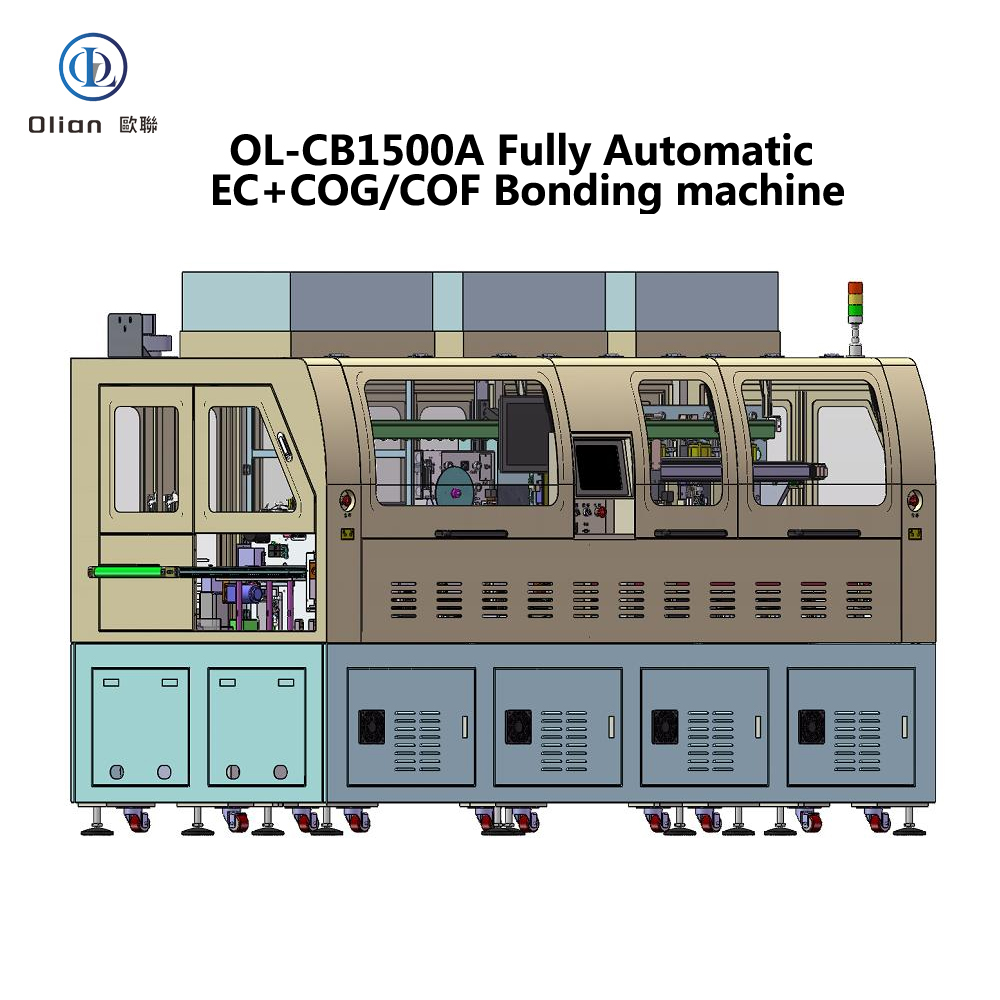
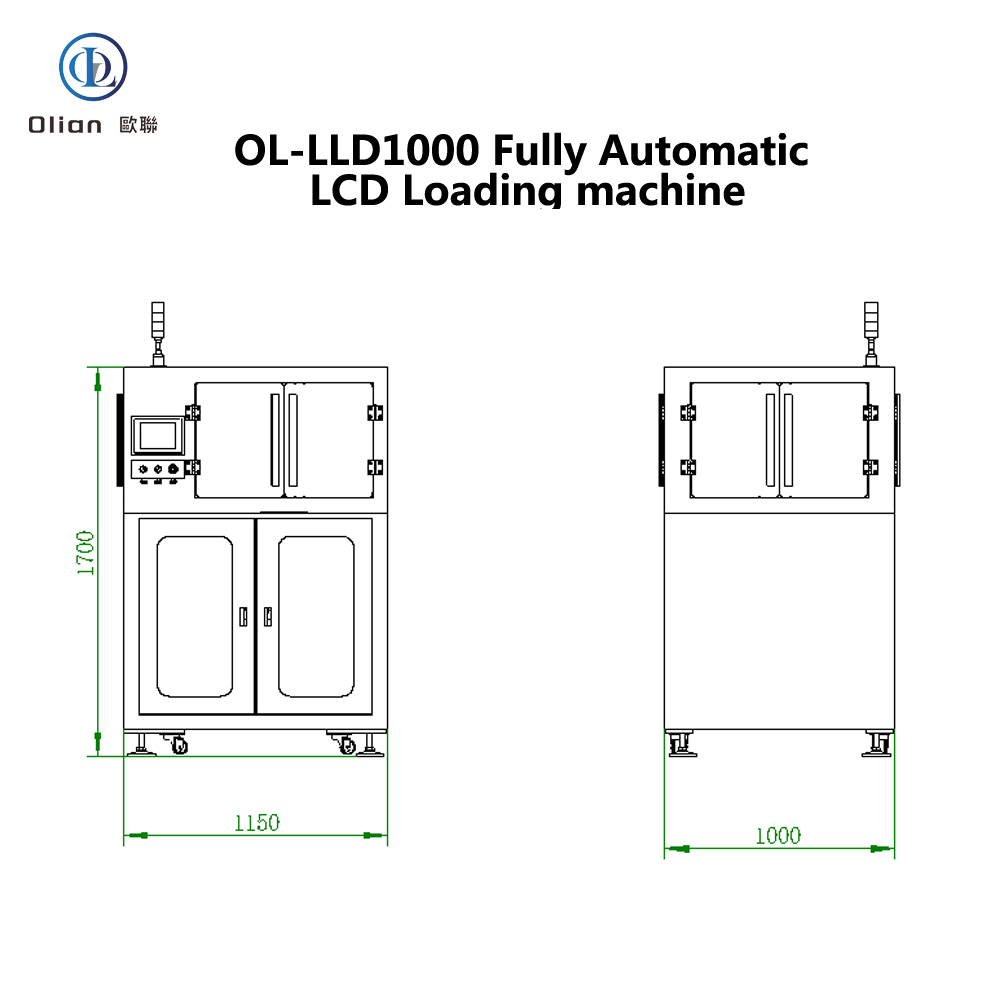
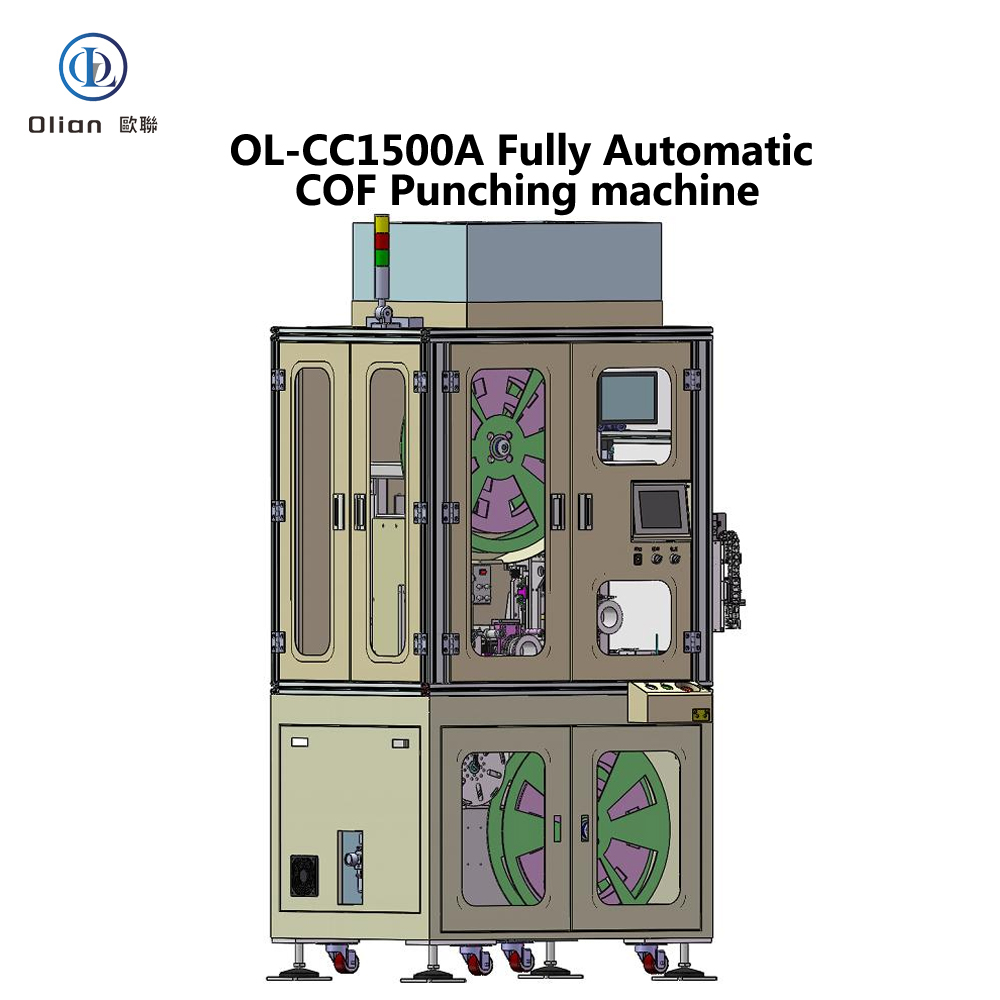
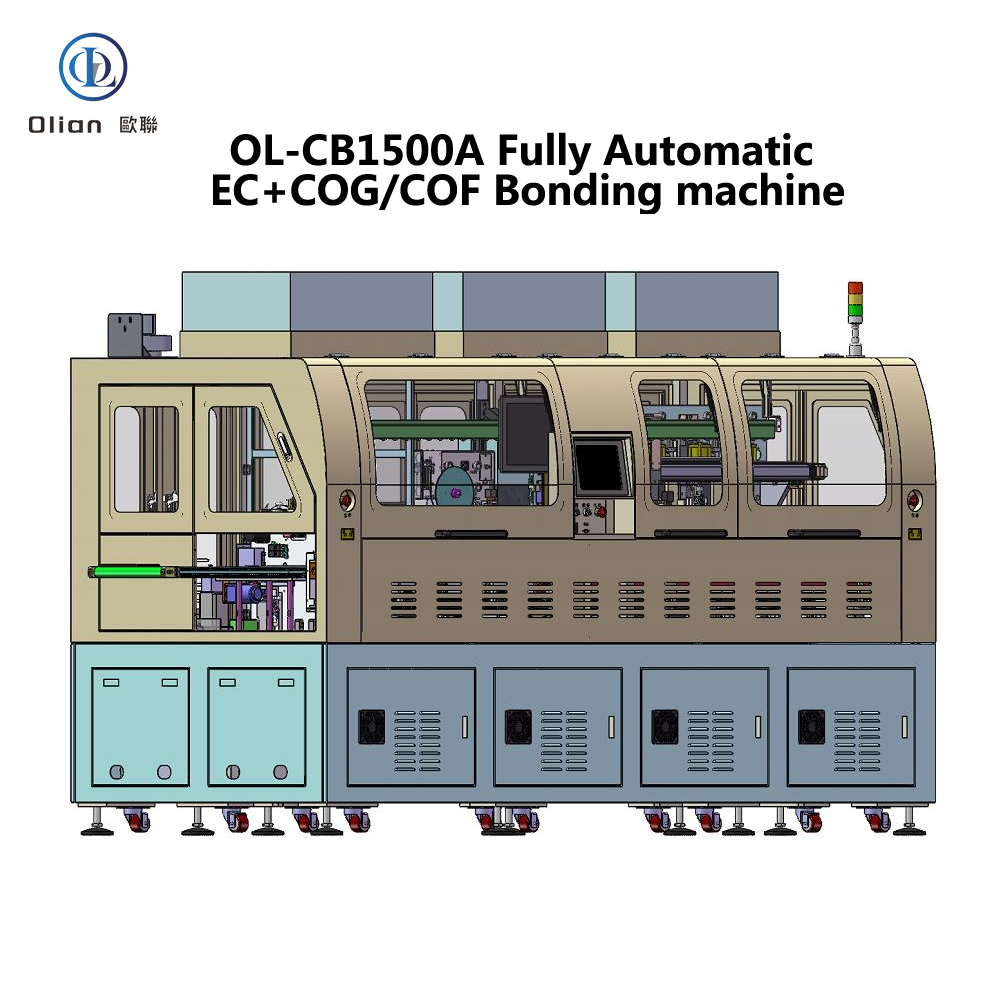
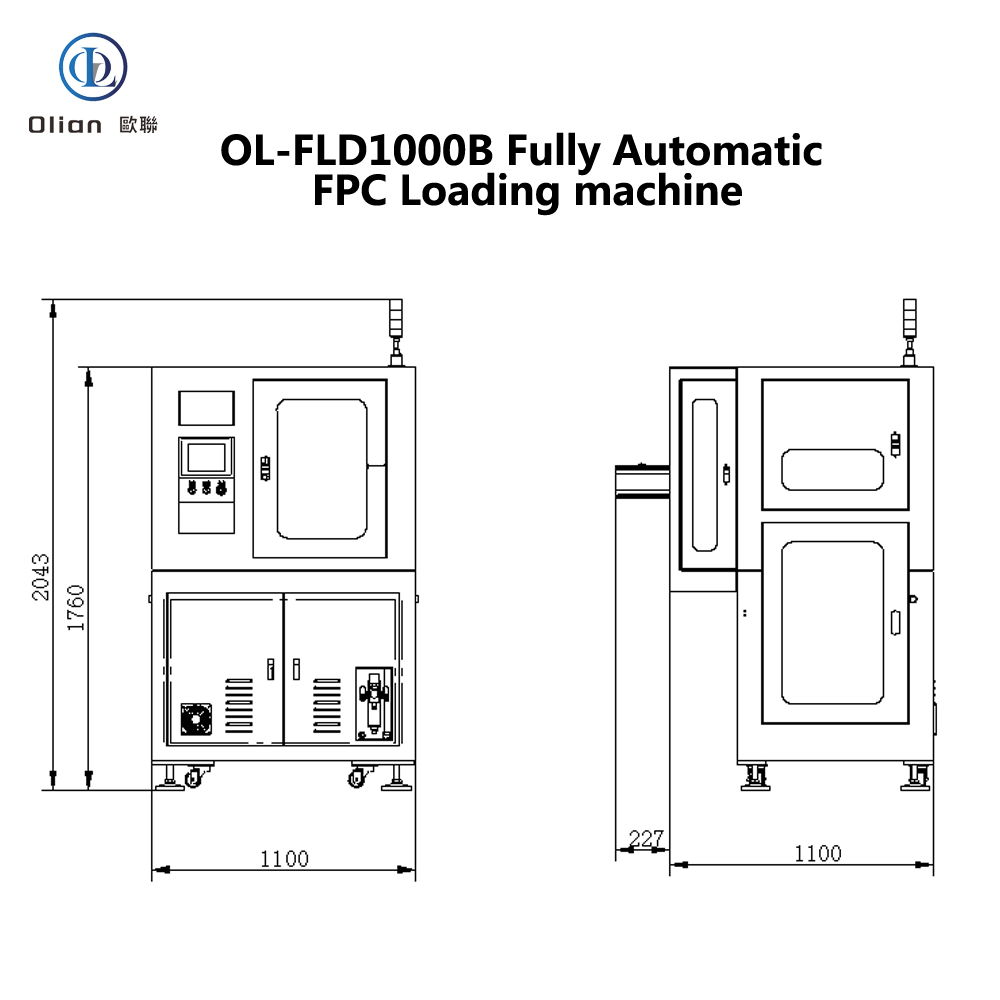
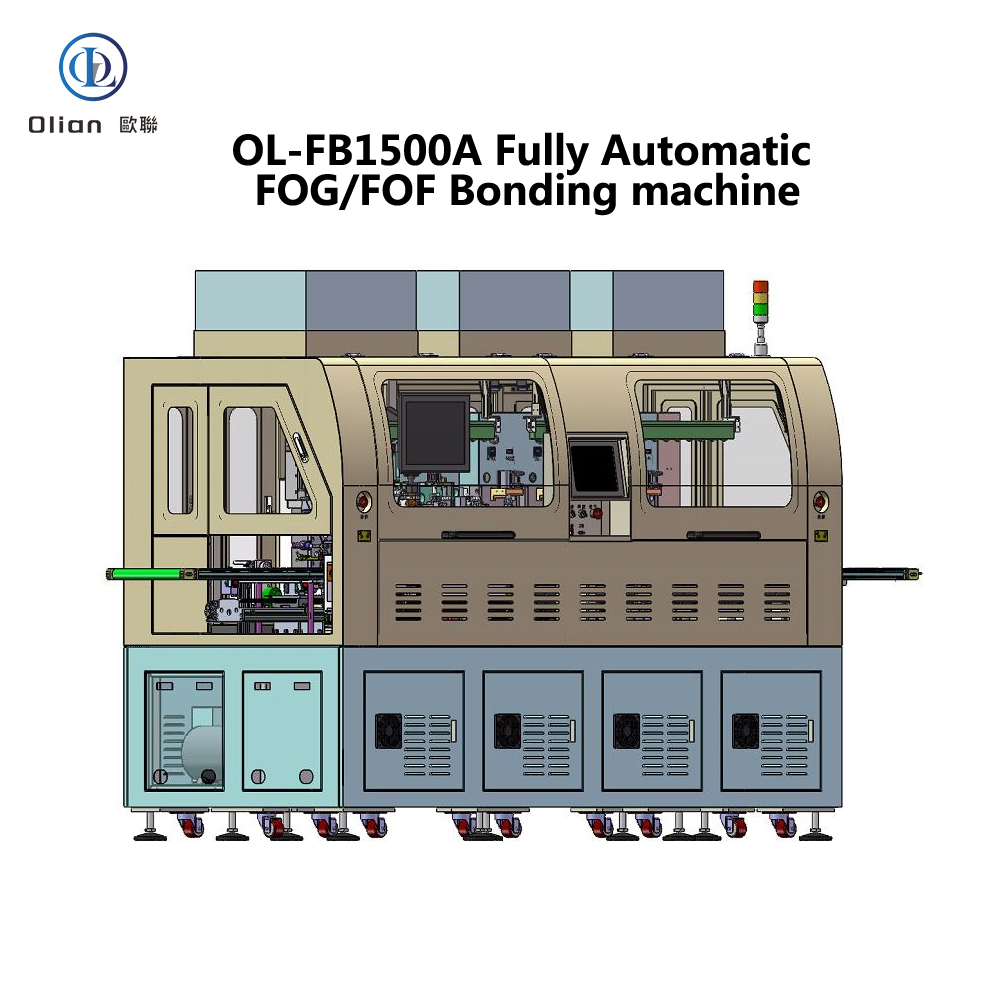
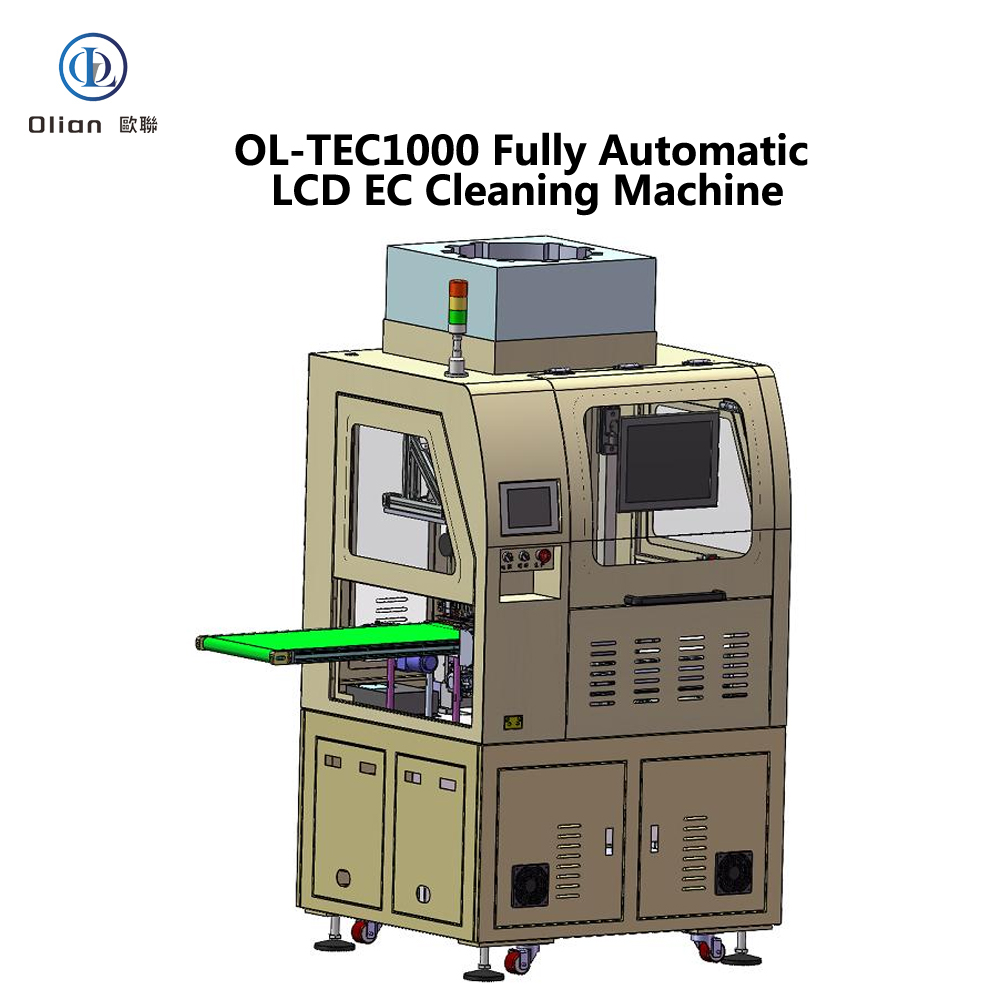
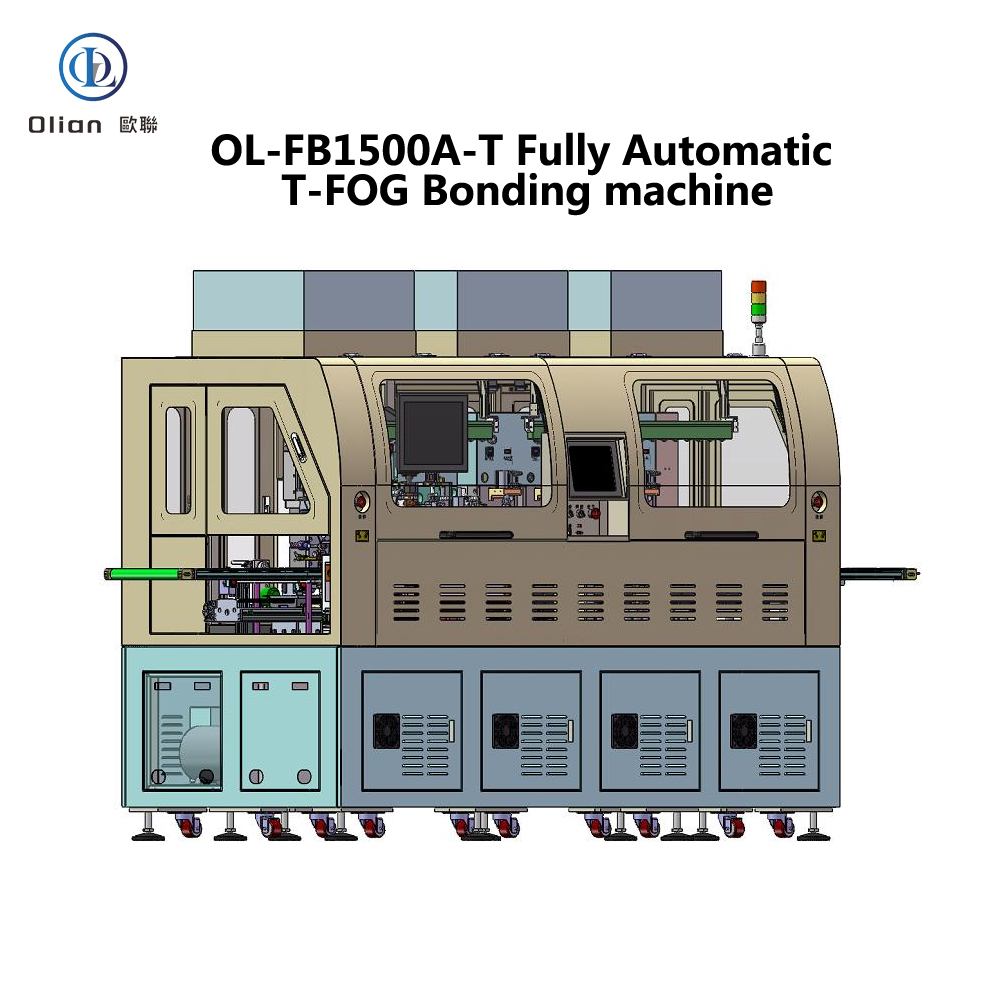
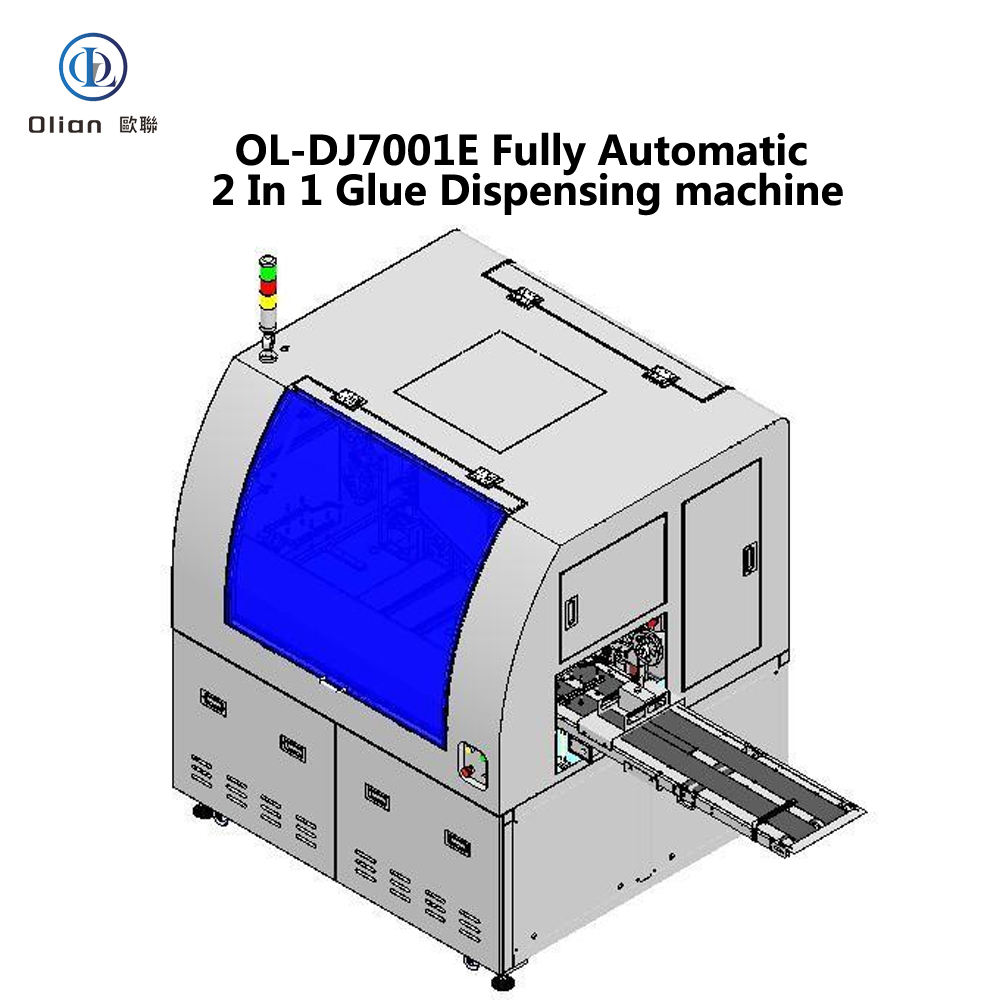
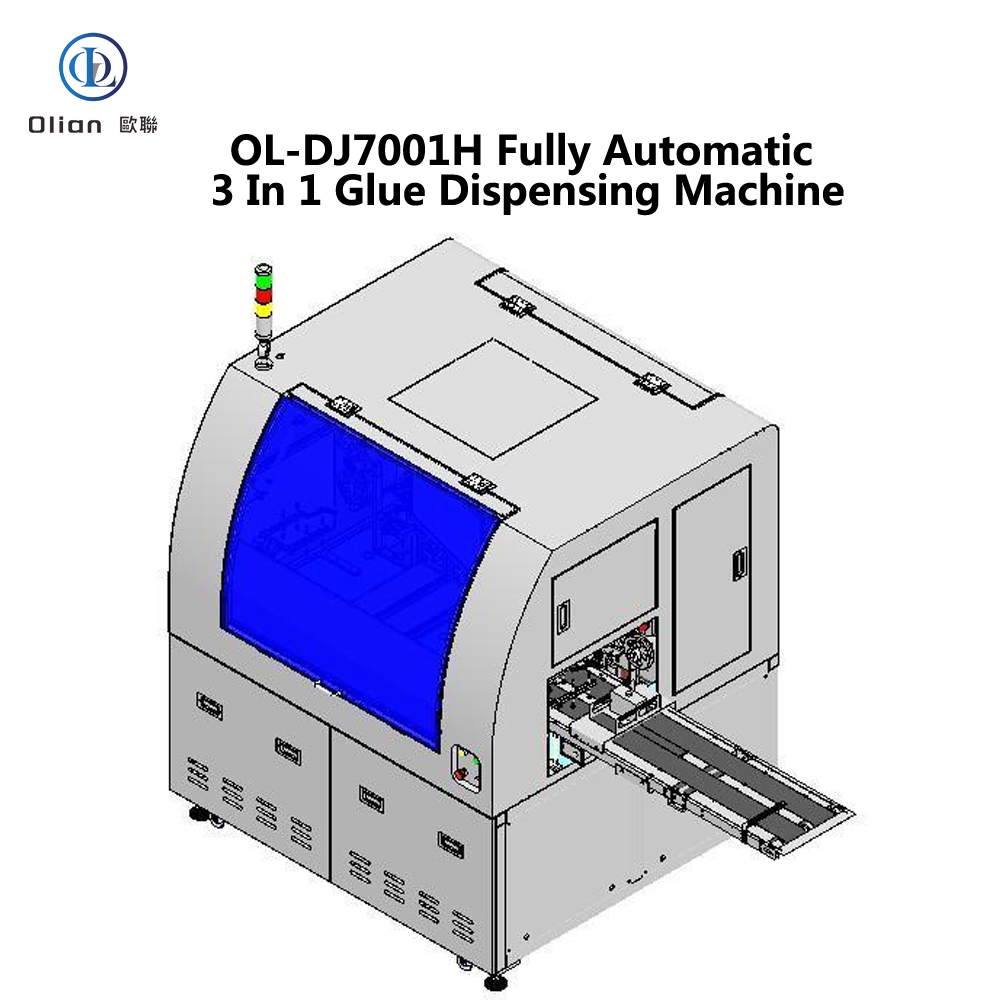
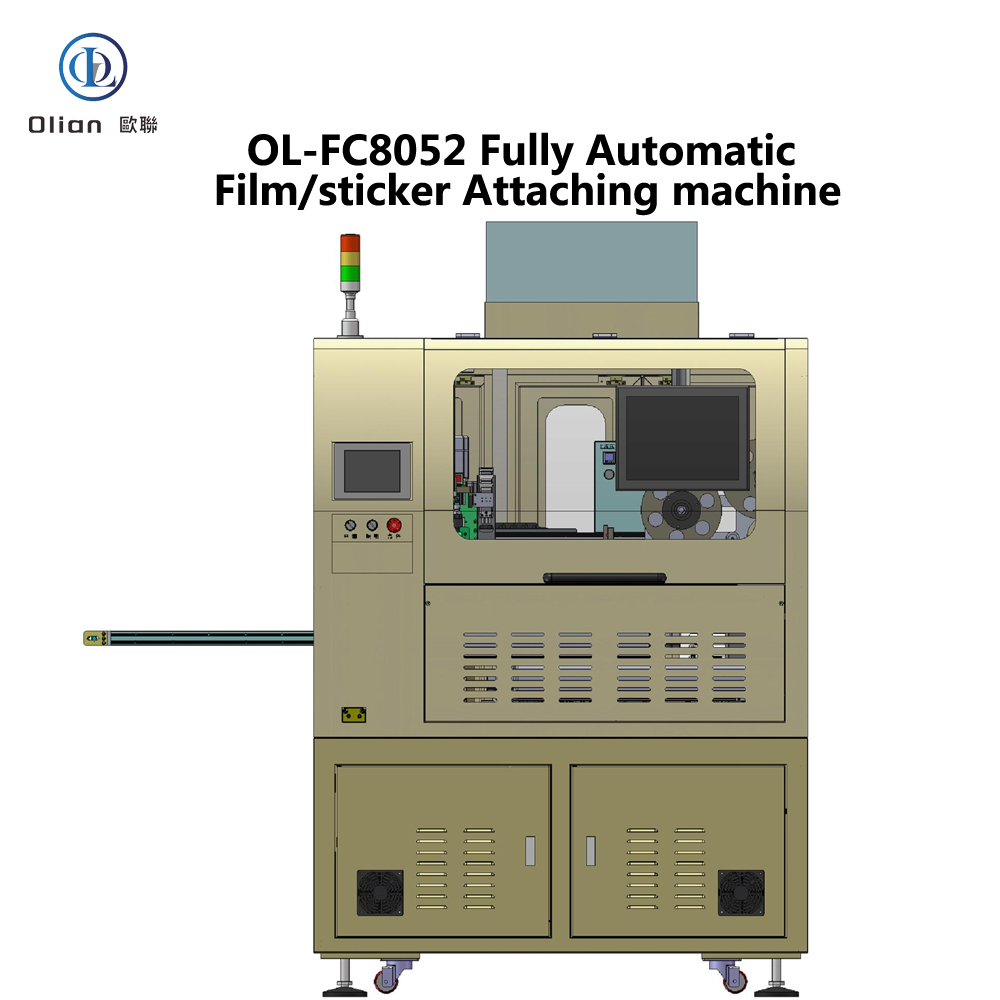
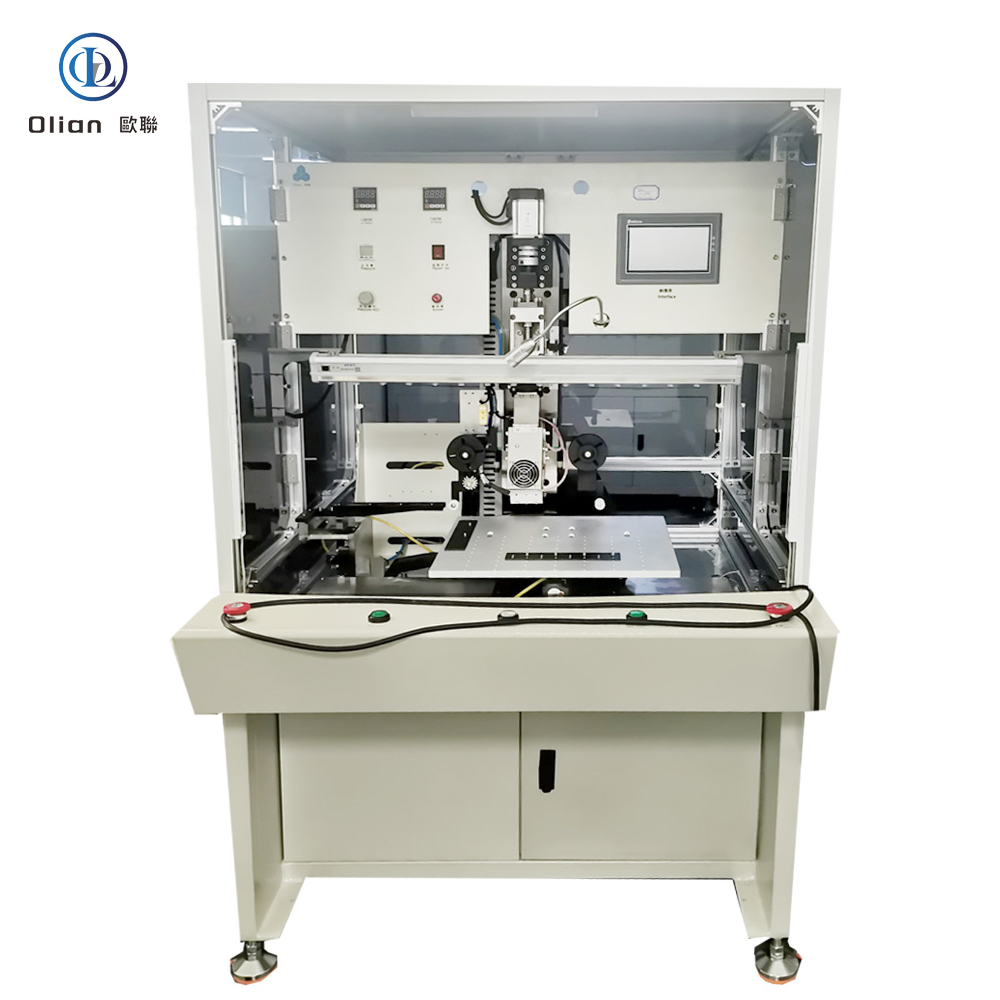
Shenzhen Olian OL-1500 Series Fully automatic COF FOF TFOF bonding Dispensing production line :
What is COF?
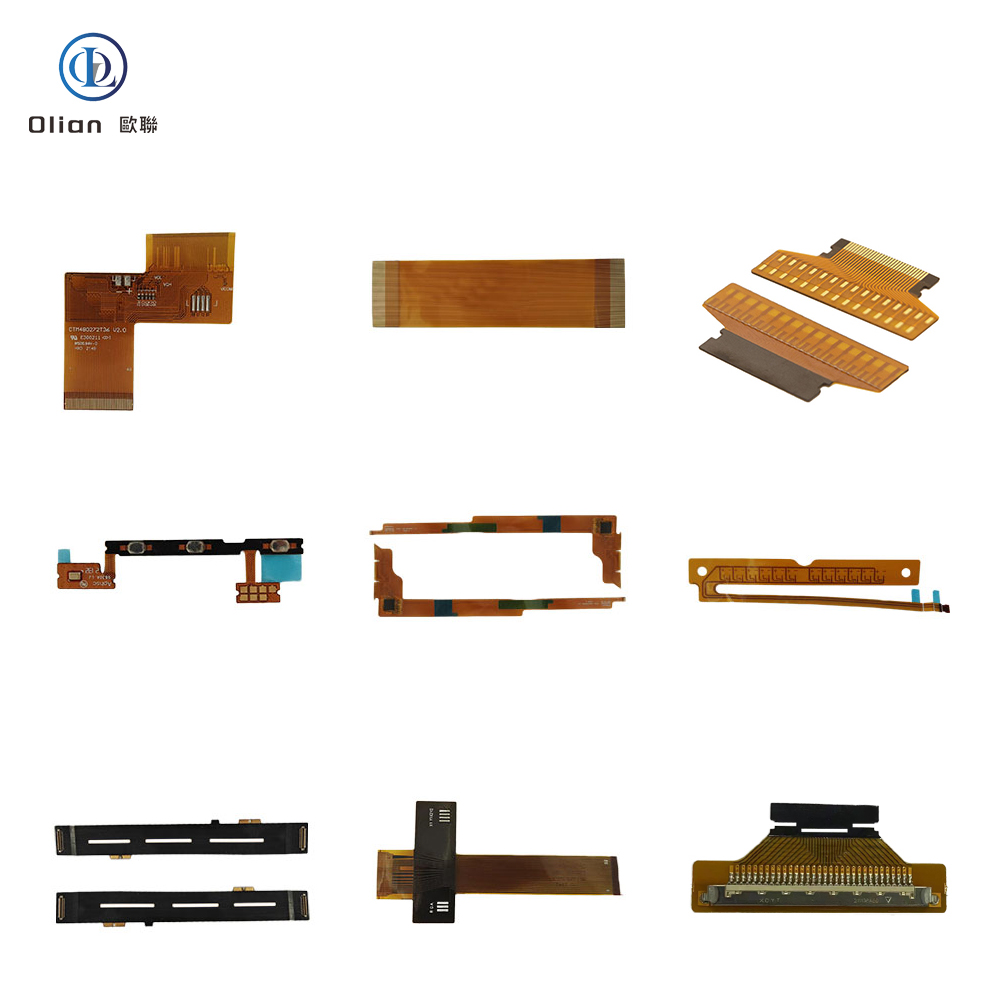
COF, which stands for Chip On Flex or Chip On Film, is a kind of IC packaging technology. It fixes integrated circuits (IC) on flexible printed circuit boards (FPC) and connects the chip with the flexible substrate circuit through thermocompression, so as to realize the interconnection between the chip and the circuit.
What is COF Bonding Process
The COF bonding process is the process of connecting the display driver IC chip to the soft film carrier through the COF technology. It mainly uses the flip – chip eutectic method to bond the gold bumps on the display driver IC with the inner leads on the flexible substrate. This process can realize the electrical connection and mechanical fixation between the chip and the substrate, and is a key process in the manufacturing of LCD/OLED display modules.
What is COF Bonding Machine
COF bonding machine is a special equipment used to complete the COF bonding process. It can accurately position and bond the COF and the panel or PCB to ensure the quality and reliability of the connection. The machine usually has a variety of functions, such as ACF (Anisotropic Conductive Film) feeding, cutting, pasting, and precise alignment and pressure – bonding. It can be divided into semi – automatic and fully automatic types according to the degree of automation. The fully automatic COF bonding machine can realize the automatic feeding, positioning, bonding and other operations of COF and panel, which can greatly improve the production efficiency and product quality.
Introduction of ACF
ACF, whose full name is Anisotropic Conductive Film, is a kind of adhesive film with special electrical conductivity. It is composed of conductive particles evenly distributed in the adhesive matrix. The characteristic of ACF is that it has obvious differences in the electrical conductivity in the Z – axis direction and the insulation resistance in the XY plane. When the Z – axis conductivity resistance value and the XY plane insulation resistance value exceed a certain ratio, it can be called good conductive anisotropy. In the COF bonding process, ACF plays a vital role. It can not only connect the electrodes of the IC chip and the substrate to achieve electrical conduction, but also avoid the short circuit between adjacent electrodes.
Specific Process of COF Bonding
● Feeding: First, the COF and the panel or PCB that need to be bonded are automatically fed into the working area of the bonding machine.
● Positioning: The machine uses high – precision visual positioning systems, such as CCD cameras, to accurately locate the position of the COF and the panel to ensure that they are aligned.
● ACF Feeding and Cutting: The ACF material is fed into the machine, and according to the required length, it is cut by the cutting device.
● ACF Sticking: The cut ACF is accurately pasted on the corresponding position of the COF or the panel.
● Preliminary Pressing: After the ACF is pasted, a preliminary pressing is carried out to make the COF and the panel preliminarily bonded and ensure that the ACF is evenly distributed between them.
● Main Pressing: Under the action of a certain temperature and pressure, the main pressing is carried out. During this process, the ACF is dissolved and solidified, and the conductive particles in it are compressed to form a conductive path, so as to realize the electrical connection between the COF and the panel.
● Inspection: After the bonding is completed, the machine will carry out an inspection to check whether the bonding position is accurate, whether the electrical connection is good, and so on.
Precautions for COF Bonding
● Cleanliness: During the bonding process, it is necessary to ensure the cleanliness of the working environment and the surface of the materials to avoid the influence of impurities and dust on the bonding quality.
● Temperature and Pressure Control: The temperature and pressure during the bonding process need to be strictly controlled according to the process requirements. Improper temperature and pressure may lead to poor bonding or damage to the materials.
● Alignment Accuracy: The alignment accuracy between the COF and the panel is very important, and any deviation may lead to electrical connection failure. Therefore, the visual positioning system needs to be regularly calibrated and maintained.
● Material Storage: COF and ACF materials need to be stored under specific conditions, such as temperature, humidity, etc., to ensure their performance is not affected.
COF Bonding and Related Shenzhen Olian Equipments
While Olian Automatic provides a comprehensive range of equipment, their solutions for COF bonding typically fall into the following categories, often integrated into production lines:
COG/FOG/COF Bonding Series (Thermocompression Bonding Machines)
These are the core machines used for the actual bonding process.
○ Technology: They utilize advanced PLC + HMI (Programmable Logic Controller + Human Machine Interface) control systems for stability. The machines are equipped with high-precision servo motors and CCD visual alignment systems to achieve high accuracy.
○ Precision: Their equipment is designed to achieve high alignment accuracy (often within ±3μm to ±10μm range depending on the model and application), which is critical for high-resolution displays.
○ Control: They employ sophisticated temperature and pressure control algorithms to ensure consistent bonding quality. The bonding heads are typically made of high-quality materials like tungsten steel or SUS440C to ensure thermal uniformity.
ACF Attachment Machines (ACF Taping Machines)
Since ACF is essential for COF bonding, Olian also manufactures equipment dedicated to the precise application of ACF onto panels or FPCs.
○ Function: These machines handle the unwinding, tension control, cutting, and precise placement of the ACF tape.
○ Integration: They are often integrated as upstream modules in a COF bonding production line.
Complete COF Bonding Production Lines (In-line Systems)
For higher efficiency, Olian Automatic provides integrated solutions that connect multiple processes.
○ Process Integration: A typical line might include: Panel Loading → Plasma Cleaning → ACF Attachment → COF Pre-bonding → COF Main Bonding → Post-Bonding Curing (if required) → AOI (Automated Optical Inspection) → Unloading.
○ Automation: These lines utilize robotic arms or conveyor systems to transfer products between stations, minimizing human intervention and maximizing throughput.
Equipment Features and Advantages
● High Precision: Utilizing finite element analysis (FEA) for thermal and mechanical design, their machines ensure high parallelism and temperature uniformity during the bonding process, which is vital for preventing stress damage to the delicate glass panels.
● Stability and Reliability: With years of experience in FPD technology, Oulian’s equipment is known for its stable performance in mass production environments.
● Customization: As a manufacturer of non-standard automation equipment, they can customize machines and production lines based on specific customer requirements, such as different panel sizes (from small mobile phone screens to large monitors) and specific process flows.
● Intellectual Property: The company holds multiple patents and software copyrights related to automation control, alignment algorithms, and mechanical structure design, ensuring their technology remains competitive.
Shenzhen Olian Automatic Equipment Co., Ltd. provides a robust portfolio of equipment for the COF bonding process. From standalone precision bonding heads to fully automated production lines.their solutions are designed to meet the demanding requirements of the modern display manufacturing industry, emphasizing precision, stability, and automation.
OL-CBD156 – 15.6-Inch Single-Station IC Servo Main Bonding Machine,
High-Precision Thermal Compression System for Final IC Bonding on LCD Panels
The OL-CBD156 by Olian Automatic Equipment Co., Ltd. is a semi-automatic main bonding machine designed for the final thermal compression of bare driver IC chips onto ACF-pre-laminated edge terminals of large-format rigid LCD panels up to 15.6 inches. As the critical last step in the COG (Chip-on-Glass) process, this system delivers consistent, high-reliability interconnects through precise servo-controlled pressure, uniform heating, and stable mechanical alignment—ensuring low contact resistance and long-term display performance.
Unlike pre-bonders or ACF applicators, the OL-CBD156 performs full-strength main bonding, fully curing the anisotropic conductive film to create permanent electrical and mechanical connections between the IC and glass substrate.
⚠️ Note: This machine assumes that ACF has already been applied and the IC has been pre-aligned (e.g., via a pre-bonder). It does not include ACF application, vision alignment, or double-side capability.
🔧 Key Technical Specifications
Substrate & Component Compatibility
Panel Size:
Max: 350 mm × 250 mm (~15.6″ diagonal)
Min: 150 mm × 80 mm (~7″)
Thickness: 0.2 – 2.2 mm
IC Dimensions:
Length: 5 – 40 mm
Width: 0.5 – 3 mm
Thickness: 0.08 – 0.5 mm
Bonding Zones: Supports up to 10 segments along a single edge (multi-zone sequential bonding)
Bonding Performance
Heating System:
Heater Type: Cartridge-style Φ9.5 mm × 70 mm heating rods
Temperature Range: Room temperature to 400°C
Surface Uniformity: ≤ ±3°C across press head
Pressure Control:
Servo-driven actuator for ultra-stable force output
Pre-placed IC (from pre-bond station) is positioned over the bonding zone.
Operator initiates cycle via start button.
Servo press head descends with precise force, applies heat for preset duration.
Upon completion, head retracts; operator unloads the fully bonded panel.
For multi-segment panels, the process repeats at each IC location.
💡 Smart Feature: The machine includes a “tape not feeding” alarm—if the carrier tape (e.g., from IC feeder) fails to advance, the system halts and alerts the operator to prevent missed bonds.
📏 Machine Physical Data
Dimensions: Approx. 1420 mm (W) × 1210 mm (D) × 1912 mm (H)
Weight: ~780 kg
Work Height: Platform at 890 ± 30 mm from floor—ergonomic for standing operation
Operating Environment:
Cleanroom required (ISO Class 8 or better)
Temperature: 22–27°C
Humidity: 40–70% RH
🛡️ Quality Assurance & Support
Documentation: Includes 1 Chinese-language operation manual
Training: 1-day on-site session covering:
Machine installation and calibration
Parameter optimization for different IC types
Troubleshooting common faults (e.g., poor adhesion, pressure deviation)
Replacement of wear parts (heaters, thermocouples, buttons)
Warranty: 12 months on mechanical and electrical systems under normal use
Exclusions: Consumables (seals, buttons), damage from misuse, or force majeure
After-Sales Service:
Lifetime technical support
On-site engineer within 72 hours if remote assistance fails during warranty
✅ Included Standard Components
Custom IC bonding head (tooling per customer drawing)
Φ9.5 × 70 mm cartridge heaters
K-type thermocouples for temperature feedback
Φ24 mm start and vacuum buttons
Φ22 mm emergency stop switch
National-standard (GB) maintenance toolkit
🔖 Model Summary
Model: OL-CBD156
Function: Single-station, single-head IC main bonder for COG process
IC Bonder,ACF IC bonder,IC bonding machine, COF bonding machine, COG bonding machine, IC final main bonding machine, IC main bonder,IC final bonder,COG ,COF,COP bonding machine, COP bonder, 15.6 inch IC main bonding machine, OL-CBD156 Olian, single-head COG bonder for LCD, servo-controlled thermal compression machine, multi-zone IC bonding equipment for display panels, high-precision IC main bonding machine with ±3N repeatability, 400°C hot bar main bonder for driver ICs, single-station COG bonding system, IC main bonding machine for automotive and industrial displays, servo IC final bonder with PLC and touchscreen.
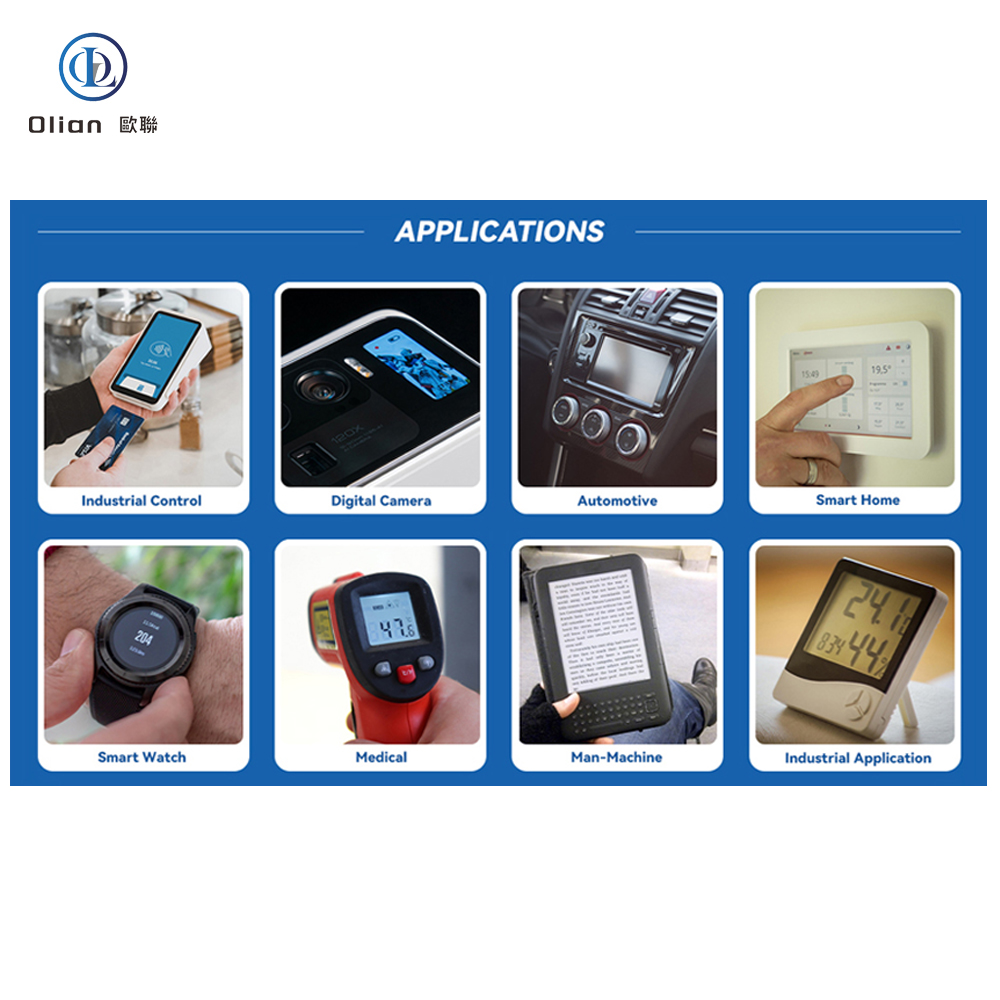
In the rapidly evolving world of electronics and display manufacturing, precision bonding technologies play a crucial role in creating high-quality, reliable, and innovative products. Whether you are producing smartphone screens, wearable devices, large TV panels, or advanced OLED displays, our company offers a comprehensive range of bonding machines and solutions to meet your specific needs. Below is an introduction to our product offerings, covering various bonding technologies and applications.
Chip on Glass (COG) Bonding Machines
COG (Chip on Glass) technology is a widely used method for mounting LCD driver chips directly onto the glass substrate of a display panel
. This technique is known for its simplicity, cost-effectiveness, and reliability. Our COG bonding machines are designed to provide high precision and efficiency, making them ideal for applications such as smartphone screens, LCD panels, and other display devices
. We offer both pre-bonding and main-bonding machines, ensuring accurate alignment and strong connections.
Chip on Film (COF) Bonding Machines
COF (Chip on Film) technology represents a significant advancement in display manufacturing. It involves mounting integrated circuits (ICs) onto flexible printed circuits (FPCs), which can then be bent and folded to fit compact spaces
. Our COF bonding machines support high-speed production and offer precise temperature and pressure control, ensuring reliable connections for applications such as flexible screens, smartwatches, and other wearable devices
. We provide both COF pre-bonding and main-bonding machines, tailored to meet the demands of modern display manufacturing
.
Chip on Plastic (COP) Bonding Machines
COP (Chip on Plastic) technology is another innovative approach, where ICs are mounted directly onto plastic substrates. This method is particularly useful for creating lightweight and flexible displays
. Our COP bonding machines are designed to handle the unique challenges of plastic substrates, offering high precision and reliability. These machines are ideal for applications such as flexible OLED displays and wearable devices
.
FPC on Glass (FOG) Bonding Machines
FOG (FPC on Glass) bonding involves attaching flexible printed circuits to glass substrates. This technique is commonly used in applications requiring flexibility and compact design, such as touch screens and wearable devices
. Our FOG bonding machines feature advanced alignment systems and precise temperature control, ensuring high-quality connections. We offer both hot press and automated bonding solutions for FOG applications
.
FPC on PCB (FOB) Bonding Machines
FOB (FPC on PCB) bonding machines are designed for attaching flexible printed circuits to printed circuit boards. These machines are essential for creating compact and reliable electronic assemblies, commonly used in smartphones, tablets, and other consumer electronics
. Our FOB bonding machines provide high precision and flexibility, supporting both manual and automated production processes
.
FPC on FPC (FOF) Bonding Machines
FOF (FPC on FPC) bonding involves connecting flexible printed circuits to each other. This technique is ideal for applications requiring extreme flexibility and compactness, such as wearable devices and flexible displays
. Our FOF bonding machines offer high precision and reliability, ensuring strong and durable connections.
Anisotropic Conductive Film (ACF) Bonding Machines
ACF (Anisotropic Conductive Film) bonding is a versatile technique used in various bonding processes, including COG, COF, and FOG
. Our ACF bonding machines are designed to provide precise temperature, pressure, and alignment control, ensuring reliable and high-quality connections. We offer a range of ACF bonding solutions, including pre-bonding and main-bonding machines
.
Tape Automated Bonding (TAB) Machines
TAB (Tape Automated Bonding) is a technique used for bonding integrated circuits to substrates using tape carriers. Our TAB bonding machines are designed for high-speed production and offer precise alignment and bonding capabilities
. These machines are ideal for applications requiring high-density interconnections and compact designs
.
Flexible Printed Circuit (FPC) Bonding Machines
FPC (Flexible Printed Circuit) bonding machines are essential for creating flexible and lightweight electronic assemblies. Our FPC bonding machines offer high precision and reliability, supporting various bonding processes and applications
. These machines are ideal for applications such as wearable devices, flexible displays, and other consumer electronics
.
Additional Bonding Solutions
In addition to the above technologies, we also offer specialized bonding machines for various applications, including:
Touch Panel FPC Bonding Machines: For bonding flexible circuits to touch panels.
Zebra Paper Bonding Machines: For bonding components to Zebra paper.
Pulse Hot Press Machines: For applications requiring rapid heating and cooling.
OLED Bonding Machines: For bonding OLED displays.
Camera FPC Bonding Machines: For bonding flexible circuits to camera modules.
Why Choose Our Bonding Machines?
Our bonding machines are designed with the latest innovations in mind, ensuring high precision, reliability, and efficiency. Key features of our machines include:
High Precision: Equipped with advanced vision systems and precise temperature control.
Versatility: Support a wide range of bonding processes and applications.
Automation: Available in both semi-automatic and fully automatic configurations.
Customization: Tailored solutions to fit your specific manufacturing processes and requirements.
Conclusion
Whether you are producing smartphone screens, wearable devices, large TV panels, or advanced OLED displays, our comprehensive range of bonding machines is designed to meet your specific needs. With advanced features such as high precision, versatility, and automation, our machines are ideal for ensuring high-quality connections and efficient production processes. Contact us today to find the perfect bonding machine for your application.