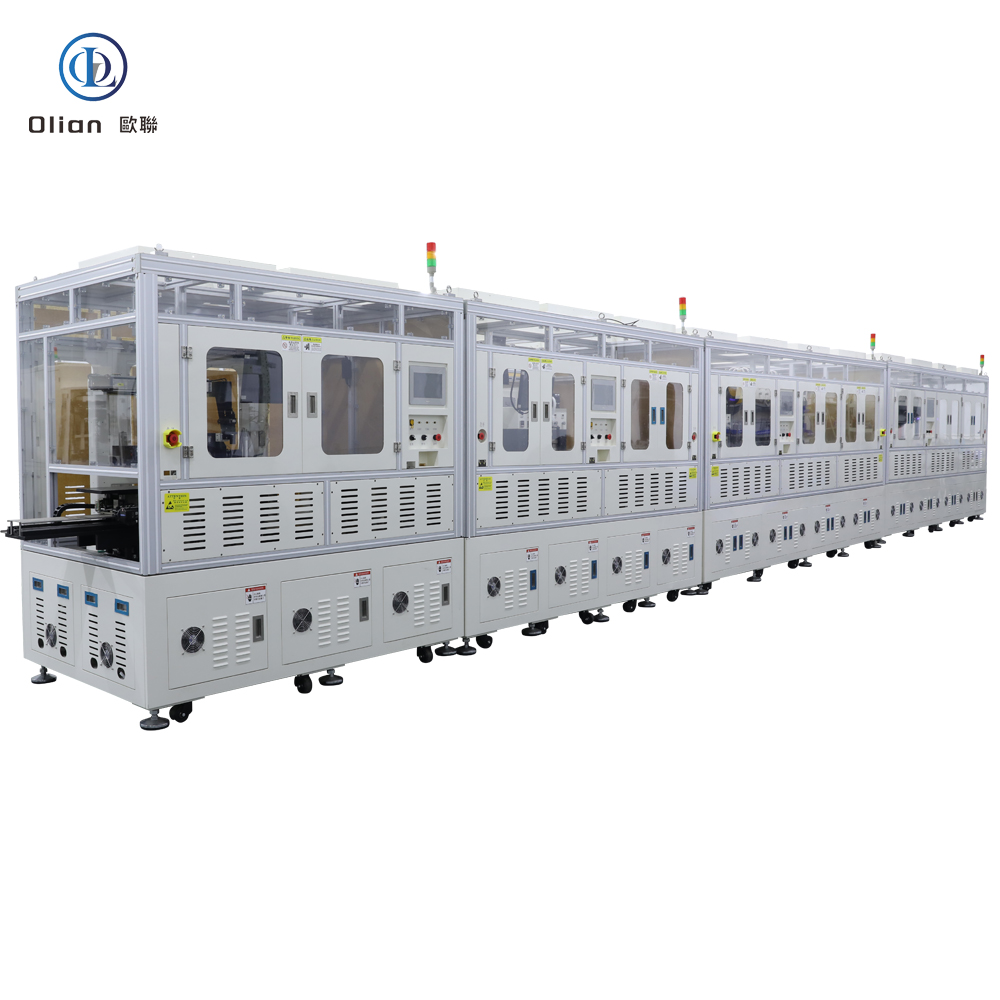
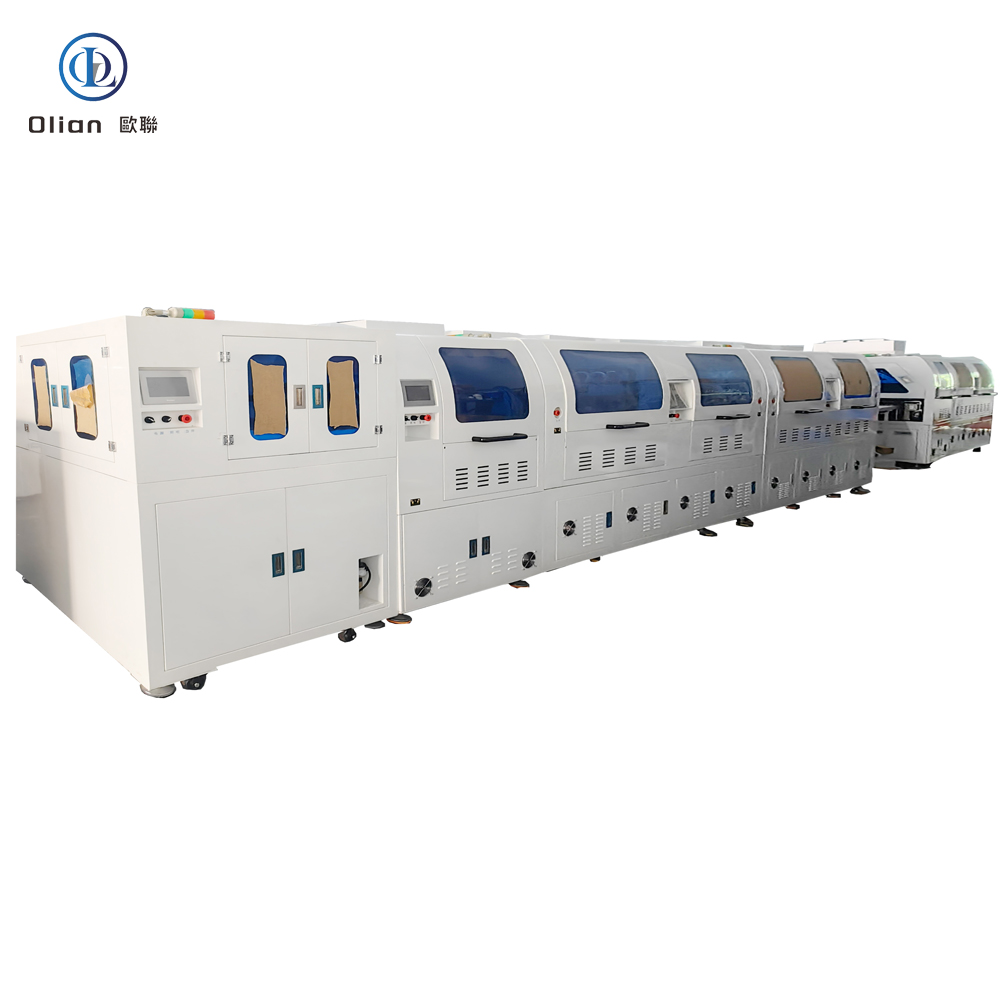
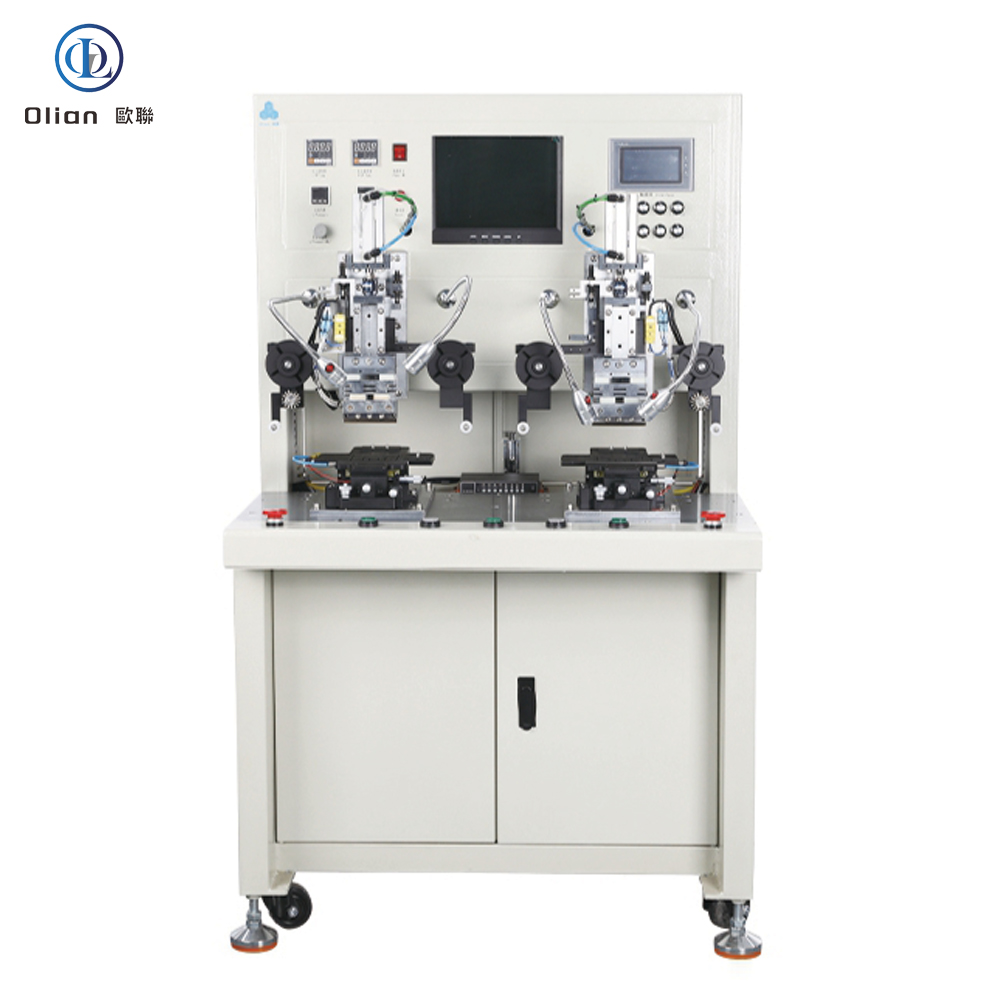
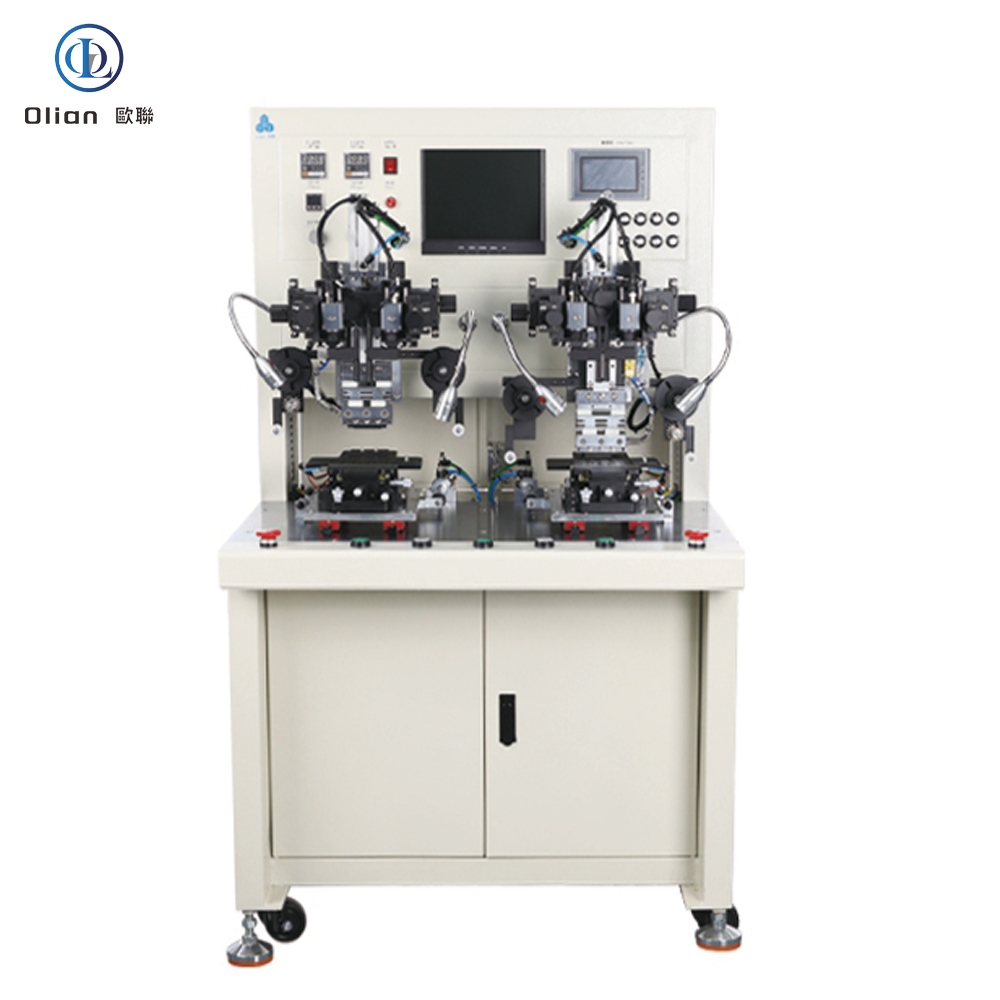
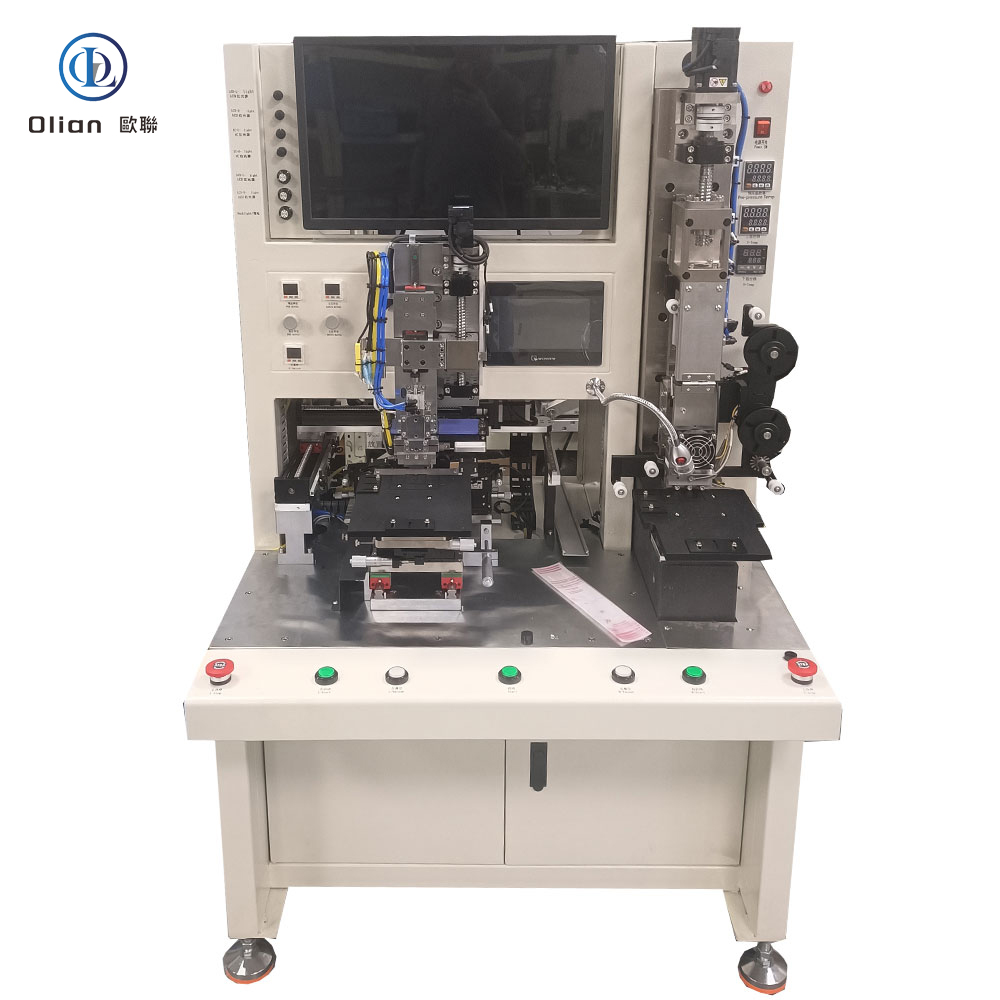
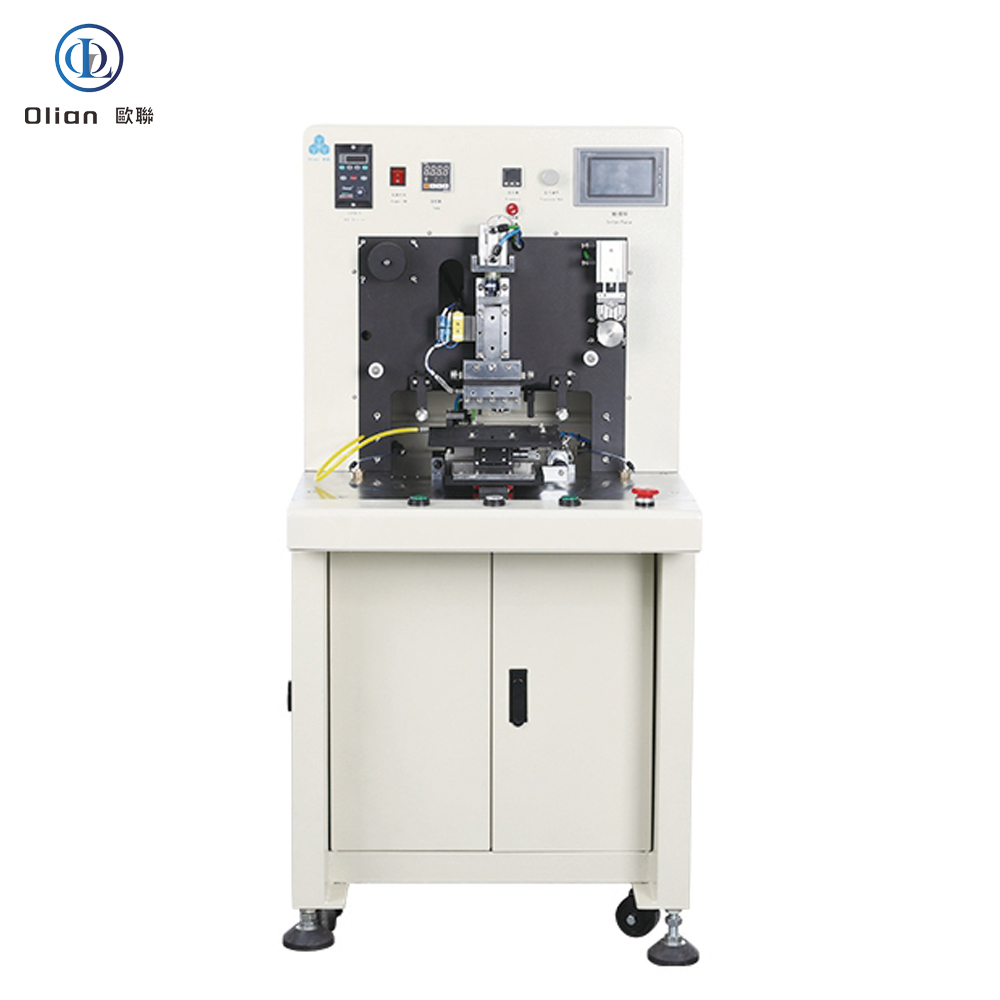
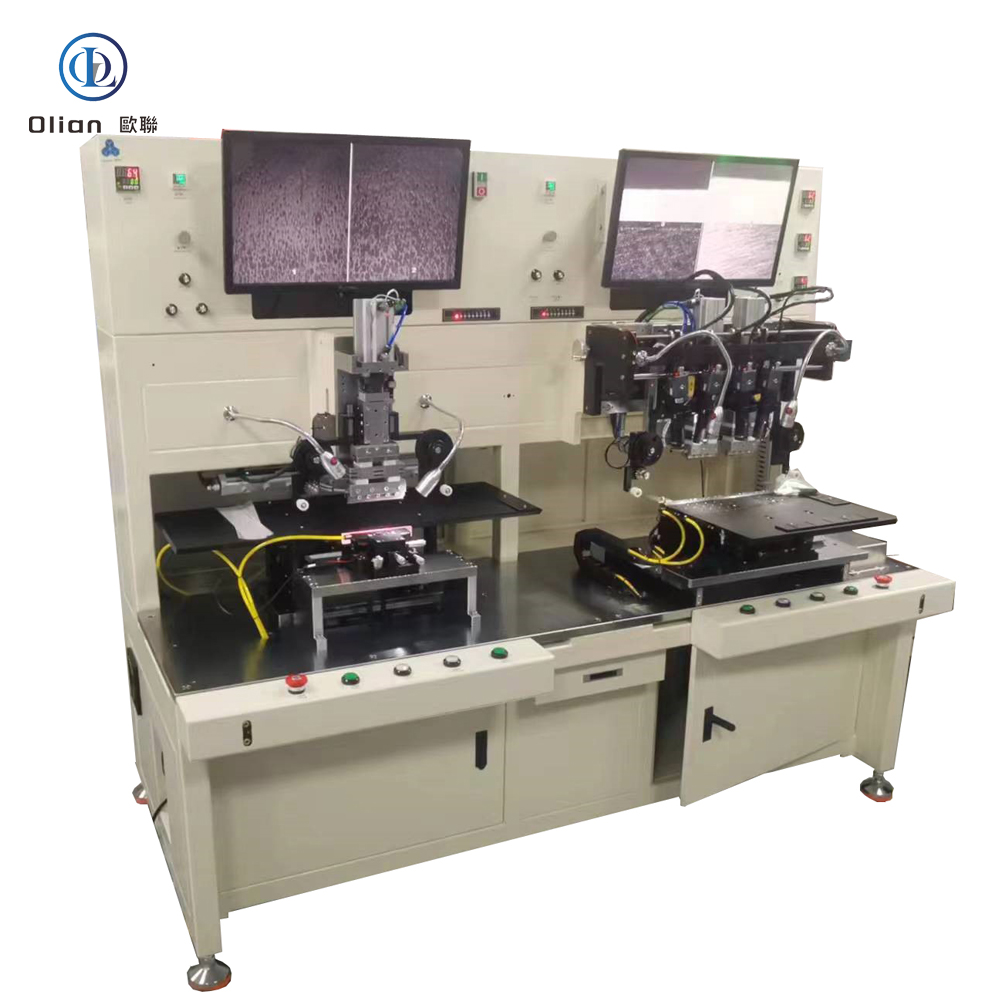
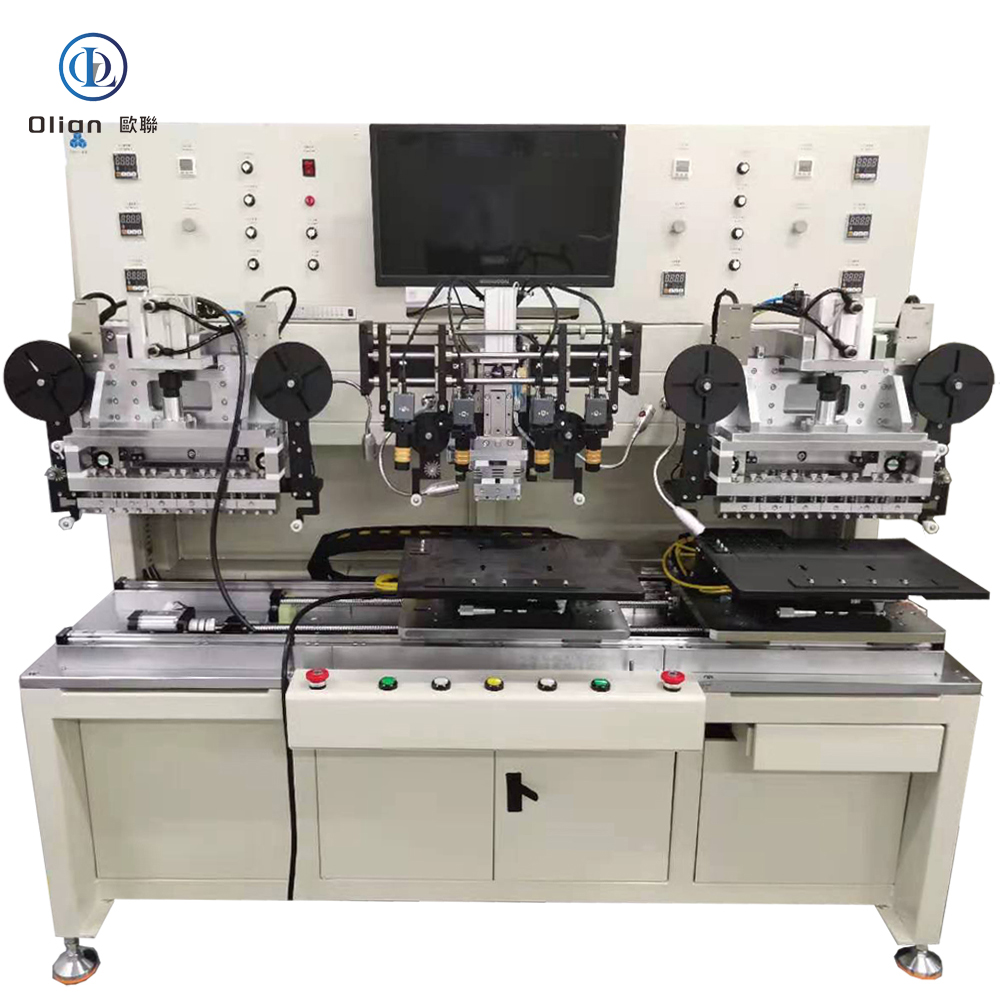
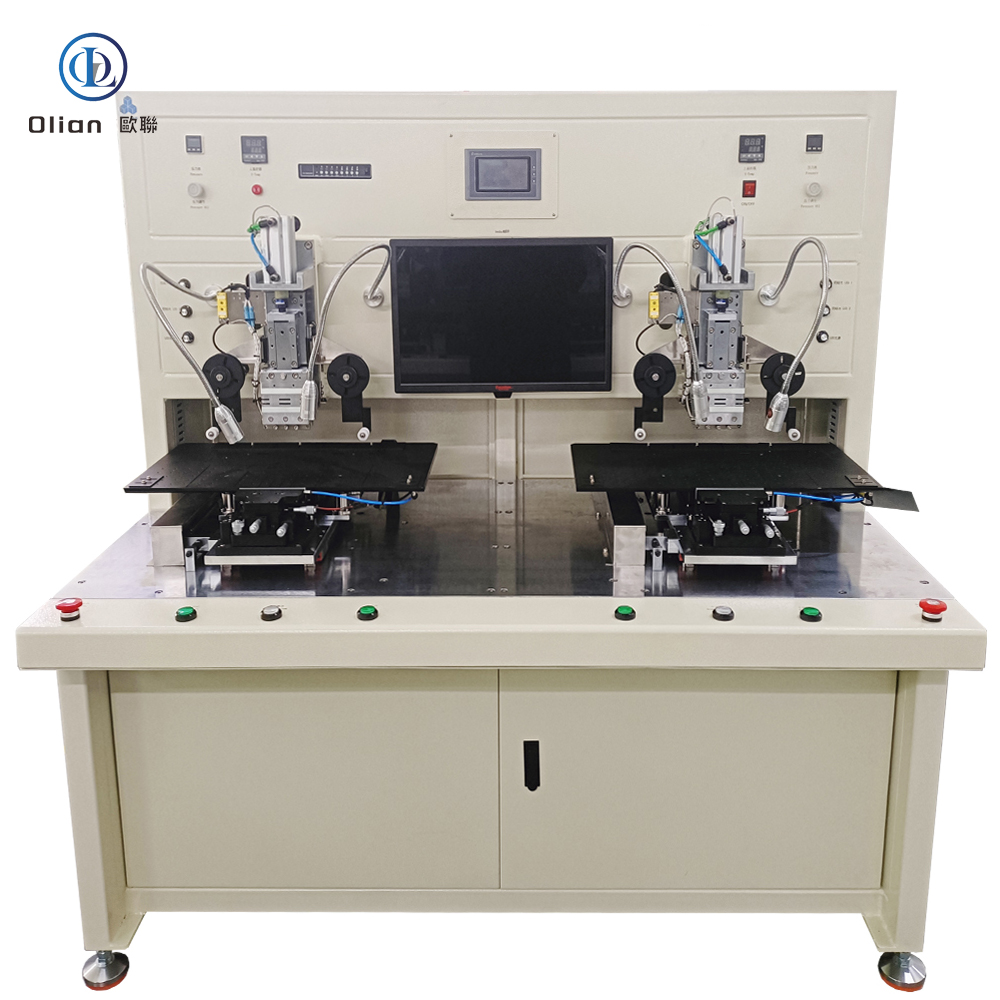
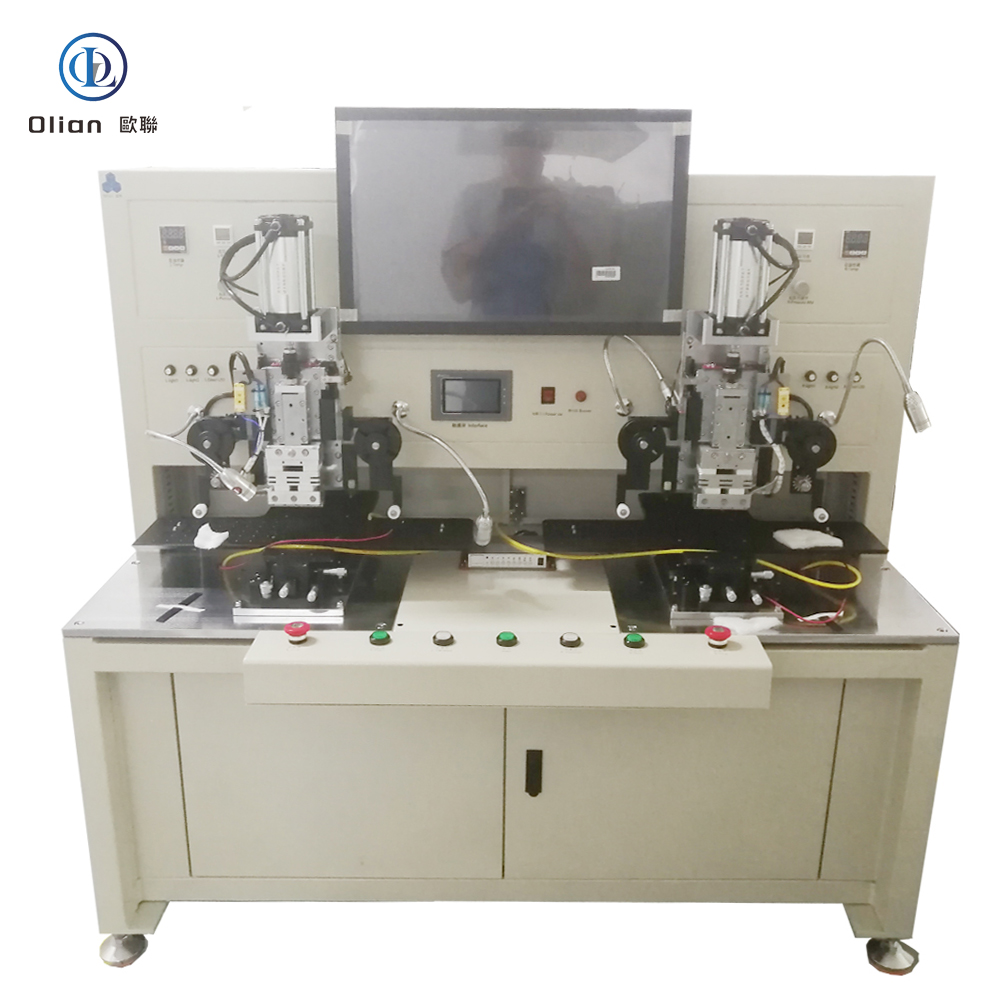
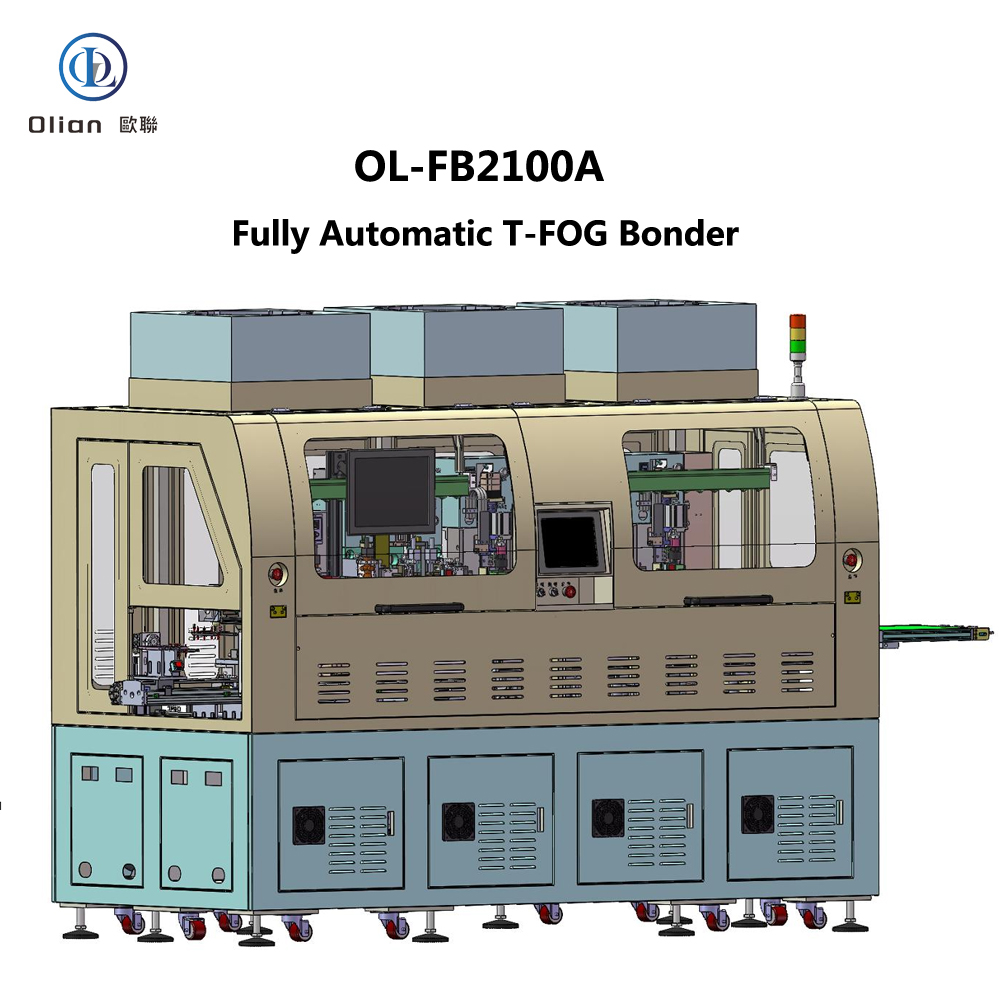
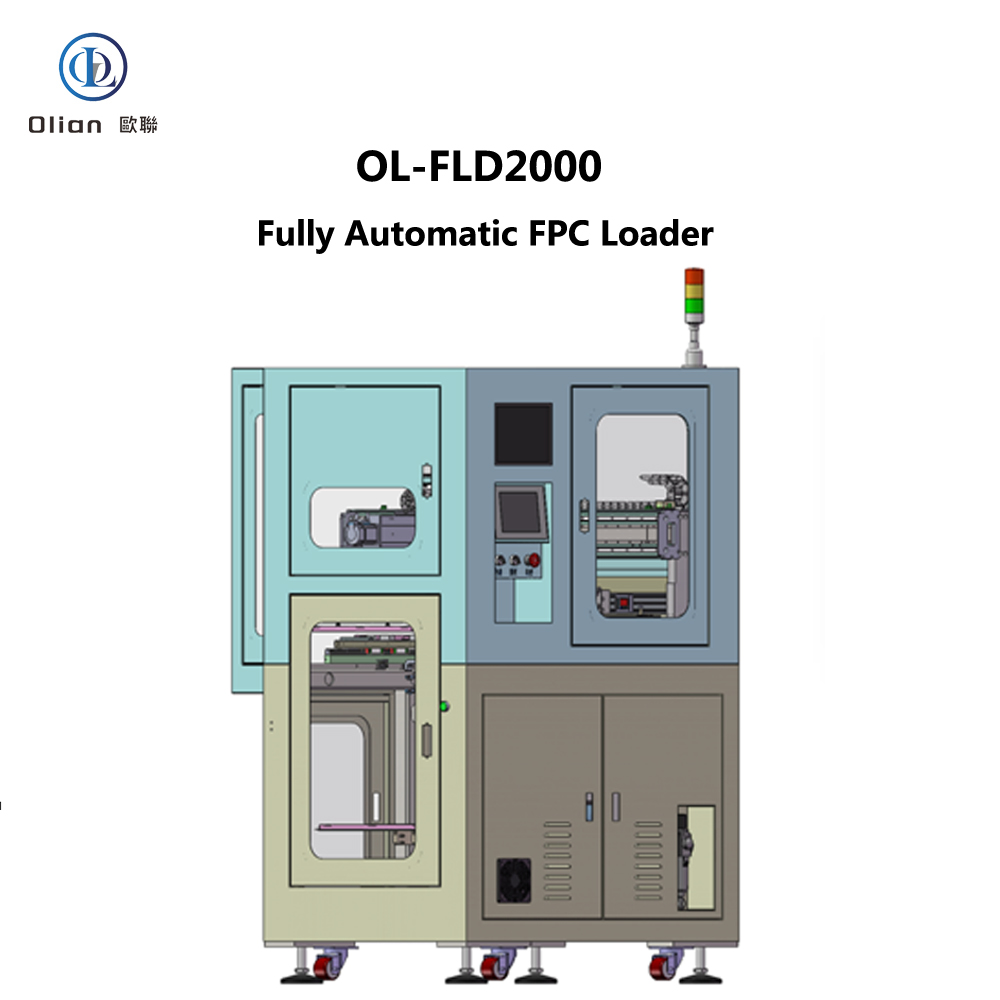
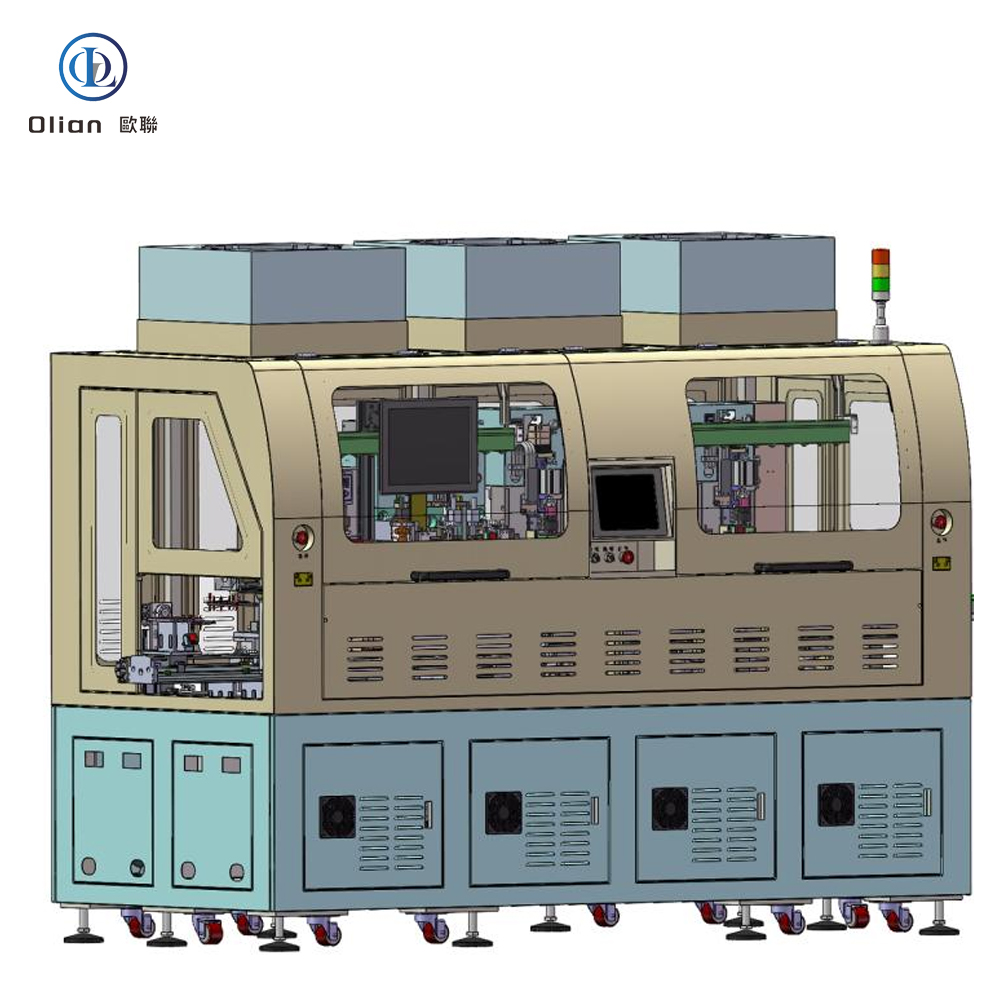
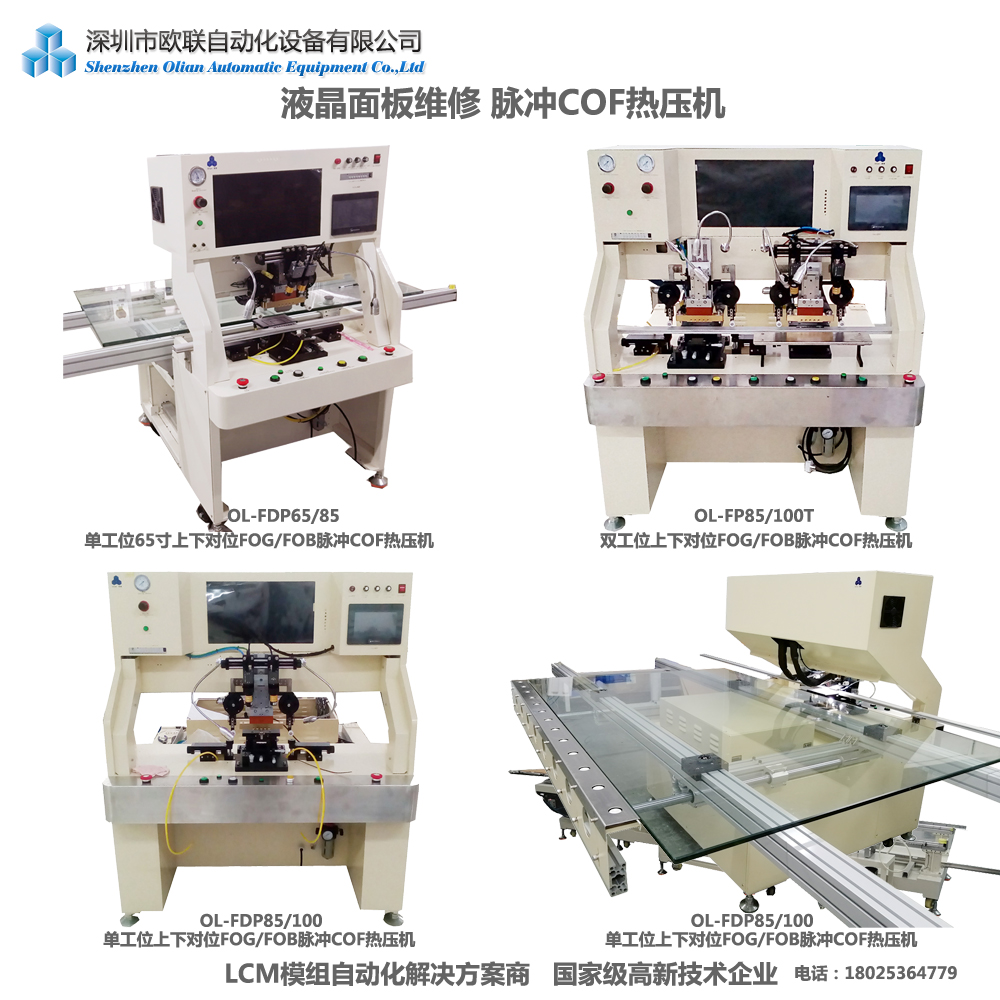
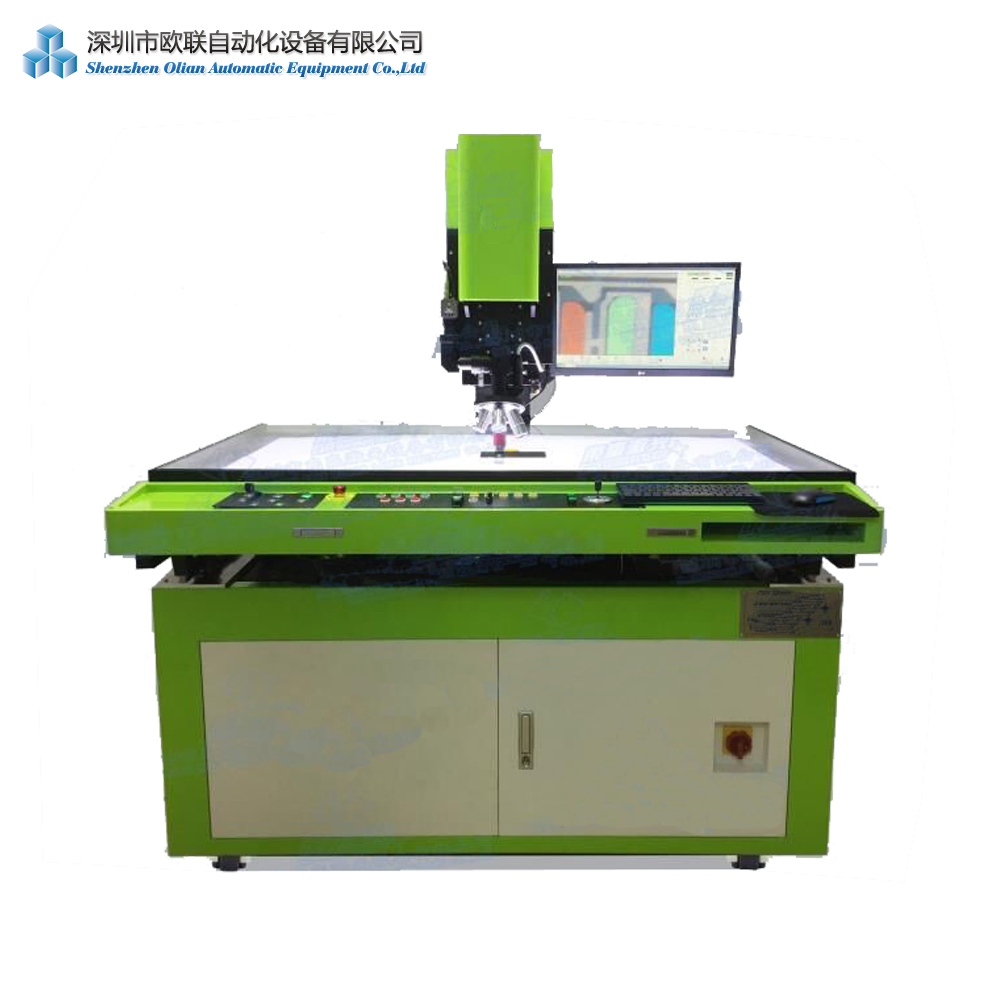
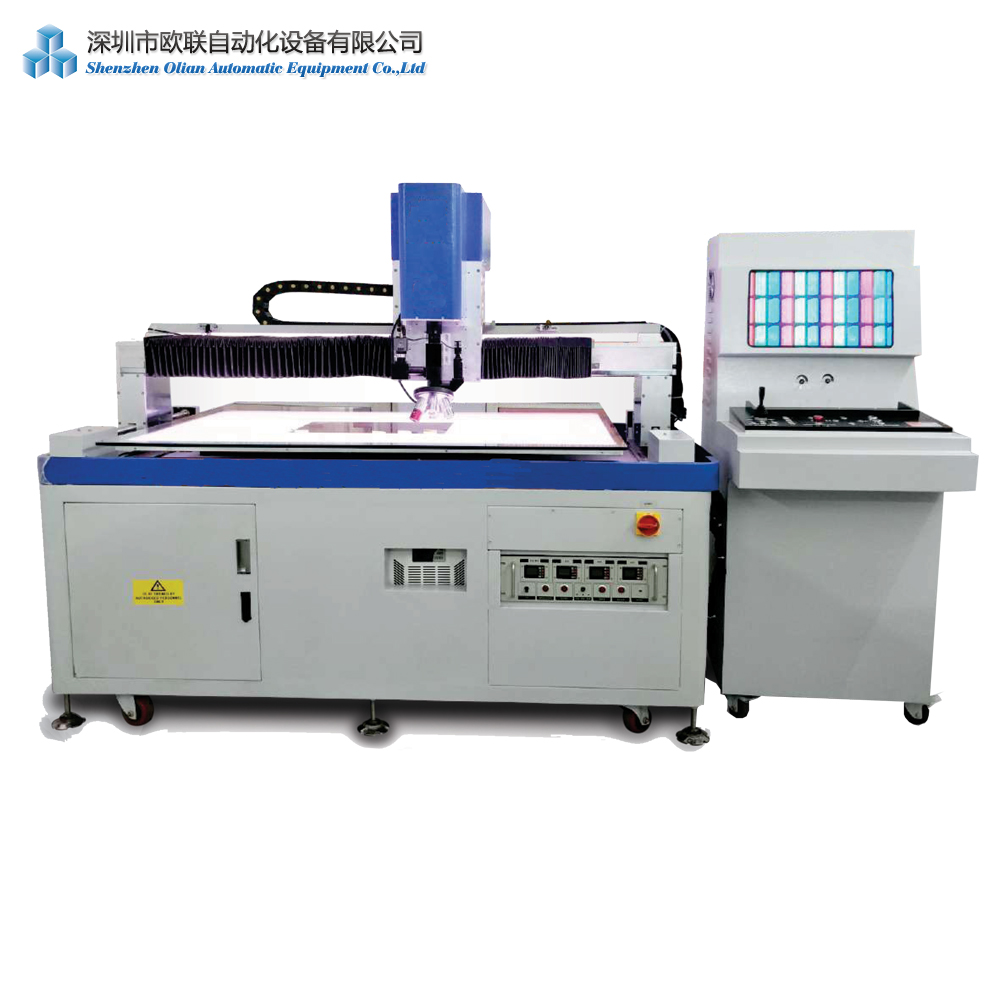
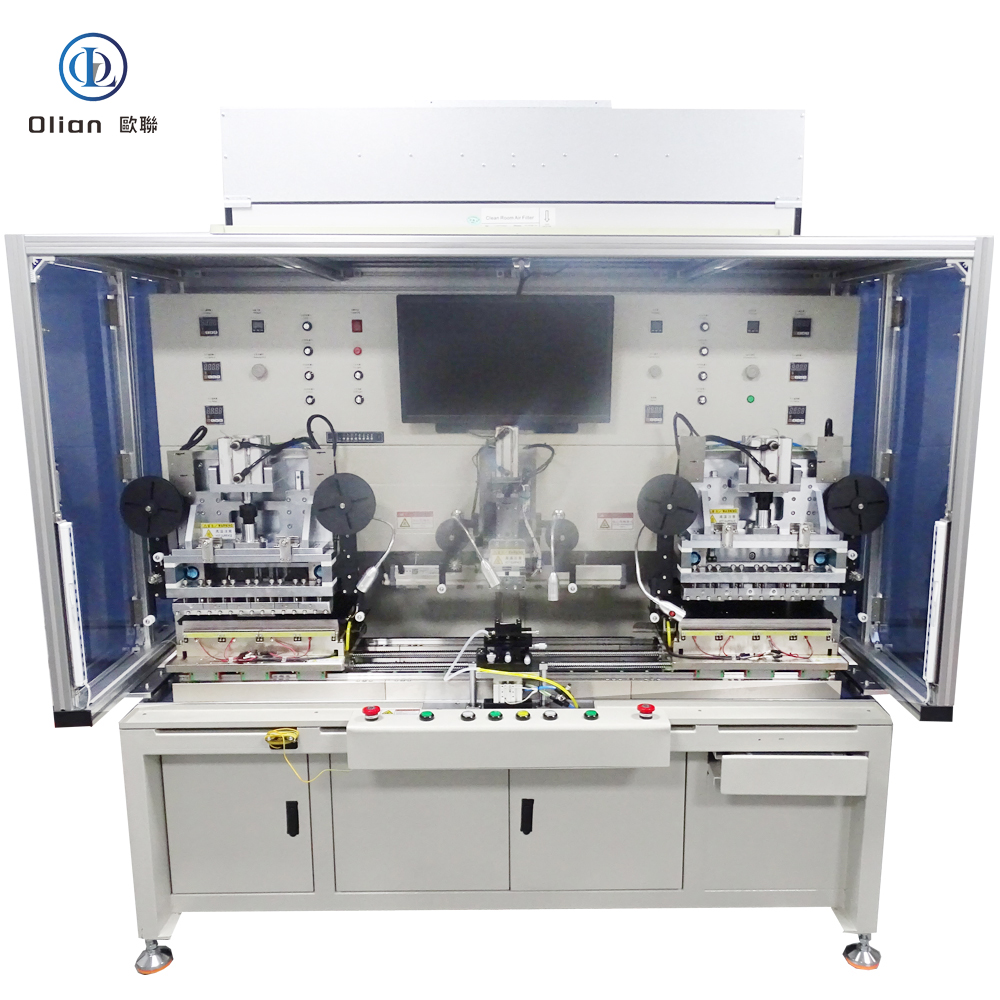
In the modern electronics manufacturing landscape, Anisotropic Conductive Film (ACF) bonding machines have become indispensable tools for creating reliable and high-quality connections between various components. Whether you are involved in the production of LCD panels, flexible circuits, or advanced display technologies, the right ACF bonding machine can significantly enhance your manufacturing efficiency and product quality. This article provides an in-depth introduction to the different types of ACF bonding machines and their applications, helping you find the perfect solution for your needs.
ACF Bonding Parts and AccessoriesSmart Wear LCD OLED Bonding Production Whole Line SolutionFOG FOP FOF FOB T-FOG FPC Flex Cable Bonding MachineFOG FOP FOF FOB T-FOG FPC Flex Cable Bonding MachineFOG FOP FOF FOB T-FOG FPC Flex Cable Bonding MachineFPC PRE BONDING MAIN BONDERIC MIAN BONDERCOF PRE BONDER MAIN BONDERCOF COP COG IC PRE BONDERCOF COP COG IC BONDERFOG FOP FOF FOB T-FOG FPC Flex Cable Bonding MachineFOG FOP FOF FOB T-FOG FPC Flex Cable Bonding Machine7-17INCH FOG FOB PRE AND MAIN BONDING MACHINE
Introduction to ACF Bonding Machines
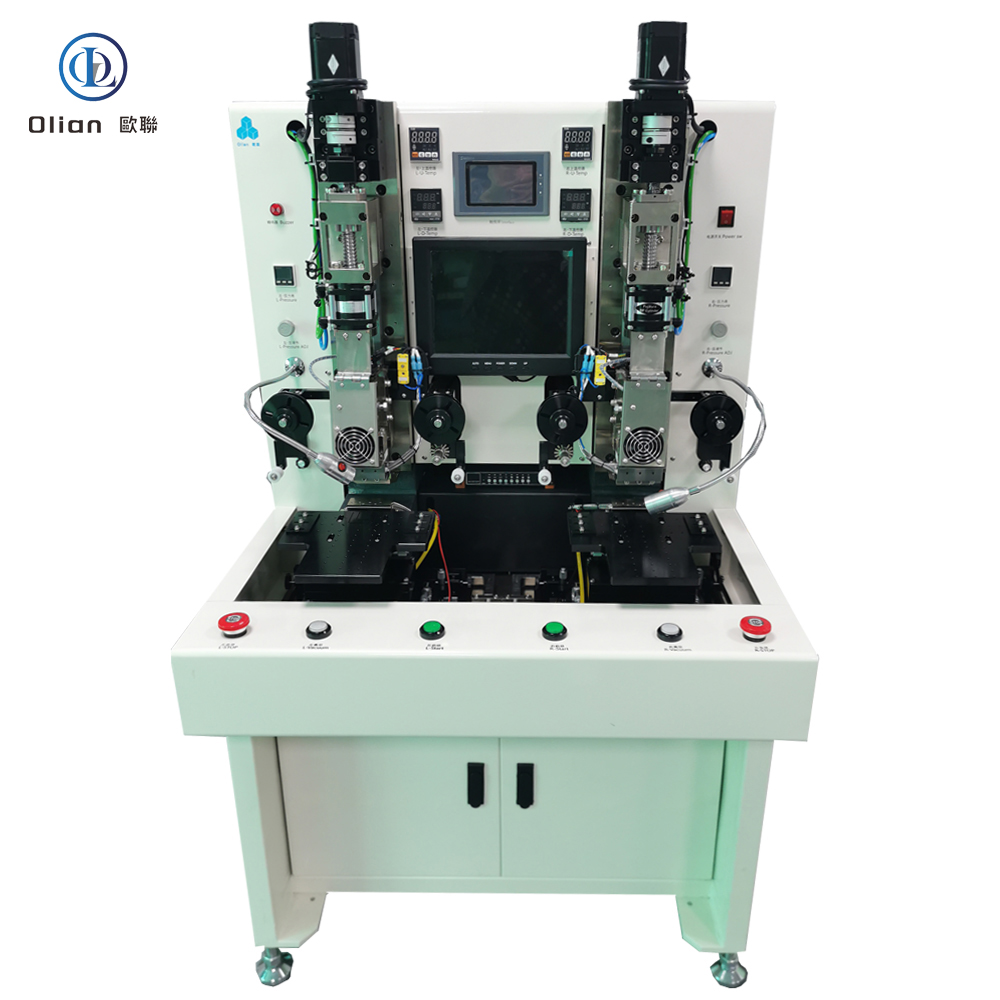
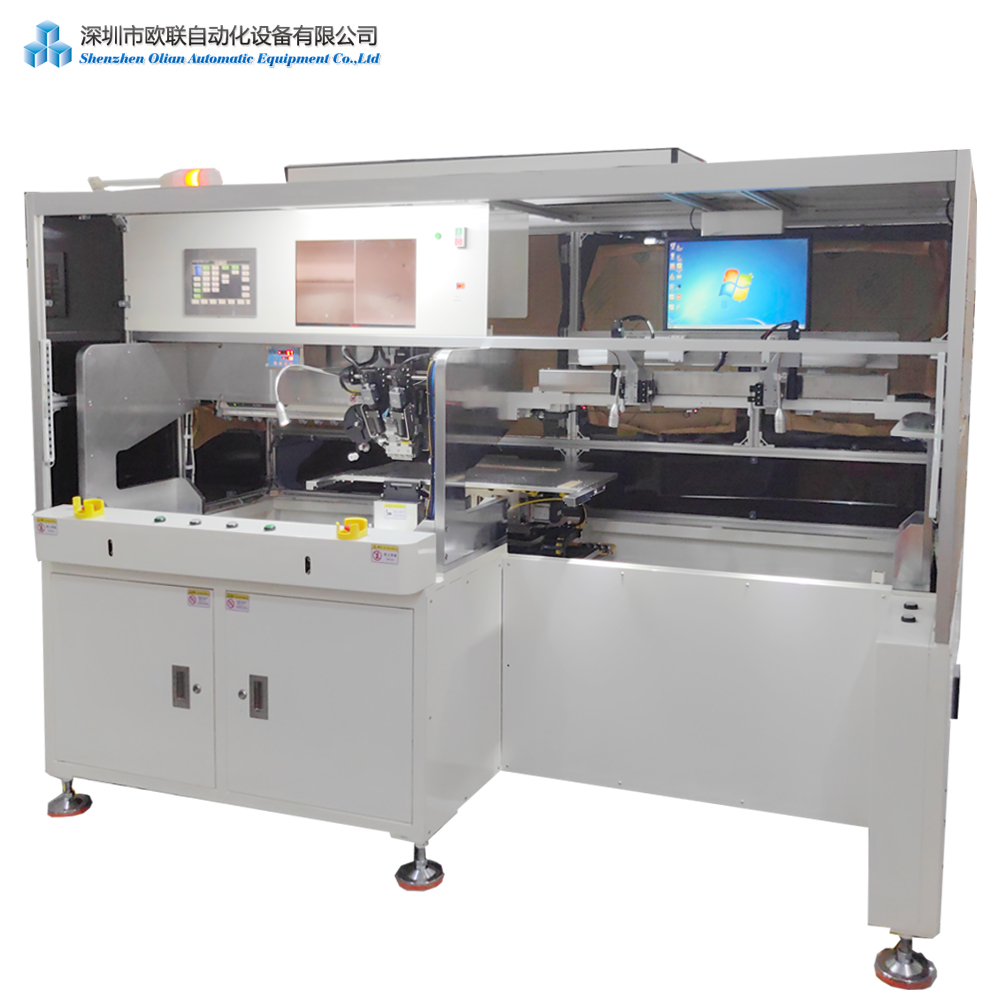
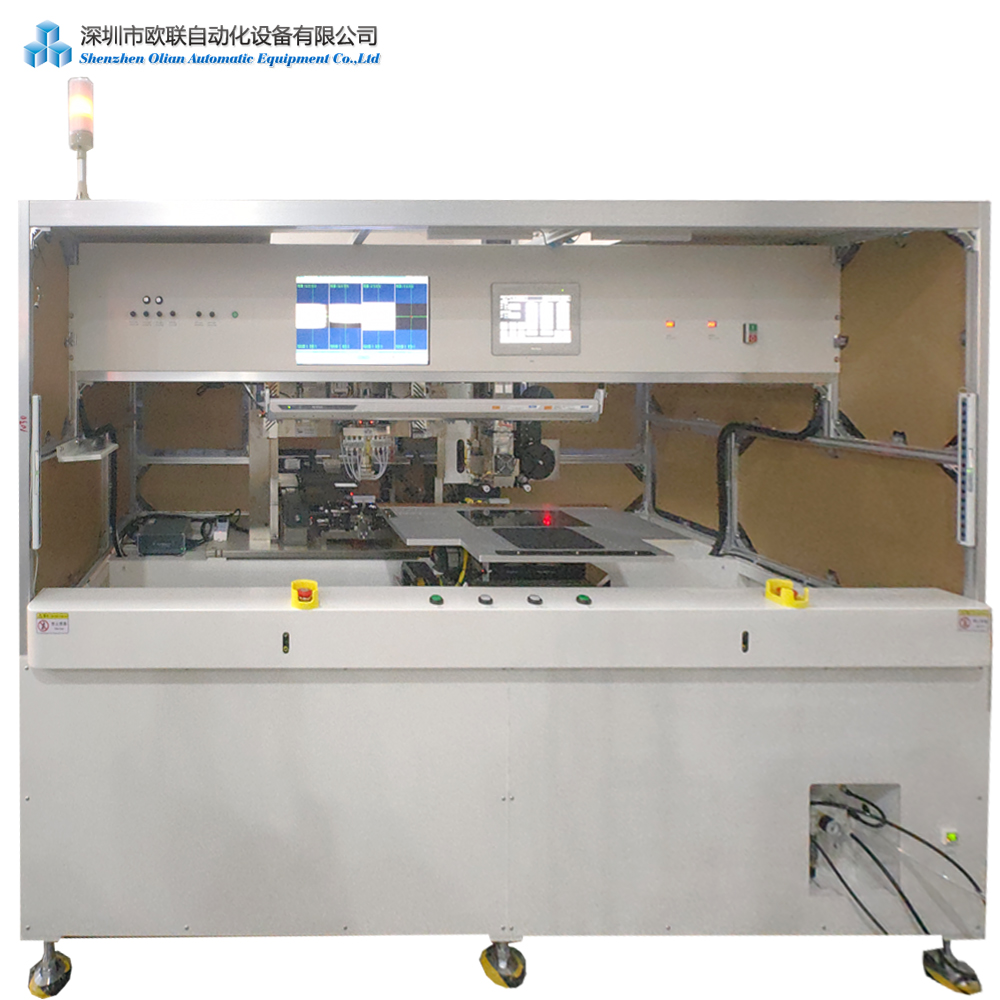
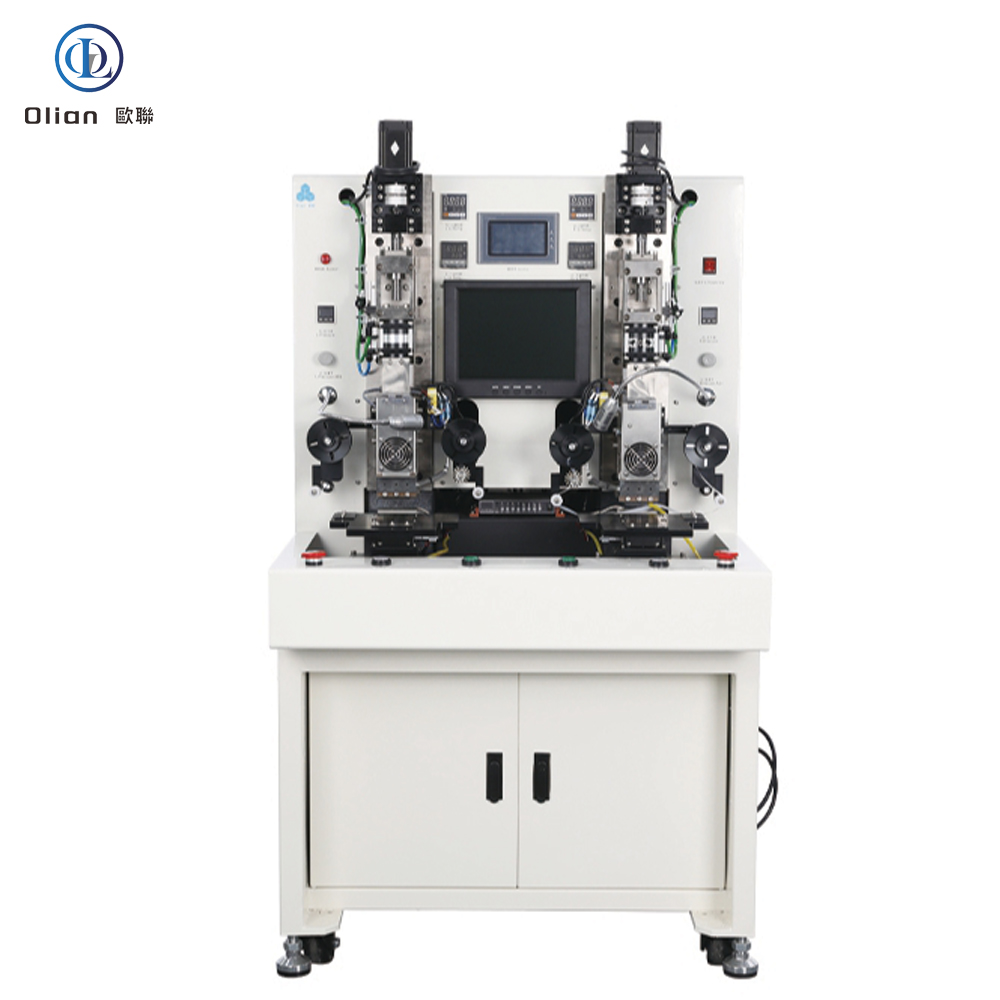
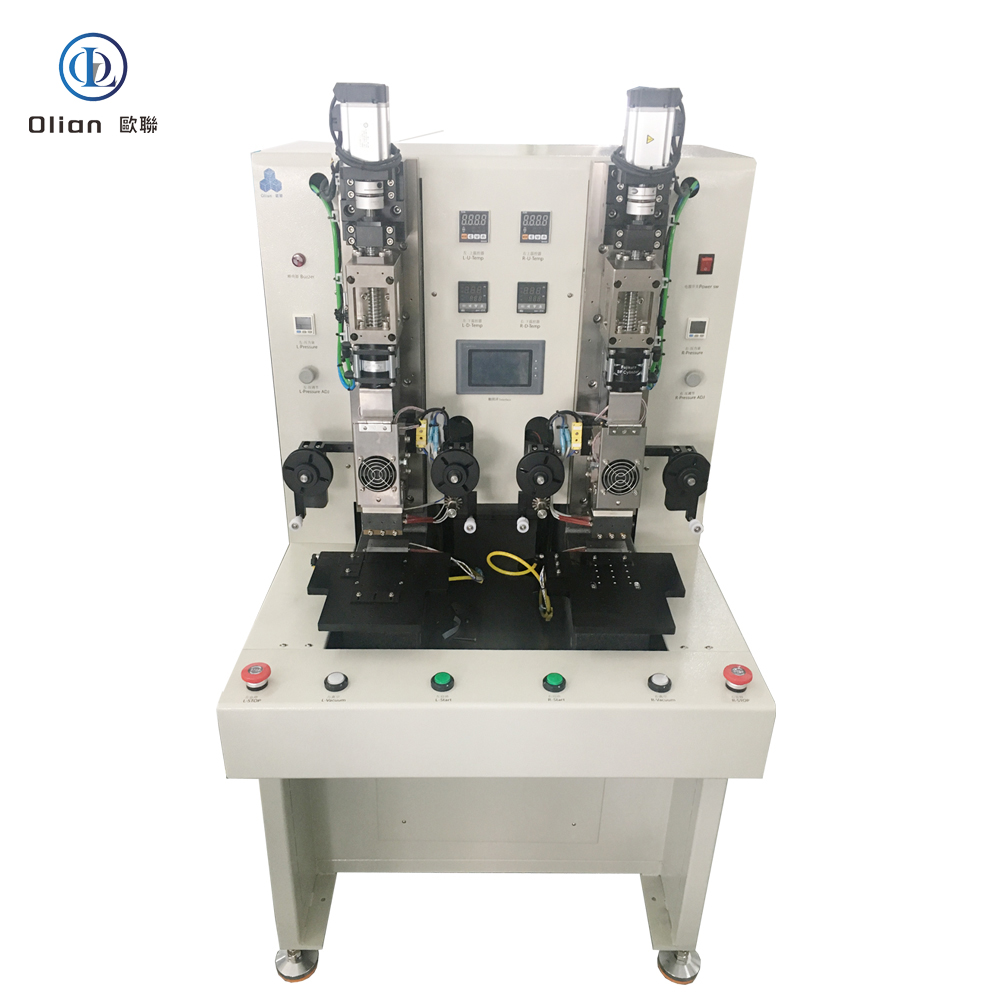
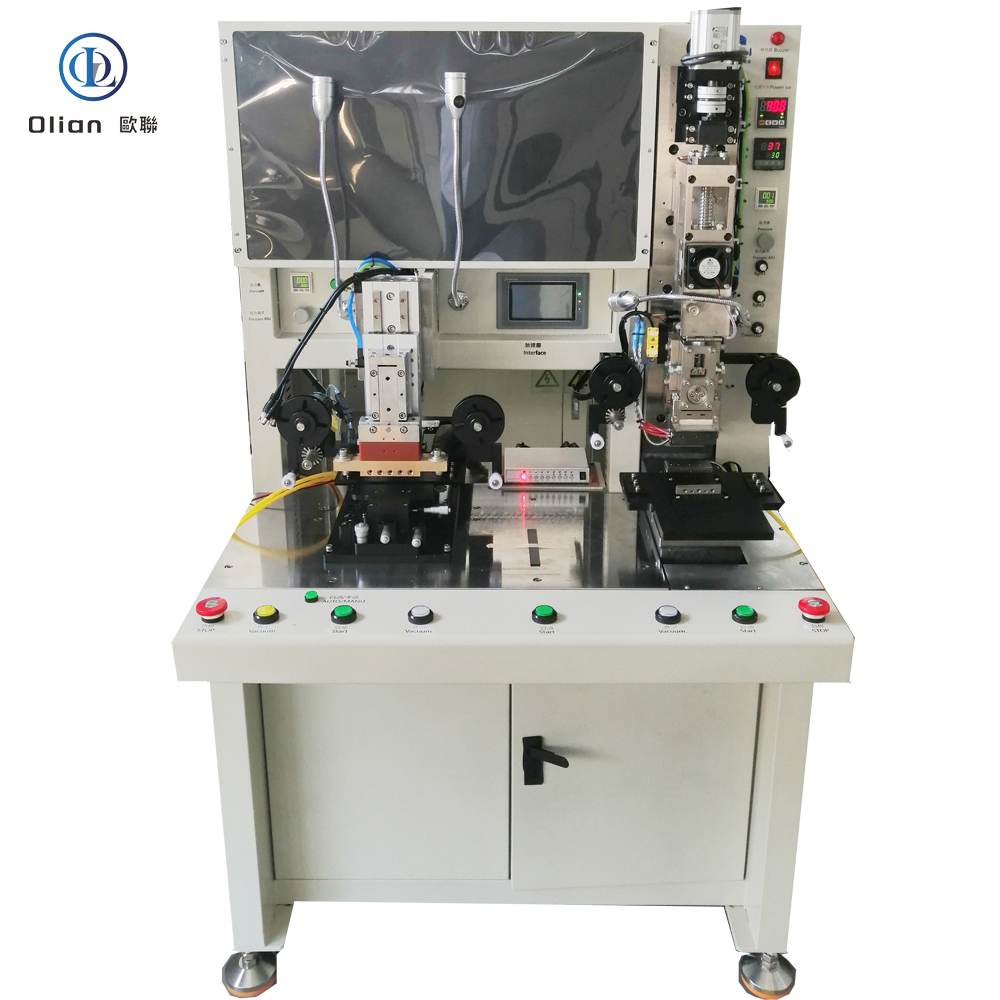
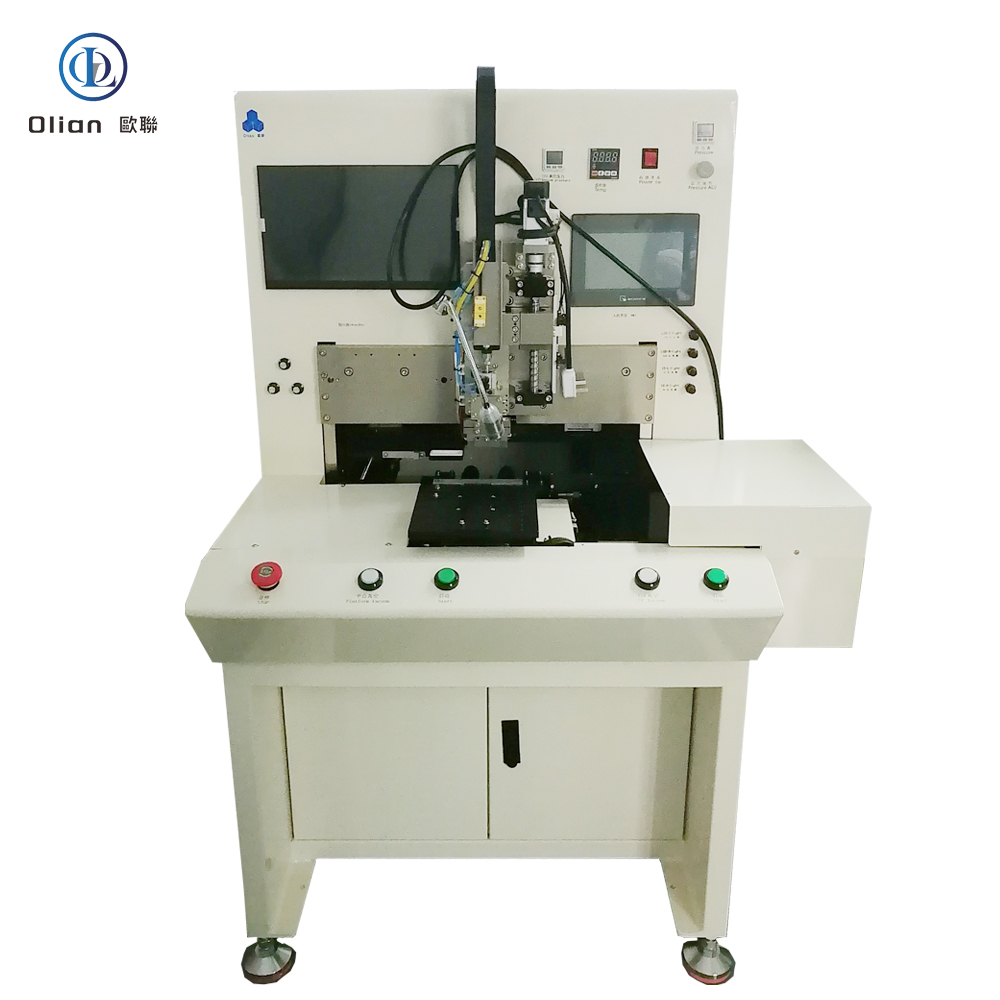
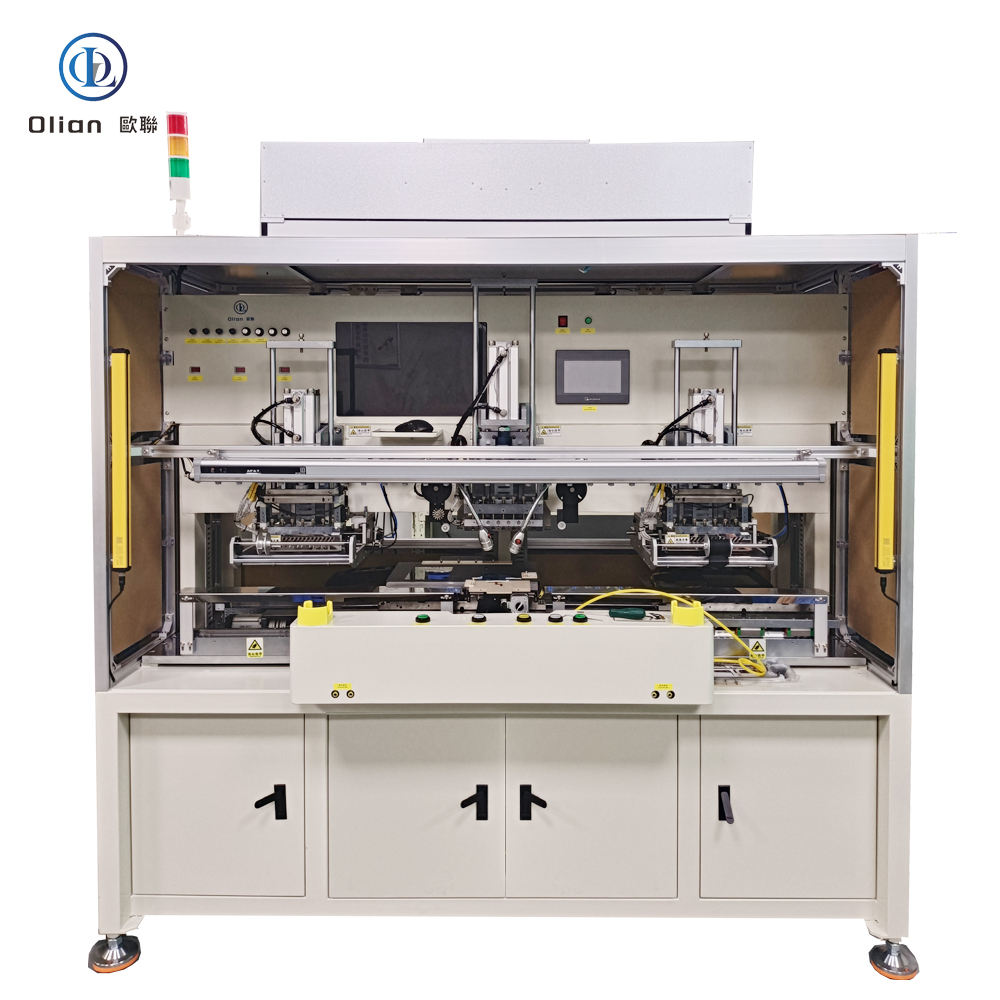
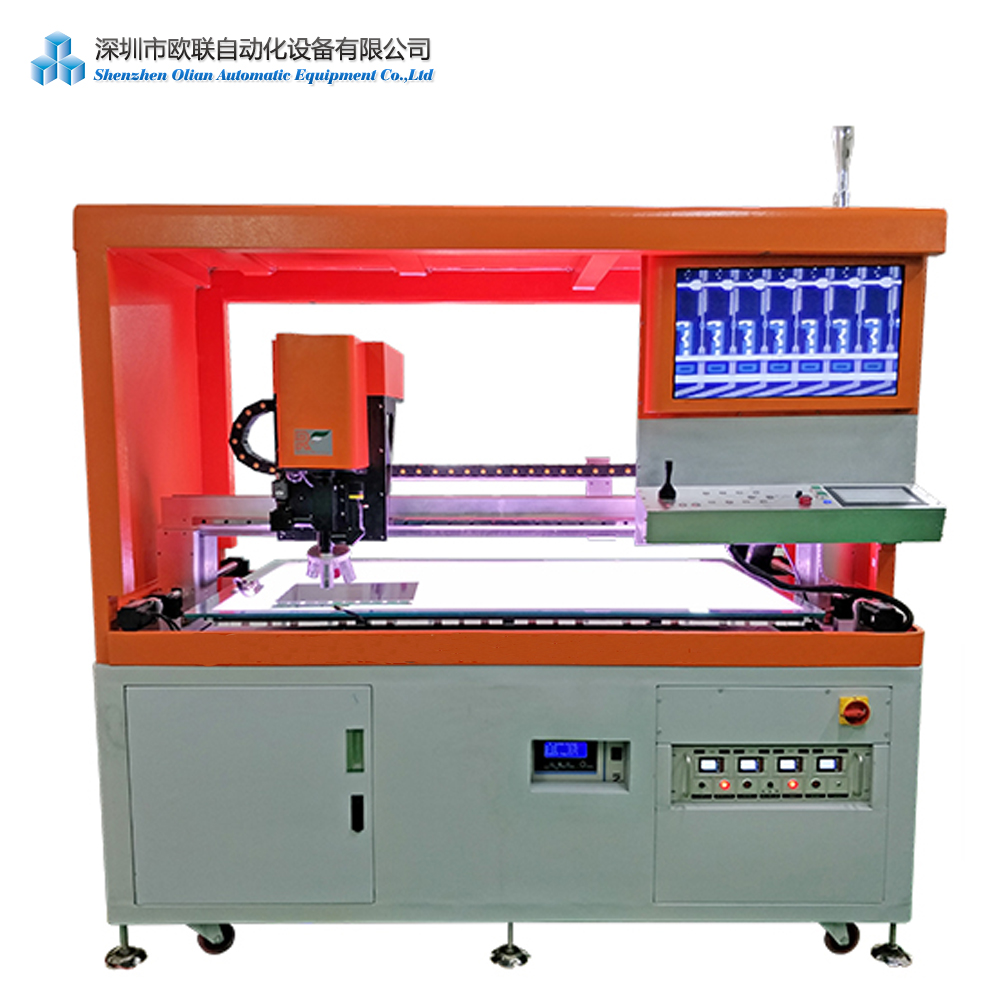
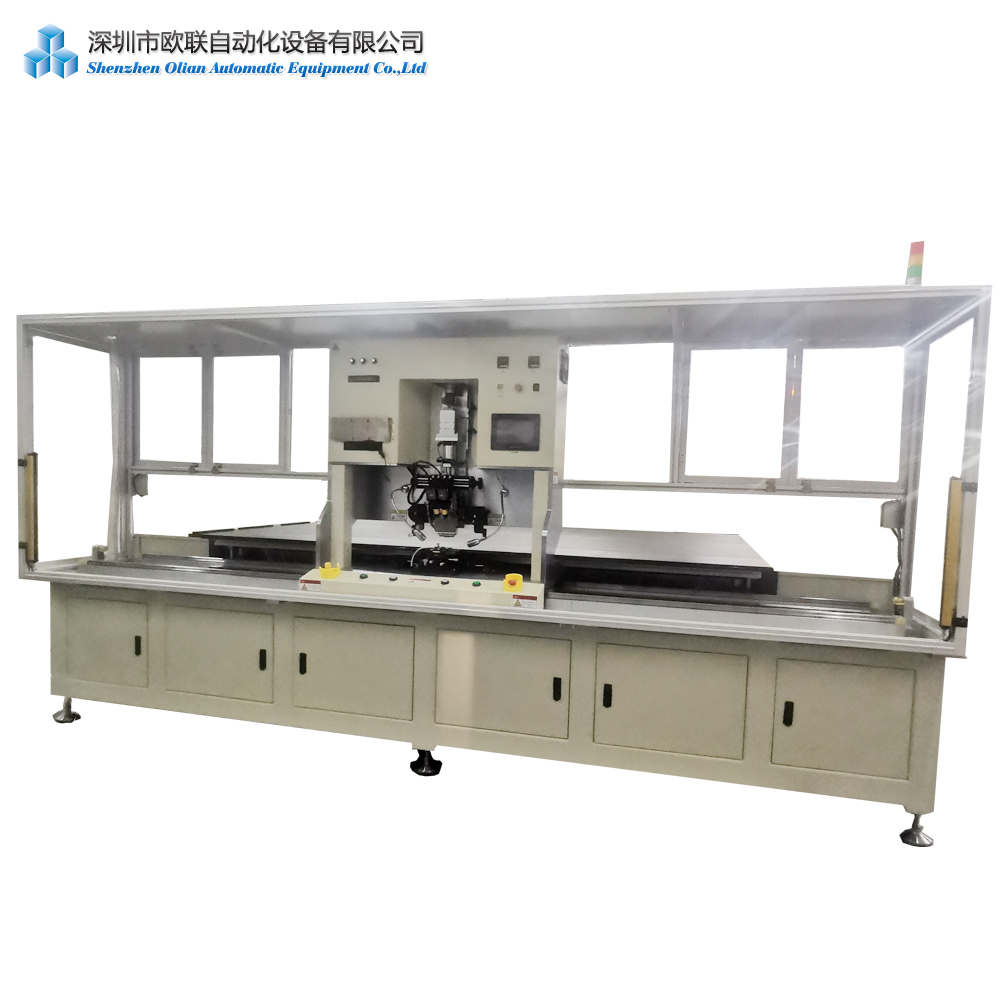
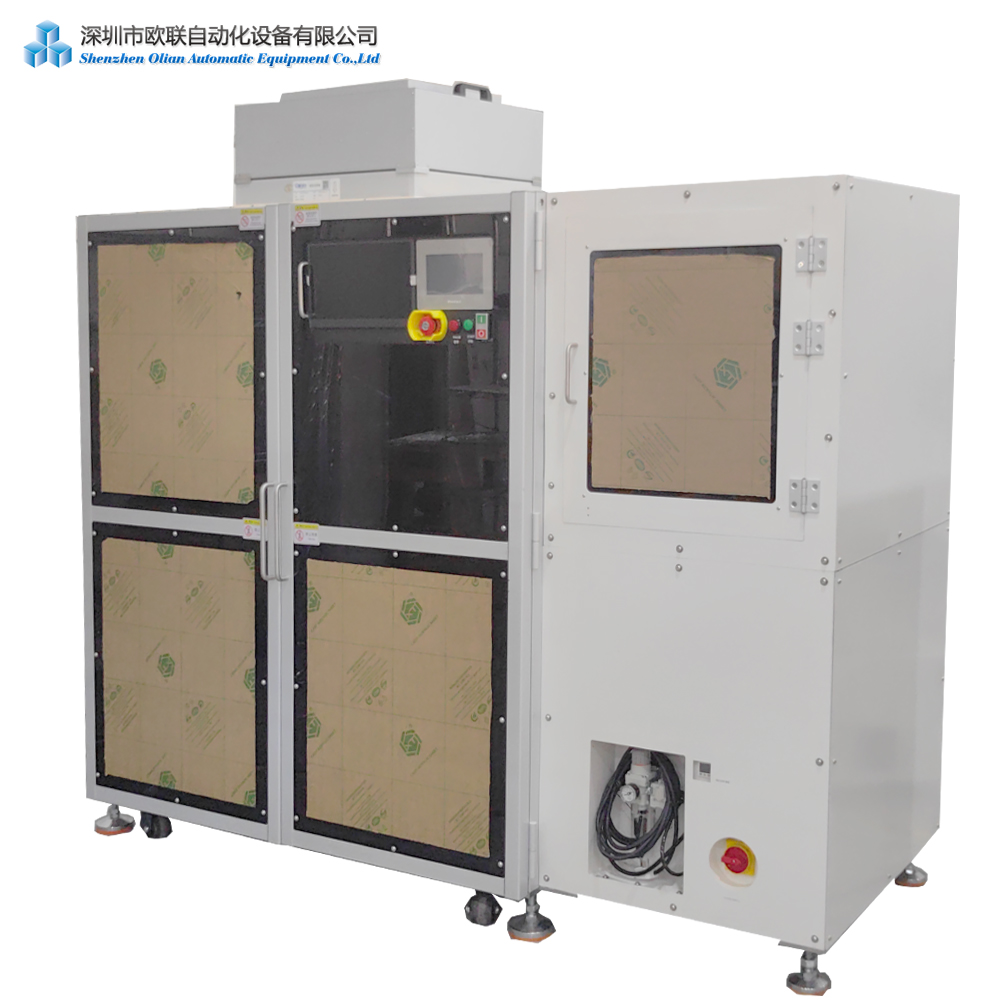
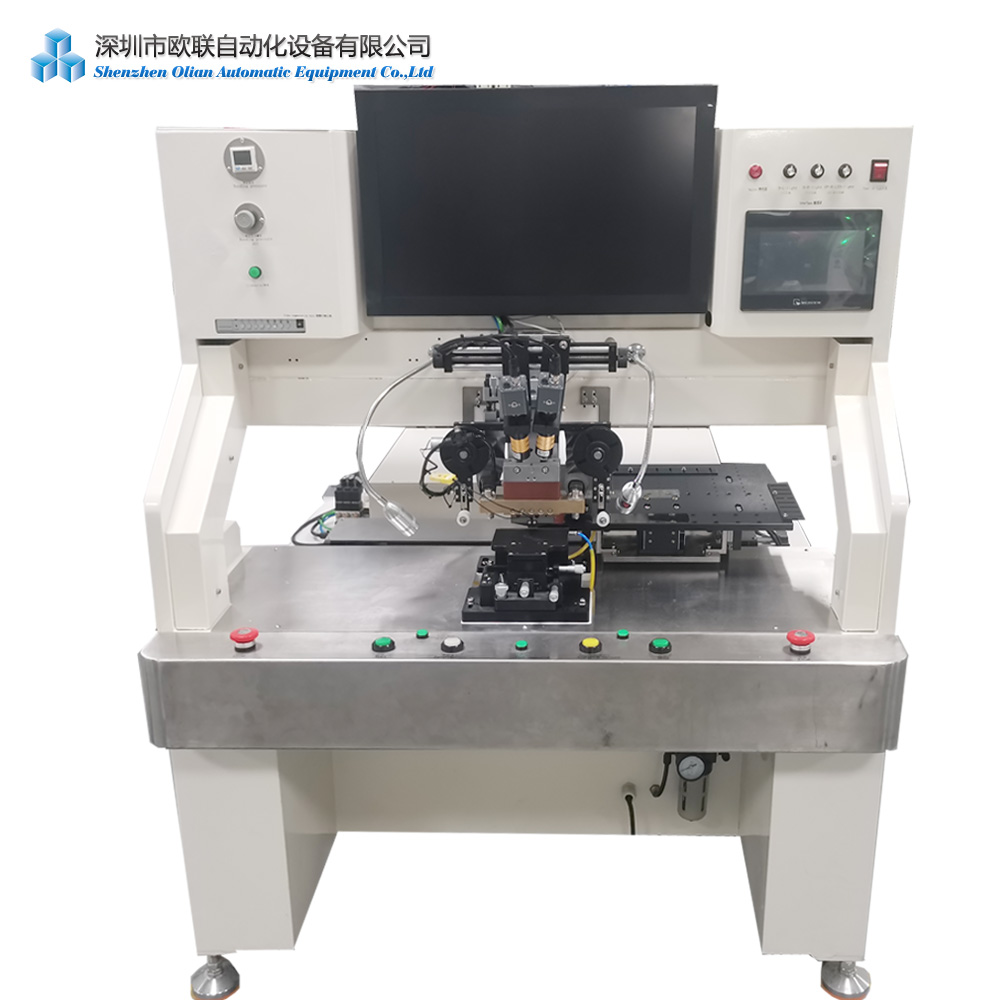
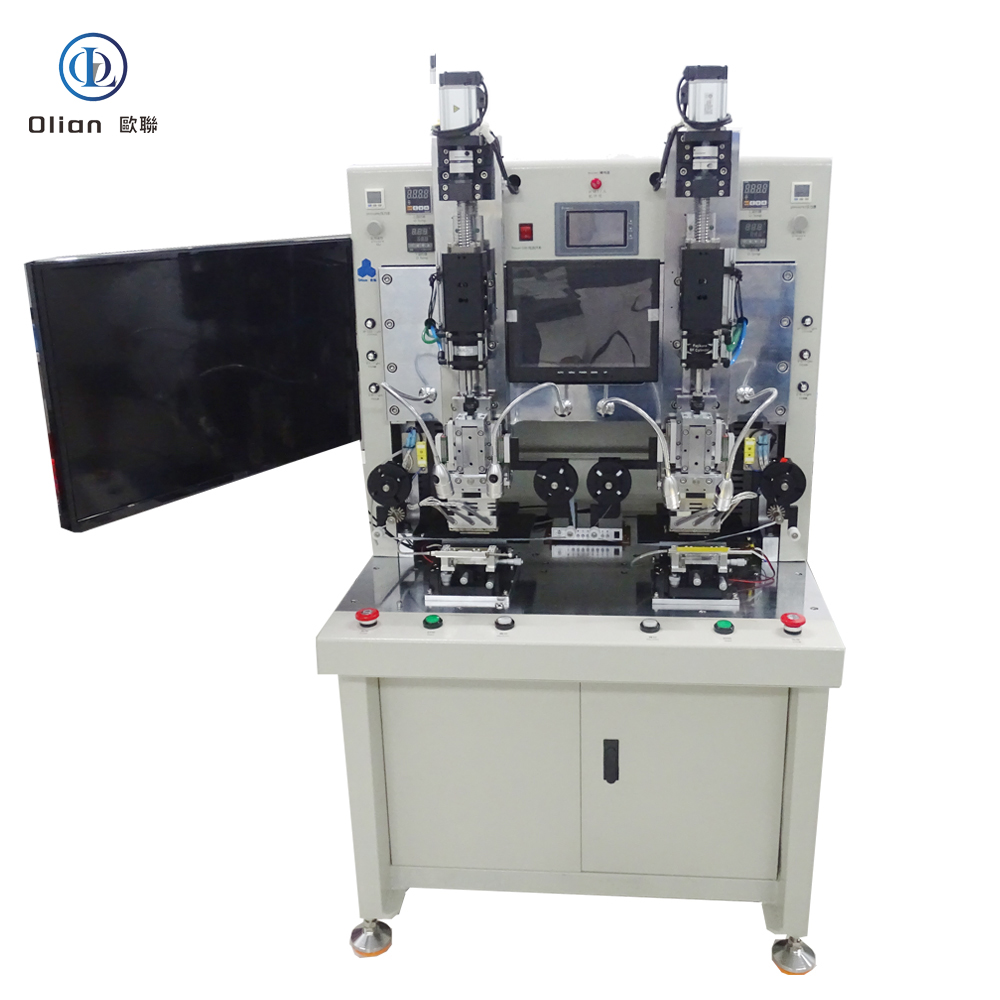
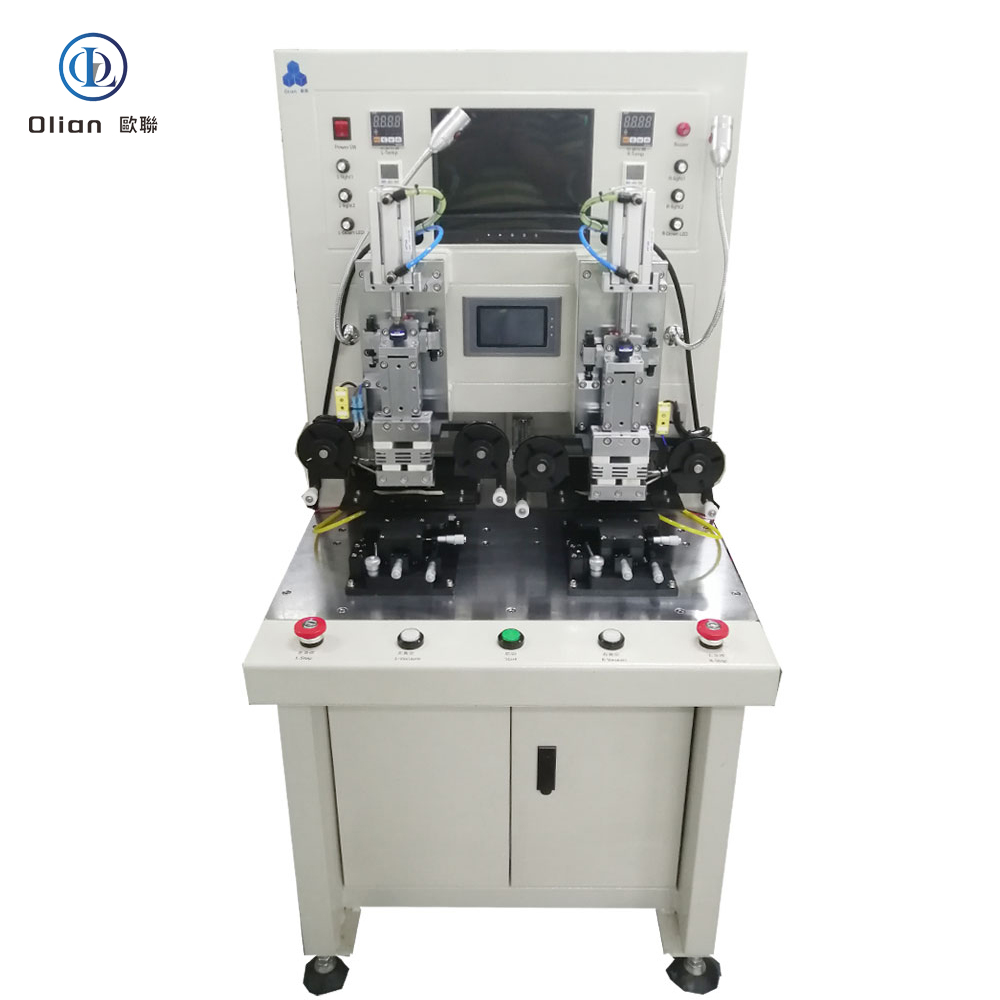
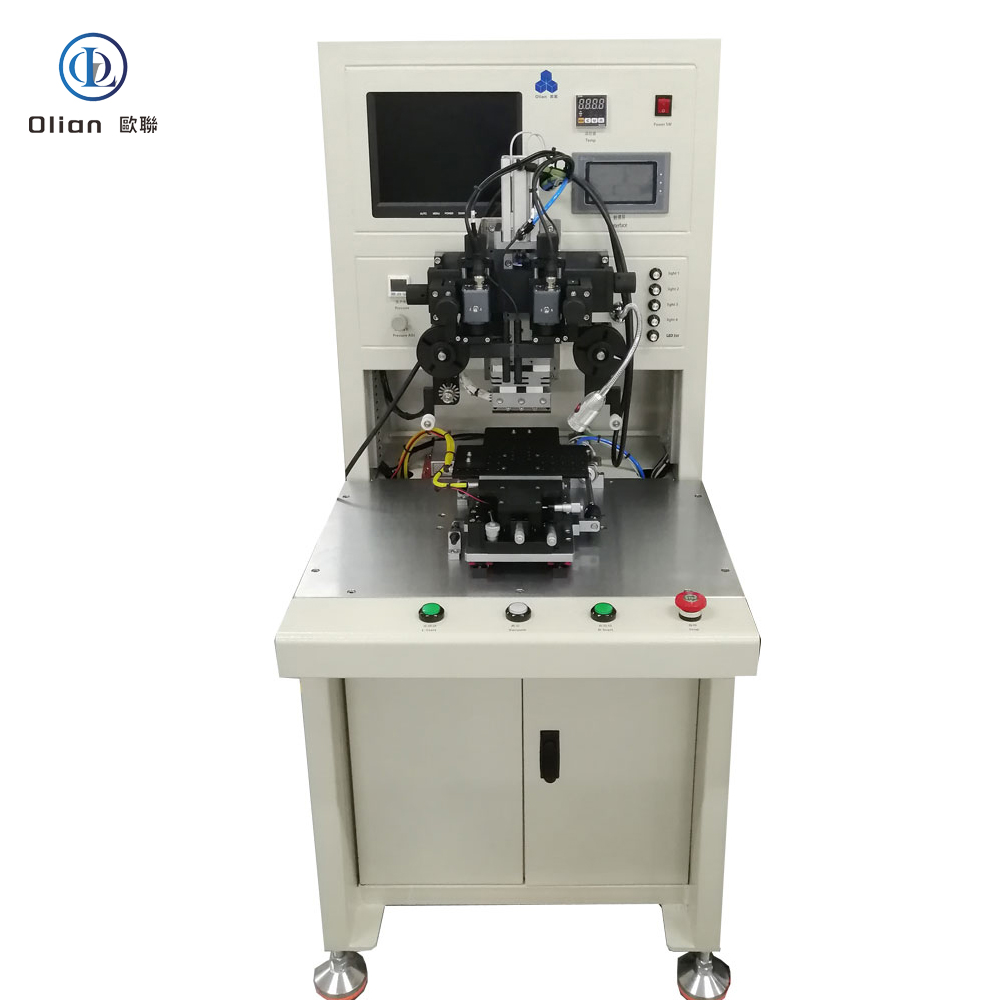
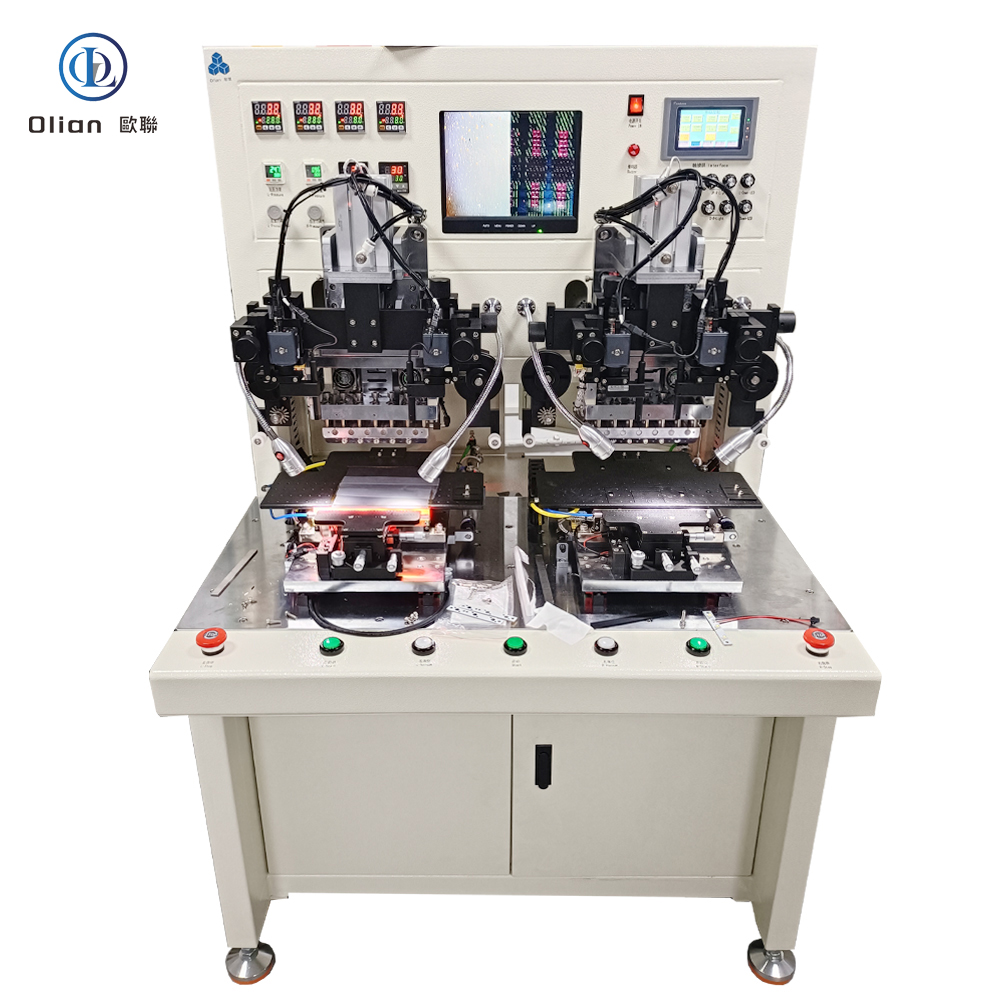
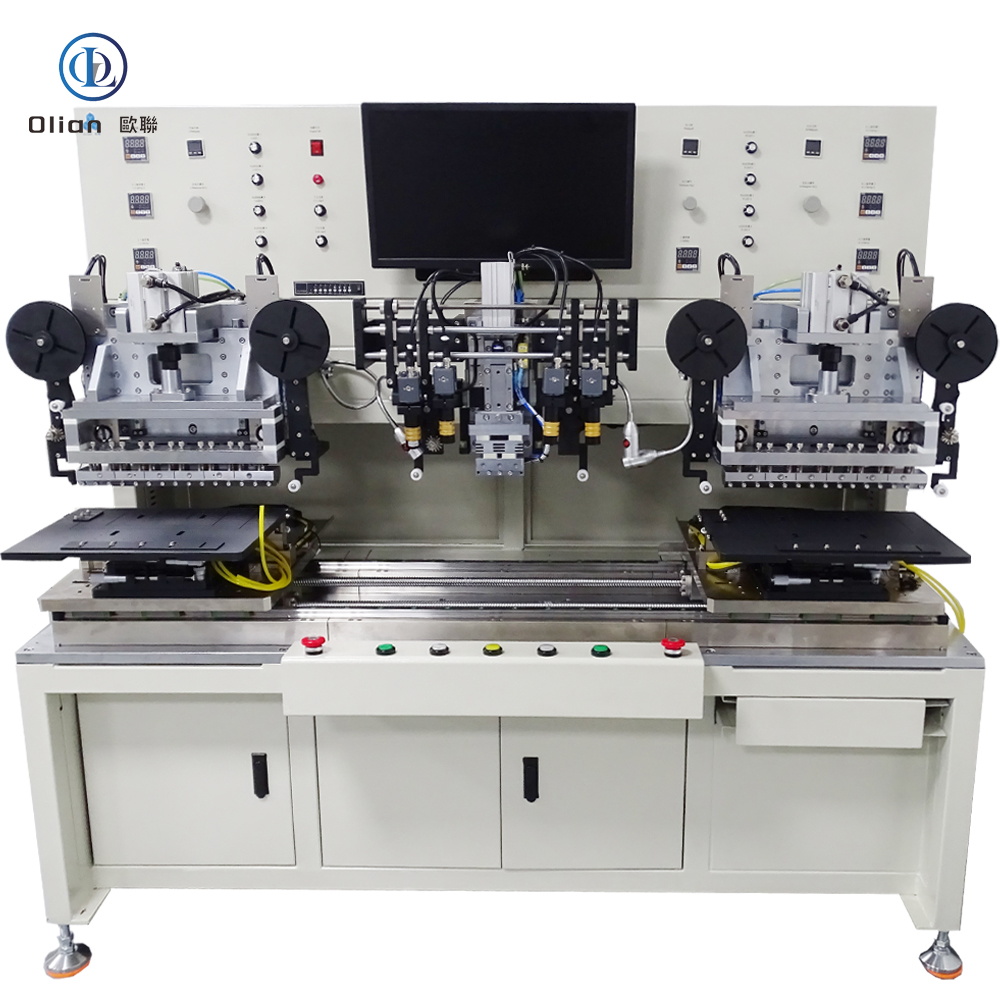
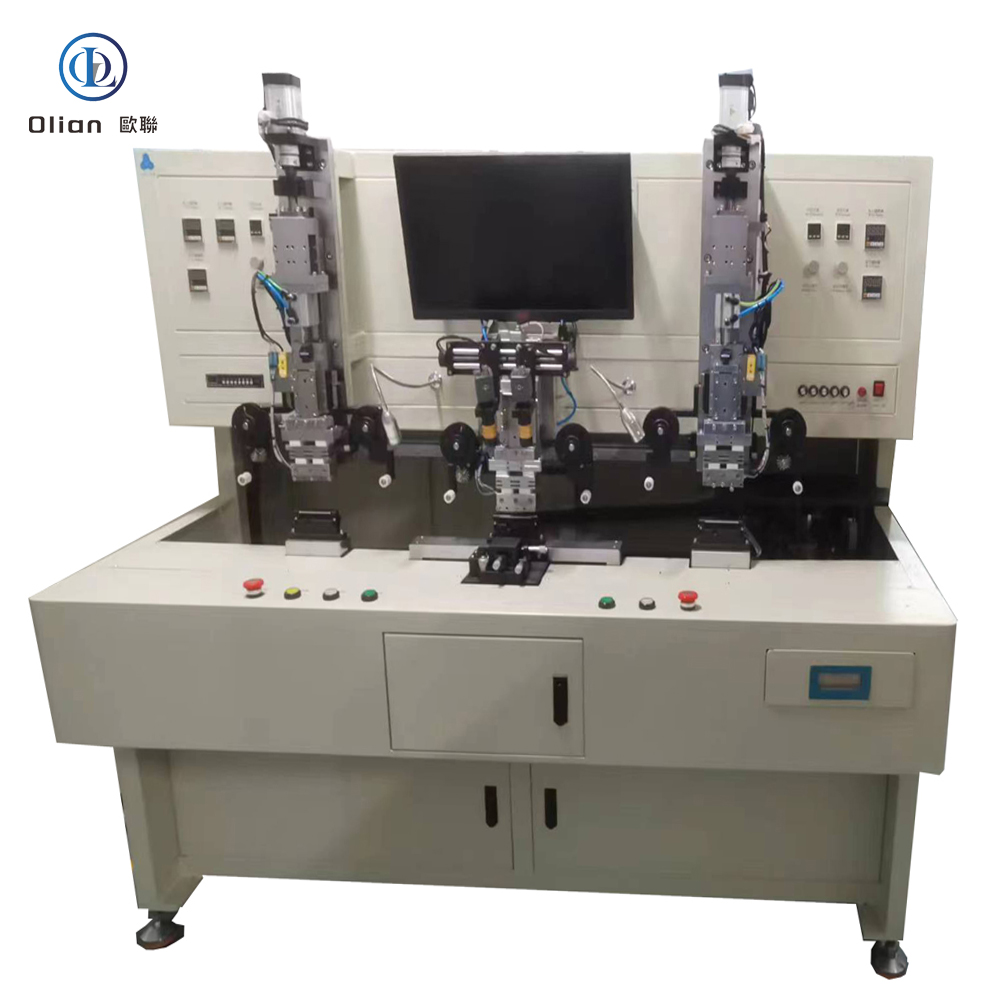
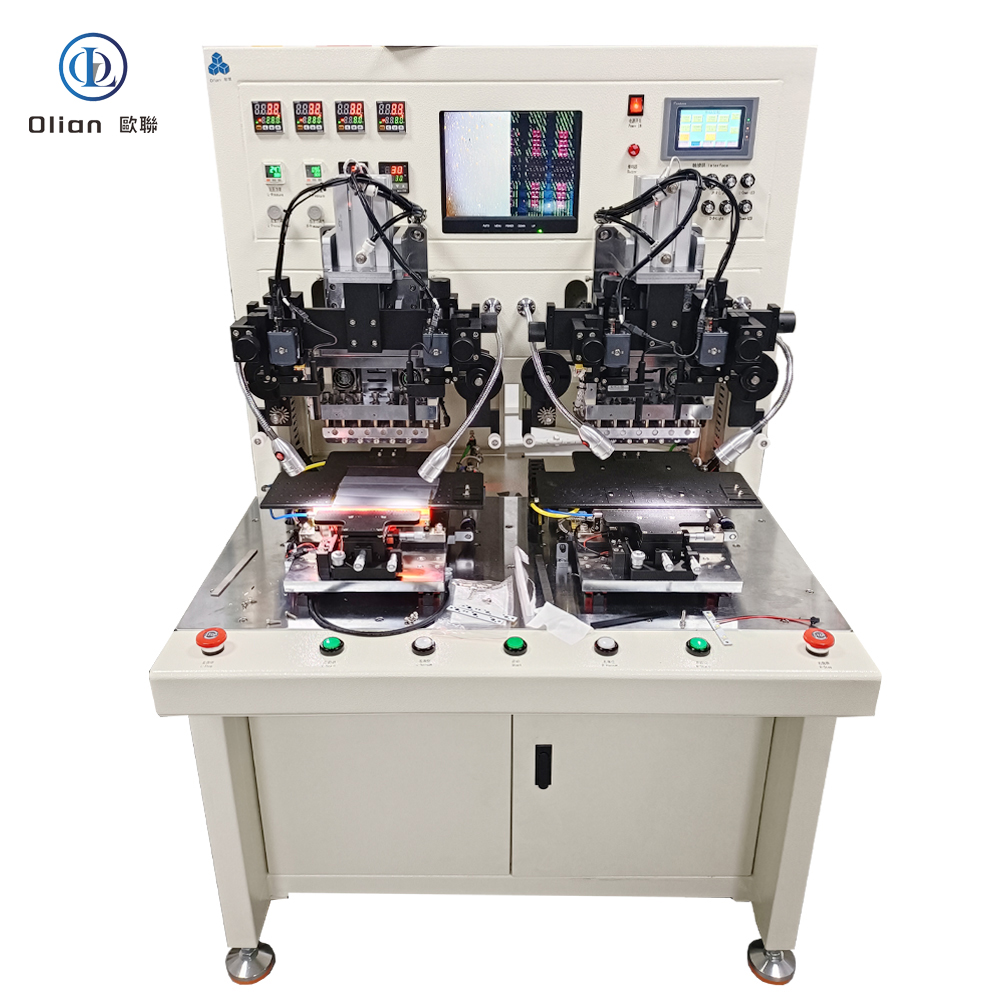
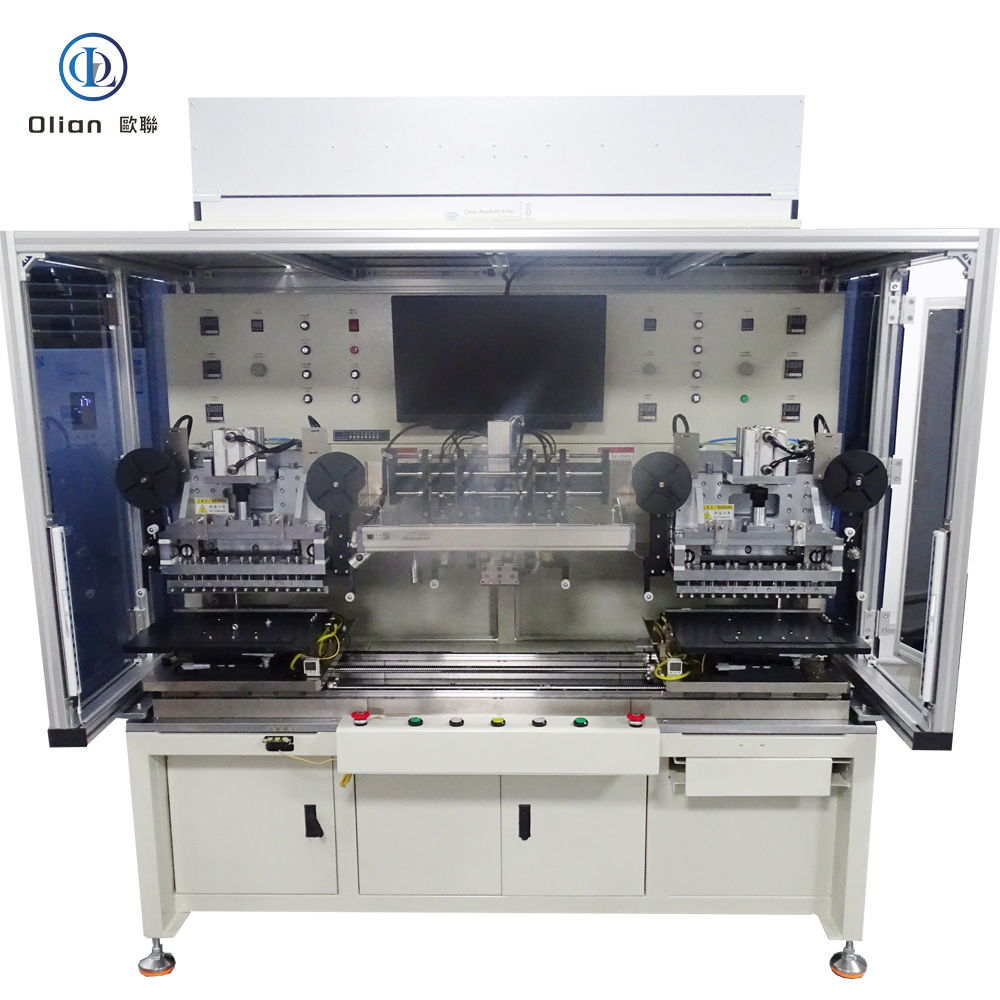
ACF bonding machines are specialized devices designed to bond two substrates using Anisotropic Conductive Film (ACF). These machines apply heat, pressure, and precise alignment to ensure a strong and reliable electrical and mechanical connection between components such as LCD panels, PCBs, FPCs, and IC chips
. ACF bonding is widely used in applications like COG (Chip on Glass), COF (Chip on Film), FOG (Film on Glass), FOB (Film on Board), and more
.
Types of ACF Bonding Machines
1. ACF Pre-Bonding Machines
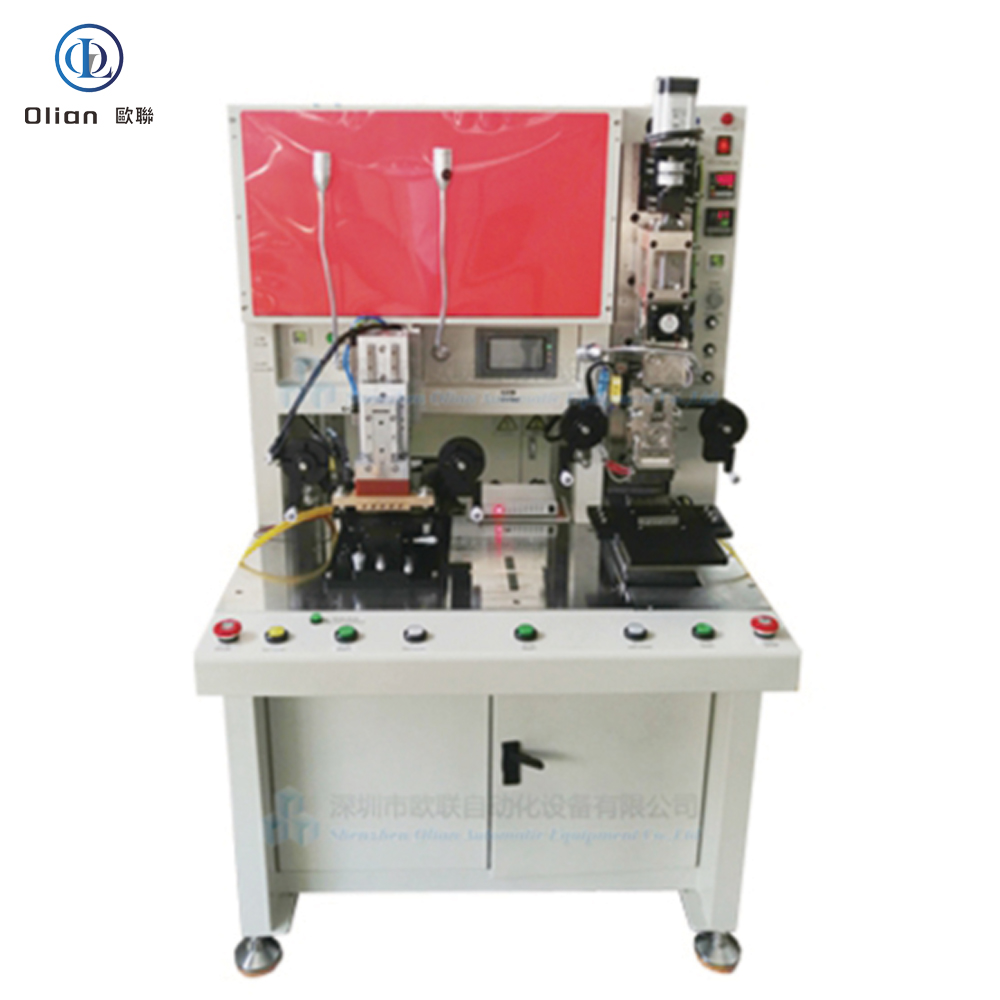
ACF pre-bonding machines are used for the initial alignment and attachment of ACF tape to the substrates. These machines often feature semi-automatic operation, allowing operators to place the components manually while the machine handles precise alignment and pre-bonding
. Pre-bonding ensures that the components are accurately positioned before the final bonding process.
2. ACF Main-Bonding Machines
Main-bonding machines are responsible for the final bonding process, where the components are pressed together under precise temperature and pressure conditions. These machines are available in both constant heat and pulse heat systems, offering flexibility based on the specific requirements of the bonding process
. Main-bonding machines can be fully automated, providing high throughput and consistent bonding quality.
3. ACF Heat Press Machines
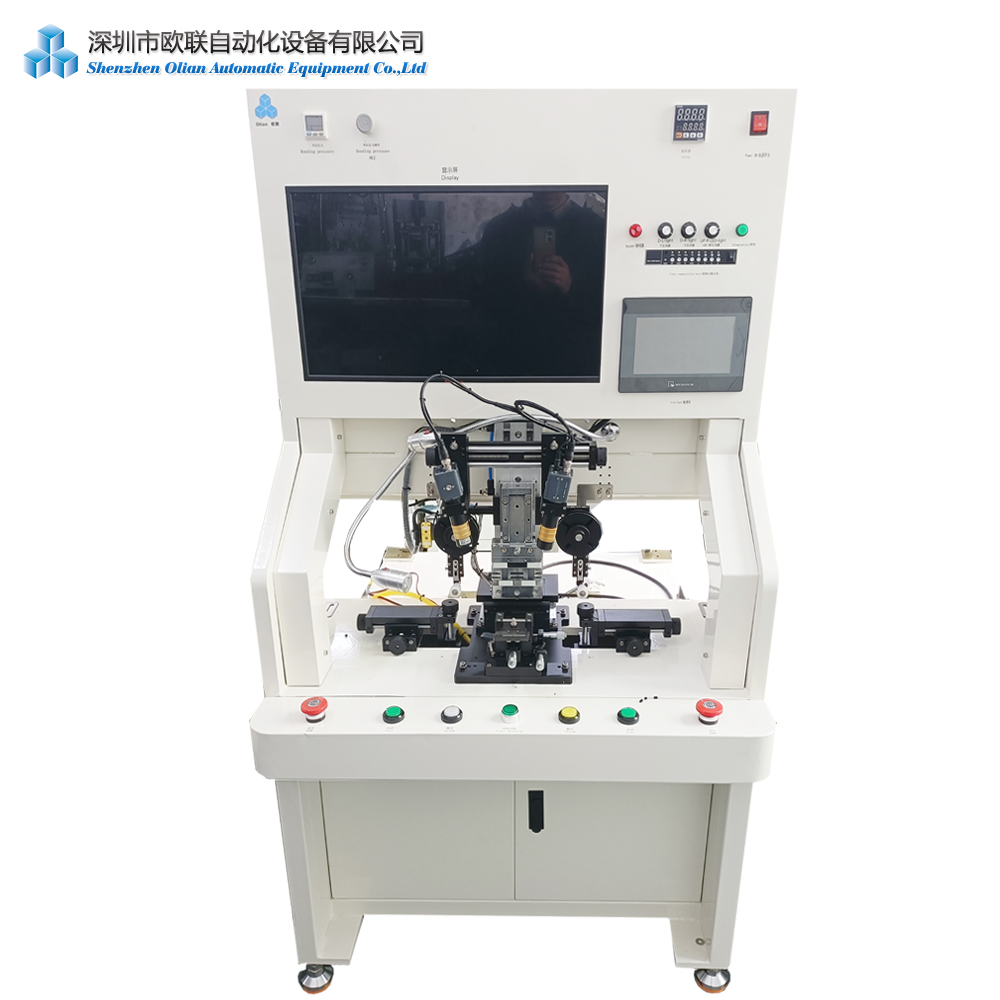
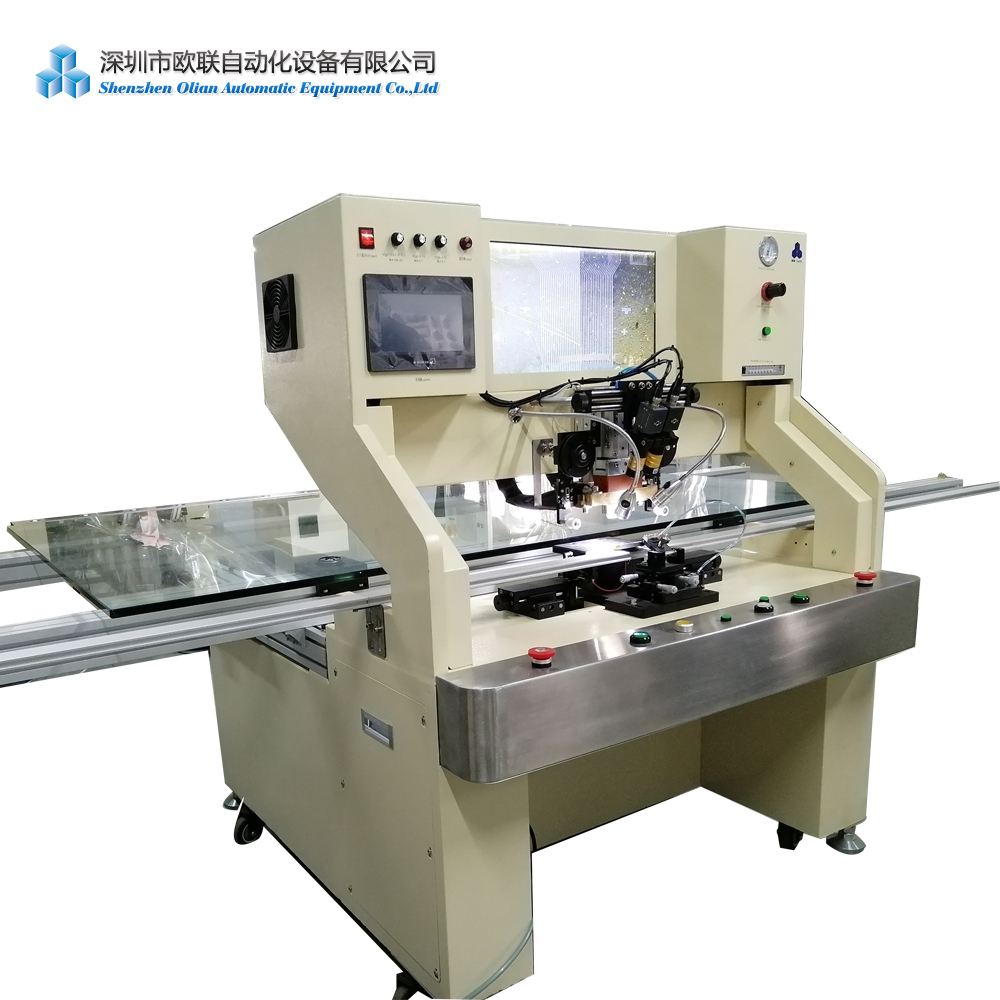
ACF heat press machines, also known as hot press machines, are versatile tools used for bonding components using ACF. These machines can operate in both constant temperature and pulse heating modes, making them suitable for a wide range of applications
. They are equipped with features like multi-stage temperature control, real-time temperature curve display, and CCD vision systems for precise alignment
.
4. Pulse Heating Bonding Machines
Pulse heating bonding machines use a transformer to generate low voltage and high current, which quickly heats the bonding area. This method allows for rapid heating and cooling, ensuring precise temperature control and efficient bonding
. Pulse heating machines are ideal for applications where quick and precise bonding is required, such as in COF and FOG bonding processes
.
5. Constant Temperature Bonding Machines
Constant temperature bonding machines maintain a steady temperature throughout the bonding process. These machines are widely used in LCD panel assembly and other applications where consistent temperature control is crucial
. They offer features like digital pressure gauges, vacuum generators, and high-definition microscopes for precise bonding
.
Applications of ACF Bonding Machines
ACF bonding machines are used in various industries, including:
LCD and LED Panel Manufacturing: For bonding ICs, FPCs, and other components to glass substrates.
Flexible Circuit Assembly: For creating connections between flexible printed circuits and other components.
Touch Screen Production: For bonding touch sensors to display panels.
Mobile Phone and Tablet Manufacturing: For assembling components in mobile devices.
Why Choose Our ACF Bonding Machines?
Our company offers a comprehensive range of ACF bonding machines designed to meet the diverse needs of the electronics manufacturing industry. Our machines are known for their:
High Precision: Equipped with advanced vision systems and precise temperature control.
Versatility: Available in both semi-automatic and fully automatic configurations.
Reliability: Built with high-quality components and rigorous testing.
Customization: Tailored solutions to fit specific manufacturing processes.
Conclusion
ACF bonding machines are essential tools in modern electronics manufacturing, providing reliable and high-quality connections between various components. Whether you need a pre-bonding machine for initial alignment or a main-bonding machine for the final assembly, our company offers a wide range of solutions to meet your needs. With advanced features like pulse heating, constant temperature control, and precise alignment, our ACF bonding machines are designed to enhance your manufacturing efficiency and product quality. Contact us today to find the perfect ACF bonding machine for your application.
In the rapidly evolving world of display technology, bonding machines play a crucial role in the assembly and manufacturing of various electronic components and displays. Our company is proud to offer a wide range of advanced bonding solutions tailored to meet the diverse needs of the industry. Whether you are looking to bond integrated circuits, flexible printed circuits, or other components, we have the right machine for you.
Mid Size 7-17 Inch Vehicle Display and Notebook Whole Line SolutionACF Bonding Parts and AccessoriesMobile Phones Tablets and Industrial Control Products Whole Line Solution for TFT DisplaysFOG FOP FOF FOB T-FOG FPC Flex Cable Bonding MachineFOG FOP FOF FOB T-FOG FPC Flex Cable Bonding MachineFOG FOP FOF FOB T-FOG FPC Flex Cable Bonding MachineIC MIAN BONDERCOF COP COG IC PRE BONDERCOF IC BONDER7-17 Inch Semi Automatic Bonding Machines Production Line SolutionFOG FOP FOF FOB T-FOG FPC Flex Cable Bonding MachineFOG FOP FOF FOB T-FOG FPC Flex Cable Bonding Machine
ACF Bonder (Anisotropic Conductive Film Bonder)
ACF bonders are essential for bonding two substrates, such as LCDs, PCBs, and FPCs, using Anisotropic Conductive Film (ACF). These machines are available in both constant heat and pulse heat systems, with vision alignment capabilities for precise bonding
. They are widely used in applications like COB (Chip on Board), COF (Chip on Film), COG (Chip on Glass), COP (Chip on Panel), FOB (Film on Board), and FOG (Film on Glass).
COG Bonder (Chip on Glass Bonder)
COG bonders are specifically designed for attaching integrated circuits (ICs) directly onto glass substrates. These machines ensure high precision and reliability, making them ideal for the production of LCD panels used in consumer electronics, automotive displays, and industrial applications
. Our COG bonders come in both pre-bonding and main-bonding configurations, with options for manual or automated loading.
COP Bonder (Chip on Panel Bonder)
Similar to COG bonders, COP bonders are used for bonding ICs directly onto display panels. They are particularly useful for flexible AMOLED production, offering advanced functions to ensure high bonding quality and productivity
.
COF Bonder (Chip on Film Bonder)
COF bonders are designed for bonding ICs onto flexible films. These machines are versatile and can be used for various applications, including COF on glass, COF on board, and COF on film bonding
. They are available in both manual and automatic configurations, with options for single or dual heads.
FOG Bonder (Film on Glass Bonder)
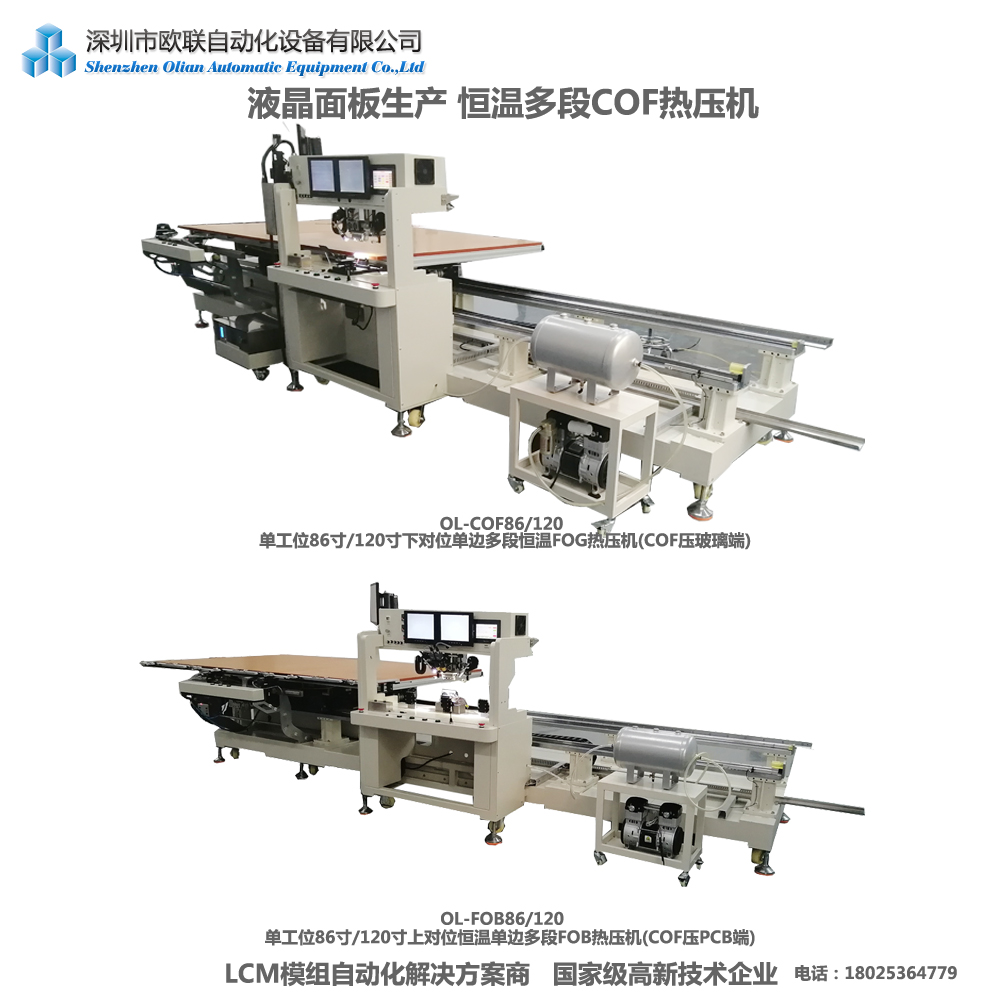
FOG bonders are used for bonding flexible printed circuits (FPCs) onto glass substrates. These machines come in both pulse heat and constant heat versions, with top-bottom alignment systems for precise bonding
. They are suitable for a wide range of applications, including LCD and OLED panel manufacturing.
FOB Bonder (Film on Board Bonder)
FOB bonders are designed for bonding FPCs onto PCBs. They offer similar features to FOG bonders, including precise alignment and reliable bonding capabilities
. These machines are essential for applications where flexibility and compactness are required.
FOF Bonder (Film on Film Bonder)
FOF bonders are used for bonding FPCs onto other FPCs. These machines are particularly useful in applications where space is limited and flexibility is crucial
. They offer high precision and reliability, ensuring a strong and stable connection between the components.
TAB Bonder (Tape Automated Bonding Machine)
TAB bonders are used for bonding integrated circuits onto substrates using tape automated bonding techniques. These machines are known for their high precision and reliability, making them ideal for a wide range of electronic manufacturing applications
.
OLB Bonder (Outer Lead Bonding Machine)
OLB bonders are used for bonding the outer leads of integrated circuits onto substrates. These machines are essential for ensuring a reliable connection between the IC and the display panel
. They offer high precision and reliability, making them a crucial part of the display manufacturing process.
IC Bonder (Integrated Circuit Bonder)
IC bonders are versatile machines used for bonding integrated circuits onto various substrates. They are available in both manual and automated configurations, with options for single or dual heads
. These machines are essential for a wide range of electronic manufacturing applications.
FPC Bonder (Flexible Printed Circuit Bonder)
FPC bonders are designed for bonding flexible printed circuits onto various substrates. These machines offer high precision and reliability, making them ideal for applications where flexibility and compactness are required
. They are available in both manual and automated configurations, with options for single or dual heads.
Glass Bonder
Glass bonders are used for bonding components directly onto glass substrates. These machines are essential for the production of LCD and OLED panels, offering high precision and reliability
. They are available in both manual and automated configurations, with options for single or dual heads.
LCD Panel Bonder
LCD panel bonders are specifically designed for the assembly of LCD panels. These machines offer high precision and reliability, ensuring a strong and stable connection between the components
. They are available in both manual and automated configurations, with options for single or dual heads.
LED Panel Bonder
LED panel bonders are used for bonding components onto LED panels. These machines offer high precision and reliability, making them ideal for applications where brightness and efficiency are crucial
. They are available in both manual and automated configurations, with options for single or dual heads.
Mini LED Bonder
Mini LED bonders are designed for the assembly of Mini LED panels. These machines offer high precision and reliability, ensuring a strong and stable connection between the components
. They are available in both manual and automated configurations, with options for single or dual heads.
Micro LED Bonder
Micro LED bonders are used for the assembly of Micro LED panels. These machines offer extremely high precision and reliability, making them ideal for applications where brightness, efficiency, and resolution are crucial
. They are available in both manual and automated configurations, with options for single or dual heads.
Zebra Paper Bonder
Zebra paper bonders are used for bonding components onto Zebra paper. These machines offer high precision and reliability, making them ideal for applications where flexibility and compactness are required
. They are available in both manual and automated configurations, with options for single or dual heads.
Touch Panel FPC Bonder
Touch panel FPC bonders are specifically designed for bonding flexible printed circuits onto touch panels. These machines offer high precision and reliability, ensuring a strong and stable connection between the components
. They are available in both manual and automated configurations, with options for single or dual heads.
Conclusion
Our company offers a comprehensive range of bonding machines designed to meet the diverse needs of the display manufacturing industry. From ACF bonders to Micro LED bonders, we have the right machine for every application. Our machines are known for their high precision, reliability, and versatility, making them ideal for a wide range of electronic manufacturing applications. We are committed to providing our customers with the best possible solutions and support to ensure their success in the competitive world of display technology.
In the modern electronics repair industry, having the right tools and machines is crucial for efficiently repairing and refurbishing LCD and LED screens, especially for TVs and other large displays. Our company offers a wide range of advanced repair machines and bonding equipment designed to meet the diverse needs of professionals in this field. Whether you are repairing LCD TVs, smartphones, or other display devices, our products are designed to provide high precision, reliability, and efficiency.
LCD Screen Laser Repair Machines
Our LCD screen laser repair machines are designed to efficiently repair a variety of defects in LCD panels, including vertical lines, horizontal lines, black screens, and more. These machines use high-frequency pulse laser beams to cut and trim micron-sized semiconductor circuit components, especially passivation layers (silicon oxide/nitride) and metal interconnects
They are suitable for repairing LCD screens in TVs, PCs, touch teaching machines, splicing screens, notebooks, digital devices, and car displays
Key Features:
High-Precision Laser Technology: Capable of repairing defects at the micron level.
Multi-Wavelength Options: Available in 1064nm and 532nm wavelengths for different repair needs.
Digital Spot System: Allows for precise control over repair processes.
Wide Application Range: Suitable for screens up to 85 inches.
COF Bonding Machines
Our COF (Chip-On-Film) bonding machines are essential for repairing and assembling LCD and LED panels. These machines are used to bond integrated circuits (ICs) to flexible film substrates, enabling compact designs and high-resolution displays
They are widely used in the repair and manufacturing of TVs, laptops, mobile phones, and tablets
Thermocompression Bonding: Uses heat and pressure to create reliable electrical connections.
Quality Inspection: In-line inspection systems verify bond quality.
Versatility: Suitable for various display sizes and types.
FOB and FOG Bonding Machines
Our FOB (FPC on Board) and FOG (FPC on Glass) bonding machines are designed for bonding flexible printed circuits (FPCs) to PCBs and glass substrates. These machines offer high precision and reliability, making them ideal for applications requiring flexible and compact designs
Key Features:
Pulse Heating Technology: Ensures precise temperature control.
High-Speed Automation: Increases production efficiency.
Versatile Compatibility: Supports various display sizes and types.
Hot Bar Pressing Machines
Our hot bar pressing machines are designed for soldering FPCs, PCBs, LED displays, and other electronic components. These machines use pulse heating technology to achieve accurate temperature control, making them suitable for temperature-critical applications
Key Features:
Multi-Zone Temperature Control: Ensures precise heating and cooling.
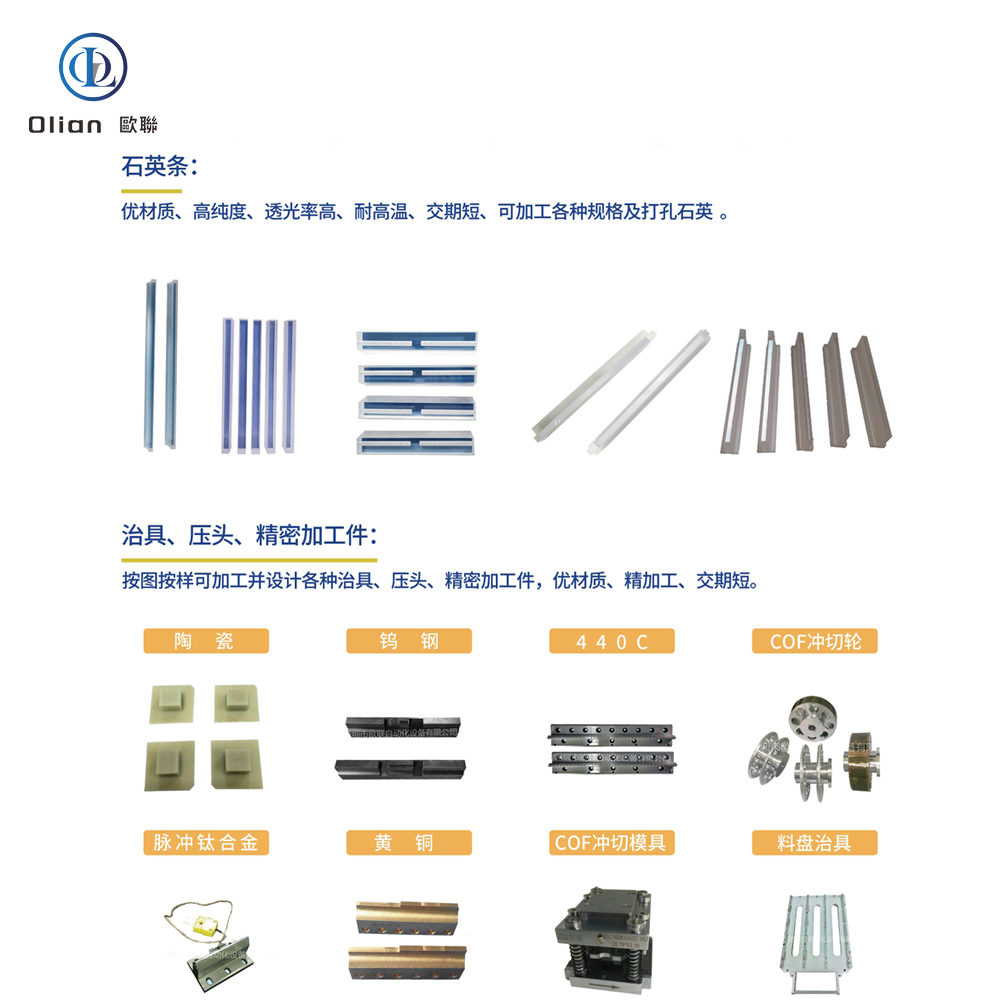
High-Precision Indenter: Made from high-quality materials for durability.
User-Friendly Interface: Equipped with a touch screen for easy operation.
LCD Panel Rework and Repair Equipment
Our LCD panel rework and repair equipment includes a variety of machines designed to refurbish and repair LCD panels. These machines are capable of repairing a wide range of defects, including vertical and horizontal lines, black screens, and more
Key Features:
HD Screen Display: Provides clear and detailed images for precise repair.
One-Touch Start: Simplifies the repair process with automated functions.
Upgraded Components: Includes high-precision regulators and camera brackets for accurate alignment.
Additional Tools and Equipment
COF Cutting Equipment: Designed for precise cutting of COF components.
Panel Repairing Machines: Suitable for repairing various display panels, including those in TVs and other devices.
ACF Attaching Machines: Used for attaching Anisotropic Conductive Film (ACF) to various substrates.
Why Choose Our Products?
Our products are designed with the latest innovations in mind, ensuring high precision, reliability, and efficiency. Key reasons to choose our products include:
High Precision: Equipped with advanced vision systems and precise temperature control.
Versatility: Suitable for a wide range of bonding processes and applications.
Automation: Available in both semi-automatic and fully automatic configurations.
Customization: Tailored solutions to fit your specific manufacturing processes and requirements.
Conclusion
Whether you are repairing LCD TVs, smartphones, or other display devices, our comprehensive range of repair machines and bonding equipment is designed to meet your specific needs. With advanced features such as high precision, versatility, and automation, our machines are ideal for ensuring high-quality repairs and efficient production processes. Contact us today to find the perfect solution for your application.
In the electronics manufacturing industry, particularly in the ACF (Anisotropic Conductive Film) bonding process, a variety of testing machines and equipment are essential to ensure the quality and reliability of the final products. These machines play a crucial role in the production line, from initial material inspection to final product testing. Here is a comprehensive overview of the testing instruments and equipment used in ACF bonding processes:
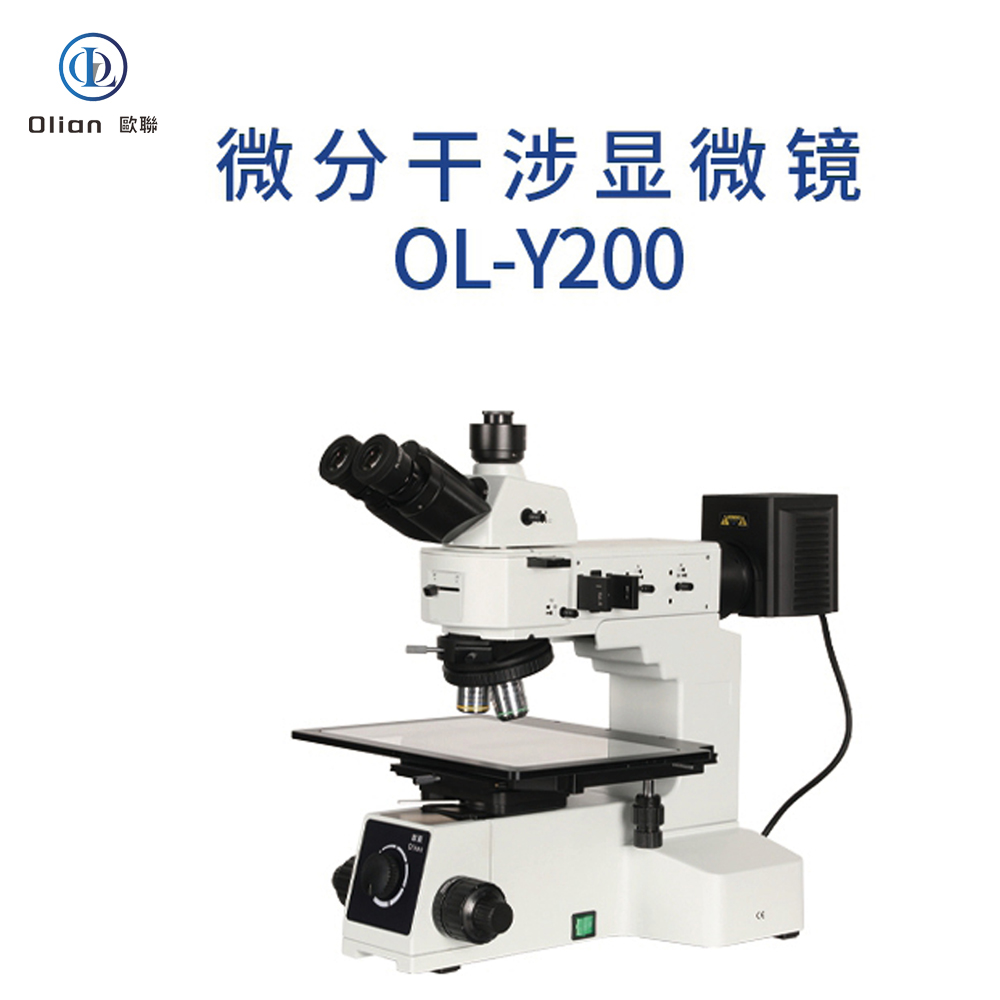
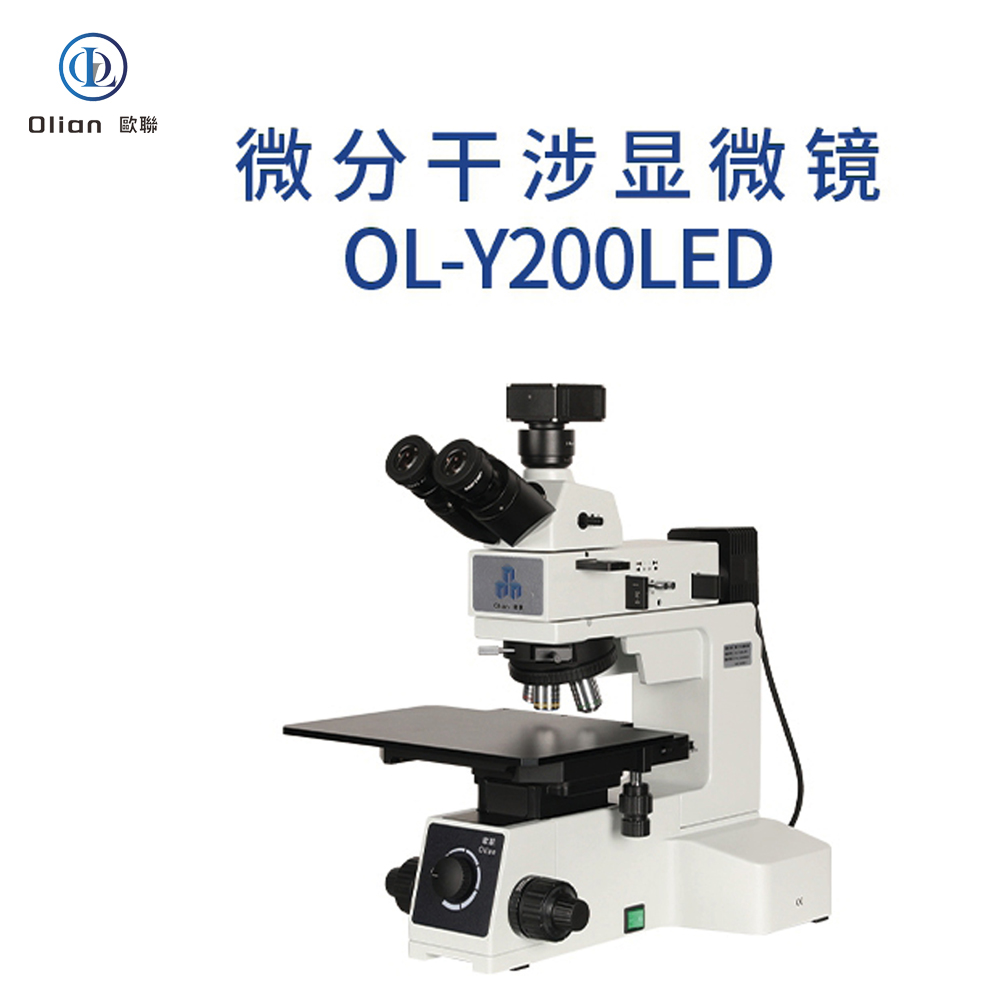
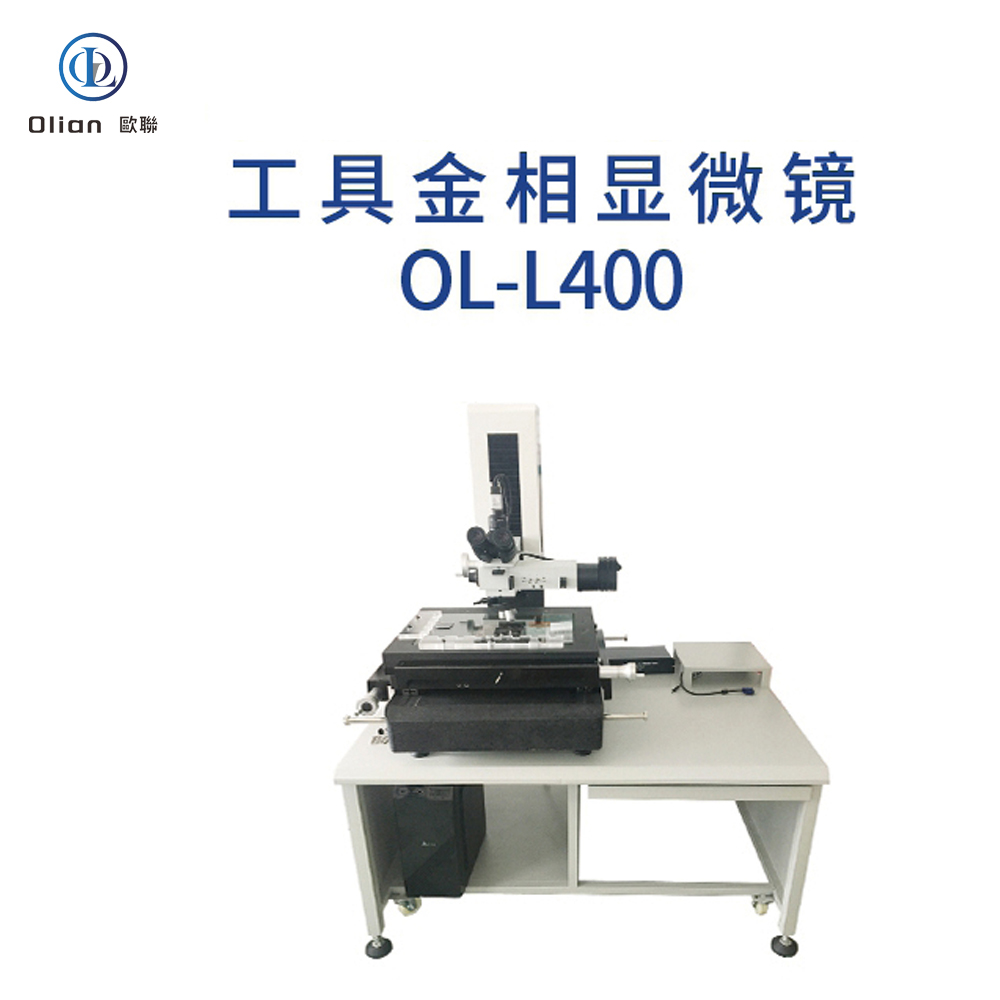
Interferometer Microscope: Interferometer microscopes are used to analyze the surface topography of materials with high precision. They are essential for inspecting the quality of ACF and the bonding surfaces of components. By using optical interference, these microscopes can detect minute surface irregularities that might affect the bonding process.
Metallographic Microscope: Metallographic microscopes are designed to examine the microstructure of metals and alloys. In the context of ACF bonding, they are used to analyze the metallurgical properties of the bonding sites. This helps in understanding the compatibility of the materials and the effectiveness of the bonding process.
Lens Inspection Microscope: Lens inspection microscopes are used to inspect and analyze optical components, such as the lenses used in display devices. They ensure that the optical properties of the components are maintained after the bonding process. High-resolution imaging helps in detecting any defects that might have occurred during bonding.
Tool Microscope: Tool microscopes are used for measuring and inspecting the dimensions and geometry of tools and mechanical parts. In ACF bonding, they are used to verify the alignment and precision of the bonding equipment. This ensures that the bonding process is accurate and consistent.
Temperature Testing Equipment
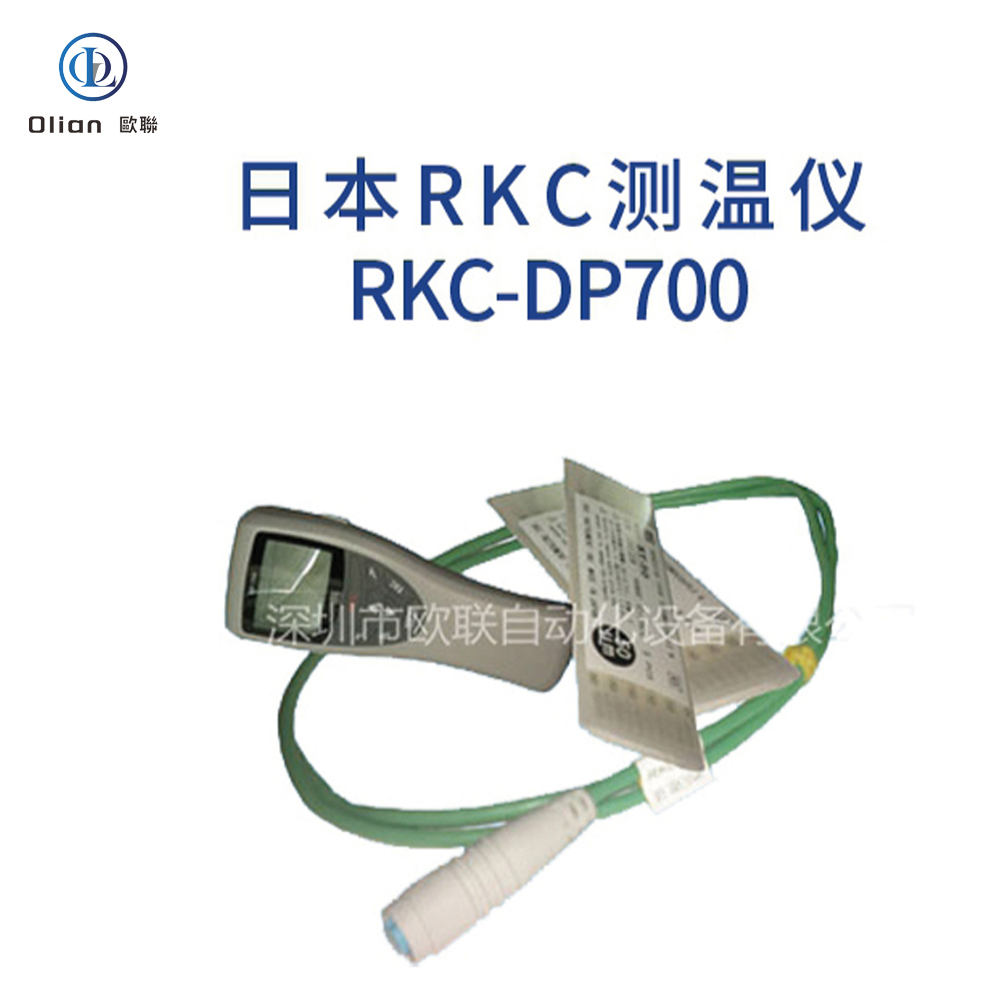
Temperature Testing Instrument: Temperature testing instruments are crucial for monitoring and controlling the temperature during the ACF bonding process. They ensure that the bonding temperature is maintained within the specified range, which is critical for the quality of the bond. These instruments can be contact or non-contact types, providing real-time temperature data.
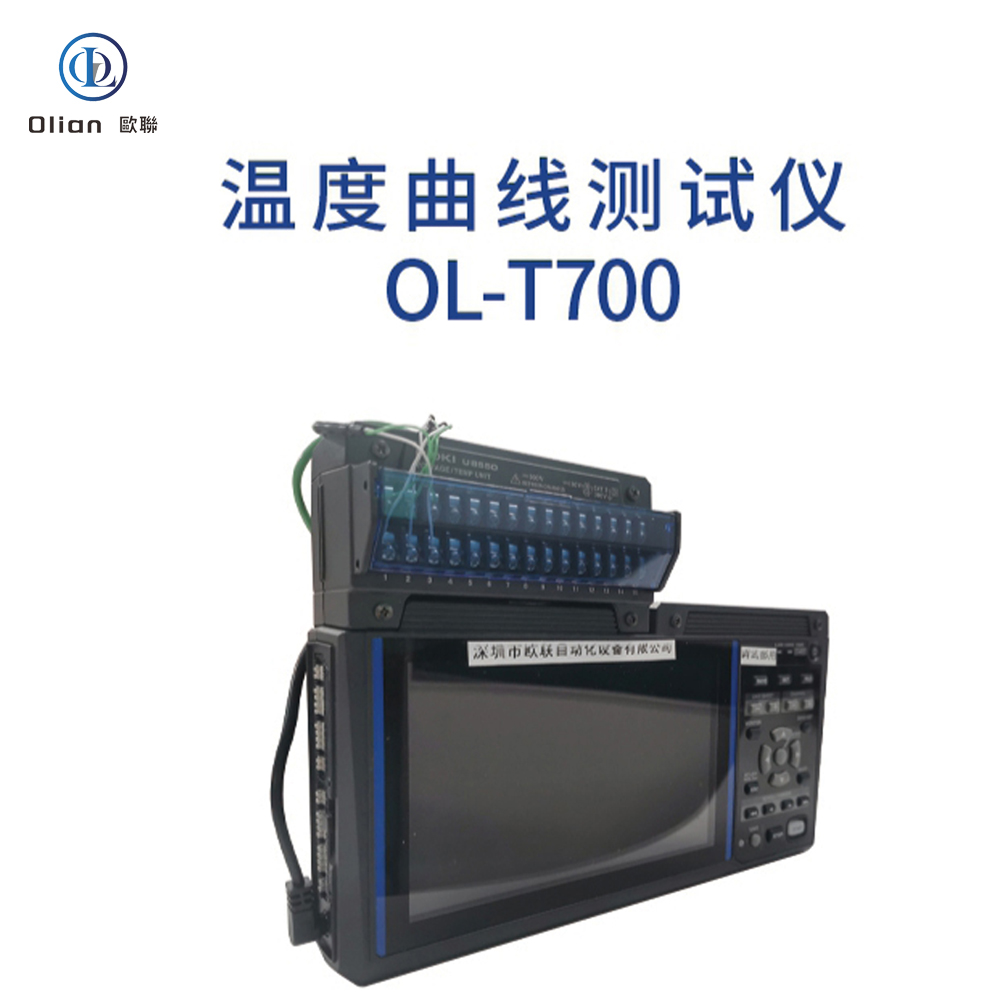
Temperature Curve Testing Instrument: Temperature curve testing instruments measure and record temperature changes over time. They are used to analyze the thermal behavior of the bonding process and to optimize the temperature profile. This helps in achieving a consistent and reliable bond quality.
Pressure Testing Equipment
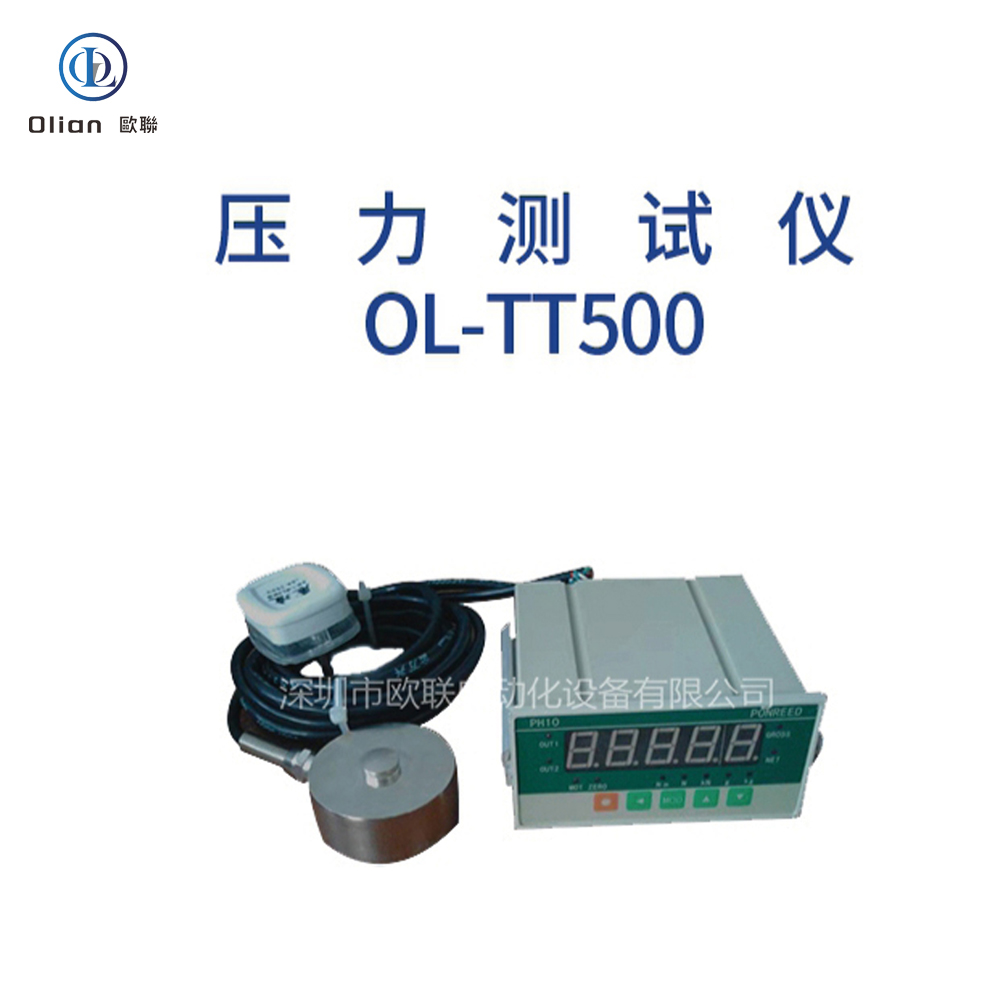
Pressure Testing Device: Pressure testing devices are used to measure and control the pressure applied during the ACF bonding process. They ensure that the pressure is uniform and within the specified limits, which is essential for a strong and durable bond. These devices can handle a wide range of pressures and provide precise control.
Tensile Testing Equipment
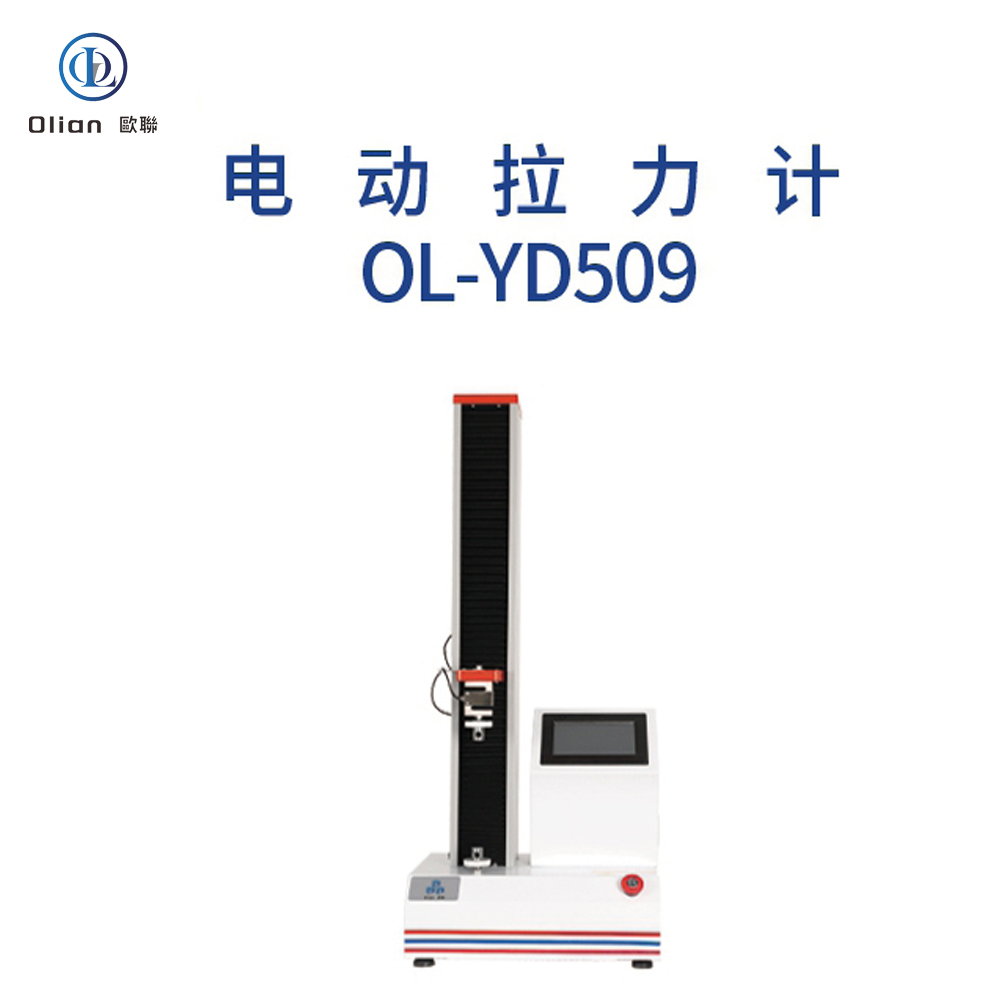
Tensile Testing Machine: Tensile testing machines are used to measure the tensile strength of the bonds created by the ACF process. They apply tensile force to the bonded components and measure the response. This helps in determining the mechanical strength of the bonds and ensuring that they can withstand the required forces.
Environmental Testing Chambers
High Temperature High Humidity Testing Chamber: These chambers simulate high temperature and high humidity conditions to test the adaptability and reliability of the bonded products. They are used to evaluate the long-term performance of the products under extreme environmental conditions.
Cold Hot Shock Testing Chamber: Cold hot shock testing chambers rapidly change the temperature to simulate extreme temperature variations. They are used to test the thermal shock resistance of the bonded products, ensuring that they can withstand rapid temperature changes without failure.
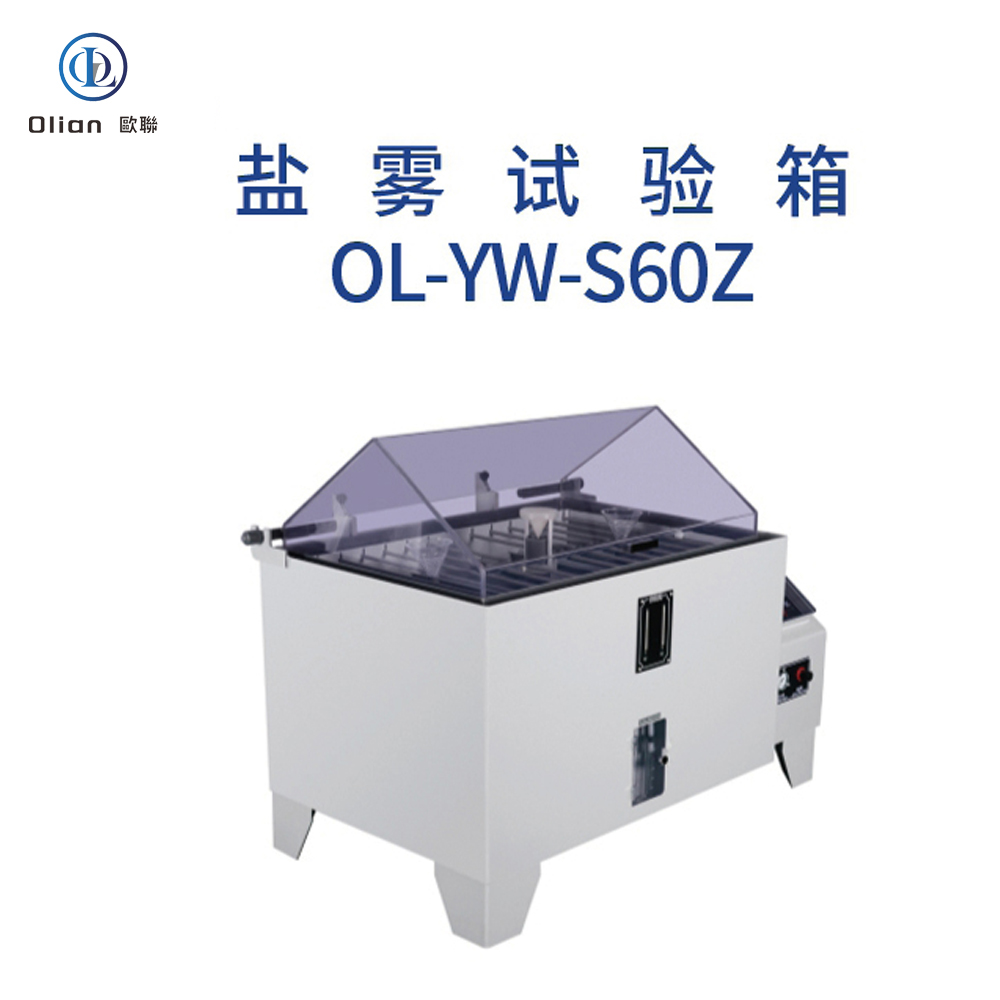
Salt Spray Testing Chamber: Salt spray testing chambers simulate a corrosive environment to test the corrosion resistance of the bonded products. This is particularly important for products that will be used in harsh environments, such as automotive and marine applications.
Dimensional and Surface Testing Equipment
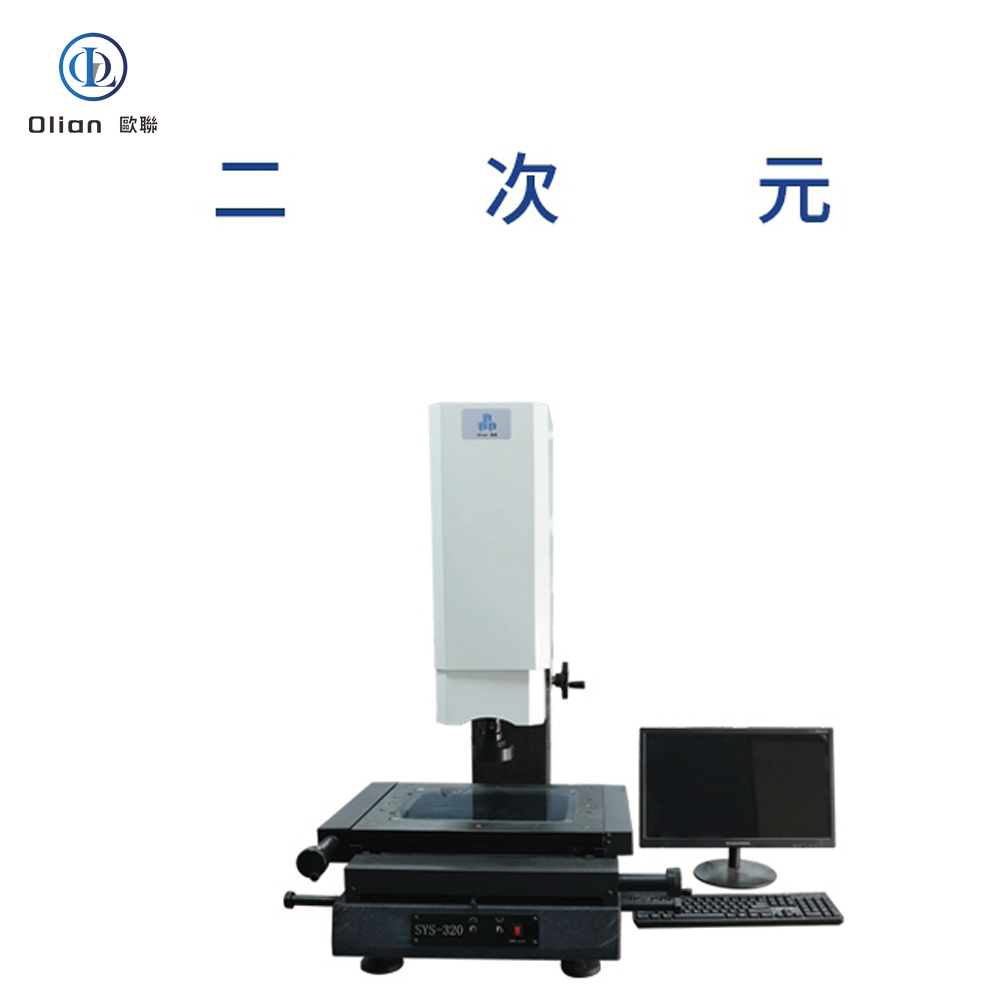
2D Measuring Instrument: 2D measuring instruments use optical imaging and image processing to measure two-dimensional dimensions with high precision. They are used to verify the dimensional accuracy of the components before and after the bonding process. This ensures that the components meet the required specifications.
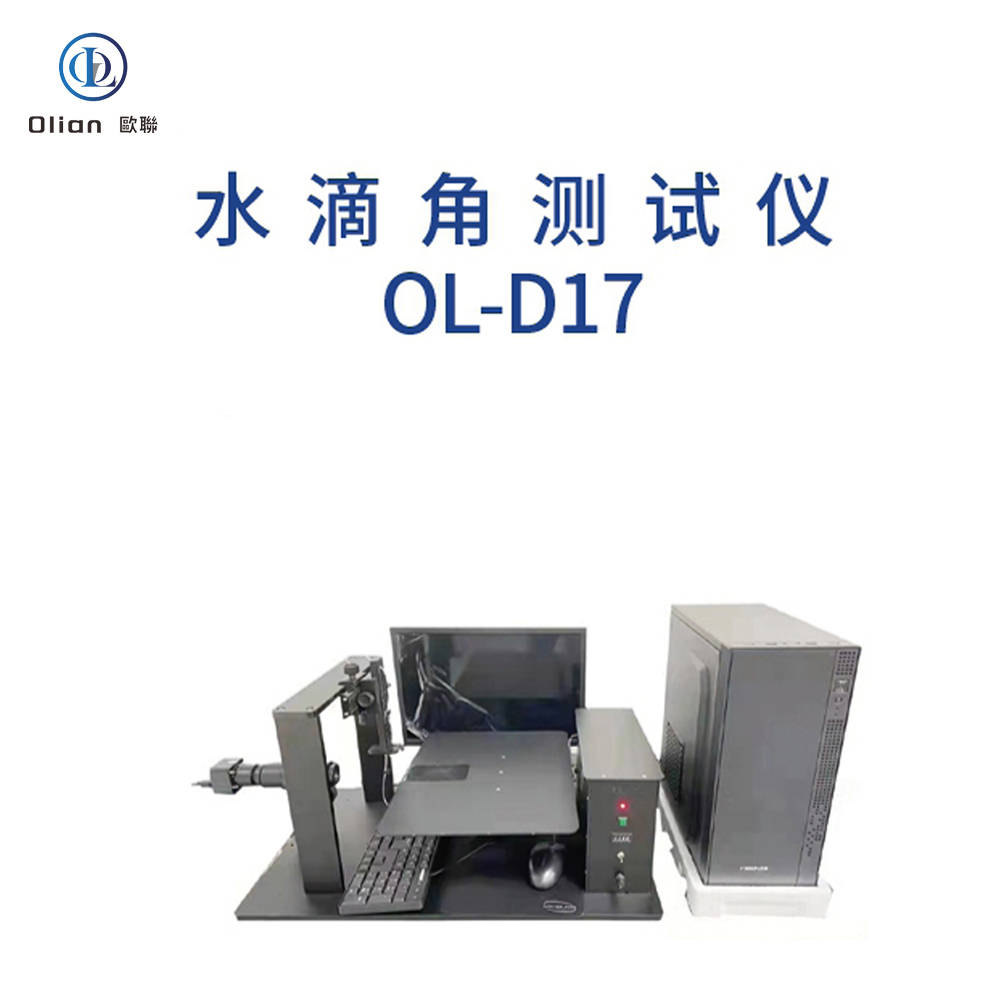
Contact Angle Meter: Contact angle meters measure the contact angle of a liquid on a solid surface, providing information about surface wettability and adhesion. In ACF bonding, they are used to evaluate the surface properties of the bonding sites, ensuring that the ACF can adhere properly.
Mechanical Testing Equipment
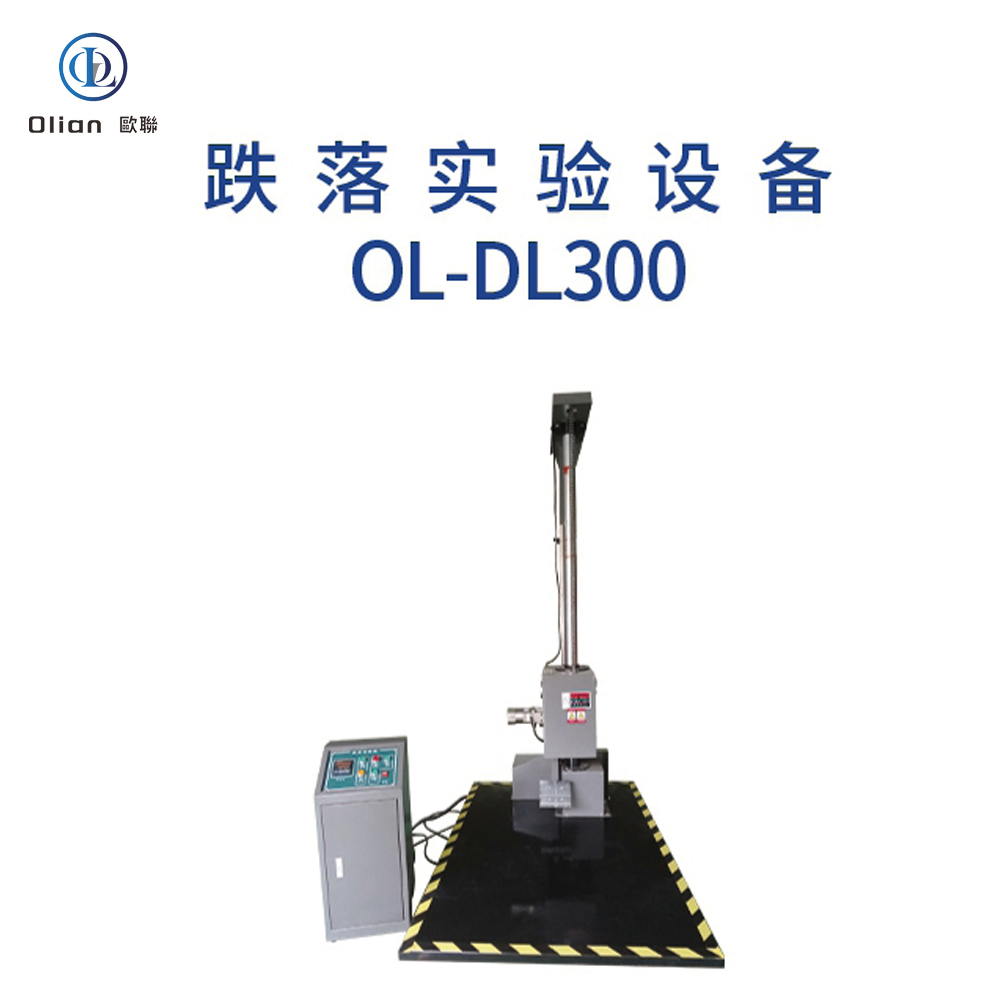
Drop Tester: Drop testers simulate the impact of dropping products to test their durability and shock resistance. They are used to ensure that the bonded products can withstand accidental drops during handling and transportation.
Vibration Testing Machine: Vibration testing machines simulate various vibration conditions to test the vibration resistance and reliability of the bonded products. They are used to ensure that the products can operate reliably in vibrating environments, such as in automotive and aerospace applications.
IC Disassembly and Removal Equipment
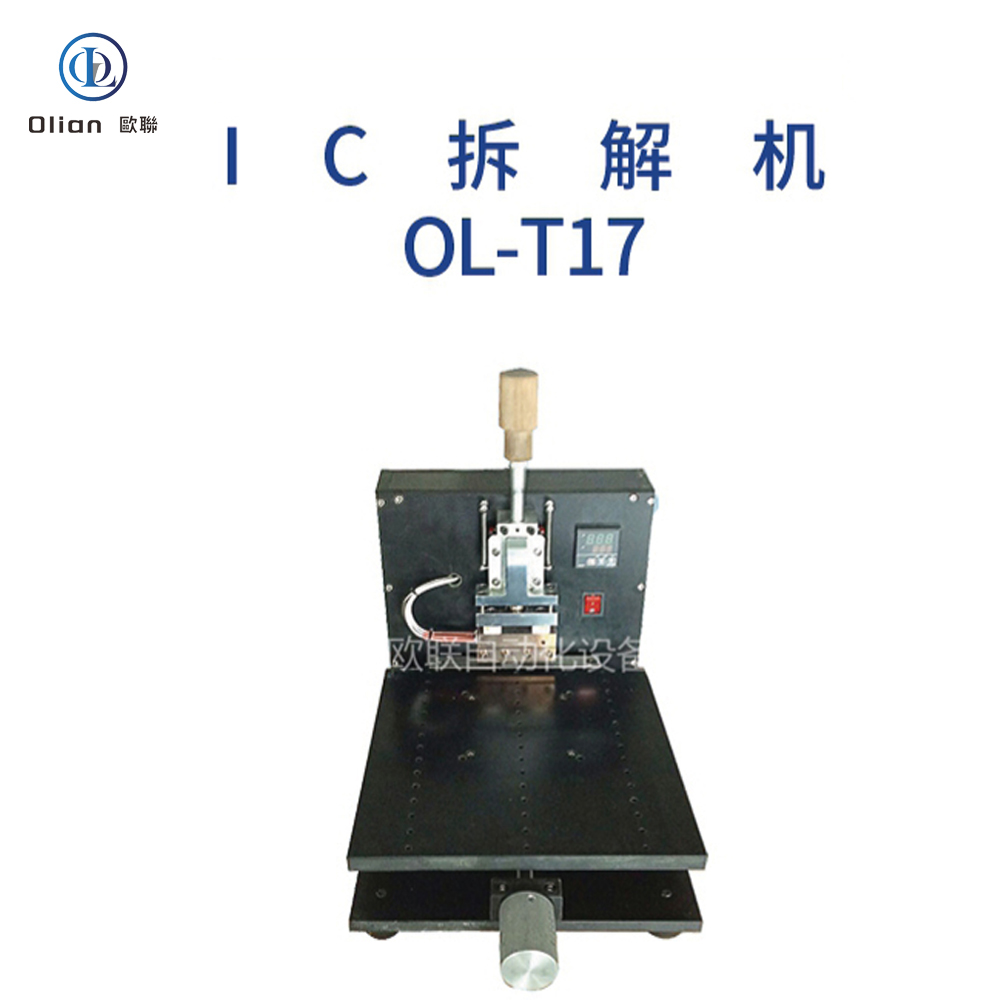
IC Disassembly Machine: IC disassembly machines are used to carefully remove integrated circuits (ICs) from their substrates without causing damage. This is crucial for repair and rework processes in the electronics industry.
IC Removal Machine: IC removal machines are designed to safely and efficiently remove ICs from printed circuit boards (PCBs). They are essential for maintaining the integrity of the board and the components during the repair process.
ACF Cutting and Bonding Equipment
ACF Cutting Machine: ACF cutting machines are used to cut the ACF tape to the required length and shape. These machines ensure that the ACF tape is accurately cut and positioned for the bonding process.
ACF Bonding Machine: ACF bonding machines are used to bond the ACF tape to the substrates (LCD, PCB, Flex, COF, IC Chip, FPC, etc.) using appropriate temperature, pressure, and time. These machines are available in various configurations, including constant heat systems and pulse heat systems, to meet different bonding requirements.
ACF Pre-Bonding Machine: ACF pre-bonding machines are used to pre-bond ICs or COF on the panel that has been attached to the ACF. The pick and place of the panel is achieved manually, and the pre-alignment is automatically completed by the equipment.
ACF Final Bonding Machine: ACF final bonding machines perform the main bonding on the LCD glass with IC, cable, or COF pre-pressed. The operator manually loads and unloads the products, while the ACF bonding is automatically performed by the machine.
Top-Bottom Alignment Bonding Machine: Top-bottom alignment bonding machines are used to bond FPC/Zebra paper on the PCB/Glass with the ACF attached. The pick and place and alignment of the PCB/Panel are done manually, and the ACF bonding is done automatically. These machines are suitable for 1″ to 12″ flat glass and flexible screen products bonding.
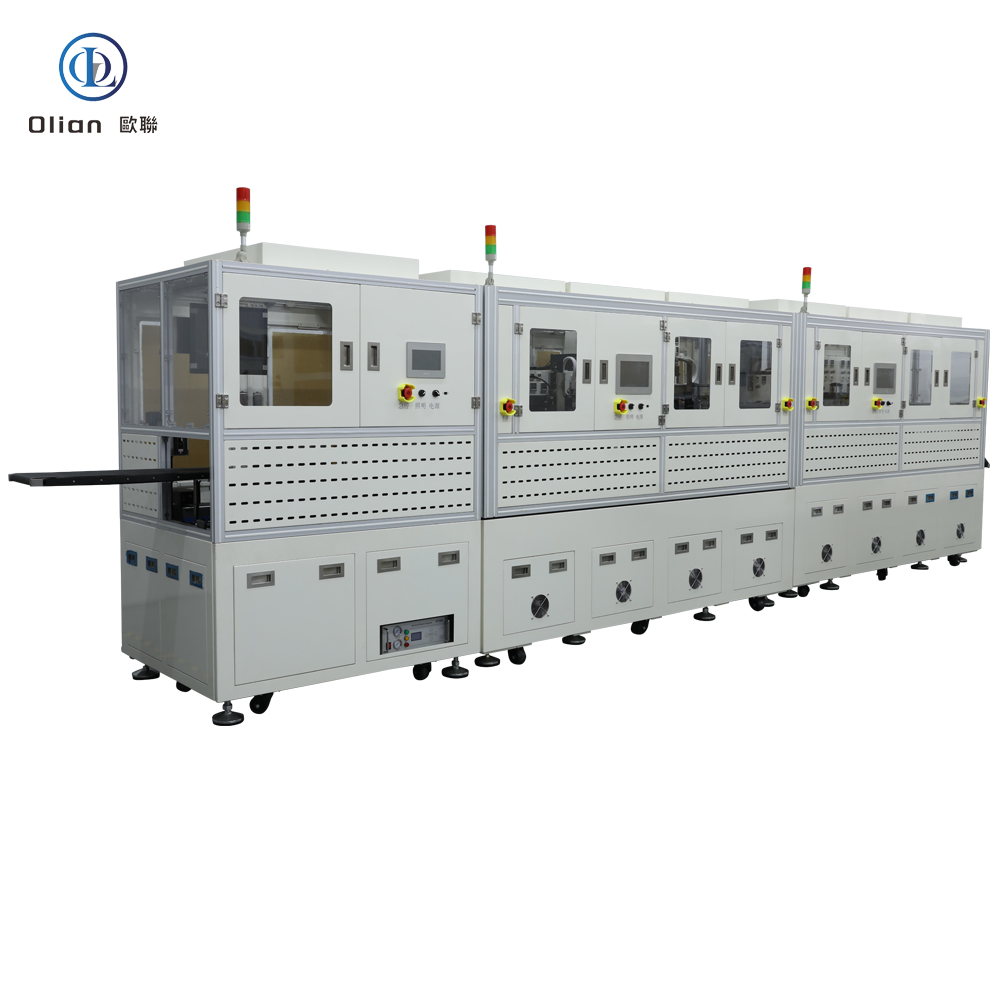
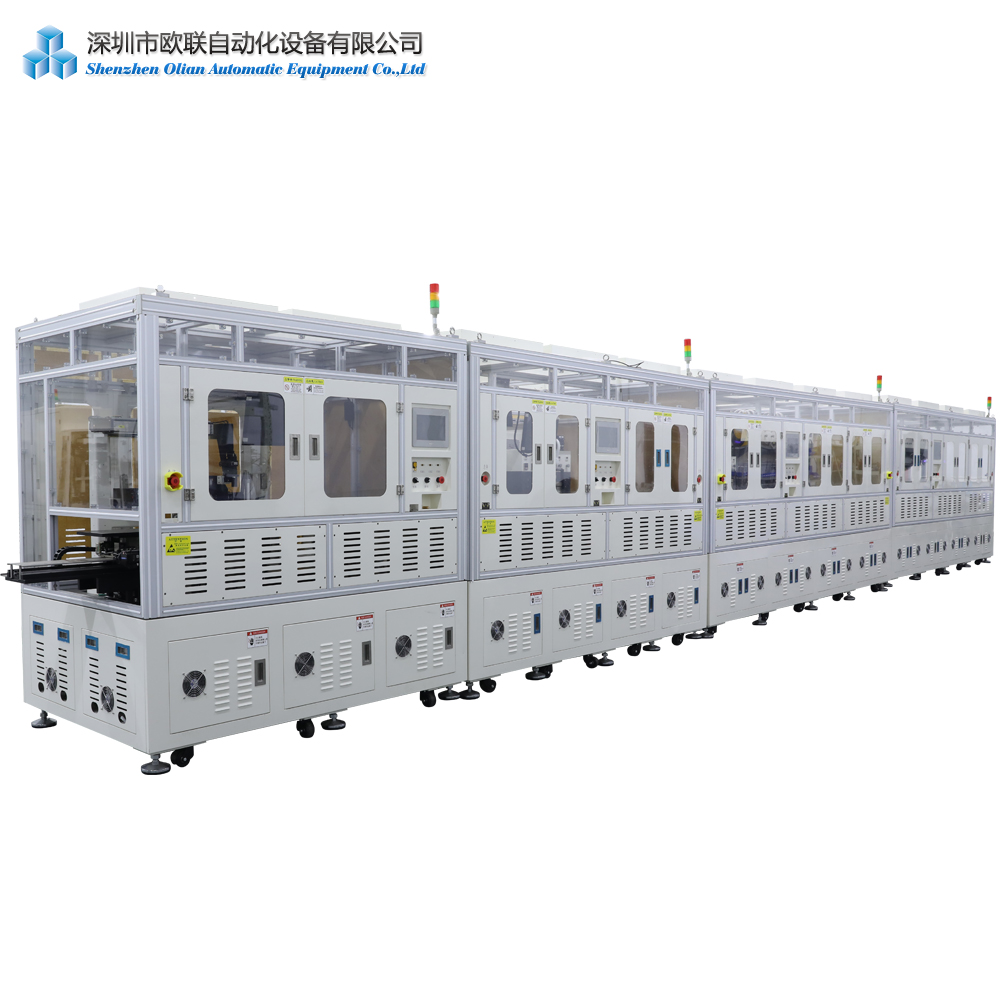
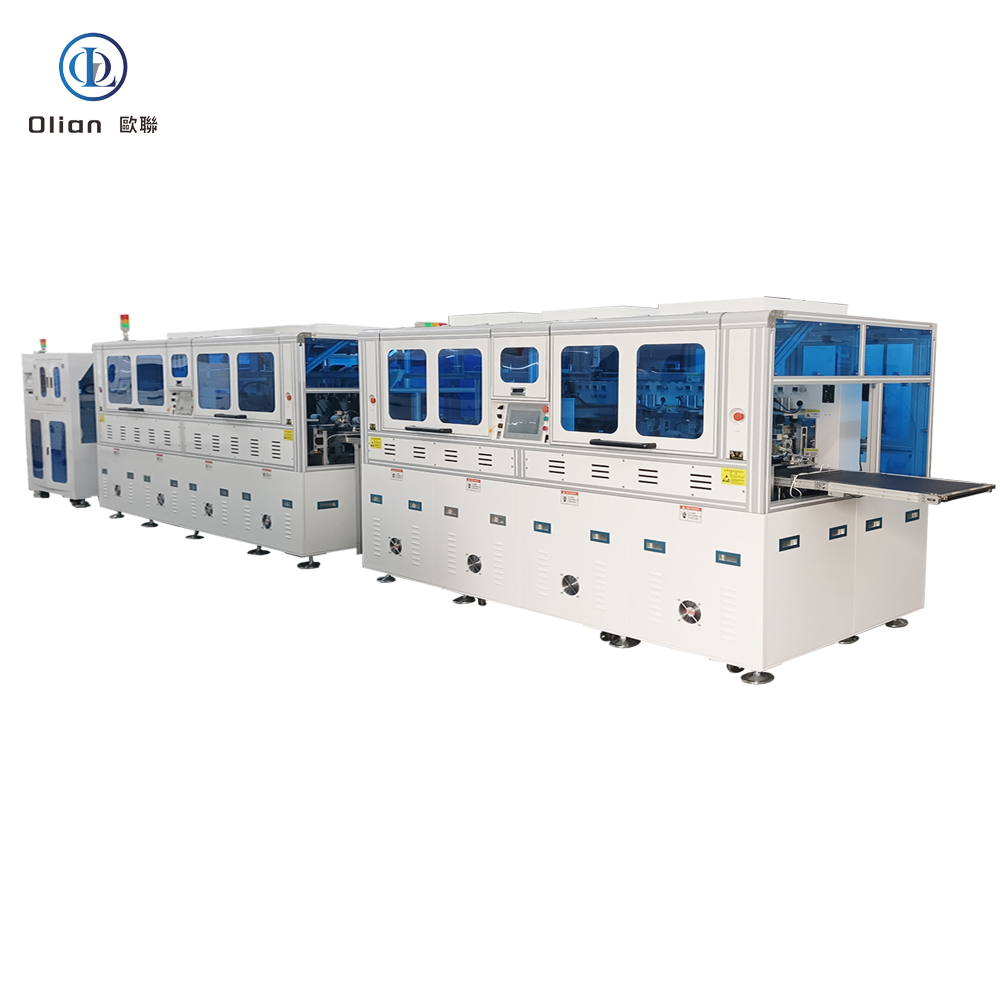
Fully Automatic ACF Bonding Line
A fully automatic ACF bonding line includes multiple machines working together to automate the entire bonding process. This includes substrates loading machines, terminal cleaning machines, fully automatic COG/COF/COP bonding machines, and fully automatic COF punching machines.
In conclusion, the ACF bonding process relies on a suite of sophisticated testing machines and equipment to ensure the quality and reliability of the final products. Each type of testing equipment plays a critical role in different stages of the production process, from initial material inspection to final product testing. By using these machines, manufacturers can optimize their processes, reduce defects, and ensure that their products meet the highest standards of quality and performance.
In the ACF (Anisotropic Conductive Film) bonding process, a variety of parts and accessories are used to ensure the quality and reliability of the final products. These components play a crucial role in the production line, from initial material preparation to final product testing. Here is a comprehensive overview of the parts and accessories used in ACF bonding processes:
ACF Tape
ACF Tape is the core material used in the ACF bonding process. It is an epoxy adhesive system filled with conductive particles that provide electrical interconnection between pads through the film thickness (z-direction). The conductive particles are distributed far apart to ensure electrical insulation in the plane direction (X&Y) of the film. ACF tape is available in various models and is specific to the application for which it is designed. For example, ACF designed for flex-on-glass (FOG) assembly is usually not suitable for chip-on-glass (COG) or chip-on-film (COF) applications.
Hot Bar/Thermode
The Hot Bar or Thermode is the primary tool used to apply heat and pressure during the ACF bonding process. Hot bar bonding systems are designed to heat the hot bar to a specific temperature using low voltage electricity, which temperature is fed back to the controller via a thermocouple. The hot bar is brought into contact with the ACF film over the bonding pad, heated to the bonding temperature, and held for a specified time. This process produces the connection between the ACF tape and the components.
Bonding Heads
Bonding Heads are designed to hold the components and position the ACF tape correctly with the conductive pads on the PCB or other components. They ensure that the bonding process is accurate and consistent. Bonding heads can be manual or automated, depending on the specific requirements of the bonding process.
ACF Cutting Machines
ACF Cutting Machines are used to cut the ACF tape to the required length and shape. These machines ensure that the ACF tape is accurately cut and positioned for the bonding process. The cutting is done using the half-cut method, where only the actual ACF material is cut, and the cover-layer is used for tape transport.
Pre-Bonding and Final Bonding Machines
Pre-Bonding Machines are used to pre-bond ICs or COF on the panel that has been attached to the ACF. The pick and place of the panel is achieved manually, and the pre-alignment is automatically completed by the equipment.
Final Bonding Machines perform the main bonding on the LCD glass with IC, cable, or COF pre-pressed. The operator manually loads and unloads the products, while the ACF bonding is automatically performed by the machine.
Top-Bottom Alignment Bonding Machines
Top-Bottom Alignment Bonding Machines are used to bond FPC/Zebra paper on the PCB/Glass with the ACF attached. The pick and place and alignment of the PCB/Panel are done manually, and the ACF bonding is done automatically. These machines are suitable for 1″ to 12″ flat glass and flexible screen products bonding.
Fully Automatic ACF Bonding Line
A Fully Automatic ACF Bonding Line includes multiple machines working together to automate the entire bonding process. This includes substrates loading machines, terminal cleaning machines, fully automatic COG/COF/COP bonding machines, and fully automatic COF punching machines.
Testing and Inspection Equipment
Testing and Inspection Equipment is used to ensure the quality and reliability of the bonded products. This includes microscopes for surface inspection, temperature and pressure testers, and environmental testing chambers to simulate various conditions.
ACF Bonding Applications
ACF bonding is widely used in various industries, including mobile phone manufacturing, automotive, LCD production, mobile computers, TV manufacturing, open cell panels, touch panels, smart watches, and pads. It is also used in research labs focusing on LCD/LED/OLED/MICRO LED/MINI LED displays.
Benefits of ACF Bonding
ACF bonding offers several benefits, including:
Lead-free and environmentally friendly
Smallest pitch >30 micron possible
Flux-free process
No cleaning required after the process
Low process temperatures
High reliability and performance
Cost-effective compared to traditional connectors and soldering
In conclusion, the ACF bonding process relies on a suite of sophisticated parts and accessories to ensure the quality and reliability of the final products. Each component plays a critical role in different stages of the production process, from initial material preparation to final product testing. By using these parts and accessories, manufacturers can optimize their processes, reduce defects, and ensure that their products meet the highest standards of quality and performance.
FOG FOP FOF FOB T-FOG FPC Flex Cable Bonding Machine: Classification and Introduction
Introduction to Flex Cable Bonding Machines
FOG FOP FOF FOB T-FOG FPC Flex Cable Bonding Machine are essential in the manufacturing of electronic devices, particularly for attaching flexible printed circuits (FPCs) or flexible flat cables (FFCs) to various substrates. These machines ensure a seamless and robust connection between the flexible cable and the electronic components, playing a crucial role in the production of devices like smartphones, tablets, and automotive displays.
Flex cable bonding machines can be classified based on their specific applications and the type of bonding process they perform:
FOG (Flex-On-Glass) Bonding Machine
Description: FOG bonding machines are used to bond FPCs directly onto glass substrates, commonly found in LCD and OLED displays. These machines offer high bonding accuracy and are essential for maintaining the quality and performance of display panels.
Features:
High bonding accuracy (XY: ±10µm) for all panel sizes.
Enhanced alignment accuracy using the same camera view to recognize marks on FPC and the LCD panel.
Improved stability through a rigid frame and new control methods for bonding load and speed.
Applications: Widely used in the production of small to medium-sized display panels, such as those found in smartphones and tablets.
FOB (Flex-On-Board) Bonding Machine
Description: FOB bonding machines are designed to bond FPCs onto printed circuit boards (PCBs). They are crucial for connecting flexible circuits to rigid boards, ensuring a reliable electrical connection.
Features:
High throughput, capable of transferring up to 4 panels at once for panels smaller than 8 inches.
Reduced model changeover time, as no stage replacement is required for panel size and ACF width changes.
Double-stage IC supply to eliminate line stops.
Applications: Commonly used in the assembly of electronic devices where FPCs need to be connected to PCBs, such as in automotive electronics and industrial control panels.
FOF (Flex-On-Flex) Bonding Machine
Description: FOF bonding machines are used to bond FPCs onto other FPCs, creating a flexible-to-flexible connection. This is particularly useful in applications where space is limited and flexibility is required.
Features:
High precision and reliability in bonding flexible-to-flexible connections.
Suitable for a wide range of FPC sizes and configurations.
Applications: Used in wearable technology, foldable devices, and other applications where flexibility and compact design are crucial.
T-FOG (Tape Flex-On-Glass) Bonding Machine
Description: T-FOG bonding machines are a variant of FOG machines that use tape to bond FPCs onto glass substrates. This process is particularly useful for applications where additional support or protection is required.
Features:
Enhanced bonding strength and durability.
Suitable for high-resolution displays and applications requiring high reliability.
Applications: Commonly used in high-end display manufacturing, such as OLED and micro-LED displays.
FPC (Flexible Printed Circuit) Bonding Machine
Description: FPC bonding machines are general-purpose machines used for bonding FPCs to various substrates, including glass, PCBs, and other flexible materials. They offer a wide range of bonding options and are highly versatile.
Features:
High bonding accuracy and precision.
Support for various bonding materials, including ACF and solder paste.
Suitable for a wide range of panel sizes and applications.
Applications: Used in the production of a variety of electronic devices, from consumer electronics to industrial and medical equipment.
Key Features and Specifications
High Precision: Offers high bonding accuracy, typically within ±0.015mm, ensuring reliable connections.
Increased Productivity: Automation reduces the time required for each bonding process, allowing for higher production rates.
Reduced Labor Costs: By minimizing manual operations, the machine reduces labor costs and the risk of human error.
Enhanced Reliability: The consistent bonding process ensures that each product meets high-quality standards, reducing the likelihood of defects.
Real-Time Monitoring: Advanced sensors detect bonding quality in real time, allowing for immediate error detection and minimizing waste and rework.
High-Speed Automation: Designed for high-speed production, increasing throughput while maintaining accuracy.
Applications of Flex Cable Bonding Machines
Flex cable bonding machines are indispensable across diverse industries:
Consumer Electronics: Commonly used in the manufacturing of smartphones, tablets, and other devices that require flexible and durable displays.
Automotive Displays: Used in the production of vehicle displays, where flexibility and durability are critical.
Medical Devices: High-precision bonding for diagnostic equipment screens.
Industrial Equipment: Applied in control panels and ruggedized display solutions.
Foldable and Wearable Tech: Facilitates bonding for next-gen foldable devices and flexible wearables.
Industry Trends and Future Developments
The electronics industry is continuously evolving, with manufacturers focusing on improving the precision and speed of bonding machines. Future trends include:
Integration of AI and Machine Learning: To further enhance the precision and efficiency of the bonding process.
Development of Larger and More Complex Substrates: As demand for larger and more advanced displays grows.
Focus on Sustainability: There is an increasing emphasis on developing energy-efficient and environmentally friendly bonding processes.
Conclusion
Flex cable bonding machines are critical components in modern electronics manufacturing, providing a reliable and efficient solution for bonding processes in the production of high-quality displays and electronic devices. They are used in a wide range of applications, from consumer electronics to industrial and medical devices, ensuring that products meet the highest standards of quality and performance. With the increasing demand for thinner, lighter, and more durable devices, flex cable bonding technology continues to play a crucial role in the electronics industry.
Chip bonding machines are essential in the electronics manufacturing industry, particularly for attaching integrated circuits (ICs) to various substrates. These machines ensure a seamless and robust connection between the ICs and the substrates, playing a crucial role in the production of devices like smartphones, tablets, and automotive displays. The different types of chip bonding machines, including COG (Chip On Glass), COP (Chip On Plastic), COF (Chip On Film), and COB (Chip On Board), are designed to meet specific requirements and applications.
COF COP COG IC PRE BONDERCOF COP COG IC BONDERCOF IC BONDERCOF PRE BONDER MAIN BONDERIC MIAN BONDERFPC PRE BONDING MAIN BONDER
Classification of Chip Bonding Machines
COG (Chip On Glass) Bonding Machine
Description: COG bonding machines are used to bond ICs directly onto glass substrates, commonly found in LCD and OLED displays. This process involves using Anisotropic Conductive Film (ACF) to create a connection between the IC and the glass substrate.
Features:
High bonding accuracy (XY: ±10µm) for all panel sizes.
Enhanced alignment accuracy using the same camera view to recognize marks on the FPC and the LCD panel.
Improved stability through a rigid frame and new control methods for bonding load and speed.
Applications: Widely used in the production of small to medium-sized display panels, such as those found in smartphones and tablets.
COP (Chip On Plastic) Bonding Machine
Description: COP bonding machines are used to bond ICs onto plastic substrates. This process is similar to COG but uses plastic instead of glass, offering flexibility and durability.
Features:
High precision and reliability in bonding flexible-to-flexible connections.
Suitable for a wide range of FPC sizes and configurations.
Applications: Used in wearable technology, foldable devices, and other applications where flexibility and compact design are crucial.
COF (Chip On Film) Bonding Machine
Description: COF bonding machines are used to bond ICs onto flexible printed circuits (FPCs). This process involves using ACF to create a connection between the IC and the FPC, allowing for flexible and compact designs.
Features:
High precision and reliability in bonding flexible-to-flexible connections.
Suitable for a wide range of FPC sizes and configurations.
Applications: Commonly used in the production of large-sized display panels, such as those found in TVs and monitors.
COB (Chip On Board) Bonding Machine
Description: COB bonding machines are used to bond ICs directly onto printed circuit boards (PCBs). This process involves using a combination of adhesives and wire bonding to create a robust connection.
Features:
High bonding accuracy and precision.
Support for various bonding materials, including ACF and solder paste.
Suitable for a wide range of panel sizes and applications.
Applications: Used in the production of a variety of electronic devices, from consumer electronics to industrial and medical equipment.
Key Features and Specifications
High Precision: Offers high bonding accuracy, typically within ±0.015mm, ensuring reliable connections.
Increased Productivity: Automation reduces the time required for each bonding process, allowing for higher production rates.
Reduced Labor Costs: By minimizing manual operations, the machine reduces labor costs and the risk of human error.
Enhanced Reliability: The consistent bonding process ensures that each product meets high-quality standards, reducing the likelihood of defects.
Real-Time Monitoring: Advanced sensors detect bonding quality in real time, allowing for immediate error detection and minimizing waste and rework.
High-Speed Automation: Designed for high-speed production, increasing throughput while maintaining accuracy.
Applications of Chip Bonding Machines
Chip bonding machines are indispensable across diverse industries:
Consumer Electronics: Commonly used in the manufacturing of smartphones, tablets, and other devices that require flexible and durable displays.
Automotive Displays: Used in the production of vehicle displays, where flexibility and durability are critical.
Medical Devices: High-precision bonding for diagnostic equipment screens.
Industrial Equipment: Applied in control panels and ruggedized display solutions.
Foldable and Wearable Tech: Facilitates bonding for next-gen foldable devices and flexible wearables.
Industry Trends and Future Developments
The electronics industry is continuously evolving, with manufacturers focusing on improving the precision and speed of bonding machines. Future trends include:
Integration of AI and Machine Learning: To further enhance the precision and efficiency of the bonding process.
Development of Larger and More Complex Substrates: As demand for larger and more advanced displays grows.
Focus on Sustainability: There is an increasing emphasis on developing energy-efficient and environmentally friendly bonding processes.
Conclusion
Chip bonding machines are critical components in modern electronics manufacturing, providing a reliable and efficient solution for bonding processes in the production of high-quality displays and electronic devices. They are used in a wide range of applications, from consumer electronics to industrial and medical devices, ensuring that products meet the highest standards of quality and performance. With the increasing demand for thinner, lighter, and more durable devices, chip bonding technology continues to play a crucial role in the electronics industry.
Smart Wear LCD OLED Bonding Production Whole Line Solution
In the rapidly evolving field of smart wear technology, the production of LCD and OLED display modules requires a comprehensive and integrated approach to ensure high efficiency, quality control, and adaptability to market demands. Our Smart Wear LCD OLED Bonding Production Whole Line Solution is designed to meet these challenges by providing a seamless and intelligent manufacturing process.
Advanced Flexible Display Bonding Dispensing Production SolutionSmart Wear LCD OLED Bonding Production Whole Line SolutionMobile Phones Tablets and Industrial Control Products Whole Line Solution for TFT Displays
Key Components of the Solution
Glass Loading (玻璃上料)
Automated Glass Loading: The process begins with the automated loading of glass substrates into the production line. This step ensures that the substrates are handled with precision and care, reducing the risk of damage.
Plasma Cleaning (等离子清洗)
High-Purity Cleaning: The glass substrates are cleaned using a plasma cleaning process to remove any contaminants. This step is crucial for ensuring a high-quality bond and reducing defects.
COG (Chip on Glass) and COF (Chip on Film) Bonding
Driver IC Attachment: COG and COF processes are used to attach driver ICs directly to the glass substrate (COG) or to a flexible film (COF) which is then bonded to the glass. These processes ensure a stable and reliable connection, enhancing the performance of the display.
FOG (Film on Glass) and FOF (Film on Film) Bonding
FPC Bonding: FOG and FOF processes involve bonding flexible printed circuits (FPCs) to the glass substrate or to other FPCs. This step is essential for connecting the display module to the mainboard and other components.
Impedance Testing (阻抗测试)
Quality Assurance: Impedance testing is performed to ensure that the electrical connections are stable and reliable. This step is crucial for identifying and correcting any electrical issues before proceeding to the next stage of production.
RT (Room Temperature Curing)
Adhesive Curing: Room temperature curing is used to set the adhesives used in the bonding processes. This ensures that the components are securely attached without the need for high-temperature processes that could damage sensitive materials.
AOI (Automated Optical Inspection)
Quality Control: AOI systems use high-resolution cameras to inspect the display modules for defects. This process ensures that only high-quality products proceed to the next stage of production.
Dispensing (点胶)
Adhesive Application: Precision dispensing machines apply adhesives to the components to ensure a strong bond. This step is crucial for the durability and reliability of the display modules.
Drying (晾干)
Adhesive Drying: After dispensing, the adhesives are allowed to dry under controlled conditions. This ensures that the components are securely bonded and the display modules are ready for further assembly.
TFOG (Thermal Film on Glass)
Thermal Bonding: TFOG processes use heat to bond films to the glass substrate. This step is essential for creating a strong and durable bond, especially in high-stress applications.
Final Dispensing (点胶)
Sealing and Protection: Final dispensing of adhesives is used to seal and protect the display modules. This ensures that the modules are resistant to environmental factors such as dust and moisture.
Applications
Our Smart Wear LCD OLED Bonding Production Whole Line Solution is ideal for a wide range of smart wear devices, including:
Wristbands (手环)
Smartwatches (手表)
Smart Glasses (眼镜)
Medical Devices (医疗设备)
Smart Jewelry (智能首饰)
These devices require high touch sensitivity, durability, and clear displays, making our solution particularly beneficial for these applications.
Advantages of Our Solution
High Precision and Reliability: Our solution uses advanced manufacturing techniques and inspection systems to ensure that each component is accurately placed and bonded, reducing the risk of defects and improving the overall quality of the display modules.
Enhanced Durability: The use of protective coatings and encapsulation techniques ensures that the displays are more resistant to environmental factors, making them suitable for a variety of applications.
Improved User Experience: By integrating touch and gesture-sensing functionalities, our display modules provide enhanced interactivity, thereby fostering extraordinary user experiences and broader applicability.
Customizable and Scalable: Our solution is designed to be customizable and scalable, allowing manufacturers to adapt to different product requirements and market demands.
Conclusion
With our comprehensive Smart Wear LCD OLED Bonding Production Whole Line Solution, manufacturers can achieve high-quality, durable, and responsive displays in their smart wear devices. Our solution combines advanced manufacturing techniques, precision inspection systems, and customizable processes to meet the diverse needs of the smart wear market. By choosing our solution, you can ensure that your smart wear devices stand out in terms of performance and user experience.
Mobile Phones, Tablets, and Industrial Control Products Whole Line Solution for TFT Displays
In the highly competitive and rapidly evolving market of consumer electronics and industrial control systems, the production of TFT displays for mobile phones, tablets, and industrial control products requires a comprehensive and highly automated solution. Our Whole Line Solution for TFT displays is designed to meet the stringent demands of these sectors, ensuring high-quality, reliable, and efficient production processes.
Key Components of the Solution
Fully Automatic Glass Loading (LCD产品全自动动上料)
Automated Glass Feeding: The process begins with the automated loading of glass substrates into the production line. This ensures precision and reduces the risk of damage, enhancing the overall quality of the display modules.
ITO Terminal Cleaning (ITO端子清洗)
High-Purity Cleaning: The glass substrates are cleaned using advanced plasma cleaning techniques to remove any contaminants. This step is crucial for ensuring a high-quality bond and reducing defects.
COG (Chip on Glass) and COF (Chip on Film) Bonding
Driver IC Attachment: COG and COF processes are used to attach driver ICs directly to the glass substrate (COG) or to a flexible film (COF) which is then bonded to the glass. These processes ensure a stable and reliable connection, enhancing the performance of the display.
FOG (Film on Glass) and FOF (Film on Film) Bonding (FPC上料)
FPC Bonding: FOG and FOF processes involve bonding flexible printed circuits (FPCs) to the glass substrate or to other FPCs. This step is essential for connecting the display module to the mainboard and other components.
Particle AOI (粒子AIO)
Quality Assurance: Particle AOI systems use high-resolution cameras to inspect the display modules for any particle contamination or defects. This process ensures that only high-quality products proceed to the next stage of production.
Dispensing and Drying (点胶晾干)
Adhesive Application and Drying: Precision dispensing machines apply adhesives to the components to ensure a strong bond. After dispensing, the adhesives are allowed to dry under controlled conditions, ensuring that the components are securely bonded.
TP Lamination (TP贴合)
Touch Panel Integration: The touch panel (TP) is laminated onto the display module, ensuring a seamless and responsive touch interface. This step is crucial for enhancing the user experience in devices such as mobile phones and tablets.
Backlight Assembly (背光组装)
Backlight Integration: The backlight unit (BLU) is assembled and integrated with the display module. This includes the assembly of LED lights, light guides, and various optical films to ensure even illumination across the entire display area.
Whole Line Features
Rationalized Mechanical Design (合理化机构设计)
Simple & Comprehensive Structure: The design is optimized for high automation, making it ideal for batch production of mobile phones and tablets. The high degree of automation can achieve unmanned production, reducing labor costs and increasing efficiency.
High Compatibility (兼容性好)
Full Range Coverage: The solution covers a wide range of display sizes from 1.44″ to 10.1″, and can be customized to cover sizes from 0.5″ to 10.1″. This makes it suitable for both standard and special-sized wearable products.
Good Expandability (扩展性好)
Customizable Options: The solution can handle both monochrome and color screens, and can be customized to support On-Cell technology and T-FOG processes. This ensures flexibility and adaptability to different production requirements.
Modular Design (积木式设计)
Flexible Configuration: The solution allows for the configuration of different numbers of COG and FOG devices to support multi-chip and multi-FPC production processes. The entire machine uses CCD calibration to ensure bonding accuracy.
Applications
Our Whole Line Solution for TFT displays is ideal for a wide range of products, including:
Mobile Phones (Mobile phones)
Tablets (Tablets)
Industrial Control Products (Industrial control products)
These devices require high touch sensitivity, durability, and clear displays, making our solution particularly beneficial for these applications.
Conclusion
With our comprehensive Whole Line Solution for TFT displays, manufacturers can achieve high-quality, durable, and responsive displays in their products. Our solution combines advanced manufacturing techniques, precision inspection systems, and customizable processes to meet the diverse needs of the market. By choosing our solution, you can ensure that your products stand out in terms of performance and user experience.
Advanced Flexible Display Bonding Dispensing Production Solution
In the rapidly evolving landscape of display technology, the production of advanced flexible OLED displays demands a highly sophisticated and versatile bonding and dispensing solution. Our Advanced Flexible Display Bonding Dispensing Production Solution is designed to meet these demands, offering a comprehensive and integrated approach to ensure high efficiency, precision, and adaptability.
Advanced Flexible Display Bonding Dispensing Production Solution
Key Features of the Solution
Integrated Bonding Technologies
Unified COG/FOG, COF/FOF, COP/FOP Processes: Our solution combines three key bonding technologies—COG/FOG, COF/FOF, and COP/FOP—into a single, unified process. This allows for the production of a wide range of display modules, from flexible to rigid OLEDs, without the need to switch machines. This integrated approach is ideal for future display modules where diverse bonding processes are required.
Dual Handling and Bonding Mode
High-Speed Production: The equipment features a dual handling and dual bonding mode, achieving a tact time of 3.5 seconds. This high-speed production capability ensures maximum efficiency and throughput, making it suitable for large-scale manufacturing.
Comprehensive Production Line Configuration
Fully Integrated Line: The solution includes a complete production line configuration, featuring:
Automated Loading Machines: Efficiently load substrates into the production line.
Cleaning Machines: Ensure high-purity cleaning of substrates to remove contaminants.
COF/COG/COP Bonding Machines: Attach driver ICs and flexible circuits with high precision.
COF Cutting and IC Loading Machines: Perform COF cutting and IC loading in a single step.
FOF/FOG/FOP Bonding Machines: Bond flexible printed circuits (FPCs) to the glass or flexible substrates.
FPC Automatic Loading Machines: Automate the loading of FPCs to ensure consistent and precise placement.
Flip Machines: Facilitate the flipping of substrates for multi-sided processing.
Particle AOI Inspection Machines: Detect and remove particle contaminants to ensure high-quality bonding.
Impedance Testers: Verify the electrical integrity of the bonded components.
T-FOG and T-FOF Bonding: Perform thermal bonding for enhanced durability and reliability.
Seamless Integration: The entire line is designed to be seamless and efficient, with reserved material inlets for manual loading if needed, ensuring flexibility and adaptability.
Precision and Quality Control
High Precision Standards: The solution meets stringent precision standards, ensuring high-quality and reliable display modules. Key precision metrics include:
Droplet Angle Precision: For rigid screens, ≤20°.
Cleaning Effect: Minimum distance from CF edge: ≥0.2mm.
ACF Attachment: X: ±0.1mm, Y: ±0.1mm.
COG Bonding Precision: X: ±0.004mm, Y: ±0.004mm.
COF Bonding Precision: X: ±0.004mm, Y: ±0.005mm.
COP Bonding Precision: X: ±0.005mm, Y: ±0.005mm.
COF Cutting Precision: ±0.05mm.
FOG Bonding Precision: X: ±0.012mm, Y: ±0.012mm.
FOF Bonding Precision: X: ±0.015mm, Y: ±0.015mm.
FOP Bonding Precision: X: ±0.015mm, Y: ±0.015mm.
Product Size Range
Versatile Size Coverage: The solution supports a wide range of product sizes from 1″ to 8″, making it suitable for various applications, including smart wearables and flexible screen smartphones.
High Uptime and Reliability
High produce uptime: The solution ensures a high uptime of ≥98%, minimizing downtime and maximizing production efficiency.
Optional Features
COFUSC and Velvet Cleaning: Enhanced cleaning options for OnCell cleaning and T-FOG bonding on both sides.
Plasma Brand Specification: The solution allows for the specification of preferred plasma brands, ensuring compatibility and performance.
Conclusion
Our Advanced Flexible Display Bonding Dispensing Production Solution is designed to meet the future demands of the display industry, offering a versatile, high-precision, and efficient production process. By integrating multiple bonding technologies and ensuring high-quality standards, our solution is ideal for manufacturers looking to produce a wide range of advanced display modules. Choose our solution to stay ahead in the competitive market and deliver top-quality products.