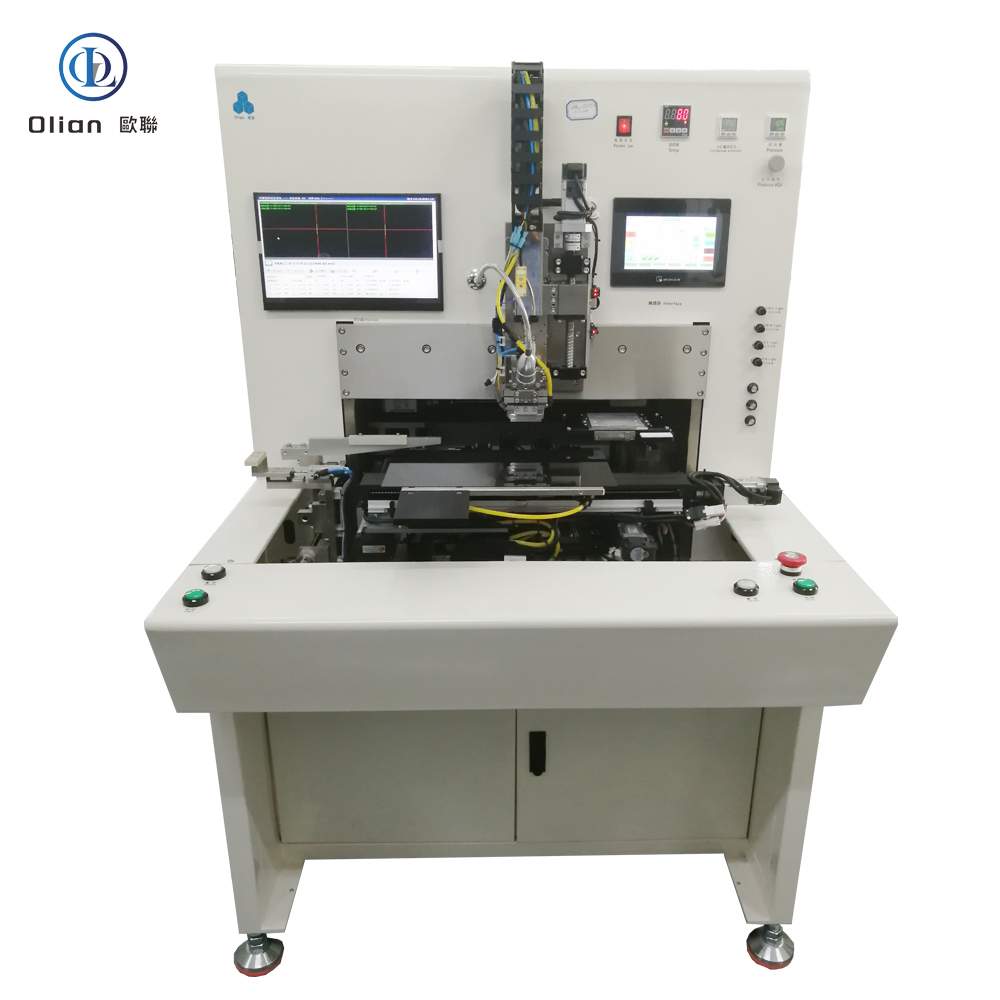
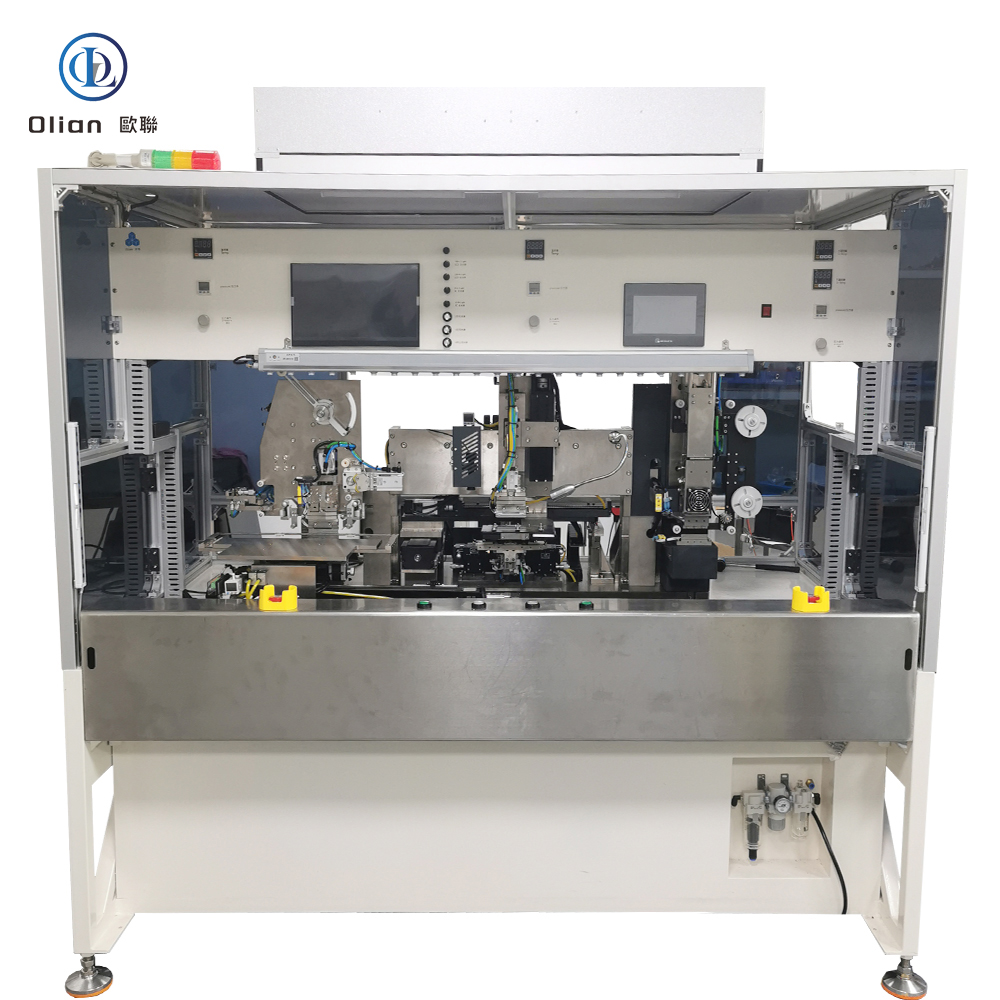
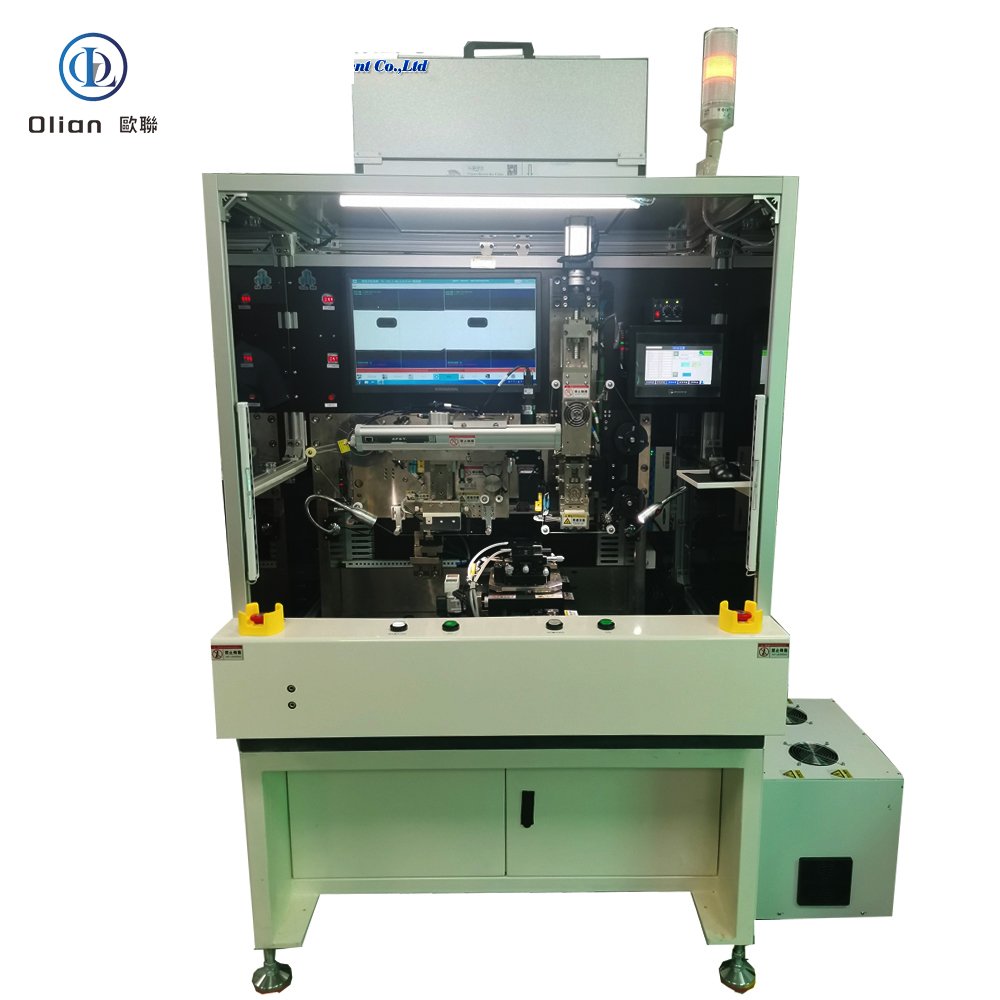
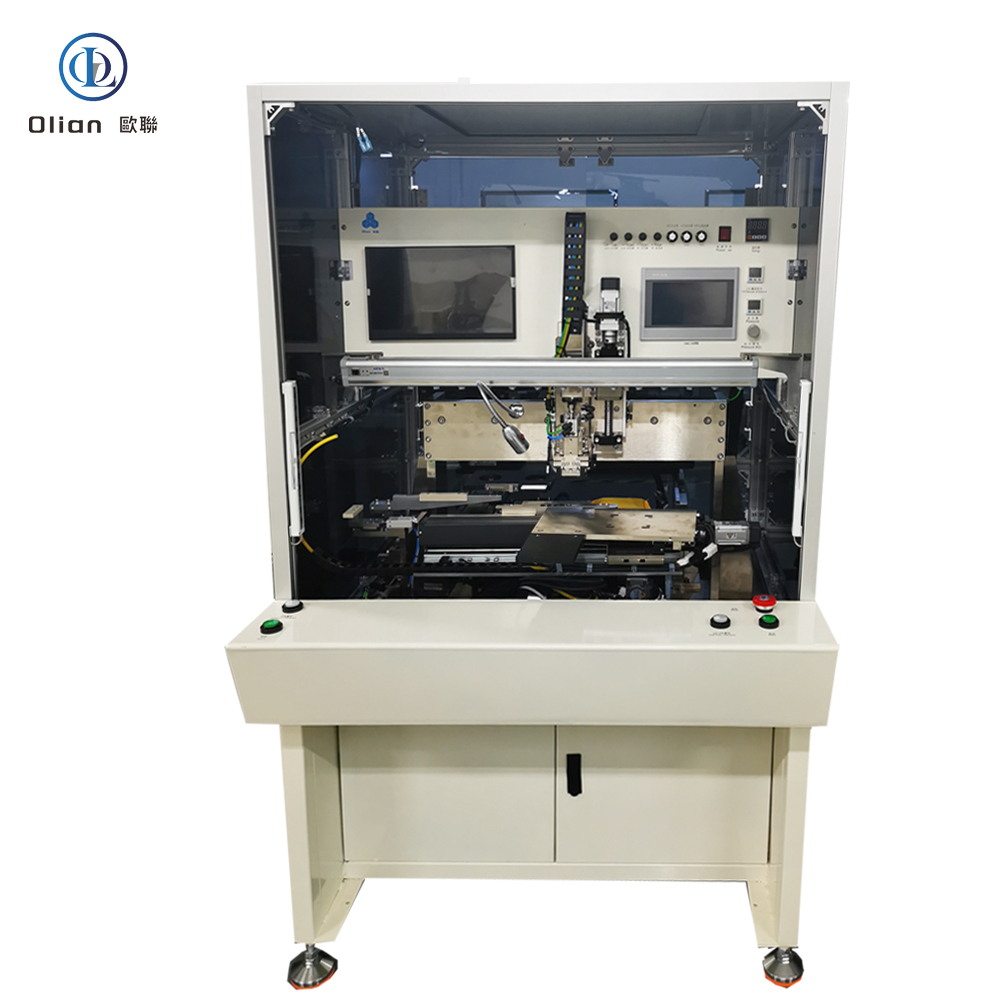
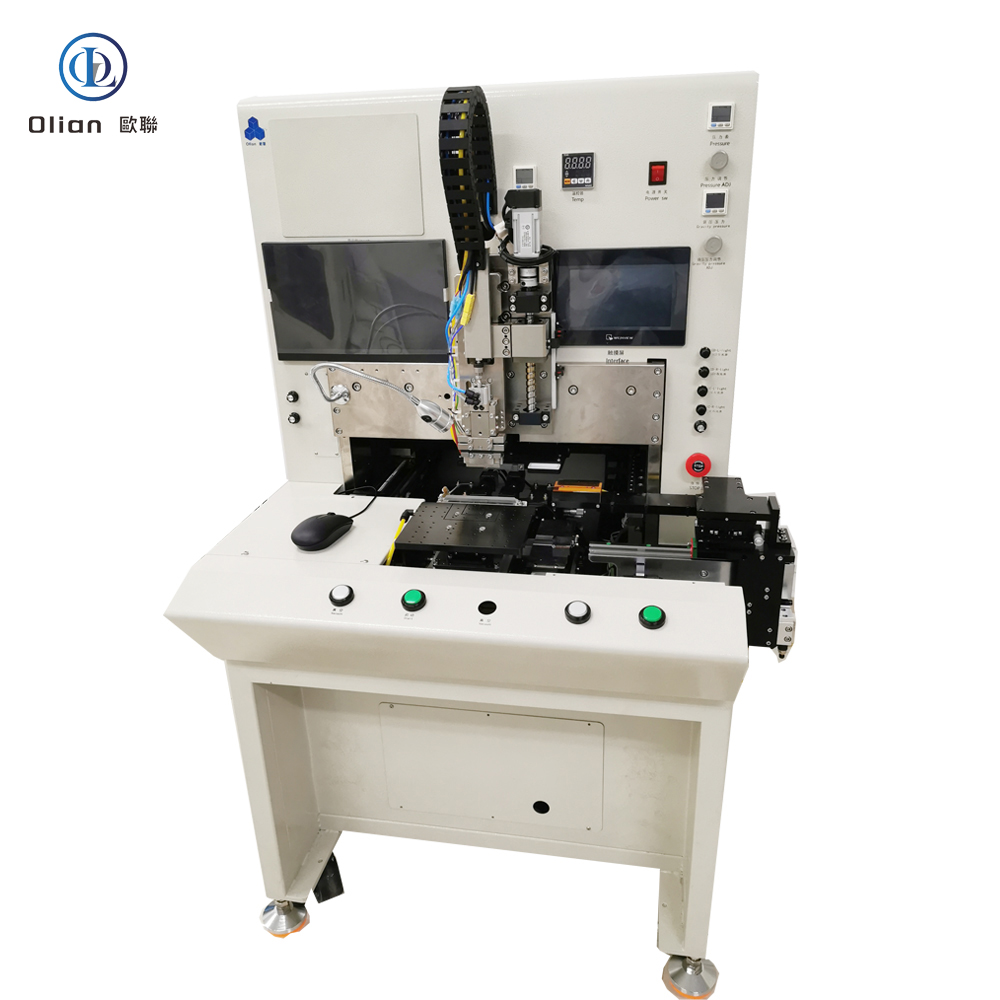
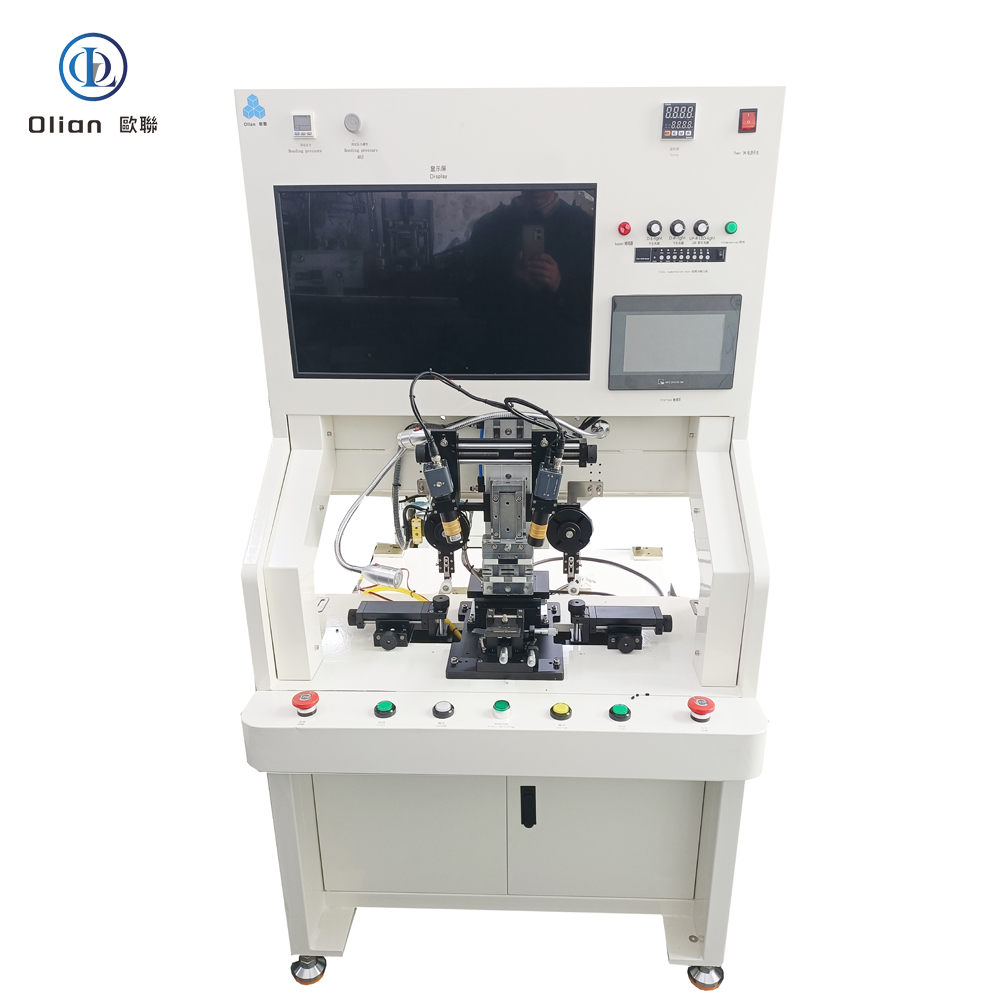
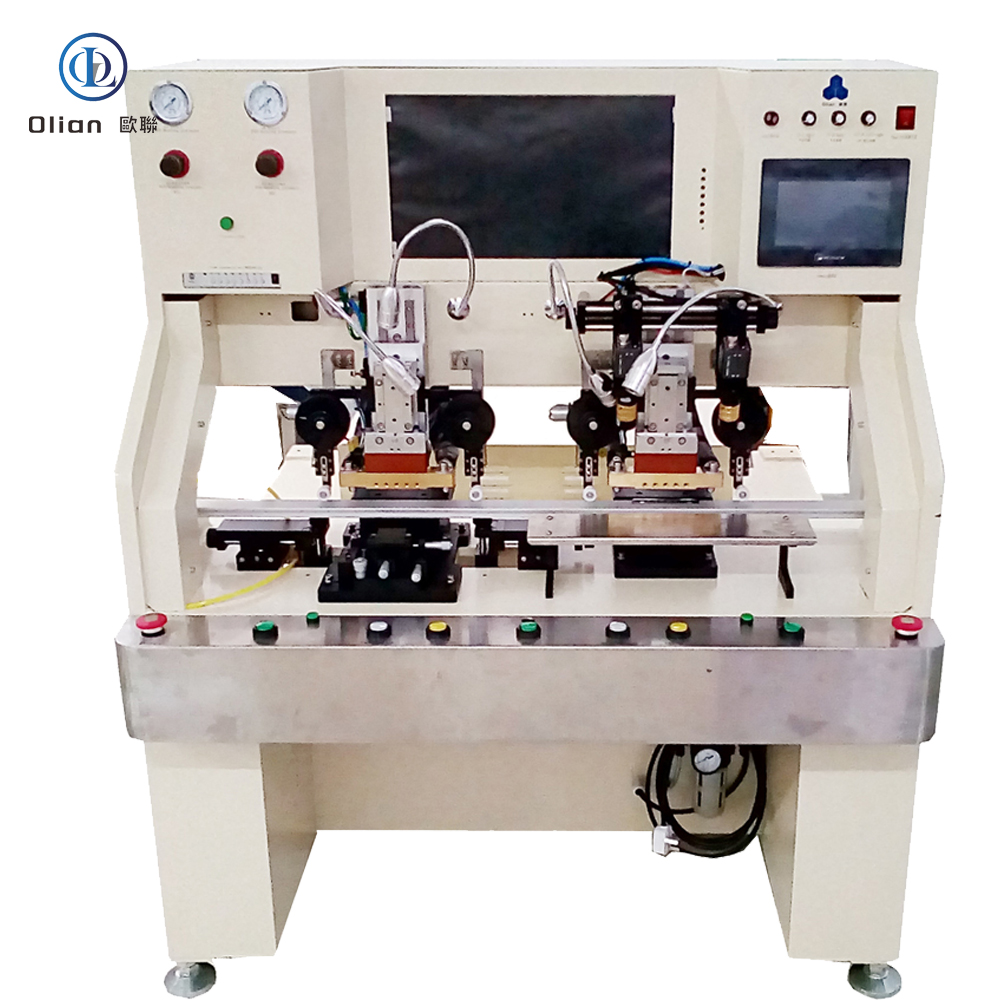
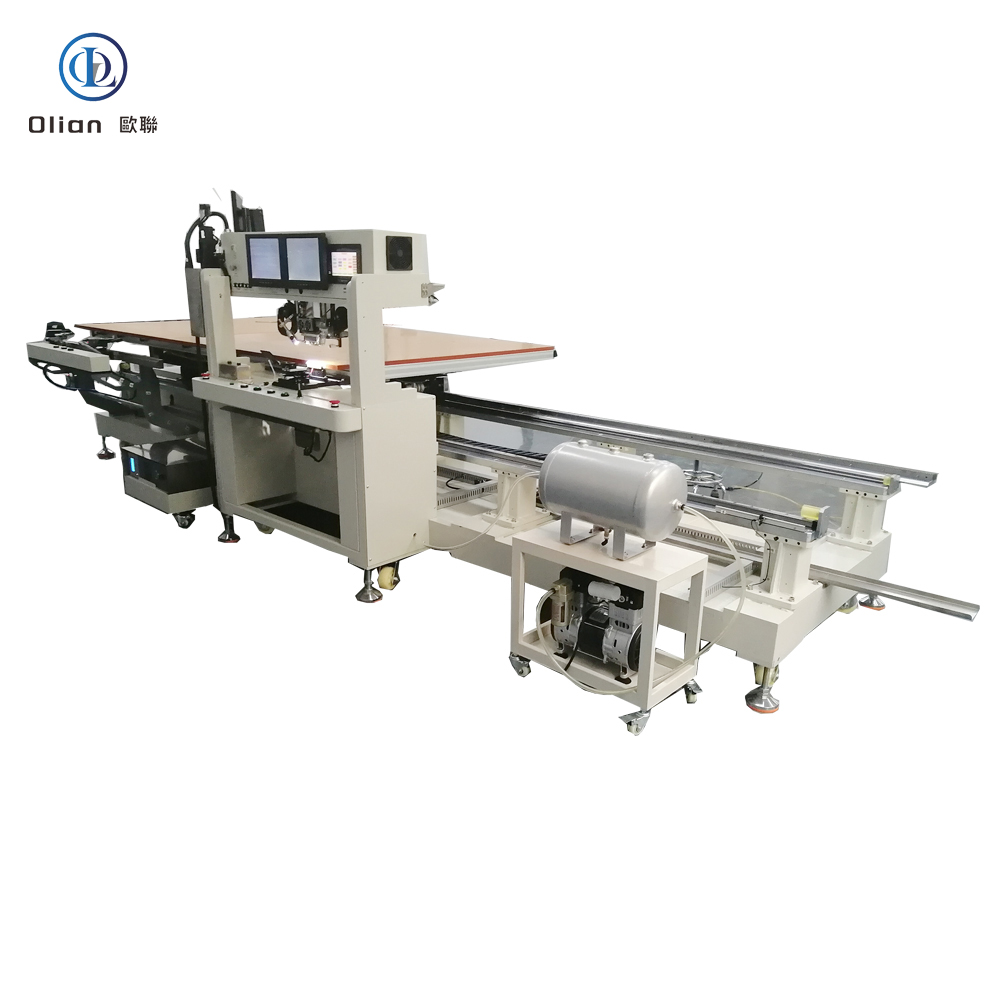
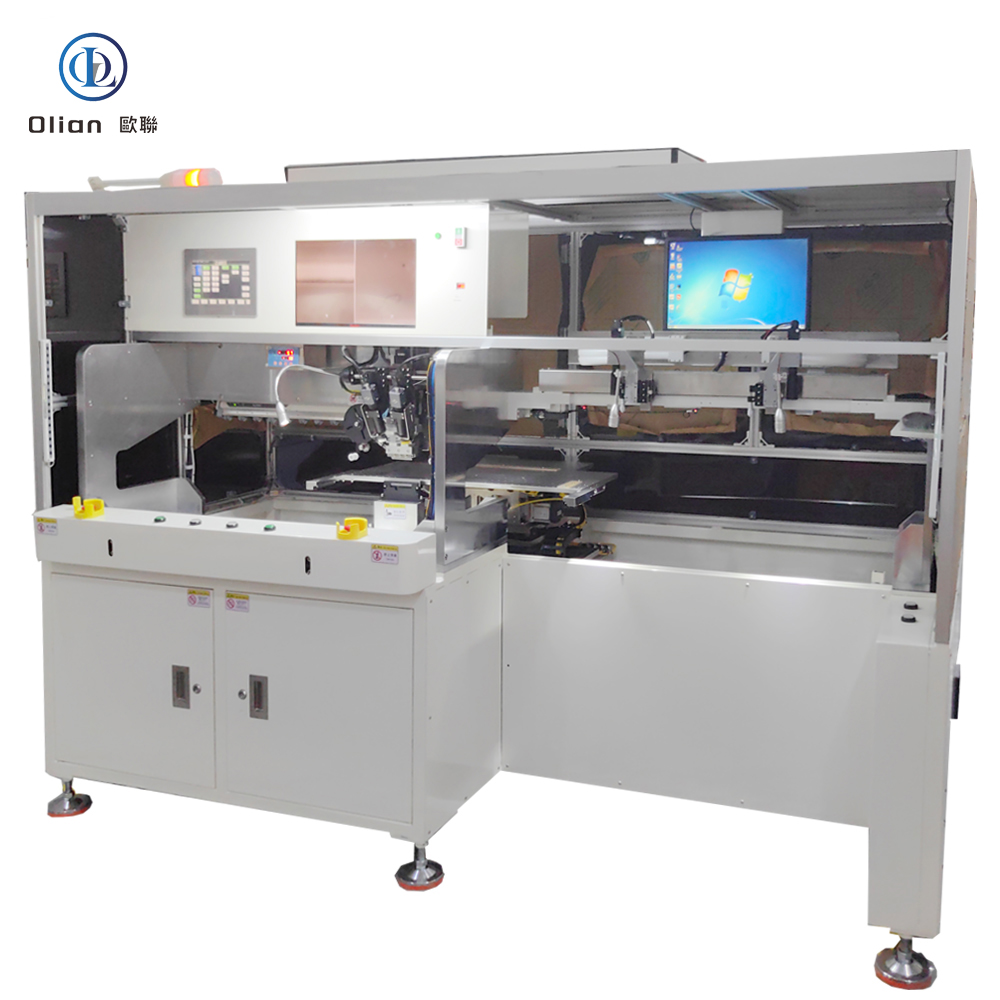
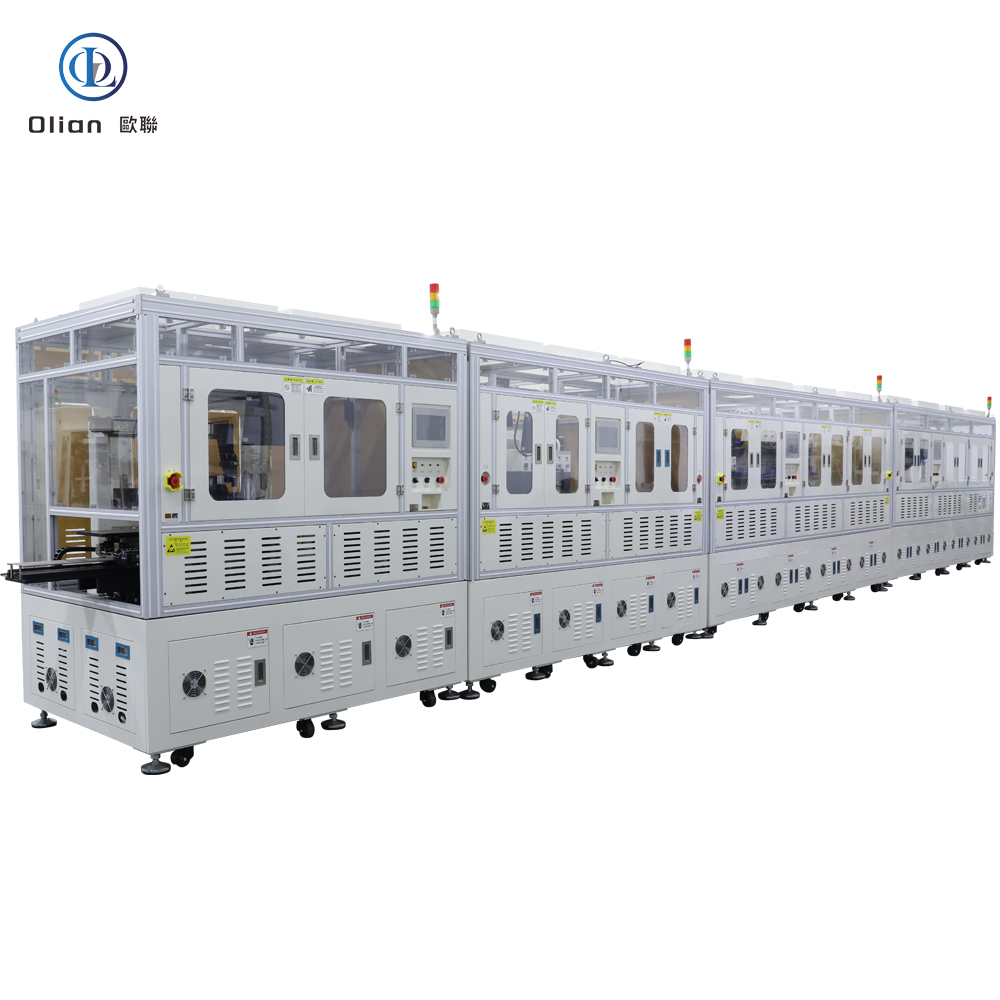
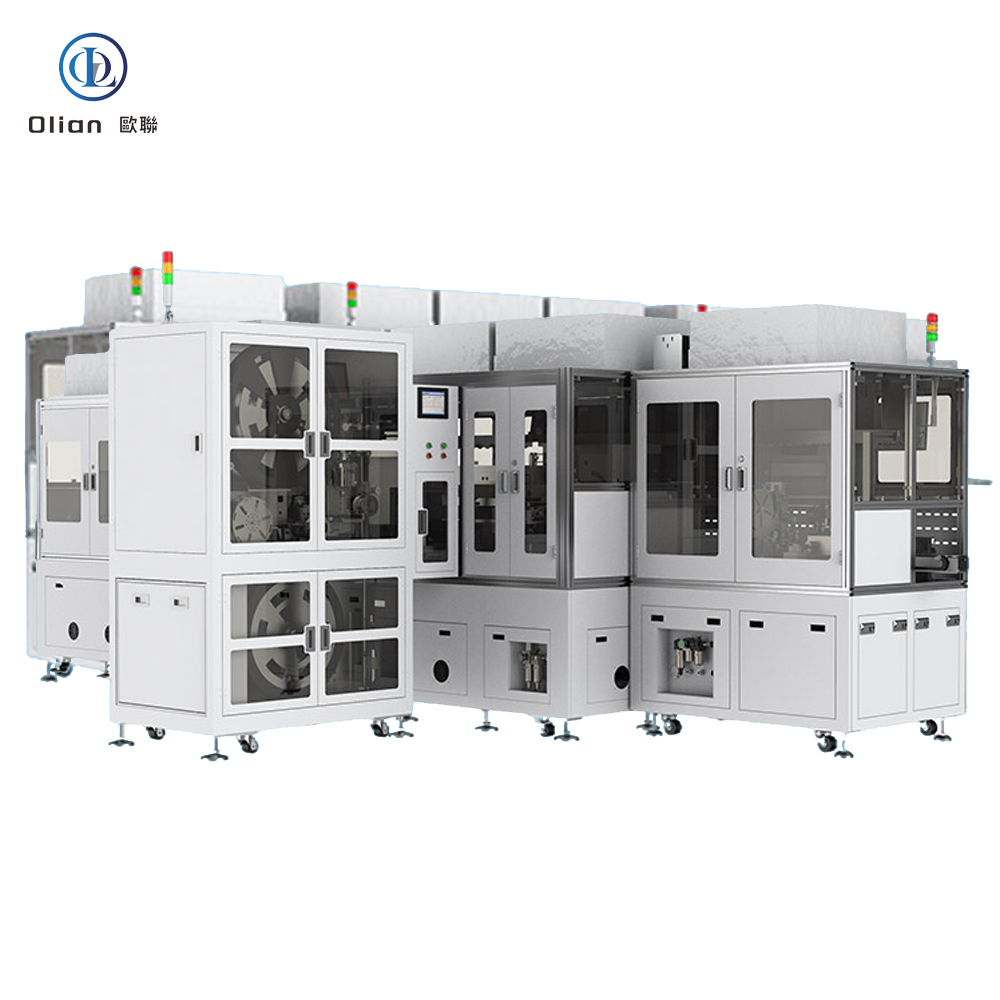
An IC Chip COG COP COF bonder is the micron-level heart of every modern display factory. It decides whether a driver IC sits directly on glass (COG), on a foldable plastic film (COP), or on a continuous copper-clad tape (COF). Each acronym describes a different “chip-on-X” marriage, but they all share the same physics: gold bumps on the silicon die are pressed into anisotropic conductive film (ACF) on the substrate, creating thousands of vertical contacts that survive −40 °C automotive winters and 200,000 phone-fold cycles. This guide walks through every process, physics, hardware, software, spec, application, trend, and maintenance tip for “IC Chip COG COP COF bonder”, “COG bonder”, “COP bonding machine”, “COF IC bonder”, “display driver IC bonding”, and every high-value permutation.
IC CHIP COG COP COF bonderIC CHIP COG COP COF bonderCOG COP COF ACF pre bonding machineIC Chip COG COP COF bonder is the micron-level heart of every modern display factory. It decides whether a driver IC sits directly on glass (COG), on a foldable plastic film (COP), or on a continuous copper-clad tape (COF)COG COP COF ACF pre bonding machineCOF ACF bonding machineIC Chip COG COP COF bonderlIC Chip COG COP COF bonderIC Chip COG COP COF bonderfully automatic FOG bonding machinefully automatic ACF COG COP COF FOG FOB FOF TFOG TFOF OLB TAB Bonding Machine
1. From Silicon to System: Why the Bonder Matters
After wafer test (CP) and bumping (BP), the bare die is still a fragile sliver of silicon. The bonder is the first machine that turns it into a usable electronic component:
COG → glass substrate = razor-thin phone bezel
COP → plastic substrate = foldable OLED
COF → continuous reel = 100-inch TV source driver
The same granite base, voice-coil actuator, and 12 MP vision system can switch between COG, COP, and COF in < 15 s by swapping the temperature/force recipe and the jig.
2. Physics Common to All Three Flavours
Gold or Copper Bumps (5–25 µm high, 20–80 µm pitch) are plated on the IC during BP.
ACF (25–45 µm) is laminated onto the substrate at 80 °C, 0.2 MPa.
Vision Alignment within ±1 µm @ 3σ using dual CMOS cameras and AI edge detection.
Pulse Heat & Pressure:
COG: 180–220 °C, 1.0–1.5 MPa, 1.5 s
COP: 140–180 °C, 0.6–1.0 MPa, 1.5 s (low temp for PET)
COF: 180–220 °C, 1.0–1.5 MPa, 2.0 s (longer for reel index)
Cool Under Load to < 60 °C while maintaining pressure, locking conductive particles.
In-Situ Kelvin Test < 30 mΩ per bump; > 30 mΩ triggers automatic rework.
3. COG (Chip-On-Glass) – The Classic Slim-Bezel Enabler
Substrate: ITO glass (0.3–1.1 mm)
Die Size: 0.5 × 0.5 mm to 15 × 15 mm
Head Force: 10–100 kg
Key Pain Point: Glass thermal expansion mismatch → head must cancel its own weight to 0.1 g resolution
Cold-Laser Clean: Femtosecond laser removes oxide at 25 °C, enabling 120 °C PET bonds.
AI Yield Predictor: Neural networks forecast particle-trap probability, pushing yield to 99.9 %.
Servo-Hydraulic Hybrid: 80 kg force for 100″ TV glass while maintaining 1 µm accuracy.
Roll-to-Roll COF: Reel-fed driver and touch tails bonded at 3,000 UPH.
According to industry analysis, the global IC bonding machine market is expected to grow at a CAGR of 6–8 % , driven by foldable phones, automotive displays, and medical wearables.
.
10. Daily Maintenance Across All Modes
Clean DLC head with IPA every 200 cycles to prevent ACF build-up.
Verify thermocouple vs dry-block weekly; drift > 0.3 °C triggers replacement.
IC Chip COG COP COF bonder, COG bonding machine, COP bonding machine, COF IC bonder, display driver IC bonding, pulse heat COG bonder, low-temp COP bonding machine, reel-fed COF bonder, 1 micron placement accuracy, 200 °C bonding temperature, 1 MPa bonding pressure, vertical conduction horizontal insulation, lead-free IC bonding, ROHS compliant bonding, foldable phone IC bonding, 8-K TV COF bonding, automotive display IC bonding, medical device IC bonding, AI vision IC bonder, IoT IC bonding machine, China IC bonding machine, automatic IC bonder, IC bonding accuracy 1 micron, IC bonding temperature 220 C, IC bonding force 1 MPa, gold bump bonding, copper bump bonding, flip-chip bonding, COG vs COP vs COF, multi-mode IC bonder.
12. Conclusion
Whether you are bonding a 0.3 mm phone driver (COG), a foldable touch sensor (COP), or a 100-inch TV source driver (COF), the modern IC Chip COG COP COF bonder shares one granite spine, one AI brain, and one pulse-heat heart. By mastering sub-micron alignment, single-degree thermal control, and real-time force feedback, these platforms deliver 99.9 % yield and full Industry 4.0 traceability—future-proofing your process.