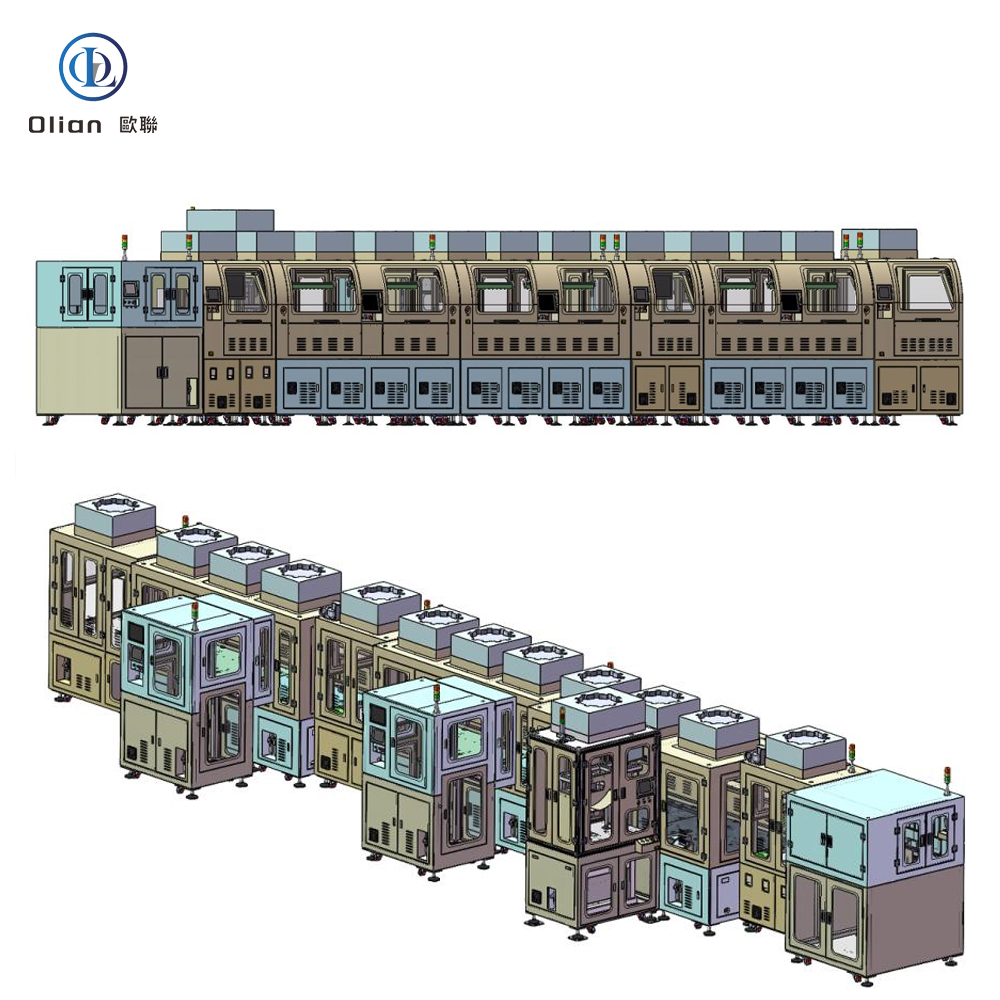
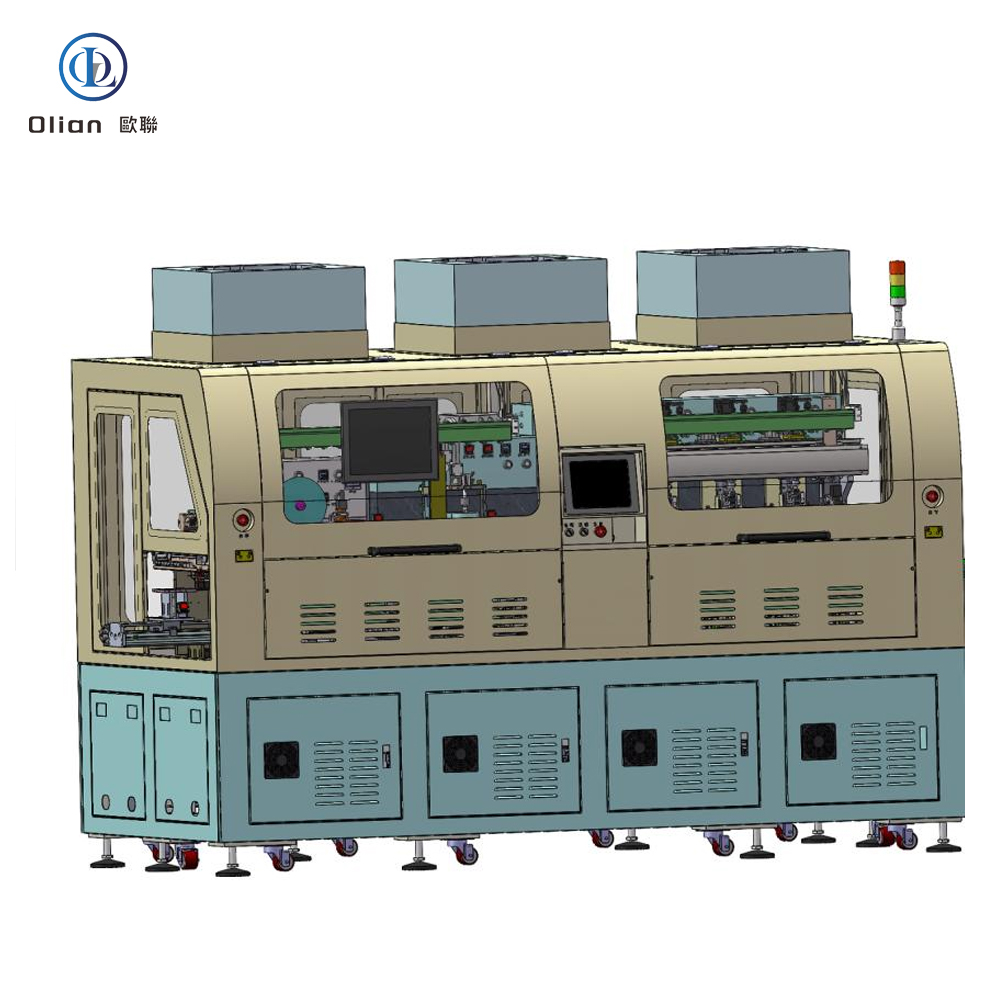
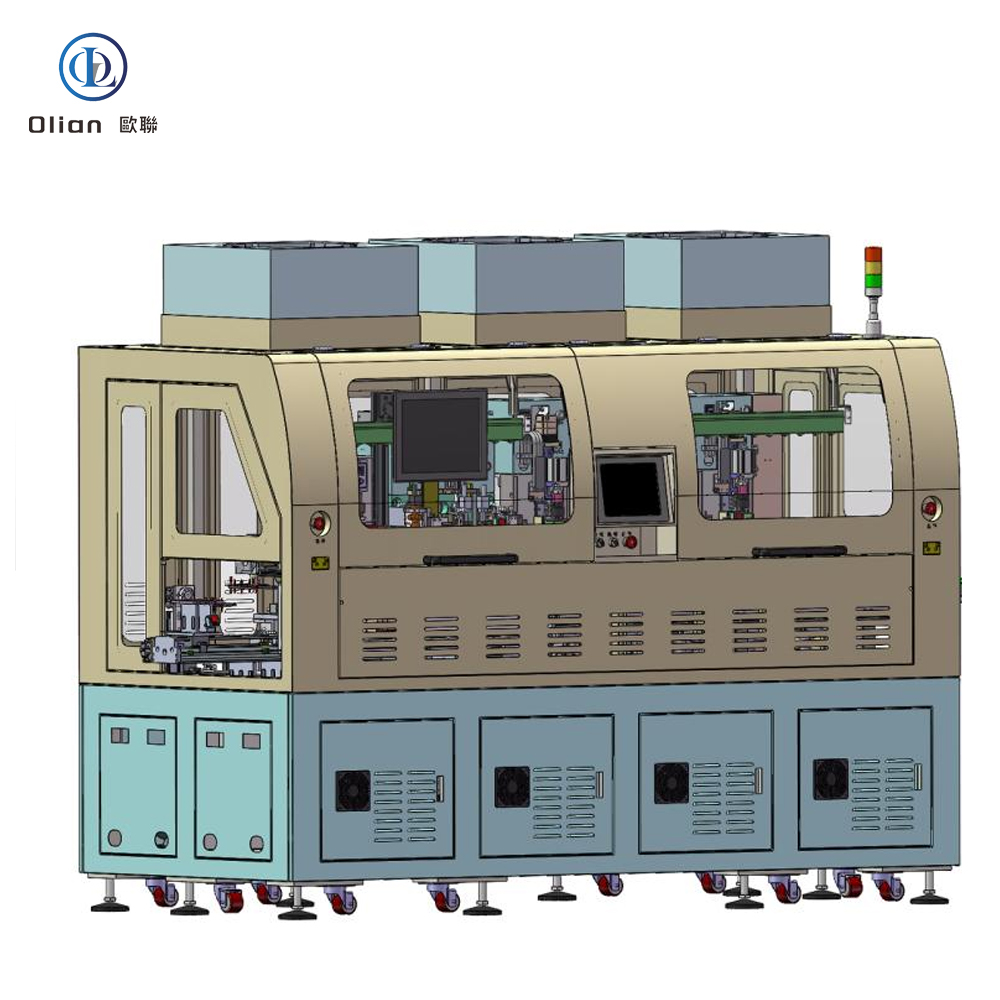
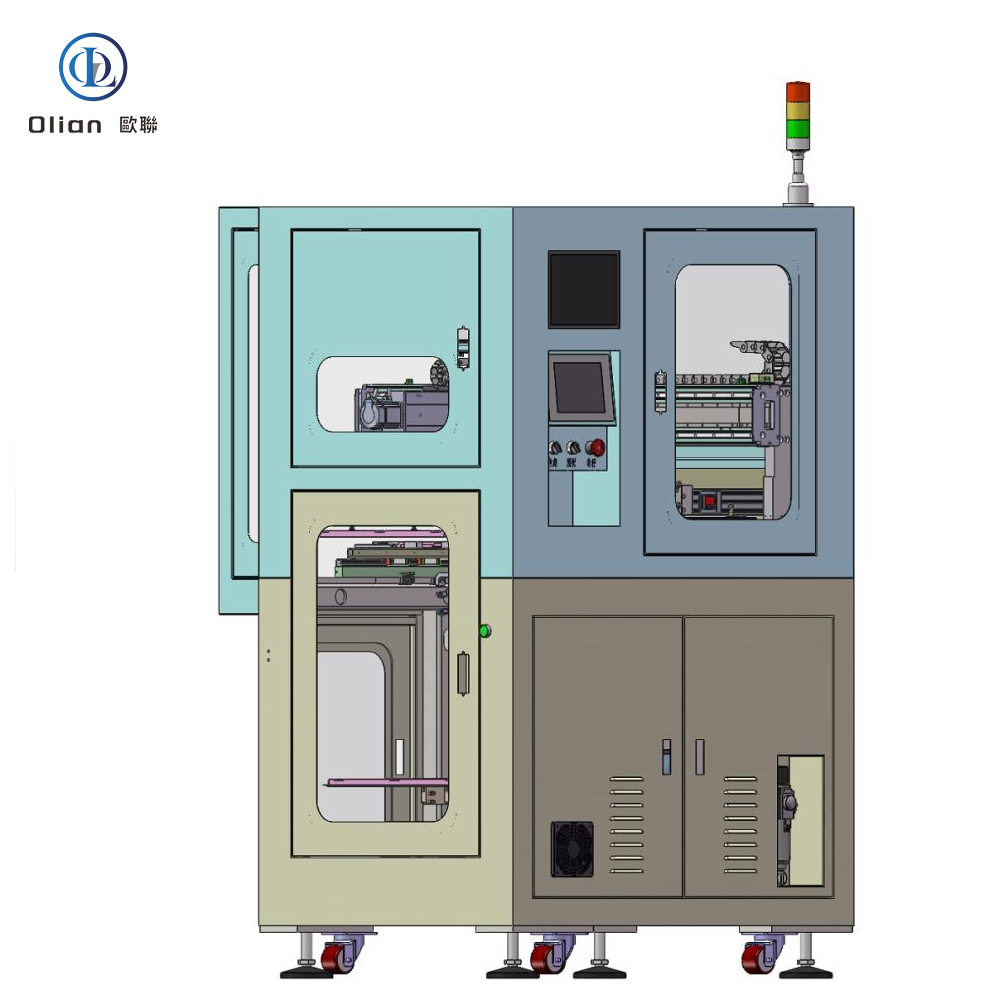
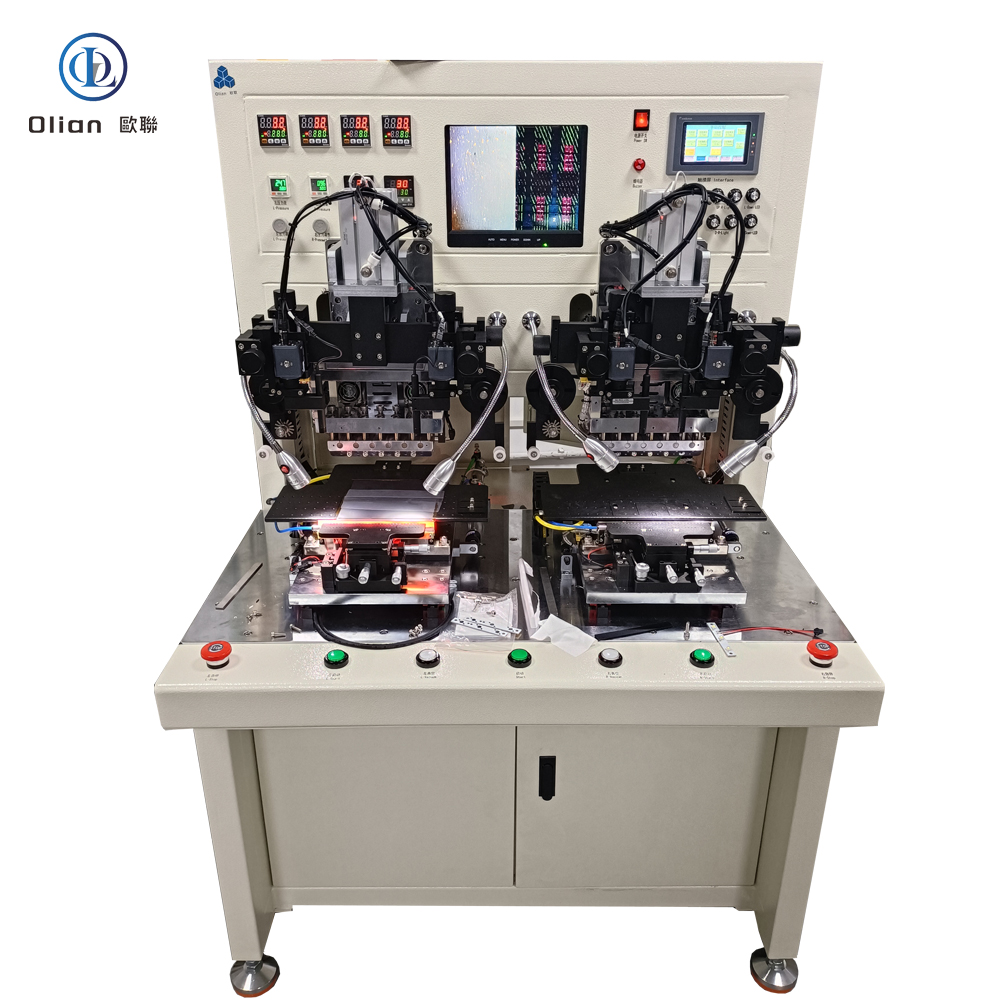
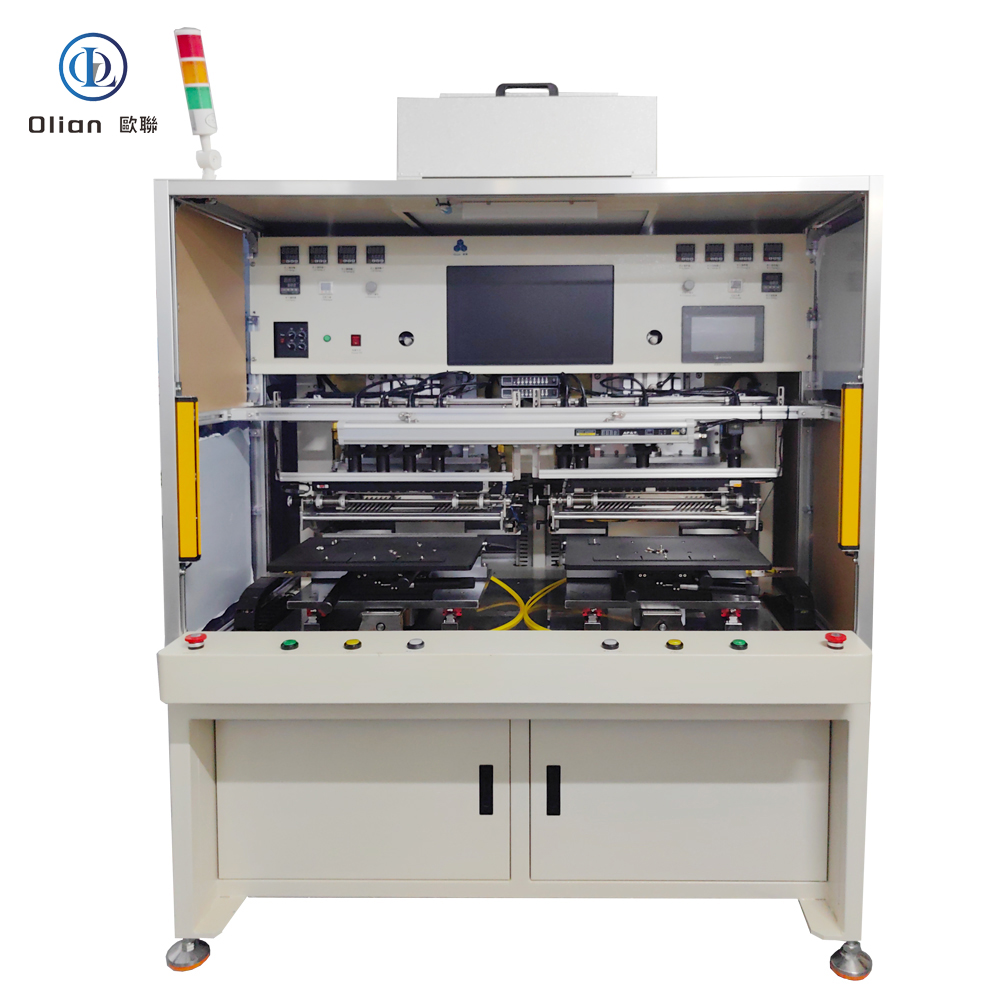
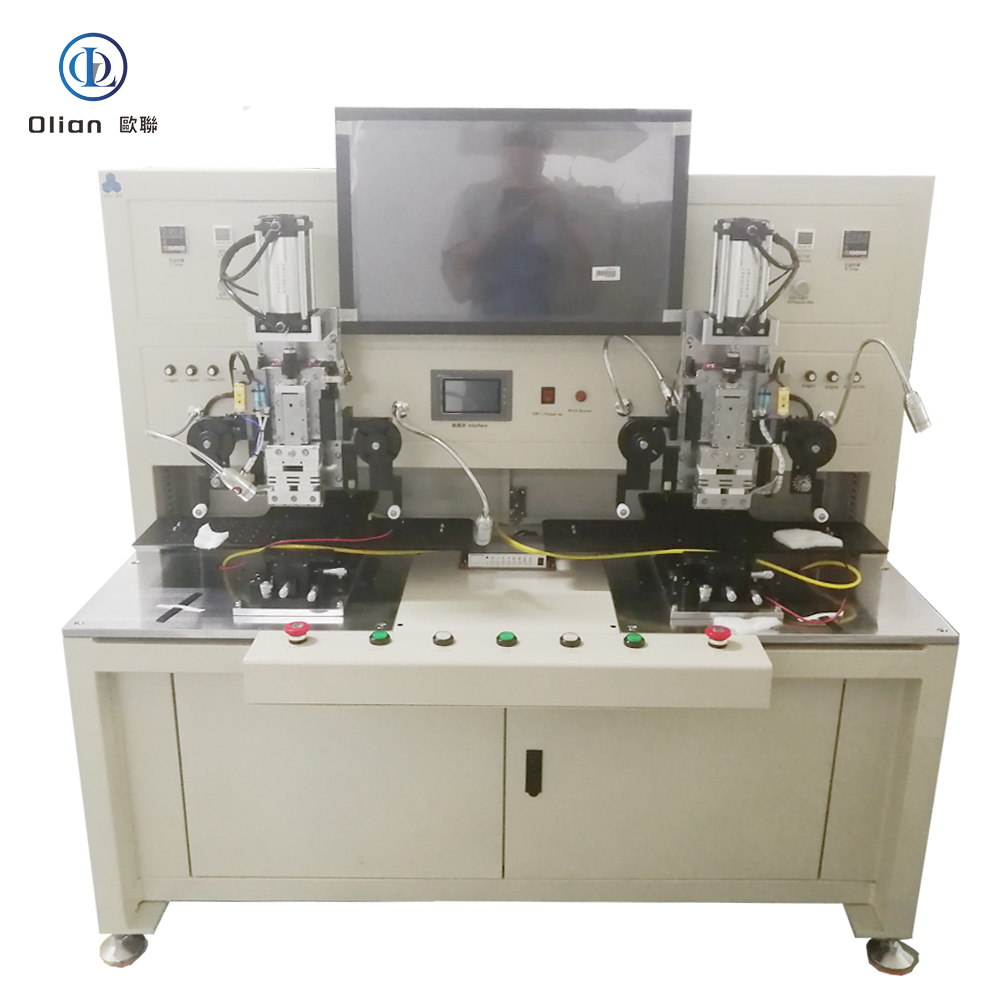
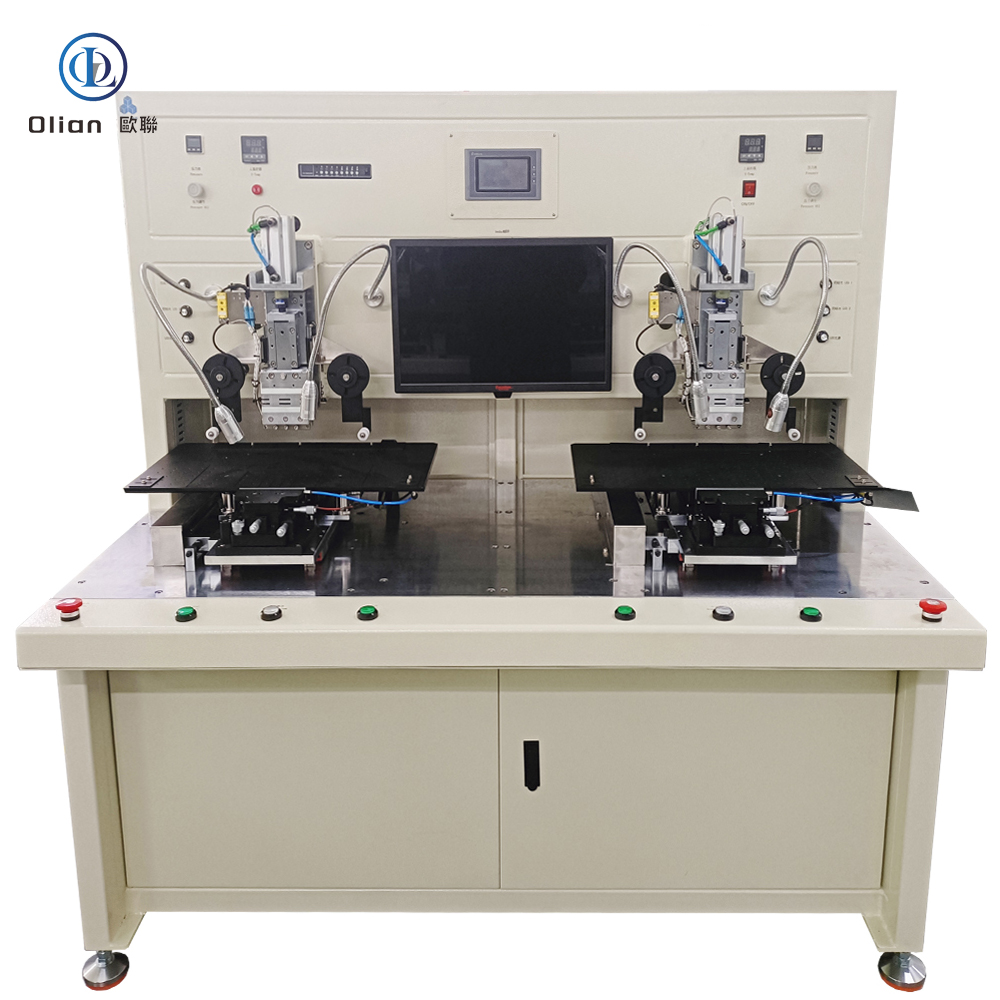
Wearable Device Display Manufacturing Line: Enabling the Future of Compact, Flexible, and High-Performance Wearables
As wearable technology continues to evolve—from smartwatches and fitness trackers to AR glasses and health monitoring patches—the demand for compact, durable, flexible, and energy-efficient displays has surged. At the core of this innovation lies the Wearable Device Display Manufacturing Line, a highly sophisticated, precision-driven production system engineered to meet the unique challenges of small-form-factor, curved, and often flexible displays used in modern wearables.
This advanced manufacturing line integrates cutting-edge automation, micro-assembly technologies, and stringent quality control systems to deliver high-yield, reliable, and aesthetically pleasing displays that seamlessly blend form and function.
The Evolution of Wearable Displays
Wearable devices require displays that are not only visually clear and responsive but also lightweight, power-efficient, and mechanically robust. Traditional rigid displays are increasingly being replaced by flexible OLED, micro-LED, and even electronic paper (e-Paper) technologies that conform to the human body and withstand constant movement and environmental stress.
The Wearable Device Display Manufacturing Line is specifically designed to handle these advanced display types, supporting both rigid and flexible substrates, ultra-thin components, and miniaturized packaging.
Key Components of the Wearable Display Manufacturing Line
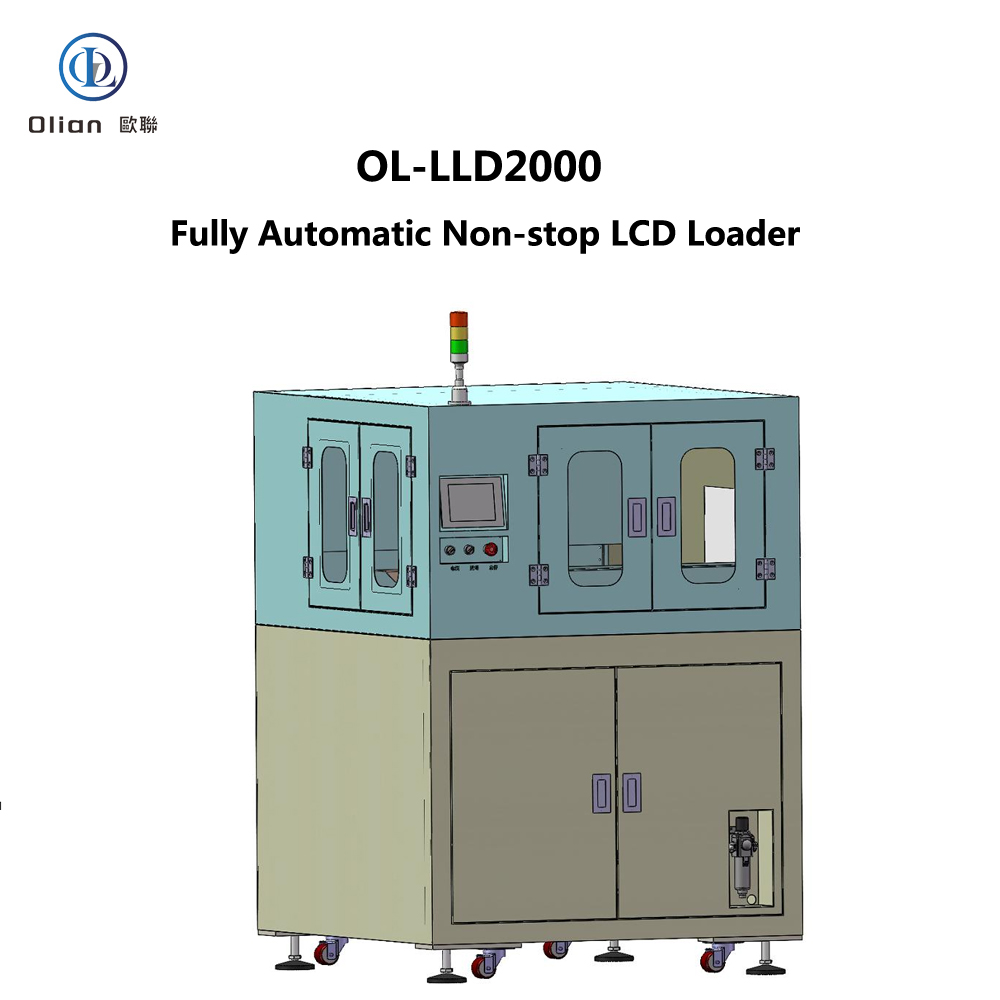
1. Cleanroom-Compatible Automation
○ Operates in Class 100–1000 cleanrooms to prevent particle contamination.
○ Robotic arms with nano-precision handling ensure safe transfer of fragile display panels.
● Smart Manufacturing Integration: Fully compatible with SECS/GEM, MES, and IoT platforms for real-time monitoring, traceability, and predictive maintenance.
● Energy and Material Efficiency: Optimized processes reduce waste and power consumption, aligning with sustainable manufacturing goals.
● Scalability: Designed for both high-volume mass production and small-batch customization.
Olian Automatic: Pioneering the Future of Wearable Display Manufacturing
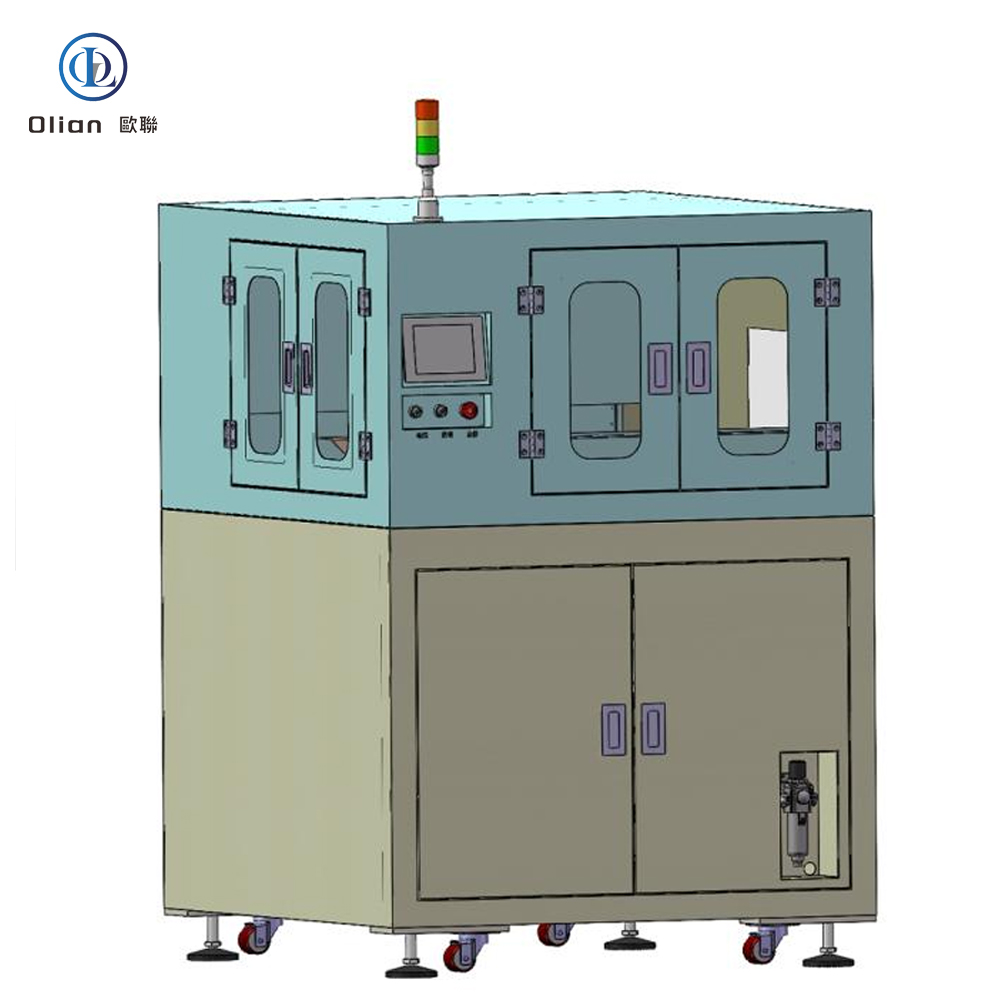
At Olian Automatic, we specialize in designing and delivering turnkey Wearable Device Display Manufacturing Lines that combine precision, reliability, and intelligence. Our solutions are built to support the rapid innovation cycles of the wearable industry, enabling manufacturers to bring next-generation products to market faster, with higher quality and lower total cost of ownership.
From concept to full-scale production, our engineering team works closely with clients to customize workflows, integrate advanced inspection systems, and ensure seamless compatibility with existing production ecosystems.
Welcome to visit us ,Wechat/whatsapp:+86 18025364779,Zack wu
Electronic Paper Module Production Line: Precision Engineering for the Future of Low-Power Displays.
Electronic Paper Module Production Line: Precision Engineering for the Future of Low-Power DisplaysAs the global demand for energy-efficient, eye-friendly, and sustainable display technologies grows, electronic paper (e-Paper) has emerged as a transformative solution—powering devices such as e-readers, smart labels, digital signage, and IoT devices. At the heart of this innovation lies the Electronic Paper Module (EPM) Production Line, a highly specialized, precision-driven manufacturing system that integrates advanced automation, micro-assembly, and inspection technologies to deliver reliable, high-quality e-paper displays at scale.
What Is an Electronic Paper Module?
An Electronic Paper Module (EPM) replicates the appearance of ink on paper by using electrophoretic or other reflective display technologies. Unlike traditional LCD or OLED screens, e-paper consumes power only when changing images, making it ideal for battery-powered and environmentally conscious applications.
The EPM typically consists of:
● Electronic Paper Film (EPD): The core display layer with microcapsules containing charged pigment particles.
● Driver ICs and FPC (Flexible Printed Circuit): Deliver signals and power.
● Protective Front Film and Adhesive Layers: Ensure durability and optical clarity.
Manufacturing these modules requires a cleanroom-compatible, high-precision module production line capable of handling delicate materials and sub-micron alignment.
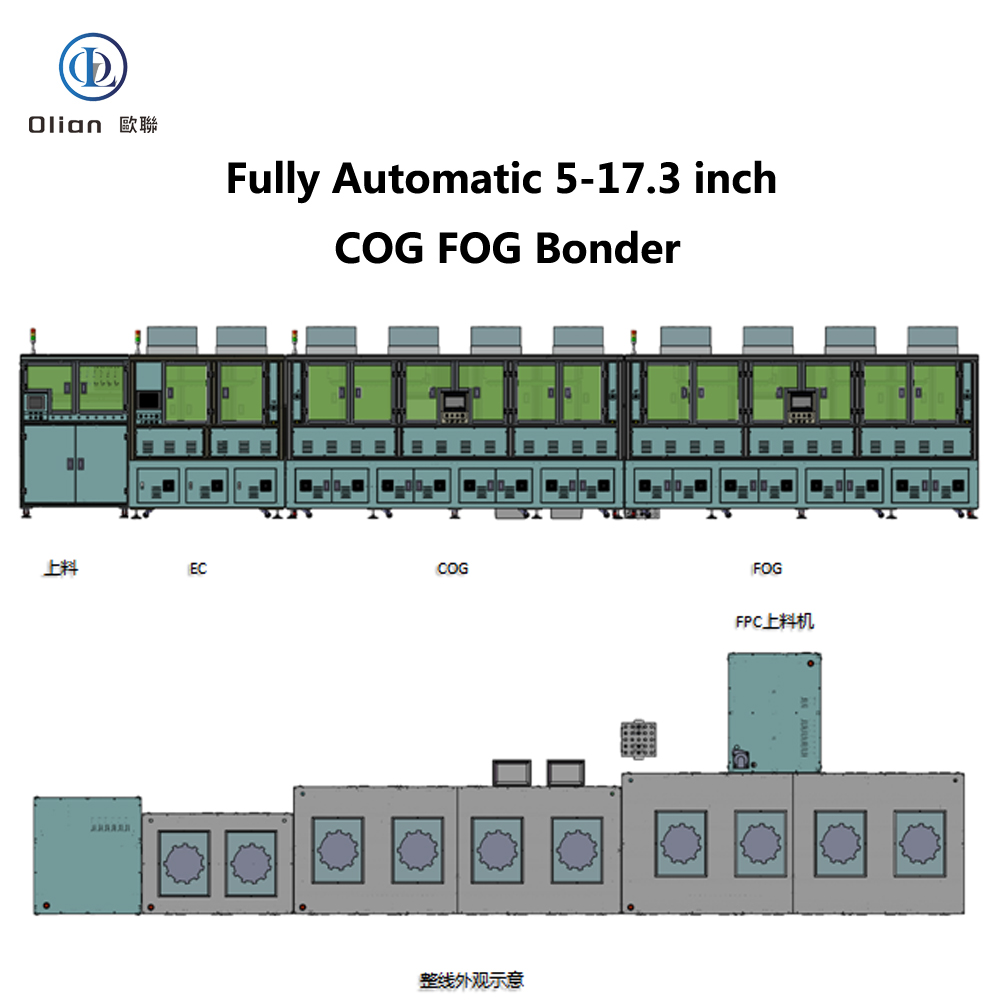
The Electronic Paper Module Production Line: A Comprehensive Workflow
The EPM production line is a fully automated system designed to ensure high yield, consistency, and reliability. It integrates multiple advanced process modules, including:
1. Panel Cleaning and Pre-treatment
● Automated cleaning removes dust and contaminants using brush, air-knife, and adhesive roller systems.
● Plasma treatment enhances surface adhesion for subsequent lamination processes.
2. TFT Backplane and EPD Alignment
● High-resolution CCD vision systems align the TFT backplane with the electronic paper film with accuracy within ±10μm.
● Active alignment compensates for thermal expansion and material warpage.
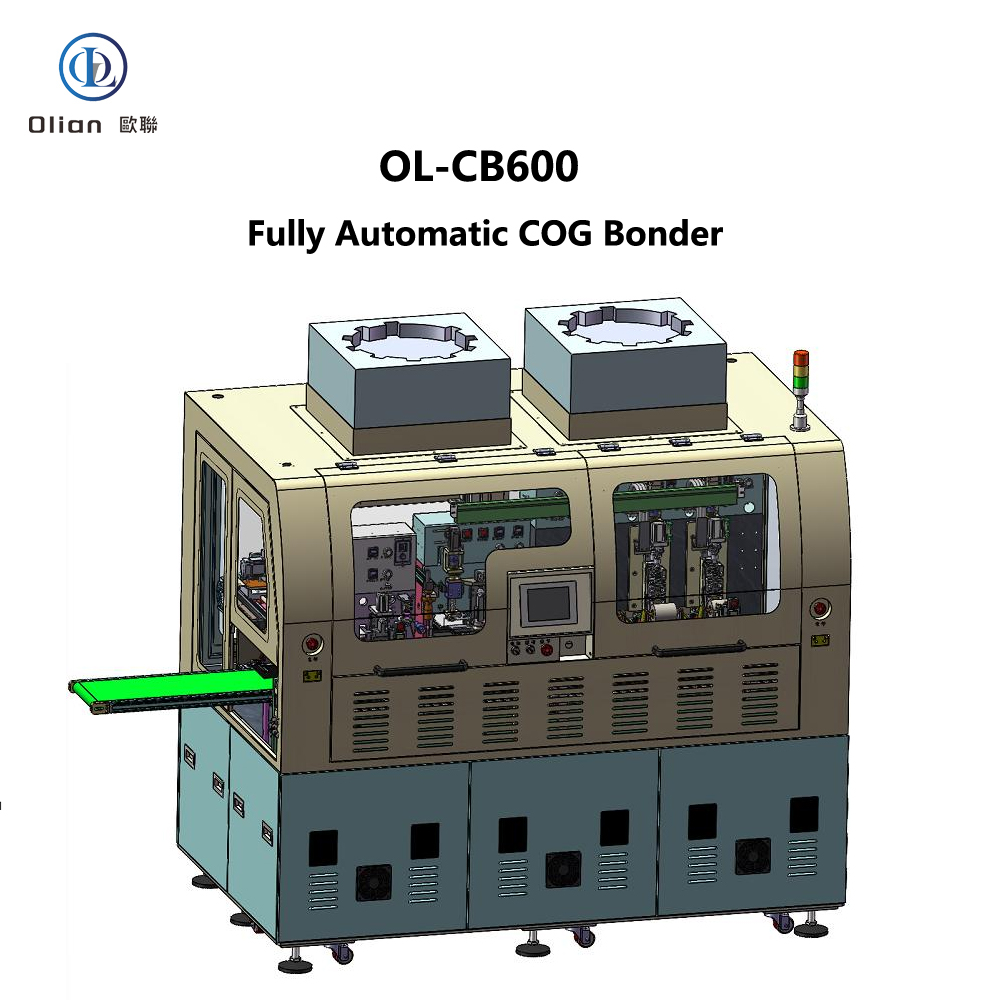
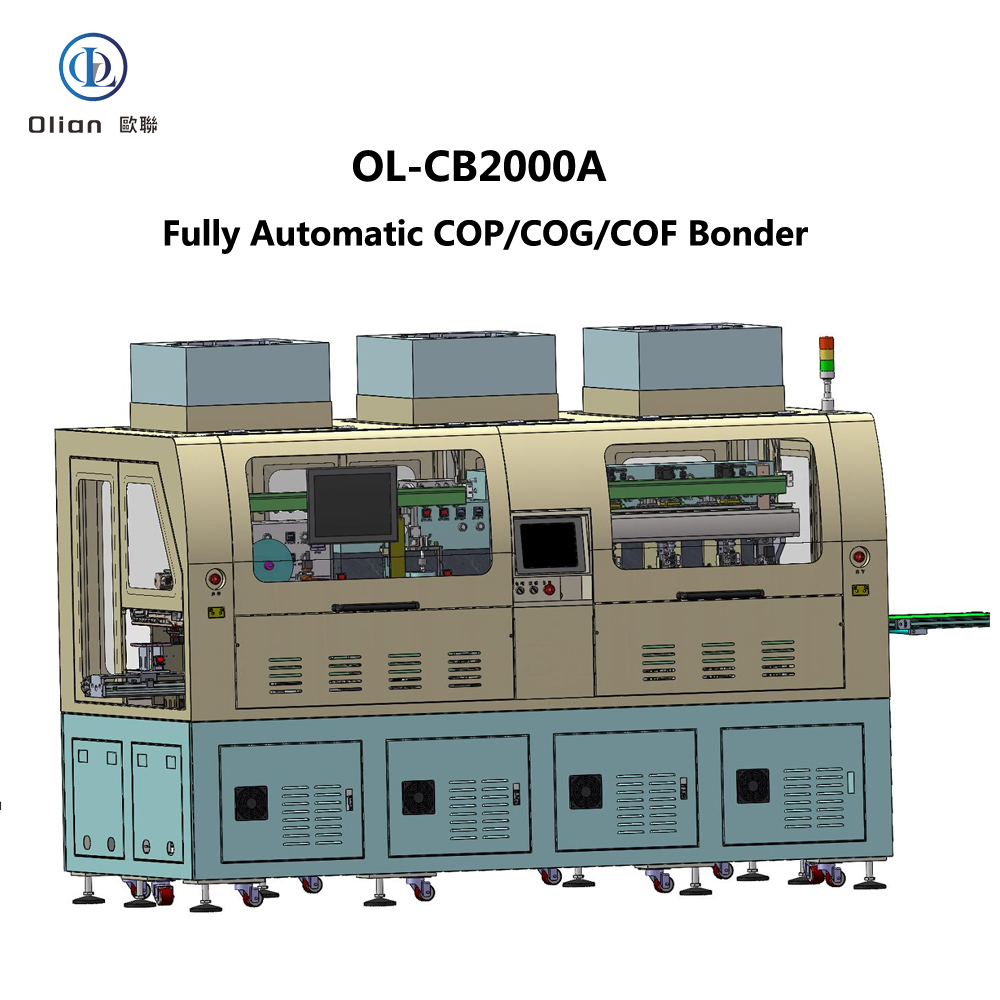
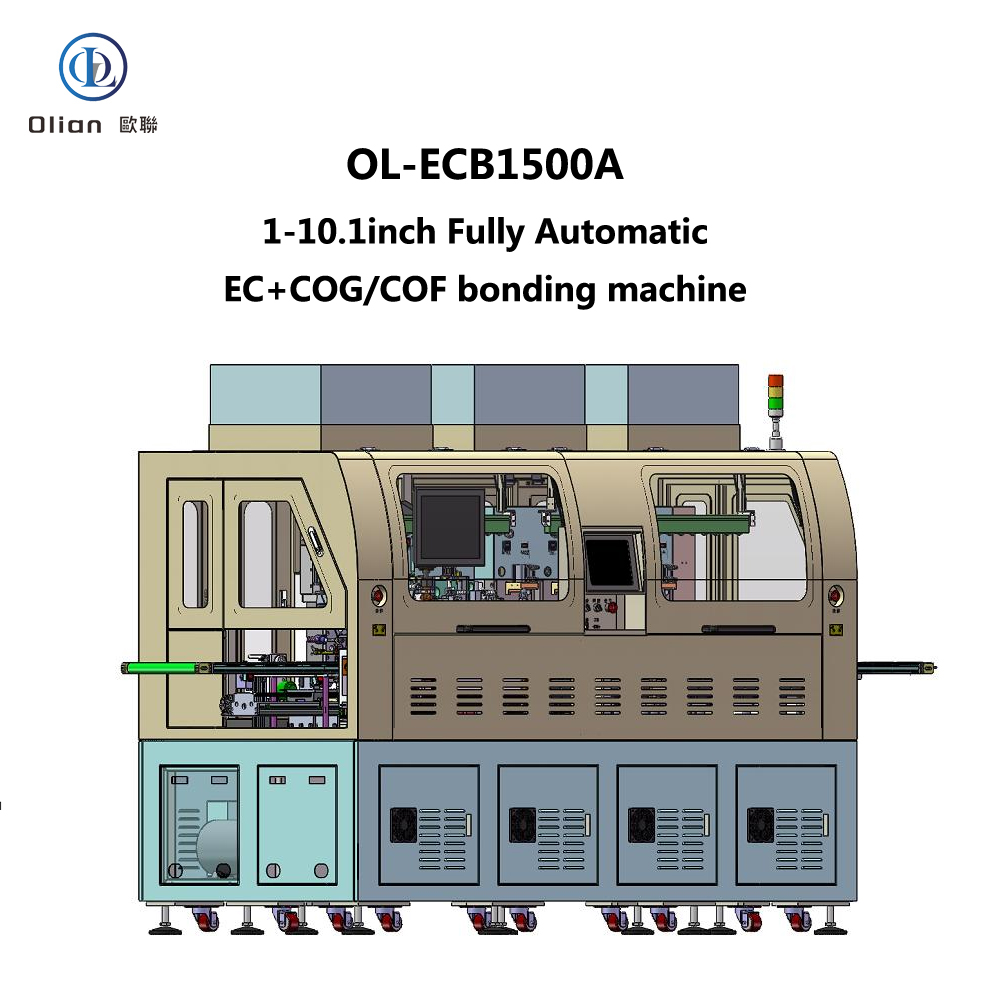
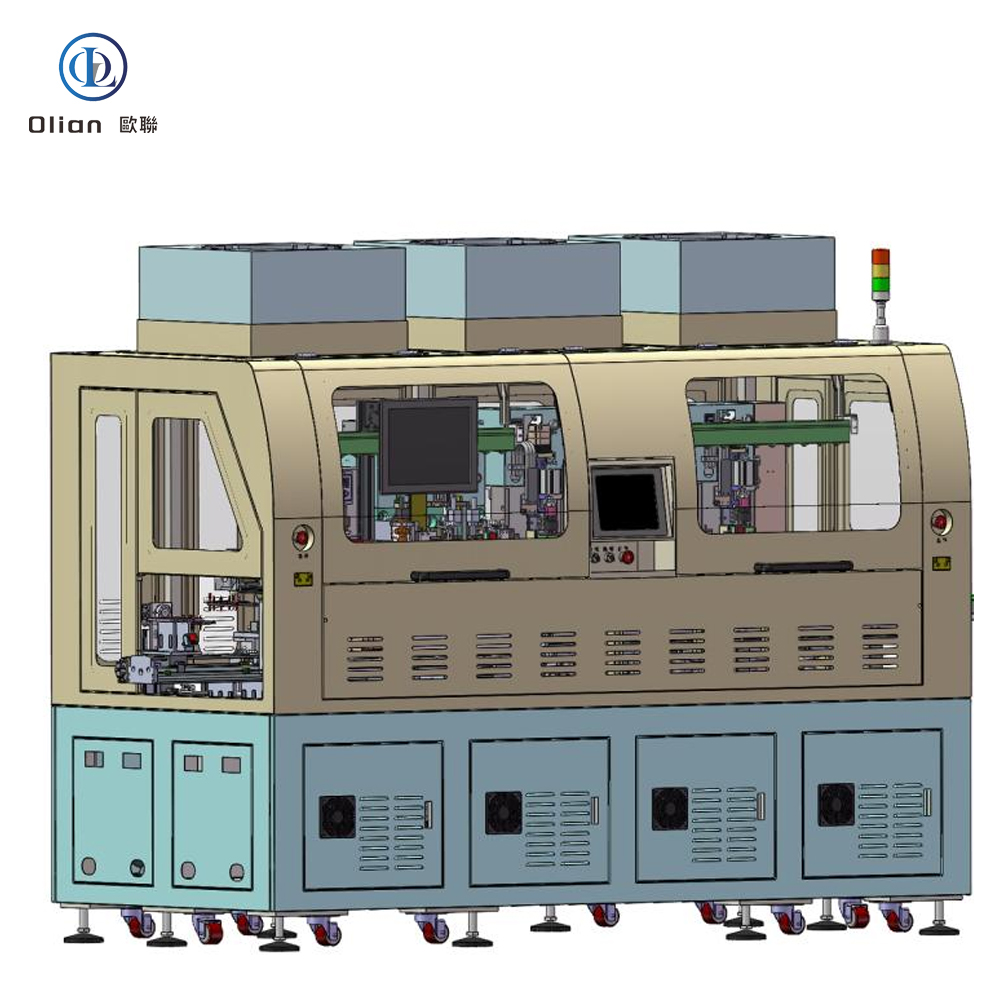
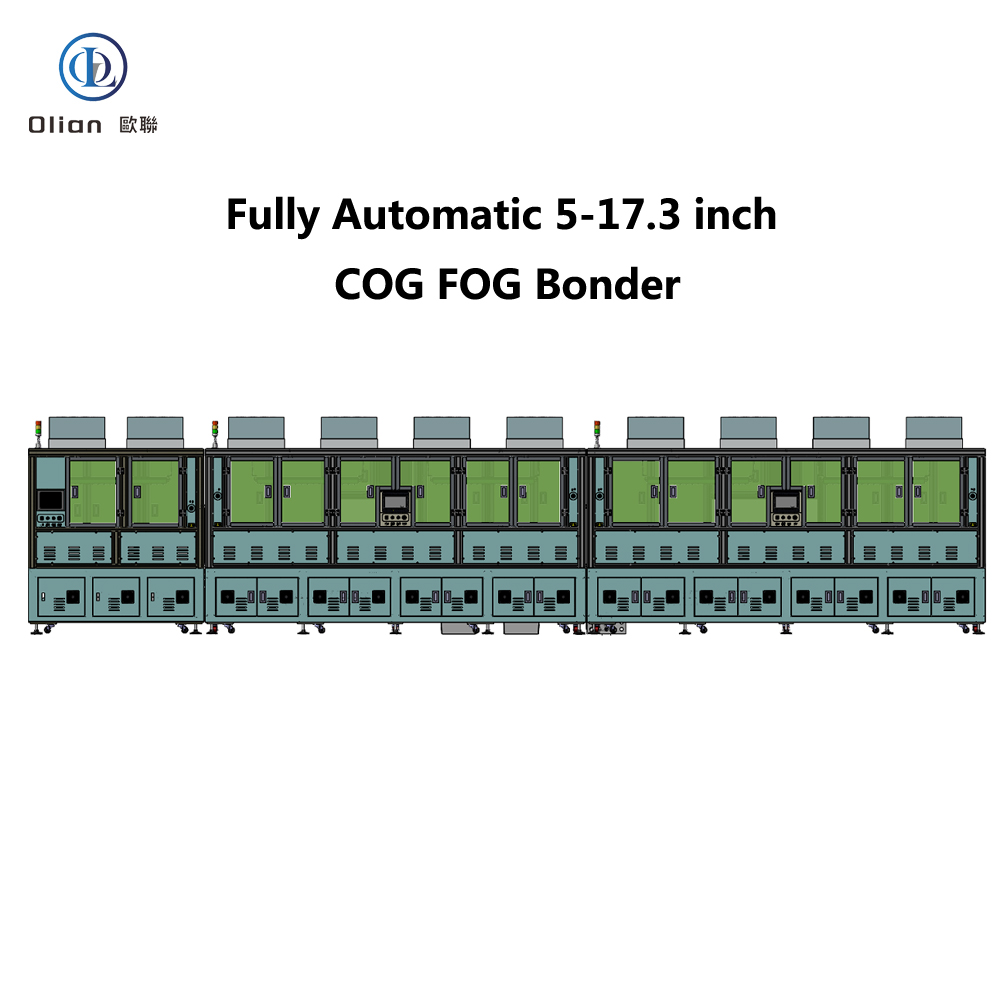
3. ACF Lamination and COG/COF Bonding
● Anisotropic Conductive Film (ACF) is precisely dispensed or laminated onto bonding areas.
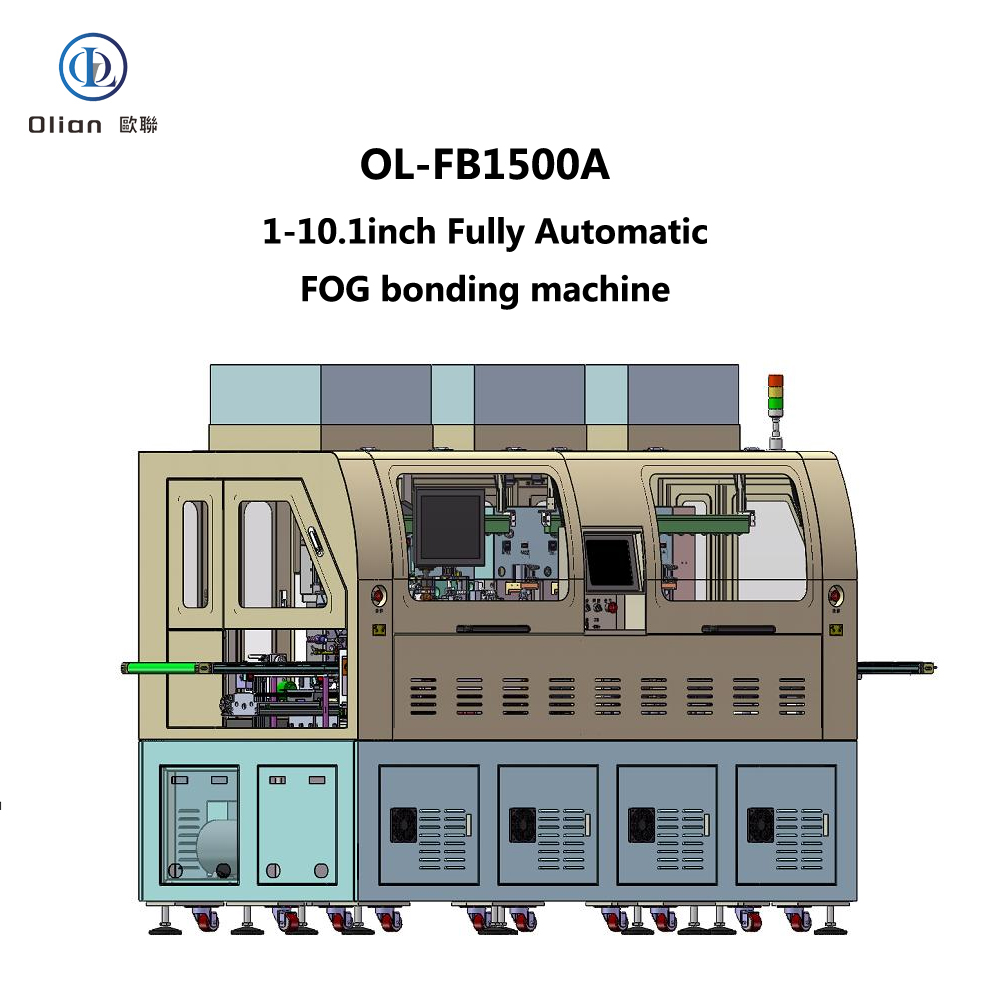
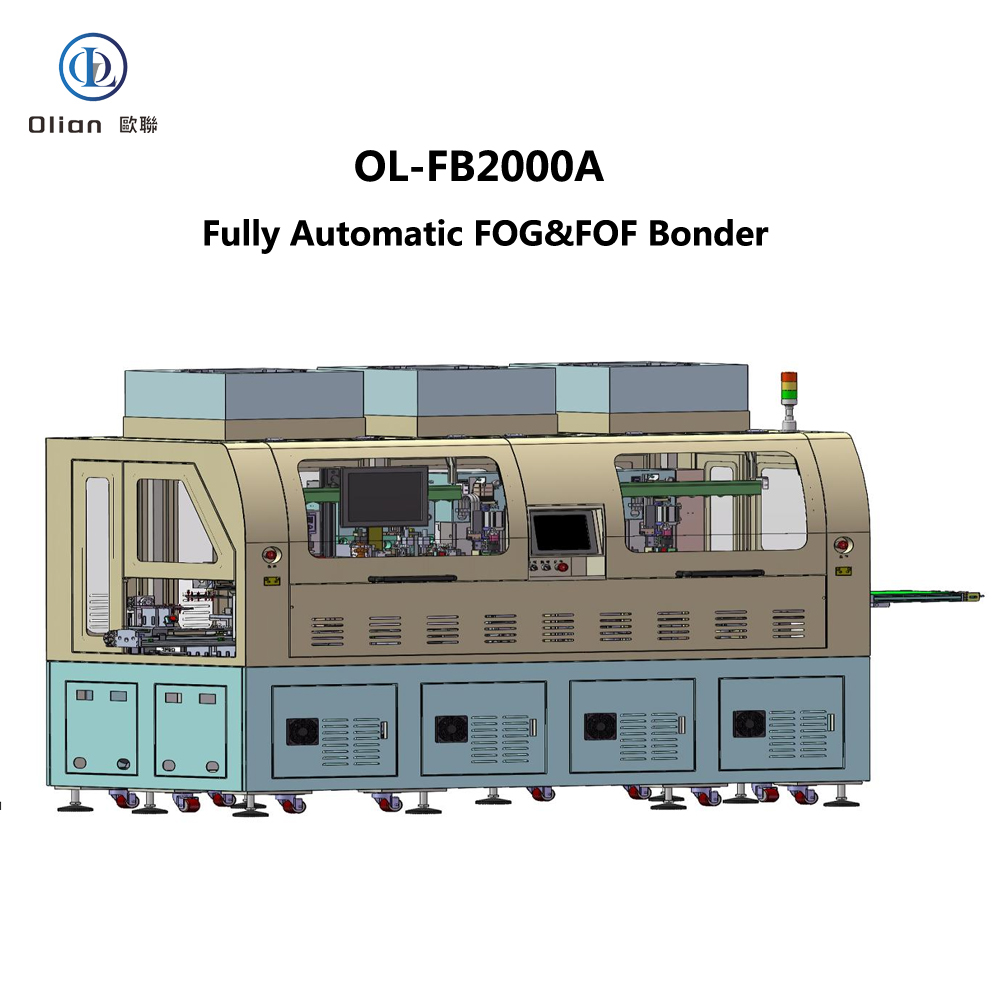
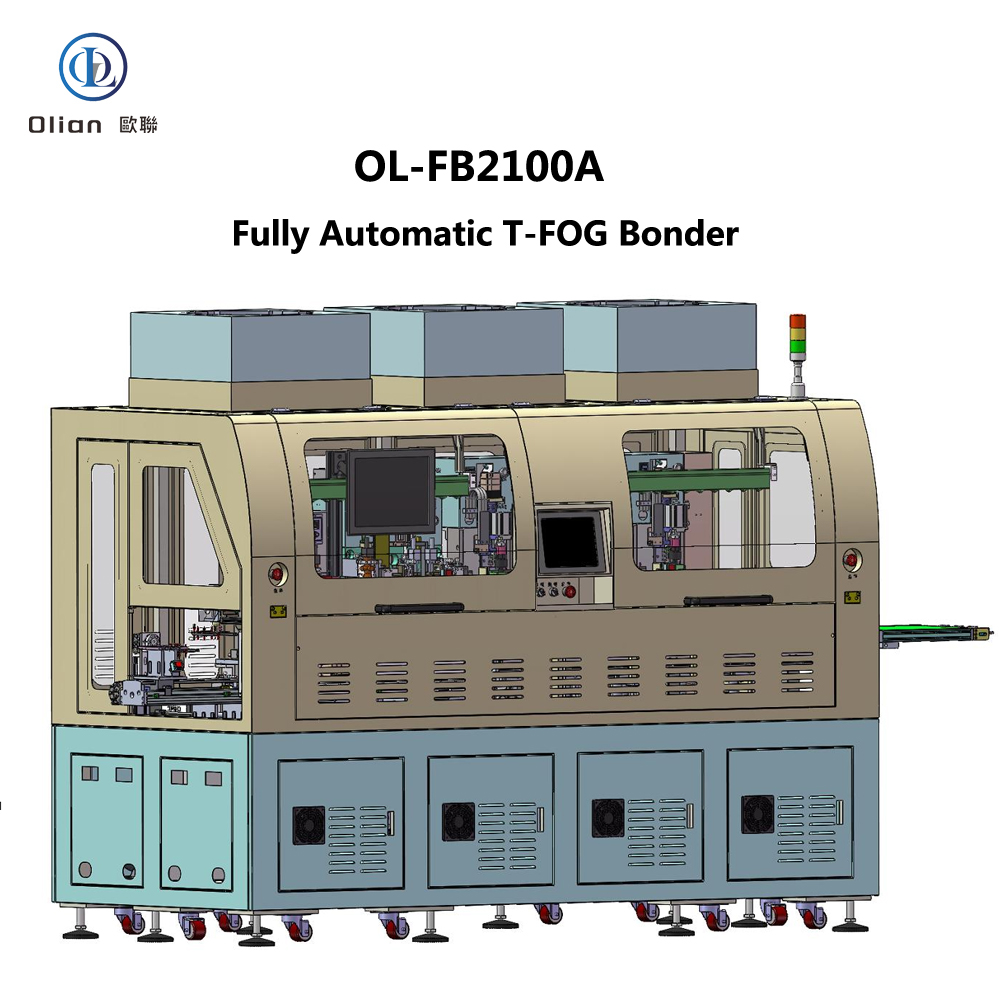
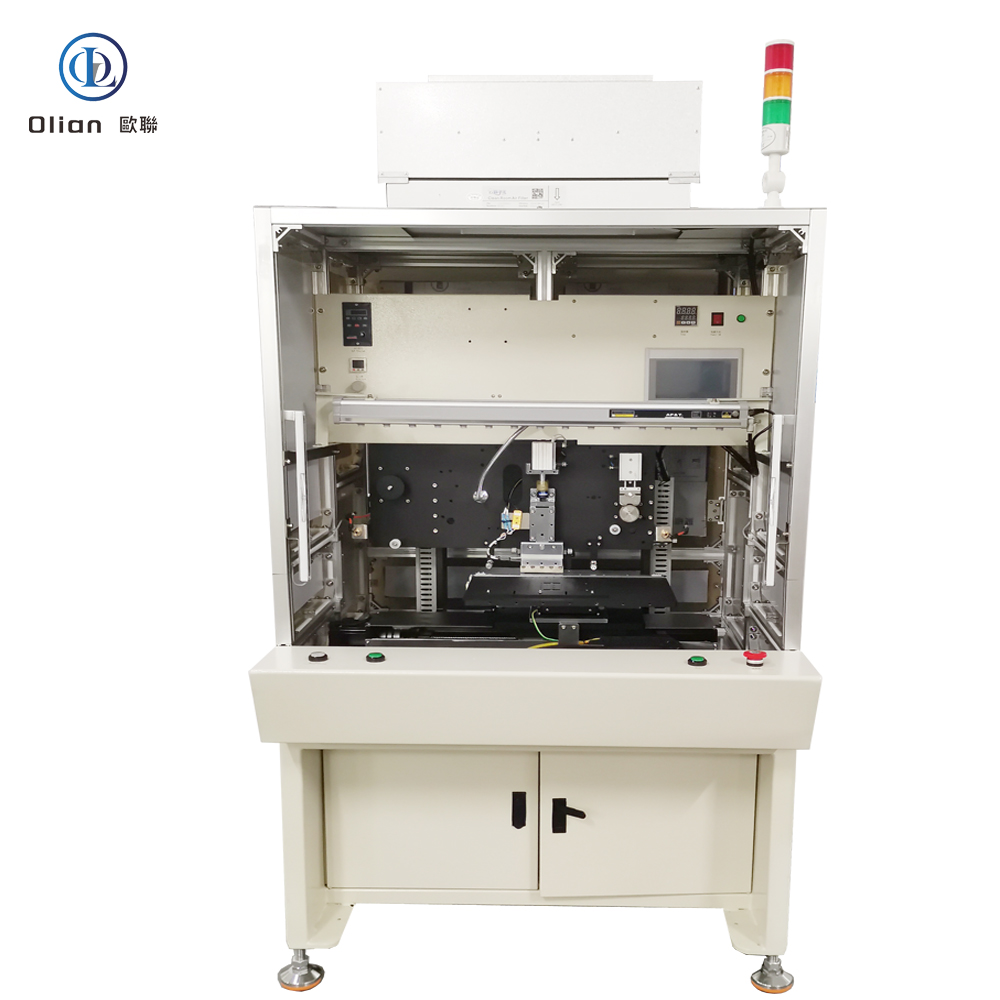
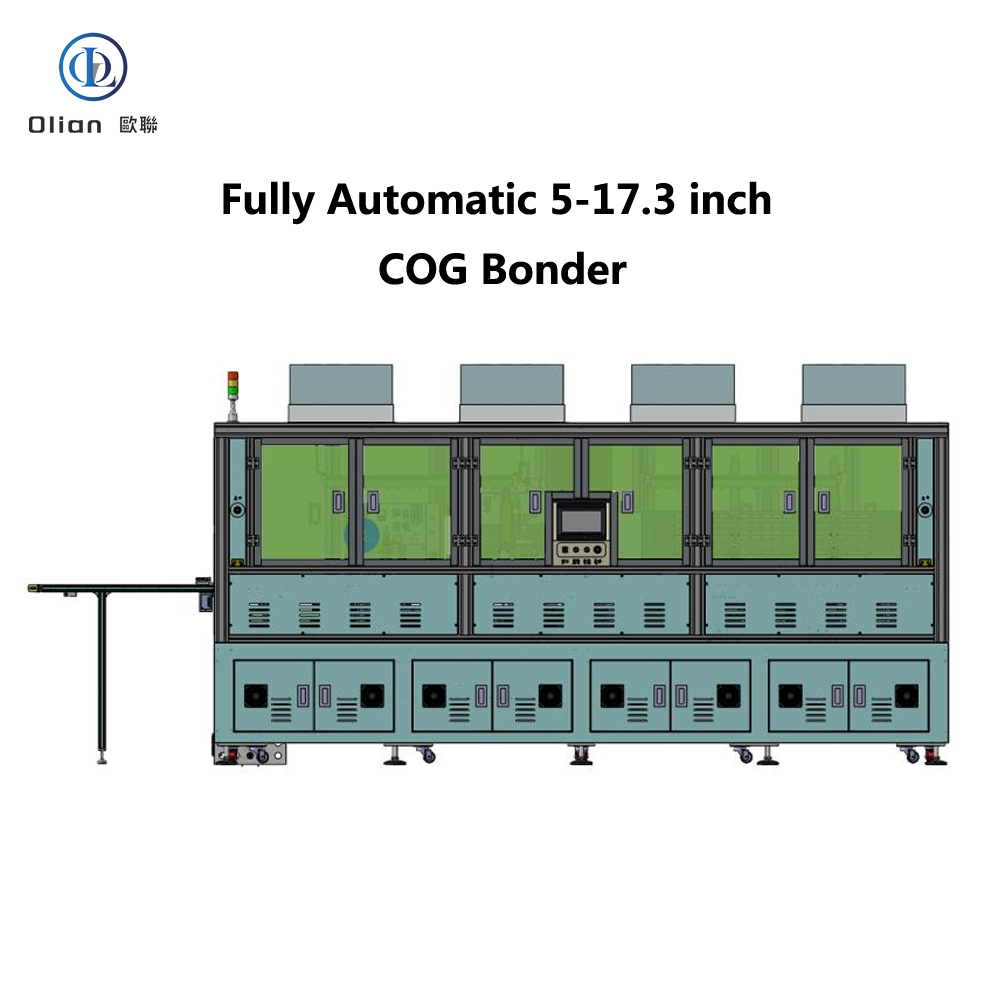
● COG (Chip-on-Glass) or COF (Chip-on-Film) bonding connects driver ICs to the TFT array using thermocompression.
● Multi-point temperature and pressure control ensure reliable electrical connections without damaging fragile substrates.
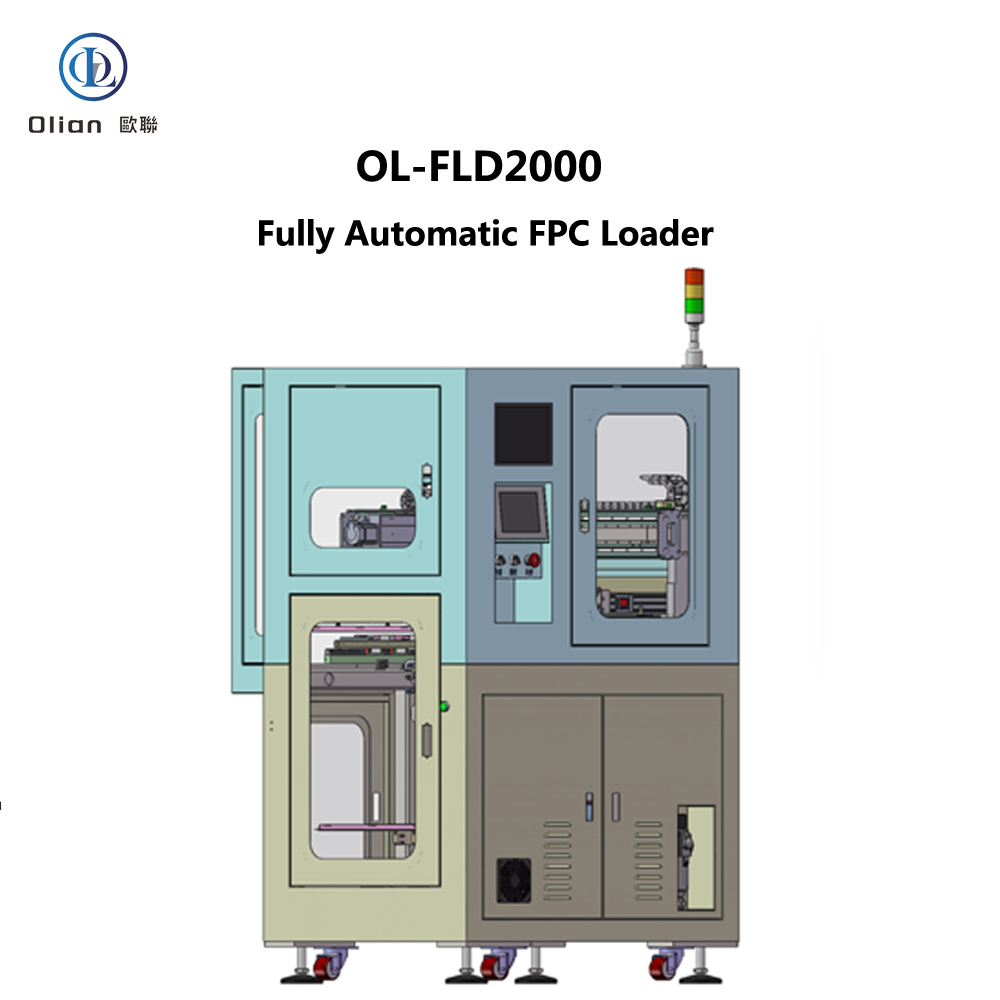
4. FPC Attachment and Module Assembly
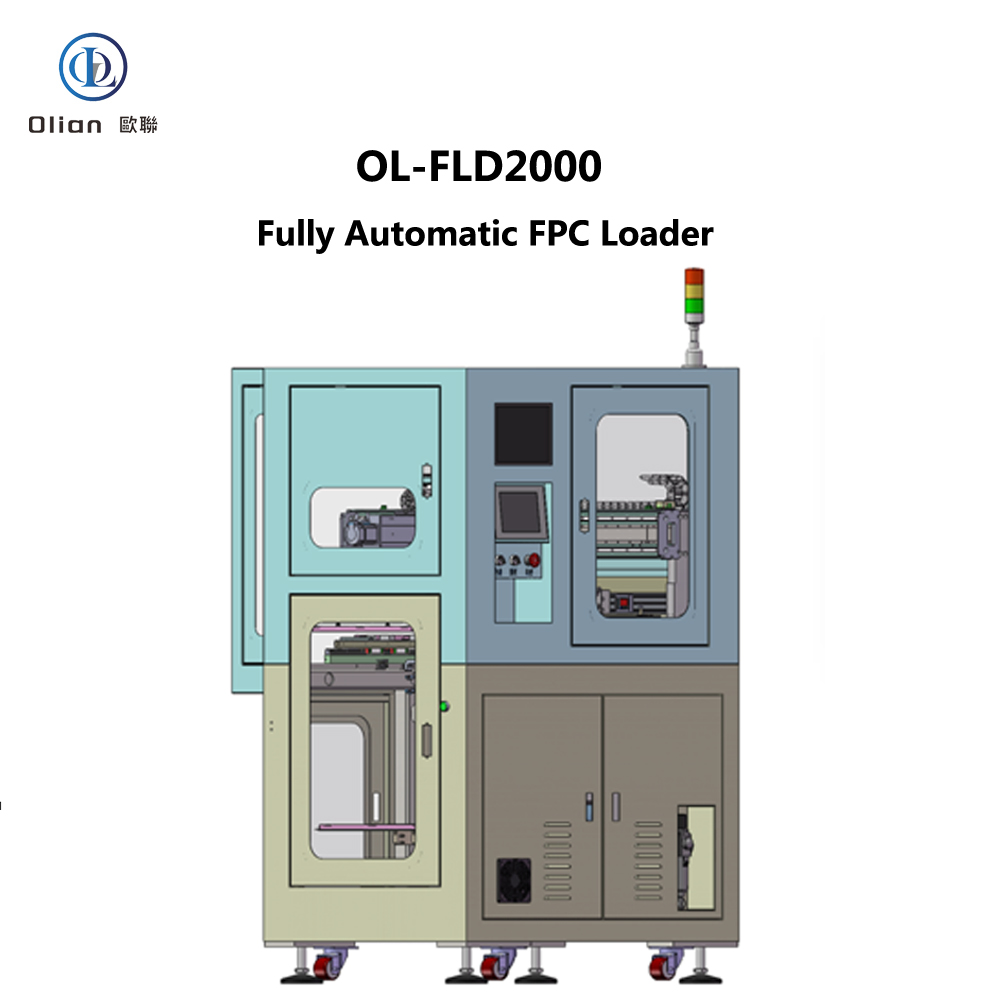
● FPCs are bonded to the panel periphery for external signal routing.
● Robotic arms handle delicate modules to prevent mechanical stress.
5. Automated Optical Inspection (AOI) and M/A Detection
● High-magnification cameras scan for defects such as particle contamination, alignment errors, open circuits, or short circuits.
● AI-powered image analysis enables real-time feedback and process correction.
6. Aging and Functional Testing
● Modules undergo accelerated aging under controlled temperature and voltage to stabilize performance.
● Electrical testing verifies grayscale response, refresh rate, and power consumption.
7. Packing and Final QC
● Qualified modules are automatically packed in anti-static, humidity-controlled packaging.
● Traceability systems record production data for quality tracking.
Key Features of a Modern EPM Production Line
● Ultra-Clean Environment Compatibility: Designed for Class 100–1000 cleanrooms to prevent particle-induced defects.
● Low Particle Generation: Use of non-contact handling and low-outgassing materials.
● Flexible Configuration: Supports various sizes (from 1.5” e-readers to 25” digital signage) and backplane technologies (a-Si, IGZO, LTPS).
● Smart Manufacturing Integration: Equipped with SECS/GEM, MES, and SCADA systems for real-time monitoring, data analytics, and predictive maintenance.
● Energy Efficiency: Optimized thermal management and low-power consumption design align with e-paper’s green philosophy.
● Retail Smart Labels: Wireless, updateable price tags reducing labor and paper waste.
● Public Information Displays: Bus stops, train stations with sunlight-readable screens.
● Medical Devices: Low-power patient monitors and electronic charts.
● Smart Home & IoT: Battery-operated sensors and control panels.
Olian Automatic: Leading the EPM Manufacturing Revolution
At Olian Automatic, we specialize in designing and delivering turnkey Electronic Paper Module Production Lines that combine precision, reliability, and intelligence. Our solutions are built on decades of expertise in module assembly, bonding technology, and smart factory integration.
Our EPM production systems feature:
● Proprietary alignment and bonding algorithms
● Modular design for rapid reconfiguration
● Integrated AI-based defect detection
● End-to-end process support—from dispensing to aging
● Global service and technical support network
We partner with leading e-paper manufacturers and material suppliers to ensure compatibility with the latest EPD films, ACF materials, and driver ICs.
The Future of EPM Manufacturing
As e-paper technology evolves—enabling color displays, faster refresh rates, and flexible form factors—the production line must keep pace. Emerging trends include:
● Roll-to-Roll (R2R) Processing: For high-speed, low-cost manufacturing of flexible e-paper.
● Hybrid Backplanes: Combining IGZO with organic semiconductors for improved performance.
● Miniaturization and Integration: Smaller modules for wearable and medical devices.
● Sustainable Manufacturing: Reduced chemical usage, recyclable materials, and energy-efficient processes.
The Electronic Paper Module Production Line will continue to be a cornerstone of this evolution, bridging innovation and industrialization.
Conclusion
The Electronic Paper Module Production Line represents the convergence of precision engineering, automation, and sustainable technology. As the world shifts toward low-power, human-centric displays, manufacturers need intelligent, flexible, and future-ready solutions.
With Olian Automatic’s comprehensive portfolio of bonding machines, module lines, and smart factory systems, we are committed to empowering the next generation of e-paper innovation—delivering clarity, efficiency, and value to our customers worldwide.
Olian Automatic – Precision. Intelligence. Innovation. Empowering the Future of Displays.