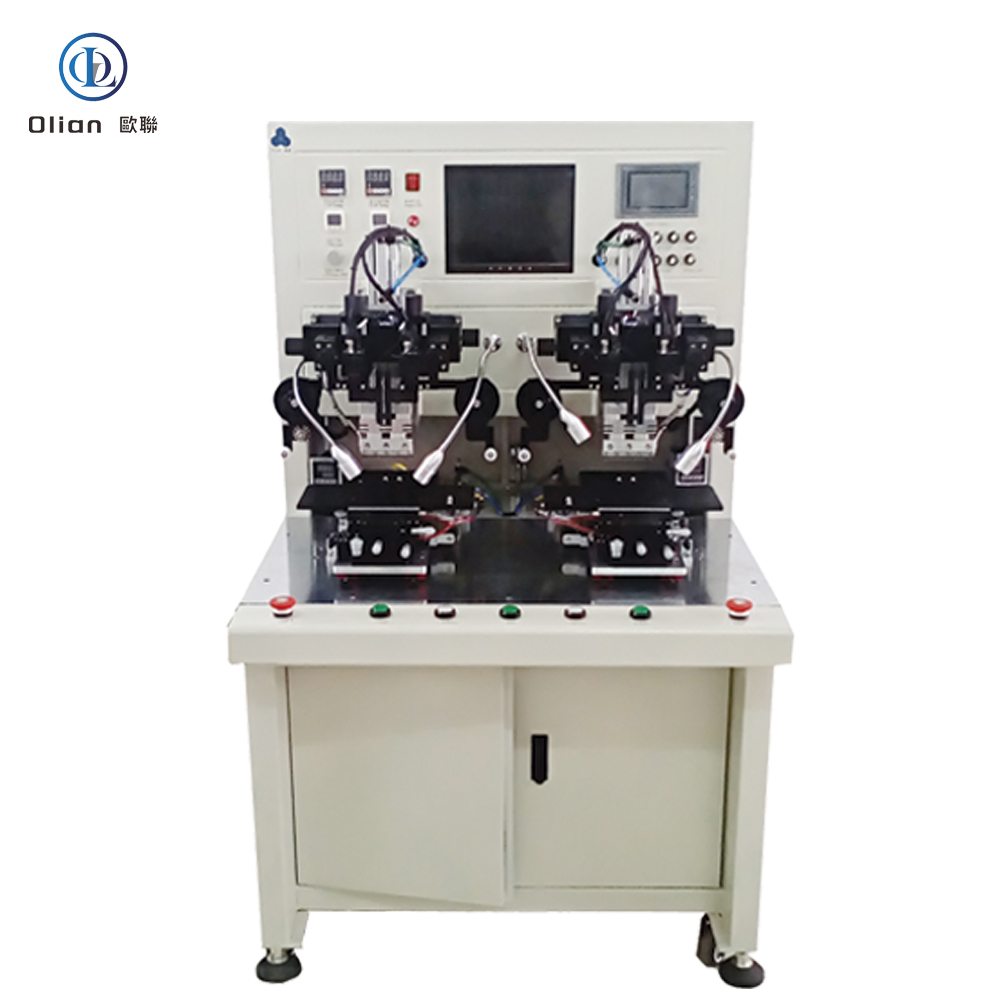
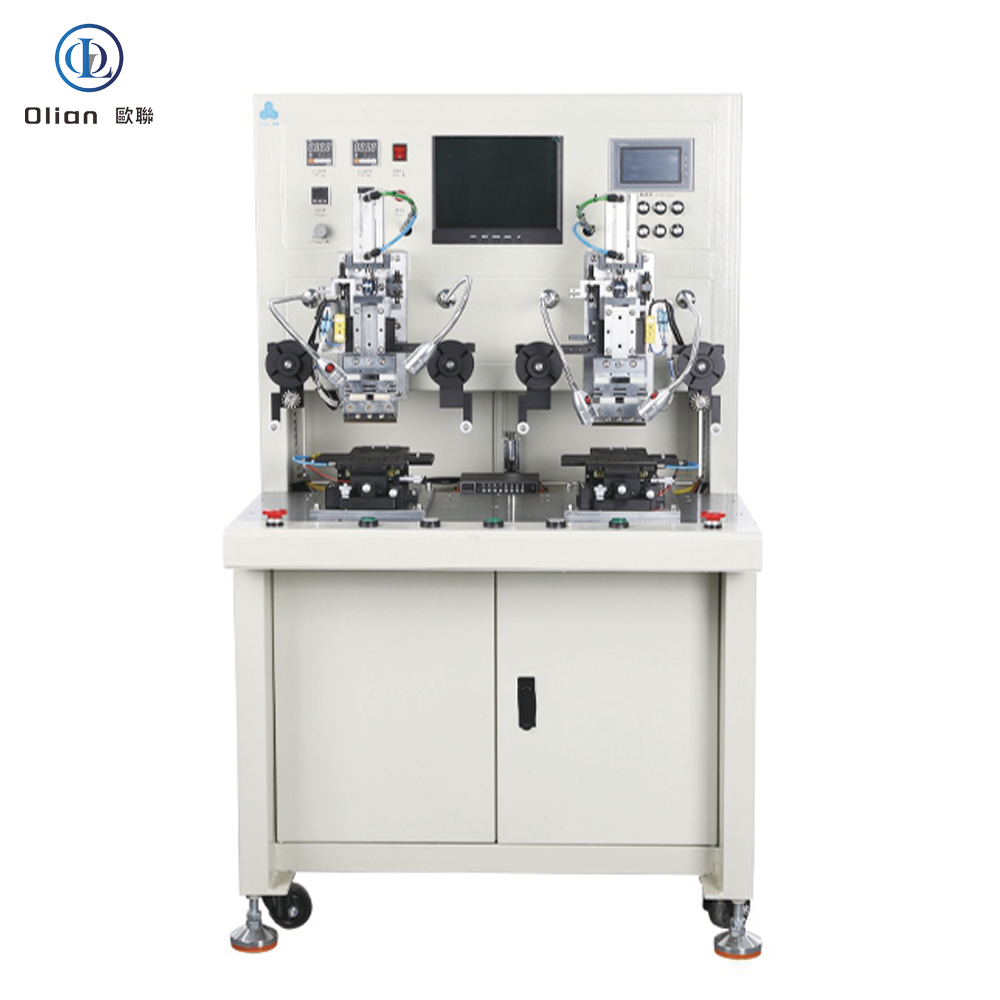
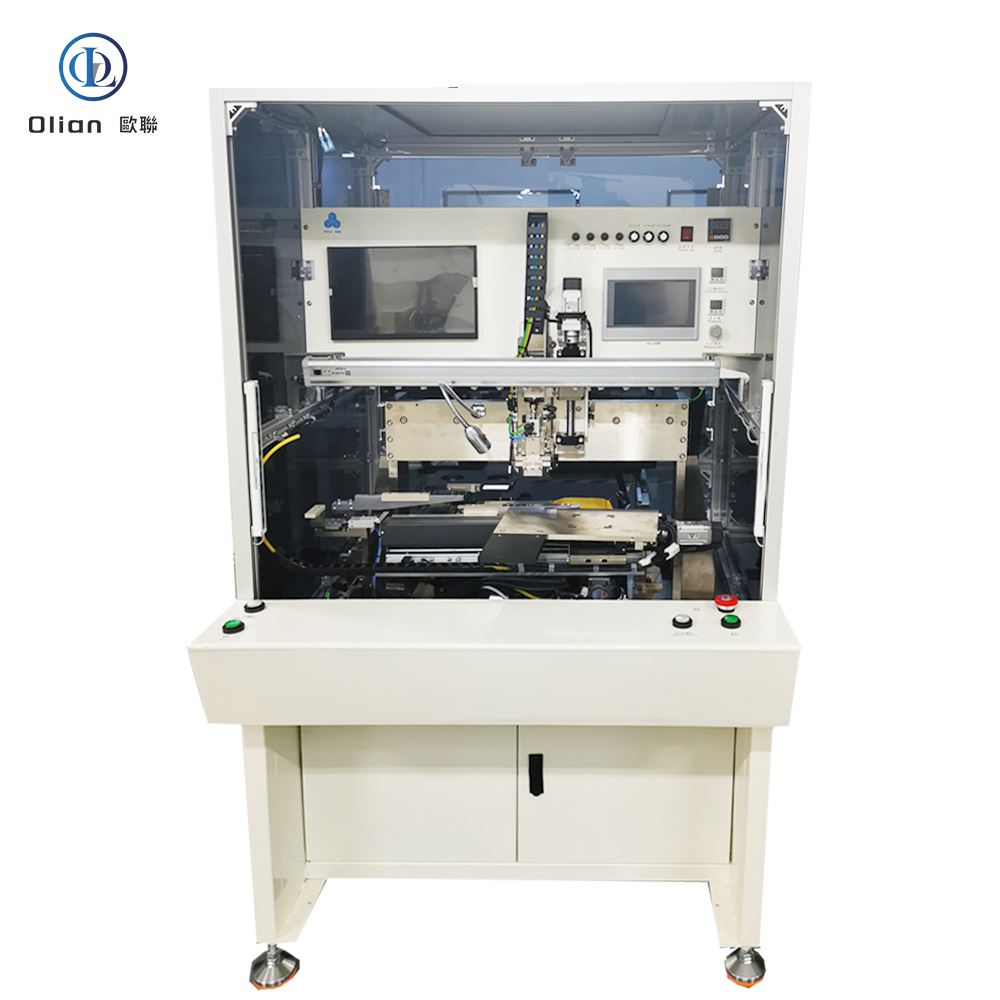
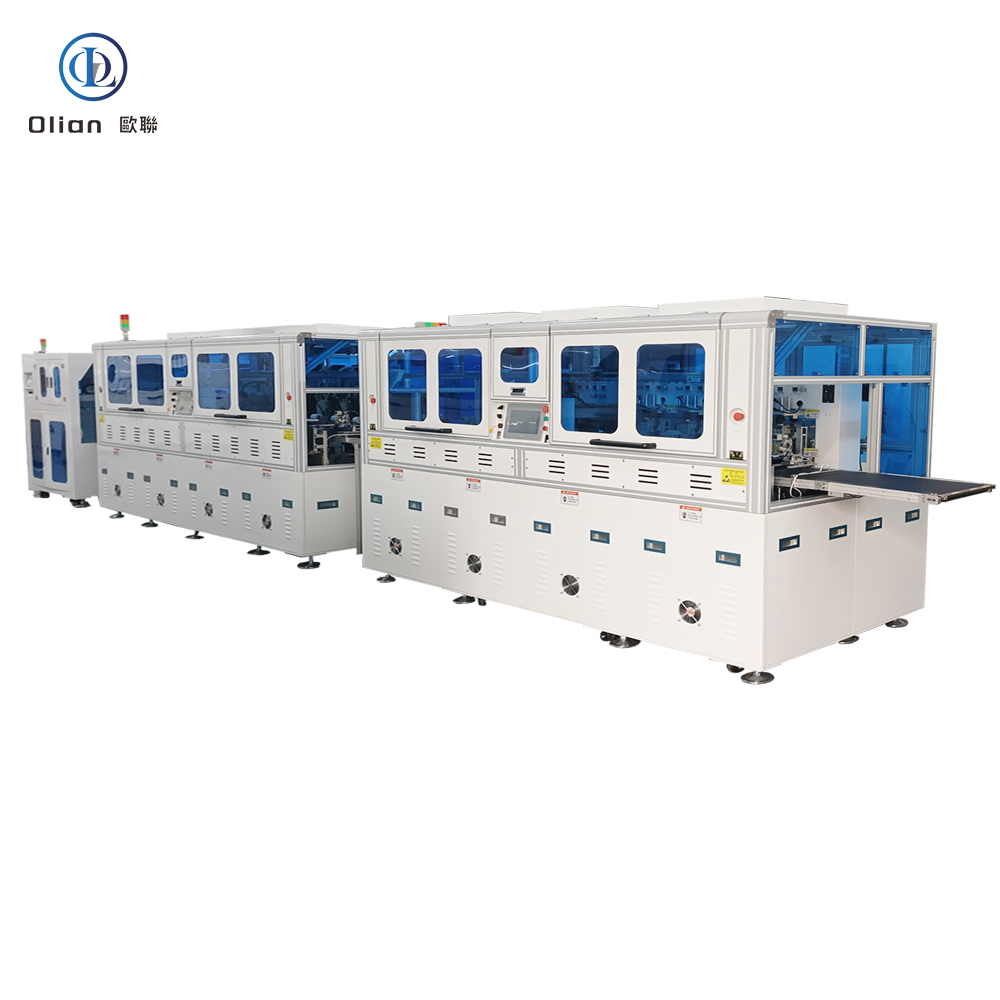
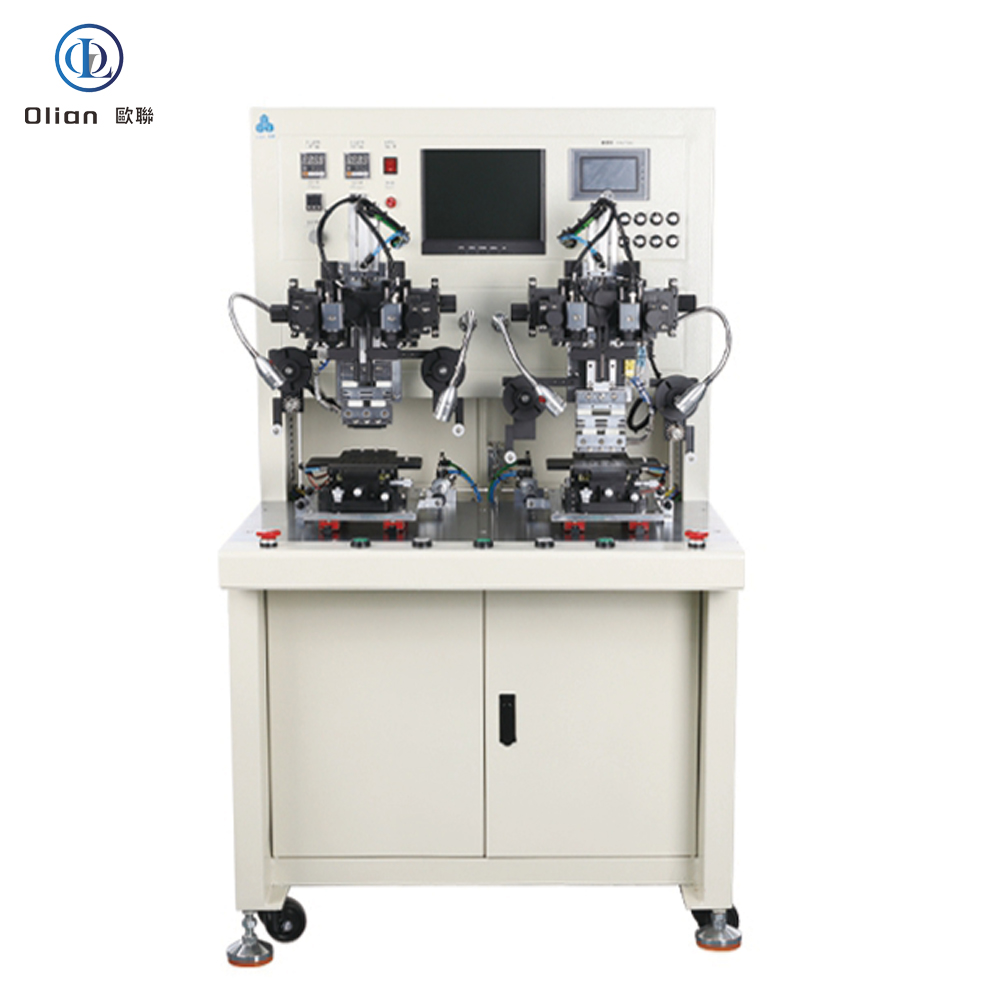
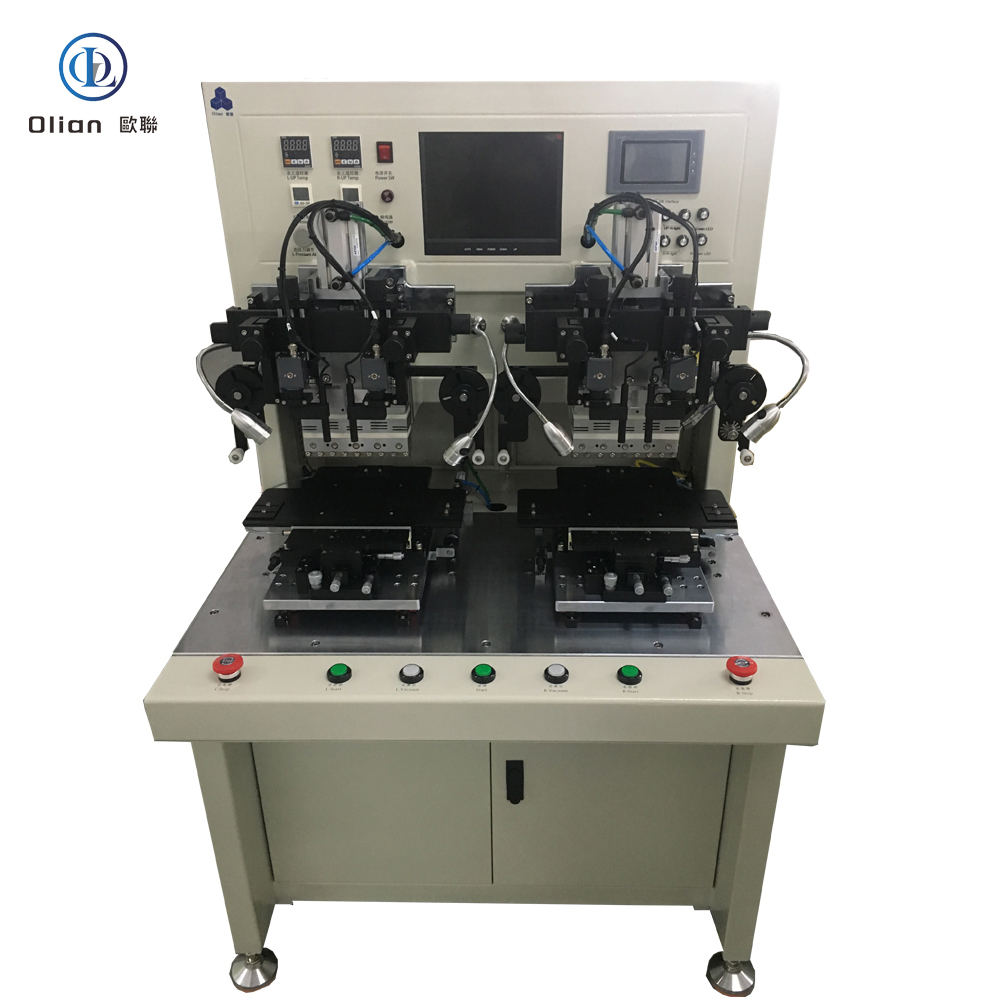
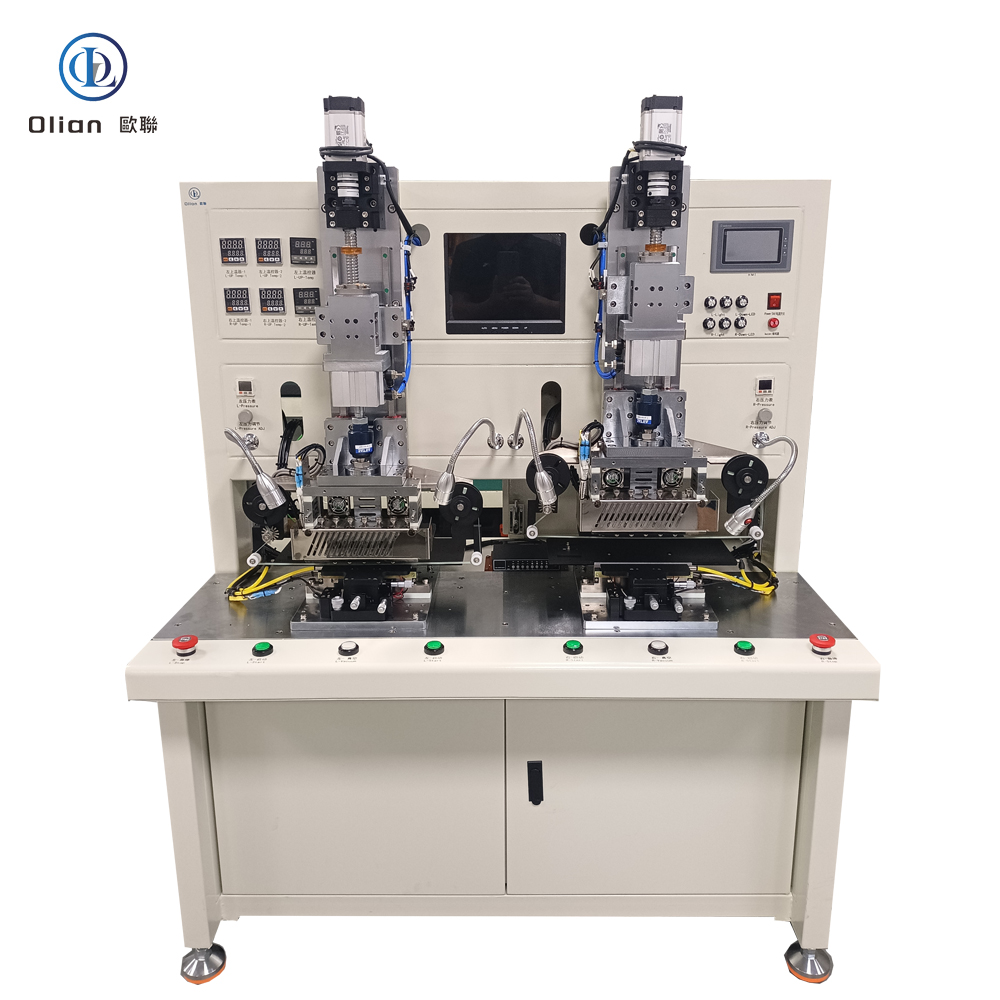
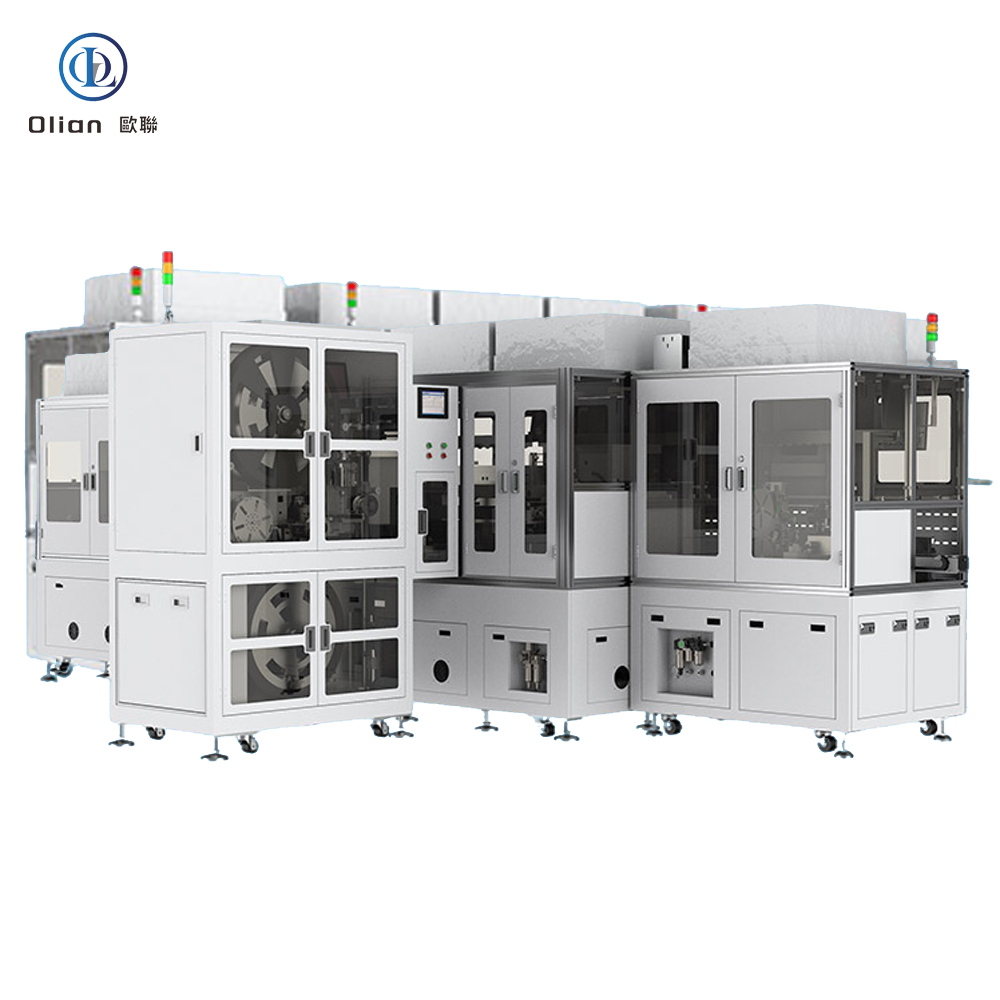
In the ACF (Anisotropic Conductive Film) bonding process, a variety of parts and accessories are used to ensure the quality and reliability of the final products. These components play a crucial role in the production line, from initial material preparation to final product testing. Here is a comprehensive overview of the parts and accessories used in ACF bonding processes:
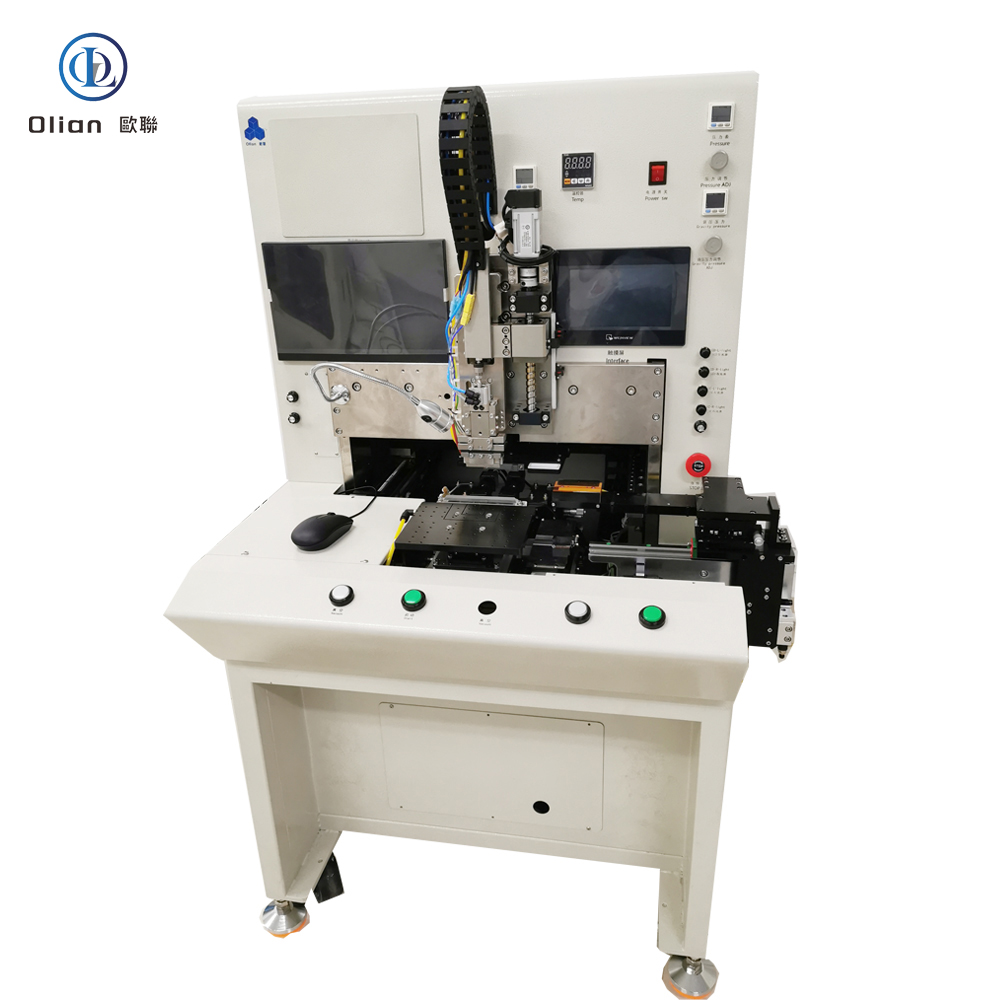
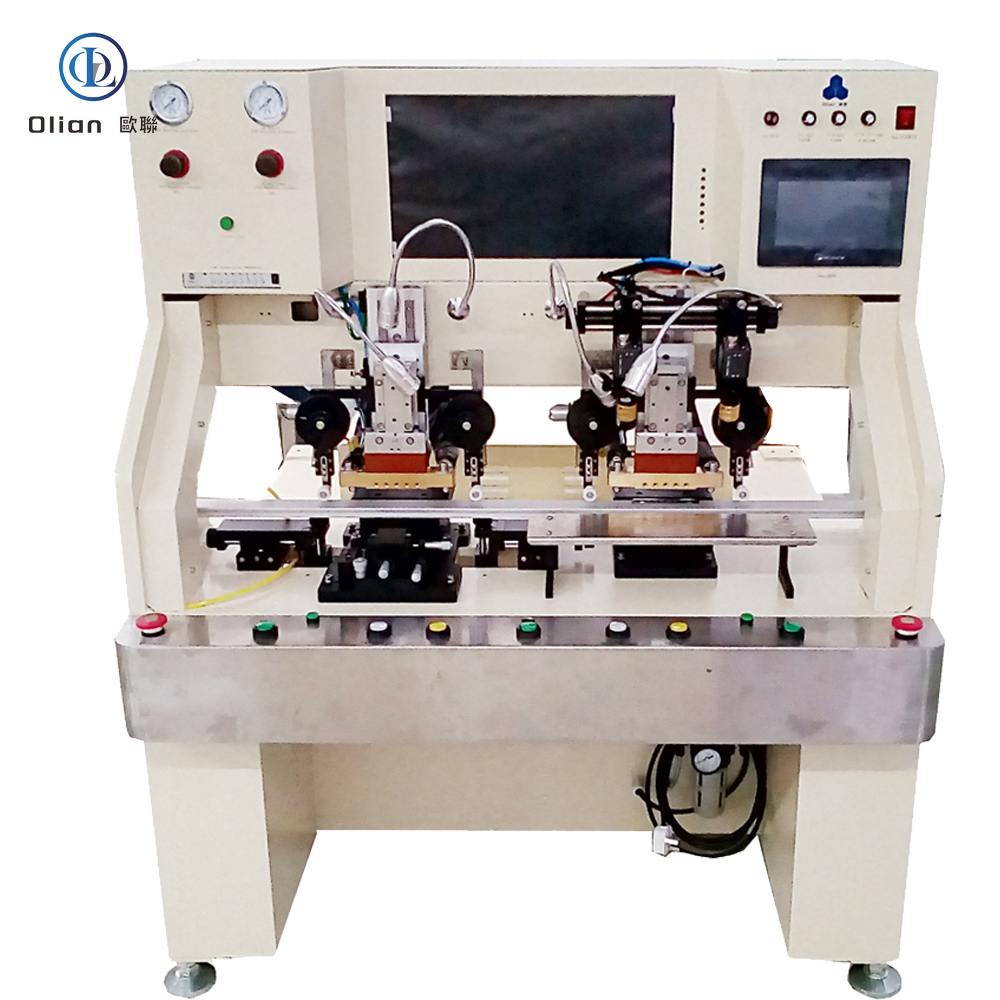
7-17 inch medium size multi IC multi FPC high-speed fully automatic EC/COG/FOG whole line supporting equipment1-7 inch fully automatic COG/COP/COF Bonding production lineFOG Bonding Machine
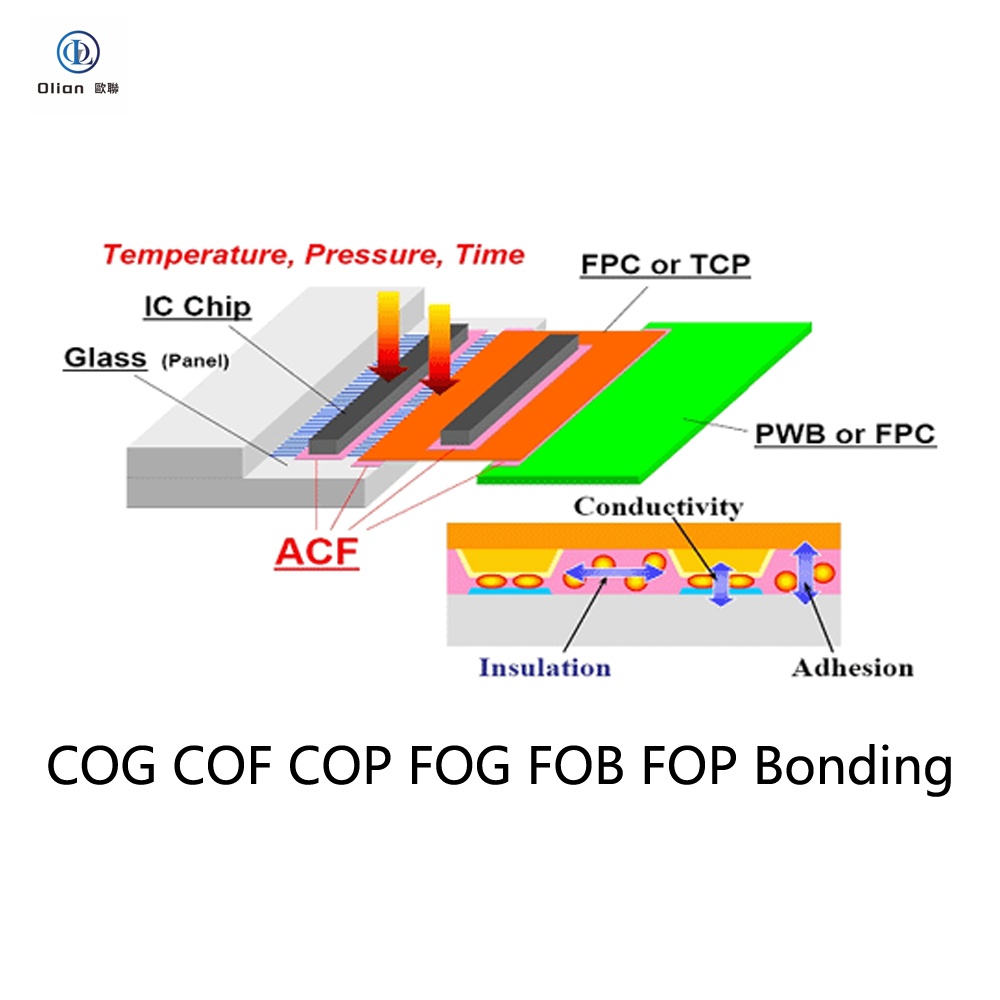
ACF Tape
ACF Tape is the core material used in the ACF bonding process. It is an epoxy adhesive system filled with conductive particles that provide electrical interconnection between pads through the film thickness (z-direction). The conductive particles are distributed far apart to ensure electrical insulation in the plane direction (X&Y) of the film. ACF tape is available in various models and is specific to the application for which it is designed. For example, ACF designed for flex-on-glass (FOG) assembly is usually not suitable for chip-on-glass (COG) or chip-on-film (COF) applications.
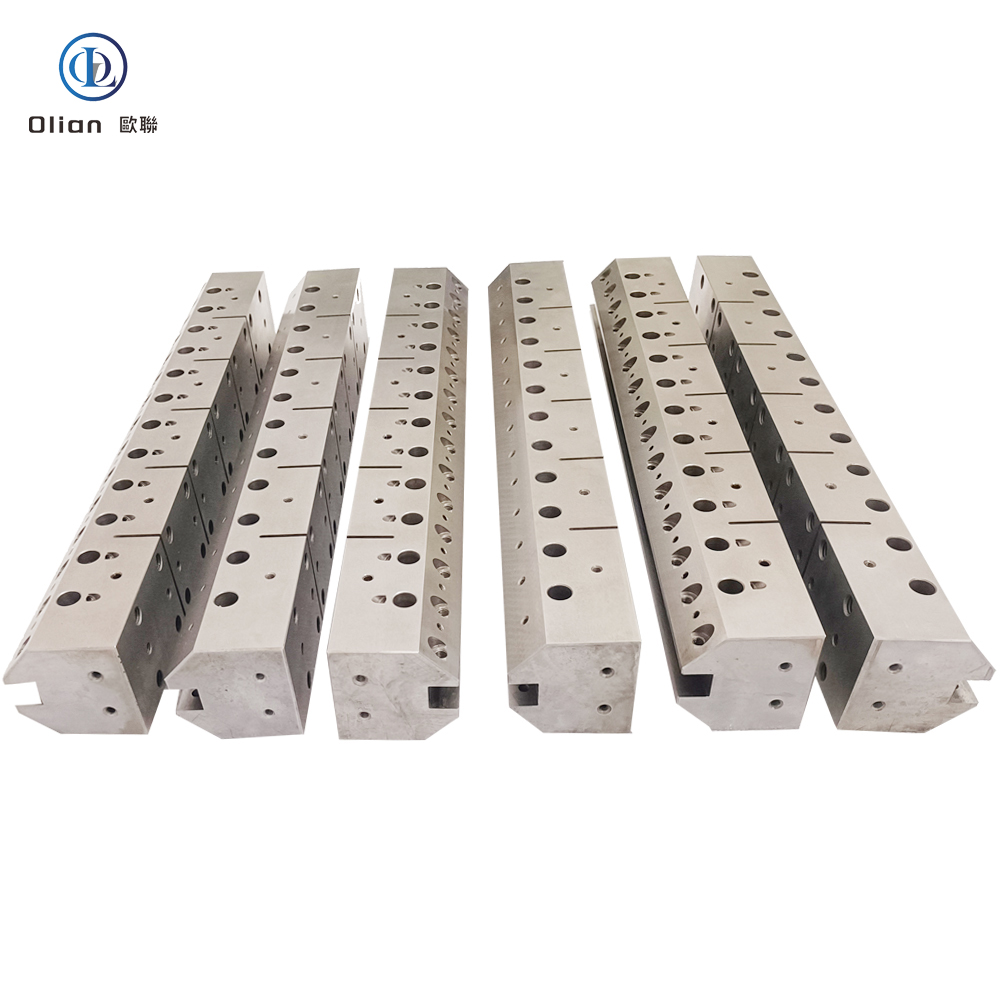
Hot Bar/Thermode
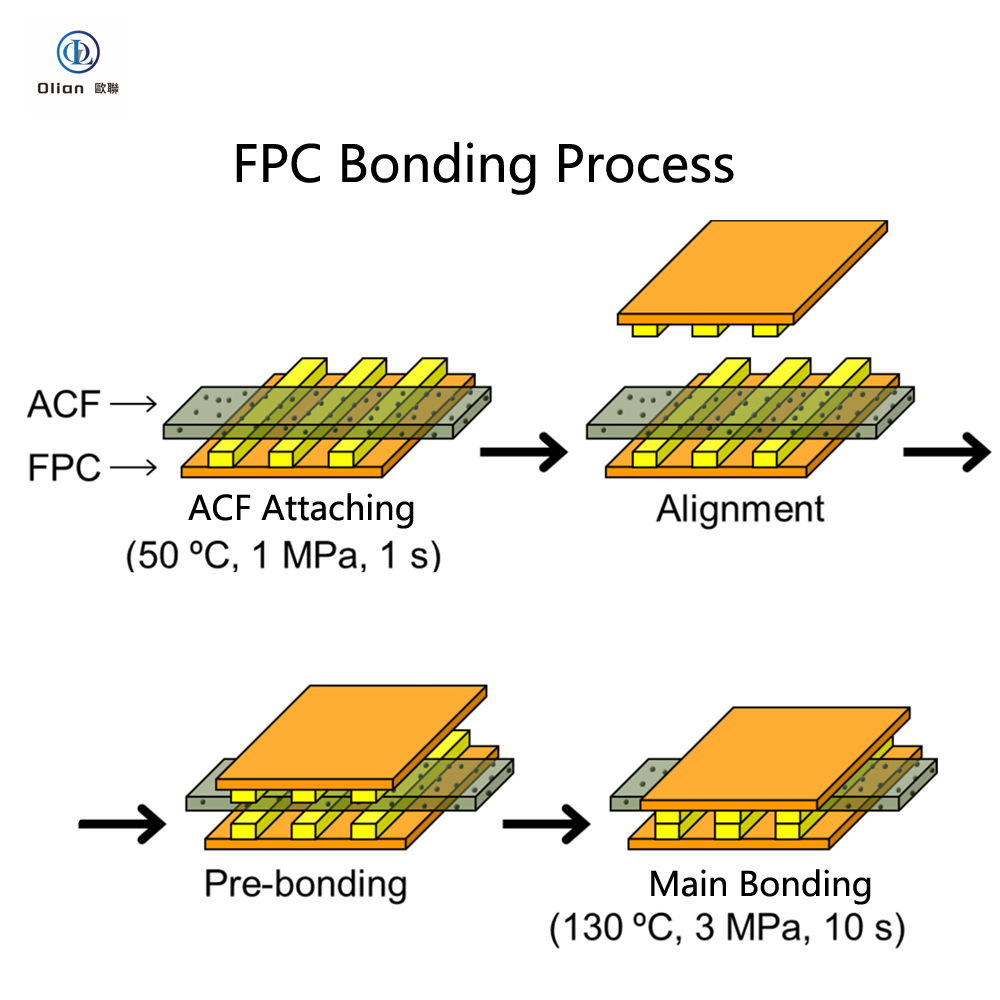
The Hot Bar or Thermode is the primary tool used to apply heat and pressure during the ACF bonding process. Hot bar bonding systems are designed to heat the hot bar to a specific temperature using low voltage electricity, which temperature is fed back to the controller via a thermocouple. The hot bar is brought into contact with the ACF film over the bonding pad, heated to the bonding temperature, and held for a specified time. This process produces the connection between the ACF tape and the components.
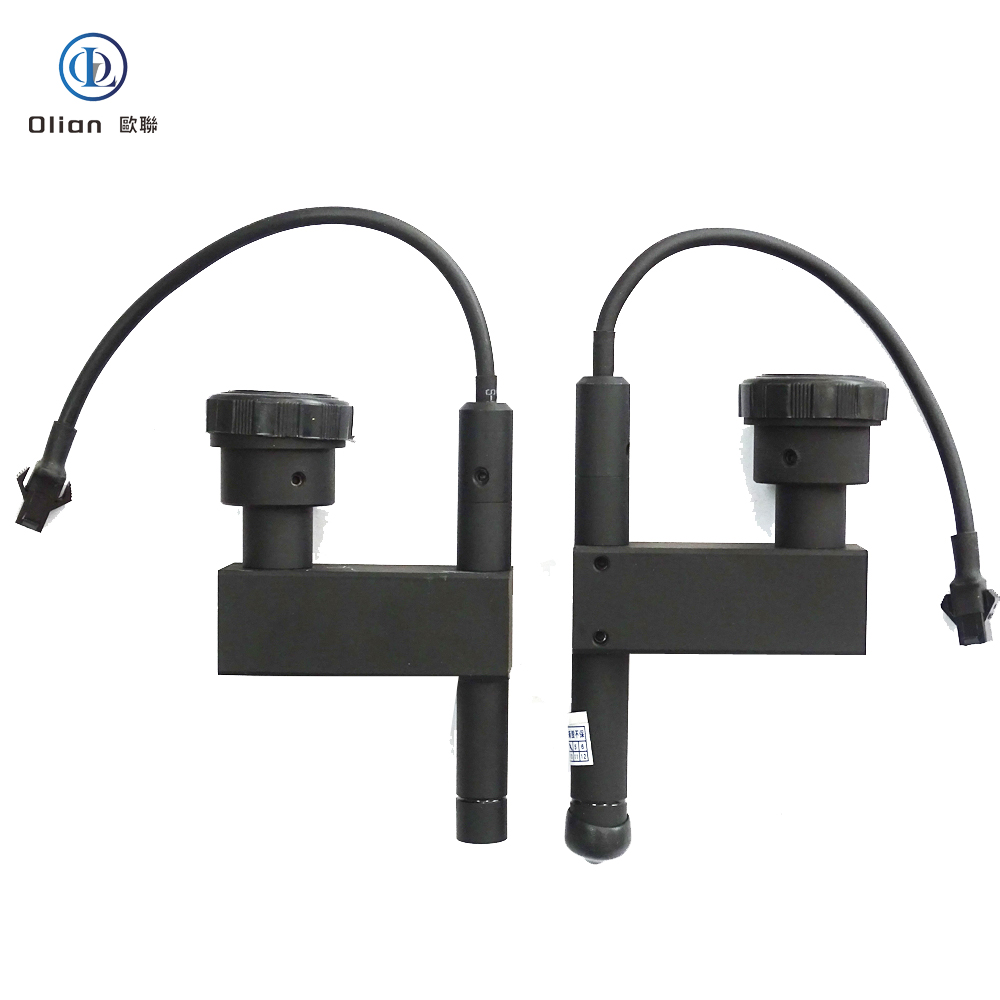
Bonding Heads
Bonding Heads are designed to hold the components and position the ACF tape correctly with the conductive pads on the PCB or other components. They ensure that the bonding process is accurate and consistent. Bonding heads can be manual or automated, depending on the specific requirements of the bonding process.
ACF Cutting Machines
ACF Cutting Machines are used to cut the ACF tape to the required length and shape. These machines ensure that the ACF tape is accurately cut and positioned for the bonding process. The cutting is done using the half-cut method, where only the actual ACF material is cut, and the cover-layer is used for tape transport.
Pre-Bonding and Final Bonding Machines
Pre-Bonding Machines are used to pre-bond ICs or COF on the panel that has been attached to the ACF. The pick and place of the panel is achieved manually, and the pre-alignment is automatically completed by the equipment.
Final Bonding Machines perform the main bonding on the LCD glass with IC, cable, or COF pre-pressed. The operator manually loads and unloads the products, while the ACF bonding is automatically performed by the machine.
Top-Bottom Alignment Bonding Machines
Top-Bottom Alignment Bonding Machines are used to bond FPC/Zebra paper on the PCB/Glass with the ACF attached. The pick and place and alignment of the PCB/Panel are done manually, and the ACF bonding is done automatically. These machines are suitable for 1″ to 12″ flat glass and flexible screen products bonding.
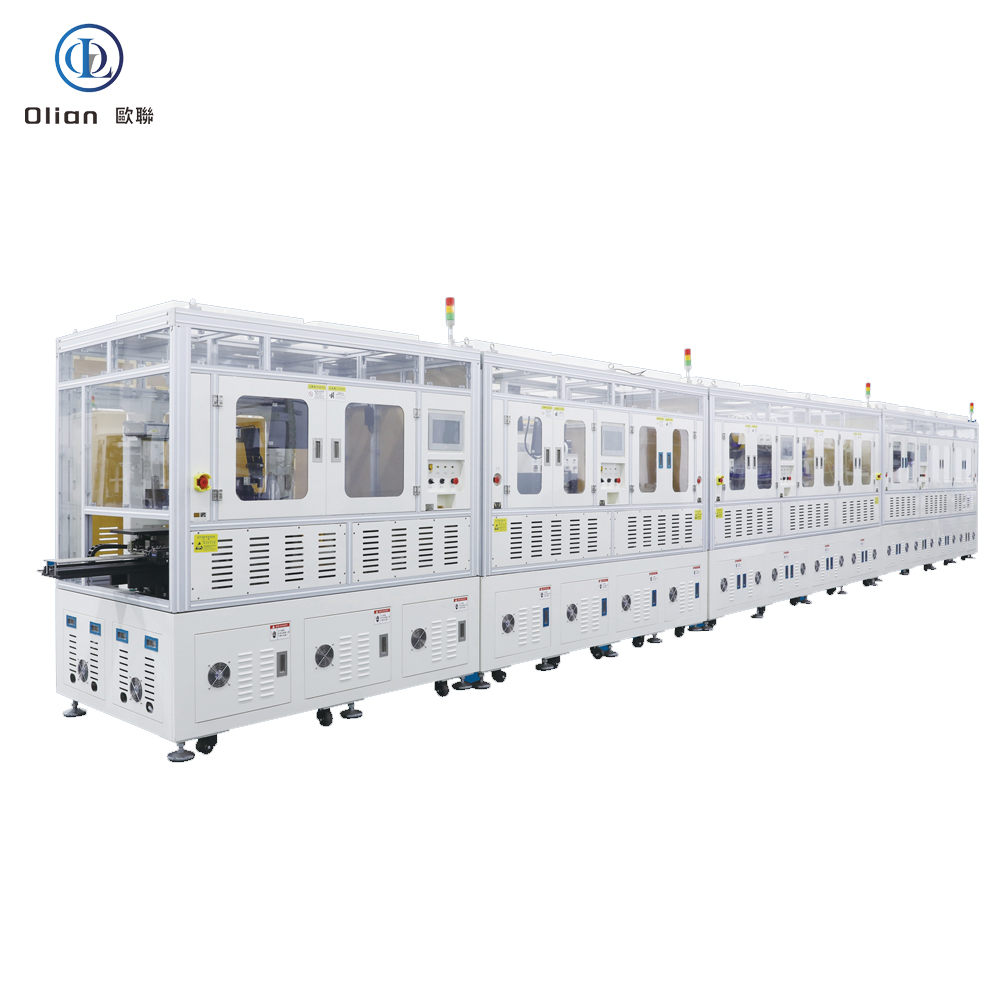
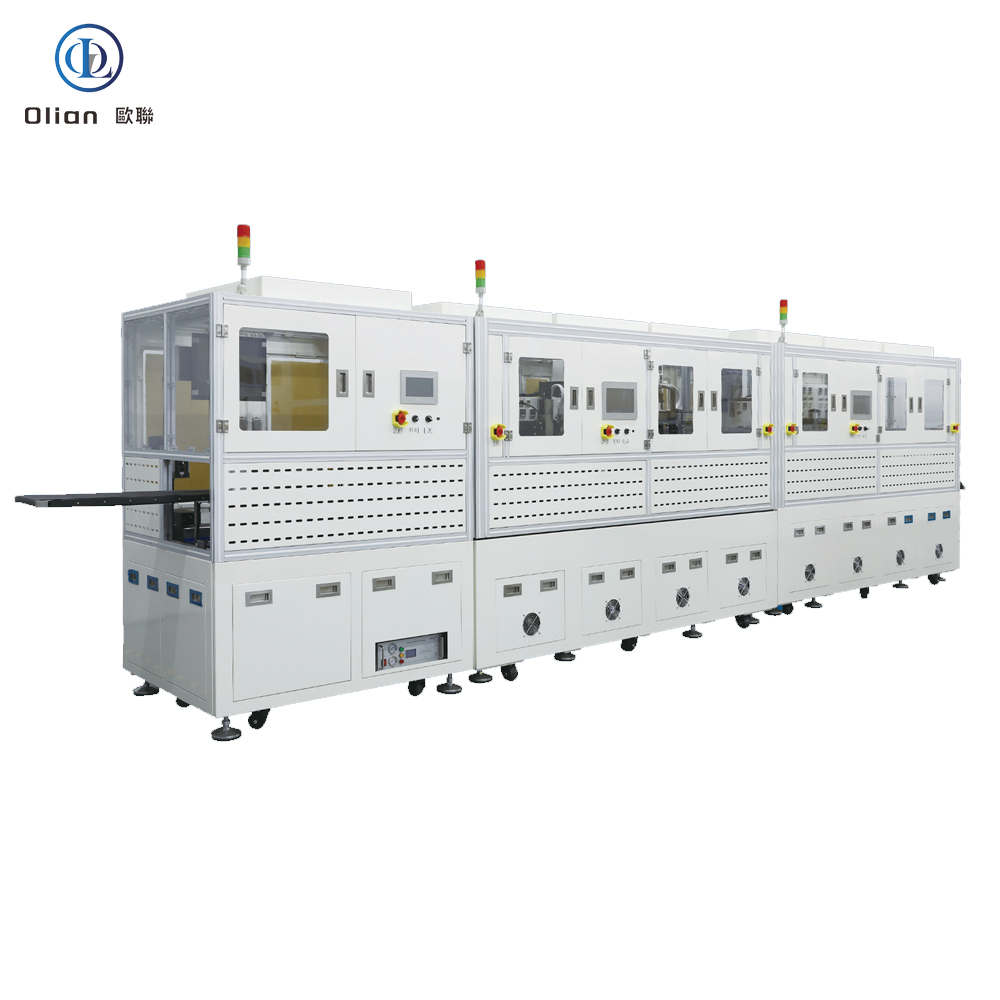
Fully Automatic ACF Bonding Line
A Fully Automatic ACF Bonding Line includes multiple machines working together to automate the entire bonding process. This includes substrates loading machines, terminal cleaning machines, fully automatic COG/COF/COP bonding machines, and fully automatic COF punching machines.
Testing and Inspection Equipment
Testing and Inspection Equipment is used to ensure the quality and reliability of the bonded products. This includes microscopes for surface inspection, temperature and pressure testers, and environmental testing chambers to simulate various conditions.
ACF Bonding Applications
ACF bonding is widely used in various industries, including mobile phone manufacturing, automotive, LCD production, mobile computers, TV manufacturing, open cell panels, touch panels, smart watches, and pads. It is also used in research labs focusing on LCD/LED/OLED/MICRO LED/MINI LED displays.
Benefits of ACF Bonding
ACF bonding offers several benefits, including:
Lead-free and environmentally friendly
Smallest pitch >30 micron possible
Flux-free process
No cleaning required after the process
Low process temperatures
High reliability and performance
Cost-effective compared to traditional connectors and soldering
In conclusion, the ACF bonding process relies on a suite of sophisticated parts and accessories to ensure the quality and reliability of the final products. Each component plays a critical role in different stages of the production process, from initial material preparation to final product testing. By using these parts and accessories, manufacturers can optimize their processes, reduce defects, and ensure that their products meet the highest standards of quality and performance.
COG (Chip On Glass) Bonding Machine is a critical piece of equipment used in the manufacturing of liquid crystal displays (LCDs). It is responsible for the final bonding process where the integrated circuit (IC) is permanently attached to the glass substrate. This step follows the pre-bonding process and ensures a robust and reliable connection between the IC and the display panel.
How It Works
The COG Bonding Machine operates by first aligning the pre-bonded IC with the glass substrate. The machine uses a high-precision alignment system to ensure that the IC is accurately positioned. Once aligned, the bonding process begins. The machine applies heat and pressure to the assembly, causing the Anisotropic Conductive Film (ACF) to bond the IC to the glass substrate. The ACF contains conductive particles that create electrical connections between the IC and the substrate.
7-17inch Medium size COG/COF Pre-Bonding machine OL-C0156
Technical Specifications
CHIP Tray Feeding: Automatic flip chip IC feeding.
Bonding Accuracy: X, Y ±3µm.
Temperature Range: RC~399°C.
Bonding Pressure: 2~30kg/cm.
Panel Size Compatibility: Supports panels from 1 to 17 inches.
Supports 2-Sided Bonding: Up to 6 ICs.
Automatic Bonding: From ACF bonding, temporary bonding to main bonding.
The COG Bonding Machine is primarily used in the production of LCD panels for various electronic devices, including:
Consumer Electronics: Such as smartphones, tablets, and computer monitors, where compact and lightweight displays are essential.
Automotive Displays: Used in vehicle infotainment systems and instrument clusters, where reliability and precision are critical.
Industrial and Medical Displays: Where high-resolution and stable performance are required for accurate monitoring and control.
Advantages
The COG Bonding Machine offers several benefits in the manufacturing process:
High Precision: Ensures that the IC is accurately bonded to the glass substrate, reducing the risk of misalignment and improving the overall quality of the display.
Improved Yield: Provides a stable and reliable bonding process, helping to increase production yield.
Enhanced Reliability: The final bond created is robust, ensuring long-term reliability and performance of the electronic devices.
Industry Impact
The COG Bonding Machine has significantly impacted the electronics industry by enabling the production of high-quality, compact displays. It plays a vital role in meeting the demands for smaller, more efficient electronic devices, contributing to advancements in display technology and overall consumer satisfaction.
Fully Automatic COG Bonding Machine
Fully Automatic COG FOG Bonding Machine
A fully automatic COG bonding line includes multiple machines working together to automate the entire bonding process. This includes:
Loader: For loading substrates.
Cleaner: For cleaning LCD terminals.
COG Bonding Machine: For bonding the IC to the glass.
Buffer: For intermediate storage.
AOI: For automated optical inspection.
FOB (PWB) Bonding Machine: For bonding flexible printed circuits.
Unloader: For unloading the finished products.
Conclusion
The COG Bonding Machine is an essential tool in the manufacturing of LCD panels, providing a reliable and precise method for permanently bonding ICs to glass substrates. Its applications are widespread across various industries, driving innovation and enhancing the performance of electronic devices.
COF Bonding Machines are high-precision device designed to connect COF to Glass or PCB substrates. This technology is widely used in the assembly of LCD, OLED, and other advanced displays. It plays a pivotal role in ensuring the performance and reliability of modern electronic devices. COF bonding is the backbone of many industries, enabling compact designs, high-resolution displays, and durable electronic products. Whether you’re manufacturing smartphones, automotive displays, or industrial control panels, COF Bonding Machines are an essential tool for innovation and efficiency.
Why COF Technology is Critical in Modern Electronics
COF technology allows semiconductor chips to be directly bonded onto flexible film, enabling:
Space Optimization: Essential for ultra-thin devices.
Enhanced Signal Integrity: Ensures high-speed and reliable data transmission.
Durability: Prolongs device lifespan and reduces maintenance costs.
With the rise of micro-LEDs, foldable displays, and wearable technology, COF technology has become indispensable in keeping up with the latest trends in electronics.
Classification of COF Bonding Machines
85inchDual station pulse bnding machine OL-FP0857-17 inch medium size multi IC multi FPC high-speed fully automatic EC/COG/FOG whole line supporting equipment
COF Bonding Machines can be classified based on their application and capabilities:
Manual COF Bonding Machines
These machines are used for small-scale production and repair work. They require manual alignment and bonding, which can be time-consuming but are suitable for low-volume production and prototyping.
Semi-Automatic COF Bonding Machines
These machines offer a balance between manual and fully automatic systems. They provide automated alignment and bonding processes but still require some manual intervention, such as loading and unloading the components.
Fully Automatic COF Bonding Machines
These machines are designed for high-volume production lines. They offer fully automated loading, alignment, bonding, and unloading processes, ensuring high precision and efficiency. They are ideal for manufacturing large quantities of electronic devices with consistent quality.
Key Features of COF Bonding Machines
To stay competitive, manufacturers require machines that deliver precision and speed. The key features of a state-of-the-art COF Bonding Machine include:
Precision Alignment Technology: Integrated vision systems for sub-micron alignment accuracy, ensuring error-free bonding between chips and films.
High-Speed Automation: Boosts production rates while maintaining accuracy, reducing labor costs and improving efficiency.
Versatile Compatibility: Supports various display sizes, IC types, and flexible films, customizable for different bonding processes.
Real-Time Monitoring: Advanced sensors detect bonding quality in real time, minimizing waste and rework.
Eco-Friendly Design: Energy-efficient components lower operational costs and reduce material wastage, promoting sustainability.
Applications of COF Bonding Machines
COF Bonding Machines are indispensable across diverse industries:
Consumer Electronics
Smartphones: Delivers ultra-slim and vibrant displays.
Tablets & Laptops: Ensures high-resolution and durable screens.
Automotive Displays
Used in dashboards, infotainment systems, and HUD (Heads-Up Displays).
Medical Devices
High-precision bonding for diagnostic equipment screens.
Industrial Equipment
Applied in control panels and ruggedized display solutions.
Foldable and Wearable Tech
Facilitates bonding for next-gen foldable devices and flexible wearables.
How COF Bonding Machines Work
Preparation
The patch and film are cleaned to ensure good adhesion between the patch and the film. This may include removing any contaminants and ensuring a smooth surface.
Alignment
The chip is precisely aligned to the film using a positioning system. Accurate alignment is key to the best electrical connection.
Bonding Process
The machine heats or pressurizes the chip and film interface. This activates the adhesive, allowing it to bond the chip to the substrate. The process includes:
Thermal Bonding: Utilizes heat to activate thermoplastic adhesives.
Pressure Bonding: Apply pressure to enhance adhesion without having to heat.
Cooling and Curing: Once bonding is complete, the assembly is cooled to allow the adhesive to cure and reach its final strength.
Testing and Inspection
The bonded assembly is tested to ensure quality, including checking the bond strength and electrical connection.
Conclusion
COF Bonding Machines are essential in the manufacturing of modern electronic devices, providing high precision and reliability in the bonding process. They are used in a wide range of applications, from consumer electronics to industrial and medical devices, ensuring that products meet the highest standards of quality and performance. With the increasing demand for thinner, lighter, and more durable devices, COF technology continues to play a crucial role in the electronics industry.
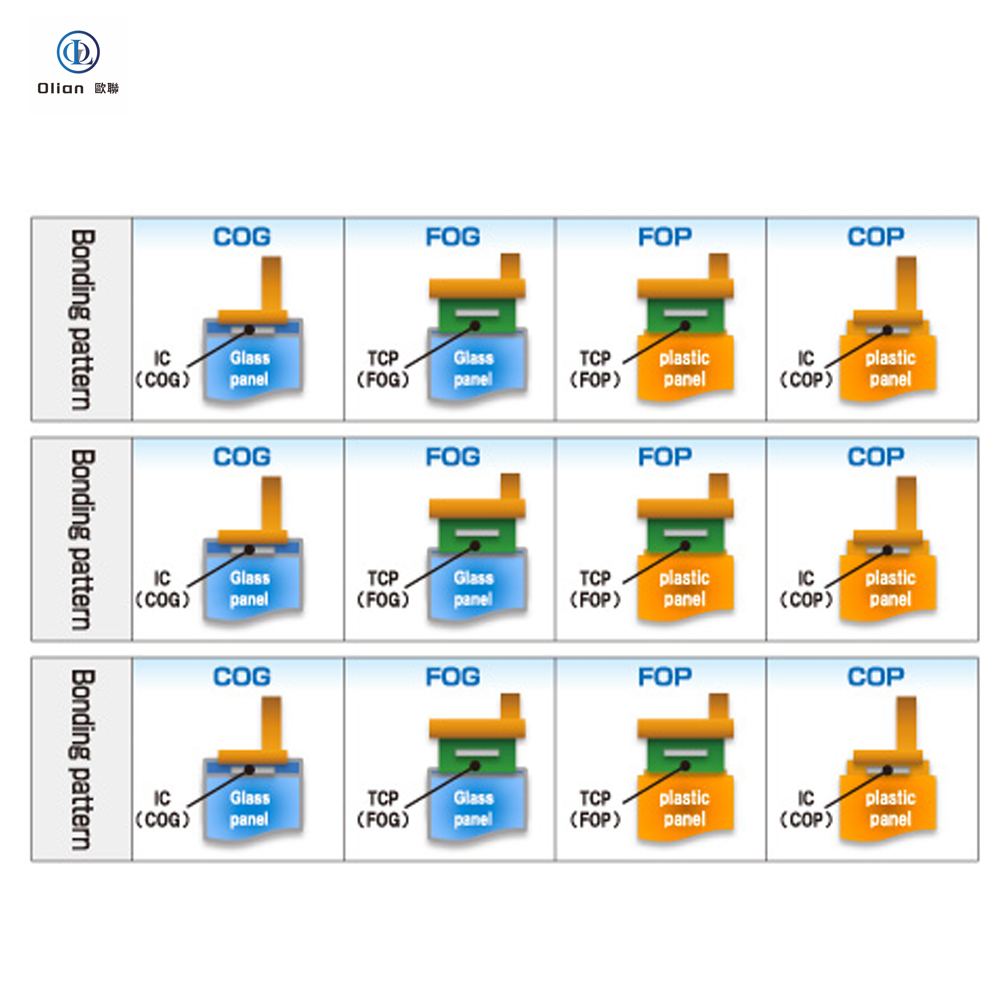
COP (Chip On Plastic) and FOP (Film On Plastic) Bonding Machine is a sophisticated piece of equipment used in the electronics industry, particularly for the production of flexible displays and advanced electronic devices. This machine combines the processes of COP and FOP bonding into a single, integrated system, streamlining the manufacturing process and improving efficiency. COP FOP bonding machines are essential for bonding integrated circuits (ICs) and flexible printed circuits (FPCs) to plastic substrates, ensuring high precision and reliability in display manufacturing.
Classification of COP FOP Bonding Machines
COP FOP Bonding Machines can be classified based on their level of automation and specific applications:
Fully Automatic COP FOP Bonding Machine
Description: This type of machine is designed for high-volume production lines. It offers fully automated loading, alignment, bonding, and unloading processes, ensuring high precision and efficiency. The machine typically includes several modules to handle different stages of the bonding process:
Loading and Unloading Modules: Automate the loading and unloading of substrates, reducing manual intervention and increasing throughput.
Cleaning Module: Ensures a clean surface for the bonding process, often using plasma cleaning or other methods to remove contaminants.
ACF Application Module: Applies the Anisotropic Conductive Film (ACF) to the substrate with high precision, ensuring reliable bonding.
Alignment and Bonding Modules: Use advanced vision systems to align the ICs or FPCs with the substrate. The bonding process involves applying heat and pressure to create a stable electrical and mechanical connection.
Applications: Widely used in the production of flexible displays, smartphones, tablets, automotive displays, and other consumer electronics.
Semi-Automatic COP FOP Bonding Machine
Description: These machines offer a balance between manual and fully automatic systems. They provide automated alignment and bonding processes but still require some manual intervention, such as loading and unloading the components. This makes them suitable for medium-volume production and prototyping.
Applications: Commonly used in research and development, small-scale production, and repair work.
Key Features and Specifications
High Precision: Offers high bonding accuracy, typically within ±3µm for all panel sizes, ensuring reliable connections.
Increased Productivity: Automation reduces the time required for each bonding process, allowing for higher production rates.
Reduced Labor Costs: By minimizing manual operations, the machine reduces labor costs and the risk of human error.
Enhanced Reliability: The consistent bonding process ensures that each product meets high-quality standards, reducing the likelihood of defects.
Real-Time Monitoring: Advanced sensors detect bonding quality in real time, allowing for immediate error detection and minimizing waste and rework.
High-Speed Automation: Designed for high-speed production, increasing throughput while maintaining accuracy.
Applications of COP FOP Bonding Machines
COP FOP Bonding Machines are indispensable across diverse industries:
Flexible Displays: Essential for bonding driver ICs and FPCs to flexible substrates, ensuring high precision and reliability in display manufacturing.
Consumer Electronics: Commonly used in the manufacturing of smartphones, tablets, and other devices that require flexible and durable displays.
Automotive Displays: Used in the production of vehicle displays, where flexibility and durability are critical.
Medical Devices: High-precision bonding for diagnostic equipment screens.
Industrial Equipment: Applied in control panels and ruggedized display solutions.
Foldable and Wearable Tech: Facilitates bonding for next-gen foldable devices and flexible wearables.
Industry Trends and Future Developments
The electronics industry is continuously evolving, with manufacturers focusing on improving the precision and speed of bonding machines. Future trends include:
Integration of AI and Machine Learning: To further enhance the precision and efficiency of the bonding process.
Development of Larger and More Complex Substrates: As demand for larger and more advanced displays grows.
Focus on Sustainability: There is an increasing emphasis on developing energy-efficient and environmentally friendly bonding processes.
Conclusion
COP FOP Bonding Machines are critical components in modern electronics manufacturing, providing a reliable and efficient solution for bonding processes in the production of high-quality displays and electronic devices. They are used in a wide range of applications, from consumer electronics to industrial and medical devices, ensuring that products meet the highest standards of quality and performance. With the increasing demand for thinner, lighter, and more durable devices, COP FOP technology continues to play a crucial role in the electronics industry.
FOG FOP FOF FOB T-FOG FPC Flex Cable Bonding Machine
Introduction to Flex Cable Bonding Machines
Flex cable bonding machines are essential in the manufacturing of electronic devices, particularly for attaching flexible printed circuits (FPCs) or flexible flat cables (FFCs) to various substrates. These machines ensure a seamless and robust connection between the flexible cable and the electronic components, playing a crucial role in the production of devices like smartphones, tablets, and automotive displays.
Classification of Flex Cable Bonding Machines
Flex cable bonding machines can be classified based on their specific applications and the type of bonding process they perform:
FOG (Flex-On-Glass) Bonding Machine
Description: FOG bonding machines are used to bond FPCs directly onto glass substrates, commonly found in LCD and OLED displays. These machines offer high bonding accuracy and are essential for maintaining the quality and performance of display panels.
Features:
High bonding accuracy (XY: ±10µm) for all panel sizes.
Enhanced alignment accuracy using the same camera view to recognize marks on FPC and the LCD panel.
Improved stability through a rigid frame and new control methods for bonding load and speed.
Applications: Widely used in the production of small to medium-sized display panels, such as those found in smartphones and tablets.
FOB (Flex-On-Board) Bonding Machine
Description: FOB bonding machines are designed to bond FPCs onto printed circuit boards (PCBs). They are crucial for connecting flexible circuits to rigid boards, ensuring a reliable electrical connection.
Features:
High throughput, capable of transferring up to 4 panels at once for panels smaller than 8 inches.
Reduced model changeover time, as no stage replacement is required for panel size and ACF width changes.
Double-stage IC supply to eliminate line stops.
Applications: Commonly used in the assembly of electronic devices where FPCs need to be connected to PCBs, such as in automotive electronics and industrial control panels.
FOF (Flex-On-Flex) Bonding Machine
Description: FOF bonding machines are used to bond FPCs onto other FPCs, creating a flexible-to-flexible connection. This is particularly useful in applications where space is limited and flexibility is required.
Features:
High precision and reliability in bonding flexible-to-flexible connections.
Suitable for a wide range of FPC sizes and configurations.
Applications: Used in wearable technology, foldable devices, and other applications where flexibility and compact design are crucial.
T-FOG (Tape Flex-On-Glass) Bonding Machine
Description: T-FOG bonding machines are a variant of FOG machines that use tape to bond FPCs onto glass substrates. This process is particularly useful for applications where additional support or protection is required.
Features:
Enhanced bonding strength and durability.
Suitable for high-resolution displays and applications requiring high reliability.
Applications: Commonly used in high-end display manufacturing, such as OLED and micro-LED displays.
FPC (Flexible Printed Circuit) Bonding Machine
Description: FPC bonding machines are general-purpose machines used for bonding FPCs to various substrates, including glass, PCBs, and other flexible materials. They offer a wide range of bonding options and are highly versatile.
Features:
High bonding accuracy and precision.
Support for various bonding materials, including ACF and solder paste.
Suitable for a wide range of panel sizes and applications.
Applications: Used in the production of a variety of electronic devices, from consumer electronics to industrial and medical equipment.
Key Features and Specifications
High Precision: Offers high bonding accuracy, typically within ±0.015mm, ensuring reliable connections.
Increased Productivity: Automation reduces the time required for each bonding process, allowing for higher production rates.
Reduced Labor Costs: By minimizing manual operations, the machine reduces labor costs and the risk of human error.
Enhanced Reliability: The consistent bonding process ensures that each product meets high-quality standards, reducing the likelihood of defects.
Real-Time Monitoring: Advanced sensors detect bonding quality in real time, allowing for immediate error detection and minimizing waste and rework.
High-Speed Automation: Designed for high-speed production, increasing throughput while maintaining accuracy.
Applications of Flex Cable Bonding Machines
Flex cable bonding machines are indispensable across diverse industries:
Consumer Electronics: Commonly used in the manufacturing of smartphones, tablets, and other devices that require flexible and durable displays.
Automotive Displays: Used in the production of vehicle displays, where flexibility and durability are critical.
Medical Devices: High-precision bonding for diagnostic equipment screens.
Industrial Equipment: Applied in control panels and ruggedized display solutions.
Foldable and Wearable Tech: Facilitates bonding for next-gen foldable devices and flexible wearables.
Industry Trends and Future Developments
The electronics industry is continuously evolving, with manufacturers focusing on improving the precision and speed of bonding machines. Future trends include:
Integration of AI and Machine Learning: To further enhance the precision and efficiency of the bonding process.
Development of Larger and More Complex Substrates: As demand for larger and more advanced displays grows.
Focus on Sustainability: There is an increasing emphasis on developing energy-efficient and environmentally friendly bonding processes.
Conclusion
Flex cable bonding machines are critical components in modern electronics manufacturing, providing a reliable and efficient solution for bonding processes in the production of high-quality displays and electronic devices. They are used in a wide range of applications, from consumer electronics to industrial and medical devices, ensuring that products meet the highest standards of quality and performance. With the increasing demand for thinner, lighter, and more durable devices, flex cable bonding technology continues to play a crucial role in the electronics industry.
COG, COP, COF, COB, CHIP Bonding Machine, IC Bonder
Introduction to Chip Bonding Machines
Chip bonding machines are essential in the electronics manufacturing industry, particularly for attaching integrated circuits (ICs) to various substrates. These machines ensure a seamless and robust connection between the ICs and the substrates, playing a crucial role in the production of devices like smartphones, tablets, and automotive displays. The different types of chip bonding machines, including COG (Chip On Glass), COP (Chip On Plastic), COF (Chip On Film), and COB (Chip On Board), are designed to meet specific requirements and applications.
Classification of Chip Bonding Machines
COG (Chip On Glass) Bonding Machine
Description: COG bonding machines are used to bond ICs directly onto glass substrates, commonly found in LCD and OLED displays. This process involves using Anisotropic Conductive Film (ACF) to create a connection between the IC and the glass substrate.
Features:
High bonding accuracy (XY: ±10µm) for all panel sizes.
Enhanced alignment accuracy using the same camera view to recognize marks on the FPC and the LCD panel.
Improved stability through a rigid frame and new control methods for bonding load and speed.
Applications: Widely used in the production of small to medium-sized display panels, such as those found in smartphones and tablets.
COP (Chip On Plastic) Bonding Machine
Description: COP bonding machines are used to bond ICs onto plastic substrates. This process is similar to COG but uses plastic instead of glass, offering flexibility and durability.
Features:
High precision and reliability in bonding flexible-to-flexible connections.
Suitable for a wide range of FPC sizes and configurations.
Applications: Used in wearable technology, foldable devices, and other applications where flexibility and compact design are crucial.
COF (Chip On Film) Bonding Machine
Description: COF bonding machines are used to bond ICs onto flexible printed circuits (FPCs). This process involves using ACF to create a connection between the IC and the FPC, allowing for flexible and compact designs.
Features:
High precision and reliability in bonding flexible-to-flexible connections.
Suitable for a wide range of FPC sizes and configurations.
Applications: Commonly used in the production of large-sized display panels, such as those found in TVs and monitors.
COB (Chip On Board) Bonding Machine
Description: COB bonding machines are used to bond ICs directly onto printed circuit boards (PCBs). This process involves using a combination of adhesives and wire bonding to create a robust connection.
Features:
High bonding accuracy and precision.
Support for various bonding materials, including ACF and solder paste.
Suitable for a wide range of panel sizes and applications.
Applications: Used in the production of a variety of electronic devices, from consumer electronics to industrial and medical equipment.
Key Features and Specifications
High Precision: Offers high bonding accuracy, typically within ±0.015mm, ensuring reliable connections.
Increased Productivity: Automation reduces the time required for each bonding process, allowing for higher production rates.
Reduced Labor Costs: By minimizing manual operations, the machine reduces labor costs and the risk of human error.
Enhanced Reliability: The consistent bonding process ensures that each product meets high-quality standards, reducing the likelihood of defects.
Real-Time Monitoring: Advanced sensors detect bonding quality in real time, allowing for immediate error detection and minimizing waste and rework.
High-Speed Automation: Designed for high-speed production, increasing throughput while maintaining accuracy.
Applications of Chip Bonding Machines
Chip bonding machines are indispensable across diverse industries:
Consumer Electronics: Commonly used in the manufacturing of smartphones, tablets, and other devices that require flexible and durable displays.
Automotive Displays: Used in the production of vehicle displays, where flexibility and durability are critical.
Medical Devices: High-precision bonding for diagnostic equipment screens.
Industrial Equipment: Applied in control panels and ruggedized display solutions.
Foldable and Wearable Tech: Facilitates bonding for next-gen foldable devices and flexible wearables.
Industry Trends and Future Developments
The electronics industry is continuously evolving, with manufacturers focusing on improving the precision and speed of bonding machines. Future trends include:
Integration of AI and Machine Learning: To further enhance the precision and efficiency of the bonding process.
Development of Larger and More Complex Substrates: As demand for larger and more advanced displays grows.
Focus on Sustainability: There is an increasing emphasis on developing energy-efficient and environmentally friendly bonding processes.
Conclusion
Chip bonding machines are critical components in modern electronics manufacturing, providing a reliable and efficient solution for bonding processes in the production of high-quality displays and electronic devices. They are used in a wide range of applications, from consumer electronics to industrial and medical devices, ensuring that products meet the highest standards of quality and performance. With the increasing demand for thinner, lighter, and more durable devices, chip bonding technology continues to play a crucial role in the electronics industry.
This device is a semi-automatic Pre Bonding machine, which is a device for aligning and Pre Bonding IC on a panel that has already been attached with a conductive film (ACF). The removal and placement of the panel are manually completed, while the alignment and Pre Bonding are automatically completed by the device.
COG/COF Pre-Bonding machine .This device is suitable for medium sized COG and COF products.
LCD SIZE: 7~17.3inch Capacity: About400~600pcs IC/hour; Maximum number of segments ≤10 IC specification range: MIN:60.6mm,MAX385mm; Pre bonding accuracy: ±0.003mm Heating method: Constant temperature control; Temperature range: RT-150℃; Working air pressure: 0.4~0.6Mpa; Power Supply: 220V,50HZ,1000W; Total weight: 488Kg; Dimensions: L1010W1060H1500;
FOB Bonder is a specialized piece of equipment used in the electronics industry, particularly for bonding flexible printed circuits (FPCs) to rigid printed circuit boards (PCBs) in various electronic devices. This machine plays a crucial role in the assembly process of display technologies such as LCDs and other advanced electronics.
Key Features and Specifications
High Precision Alignment: The FOB Bonder uses advanced vision systems to align the FPC with the PCB. This ensures sub-micron alignment accuracy, which is essential for maintaining electrical and mechanical integrity.
ACF Application: Anisotropic Conductive Film (ACF) is applied to the substrate with high precision. This ensures that the ACF is accurately positioned to facilitate a reliable bond.
Bonding Process: The machine applies heat and pressure to the assembly, causing the ACF to bond the FPC to the PCB. The bonding process is carefully controlled to ensure optimal temperature and pressure profiles.
Technical Specifications:
Panel Size: Supports a wide range of panel sizes, typically from 5 to 17.3 inches.
FPC Dimensions: Can handle FPCs with dimensions ranging from 15mm x 15mm to 60mm x 60mm.
Production Efficiency: Capable of high-speed bonding, with a cycle time of approximately 10 seconds for single-sided bonding.
Applications
The FOB Bonder is widely used in various applications, including:
Consumer Electronics: Essential for manufacturing smartphones, tablets, and TVs with high-resolution displays.
Automotive Displays: Used in the production of vehicle displays, where flexibility and durability are critical.
Industrial and Medical Displays: For creating high-performance displays used in industrial machinery and medical equipment.
Advantages
High Precision: The machine offers high bonding accuracy, ensuring reliable connections.
Increased Productivity: Automation reduces the time required for each bonding process, allowing for higher production rates.
Reduced Labor Costs: By minimizing manual operations, the machine reduces labor costs and the risk of human error.
Enhanced Reliability: The consistent bonding process ensures that each product meets high-quality standards, reducing the likelihood of defects.
Industry Trends and Future Developments
The electronics industry is continuously evolving, with manufacturers focusing on improving the precision and speed of bonding machines. Future trends include the integration of more advanced vision systems and the development of machines capable of handling larger and more complex substrates
Additionally, there is a growing emphasis on energy efficiency and environmental sustainability in the design of these machines
In summary, the FOB Bonder is a vital component in modern electronics manufacturing, providing a reliable and efficient solution for bonding processes in the production of high-quality displays and electronic devices.
FOG bonding machine is a critical piece of equipment used in the electronics industry, particularly for the assembly of liquid crystal displays (LCDs) and other display technologies. It is designed to establish a stable mechanical and electrical connection between a flexible printed circuit (FPC) and a glass substrate, such as an ITO (Indium Tin Oxide) panel
Key Features and Specifications
ACF Application: The machine applies Anisotropic Conductive Film (ACF) to the substrate with high precision. This ensures that the ACF is accurately positioned to facilitate a reliable bond.
Precision Alignment: Advanced vision systems are used to align the FPC with the glass substrate. This ensures sub-micron alignment accuracy, which is crucial for maintaining electrical and mechanical integrity.
Bonding Process: The bonding process involves applying heat and pressure to the assembly. The machine typically uses a thermocompression bonding method, where the ACF is crimped to bond the FPC to the glass substrate.
Technical Specifications:
Bonding Accuracy: ± 10µm (3σ) from pre-pressing to final crimping.
Temperature Range: RT to 499°C.
Pressure Range: 3 to 40 Kgf.
Production Efficiency: Capable of bonding up to 600 to 1200 pcs/hour.
Applications
The FOG bonding machine is widely used in various applications, including:
LCD Manufacturing: Essential for bonding FPCs to LCD panels, ensuring high precision and reliability in display manufacturing.
Automotive Displays: Used in the production of vehicle displays, where flexibility and durability are critical.
Industrial and Medical Displays: For creating high-performance displays used in industrial machinery and medical equipment.
Advantages
High Precision: The machine offers high bonding accuracy, ensuring reliable connections.
Increased Productivity: Automation reduces the time required for each bonding process, allowing for higher production rates.
Reduced Labor Costs: By minimizing manual operations, the machine reduces labor costs and the risk of human error.
Enhanced Reliability: The consistent bonding process ensures that each product meets high-quality standards, reducing the likelihood of defects.
Industry Trends and Future Developments
The electronics industry is continuously evolving, with manufacturers focusing on improving the precision and speed of bonding machines. Future trends include the integration of more advanced vision systems and the development of machines capable of handling larger and more complex substrates
Additionally, there is a growing emphasis on energy efficiency and environmental sustainability in the design of these machines
In summary, the FOG bonding machine is a vital component in modern electronics manufacturing, providing a reliable and efficient solution for bonding processes in the production of high-quality displays and electronic devices.
Fully automatic COF and FOF bonding machine is a high-precision piece of equipment used in the electronics industry, particularly for the assembly of advanced display technologies such as LCD, OLED, and flexible displays. This machine integrates the processes of bonding integrated circuits (ICs) to flexible film substrates and bonding flexible printed circuits (FPCs) to other flexible films, streamlining the manufacturing process and improving efficiency
Key Features and Specifications
The machine typically includes several modules to handle different stages of the bonding process:
ACF Application Module: The Anisotropic Conductive Film (ACF) is applied to the substrate with high precision. This module ensures that the ACF is accurately positioned to facilitate a reliable bond.
Precision Alignment System: Advanced vision systems are used to align the COF and FOF components with the substrate. This ensures sub-micron alignment accuracy, which is crucial for maintaining electrical and mechanical integrity.
Bonding Module: The machine applies heat and pressure to the assembly, causing the ACF to bond the components to the substrate. The bonding process is carefully controlled to ensure optimal temperature and pressure profiles.
Real-Time Monitoring: Advanced sensors detect bonding quality in real time, allowing for immediate error detection and minimizing waste and rework.
High-Speed Automation: The machine is designed for high-speed production, increasing throughput while maintaining accuracy. This reduces labor costs and improves overall efficiency.
Applications
The fully automatic COF FOF bonding machine is widely used in various applications, including:
Consumer Electronics: Essential for manufacturing smartphones, tablets, and TVs with high-resolution and flexible displays.
Automotive Displays: Used in the production of vehicle displays, where flexibility and durability are critical.
Industrial and Medical Displays: For creating high-performance displays used in industrial machinery and medical equipment.
Industry Trends and Future Developments
The electronics industry is continuously evolving, with manufacturers focusing on improving the precision and speed of bonding machines. Future trends include:
Integration of AI and Machine Learning: To further enhance the precision and efficiency of the bonding process.
Development of Larger and More Complex Substrates: As demand for larger and more advanced displays grows.
Focus on Sustainability: There is an increasing emphasis on developing energy-efficient and environmentally friendly bonding processes.
In summary, the fully automatic COF FOF bonding machine is a critical component in modern electronics manufacturing, providing a reliable and efficient solution for bonding processes in the production of high-quality displays and electronic devices.