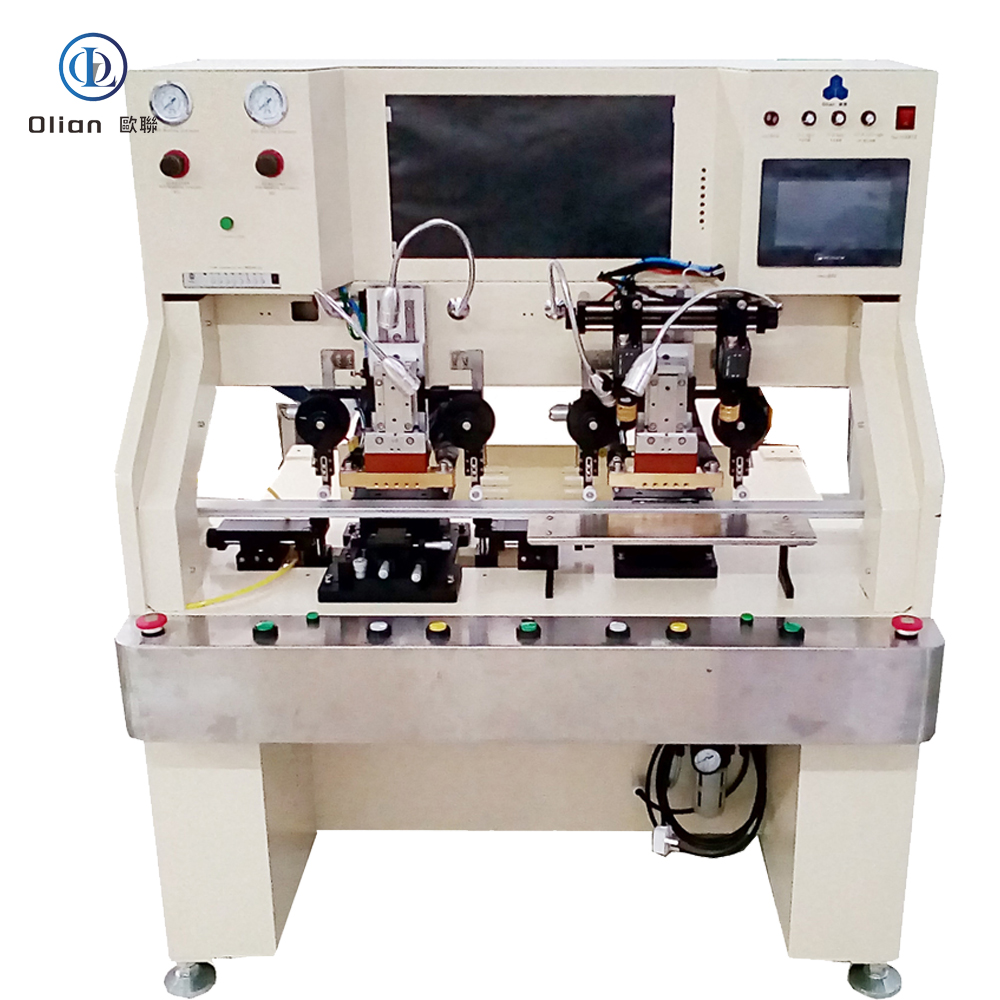
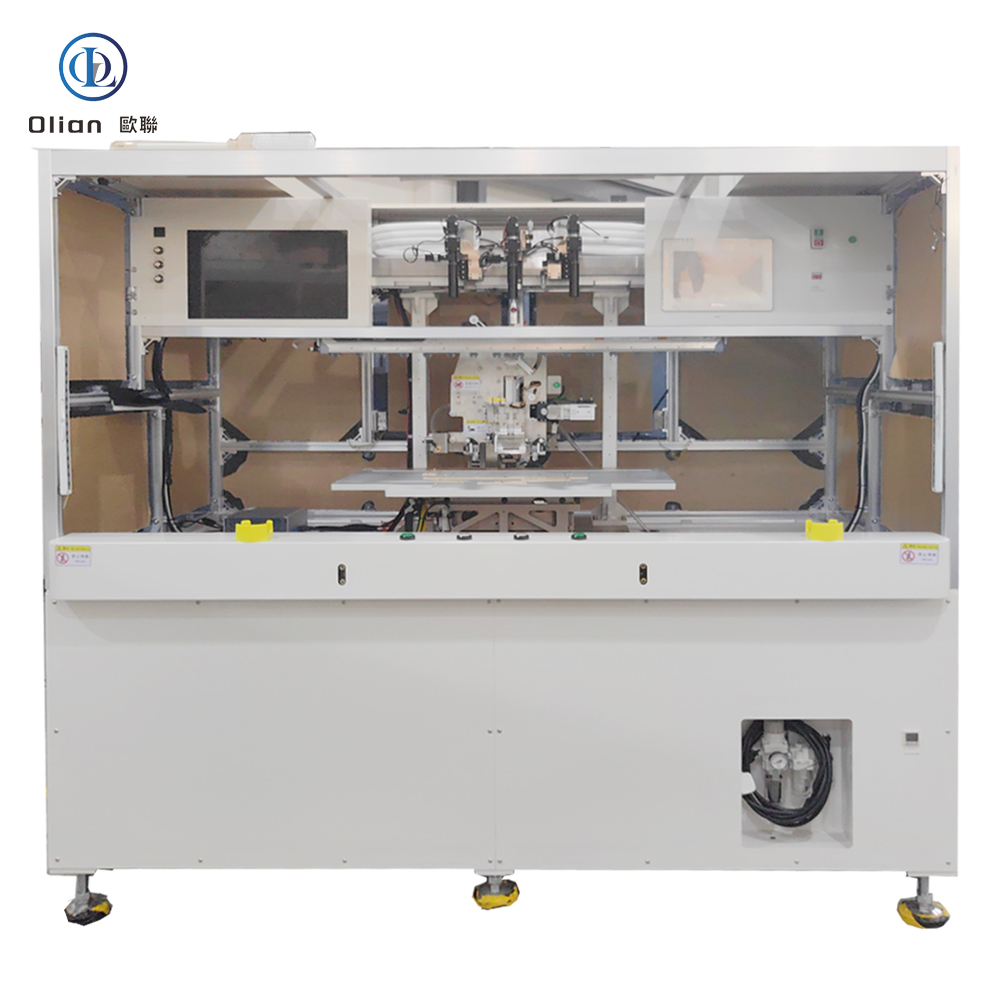
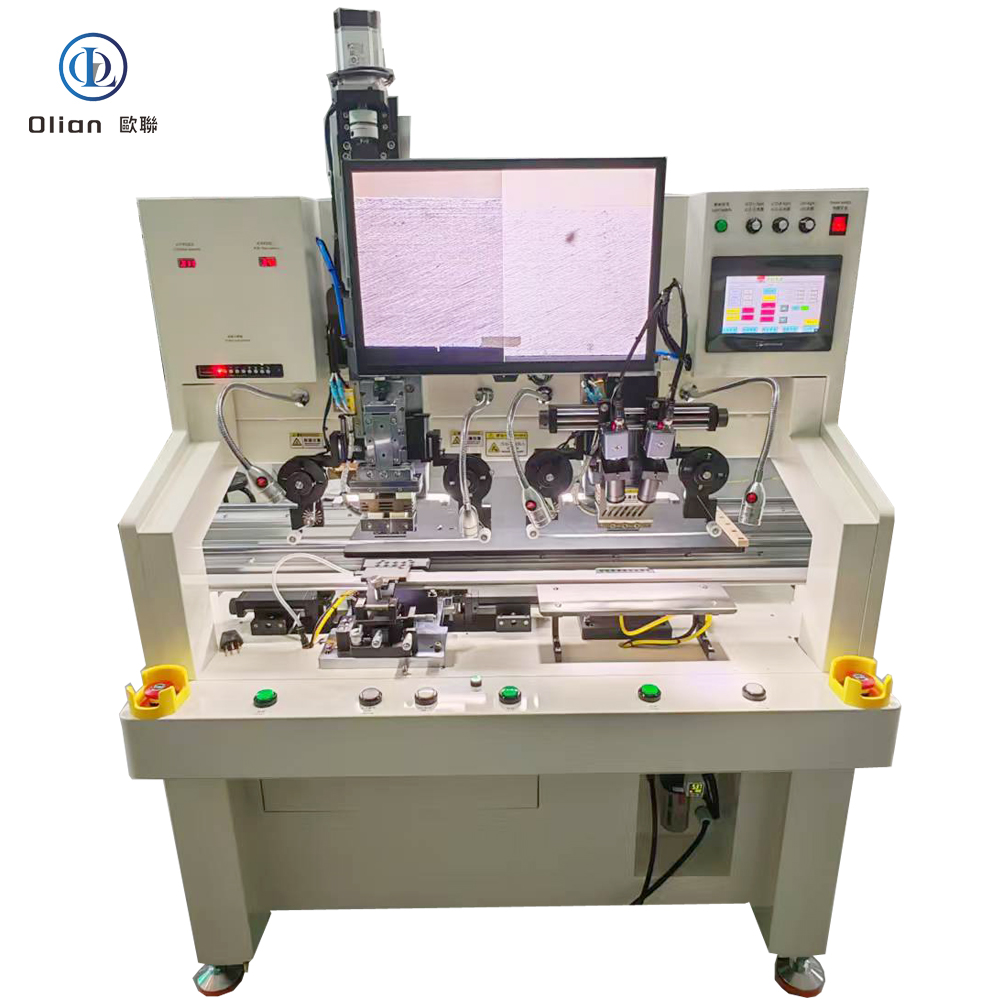
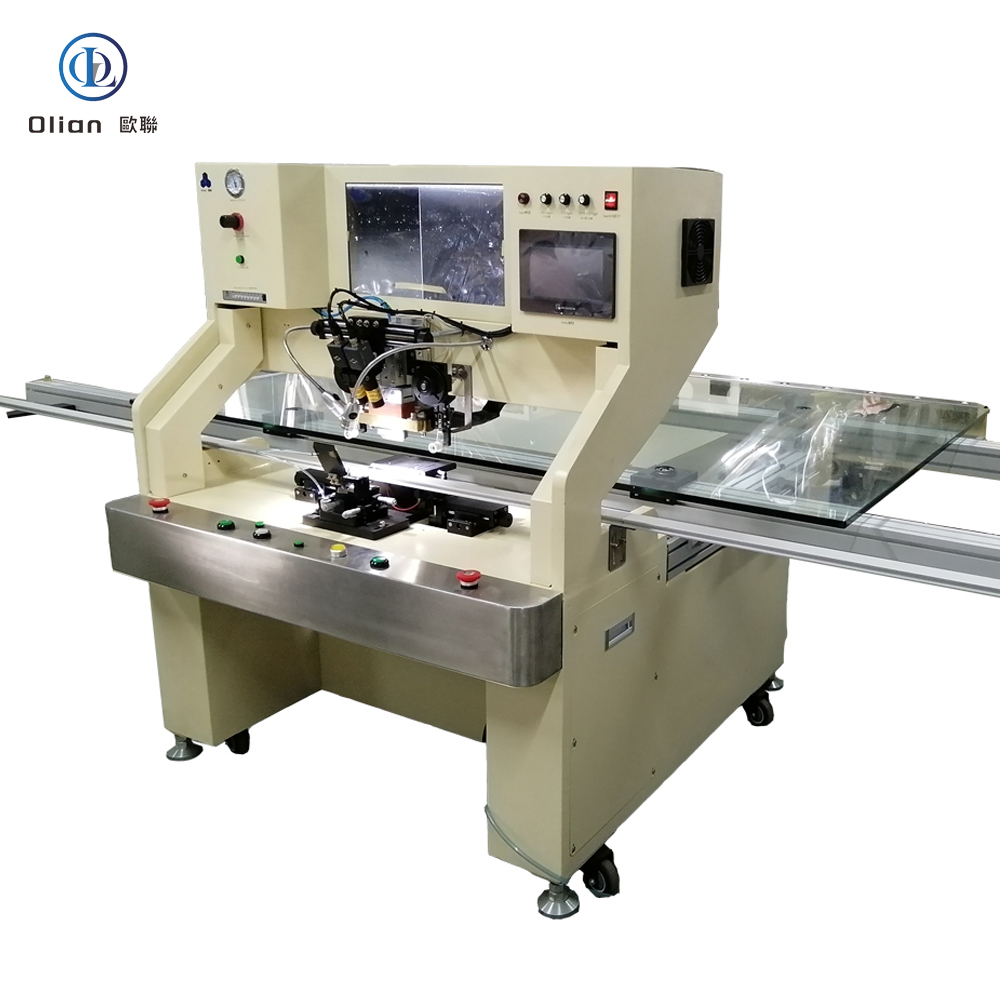
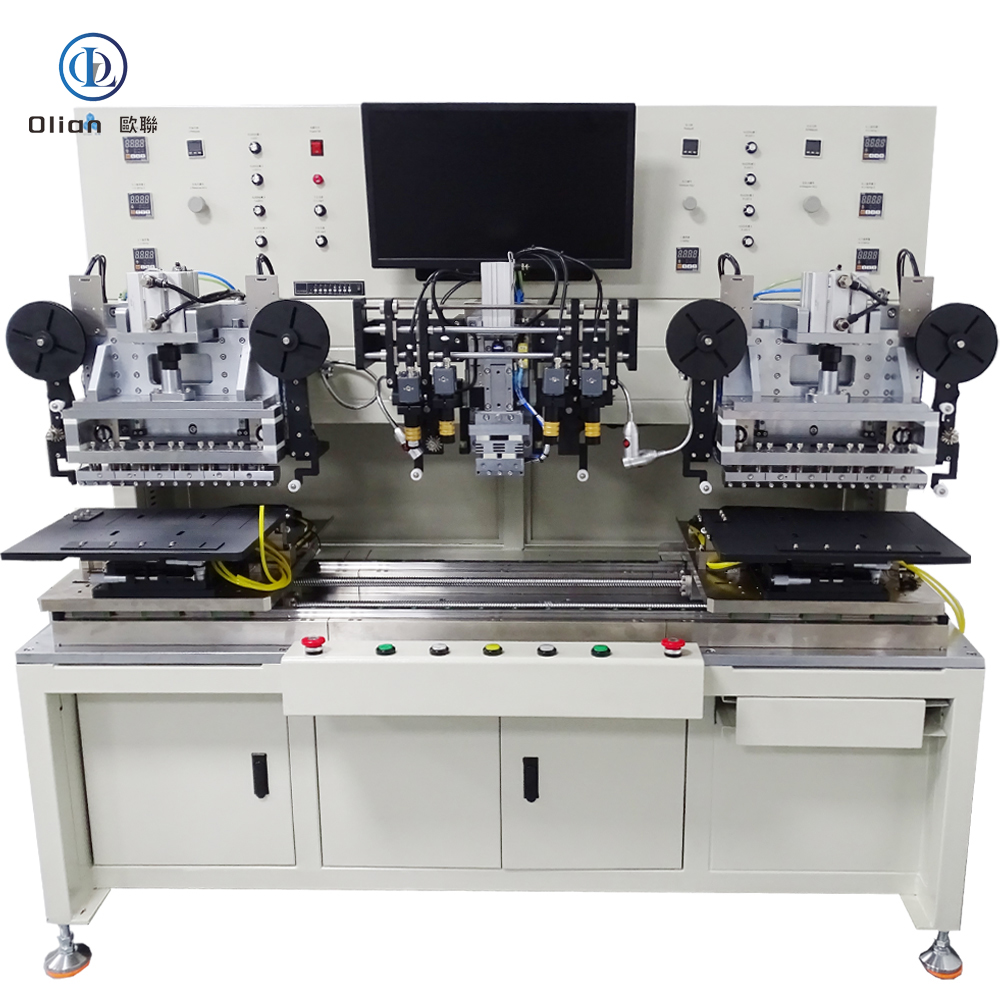
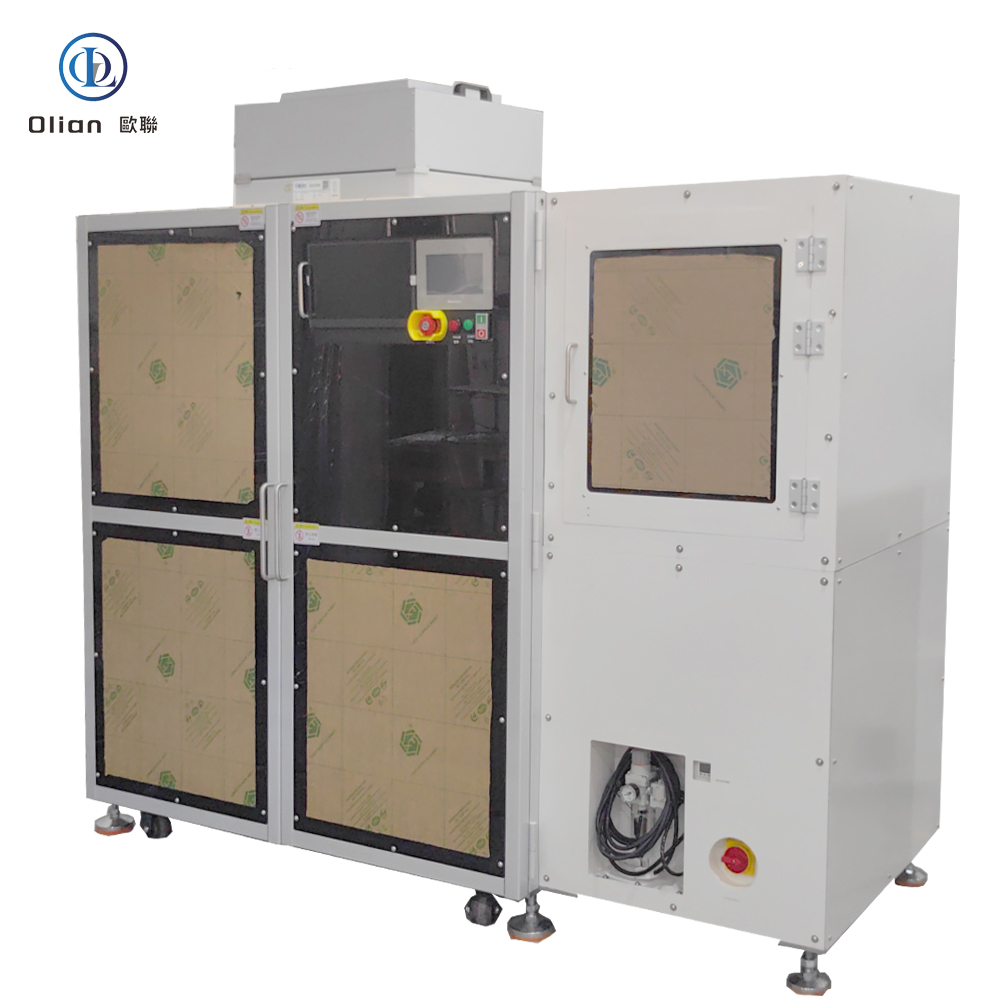
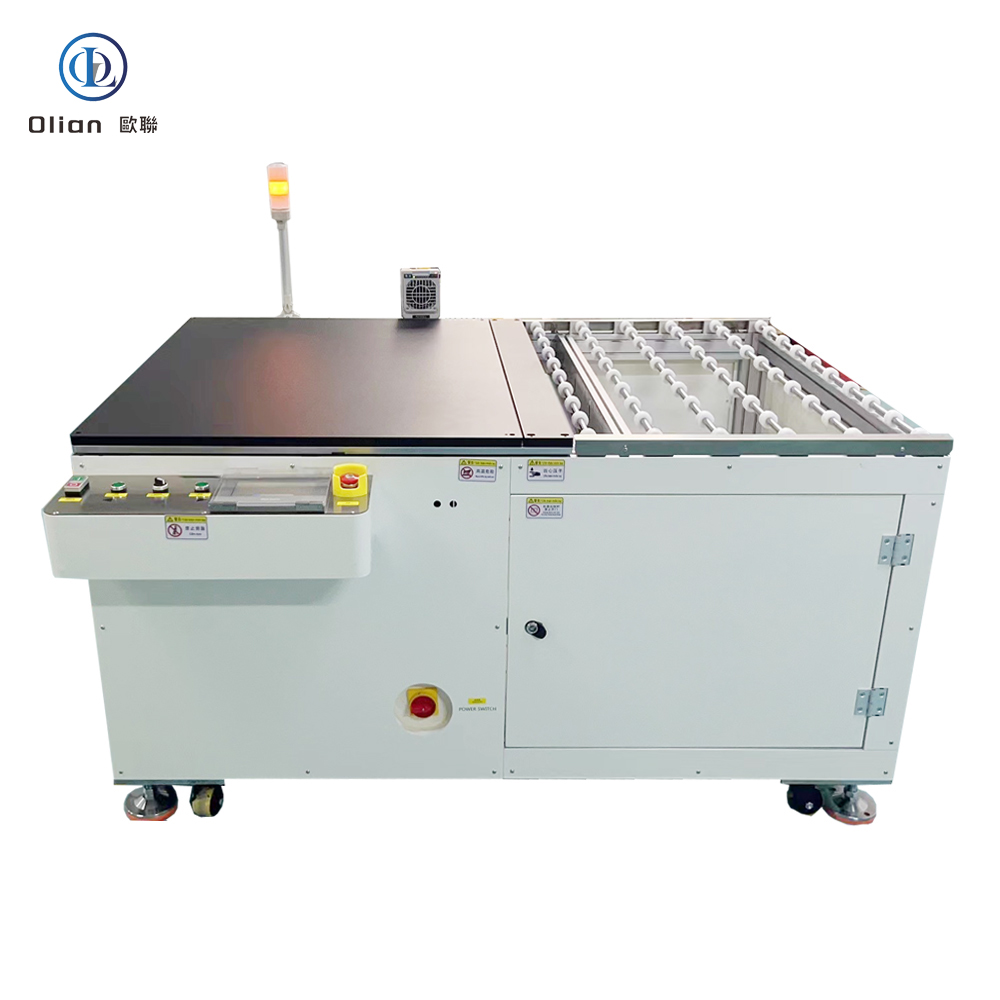
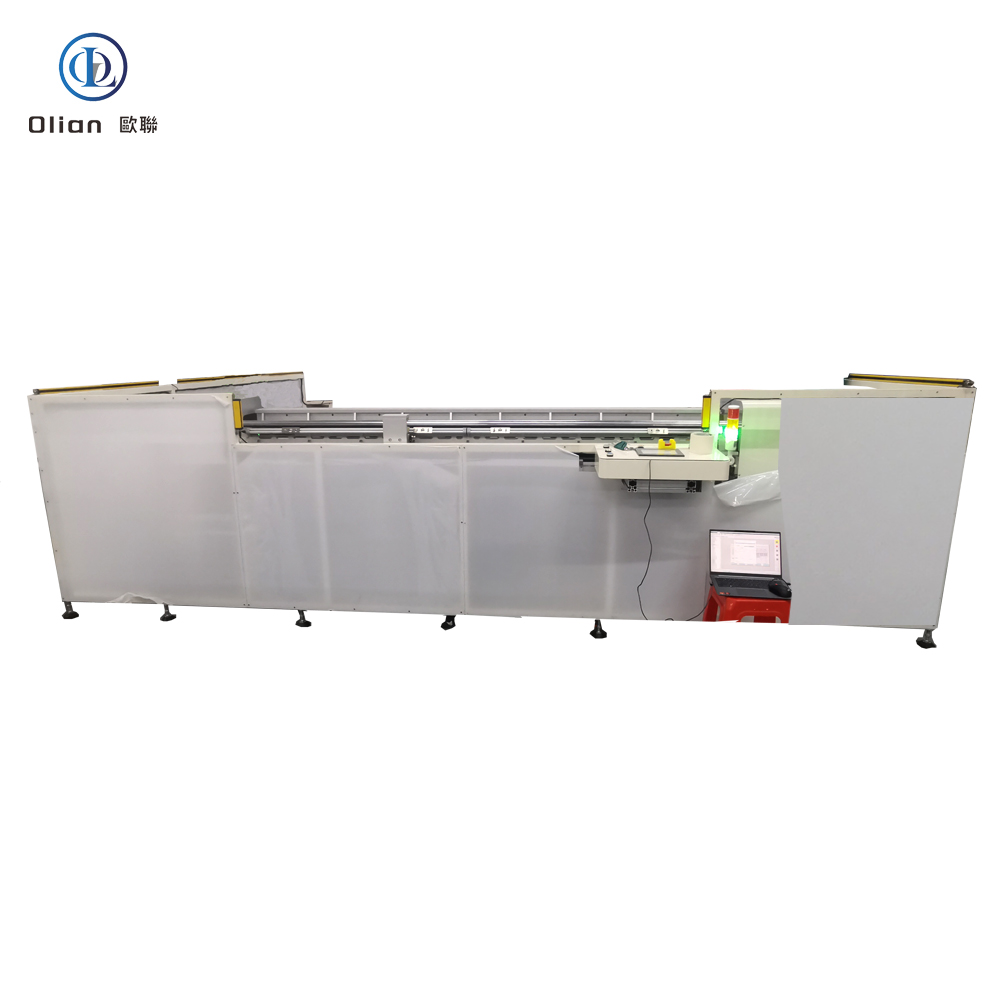
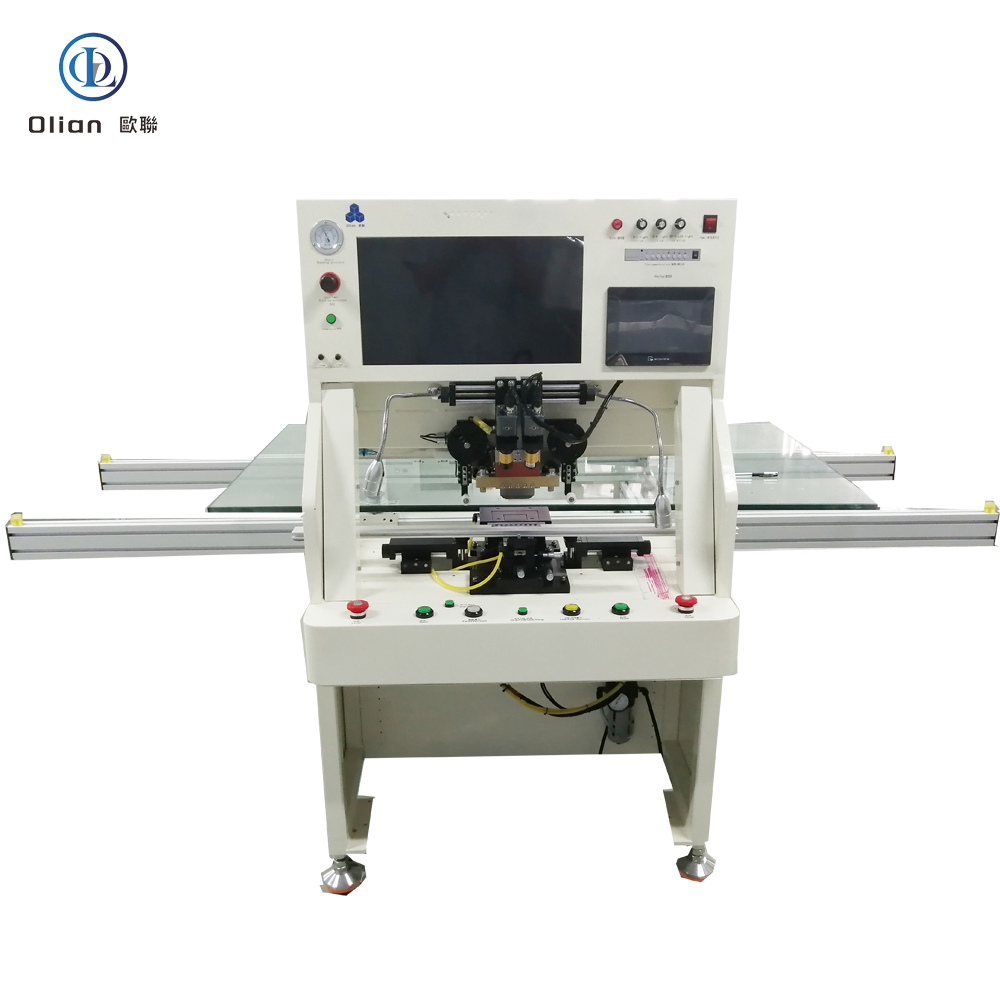
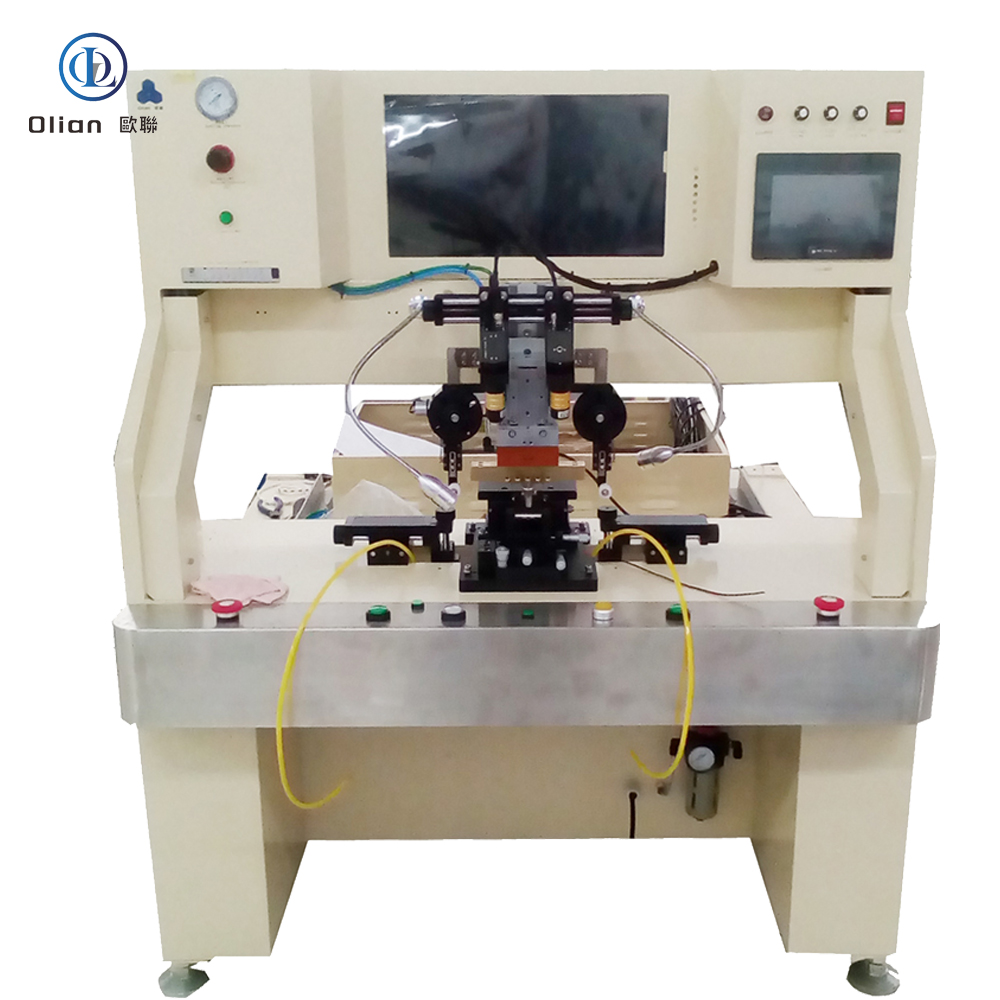
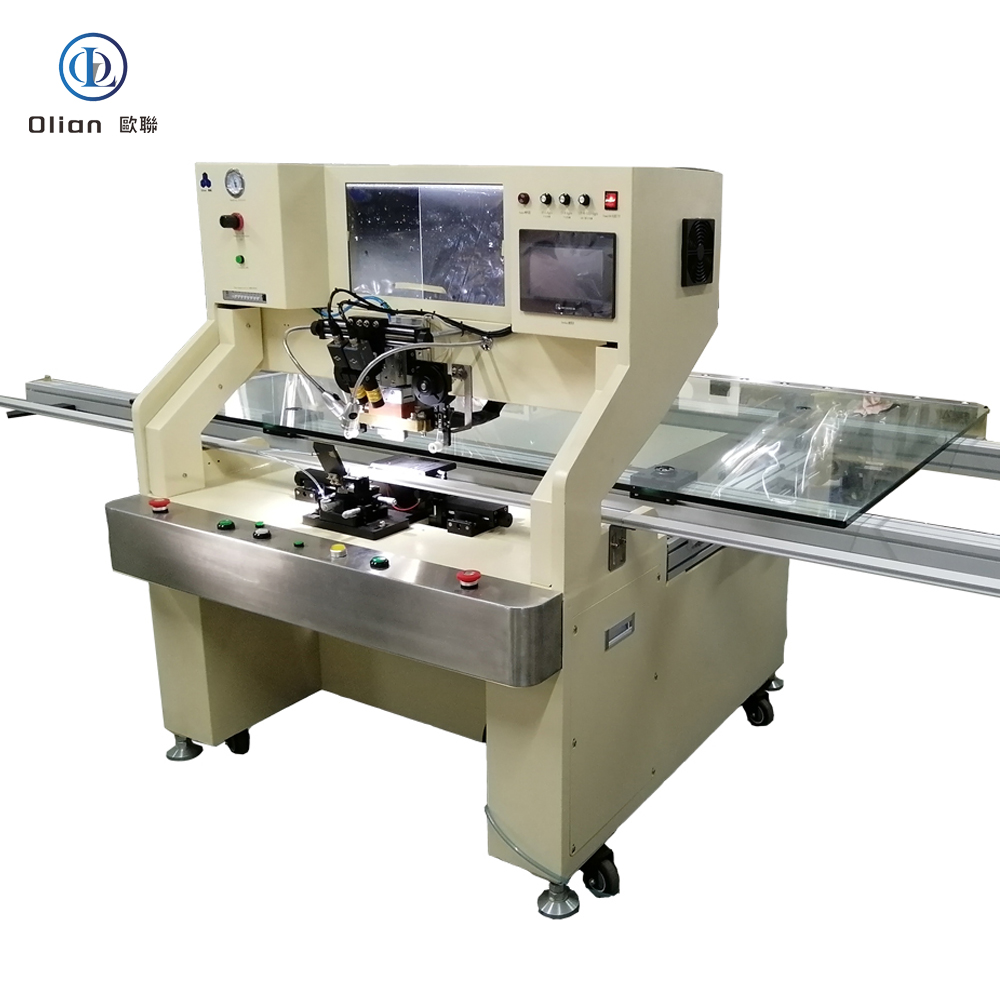
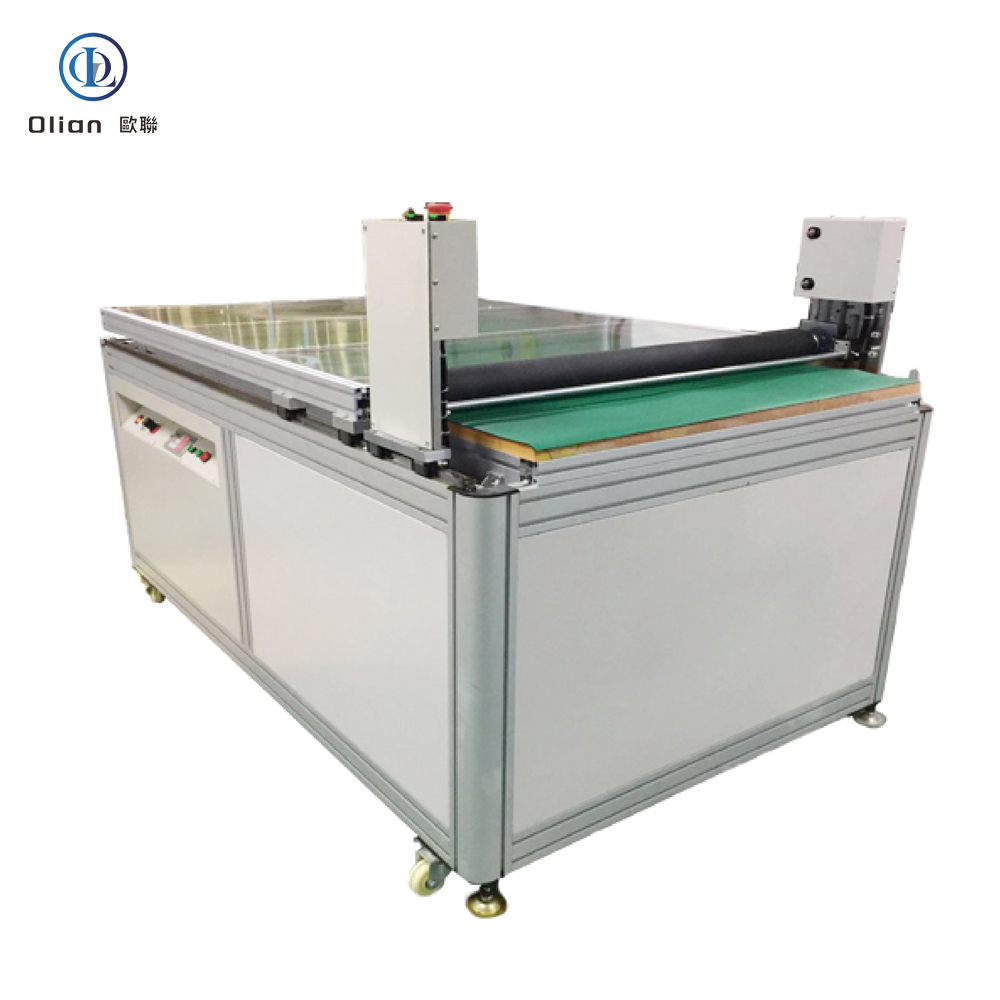
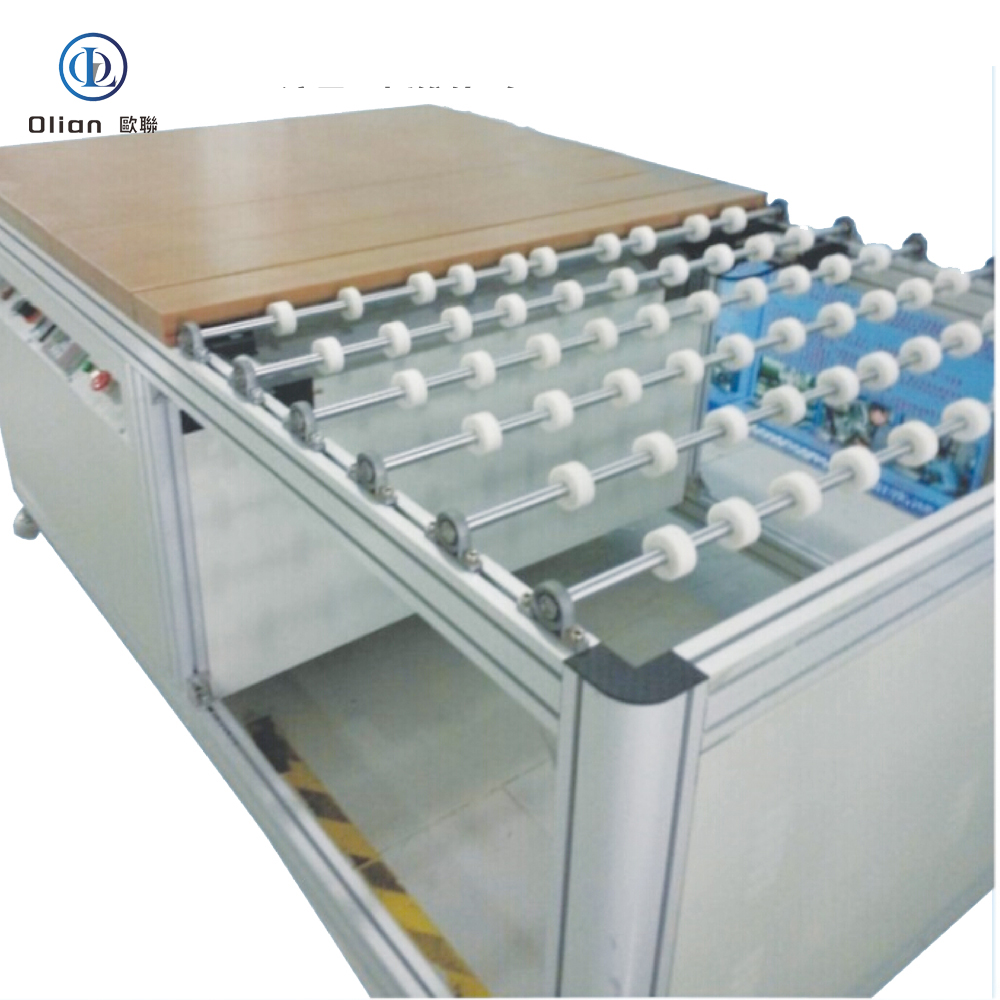
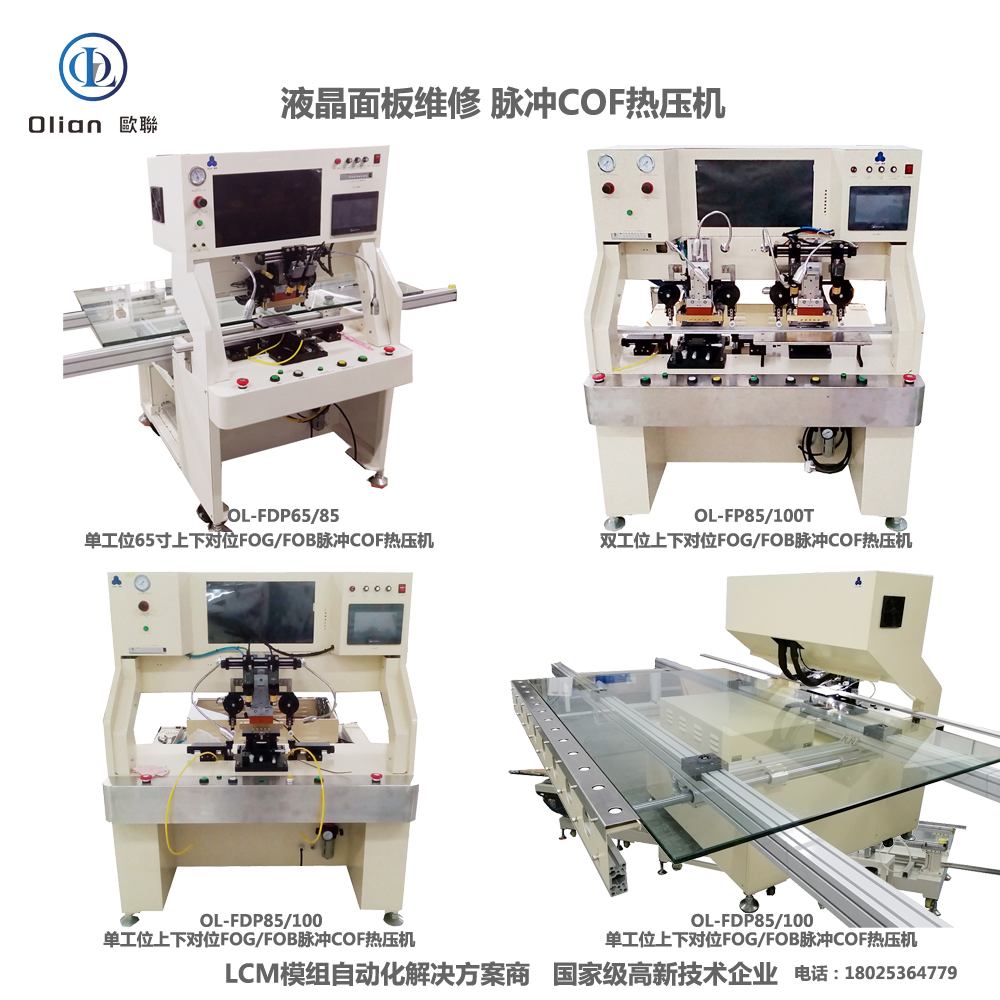
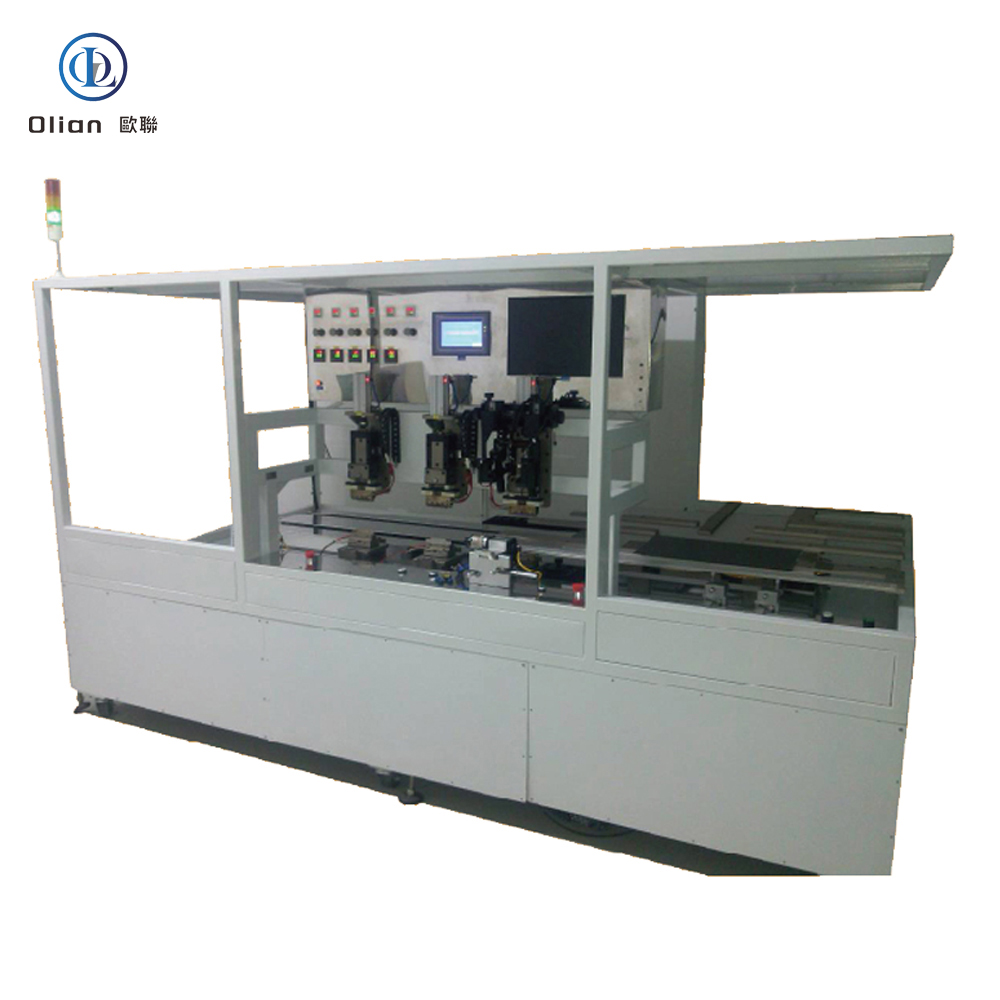
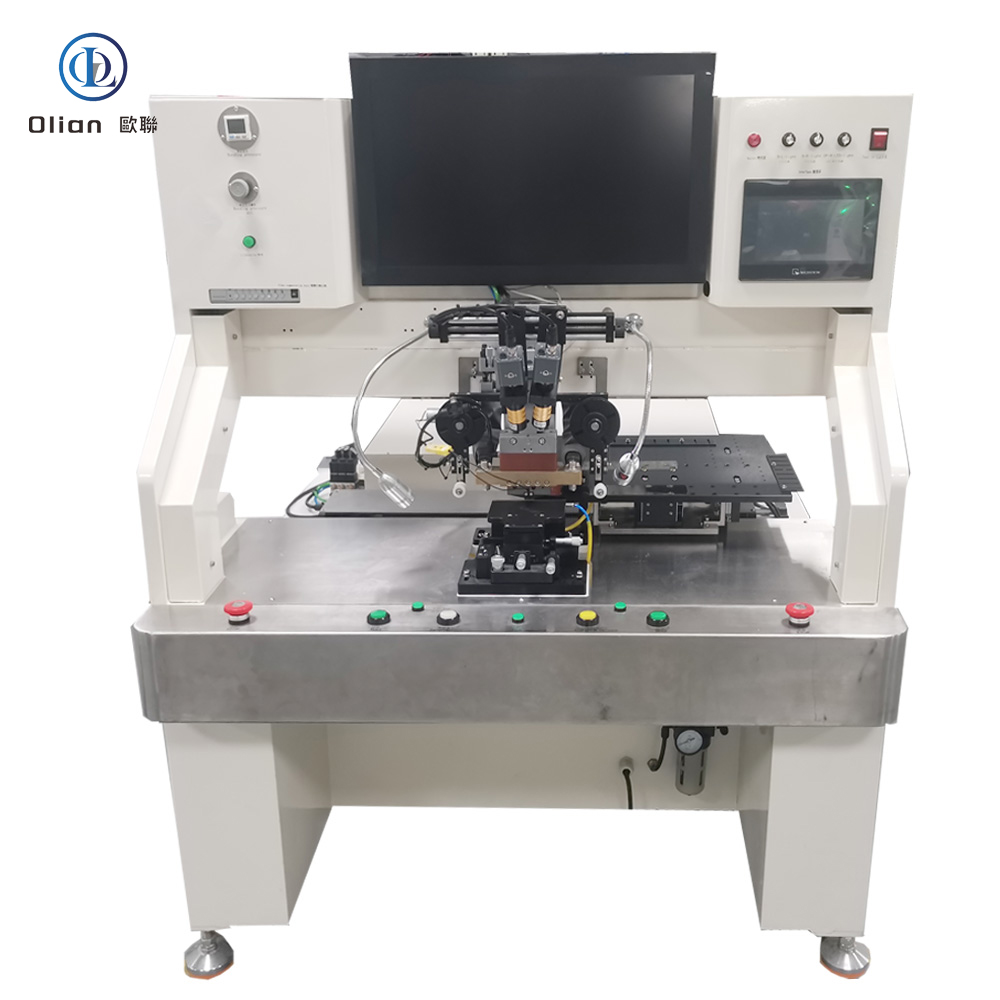
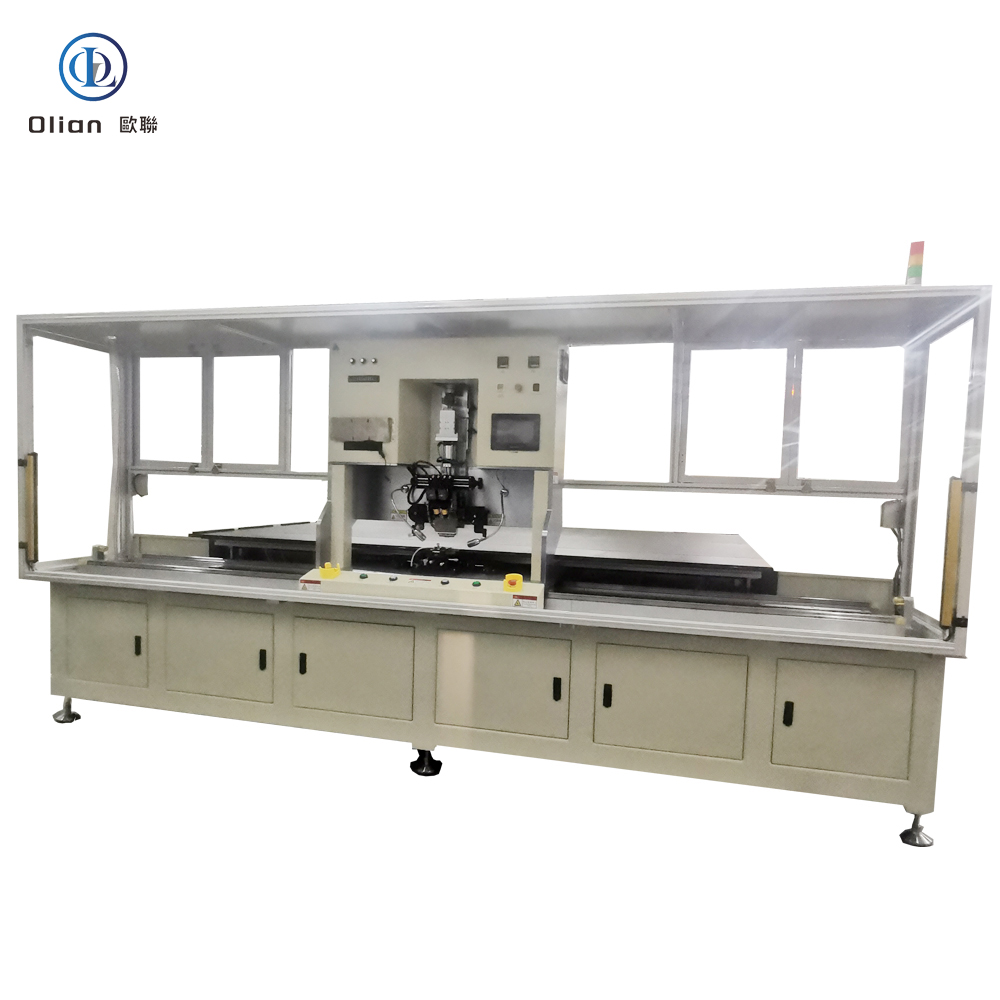
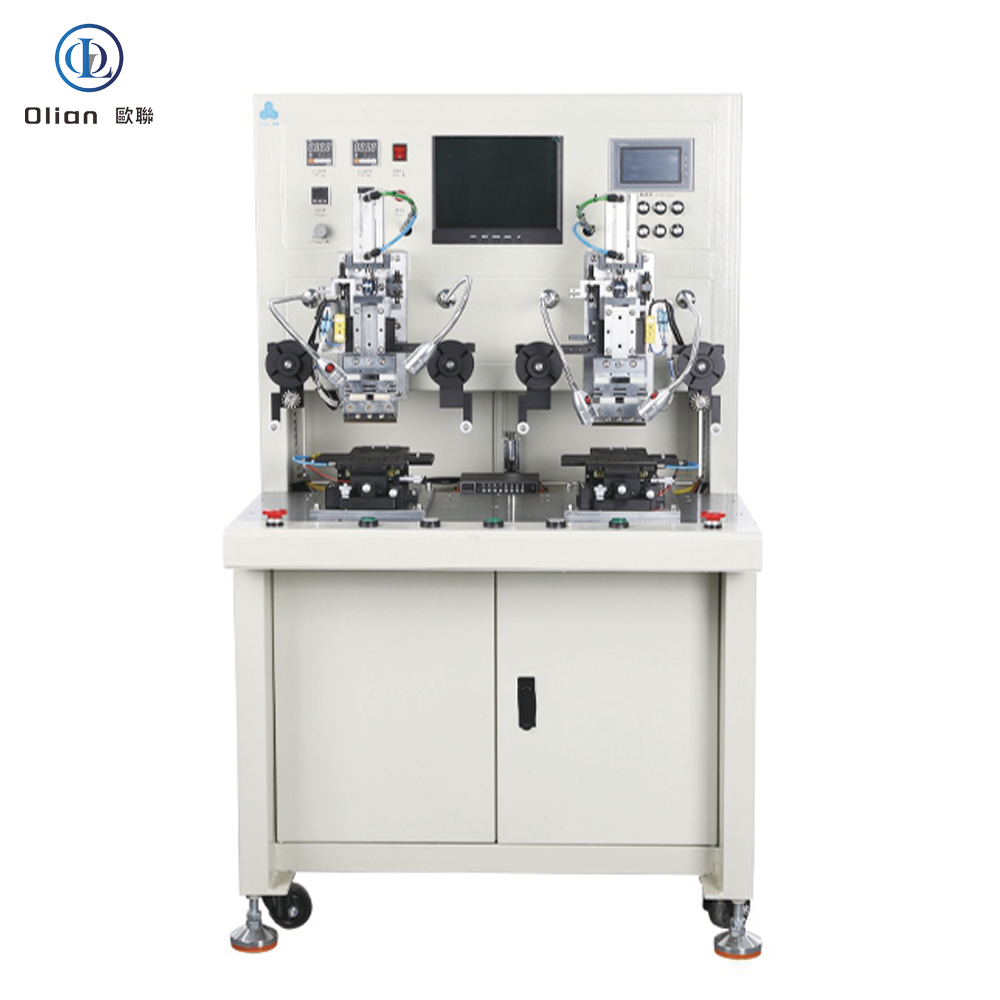
A COF bonding machine is the quiet hero inside every ultra-slim TV, foldable phone, and curved automotive cluster. COF means Chip-On-Film: a bare driver IC is bumped, flipped, and bonded to a thin polyimide ribbon that later folds tightly behind the glass. The machine that performs this microscopic wedding must deliver micron-level alignment, single-degree temperature control, and ton-class pressure accuracy—all in under four seconds. Below you will find a dense but readable walk-through of definition, working principle, core parts, applications, specifications, trends, and maintenance keywords such as “COF bonding machine”, “Chip on Film bonder”, “LCD COF repair equipment”, “pulse heat COF machine”, and “4K TV bonding tool”.
What Exactly Is a COF Bonding Machine?
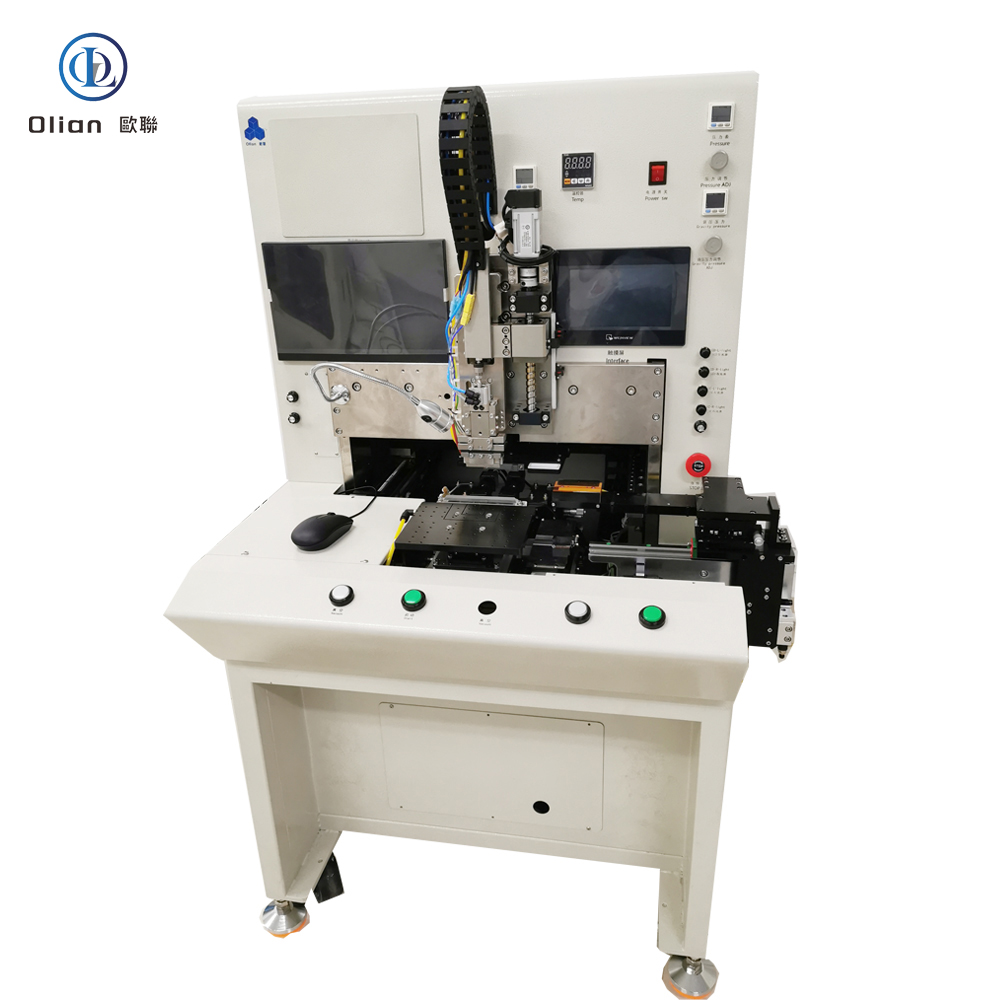
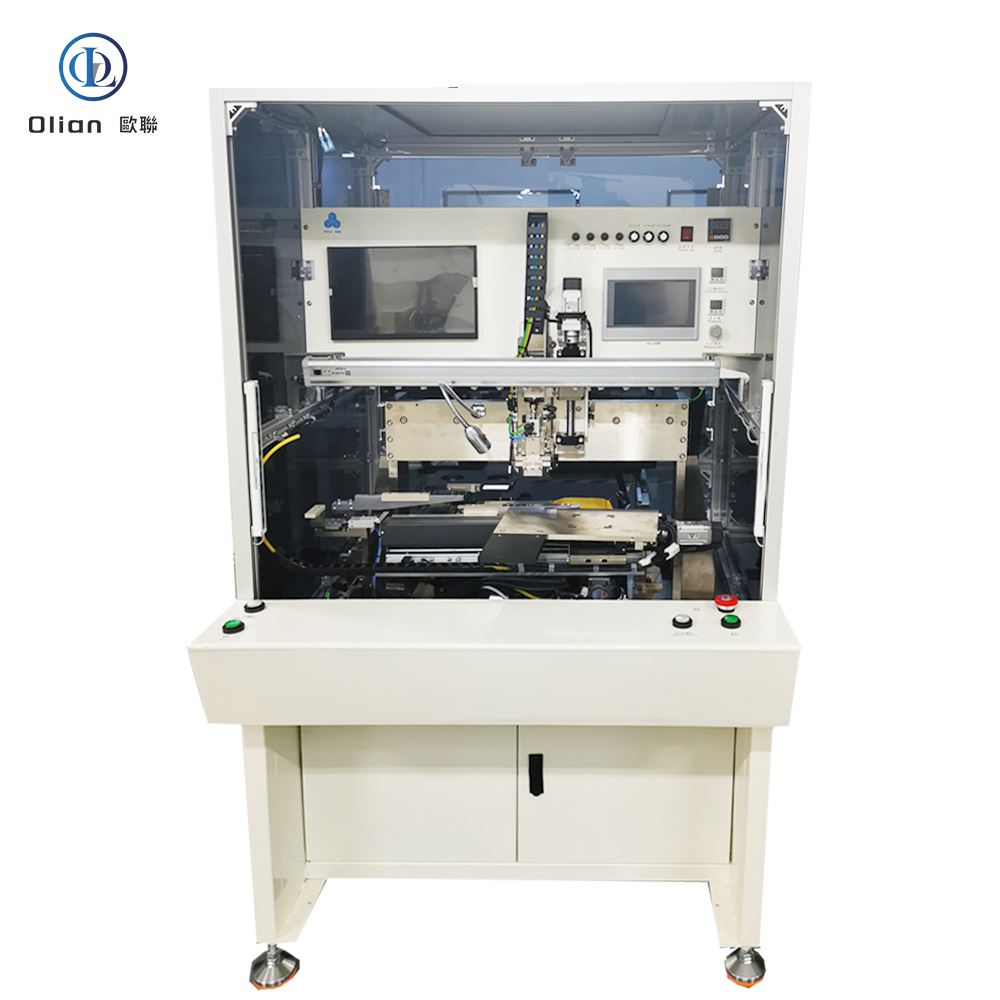
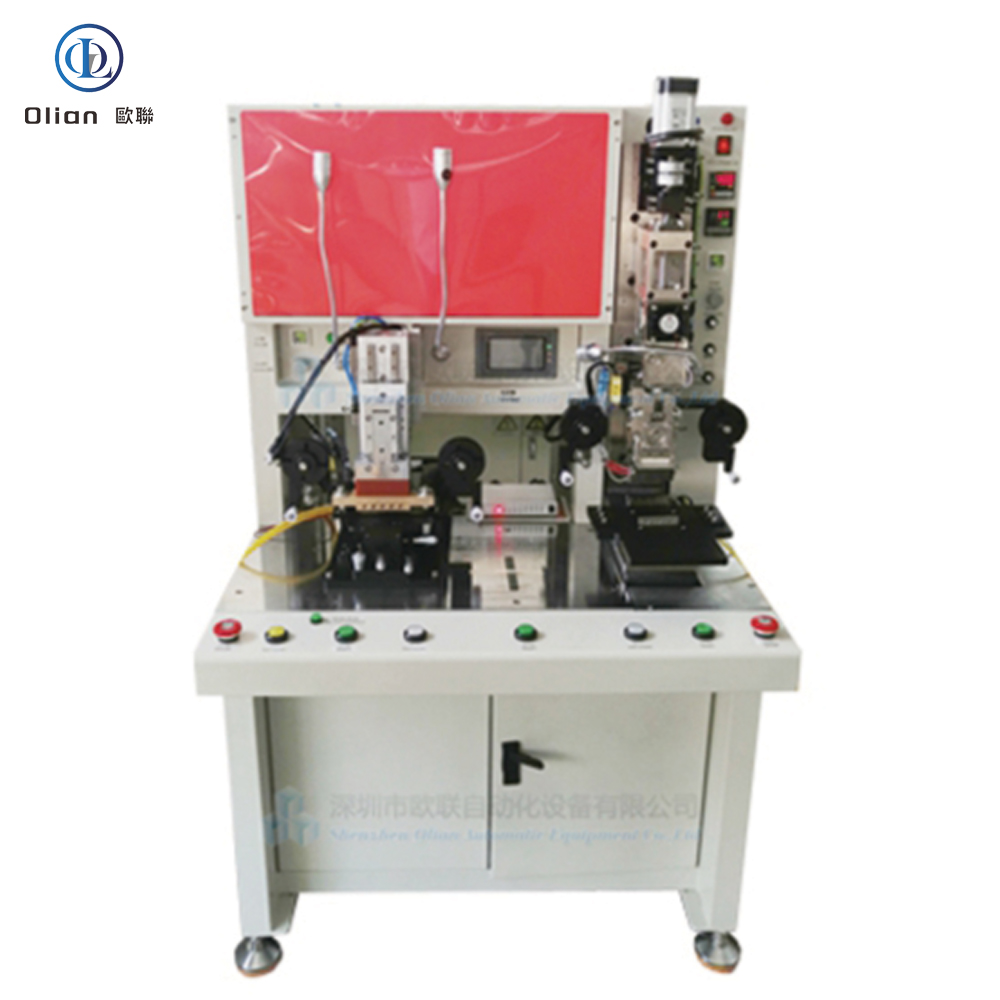
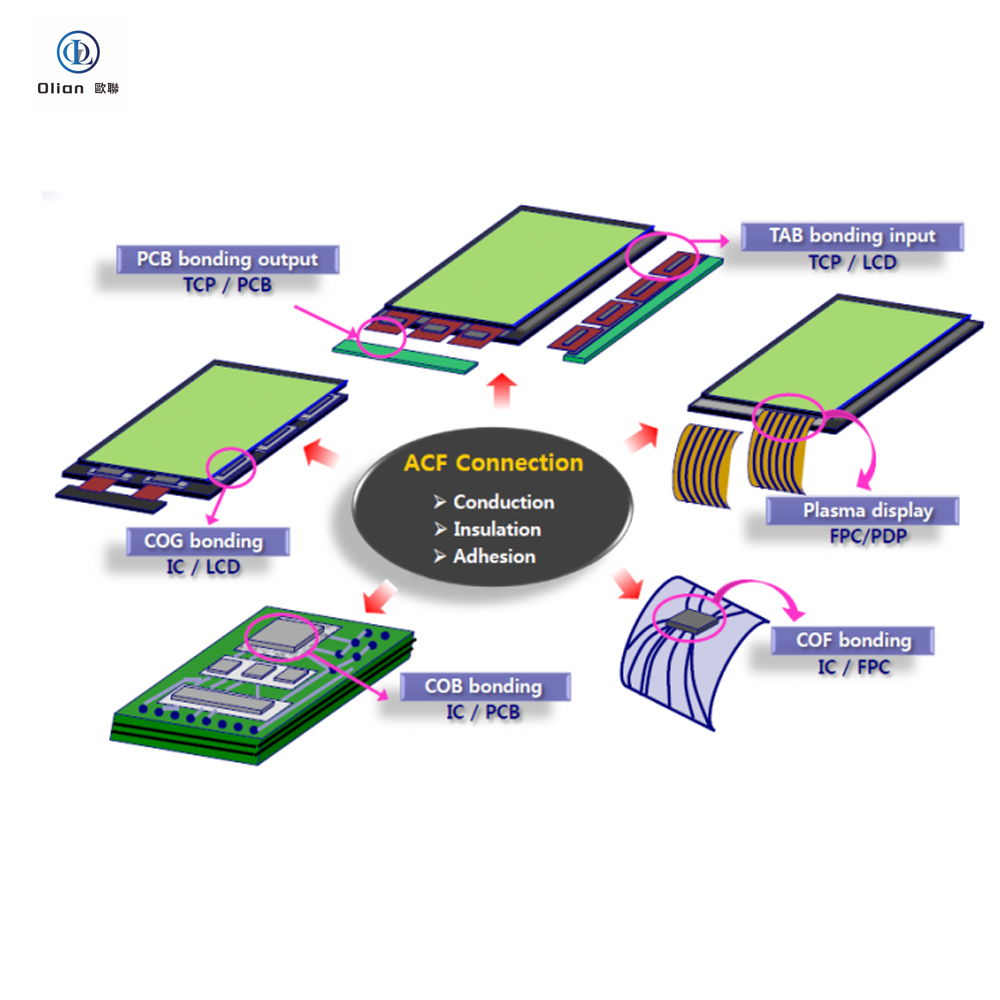
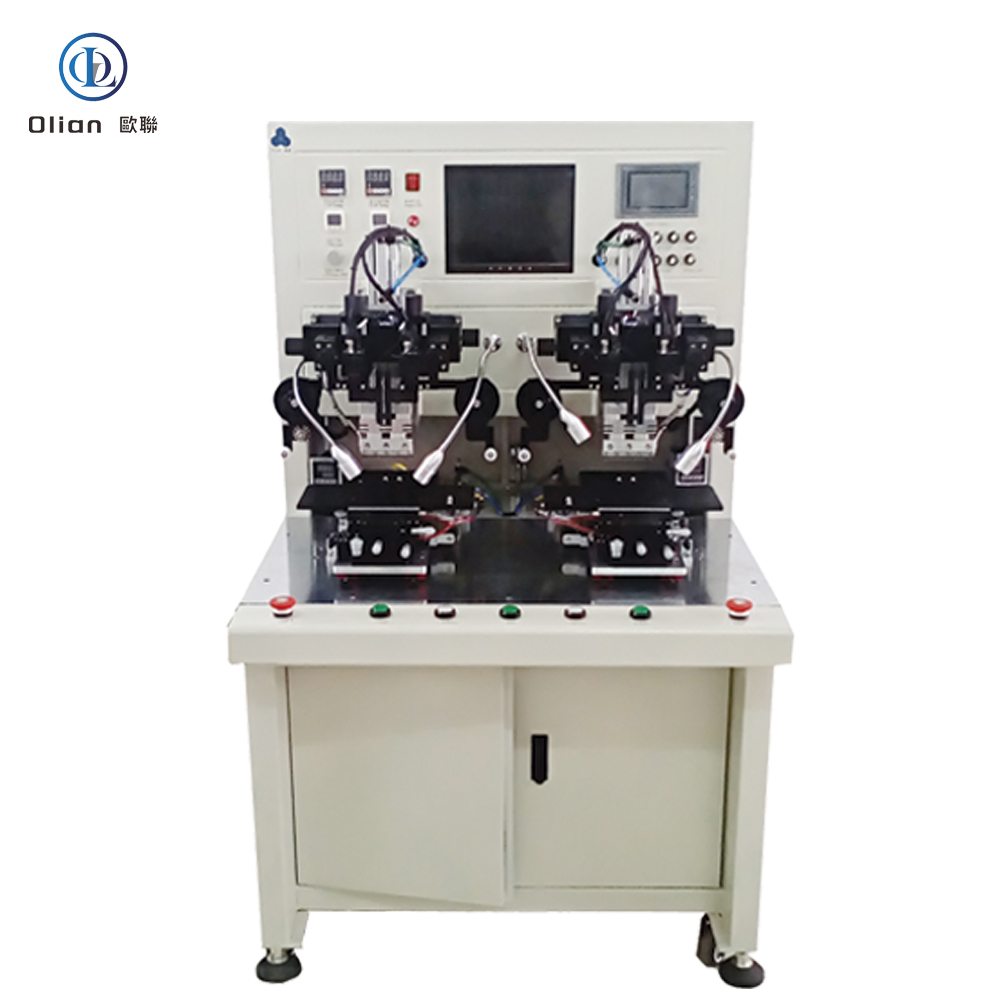
A COF bonding machine is a machine that attaches COFs to LCD OLED MINILED MICROLED FPC FFC PCB Ceramic and silicone substrates with ACF tapes. The bond must conduct vertically between bump and copper track yet stay insulated horizontally between neighboring 20 µm traces. When the film later folds behind the panel, the IC sits in the narrow bezel instead of on the glass, enabling edge-to-edge pictures in smartphones, OLED TVs, and 8K monitors. The same machine also reworks defective TV panels by removing the old IC and rebonding a new one, saving hundreds of dollars per screen.
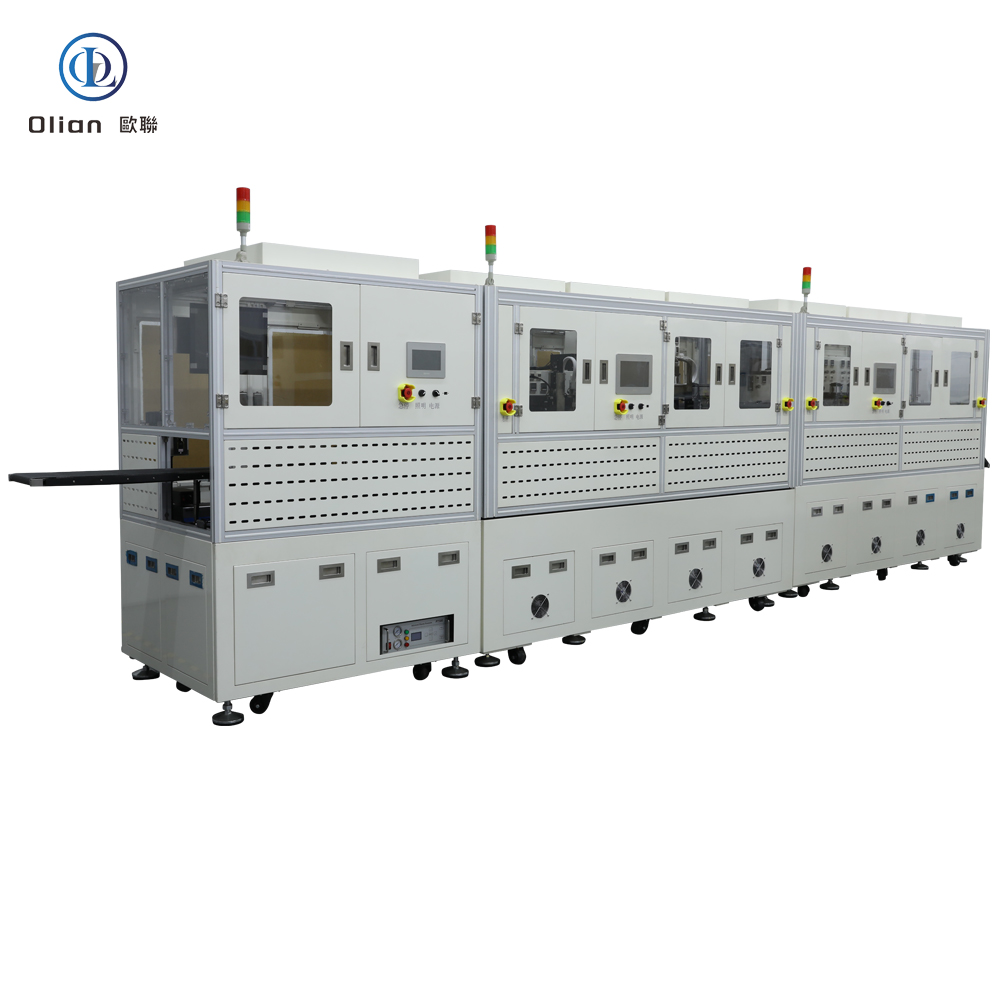
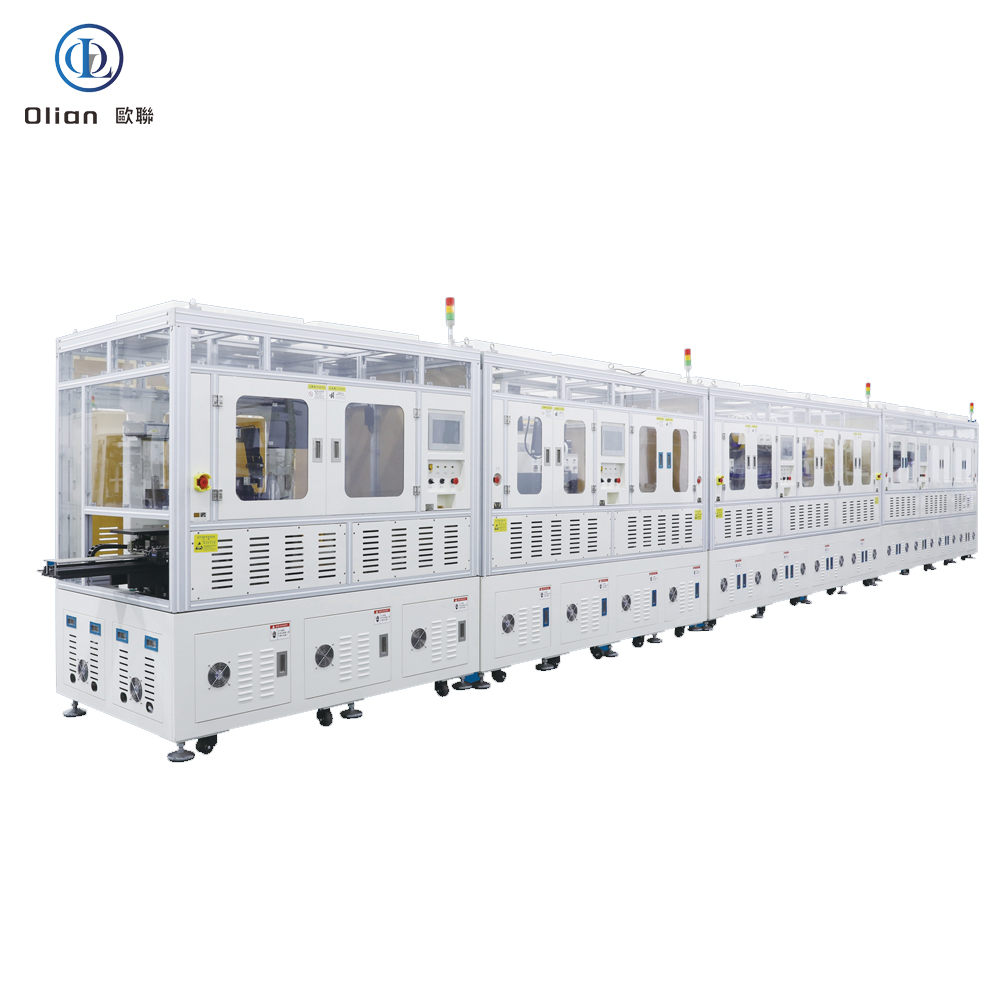
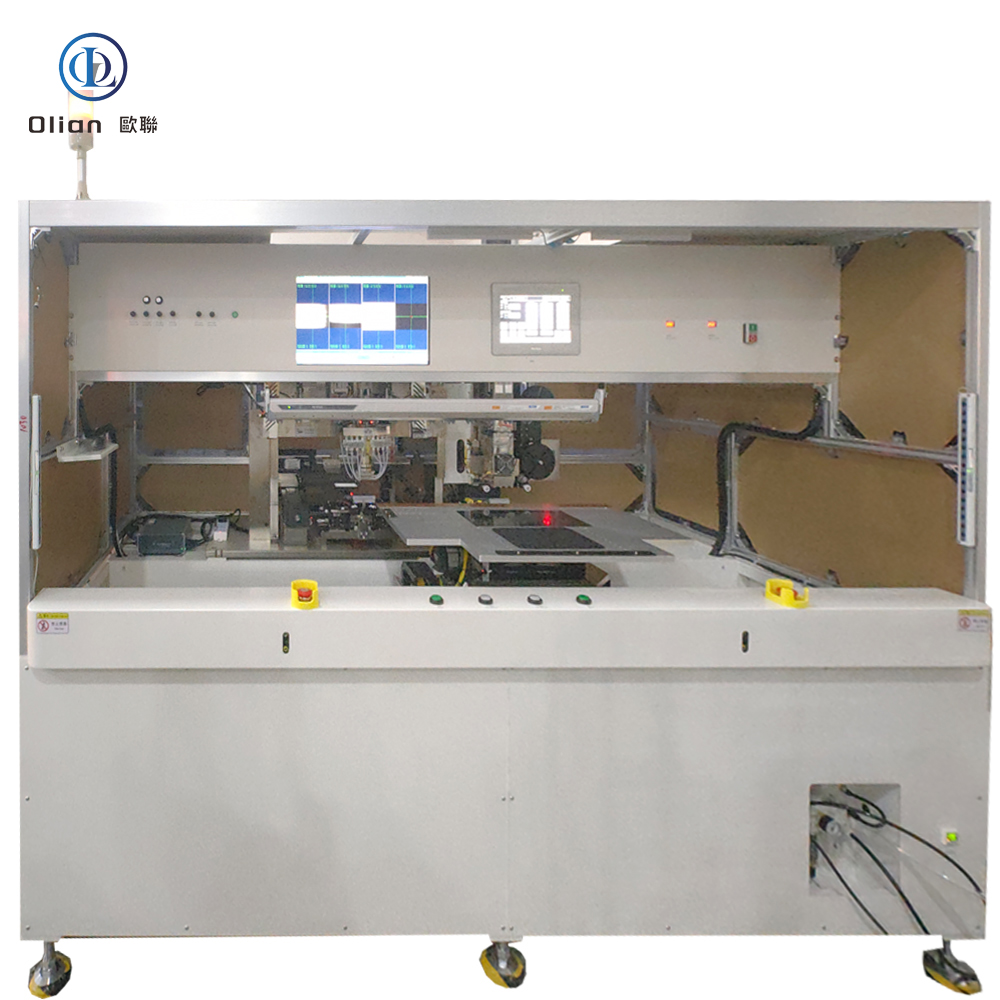
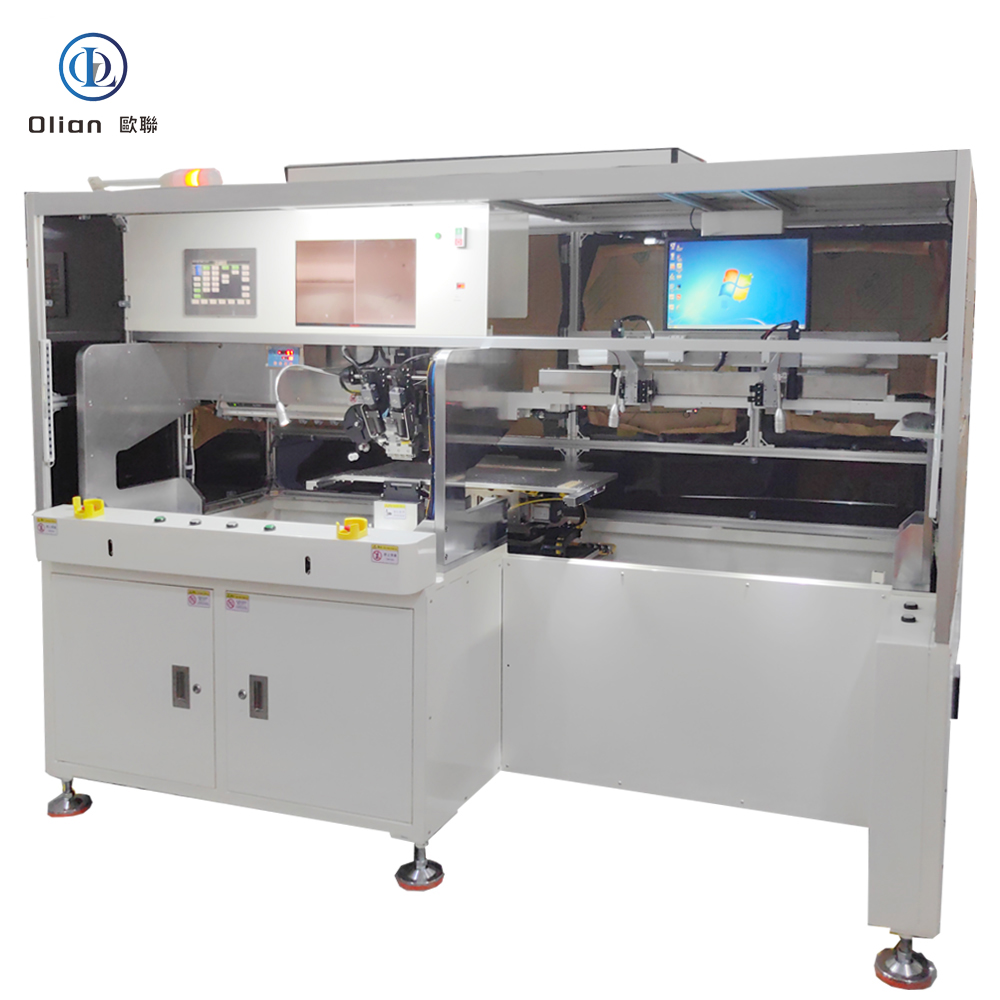
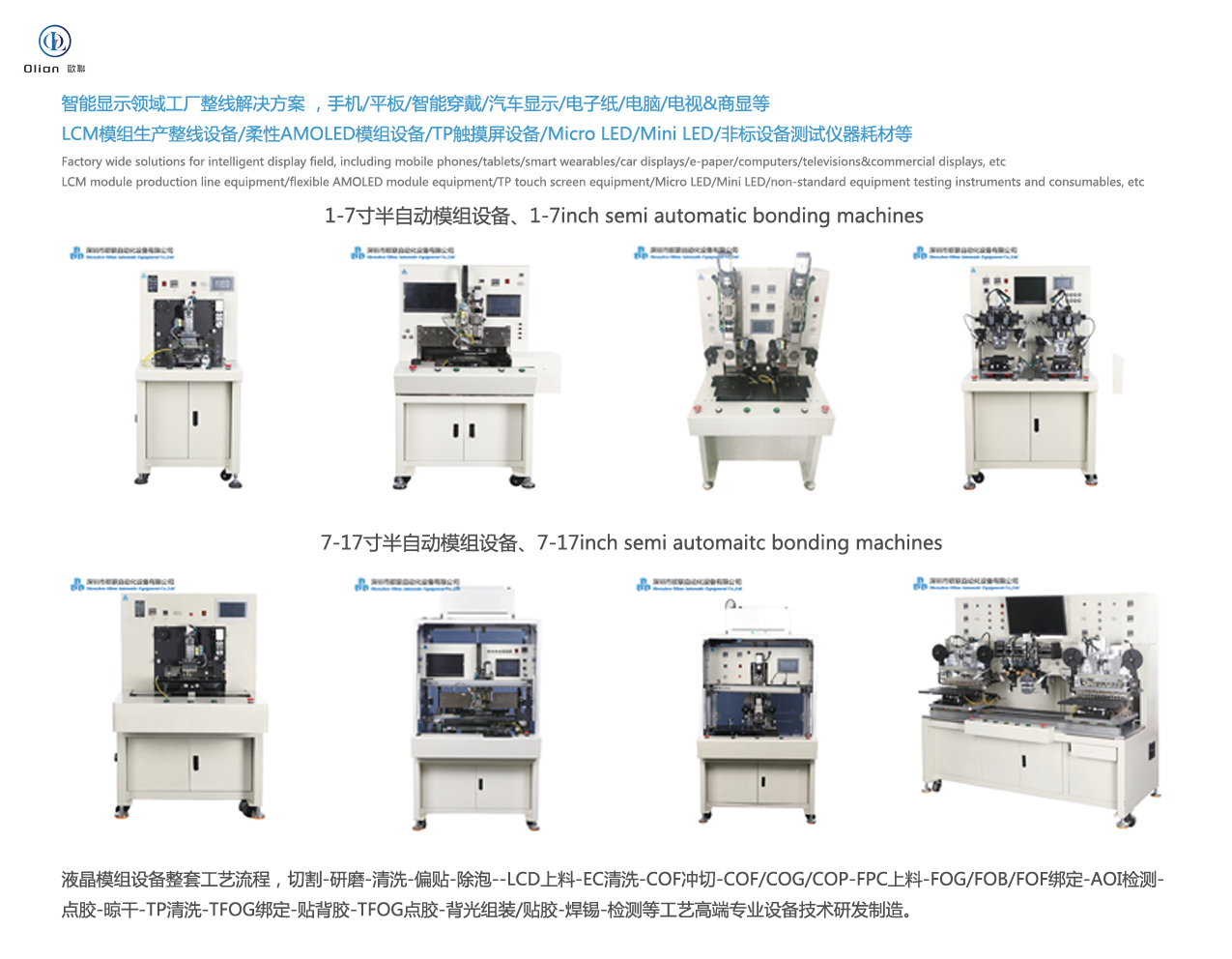
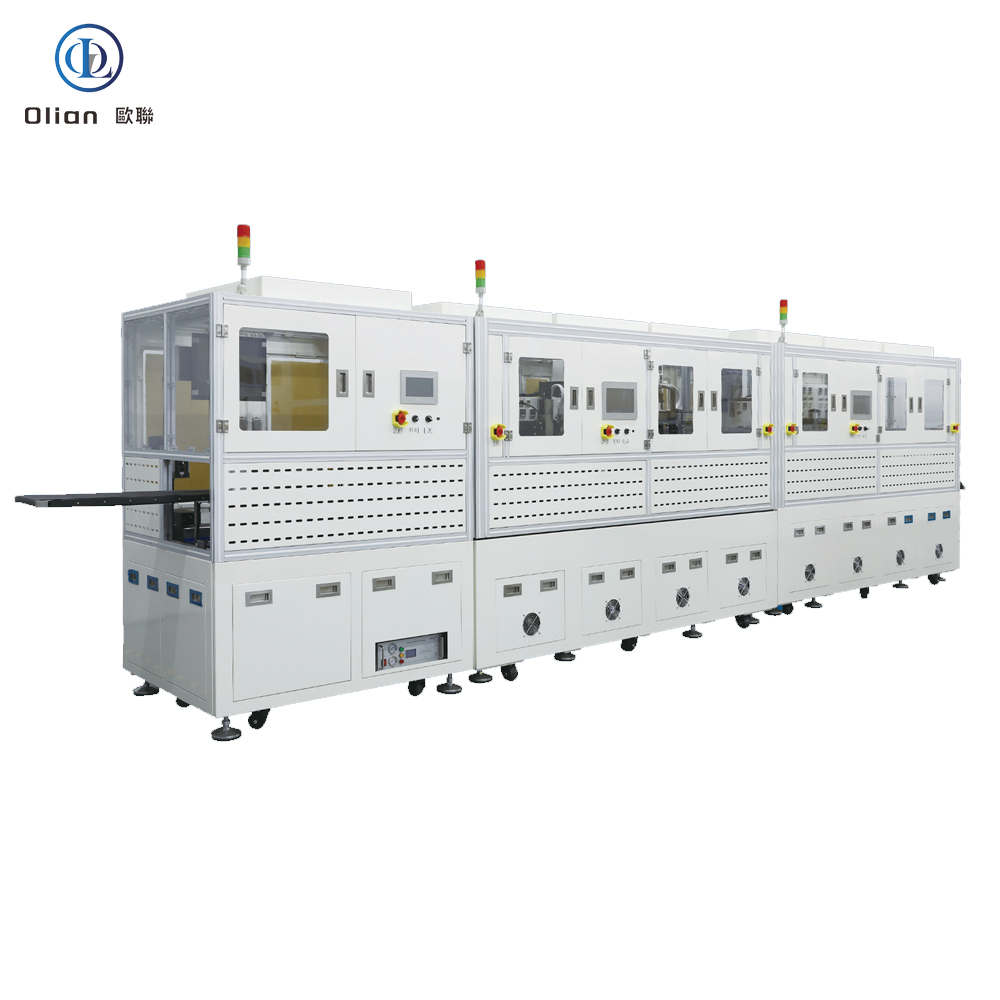
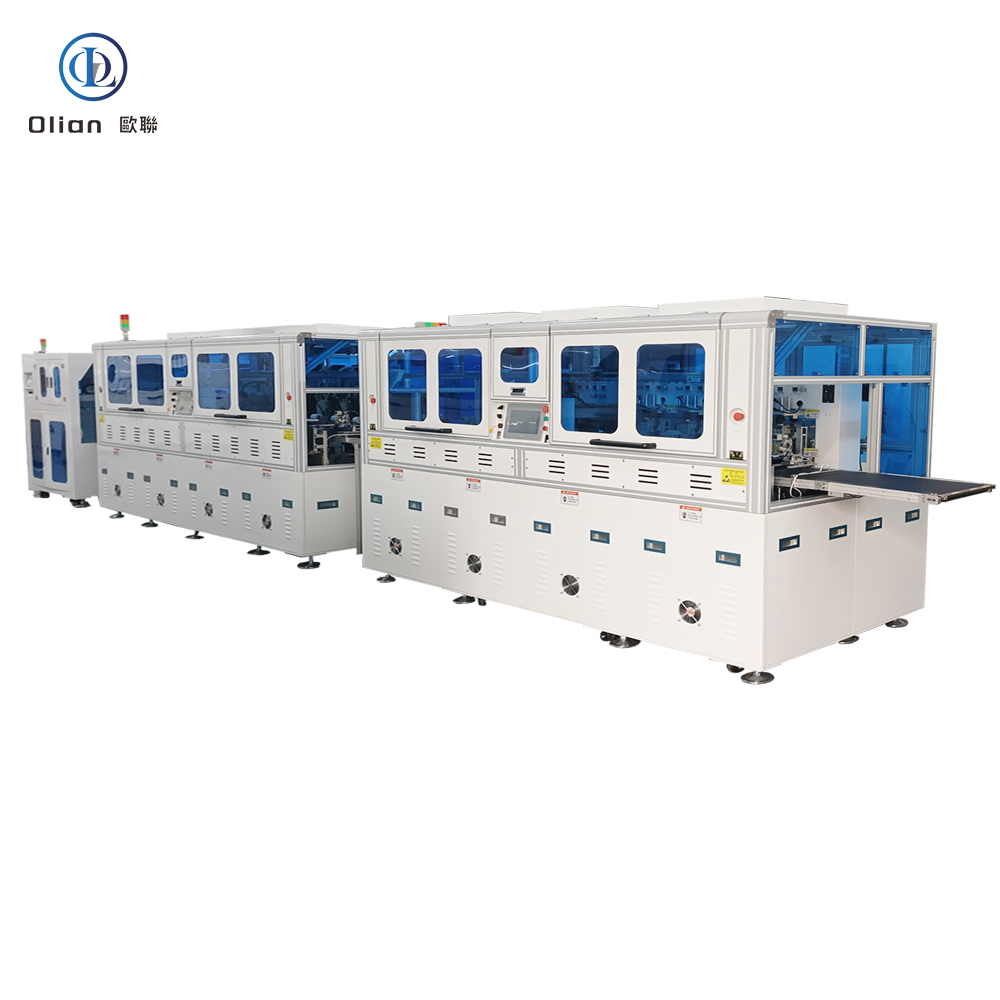
lcd repair machineFull-automatic COG (Chip On Glass), COF (Chip On Film), and COP (Chip On Plastic) bonding machines are advanced pieces of equipment used in the electronics industry, particularly for the production of liquid crystal displays (LCDs) and other display technologies.7-17inch Medium size COG/COF Pre-Bonding machine OL-C01561-7inch Dual station pulse pre bonding servo Main Bonding all-in-one machine OL-FC0057-17 inch medium size multi IC multi FPC high-speed fully automatic EC/COG/FOG whole line supporting equipment7-17.3INCH Medium size FOG bonding machine OL-F0G156
How the Process Works Step by Step
Surface Prep: The bonding area is cleaned with ionized air and IPA to remove dust and oxide.
ACF Tacking: A short strip of ACF is cut by the built-in cutter and laminated to the film at 80 °C and 0.2 MPa.
Pre-Alignment: Up-looking and down-looking CCD cameras capture fiducial marks on the IC and on the film. Servo tables move in X, Y, θ to reach ±1 µm accuracy.
Pulse Heating: A titanium alloy head ramps from 25 °C to 180–220 °C in two seconds, stays within ±1 °C, then cools with auxiliary water or Peltier blocks.
Pressure Profiling: A closed-loop load cell applies 0.1–0.7 MPa while the adhesive flows. Parallel-bar mechanisms cancel the head’s own weight, so true force on the IC is known.
Cooling & Curing: Temperature drops below 60 °C under maintained pressure to freeze conductive particles in place.
In-Situ Testing: Four-wire Kelvin probes measure contact resistance across each bump; values above 50 mΩ trigger automatic rework.
Unloading: A soft-tip picker lifts the bonded film onto the output tray; the cycle restarts.
Key Components That Determine Quality
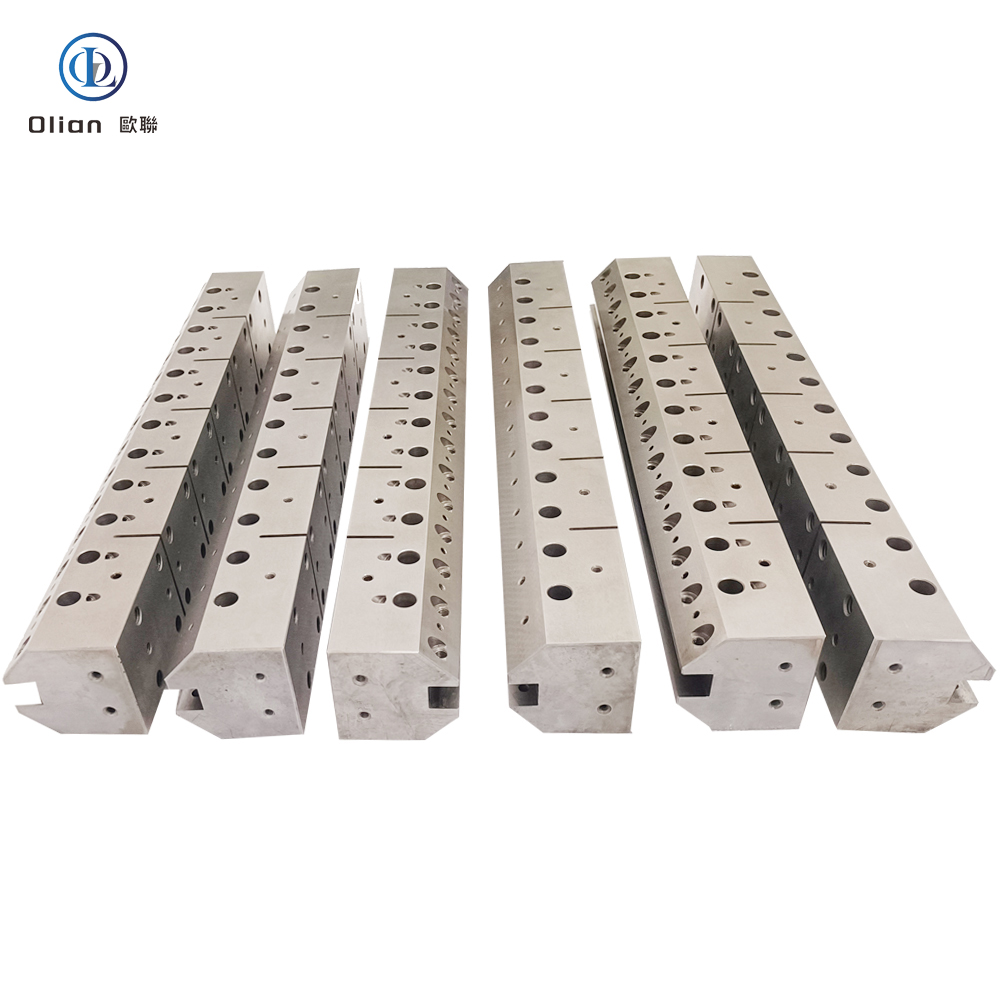
Bonding Head: Titanium alloy or tungsten carbide, lapped to 1 µm flatness, coated with anti-flux layer for easy cleaning.
Heater Rod: Pulse-heated cartridge, 300 W–800 W, K-type thermocouple inside, response time < 2 s.
This article naturally embeds high-value phrases: COF bonding machine, Chip on Film bonder, ACF bonding equipment, pulse heat bonding, LCD repair COF, TV panel bonding machine, 4K 8K display bonding, flexible film IC bonding, micro-bump bonding, narrow bezel technology, OLED COF bonding, foldable display bonding, laser COF repair, bonding accuracy 1 micron, freezing separator alternative, lead-free bonding, ROHS compliant bonding, China COF bonding machine, automatic COF bonder, COF vs COG comparison.
Future Trends
AI-Driven Alignment: Deep-learning vision predicts thermal drift and pre-corrects position, pushing accuracy below 0.5 µm. IoT Monitoring: Each head uploads temperature, pressure, and resistance curves to the cloud; machine-learning spots early heater failure and schedules maintenance before scrap occurs. Green ACF: New conductive particles use copper-silver alloy instead of pure gold, cutting material cost 40%. Roll-to-Roll Bonding: Reel-fed film and waffle-pack ICs enable continuous bonding for micro-LED transfer, reaching 2000 units/h. Cold Laser Assist: Femtosecond laser pre-treats the polyimide surface, lowering required bonding temperature to 120 °C, ideal for heat-sensitive flexible OLED. Servo-Hydraulic Hybrid: Combines speed of servo presses with force stability of hydraulics for 100″ TV COF where 80 kg force is needed.
Daily Maintenance Checklist
Clean head surface with lint-free wipe and IPA every 50 cycles.
Verify thermocouple accuracy with dry-block calibrator weekly.
Check CCD calibration using 50 µm dot grid; adjust if offset > 0.5 pixel.
Grease linear guides with PFPE oil monthly.
Replace filter-regulator element every 6 months to keep air oil-free.
Back up recipe and vision model files to external SSD daily.
Log bond-pull test results; investigate if average pull force drops 10%.
Conclusion
A COF bonding machine is the critical enabler for ultra-narrow bezels, high refresh rates, and foldable designs. By mastering micron alignment, pulse-heat control, and real-time force feedback, manufacturers can bond driver ICs on flexible film at speeds exceeding one chip every four seconds while maintaining reliability across −40 °C to +85 °C. Whether you run a high-volume TV line or a boutique phone refurbishing shop, investing in the latest AI-enhanced, IoT-connected COF bonding platform future-proofs your process for 8K, micro-LED, and beyond.
An LCD repair machine is a precision system that fixes cracked glass, failed TAB bonds, open ITO lines, color lines, and backlight problems in televisions, laptops, tablets, smartphones, and industrial monitors. Instead of throwing expensive panels away, service centers use these machines to restore original performance at component level. The following long-form article explains every angle of the technology so Google can easily index the keywords “LCD repair machine”, “TV panel repair equipment”, “laser LCD repair”, “TAB bonding machine”, “COF bonding machine”, “LCD freezing separator”, and related phrases.
1. What an LCD Repair Machine Really Is
An LCD repair machine is a collective name for several modules that separate, clean, bond, test, and sometimes laser-trim LCD glass. Each module targets a specific fault: outer glass cracks, polarizer scratches, flex cable delamination, driver IC failure, or internal short/open circuits inside the glass. Professional workshops combine these modules into one production line to handle 5″, 10″, 32″, 55″, 65″, 75″, even 100″ panels with the same daily throughput. The process is lead-free, ROHS friendly, and generates far less e-waste than replacing the whole display.
2. Main Types of LCD Repair Machines
2.1 LCD Freezing Separator Machine
The freezing separator repairs outer glass damage on phones and tablets. It cools the assembly to minus 140 °C with liquid nitrogen or compressed refrigerant. The low temperature embrittles the OCA glue so a steel wire slides between cover glass and the sensitive OLED or LCD underneath without force. After separation, the machine warms to room temperature, allowing easy pick-up of broken glass and leftover glue removal. The same cabinet can process 30–50 screens per hour with almost zero breakage when operators follow the correct recipe
.
2.2 Vacuum Hot-Plate Separator
A lower-cost alternative for shops that do not want liquid nitrogen. The hot plate heats the screen to 80–90 °C, while a vacuum chuck keeps the glass flat. A thin cutting wire then separates the glass. The method is slower but adequate for entry-level phone repair businesses.
2.3 TAB/COF ACF Bonding Machine
TAB (tape-automated bonding) and COF (chip-on-film) bonding machines repair flex cable failures in TV panels. A pulse-heated titanium head presses the flex against the LCD pad through anisotropic conductive film (ACF). The head ramps to 180–220 °C in two seconds, holds ±0.3 °C accuracy, then cools quickly to solidify the adhesive while conductive particles create vertical conductivity only. Modern models bond 4K/8K panels up to 100 inches with 1.5 µm alignment accuracy
.
2.4 Laser LCD Repair Machine
Laser systems fix internal glass defects such as bright lines, dark lines, half-lines, dot defects, short circuits, or ITO opens. A Nd:YAG or fiber laser fires microsecond pulses through a microscope objective to cut or link redundant bus lines inside the panel. Dual-wavelength machines (1064 nm + 532 nm) handle both metal and transparent oxide layers. Spot size can be as small as 3 µm, so the repair is invisible to the naked eye
.
2.5 Polarizer Laminator and Bubble Remover
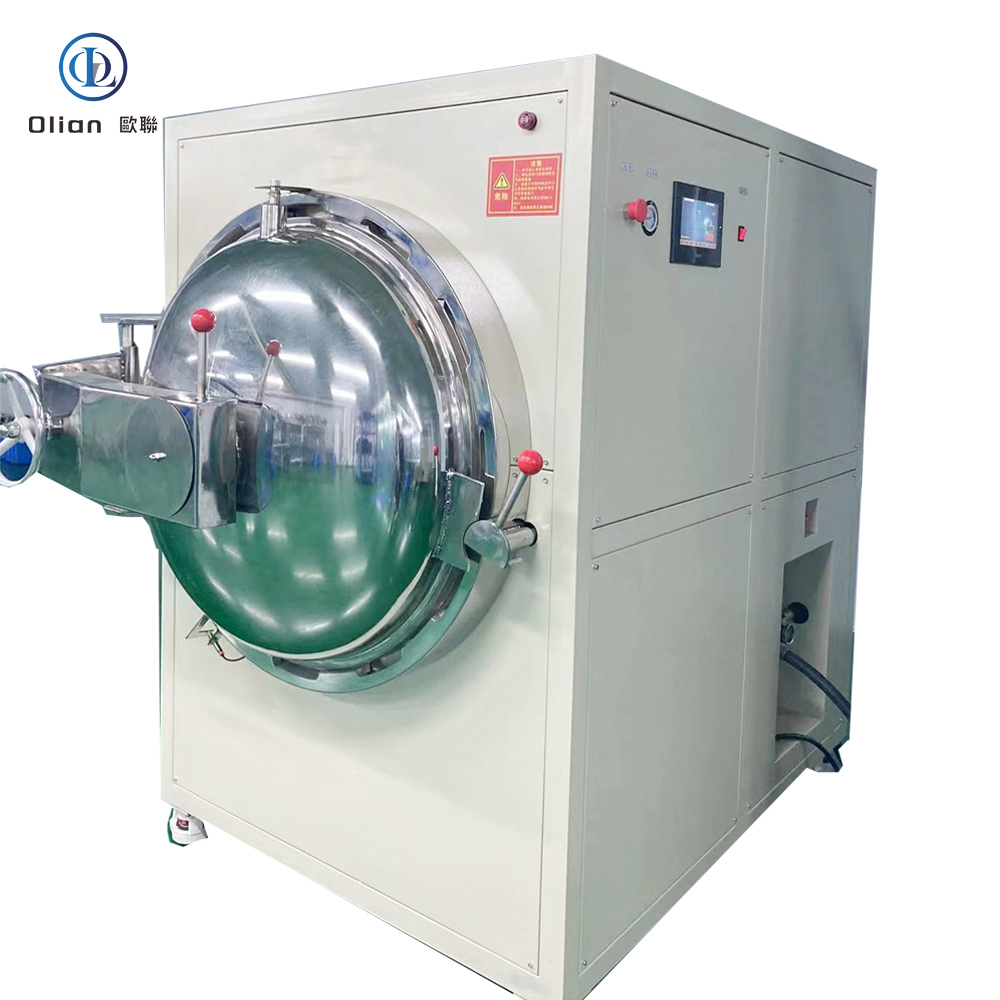
After glass replacement or laser trimming, a new polarizing film must be laminated without dust or bubbles. The laminator uses a rubber roller in a Class-100 clean chamber to apply even pressure. A subsequent autoclave heats the stack to 45 °C under 0.4 MPa for 20 minutes to eliminate micro-bubbles.
3. Working Principle Step-by-Step
Fault Diagnosis: The operator powers the panel and checks for lines, spots, or no-image symptoms. A microscope or CCD camera captures the location.
Preparation: The defective area is cleaned with IPA. If the outer glass is cracked, the panel goes to the freezing separator first.
Separation: The machine cools or heats the glue line and separates the broken glass with cutting wire.
Glue Cleaning: A spin cleaner removes OCA residue with 530 rpm and alcohol mist.
Laser Repair (if needed): The glass is placed under the laser microscope. The software maps spare and main lines. Pulses either cut shorts or connect spare lines to bypass opens.
ACF Application: New TAB or COF flexes are tacked with fresh anisotropic film.
Bonding: The bonding head descends with programmed temperature, pressure, and time. Typical recipe: 200 °C, 1.5 MPa, 12 s.
Polarizer Lamination: A dust-free film is rolled onto the glass.
Autoclave: The panel is cured to remove bubbles.
Final Test: Power-on test confirms no lines, uniform backlight, and correct touch response.
4. Technical Specifications to Compare
Max screen size: 7″ to 100″
Bonding accuracy: ±1.5 µm for 4K panels
Temperature stability: ±0.3 °C at 220 °C
Laser spot size: 3 µm
Laser wavelength: 1064 nm + 532 nm dual
Camera magnification: 20×–400×
Pressure range: 0.1–0.7 MPa
Power supply: AC 220 V single-phase, 1200–3500 W
Machine weight: 380–480 kg
Footprint: 860 mm × 860 mm × 1450 mm
Warranty: 1 year on core parts, lifetime software updates
5. Applications Across Industries
Smartphone refurbishment centers: glass-only repairs save OLED costs.
Tablet and laptop service shops: digitizer and LCD separation.
TV manufacturing plants: rework of 8K panels with COF misalignment.
Automotive display suppliers: repair of instrument cluster LCDs.
Medical monitor companies: high-reliability bonding of flex cables.
Industrial HMI producers: quick rework of touch panels used in harsh environments.
6. Key Advantages Over Traditional Methods
High yield: 95–98% success rate on glass separation.
Fine-pitch capability: 30 µm pad pitch bonding is routine.
Lead-free process meets ROHS and REACH standards.
Low cost per repair: no need to buy complete new panel.
Fast ROI: typical payback in three months for busy shops.
Eco-friendly: reduces tons of e-waste every year.
Modular design: upgrade from manual to semi-auto or fully automatic as volume grows.
7. LCD repair machine Keywords
LCD repair machine, TV panel repair equipment, laser LCD repair, TAB bonding machine, COF bonding machine, ACF bonding equipment, LCD freezing separator, polarizer laminator, LCD refurbishing machine, smartphone screen repair tools, 4K panel bonding, 100 inch LCD repair, internal line repair laser, ITO open repair, vertical line fix, horizontal line fix, dot defect removal, pulse heat bonding, fine-pitch bonding, lead-free LCD repair, ROHS compliant repair, e-waste reduction, sustainable display repair.
8. Maintenance Tips for Long Machine Life
Clean heater head with IPA after every shift to prevent ACF build-up.
Lubricate linear guides with lithium grease monthly.
Replace vacuum pump oil every 500 hours for freezing separators.
Inspect laser optics for dust; blow with ionized air only.
Update vision software to keep edge-detection algorithms accurate.
Store ACF rolls at –10 °C and allow 4 h thaw before use.
Keep a log of bond force and temperature for traceability audits.
9. Future Trends in 2025 and Beyond
AI-driven vision will auto-select laser cut or link paths, reducing technician training time. IoT modules will send yield data to cloud dashboards for predictive maintenance. Green refrigerants will replace liquid nitrogen in freezing separators, cutting operating cost by 30%. Roll-to-roll ACF will enable continuous bonding of ultra-wide 110″ panels. Micro-LED hybrid displays will adopt the same laser micro-machining platforms, extending the machine’s useful life well into the next decade.
10. Conclusion
An LCD repair machine is no longer a single-purpose tool; it is a strategic investment that restores value to damaged displays, supports environmental goals, and delivers rapid return on investment across smartphones, TVs, laptops, automotive, and industrial applications. By choosing the right combination of freezing separation, TAB/COF bonding, laser trimming, and polarizer lamination modules, service centers can handle virtually any LCD faults. Shenzhen Olian to be the LCD repair machine’s one stop supplier..
ACF stands for Anisotropic Conductive Film. ACF bonding machine is a specialized piece of equipment designed to create reliable electrical connections between flexible and rigid electronic components. This article will provide a detailed overview of ACF bonding machines, covering their definition, working principles, applications, advantages, and more.
Definition and Overview
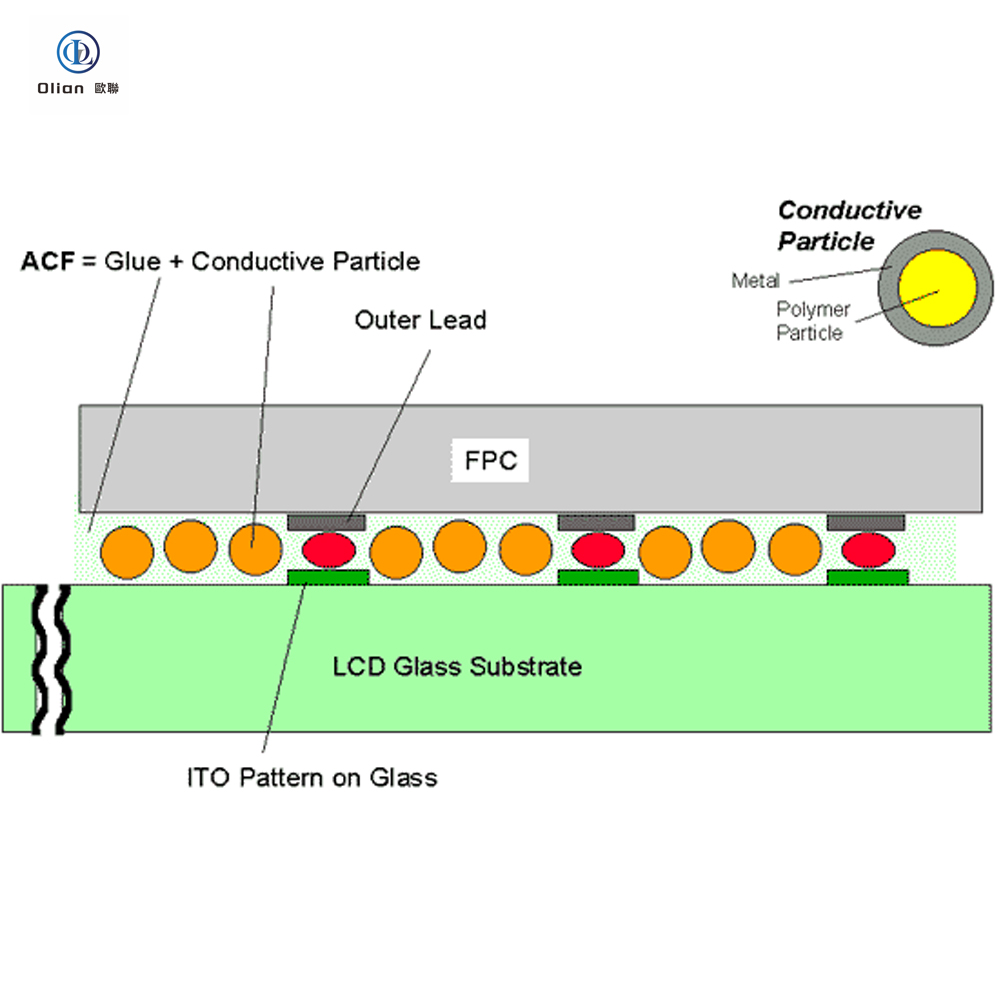
An ACF bonding machine is a device that utilizes Anisotropic Conductive Film to bond electronic components, such as flexible printed circuits (FPCs), flexible flat cables (FFCs), and integrated circuits (ICs), to substrates like glass or printed circuit boards (PCBs). The machine applies precise heat, pressure, and time parameters to ensure a secure and conductive connection. The primary function of the ACF bonding machine is to enable electrical conductivity in the vertical (Z-axis) direction while maintaining insulation in the horizontal (X and Y-axis) directions, thus preventing short circuits between adjacent circuits.
Working Principle
The working principle of an ACF bonding machine involves several key steps:
Application of ACF: The anisotropic conductive film is first applied to the substrate. This film contains conductive particles, which can be metallic or metal-coated plastic spheres, uniformly distributed within an adhesive matrix.
Alignment: The components to be bonded are carefully aligned using high-precision vision systems. Proper alignment is crucial to ensure that the conductive particles form the necessary electrical connections.
Bonding Process: The machine applies heat and pressure to the aligned components. The heat causes the adhesive in the ACF to soften and flow, while the pressure compresses the conductive particles between the contact pads of the components. This compression allows the particles to deform and create electrical pathways in the Z-axis direction.
Curing: Depending on the type of adhesive used, the bond may need to be cooled or further heated to cure the adhesive, solidifying the connection and ensuring long-term reliability.
Applications
ACF bonding machines are widely used in various industries, including:
Consumer Electronics: Manufacturing of smartphones, tablets, laptops, and wearable devices, where they are used to connect display panels, touch sensors, and flexible circuits.
Automotive Industry: Production of infotainment systems, instrument clusters, and advanced driver-assistance systems (ADAS), where reliable connections are essential for safety and performance.
Medical Devices: Assembly of medical equipment such as patient monitors, diagnostic devices, and imaging systems, where precision and reliability are critical.
Industrial Equipment: Manufacturing of control panels, sensors, and automation systems, where robust connections are required to withstand harsh environments.
Advantages
The use of ACF bonding machines offers several advantages:
High Reliability: ACF bonding provides stable electrical connections that can withstand thermal cycling, mechanical stress, and environmental conditions.
Fine Pitch Capability: The technology supports fine pitch interconnections, allowing for high-density circuitry and miniaturization of electronic devices.
Flexibility: ACF bonds are flexible, making them ideal for applications where the components may be subject to bending or flexing.
Cost-Effective: Compared to traditional soldering methods, ACF bonding can reduce manufacturing costs by eliminating the need for fluxes, cleaning processes, and additional components like connectors.
Lead-Free and Environmentally Friendly: ACF bonding is a lead-free process, making it environmentally friendly and compliant with regulations such as RoHS (Restriction of Hazardous Substances).
Technical Specifications
Modern ACF bonding machines come with a range of technical specifications to meet diverse manufacturing needs:
Heating Methods: Machines may use constant temperature heating or pulse heating, with temperature ranges typically from 0°C to 500°C.
Pressure Control: Precise pressure regulation is achieved using components like SMC cylinders and precision pressure valves, ensuring consistent bonding quality.
Alignment Systems: High-definition cameras and vision systems provide accurate alignment, with some machines offering configurable lens magnifications and positioning options.
Construction: Machines are often constructed from high-quality materials such as 45# steel for durability and stability, with imported thermal insulation modules and tungsten steel cutter heads for longevity.
Automation Levels: ACF bonding machines are available in manual, semi-automatic, and fully automatic configurations, catering to different production volumes and requirements.
Maintenance and Safety
Proper maintenance and safety protocols are essential for the optimal operation of ACF bonding machines:
Regular Cleaning: Keeping the machine clean, especially the bonding heads and alignment systems, prevents contamination and ensures consistent performance.
Calibration: Periodic calibration of temperature and pressure settings is necessary to maintain bonding quality.
Safety Features: Machines are equipped with safety features such as emergency stop buttons, thermal protection, and safety guards to protect operators from high temperatures and moving parts.
Operator Training: Operators should be trained in the proper use of the machine, including understanding the control systems, bonding parameters, and safety procedures.
Conclusion
ACF bonding machines are indispensable in the electronics manufacturing industry, providing a reliable, efficient, and cost-effective solution for creating high-quality electrical connections. Their ability to bond fine-pitch components with precision and flexibility makes them ideal for a wide range of applications, from consumer electronics to medical devices. As technology continues to advance, ACF bonding machines will remain a critical tool in the production of next-generation electronic devices.
ACF Bonding Machine
What Is ACF Bonding?
ACF bonding uses anisotropic conductive film. It creates vertical conductivity and horizontal insulation. The film holds tiny conductive particles in adhesive. Heat and pressure activate the particles. Only the Z-axis becomes conductive. This prevents short circuits between adjacent traces. ACF bonding is clean and lead-free. It suits fine-pitch flexible assemblies.
Core Components of ACF Bonding Machine
A robust frame ensures thermal stability. Precision heaters raise temperature quickly. Programmable pressure cylinders apply even force. High-resolution cameras align parts accurately. Vacuum chucks hold substrates flat. Touch-screen HMI sets recipes easily. Safety shields protect operators from heat. Data ports log every bond parameter.
Step-by-Step Working Principle
First, the operator loads ACF onto substrate. Vision cameras detect fiducial marks automatically. The machine aligns flex to glass. Bond head descends with controlled pressure. Pulse heat ramps to target temperature. Adhesive flows and particles touch pads. Cooling solidifies the joint within seconds. The head lifts; the circuit is connected.
Key Applications Today
Smartphone OLED displays rely on ACF bonding. Tablet touch sensors use the same process. Vehicle dashboards need durable flex connections. Medical wearables demand biocompatible joints. Industrial cameras require vibration-proof bonds. AR glasses pack ultra-fine pitch traces. All benefit from ACF’s reliable conductivity.
Main Advantages Over Soldering
ACF needs no flux or cleaning. It tolerates bending and thermal cycling. Pitch below 30 µm is achievable. The bond is shock-resistant and lightweight. Production throughput is higher and greener. Overall cost per joint drops significantly.
Typical Machine Specifications
Temperature range: ambient to 500 °C. Force accuracy: ±0.1 N across range. Alignment precision: ±3 µm at 3σ. Cycle time: under 8 seconds per bond. Heater cooling: forced air or water. Camera magnification: 2× to 10× selectable. Machine footprint: 600 mm × 700 mm. Power supply: single-phase 220 V.
Choosing the Right Model
Evaluate your substrate size first. Check required temperature and force profiles. Match camera resolution to pad pitch. Decide between manual and automatic loading. Request bond-pull data from suppliers. Ask for local service and spare parts. Compare software ease and traceability features. Finally, balance price with throughput needs.
Daily Maintenance Tips
Clean bond head with lint-free wipe. Inspect heater for adhesive residue daily. Verify pressure sensor calibration weekly. Update vision fiducial library after product change. Keep filters clean on cooling fans. Log temperature curves for every shift. Store ACF rolls sealed and refrigerated. Train operators on safety procedures regularly.
Future Technology Trends
AI vision will self-correct alignment errors. IoT modules will predict heater failures. Laser-assisted heating will shorten cycle times. recyclable ACF will reduce environmental impact. Nano-silver particles will lower resistance further. All trends aim for higher yield and speed.
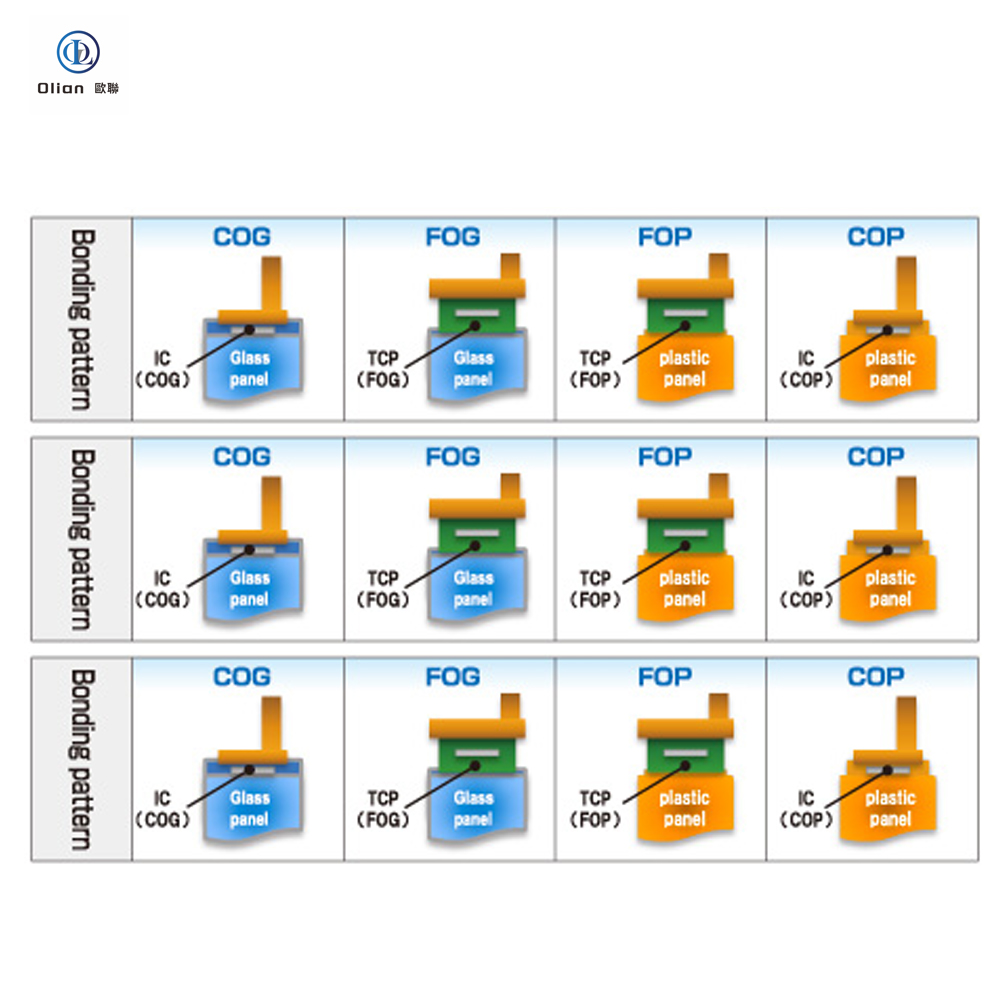
Full-automatic COG (Chip On Glass), COF (Chip On Film), and COP (Chip On Plastic) bonding machines are advanced pieces of equipment used in the electronics industry, particularly for the production of liquid crystal displays (LCDs) and other display technologies. These machines automate the process of bonding integrated circuits (ICs) and flexible printed circuits (FPCs) to glass or plastic substrates, ensuring high precision and reliability. Here is a detailed classification and introduction to these machines:
1. Fully Automatic COG Bonding Machines
COG bonding machines are used to bond ICs directly onto glass substrates. These machines are crucial for the production of compact and lightweight displays, such as those found in smartphones, tablets, and computer monitors.
Key Features:
High Precision Alignment: Uses advanced vision systems to ensure accurate alignment of the IC with the glass substrate.
Pre-Bonding and Main Bonding: Includes both pre-bonding and main bonding steps to ensure a robust connection.
Automated Loading and Unloading: Reduces manual intervention and increases throughput.
Applications:
Consumer Electronics: Smartphones, tablets, and computer monitors.
Automotive Displays: Vehicle infotainment systems and instrument clusters.
Industrial and Medical Displays: High-resolution and stable performance for accurate monitoring and control.
Advantages:
High Precision: Ensures accurate bonding, reducing misalignment and improving display quality.
Improved Yield: Increases production efficiency and reduces defects.
Enhanced Reliability: Ensures long-term performance of electronic devices.
Example: The SNSQJ+COG+FOG-0717 fully automatic LCD bonding machine includes LCD loading, terminal cleaning, COG bonding, and FPC bonding.
2. Fully Automatic COF Bonding Machines
COF bonding machines are used to bond ICs onto flexible film substrates. These machines are essential for the production of flexible and lightweight displays, such as those used in foldable devices and wearable technology.
Key Features:
Flexible Substrate Handling: Designed to handle flexible film substrates with high precision.
Automated ACF Application: Applies Anisotropic Conductive Film (ACF) with high accuracy.
Advanced Vision Systems: Ensures precise alignment of the IC with the substrate.
Applications:
Smartphones and Tablets: Especially for foldable and flexible displays.
Wearable Technology: Smartwatches and fitness trackers.
Automotive Displays: Flexible displays for vehicle interiors.
Advantages:
High Precision: Ensures reliable electrical and mechanical connections.
Increased Productivity: Automation reduces the time required for each bonding process.
Reduced Labor Costs: Minimizes manual operations, reducing labor costs and the risk of human error.
Example: The Fully Automatic COF FOF Bonding Machine is designed for high-precision bonding of FPCs to flexible film substrates.
3. Fully Automatic COP Bonding Machines
COP bonding machines are used to bond ICs onto plastic substrates. These machines are ideal for applications where flexibility and durability are required, such as in automotive and industrial displays.
Key Features:
Plastic Substrate Compatibility: Designed to handle plastic substrates with high precision.
Top-Bottom Alignment: Ensures precise alignment of the IC with the substrate.
Automated Bonding Process: Automates the entire bonding process, from ACF application to final bonding.
Applications:
Automotive Displays: Instrument clusters and infotainment systems.
Industrial Displays: Control panels and monitoring systems.
Wearable Technology: Smartwatches and fitness trackers.
Advantages:
High Precision: Ensures accurate bonding, reducing misalignment and improving display quality.
Improved Yield: Increases production efficiency and reduces defects.
Enhanced Reliability: Ensures long-term performance of electronic devices.
Example: The COP FOP Bonding Machine is designed for bonding FPCs to plastic substrates, ensuring high precision and reliability.
Conclusion
Full Automatic COG/COF/COP Bonding Machines are essential in modern electronics manufacturing, providing reliable and efficient solutions for the production of high-quality displays and electronic devices. These machines offer high precision, increased productivity, and reduced labor costs, making them ideal for various applications in consumer electronics, automotive, and industrial sectors. By choosing the right bonding machine, manufacturers can ensure high-quality and efficient production processes, meeting the demands for smaller, more efficient electronic devices.
TFT panel produce processes from bonding to backlight assembly.
1. Cutting Process
Process Introduction: In this stage, large – sized TFT – LCD glass substrates or polarizing plates are cut into smaller pieces according to the required dimensions of the display module. High – precision cutting is crucial to ensure the edges of the cut pieces are smooth and free of cracks or defects, which affects the quality and yield of subsequent processes.
Equipment – Cutting Machine: Equipped with high – precision cutting blades or laser cutting heads, the cutting machine can accurately cut glass substrates and polarizing plates. Its positioning system ensures precise alignment of the cutting lines with the preset dimensions. Some advanced cutting machines also feature automatic feeding and discharging functions to improve production efficiency.
2. SB AOI (Automated Optical Inspection) Process
Process Introduction: This process uses automated optical inspection equipment to detect defects on the surface of the TFT – LCD panel after cutting, such as scratches, particles, and polarity direction. It helps to identify and eliminate defective products early in the production line, reducing production costs and improving overall product quality.
Equipment – AOI Machine: The AOI machine is equipped with high – resolution cameras and advanced image processing software. It can quickly capture images of the panel surface and compare them with the standard template to identify defects. Its inspection speed can be adjusted according to the size and resolution of the panel, and it has a high detection accuracy rate.
3. POL Attach Process
Process Introduction: Polarizing plates are thin layers that allow light to pass through either horizontally or vertically. In this process, the polarizing plate is bonded to the surface of the TFT – LCD panel. The bonding must be accurate and free of bubbles or wrinkles to ensure the display effect of the LCD screen.
Equipment – POL Attaching Machine: The POL attaching machine has a high – precision alignment system to precisely position the polarizing plate on the panel. Its pressing mechanism ensures uniform pressure during bonding, and the heating system helps the adhesive cure, enhancing the bonding strength between the polarizing plate and the panel.
4. Autoclave Process
Process Introduction: The autoclave process is used to further strengthen the bonding between the polarizing plate and the panel. By applying high – temperature and high – pressure conditions, the air bubbles and impurities within the bonding layer are eliminated, improving the bonding quality and reliability of the polarizing plate.
Equipment – Autoclave Machine: The autoclave machine is a sealed pressure vessel that can precisely control temperature and pressure parameters. It evenly heats and pressurizes the panels placed inside, ensuring uniform treatment of each panel. Its control system can set different temperature and pressure curves according to the characteristics of the panels and polarizing plates.
5. Bonding Process (LD/EC+COG+FOG+Bonding AOI+Glue dispenser+ULD)
LD (Glass Loading) Process: Glass loading is the process of placing the cut glass substrates into designated fixtures or carriers to prepare them for subsequent processes such as electronic cleaning and bonding. It ensures the glass substrates are properly positioned and secured for further processing.
Equipment – Glass Loading Machine: The glass loading machine is designed to handle glass substrates with care. It has a precise positioning system to place the glass substrates into the fixtures accurately. The machine may also feature automated arms or conveyors to transport the glass substrates efficiently while minimizing manual handling and potential damage.
EC (Electronic Cleaning) Process: Electronic cleaning is used to remove contaminants such as dust, organic residues, and ions from the surface of the glass substrates or polarizing plates. This helps improve the bonding quality and reliability in subsequent processes, preventing issues like poor adhesion or electrical shorts.
Equipment – Electronic Cleaning Machine: The electronic cleaning machine typically uses a combination of ultrasonic waves, deionized water, and chemical cleaning agents to thoroughly clean the glass substrates or polarizing plates. It has a closed cleaning chamber to prevent re – contamination and a drying system to quickly dry the cleaned substrates after cleaning.
COG (Chip – on – Glass) Process: The driver IC is directly bonded to the glass substrate of the TFT – LCD panel. This process is characterized by high precision and small bonding area, offering advantages such as fast production speed and good electrical performance.
Equipment – COG Bonding Machine: The COG bonding machine uses a high – precision alignment system to accurately position the driver IC relative to the glass substrate. Its heating and pressing mechanism ensures a stable connection between the driver IC and the glass substrate. The machine also has a vision system for precise alignment and a temperature – and – pressure control system to ensure bonding quality.
FOG (Film – on – Glass) Process: The driver IC is first bonded to a flexible film and then connected to the TFT – LCD panel. It offers better flexibility and reliability, suitable for lightweight and thin display devices.
Equipment – FOG Bonding Machine: The FOG bonding machine is designed to handle flexible films and perform high – precision bonding. It has a complex structure and advanced to technology ensure reliable connections between the driver IC and the panel. Its alignment system accurately positions the flexible film and driver IC on the panel.
Bonding AOI Process: After the bonding process, automated optical inspection is used to detect defects in the bonding quality, such as misalignment, missing bonds, and insufficient bonding. This helps to promptly identify and correct bonding issues, improving production yield.
Equipment – Bonding AOI Machine: The bonding AOI machine uses high – resolution cameras and advanced image processing software to capture images of the bonding area and compare them with the standard template. It can accurately detect various bonding defects and has a fast inspection speed, capable of meeting the high – speed production requirements of the production line.
Glue Dispensing Process: Adhesive is applied to the bonding area to enhance bonding the strength and reliability between the driver IC and the panel. The glue dispenser must ensure precise glue – dispensing quantity and uniform glue – dispensing.
Equipment – Glue Dispensing Machine: The glue dispensing machine has a high – precision dispensing system that can accurately control the glue – dispensing quantity and pattern. Its dispensing nozzle can move precisely to dispense adhesive on the designated bonding area. The machine can also adjust the glue – dispensing parameters according to different adhesives and bonding requirements.
ULD (Under – Layer Dispensing) Process: This process applies an under – layer adhesive to the bonding area to further enhance the bonding strength and reliability. It also helps to prevent moisture and impurities from invading the bonding area, improving the product’s stability and reliability.
Equipment – ULD Machine: The ULD machine is similar to the glue dispensing machine in structure but specializes in applying under – layer adhesives. It can accurately dispense under – layer adhesives on the bonding area and has a heating and curing system to rapidly cure the adhesive, improving production efficiency.
6. PWB (Printed Wiring Board) Process
Process Introduction: In this process, the printed wiring board is assembled and connected to the TFT – LCD panel. The PWB serves as the carrier of the electrical circuit, connecting various components of the display module and enabling signal transmission and power supply.
Equipment – PWB Assembly Machine: The PWB assembly machine includes functions such as component placement and soldering. It uses high – precision placement heads to accurately position components on the PWB and employs automated soldering equipment to ensure reliable soldering connections. The machine also has an inspection system to detect defects in the PWB assembly.
7. Oven Process
Process Introduction: The oven process is used to cure adhesives or other materials used in the bonding and assembly processes. By heating, the adhesives can fully cure, enhancing bonding strength and reliability. It also helps to remove residual solvents and impurities, improving product quality.
Equipment – Oven: The oven has a temperature control system that can precisely regulate the temperature and heating time according to different process requirements. It provides a uniform heating environment to ensure uniform curing of the adhesives on each panel. The oven also has a ventilation system to timely exhaust volatile substances during the heating process.
8. Optical Bonding Process
Process Introduction: Optical bonding is the process of filling the gap between the TFT – LCD panel and the cover glass with an optical adhesive. This eliminates air gaps between the two, reducing light reflection and refraction, improving display clarity and brightness, and enhancing the product’s resistance to external impacts and vibrations.
Equipment – Optical Bonding Machine: The optical bonding machine has a high – precision dispensing system to accurately dispense optical adhesive between the panel and the cover glass. Its pressing mechanism ensures uniform pressure during bonding, and the machine is equipped with a degassing system to remove bubbles within the adhesive. Some optical bonding machines also have a UV curing system to rapidly cure the adhesive using ultraviolet light.
9. Auto Clave Process
Process Introduction: Similar to the autoclave process in the POL attach stage, this process further strengthens the bonding between the optical adhesive and the panel and cover glass through high – temperature and high – pressure conditions. It eliminates bubbles and impurities within the bonding layer, improving the bonding quality and reliability.
Equipment – Autoclave Machine: The autoclave machine used in this stage is similar to that in the POL attach stage but may have different parameter settings. It can precisely control the temperature and pressure to meet the requirements of the optical bonding process. Its control system can set different temperature and pressure curves according to the characteristics of the optical adhesive and the panels.
10. Backlight Assembly Process
Process Introduction: The backlight assembly process involves assembling the backlight module, including components such as the light guide plate, reflective film, diffusion film, and prism film. The backlight module provides uniform backlight for the TFT – LCD panel, ensuring accurate display of images. The assembly of the backlight module must be precise to ensure uniform light distribution and high brightness.
Equipment – Backlight Assembly Machine: The backlight assembly machine has functions such as automatic placement and lamination. It accurately positions the components of the backlight module and uses lamination technology to bond them together. The machine can adjust the placement parameters according to the size and thickness of the backlight module components to ensure assembly quality.
11. FI AOI (Final Inspection AOI) Process
Process Introduction: As the final stage of the production line, FI AOI conducts a comprehensive optical inspection of the assembled TFT – LCD display module. It detects defects such as display abnormalities, brightness unevenness, and pixel defects to ensure the product meets quality standards before delivery.
Equipment – FI AOI Machine: The FI AOI machine is equipped with high – resolution cameras and advanced image processing software. It can capture images of the display module from multiple angles and comprehensively evaluate the display quality. Its inspection accuracy is high, capable of detecting even minor defects. The machine also has a data analysis system to statistically analyze the defect data of the product, providing a basis for quality improvement.
12. Aging Process
Process Introduction: The aging process subjects the TFT – LCD display module to prolonged operation under specific conditions (e.g., temperature, humidity, and voltage) to simulate long – term usage scenarios. This helps identify potential reliability issues, such as pixel aging and circuit instability, ensuring the product’s reliability and stability during actual use.
Equipment – Aging Chamber: The aging chamber provides a stable and controllable environment, capable of regulating temperature and humidity and offering adjustable voltage and current. It can simultaneously age multiple display modules and has a monitoring system to real – time track the operating status of the modules during aging. Once abnormalities are detected, the system automatically alerts and takes protective measures.
13. Vacuum Packing Process
Process Introduction: Vacuum packing is used to remove air from the packaging bag of the TFT – LCD display module, reducing the volume of the product and preventing oxidation and moisture damage during transportation and storage. It also offers certain protection against external impacts.
Equipment – Vacuum Packing Machine: The vacuum packing machine has a vacuum chamber and a sealing system. It creates a vacuum environment within the chamber to extract air from the packaging bag and then seals the bag to ensure airtightness. The machine can adjust the vacuum degree and sealing parameters according to the size and material of the packaging bag to guarantee vacuum packing quality.
14. Carton Packaging Process
Process Introduction: In this final stage, the vacuum – packed TFT – LCD display module is placed into a carton along with necessary accessories and documentation. The carton packaging provides further protection for the product during transportation and storage, preventing damage from external impacts and facilitating storage and transportation.
Equipment – Carton Packaging Machine: The carton packaging machine has functions such as automatic carton forming, loading, and sealing. It can automatically form cartons according to the size of the product, load the product and accessories into the carton, and seal it. The machine can also print relevant information on the carton, such as product specifications and barcodes.
TFT LCD Module produce processes .
Polarizer Lamination Machine(偏贴机) This machine is used to automatically attach polarizing films onto substrates such as LCD or OLED panels. It ensures precise alignment and bonding to prevent defects like bubbles or particles.
Glass Loading Machine(玻璃上料机) This device automates the loading of glass substrates into production lines, improving efficiency and reducing manual handling errors.
EC Cleaning Machine(EC清洗机) This machine cleans the surface of glass or panels using detergents, ultrasonic waves, and hot air drying to remove contaminants and prepare the surface for subsequent processes.
COG/COF Bonding Machine(COG/COF邦定机) This equipment is used for bonding chips (COG) or flexible circuits (COF) onto glass panels, ensuring precise alignment and electrical connectivity in display manufacturing.
FOG/FOF/FOP Bonding Machine(FOG/FOF/FOP邦定机) This machine bonds flexible or printed circuits onto glass panels, facilitating electrical connections in display assembly processes.
Fully Automatic Dispensing Machine(全自动点胶机) This device precisely dispenses adhesives or conductive materials onto substrates, ensuring uniform application and high accuracy in bonding processes.
FPC Loading Machine(FPC上料机) This machine automates the loading of flexible printed circuits (FPC) into production lines, enhancing efficiency and reducing manual errors.
TP Terminal Cleaning Machine(TP端子清洗机) This equipment cleans the terminals of touch panels (TP) to remove contaminants and ensure reliable electrical connections.
Fully Automatic F-FOG Bonding Machine(全自动F-FOG邦定机) This machine bonds flexible circuits onto glass panels in flexible display manufacturing, ensuring precise alignment and connectivity.
FPC Loading Machine(FPC上料机) This device automates the loading of flexible printed circuits (FPC) into production lines, improving efficiency and reducing manual handling.
T-FOG Dispensing Machine(T-FOG点胶机) This machine precisely dispenses adhesives onto glass panels for flexible display manufacturing, ensuring uniform application and strong bonding.
Automatic Back Adhesive Attaching Machine(自动背胶贴附机) This equipment attaches back adhesives onto substrates, ensuring secure bonding and durability in display assembly.
AOI Inspection Machine(AOI检测) This automated optical inspection system detects defects such as bubbles, particles, or misalignments in the manufacturing process, ensuring high-quality production.
COP (Chip On Plastic) and FOP (Film On Plastic) Bonding Machine is a sophisticated piece of equipment used in the electronics industry, particularly for the production of flexible displays and advanced electronic devices. This machine combines the processes of COP and FOP bonding into a single, integrated system, streamlining the manufacturing process and improving efficiency. COP FOP bonding machines are essential for bonding integrated circuits (ICs) and flexible printed circuits (FPCs) to plastic substrates, ensuring high precision and reliability in display manufacturing.
Classification of COP FOP Bonding Machines
COP FOP Bonding Machines can be classified based on their level of automation and specific applications:
Fully Automatic COP FOP Bonding Machine
Description: This type of machine is designed for high-volume production lines. It offers fully automated loading, alignment, bonding, and unloading processes, ensuring high precision and efficiency. The machine typically includes several modules to handle different stages of the bonding process:
Loading and Unloading Modules: Automate the loading and unloading of substrates, reducing manual intervention and increasing throughput.
Cleaning Module: Ensures a clean surface for the bonding process, often using plasma cleaning or other methods to remove contaminants.
ACF Application Module: Applies the Anisotropic Conductive Film (ACF) to the substrate with high precision, ensuring reliable bonding.
Alignment and Bonding Modules: Use advanced vision systems to align the ICs or FPCs with the substrate. The bonding process involves applying heat and pressure to create a stable electrical and mechanical connection.
Applications: Widely used in the production of flexible displays, smartphones, tablets, automotive displays, and other consumer electronics.
Semi-Automatic COP FOP Bonding Machine
Description: These machines offer a balance between manual and fully automatic systems. They provide automated alignment and bonding processes but still require some manual intervention, such as loading and unloading the components. This makes them suitable for medium-volume production and prototyping.
Applications: Commonly used in research and development, small-scale production, and repair work.
Key Features and Specifications
High Precision: Offers high bonding accuracy, typically within ±3µm for all panel sizes, ensuring reliable connections.
Increased Productivity: Automation reduces the time required for each bonding process, allowing for higher production rates.
Reduced Labor Costs: By minimizing manual operations, the machine reduces labor costs and the risk of human error.
Enhanced Reliability: The consistent bonding process ensures that each product meets high-quality standards, reducing the likelihood of defects.
Real-Time Monitoring: Advanced sensors detect bonding quality in real time, allowing for immediate error detection and minimizing waste and rework.
High-Speed Automation: Designed for high-speed production, increasing throughput while maintaining accuracy.
Applications of COP FOP Bonding Machines
COP FOP Bonding Machines are indispensable across diverse industries:
Flexible Displays: Essential for bonding driver ICs and FPCs to flexible substrates, ensuring high precision and reliability in display manufacturing.
Consumer Electronics: Commonly used in the manufacturing of smartphones, tablets, and other devices that require flexible and durable displays.
Automotive Displays: Used in the production of vehicle displays, where flexibility and durability are critical.
Medical Devices: High-precision bonding for diagnostic equipment screens.
Industrial Equipment: Applied in control panels and ruggedized display solutions.
Foldable and Wearable Tech: Facilitates bonding for next-gen foldable devices and flexible wearables.
Industry Trends and Future Developments
The electronics industry is continuously evolving, with manufacturers focusing on improving the precision and speed of bonding machines. Future trends include:
Integration of AI and Machine Learning: To further enhance the precision and efficiency of the bonding process.
Development of Larger and More Complex Substrates: As demand for larger and more advanced displays grows.
Focus on Sustainability: There is an increasing emphasis on developing energy-efficient and environmentally friendly bonding processes.
Conclusion
COP FOP Bonding Machines are critical components in modern electronics manufacturing, providing a reliable and efficient solution for bonding processes in the production of high-quality displays and electronic devices. They are used in a wide range of applications, from consumer electronics to industrial and medical devices, ensuring that products meet the highest standards of quality and performance. With the increasing demand for thinner, lighter, and more durable devices, COP FOP technology continues to play a crucial role in the electronics industry.
FOG FOP FOF FOB T-FOG FPC Flex Cable Bonding Machine
Introduction to Flex Cable Bonding Machines
Flex cable bonding machines are essential in the manufacturing of electronic devices, particularly for attaching flexible printed circuits (FPCs) or flexible flat cables (FFCs) to various substrates. These machines ensure a seamless and robust connection between the flexible cable and the electronic components, playing a crucial role in the production of devices like smartphones, tablets, and automotive displays.
Classification of Flex Cable Bonding Machines
Flex cable bonding machines can be classified based on their specific applications and the type of bonding process they perform:
FOG (Flex-On-Glass) Bonding Machine
Description: FOG bonding machines are used to bond FPCs directly onto glass substrates, commonly found in LCD and OLED displays. These machines offer high bonding accuracy and are essential for maintaining the quality and performance of display panels.
Features:
High bonding accuracy (XY: ±10µm) for all panel sizes.
Enhanced alignment accuracy using the same camera view to recognize marks on FPC and the LCD panel.
Improved stability through a rigid frame and new control methods for bonding load and speed.
Applications: Widely used in the production of small to medium-sized display panels, such as those found in smartphones and tablets.
FOB (Flex-On-Board) Bonding Machine
Description: FOB bonding machines are designed to bond FPCs onto printed circuit boards (PCBs). They are crucial for connecting flexible circuits to rigid boards, ensuring a reliable electrical connection.
Features:
High throughput, capable of transferring up to 4 panels at once for panels smaller than 8 inches.
Reduced model changeover time, as no stage replacement is required for panel size and ACF width changes.
Double-stage IC supply to eliminate line stops.
Applications: Commonly used in the assembly of electronic devices where FPCs need to be connected to PCBs, such as in automotive electronics and industrial control panels.
FOF (Flex-On-Flex) Bonding Machine
Description: FOF bonding machines are used to bond FPCs onto other FPCs, creating a flexible-to-flexible connection. This is particularly useful in applications where space is limited and flexibility is required.
Features:
High precision and reliability in bonding flexible-to-flexible connections.
Suitable for a wide range of FPC sizes and configurations.
Applications: Used in wearable technology, foldable devices, and other applications where flexibility and compact design are crucial.
T-FOG (Tape Flex-On-Glass) Bonding Machine
Description: T-FOG bonding machines are a variant of FOG machines that use tape to bond FPCs onto glass substrates. This process is particularly useful for applications where additional support or protection is required.
Features:
Enhanced bonding strength and durability.
Suitable for high-resolution displays and applications requiring high reliability.
Applications: Commonly used in high-end display manufacturing, such as OLED and micro-LED displays.
FPC (Flexible Printed Circuit) Bonding Machine
Description: FPC bonding machines are general-purpose machines used for bonding FPCs to various substrates, including glass, PCBs, and other flexible materials. They offer a wide range of bonding options and are highly versatile.
Features:
High bonding accuracy and precision.
Support for various bonding materials, including ACF and solder paste.
Suitable for a wide range of panel sizes and applications.
Applications: Used in the production of a variety of electronic devices, from consumer electronics to industrial and medical equipment.
Key Features and Specifications
High Precision: Offers high bonding accuracy, typically within ±0.015mm, ensuring reliable connections.
Increased Productivity: Automation reduces the time required for each bonding process, allowing for higher production rates.
Reduced Labor Costs: By minimizing manual operations, the machine reduces labor costs and the risk of human error.
Enhanced Reliability: The consistent bonding process ensures that each product meets high-quality standards, reducing the likelihood of defects.
Real-Time Monitoring: Advanced sensors detect bonding quality in real time, allowing for immediate error detection and minimizing waste and rework.
High-Speed Automation: Designed for high-speed production, increasing throughput while maintaining accuracy.
Applications of Flex Cable Bonding Machines
Flex cable bonding machines are indispensable across diverse industries:
Consumer Electronics: Commonly used in the manufacturing of smartphones, tablets, and other devices that require flexible and durable displays.
Automotive Displays: Used in the production of vehicle displays, where flexibility and durability are critical.
Medical Devices: High-precision bonding for diagnostic equipment screens.
Industrial Equipment: Applied in control panels and ruggedized display solutions.
Foldable and Wearable Tech: Facilitates bonding for next-gen foldable devices and flexible wearables.
Industry Trends and Future Developments
The electronics industry is continuously evolving, with manufacturers focusing on improving the precision and speed of bonding machines. Future trends include:
Integration of AI and Machine Learning: To further enhance the precision and efficiency of the bonding process.
Development of Larger and More Complex Substrates: As demand for larger and more advanced displays grows.
Focus on Sustainability: There is an increasing emphasis on developing energy-efficient and environmentally friendly bonding processes.
Conclusion
Flex cable bonding machines are critical components in modern electronics manufacturing, providing a reliable and efficient solution for bonding processes in the production of high-quality displays and electronic devices. They are used in a wide range of applications, from consumer electronics to industrial and medical devices, ensuring that products meet the highest standards of quality and performance. With the increasing demand for thinner, lighter, and more durable devices, flex cable bonding technology continues to play a crucial role in the electronics industry.
In the electronics manufacturing industry, particularly in the ACF (Anisotropic Conductive Film) bonding process, a variety of testing machines and equipment are essential to ensure the quality and reliability of the final products. These machines play a crucial role in the production line, from initial material inspection to final product testing. Here is a comprehensive overview of the testing instruments and equipment used in ACF bonding processes:
Microscopy Equipment
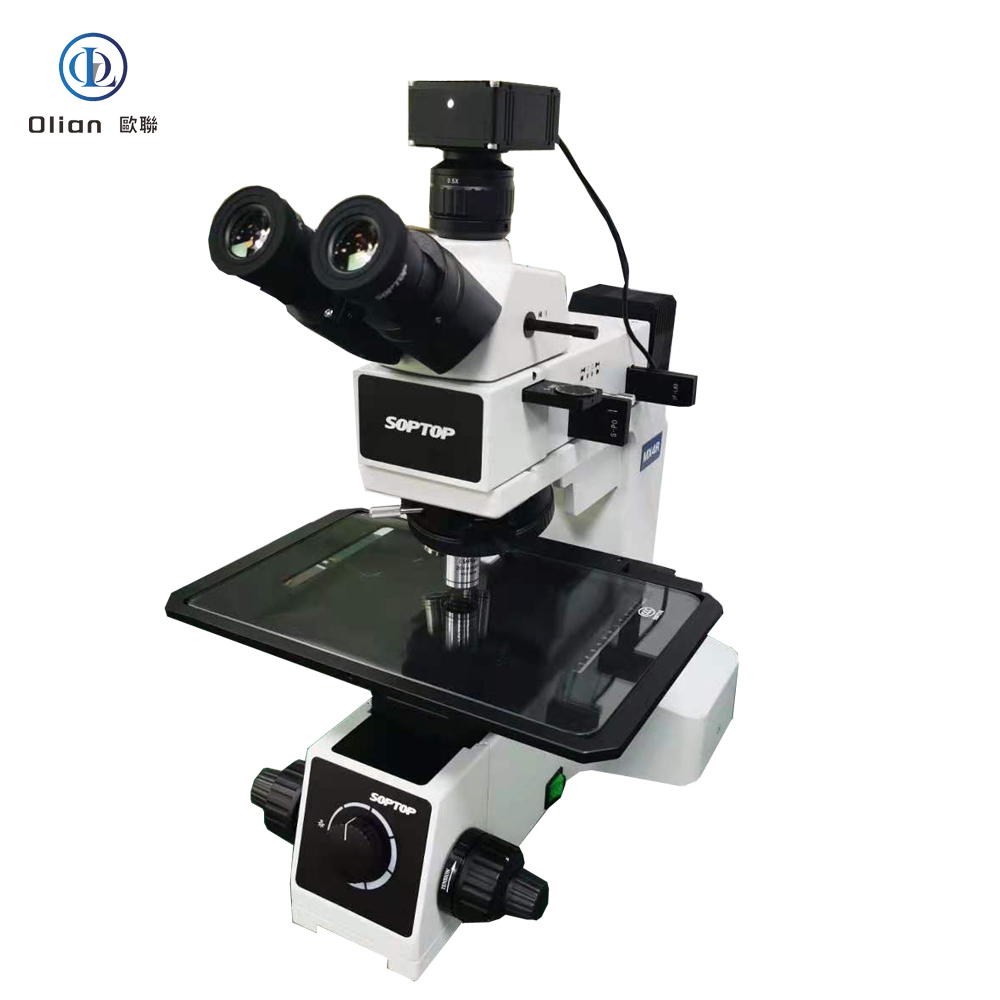
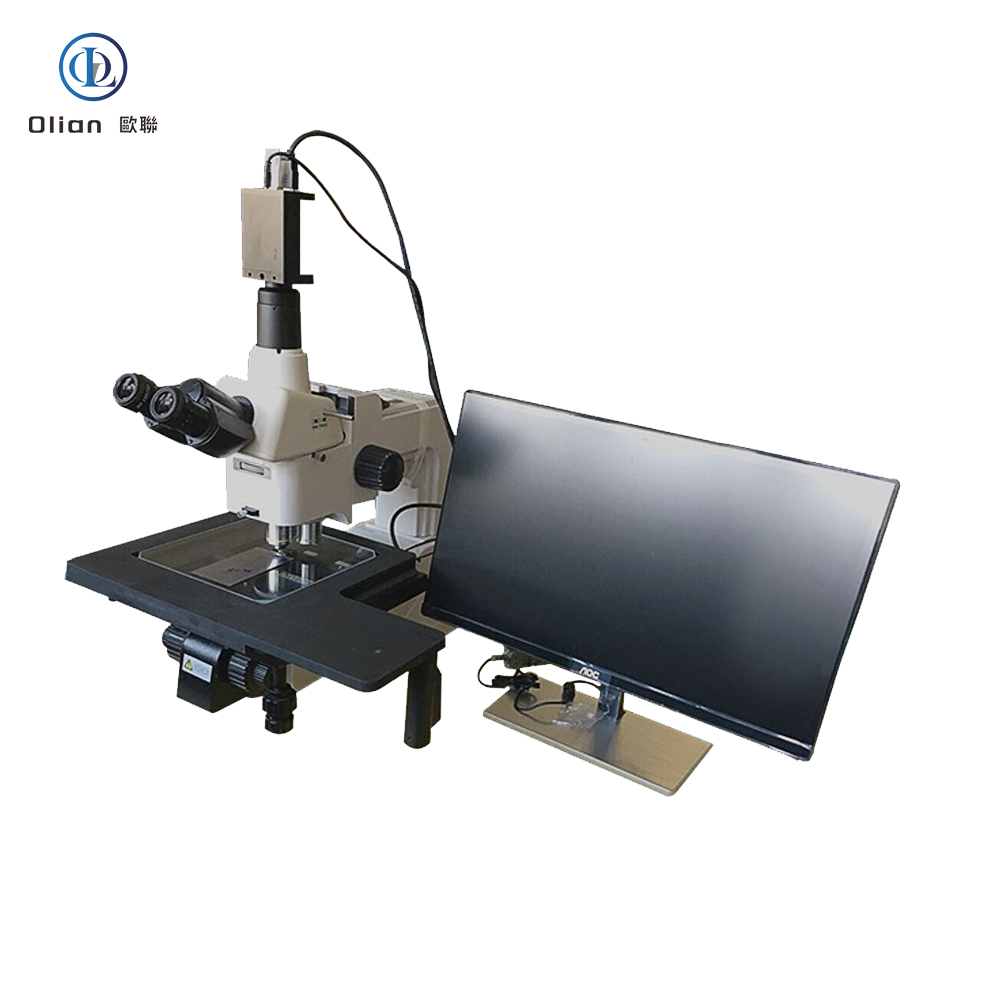
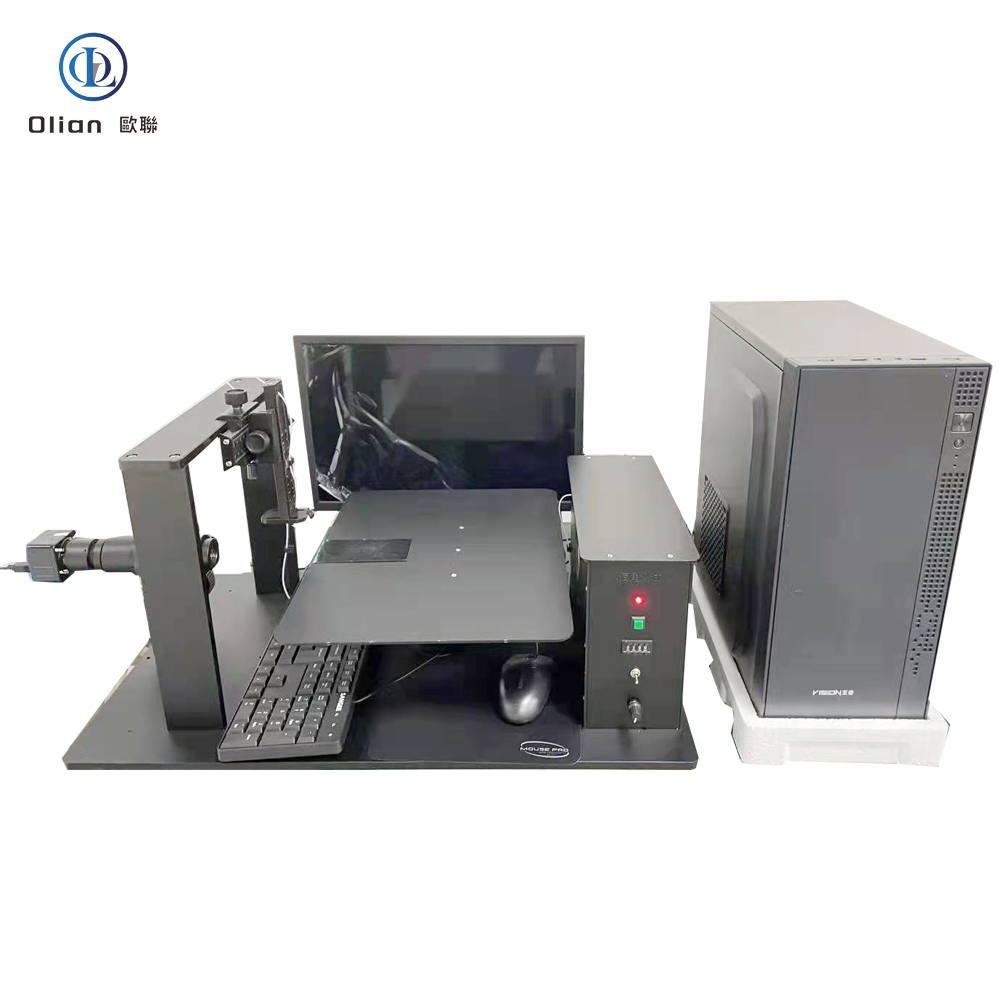
Interferometer Microscope: Interferometer microscopes are used to analyze the surface topography of materials with high precision. They are essential for inspecting the quality of ACF and the bonding surfaces of components. By using optical interference, these microscopes can detect minute surface irregularities that might affect the bonding process.
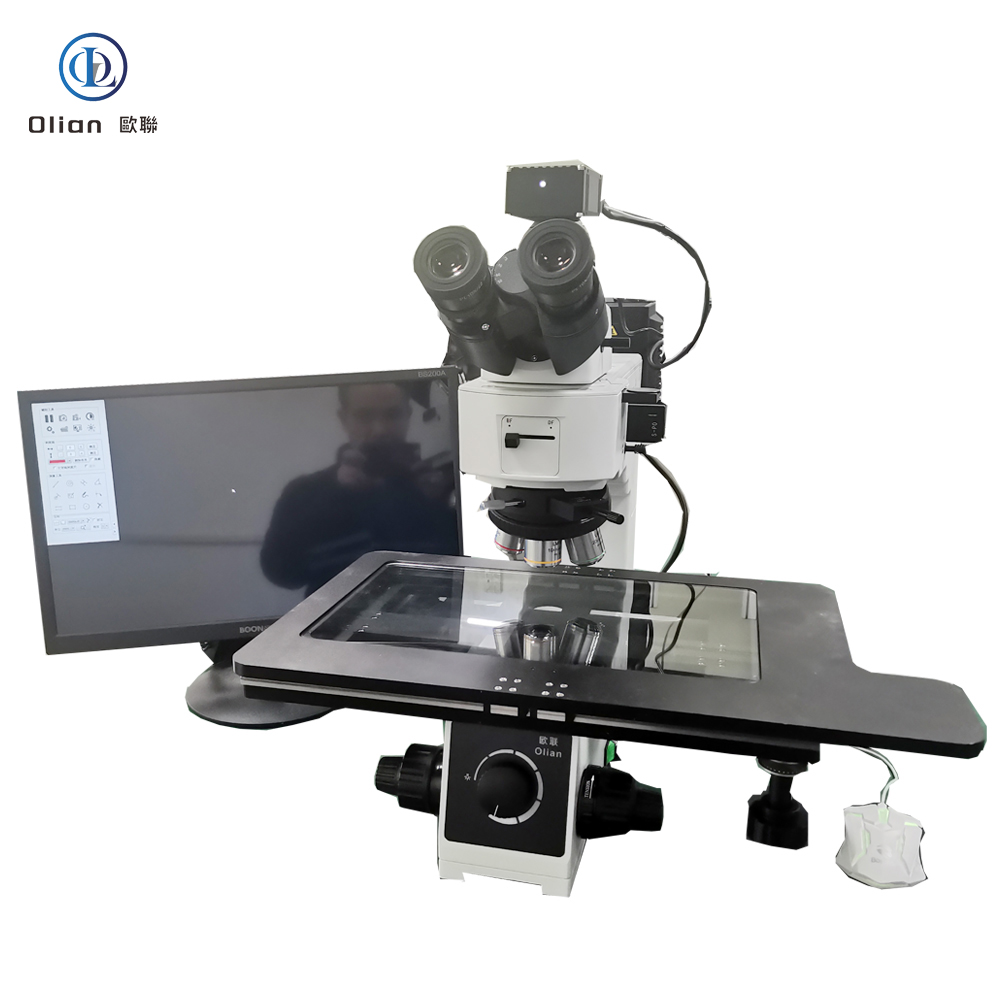
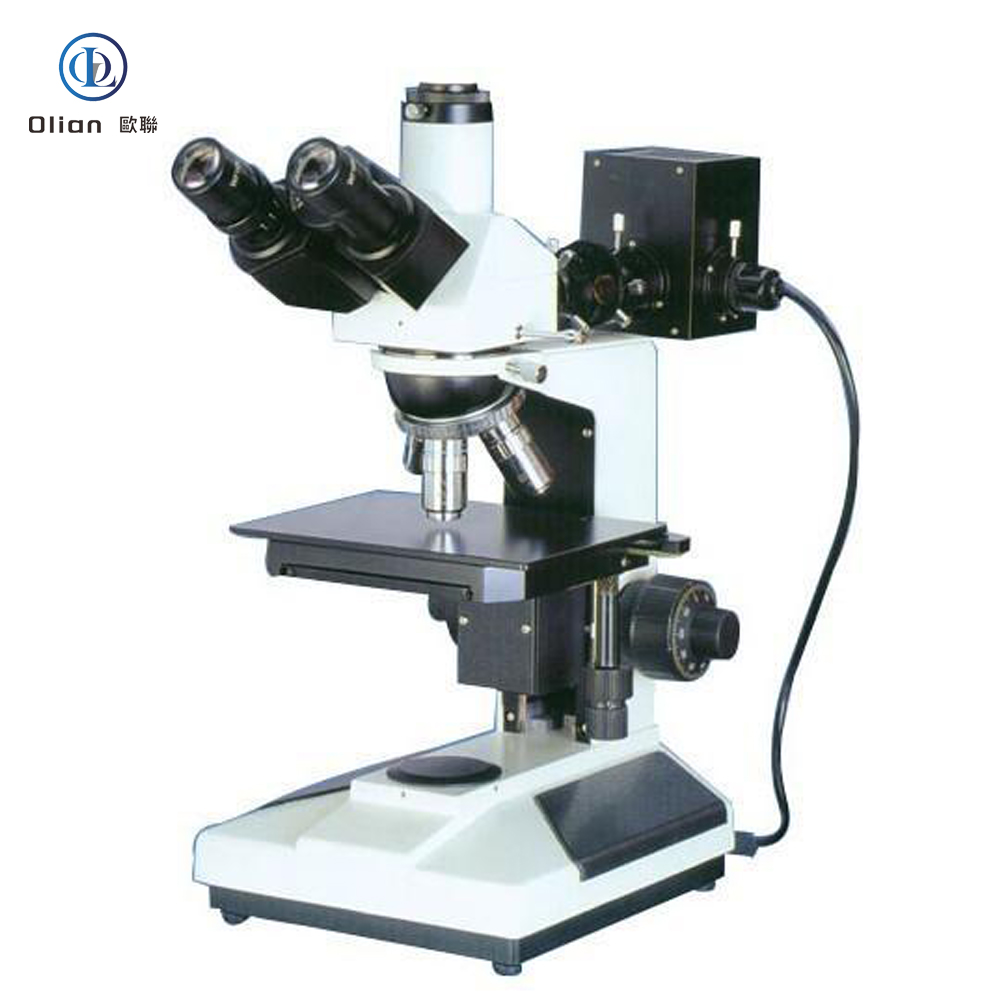
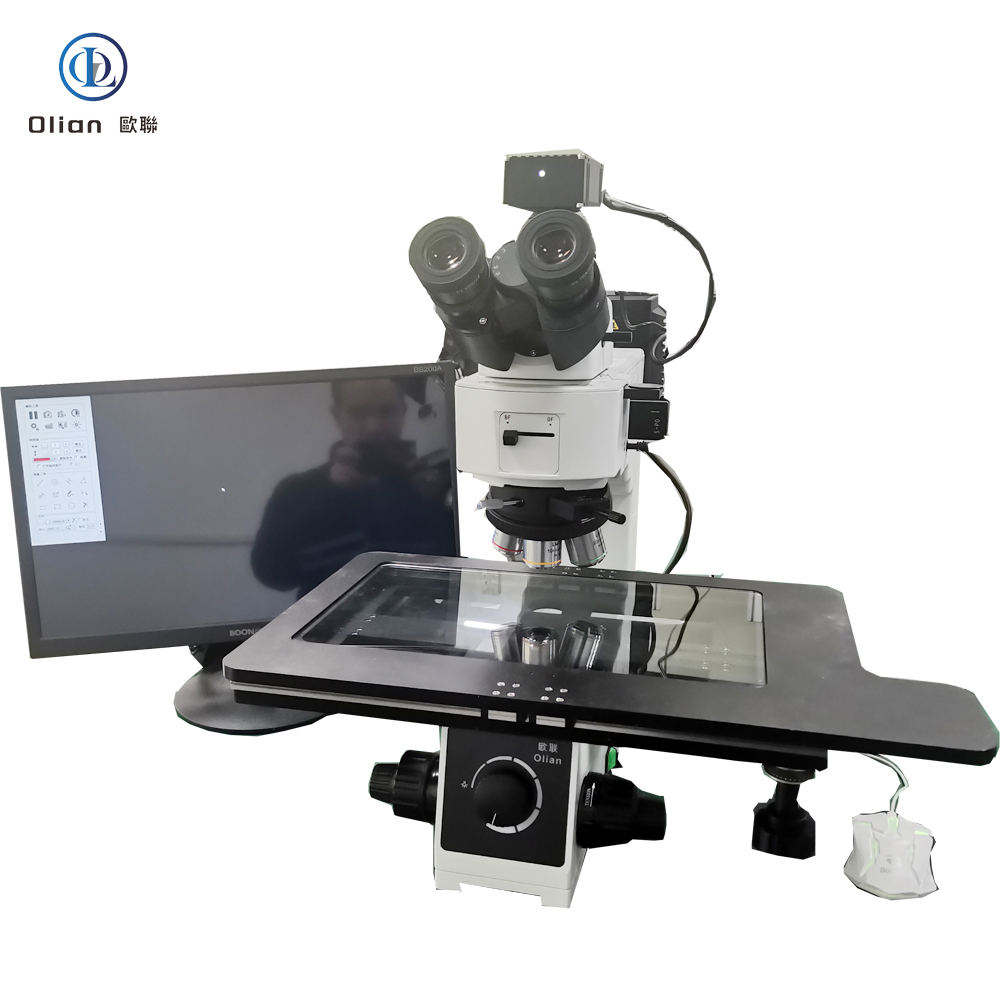
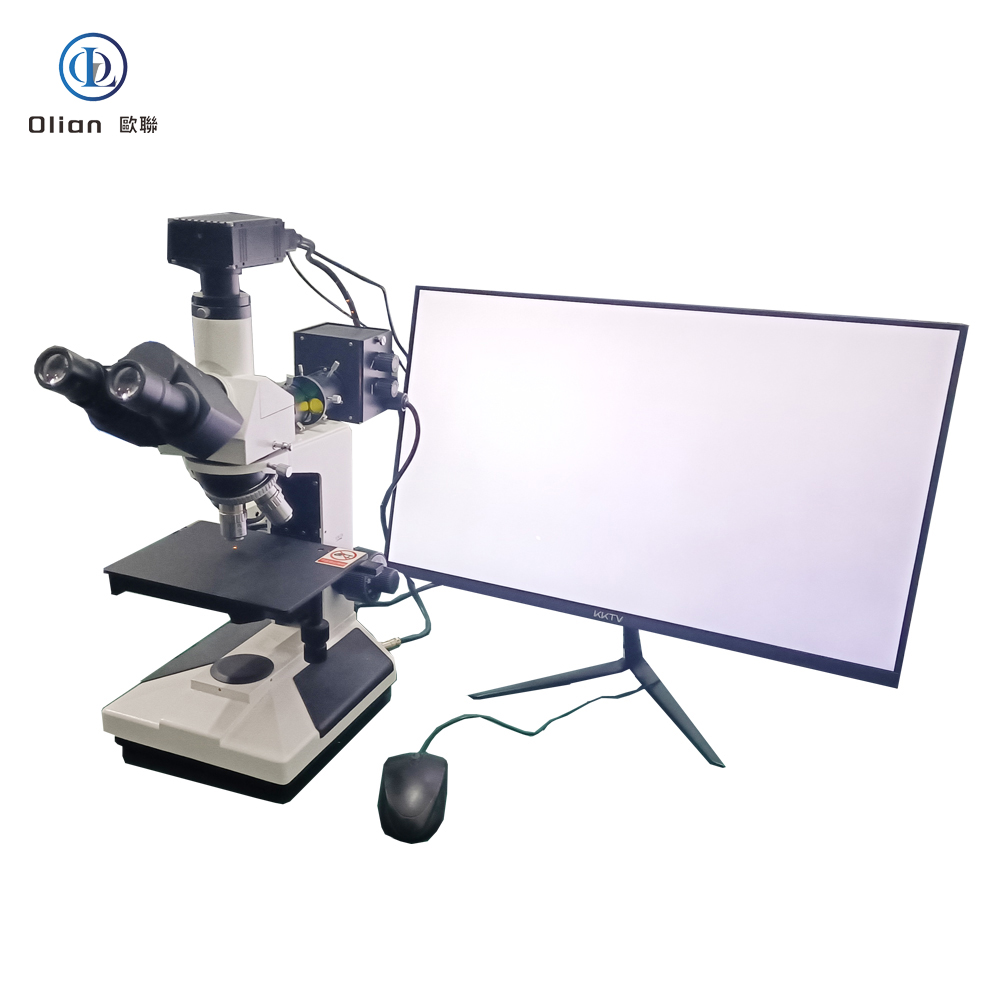
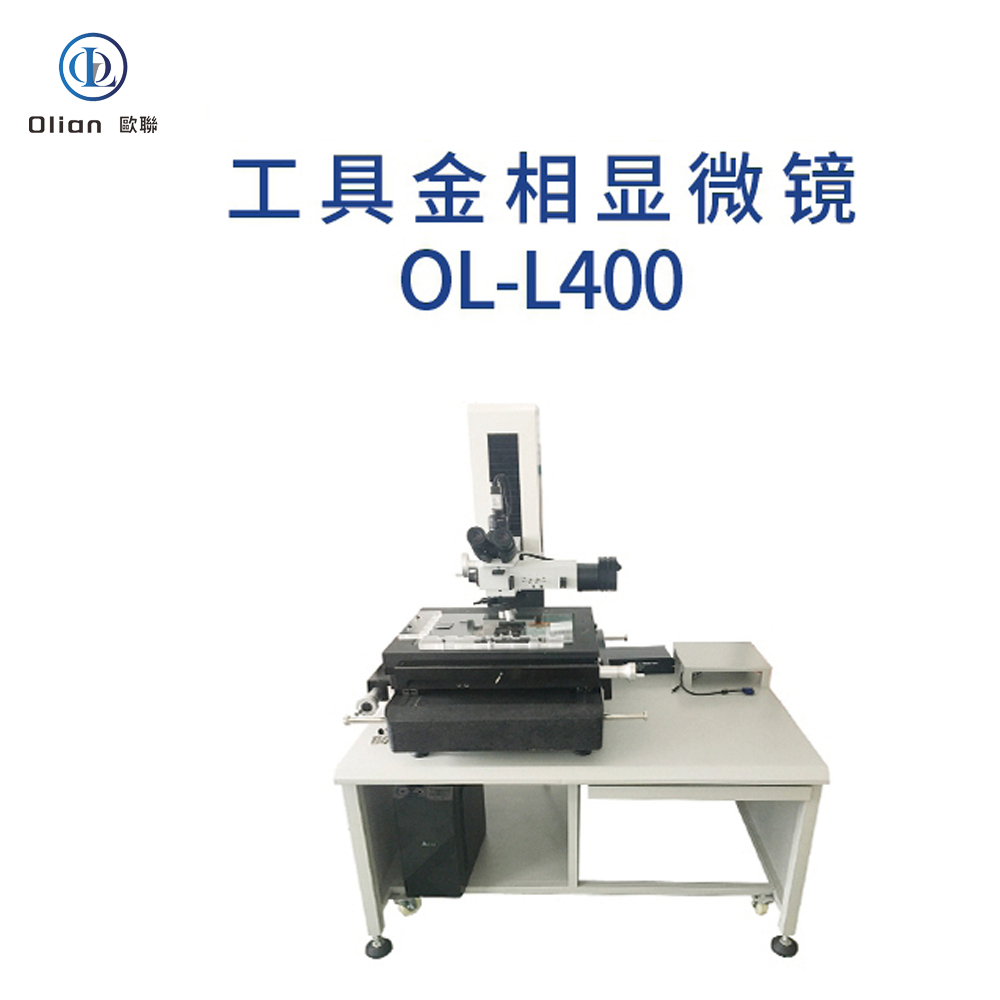
Metallographic Microscope: Metallographic microscopes are designed to examine the microstructure of metals and alloys. In the context of ACF bonding, they are used to analyze the metallurgical properties of the bonding sites. This helps in understanding the compatibility of the materials and the effectiveness of the bonding process.
Lens Inspection Microscope: Lens inspection microscopes are used to inspect and analyze optical components, such as the lenses used in display devices. They ensure that the optical properties of the components are maintained after the bonding process. High-resolution imaging helps in detecting any defects that might have occurred during bonding.
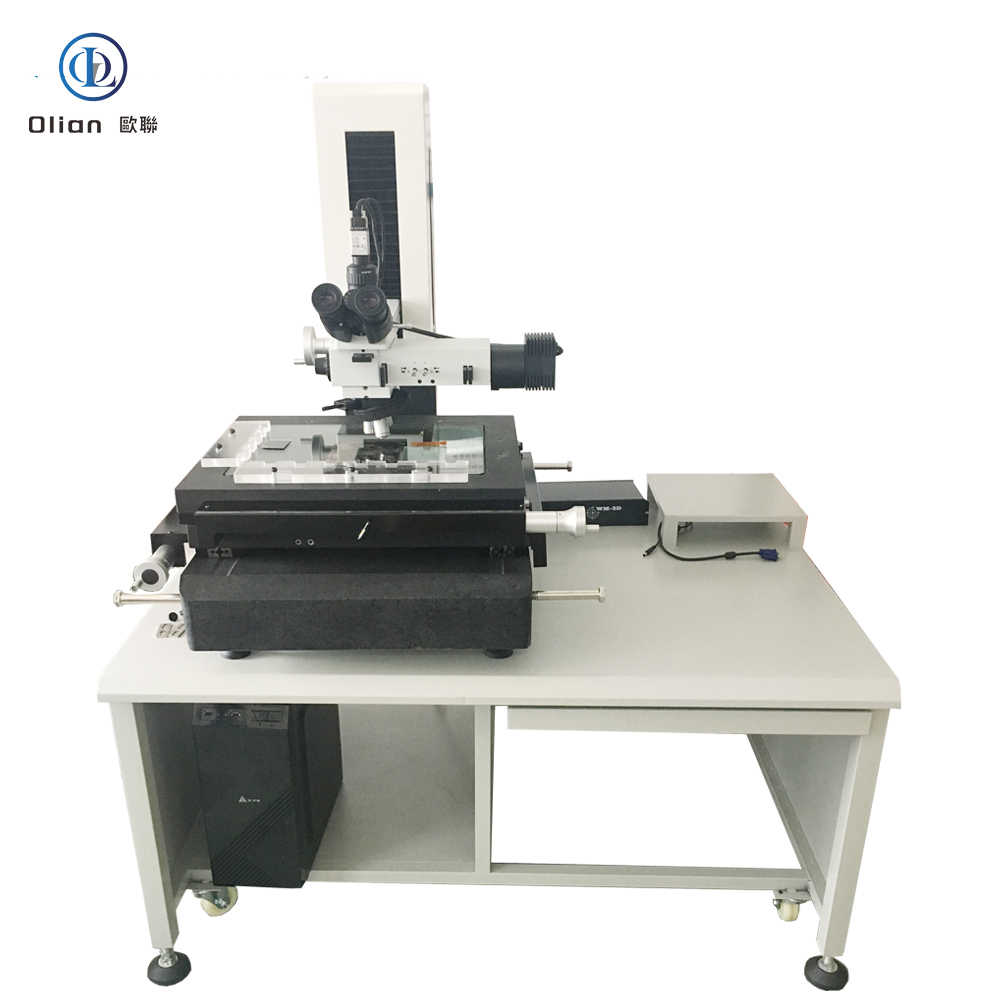
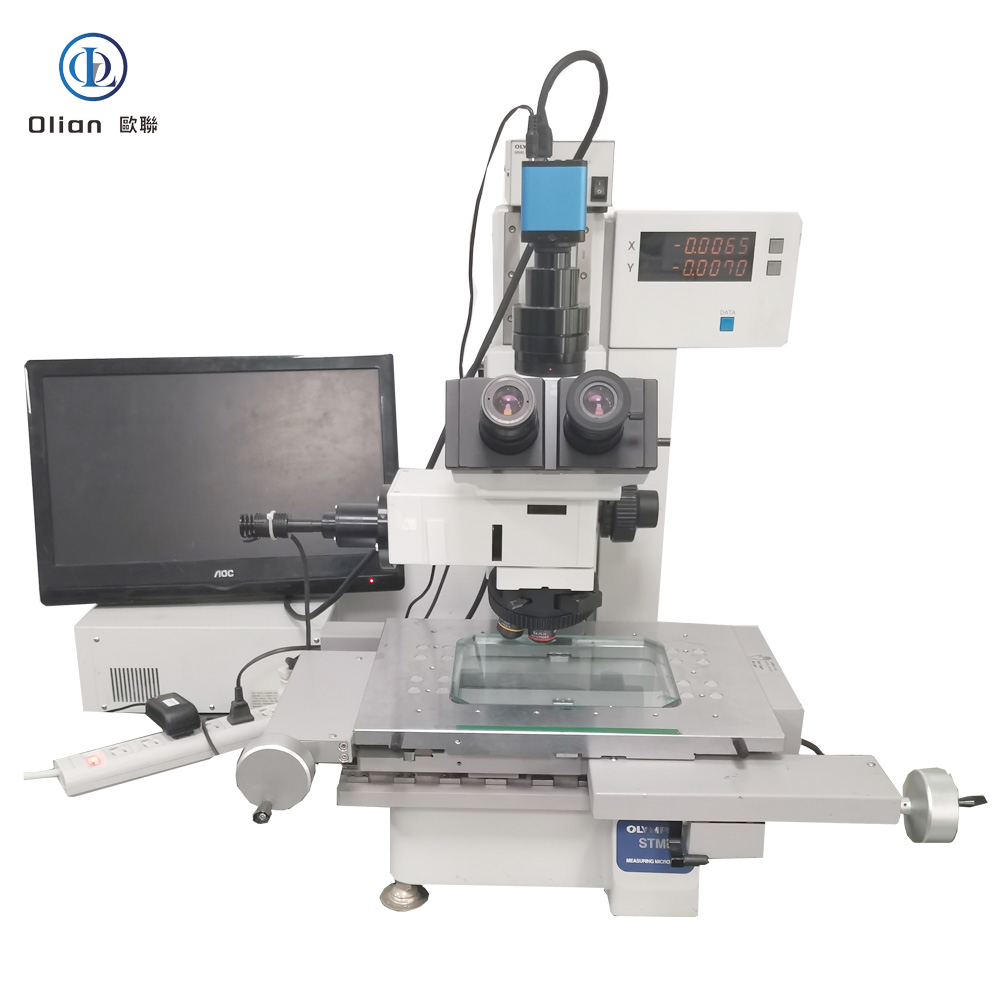
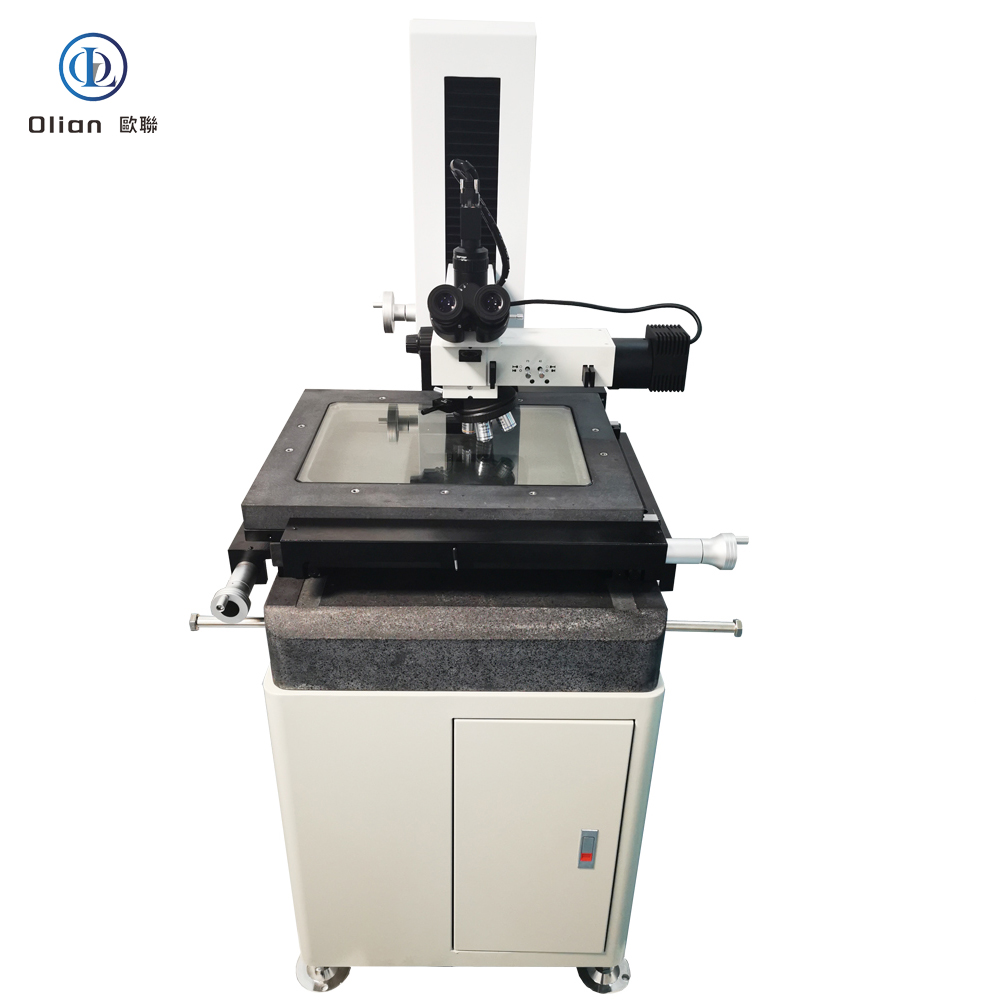
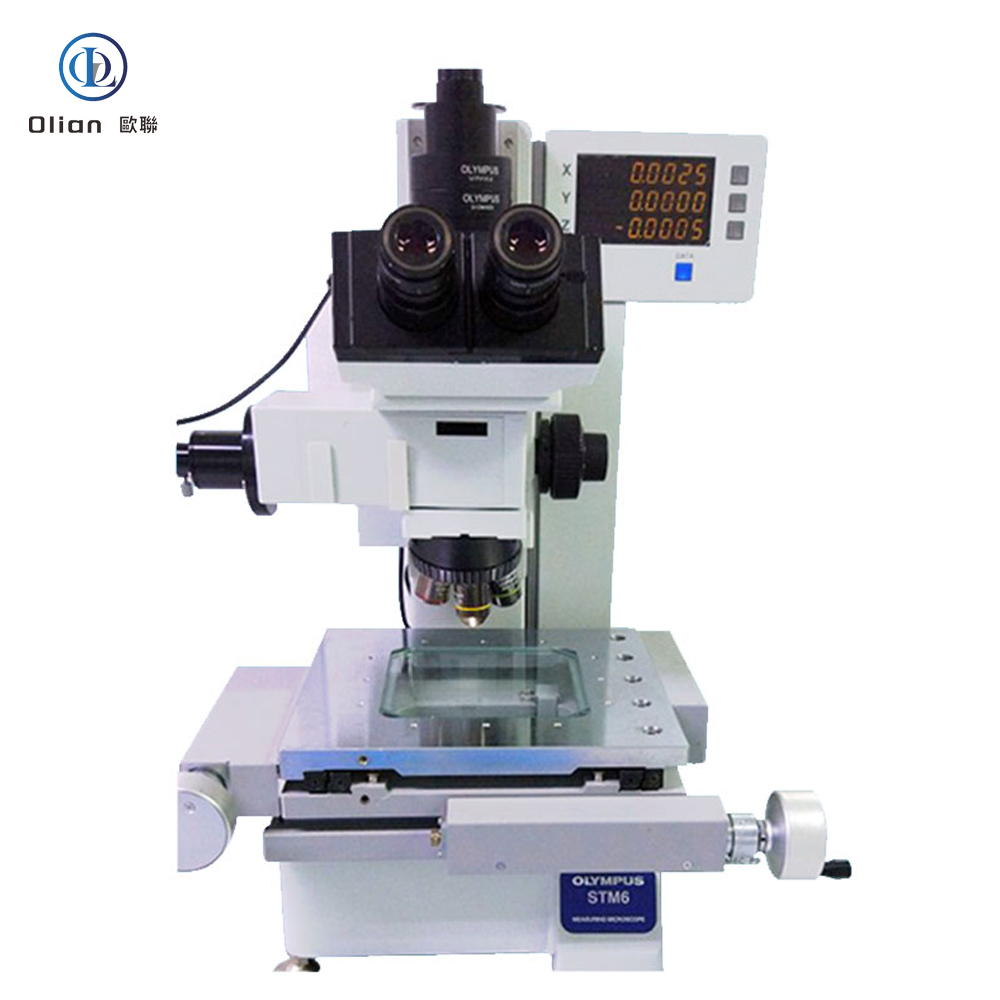
Tool Microscope: Tool microscopes are used for measuring and inspecting the dimensions and geometry of tools and mechanical parts. In ACF bonding, they are used to verify the alignment and precision of the bonding equipment. This ensures that the bonding process is accurate and consistent.
Temperature Testing Equipment
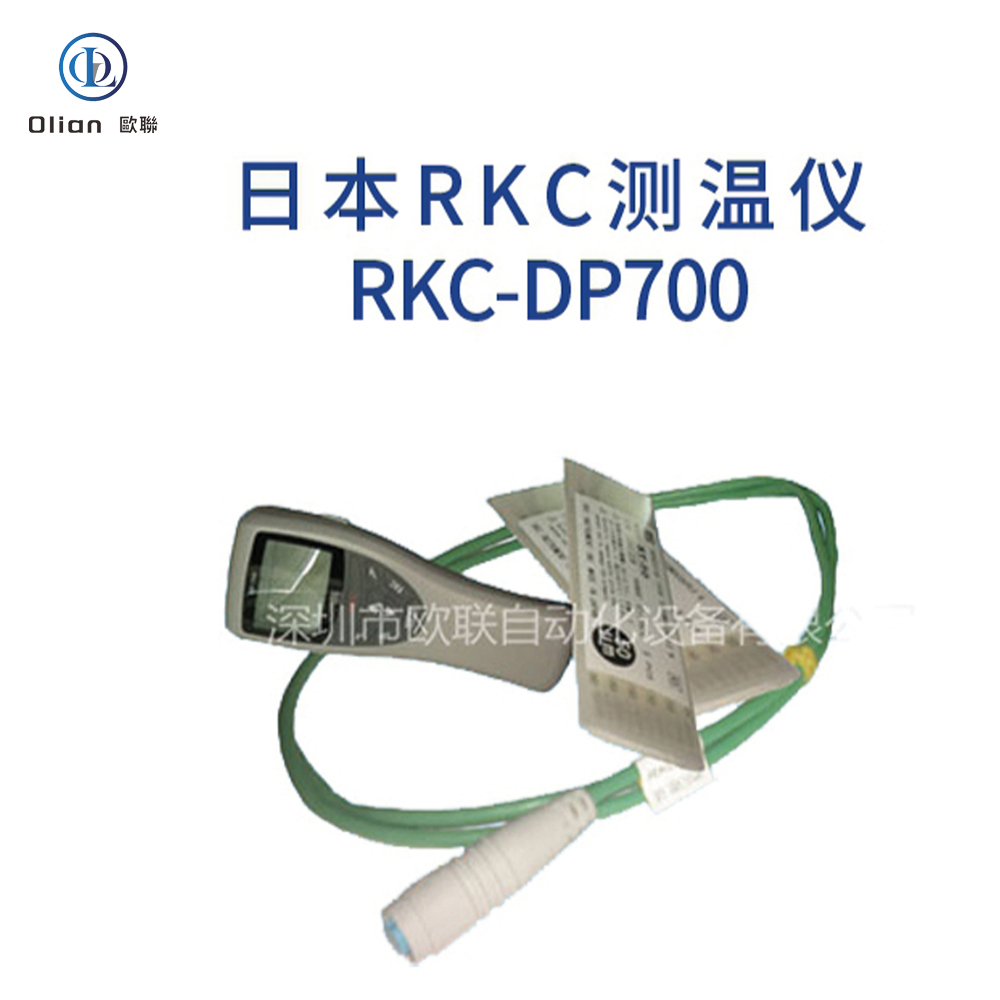
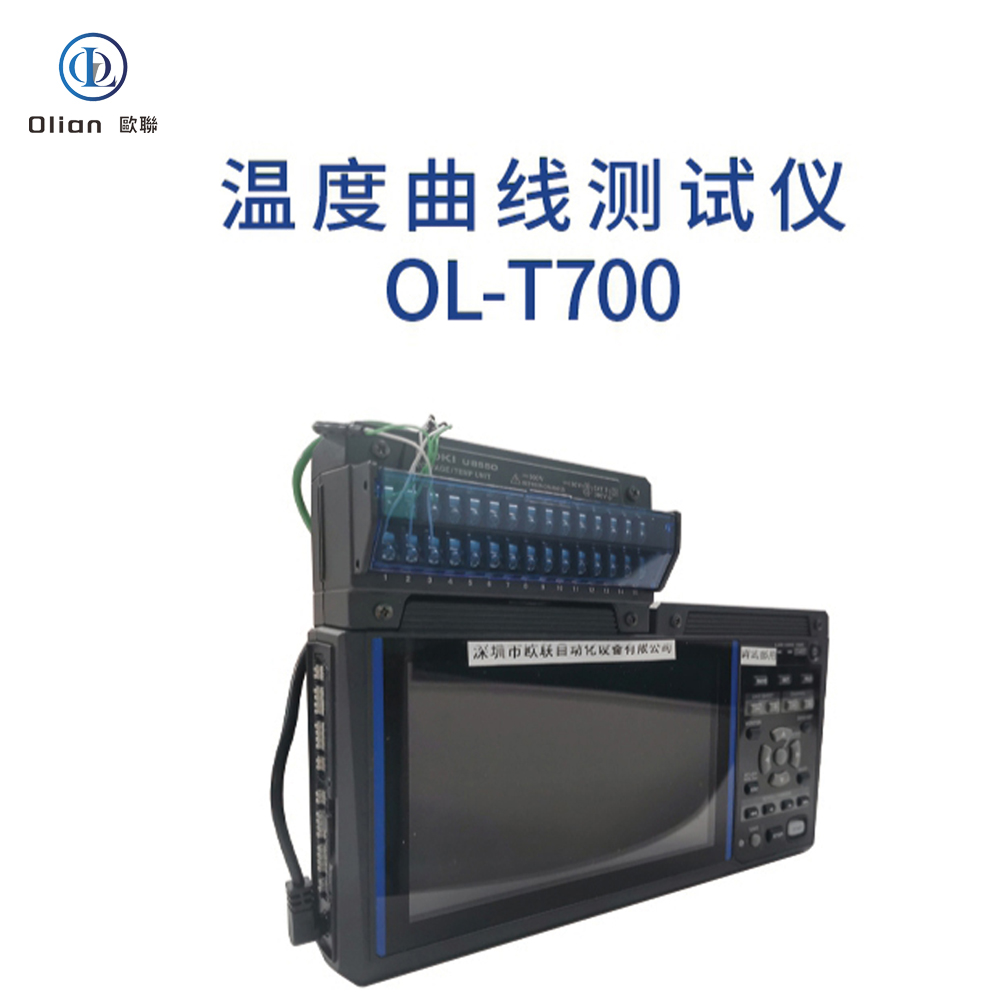
Temperature Testing Instrument: Temperature testing instruments are crucial for monitoring and controlling the temperature during the ACF bonding process. They ensure that the bonding temperature is maintained within the specified range, which is critical for the quality of the bond. These instruments can be contact or non-contact types, providing real-time temperature data.
Temperature Curve Testing Instrument: Temperature curve testing instruments measure and record temperature changes over time. They are used to analyze the thermal behavior of the bonding process and to optimize the temperature profile. This helps in achieving a consistent and reliable bond quality.
Pressure Testing Equipment
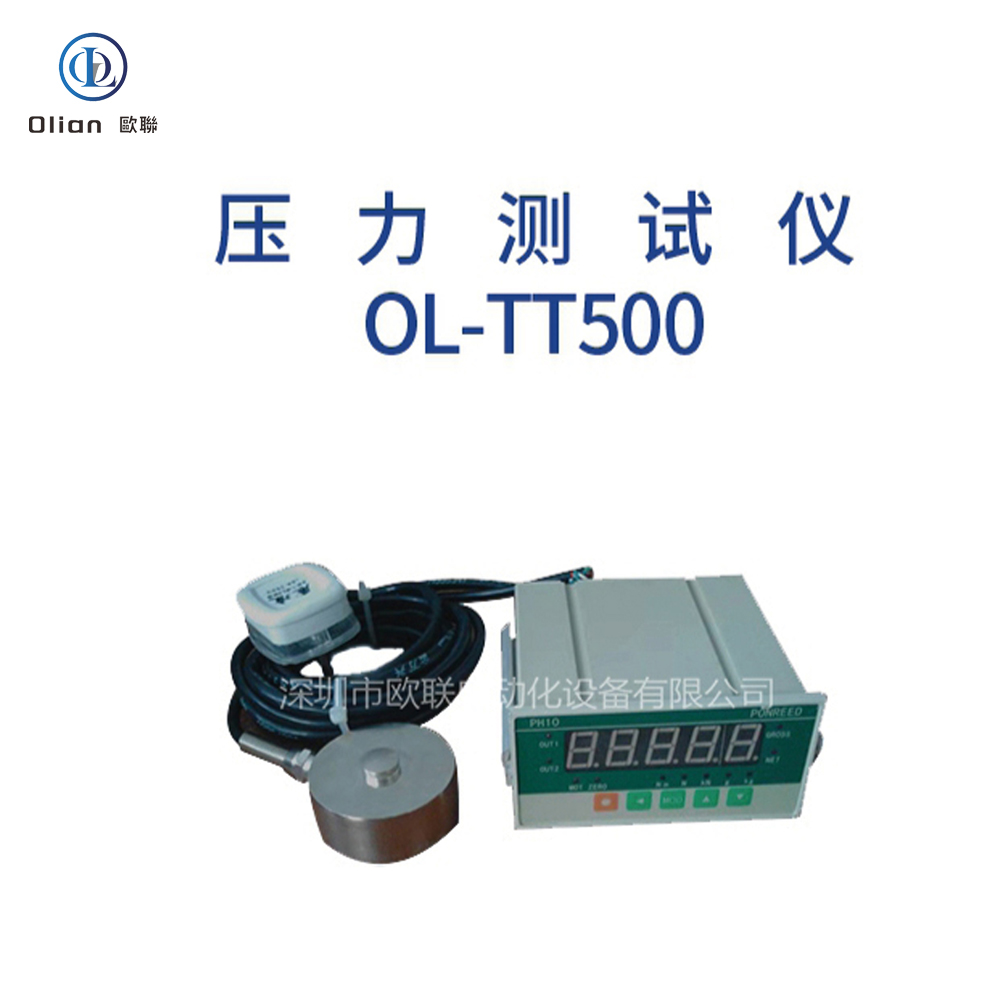
Pressure Testing Device: Pressure testing devices are used to measure and control the pressure applied during the ACF bonding process. They ensure that the pressure is uniform and within the specified limits, which is essential for a strong and durable bond. These devices can handle a wide range of pressures and provide precise control.
Tensile Testing Equipment
Tensile Testing Machine: Tensile testing machines are used to measure the tensile strength of the bonds created by the ACF process. They apply tensile force to the bonded components and measure the response. This helps in determining the mechanical strength of the bonds and ensuring that they can withstand the required forces.
Environmental Testing Chambers
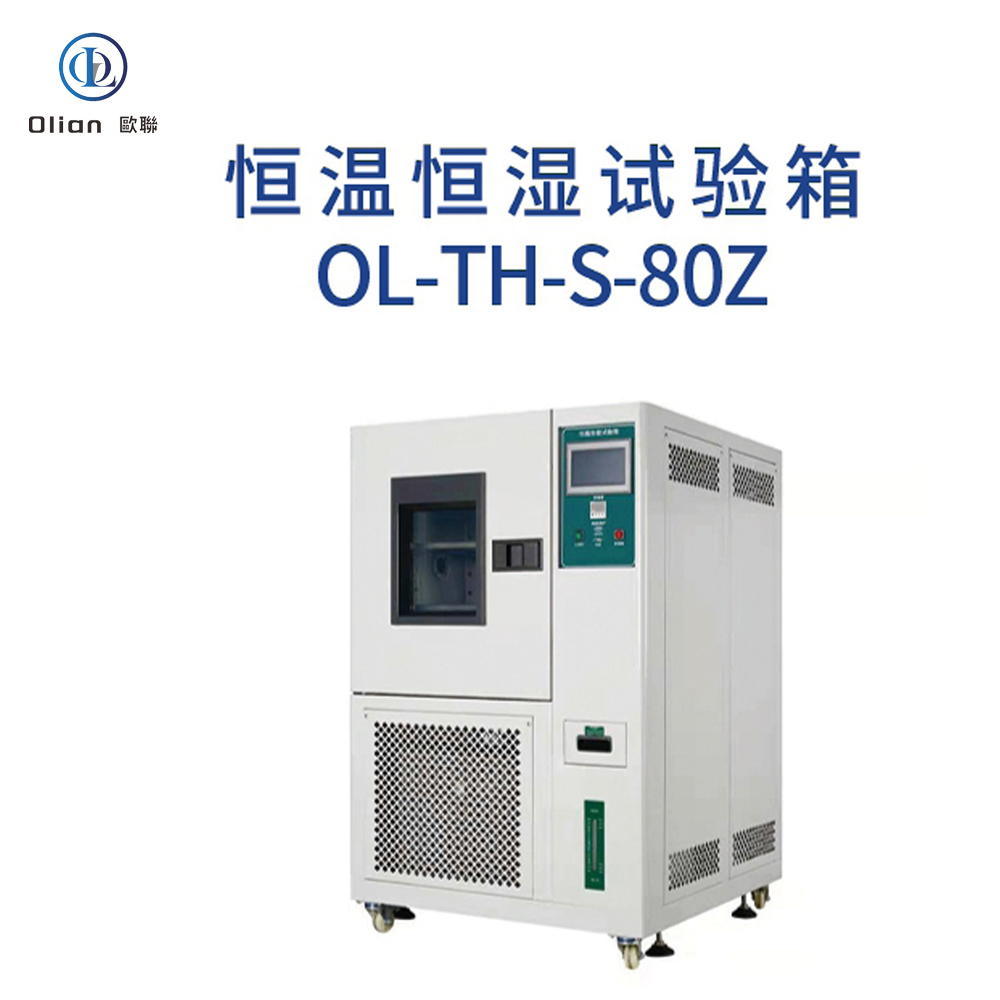
High Temperature High Humidity Testing Chamber: These chambers simulate high temperature and high humidity conditions to test the adaptability and reliability of the bonded products. They are used to evaluate the long-term performance of the products under extreme environmental conditions.
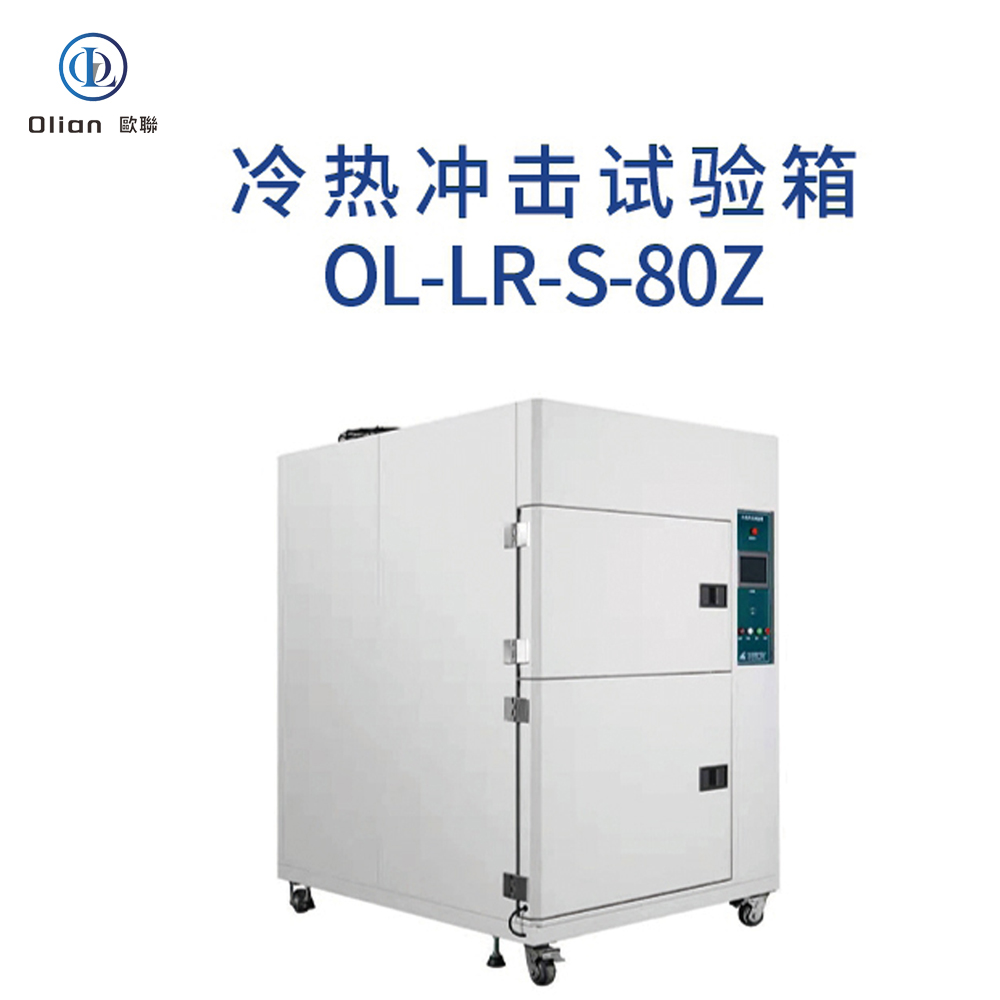
Cold Hot Shock Testing Chamber: Cold hot shock testing chambers rapidly change the temperature to simulate extreme temperature variations. They are used to test the thermal shock resistance of the bonded products, ensuring that they can withstand rapid temperature changes without failure.
Salt Spray Testing Chamber: Salt spray testing chambers simulate a corrosive environment to test the corrosion resistance of the bonded products. This is particularly important for products that will be used in harsh environments, such as automotive and marine applications.
Dimensional and Surface Testing Equipment
2D Measuring Instrument: 2D measuring instruments use optical imaging and image processing to measure two-dimensional dimensions with high precision. They are used to verify the dimensional accuracy of the components before and after the bonding process. This ensures that the components meet the required specifications.
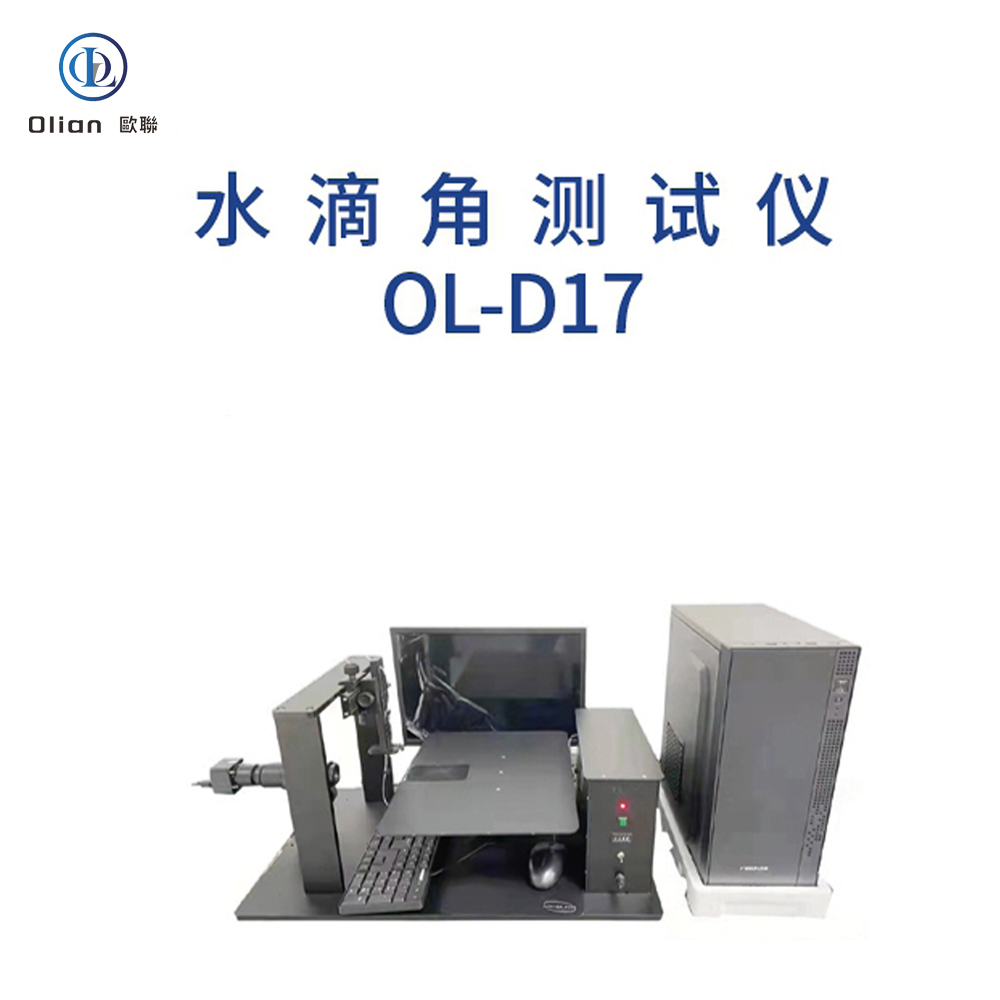
Contact Angle Meter: Contact angle meters measure the contact angle of a liquid on a solid surface, providing information about surface wettability and adhesion. In ACF bonding, they are used to evaluate the surface properties of the bonding sites, ensuring that the ACF can adhere properly.
Mechanical Testing Equipment
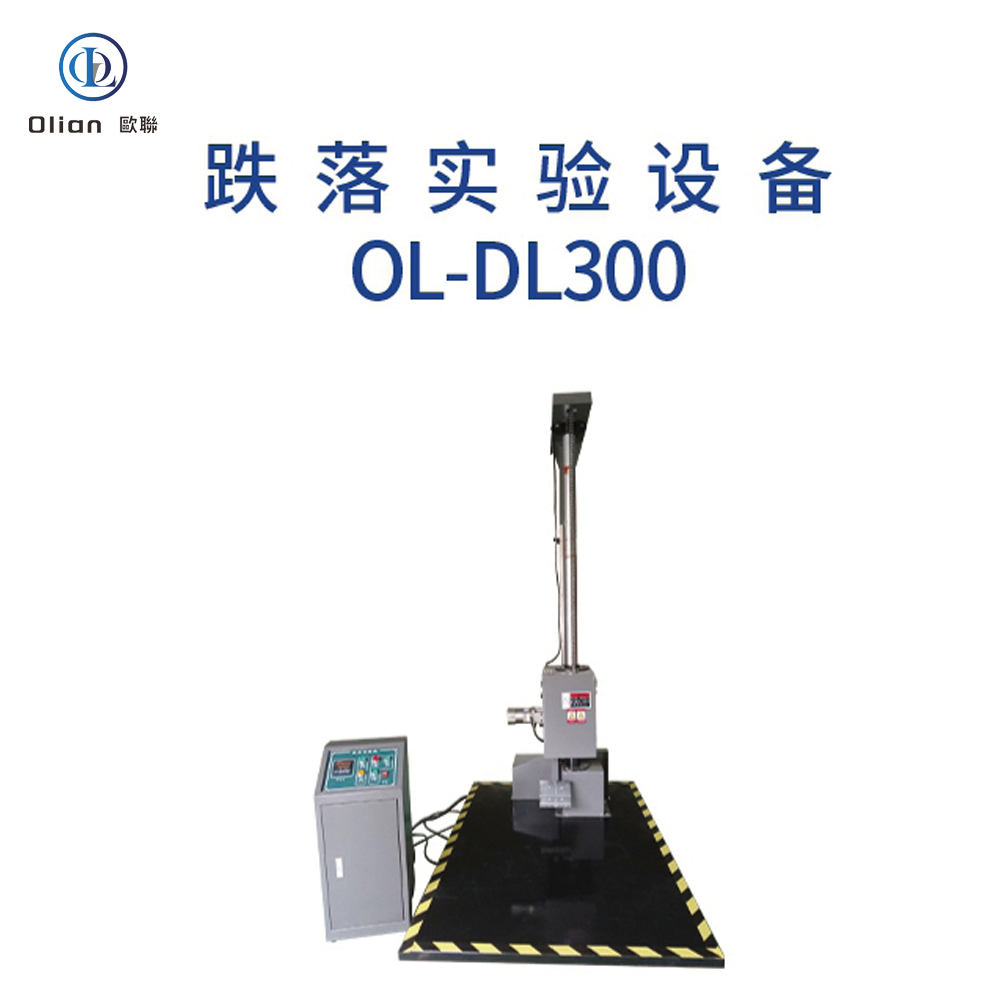
Drop Tester: Drop testers simulate the impact of dropping products to test their durability and shock resistance. They are used to ensure that the bonded products can withstand accidental drops during handling and transportation.
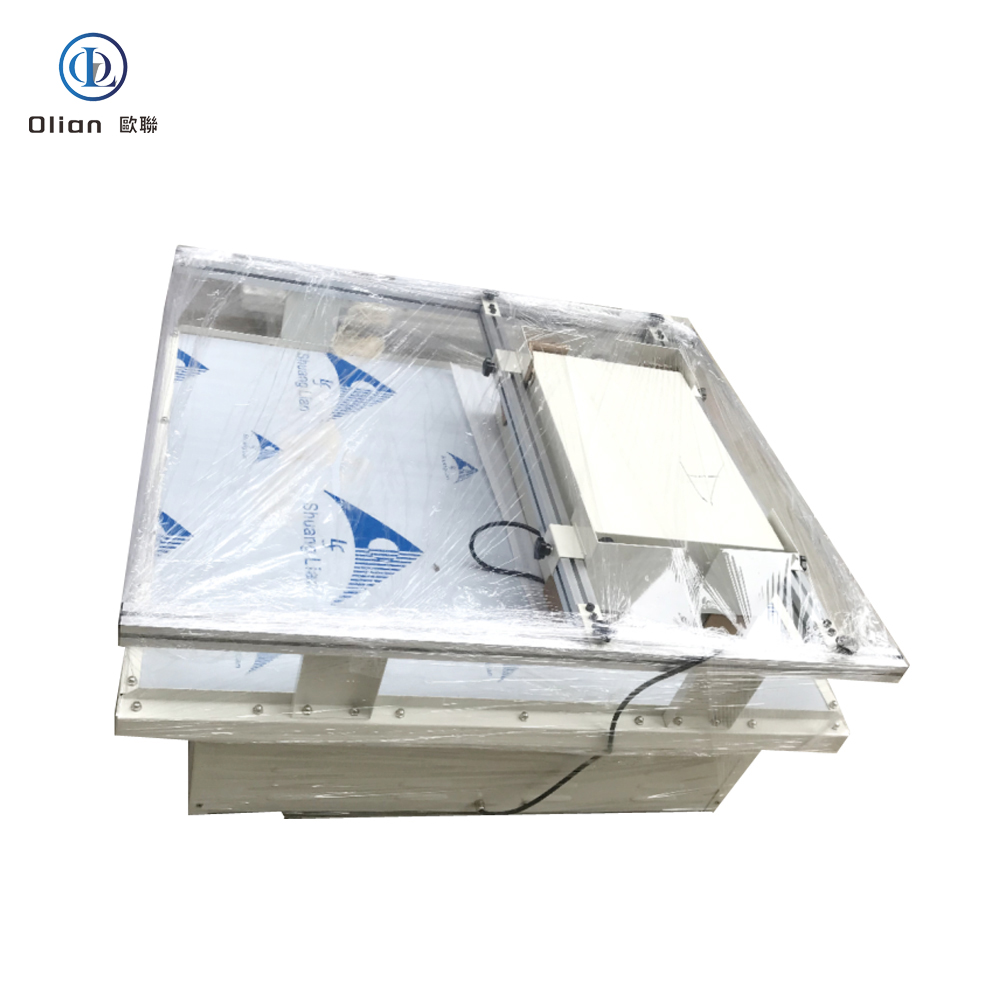
Vibration Testing Machine: Vibration testing machines simulate various vibration conditions to test the vibration resistance and reliability of the bonded products. They are used to ensure that the products can operate reliably in vibrating environments, such as in automotive and aerospace applications.
IC Disassembly and Removal Equipment
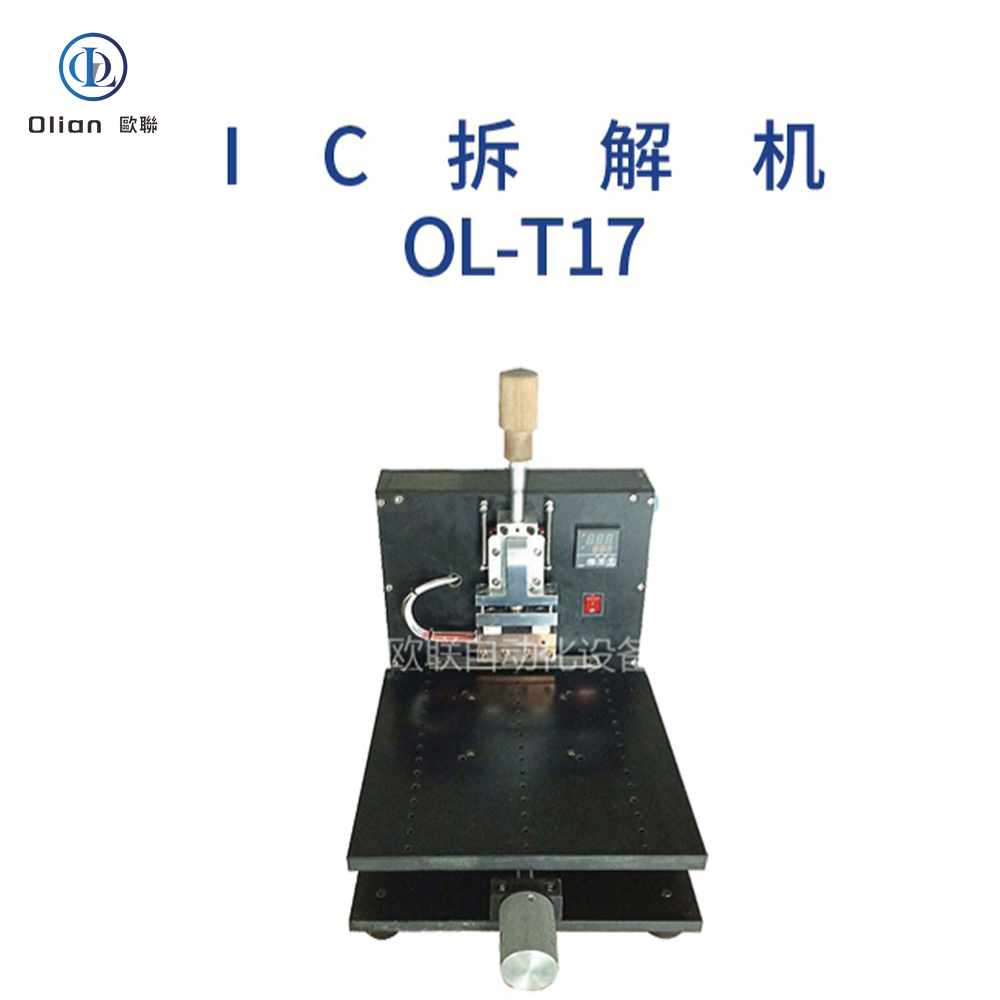
IC Disassembly Machine: IC disassembly machines are used to carefully remove integrated circuits (ICs) from their substrates without causing damage. This is crucial for repair and rework processes in the electronics industry.
IC Removal Machine: IC removal machines are designed to safely and efficiently remove ICs from printed circuit boards (PCBs). They are essential for maintaining the integrity of the board and the components during the repair process.
ACF Cutting and Bonding Equipment
ACF Cutting Machine: ACF cutting machines are used to cut the ACF tape to the required length and shape. These machines ensure that the ACF tape is accurately cut and positioned for the bonding process.
ACF Bonding Machine: ACF bonding machines are used to bond the ACF tape to the substrates (LCD, PCB, Flex, COF, IC Chip, FPC, etc.) using appropriate temperature, pressure, and time. These machines are available in various configurations, including constant heat systems and pulse heat systems, to meet different bonding requirements.
ACF Pre-Bonding Machine: ACF pre-bonding machines are used to pre-bond ICs or COF on the panel that has been attached to the ACF. The pick and place of the panel is achieved manually, and the pre-alignment is automatically completed by the equipment.
ACF Final Bonding Machine: ACF final bonding machines perform the main bonding on the LCD glass with IC, cable, or COF pre-pressed. The operator manually loads and unloads the products, while the ACF bonding is automatically performed by the machine.
Top-Bottom Alignment Bonding Machine: Top-bottom alignment bonding machines are used to bond FPC/Zebra paper on the PCB/Glass with the ACF attached. The pick and place and alignment of the PCB/Panel are done manually, and the ACF bonding is done automatically. These machines are suitable for 1″ to 12″ flat glass and flexible screen products bonding.
Fully Automatic ACF Bonding Line
A fully automatic ACF bonding line includes multiple machines working together to automate the entire bonding process. This includes substrates loading machines, terminal cleaning machines, fully automatic COG/COF/COP bonding machines, and fully automatic COF punching machines.
In conclusion, the ACF bonding process relies on a suite of sophisticated testing machines and equipment to ensure the quality and reliability of the final products. Each type of testing equipment plays a critical role in different stages of the production process, from initial material inspection to final product testing. By using these machines, manufacturers can optimize their processes, reduce defects, and ensure that their products meet the highest standards of quality and performance.
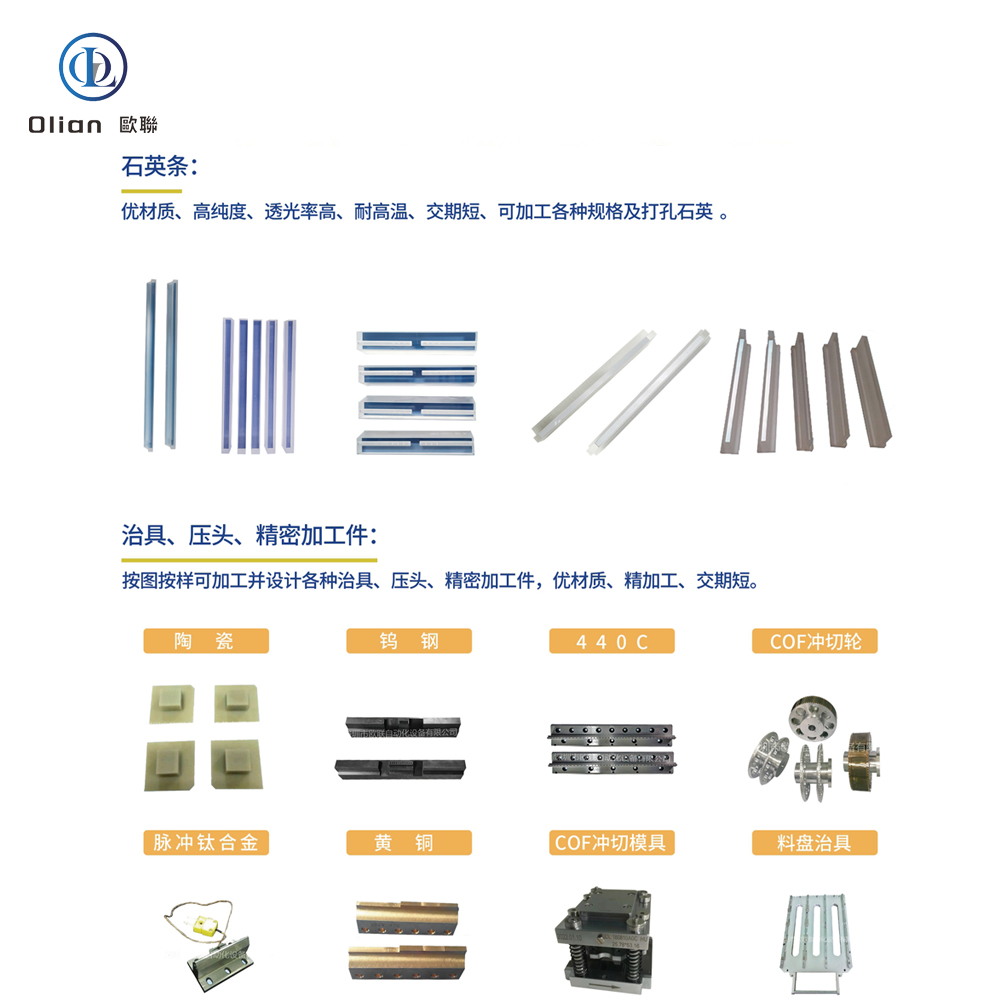
In the ACF (Anisotropic Conductive Film) bonding process, a variety of parts and accessories are used to ensure the quality and reliability of the final products. These components play a crucial role in the production line, from initial material preparation to final product testing. Here is a comprehensive overview of the parts and accessories used in ACF bonding processes:
7-17 inch medium size multi IC multi FPC high-speed fully automatic EC/COG/FOG whole line supporting equipment1-7 inch fully automatic COG/COP/COF Bonding production lineFOG Bonding Machine
ACF Tape
ACF Tape is the core material used in the ACF bonding process. It is an epoxy adhesive system filled with conductive particles that provide electrical interconnection between pads through the film thickness (z-direction). The conductive particles are distributed far apart to ensure electrical insulation in the plane direction (X&Y) of the film. ACF tape is available in various models and is specific to the application for which it is designed. For example, ACF designed for flex-on-glass (FOG) assembly is usually not suitable for chip-on-glass (COG) or chip-on-film (COF) applications.
Hot Bar/Thermode
The Hot Bar or Thermode is the primary tool used to apply heat and pressure during the ACF bonding process. Hot bar bonding systems are designed to heat the hot bar to a specific temperature using low voltage electricity, which temperature is fed back to the controller via a thermocouple. The hot bar is brought into contact with the ACF film over the bonding pad, heated to the bonding temperature, and held for a specified time. This process produces the connection between the ACF tape and the components.
Bonding Heads
Bonding Heads are designed to hold the components and position the ACF tape correctly with the conductive pads on the PCB or other components. They ensure that the bonding process is accurate and consistent. Bonding heads can be manual or automated, depending on the specific requirements of the bonding process.
ACF Cutting Machines
ACF Cutting Machines are used to cut the ACF tape to the required length and shape. These machines ensure that the ACF tape is accurately cut and positioned for the bonding process. The cutting is done using the half-cut method, where only the actual ACF material is cut, and the cover-layer is used for tape transport.
Pre-Bonding and Final Bonding Machines
Pre-Bonding Machines are used to pre-bond ICs or COF on the panel that has been attached to the ACF. The pick and place of the panel is achieved manually, and the pre-alignment is automatically completed by the equipment.
Final Bonding Machines perform the main bonding on the LCD glass with IC, cable, or COF pre-pressed. The operator manually loads and unloads the products, while the ACF bonding is automatically performed by the machine.
Top-Bottom Alignment Bonding Machines
Top-Bottom Alignment Bonding Machines are used to bond FPC/Zebra paper on the PCB/Glass with the ACF attached. The pick and place and alignment of the PCB/Panel are done manually, and the ACF bonding is done automatically. These machines are suitable for 1″ to 12″ flat glass and flexible screen products bonding.
Fully Automatic ACF Bonding Line
A Fully Automatic ACF Bonding Line includes multiple machines working together to automate the entire bonding process. This includes substrates loading machines, terminal cleaning machines, fully automatic COG/COF/COP bonding machines, and fully automatic COF punching machines.
Testing and Inspection Equipment
Testing and Inspection Equipment is used to ensure the quality and reliability of the bonded products. This includes microscopes for surface inspection, temperature and pressure testers, and environmental testing chambers to simulate various conditions.
ACF Bonding Applications
ACF bonding is widely used in various industries, including mobile phone manufacturing, automotive, LCD production, mobile computers, TV manufacturing, open cell panels, touch panels, smart watches, and pads. It is also used in research labs focusing on LCD/LED/OLED/MICRO LED/MINI LED displays.
Benefits of ACF Bonding
ACF bonding offers several benefits, including:
Lead-free and environmentally friendly
Smallest pitch >30 micron possible
Flux-free process
No cleaning required after the process
Low process temperatures
High reliability and performance
Cost-effective compared to traditional connectors and soldering
In conclusion, the ACF bonding process relies on a suite of sophisticated parts and accessories to ensure the quality and reliability of the final products. Each component plays a critical role in different stages of the production process, from initial material preparation to final product testing. By using these parts and accessories, manufacturers can optimize their processes, reduce defects, and ensure that their products meet the highest standards of quality and performance.
COG (Chip On Glass) Bonding Machine is a critical piece of equipment used in the manufacturing of liquid crystal displays (LCDs). It is responsible for the final bonding process where the integrated circuit (IC) is permanently attached to the glass substrate. This step follows the pre-bonding process and ensures a robust and reliable connection between the IC and the display panel.
How It Works
The COG Bonding Machine operates by first aligning the pre-bonded IC with the glass substrate. The machine uses a high-precision alignment system to ensure that the IC is accurately positioned. Once aligned, the bonding process begins. The machine applies heat and pressure to the assembly, causing the Anisotropic Conductive Film (ACF) to bond the IC to the glass substrate. The ACF contains conductive particles that create electrical connections between the IC and the substrate.
7-17inch Medium size COG/COF Pre-Bonding machine OL-C0156
Technical Specifications
CHIP Tray Feeding: Automatic flip chip IC feeding.
Bonding Accuracy: X, Y ±3µm.
Temperature Range: RC~399°C.
Bonding Pressure: 2~30kg/cm.
Panel Size Compatibility: Supports panels from 1 to 17 inches.
Supports 2-Sided Bonding: Up to 6 ICs.
Automatic Bonding: From ACF bonding, temporary bonding to main bonding.
The COG Bonding Machine is primarily used in the production of LCD panels for various electronic devices, including:
Consumer Electronics: Such as smartphones, tablets, and computer monitors, where compact and lightweight displays are essential.
Automotive Displays: Used in vehicle infotainment systems and instrument clusters, where reliability and precision are critical.
Industrial and Medical Displays: Where high-resolution and stable performance are required for accurate monitoring and control.
Advantages
The COG Bonding Machine offers several benefits in the manufacturing process:
High Precision: Ensures that the IC is accurately bonded to the glass substrate, reducing the risk of misalignment and improving the overall quality of the display.
Improved Yield: Provides a stable and reliable bonding process, helping to increase production yield.
Enhanced Reliability: The final bond created is robust, ensuring long-term reliability and performance of the electronic devices.
Industry Impact
The COG Bonding Machine has significantly impacted the electronics industry by enabling the production of high-quality, compact displays. It plays a vital role in meeting the demands for smaller, more efficient electronic devices, contributing to advancements in display technology and overall consumer satisfaction.
Fully Automatic COG Bonding Machine
Fully Automatic COG FOG Bonding Machine
A fully automatic COG bonding line includes multiple machines working together to automate the entire bonding process. This includes:
Loader: For loading substrates.
Cleaner: For cleaning LCD terminals.
COG Bonding Machine: For bonding the IC to the glass.
Buffer: For intermediate storage.
AOI: For automated optical inspection.
FOB (PWB) Bonding Machine: For bonding flexible printed circuits.
Unloader: For unloading the finished products.
Conclusion
The COG Bonding Machine is an essential tool in the manufacturing of LCD panels, providing a reliable and precise method for permanently bonding ICs to glass substrates. Its applications are widespread across various industries, driving innovation and enhancing the performance of electronic devices.