The touchscreen module is one of the most complex sub-assemblies in modern electronics. It brings together the cover glass, touch sensor, display panel, and flexible printed circuits (FPC) into a single unit that must deliver flawless optical clarity, responsive touch input, and long-term durability. Every layer in this stack must be bonded with micron-level accuracy, or the final product suffers from parallax errors, reduced brightness, touch drift, and premature failure.
For manufacturers producing capacitive touchscreens for smartphones, tablets, automotive displays, medical monitors, and industrial HMI panels, the bonding process is not a secondary step—it is the step that determines product quality. The best bonding machine for touchscreen module assembly must handle multiple bonding technologies within a single platform, from ACF thermocompression for electrical interconnects to OCA lamination for optical layer fusion.
Anisotropic Conductive Film (ACF) bonding creates the electrical pathways between the touch sensor, driver IC, and FPC. In capacitive touchscreen modules, the touch controller IC is typically embedded on the FPC in close proximity to the sensor, and this FPC must be bonded to the glass substrate using ACF. The conductive particles in the ACF establish vertical conductivity while maintaining horizontal insulation, ensuring each trace connects precisely without shorting adjacent lines. After bonding, RTV silicone is commonly applied for electrical insulation and strain relief.
Optically Clear Adhesive (OCA) bonding fuses the cover glass, touch sensor film, and display panel into a single optical unit. Unlike air-gap bonding, which uses perimeter adhesive and leaves an air cavity between layers, OCA bonding eliminates internal reflections and improves light transmission by over 90%. This results in better contrast, vivid colors, and superior sunlight readability—critical for outdoor and automotive applications. OCA is typically supplied as a pre-cut dry film sheet and applied through roll lamination followed by autoclave defoaming.
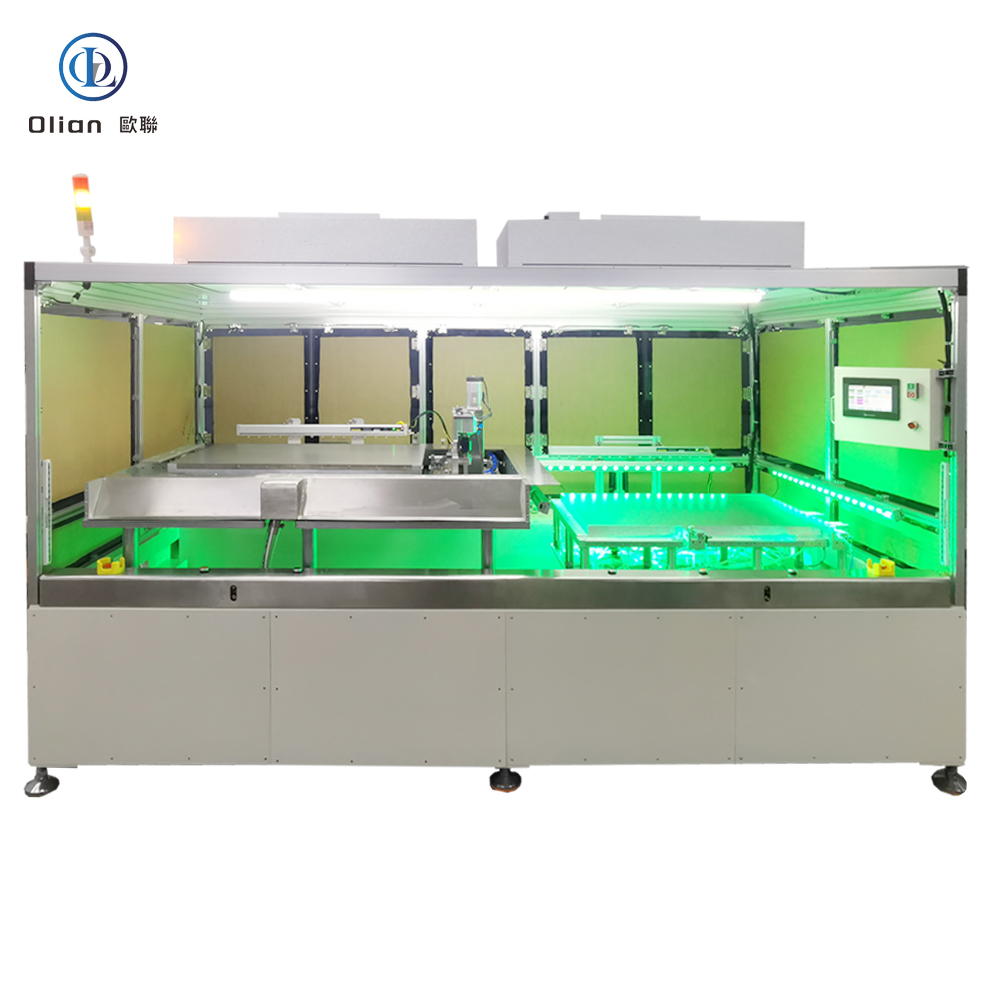
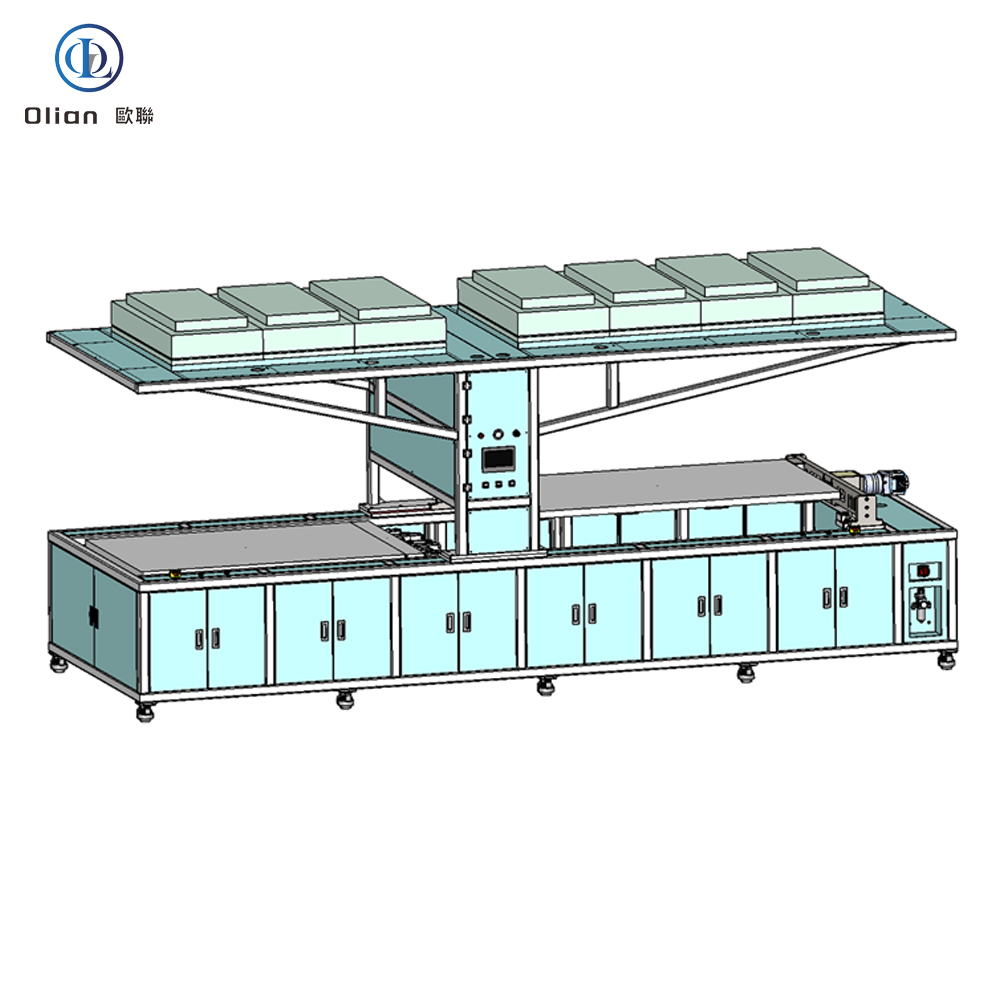
The advantages of OCA bonding extend beyond optical performance. It enhances structural integrity by bonding layers together as a solid mass, improving resistance to shock, vibration, and thermal cycling. It also prevents moisture and dust ingress between layers, which is essential for outdoor and industrial applications. For manufacturers, OCA bonding delivers a premium product feel that consumers associate with high-end devices.
Hybrid bonding combines the precision of OCA lamination with advanced vacuum pressing to achieve bubble-free results at production scale. In this process, OCA film is precisely positioned between layers, components are aligned under vacuum to eliminate trapped air, and controlled pressure and temperature complete the fusion. This method is increasingly used for high-volume smartphone and tablet manufacturing where throughput and first-pass yield must both exceed 95%.
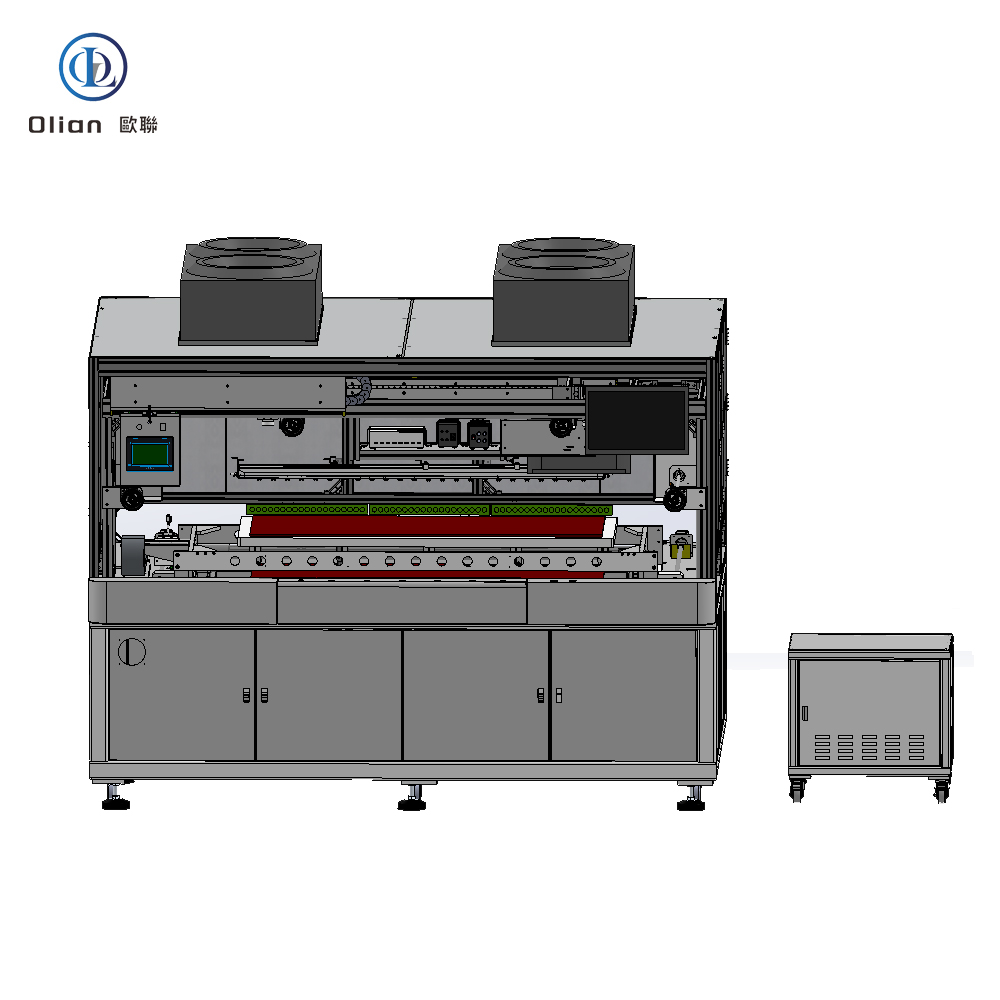
The best bonding machine for touchscreen module assembly is not limited to a single bonding method. It integrates ACF thermocompression for FPC-to-glass interconnects and OCA roll lamination for sensor-to-cover-glass and display-to-sensor fusion. A unified platform reduces capital expenditure, minimizes floor space, and simplifies operator training.
Touchscreen modules require bonding accuracy within ±1.5 to ±3 micrometers. This is achieved through high-resolution CCD or CMOS vision systems with pattern recognition, telecentric lenses, and coaxial LED illumination. Auto-focus and overlay comparison functions eliminate operator dependency and ensure repeatable results across thousands of units.
Pulse heating technology with PID auto-tuning delivers temperature ramp-up from ambient to 180°C in 2–3 seconds, with stability within ±0.5°C. Servo-driven pressure systems with 0.1 N resolution apply force precisely across the bonding zone, while active gravity compensation prevents substrate warping. These controls are essential for preventing delamination, void formation, and thermal damage to sensitive components.
Touchscreen bonding must occur in controlled environments to prevent dust and debris from becoming trapped between optical layers. The best machines feature ISO Class 6 or better cleanroom compatibility, with enclosed bonding chambers, laminar airflow, and electrostatic discharge protection.
From 1-inch wearable displays to 27-inch tablet screens and beyond, the ideal bonding machine accommodates a wide range of panel sizes without mechanical retooling. Quick-change fixtures and programmable recipes allow seamless transitions between product variants.
Modern bonding machines offer Ethernet, USB, and RS-232 connectivity for MES integration, remote diagnostics, and real-time process monitoring. Recipe storage, SPC data output, and predictive maintenance alerts help manufacturers maintain Six Sigma quality levels while minimizing unplanned downtime.
Smartphones, tablets, and laptops demand ultra-thin bezels and high touch sensitivity. COF and FOG bonding technologies enable the flexible circuit routing needed for edge-to-edge displays, while full OCA lamination eliminates parallax and improves the premium feel users expect.
In-vehicle infotainment systems, digital instrument clusters, and rear-seat entertainment screens must operate reliably from -40°C to +85°C while resisting vibration and shock. OCA optical bonding enhances structural integrity and prevents moisture ingress, while ACF bonding ensures stable electrical connections under thermal cycling.
Surgical monitors, patient monitoring systems, and industrial HMI panels require high optical clarity, glove-compatible touch response, and resistance to chemical disinfectants. Precision bonding ensures these displays maintain calibration accuracy and long-term reliability in demanding environments.
Professional repair centers use bonding machines to fix delaminated touchscreens, replace damaged cover glass, and repair FPC interconnect failures. A versatile machine that handles both OCA re-lamination and ACF re-bonding maximizes service capability and return on investment.
Define Your Product Range: Identify the panel sizes, bonding methods, and production volumes you need to support today and in the next three to five years.
Evaluate Bonding Accuracy Requirements: High-resolution displays (4K, 8K) and fine-pitch driver ICs demand ±1.5 µm or better alignment. Lower-resolution industrial panels may tolerate slightly wider tolerances.
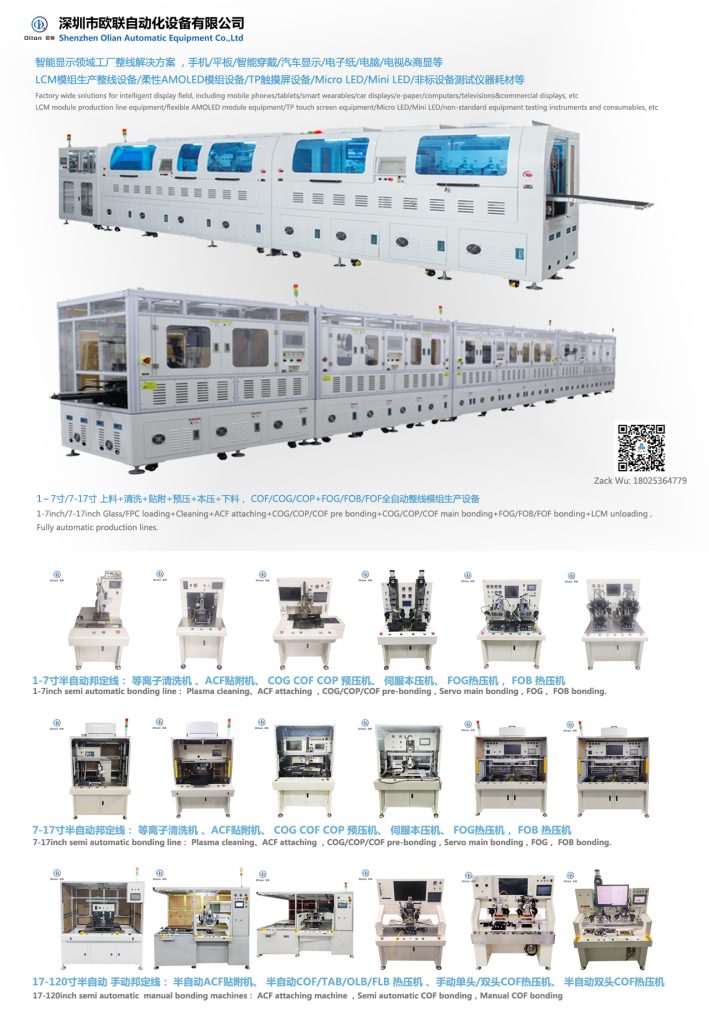
Assess Throughput Needs: High-volume smartphone factories need fully automatic lines with robotic handling and inline AOI. Low-to-medium volume operations may prefer semi-automatic systems with manual loading but automatic alignment and bonding.
Consider Total Cost of Ownership: Factor in not just the purchase price, but also consumables (ACF tape, OCA film), maintenance schedules, spare parts availability, and technical support responsiveness.
Verify Supplier Credentials: Look for manufacturers with ISO 9001 certification, proven installations in your target industry, and references from brands you recognize. A supplier with in-house R&D and customization capability can adapt the machine to your specific process requirements.
The best bonding machine for touchscreen module assembly is one that unites precision, versatility, and reliability in a single platform. It must master ACF bonding for electrical interconnects and OCA lamination for optical layer fusion, delivering sub-micron accuracy at production speed. Whether you are scaling up smartphone manufacturing, producing ruggedized automotive displays, or operating a professional repair center, the right bonding equipment is the foundation of product quality and manufacturing efficiency.
As touchscreen technology evolves toward foldable displays, larger panels, and tighter integration with display drivers, the demands on bonding equipment will only increase. Partnering with an experienced manufacturer ensures your production capabilities keep pace with market expectations.
Ready to find the best bonding machine for your touchscreen module assembly line?
Explore our complete range of bonding solutions at bonding-machine.com and speak with our application engineers about your specific requirements.
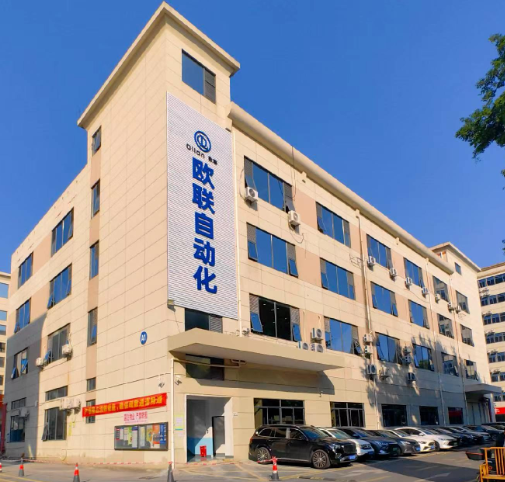
Precision bonding starts with the right partner.welcome to Shenzhen Olian.
Touchscreen module assembly relies heavily on advanced bonding machines to establish reliable electrical and mechanical connections between the display panel, touch sensors, and driving circuits. These machines are essential for achieving the thin, high-performance, and durable designs required in modern consumer and industrial electronics.
Different bonding processes are utilized depending on the specific application, cost requirements, and design constraints:
To ensure high production yields and precise connections, modern touchscreen bonding machines are engineered with several advanced capabilities:
Bonding machines are fundamental to the manufacturing of a wide range of display and touch products, including: