- Home
- About us
- Products
- News
- Download
- Videos
- Contact us

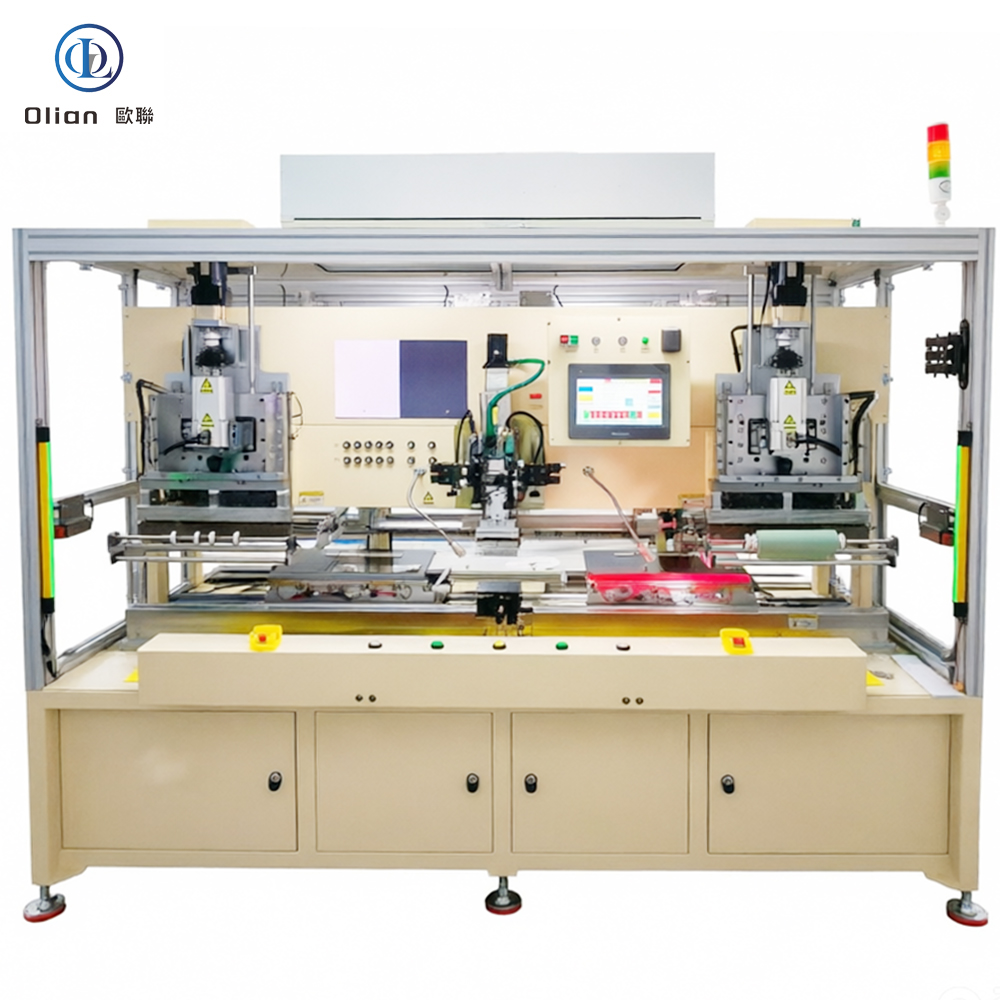
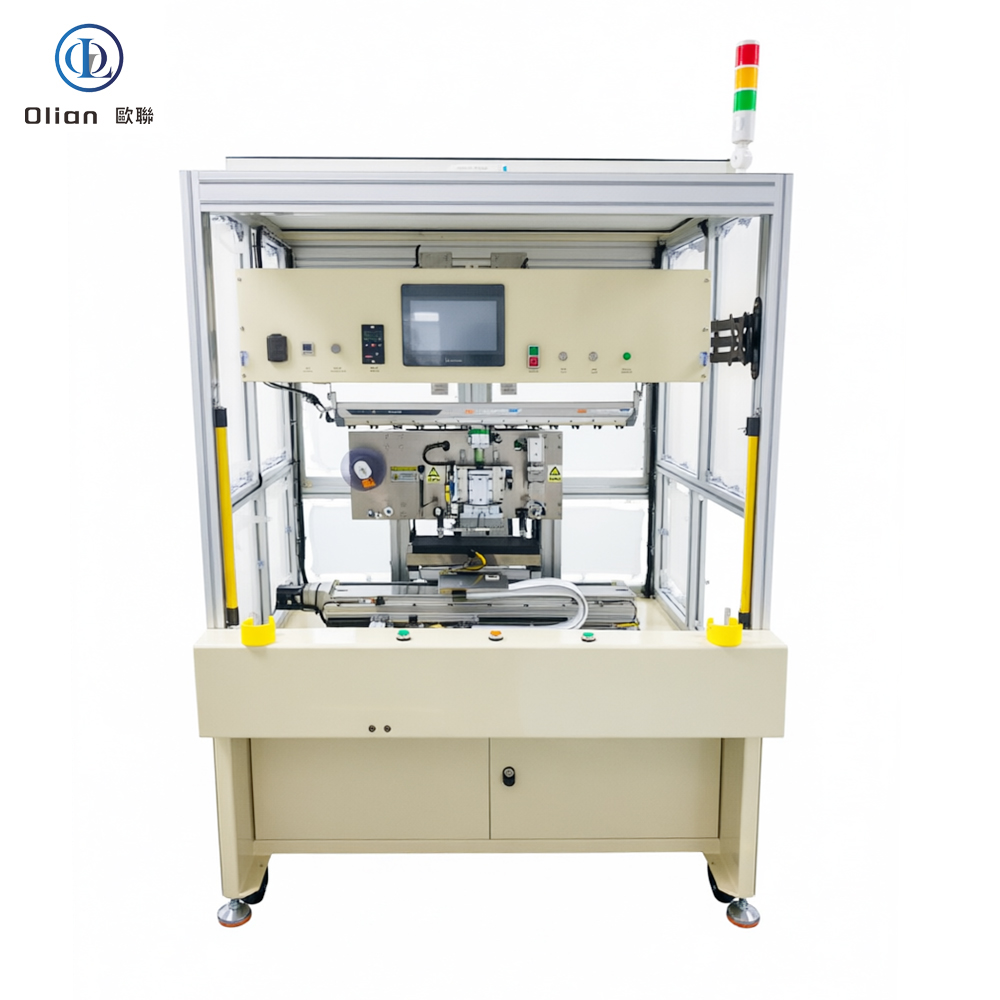
ACF COF FOG FOB Bonding Machine Solutions | Precision Assembly Technology
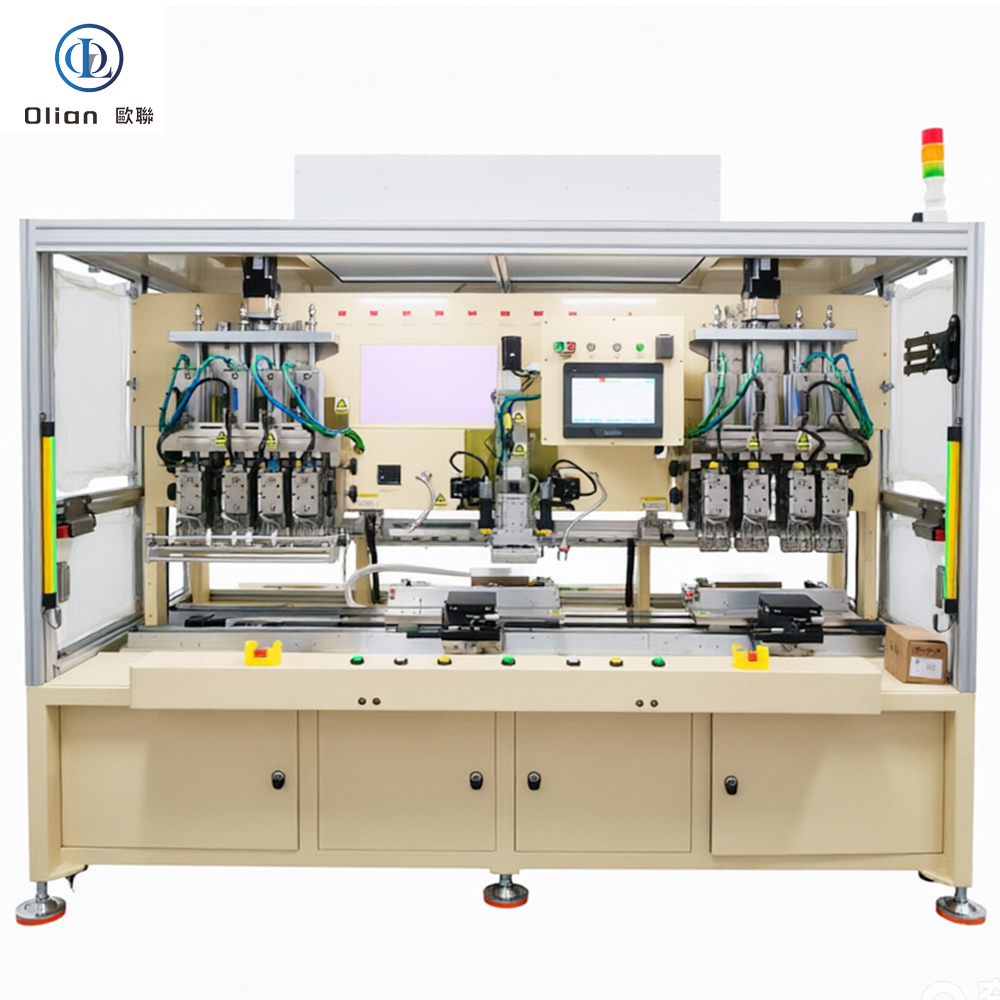
In the highly specialized field of semiconductor and flat panel display production, the reliability of electrical connections is paramount. This is where precision assembly equipment, specifically designed for processes utilizing Anisotropic Conductive Film (ACF), plays a pivotal role. These machines are the unsung heroes that enable the sleek, high-resolution screens and compact electronic devices we rely on today.
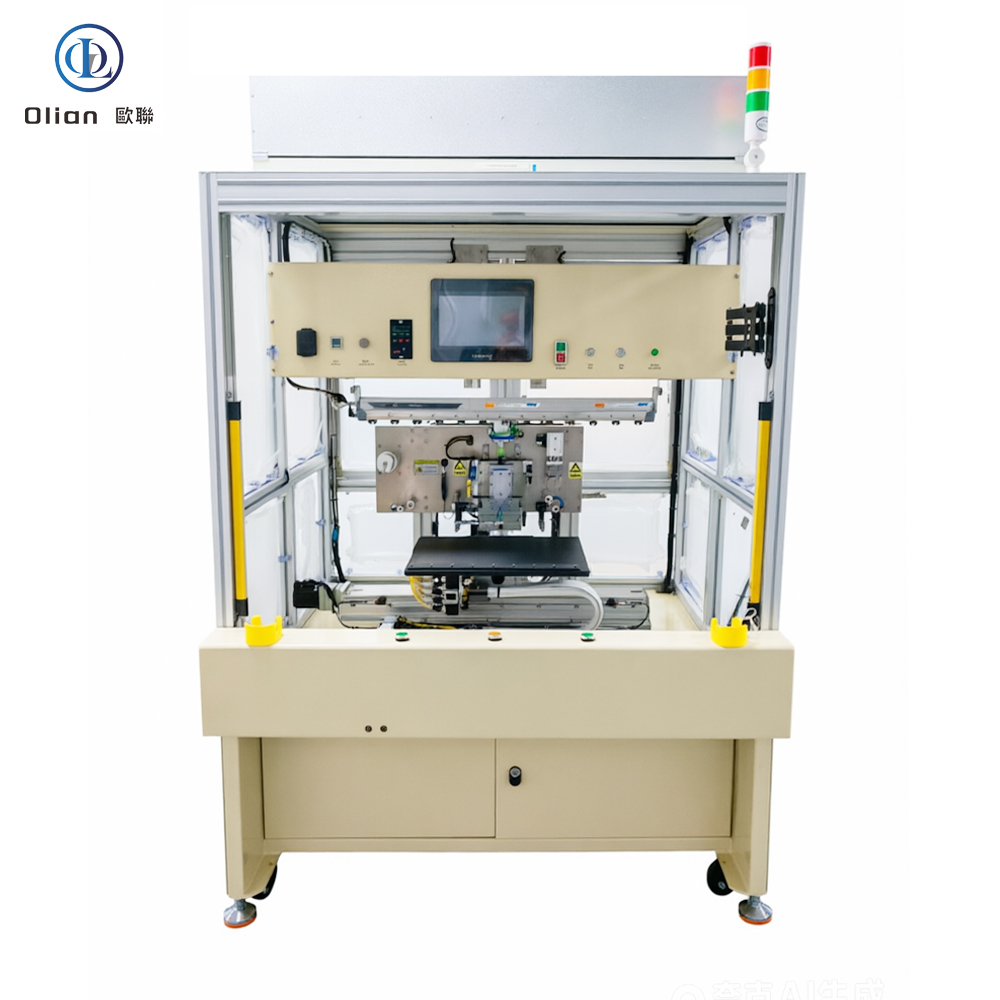
At the heart of many display assembly processes lies ACF bonding. This technology uses a specialized adhesive film embedded with microscopic conductive particles to create a secure electrical and mechanical connection between two components. The precision required for this process is extreme, demanding sophisticated machinery capable of accurate alignment, controlled pressure, and exact temperature regulation.
Bonding machines are tailored to handle various specific applications, each serving a distinct purpose in the manufacturing chain.
The performance of electronic devices is directly linked to the quality of these microscopic bonds. A single misaligned connection or a weak bond can lead to device failure. Therefore, manufacturers demand bonding machines that offer:
ACF, COF, FOG, and FOB bonding machines represent the pinnacle of precision assembly technology. As electronic devices continue to evolve, becoming thinner, lighter, and more powerful, the demand for these advanced manufacturing solutions will only grow. Investing in high-quality bonding equipment is essential for any manufacturer aiming to produce reliable, cutting-edge electronics.