- Home
- About us
- Products
- News
- Download
- Videos
- Contact us

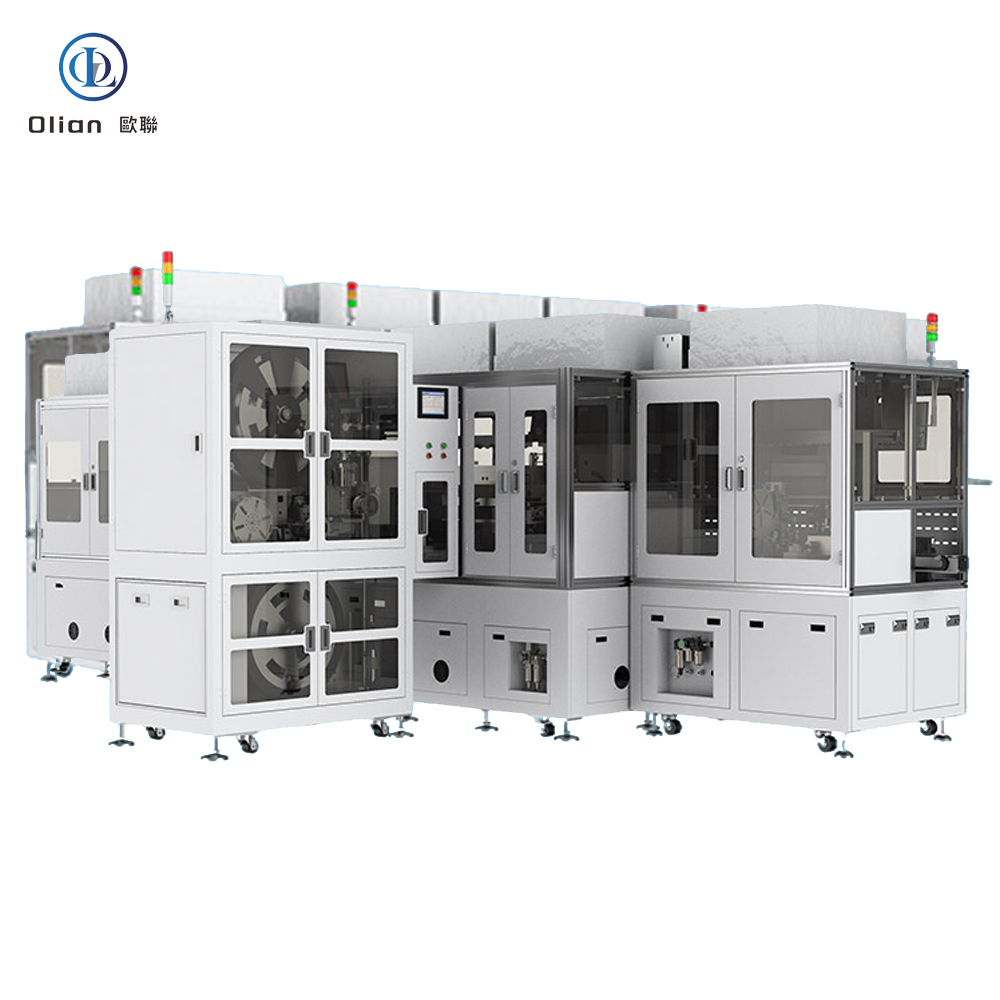
An IC bonding machine is the beating heart of every microelectronic package you touch—whether it’s the OLED display in your foldable phone, the radar sensor in your car, or the memory stack in your laptop. It is the precision system that places a bare silicon die onto a substrate—glass, flex, PCB, or lead-frame—and then creates permanent electrical joints by thermo-compression, ultrasonic, or eutectic means. Keywords”IC bonding machine”, “IC die bonder”, “wire bonding machine”, “eutectic IC bonder”, “flip-chip bonder”, “COG bonding machine”, “COB bonding machine”, “thermosonic bonding”, “ultrasonic wire bonder.
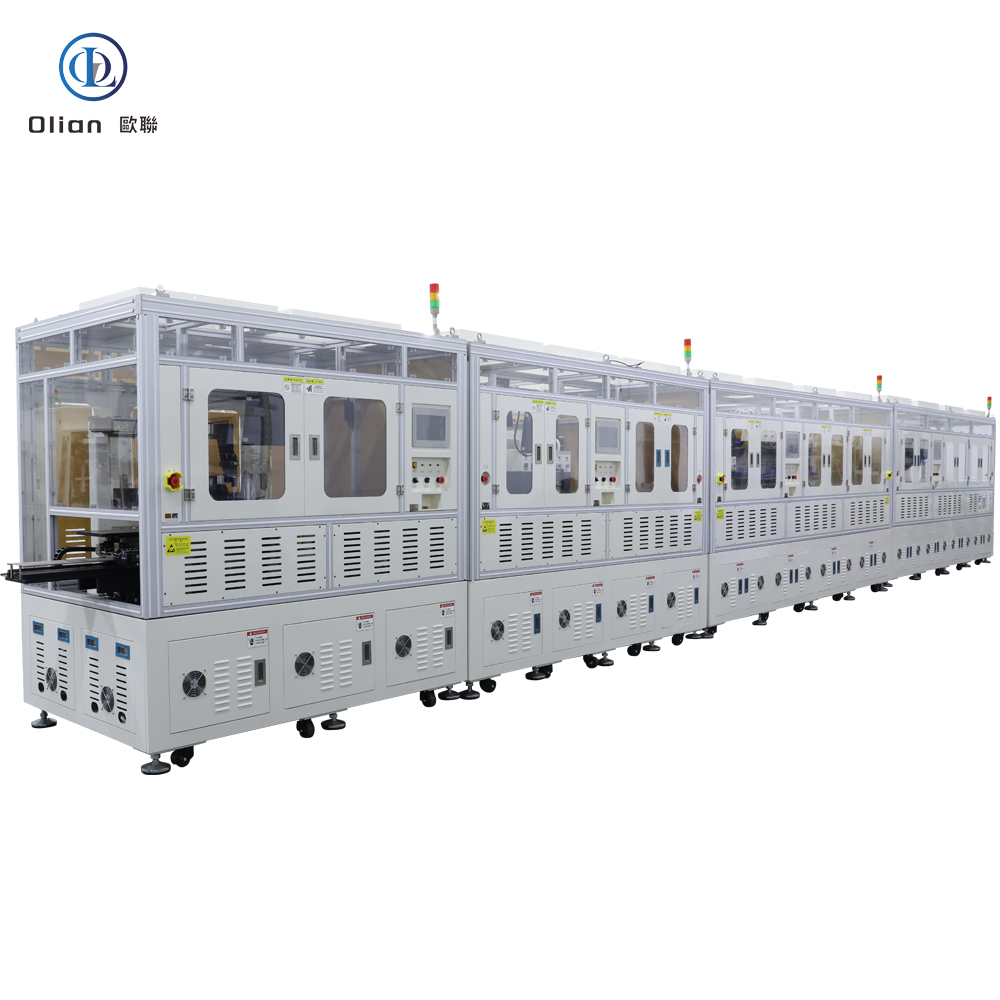
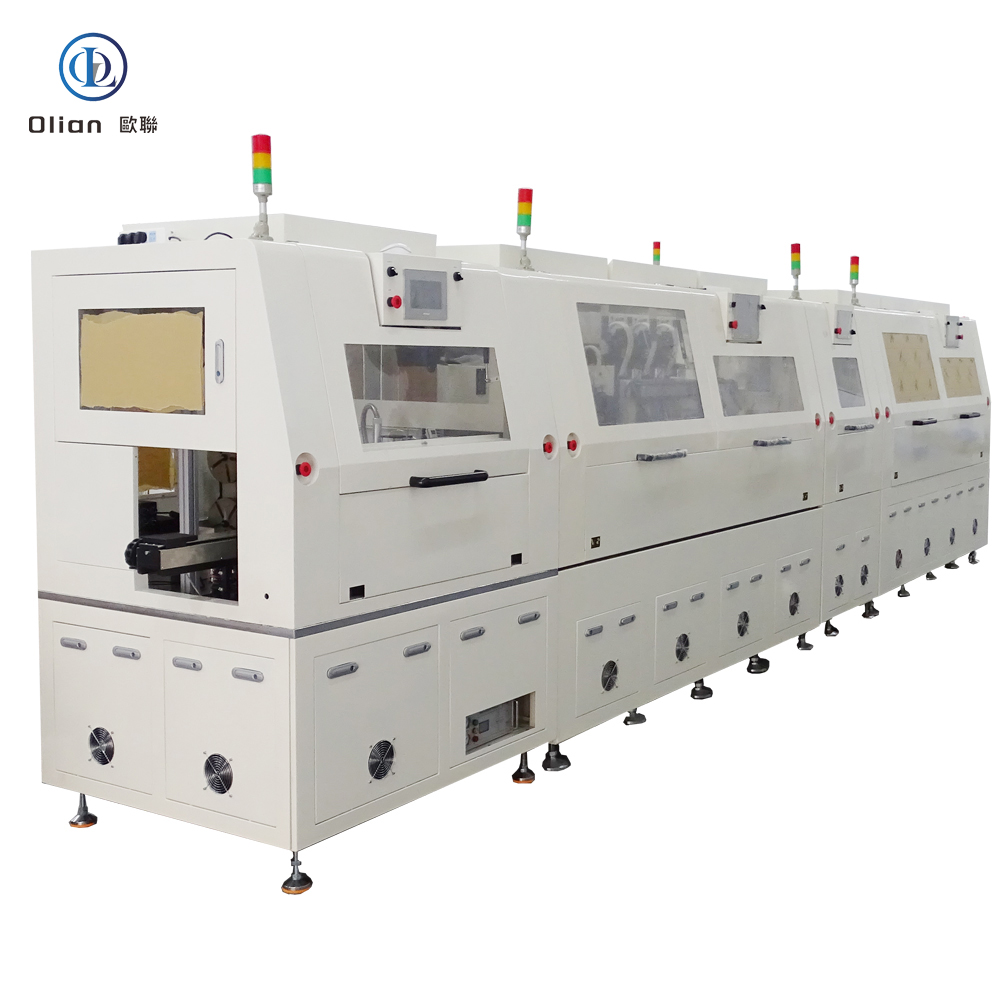
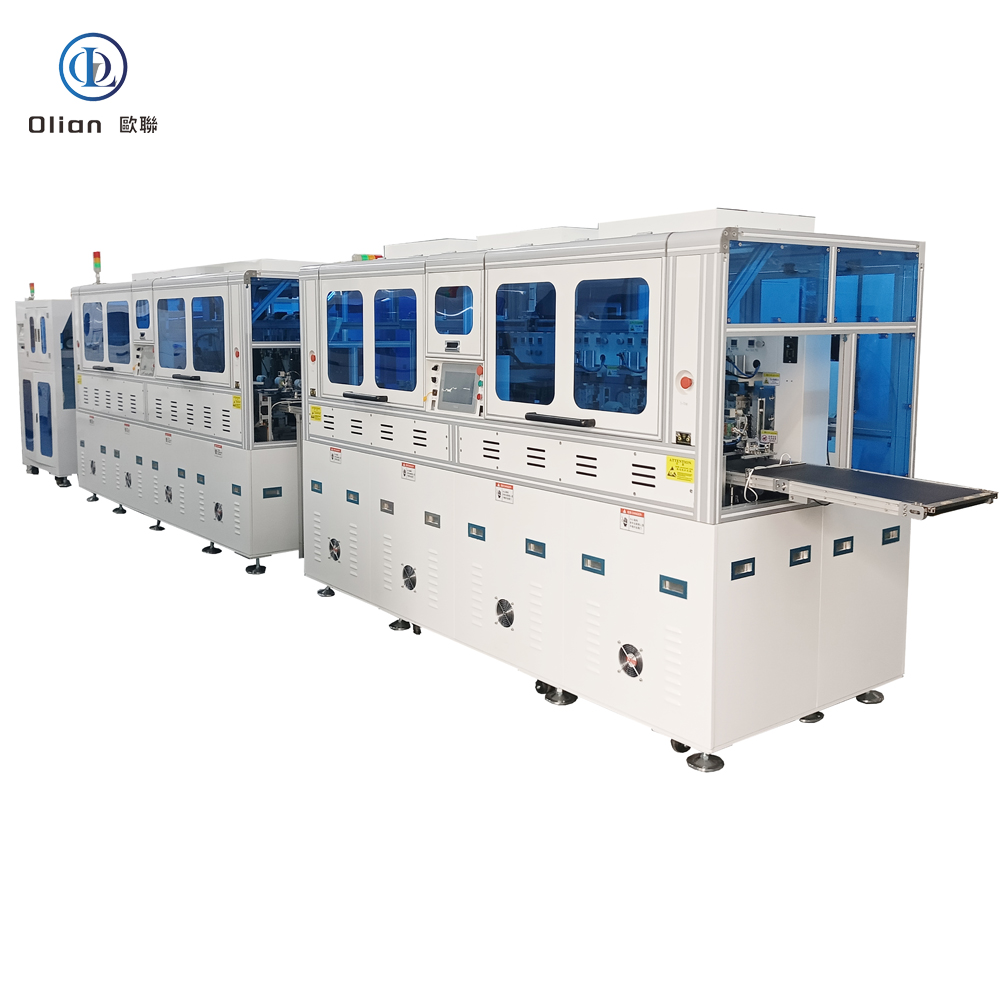
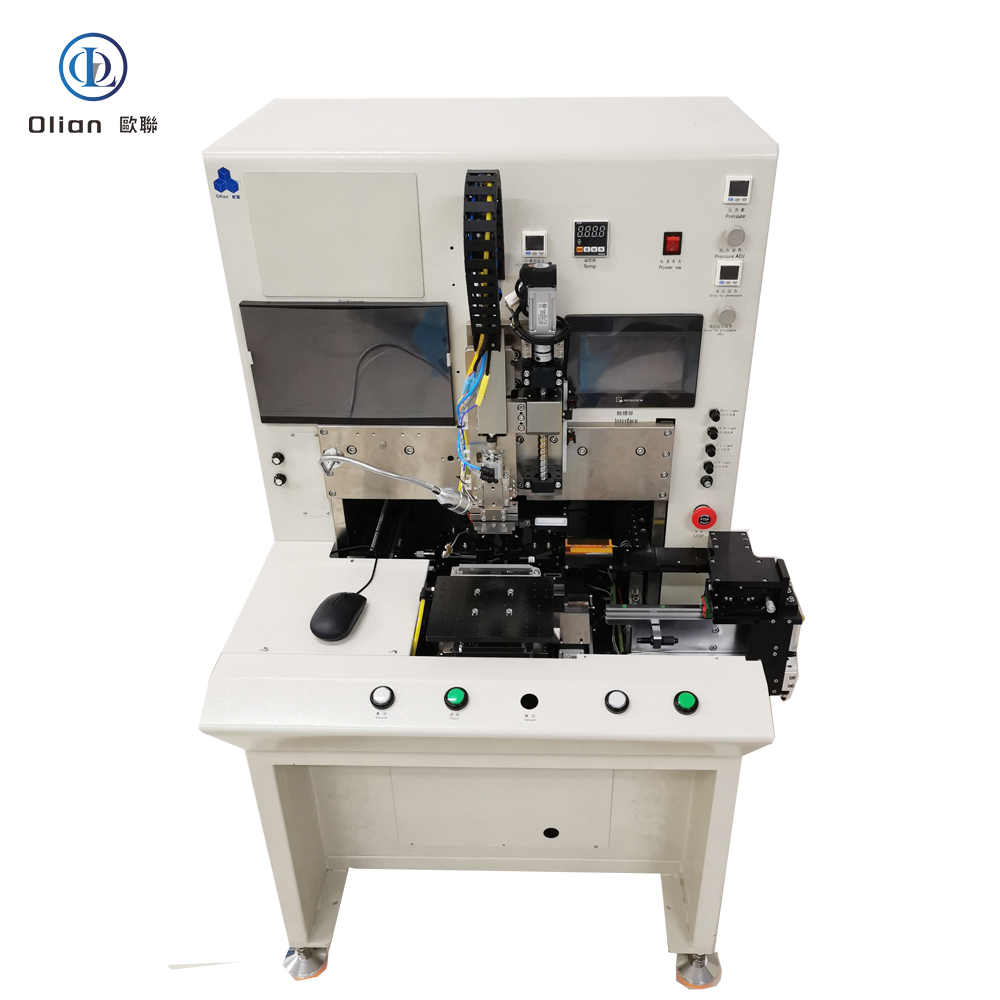
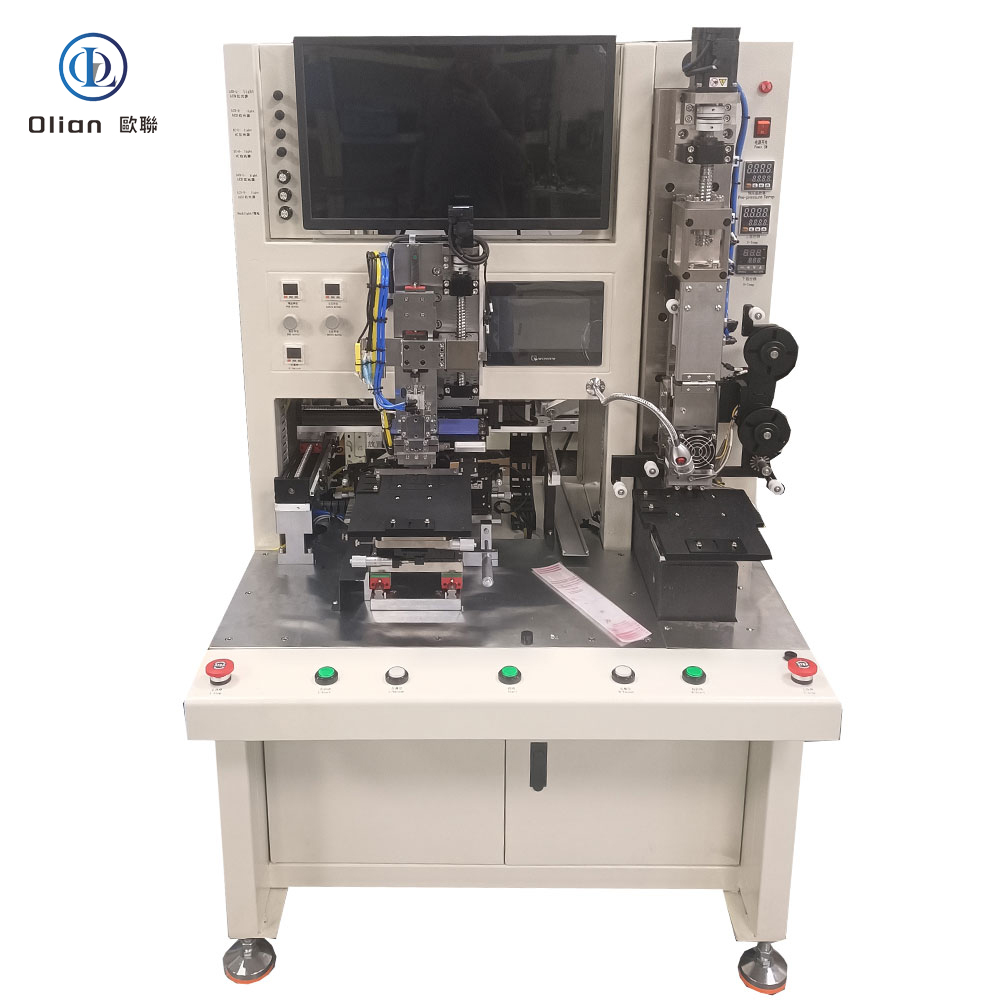
An IC bonding machine is a high-precision mechatronic platform that picks up a bare integrated-circuit die from a wafer, waffle pack, or gel-pak, places it with micron accuracy onto a target substrate, and then forms electrical and mechanical joints by one of three core methods: wire bonding (thermosonic or ultrasonic), flip-chip thermo-compression, or eutectic/solder reflow. Modern platforms achieve ±1 µm placement accuracy, ±0.3 ° angular repeatability, and 0.1 g force resolution on die sizes from 0.25 mm × 0.25 mm to 25 mm × 25 mm. The same machine also reworks defective packages by removing the old die and rebonding a new one.
Gold or copper bumps on the die must touch copper pads on the substrate. At room temperature the native oxide layer prevents reliable contact. Thermosonic wire bonding uses 150 °C stage heat plus 60 kHz ultrasonic energy to break the oxide and form Au-Al intermetallics. Flip-chip thermo-compression applies 200 °C and 1 MPa to deform gold or solder bumps, creating cold-weld joints. Eutectic bonding raises temperature above 280 °C so Au-Sn or Cu-Sn forms a liquid phase that solidifies into a void-free joint. Each method demands closed-loop temperature, force, and time control to within 1 %.
Die Bond Head: Ceramic or titanium collet, 0.1 µm run-out, vacuum channel optimized for 50 µm thin die.
Ejector Stage: Triple-needle system with 1 µm z-repeatability, adjustable stroke 0–3 mm, anti-crumple software.
Linear Motors: Iron-less design, 5 g acceleration, 0.05 µm encoder resolution, backlash-free for < 1 ms settling.
Force Sensor: Strain-gauge or optical, 0.1 g resolution, 10 kHz bandwidth, real-time overload protection.
Temperature Stack: Pulse-heated stage 25–500 °C, ramp 100 °C/s, uniformity ±1 °C across 300 mm wafer.
Vision Trains: Dual 12 MP cameras, telecentric lenses, coaxial + side LED, AI edge detection repeatable to 0.2 µm.
Wire Feed System: Ultrasonic cleaner, flame-off electrode, vacuum tail collector, gold or copper wire 18–75 µm diameter.
Real-time Linux or RTX kernel guarantees < 500 µs jitter; PID loops updated at 20 kHz.
Recipe manager encrypts parameters—temperature profile, force ramp, ultrasonic power—per product QR code.
MES interface via OPC-UA uploads die ID, XY coordinates, bond force, and wire-pull data for full traceability.
AI predictor analyses capillary wear and forecasts ball-shape drift 200 bonds ahead, cutting unplanned downtime 30 %.
Remote VPN allows OEM engineers to debug without on-site visit, saving travel cost and CO₂ footprint.
Consumer Electronics: Smartphone OLED driver, tablet touch MCU, laptop power management IC, memory stack in SSD.
TV & Display: COG bonding of source drivers on 8K LCD/mini-LED panels; COF bonding on curved OLED TVs.
Automotive: Radar MMIC, camera ISP, LED headlamp driver, infotainment processor—qualified to AEC-Q100 Grade 0 (−40 °C to +150 °C).
Medical: MEMS pressure sensors, hearing-aid DSP, catheter imaging chip—biocompatible epoxy, ISO 13485 traceability.
Industrial & Aerospace: FPGA on ceramic substrate, power GaN dies, RF amplifiers in 5G base stations, satellites, and defense systems.
IC bonding machine, IC die bonder, wire bonding machine, thermosonic wire bonder, ultrasonic wire bonder, eutectic IC bonding machine, flip-chip bonder, COG bonding machine, COB bonding machine, TAB bonding machine, ACF IC bonding, pulse-heat IC bonding, 1 micron placement accuracy, 12 inch wafer bonding, memory stack bonding, GaN die bonding, automotive IC bonding, medical MEMS bonding, 5G RF bonding, China IC bonding machine, automatic IC bonder, IC bonding temperature 200 C, IC bonding force 1 MPa, gold wire bonding, copper wire bonding, aluminum wire bonding.
Hybrid Bonders: Single platform switches between wire, flip-chip, and eutectic modes in < 5 min, cutting cap-ex by 40 %.
AI-Driven Calibration: Neural networks auto-learn capillary wear and adjust ultrasonic power, pushing yield to 99.99 %.
Copper Wire Migration: 100 % Cu wire replaces gold, cutting material cost 90 % while maintaining < 30 mΩ resistance.
Cold-Laser Clean: Femtosecond laser removes organic contamination at room temperature, enabling 120 °C low-temp bonds for flexible OLED.
Green Factory: Closed-loop chillers and regenerative brakes on linear motors cut energy per bond 25 %.
Heterogeneous Integration: Same bonder stacks logic, memory, and RF chiplets using hybrid bonding (oxide fusion) with < 100 nm alignment.
An IC bonding machine is no longer a single-purpose press—it is the atomic-level gateway between nanometer transistors and millimeter-scale packages. By mastering sub-micron placement, millisecond thermal control, and real-time force feedback, the latest IC bonders deliver 6-wire-per-second speed, 99.99 % yield, and full Industry 4.0 traceability. Whether you are a display OEM stacking 8K drivers, an automotive Tier-1 qualifying radar MMICs, or a medical start-up packaging MEMS sensors, investing in an AI-enhanced, IoT-connected IC bonding platform future-proofs your process.