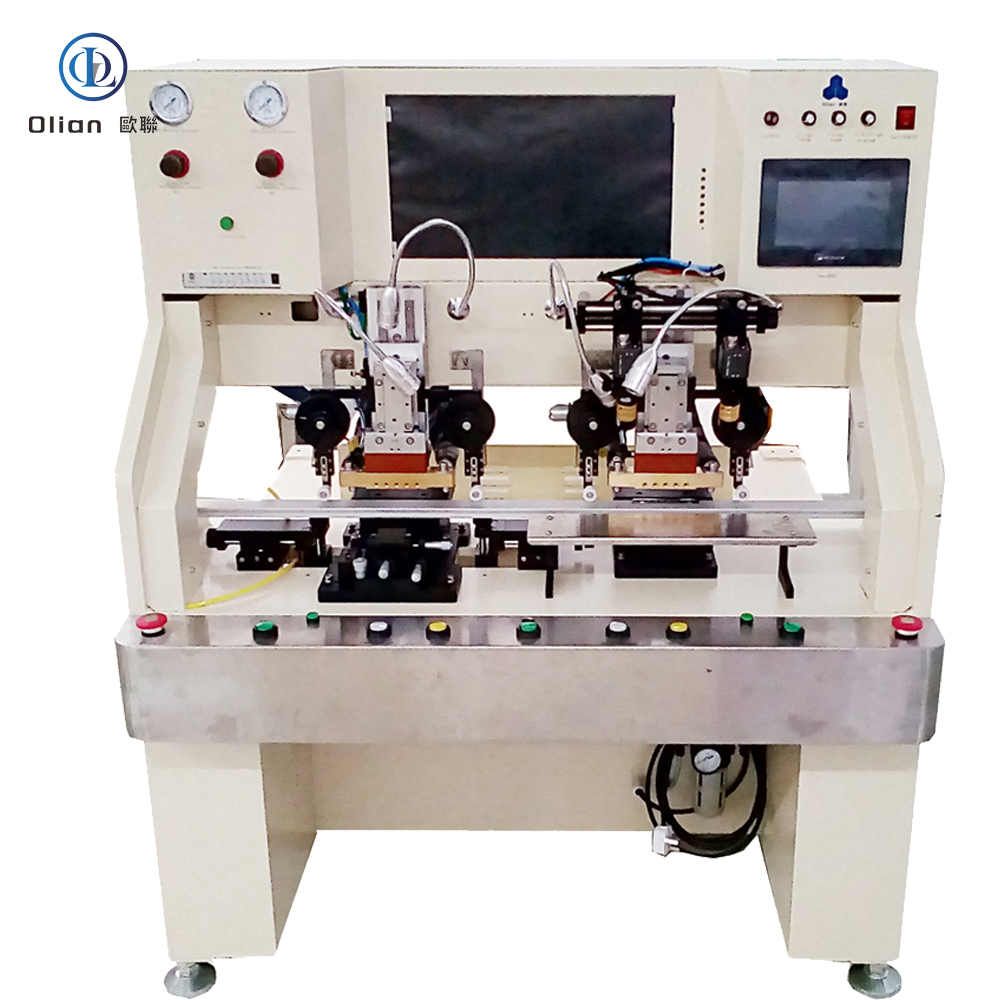
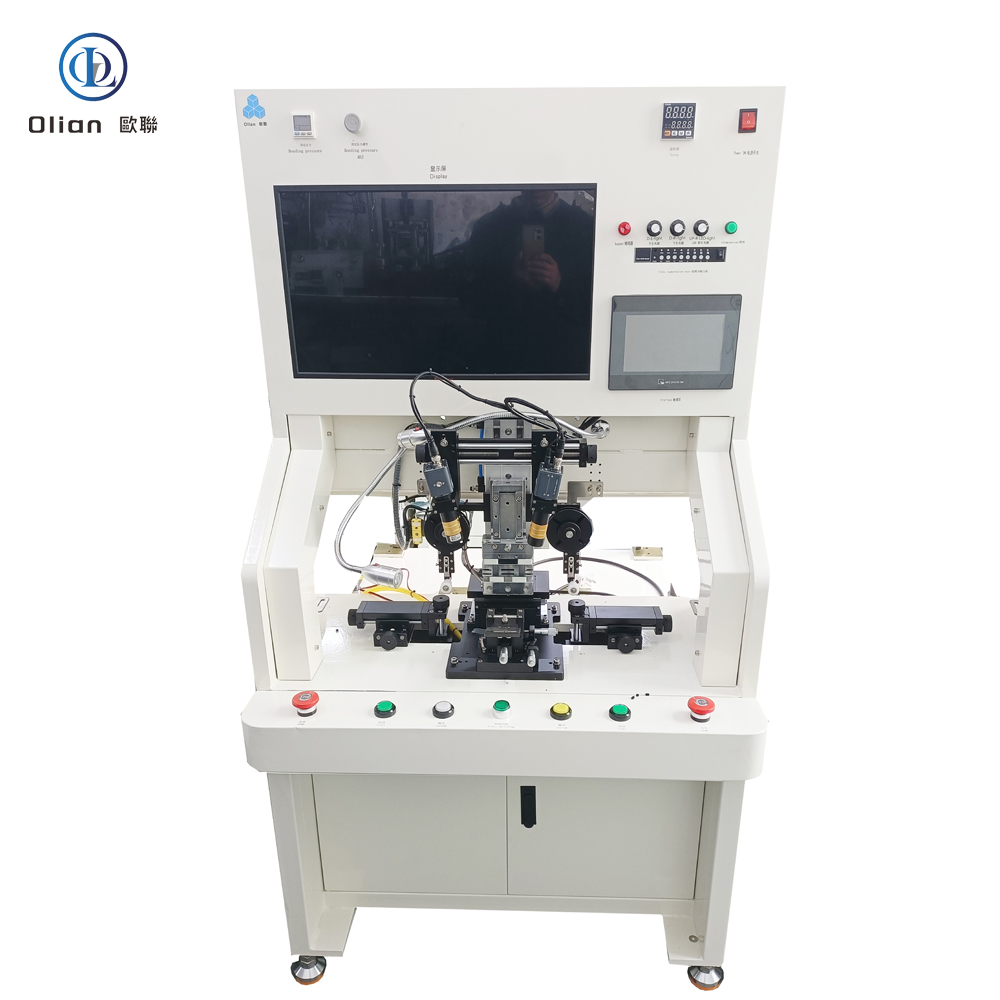
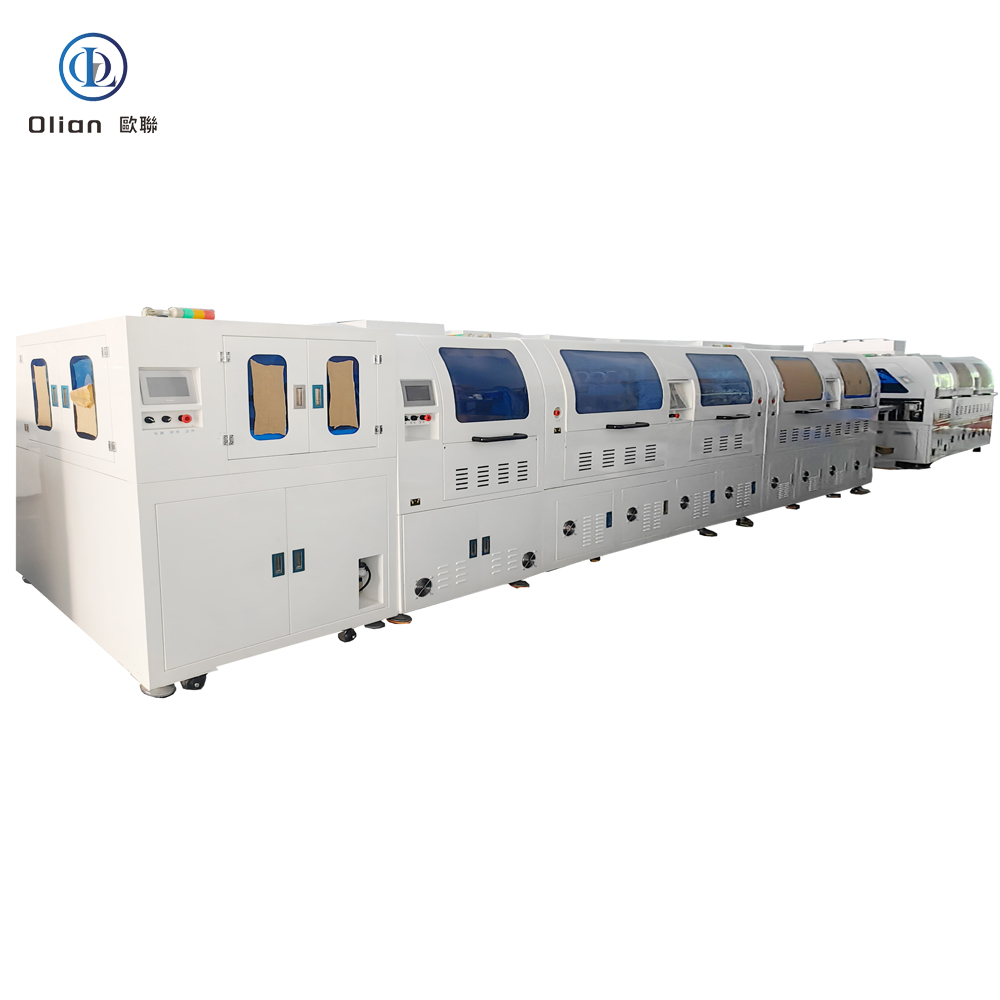
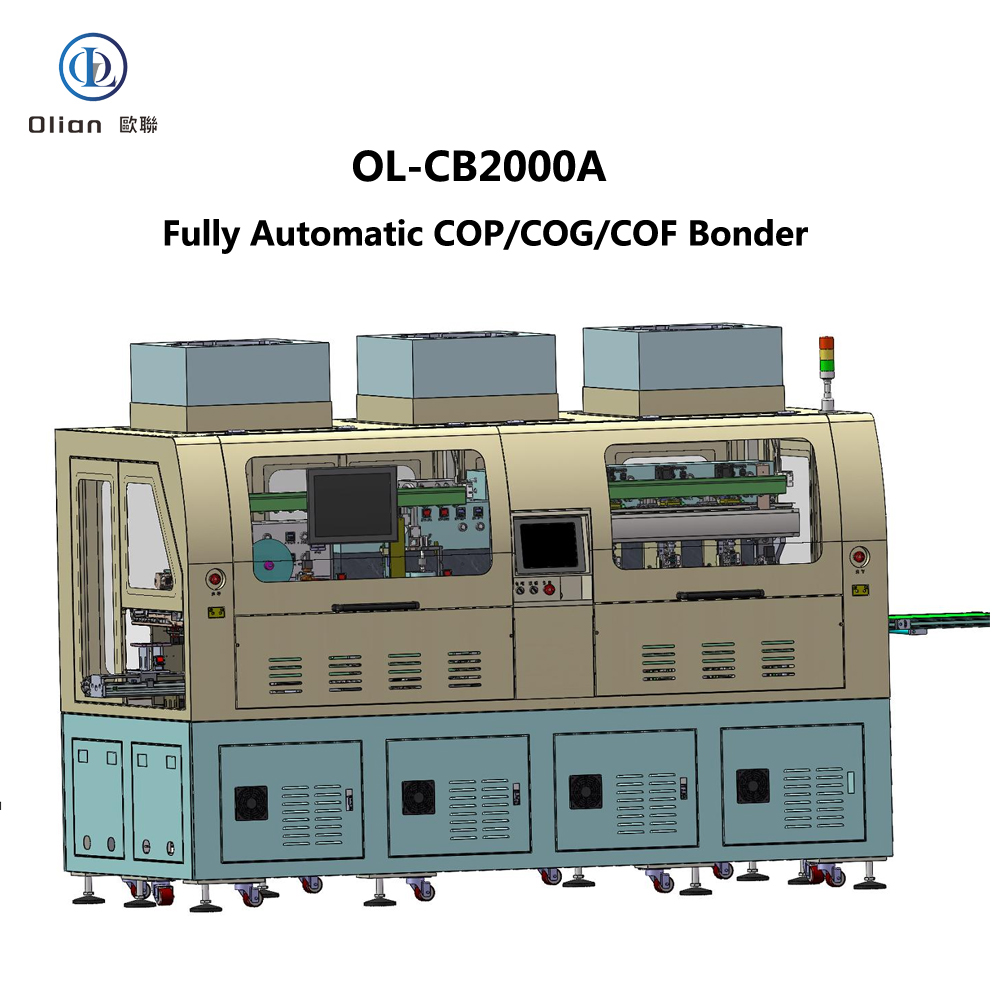
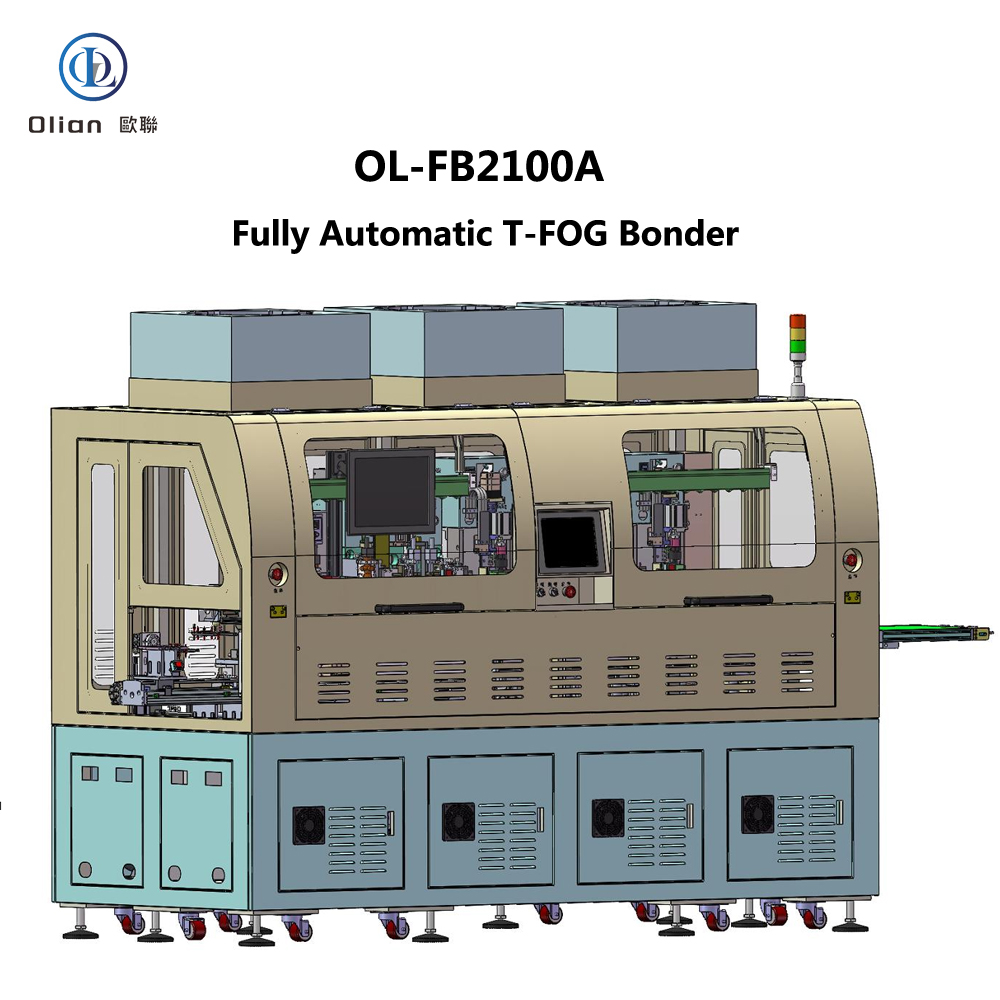
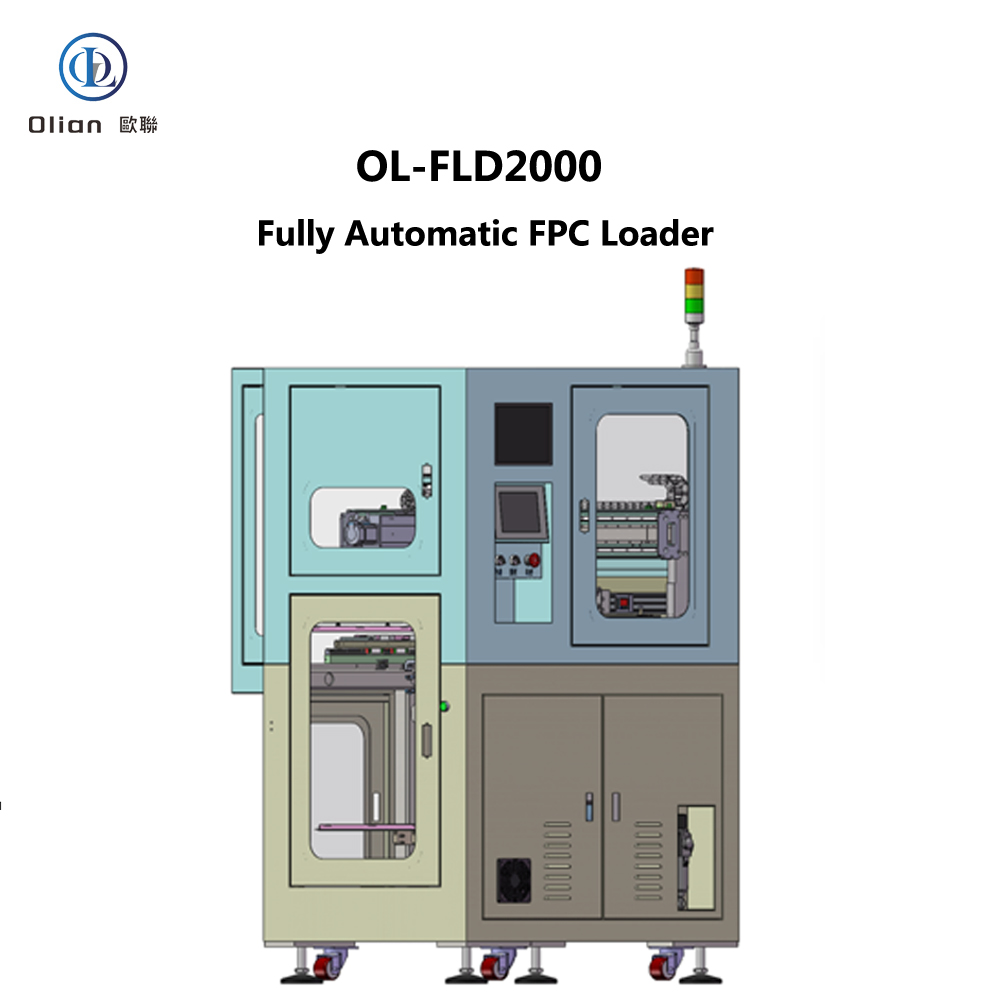
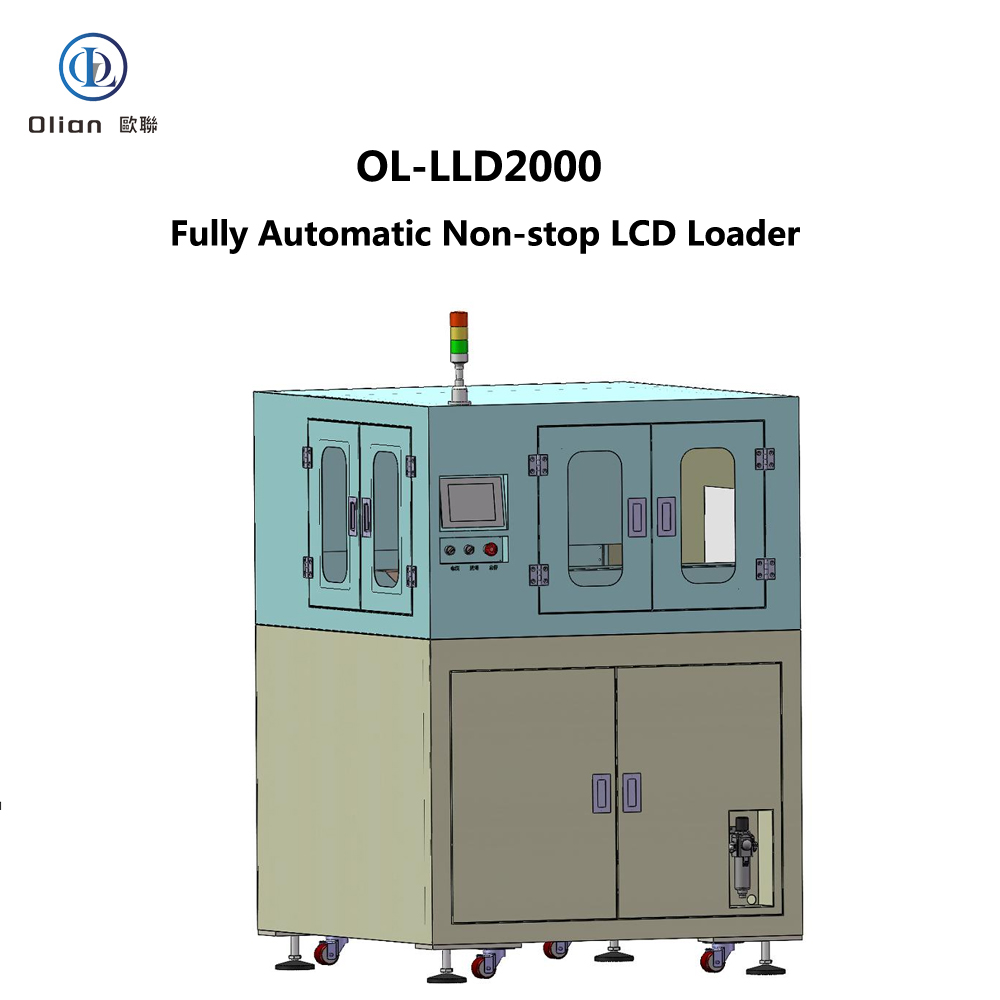
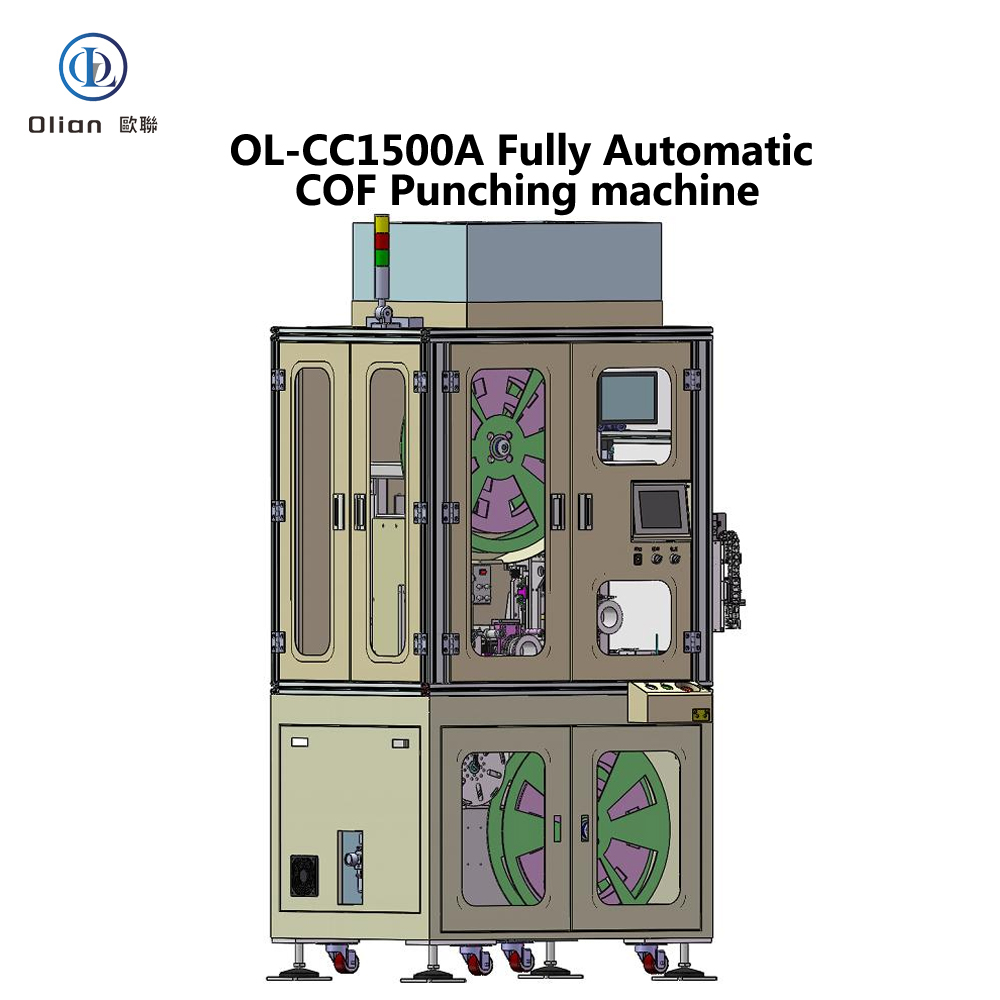
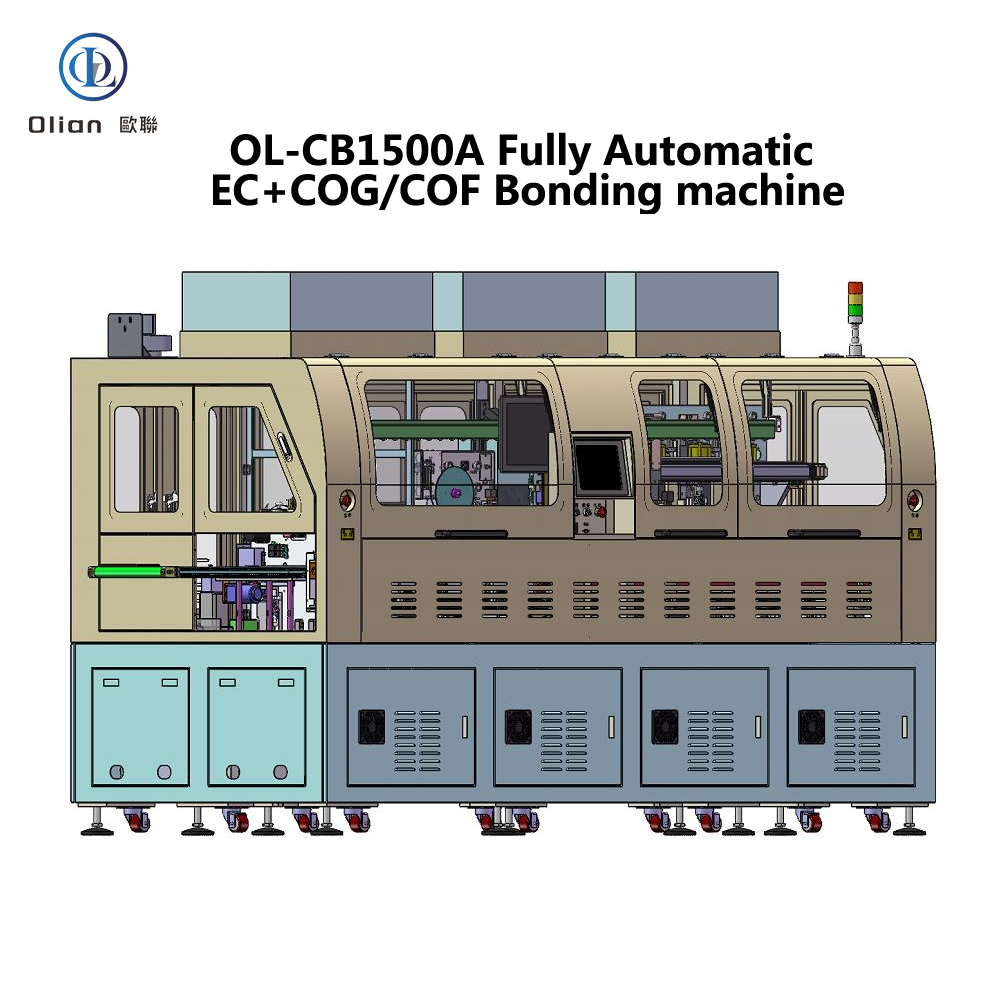
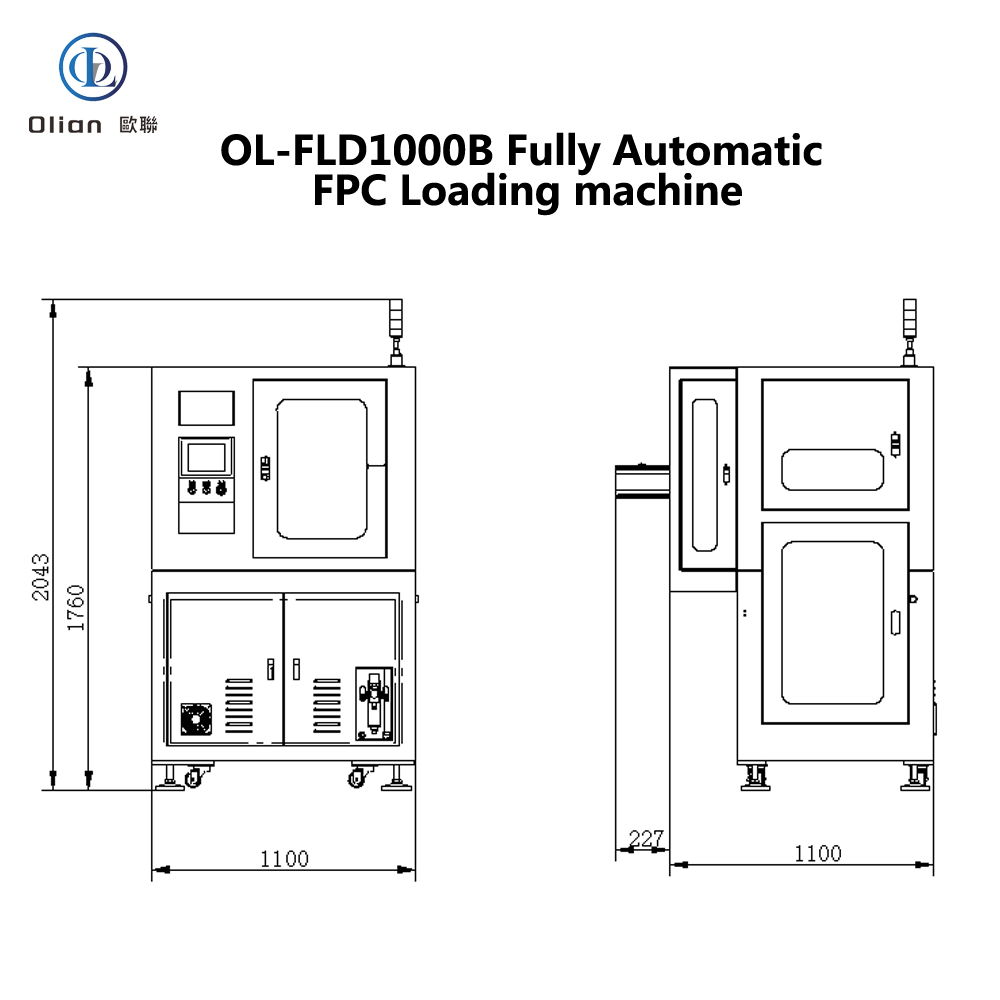
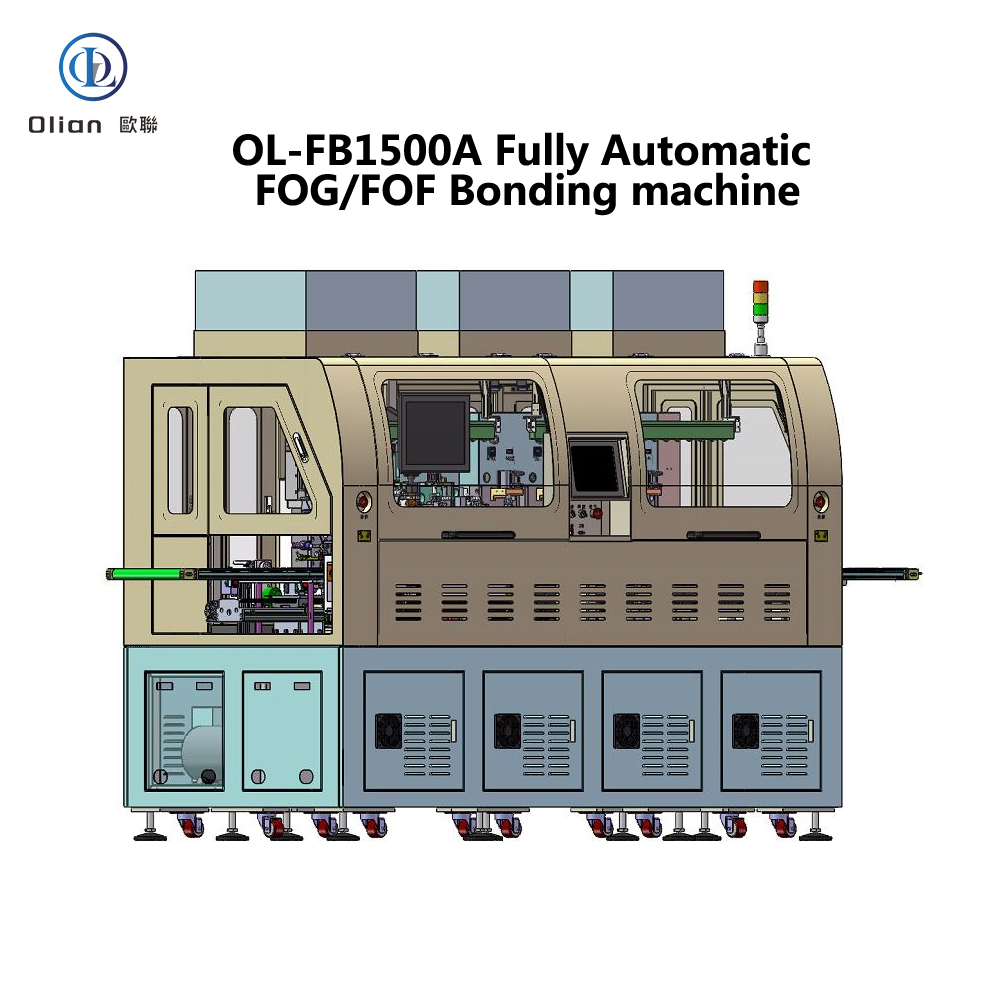
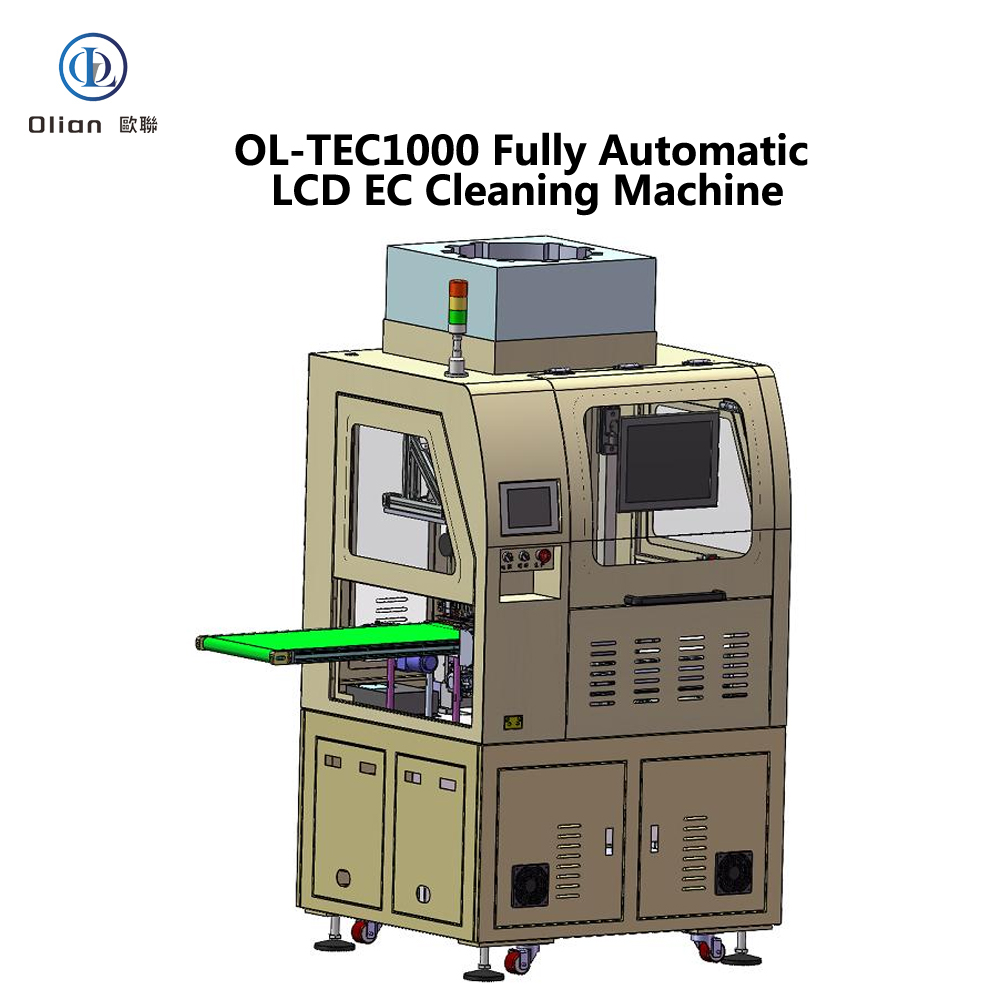
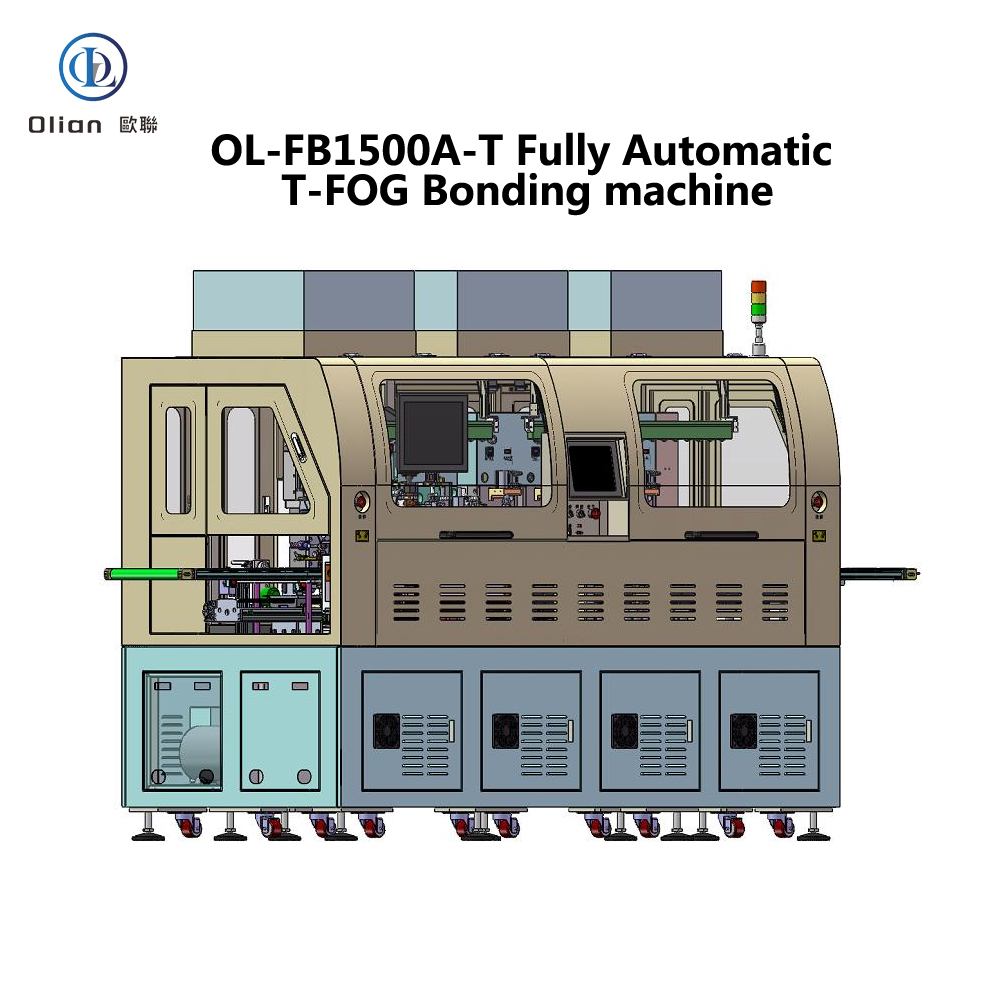
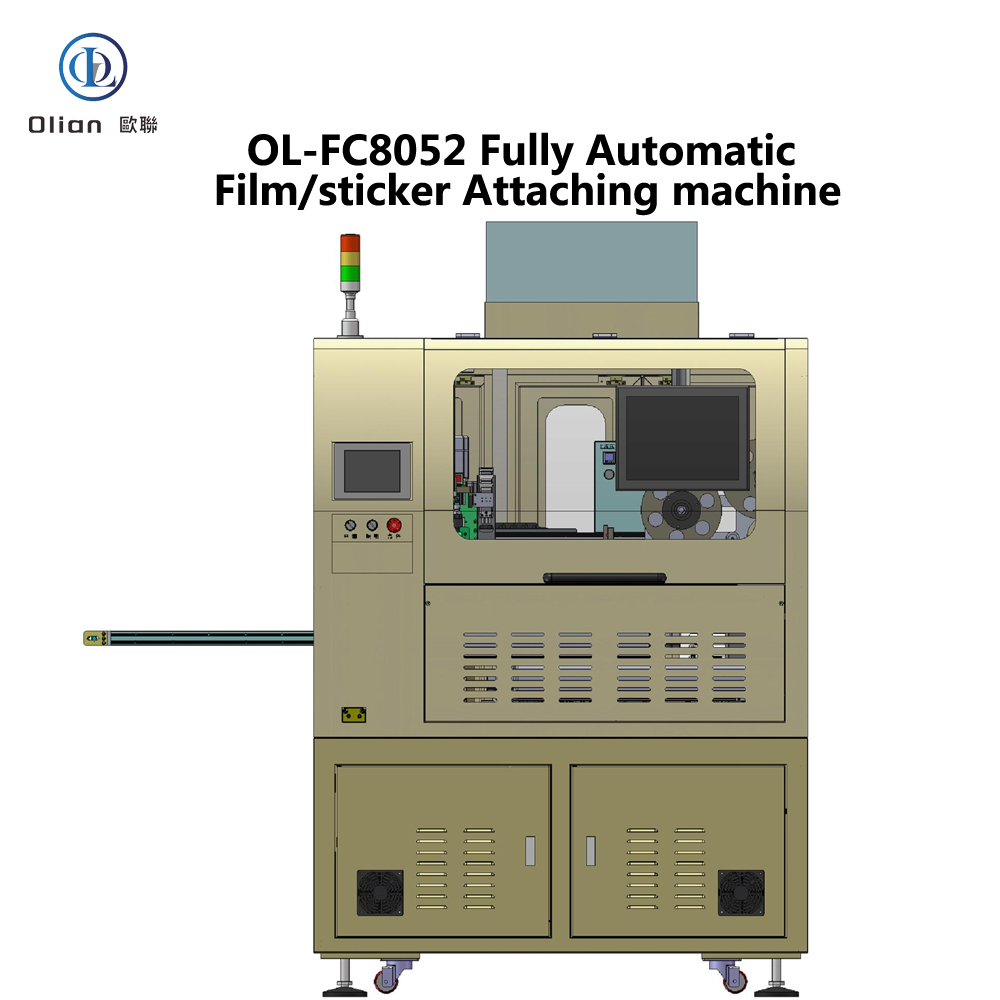
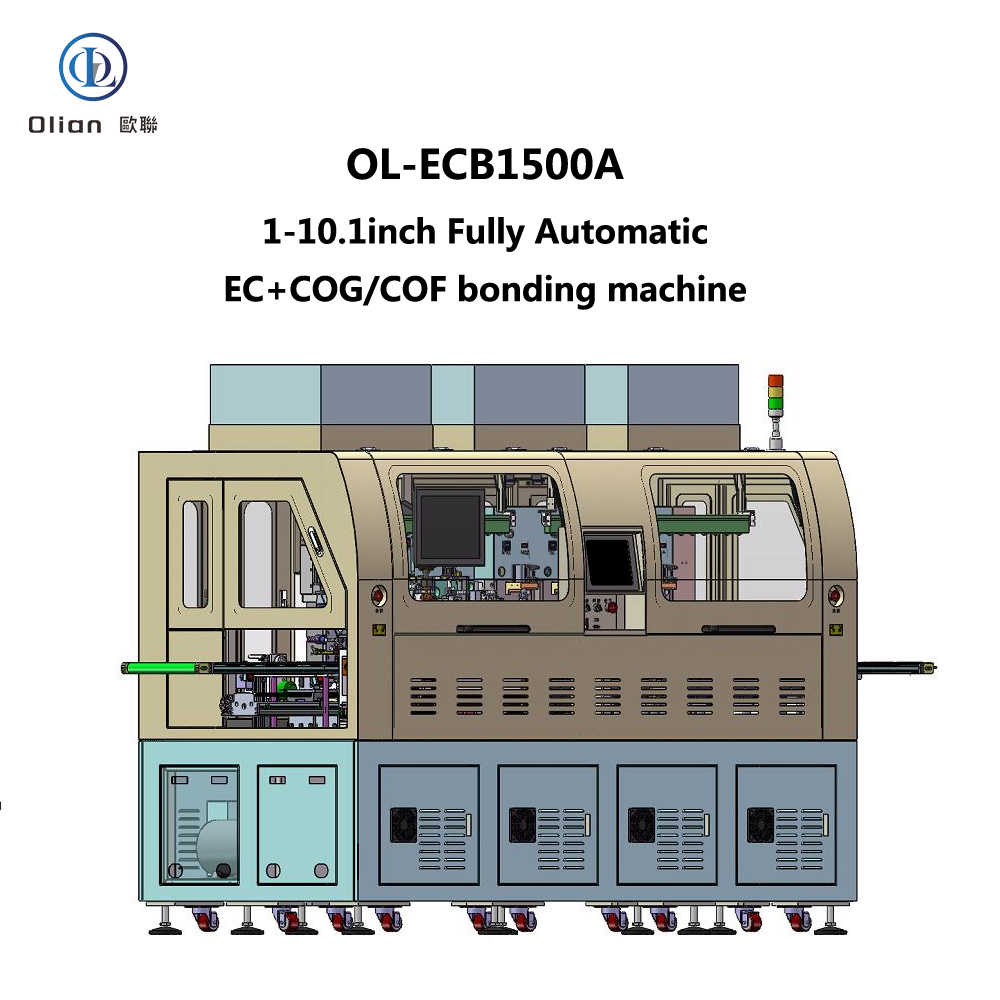
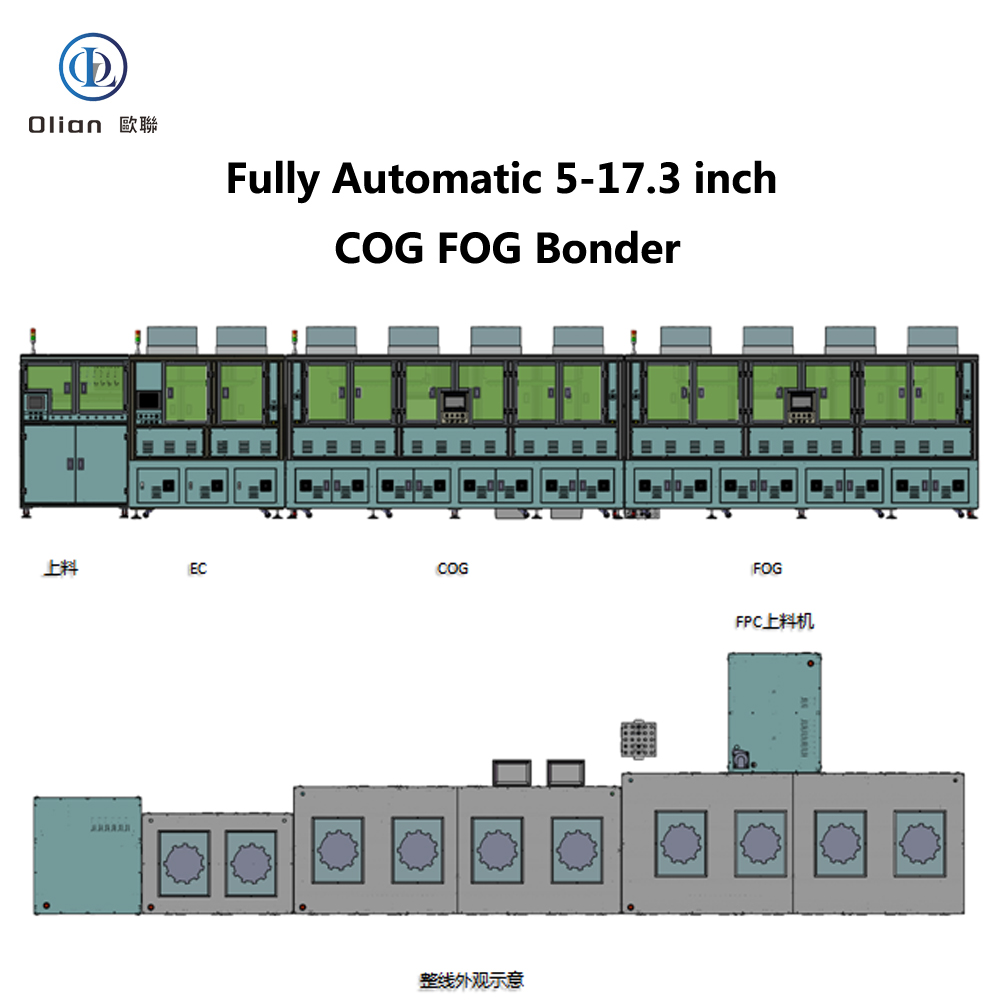
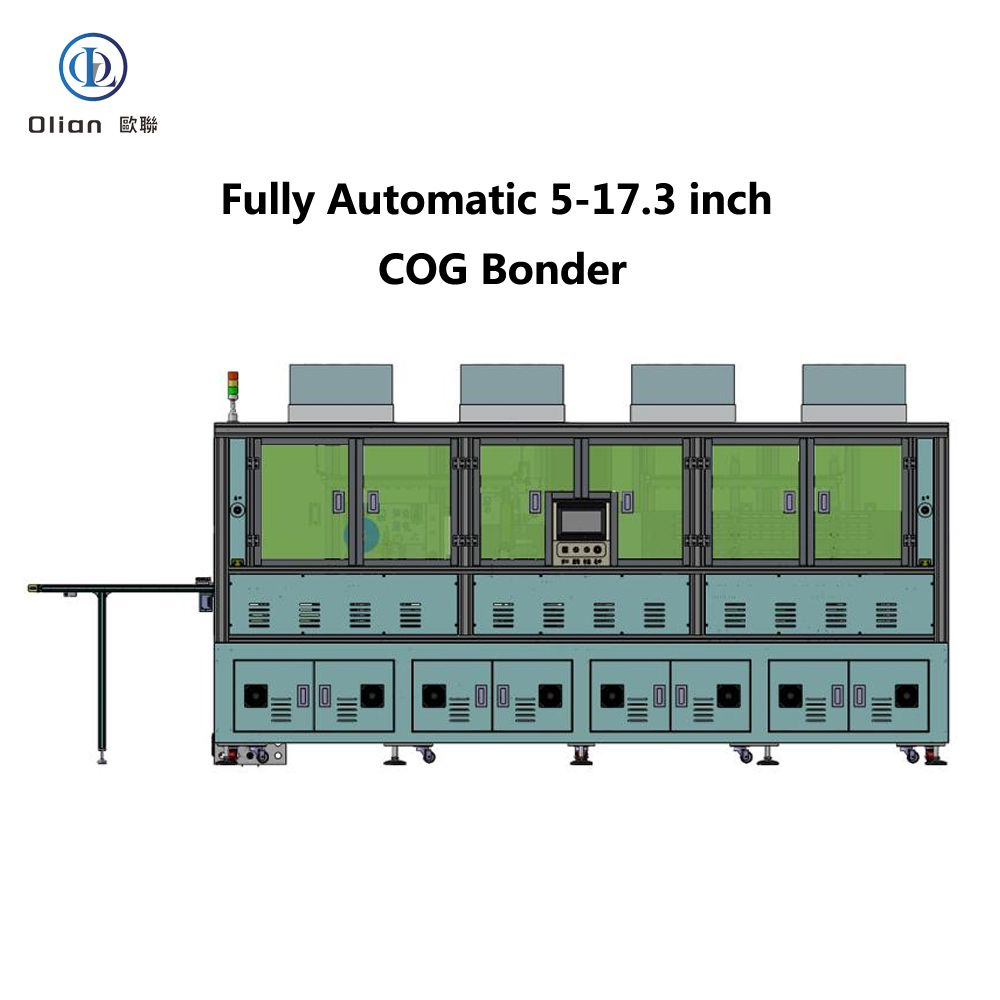
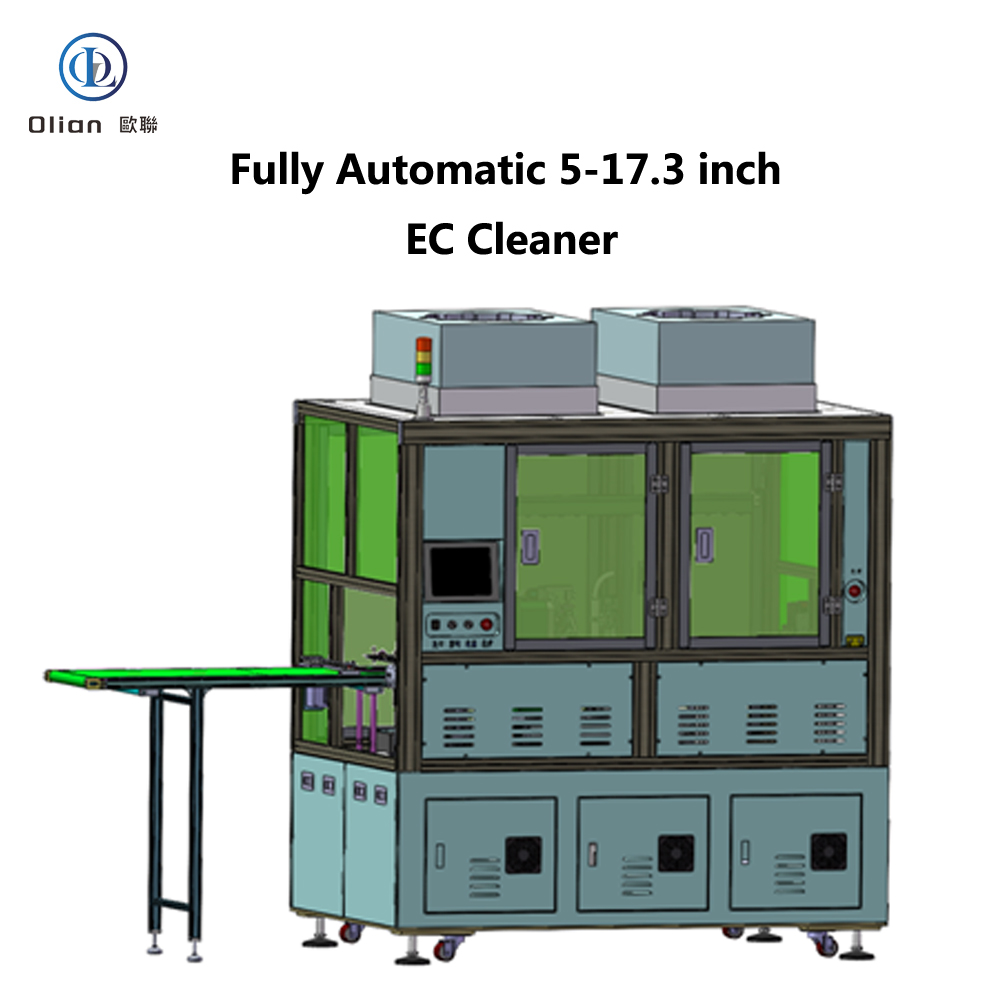
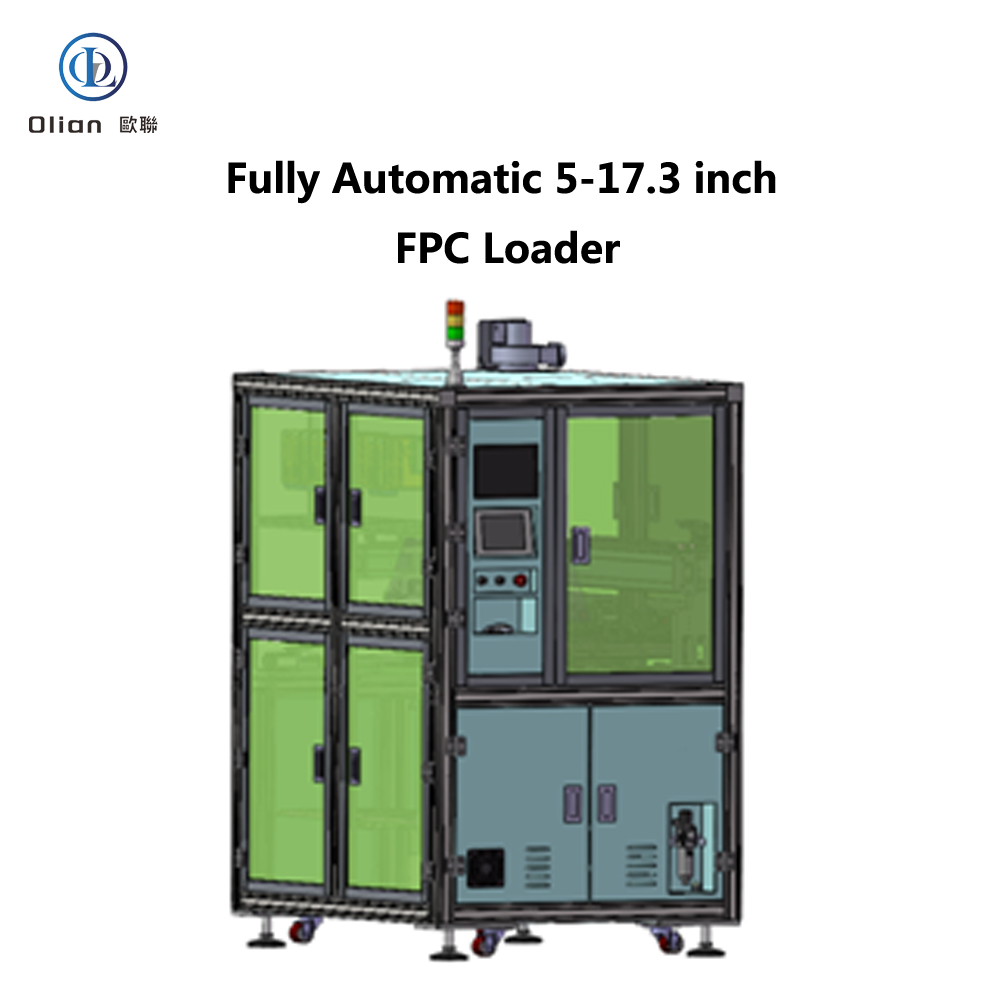
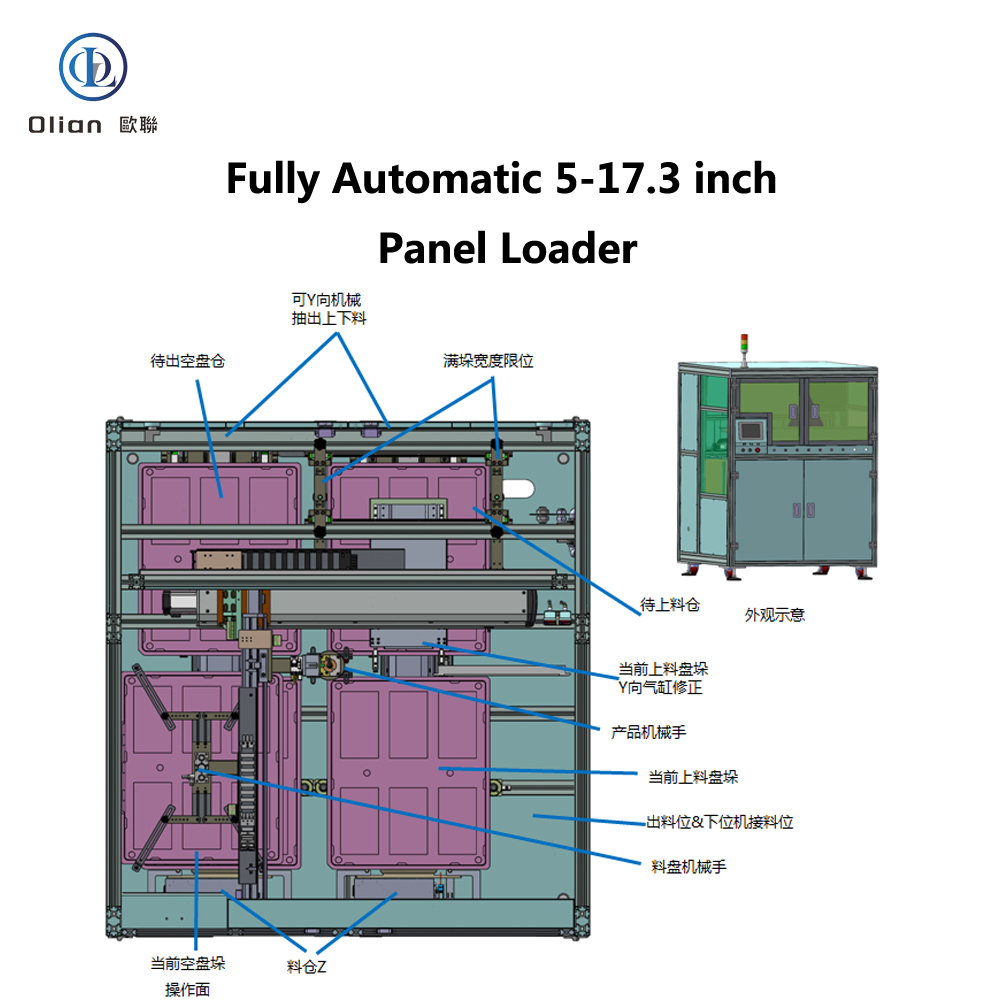
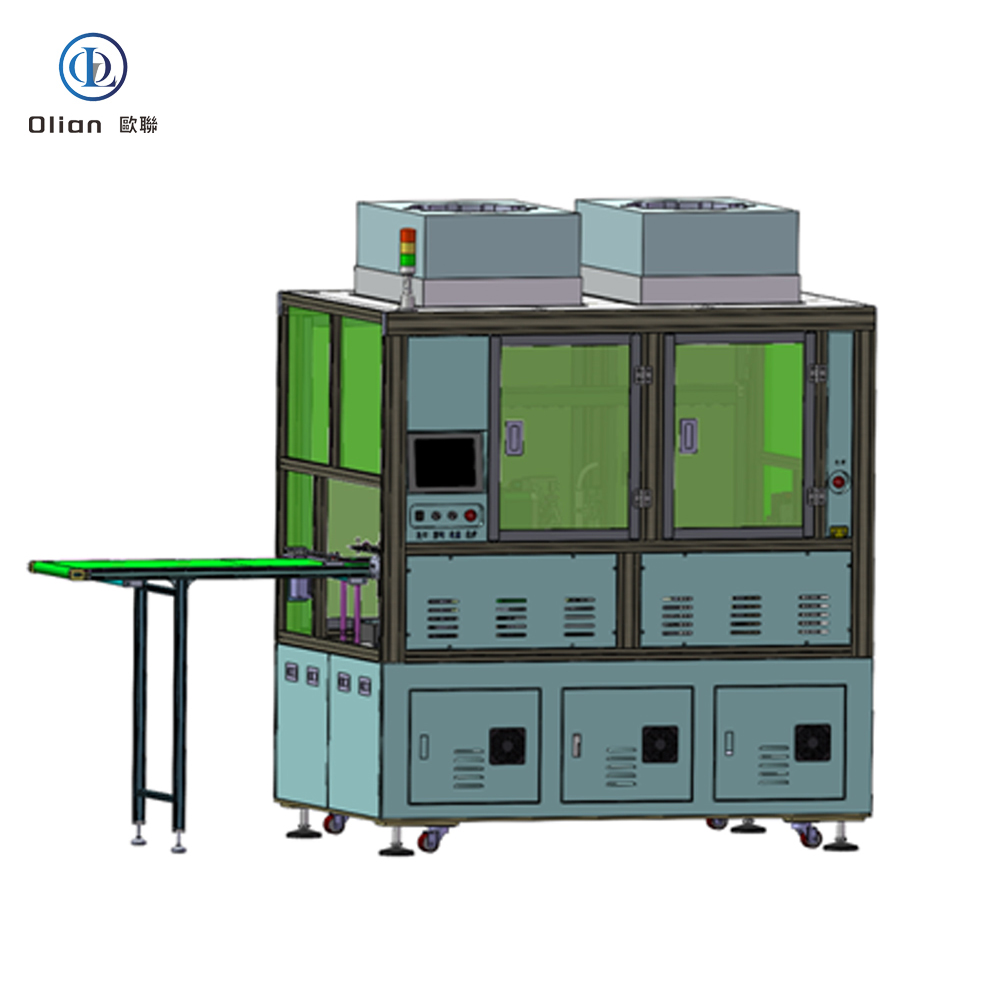
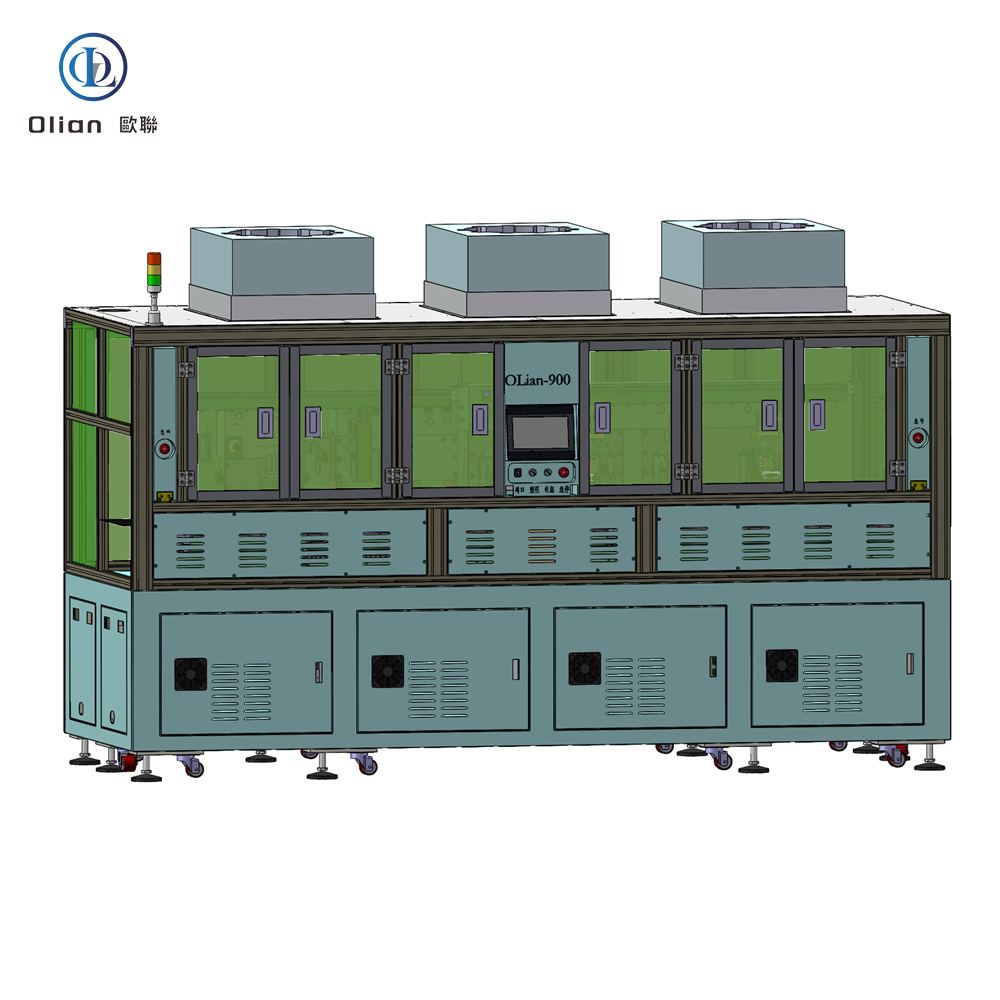
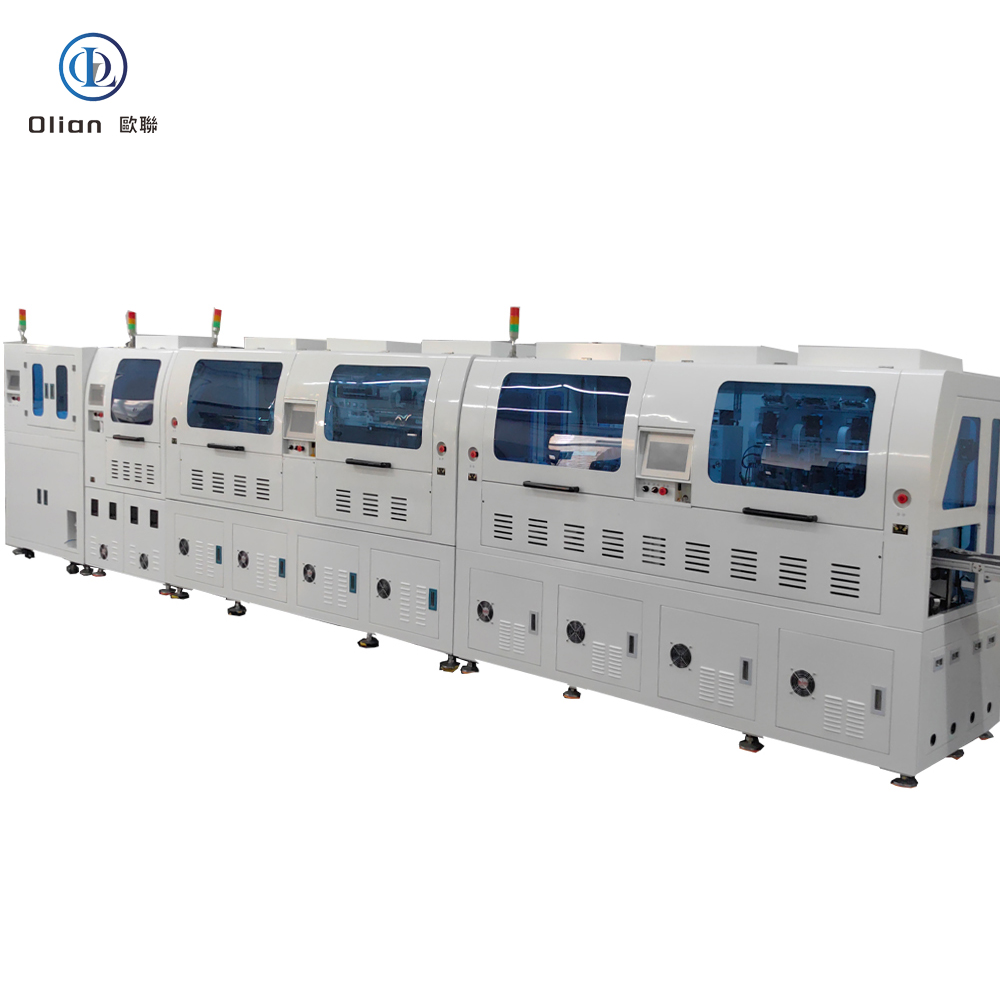
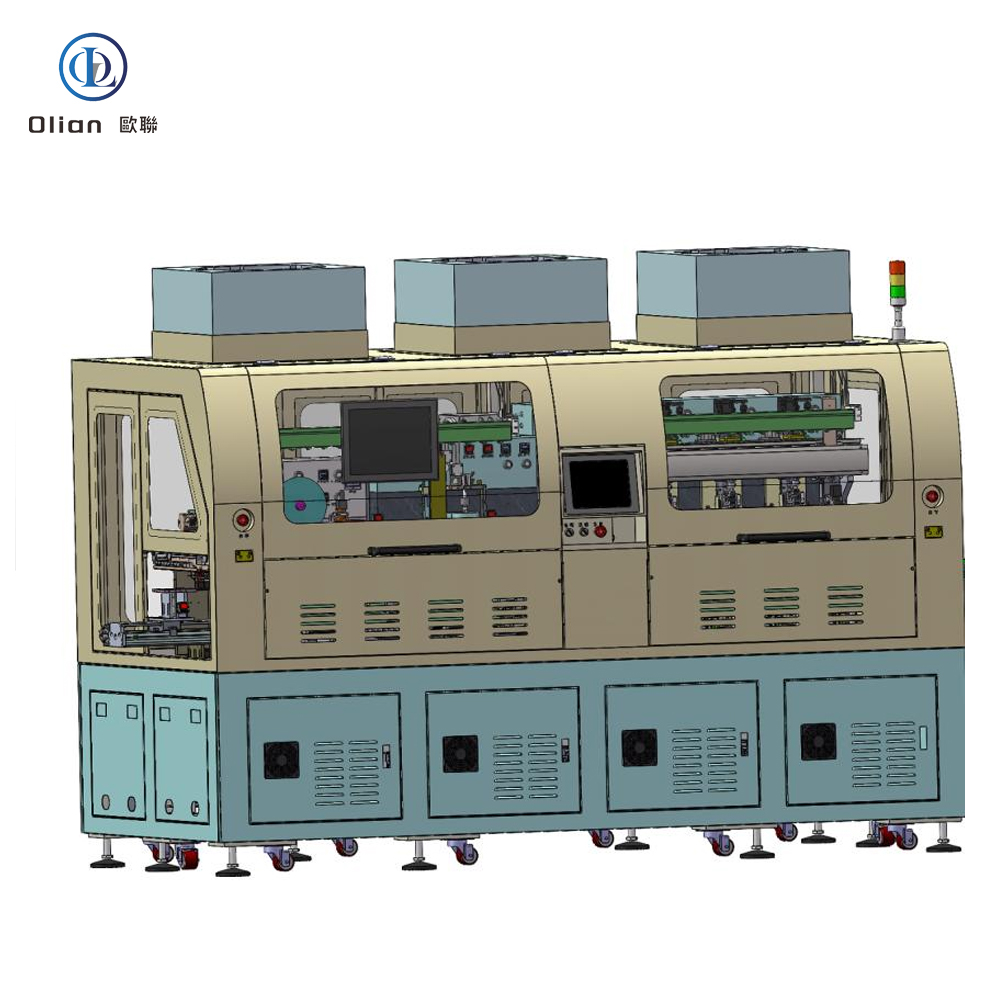
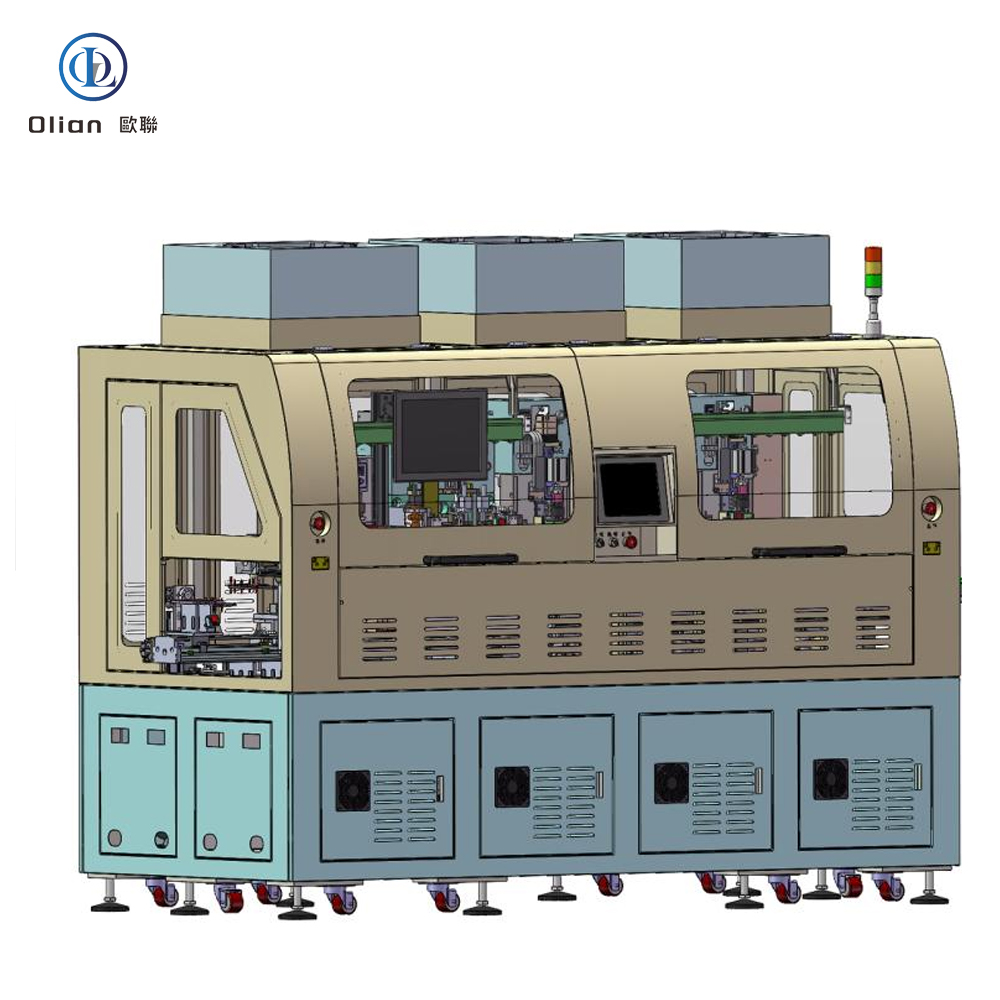
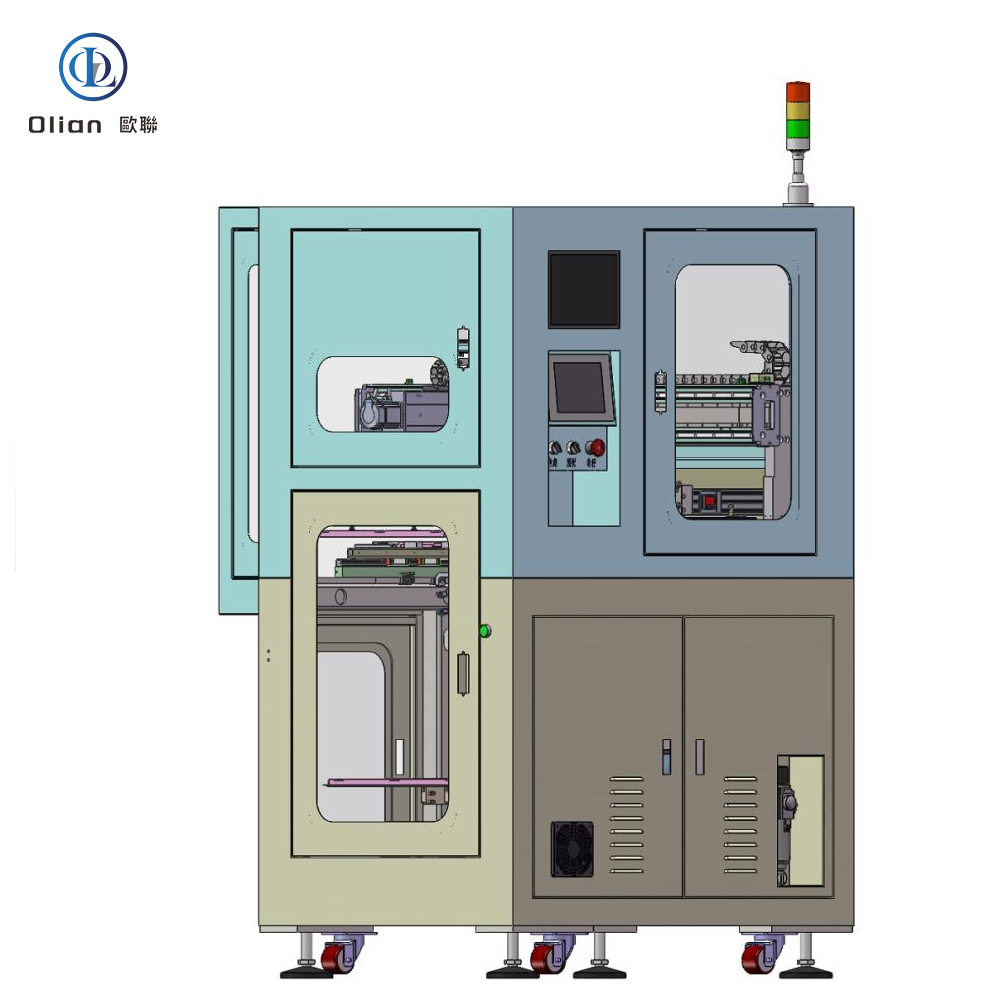
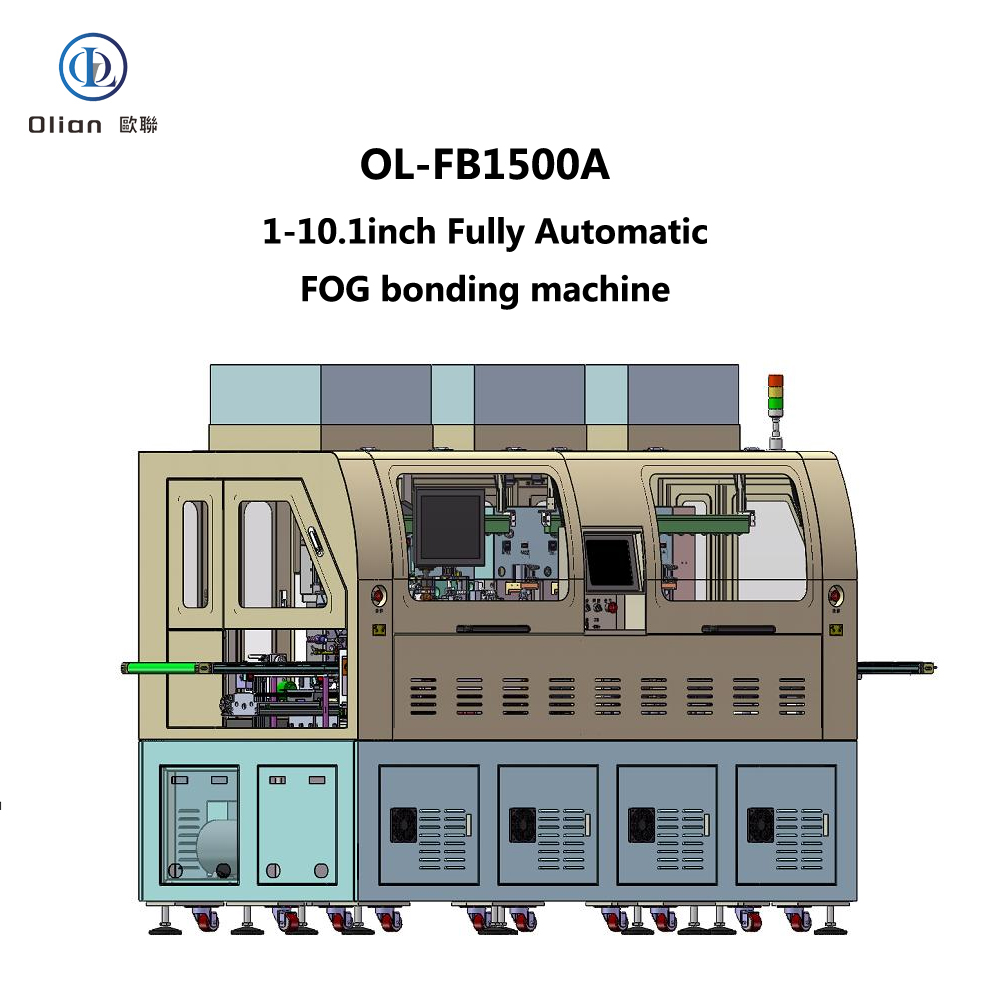
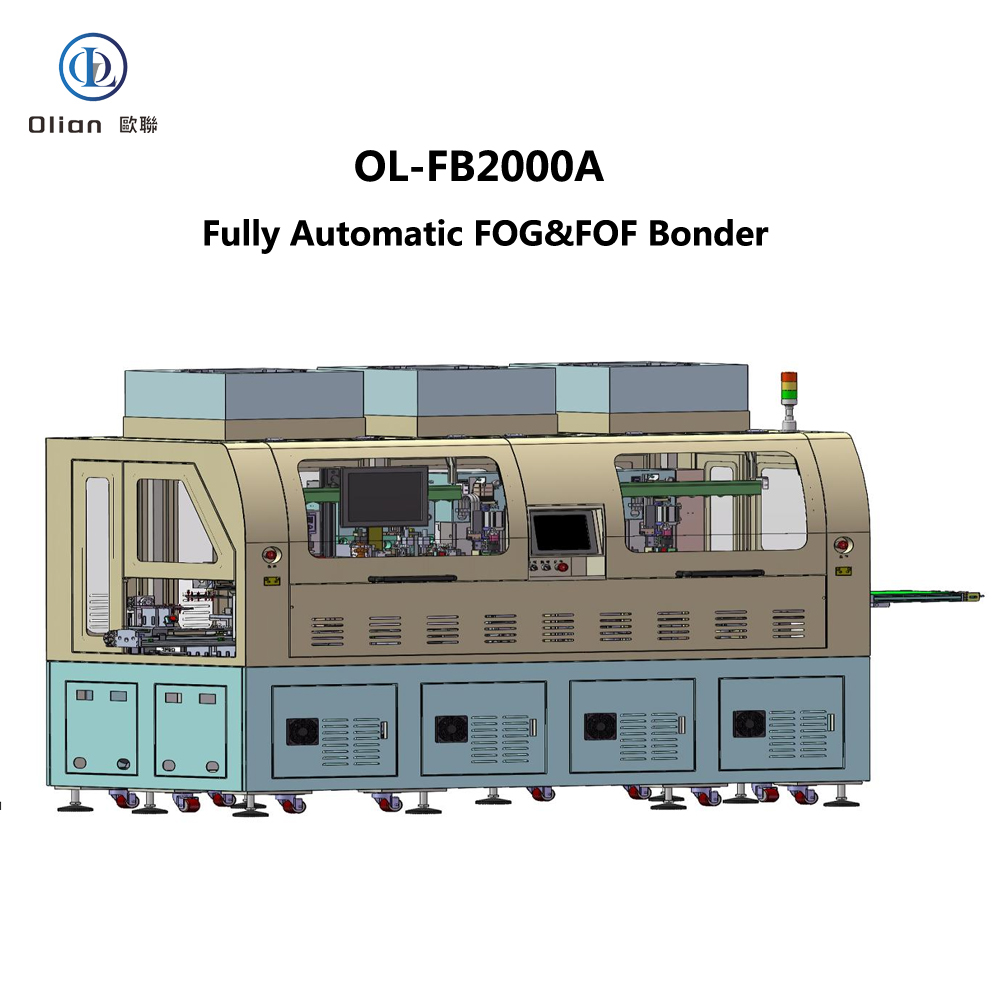
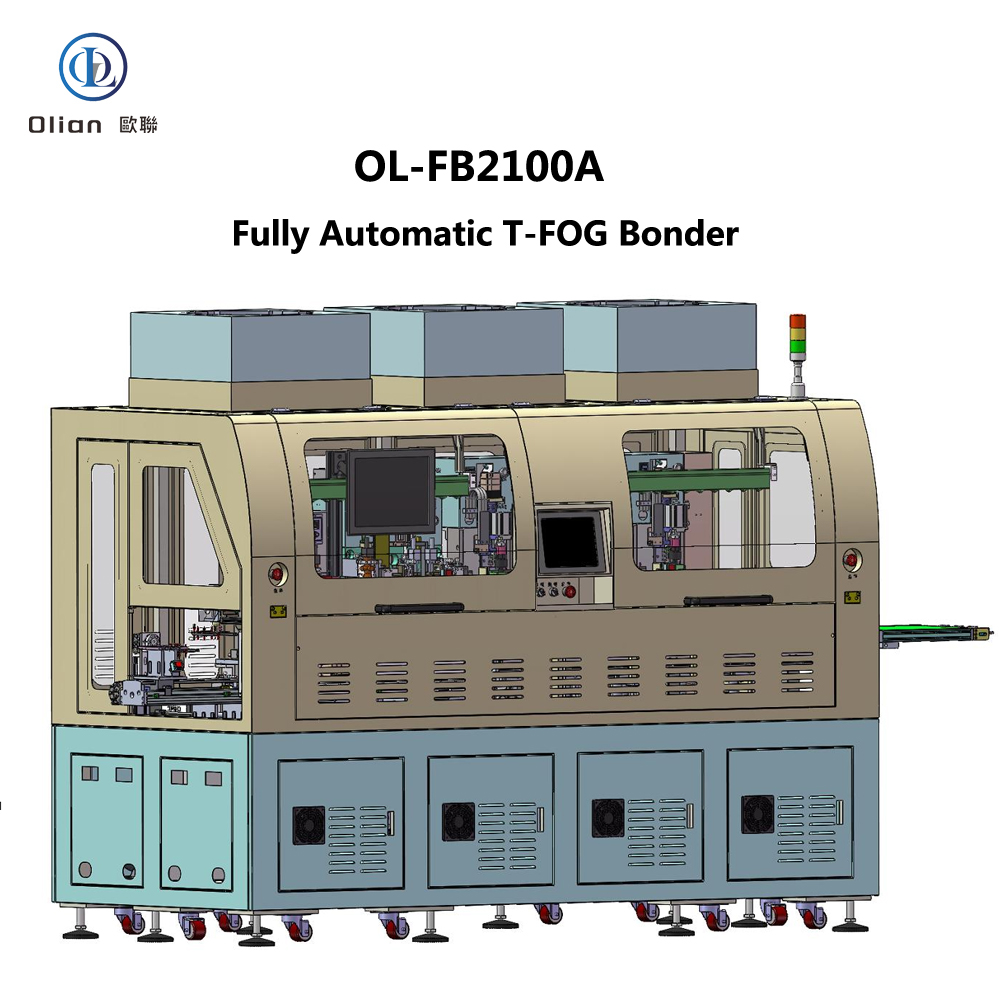
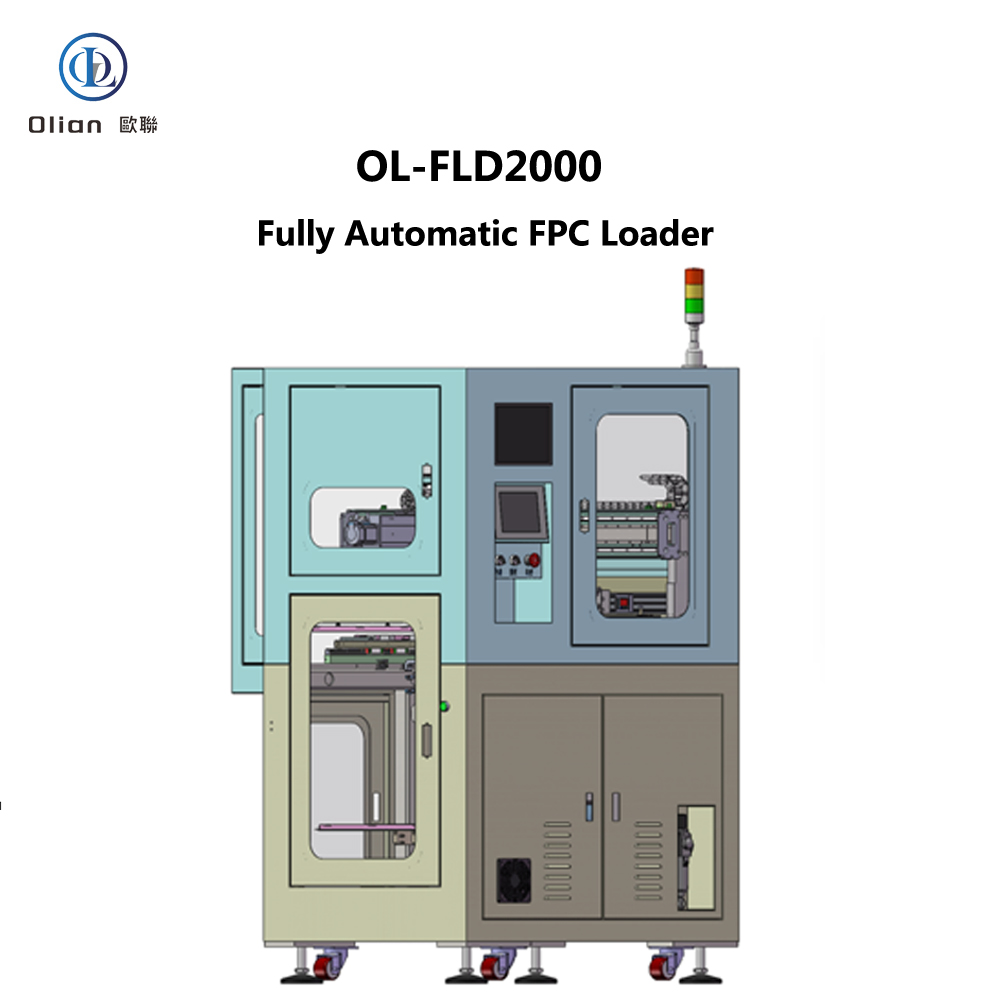
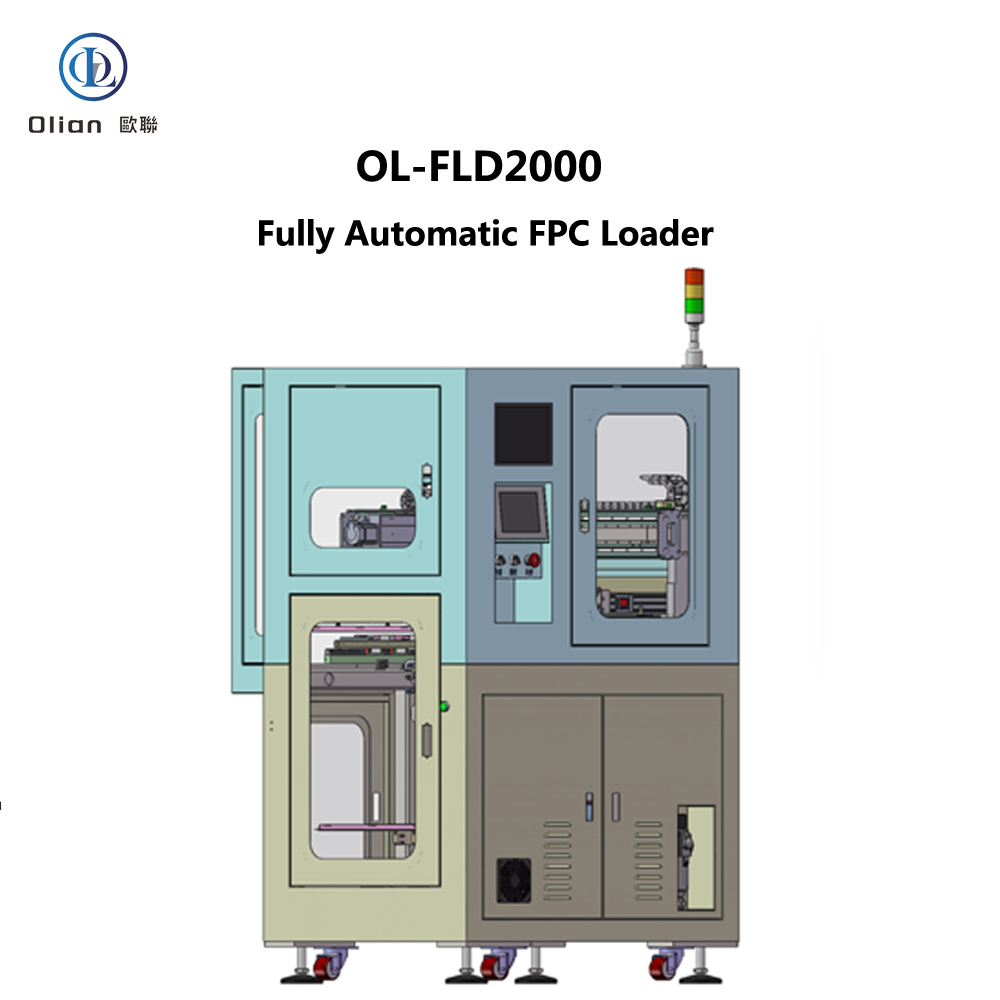
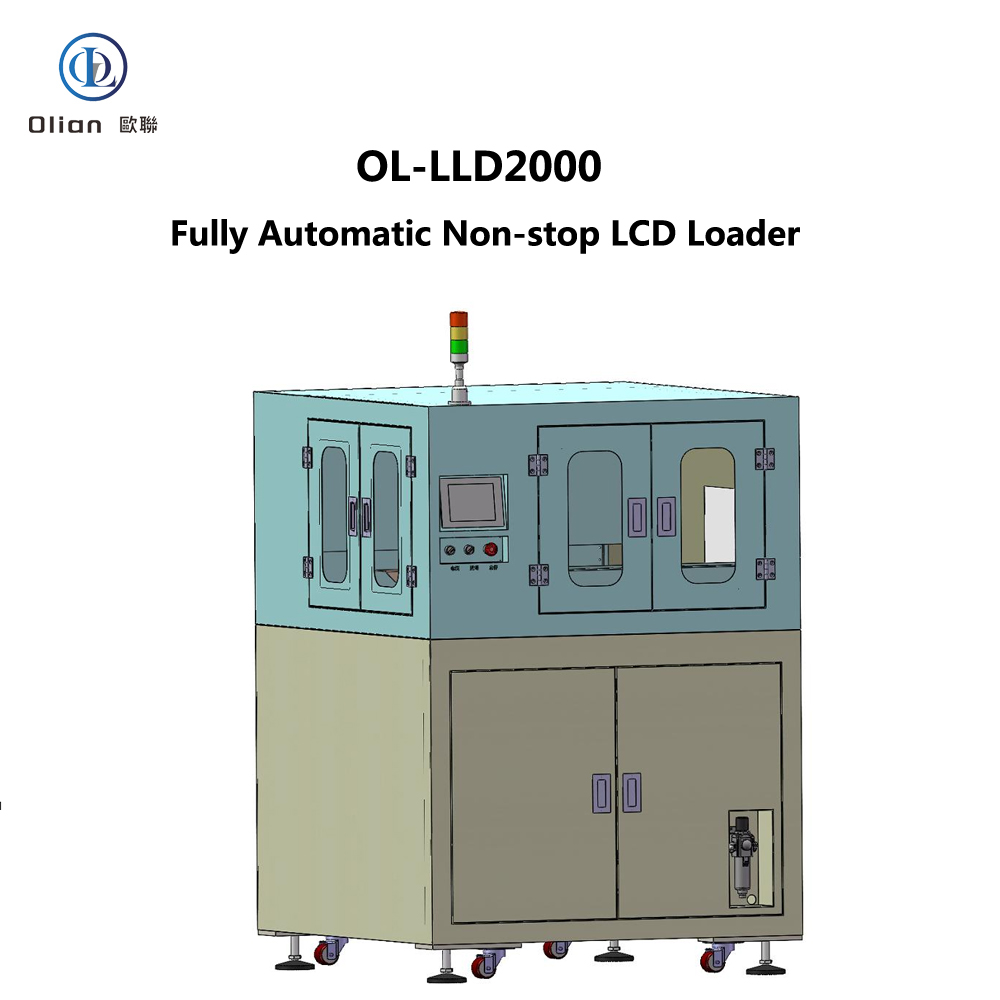
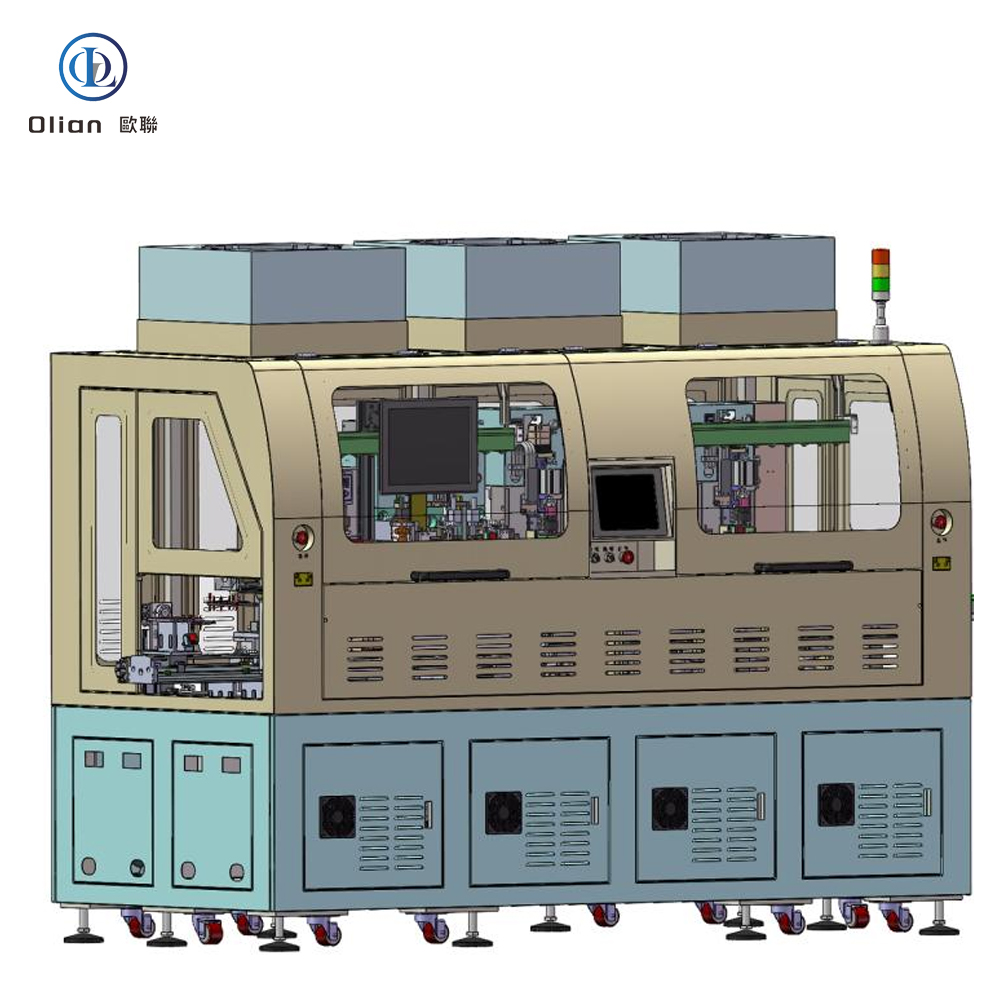
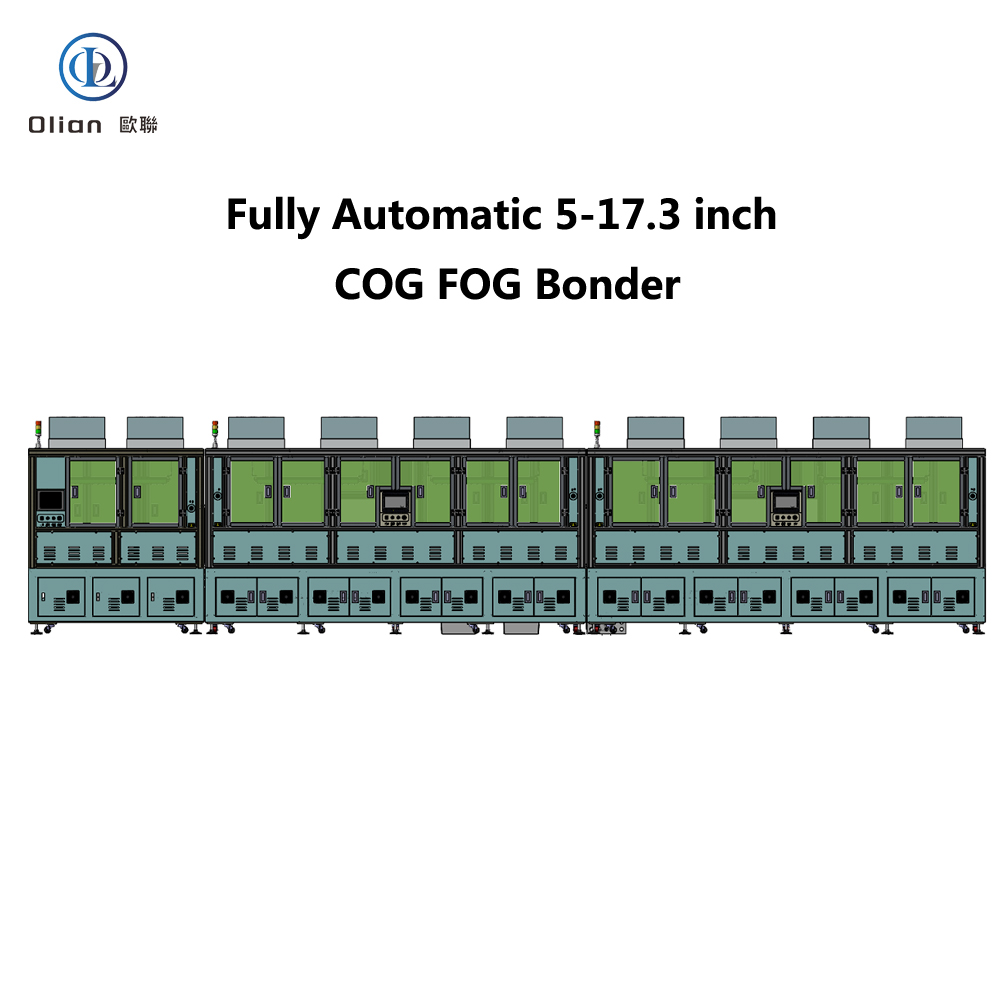
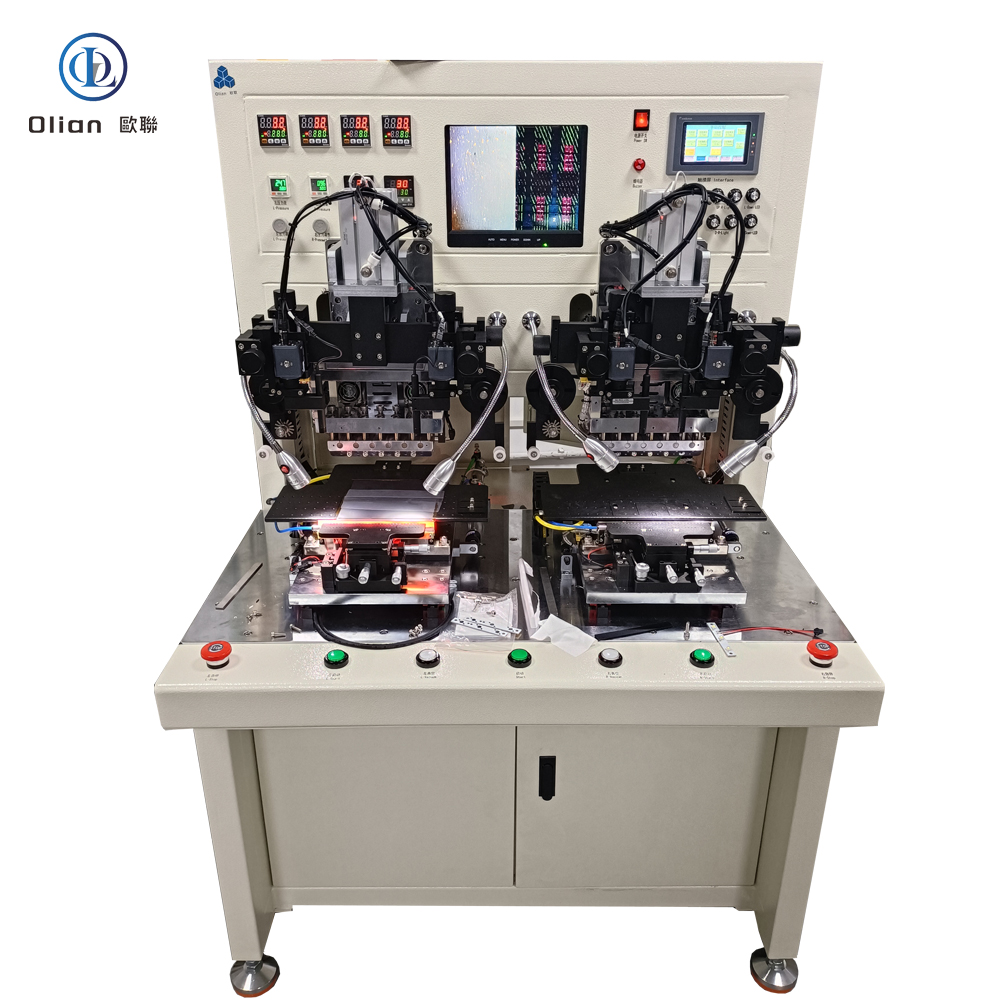
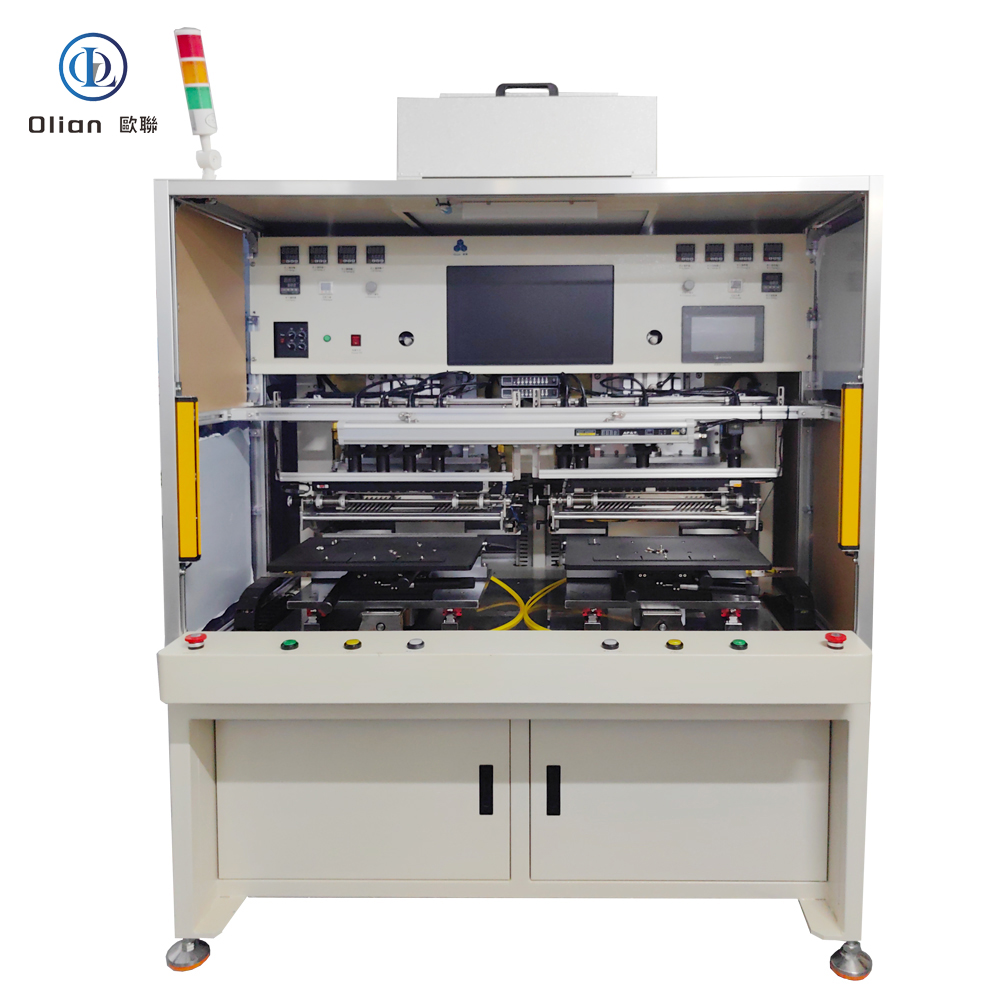
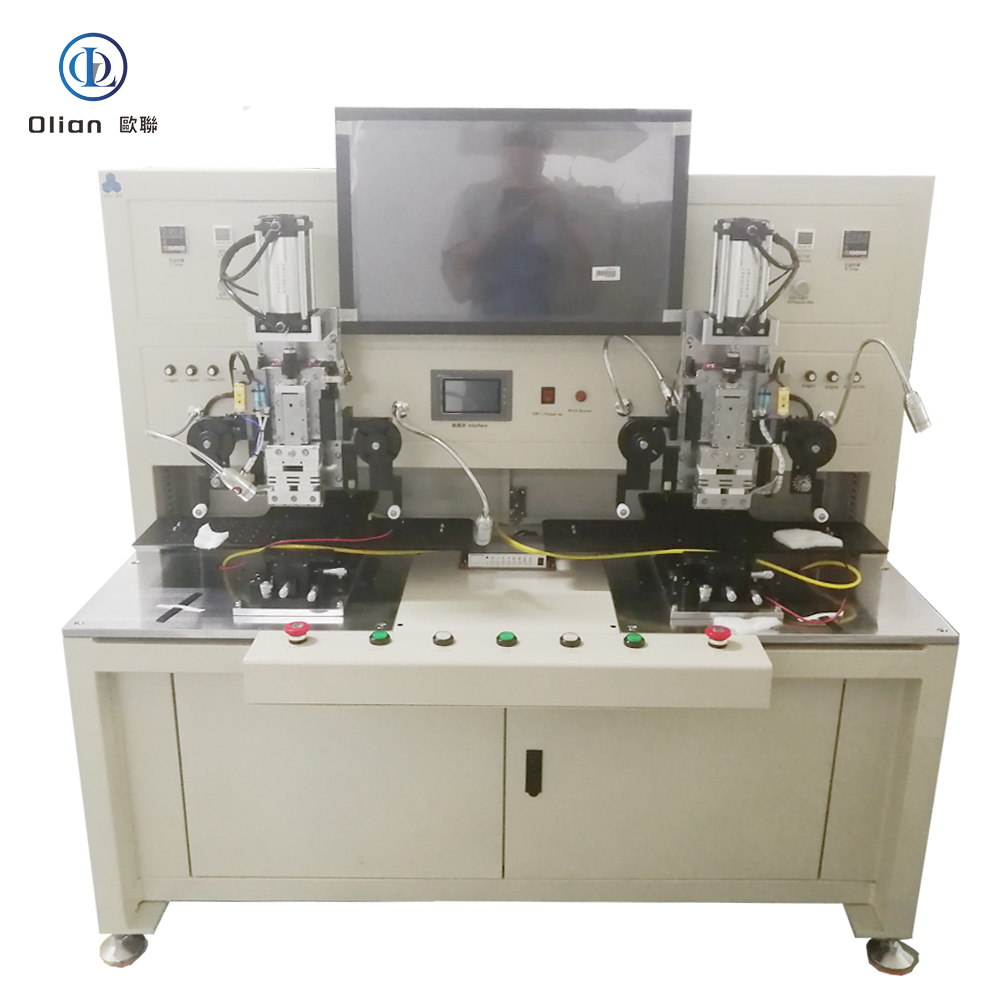
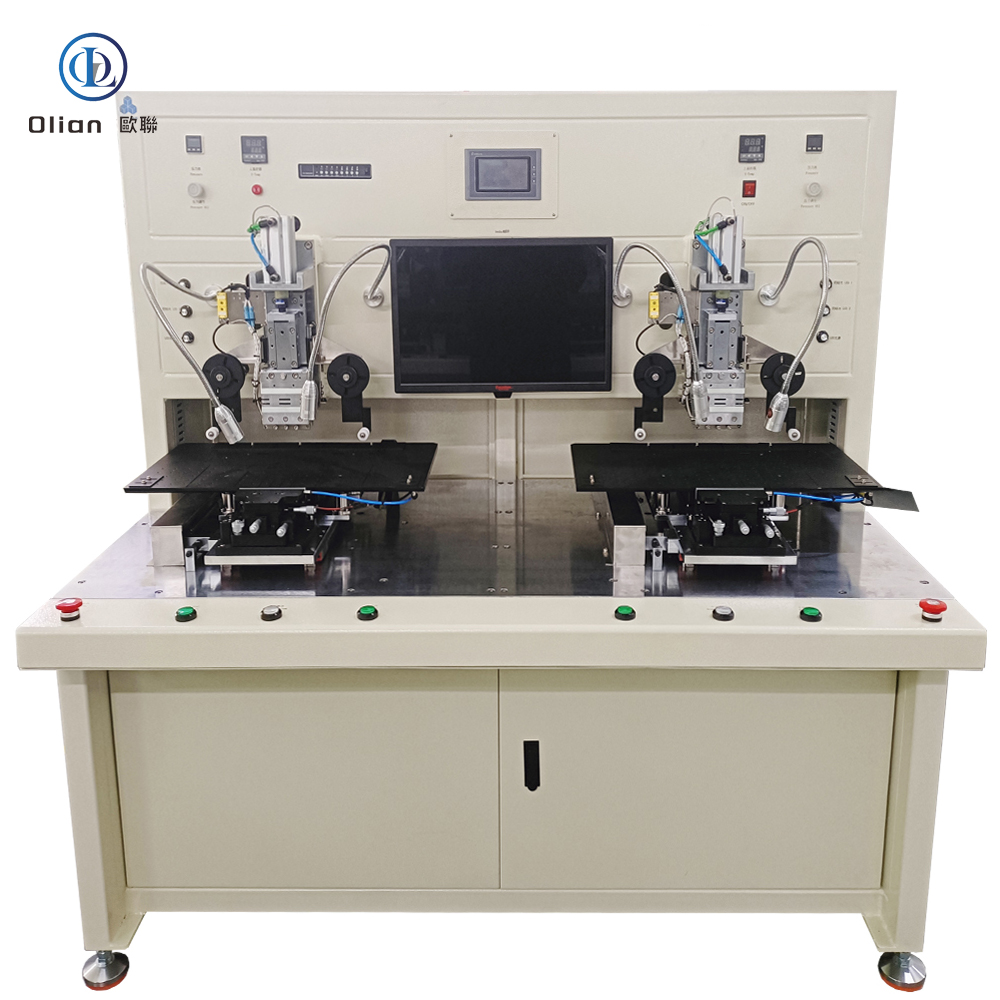
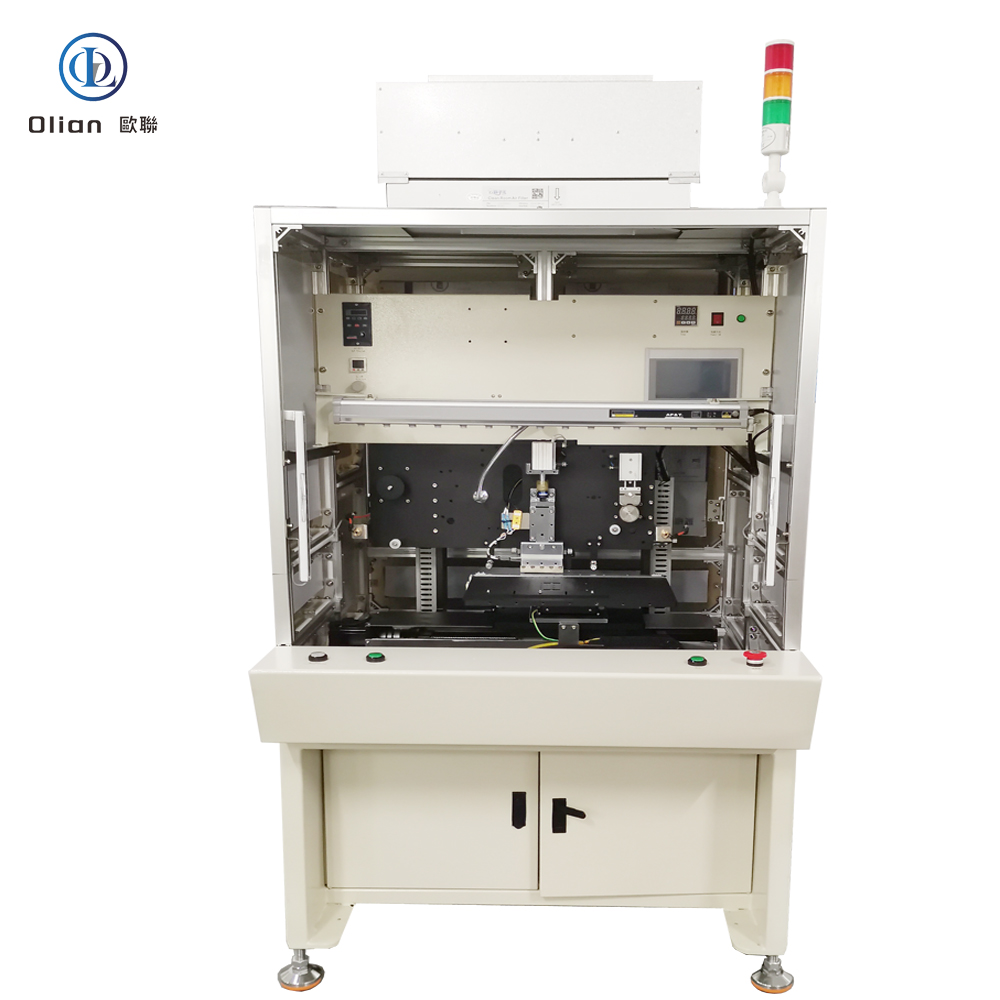
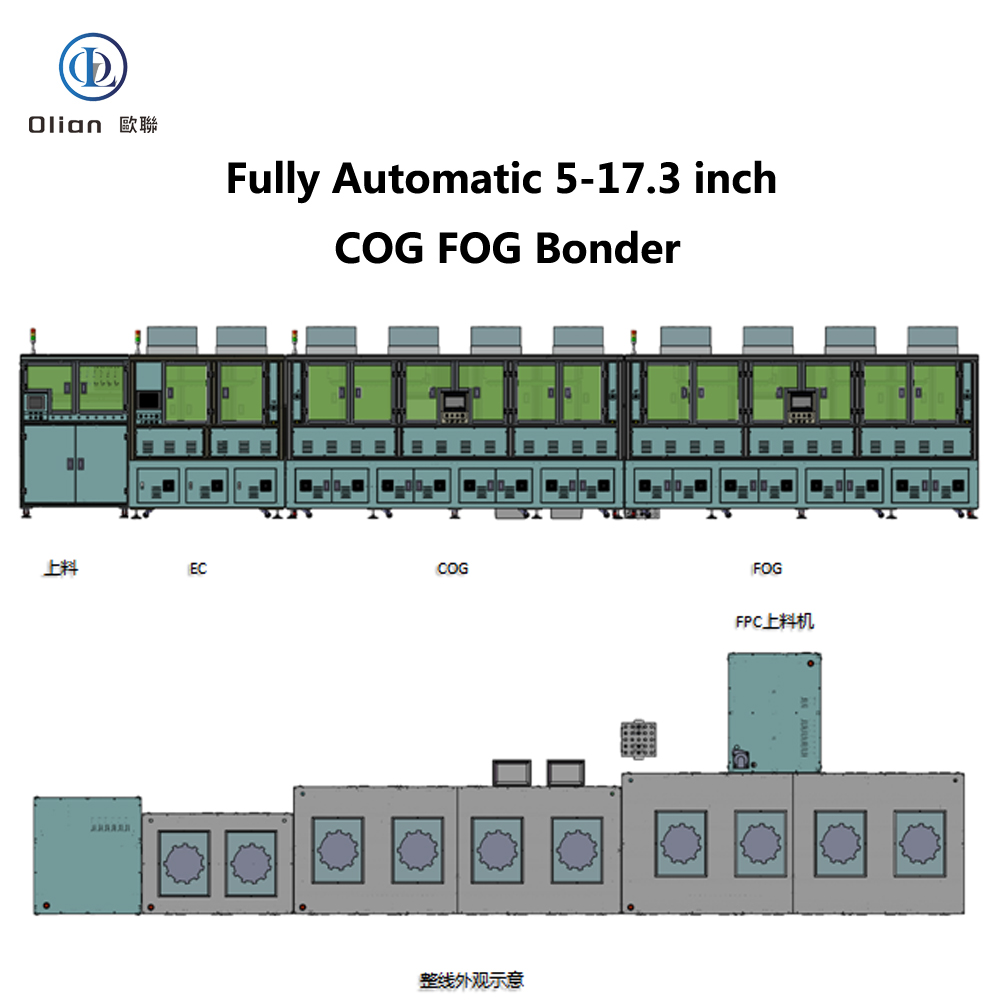
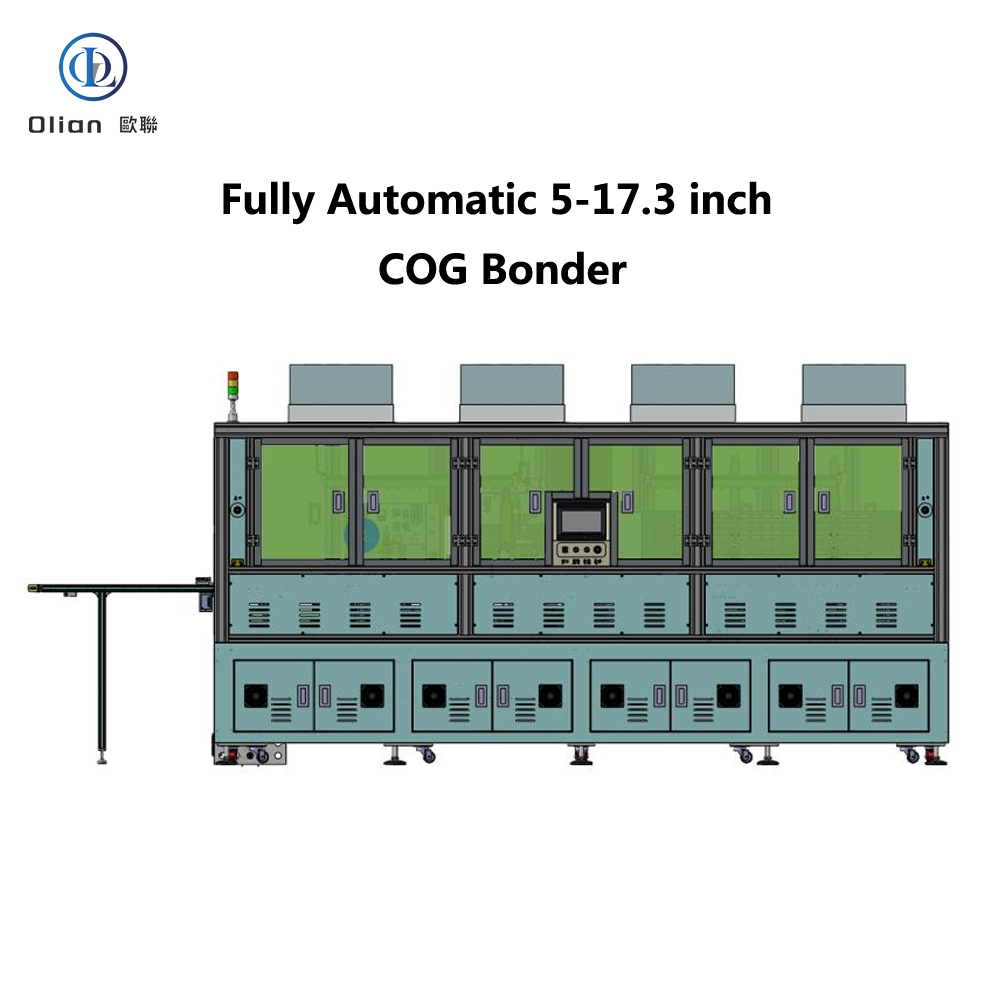
Powering the Display Revolution: How Our Precision Bonding Technology Enables the Screens of Tomorrow A perspective from Shenzhen Olian Automatic Equipment Co., Ltd.
The Invisible Infrastructure of Modern Electronics Every time you unlock your smartphone, navigate your vehicle’s touchscreen dashboard, or scroll through your smartwatch, you interact with the end result of thousands of precision manufacturing processes. At Shenzhen Olian Automatic Equipment Co., Ltd., we build the machines that make those interactions possible. Since 2012, we have specialized in the critical bonding technologies that connect the microscopic components within flat panel displays. Through our platform at bonding-machine.com, we serve as the bridge between raw semiconductor components and the seamless user experiences that define modern electronics. Understanding the Technology Stack Display manufacturing requires multiple specialized bonding processes, each addressing distinct engineering challenges: ACF (Anisotropic Conductive Film) Bonding creates directional electrical pathways while maintaining insulation between adjacent circuits. This technology enables the high-density interconnects necessary for high-resolution panels without risking short circuits between closely spaced conductive traces. COF (Chip-on-Film) Bonding attaches driver integrated circuits to flexible polyimide substrates. This approach allows circuits to bend and fold—essential for curved displays and space-constrained device designs. COG (Chip-on-Glass) Bonding mounts driver ICs directly onto glass panels. This method reduces overall module thickness and improves thermal management compared to traditional PCB-based solutions. COP/FOP (Chip-on-Plastic/Film-on-Plastic) Bonding represents our contribution to the next generation of flexible and foldable displays. As consumer electronics manufacturers push beyond rigid glass substrates, our COP/FOP solutions enable entirely new form factors. Engineering for Precision and Reliability Our equipment design philosophy centers on thermal management and positional accuracy. We employ pulse heat technology rather than conventional constant heating systems. Our titanium alloy bonding heads heat instantly upon contacting the substrate, then cool while maintaining mechanical pressure. This controlled thermal profile prevents component displacement during the critical solidification phase—a common failure mode in less sophisticated systems. For alignment, we integrate dual high-resolution camera systems with adjustable LED backlighting. These vision systems achieve ±5–10 micrometer registration accuracy, ensuring perfect pad-to-pad matching even as display densities increase and pitch dimensions shrink. Our programmable logic controllers allow operators to store process recipes for different panel specifications. Whether manufacturing for Samsung, LG, BOE, or custom display architectures, our systems maintain consistent quality across product generations. Market Position and Industry Validation The global semiconductor bonding equipment market is projected to expand from $1.5 billion in 2024 to $2.8 billion by 2033, reflecting a compound annual growth rate of 7.5%. This expansion is driven by three converging trends: increasing display resolution requirements, adoption of flexible form factors, and integration of advanced displays into automotive and industrial applications. Our market position reflects sustained investment in research and development. We maintain 70+ dedicated R&D engineers and operate 4,000 square meters of precision CNC manufacturing facilities. Our intellectual property portfolio includes 10+ utility patents and proprietary software systems developed entirely in-house. Industry recognition includes designation as a National High-Tech Enterprise (2022–2025) and certification as a Specialized, Refined, Unique, Innovative enterprise (2024–2027). These credentials validate our technical capabilities and commitment to advancement. Our client relationships demonstrate real-world performance. We have delivered over 4,000 equipment units and deployed 200+ automated production lines across more than 20 regions on five continents. Our installations support manufacturing operations at BOE, CSOT, HKC, Huawei, BYD, Foxconn, and Luxshare—organizations that demand zero-defect reliability at production scale. Service as a Competitive Advantage In capital equipment industries, post-sale support often determines long-term success. We have structured our service organization to minimize customer downtime and maximize production continuity. Our technical support team guarantees 30-minute response times with true 24/7 availability. Every system ships with comprehensive installation support, operator training, and documentation. We provide a one-year warranty covering all components and labor, with lifetime service support extending well beyond the initial coverage period. Most critically, we commit to defect resolution within 30 days. If we cannot restore full functionality in that timeframe, we provide free equipment replacement or complete refund. This policy reflects our confidence in manufacturing quality and our respect for our customers’ production schedules. Future Developments and Industry Outlook Looking ahead, we see three technology trends shaping our product roadmap: MicroLED Integration requires bonding equipment capable of handling increasingly small die sizes with extraordinary placement accuracy. We are developing next-generation vision and motion control systems to address sub-10 micrometer placement requirements. Automotive-Grade Reliability demands equipment that can process larger substrates (up to 85-inch diagonal) while maintaining the same precision standards established for smartphone displays. Thermal uniformity across these expanded work areas presents significant engineering challenges we are actively solving. Laser-Assisted Bonding offers millisecond-level thermal control with localized heating that minimizes stress on adjacent components. We are integrating laser systems into our bonding platforms to enable processing of temperature-sensitive materials and structures. Conclusion The display industry continues to evolve at remarkable speed. Resolution increases, form factors multiply, and application spaces expand from consumer electronics into automotive, medical, and industrial domains. Throughout these transitions, the fundamental requirement remains consistent: reliable, precise, high-throughput bonding technology. At Shenzhen Olian, we have built our organization to meet this requirement consistently and continuously. We invite display manufacturers, equipment integrators, and technology strategists to explore our capabilities at bonding-machine.com. For specific project discussions, our engineering team is available directly at olian@szolian.com. The screens of tomorrow are being built today. We are proud to provide the precision automation that makes them possible. Shenzhen Olian Automatic Equipment Co., Ltd. is a specialized automation equipment manufacturer serving the global flat panel display and semiconductor packaging industries.
Screen Decomposition Layers: Understanding the Structure of a Modern Smartphone Display
screen decomposition layers
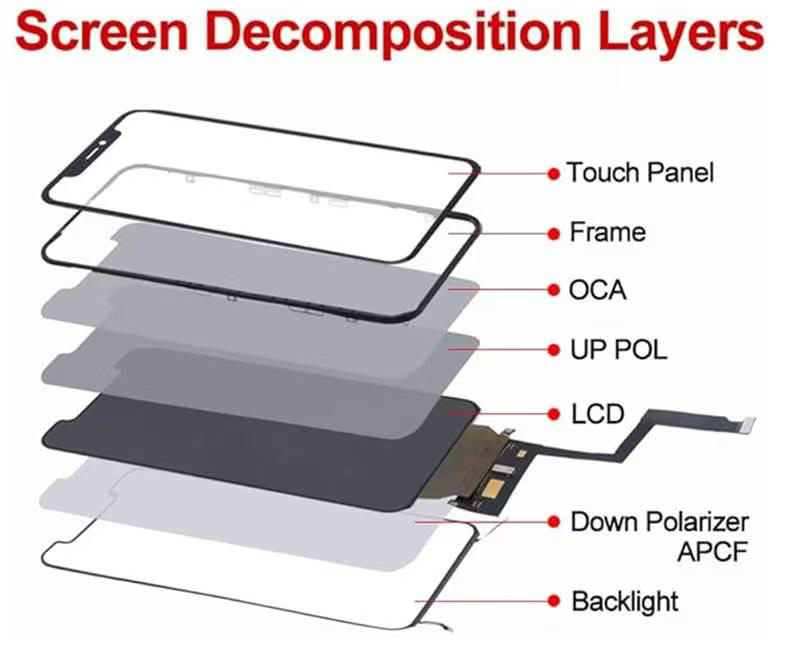
A smartphone screen is a sophisticated multilayered assembly that combines advanced materials and precision engineering to deliver vibrant visuals, responsive touch input, and durability. The diagram above illustrates the screen decomposition layers of a typical LCD-based smartphone display, showing how each component stacks together from top to bottom.
Touch Panel (Top Layer) The outermost layer is the Touch Panel, usually made of strengthened glass (such as Gorilla Glass). This layer detects finger touches using capacitive technology and protects the internal components from scratches, dust, and impacts. It is the surface users interact with daily.
Frame Directly beneath the touch panel is the Frame, which provides structural support and maintains the precise alignment of all layers. It helps keep the screen assembly rigid and ensures proper spacing between components.
OCA (Optically Clear Adhesive) OCA is a transparent adhesive layer that bonds the touch panel and frame to the layers below. It is optically clear to minimize light loss and prevent air gaps that could cause reflections or reduce image quality.
UP POL (Upper Polarizer) The Upper Polarizer (UP POL) is a thin optical film that controls the polarization of light passing through the LCD layer. It works together with the lower polarizer to regulate light transmission and enhance contrast and color accuracy.
LCD (Liquid Crystal Display) The LCD is the core imaging layer. It contains liquid crystals that twist or align when an electric current is applied, modulating light to create images and colors. Modern smartphone LCDs offer high resolution, excellent color reproduction, and fast refresh rates.
Down Polarizer (APCF) Below the LCD sits the Down Polarizer, also referred to as APCF (Advanced Polarizer Compensation Film). This layer further refines light polarization, improving viewing angles, reducing glare, and enhancing overall visual performance.
Backlight At the very bottom is the Backlight unit. Since LCD panels do not emit light themselves, the backlight provides the necessary illumination. It typically consists of LED lights and light-guiding plates that evenly distribute light across the entire screen, ensuring consistent brightness and clarity. Why Layered Design Matters Each layer in this decomposition serves a specific purpose: Protection and Interaction: The top layers handle user input and physical protection. Optical Performance: Polarizers and adhesives optimize light transmission and image quality. Image Formation: The LCD layer creates the actual picture. Illumination: The backlight ensures the screen is visible in all lighting conditions. Understanding these screen decomposition layers is particularly useful for technicians performing screen repairs or replacements, as damage to any single layer can affect the entire display’s performance. For example, a cracked touch panel can often be replaced separately, while damage to the LCD or backlight usually requires replacing the full assembly. This modular layered structure allows manufacturers to balance factors like thinness, durability, display quality, and production cost in modern smartphones. As display technology evolves toward OLED and foldable screens, similar layered principles continue to apply, though the specific materials and stacking order may differ.
if you also in the field of displays, you can contact us for our bonding machines for your factory. wechat/whatsapp:wa.me/8618025364779 bonding-machine.com Zack wu Shenzhen Olian
In the rapidly evolving world of display technology, from ultra-thin 4K televisions to flexible OLED smartphones, Chip-on-Film (COF) technology has become the gold standard. However, for repair centers and manufacturers, achieving a perfect bond is a high-stakes challenge. A single micron of misalignment can result in a dead pixel line or a scrapped panel.
In this guide, we will explore the mechanics of a COF bonding machine, how to optimize your production yield, and what to look for when investing in new equipment.
1. What is COF Bonding Technology?
COF (Chip-on-Film) is an advanced packaging technology where the drive IC is directly mounted on a flexible circuit (film). Unlike traditional COG (Chip-on-Glass), COF allows for narrower bezels and foldable designs.
The COF bonding machine uses a process called Anisotropic Conductive Film (ACF) bonding. By applying specific heat and pressure, the conductive particles within the ACF create an electrical connection between the IC and the panel electrodes while maintaining insulation between adjacent traces.
2. Key Technical Challenges in COF Repair
Why do so many technicians struggle with COF bonding? It usually comes down to three variables:
Alignment Precision: Modern 4K displays have electrode pitches as small as 20- 30 um. Manual alignment is no longer sufficient.
Thermal Management: If the pulse heater fluctuates by even 5 degree, the ACF may not cure correctly, leading to “cold welding.”
Pressure Uniformity: Uneven pressure across the bonding head causes some conductive particles to be crushed while others fail to make contact.
3. Common Troubleshooting: Solving COF Bonding Failures
If you are experiencing high failure rates, check these three common “pain points”:
A. Vertical Lines After Bonding (Open Circuit)
Cause: Insufficient pressure or contaminated electrodes.
Solution: Clean the glass and COF surfaces with high-purity IPA. Ensure your bonding pressure is calibrated within the 0.2- 0.4 MPa range.
B. Bubbles in the ACF Layer
Cause: Excessive temperature or air trapped during the pre-bonding phase.
Solution: Optimize your temperature curve. Use a multi-stage heating profile rather than a single rapid burst.
C. Image Ghosting (High Resistance)
Cause: ACF expiration or insufficient bonding time.
Solution: Always store ACF in a refrigerator (2-8 degrees) and ensure the final bonding time is at least 10-15s seconds to allow for full polymerization.
4. What to Look for in a COF Bonding Machine?
When browsing bonding-machine.com, prioritize these technical features to ensure a high Return on Investment (ROI):
High-Resolution Optical System: Look for machines equipped with dual 2-megapixel cameras and adjustable LED backlighting for clear electrode visualization.
Titanium Alloy Bonding Heads: Titanium offers superior thermal stability compared to stainless steel, preventing warping during continuous operation.
Programmable Logic Controller (PLC): A high-quality PLC allows you to save “recipes” for different panel types (Samsung, LG, BOE), ensuring consistency across different jobs.
5. Conclusion
The demand for high-quality display repair is skyrocketing. Investing in a professional-grade COF bonding machine is not just about buying a tool—it’s about guaranteeing the precision that your customers demand.
At Bonding-Machine.com, we specialize in providing industrial-grade ACF, COF, and COG bonding solutions designed for 24/7 reliability.
COF bonding machine working videos:
85inch TV COF bonding machine:
How to use single head TV Panel LCD panel acf cof tab fpc bonding machine
Shenzhen Olian (founded 2012) specializes in R&D and manufacturing of automation equipments for FPD and next-gen flexible screens—exactly the tech shaping your industry. With 70+ R&D engineers, 4,000m² of precision CNC facilities and a full suite of patents, we deliver integrated solutions for LCM modules, touch displays, and smart factories. Our clients—like BOE, CSOT, HKC, Huawei, BYD, Foxconn,Luxshare…more than 2000 customers—trust us for quality, innovation, and efficiency. We’re already serving partners across 20+ regions and 5 continents. I’d love to explore how we can support your goals. Zack Wu Shenzhen Olian Wechat/whatsapp: wa.me/8618025364779 olian@szolian.com bonding-machine.com
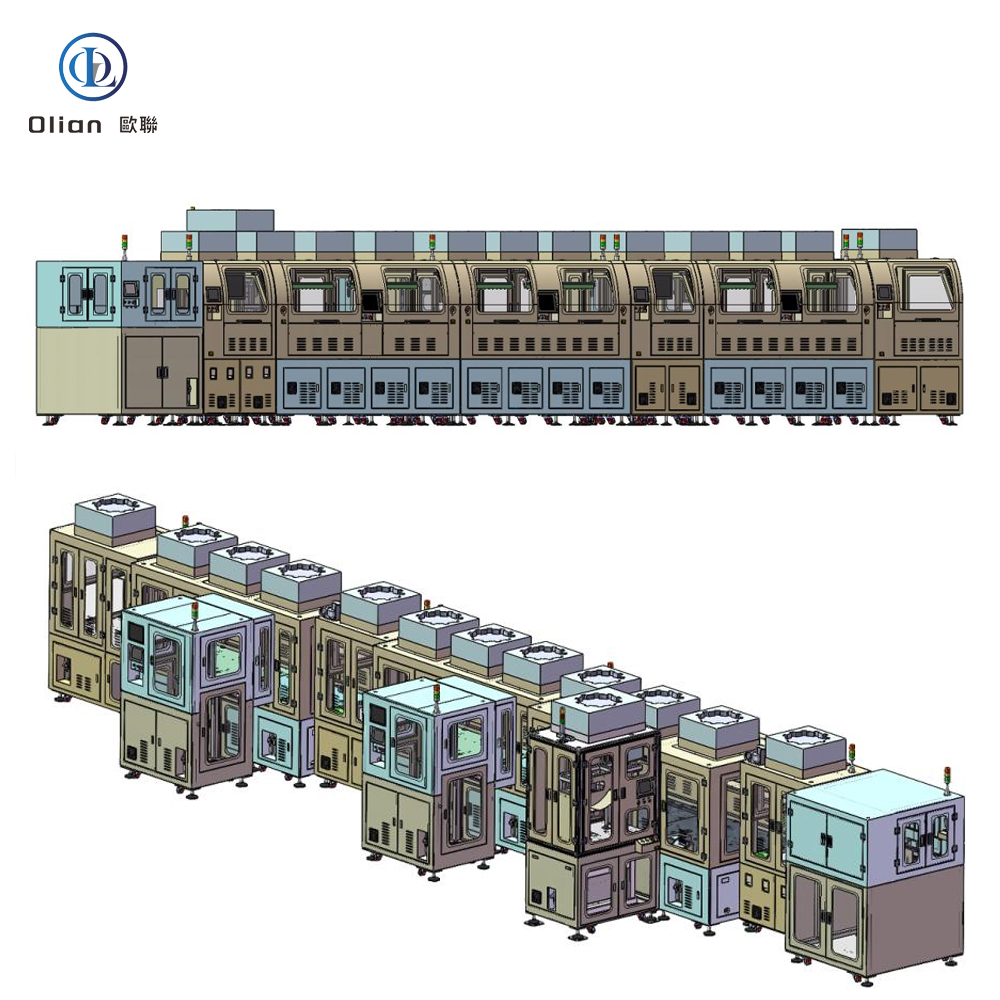
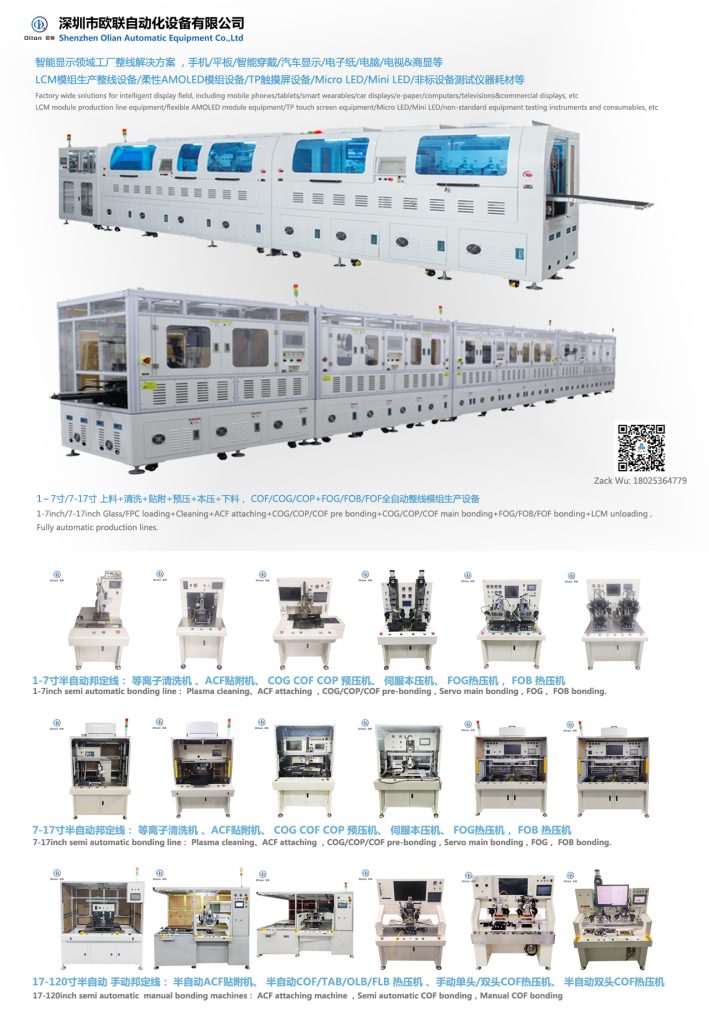
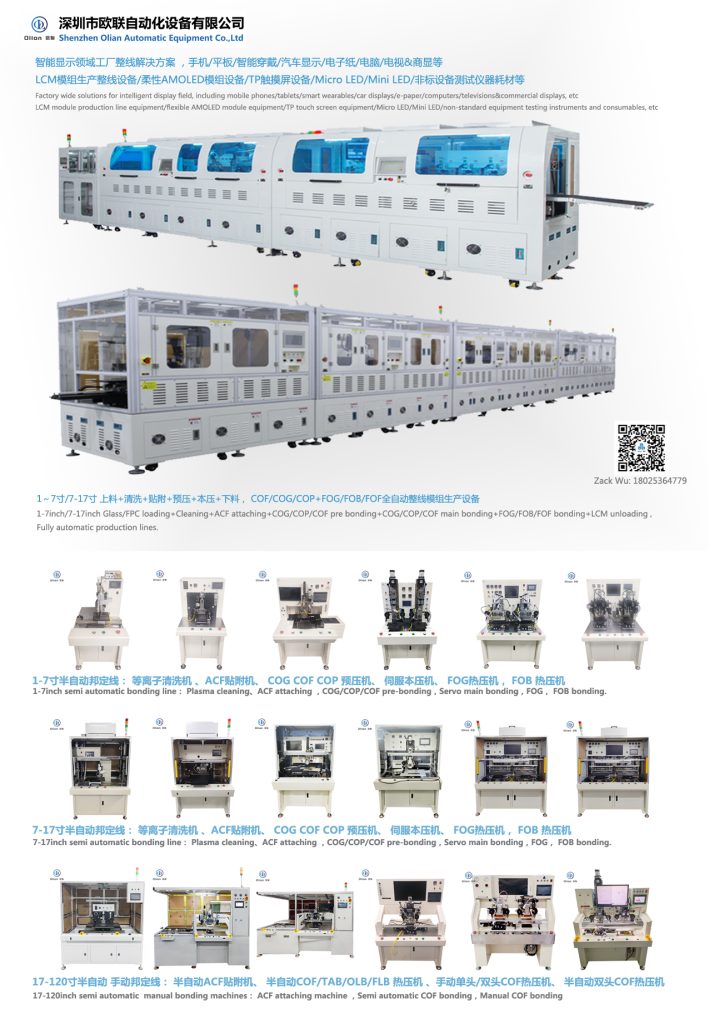
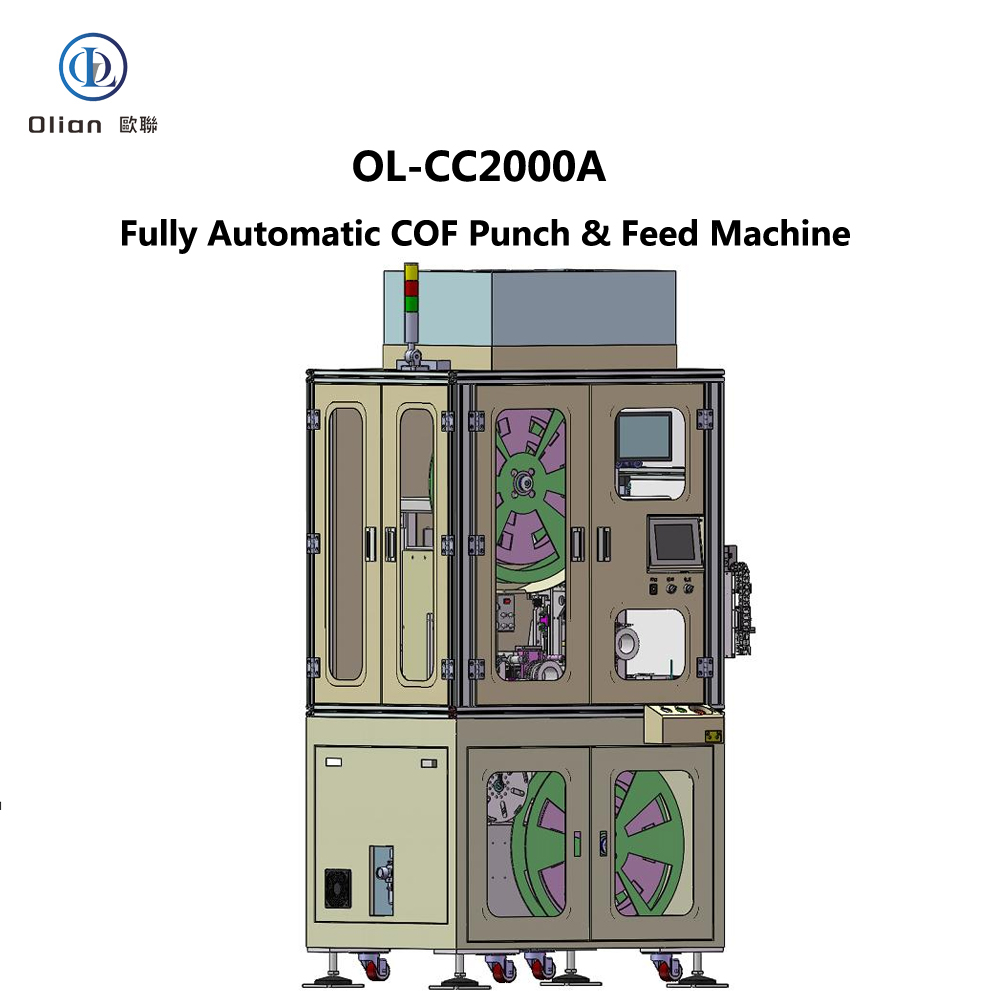
Discover our cutting-edge, fully automated binding line technology. Engineered for 0.7″ to 7″ displays, this line features nanometer-level precision, static elimination, and 99.5%+ yield rates.
Revolutionizing Display Manufacturing: The All-in-One Automated Binding Line
In the competitive landscape of display manufacturing, efficiency, yield, and precision are non-negotiable. We present a state-of-the-art Fully Automated Binding Line, specifically engineered to handle the complexities of modern display assembly. This integrated solution is designed to be fully compatible with One Glass Solution (OGS) and semi-flexible products, setting a new benchmark for the industry.
This production line covers the entire spectrum of display module assembly—from initial cleaning to final inspection—ensuring seamless integration and maximum throughput.
1. Comprehensive Process Integration
Our automated line is a turnkey solution capable of handling a wide range of product types, including AMOLED, PMOLED, TFT, and STN displays. With a production rhythm of ≤3.5 seconds for products ranging from 0.7 inches to 7 inches, this line is optimized for high-volume manufacturing.
The system is designed to handle diverse geometries, including square, round, polygonal, and irregular shapes, making it the most versatile choice for manufacturers dealing with custom display designs.
2. Precision Cleaning & Surface Preparation
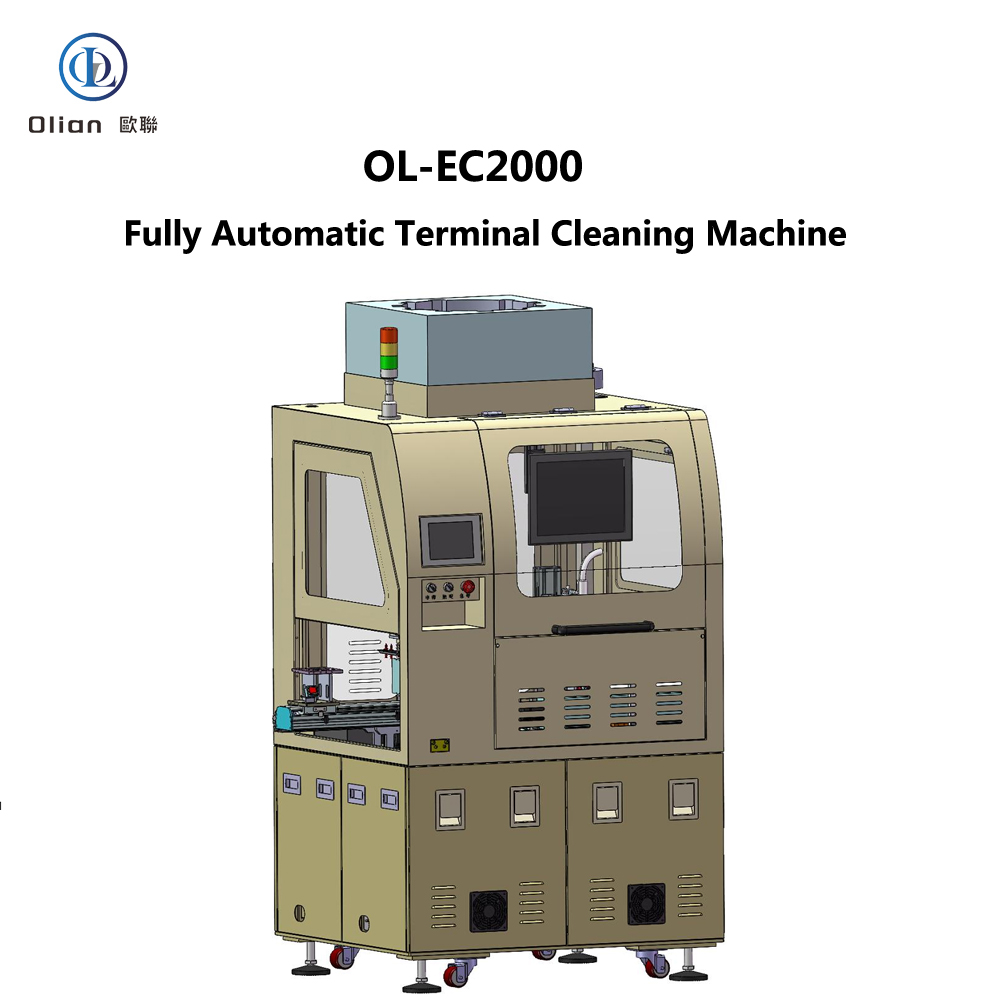
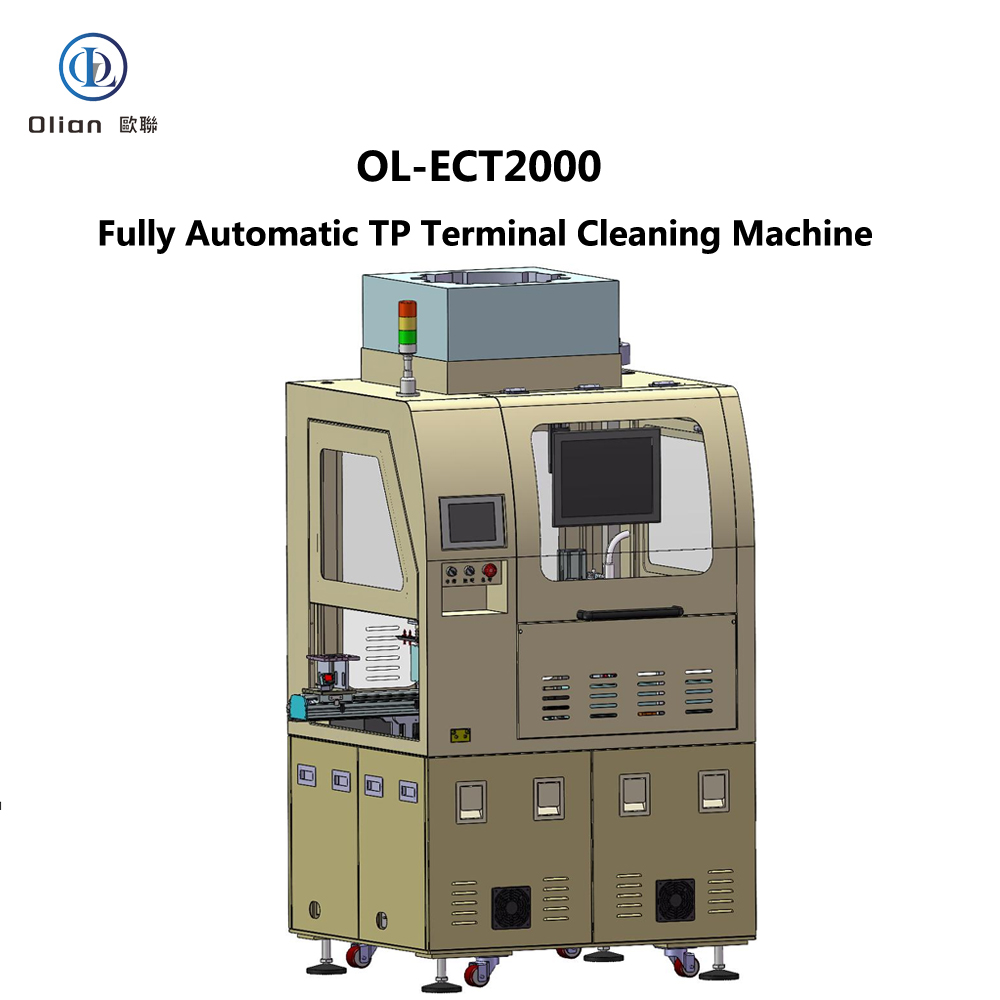
A flawless display starts with a pristine surface. Our Fully Automatic Grinding & Cleaning Machine utilizes advanced CCD panoramic cameras for glass loading and correction. The system features independent Z-axis control for grinding heads with deceleration mechanisms (pneumatic cylinder + servo motor) to ensure uniform pressure.
Advanced Filtration: Utilizing 1um filters for DI water and compressed air to prevent secondary contamination.
Static Control: Integrated ionizers at the conveyor exit and independent vacuum systems for all suction cups to prevent particle adhesion.
Quality Assurance: Real-time monitoring of water resistivity and a target cleaning yield of 99.5%.
Complementing this, the Online Plasma Cleaner uses a “flame-type” cleaning method (PLASMA-BAR & USC-BAR) to achieve a water contact angle of ≤15°, ensuring optimal surface energy for adhesion without static damage.
3. High-Yield Optical Bonding & Assembly
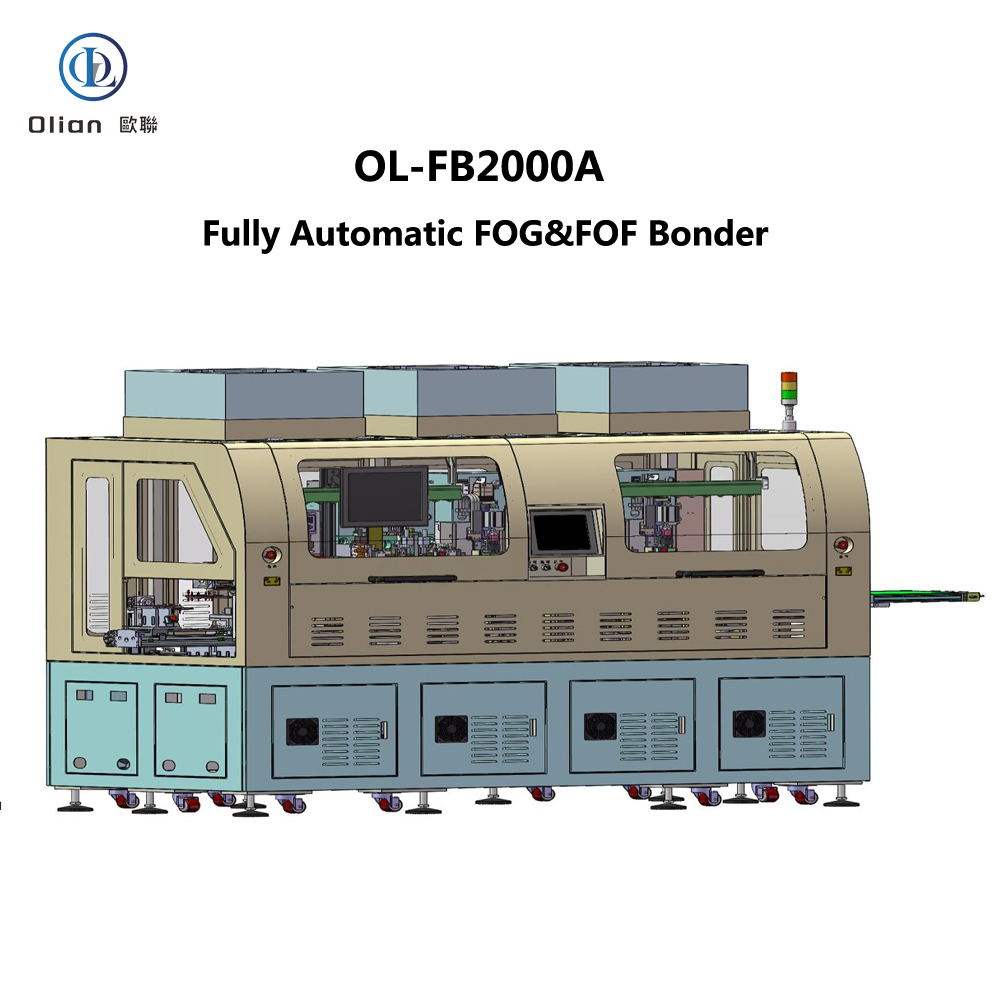
The heart of the line lies in its bonding capabilities. We offer specialized machines for COG (Chip on Glass), COF (Chip on Film), FOG (Film on Glass), and TFOG/TFOF applications, all featuring ±0.1mm ACF (Anisotropic Conductive Film) placement accuracy.
Nanometer-Level Precision: The COG bonding machine achieves a staggering ±4µm alignment accuracy, while FOG/TFOG machines maintain ±10µm precision.
Dual-Station Efficiency: The Fully Automatic Sticker features dual stations for top and bottom polarizer attachment with a ±0.1mm accuracy, utilizing steel belt and adhesive plate technology.
Damage Prevention: All bonding heads feature independent Z-axis control and buffer springs to prevent product crushing. A critical “blow-air” function is integrated into the main pressing station to prevent polarizer burn marks and secondary curing issues.
4. Advanced Inspection & Quality Control
Quality is not inspected in; it is built in. The line incorporates a Fully Automatic Particle AOI (Automated Optical Inspection) system that detects defects such as particles, misalignment, cracks, and scratches with a 99% detection rate and a false alarm rate of less than 2%.
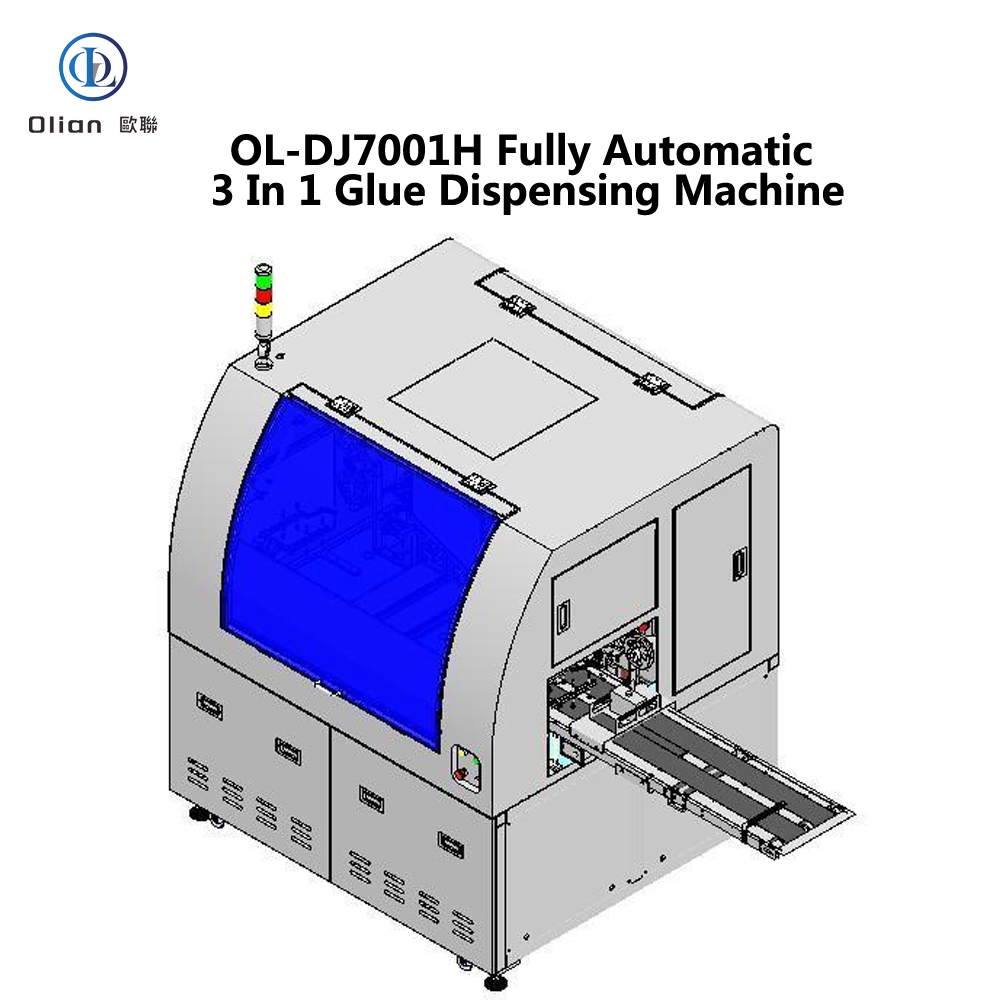
Additionally, the Three-in-One Gluing Machine and Front & Back Gluing Machine utilize premium EFD喷射阀 (EFD Jet Valves) with independent proportional valve control for pressure. This ensures precise application of UV glue, TUFFY glue, and silver paste, followed by long-life LED curing (20,000+ hours).
5. Cleanroom Standards & Smart Manufacturing
To meet the strictest environmental standards, critical stations (Sticker, Plasma, COG/FOG, AOI, Gluing) maintain an internal particle cleanliness level of Class 100 (Dynamic). This is achieved through FFU installations and ionizers that trigger automatic alarms if static levels exceed thresholds.
Smart Factory Ready: Every machine in the line supports MES communication protocols with reserved gateways. This allows for seamless data integration, real-time monitoring of production parameters (temperature, pressure, time), and full traceability of production logs and defect images.
Technical Highlights Summary
Production Speed: ≤ 3.5 seconds per unit (0.7″ – 7″).
Yield Rates: Targeting 99.5%+ across cleaning, bonding, and gluing processes.
Accuracy: Down to ±4µm (COG) and ±0.1mm (ACF/Alignment).
Compatibility: Supports rigid, semi-flexible, and OGS structures.
Materials: Utilizes anti-static black fluororubber O-rings and polyurethane coating to prevent contamination.
Shenzhen Olian OL-1500 Series Fully automatic COF FOF TFOF bonding Dispensing production line :
What is COF?
COF, which stands for Chip On Flex or Chip On Film, is a kind of IC packaging technology. It fixes integrated circuits (IC) on flexible printed circuit boards (FPC) and connects the chip with the flexible substrate circuit through thermocompression, so as to realize the interconnection between the chip and the circuit.
What is COF Bonding Process
The COF bonding process is the process of connecting the display driver IC chip to the soft film carrier through the COF technology. It mainly uses the flip – chip eutectic method to bond the gold bumps on the display driver IC with the inner leads on the flexible substrate. This process can realize the electrical connection and mechanical fixation between the chip and the substrate, and is a key process in the manufacturing of LCD/OLED display modules.
What is COF Bonding Machine
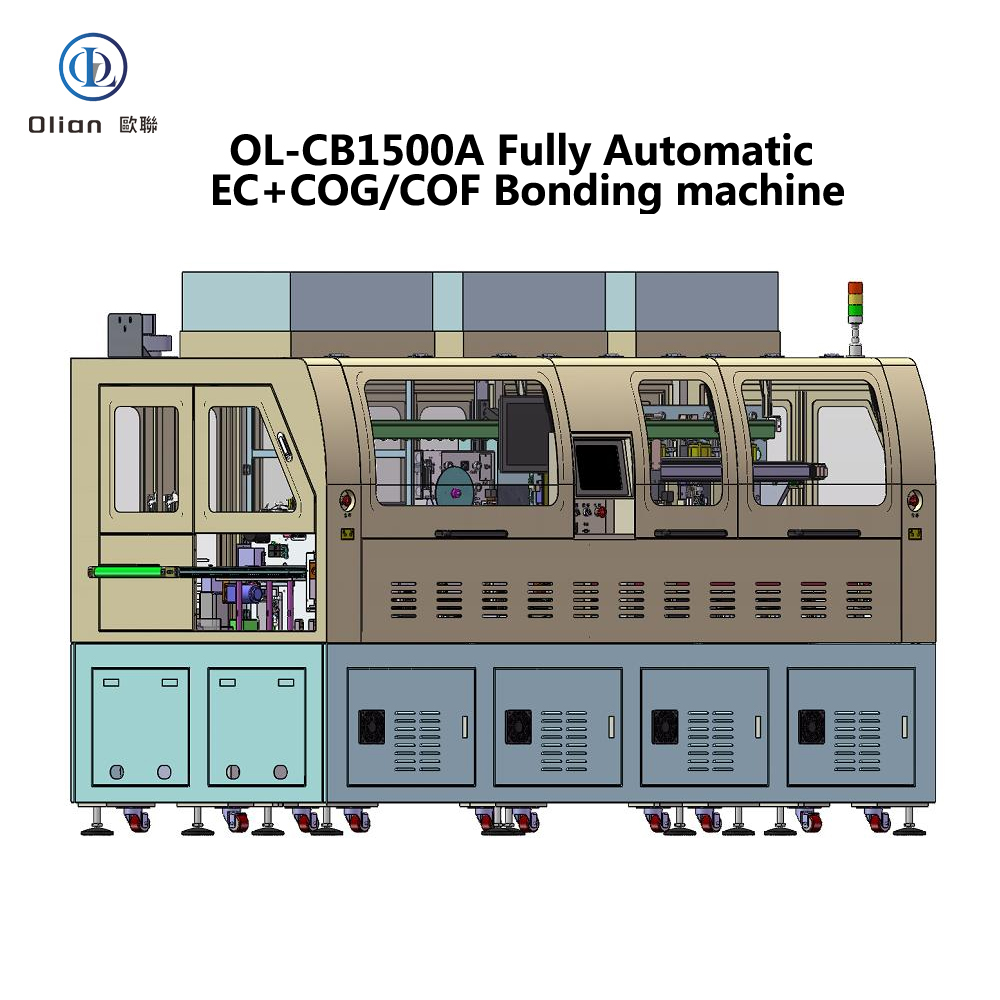
COF bonding machine is a special equipment used to complete the COF bonding process. It can accurately position and bond the COF and the panel or PCB to ensure the quality and reliability of the connection. The machine usually has a variety of functions, such as ACF (Anisotropic Conductive Film) feeding, cutting, pasting, and precise alignment and pressure – bonding. It can be divided into semi – automatic and fully automatic types according to the degree of automation. The fully automatic COF bonding machine can realize the automatic feeding, positioning, bonding and other operations of COF and panel, which can greatly improve the production efficiency and product quality.
Introduction of ACF
ACF, whose full name is Anisotropic Conductive Film, is a kind of adhesive film with special electrical conductivity. It is composed of conductive particles evenly distributed in the adhesive matrix. The characteristic of ACF is that it has obvious differences in the electrical conductivity in the Z – axis direction and the insulation resistance in the XY plane. When the Z – axis conductivity resistance value and the XY plane insulation resistance value exceed a certain ratio, it can be called good conductive anisotropy. In the COF bonding process, ACF plays a vital role. It can not only connect the electrodes of the IC chip and the substrate to achieve electrical conduction, but also avoid the short circuit between adjacent electrodes.
Specific Process of COF Bonding
● Feeding: First, the COF and the panel or PCB that need to be bonded are automatically fed into the working area of the bonding machine.
● Positioning: The machine uses high – precision visual positioning systems, such as CCD cameras, to accurately locate the position of the COF and the panel to ensure that they are aligned.
● ACF Feeding and Cutting: The ACF material is fed into the machine, and according to the required length, it is cut by the cutting device.
● ACF Sticking: The cut ACF is accurately pasted on the corresponding position of the COF or the panel.
● Preliminary Pressing: After the ACF is pasted, a preliminary pressing is carried out to make the COF and the panel preliminarily bonded and ensure that the ACF is evenly distributed between them.
● Main Pressing: Under the action of a certain temperature and pressure, the main pressing is carried out. During this process, the ACF is dissolved and solidified, and the conductive particles in it are compressed to form a conductive path, so as to realize the electrical connection between the COF and the panel.
● Inspection: After the bonding is completed, the machine will carry out an inspection to check whether the bonding position is accurate, whether the electrical connection is good, and so on.
Precautions for COF Bonding
● Cleanliness: During the bonding process, it is necessary to ensure the cleanliness of the working environment and the surface of the materials to avoid the influence of impurities and dust on the bonding quality.
● Temperature and Pressure Control: The temperature and pressure during the bonding process need to be strictly controlled according to the process requirements. Improper temperature and pressure may lead to poor bonding or damage to the materials.
● Alignment Accuracy: The alignment accuracy between the COF and the panel is very important, and any deviation may lead to electrical connection failure. Therefore, the visual positioning system needs to be regularly calibrated and maintained.
● Material Storage: COF and ACF materials need to be stored under specific conditions, such as temperature, humidity, etc., to ensure their performance is not affected.
COF Bonding and Related Shenzhen Olian Equipments
While Olian Automatic provides a comprehensive range of equipment, their solutions for COF bonding typically fall into the following categories, often integrated into production lines:
COG/FOG/COF Bonding Series (Thermocompression Bonding Machines)
These are the core machines used for the actual bonding process.
○ Technology: They utilize advanced PLC + HMI (Programmable Logic Controller + Human Machine Interface) control systems for stability. The machines are equipped with high-precision servo motors and CCD visual alignment systems to achieve high accuracy.
○ Precision: Their equipment is designed to achieve high alignment accuracy (often within ±3μm to ±10μm range depending on the model and application), which is critical for high-resolution displays.
○ Control: They employ sophisticated temperature and pressure control algorithms to ensure consistent bonding quality. The bonding heads are typically made of high-quality materials like tungsten steel or SUS440C to ensure thermal uniformity.
ACF Attachment Machines (ACF Taping Machines)
Since ACF is essential for COF bonding, Olian also manufactures equipment dedicated to the precise application of ACF onto panels or FPCs.
○ Function: These machines handle the unwinding, tension control, cutting, and precise placement of the ACF tape.
○ Integration: They are often integrated as upstream modules in a COF bonding production line.
Complete COF Bonding Production Lines (In-line Systems)
For higher efficiency, Olian Automatic provides integrated solutions that connect multiple processes.
○ Process Integration: A typical line might include: Panel Loading → Plasma Cleaning → ACF Attachment → COF Pre-bonding → COF Main Bonding → Post-Bonding Curing (if required) → AOI (Automated Optical Inspection) → Unloading.
○ Automation: These lines utilize robotic arms or conveyor systems to transfer products between stations, minimizing human intervention and maximizing throughput.
Equipment Features and Advantages
● High Precision: Utilizing finite element analysis (FEA) for thermal and mechanical design, their machines ensure high parallelism and temperature uniformity during the bonding process, which is vital for preventing stress damage to the delicate glass panels.
● Stability and Reliability: With years of experience in FPD technology, Oulian’s equipment is known for its stable performance in mass production environments.
● Customization: As a manufacturer of non-standard automation equipment, they can customize machines and production lines based on specific customer requirements, such as different panel sizes (from small mobile phone screens to large monitors) and specific process flows.
● Intellectual Property: The company holds multiple patents and software copyrights related to automation control, alignment algorithms, and mechanical structure design, ensuring their technology remains competitive.
Shenzhen Olian Automatic Equipment Co., Ltd. provides a robust portfolio of equipment for the COF bonding process. From standalone precision bonding heads to fully automated production lines.their solutions are designed to meet the demanding requirements of the modern display manufacturing industry, emphasizing precision, stability, and automation.
Shenzhen Olian Automatic Equipment Co., Ltd., established in 2012, specializes in automation equipment for FPD flat-panel displays and next-generation flexible screens. As a national high-tech enterprise and “Specialized, Refined, Unique, Innovative” enterprise, Olian integrates R&D, production, sales, and service. Key highlights:
80+ professional R&D team with expertise in precision manufacturing.
4,000㎡ facility featuring CNC machining centers (precision CNC, large surface grinders, lathes, milling machines) and a quality inspection center (Japanese-imported 2D measuring instruments, Olympus microscopes).
2,100+ clients served globally, including partnerships with leading enterprises in China, Taiwan, Canada, South Korea, Singapore, India, and Vietnam.
1. Overview of the Automotive Display Bonding Line
The Automotive Display Bonding Line is a critical and highly specialized segment within the broader automotive display manufacturing process. It refers to the dedicated production stage where key optical and mechanical components of a display—such as the cover glass, touch sensor, display panel (LCD/OLED), and backlight unit—are precisely laminated and bonded together using advanced materials and techniques. This process is essential for ensuring optical clarity, mechanical durability, environmental resistance, and long-term reliability in the harsh operating conditions typical of automotive environments.
As modern vehicles integrate larger, curved, and multi-display consoles, the bonding process has evolved from simple adhesive application to a high-precision, cleanroom-controlled operation involving automated alignment, vacuum lamination, and advanced optically clear adhesives (OCAs) or liquid optical bonding (LOCA). The bonding line plays a pivotal role in determining the final display’s performance, including sunlight readability, touch sensitivity, resistance to delamination, and overall lifespan.
2. Importance of Bonding in Automotive Displays
Unlike consumer electronics, automotive displays must endure extreme temperatures (-40°C to +85°C), prolonged UV exposure, high humidity, mechanical vibration, and frequent thermal cycling. The bonding process directly impacts:
● Optical Performance: Minimizing reflections and air gaps to enhance contrast and visibility.
● Mechanical Integrity: Preventing delamination, cracking, or warping over time.
● Touch Sensitivity: Ensuring consistent response by eliminating air pockets between layers.
● Environmental Sealing: Protecting internal components from moisture, dust, and chemical ingress.
● Durability: Meeting automotive-grade reliability standards such as AEC-Q100 and ISO 16750.
3. Key Components Involved in the Bonding Process
The bonding line typically integrates the following components:
● Cover Glass or Lens: Often chemically strengthened (e.g., Gorilla Glass) with anti-reflective (AR), anti-fingerprint (AF), or haptic coatings.
● Touch Sensor Layer: Usually a capacitive touch film (PET or glass-based) with fine conductive patterns.
● Display Panel: LCD or OLED panel with driver ICs and flexible printed circuits (FPCs).
● Optical Clear Adhesive (OCA): A transparent, pressure-sensitive film or liquid adhesive with high refractive index matching.
● Backlight Unit (for LCDs): Includes LED array, light guide plate, and diffusers.
● Bezel and Frame: Provides structural support and alignment during bonding.
4. Stages of the Automotive Display Bonding Line
A state-of-the-art bonding line consists of the following sequential stages:
4.1. Pre-Bonding Preparation
● Cleaning and Drying: All substrates are ultrasonically cleaned and dried in a class 100–1000 cleanroom to remove dust, oils, and particulates.
● Plasma Treatment: Surface activation using plasma improves wettability and adhesion, especially for LOCA processes.
● Alignment Mark Detection: Machine vision systems identify alignment markers on each layer for sub-micron precision.
4.2. Pre-Bonding (Pre-Press)
● Layers are temporarily joined under controlled pressure and temperature to ensure initial adhesion without full curing.
● Automated alignment systems (using CCD cameras and servo motors) achieve alignment accuracy within ±5 µm.
4.3. Optical Bonding (Main Lamination) Two primary bonding methods are used:
● Film OCA Bonding:
○ Pre-cut OCA films are placed between layers.
○ Vacuum laminators apply uniform pressure in a vacuum chamber to eliminate bubbles.
○ Heat may be applied to activate the adhesive.
○ Advantages: Clean, consistent, and suitable for high-volume production.
● Liquid Optical Bonding (LOCA):
○ A liquid adhesive is dispensed around the perimeter of the display.
○ Capillary action draws the adhesive into the gap.
○ UV curing or thermal curing follows under controlled conditions.
○ Advantages: Better for curved or non-uniform gaps; improves impact resistance.
4.4. Curing Process
● Thermal Curing: For heat-activated OCAs, displays are passed through convection or IR ovens.
● UV Curing: UV lamps expose the adhesive to initiate polymerization (common in LOCA).
● Curing profiles are precisely controlled to ensure complete cross-linking without damaging sensitive components.
4.5. Post-Bonding Processing
● Debubbling: Additional vacuum or pressure cycles remove any residual micro-bubbles.
● Trimming and Edge Sealing: Excess OCA or cured LOCA is trimmed; edge sealants may be applied to prevent moisture ingress.
● Cleaning and Inspection: Final cleaning with isopropyl alcohol or plasma; visual and automated inspection follows.
4.6. Quality Control and Testing
● Optical Inspection: Automated vision systems check for bubbles, delamination, dust, and alignment errors.
● Peel Strength Testing: Sample units undergo adhesion tests to verify bond integrity.
● Thermal Shock Testing: Bonded units are cycled between extreme temperatures to detect early failure.
● Humidity Resistance Testing: Units are exposed to high humidity (e.g., 85°C/85% RH) for 1,000+ hours.
5. Automation and Precision in the Bonding Line
The automotive display bonding line is highly automated to ensure consistency and yield:
● Robotic Handling: SCARA or Cartesian robots transfer delicate assemblies without contamination.
● Environmental Control: Temperature, humidity, and particulate levels are tightly regulated in cleanroom environments (ISO Class 5–6).
● Data Logging and Traceability: Every bonding cycle is recorded (pressure, temperature, time, adhesive type) for quality traceability and process optimization.
6. Challenges and Innovations
Challenges:
● Bonding curved or free-form displays requires custom tooling and flexible adhesives.
● Minimizing voids and bubbles in large-format displays (e.g., 15+ inch screens).
● Managing thermal expansion mismatches between glass, plastic, and metal components.
● Achieving fast cycle times without compromising bond quality.
Innovations:
● Smart Adhesives: Temperature- or light-responsive OCAs with self-healing properties.
● Sustainable Adhesives: Development of recyclable or bio-based OCAs.
● In-Mold Electronics (IME): Bonding displays directly into 3D-shaped surfaces.
9. Conclusion
The Automotive Display Bonding Line is a cornerstone of modern automotive display manufacturing, combining precision engineering, advanced materials science, and smart automation to deliver displays that are not only visually stunning but also rugged and reliable. As vehicles evolve into mobile digital platforms, the bonding process will continue to innovate, enabling larger, more durable, and more interactive displays that enhance both safety and user experience. Investing in advanced bonding technology is essential for manufacturers aiming to meet the growing demands of the next-generation automotive market.
Flexible Display Module Bonding Equipment: Precision Engineering for Next-Gen Wearables and Smart Devices.
Flexible Display Module Bonding Equipment
As the demand for flexible electronics surges across industries—from smartwatches and foldable smartphones to wearable health monitors and AR/VR devices—the manufacturing of flexible display modules has become a cornerstone of modern electronics production. At the heart of this revolution lies the Flexible Display Module Bonding Equipment, a highly advanced, precision-driven system engineered to deliver reliable, high-yield interconnections between delicate flexible displays and their driving circuitry.
This specialized equipment plays a critical role in the assembly of flexible OLED, micro-LED, and e-paper modules, ensuring robust electrical connections while maintaining the mechanical flexibility and durability essential for next-generation devices. Among the key bonding technologies, COP (Chip on Plastic) and FOP (FPC on Plastic) have emerged as pivotal processes, especially for ultra-compact and curved wearable displays, enabling innovative form factors and enhanced integration.
What is Flexible Display Module Bonding?
Module bonding refers to the process of connecting the display panel (typically a flexible substrate) with driver ICs (Integrated Circuits) and Flexible Printed Circuits (FPCs). In flexible displays, this process must accommodate ultra-thin, bendable materials without compromising electrical performance or structural integrity.
The Flexible Display Module Bonding Equipment performs key processes such as Chip-on-Film (COF), Tape Automated Bonding (TAB), and increasingly, COP (Chip on Plastic) and FOP (FPC on Plastic), enabling high-density, fine-pitch interconnections directly onto plastic or flexible substrates—eliminating the need for rigid carriers and enabling true flexibility.
Core Processes and Technologies
1. Chip-on-Plastic (COP) Bonding
● Definition: COP refers to the direct bonding of a bare Integrated Circuit (IC) onto a plastic-based flexible substrate (such as PI—Polyimide), typically at the edge of the display panel.
● Process Flow: ACF is pre-laminated on the bonding area; the bare IC is precisely aligned and placed; Thermocompression bonding forms the connection.
● Advantages: Enables ultra-narrow bezel design, reduces thickness, and maintains high flexibility.
● Applications: Smartwatches, AR glasses, and ultra-thin fitness bands.
2. FPC-on-Plastic (FOP) Bonding
● Definition: FOP involves bonding a Flexible Printed Circuit (FPC) directly onto a plastic substrate of the display module.
● Process Flow: ACF is applied; the FPC tip is aligned and bonded using thermocompression.
● Advantages: Offers enhanced design freedom for 3D shaping and ensures robust mechanical connections resistant to bending fatigue.
● Applications: Foldable phones, curved automotive displays, and wearable medical devices.
3. Chip-on-Film (COF) Bonding
● Mounts driver ICs on a flexible polyimide (PI) film carrier, which is then bonded to the display panel using ACF. Offers excellent flexibility for high-end displays.
4. Fine-Pitch Alignment and Placement
● Equipped with high-resolution vision systems and nano-positioning stages to achieve alignment accuracy within ±3–5μm, essential for COP and FOP processes.
5. Thermocompression Bonding
● Utilizes multi-zone heating heads to ensure uniform temperature distribution and programmable force profiles for different materials.
6. Post-Bonding Inspection and Testing
● Integrated AOI (Automated Optical Inspection) detects misalignment, ACF voids, or IC tilt, ensuring high yield.
Key Features of Advanced COP/FOP Bonding Equipment
● COP & FOP Process Optimization: Dedicated tooling for direct bonding on plastic substrates.
● Ultra-Fine Pitch Capability: Supports pitch down to 20μm.
● Low Thermal Budget: Prevents warping of sensitive plastic substrates.
● 3D Surface Bonding: Adaptive pressure for curved and non-planar surfaces.
● Smart Process Control: Real-time monitoring via MES integration and predictive maintenance.
Why COP and FOP Are Game-Changers
These processes enable True Flexibility and Miniaturization, which are critical for wearables. By bonding directly on plastic, they eliminate rigid carriers, allowing displays to bend and fold seamlessly.
Olian Automatic: Pioneering COP and FOP Bonding Solutions
At Olian Automatic, we are at the forefront of developing next-generation COP and FOP bonding equipment tailored for the future of flexible electronics. Our systems integrate advanced vision alignment, adaptive thermocompression, and intelligent process control to deliver unmatched precision and yield.
We understand that COP and FOP are not just processes—they are enablers of innovation. That’s why our equipment is designed with modularity, scalability, and ease of integration in mind, supporting customers from R&D to mass production.
With deep expertise in ACF handling, ultra-fine pitch bonding, and flexible substrate processing, Olian Automatic empowers manufacturers to push the boundaries of what’s possible in wearable and flexible display technology.
Wearable Device Display Manufacturing Line: Enabling the Future of Compact, Flexible, and High-Performance Wearables
As wearable technology continues to evolve—from smartwatches and fitness trackers to AR glasses and health monitoring patches—the demand for compact, durable, flexible, and energy-efficient displays has surged. At the core of this innovation lies the Wearable Device Display Manufacturing Line, a highly sophisticated, precision-driven production system engineered to meet the unique challenges of small-form-factor, curved, and often flexible displays used in modern wearables.
This advanced manufacturing line integrates cutting-edge automation, micro-assembly technologies, and stringent quality control systems to deliver high-yield, reliable, and aesthetically pleasing displays that seamlessly blend form and function.
The Evolution of Wearable Displays
Wearable devices require displays that are not only visually clear and responsive but also lightweight, power-efficient, and mechanically robust. Traditional rigid displays are increasingly being replaced by flexible OLED, micro-LED, and even electronic paper (e-Paper) technologies that conform to the human body and withstand constant movement and environmental stress.
The Wearable Device Display Manufacturing Line is specifically designed to handle these advanced display types, supporting both rigid and flexible substrates, ultra-thin components, and miniaturized packaging.
Key Components of the Wearable Display Manufacturing Line
1. Cleanroom-Compatible Automation
○ Operates in Class 100–1000 cleanrooms to prevent particle contamination.
○ Robotic arms with nano-precision handling ensure safe transfer of fragile display panels.
● Smart Manufacturing Integration: Fully compatible with SECS/GEM, MES, and IoT platforms for real-time monitoring, traceability, and predictive maintenance.
● Energy and Material Efficiency: Optimized processes reduce waste and power consumption, aligning with sustainable manufacturing goals.
● Scalability: Designed for both high-volume mass production and small-batch customization.
Olian Automatic: Pioneering the Future of Wearable Display Manufacturing
At Olian Automatic, we specialize in designing and delivering turnkey Wearable Device Display Manufacturing Lines that combine precision, reliability, and intelligence. Our solutions are built to support the rapid innovation cycles of the wearable industry, enabling manufacturers to bring next-generation products to market faster, with higher quality and lower total cost of ownership.
From concept to full-scale production, our engineering team works closely with clients to customize workflows, integrate advanced inspection systems, and ensure seamless compatibility with existing production ecosystems.
Welcome to visit us ,Wechat/whatsapp:+86 18025364779,Zack wu
Electronic Paper Module Production Line: Precision Engineering for the Future of Low-Power Displays.
Electronic Paper Module Production Line: Precision Engineering for the Future of Low-Power DisplaysAs the global demand for energy-efficient, eye-friendly, and sustainable display technologies grows, electronic paper (e-Paper) has emerged as a transformative solution—powering devices such as e-readers, smart labels, digital signage, and IoT devices. At the heart of this innovation lies the Electronic Paper Module (EPM) Production Line, a highly specialized, precision-driven manufacturing system that integrates advanced automation, micro-assembly, and inspection technologies to deliver reliable, high-quality e-paper displays at scale.
What Is an Electronic Paper Module?
An Electronic Paper Module (EPM) replicates the appearance of ink on paper by using electrophoretic or other reflective display technologies. Unlike traditional LCD or OLED screens, e-paper consumes power only when changing images, making it ideal for battery-powered and environmentally conscious applications.
The EPM typically consists of:
● Electronic Paper Film (EPD): The core display layer with microcapsules containing charged pigment particles.
● Driver ICs and FPC (Flexible Printed Circuit): Deliver signals and power.
● Protective Front Film and Adhesive Layers: Ensure durability and optical clarity.
Manufacturing these modules requires a cleanroom-compatible, high-precision module production line capable of handling delicate materials and sub-micron alignment.
The Electronic Paper Module Production Line: A Comprehensive Workflow
The EPM production line is a fully automated system designed to ensure high yield, consistency, and reliability. It integrates multiple advanced process modules, including:
1. Panel Cleaning and Pre-treatment
● Automated cleaning removes dust and contaminants using brush, air-knife, and adhesive roller systems.
● Plasma treatment enhances surface adhesion for subsequent lamination processes.
2. TFT Backplane and EPD Alignment
● High-resolution CCD vision systems align the TFT backplane with the electronic paper film with accuracy within ±10μm.
● Active alignment compensates for thermal expansion and material warpage.
3. ACF Lamination and COG/COF Bonding
● Anisotropic Conductive Film (ACF) is precisely dispensed or laminated onto bonding areas.
● COG (Chip-on-Glass) or COF (Chip-on-Film) bonding connects driver ICs to the TFT array using thermocompression.
● Multi-point temperature and pressure control ensure reliable electrical connections without damaging fragile substrates.
4. FPC Attachment and Module Assembly
● FPCs are bonded to the panel periphery for external signal routing.
● Robotic arms handle delicate modules to prevent mechanical stress.
5. Automated Optical Inspection (AOI) and M/A Detection
● High-magnification cameras scan for defects such as particle contamination, alignment errors, open circuits, or short circuits.
● AI-powered image analysis enables real-time feedback and process correction.
6. Aging and Functional Testing
● Modules undergo accelerated aging under controlled temperature and voltage to stabilize performance.
● Electrical testing verifies grayscale response, refresh rate, and power consumption.
7. Packing and Final QC
● Qualified modules are automatically packed in anti-static, humidity-controlled packaging.
● Traceability systems record production data for quality tracking.
Key Features of a Modern EPM Production Line
● Ultra-Clean Environment Compatibility: Designed for Class 100–1000 cleanrooms to prevent particle-induced defects.
● Low Particle Generation: Use of non-contact handling and low-outgassing materials.
● Flexible Configuration: Supports various sizes (from 1.5” e-readers to 25” digital signage) and backplane technologies (a-Si, IGZO, LTPS).
● Smart Manufacturing Integration: Equipped with SECS/GEM, MES, and SCADA systems for real-time monitoring, data analytics, and predictive maintenance.
● Energy Efficiency: Optimized thermal management and low-power consumption design align with e-paper’s green philosophy.
● Retail Smart Labels: Wireless, updateable price tags reducing labor and paper waste.
● Public Information Displays: Bus stops, train stations with sunlight-readable screens.
● Medical Devices: Low-power patient monitors and electronic charts.
● Smart Home & IoT: Battery-operated sensors and control panels.
Olian Automatic: Leading the EPM Manufacturing Revolution
At Olian Automatic, we specialize in designing and delivering turnkey Electronic Paper Module Production Lines that combine precision, reliability, and intelligence. Our solutions are built on decades of expertise in module assembly, bonding technology, and smart factory integration.
Our EPM production systems feature:
● Proprietary alignment and bonding algorithms
● Modular design for rapid reconfiguration
● Integrated AI-based defect detection
● End-to-end process support—from dispensing to aging
● Global service and technical support network
We partner with leading e-paper manufacturers and material suppliers to ensure compatibility with the latest EPD films, ACF materials, and driver ICs.
The Future of EPM Manufacturing
As e-paper technology evolves—enabling color displays, faster refresh rates, and flexible form factors—the production line must keep pace. Emerging trends include:
● Roll-to-Roll (R2R) Processing: For high-speed, low-cost manufacturing of flexible e-paper.
● Hybrid Backplanes: Combining IGZO with organic semiconductors for improved performance.
● Miniaturization and Integration: Smaller modules for wearable and medical devices.
● Sustainable Manufacturing: Reduced chemical usage, recyclable materials, and energy-efficient processes.
The Electronic Paper Module Production Line will continue to be a cornerstone of this evolution, bridging innovation and industrialization.
Conclusion
The Electronic Paper Module Production Line represents the convergence of precision engineering, automation, and sustainable technology. As the world shifts toward low-power, human-centric displays, manufacturers need intelligent, flexible, and future-ready solutions.
With Olian Automatic’s comprehensive portfolio of bonding machines, module lines, and smart factory systems, we are committed to empowering the next generation of e-paper innovation—delivering clarity, efficiency, and value to our customers worldwide.
Olian Automatic – Precision. Intelligence. Innovation. Empowering the Future of Displays.